Zhenski Pazar: My Guide to Sofia's Women's Market
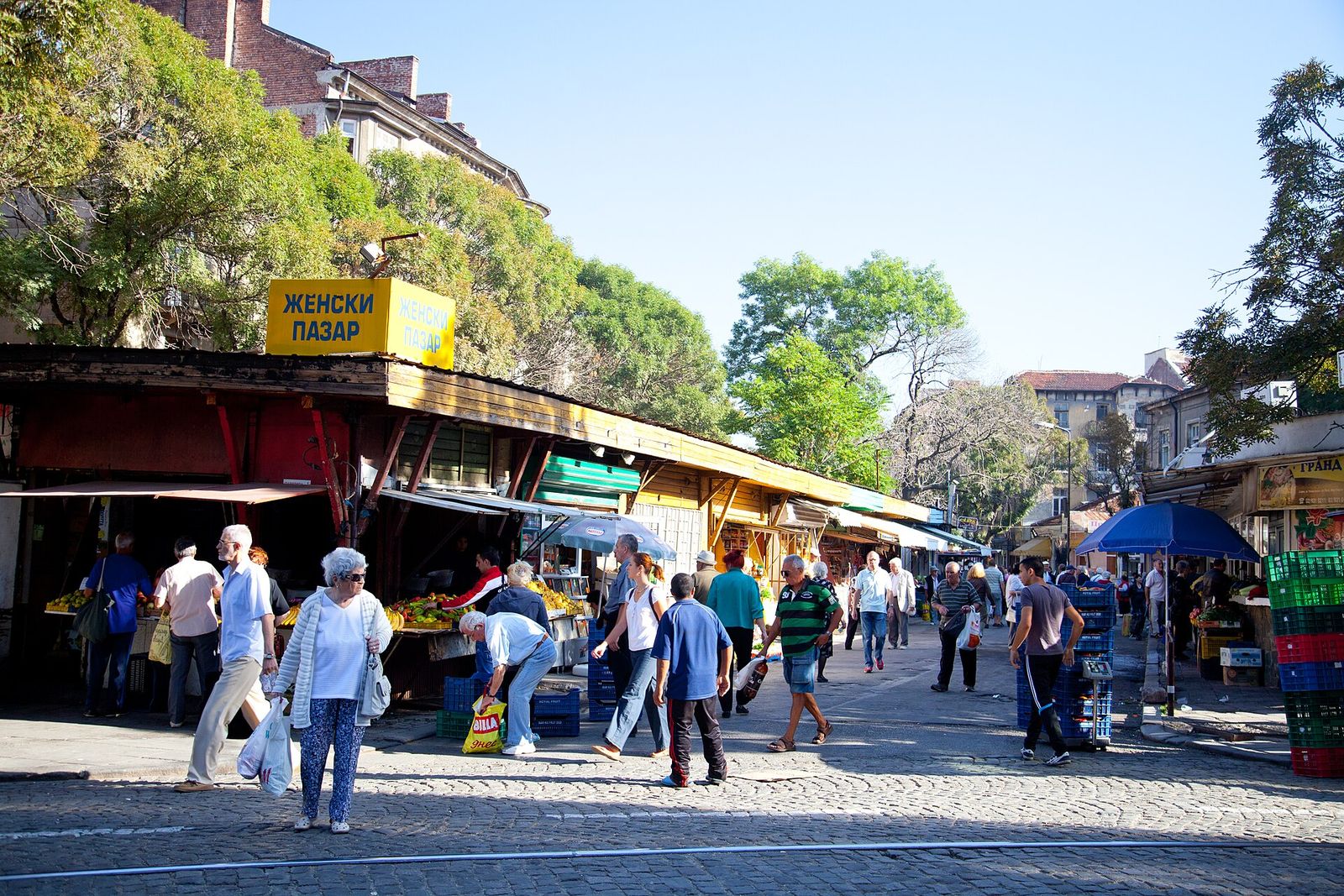
Zhenski Pazar, the Women's Market (Женски пазар), is Sofia's oldest market and its biggest open-air one: a long run of fruit, cheese and spice stalls down Stefan Stambolov Boulevard. It's where I do my own weekly shop. Here's where to find it, when to go, what I buy, how to pay without fuss and the morning I plan around it, from Lions' Bridge to the hot mineral taps.
What Zhenski Pazar is
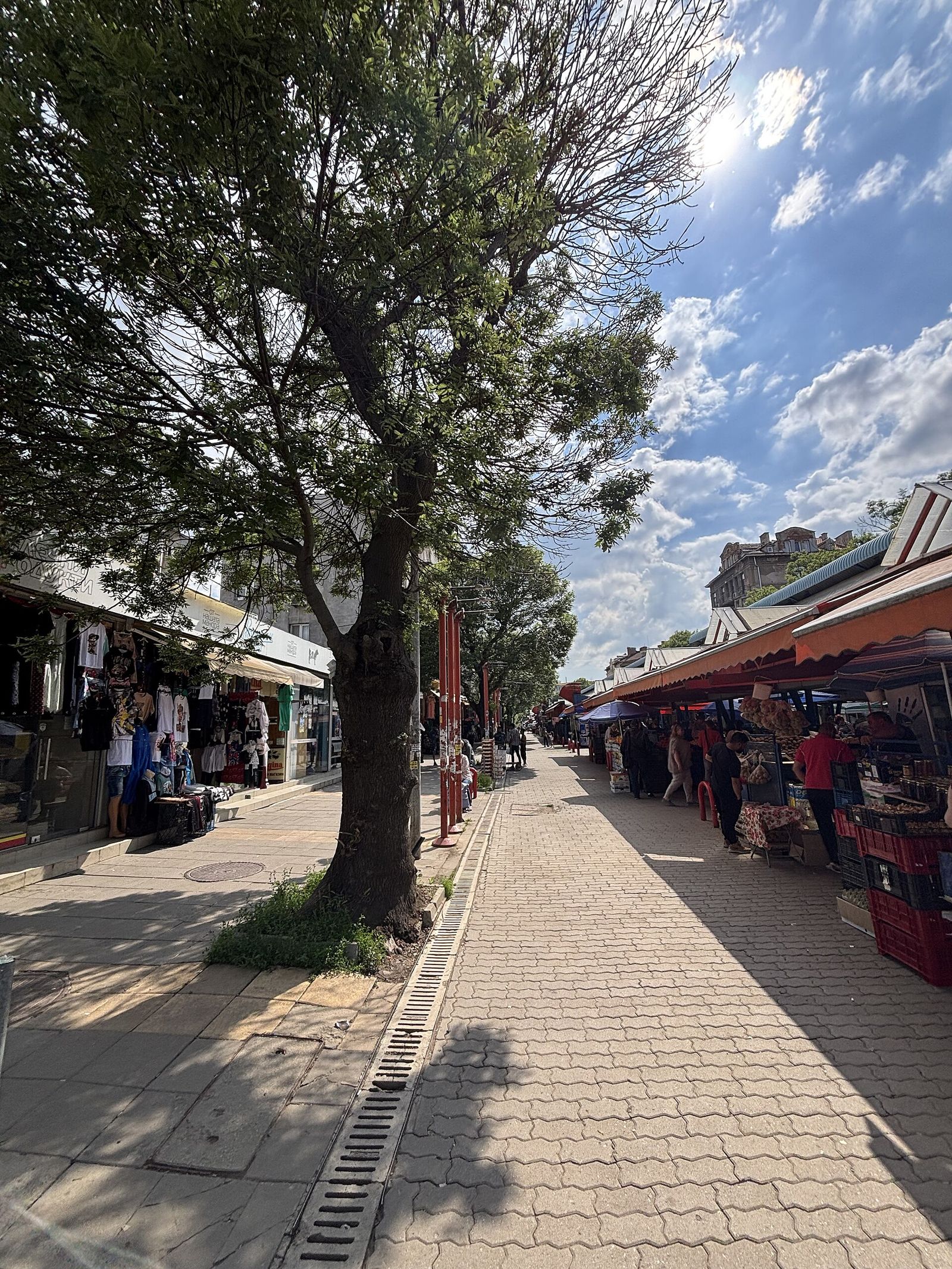
Zhenski Pazar is a strip of stalls, kiosks and small shops along Stefan Stambolov Boulevard, on the north-west side of the centre. Its north end is on Slivnitsa Boulevard, a few minutes from Lions' Bridge, and it runs south towards Todor Aleksandrov Boulevard. The rebuilt central stretch sits between Kiril i Metodiy Street and Ekzarh Yosif Street, and Ekzarh Yosif takes you east from there to Central Market Hall. The name means the Women's Market, and the signs spell it Женски пазар.
Most of it is food. Farmers and traders sell fruit and vegetables, meat, cheese, honey and nuts, and the shops behind the stalls add Middle Eastern groceries, Arabic spices and halal butchers. Cheap clothes, household bits and flower stalls fill the gaps.
It's number 8 on my list of things to do in Sofia, and of all the markets in Sofia it's the one I'd pick if you only have time for one.
Is Zhenski Pazar worth visiting?
Yes, for anyone who likes a market with no polish on it. You come for crates of tomatoes and peppers, stallholders calling out prices, pensioners with shopping trolleys and the cheapest fruit and veg in town. It's scruffier than the streets round the cathedral, and some of the kiosks have seen better decades.
It suits you if:
- You love produce. Tomatoes, cherries, grapes and peppers come by the kilo, piled high, in whatever season you land.
- You're self-catering. One market run covers breakfasts for a weekend in a flat or a hostel kitchen.
- You want an ordinary Sofia morning. This is where the city buys its vegetables, and you'll hear far more Bulgarian than English.
- You're already in the old centre. Banya Bashi Mosque, Central Market Hall and the synagogue are all within 10 minutes' walk.
Skip it if:
- You're after presents to take home. A stall or two sells pottery and traditional souvenirs, but the Bulgarian souvenirs I'd carry home come from the shops in the centre.
- You want antiques and Soviet badges. Those are at the antiques market by Alexander Nevsky, 20 minutes' walk east.
- You hate crowds. The aisles between the stalls get tight by late morning.
How to get to Zhenski Pazar
The market sits between two metro stations, so I arrive at one end and leave from the other. Lavov Most on line M2 is the closest station to the north end. Serdika, the central interchange where lines M1, M2 and M4 meet, is closest to the south end and the old centre. A ride on the Sofia metro costs €0.80, paid by tapping a contactless bank card at the barrier, and the metro's fares page has the day cards in English.
| Starting from | How | Time |
|---|---|---|
| Lavov Most metro (M2) | Walk past Lions' Bridge to the north end | About 5 minutes |
| Serdika metro (M1, M2, M4) | Walk north past Banya Bashi and Central Market Hall | About 10 minutes |
| Central Market Hall | Walk west along Ekzarh Yosif Street | About 5 minutes |
| Central Railway Station | One stop south on M2 to Lavov Most | 1 stop, or 15 minutes on foot |
| Top of Vitosha Boulevard | Walk north past St Nedelya Church and Serdika | About 15 minutes |
The streets around the market are the cheap end of the centre for a bed, with hostels and budget hotels on the way to Lions' Bridge and the railway station. Stay there and the market is your corner shop.
Zhenski Pazar opening hours and the best time to go
Zhenski Pazar publishes no opening hours, so I treat it as a morning job. Before about 11am the stalls are fullest, the produce is freshest and there's room to move between the crates. I go on a weekday morning when I can, and I never plan a visit for the evening.
What's on the stalls follows the Bulgarian growing season.
| Season | What I find piled on the stalls |
|---|---|
| Spring, April and May | Spring onions, green garlic, radishes, lettuce, the first strawberries |
| Early summer, June | Cherries, apricots, cucumbers, the first tomatoes |
| High summer, July and August | Pink tomatoes, peppers, watermelons, peaches, aubergines |
| Autumn, September and October | Red peppers by the sack for roasting, grapes, apples, quinces, pumpkins, walnuts |
| Winter, November to March | Cabbages for pickling, leeks, apples, nuts, honey, dried fruit |
What to buy at the Women's Market
Prices go up on handwritten cards, usually per kilo, sometimes per piece or per bunch. These are the words to look for on them, and the things I go home with.
| What | On the card | Why I buy it |
|---|---|---|
| Tomatoes | домати (domati) | The pink summer ones make the best shopska salad |
| Peppers | чушки (chushki) | Roasted in autumn for lyutenitsa |
| White cheese | сирене (sirene) | Crumbled on salads and baked into banitsa |
| Honey | мед (med) | A spoonful on yoghurt every morning |
| Walnuts | орехи (orehi) | Cheapest in autumn, straight from the harvest |
| Spices | подправки (podpravki) | Sharena sol and dried savory for the kitchen |
| Flowers | цветя (tsvetya) | An odd-numbered bunch for a host |
Fruit and vegetables
Produce takes up most of the stalls, and it's the cheapest in the city. In summer I go for Bulgaria's pink tomatoes, розов домат (rozov domat), sweet, thin-skinned and sold by the kilo. They're the reason a shopska salad here beats every version I've had in London. In September and October the stalls stack up long red peppers by the sack, because plenty of Sofia families still roast their own for lyutenitsa.
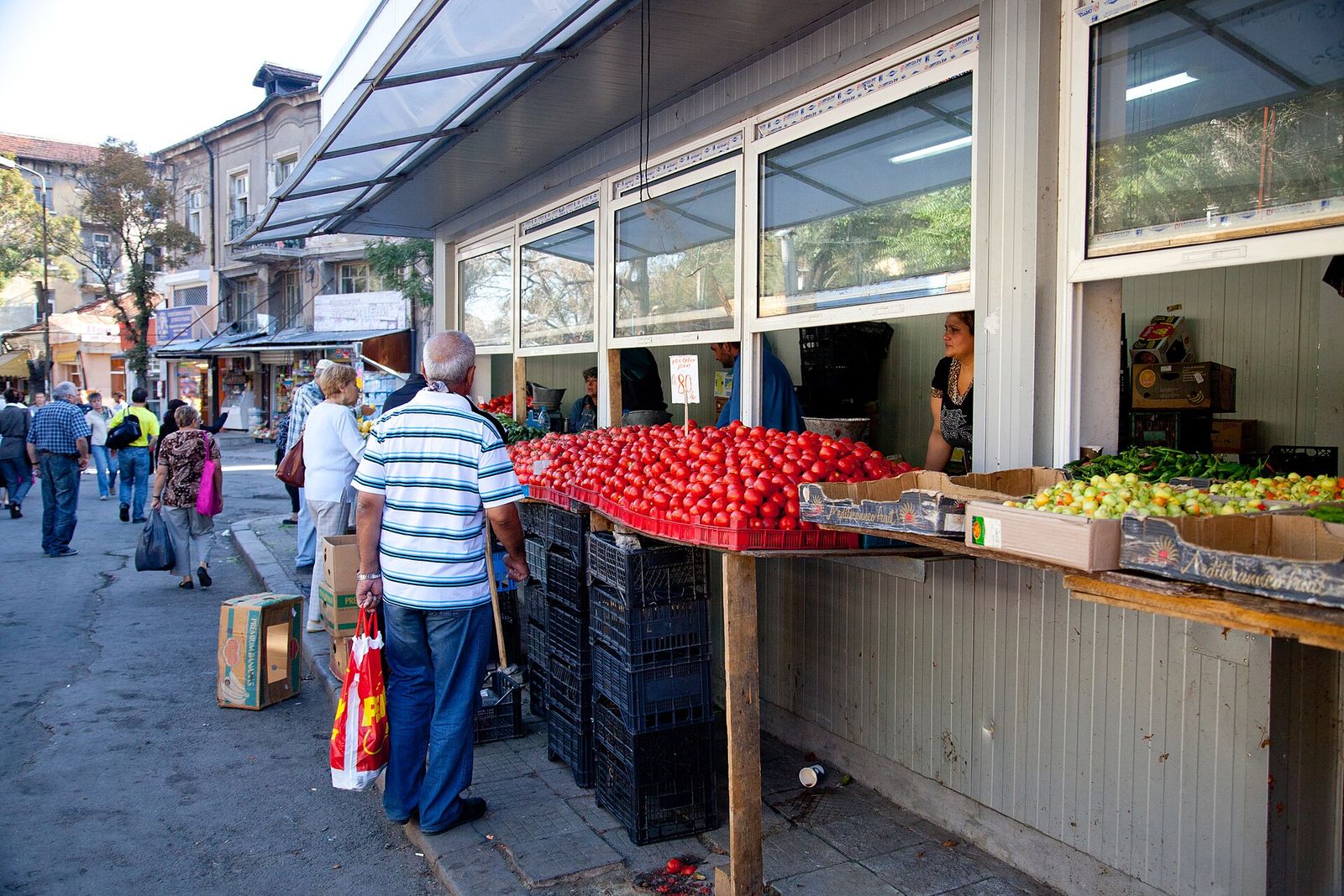
Buy what's in season and it's cheap. Strawberries in November are imported, and they're priced like it.
White cheese and yoghurt
Sirene is the white brined cheese that goes on everything, and the dairy counters cut it from big blocks. Cow's milk sirene is the everyday one, and sheep's milk is saltier and richer. I buy a slab with tomatoes and bread for a picnic lunch, the simplest meal in Bulgarian food and one of my favourites.
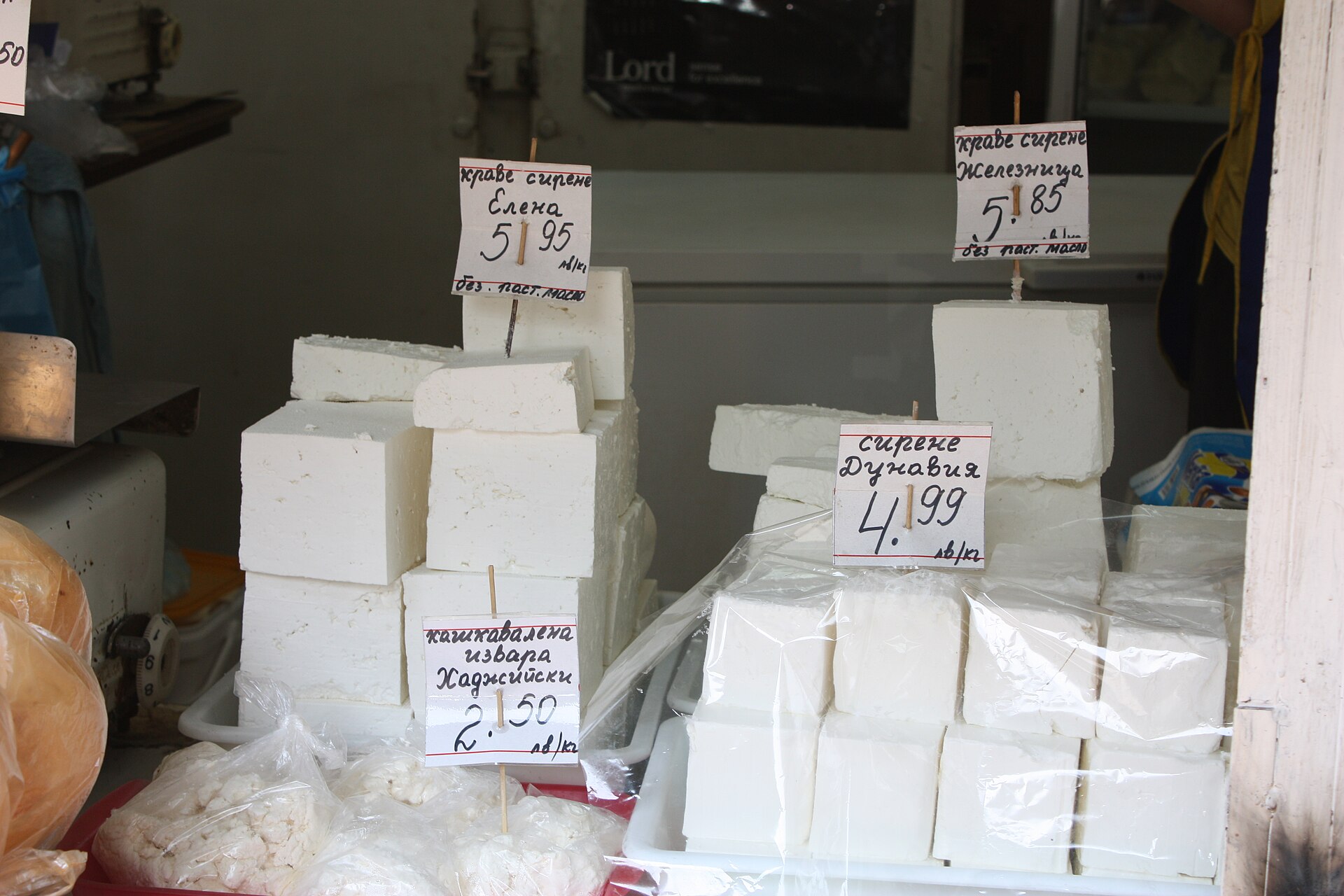
The same counters sell kiselo mlyako, Bulgarian yoghurt, in plastic tubs, plus yellow kashkaval cheese for sandwiches.
Honey, walnuts and dried fruit
Alongside the produce, stalls sell honey in jars, walnuts and other nuts, dried fruit and homemade jam. My breakfast is thick yoghurt with honey and a handful of walnuts, and this is where I restock all three. Walnuts are at their cheapest in autumn, when the new crop arrives.
Spices and sharena sol
Sharena sol, шарена сол, means "colourful salt": salt mixed with dried savory, paprika and other spices, and Bulgarians dip warm bread straight into it. A bag costs coins and weighs almost nothing, so it's the market buy I give to friends at home most often.
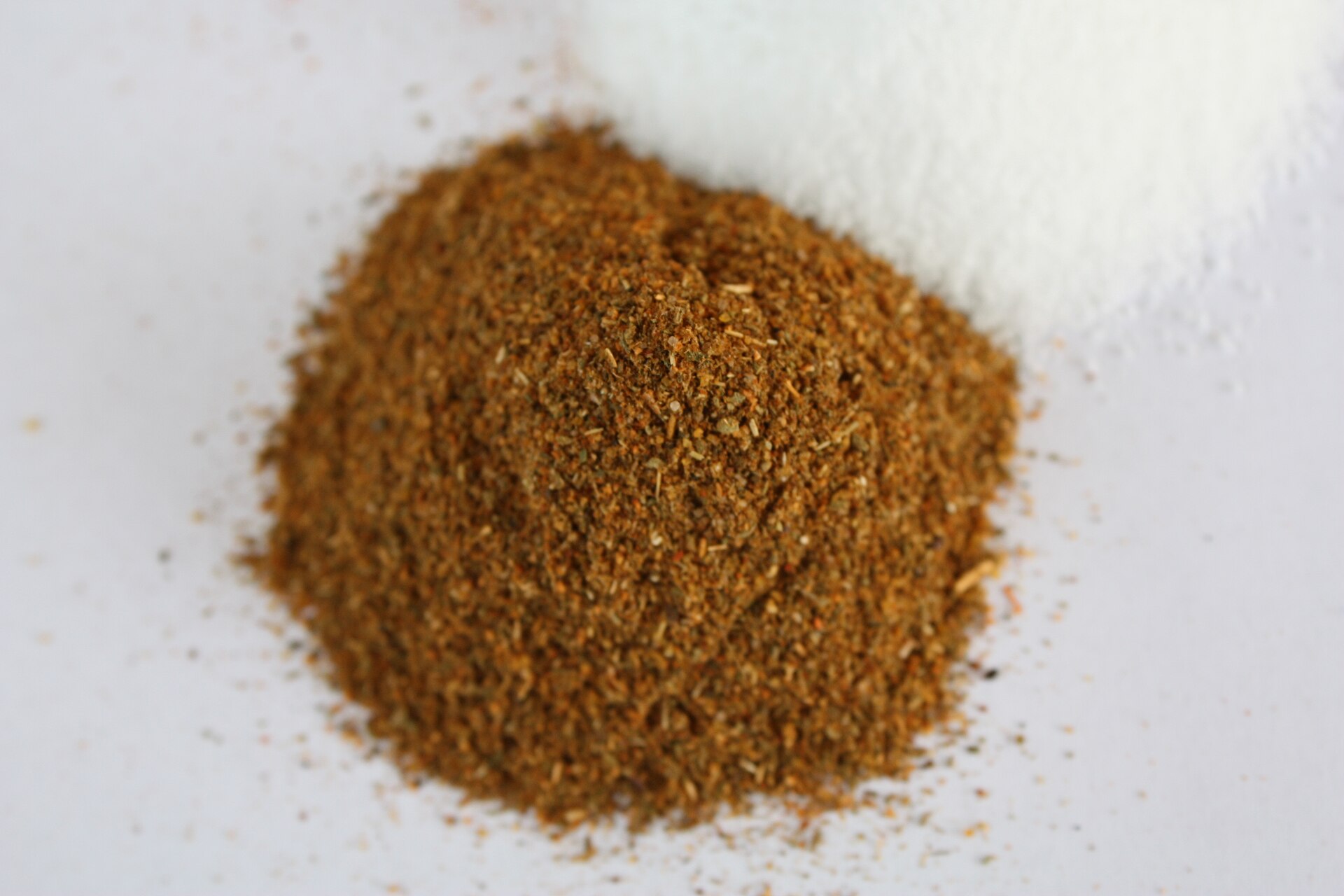
I also buy dried savory, чубрица (chubritsa), the herb that gives Bulgarian bean soup its flavour. For anything more exotic, I go to the Middle Eastern shops behind the stalls, and there are Chinese shops in the same streets too.
Flowers
The flower stalls sit among the produce under white awnings, with cut bunches and potted plants laid out on tables. I buy a bunch here whenever I'm invited to a Bulgarian home.
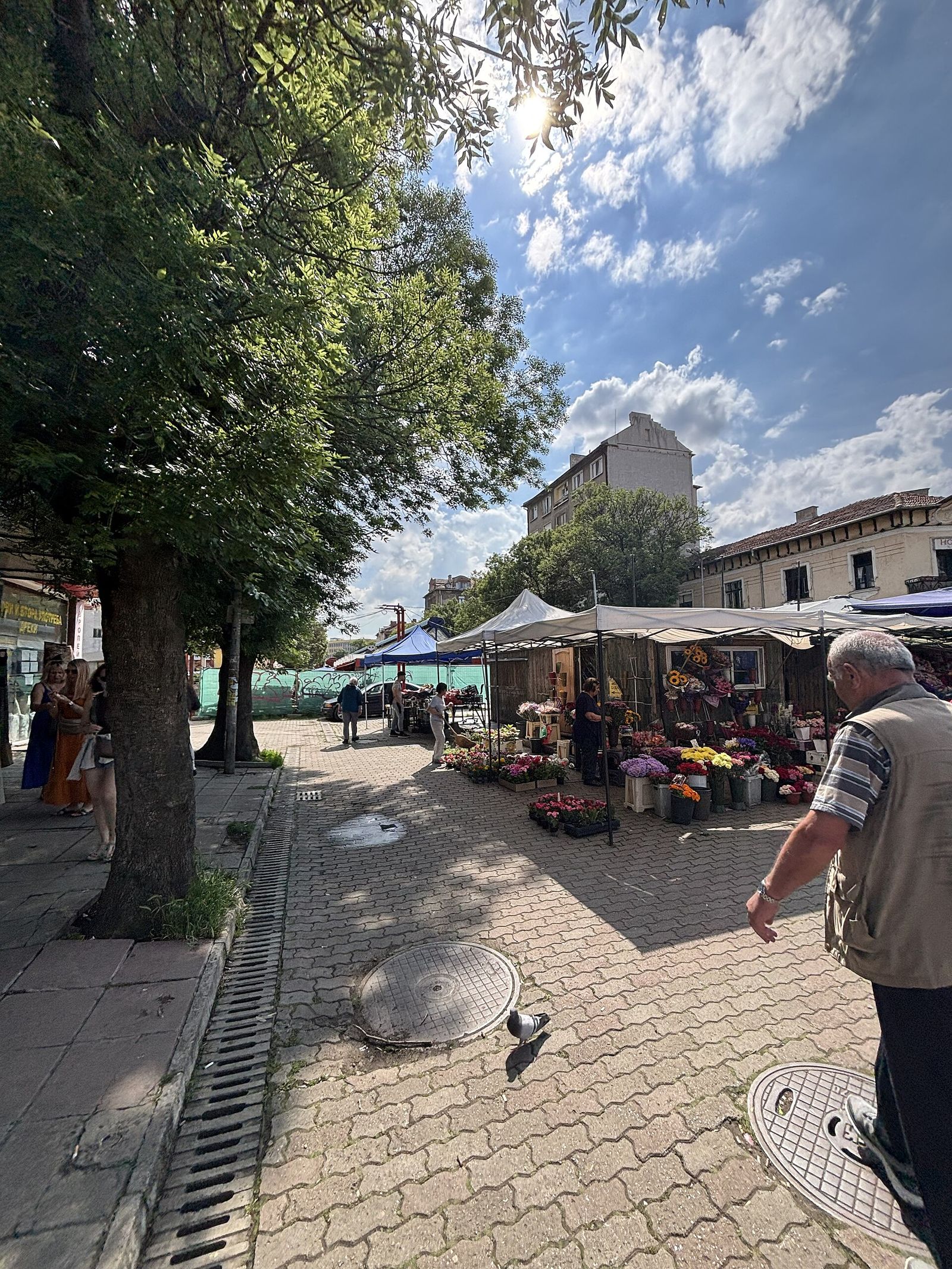
Count the stems before you pay. Bulgarian etiquette says flowers for the living go in odd numbers, 5 or 7, because even bunches are for funerals.
How to pay and shop at the stalls
Most stalls take cash only. Money in Bulgaria has been the euro since 1 January 2026, and the old leva stopped being legal tender on 1 February 2026. The shops and cafes around the market usually take cards, but I carry €20 in small notes and coins for the stalls. Prices are written up, and I don't haggle over a kilo of tomatoes.
The stallholder picks the fruit for you. Point at what you want, say how much, and watch it go into the bag. A handful of Bulgarian phrases gets you served faster and warmer than English.
| You want to say | Bulgarian | Say it like |
|---|---|---|
| How much is it? | Колко струва? (kolko struva?) | KOL-ko STROO-va |
| Half a kilo | Половин килограм (polovin kilogram) | po-lo-VEEN kee-lo-GRAM |
| This one, please | Това, моля (tova, molya) | to-VA, MO-lya |
| That's all | Това е всичко (tova e vsichko) | to-VA eh VSEECH-ko |
| Thank you | Благодаря (blagodarya) | bla-go-da-RYA |
Where to eat and drink around the market
I eat breakfast on the move here. Bakery windows in the streets around the market sell banitsa, the filo and cheese pastry, and a cup of ayran, the salty yoghurt drink, for coins. Banitsa is at its finest early, while the trays are still hot, so a bakery window is my first stop before the stalls. A hot slice from a market bakery stands up well against the best banitsa in Sofia.
The market streets also have fast-food counters, cafes and Middle Eastern places. A duner, meat and salad rolled in flatbread, is the Sofia street food I grab here at lunchtime, and coffee from a kiosk counter costs about €2.
For a drink after a morning on the stalls, Barila Bar by the market has a few seats on the pavement out front, and it's where I take a cold Bulgarian lager and watch the shoppers go by.
The 2014 makeover and the Serdika Gallery
The central stretch of the market, between Ekzarh Yosif Street and Kiril i Metodiy Street, was rebuilt in 2014. The work cost about €4.2 million, and about 80% of it came from JESSICA, an EU fund for city regeneration, with the market's operator paying the rest. It gave the market modern pavilions and a children's corner. The rebuild took some of the old chaos away, and I miss a little of it, but the new stretch is far easier going with a full bag.
Upstairs in one of the two central buildings is the Serdika Gallery, a contemporary art gallery that opened after the rebuild. An art gallery above the tomato stalls is my favourite odd thing about this market, so I put my head round the door whenever an exhibition is on.
A short history of Zhenski Pazar
Ottoman Sofia shopped at craft markets, one for each trade: the Coppersmiths' market, a Salt Bazaar and the Bal Bazaar for honey and wax. Zhenski Pazar came later. Around the Liberation in 1878, farmers from the villages began selling their produce on what was then the edge of town. Back then it went by two names, the Wheat Market and the Horse Market.
| When | What happened |
|---|---|
| Before 1878 | Ottoman Sofia has a craft market for each trade |
| Around 1878 | Village farmers sell on the edge of town: the Wheat Market and the Horse Market |
| Socialist years | Known as the Kirkov Market |
| 2014 | The central stretch is rebuilt for about €4.2 million, with the Serdika Gallery |
| 1 January 2026 | Bulgaria joins the euro, and the price cards switch from leva |
Under socialism it was the Kirkov Market. Today it's simply Zhenski Pazar, and the city has grown so far round it that the old edge of town sits close to the middle, more than 140 years after the first farmers set up here.
My morning plan: the market and the old centre
The market sits on the edge of the oldest part of Sofia, where a church, a synagogue and a mosque stand within a few minutes of each other. This is the route I walk with visiting friends, north to south, about 3 hours with stops.
| Stop | Walk from the stop before | What I do there |
|---|---|---|
| Lions' Bridge | Beside Lavov Most metro | Say hello to the four bronze lions |
| Zhenski Pazar | About 5 minutes | Shop the stalls south to Ekzarh Yosif Street, 45 minutes to an hour |
| Sts Cyril and Methodius Church | A few minutes | A look at the twin-towered front |
| Sofia Synagogue | A few minutes, via Ekzarh Yosif Street | The €10 visit, with the museum and an audio guide |
| Central Market Hall | 1 minute | Food gifts, and the Roman walls in the basement |
| Banya Bashi Mosque | 1 minute | Step in between prayer times |
| Hot mineral taps | 2 minutes | Fill a bottle for free |
| Serdika metro | About 5 minutes | Ride on, or walk to St Nedelya and Vitosha Boulevard |
Lions' Bridge
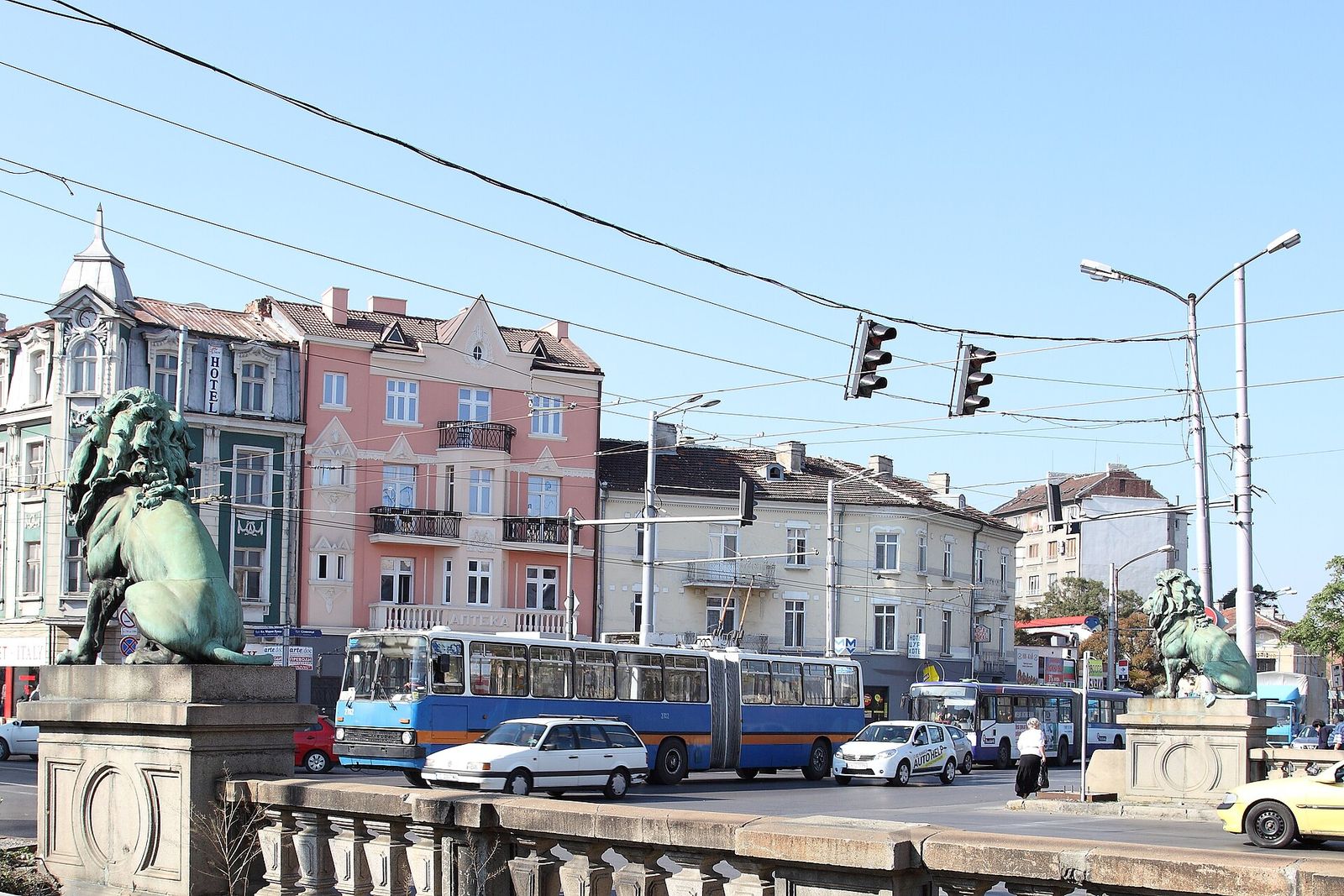
Lions' Bridge (Лъвов мост) carries Maria Luiza Boulevard over the Vladaya river, with a bronze lion on each of its four corners. Lavov Most metro comes up right beside it, which makes it my starting point. It's a busy crossing, so I take my photo of the lions from the pavement and move on.
Sts Cyril and Methodius Church
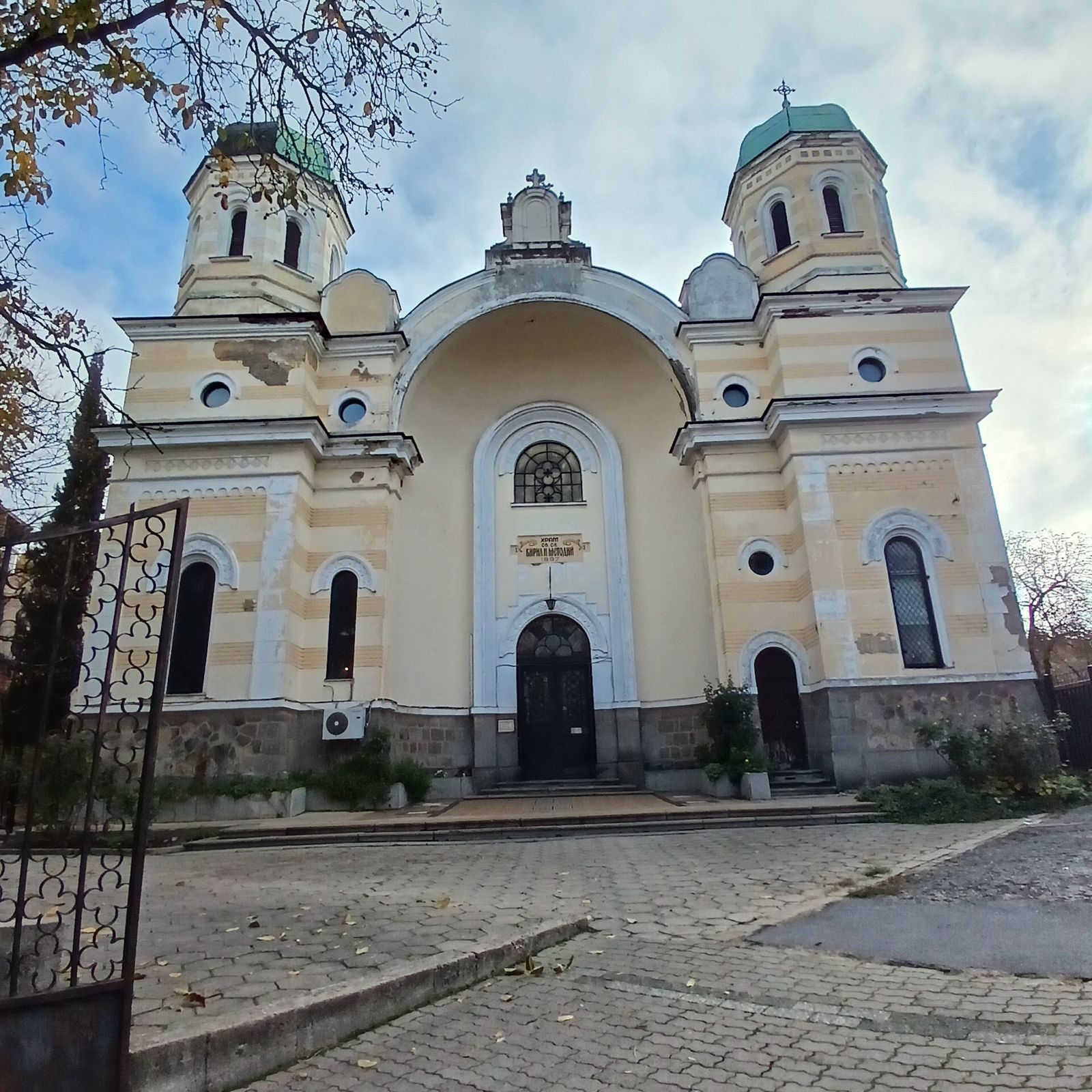
The cream church with two green-domed bell towers, a few minutes from the stalls, is dedicated to Saints Cyril and Methodius, the brothers behind the first Slavonic script. Their pupils went on to shape Cyrillic, and the Bulgarian alphabet still gets its own holiday on 24 May. I step in when the door is open, between the stalls and the synagogue.
Sofia Synagogue
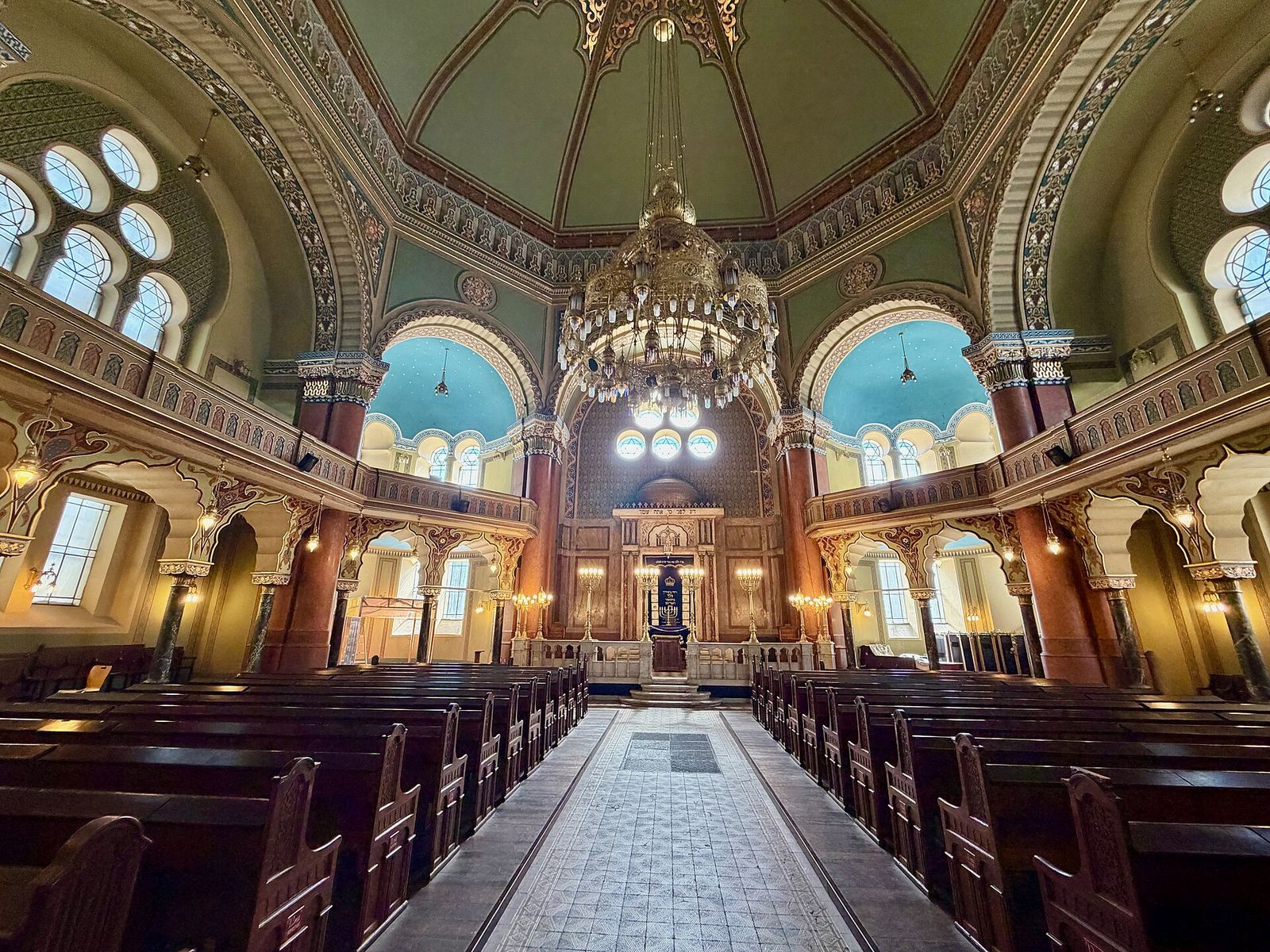
The Sofia Synagogue stands at 16 Ekzarh Yosif Street, a few minutes' walk east of the stalls. It opens from 9am to 5pm. A €10 ticket covers the museum exhibition, an audio guide and permission to take photos, and Visa and Mastercard both work at the desk.
Central Market Hall
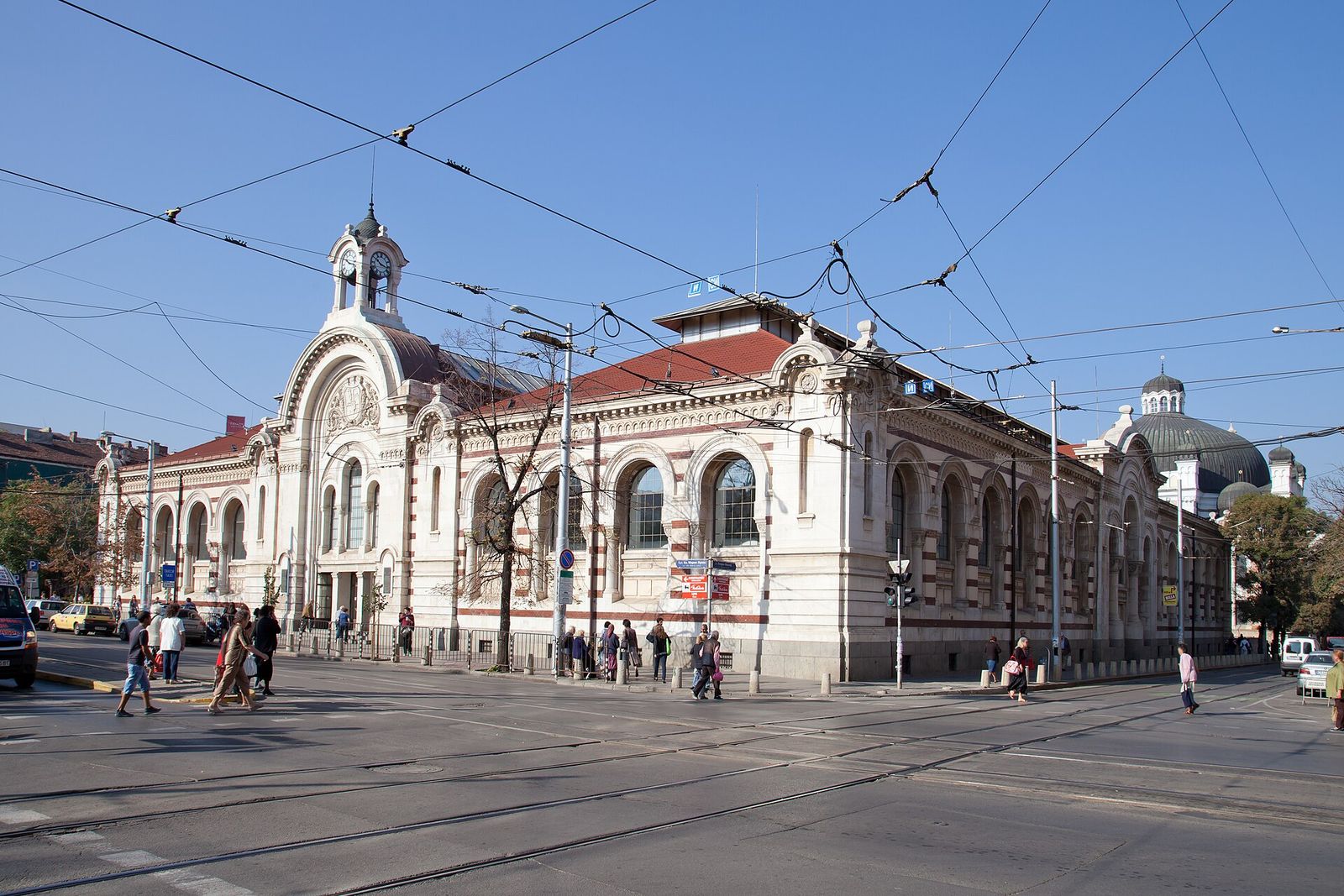
Central Market Hall, Halite to locals, is the 1911 building with the clock tower on Maria Luiza Boulevard. It reopened on 23 May 2024 as a food market run by Kaufland, and walking in is free. I go for jars of lyutenitsa and a bottle of rakia to take home, then head down to the basement to see the Roman walls of ancient Serdica.
Banya Bashi Mosque
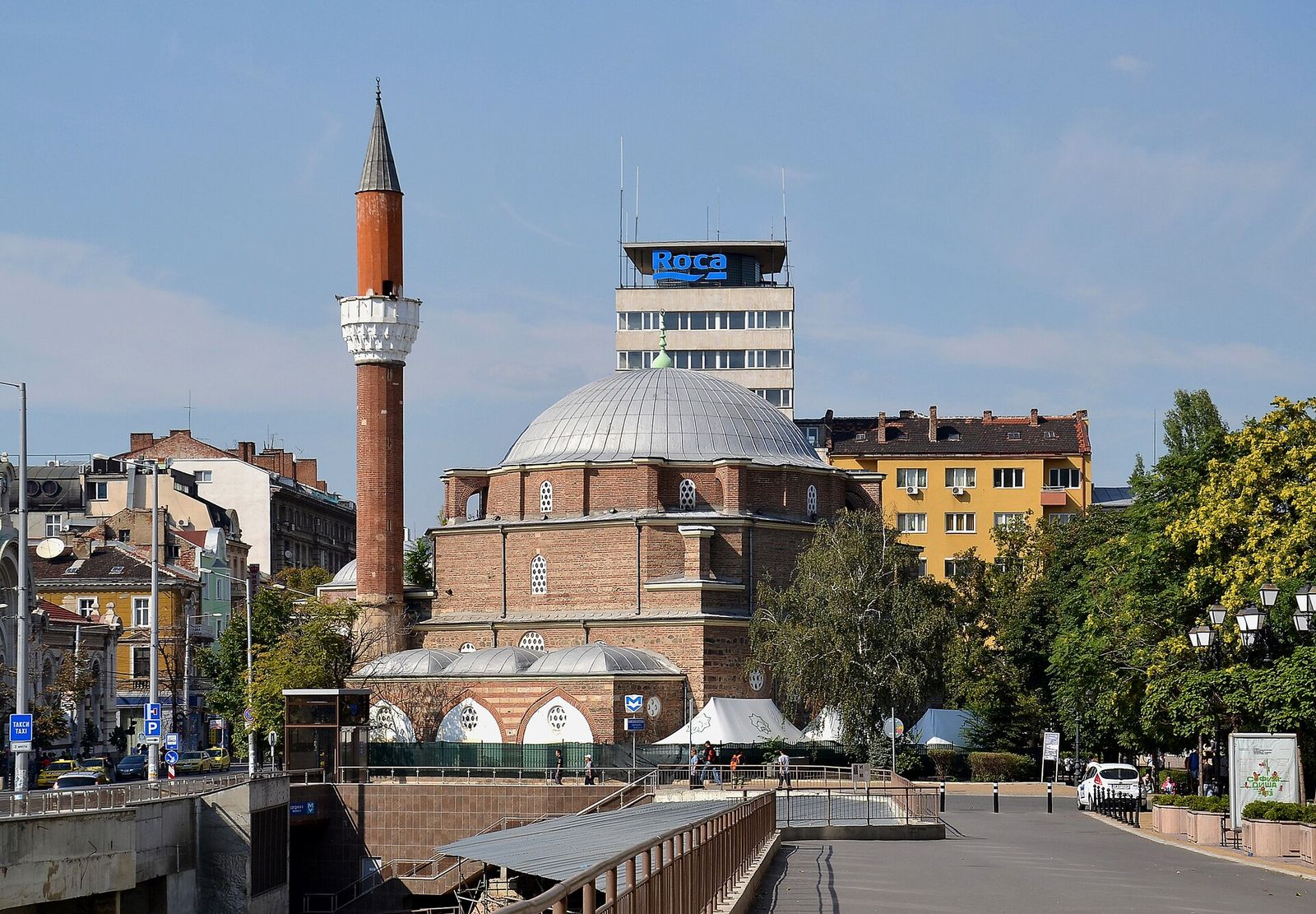
Across the boulevard stands Banya Bashi Mosque, built in 1566 and attributed to the Ottoman architect Mimar Sinan. It's the only working mosque in Sofia, built over a Roman bath-house, and its name refers to the baths. Visitors are welcome outside prayer times, with shoulders and knees covered.
The hot mineral taps
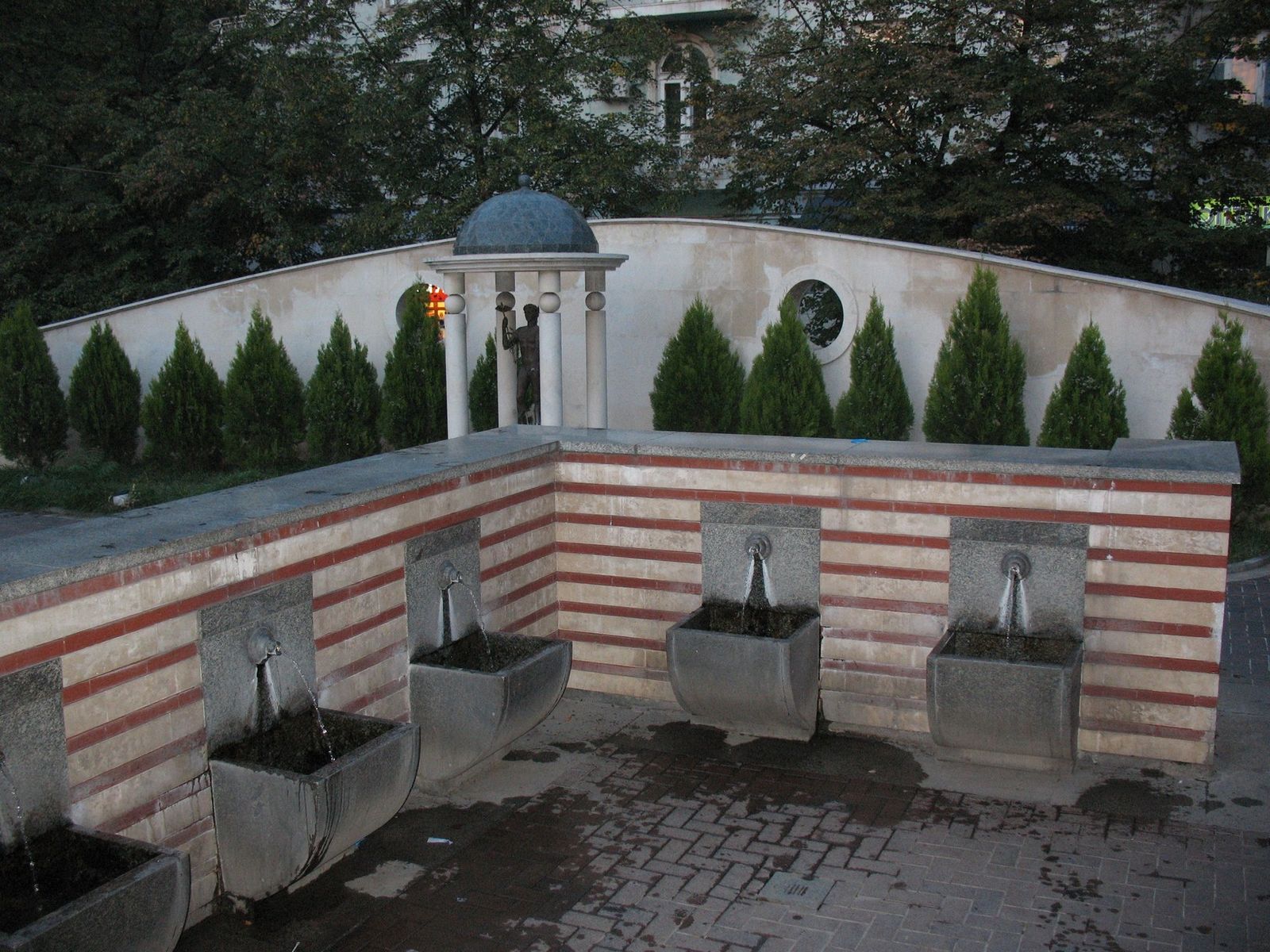
Behind the mosque, the Central Mineral Baths are the striped 1913 bath house that now holds the Museum of the History of Sofia, €5 for adults. The springs still flow through free taps in the square beside it, and locals queue with big plastic bottles to fill. The water comes out hot, so I carry an empty bottle on this walk.
Is the Women's Market safe?
Yes, in daylight it's as safe as anywhere in central Sofia. The risk is pickpockets, who work the narrow, packed aisles between the stalls while everyone is looking at the produce. I wear my bag zipped and in front of me, and I keep my phone out of my back pocket.
After dark it's a different place. The stalls shut, and the far end towards Lions' Bridge has dim side streets I'd skip on foot late at night. That's the pattern across the city: Sofia is safe in busy places by day, and empty streets at night are where I call a taxi.
Key takeaways
- Zhenski Pazar is Sofia's oldest and biggest open-air market, along Stefan Stambolov Boulevard, about 5 minutes from Lavov Most metro.
- Go in the morning, with a bag and small euro notes, because most stalls take cash only.
- Buy what's in season, plus sirene to eat here and sharena sol and honey to take home.
- Watch what the stallholder puts in your bag, and keep your own bag zipped in the crowd.
- Pair it with the synagogue, Central Market Hall, Banya Bashi and the hot mineral taps for a 3-hour morning.
Frequently asked questions
What is the Women's Market in Sofia?
The Women's Market is the English name for Zhenski Pazar (Женски пазар), Sofia's oldest market and its largest open-air one. It runs along Stefan Stambolov Boulevard and sells fruit, vegetables, cheese, meat, honey, spices, flowers and cheap clothes. It dates back to around 1878, when village farmers began selling on the edge of town.
When is Zhenski Pazar open?
The market publishes no official opening hours. The stalls are fullest and the produce freshest before about 11am, so I always go in the morning.
How do I get to Zhenski Pazar?
Take metro line M2 to Lavov Most, and the north end of the market is about 5 minutes' walk past Lions' Bridge. From Serdika, the central metro interchange, it's about 10 minutes on foot past Banya Bashi Mosque and Central Market Hall.
Can I pay by card at Zhenski Pazar?
Not at most stalls, which take cash only, in euros. The shops and cafes around the market usually take cards. I carry about €20 in coins and small notes for a morning's shopping.
Is Sofia a cheap city to visit?
Yes, by British standards. Sofia prices run to about €3.50 for a half-litre of draught beer, €0.80 for a metro ride and €6 to €7 for a weekday set lunch. Fruit and vegetables cost least at markets like Zhenski Pazar.
What is famous to buy in Bulgaria?
Rose oil and rose cosmetics, rakia, wine, Troyan pottery, embroidery and jars of lyutenitsa are the classics. At Zhenski Pazar I stick to sharena sol, honey and dried savory, and I do the rest of my shopping in Sofia around Vitosha Boulevard and the cathedral.
Are there Christmas markets in Sofia?
Yes. My two picks are the German Christmas Market in the City Garden, in front of the National Theatre, and the Sofia Christmas Fest outside NDK, which usually open from mid to late November. The German market closes on 21 December and the Christmas Fest on 28 December. Zhenski Pazar stays a vegetable market in December, so for Christmas in Sofia those two are where I take friends.
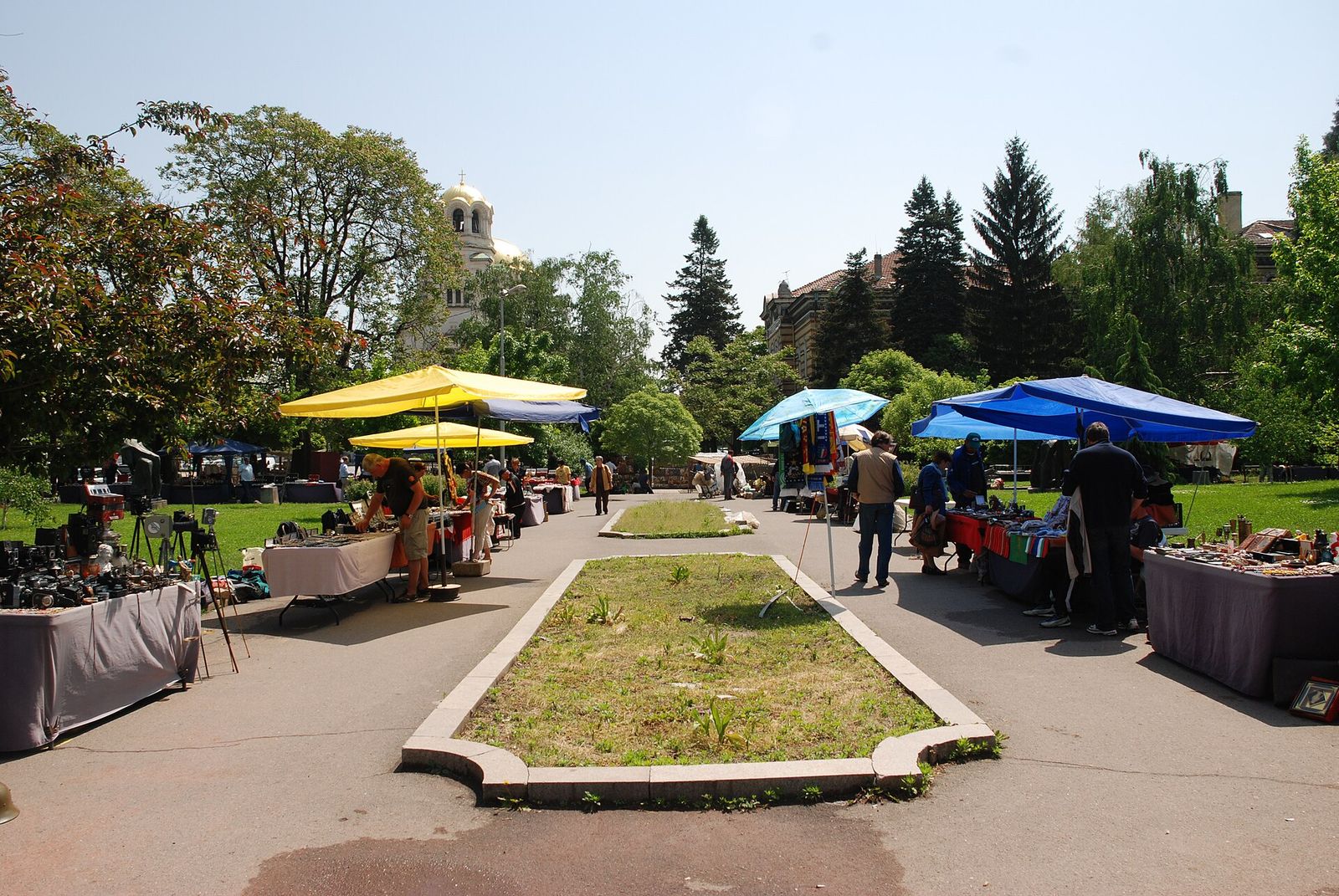
Shopping in Sofia: Where I Shop and What I Buy
Where I shop in Sofia, from the big brands on Vitoshka to icons, embroidery, market honey and rose oil.
Read the guide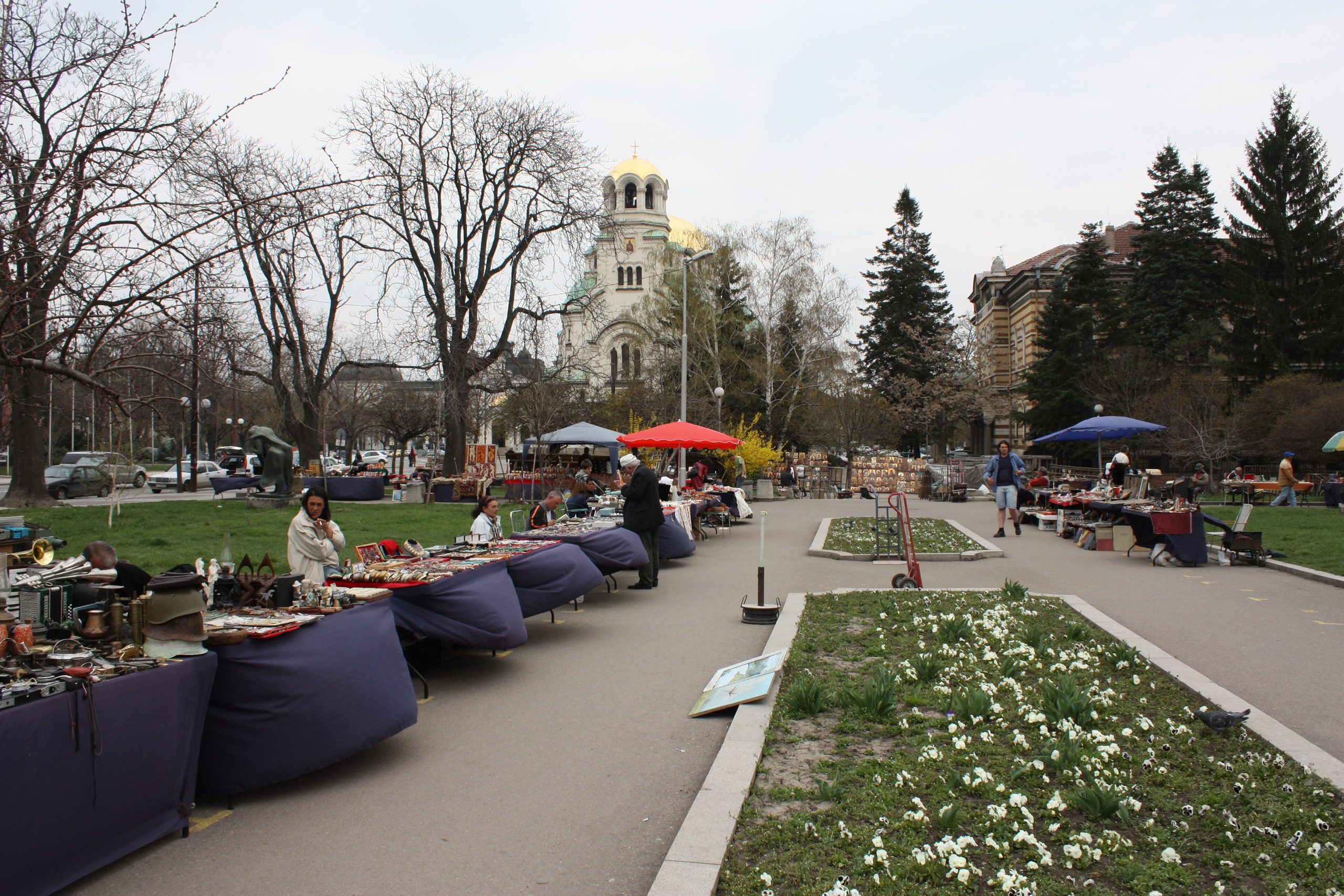
The Antiques Market at Alexander Nevsky: Sofia's Flea Market
Icons, Soviet badges, lace and old cameras outside the cathedral. What I buy, what's fake and how I haggle.
Read the guide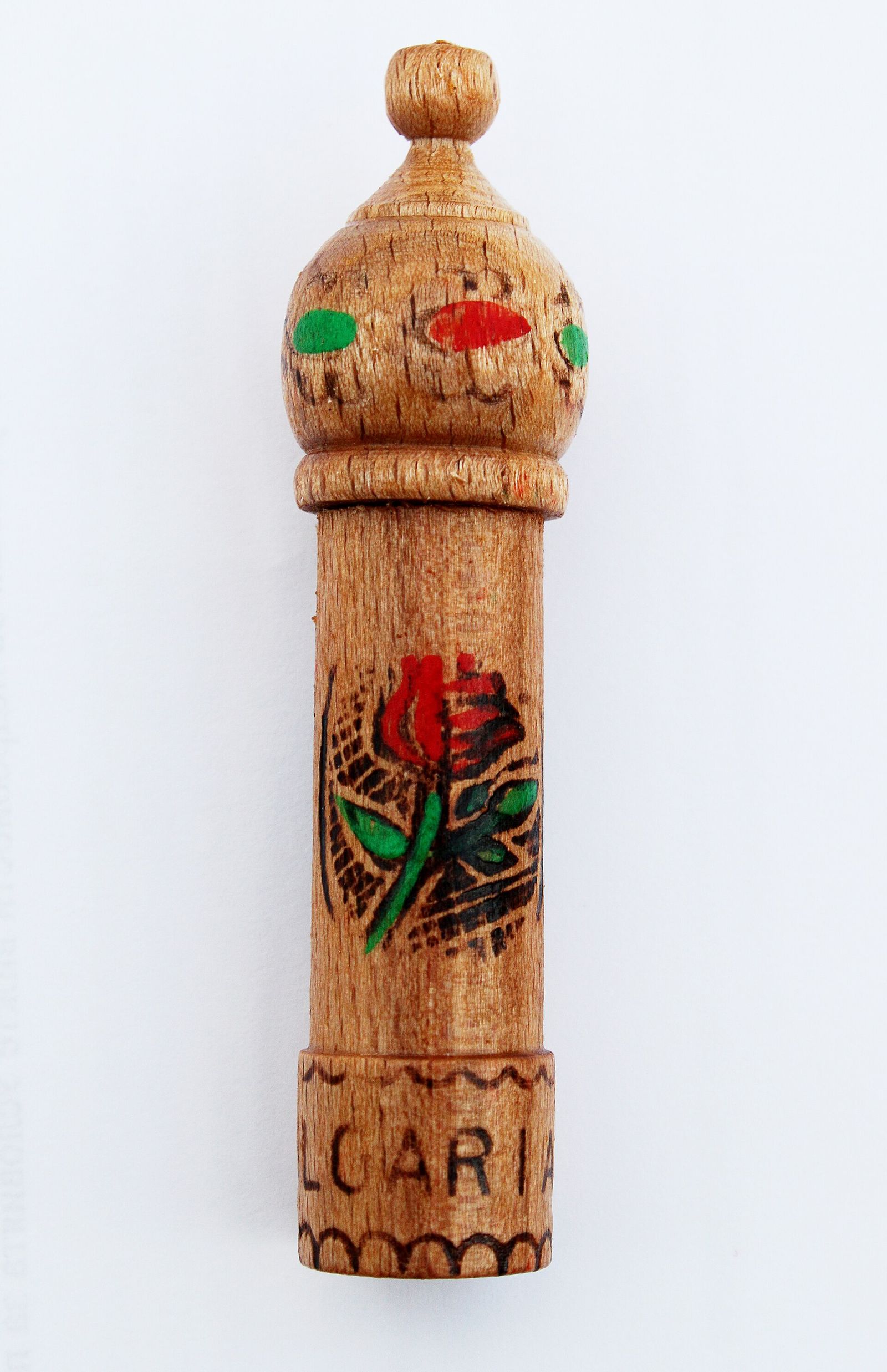
Bulgarian Souvenirs Worth Buying, and Where I Find Them in Sofia
Rose oil, Troyan pottery, rakia and lyutenitsa: the Bulgarian souvenirs I buy in Sofia and how I get them home.
Read the guide