Sofia to Thessaloniki: The Coach, the Drive and Why There's No Train
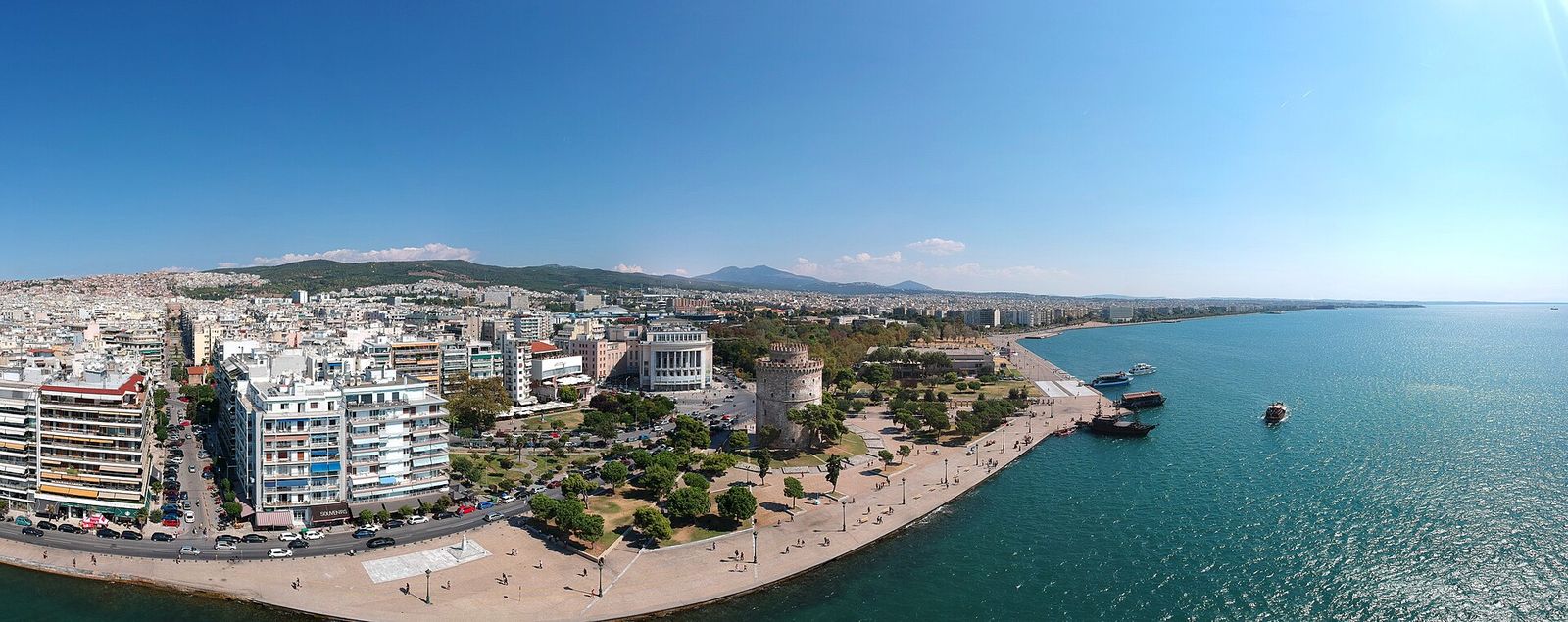
Thessaloniki is Greece's second city, a curve of seafront and Roman brickwork about 295 km south of Sofia, and it's the trip abroad I suggest most to friends staying a week. There's no train any more, so here's how I do it: the coach I book and its two departures, the drive down the Struma valley with a night in Melnik, the border at Kulata and what to do when you arrive.
How to get from Sofia to Thessaloniki: the quick answer
Book the coach. It's the cheapest way with no change, and it drops you at the railway station, a few metro stops from the old centre. I only drive when I want a car in northern Greece afterwards, or a night in Melnik on the way down.
| Coach | Car | Train | |
|---|---|---|---|
| Time | About 4 hours 40 minutes | About 295 km, mostly motorway | No through train |
| Cost | From about €12 one way | Fuel, an e-vignette and any cross-border fee from the hire firm | None |
| Leaves from | Serdika or Central bus station, plus 2 other stops | Anywhere in Sofia | None |
| Arrives at | Thessaloniki railway station, Monastiriou Street | Wherever you park | None |
| How often | 2 a day, 07:00 and 17:50 | Whenever you like | None |
| My verdict | My pick | For a road trip with a night in Melnik | Not an option in 2026 |
It's the order I use for getting around Bulgaria in general: coaches between cities, a hire car for the monasteries and wine villages. Flying makes no sense to me on a trip this short. You'd cross Sofia to the airport, check in, then ride in from Thessaloniki's airport at the far end.
Sofia to Thessaloniki by bus
FlixBus runs the route twice a day, at 07:00 and 17:50, and its timetable puts the trip at 4 hours 40 minutes. Fares start at about €12, and early or midweek bookings get the lowest prices, so I book a week or two ahead for a Friday.
The 07:00 or the 17:50: which coach I take
Bulgaria and Greece share a time zone, so the arrival times below are local in Thessaloniki too.
| Leaves Sofia | Arrives Thessaloniki about | Good for |
|---|---|---|
| 07:00 | 11:40 | Lunch by the sea and a full first afternoon |
| 17:50 | 22:30 | A Friday after work, straight to bed |
The 07:00 is my pick, because it leaves the afternoon free for the seafront and the Rotunda. The 17:50 suits a Friday getaway, as long as your hotel's reception stays open late.
Where the coach leaves from in Sofia
FlixBus lists four pick-up stops in Sofia, and your ticket names the one for your departure:
- Serdika bus station, 102 Knyagina Maria Luisa Boulevard
- Sofia Central Bus Station, 100 Knyagina Maria Luisa Boulevard, next door to Serdika
- Sofia Bus Station West, 1 Ovcha Kupel Boulevard, in the south-west of the city
- The Vasil Levski Monument, 9 Yanko Sakazov Boulevard, on the east side of the centre
The two bus stations stand side by side next to Sofia Central Railway Station, north of the centre. The M2 line of the Sofia metro stops at Central Railway Station, a short walk from both, and that's how I get there with a bag.
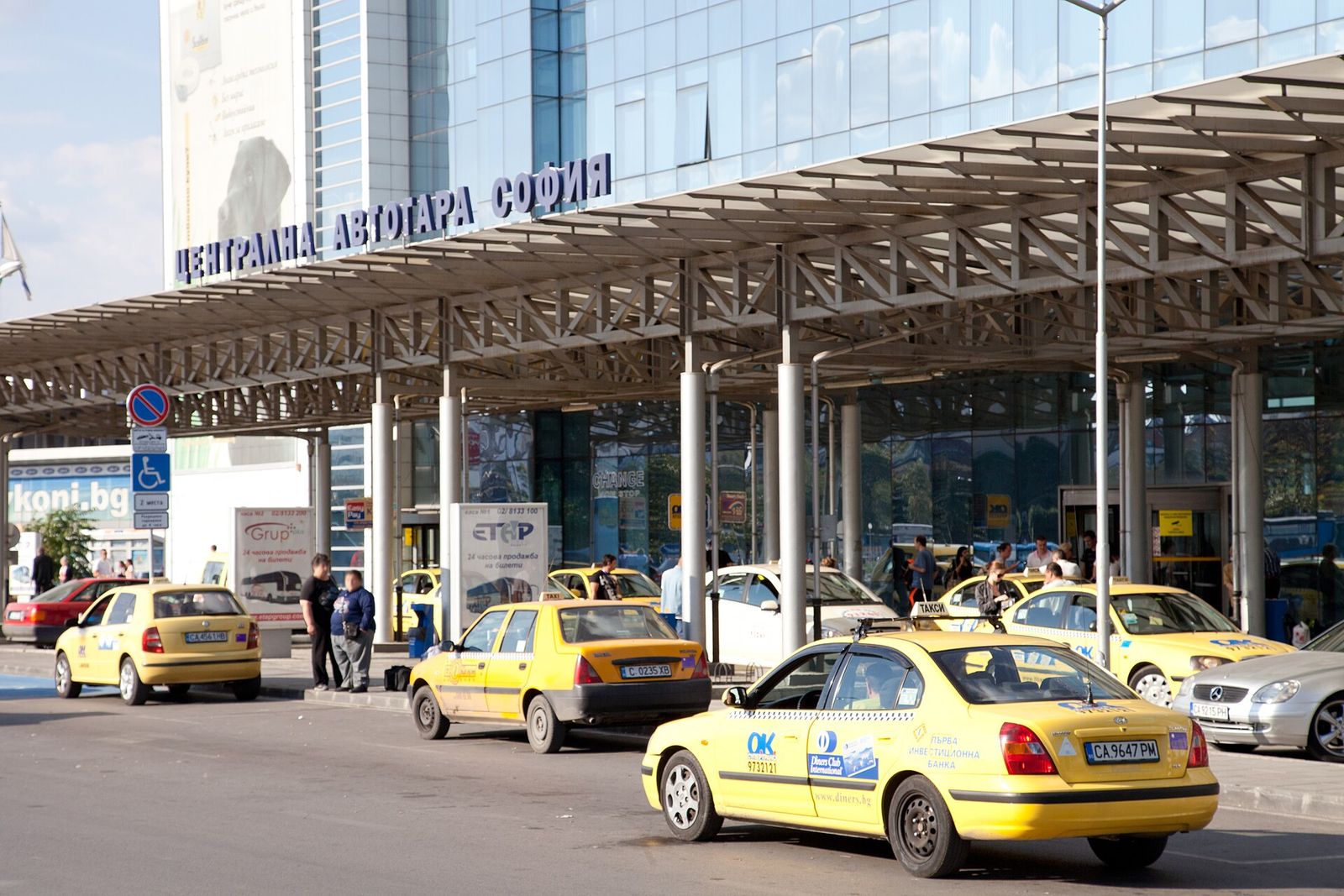
If you're landing from the UK and heading straight on, your flight needs to be in by about 3pm to make the 17:50. From Terminal 2, the airport metro runs to Serdika, where you change onto M2 for 2 stops to Central Railway Station, all on one €0.80 contactless tap. Terminal 1, where Wizz Air and easyJet land, has no metro, so from there I take bus 84 or the free shuttle across to Terminal 2 first. Any later than 3pm and I'd sleep in Sofia and catch the 07:00.
Tickets, fares and luggage
I book on FlixBus's Sofia to Thessaloniki page or in its app, and show the QR code on my phone to the driver, so there's nothing to print. Each ticket includes a 7 kg carry-on and one bag up to 20 kg in the hold, and extra bags or a bike can be added when you book.
The coaches have free wifi, a toilet and plug sockets. Seats recline, and you can reserve one when you book. On the 07:00 I pick a window seat for the Kresna Gorge.
Is there a train from Sofia to Thessaloniki?
No. Bulgarian State Railways runs three international routes from Sofia, to Istanbul, to Bucharest and to Craiova via Vidin, and none of them crosses into Greece.
There used to be a train. It took most of a day, with several changes and a bus across the border in the middle, and it was suspended by early 2024. Nothing has replaced it.
I love Bulgaria's trains for domestic trips, such as the evening train to Plovdiv at €5.62 in second class. For Greece, it's the coach or the car.
Driving from Sofia to Thessaloniki
It's about 295 km. You leave Sofia on the Struma motorway (A3), past Pernik, Dupnitsa and Blagoevgrad, then carry on down the Struma valley past Sandanski and Petrich to the border at Kulata. On the Greek side, Motorway 25 takes over for the run into Thessaloniki.
A car wins if you want to stop. Rila Monastery, Melnik and Rozhen Monastery all sit within reach of the road, and the coach stops at none of them.
Bulgarian law wants dipped headlights on all day, all year, and the traffic police hand out fines on the spot.
The Kresna Gorge stretch
The Struma motorway is planned at 172.8 km from Sofia to Kulata, and about 143 km of it is open. The gap is the Kresna Gorge, about 22 km between Simitli and Kresna, where the old two-lane road I-1 follows the river between steep rocky sides.
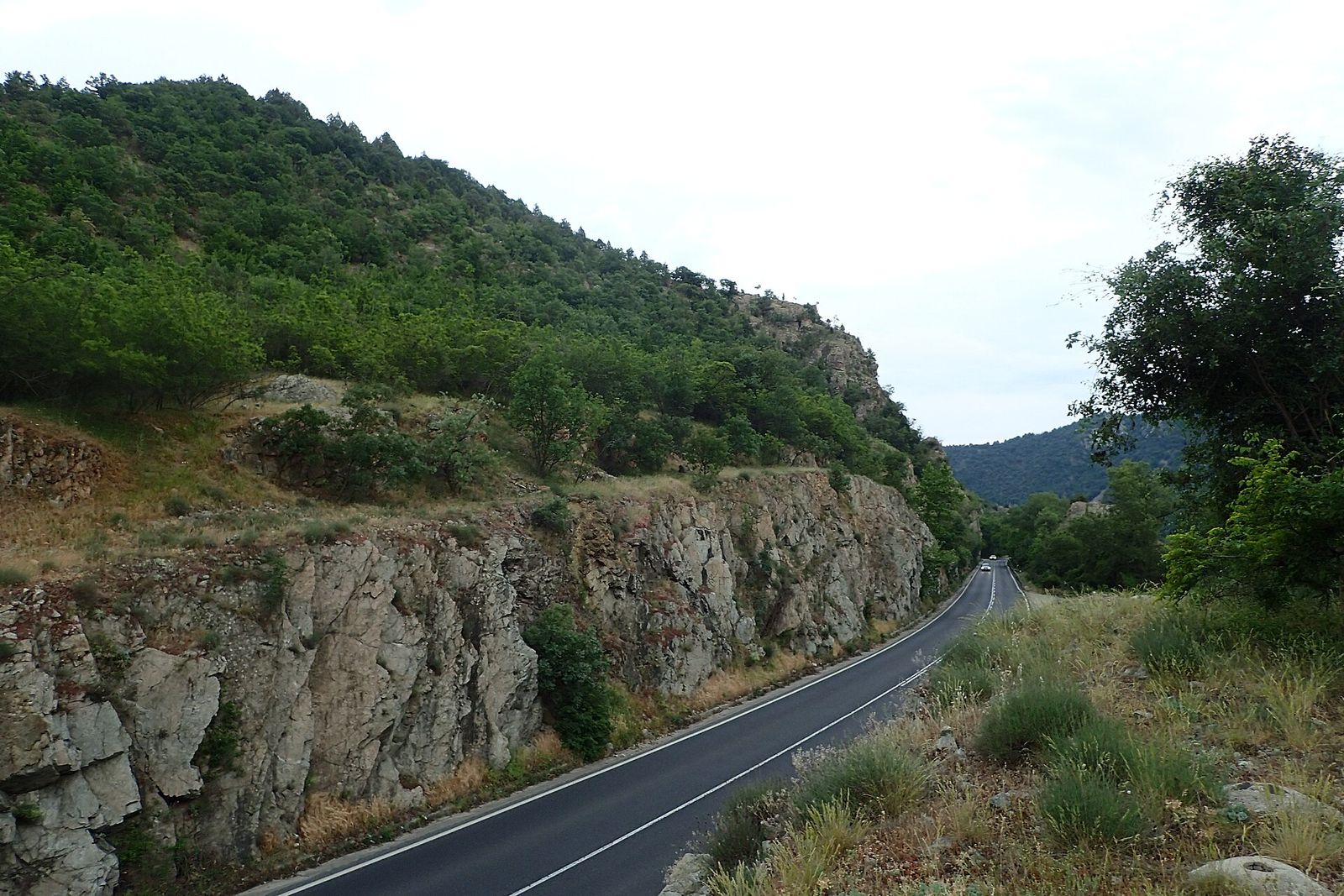
Expect lorries and few places to overtake. The gorge is a Natura 2000 protected site, and building through it stopped in 2022 for a new environmental assessment. Work on a bypass started in February 2026, and it may open at the end of 2029. I quite like the old road, the prettiest stretch of the drive.
A night in Melnik on the way
Melnik is my favourite reason to drive. It's Bulgaria's smallest town, about 180 km from Sofia: one street of white houses and wine cellars under sandstone cliffs, a short way east of the main road near Sandanski.
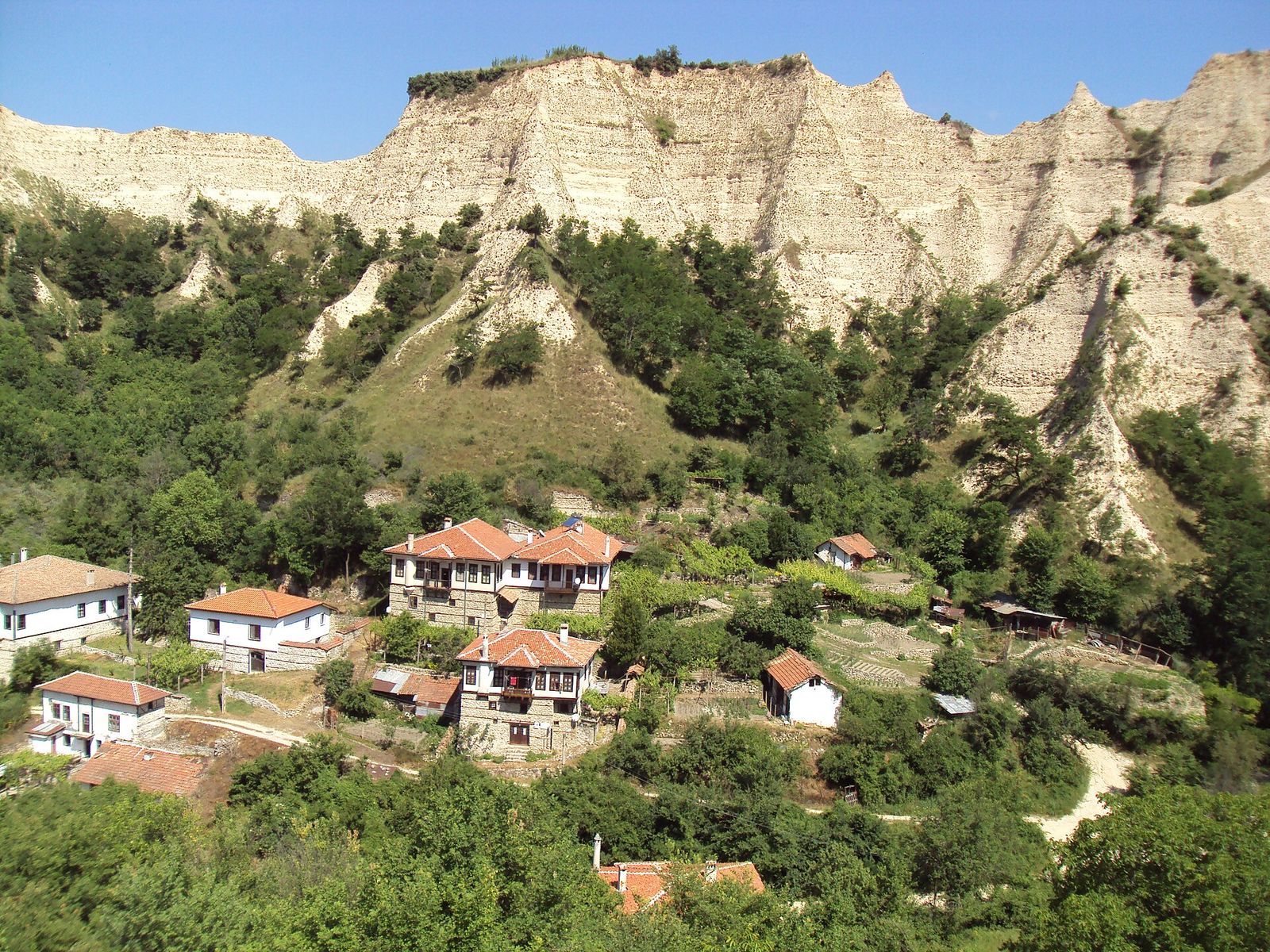
I drive down one day and taste Broad-leaved Melnik, the local red grape, in a cellar dug into the rock. Next morning I walk to Rozhen Monastery through the sand pyramids, a little under 2 hours each way, and cross into Greece after lunch.
| Stop | Where it is | Why I stop |
|---|---|---|
| Rila Monastery | About 120 km south of Sofia, a detour east into the Rila Mountains | The painted church and arcaded courtyard, free to walk into |
| Melnik | About 180 km from Sofia, east of the main road near Sandanski | Wine cellars and a night in a family guesthouse |
| Rozhen Monastery | 7 km from Melnik by road, about 4 km on the trail | The morning walk through the sand pyramids |
| Sandanski | On the main road, 24 km from Melnik | More rooms when Melnik is full |
With an early start I add Rila Monastery on the first day, which turns the drive into two easy days with a monastery on each.
The Kulata border crossing
Kulata, on the Bulgarian side, faces Promachonas in Greece. Bulgaria became a full Schengen member, land borders included, on 1 January 2025, and Greece is in Schengen too, so there's no routine passport check on this crossing. Police can still stop a coach or a car and ask for ID, so my passport rides in my day bag.
UK passport holders get up to 90 days in any 180 across the Schengen area, and days in Bulgaria and Greece count towards the same 90. Check your passport against the UK government's entry rules for Bulgaria before you go: it must have been issued less than 10 years before you arrive and stay valid for at least 3 months after you leave the Schengen area.
Phone data is the one thing that can stop at the line. If you bought a Bulgarian SIM card for the trip, Yettel's tourist eSIM and A1's data starter both stop working in Greece, while Vivacom's Data2Go SIM lets you use 19.7 GB of its data in other EU countries.
Arriving in Thessaloniki: the coach stop and first sights
The coach drops you on Monastiriou Street outside the railway station, at number 28 or across the road at number 63, west of the old centre.
The seafront and the White Tower
My first stop is always the sea. The promenade runs along the bay past the White Tower, and on a clear day you can see Mount Olympus across the water.
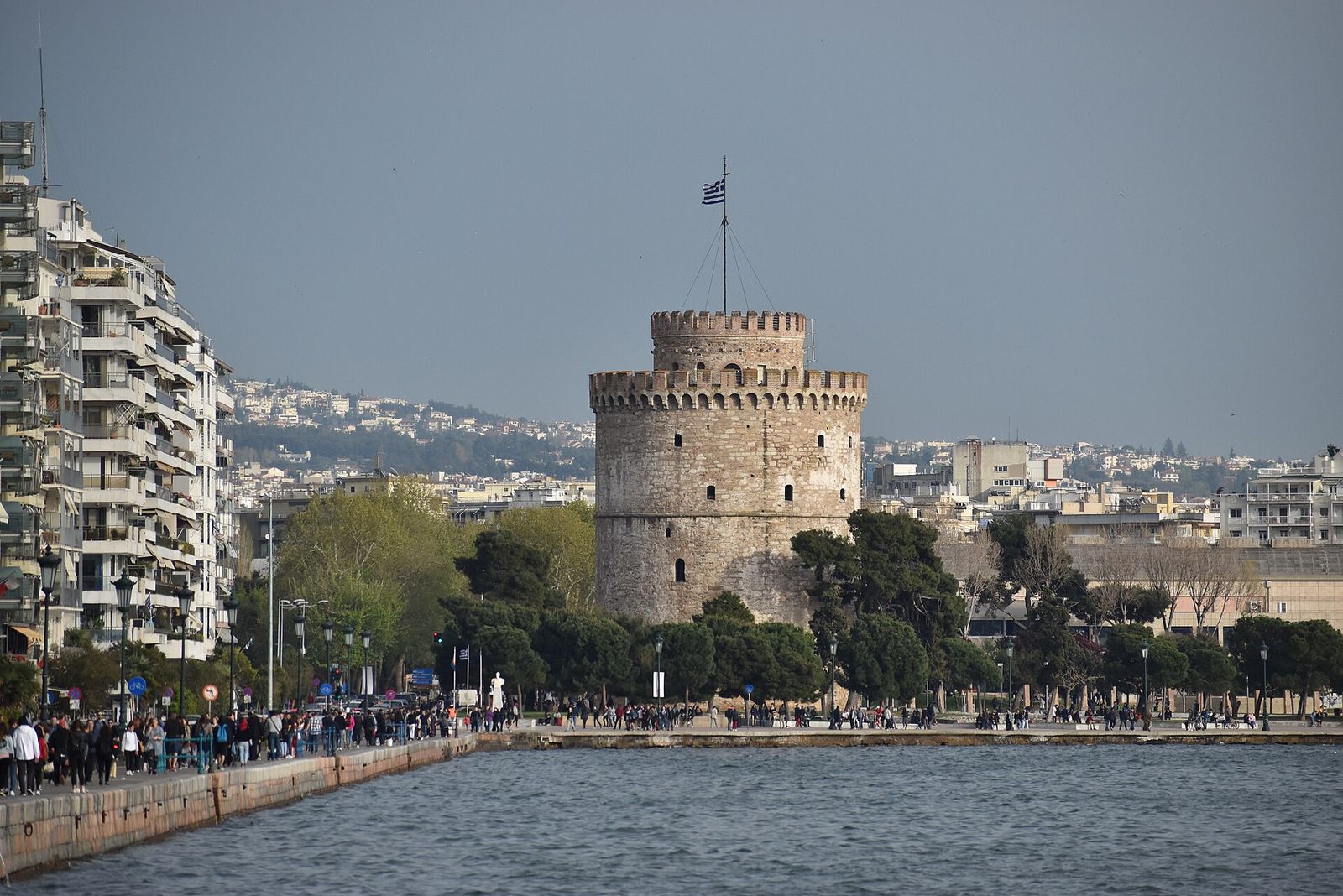
The White Tower is the city's landmark, a round stone tower that served as a prison under Ottoman rule and now holds a museum of Thessaloniki's history. I walk the promenade to it from the port end, then sit on the steps by the water with a coffee.
The Rotunda and Roman Thessaloniki
The Rotunda was built in the early 4th century for the Roman emperor Galerius. It became a church and later a mosque, which is why a minaret stands beside it, and it's one of Thessaloniki's UNESCO-listed monuments. The Arch of Galerius, carved with scenes of his campaigns, stands a two-minute walk away.
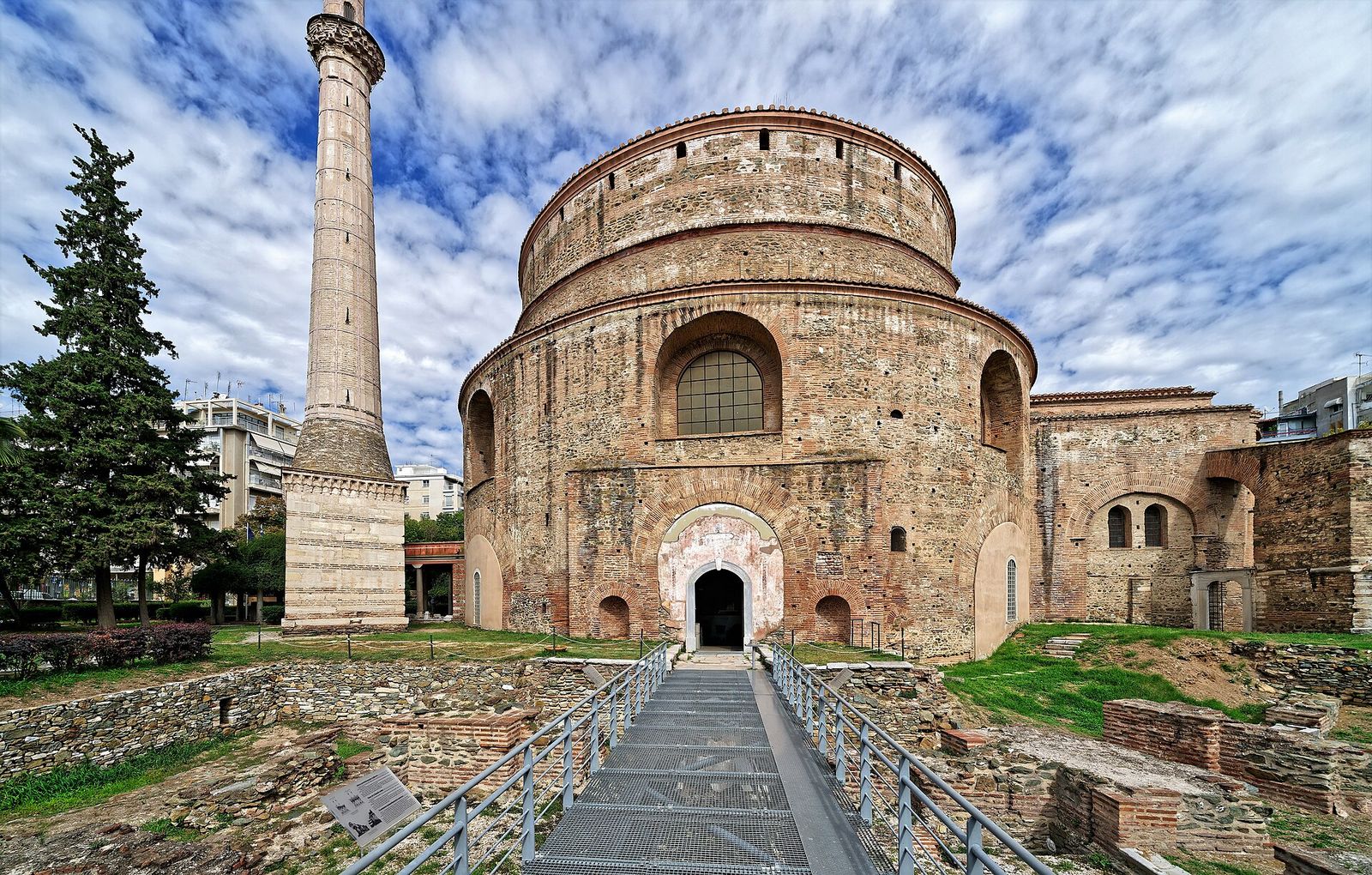
Sofia has its own Rotunda of St George, a small brick church from the same century in a courtyard behind the Bulgarian Presidency, and Thessaloniki's is much bigger.
A weekend in Thessaloniki by coach from Sofia
Two nights is my minimum. A day trip means 9 hours 20 minutes on the coach for one afternoon in town, so I'd skip it.
| When | What I'd do |
|---|---|
| Friday, 17:50 | Coach from Sofia, into Thessaloniki at about 22:30 |
| Saturday morning | Bougatsa, the city's filo pastry with custard or cheese, then the Kapani and Modiano markets |
| Saturday afternoon | The Rotunda, the Arch of Galerius and Hagios Demetrios, the basilica of the city's patron saint |
| Saturday evening | Up to Ano Poli, the upper town, for sunset over the bay from the Byzantine walls |
| Sunday | The seafront to the White Tower, a long lunch, then the coach back to Sofia |
FlixBus runs the route both ways, so I book the Sunday coach home when I book the Friday one and check its time then. On a long weekend I take the 07:00 on Friday instead and head home on Monday.
With a week or more, I keep going north. Coaches run from Thessaloniki to Skopje in about 4 hours, and my two-week Balkans loop carries on from there to Lake Ohrid, then back through Sofia to Plovdiv.
Key takeaways
- No train runs from Sofia to Thessaloniki; the FlixBus coach takes about 4 hours 40 minutes from about €12.
- The 07:00 gets you in at about 11:40 and the 17:50 at about 22:30, with no time difference at the border.
- Board at Serdika or the Central Bus Station, next to Sofia Central Railway Station and the M2 metro.
- Drivers need a Bulgarian e-vignette, the hire firm's agreement for Greece and patience in the Kresna Gorge.
- Give Thessaloniki two nights, and give Melnik one if you're driving.
Frequently asked questions
What is the best way to get to Thessaloniki from Sofia?
The FlixBus coach: about 4 hours 40 minutes from about €12, with no change, and BDZ runs no train to Greece. Drive instead if you want to stop at Melnik or Rila Monastery on the way.
How long is the bus from Sofia to Thessaloniki?
About 4 hours 40 minutes. The 07:00 from Sofia arrives at about 11:40 and the 17:50 at about 22:30, and Bulgaria and Greece keep the same clock.
How much is the bus from Sofia to Thessaloniki?
Fares start at about €12 one way. Booking early or travelling midweek gets the lowest prices, and a 7 kg carry-on and a 20 kg bag come with every ticket.
How far is Thessaloniki from Sofia?
About 295 km by road, south down the Struma valley and across the border at Kulata. It's motorway most of the way, apart from about 22 km of old road through the Kresna Gorge.
Do I need a passport to go from Bulgaria to Greece?
Carry one. Both countries are in Schengen, so Kulata has no routine check, but police can still ask for ID on coaches and in cars, and UK visitors' days in Bulgaria and Greece count towards the same 90 in any 180.
What do Bulgarians call Thessaloniki?
Solun, written Солун in Cyrillic. You'll see it on Bulgarian timetables and departure boards, while your FlixBus ticket uses the English name, Thessaloniki.
Can you do Thessaloniki as a day trip from Sofia?
Not comfortably. The coach takes about 4 hours 40 minutes each way, over 9 hours of travel for one afternoon, so I stay at least two nights.
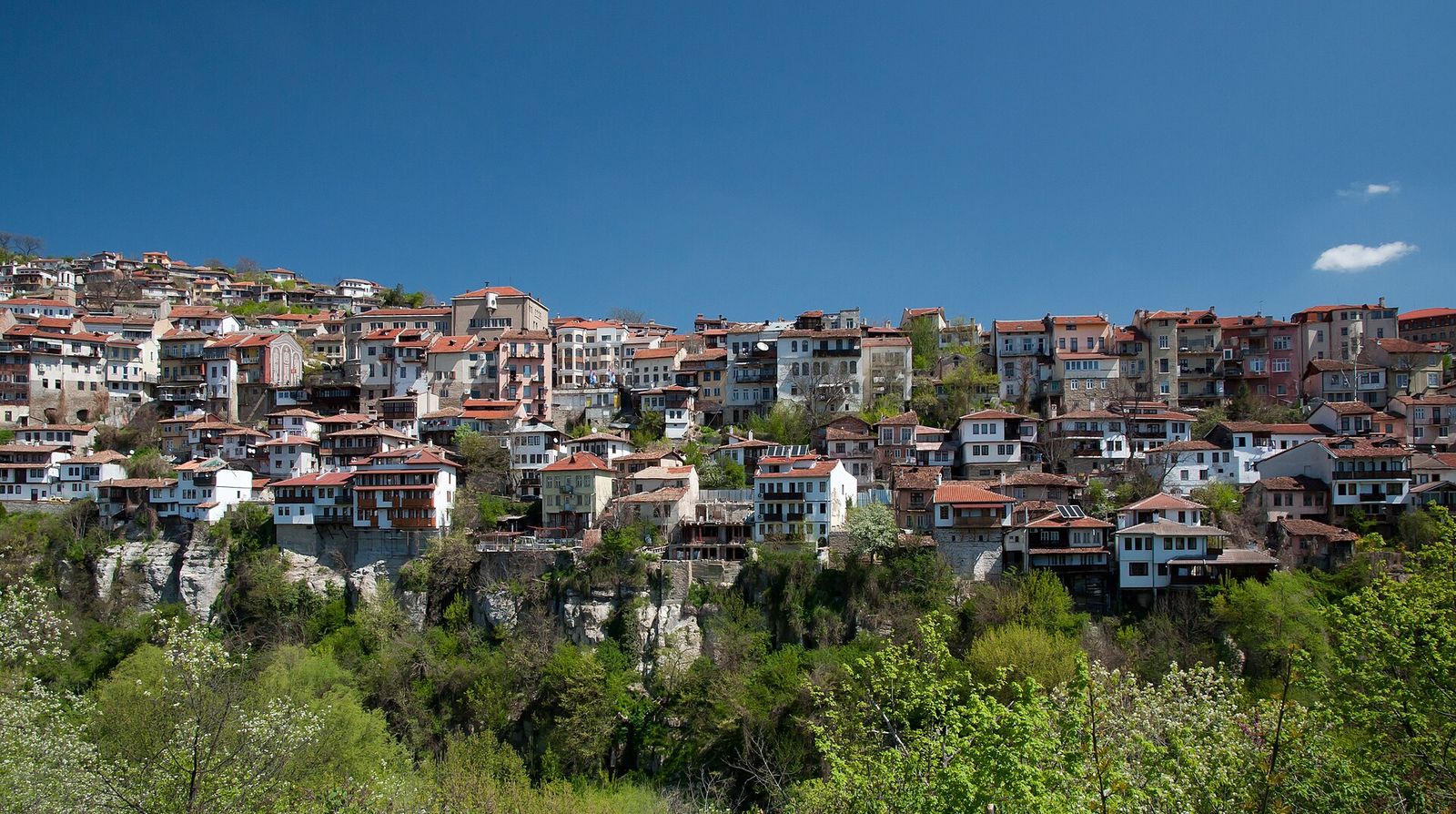
12 Best Places to Visit in Bulgaria: My Favourites for 2026
My 12 favourite places in Bulgaria beyond Sofia, ranked, with the time from Sofia and how I get to each one.
Read the guide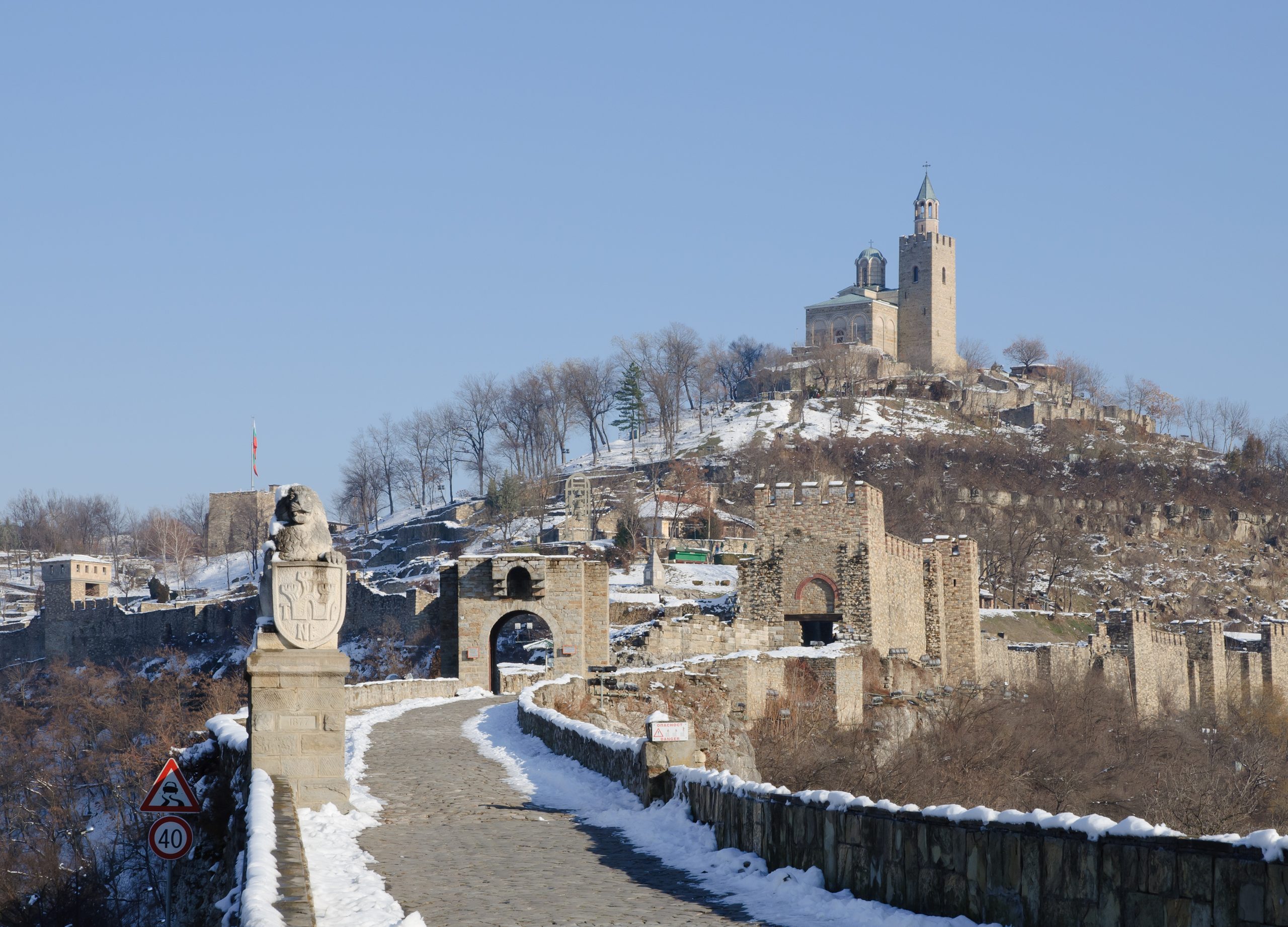
Veliko Tarnovo: My Favourite Things to Do in Bulgaria's Old Capital
Bulgaria's medieval capital on the Yantra: Tsarevets, Trapezitsa, the craft street, Arbanasi and my one-night plan.
Read the guide
Sofia to Veliko Tarnovo: Bus, Train or Car, and the One I Take
How I get from Sofia to Veliko Tarnovo: the coach times, the train change, the drive and why I stay a night.
Read the guide