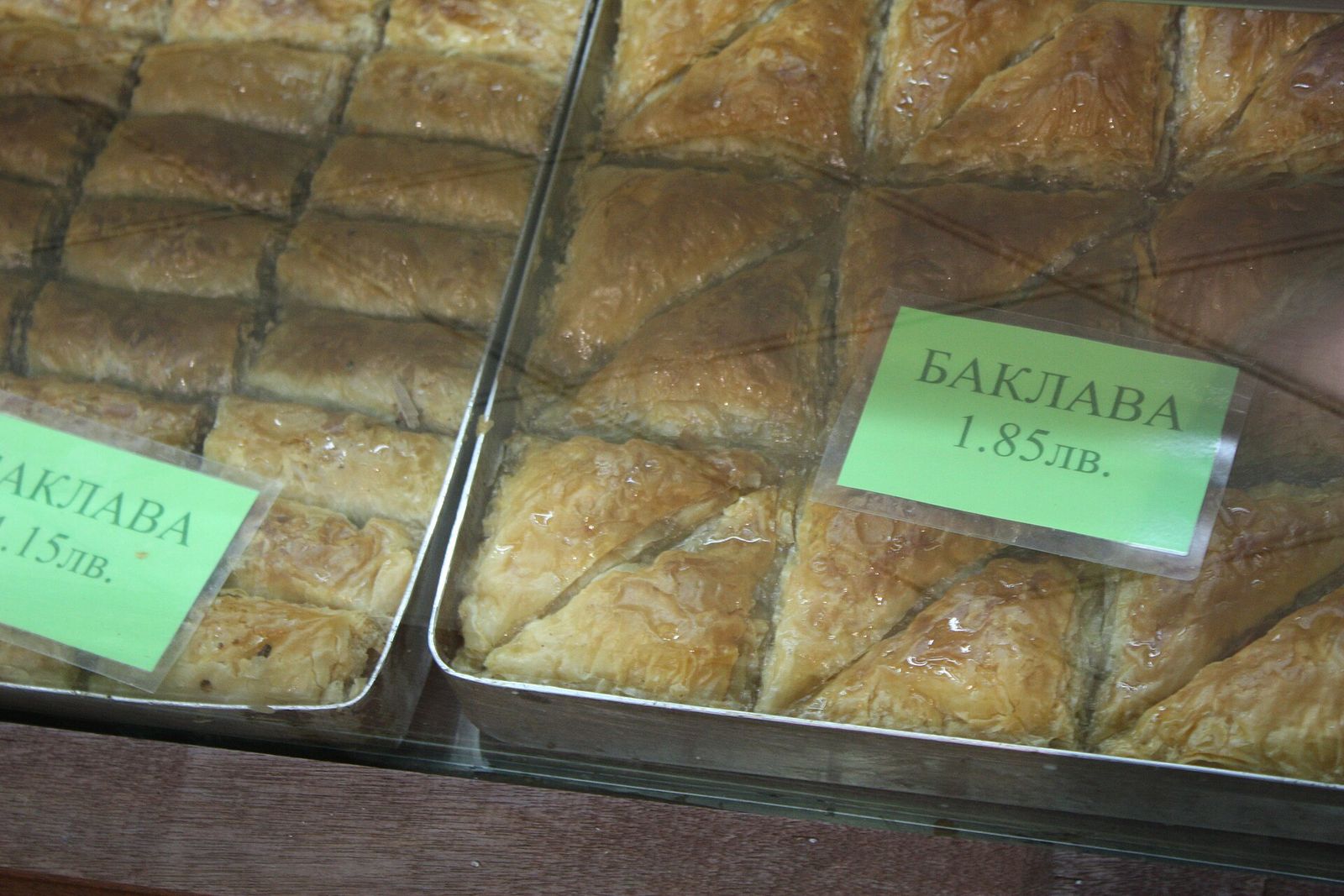
Bulgarian Desserts: The Sweets I Eat in Sofia and Where to Find Them
Bulgarian desserts come in two moods: a bowl of thick yoghurt with honey and walnuts, or filo pastry soaked in syrup. Sofia's sweet shops add a chocolate and walnut cake from the 1880s, and the bakeries fill with pumpkin pastry every autumn. These are the sweets I order, with the menu word for each, when Bulgarians eat them and where in the city I go to find them.
What are Bulgarian desserts like?
Dessert is the shortest chapter of Bulgarian food. A restaurant meal here is built around salads, grilled meat and a glass of rakia, and the sweet at the end tends to be simple: yoghurt with honey and walnuts, a crème caramel or a dish of rice pudding.
Nearly five centuries of Ottoman rule left the syrup-soaked pastries (baklava, kadaif, tulumbichki) along with halva and lokum. Central Europe sent layered cakes such as garash. Home baking adds pumpkin tikvenik in autumn and braided kozunak at Easter.
The cakes and syrup sweets live in sweet shops, which double as small cafes with a coffee machine and a few tables.
The 9 Bulgarian sweets to try first
If you only have a weekend, these are the nine I'd fit in. Between them they cover the sweet shop, the bakery, the restaurant menu and the supermarket shelf.
| Sweet | On the menu | What it is | Where I buy it |
|---|---|---|---|
| Baklava | баклава | Filo, walnuts and syrup | A pastry counter, by the piece |
| Garash cake | гараш торта | Walnut and chocolate layer cake with no flour | A sweet shop, by the slice |
| Tikvenik | тиквеник | Filo rolled round grated pumpkin, sugar and walnuts | A bakery, in autumn |
| Yoghurt with honey and walnuts | кисело мляко с мед и орехи | Bulgarian yoghurt with honey and walnuts | A traditional restaurant |
| Mekitsa | мекица | Fried dough with jam, honey or icing sugar | A mekitsa shop, at breakfast |
| Palachinki | палачинки | Thin pancakes with honey, jam or chocolate | A stand on Vitosha Boulevard |
| Kozunak | козунак | Sweet braided bread | A bakery, above all at Easter |
| Halva | халва | Tahini halva, sold in slabs | A supermarket or market stall |
| Lokum | локум | Soft sugar-dusted cubes, rose the classic flavour | A supermarket or souvenir shop |
Syrup sweets: baklava, kadaif and tulumbichki
Bulgaria shares these with Turkey, Greece and the rest of the Balkans, and all three are pastry soaked in syrup.
Baklava (баклава)
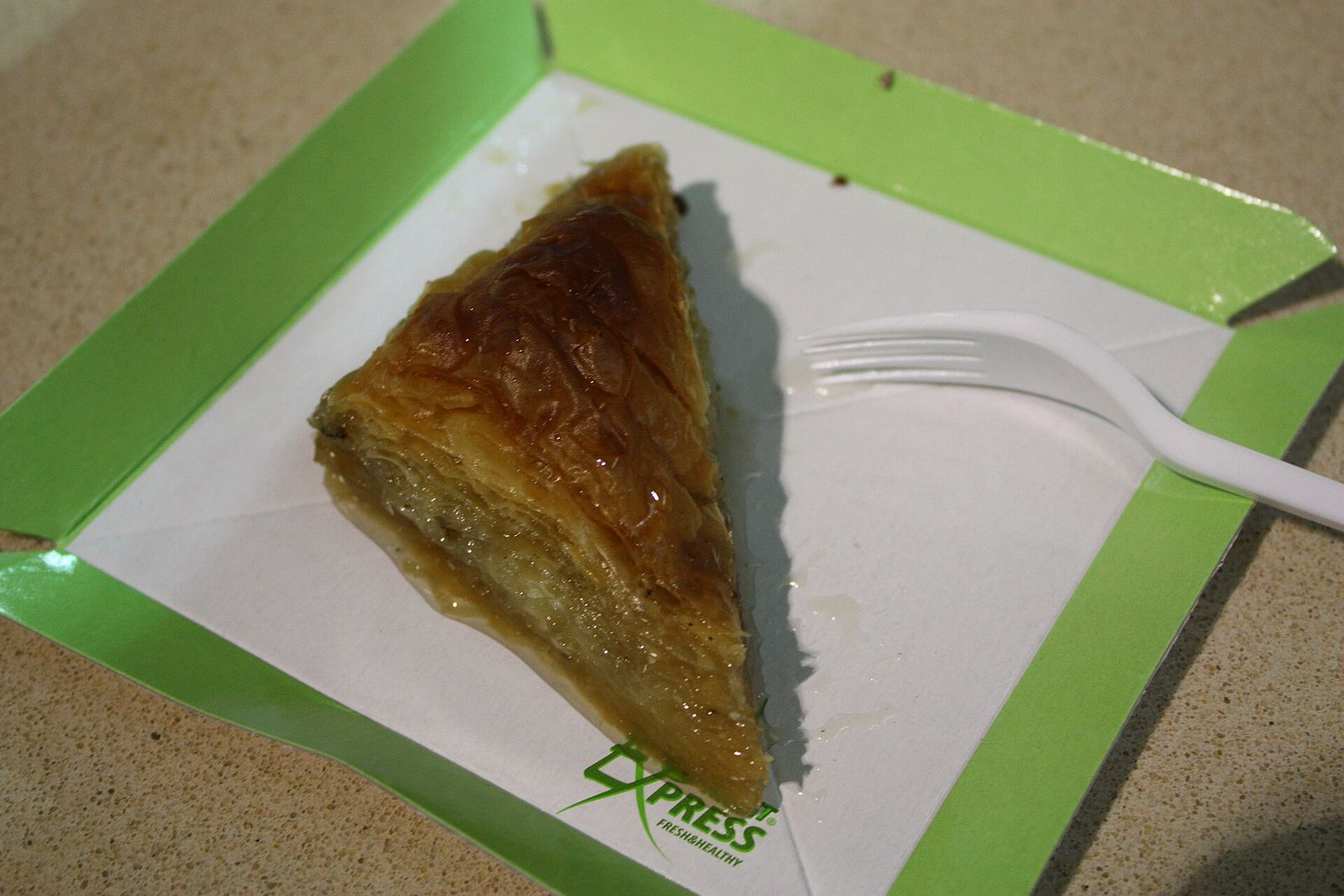
Baklava is thin sheets of filo layered with chopped walnuts, baked, then drenched in sugar syrup. In Sofia it sells by the piece from pastry counters and sweet shops, cut into diamonds or triangles. I eat mine with a short black coffee, which cuts the sugar.
Kadaif (кадаиф)
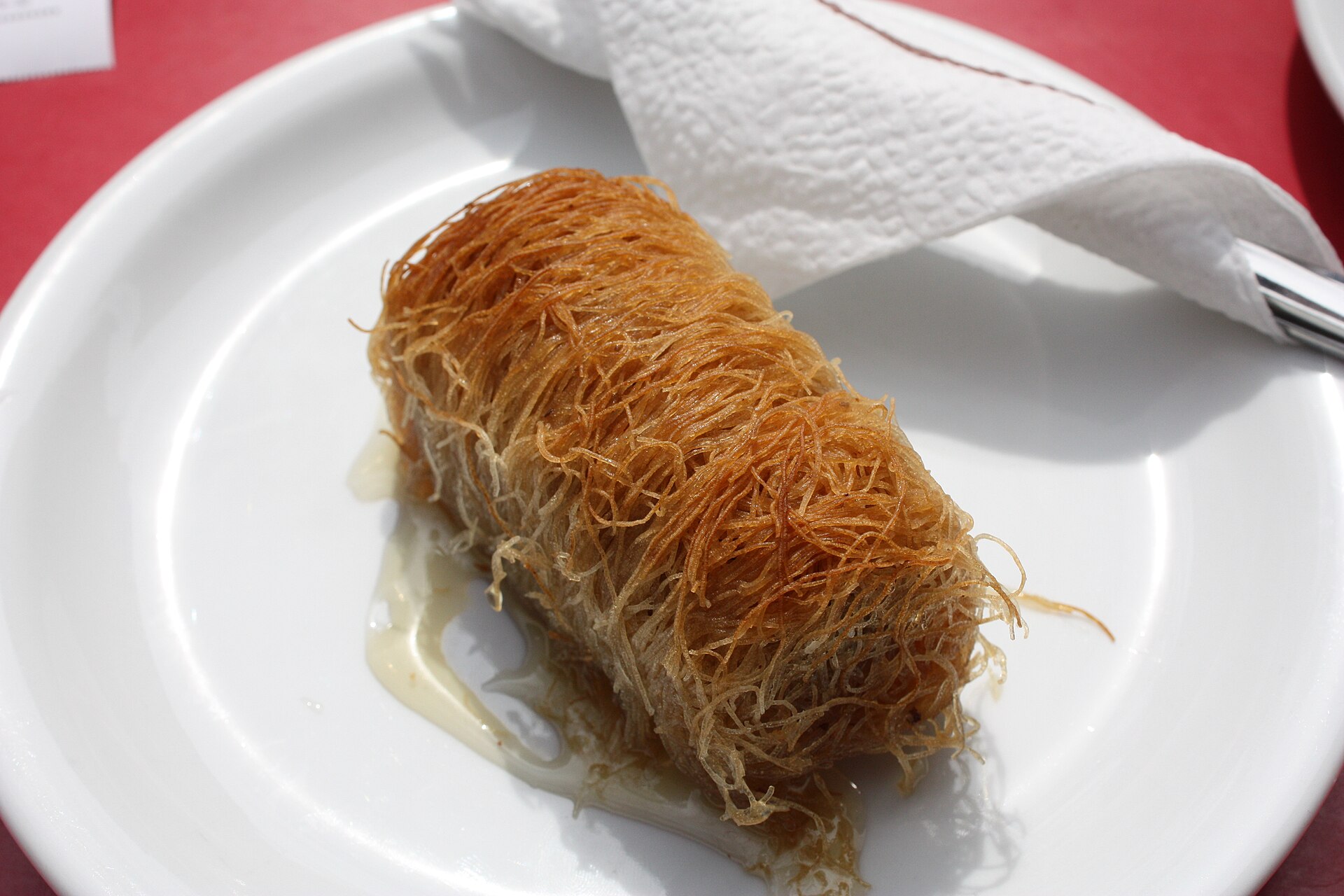
Kadaif is made from shredded pastry, strands as fine as vermicelli, rolled round chopped walnuts and soaked in syrup. The strands bake into a crisp golden roll that crunches more than baklava, and it usually sits on the same counter. Look there for tulumbichki (тулумбички) too: ridged fingers of deep-fried choux pastry soaked in sugar syrup while they're still hot. They're the Balkan cousin of a churro, and the sweetest thing on this list.
Traditional Bulgarian cakes: garash and biscuit cake
Garash (гараш торта) is the cake I'd order first in any Bulgarian sweet shop. Kosta Garash, an Austro-Hungarian chef, created it in 1885 in Ruse, on the Danube, while he ran the Islah Hane, the town's grand hotel, and he made it for its high-ranking receptions. It's five very thin layers of ground walnuts whipped with egg whites and sugar, stacked with a ganache of cream and chocolate and finished with chocolate icing.
The recipe has no wheat flour. A slice is dense, nutty and very chocolatey. One is plenty after lunch.
Biscuit cake (бисквитена торта) is the cake Bulgarians make at home. Plain biscuits are layered with a semolina cream, or a chocolate one, and left to set in the fridge with no baking at all. You'll find it in homes and sweet-shop fridges across the country. It eats like a soft, sweet tiramisu.
Spoon desserts: yoghurt, crème caramel and rice pudding
Yoghurt with honey and walnuts (кисело мляко с мед и орехи)
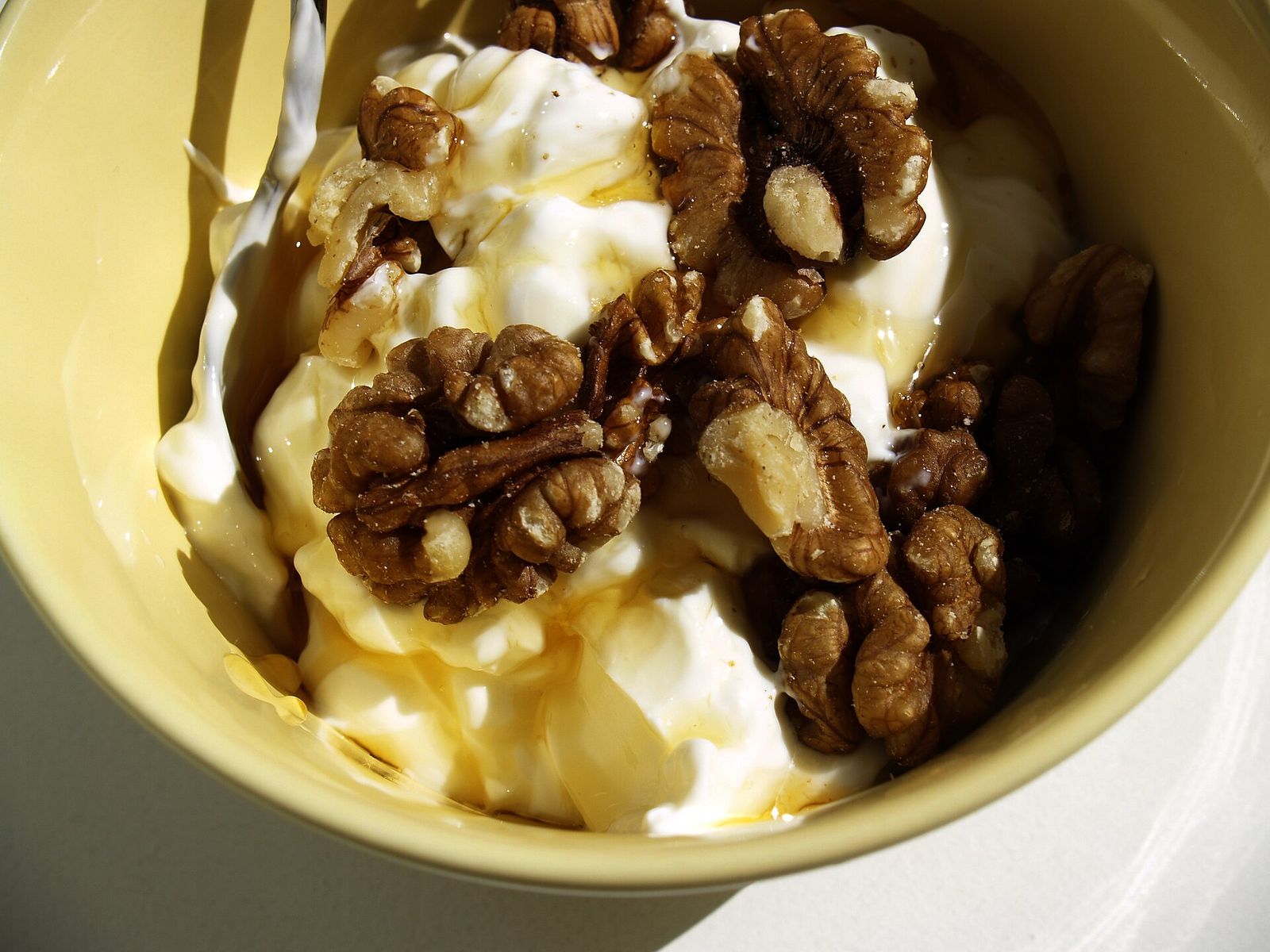
This is my favourite Bulgarian dessert, and the simplest: a bowl of thick, sour yoghurt with a spoon of honey and a handful of walnuts. The tang stops the honey from cloying, and it's light enough to eat after a grilled dinner. Restaurants list it under desserts, and at home it takes a supermarket tub and a jar of honey. The bacterium behind Bulgarian yoghurt, Lactobacillus bulgaricus, was identified by a Bulgarian doctor, Stamen Grigorov, in 1905, and locals will tell you that's why theirs tastes different.
Crème caramel (крем карамел)
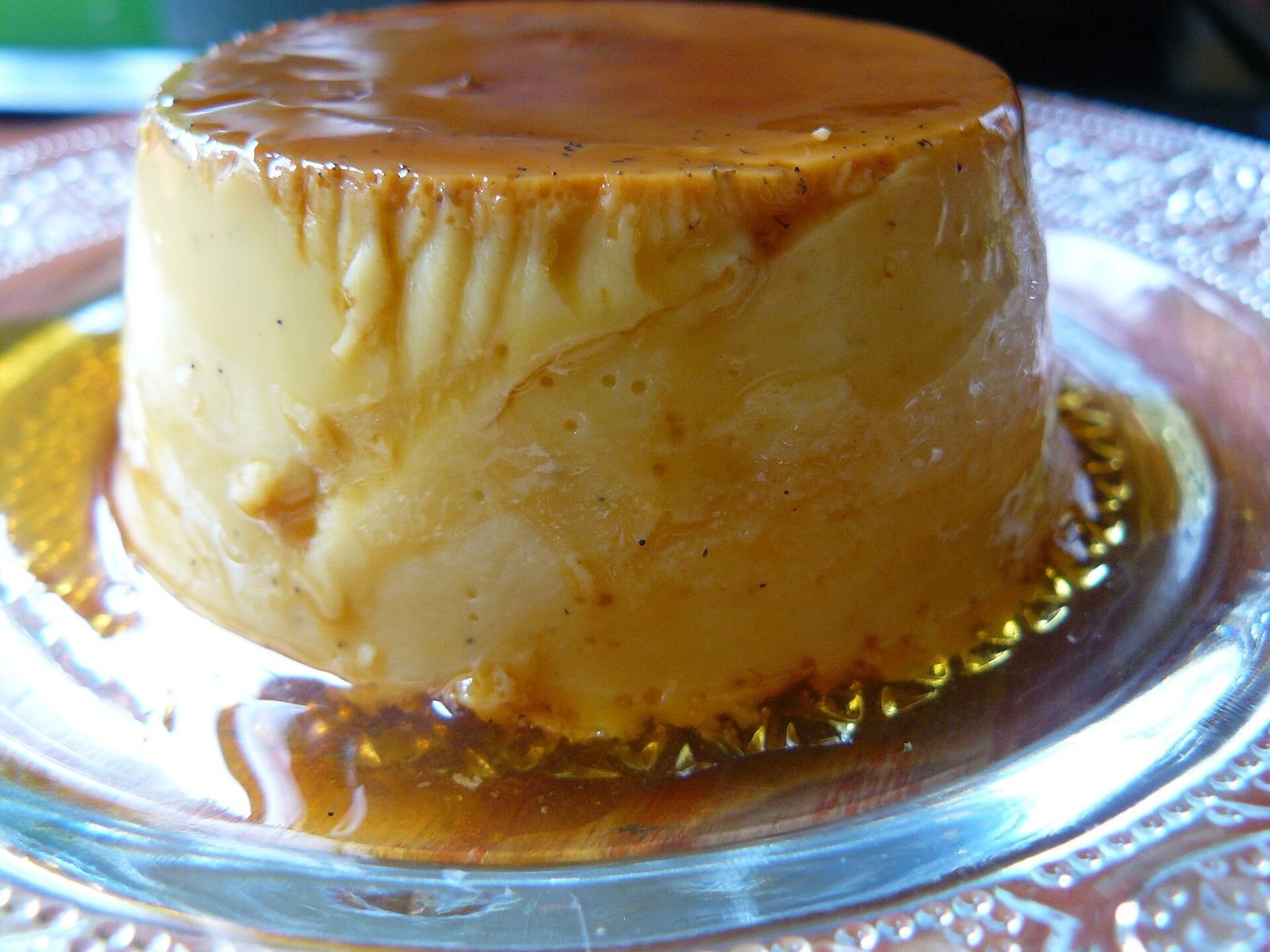
Krem karamel is baked egg custard turned out of its mould with a pool of caramel sauce. France and Spain make the same pudding. It turns up on restaurant menus all over Bulgaria, and I order it when the table wants something sweet with no syrup involved.
Mlyako s oriz (мляко с ориз), milk with rice, is the other spoon dessert on traditional menus: rice cooked slowly in sweetened milk and dusted with cinnamon, a childhood pudding for Bulgarians who grew up under Communism. Baked pumpkin (печена тиква) is the autumn one. The wedges are roasted soft and finished with walnuts and honey or sugar.
Sweet pastries and fried dough
Tikvenik (тиквеник)
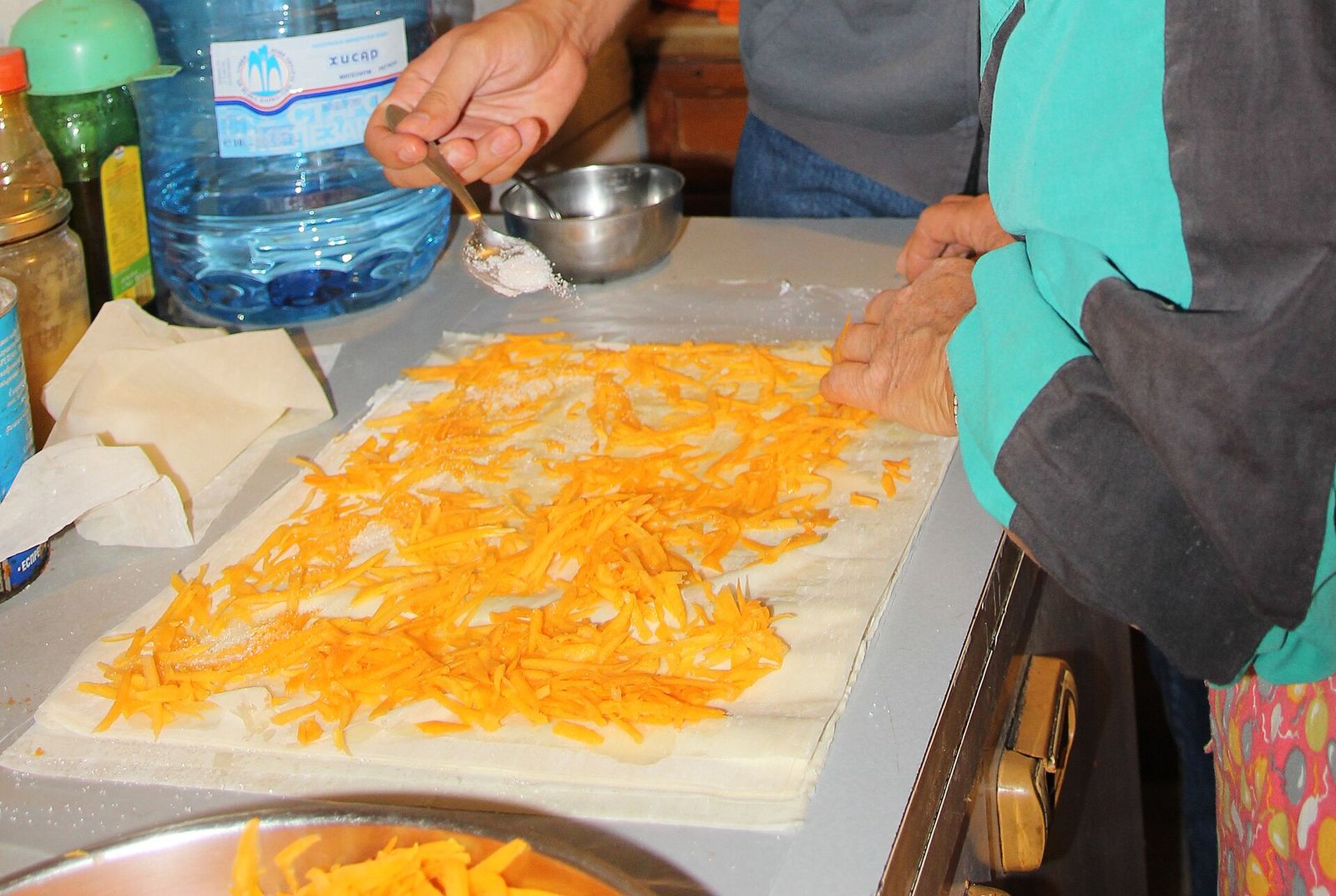
Tikvenik is banitsa's sweet sibling: sheets of filo brushed with oil, scattered with grated pumpkin, sugar, cinnamon and walnuts, then rolled and baked. It's autumn food, sold by the slice once the big pumpkins pile up at the markets, and it smells like a bonfire night pudding.
Sweet banitsa and milk banitsa
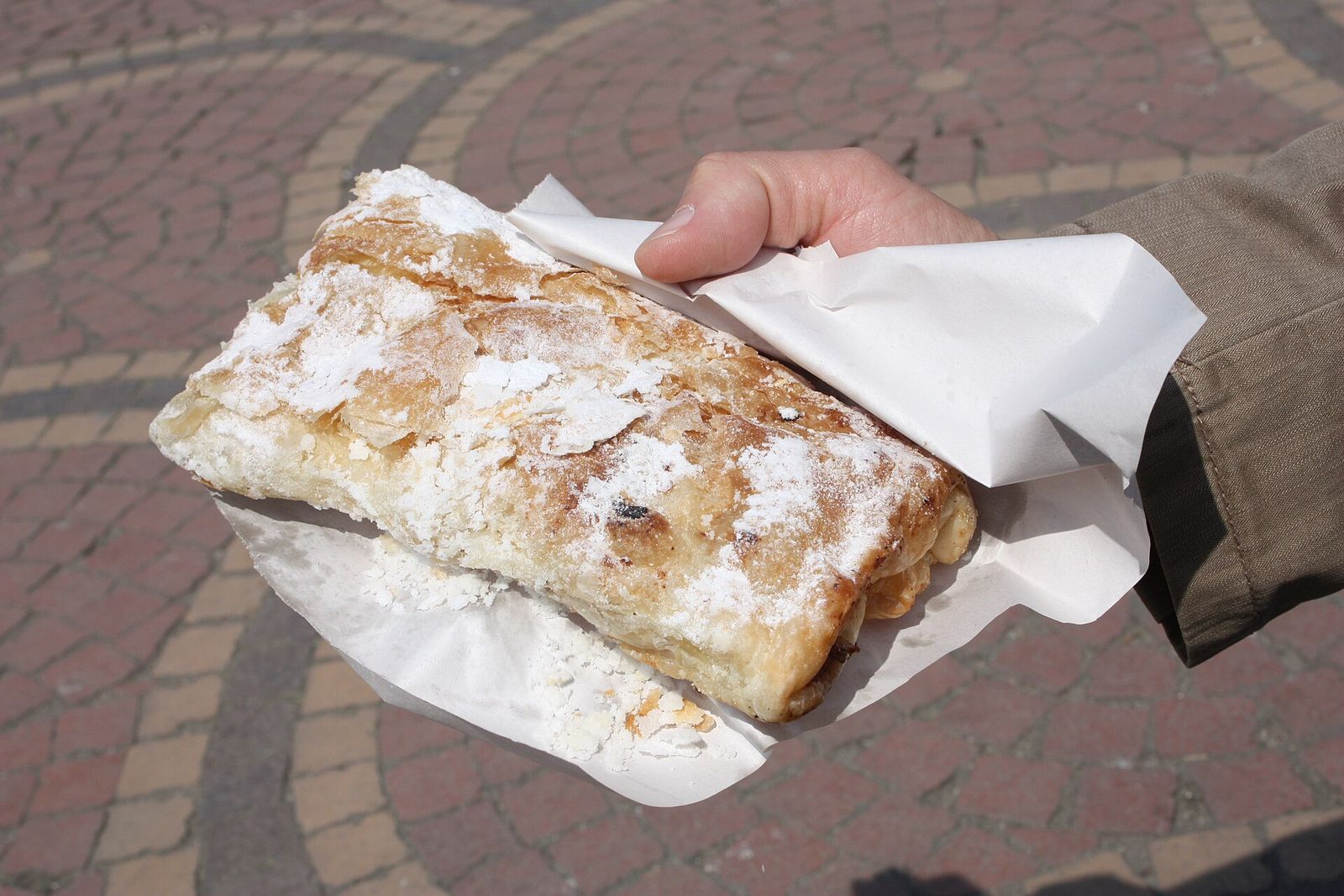
Some bakeries sell a sweet banitsa with apple and walnut, dusted with icing sugar that ends up all down your coat. Milk banitsa (млечна баница) is filo baked in sweet milk and eggs until it sets like bread and butter pudding, and I see it more on cafe menus than at bakery hatches. The best banitsa in Sofia is still the salty cheese kind, so I save the sweet ones for after lunch.
Mekitsa (мекица)
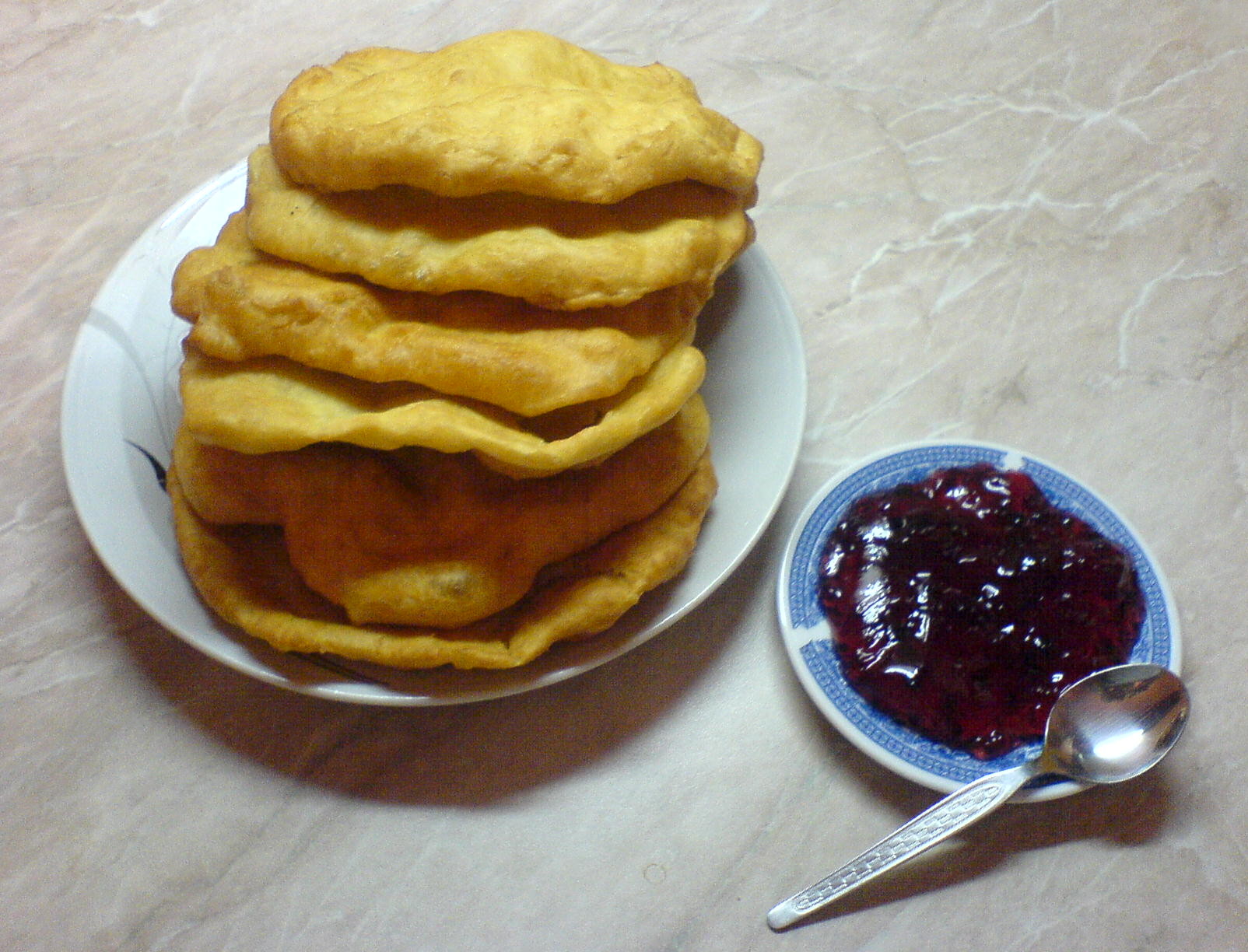
Mekitsa is dough made with yoghurt and eggs, stretched flat and deep-fried until it puffs up. The sweet version comes dusted with icing sugar or spread with jam or honey, and Bulgarians eat it for breakfast. Eat it within a few minutes of the fryer, while the edges are still crisp, because cold mekitsa turns heavy. Several brunch places in Sofia list mekitsi on the menu next to the eggs Benedict and pancakes.
Palachinki (палачинки)
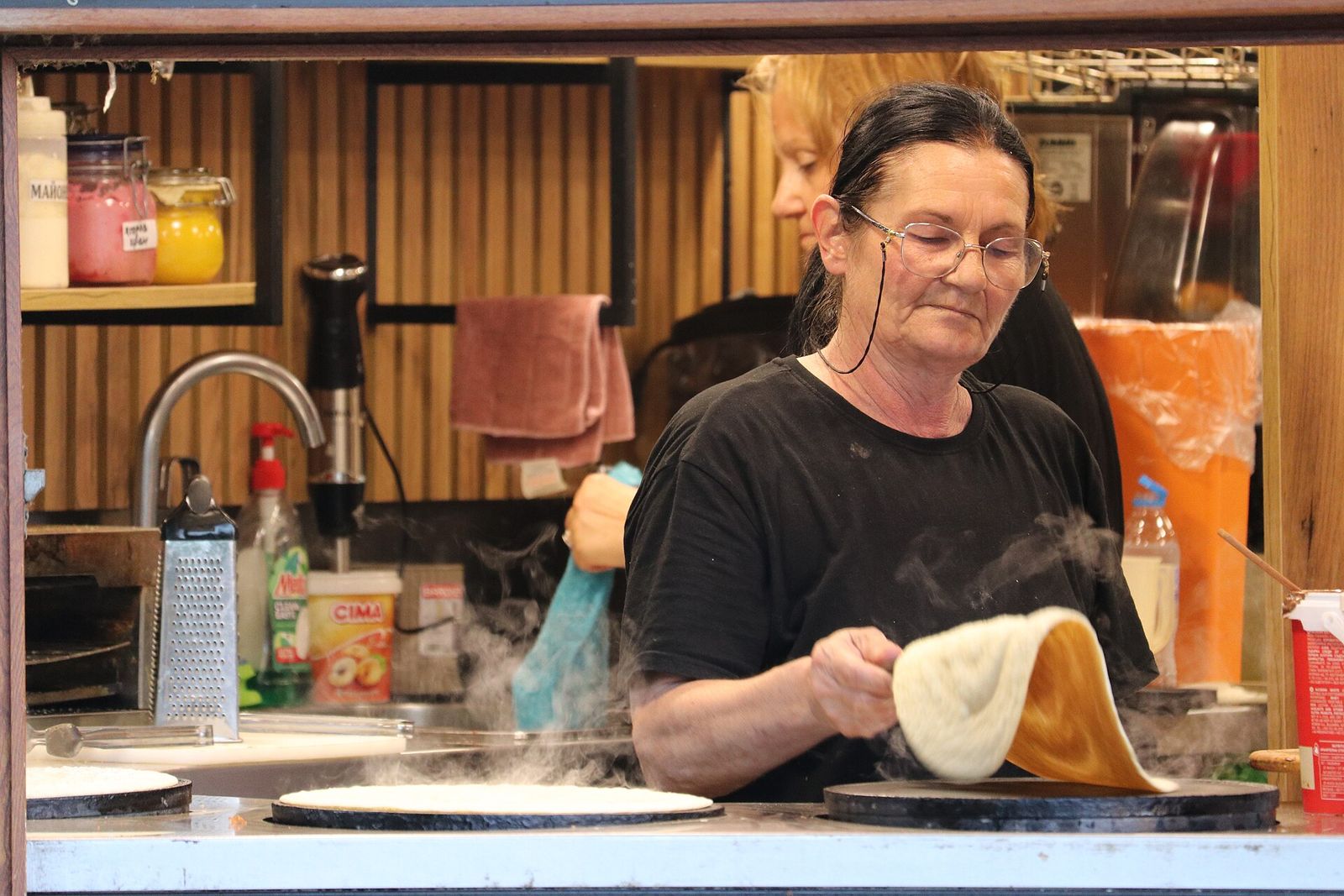
Palachinki are thin pancakes, close to a French crêpe, folded round honey, jam, chocolate spread or white cheese. The stands on Vitosha Boulevard cook them to order on round hotplates, and one is my afternoon snack on the walk south towards NDK. Sweet is the usual order, and they're the sugary end of Sofia street food, eaten standing up from a paper wrap.
Halva, lokum and rose jam to take home
Halva, lokum and rose jam keep for weeks and sit on supermarket shelves all over Sofia, which makes them the edible Bulgarian souvenirs I pack most often.
Halva (халва)
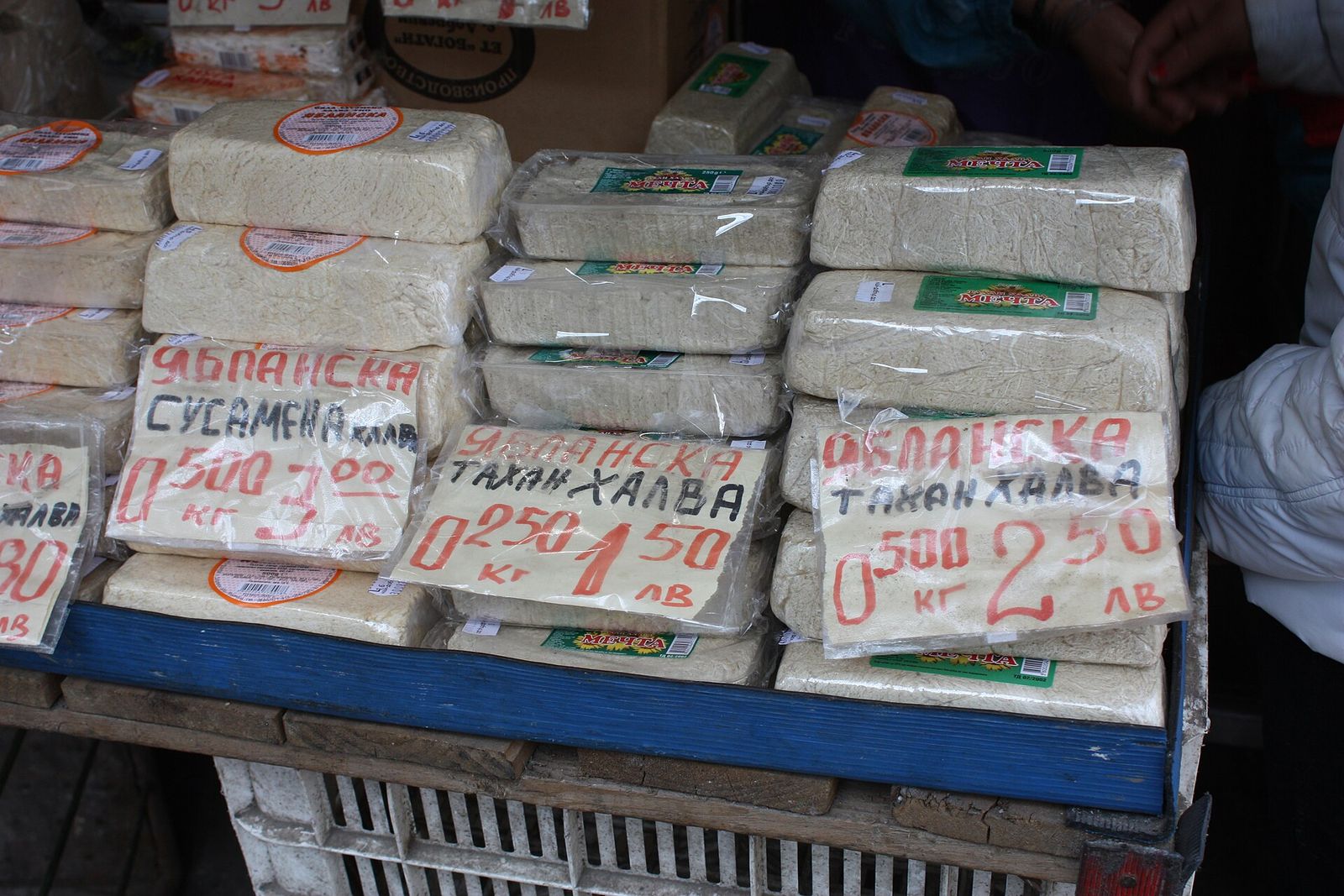
Bulgarian halva is tahini halva (тахан халва): crumbly, nutty slabs, made from sunflower tahini more often than sesame. Halva from the town of Yablanitsa sells as Ябланска (Yablanska), the word written across the price signs on that stall. I cut it thin and eat it with coffee. It's very sweet.
Lokum (локум)
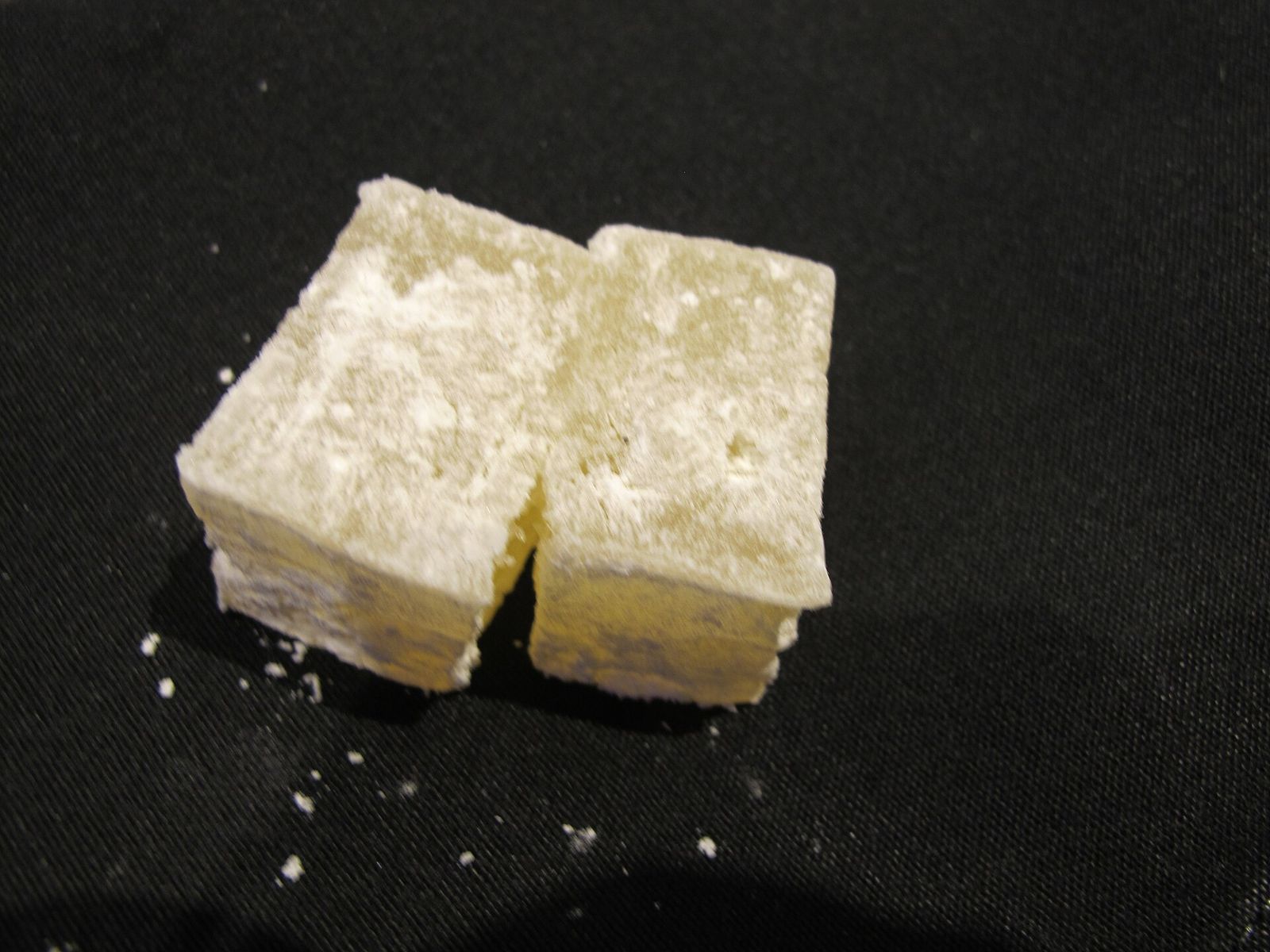
Lokum is what British shops call Turkish delight: soft, chewy cubes of starch and sugar rolled in icing sugar. Rose is the flavour to buy in Bulgaria, the country of the Damask rose, and souvenir shops sell it in decorated boxes while supermarkets sell it in plain packs.
Rose jam is the third thing I bring home: Damask rose petals cooked down with sugar into a fragrant pink preserve. I eat it on yoghurt or pancakes, and a jar lasts me months.
Bulgarian sweets through the year
Several Bulgarian sweets belong to a season or a feast day.
| When | Sweet | Where you'll find it |
|---|---|---|
| Autumn | Tikvenik and baked pumpkin | Bakery windows and restaurant menus |
| Christmas Eve, 24 December | Oshav | The meatless Christmas Eve table at home |
| Easter | Kozunak | Every bakery in the week before Easter |
| Summer | Yoghurt with honey, ice cream | Restaurant terraces and gelato counters |
| All year | Baklava, garash cake, mekitsa | Sweet shops and mekitsa counters |
In July and August I swap cake for ice cream in Sofia, and a scoop eaten on a bench in Borisova Gradina is my summer dessert.
Kozunak at Easter (козунак)
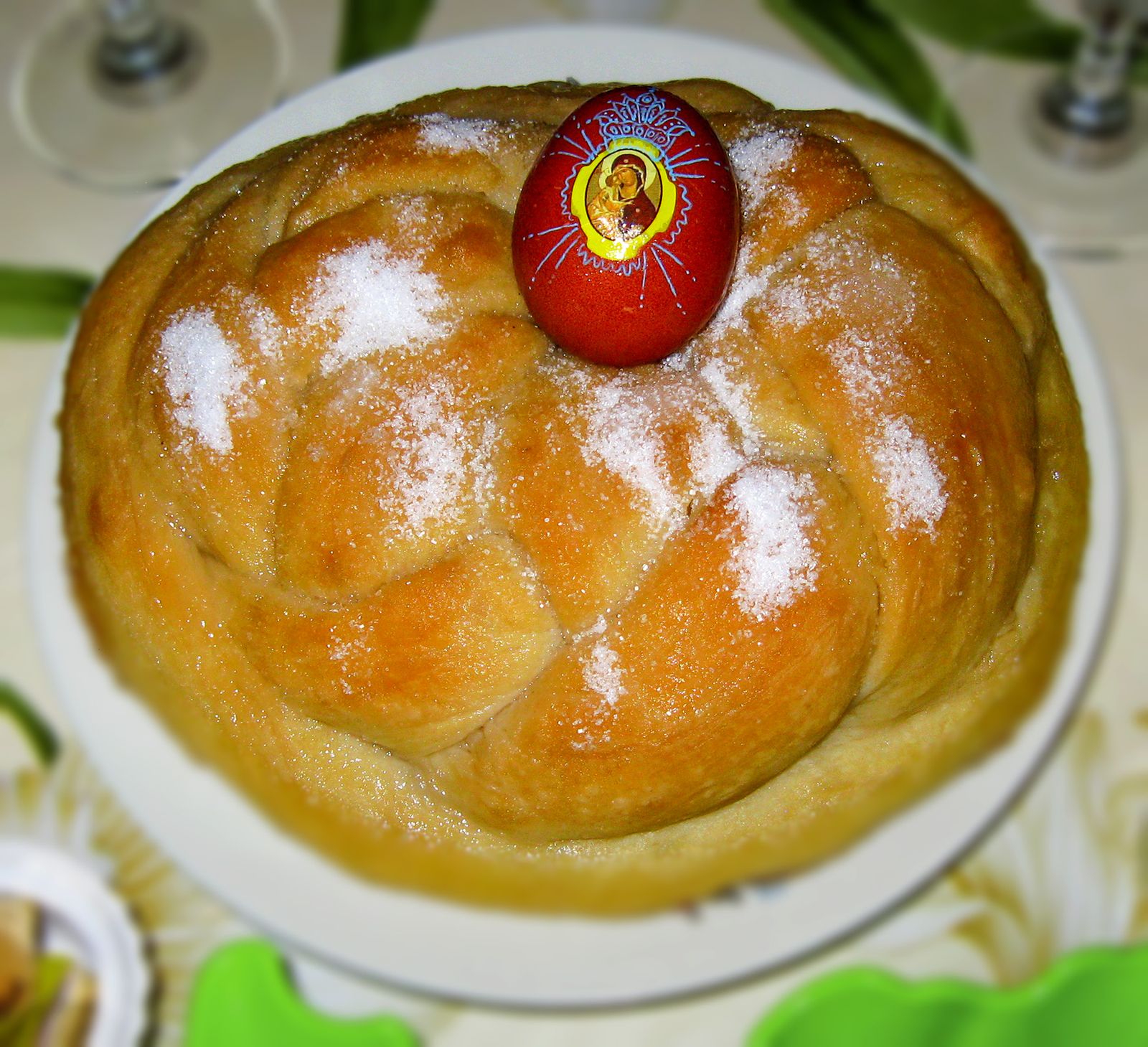
Kozunak is a sweet, braided bread with a stringy crumb that pulls apart in strands, sometimes studded with raisins. It's baked for Easter in Bulgaria and shared with red-dyed eggs, and bakeries and supermarkets sell it the rest of the year too. Cafes fry thick slices in egg to make kozunak toast (козуначени филийки), the Bulgarian French toast, and that's my order when I want something sweet at brunch.
Oshav on Christmas Eve (ошав)
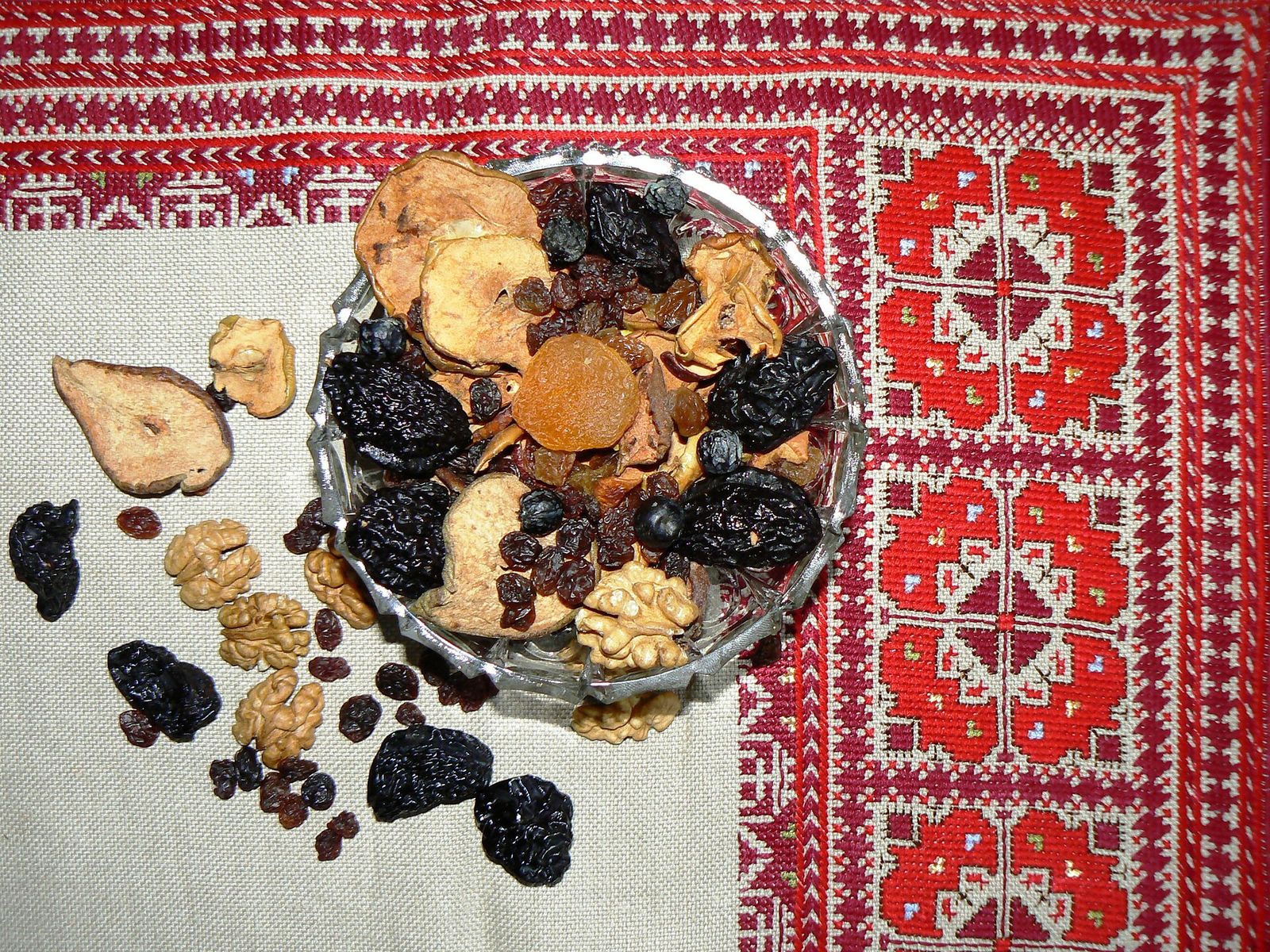
Oshav is a compote of dried fruit, plums, pears and apples among them, simmered until the juice turns dark and sweet. It belongs to Christmas Eve (Бъдни вечер, Badni vecher), the meatless supper that opens Christmas and New Year in Sofia, and it sits on the table beside sarmi and beans. Restaurants rarely serve it, so it's the one sweet on this list you'll need a Bulgarian home to taste.
Where to eat Bulgarian desserts in Sofia
Any sladkarnitsa with a busy counter will do for baklava, garash and biscuit cake, since fast turnover keeps the cakes fresh. Halva, lokum, rose jam and kozunak come from supermarkets, and the handiest in the centre is the Kaufland inside the Central Market Hall on Maria Luiza Boulevard, the 1911 hall that reopened in May 2024. The rest I buy at these six places.
| Place | Where | What I order |
|---|---|---|
| Mekitsa & Coffee | Graf Ignatiev Street | Mekitsa with jam and an espresso |
| Sweet and Salty Bakery Cafe | Off Vitosha Boulevard | Mekitsi and coffee at a table |
| Furna | Stefan Stambolov Boulevard | Apple and walnut banitsa, vegan |
| Le Soleil Crepes and Coffee | G.S. Rakovski 186, near NDK | The honey and walnut crepe |
| Pancake stands | Vitosha Boulevard | A palachinka with honey |
| Zhenski Pazar | Stefan Stambolov Boulevard | Honey, homemade jam and dried fruit |
Mekitsa & Coffee
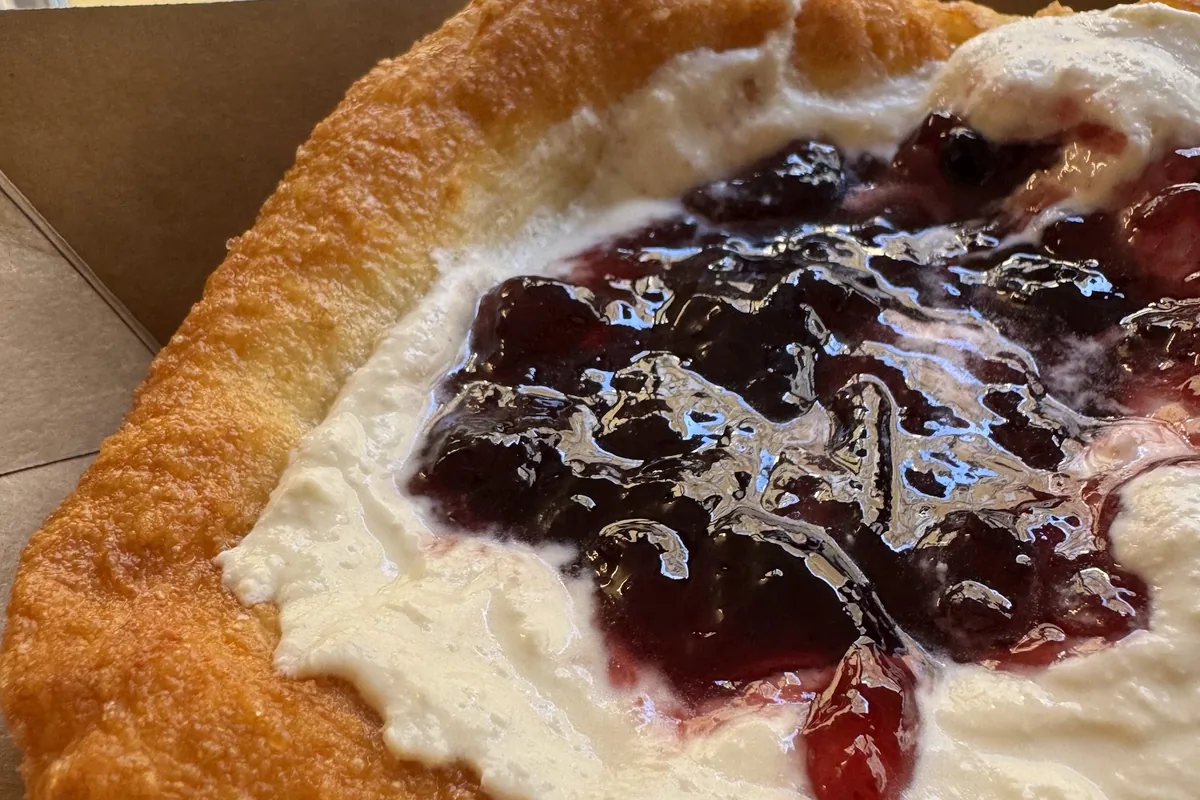
Mekitsa & Coffee is named after exactly what it sells, and one mekitsa with jam and an espresso is a full breakfast. It's the Bulgarian pick among my favourite cafes in Sofia.
Sweet and Salty Bakery Cafe
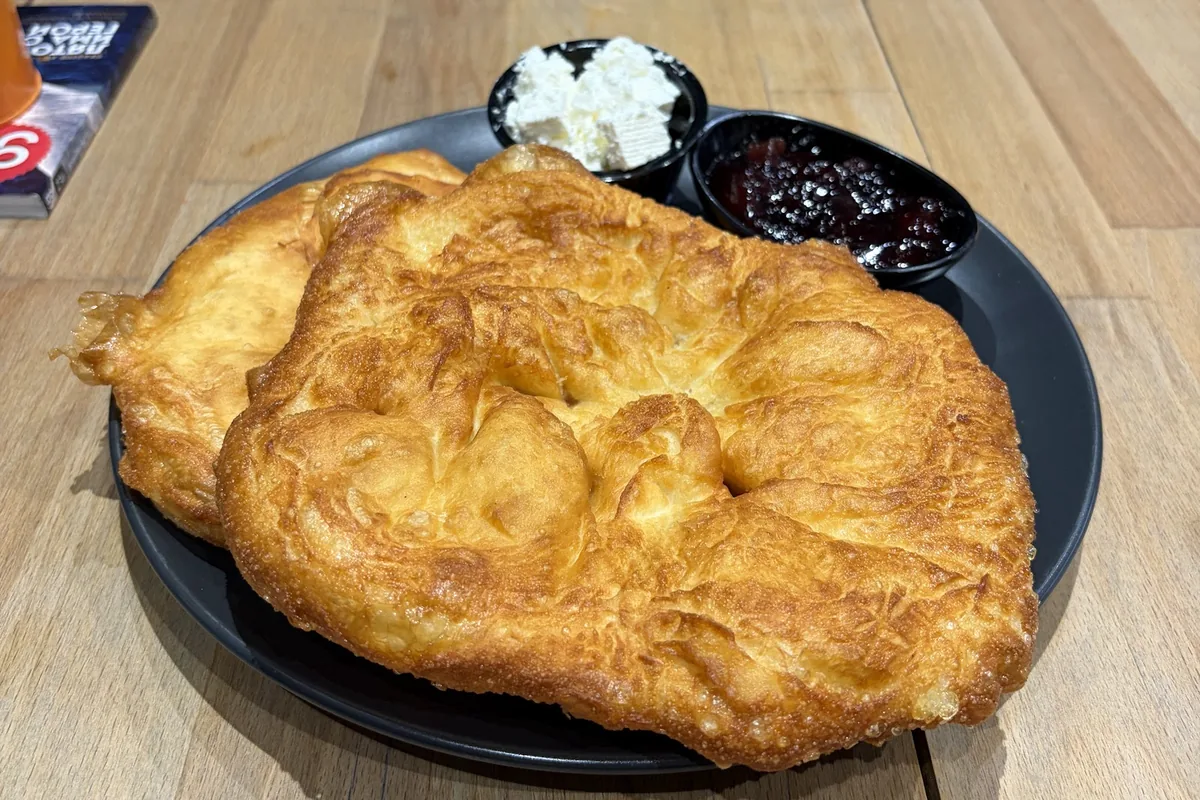
Sweet and Salty is a bakery cafe right by Vitosha Boulevard with proper tables and a menu that runs from cheese banitsa to mekitsi and French toast. I take mixed groups here, since the sweet and savoury eaters both get what they came for.
Furna on Stefan Stambolov Boulevard
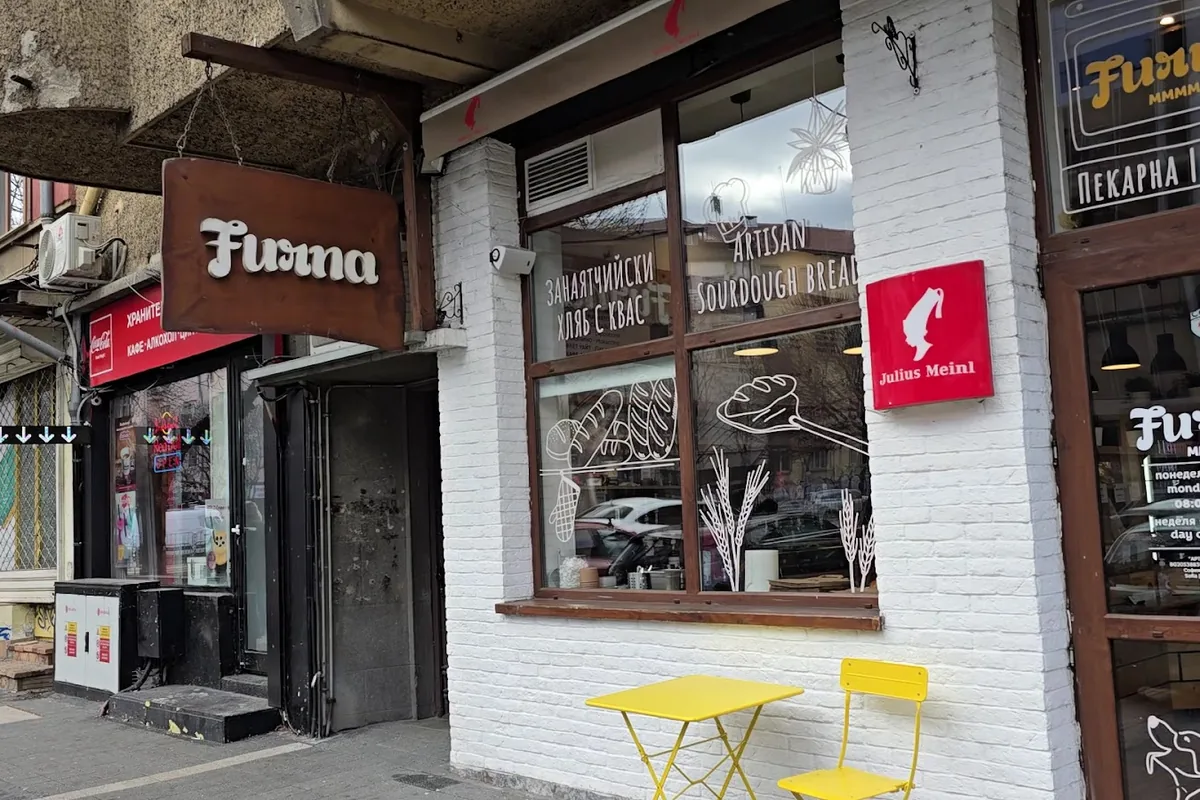
Furna is a vegan bakery, and its sweet banitsa comes as apple with walnut and cinnamon, or pumpkin with walnut, made without egg or cheese. That makes it my first stop for anyone hunting vegan food in Sofia with a sweet tooth.
Le Soleil Crepes and Coffee
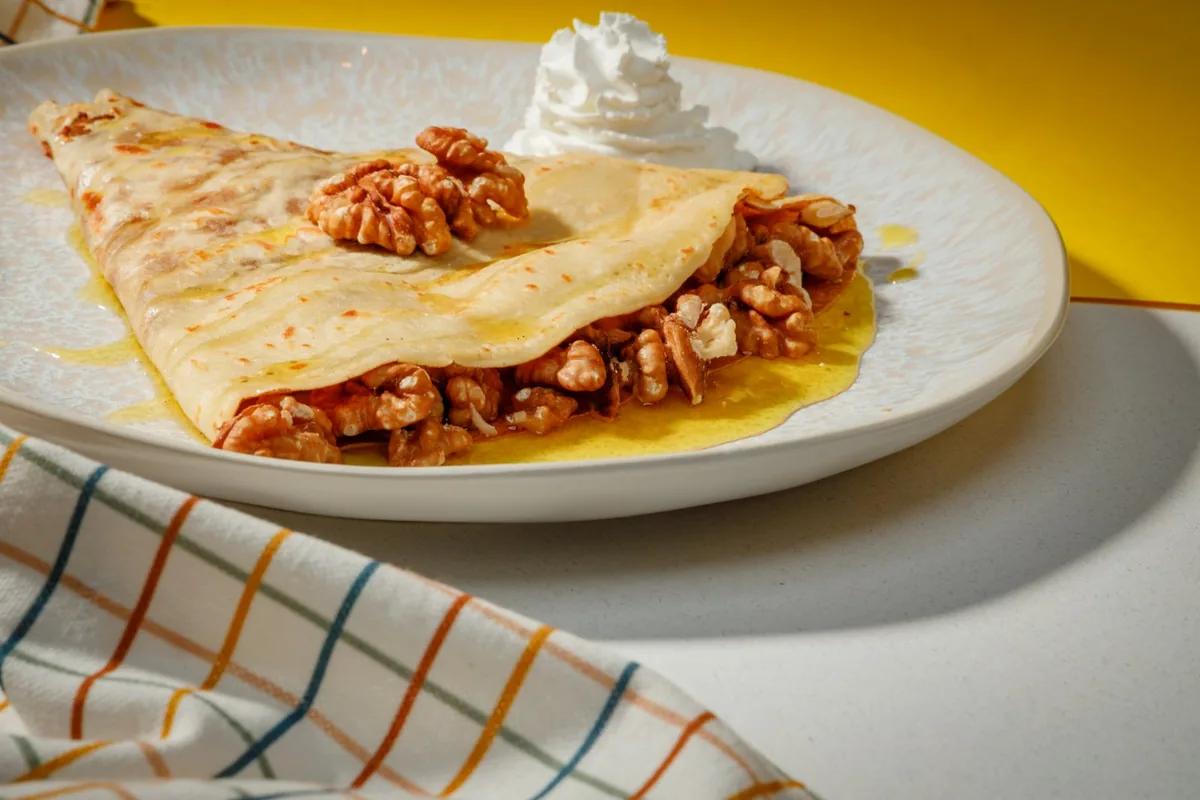
Le Soleil, at G.S. Rakovski 186, a short walk from the National Palace of Culture, makes crepes to a French recipe. Sweet ones come with French jams, fresh fruit or Callebaut chocolate, and my order is the honey and walnut crepe, the same pairing Bulgarians spoon over yoghurt. The tables are small, so expect a wait at weekends.
Zhenski Pazar, for honey, jam and dried fruit
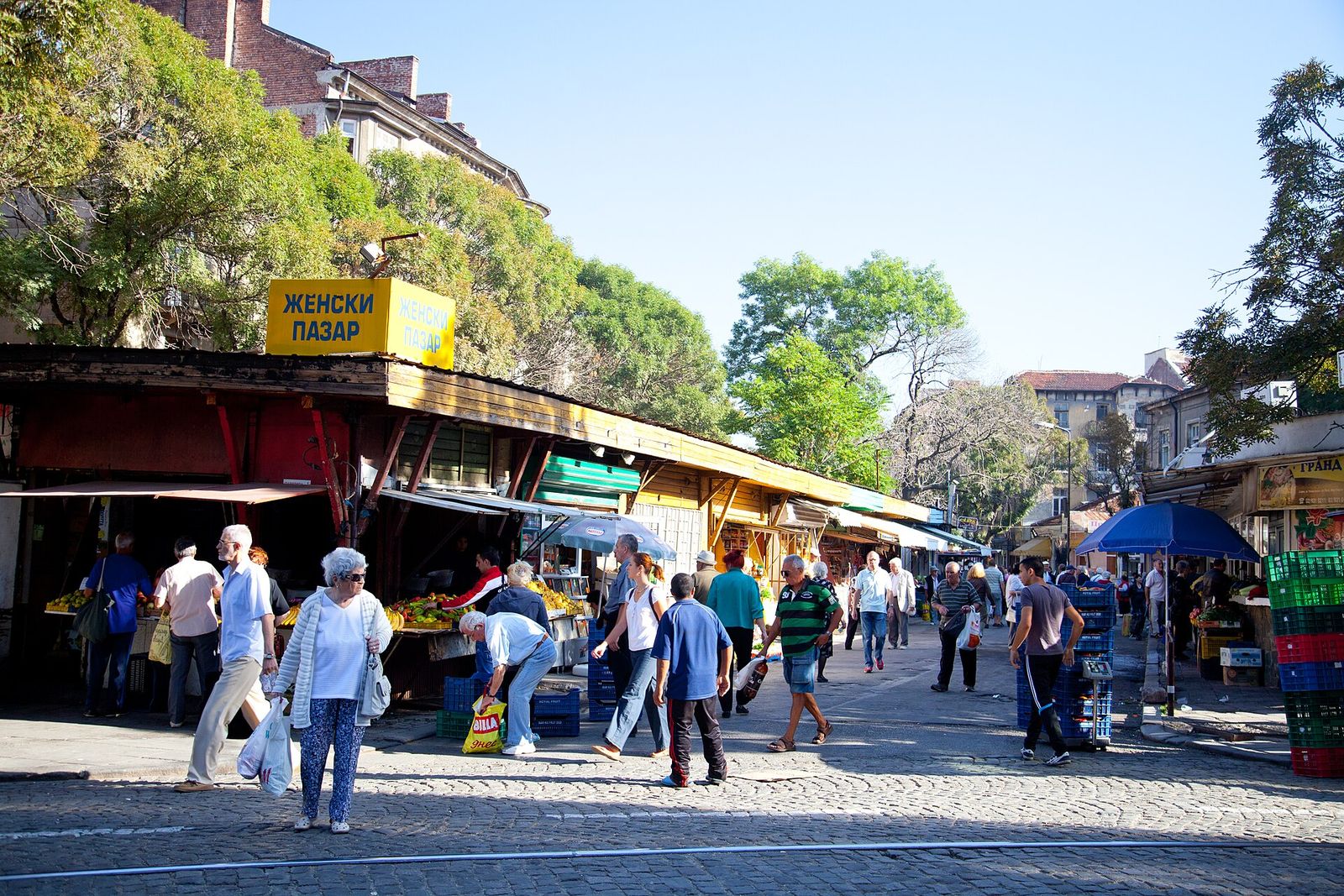
Zhenski Pazar, the Women's Market (Женски пазар), is Sofia's largest open-air market, and it runs along Stefan Stambolov Boulevard, Furna's street. Alongside the fruit and vegetables, stalls sell honey, homemade jams, nuts and dried fruit, so it's where I buy walnuts and honey for yoghurt. Go in the morning, and keep your bag zipped while you browse.
Key takeaways
- Order garash cake first in a sladkarnitsa, and buy baklava or kadaif one piece at a time.
- After a restaurant dinner, yoghurt with honey and walnuts or crème caramel is the usual sweet.
- Mekitsa is a breakfast, and a palachinka from a Vitosha Boulevard stand is an afternoon snack.
- Time a trip for the seasonal sweets: tikvenik in autumn, oshav on Christmas Eve and kozunak at Easter.
- Take halva, rose lokum and rose jam home from a supermarket such as the Kaufland in Central Market Hall.
Frequently asked questions
What are some traditional Bulgarian cakes?
Garash cake is the best known: five thin layers of walnut and egg white with chocolate cream and no flour, created in Ruse in 1885. Biscuit cake, biscuits layered with cream and set in the fridge, is the everyday one, and kozunak, a sweet braided bread, is the Easter bake.
What is the most famous Bulgarian dessert?
Yoghurt with honey and walnuts is the most Bulgarian dessert, because yoghurt is the country's best-known food. Garash is the famous cake with a Bulgarian birthplace, and baklava is the sweet you'll see on the most counters in Sofia.
What are the most common Bulgarian desserts?
The 9 you'll meet most often are baklava and garash cake in sweet shops, tikvenik, kozunak and mekitsa from bakeries, palachinki from street stands, halva and lokum on supermarket shelves, and yoghurt with honey and walnuts in restaurants. Restaurants also serve crème caramel and rice pudding, and kadaif and tulumbichki share the pastry counter with baklava.
Is baklava Bulgarian?
Baklava came to Bulgaria with the Ottoman Empire, and Turkey, Greece and the rest of the Balkans make it too. In Bulgaria it's filo with walnuts and syrup, sold by the piece in Sofia's sweet shops and pastry counters.
What is the richest Bulgarian dessert?
Garash cake is the richest: ground walnuts, egg whites and sugar in five layers, held together with chocolate cream and covered in chocolate icing. Among the syrup sweets, tulumbichki, fried choux pastry soaked in sugar syrup, are the sweetest.
What Bulgarian sweets can I bring home?
Tahini halva, rose lokum and rose jam travel best, and Sofia's supermarkets sell all three. Pack jars of jam and honey in your hold bag, since they count as liquids at airport security, and buy kozunak on your last morning so it's still soft when you land.
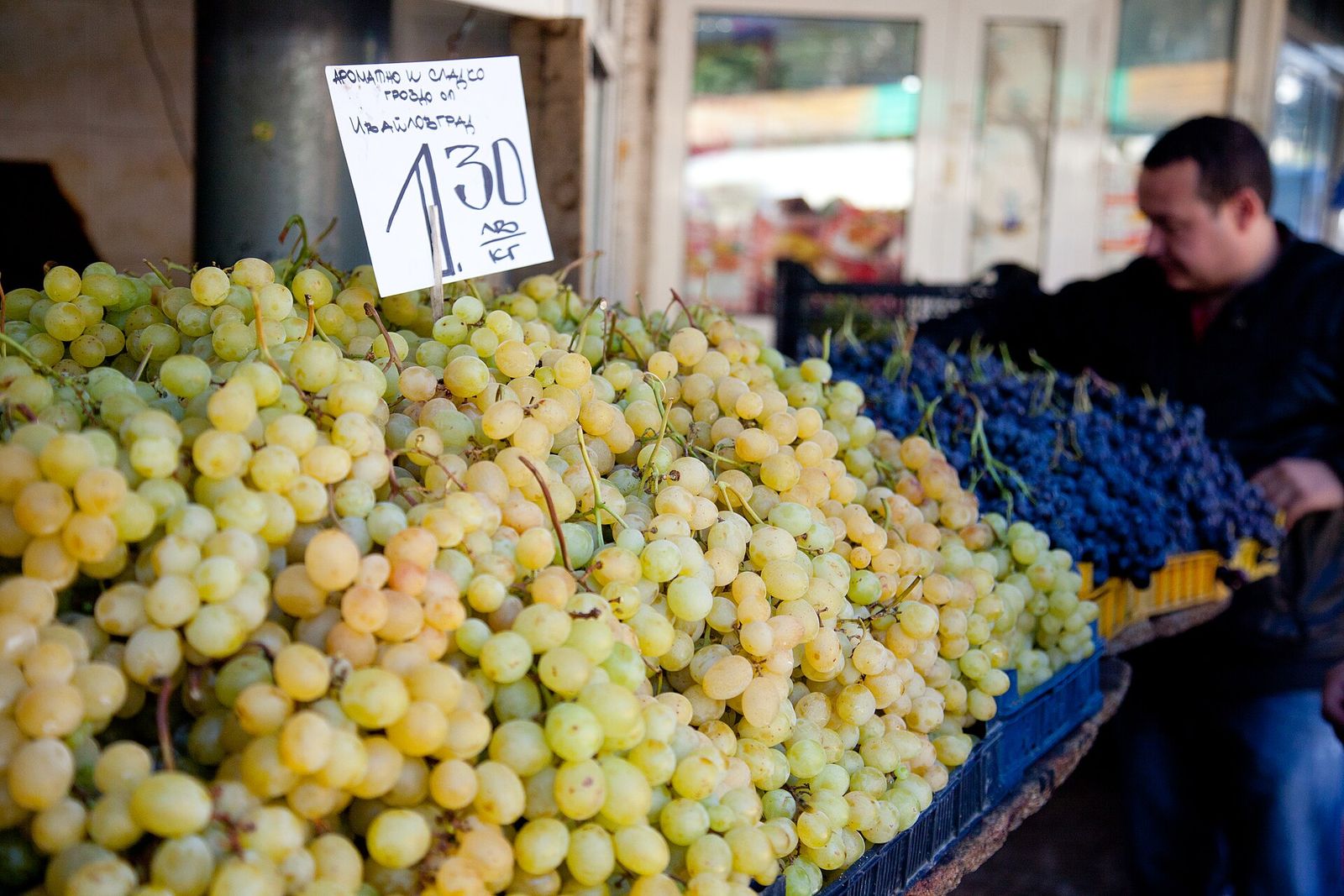
Sofia Food Guide: What to Eat and Where
Banitsa, shopska and rakia: what to eat in Sofia, the places I eat it, and what a meal costs in euros.
Read the guide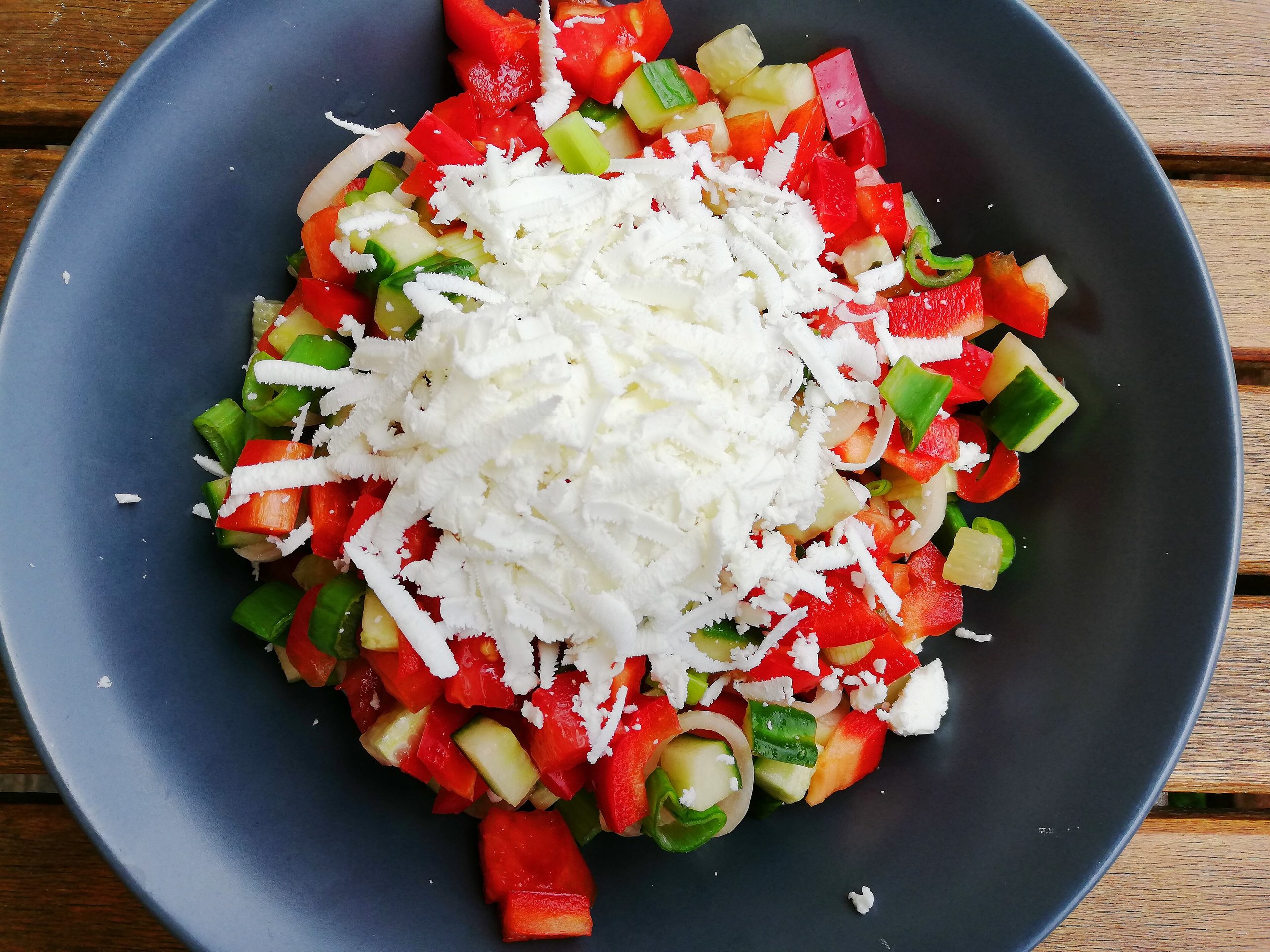
Bulgarian Food: The Dishes I Tell Every Visitor to Try
Salads, white cheese, yoghurt, grills and clay pots: the Bulgarian dishes I order, with the menu word for each.
Read the guide
The Best Restaurants in Sofia: 11 Places I Send Friends
The 11 Sofia restaurants I send friends to, from folk-music cellars to award-winning fine dining, and what to order.
Read the guide