Plovdiv: My Favourite Things to Do in Bulgaria's Second City
Plovdiv is Bulgaria's second city and the first place I send friends once they've done Sofia. It's known for a Roman theatre that still puts on shows, a Roman stadium under the high street, painted merchants' houses on three hills and Kapana, a knot of lanes full of bars. These are my favourite things to do there, with the ticket prices, the days things close and how I'd spend two days.
Is Plovdiv worth a night or two?
Yes, and I'd give it two. People have lived here since about 6,000 BC, and Nebet Tepe, the hill at the top of the Old Town, has been lived on without a break since the end of the 4th millennium BC. That's why Plovdiv calls itself the oldest continuously inhabited city in Europe.
The oldest of its names is Eumolpias. Later it became Philippopolis, the city of Philip, after a Macedonian king, and the Romans called it Trimontium, the city of three hills. It grew up on seven syenite hills and has six left, because Markovo Hill was quarried away for stone in the early 20th century. About 330,000 people live here today, and it was a European Capital of Culture in 2019.
Plovdiv has its own word for its pace, aylak, which means taking it slow. Staying the night is how you get it: the Bishop's Basilica at opening time, a sunset from a hilltop and a long dinner in Kapana without watching the clock for the last bus.
Getting to Plovdiv from Sofia
Buses and trains both leave from just north of Sofia's centre, where the Central Bus Station and the Central Railway Station stand side by side. The bus takes about 2 hours for €8.50 to €11, and the train about 3, usually with a change, for about €5.60. If you only have the one day, Plovdiv as a day trip hangs on the last buses back, at 19:00 from beside Plovdiv's railway station or 21:10 from its North bus station.
Trains in Bulgaria are slow but roomy, and Plovdiv sits on the main line east from Sofia. I check departures on the BDZ timetable the night before. Plovdiv's Central Station is about 20 minutes on foot from the Old Town, through Tsar Simeon Garden and up the main pedestrian street.
Direct buses run on from Plovdiv to Veliko Tarnovo in about 3 hours, and on a week in Bulgaria Plovdiv is where I spend my first night out of Sofia.
My favourite things to do in Plovdiv
I've numbered these in the order I walk them over two days: the Roman and Ottoman sights around the main street, then up into the Old Town, then the basilicas, the other hills and one trip out of town.
1. The Roman Stadium under the main street
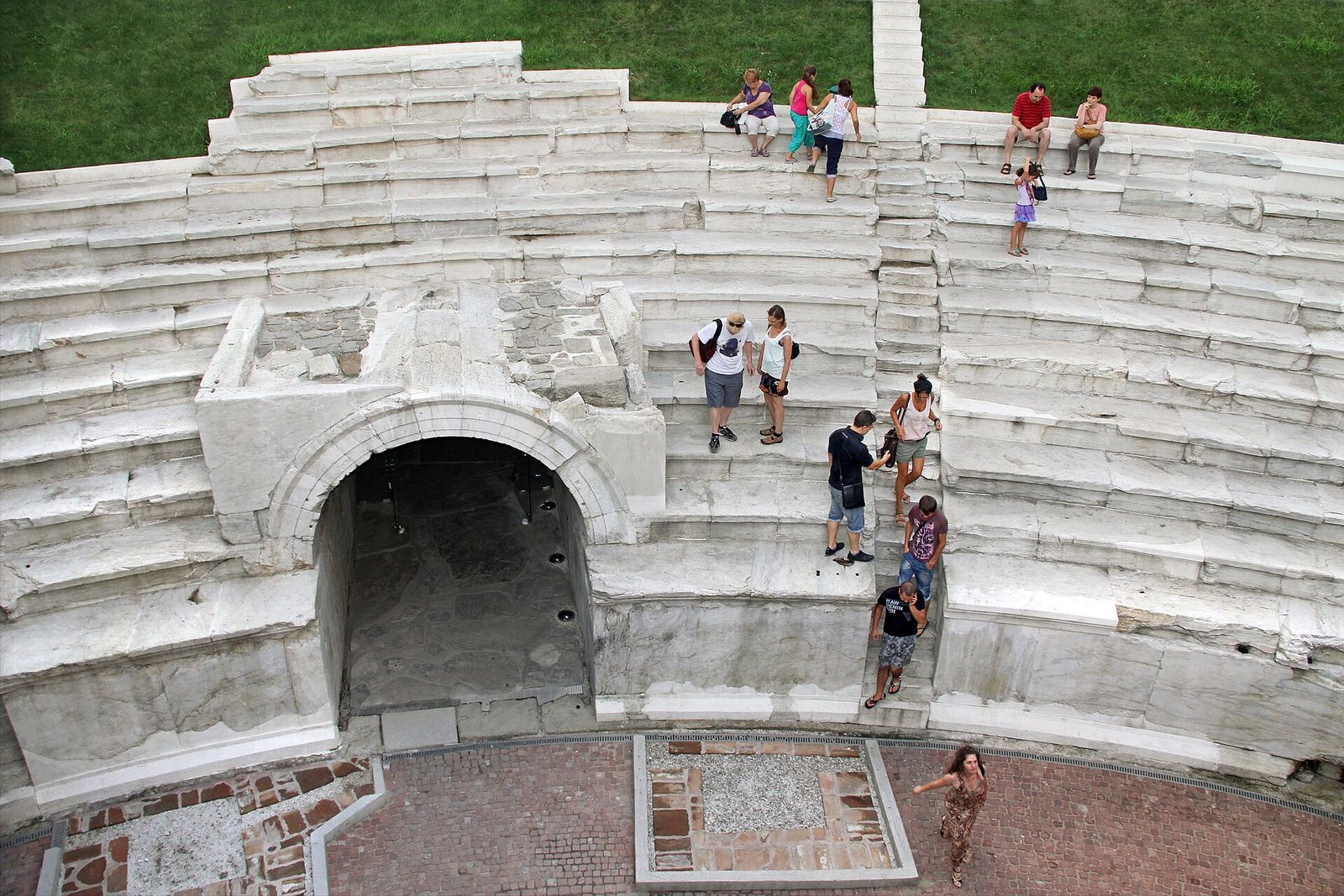
Plovdiv's main shopping street, Knyaz Alexander I, runs 1.7 km from north to south, and part of it sits on top of a Roman stadium. At Dzhumaya Square the paving stops and the curved northern end drops away below you: rows of marble seats and an arched entrance. The rest of the track is still under the shops.
The stadium went up under the emperor Hadrian, who ruled from 117 to 138 AD, and held up to 30,000 people. Walking down among the seats is free. A 3D film about it costs €3.68, or €5.11 with the excavated eastern sector, open from 10am to 6.30pm. I come early, before the cafes on the square fill up.
2. Dzhumaya Mosque
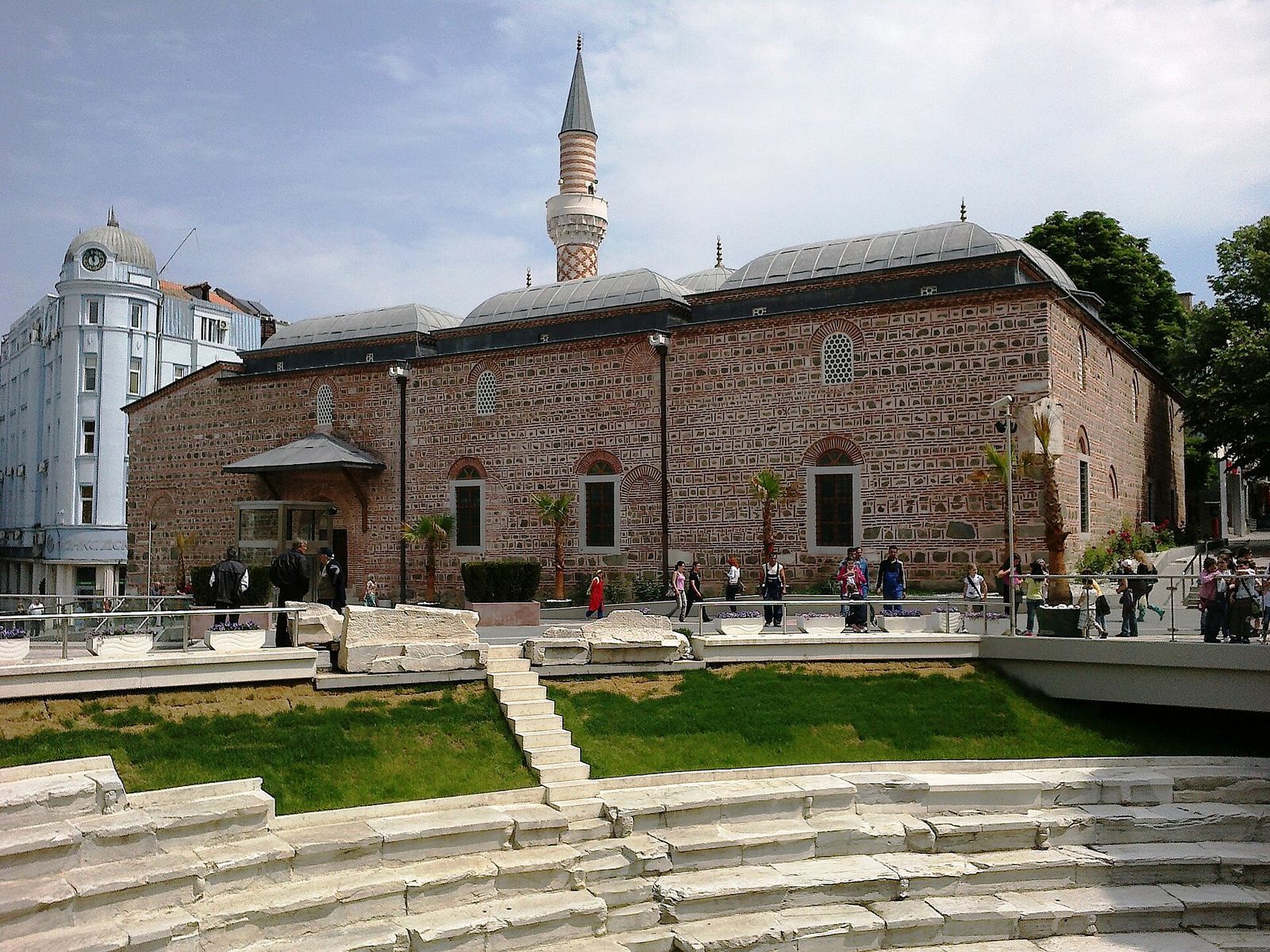
Dzhumaya Mosque stands on the same square, right above the stadium seats. The first mosque on this spot was built in 1363 and 1364, soon after the Ottomans took the city, and the brick walls, domes and single minaret you see now come from a later rebuild.
It's free to go in and it's a working mosque, so I dress as I would for a church and step in between prayer times. From the mosque, the cobbles of Saborna Street climb into the Old Town.
3. Plovdiv Old Town and Hisar Kapia
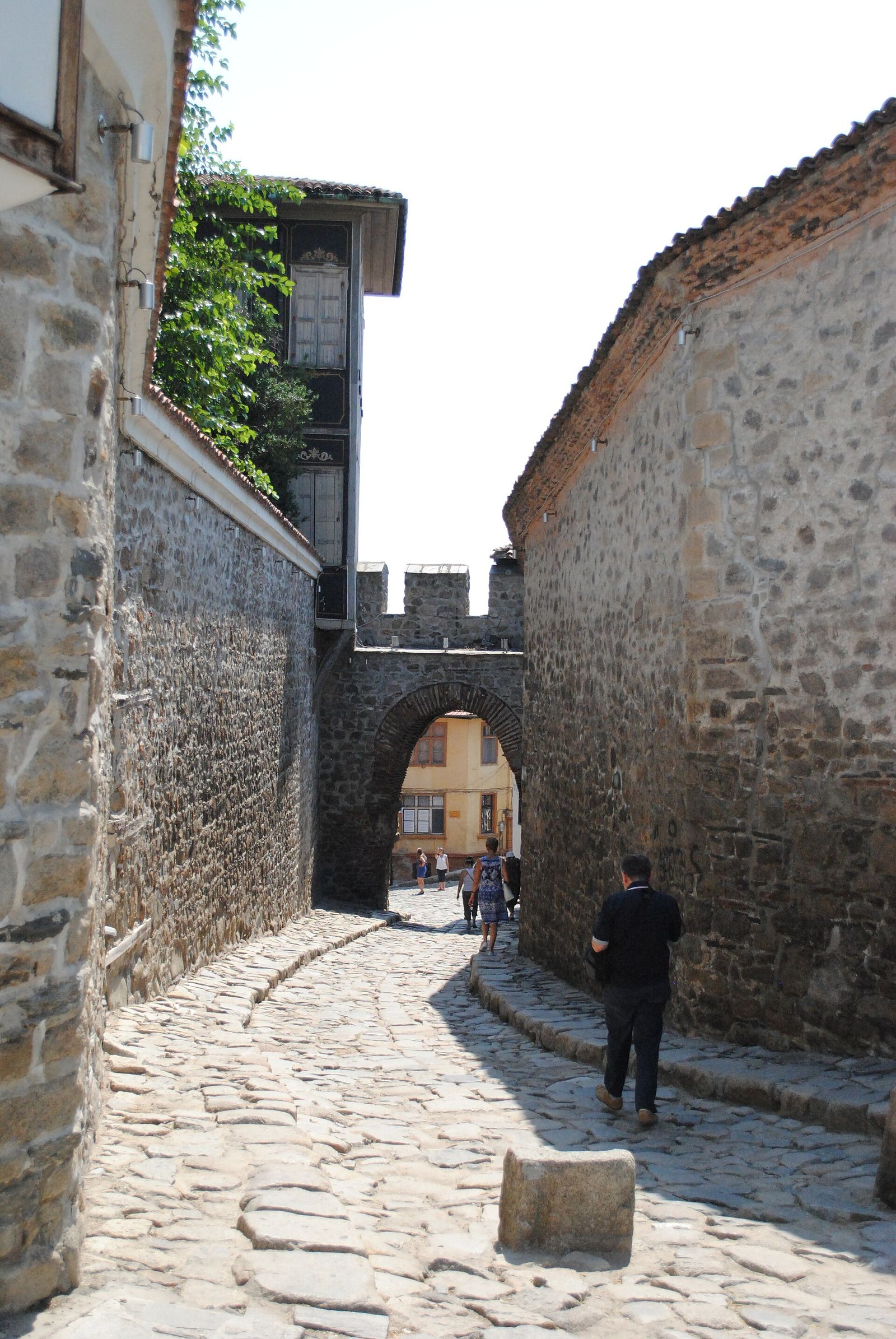
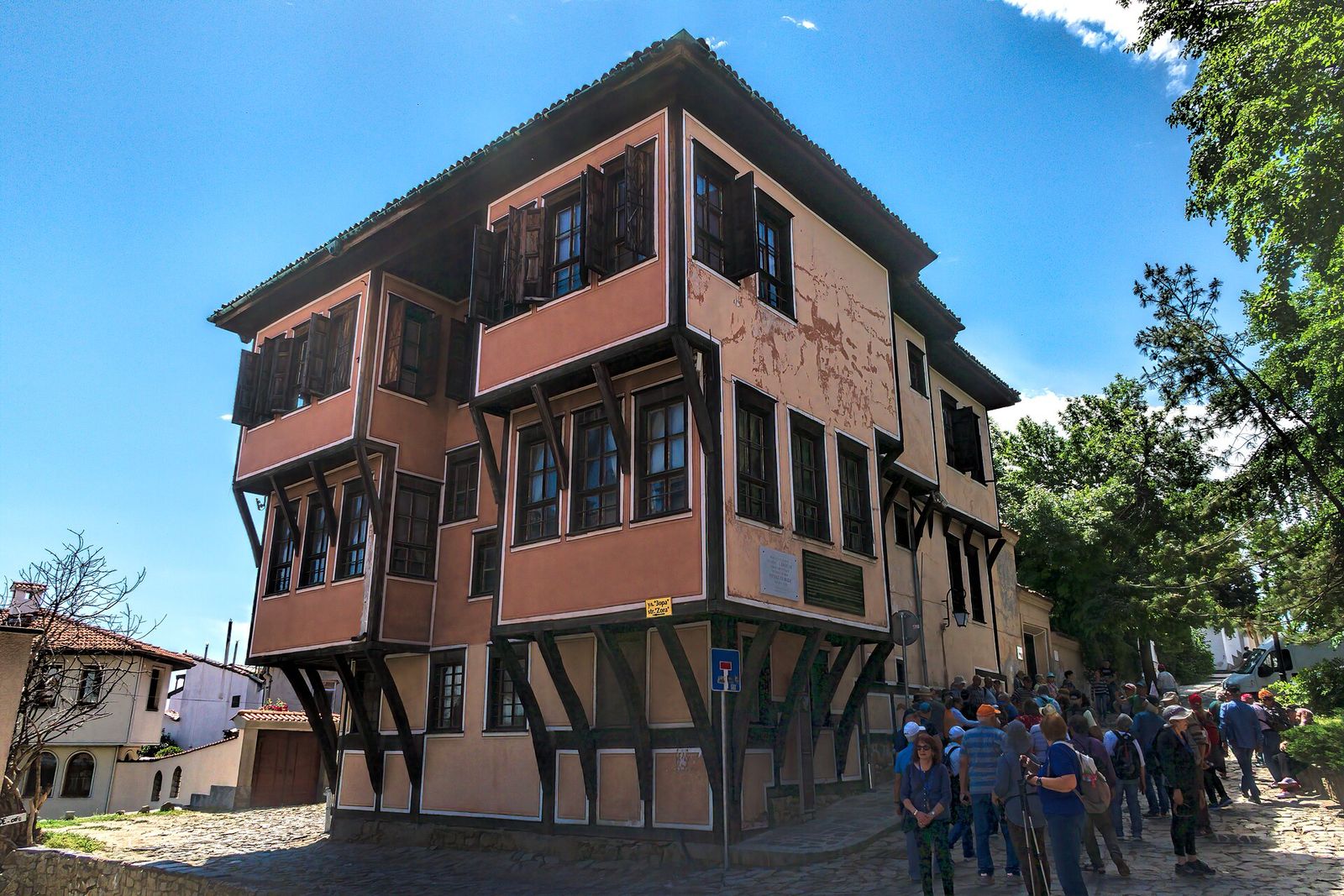
Plovdiv Old Town covers three hills, Dzhambaz, Nebet and Taksim, and it's free to wander. The lanes are steep cobbles lined with 19th-century merchants' houses, their top floors jutting out over the street on curved wooden brackets. Hisar Kapia, a gate in the old fortress walls, dates back to the 11th century and took its present shape in the 13th and 14th.
Lamartine House, built in 1829 and 1830 for the merchant Georgi Mavridi, is named after the French poet Alphonse de Lamartine, who stayed there for three days in the summer of 1833. On the same walk you pass the Church of St Constantine and Helena. I wear trainers here, because the cobbles are polished smooth and slippery after rain.
4. The house museums: Hindliyan, Balabanov and Nedkovich
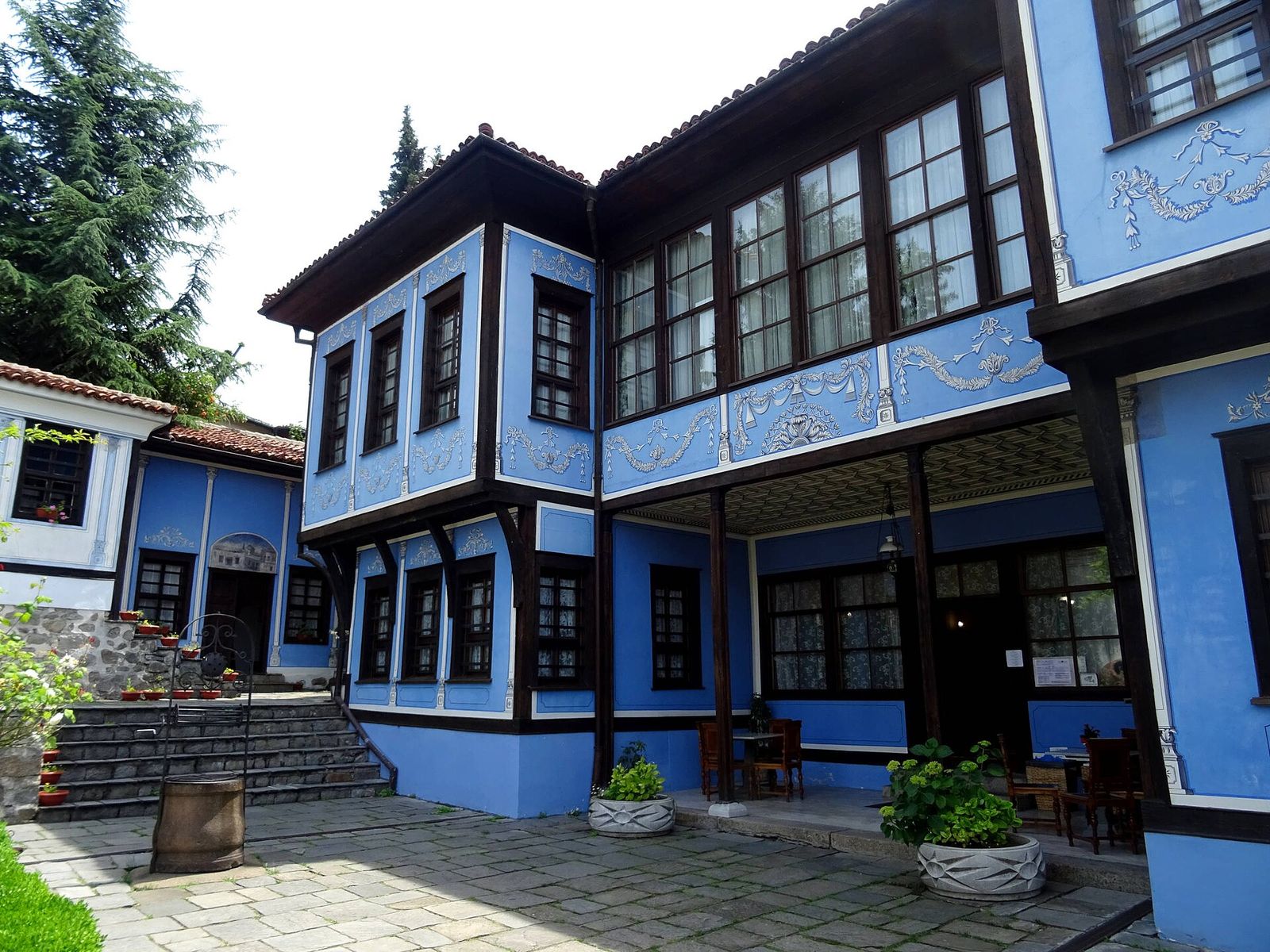
The houses are the reason I keep going back to Plovdiv. Hindliyan House, built in 1834 and 1835, is my favourite: the outside is painted blue with white scrolls, and inside the walls and ceilings are painted too. Balabanov House is next on my list, then Nedkovich House.
Each costs €3.58. Hindliyan House, Balabanov House, the Hippocrates Pharmacy Museum and the Zlatyu Boyadzhiev exhibition all close on Mondays, and Nedkovich House and Stambolyan House close on Sundays.
5. The Ethnographic Museum
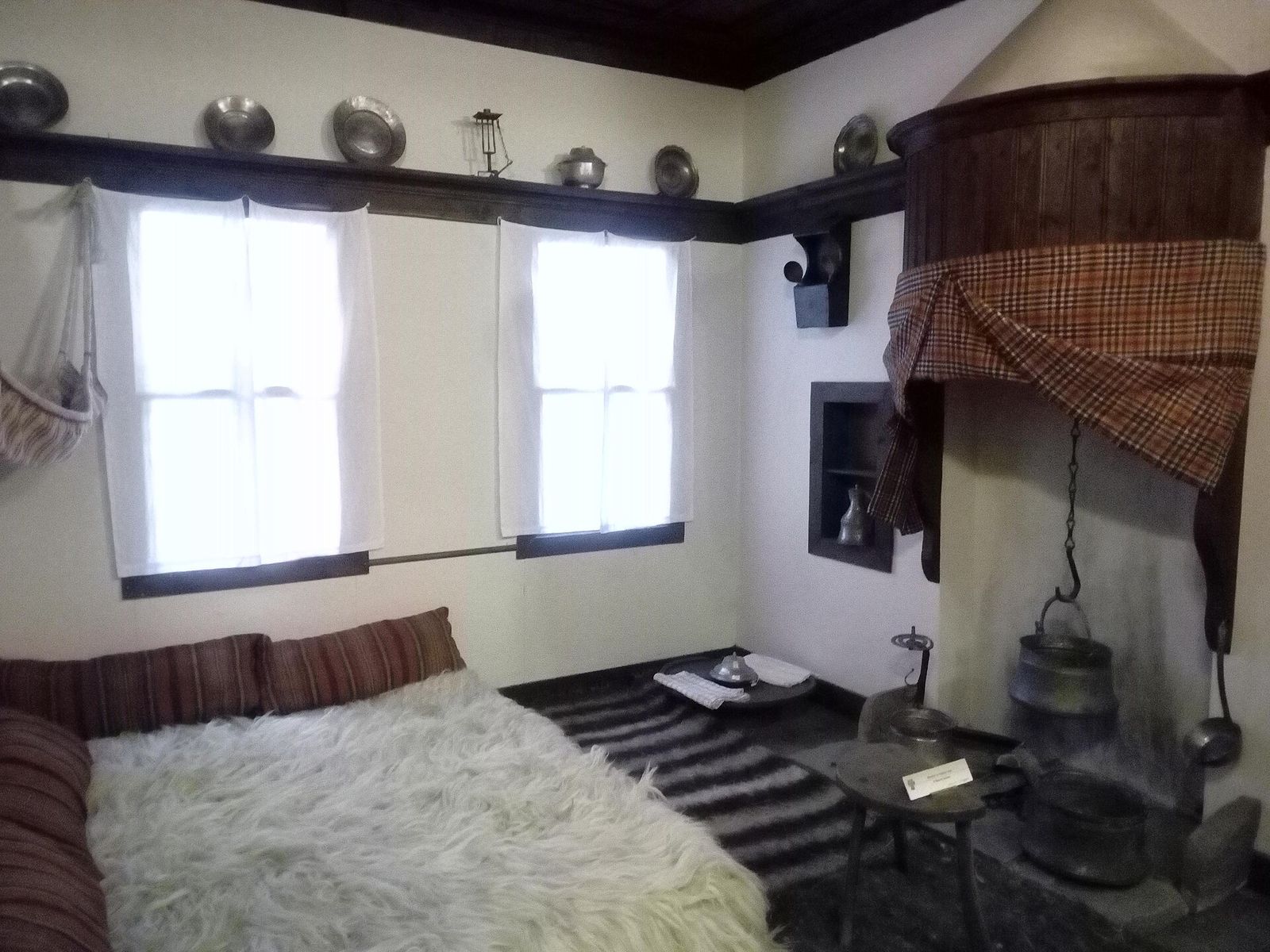
The postcard house with the curved blue front was built in 1847 for the merchant Argir Kuyumdzhioglu, and it now holds the Regional Ethnographic Museum, the second largest of its kind in Bulgaria. One room is laid out as a 19th-century home, with a hearth, woven rugs, cushions and a shelf of copper plates.
It's run separately from the Old Plovdiv sites, so you pay at its own door and the combined ticket doesn't count.
6. The Ancient Theatre
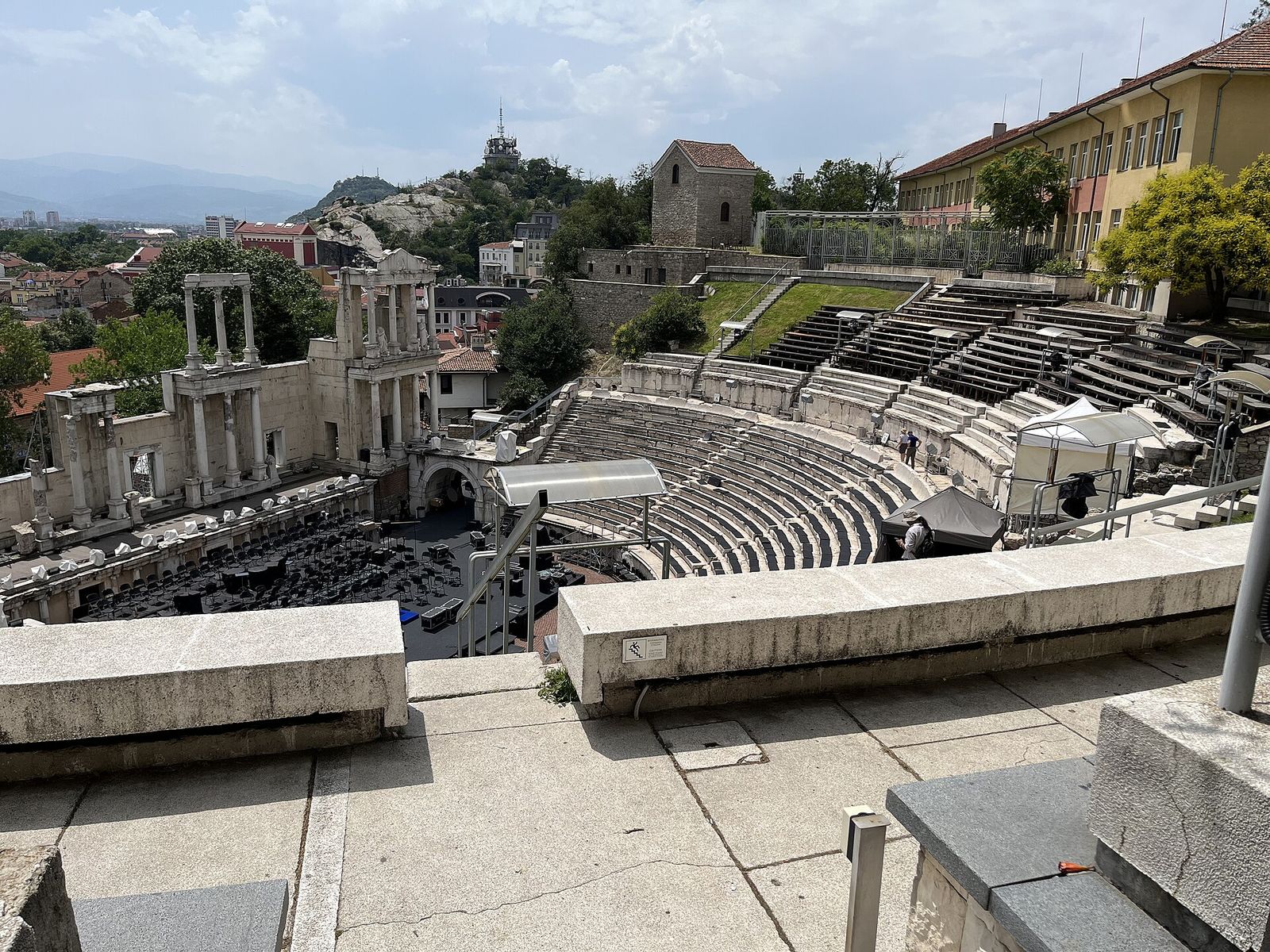
This is the sight everyone comes for. The Roman theatre is almost 2,000 years old, seats about 6,000 people and was in use from the early 1st century to the end of the 4th. Its marble rows are cut into the side of the Old Town hill, and from the top row you look over the rooftops to the Rhodope Mountains.
Entry costs €3.58 and it opens every day: 9.30am to 6pm from April to October and 9am to 5.30pm from November to March, closed from 12.30pm to 1pm for lunch.
7. Nebet Tepe at sunset
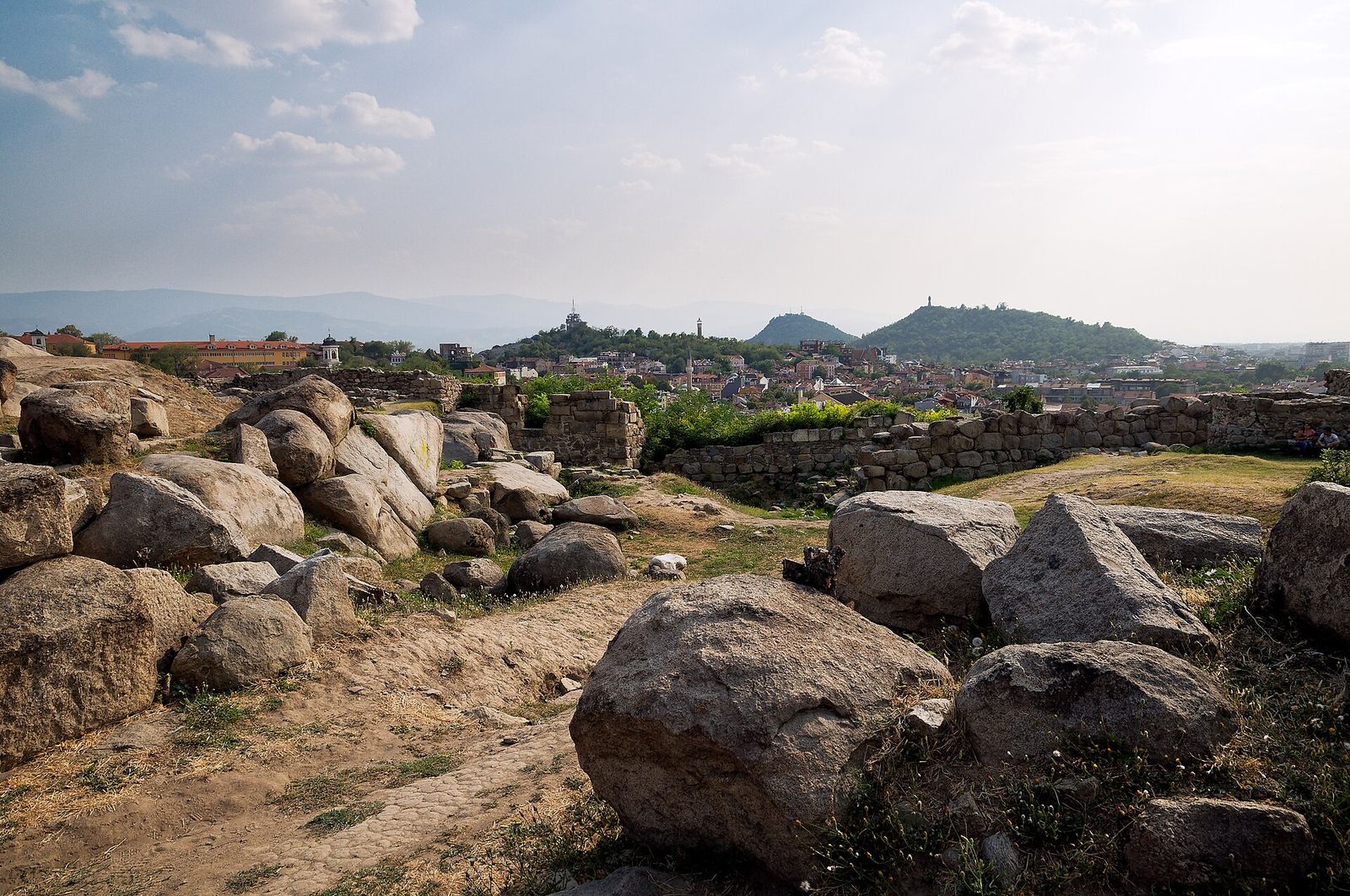
Nebet Tepe is the highest of the three Old Town hills and the spot where Plovdiv began. The top is a jumble of boulders and the remains of Thracian and later fortress walls, and it's free. From here you see the river, the rest of the hills and the Old Town roofs turning orange as the sun goes down.
8. Kapana, the Trap
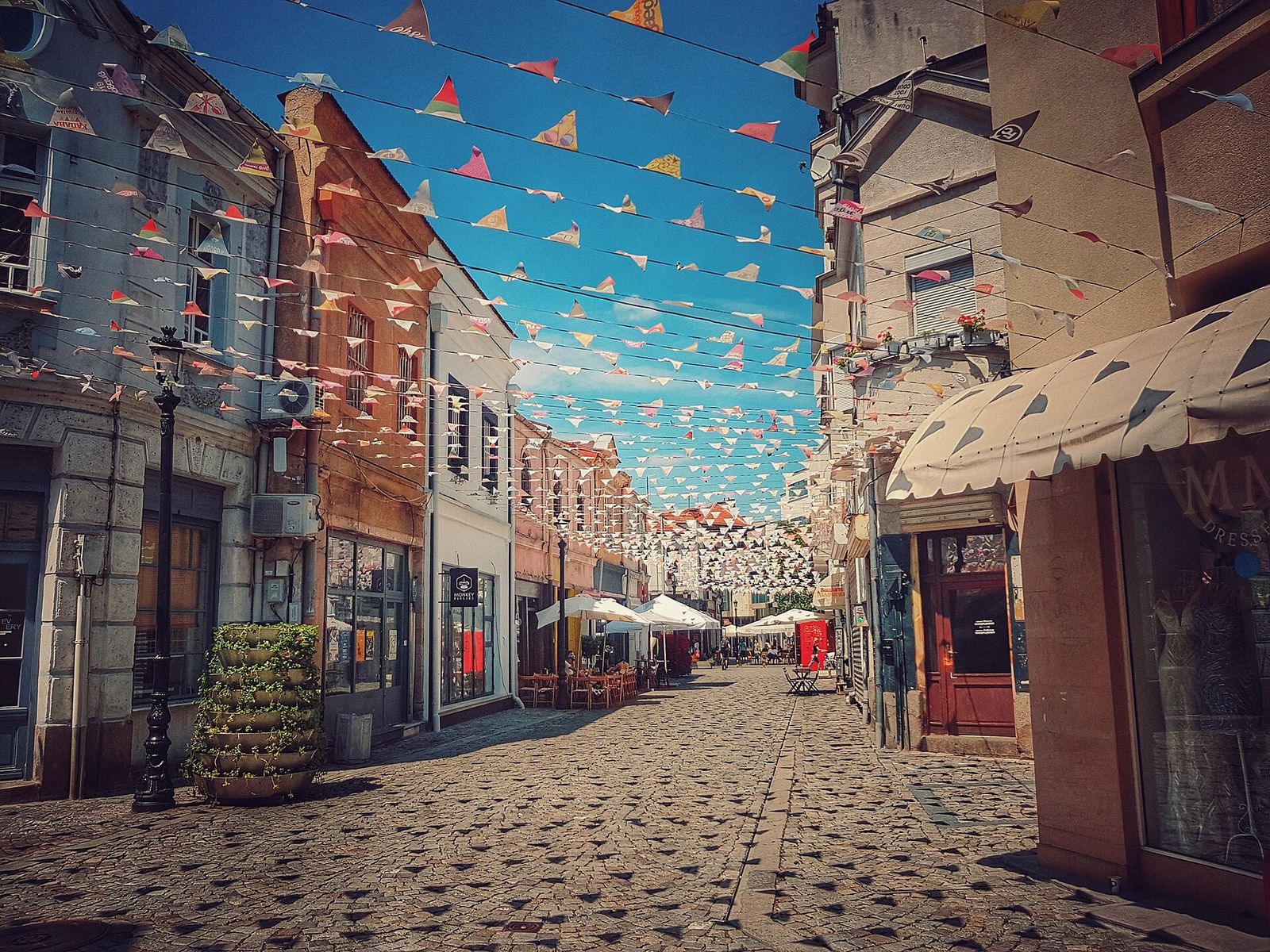
Kapana means "the trap", after its tangle of narrow streets just north of Dzhumaya Square, about 10 minutes' walk downhill from the Old Town. It was a run-down corner of the centre and it's now where Plovdiv eats and drinks: pedestrian lanes of cafes, craft beer bars and small restaurants, with street art on the walls and bunting overhead.
This is where I have dinner both nights, and on Fridays and Saturdays I book a table, because the best places fill up.
9. The Bishop's Basilica mosaics
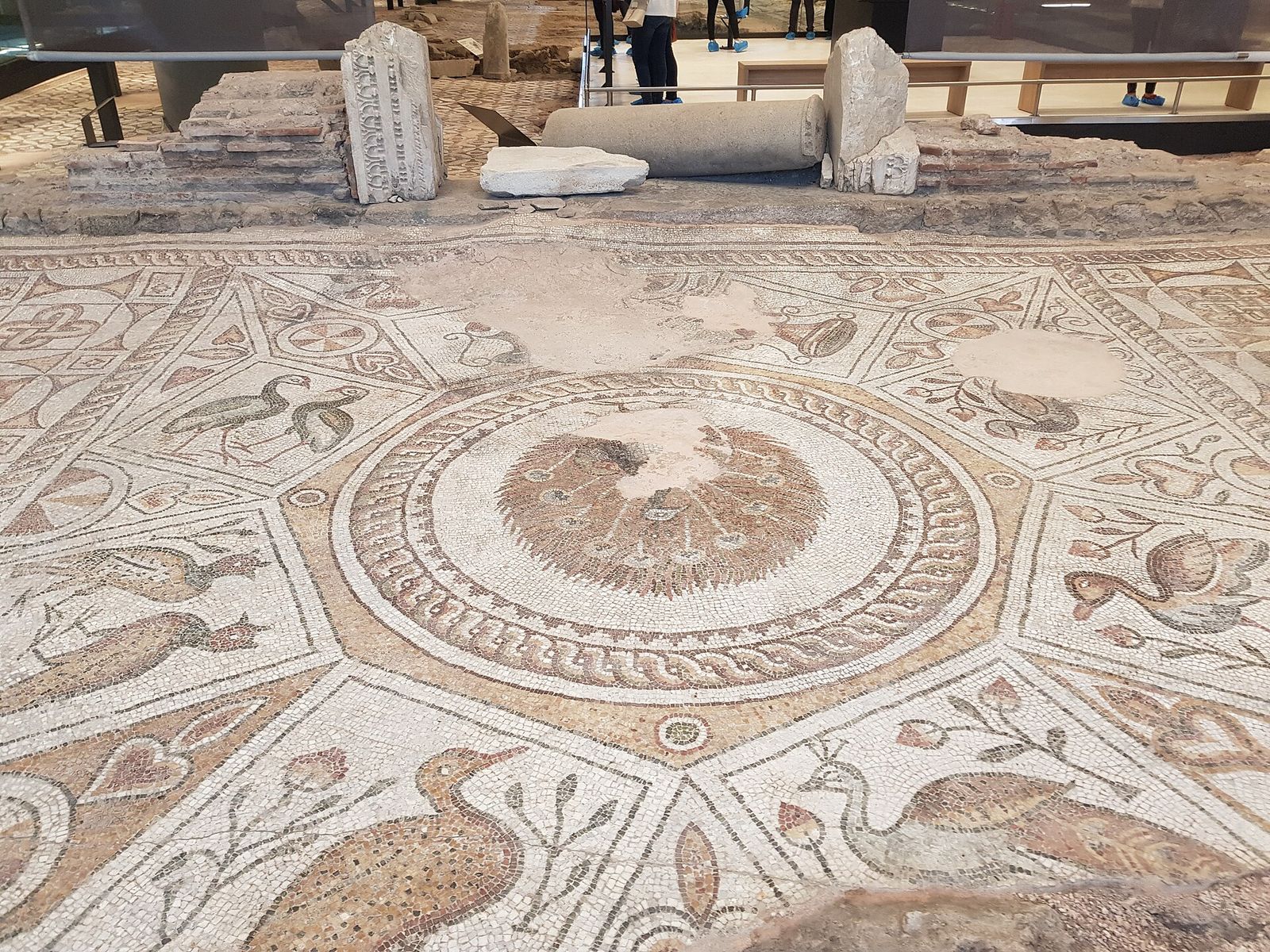
If I could pay for only one ticket in Plovdiv, it would be this one. The Bishop's Basilica of Philippopolis, at 2 Knyaginya Maria Luiza Boulevard, is a late Roman church floor under a modern roof, and you look down on its mosaics from raised walkways. Birds fill the panels, set in circles and octagons of red, cream and black stone.
It's open every day from 9am to 6pm and costs €7.57, just over double the price of a house museum. A €12.78 combined ticket adds the Small Basilica and the Irene building.
10. The Small Basilica
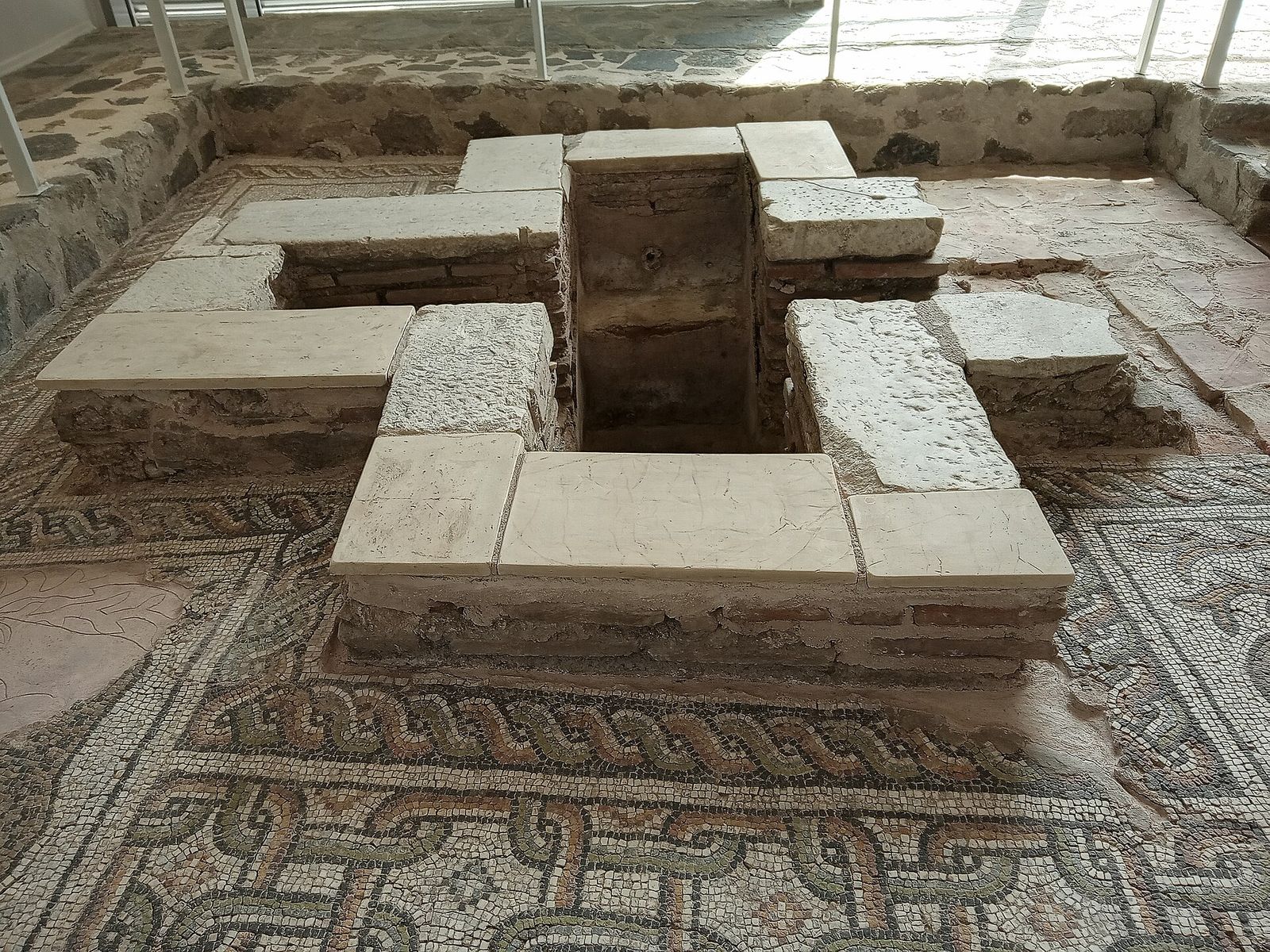
Further along the same boulevard, at number 31, the Small Basilica dates from the second half of the 5th century and was only found in 1988. Its floor is a patchwork of geometric mosaics, and its baptistery keeps a cross-shaped font cut down into the floor.
I give it 20 minutes straight after the Bishop's Basilica, and it costs €3.58 on its own.
11. The Roman Forum and the Odeon
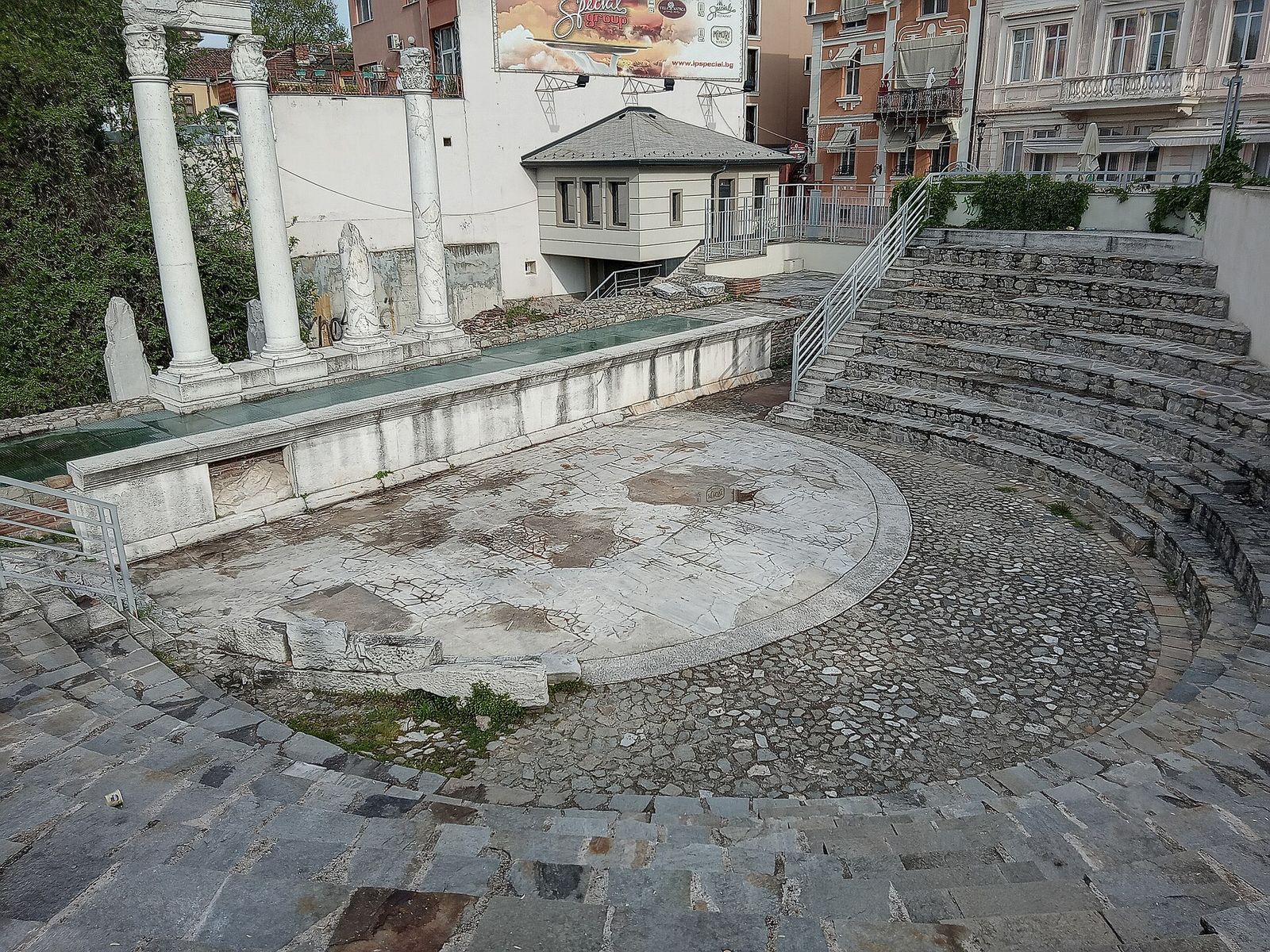
The Roman Forum of Philippopolis lies in the middle of the modern centre, beside the central post office. Rows of shops once lined three sides of the square, and you look down on their foundations and fallen columns for free.
At one corner, the Odeon is a small semicircle of stone seats behind a row of restored white columns. You can see most of it from the railings, and it's open Tuesday to Sunday if you'd like to sit on the stones.
12. Tsar Simeon Garden and the singing fountains
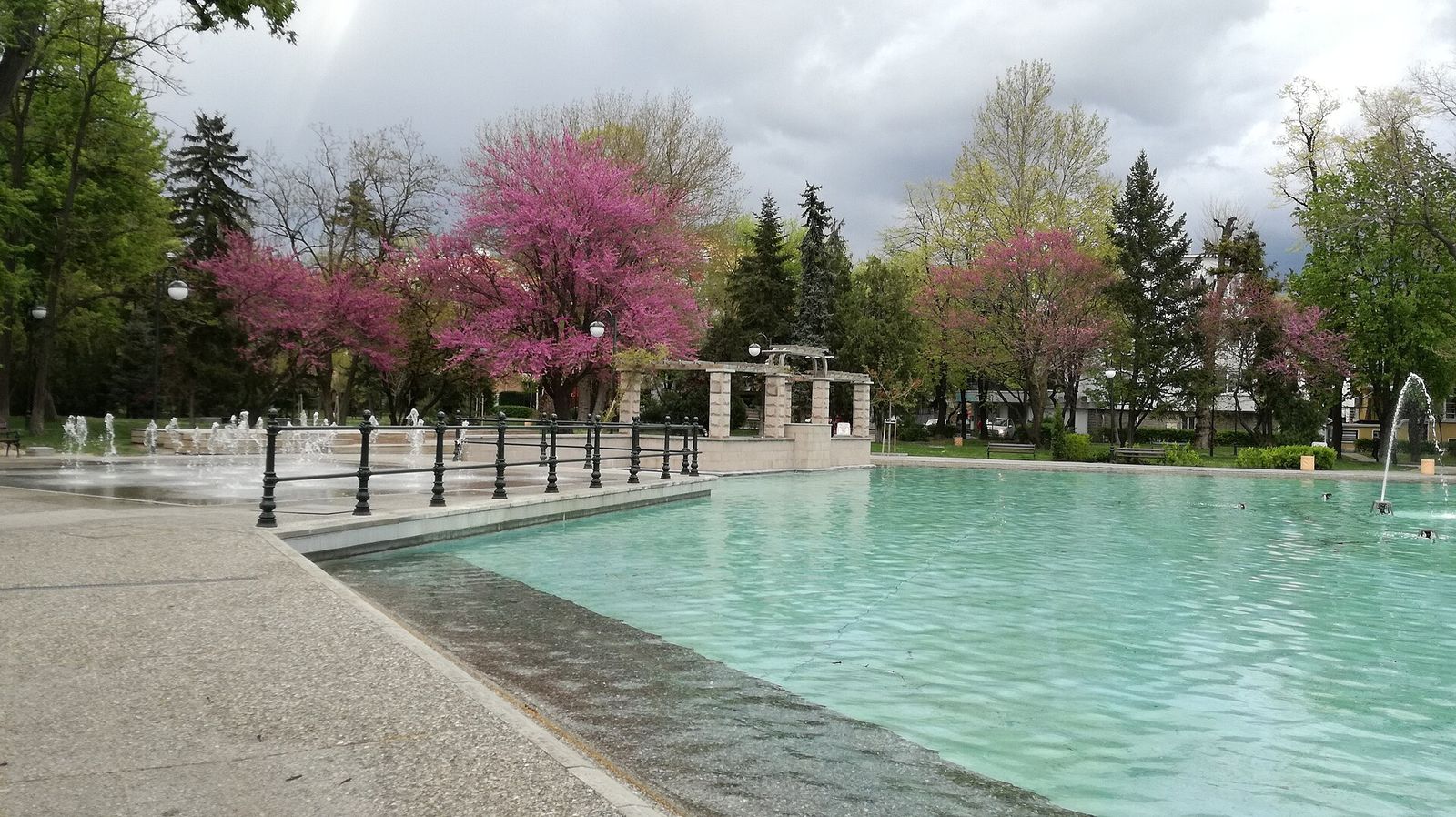
Tsar Simeon Garden, laid out in 1892, is the park at the southern end of the main street, and you walk through it from the railway station. Its long pool is the stage for the singing fountains, which put on a show of water set to music on summer evenings, from about 10pm Thursday to Saturday.
In April the trees around the pool flower bright pink, and I stop for a coffee on a bench here before the walk up to the Old Town.
13. The clock tower on Sahat Tepe
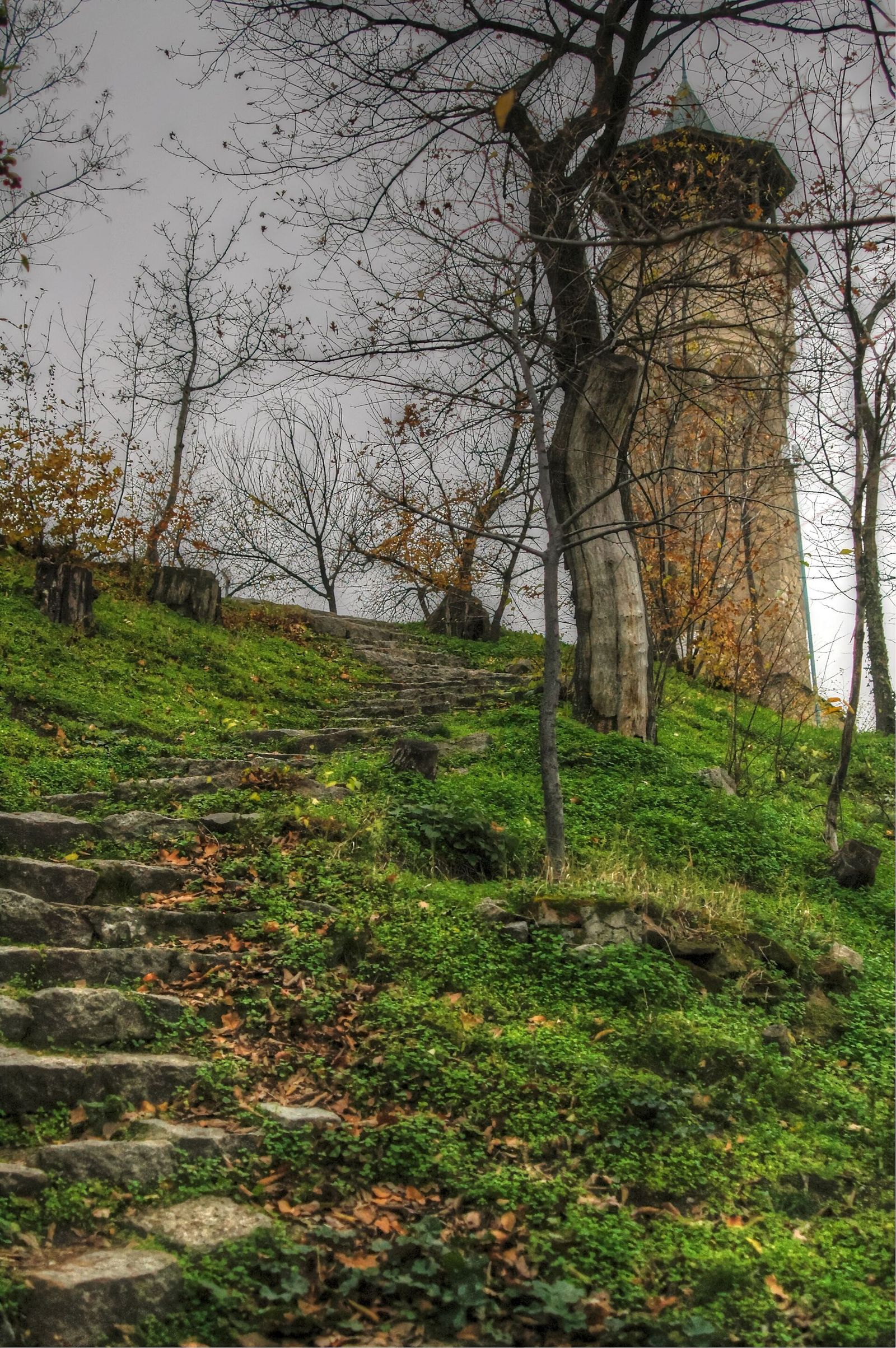
Sahat means clock, and Sahat Tepe is the hill named after its tower. A clock tower here was first recorded in 1623, and the stone tower standing now went up in 1812 and is 17.5 metres tall.
The climb from the main street is a short one up old stone steps, it's free, and the top is a quiet patch of trees above the shops. I come up here on the second afternoon, when the Old Town lanes are at their busiest.
14. Alyosha on Bunardzhika hill
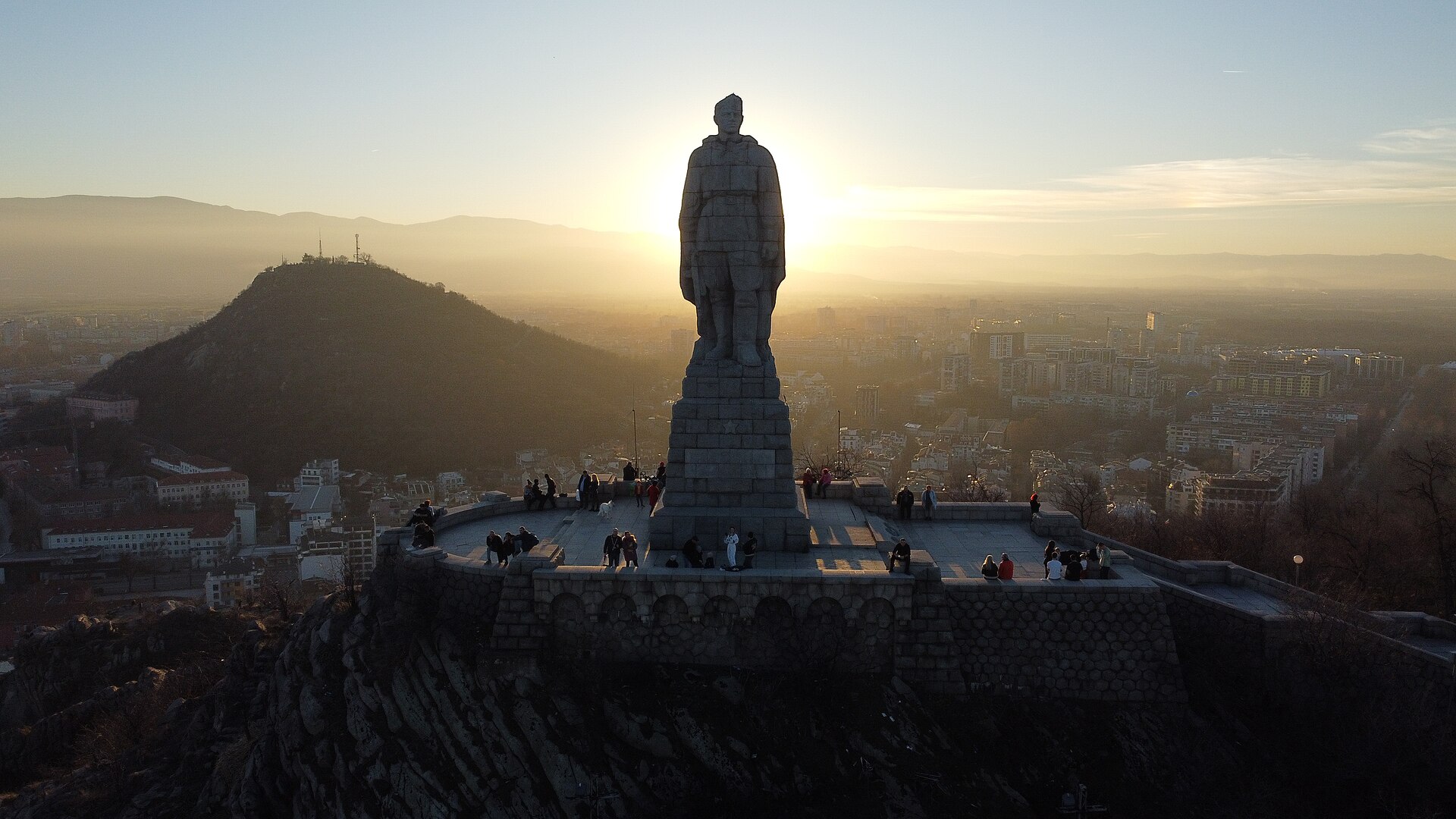
Bunardzhika, also called the Hill of the Liberators, carries Plovdiv's monument to the Soviet Army, a giant stone soldier from the 1950s that everyone in the city calls Alyosha. Love it or not, it's the best sunset in Plovdiv: the terrace at his feet looks west over the city to Mladezhki Hill.
15. A glass of Mavrud, Plovdiv's own red
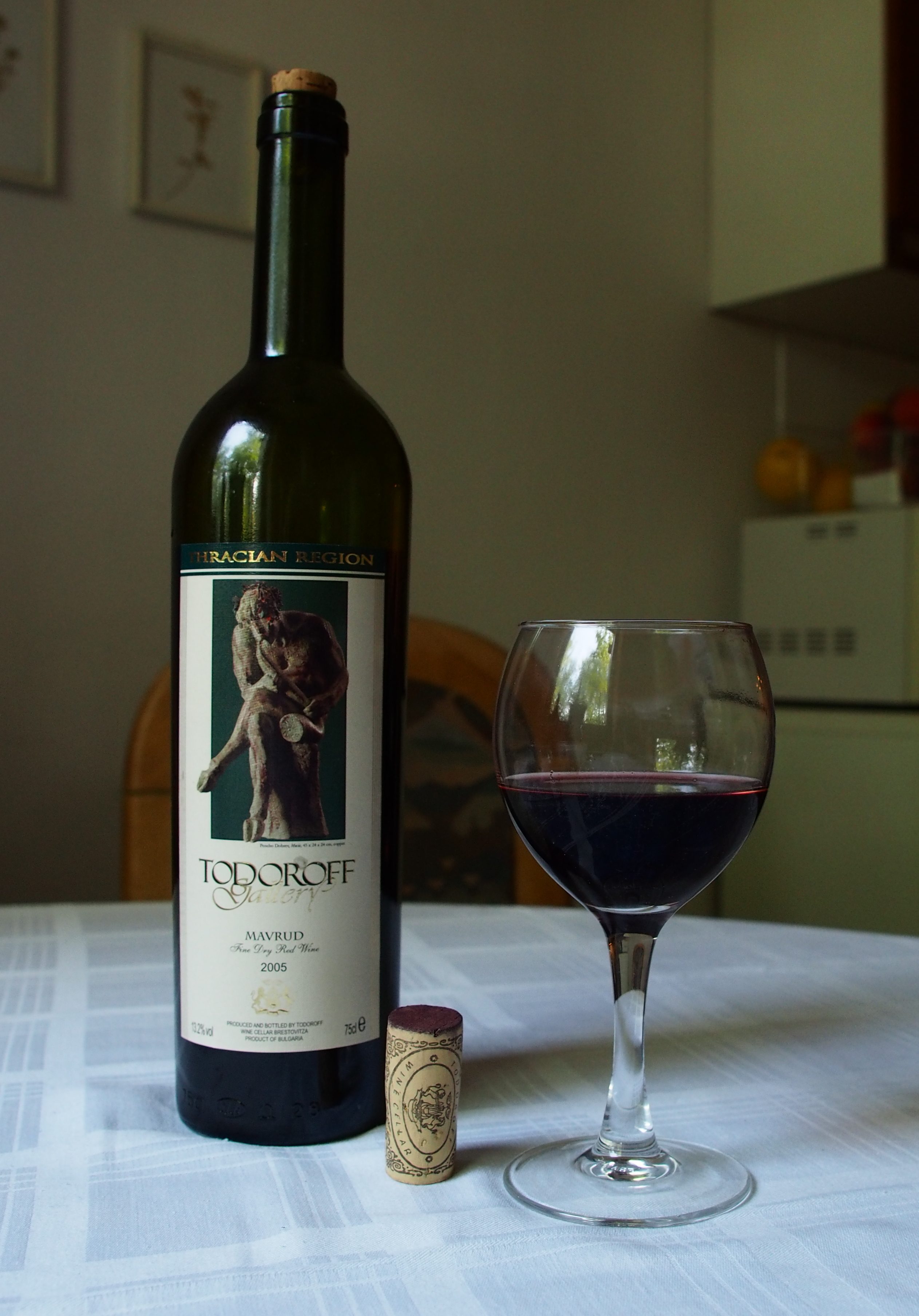
Mavrud is the dark red of the plains around Plovdiv, and it's the first Bulgarian wine I order when I sit down in Kapana. The village of Brestovitsa, about 20 km out of town, has 7 wineries, which makes it the easy trip out if you have a car and a driver who isn't drinking.
International Mavrud Day falls on 26 October, if you're here in autumn. If you'd rather have a beer, Kamenitza is brewed in Plovdiv.
16. Bachkovo Monastery and Asen's Fortress
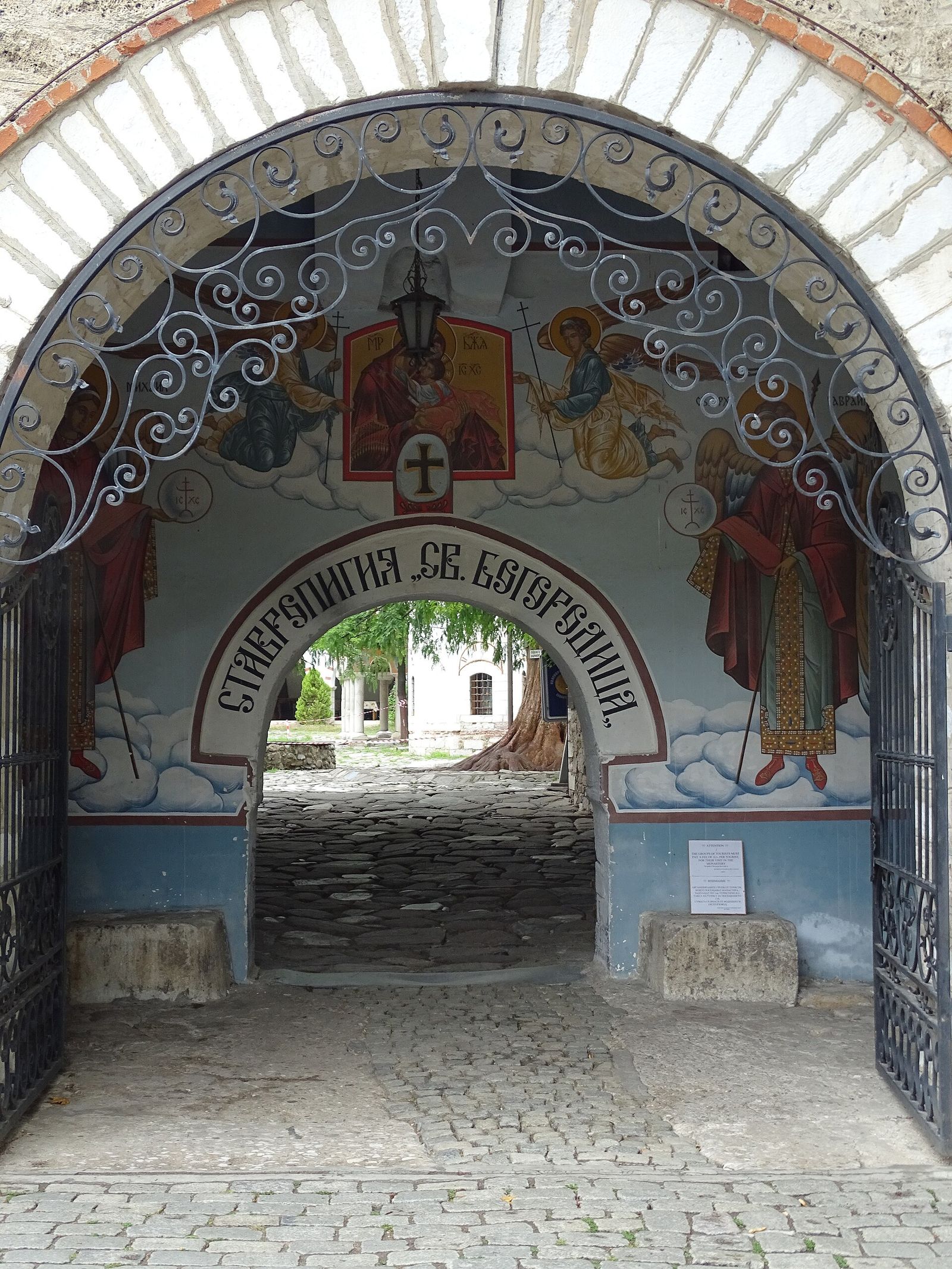
Bachkovo is the half-day out I'd add to a Plovdiv stay. It stands on the Chepelare River 10 km south of Asenovgrad, and Gregory Pakourianos, a Georgian commander in Byzantine service, founded it in 1083. The main church dates from 1604 and keeps an icon of the Virgin from 1310, brought from Georgia. Zahari Zograf painted the porch of the Church of the Archangels in 1841.
Buses to Asenovgrad leave from platform 1 of Plovdiv's Rodopi bus station, across the tracks from the railway station, and the train takes under half an hour. A taxi covers the last 10 km.
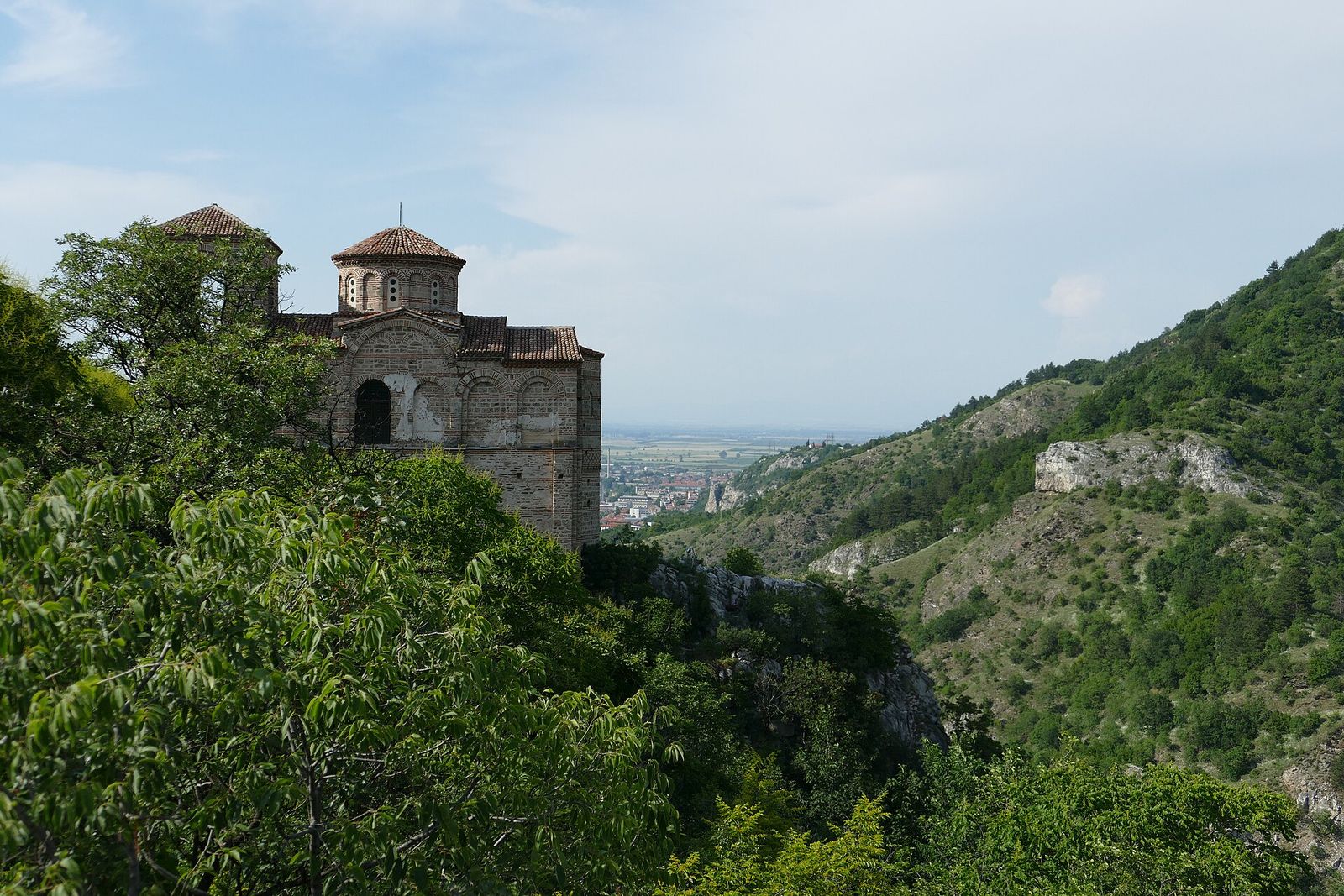
On the way, Asen's Fortress stands on a rocky ridge 2 km outside Asenovgrad, its church looking out over the plain. I stop there for the view on the ride back from the monastery.
Old Plovdiv tickets and opening hours
The Old Plovdiv institute runs the theatre, the Odeon, the stadium and most of the house museums, and its ticket page lists every price in euros.
| Ticket | Adult | Family |
|---|---|---|
| One site: the theatre, the Small Basilica or a house museum | €3.58 | €7.16 |
| Combined, up to 5 sites (no basilicas) | €10.74 | €21.47 |
| Bishop's Basilica | €7.57 | €15.34 |
| Small Basilica, Bishop's Basilica and the Irene building | €12.78 | |
| Roman Stadium 3D film | €3.68 | |
| 3D film plus the stadium's eastern sector | €5.11 | |
| Roman Stadium from the street | Free | Free |
A student pays €1.53 for a single site.
| Site | Open | Closed |
|---|---|---|
| Ancient Theatre | Every day, 9.30am to 6pm April to October, 9am to 5.30pm November to March | 12.30pm to 1pm |
| Bishop's Basilica | Every day, 9am to 6pm | |
| Roman Stadium, eastern sector | Every day, 10am to 6.30pm | |
| Balabanov House, Hindliyan House | Tuesday to Sunday | Mondays |
| Hippocrates Pharmacy, Zlatyu Boyadzhiev exhibition | Tuesday to Sunday | Mondays |
| Ancient Odeon | Tuesday to Sunday | Mondays |
| Nedkovich House, Stambolyan House | Monday to Saturday | Sundays |
Most of the other sites also stop for lunch, for half an hour or an hour somewhere between 12.30pm and 2pm, so I keep the middle of the day for walking between them.
My two days in Plovdiv
I arrive by late morning on day one and head back to Sofia on the evening of day two, unless I stay a second night. This plan keeps the house museums for a day when they're open.
| Morning | Afternoon | Evening | |
|---|---|---|---|
| Day 1 | Roman Stadium, Dzhumaya Mosque, up into the Old Town | Hindliyan and Balabanov houses, Ethnographic Museum, Ancient Theatre after 1pm | Nebet Tepe at sunset, dinner in Kapana |
| Day 2 | Bishop's Basilica at 9am, Small Basilica, Forum and Odeon | Tsar Simeon Garden, Sahat Tepe, lunch in Kapana | Alyosha at sunset, then a second night or the trip back to Sofia |
With a car, I swap the day 2 afternoon for Bachkovo and Asen's Fortress and drive back to Sofia from there.
Where to eat and drink in Plovdiv
I eat in Kapana most nights and in the Old Town once, for the setting. Plovdiv cooks the same food as Sofia, so the Bulgarian dishes I order anywhere, shopska salad and grilled kebapche, are on the menus here too.
Pavaj, at 7 Zlatarska Street in Kapana, is the one I book ahead for a Friday or Saturday; it opens from noon to 11pm every day. Aylyakria, at 3 Kozhuharska Street, takes its name from aylak, Plovdiv's word for taking it slow, which suits a long dinner. Cat and Mouse is my stop for Bulgarian craft beer afterwards.
Up in the Old Town, Puldin has underground rooms built against a stretch of the old fortress wall, and it's where I take visitors for one dinner with a bit of theatre to it. The Old Town restaurants are the priciest in Plovdiv.
Where to stay in Plovdiv
Plovdiv is small enough that any of these three areas works on foot.
| Area | Why I'd stay | The catch |
|---|---|---|
| The Old Town | Guesthouses in Revival-era houses, empty lanes at night, the theatre on the doorstep | Steep cobbles with a suitcase, so I'd only stay with a small bag |
| Kapana and the main street | Flat, central and full of places to eat, between the Old Town and the shops | Noise until late on Friday and Saturday nights |
| Near the railway station | An early train or the Bachkovo bus | 20 minutes' walk from the Old Town, so one night only |
When to go to Plovdiv
Spring and autumn are my favourite times, when it's cool enough to walk the cobbles all day and Kapana's tables are still outside. In July and August I do the Old Town climbs before midday, then catch an Opera Open night at the theatre and the singing fountains after dark.
From November to March the theatre closes at 5.30pm and the sun sets early, so winter days start at 9am sharp.
Key takeaways
- Give Plovdiv two days: the stadium, the Old Town houses and the theatre on the first, the basilicas, the hills and Kapana on the second.
- Buy the €10.74 combined ticket if you'll see 4 or more Old Plovdiv sites, and pay €7.57 for the Bishop's Basilica mosaics.
- Plan the house museums around their days off: Mondays for Hindliyan and Balabanov, Sundays for Nedkovich and Stambolyan.
- Watch one sunset from Nebet Tepe and one from Alyosha on Bunardzhika.
- Eat in Kapana and order Mavrud, the red from the plains around the city.
Frequently asked questions
Why is Plovdiv famous?
Plovdiv is famous for its Roman theatre, the Roman stadium under its main street and the painted merchants' houses of its Old Town. People have lived there since about 6,000 BC, and it claims to be the oldest continuously inhabited city in Europe. It was European Capital of Culture in 2019.
How many days are needed in Plovdiv?
Two days covers the main sights at an easy pace, with the basilicas, Kapana and two sunsets. One long day from Sofia gets you the stadium, the Old Town and the theatre, but the last bus back sets your pace.
Is Plovdiv a nicer city than Sofia?
Plovdiv is prettier and slower, with its Roman sites and Old Town all within walking distance. Sofia has more to see and do, including a mountain at the end of the high street, and my favourite things to do in Sofia would fill a weekend before you ever leave. I'd see both.
Is Plovdiv Old Town free to walk around?
Yes. The lanes, Hisar Kapia, Nebet Tepe and the painted fronts of the houses cost nothing to see. You pay €3.58 a site to go inside the house museums or the theatre, or €10.74 for a combined ticket.
What is Kapana in Plovdiv?
Kapana is the creative district just north of Dzhumaya Square, a tangle of pedestrian lanes full of cafes, bars, craft beer and street art. The name means "the trap", after its narrow streets, and it's where most people eat and drink in the evening.
What else should I see in Bulgaria besides Plovdiv?
Rila Monastery, Veliko Tarnovo and the Black Sea coast come next on my list. Plovdiv tops my ranking of the best places to visit in Bulgaria, and Rila is the day out from Sofia I'd put straight after it.
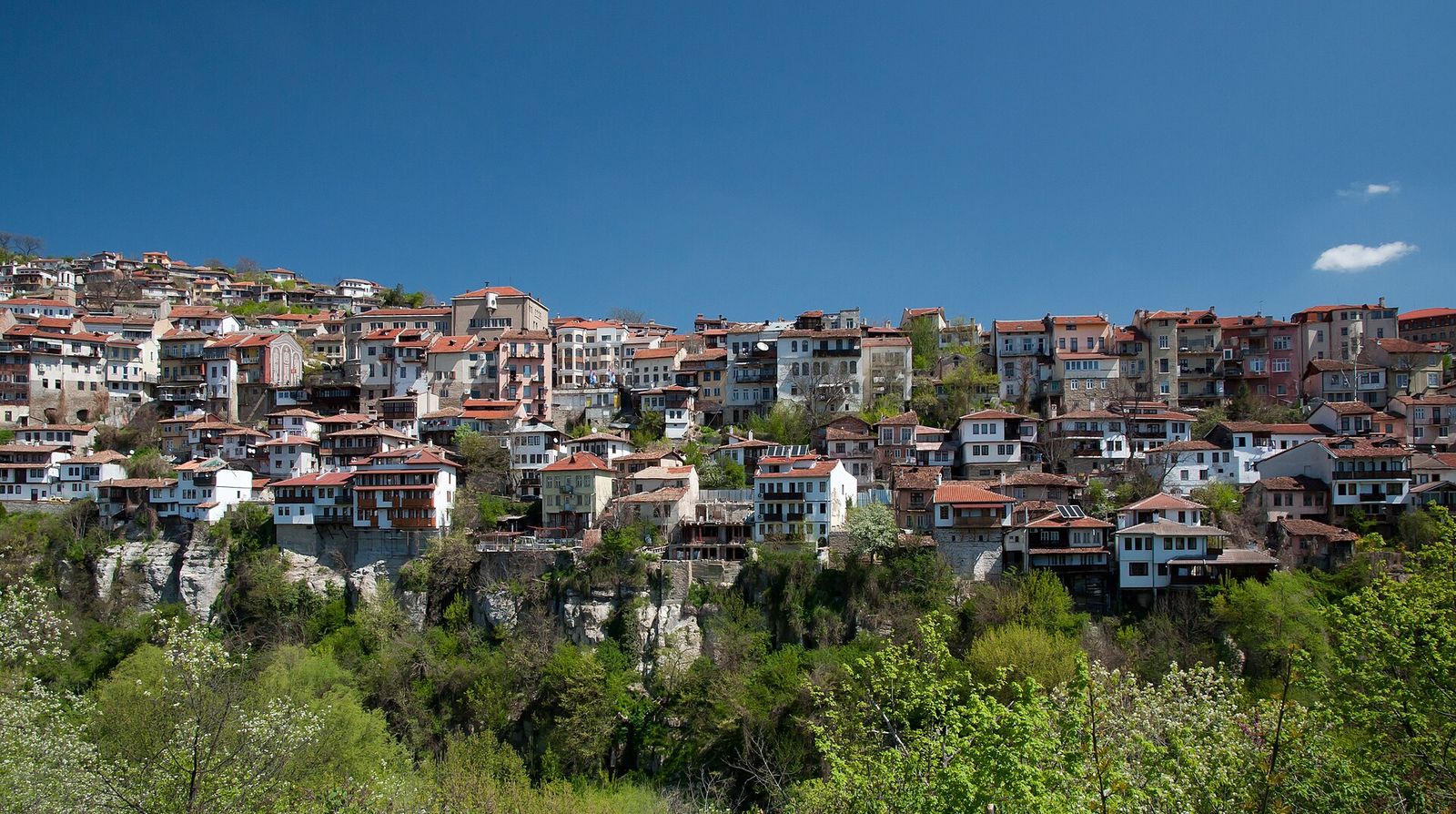
12 Best Places to Visit in Bulgaria: My Favourites for 2026
My 12 favourite places in Bulgaria beyond Sofia, ranked, with the time from Sofia and how I get to each one.
Read the guide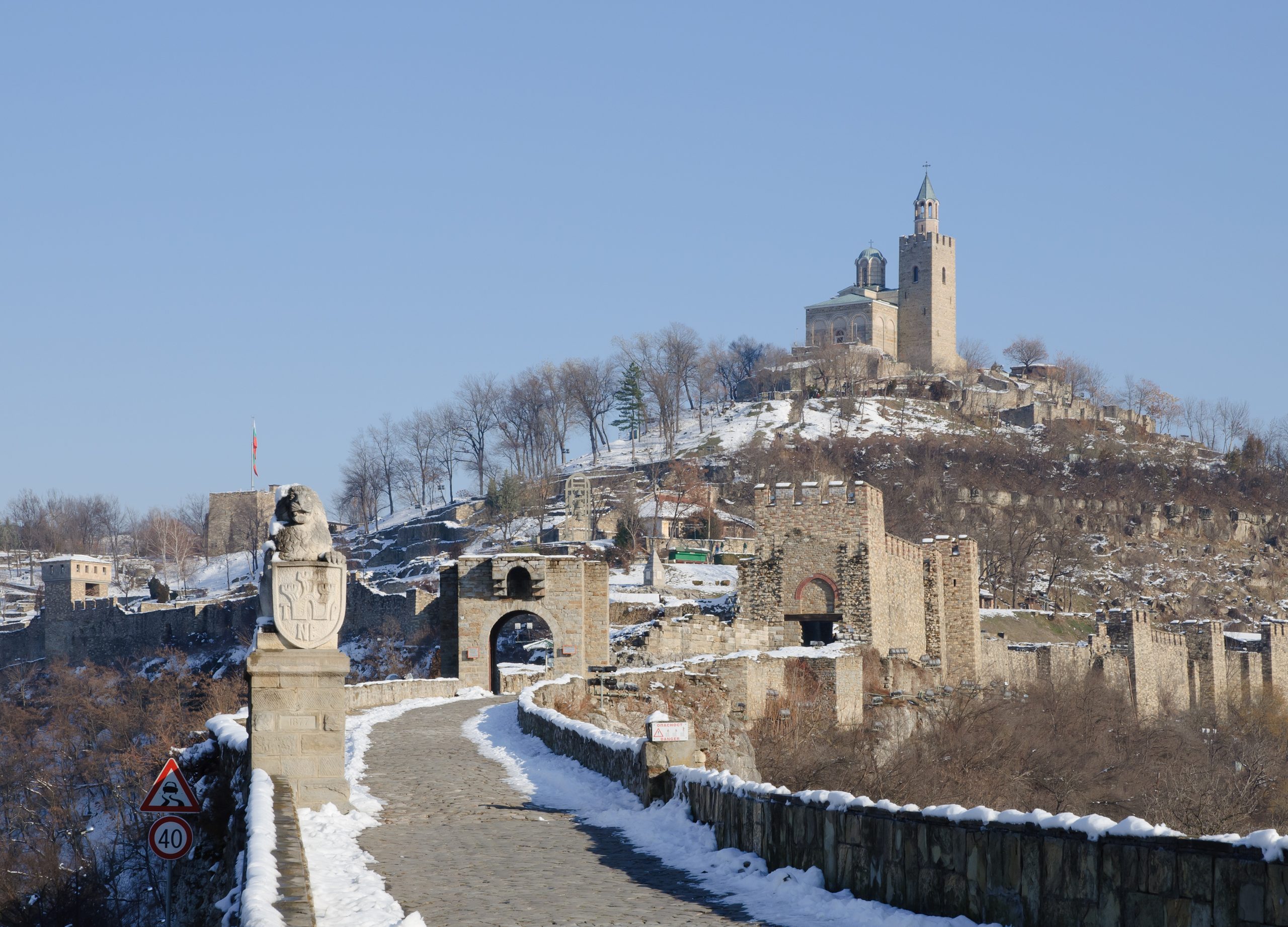
Veliko Tarnovo: My Favourite Things to Do in Bulgaria's Old Capital
Bulgaria's medieval capital on the Yantra: Tsarevets, Trapezitsa, the craft street, Arbanasi and my one-night plan.
Read the guide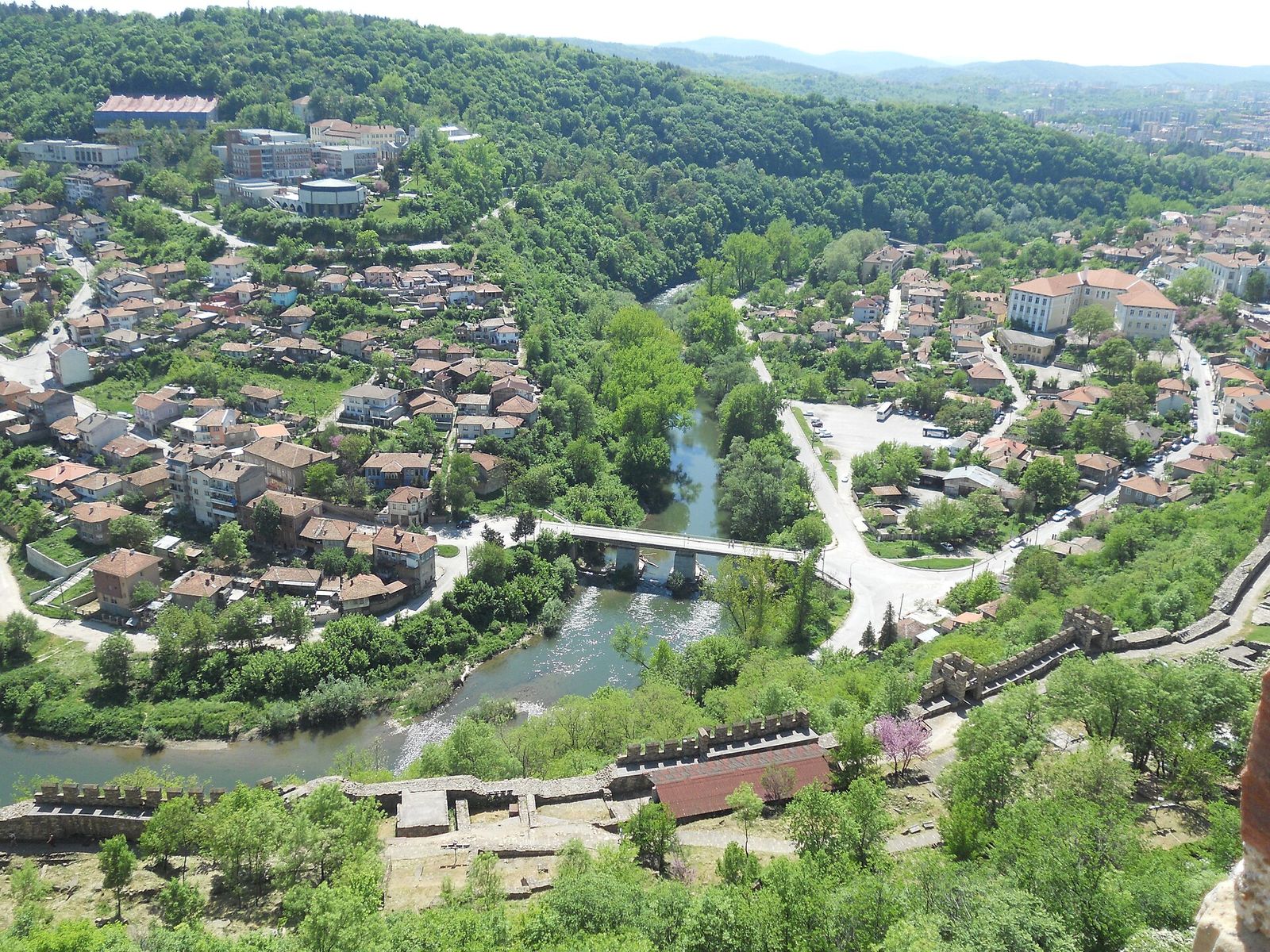
Sofia to Veliko Tarnovo: Bus, Train or Car, and the One I Take
How I get from Sofia to Veliko Tarnovo: the coach times, the train change, the drive and why I stay a night.
Read the guide