The Best Time to Visit Sofia, Month by Month
Sofia sits about 550 metres up in a bowl of mountains, so it gets four proper seasons: hot summers, snowy winters and two mild stretches in between. I live here all year, and when friends ask when to come, I say May or September. This is how each month looks, with the weather, the festivals, the cheapest flights from the UK and the months I'd think twice about.
When is the best time to visit Sofia?
For a first trip, come in May or September. Both months give you afternoons in the low 20s, cool evenings and about 7.5 hours of sunshine a day. Boyana Church, Rila Monastery and the trails on Vitosha all work in either month.
June comes a close third. It's warmer, at 25.2°C, but it's also the wettest month of the year, with 81.6 mm of rain, so I'd pack a light waterproof. For a shoulder-season trip, April and October both average about 17°C in the afternoon, which is perfect walking weather for the centre.
A weekend in Sofia works in any month, though. Alexander Nevsky Cathedral, the Roman streets of Serdica and the hot mineral springs are all free and all within walking distance of Serdika metro station.
| If you want | Go in | Why |
|---|---|---|
| A first trip to the city | May or September | Highs of 21°C to 23°C and long evenings outside |
| Mountain hiking | July to September | The Seven Rila Lakes thaw in June and freeze again in October |
| Snow in the city | December to February | Most of the year's snow falls in these 3 months |
| Skiing on Vitosha | January to March | The Aleko runs opened in January last winter and ran into April |
| Cheap flights from the UK | November, early December or February | Ryanair's cheapest winter fares, then Wizz Air's low season |
| Festivals | Late January to early March | Surva, Trifon Zarezan and Baba Marta |
| The hottest weather | August | An average high of 28.3°C |
Sofia weather month by month
These are the official averages for Sofia from 1991 to 2020, with sunshine as the total hours for the month.
| Month | Average high | Average low | Rain | Snowy days | Sunshine |
|---|---|---|---|---|---|
| January | 3.5°C | -3.9°C | 35.9 mm | 7.5 | 88 hours |
| February | 6.5°C | -2.4°C | 35.5 mm | 6.5 | 117 hours |
| March | 11.4°C | 1.1°C | 45.3 mm | 5.2 | 169 hours |
| April | 16.7°C | 5.3°C | 52.3 mm | 1.3 | 195 hours |
| May | 21.4°C | 9.8°C | 73.1 mm | 0 | 236 hours |
| June | 25.2°C | 13.4°C | 81.6 mm | 0 | 268 hours |
| July | 27.8°C | 15.3°C | 64.7 mm | 0 | 312 hours |
| August | 28.3°C | 15.0°C | 53.1 mm | 0 | 307 hours |
| September | 23.3°C | 10.9°C | 52.3 mm | 0 | 225 hours |
| October | 17.6°C | 6.3°C | 53.9 mm | 0.7 | 167 hours |
| November | 10.7°C | 1.9°C | 38.1 mm | 2.7 | 108 hours |
| December | 4.6°C | -2.4°C | 39.9 mm | 6.4 | 69 hours |
The column I'd look at first is the average low. Even in May the nights drop under 10°C, so I always bring a jumper for a drink outside after dark. The city gets 625.7 mm of rain a year, and June gets more than twice as much as January or February.
Sofia's record high is 40.2°C, set in July, and its record low is -31.2°C, set in January.
Sofia in spring (March to May)
Spring starts slowly. March still averages 11.4°C in the afternoon and gets about 5 snowy days, and by May the cafe terraces are full.
March: Baba Marta and martenitsi
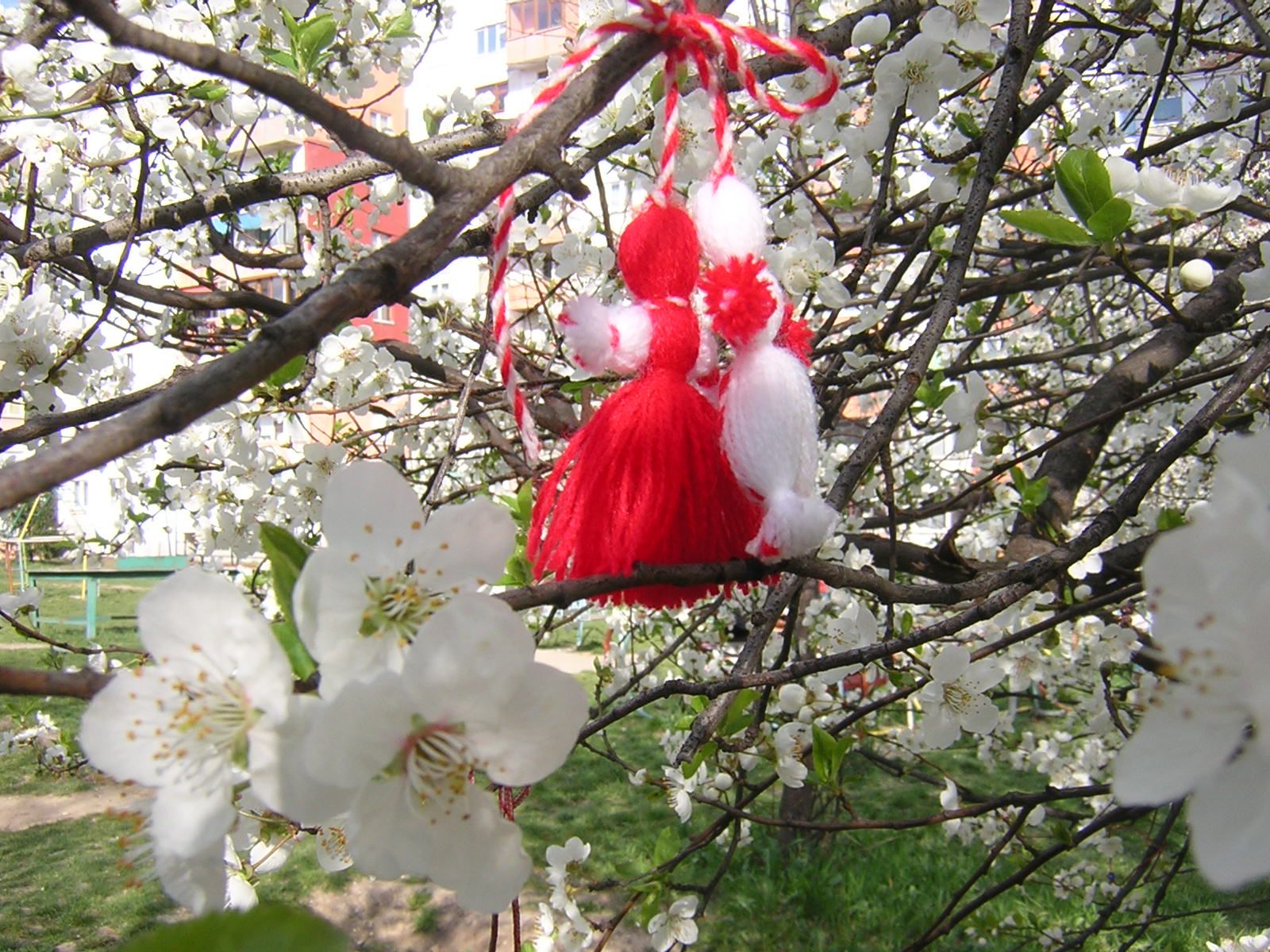
On 1 March, Bulgarians give each other martenitsi, little red and white tassels of wool, for Baba Marta (Grandmother March). You wear yours on your wrist or your coat until you see a stork, a swallow or a tree in blossom, and then you tie it to a branch. The martenitsa stalls go up across the centre in the weeks before, and by the end of March the trees in Sofia's parks are hung with red and white.
Two days later, 3 March is Liberation Day, a public holiday marking the end of Ottoman rule in 1878. With night-time lows around 1°C, I plan March trips around museums and long lunches.
April and Orthodox Easter
April is when Sofia warms up properly, with an average high of 16.7°C, 195 hours of sunshine and only about 1 snowy day. It's also when Easter usually falls, and Bulgaria follows the Orthodox calendar, so the date often differs from the UK's.
Coloured eggs and kozunak, a sweet braided bread, are on every family table for Easter in Bulgaria, and every day from Good Friday to Easter Monday is a public holiday.
May in Sofia's parks
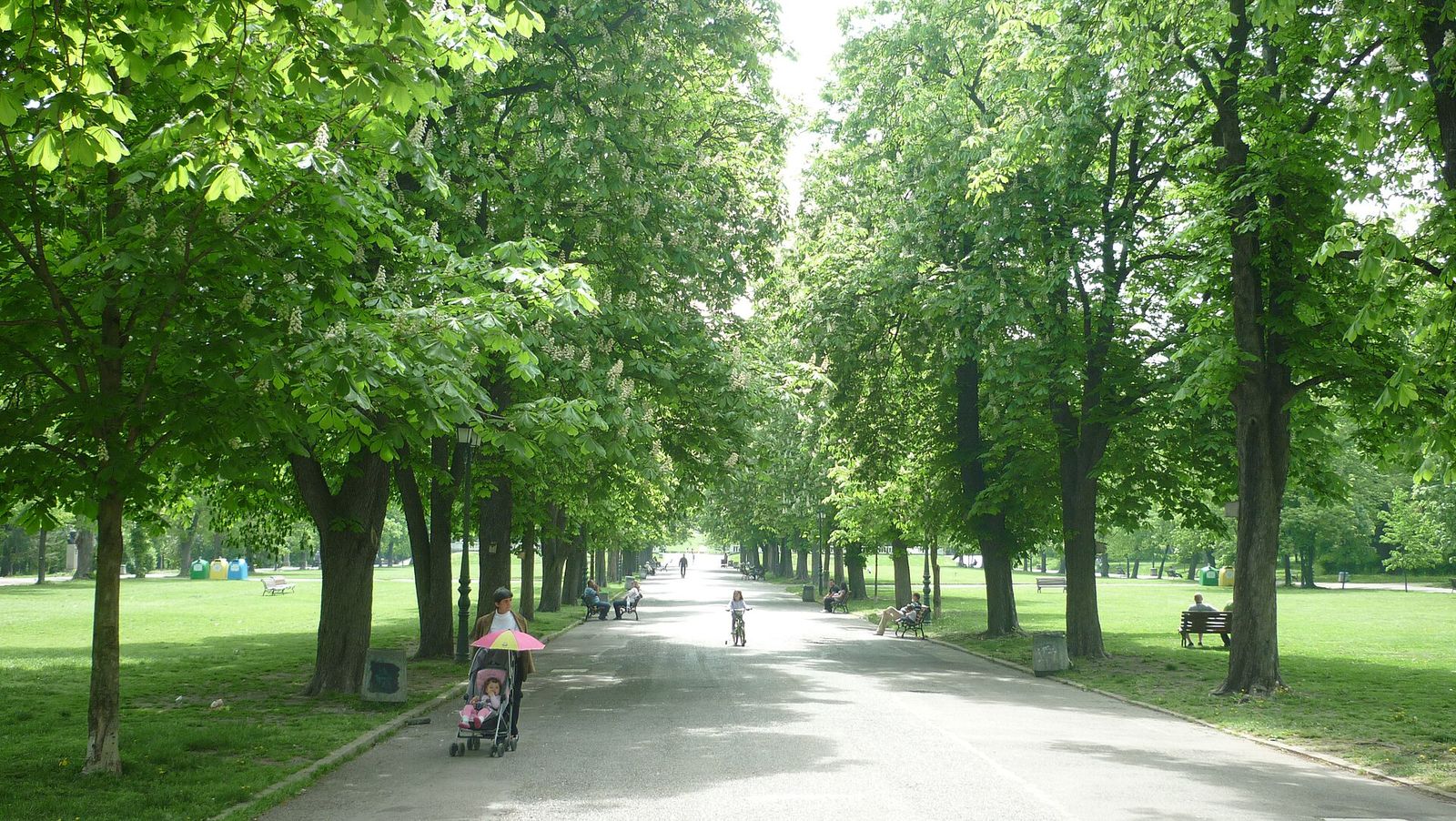
May is the spring month I'd pick, with an average high of 21.4°C and 236 hours of sunshine. I spend May afternoons in Borisova Gradina, the big park on the south-east side of the centre, under trees that have only just come into full leaf.
On 18 May, International Museum Day, you get into Boyana Church free. 24 May is a public holiday for Bulgarian education, culture and Slavonic literature, the day the country celebrates its Cyrillic alphabet.
Sofia in summer (June to August)
July and August average 27.8°C and 28.3°C in the afternoon, and the sun is out for about 10 hours a day. Nights still fall to about 15°C, which makes an evening on a terrace the best part of a summer day.
June gets the most rain of the year, but it's also when the tomatoes come in, and from June to September a shopska salad tastes the way it's meant to. If you want the sea as well as the city, the Black Sea coast is a separate trip on the far side of the country.
The Seven Rila Lakes
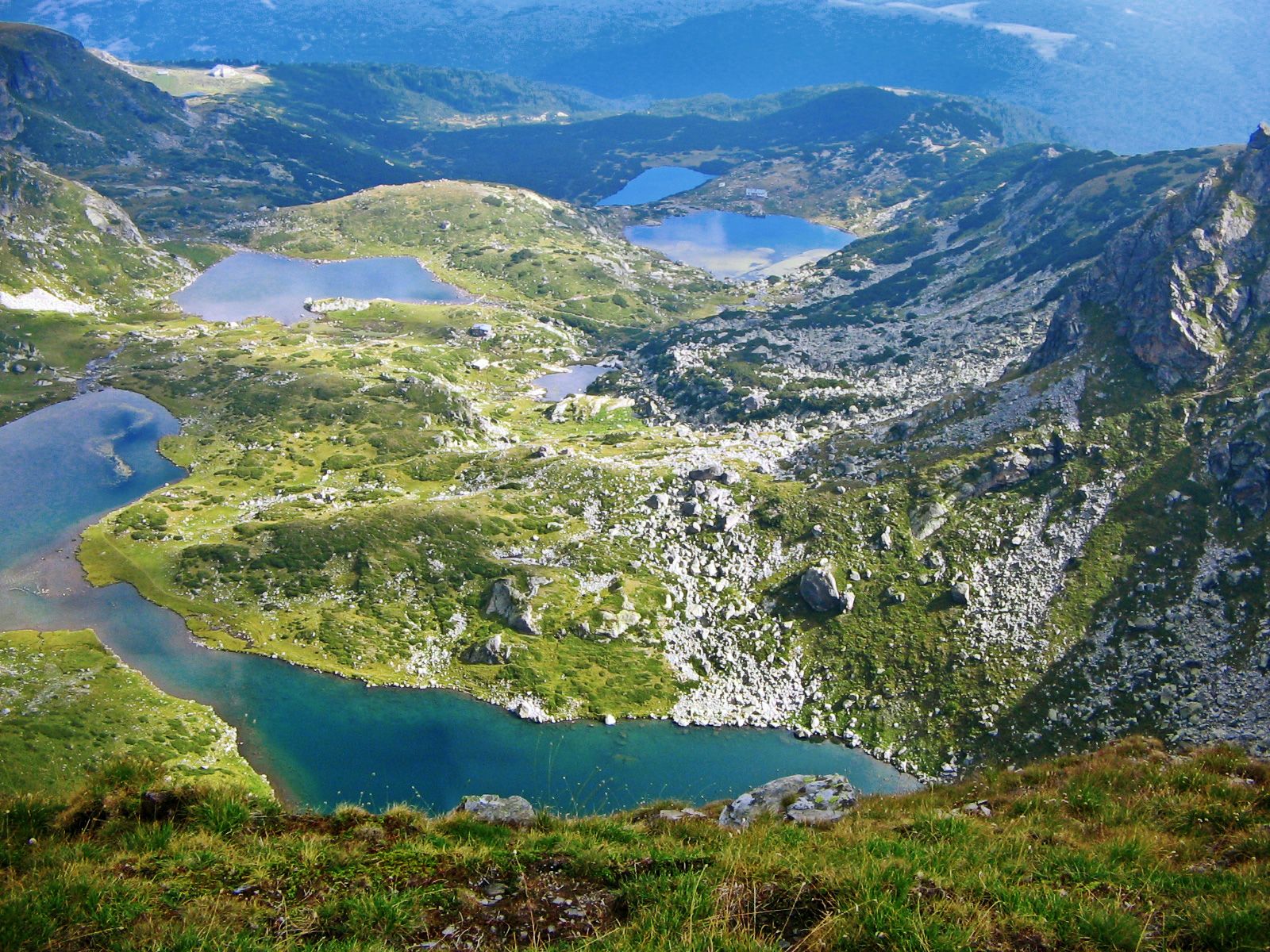
The Seven Rila Lakes sit between 2,095 and 2,535 metres in the Rila mountains, south of Sofia. They usually freeze in October and don't thaw before June, so July, August and September are the months for this hike. From the top of the chairlift, the 8.5 km loop past the lakes takes 4.5 to 5 hours, and the lift saves you about 2 hours of climbing.
Vitosha on summer weekends
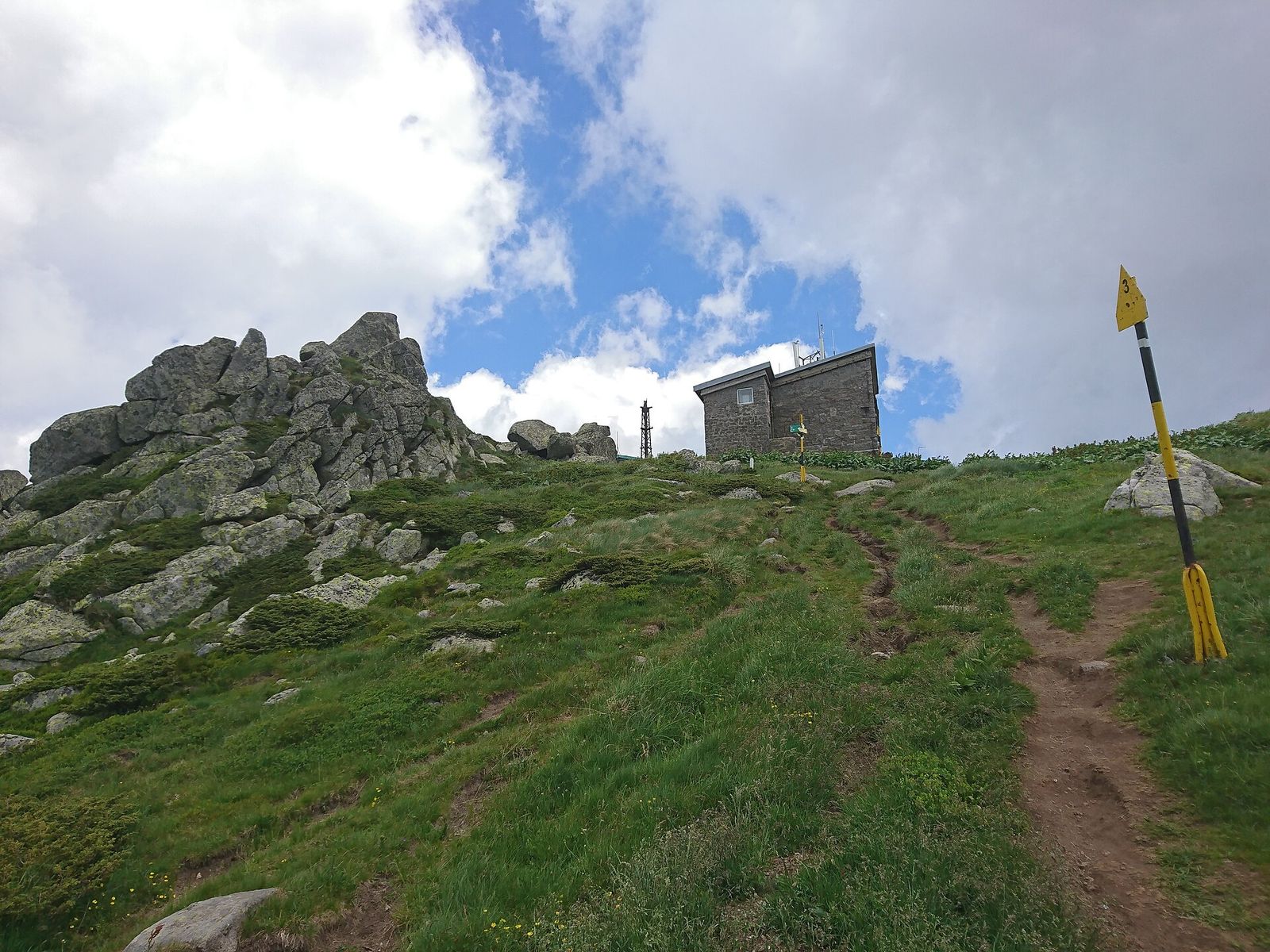
Vitosha rises straight out of Sofia's southern suburbs. On a hot weekend, that's where I go. The 2026 summer season opened on 6 June, with the Vitoshko Lale 1 and 2 chairlifts carrying hikers and cyclists on Saturdays, Sundays and public holidays.
My summer walk is Cherni Vrah, the 2,290-metre summit. Bus 66 runs from Vitosha metro station up to Aleko hut at 1,810 metres, and from there it's 3 km and about 480 metres of climbing to the top.
Sofia in autumn (September to November)
Autumn is my favourite season in Sofia, at least until the heating comes on in November.
September and Sofia Day
September averages 23.3°C in the afternoon and gets 225 hours of sunshine and the same 52.3 mm of rain as April. The city marks Sofia Day on 17 September, and the country has public holidays on 6 September (Unification Day) and 22 September (Independence Day).
In autumn, families in villages across Bulgaria book a slot at the local copper still to turn the year's fruit into rakia.
October on Vitosha
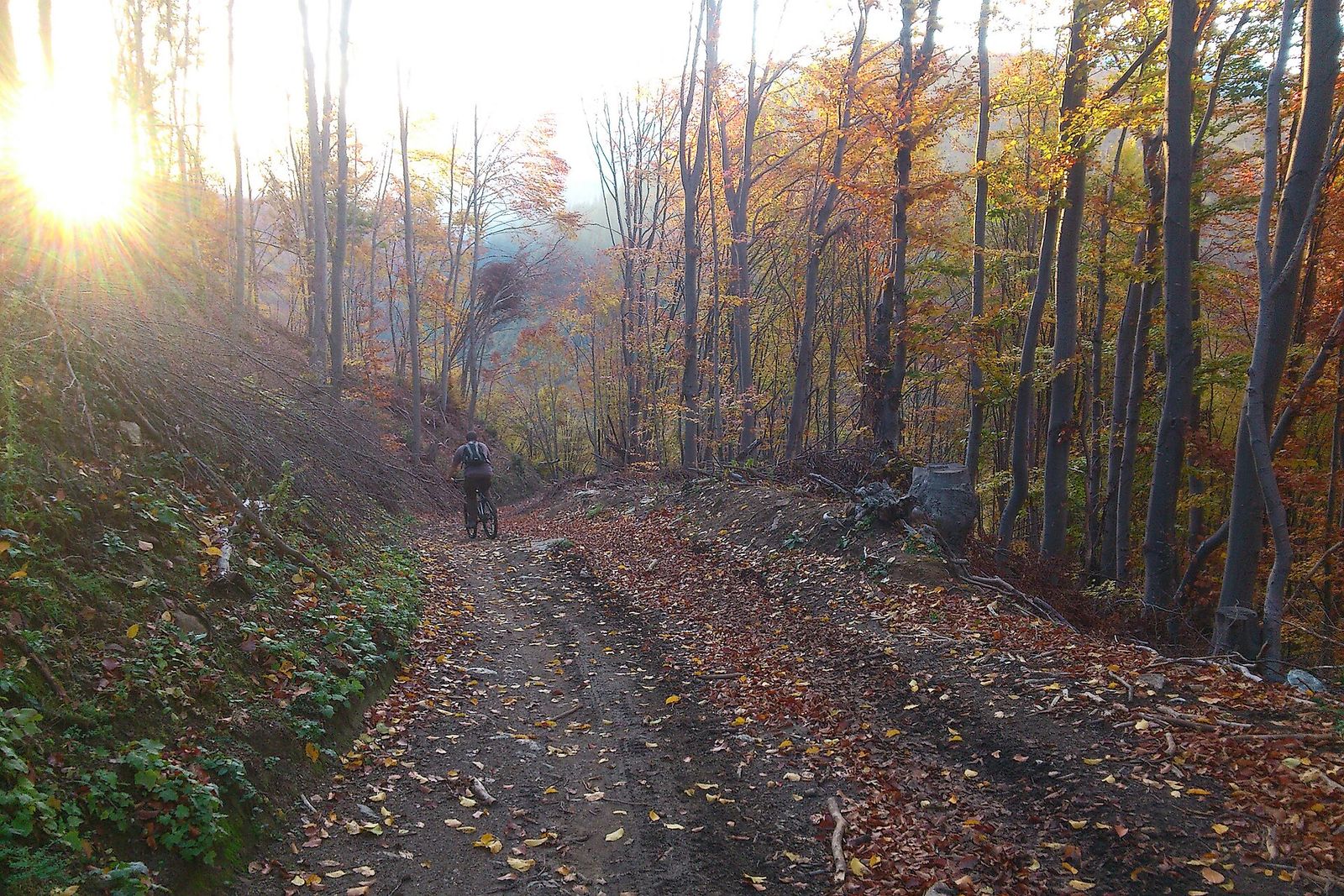
October is when the beech woods on Vitosha turn orange and gold. The average high is 17.6°C and there are still 167 hours of sunshine, so I save my longest walks on the mountain for this month.
On 26 October, International Mavrud Day, I order a glass of Bulgaria's best-known red with dinner.
November and the start of the heating season
November is the month I'd think hardest about. Highs fall to 10.7°C, snow falls on about 3 days, the sun shines for about 108 hours all month, and once the heating season starts, smog can settle over the valley on still days.
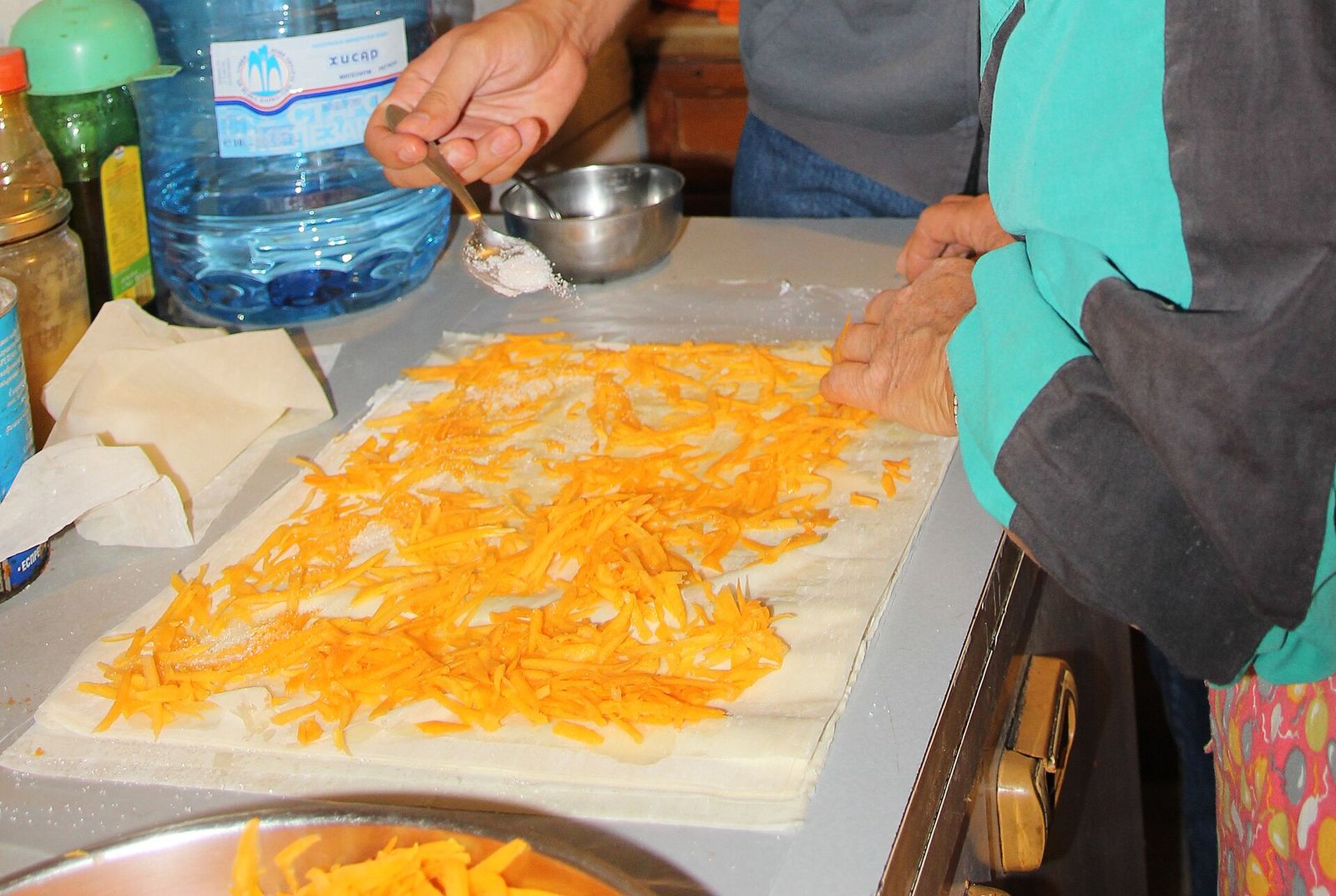
In its favour, it's pumpkin season. Tikvenik, filo rolled round grated pumpkin, sugar and walnuts, is the Bulgarian dessert I wait all year for, and I eat it warm.
Sofia in winter (December to February)
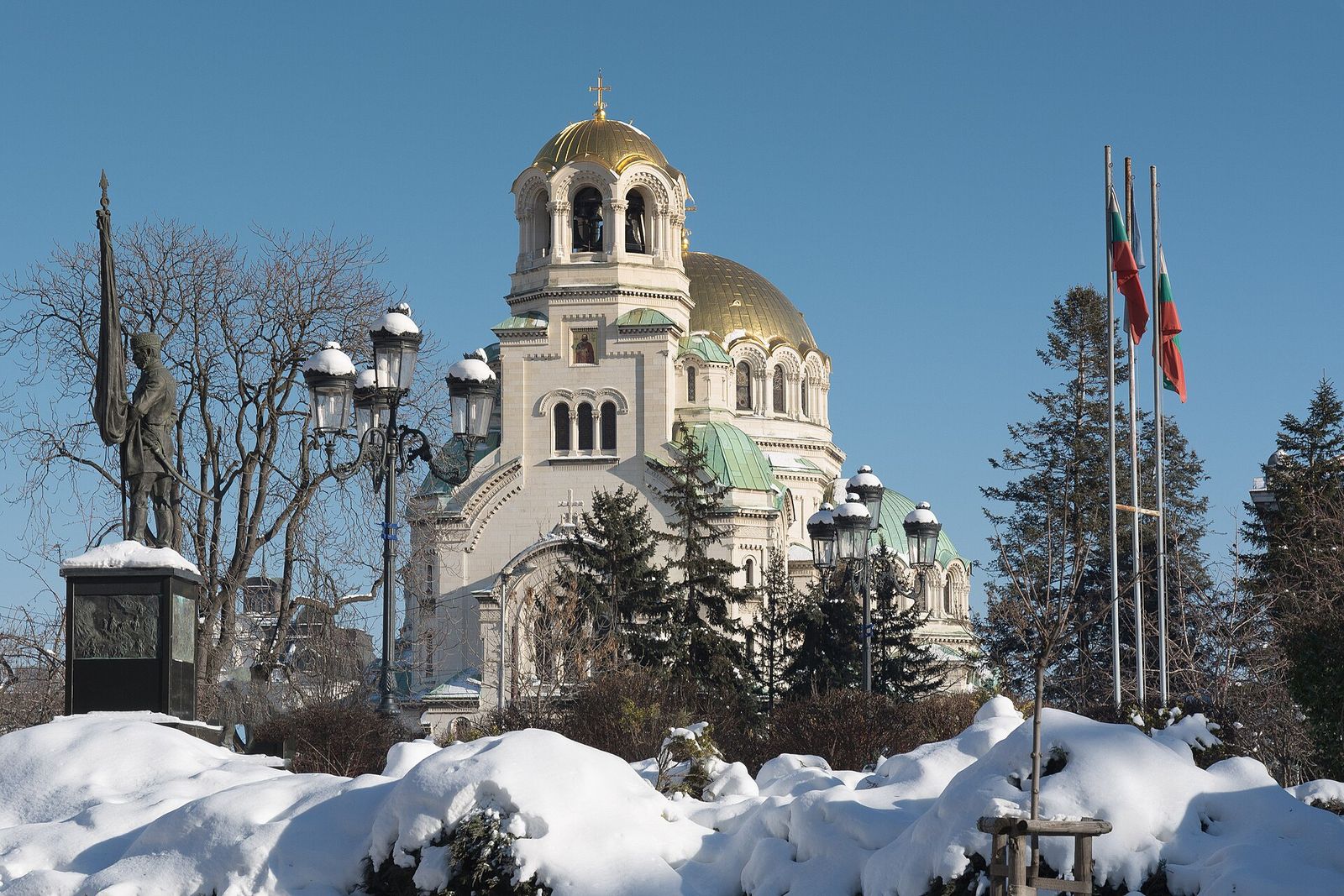
January averages 3.5°C in the afternoon and -3.9°C at night. December is the darkest month, with just 69 hours of sunshine, about 2 a day. About 20 of the city's 30 snowy days a year fall between December and February, and on a clear morning after snow the gold domes of Alexander Nevsky look their best.
I'd pick Sofia in winter for a weekend of museums, long dinners and warmed rakia. December brings lights over Vitosha Boulevard and a Christmas market in the City Garden. On New Year's Eve, families hide little paper fortunes between the layers of a banitsa, and the one in your slice is meant to set your year. Of all the Christmas and New Year traditions in Sofia, it's the one I'd most like visiting friends to see.
Surva and the kukeri in Pernik
The best reason to come in January is Surva, the international masquerade festival in Pernik, a town next door to Sofia. Kukeri, performers in huge costumes of fur and feathers, with masks and heavy bells, parade through the town to chase away evil spirits and bring good luck for the year.
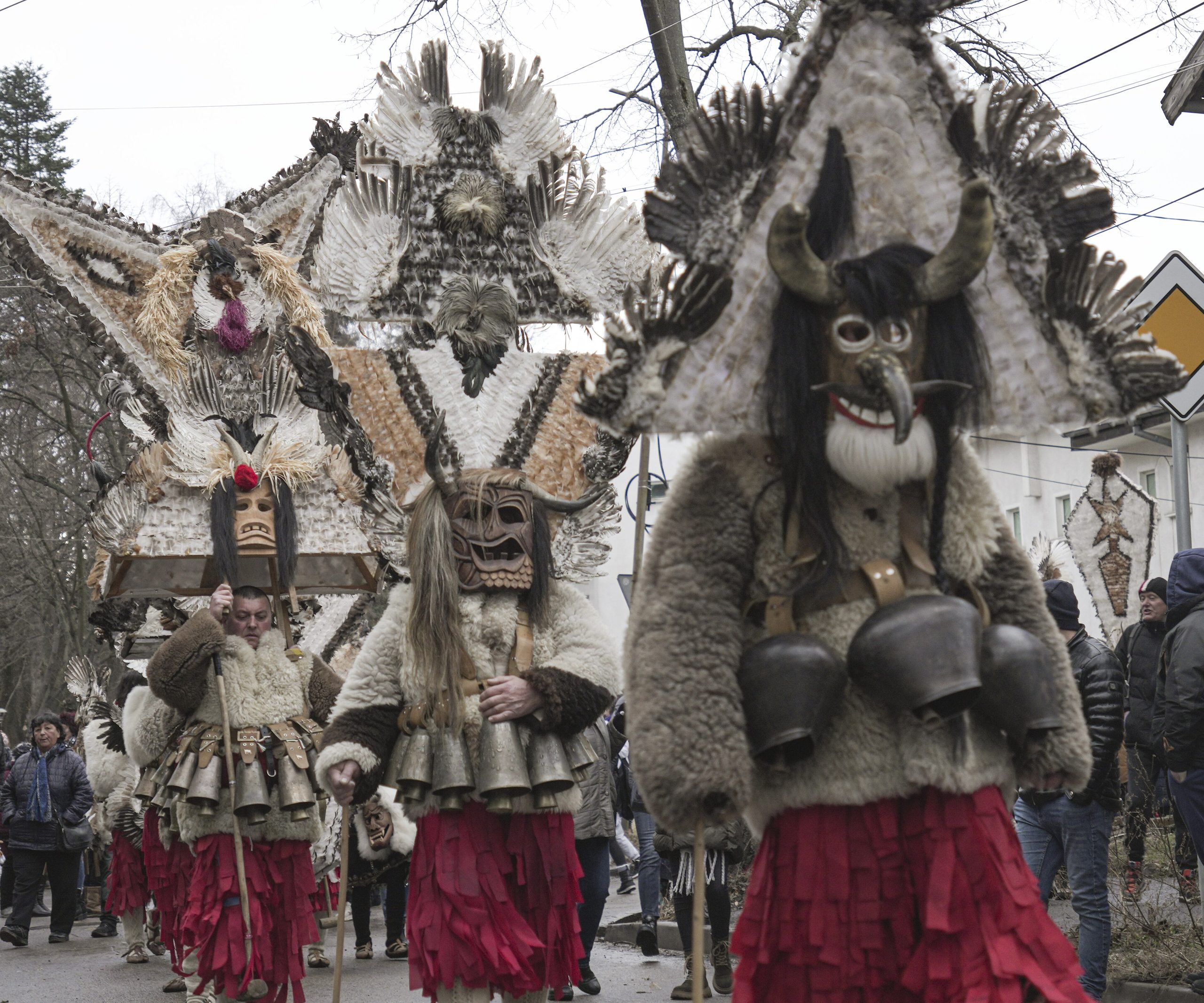
The 2026 festival was the 32nd, 60 years after the first in 1966. It ran parades over two weekends for the first time, 17 to 18 and 24 to 25 January, with about 13,000 participants and more than 30 groups from abroad. The 2027 dates aren't out yet, and recent editions have opened between mid and late January. Kukeri games happen in villages all over Bulgaria in winter, and Pernik is the one within easy reach of Sofia by train, bus or taxi.
Trifon Zarezan on 14 February
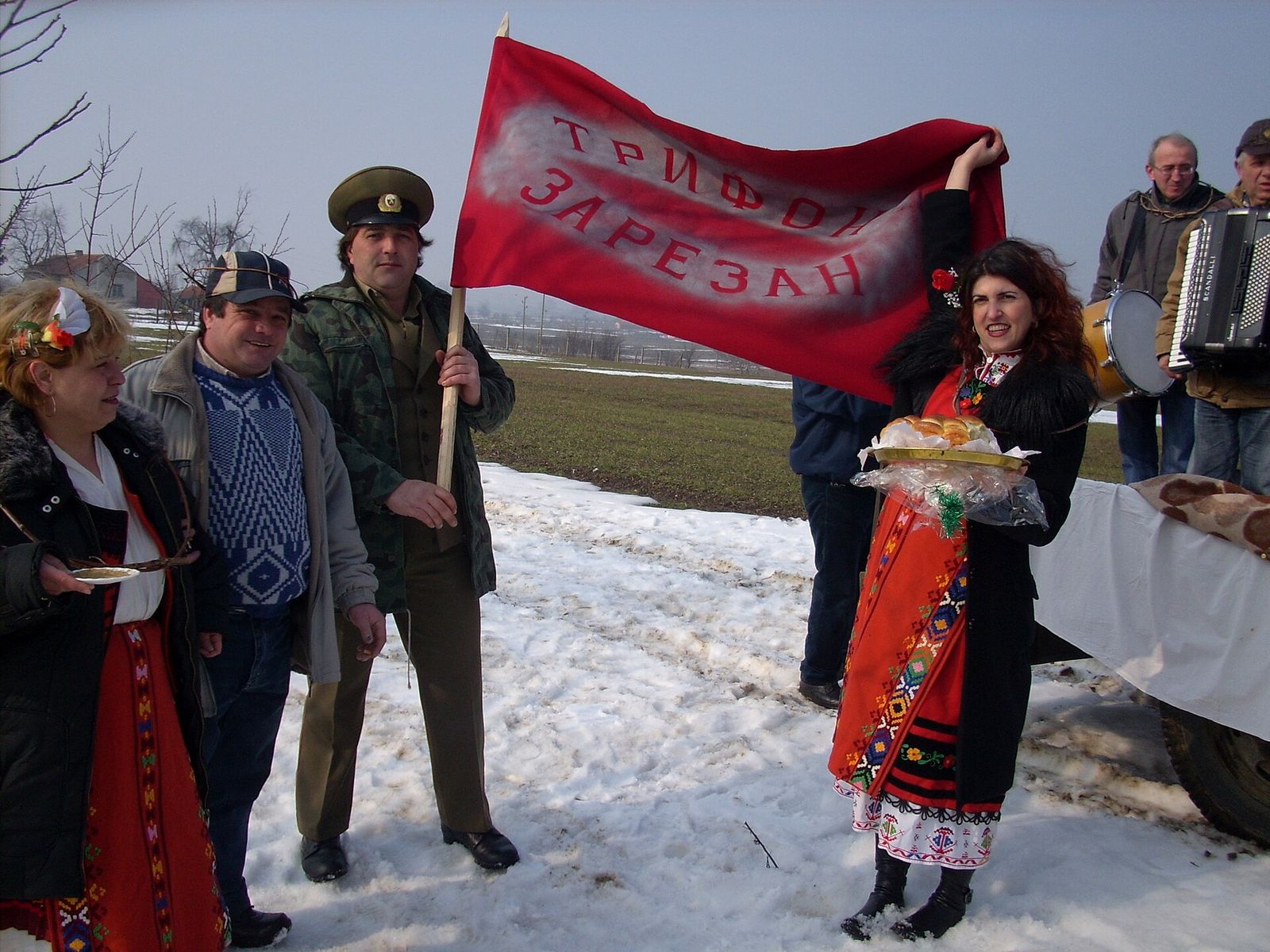
February's big date is Trifon Zarezan on 14 February, the vine growers' day, when villages prune the first vines of the year and share food and wine among the rows. It shares the date with Valentine's Day, and I mark both with a bottle of Bulgarian wine over a long dinner.
Skiing near Sofia
Vitosha has ski runs at Aleko, above the southern edge of the city. Last winter a warm, dry start held them back until January 2026, and they ran into April. Bus 66 from Vitosha metro station runs up to Aleko in winter too.
For a full ski week, Bansko and Borovets are the two big resorts within reach of Sofia, and I'd add a few days in the city at either end.
Bulgarian public holidays and what closes
Museums are where holidays bite. The icon museum in the crypt of Alexander Nevsky closes on public holidays, and Boyana Church closes on only 4 days a year: 1 January, Easter Sunday, and 24 and 25 December.
| Date | Holiday | Worth knowing |
|---|---|---|
| 1 January | New Year's Day | Boyana Church closed |
| 3 March | Liberation Day | |
| Orthodox Good Friday to Easter Monday | Easter | Boyana closed on Easter Sunday |
| 1 May | Labour Day | |
| 6 May | St George's Day | Also Armed Forces Day |
| 24 May | Education, culture and Slavonic literature | Bulgaria's day for the Cyrillic alphabet |
| 6 September | Unification Day | |
| 22 September | Independence Day | |
| 24 to 26 December | Christmas | Boyana closed on 24 and 25 December |
Boyana also lets you in free on 1 November and after 3pm on the last Monday of every month.
The cheapest time to fly to Sofia from the UK
Wizz Air's London Luton to Sofia page marks February as its low season and August as its high season. Ryanair flies to Sofia from Liverpool, Bristol and Birmingham in winter only, and when I checked its fares on 2 November 2026, those routes were cheapest in November and early December and dearest in February.
So the cheapest trip is a cold one. For me the best value sits in between: late April, May, September or early October, when flights from the UK to Sofia are off their August peak and the weather is at its kindest. Whichever month you pick, the flight takes a little over 3 hours, from 3h 5m out of Stansted to 3h 30m out of Edinburgh.
What to pack for each season
An October day averages 6.3°C at dawn and 17.6°C by mid-afternoon, and April is much the same, so I pack layers for spring and autumn. The famous yellow paving in the centre turns slippery in rain and snow, so I wear shoes with some grip.
| Season | Clothes | Don't forget |
|---|---|---|
| Spring (March to May) | Layers, a warm jumper for the evenings, a light waterproof | Shoes with grip for wet paving |
| Summer (June to August) | Light clothes, a light waterproof for June | Sun cream, a hat, and a fleece for Rila or Vitosha |
| Autumn (September to November) | Layers, then a proper jacket by late October | Walking shoes for Vitosha |
| Winter (December to February) | A warm coat, hat, gloves and scarf | Boots with grip for snow and ice |
Bulgaria uses the two-pin European plug, so a UK adapter goes on every Bulgaria packing list, whatever the month.
Key takeaways
- Book May or the week around Sofia Day on 17 September for a first visit, and pack a jumper, since even May nights fall below 10°C.
- Save the Seven Rila Lakes for July to September and be on the trail before 9am.
- Come in winter for Surva, Trifon Zarezan and the Aleko ski runs, and keep a clear day for Vitosha when smog sits over the city.
- For the cheapest flights, look at Ryanair's winter routes in November and early December, or Wizz Air from Luton in February.
- Check the Orthodox Easter date before a spring trip: it's 2 May in 2027, and Boyana Church closes on Easter Sunday.
Frequently asked questions
What is the best month to visit Sofia?
September is my pick, with May a close second. September averages 23.3°C in the afternoon and May 21.4°C, both with about 7.5 hours of sunshine a day and cool evenings. June is warmer but has the most rain of the year.
Does it snow a lot in Sofia?
Sofia gets about 30 snowy days a year, almost all between December and March. January is the snowiest month, with about 7.5 days of snow, and the city's average January low is -3.9°C. The yellow paving round Tsar Osvoboditel Boulevard turns to an ice rink on snowy days, so pack boots with grip.
Is Bulgaria still hot in October?
Sofia's October is mild, with an average high of 17.6°C and an average low of 6.3°C, so you'll want a jacket in the evenings. It's still sunny, with about 167 hours of sunshine in the month, which makes it a good time for walking on Vitosha.
What is the cheapest month to go to Bulgaria?
For flights from the UK, November and early December had the lowest Ryanair fares I saw from Liverpool, Bristol and Birmingham, and February is Wizz Air's low season from Luton. August is Wizz Air's high season. All three cheap windows are cold, so the cheapest trip is a winter one.
Is January a bad time to visit Sofia?
Not if you pack for it. January is the coldest month, at 3.5°C in the afternoon, and smog can sit over the city on still days, but it's also when Surva fills Pernik with kukeri and the Aleko ski runs open on Vitosha. Plan indoor sights for the grey days and keep a clear one for the mountain.
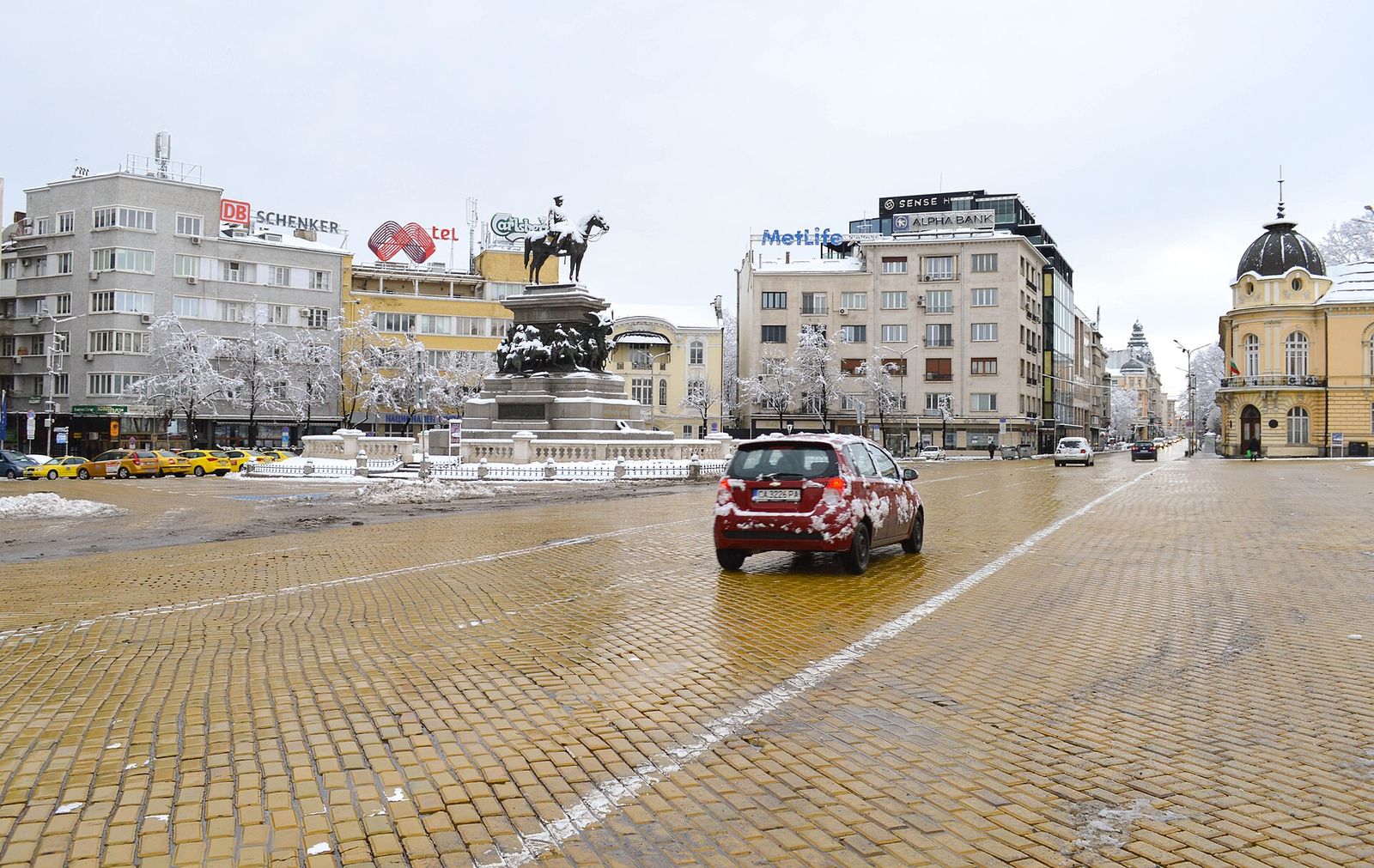
Sofia Travel Tips: What I'd Tell You Before a First Trip to Bulgaria
What I tell friends before their first Sofia trip: visas, the euro, the airport metro, taxis and the head nod.
Read the guide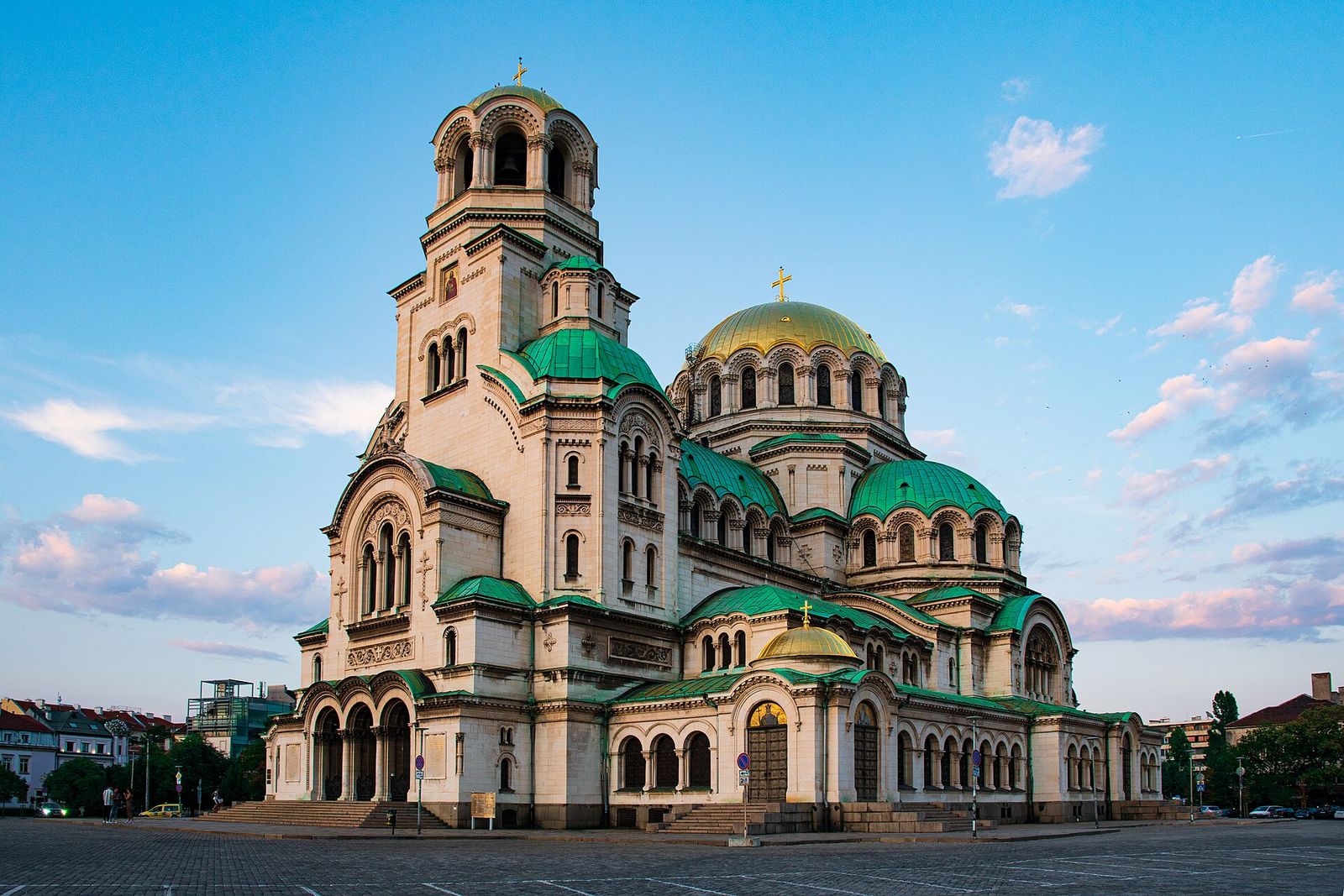
My Perfect Weekend in Sofia: A 2-Day Plan with Costs
How I would spend 48 hours in Sofia: what to see, where to eat, the Saturday night out and what it all costs.
Read the guide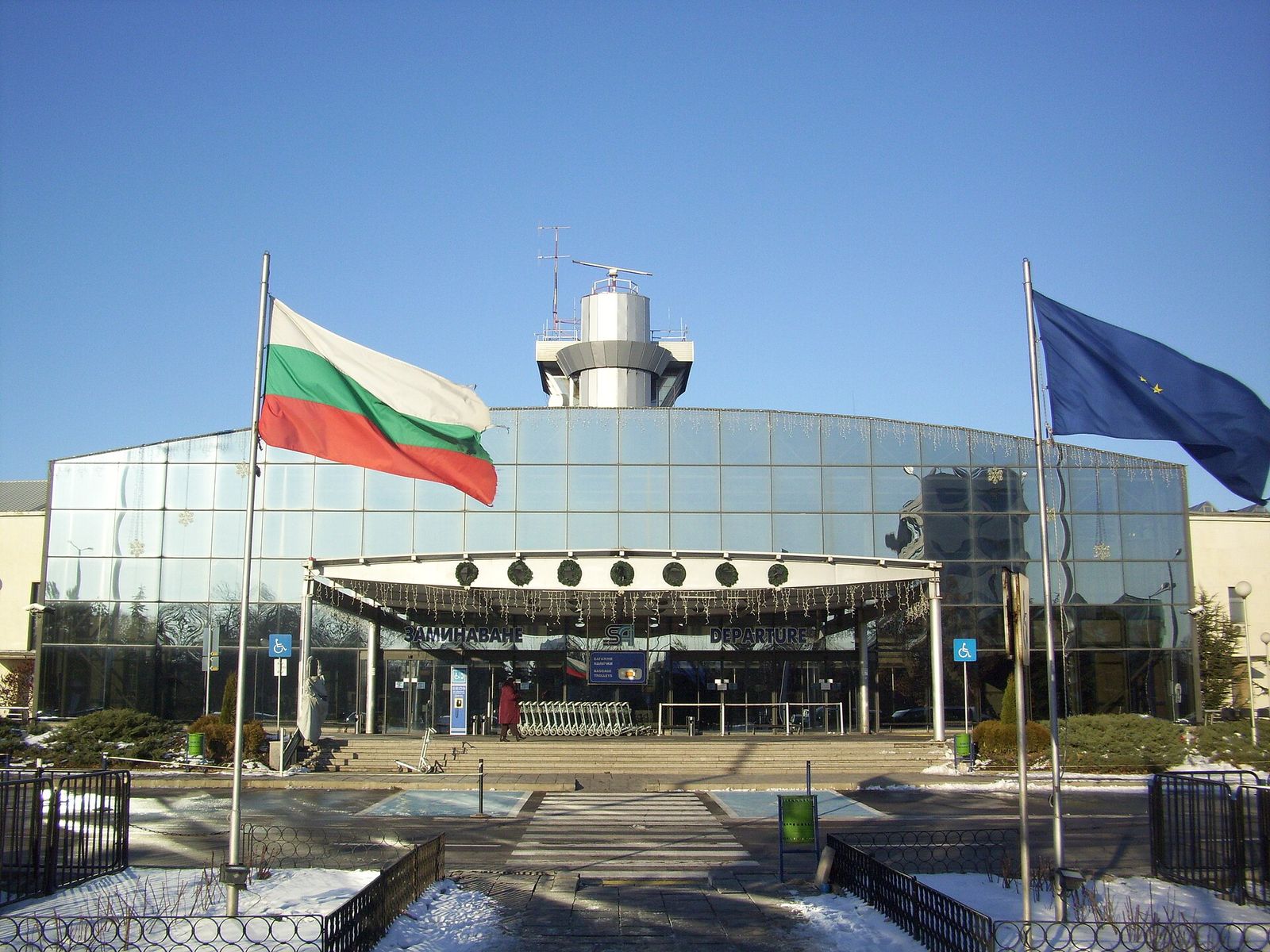
Flights from the UK to Sofia: Airlines, Airports and Fares
Which airline flies to Sofia from which UK airport, how long it takes, the fares I saw and getting into town.
Read the guide