
Chalga Clubs in Sofia: My Guide to a Pop-Folk Night Out
Chalga, Bulgarian pop-folk, is the most popular music in the country and the one Bulgarians argue about most. Its clubs fill after midnight with booked tables, bottles of whisky, a live singer and a room that knows every word. I live in Sofia, and of all the nights out in Sofia, it's the one I push on every visitor at least once. Here's what chalga is, where the clubs are, what to wear, what it costs and how safe it is.
What is chalga?
Chalga (чалга) is Bulgarian pop-folk, sometimes called ethno-pop. Take a Bulgarian folk melody, add Greek, Serbian, Turkish, Romani and Arabic influences, put a club beat under it, and you have the sound. You'll hear it in taxis, corner shops and seaside bars long before you set foot in a club.
The name comes from the Turkish word çalgı, a musical instrument. The modern genre appeared in 1989, after the fall of the communist regime, took off commercially in the 1990s and got much bigger in the 2000s. Two studios, Payner Music and ARA Music, built the industry, and music channels such as Planeta TV, Balkanika TV and Fan TV carried it across the Balkans.
Serbian turbo-folk and Romanian manele are close cousins, so if you've heard either, you'll recognise chalga within a bar or two. For everyone else, I suggest putting Planeta TV on in your hotel room while you get ready. Ten minutes of the videos will tell you exactly what kind of night you're dressing for.
Chalga or folk music: how Bulgarians see it
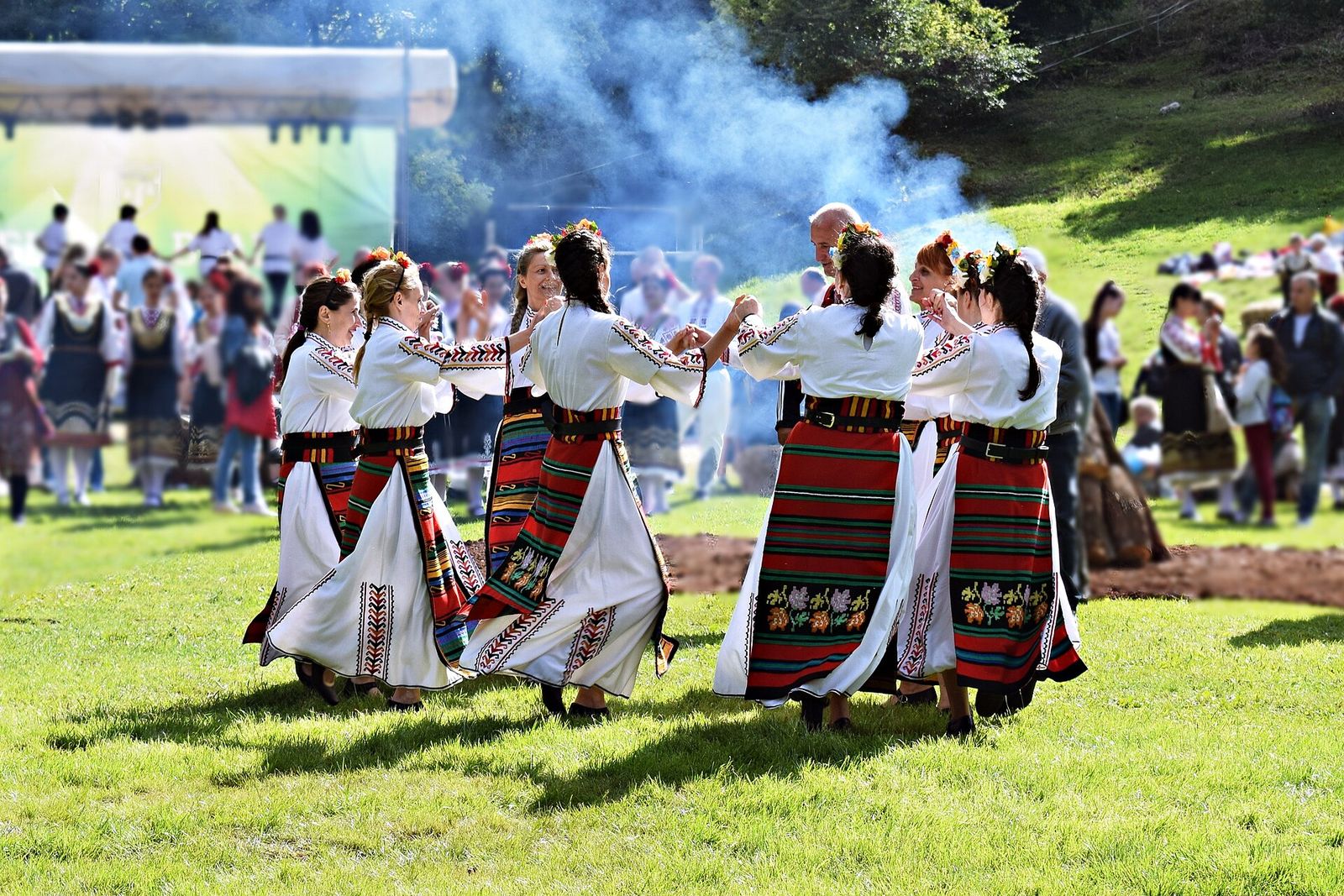
Bulgarians keep chalga and folk in separate boxes. Bulgarian folk music means the horo, the bagpipe and village choirs, and people are proud of it. Chalga borrows the rhythms and the twirly vocal ornaments, then adds synths and sequins.
Plenty of Bulgarians will tell you they can't stand it. Critics have gone after the lyrics for years, and after the clubs too, for loose checks on under-age customers and poor protection for the people inside. Yet the clubs are sometimes the busiest venues in Sofia on a Saturday, and the friends who roll their eyes at chalga over coffee are the ones standing on the chairs at 2am.
Like it or loathe it, chalga is as much a part of modern Bulgarian culture as the martenitsa in March. I'd put one chalga night on any first trip, even if you never go back.
The chalga stars you'll hear in a club
You don't need to know the singers to have a good night, but a few names help when every table stands up for a chorus. Azis is the King of Chalga, the one name every Bulgarian knows, and he's the man in the bathrobe at the top of this page.
| Wave | Singers to know |
|---|---|
| The first wave, 1990s | Toni Dacheva, Gloria, Rado Shisharkata, Sasho Roman |
| The next wave | Azis, Sashka Vaseva, Desi Slava, Ivana, Kamelia, Extra Nina |
| On every playlist | Preslava, Andrea, Galena |
Clubs book stars like these as guest acts for their big nights, and the singer's face goes on the posters outside. A night with a famous name costs more and fills faster, so book early if one catches your eye.
What happens on a chalga club night
Tables and bottles
Most of the floor is tables, and on a Friday or Saturday most of them are booked. The usual order is a bottle of whisky or vodka for the table, with mixers and a bucket of ice, and the group pours its own drinks all night. There's a bar for walk-ins, and you can stand at it, but the night happens at the tables.
I book a table by phone a day or two ahead for a group of four or more. It gives you a base for coats and bags, and it's where the club expects you to spend your money.
The live singer and the napkins
The night starts with a DJ playing the hits. Somewhere after midnight, often closer to 1am, the live part begins: a resident singer, or on a big night the guest star from the poster, with a band or a keyboard player.
When a song really lands, people throw paper napkins (салфетки, salfetki) into the air and over the singer. It looks like a snowstorm in a nightclub. It's part of the ritual, and the staff sweep it all up at the end.
The dancing
Chalga dancing happens on chairs, on tables and in the narrow gaps between them. A lot of the moves come from kyuchek (кючек), a hip-shaking dance with Romani and Turkish roots, and when the band slips into a folk number, a horo line can start snaking between the tables.
Skip the dance class. Copy the table next to you, keep your drink out of the way, and nobody will notice you're foreign until you open your mouth.
Where to find chalga clubs in Sofia
Sofia's chalga discotheques are big rooms, split between Studentski Grad and the centre. Clubs open, close and change names often: Sin City, once the cult chalga club in town, shut at the end of 2014. I check a club's social pages in the week I'm going, for who's singing and whether the place is still open.
Studentski Grad
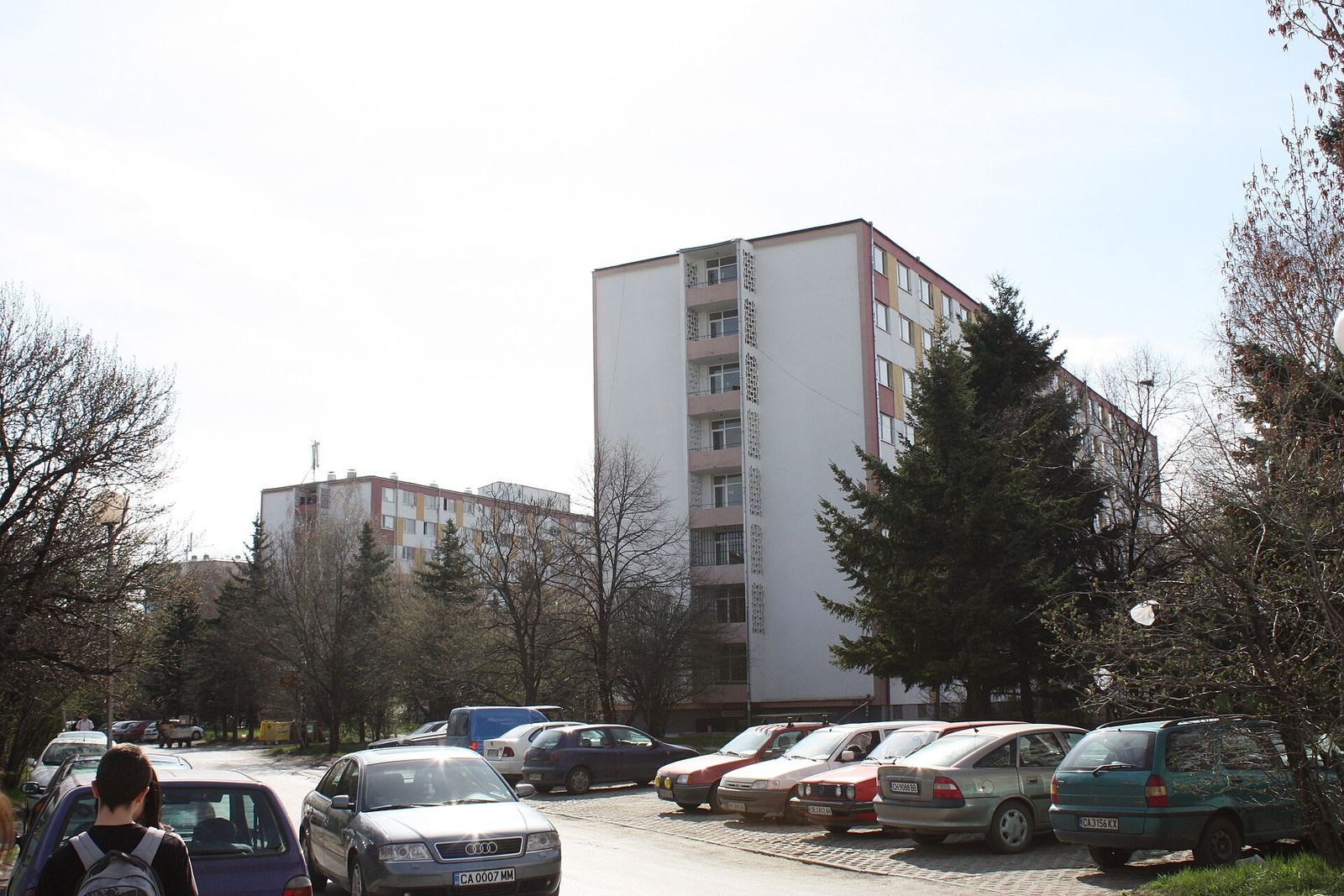
Studentski Grad (Студентски град), literally student town, is the university dormitory district in the south-east of the city, and it's where I'd go for a first chalga night. Its nightclubs sit close together around Atanas Manchev Street and Akademik Boris Stefanov Street, so if one is dead you can walk to the next in a couple of minutes.
The crowd is young and mostly local, with international students mixed in. It's about 6 km by road from NDK at the bottom of Vitosha Boulevard, 10 to 15 minutes in a taxi at night, and the fast food places stay open around the clock, which is where everyone ends up at 4am.
The centre
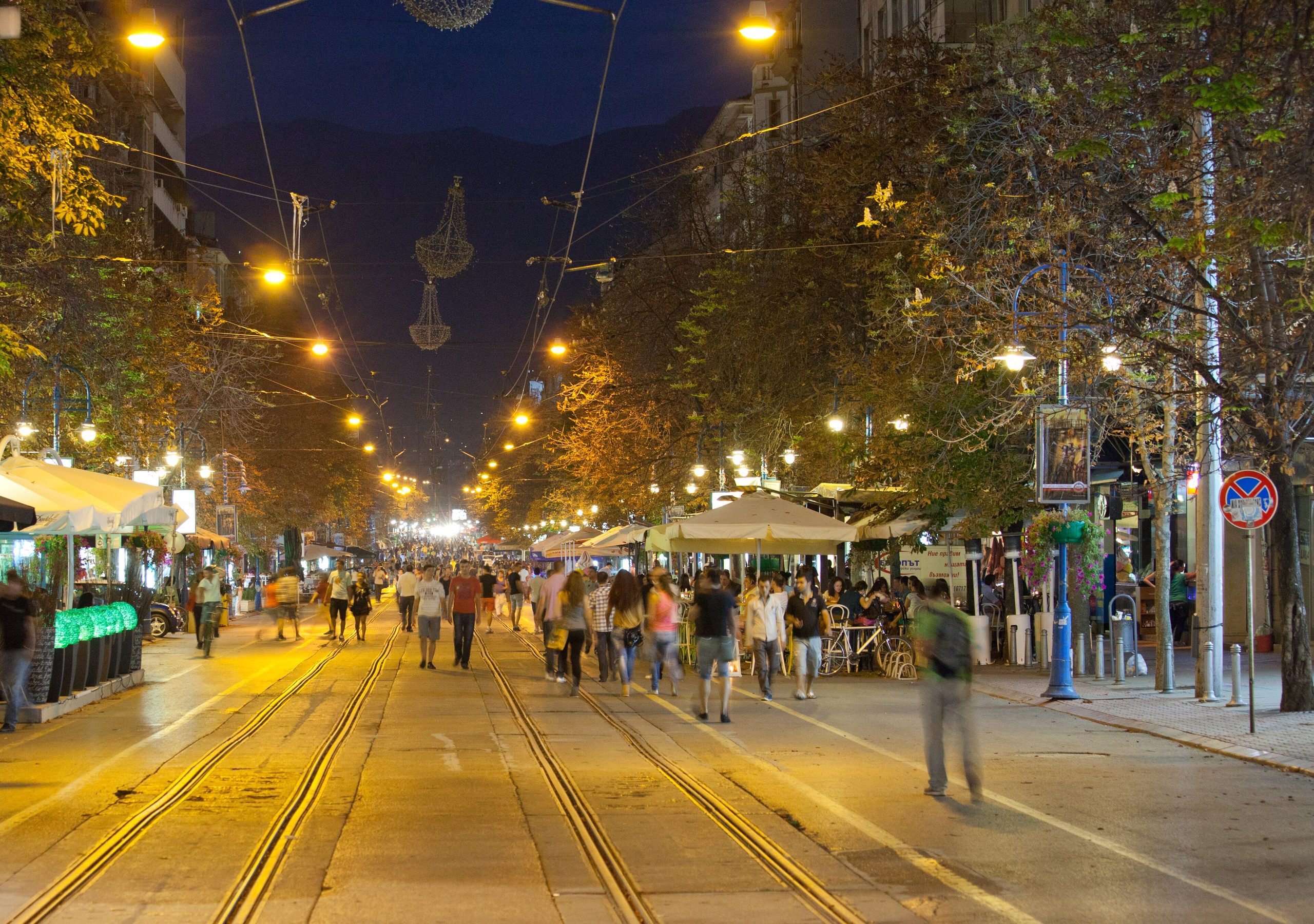
The centre has its own chalga clubs, dotted along the central streets. You spot them by their posters: a singer's face, a date and the words поп-фолк (pop-folk) or на живо (live). The big plus is that you can walk to one from dinner and from the bars around Vitosha Boulevard, and walk home again if you're staying central.
If the chalga gets too much, the techno and hip-hop clubs in the centre are a short walk or taxi away.
What to wear and getting past the door
Dress up. I make more effort for chalga than for any other night out in Sofia: women go for heels and a dress, men for a shirt and proper shoes, and trainers or sportswear are the quickest way to get turned away. The door runs face control (фейс контрол), which means the bouncers decide who gets in by how you look and who you're with.
You need to be 18 to get into a club in Bulgaria. Big groups of men get a harder time at the door than mixed groups, so split into twos and threes if you're on a lads' night.
Learn three or four Bulgarian phrases before you go: blagodarya (thank you), nazdrave (cheers) and da and ne for yes and no. Say them out loud, because a Bulgarian nod means no and a shake of the head means yes, and that gets confusing fast at a crowded table.
What a chalga night costs
The door charge depends on the club and the night, and a famous name on the poster pushes it up. The bigger cost is the table: once you sit down, the club expects a bottle, so split it four or five ways and the night stays reasonable. A local beer in an ordinary bar is about €2, a fraction of a London pint, and club prices run higher.
Bulgaria switched to the euro on 1 January 2026, and the lev stopped being legal tender on 1 February 2026. If you spot a price in leva (лв.), divide by 1.95583: 20 leva is about €10. I pay by card at the bar where I can, and carry some cash for the door and the taxi.
A chalga night hour by hour
Chalga is a late, long night, and the trick is pacing. Eat first: a proper dinner at one of the restaurants I'd book in Sofia, with a shopska salad and a rakia, sipped slowly the way Bulgarians drink it, sets you up until 4am.
| Time | What I'd do |
|---|---|
| 9pm | Dinner in the centre, with one rakia and no more |
| 11pm | A drink or two in a bar near Vitosha Boulevard |
| 12.30am | Licensed taxi to Studentski Grad |
| 1am | Find the table, order the bottle, wait for the singer |
| 4am | Napkins on the floor, fast food, taxi home |
On a weekend in Sofia, I'd save chalga for Saturday. Friday stays for dinner and bars, and Sunday morning is allowed to be slow.
Are chalga clubs safe?
For a visitor, mostly yes, with the same care you'd take at a big club night at home. Chalga clubs pull large, boozy crowds, though, and at 3am tempers run shorter than the queue for the toilets.
What I do: go with Bulgarian friends or a mixed group, book a table so you have a base, keep your drink in your hand and leave the moment anyone starts squaring up. Sofia is a safe city at night, and the biggest risk on a chalga night is the ride home.
Sofia's licensed taxis are cheap on the meter. OK Supertrans charges €1.70 to start and €0.85 per km between 10pm and 6am, so the 6 km back to NDK comes to about €7, and the 8.5 km or so to Sveta Nedelya Square about €9.
Key takeaways
- Chalga is Bulgarian pop-folk, born in 1989, and Azis is its biggest star.
- The clubs are in Studentski Grad, around Atanas Manchev Street, and scattered across the centre; check their social pages the week you go.
- Book a table, expect to buy a bottle, and wait for the live singer after midnight.
- Dress smart, bring your passport, split the bottle four or five ways, and budget about €7 to €9 for the taxi home.
Frequently asked questions
What is chalga?
Chalga is Bulgarian pop-folk, also called ethno-pop: Bulgarian folk melodies with Greek, Serbian, Turkish, Romani and Arabic influences over dance beats. The modern genre appeared in 1989 and is the most popular music in Bulgaria. Its clubs are known locally as discotheques.
Are chalga clubs safe?
Yes, for a visitor who takes normal care. They are big, late and boozy, so go in a group, book a table, watch your drink and leave if a fight starts. Use a licensed yellow taxi or the TaxiMe app to get home.
What do you wear to a chalga club?
Dress smart. Women usually wear heels and a dress and men a shirt with proper shoes, and sportswear or trainers can get you refused at the door. The bouncers run face control, so looking the part matters.
Do you need to book a table at a chalga club?
On a Friday or Saturday, I would. Most of the floor is tables and most are booked by phone in advance, usually with a bottle for the table. Walk-ins can stand at the bar.
Is chalga Bulgarian or Turkish?
Chalga is Bulgarian. The name comes from the Turkish çalgı, meaning a musical instrument, and the sound mixes Bulgarian folk with Turkish, Greek, Serbian, Romani and Arabic influences.
Who is the most famous chalga singer?
Azis, known as the King of Chalga. Other big names include Preslava, Galena, Desi Slava and Andrea, and Gloria and Toni Dacheva were among the first stars in the 1990s.
What time do chalga clubs open in Sofia?
They open late in the evening, but few people arrive before midnight. The live singer usually comes on after midnight, often around 1am, and the night runs until the early morning.
Sofia Nightlife: Where I Go Out and Where to Start
Sofia goes out late and cheaply. The areas, bars and clubs I pick, what a night costs and how to get home after.
Read the guide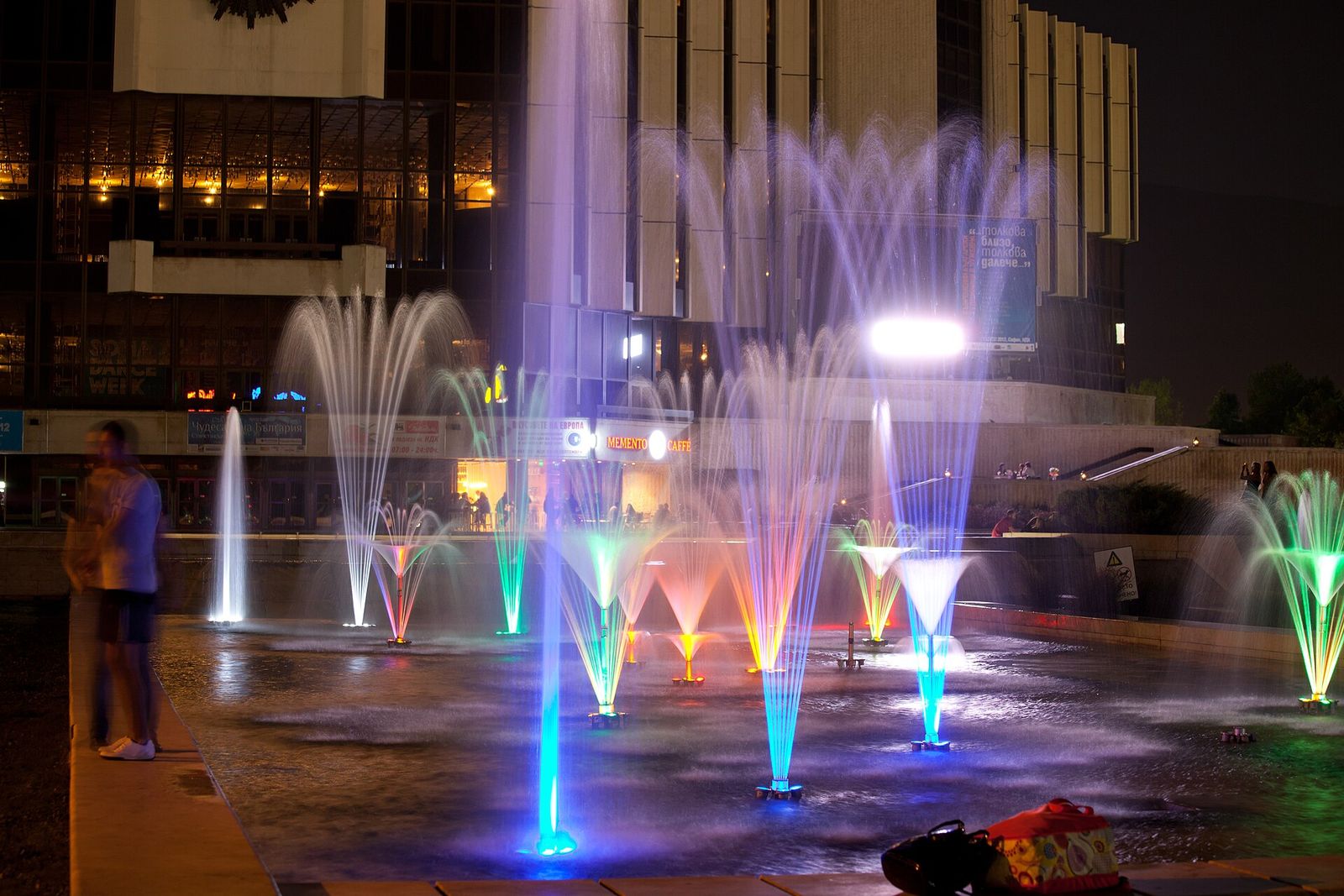
The Best Clubs in Sofia: 9 Places I Go Dancing
Where I go dancing in Sofia, sorted by music, plus what the door wants, when to arrive and how to get home.
Read the guide
Live Music and Jazz in Sofia: Where I Go for a Gig
Jazz under NDK, rock gigs, folk bands with dinner and the Philharmonic: where I hear live music in Sofia.
Read the guide