Bulgarian Wine Regions: All 5, and the Ones I Visit from Sofia
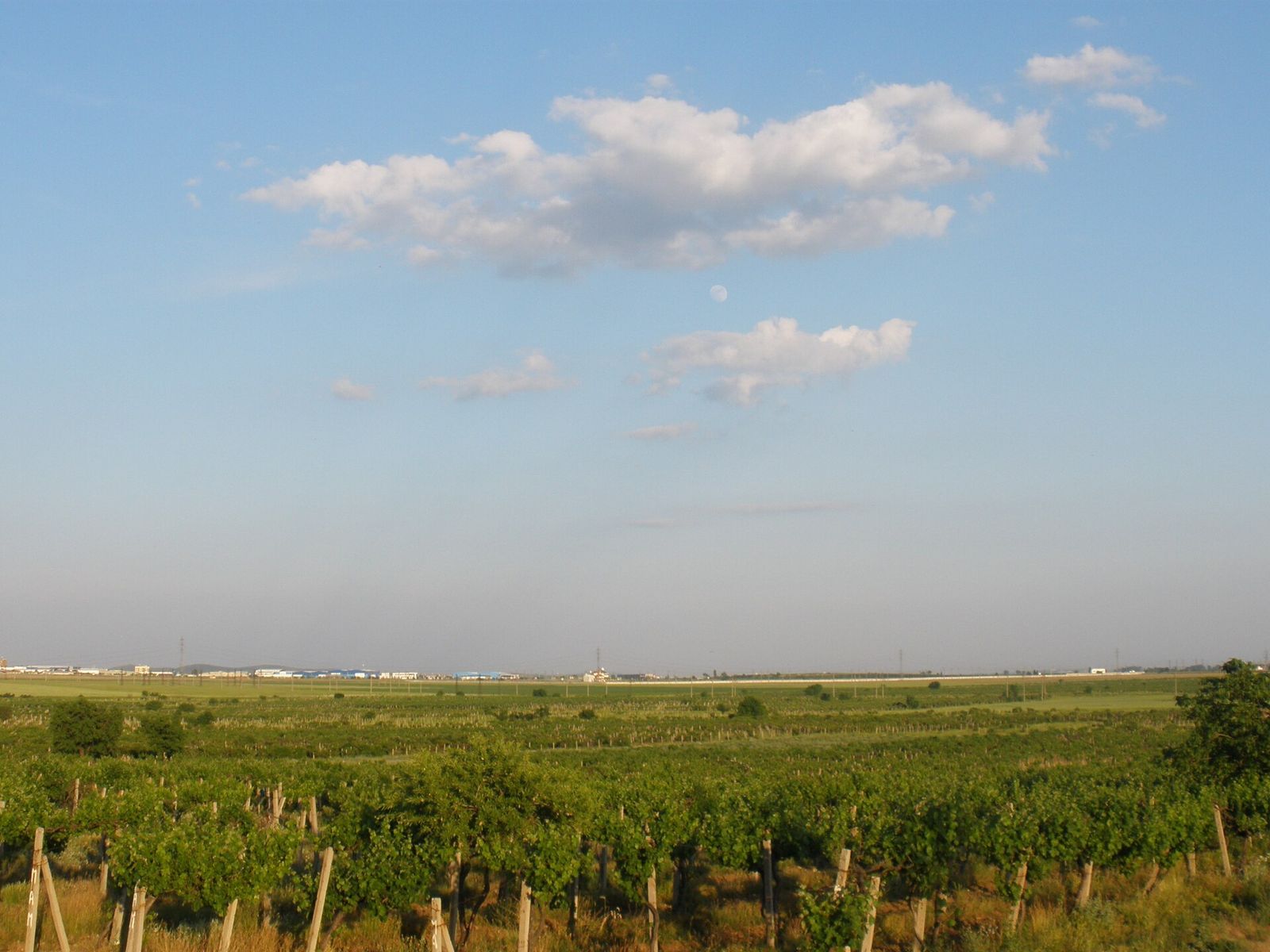
Officially, Bulgaria has two wine regions. Ask anyone pouring a glass in Sofia and you'll hear about five: the Danube Plain, the Black Sea Coast, the Rose Valley, the Thracian Lowlands and the Struma Valley, each with its own local grape. This is my guide to all five: what they grow, the producers I look for, and which ones I reach from Sofia by bus, train or car.
How many wine regions does Bulgaria have?
Bulgaria's wine system has two Protected Geographical Indications: the Danubian Plain (Дунавска равнина) north of the Balkan range and the Thracian Lowlands (Тракийска низина) south of it. Below them sit more than 50 Protected Designations of Origin, the village and district names printed on the better labels.
Day to day, Bulgarians talk about five regions, and more than 260 registered winemakers work across them. If you already know the Bulgarian wine grapes, the regions are the map behind them: Gamza belongs to the north, Mavrud to the south and Melnik to the far south-west.
| Region | Where | Grapes it's known for | Towns | Producers to look for |
|---|---|---|---|---|
| Danube Plain | North, on the Danube's south bank | Gamza, Rubin, Misket, Muscat Ottonel, Cabernet Sauvignon | Pleven, Vidin | Bononia, Telish |
| Black Sea Coast | East, along the coast | Dimyat, Misket, Riesling, Sauvignon Blanc, Chardonnay | Varna, Kavarna | Tsarev Brod, Odessos |
| Rose Valley | Centre, below the Balkan range | Red Misket, Muscat, Riesling, Rkatsiteli | Karlovo, Kazanlak, Sungurlare | Chateau Copsa |
| Thracian Lowlands | South, around Plovdiv and the Sakar hills | Mavrud, Merlot, Cabernet Sauvignon, Pamid, Rubin | Plovdiv, Pazardzhik | Rumelia, Zagreus, Bessa Valley, Terra Tangra, Dragomir |
| Struma Valley | Far south-west, towards Greece | Broad-leaved Melnik, Melnik 55, Keratsuda | Melnik, Sandanski | Logodaj, Villa Melnik, Damianitza, Orbelia |
The Danube Plain: Gamza country in the north
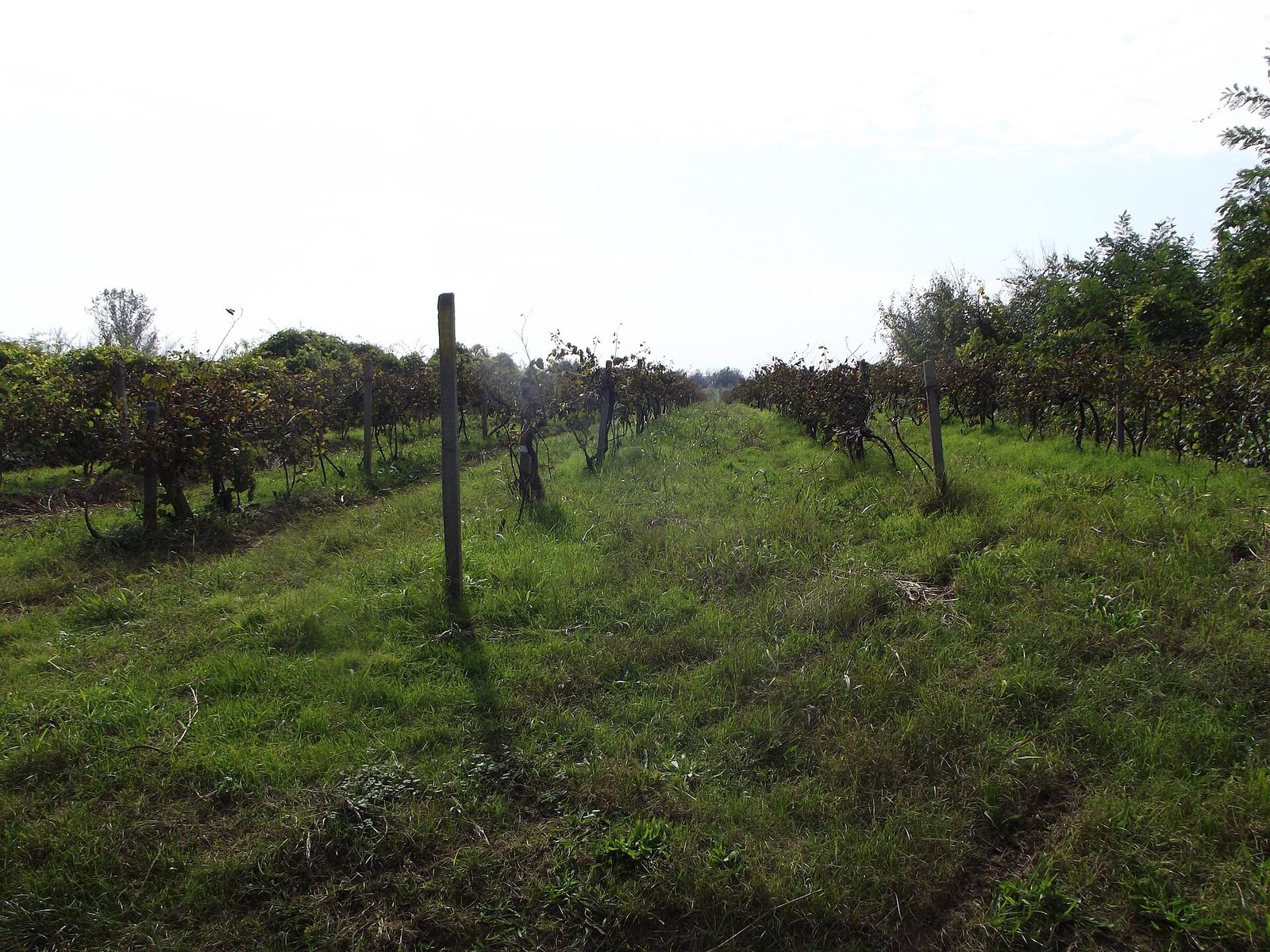
The Danube Plain covers the south bank of the Danube and the central and western stretch of the flat farmland behind it. Winters are cold and summers are hot with plenty of sun. The local red is Gamza, and I drink it slightly chilled.
Alongside Gamza grow Muscat Ottonel, Cabernet Sauvignon, Merlot, Chardonnay, Aligoté and Pamid, plus the local Rubin and Misket. Bononia sits on the Danube itself, with a hotel on the estate, and the 2020 vintage of its unoaked Gomotartzi Chardonnay won bronze at the Decanter World Wine Awards in 2022. Telish, near Pleven, is my pick for a cheap everyday red.
Pleven Wine Museum
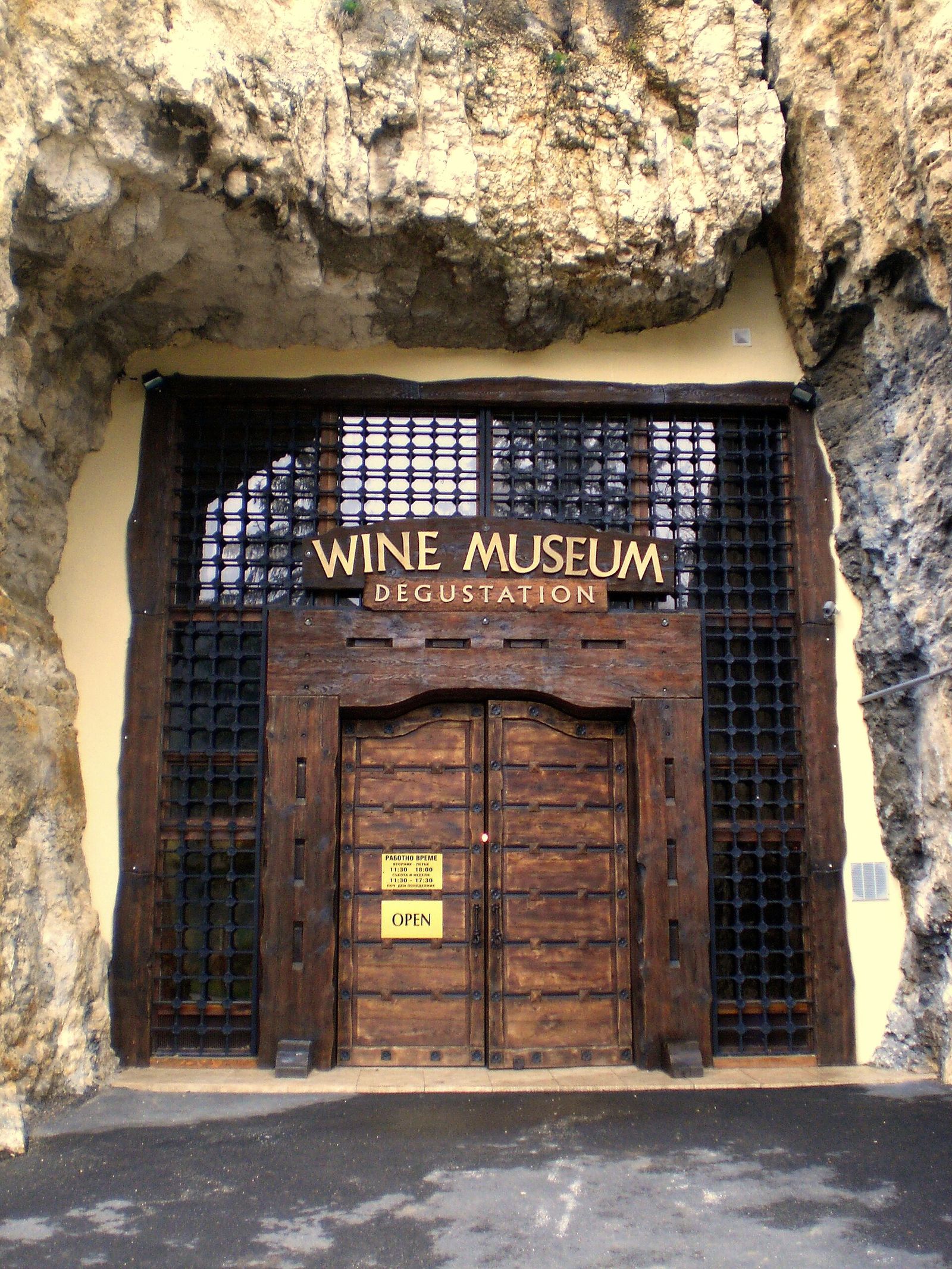
Pleven's Wine Museum sits in a natural cave in Kaylaka park, about 5 km from the town centre. It opened on 17 September 2008, and its five galleries cover 650 square metres. More than 6,000 bottles from every Bulgarian wine region line the cave, for tasting and for sale, so one afternoon here covers all five regions.
A historical hall follows grape growing from the Thracians to today, and the cellar holds 100 French oak barrels. Pleven is 170 km from Sofia, about 3 hours on the morning train to Bucharest. I check train times on the BDZ timetable and book a night in town.
The Black Sea Coast: Bulgaria's white wine country
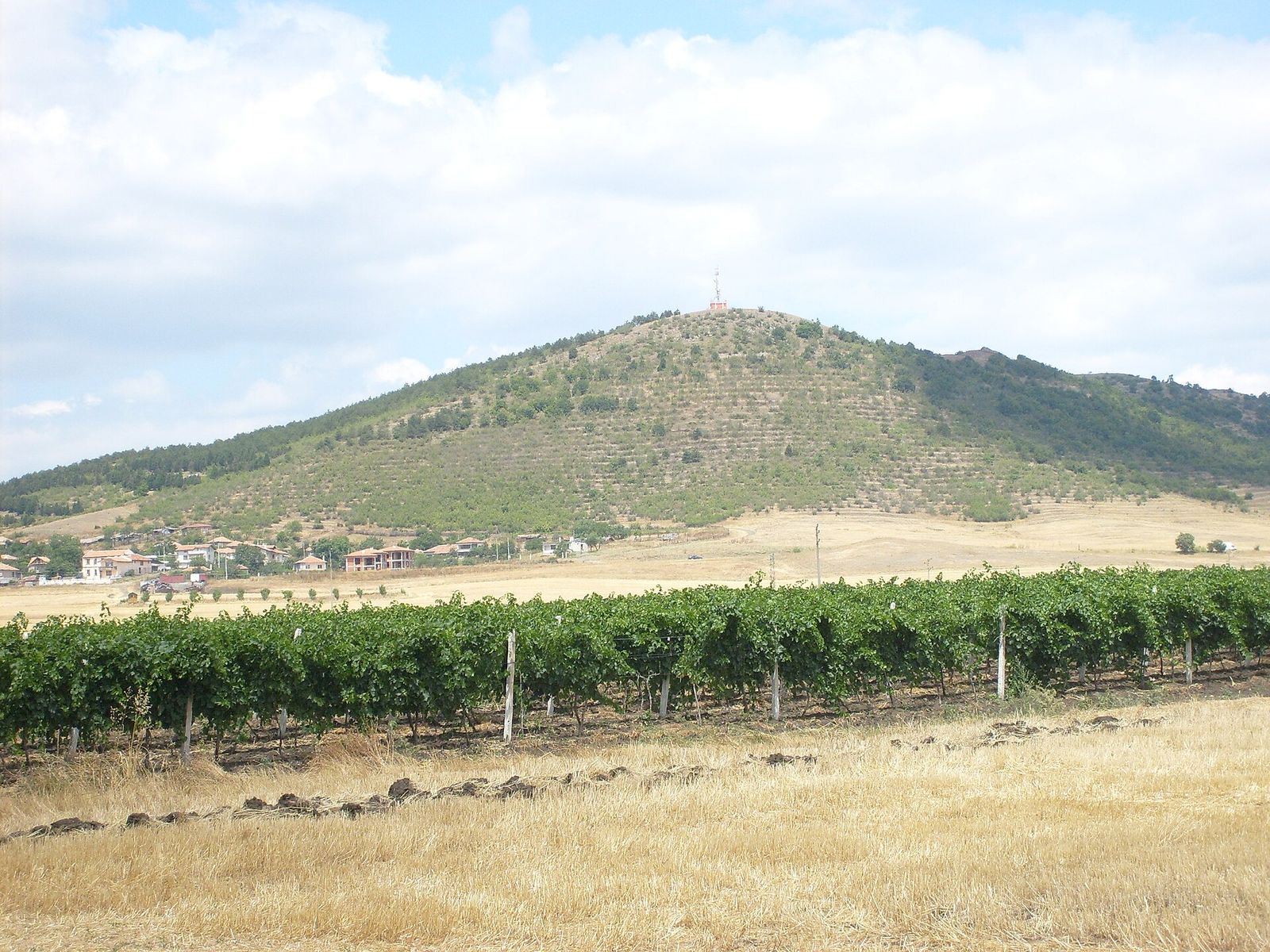
The Black Sea Coast region runs down Bulgaria's eastern edge. It holds about 30% of the country's vines and 53% of its white-grape vineyards, and its long, mild autumns give the grapes time to ripen. I come here for white wine: Dimyat, Misket, Riesling, Muscat Ottonel, Sauvignon Blanc, Traminer and Chardonnay.
Tsarev Brod planted its first vines in 2001. Its Pet-Nat Riesling is slightly cloudy, dry and apple-crisp at 11.5%, and it also makes a white from Gergana, a Bulgarian crossing of Muscat Ottonel and Dimyat. Odessos, one of Bulgaria's first urban wineries, made its first vintage in 2020, and its Cabernet Franc comes from a single vineyard at Kavarna, up the coast from Varna.
I drink the coast's wine on the coast, a cold Dimyat with grilled fish at lunch. The Bulgarian Black Sea coast runs 378 km from the Romanian border to the Turkish one, so I pick a base, Varna in the north or Burgas in the south, and taste what's local to it.
The Rose Valley: Red Misket below the Balkan range
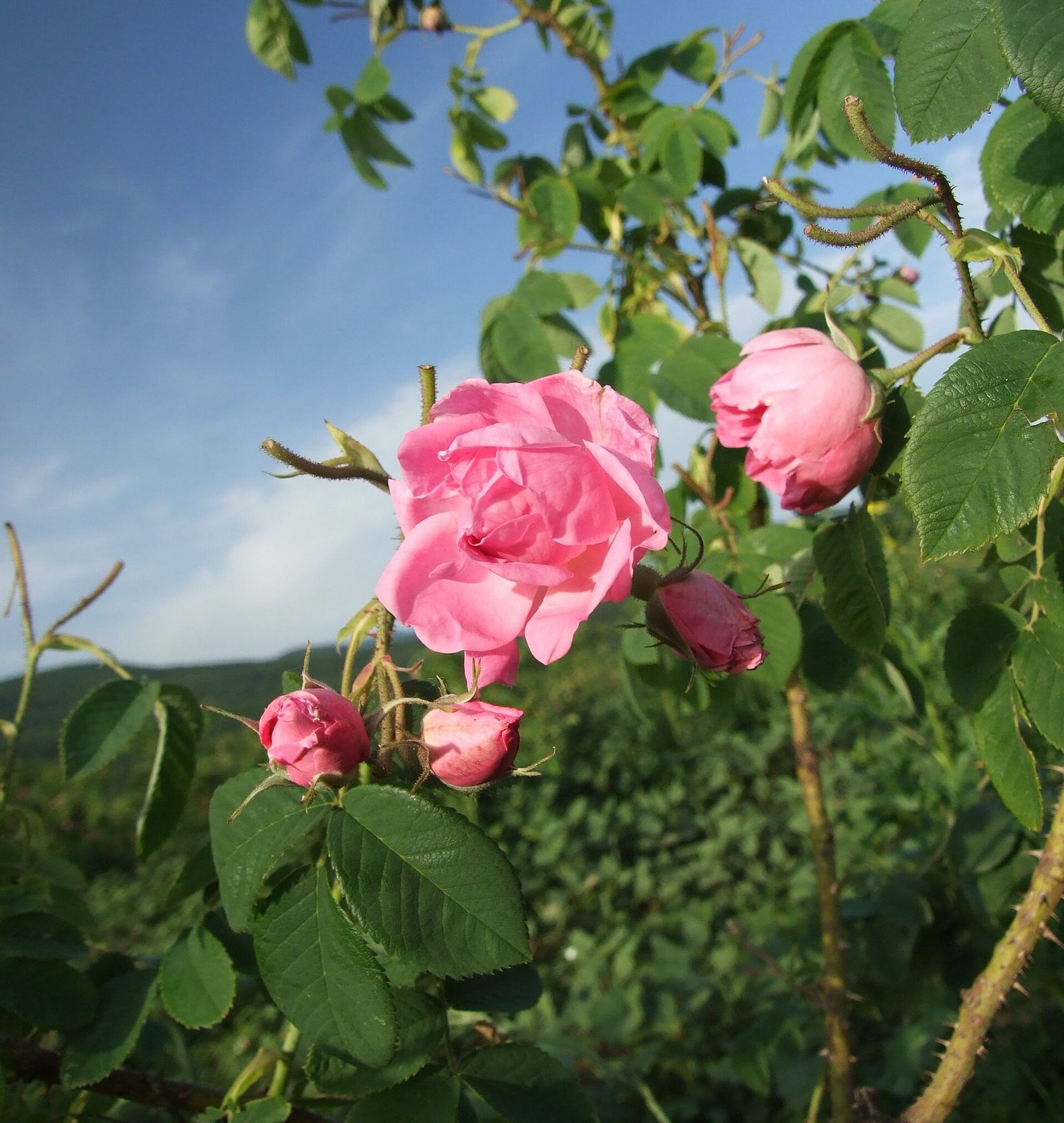
The Rose Valley is the smallest of the five regions: a valley south of the Balkan range, split into eastern and western halves, with Karlovo and Kazanlak along it. It takes its name from the damask roses grown for Bulgarian rose oil, and the vines share the valley with them.
Most of the wine here is white, dry or off-dry, from Muscat, Riesling, Rkatsiteli and Red Misket, with some Cabernet Sauvignon and Merlot. In the east of the region, the Sungurlare Valley is known for Red Misket.
The Minkov family founded Chateau Copsa in 1998, and its castle-like winery with stone towers stands among rose and lavender fields. Its AXL Rose Valley Misket is a dry white from 100% Red Misket, and only 1,300 bottles were made of the 2023.
Kazanlak is about 3 hours from Sofia by train. Its 4th-century BC Thracian tomb, painted with a couple at their funeral feast, makes it one of the best places to visit in Bulgaria, so I give the Rose Valley a night and add a winery to the tombs.
The Thracian Lowlands: Mavrud and the big reds
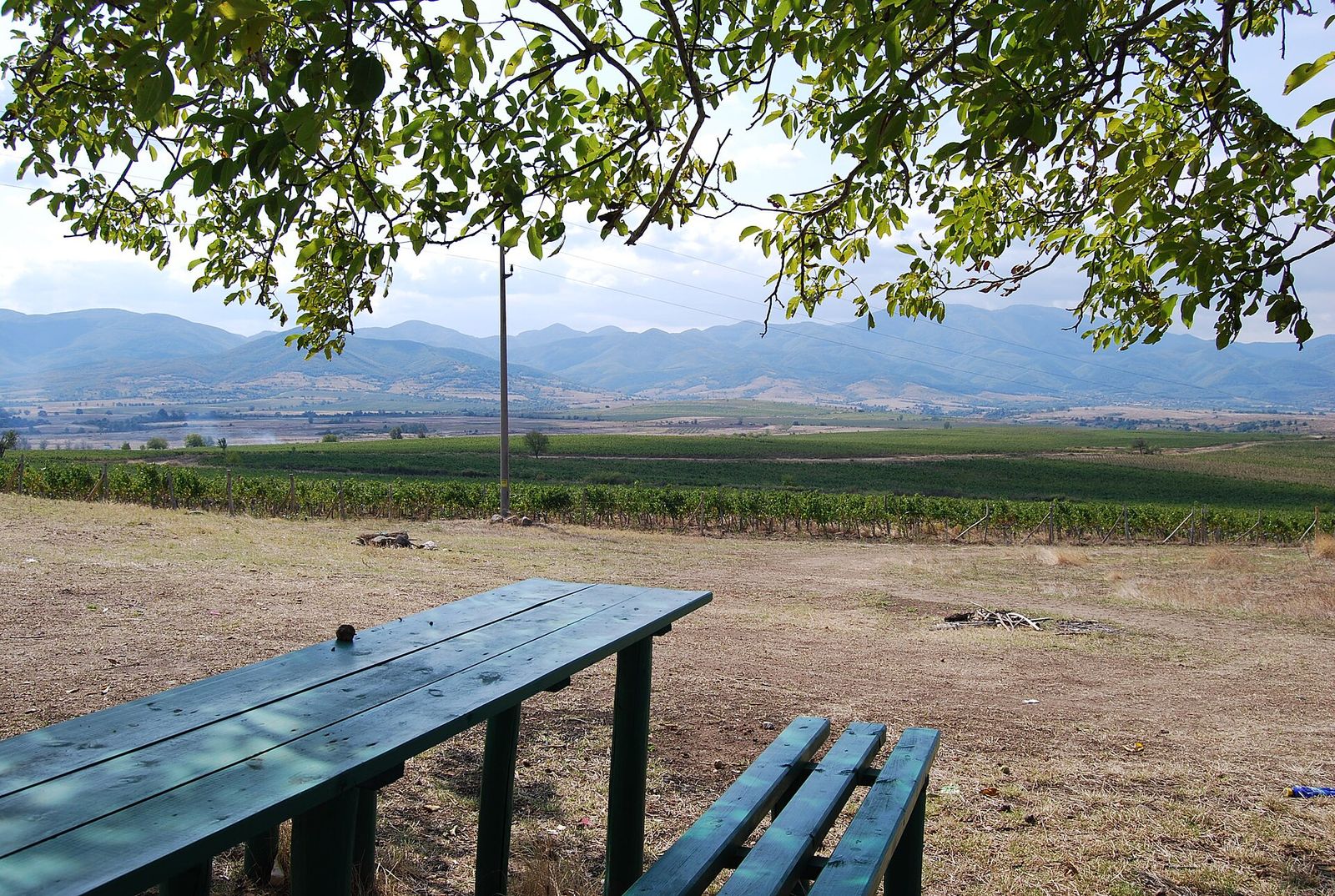
The Thracian Lowlands fill the south of Bulgaria between the Balkan range and the Rhodopes, with Plovdiv in the middle and the Sakar hills in the south-east. The Balkan range blocks cold winds from the north, and the Maritsa valley gets mild, rainy winters and warm, dry summers.
This is red wine country. Merlot is the most planted grape, then Cabernet Sauvignon, with Pamid and Rubin alongside. Mavrud is the one I come for: dark, plummy and firm, Bulgaria's flagship red. On export labels the region often appears as the Thracian Valley.
Rumelia built its name on Mavrud. Zagreus planted its first vines in 1998 and has made organic wine since 2010, and Dragomir's Rubin Reserve comes from vines planted in 1974. Terra Tangra works in the Sakar hills. Bessa Valley, near Pazardzhik, is the Bulgarian estate of Stephan von Neipperg of Chateau Canon La Gaffeliere in St-Emilion, and its Enira blend is the bottle I hand to Bordeaux drinkers.
Plovdiv and Brestovitsa
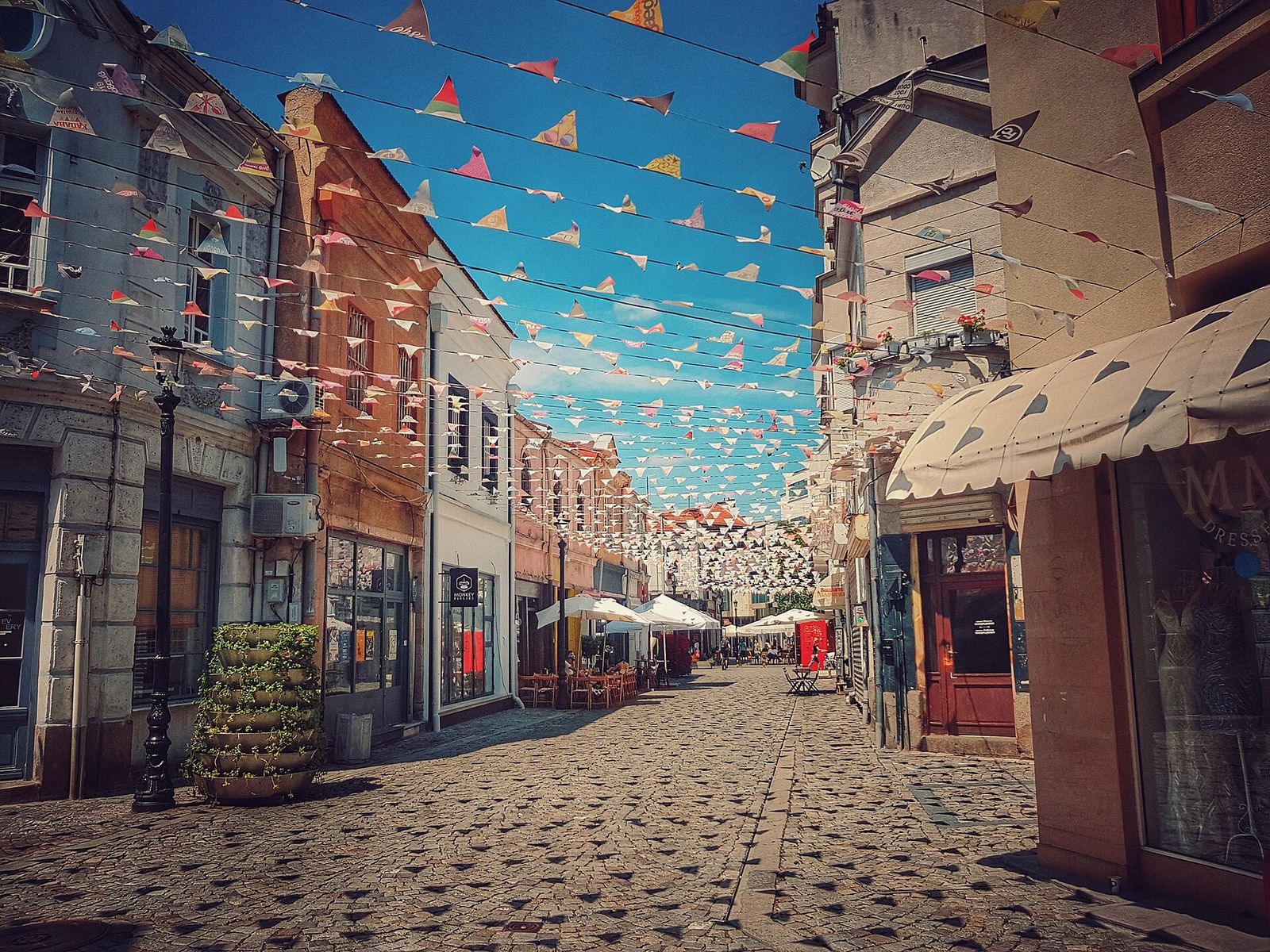
Plovdiv is my base for the Thracian Lowlands, 144 km south-east of Sofia. The bus takes about 2 hours and costs €8.50 to €11, and the train takes about 3 hours for about €5.60. A Plovdiv day trip fits the Old Town, the Roman theatre and a long lunch in Kapana with a glass of Mavrud, the grape that grows on the plain outside town.
For wineries, Brestovitsa is the village I'd head for. It sits about 20 km out of Plovdiv and has 7 wineries, and it needs a car or a taxi.
The Struma Valley: Melnik and the warm south-west
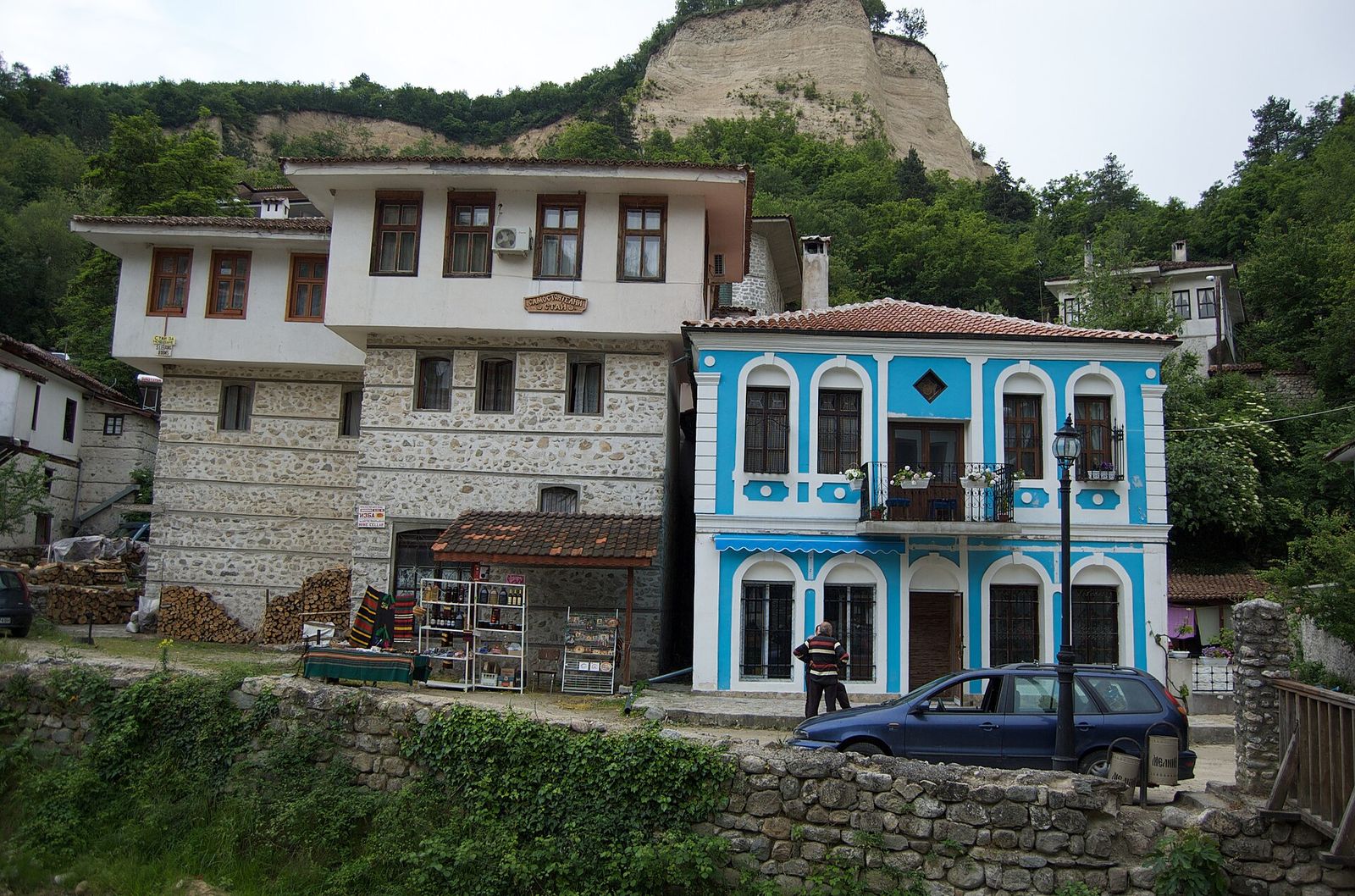
The Struma Valley is Bulgaria's most southern wine region, a small strip of the south-west where the Struma river runs down towards Greece. It has a strong Mediterranean influence, and its two signature grapes are rarely grown anywhere else.
Broad-leaved Melnik makes a pale red with high acidity, cherry and tobacco. Melnik 55, its earlier-ripening offspring, is ready towards the end of September and makes softer, riper wine. Keratsuda is the rare local white, and Cabernet Sauvignon and Merlot grow here too. Of all the Bulgarian grape varieties, these are the ones I'd taste in the valley itself, where the street cellars pour them straight from the barrel.
Melnik has made wine since at least 1346, and in the 17th and 18th centuries it sold most of it to England and Austria. Local legend makes it Winston Churchill's favourite. Logodaj, founded in 1994, makes the Melnik 55 I'd open first. Villa Melnik moves its wine by gravity and opens every day for tastings, and Damianitza, Orbelia, Sintica and Zelanos work the same valley.
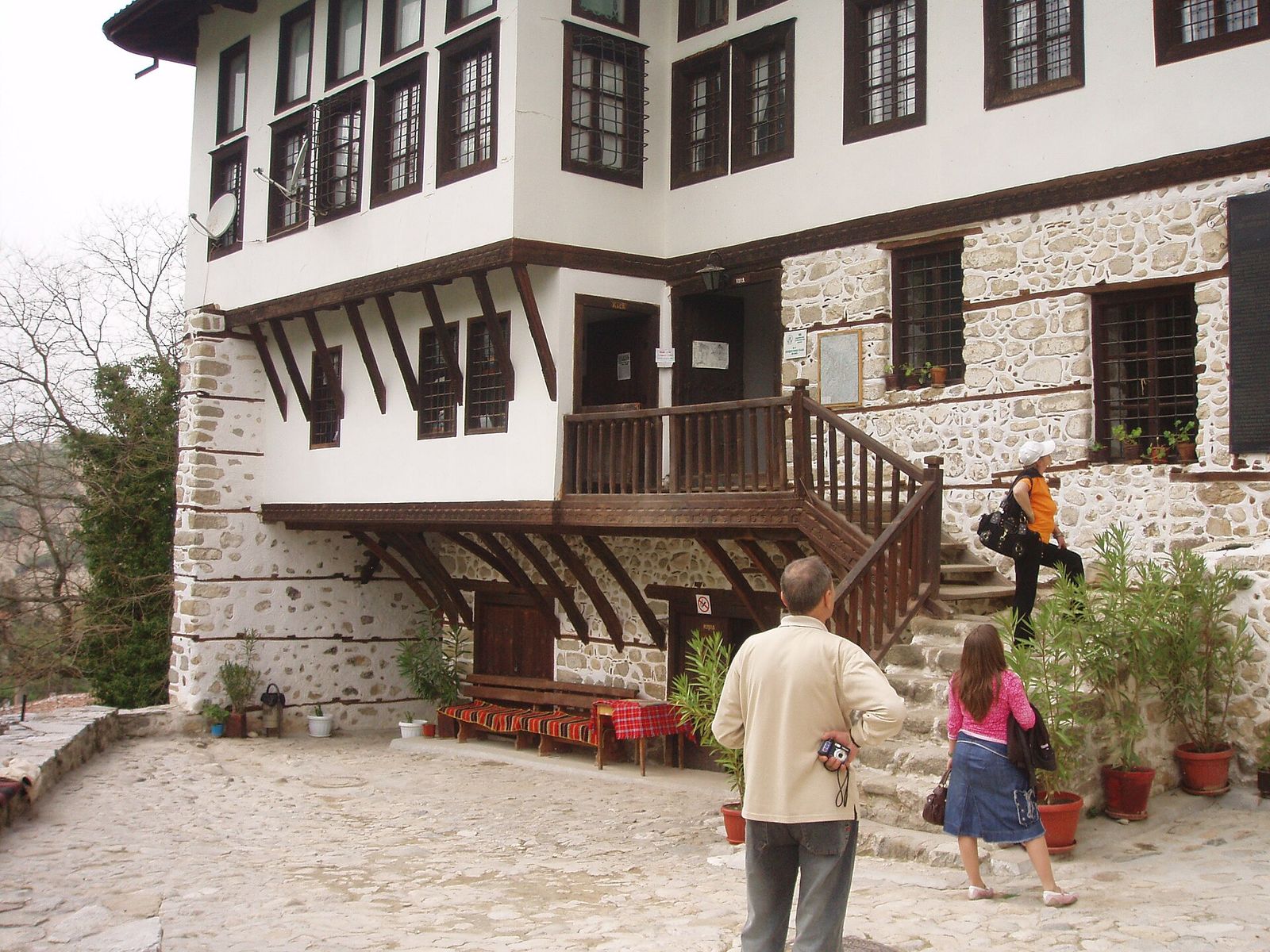
In town, Kordopulov House, a wine merchant's mansion from 1754, has one of Melnik's biggest rock-cut cellars and pours a taste of its wine with the entry ticket. Melnik is about 180 km south of Sofia, 2.5 to 3 hours by car down the Struma motorway. Without a car, take a bus to Sandanski, then a local bus or a taxi for the last 24 km. I always stay at least one night.
Which wine regions you can visit from Sofia
The Thracian Lowlands fit in a day from Sofia. The Struma Valley, the Rose Valley and the Danube Plain each get a night away, and the coast needs a holiday.
| Region | Base | How from Sofia | Time | How long I'd stay |
|---|---|---|---|---|
| Thracian Lowlands | Plovdiv | Bus or train | About 2 hours by bus, 3 by train | A day |
| Struma Valley | Melnik | Car, or bus to Sandanski | 2.5 to 3 hours by car | One night |
| Rose Valley | Kazanlak | Train | About 3 hours | One night |
| Danube Plain | Pleven | Train | About 3 hours | One night |
| Black Sea Coast | Varna | Night train | 23:00, arriving 06:50 | Two nights or more |
Plovdiv is the one wine base on my list of day trips from Sofia that needs no car and no overnight bag.
Taste all five regions in Sofia
If you can't leave the city, one bottle from each region puts the map on your table. These are the five I'd line up. The prices come from the euro list of Seewines, a wine shop in Lozenets, on 2 November 2026, and "Not listed" means the bottle wasn't on its list that day.
| Region | Bottle | Grape | Sofia shop price |
|---|---|---|---|
| Danube Plain | Bononia Gomotartzi Chardonnay | Chardonnay | Not listed |
| Black Sea Coast | Tsarev Brod Pet-Nat Riesling Extra Brut | Riesling | Not listed |
| Rose Valley | Chateau Copsa AXL Rose Valley Misket | Red Misket | Not listed |
| Thracian Lowlands | Zagreus Santimenti Mavrud 2023 | Mavrud | €10.17 |
| Struma Valley | Orbelia Melnik Estate Reserve 2019 | Broad-leaved Melnik | €17.38 on offer |
I pour them light to heavy: the Pet-Nat, the Chardonnay and the Red Misket, then the Melnik, with the Mavrud last. For a Mavrud-only evening I swap in Rumelia's Merul Mavrud Reserve at €12.73, the top bottle on my list of the best Bulgarian wines.
Before I buy a bottle, I test a region by the glass. Most of the wine bars in Sofia pour Mavrud and Melnik by the glass, and a natural-wine bar is where I find the odder whites.
When to visit Bulgaria's wine regions
September and October are harvest season, and International Mavrud Day falls on 26 October, so a late-October weekend in Plovdiv comes with a reason to order Mavrud.
February has the vine growers' day, Trifon Zarezan, on 14 February. It's the wine date among the festivals in Bulgaria: villages prune the first vines of the year and share wine among the rows. In July and August the Struma Valley gets hot by midday, so in Melnik I walk in the morning and taste in the cool of the cellars.
Key takeaways
- Bulgaria has 2 official wine regions and 5 regions in everyday use, from the Danube Plain in the north to the Struma Valley in the south-west.
- Each region has its own local grape: Gamza on the Danube, Dimyat on the coast, Red Misket in the Rose Valley, Mavrud around Plovdiv and Broad-leaved Melnik in the Struma Valley.
- Plovdiv is the easy day trip into wine country, and Melnik is worth a night with a car.
- Pleven's Wine Museum keeps more than 6,000 bottles from every region, and in Sofia one bottle per region makes a tasting at home.
Frequently asked questions
What are the main wine regions in Bulgaria?
The main wine regions are the Danube Plain, the Black Sea Coast, the Rose Valley, the Thracian Lowlands and the Struma Valley. Officially they sit inside 2 Protected Geographical Indications, the Danubian Plain in the north and the Thracian Lowlands in the south.
What is the most southern wine region in Bulgaria?
The Struma Valley is Bulgaria's most southern wine region, in the far south-west around Melnik and Sandanski near the Greek border. Its own grapes are Broad-leaved Melnik and Melnik 55, plus the white Keratsuda.
Are Bulgarian wines any good?
Yes, and the best are made from local grapes by small producers. I'd start with three regions in three bottles: a Mavrud from Rumelia or Zagreus, Logodaj's Melnik 55 and Chateau Copsa's Red Misket.
Where is Mavrud grown?
Mavrud grows in the Thracian Lowlands, the plain around Plovdiv in southern Bulgaria. Rumelia, Zagreus and Dragomir all make it, and International Mavrud Day is 26 October.
Which Bulgarian wine region is closest to Sofia?
The Thracian Lowlands are the easiest to reach. Plovdiv is 144 km from Sofia, about 2 hours by bus for €8.50 to €11, and Bessa Valley sits near Pazardzhik on the way there. Melnik in the Struma Valley is about 180 km south.
Can you visit Bulgarian wineries without a car?
Partly. Plovdiv, Kazanlak, Pleven and Varna are all on bus or train routes from Sofia, Melnik's street cellars pour wine in town, and Pleven's Wine Museum is 5 km from the centre. Wineries out among the vines need a taxi or a hire car.
When is the best time to visit Bulgarian wine regions?
September and October are the best months, with the harvest and International Mavrud Day on 26 October. Trifon Zarezan on 14 February is the winter wine day, when villages prune the first vines of the year.
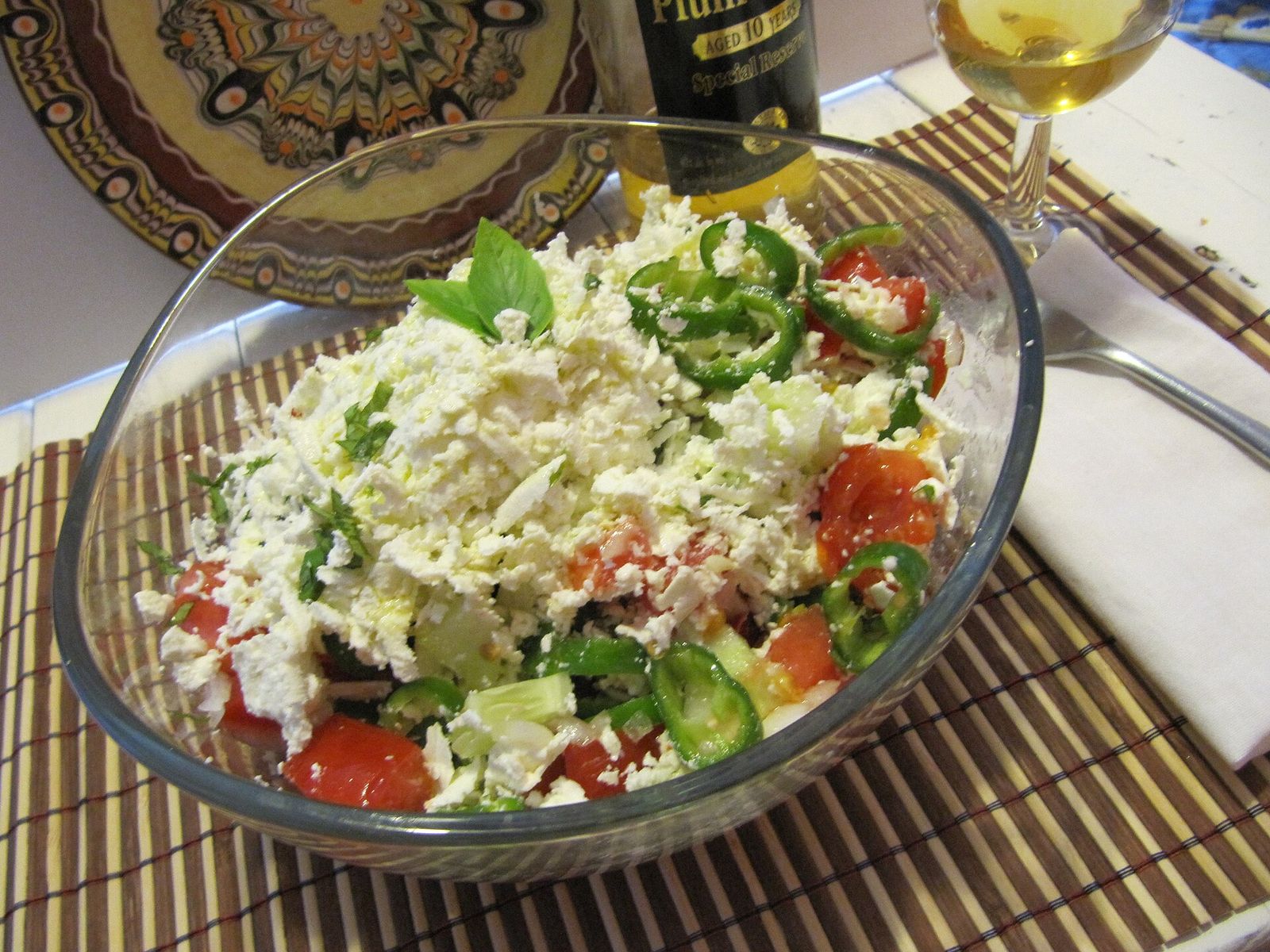
Bulgarian Drinks: What to Drink in Bulgaria and Where to Try It in Sofia
Rakia, wine, beer, boza and ayran: what Bulgaria drinks, how locals drink it and where I order each one in Sofia.
Read the guide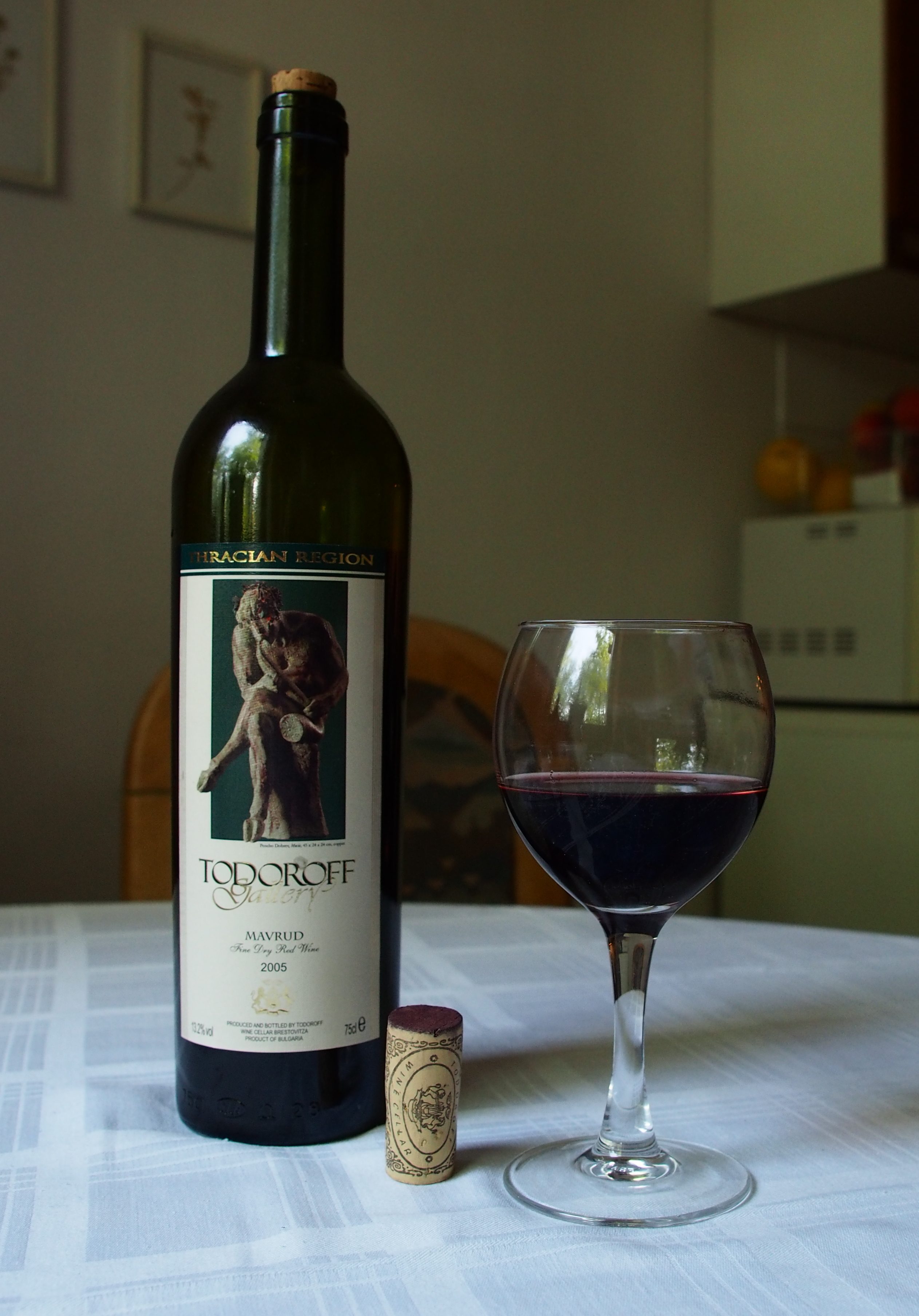
Bulgarian Wine: A Visitor's Guide to What to Order and Buy
Mavrud, Melnik and Misket: the Bulgarian wines I order in Sofia, what a bottle costs and how many to carry home.
Read the guide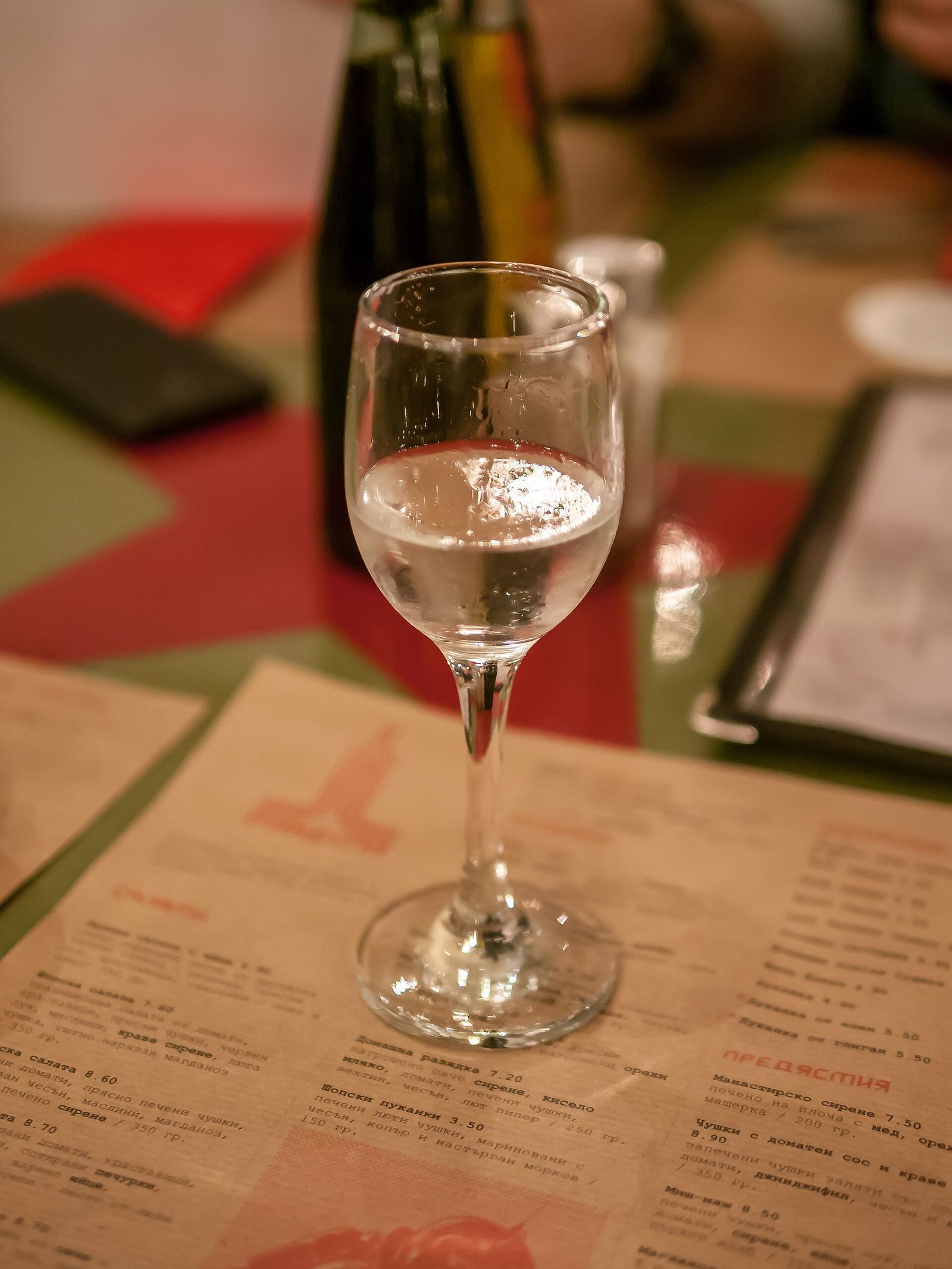
Rakia: Bulgaria's Fruit Brandy, and How I Drink It in Sofia
Bulgaria's fruit brandy, from grape to quince: the types, how to sip it, and where I drink and buy it in Sofia.
Read the guide