Belogradchik Rocks and Fortress from Sofia: Tickets, Caves and My Two Days
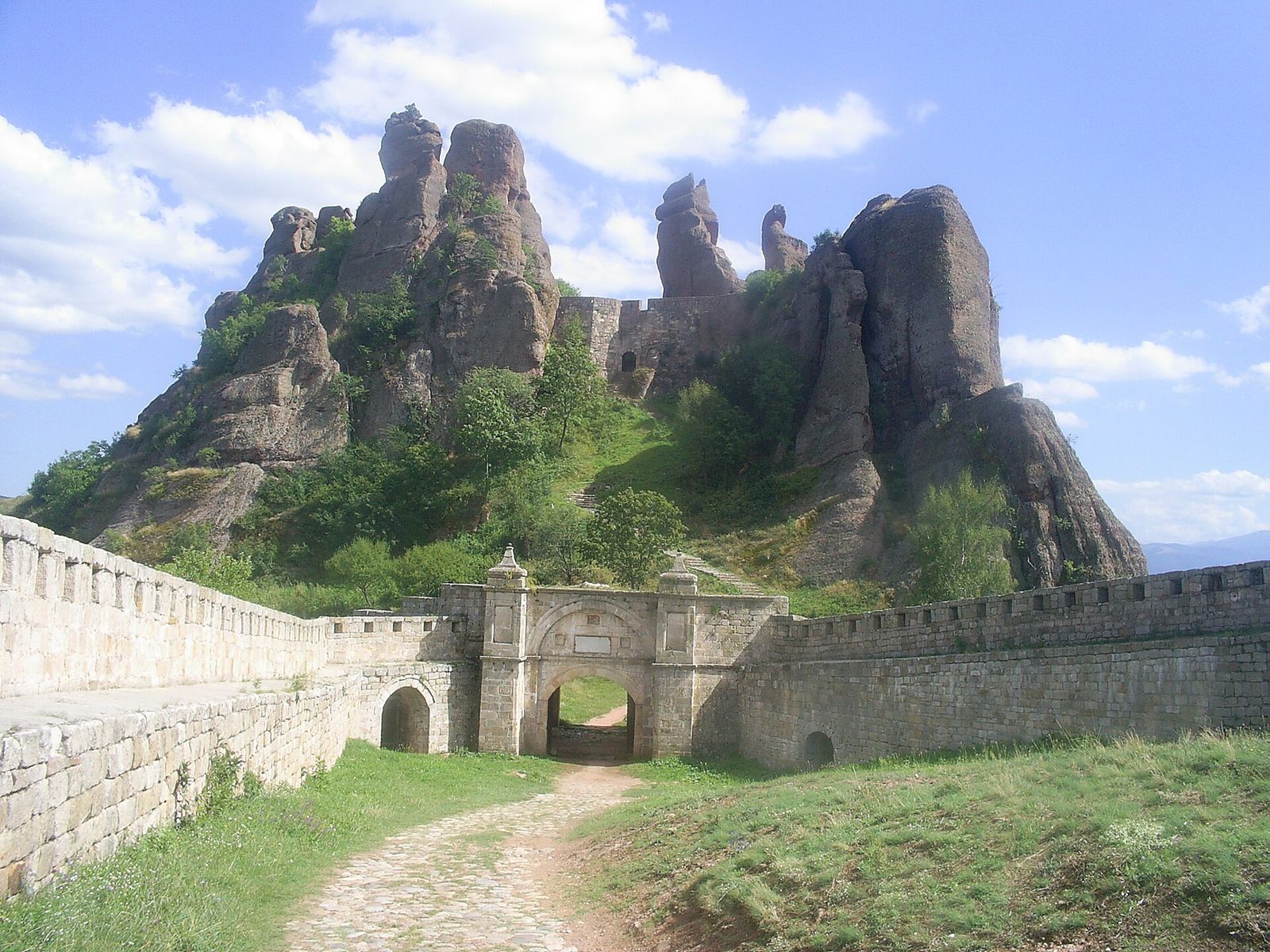
Belogradchik is where Bulgaria turns red: a forest of sandstone towers, some up to 200 metres tall, in the far north-west of the country, with a fortress built in among them. It's the strangest landscape I know within reach of Sofia. Here's how I get there by car, bus or train, what the fortress and the caves cost in euros, my two-day plan and why I always stay the night.
Is Belogradchik worth the trip from Sofia?
Yes, if you have a car or a spare night. The Belogradchik Rocks are a crowd of red and yellow sandstone towers on the western slopes of the Balkan range, close to the Serbian border. A fortress called the Kaleto sits in the middle of them, its walls running from one rock face to the next.
Of all my day trips from Sofia, this is one of the furthest away and the one I'd least want to rush. For a first trip out of the capital I'd still pick Rila Monastery, which is closer and needs no night away. Belogradchik is the one I send friends to once they've done Rila and Plovdiv and want scenery that looks more like Arizona than the Balkans.
I'd skip it on a first weekend in Sofia, because the drive alone eats most of a day, and book it on a longer trip or as a weekend of its own.
How to get from Sofia to Belogradchik
Driving is the easy way, and it's the only way I'd try it in two days. The bus and the train both work, but the bus needs two nights and the train at least one.
| Car | Bus | Train and taxi | |
|---|---|---|---|
| Leaves from | Anywhere in Sofia | A Sofia bus station | Sofia Central Railway Station |
| Time each way | About 3 hours | About 4 hours | About 4 hours to Oreshets, then a taxi |
| Departures | When you like | One a day, at 16:30 | Check the BDZ timetable |
| Back to Sofia | When you like | About 6am | Check the BDZ timetable |
| Nights I'd plan | 1 | 2 | 1 or 2 |
Sofia to Belogradchik by car
The drive takes about 3 hours each way, north over the Balkan range and then up into the hills to the town. A hire car from Sofia also gets you out to Magura Cave and Venetsa Cave, which sit in villages outside town.
For the fortress you drive right up to the car park in front of the main gate. It costs about €1.30, a one-off fee however long you stay.
A day trip by car is possible. I don't do it, because six hours of driving for three hours among the rocks is a poor trade. The fortress also looks its best late in the day, so I stay over.
Sofia to Belogradchik by bus
One bus a day leaves Sofia for Belogradchik at 16:30 and takes about 4 hours, so you arrive after dark for most of the year. The bus back leaves at about 6am. That works out at two nights for one full day in Belogradchik. Confirm the time and the departure station a day or two before, since a once-a-day route leaves no room for a mistake.
Sofia to Belogradchik by train and taxi
Trains on the line north-west from Sofia stop at Oreshets, the nearest station, about 4 hours from the capital. From Oreshets it's a taxi up to Belogradchik, so ask your guesthouse to book one to meet your train. Trains in Bulgaria are slow and cheap, and I check the BDZ timetable the night before, because only an early train leaves time for the fortress on the day you arrive.
The Belogradchik Rocks
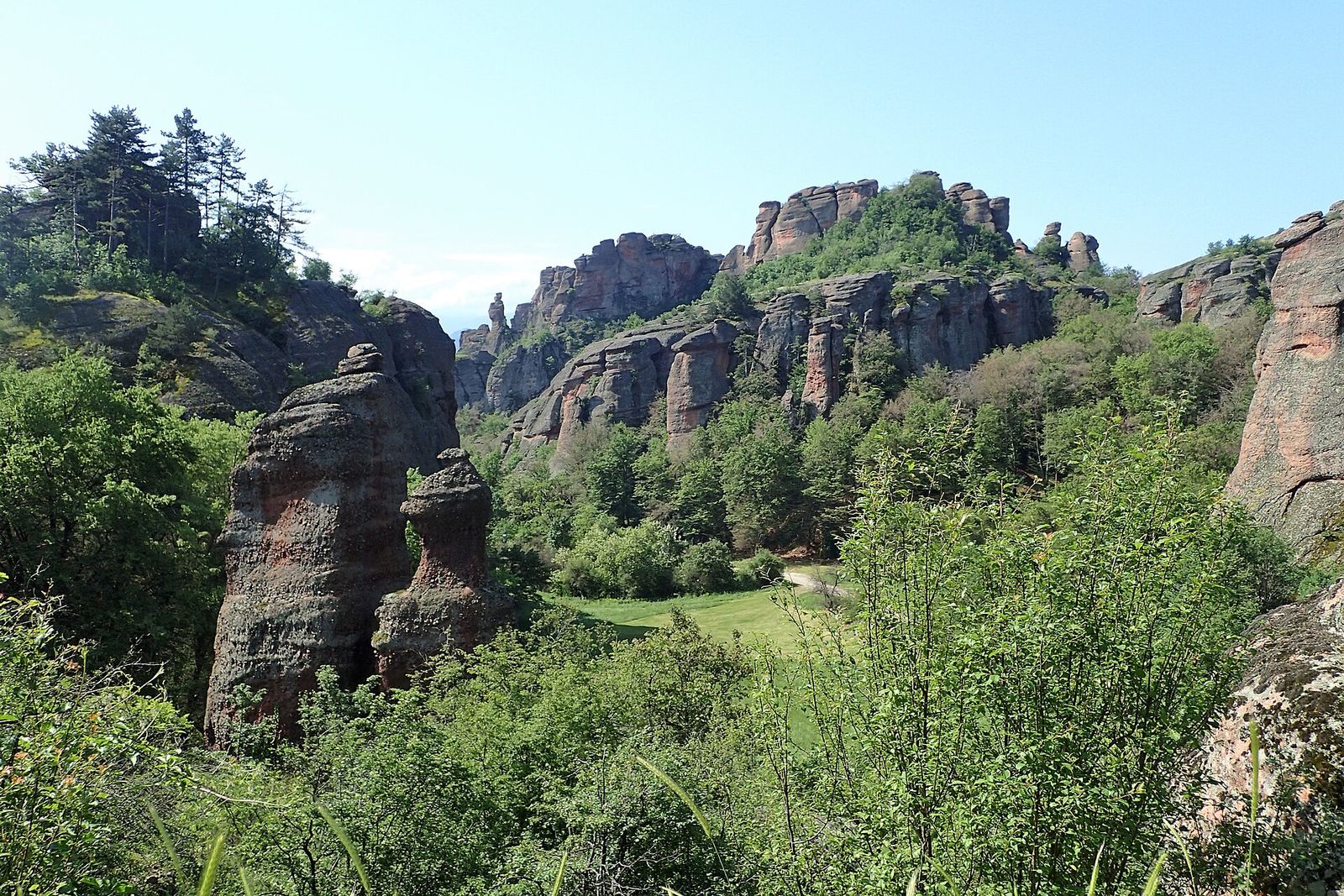
The rocks are sandstone and conglomerate, coloured red by iron oxide and fading to yellow in places, and erosion has worn them into towers, fins and mushroom shapes. They spread across the hills from Rabisha village in the west to Belotintsi in the east. The best-known group stands just south of the town, round the fortress, and that's the group you see from the top.
Bulgaria declared the rocks a natural monument in 1949, and in 1984 they went on UNESCO's tentative World Heritage list together with Magura Cave. They're also the only known home of a hawkweed, Hieracium belogradcense.
The named rocks and their legends
Locals have names for many of the towers, and I play spot-the-rock from the fortress lookout: Adam and Eve, the Mushrooms, the Schoolgirl, the Bear, the Dervish, the Shepherd Boy, the Lion, the Camel, the Madonna, the Horseman and the Monks. Some take imagination. The Mushrooms don't.
In one legend, a nun fell in love, had a child and was thrown out of her convent. As she left, the day went dark, thunder rolled, and the Monks, the Horseman, and the Madonna bent over her baby were all turned to stone. The Schoolgirl's story ends the same way. Running from the Dervish, she met the Bear, and a clap of thunder froze all three where they stood.
Trails through the rocks
Marked trails run out from Belogradchik into the rocks, and an hour on one before breakfast is my favourite part of a night here. The paths are empty at that hour, and the towers look taller from below than they do from the fortress.
Belogradchik Fortress (Kaleto)
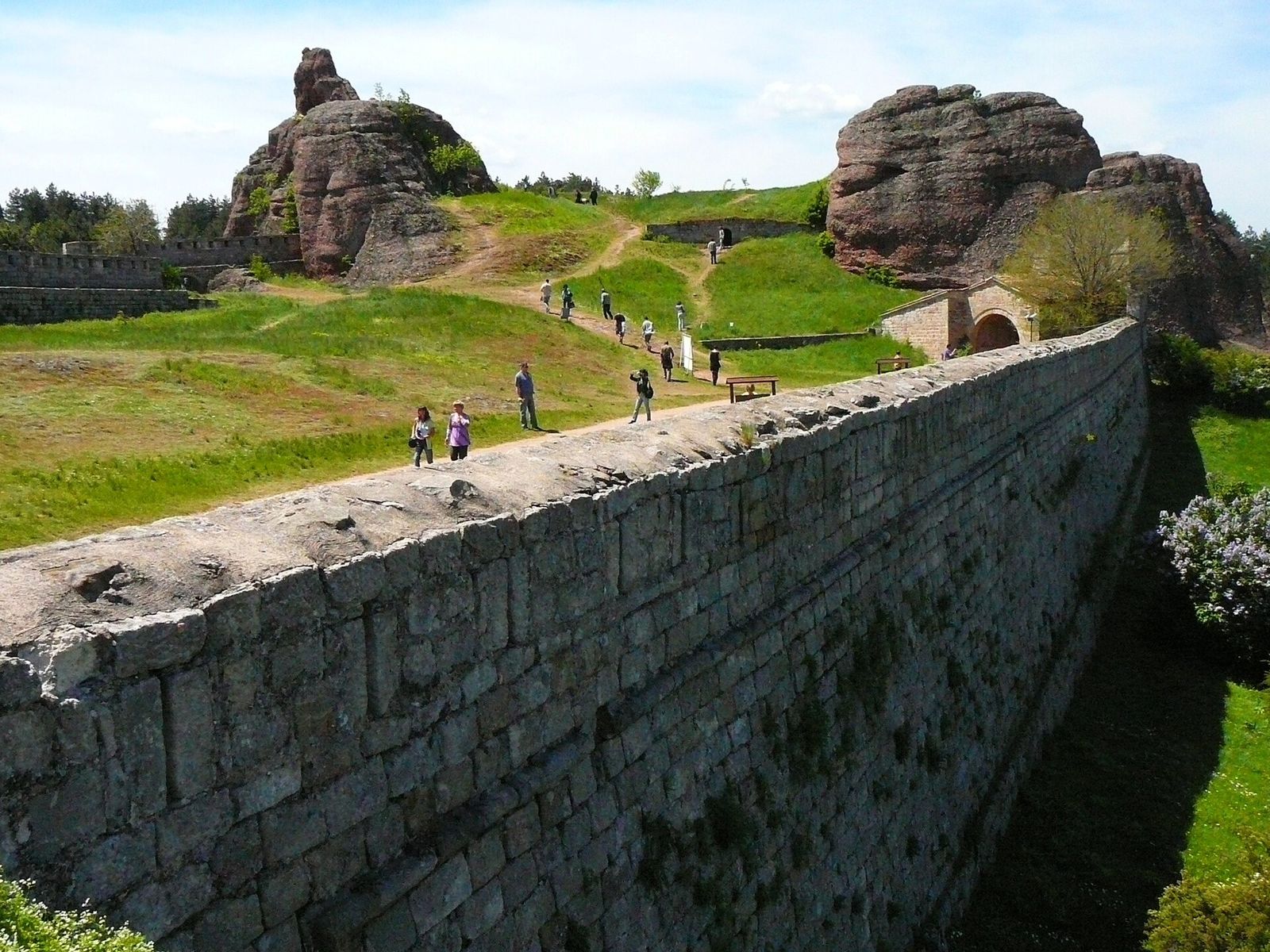
Belogradchik Fortress (Белоградчишка крепост), the Kaleto to locals, began as a Roman fort about 2,000 years ago, on a terrace of rock above the old settlement. The rock faces did most of the defending, so the builders only had to wall the gaps between them. Ivan Sratsimir, one of Bulgaria's medieval tsars, who ruled from Vidin, enlarged it in the 14th century. The Ottomans took it in 1396 and made big changes to it in the early 19th century.
You come in through an arched gateway at the bottom and walk up through walled courtyards towards the rocks at the back. The lookout is at the top of the last staircase, about 10 minutes from the entrance. From there the towers run off in every direction, with the red roofs of the town below and the hills rolling away towards Serbia.
Allow 30 to 45 minutes inside. An hour is plenty unless you sit at the top for the light. The cash desk has an audio guide in Bulgarian, English and Romanian, and there's a public toilet by the entrance.
Belogradchik Fortress tickets and opening hours
You buy tickets at the cash desk by the gate. The official price list still shows leva, so I've converted it at the fixed rate of 1.95583 leva to €1, since Bulgaria switched to the euro on 1 January 2026.
| Ticket | Price |
|---|---|
| Adult | About €4 |
| Student | About €2 |
| Pensioner | About €2.50 |
The fortress opens at 09:00 all year and closes between 17:00 and 20:00, depending on the month. I check the official hours before an autumn or winter trip, when the light goes early.
| Months | Opening hours |
|---|---|
| January to March | 09:00 to 17:00 |
| April | 09:00 to 18:00 |
| May | 09:00 to 19:00 |
| June to August | 09:00 to 20:00 |
| September | 09:00 to 19:00 |
| October | 09:00 to 18:00 |
| November and December | 09:00 to 17:00 |
Magura Cave and Venetsa Cave
With a car I fit both show caves near Belogradchik into a two-day trip, Magura on the first afternoon and Venetsa the next morning.
Magura Cave
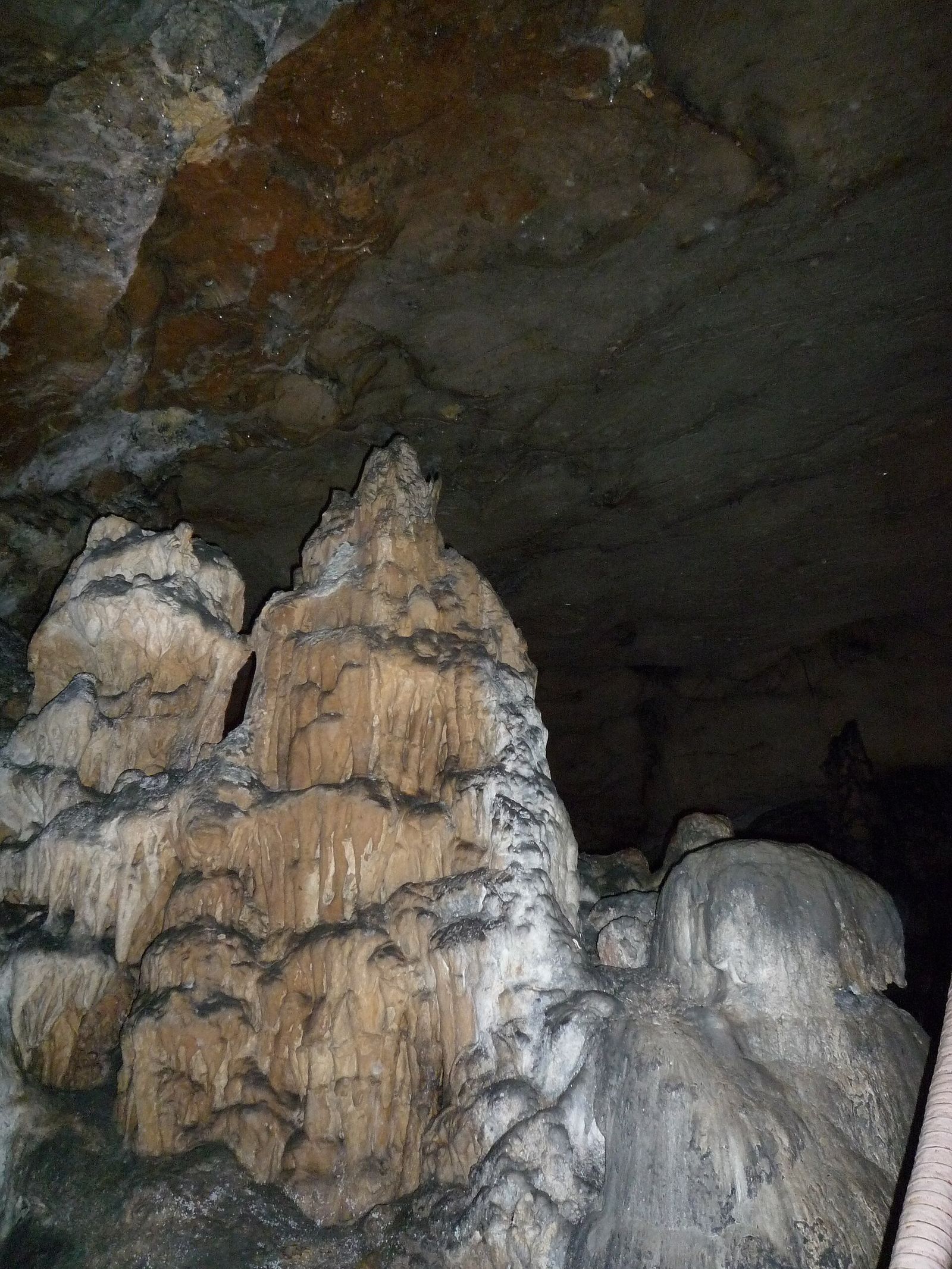
Magura Cave lies outside Rabisha village, about 25 km from Belogradchik, and it's the main reason I'd hire a car for this trip. It opens every day from 09:30 to 18:30. Groups go in on the hour from 10:00, with the last one in the middle of the afternoon, and the walk through takes about an hour. The exit is separate from the entrance and comes out by Rabisha Lake, and a little tourist train runs you back to the car park.
A ticket costs about €6, or about €5 for students and pensioners, and a family ticket for parents with children under 18 costs about €10. The audio guide is about €3 more. Magura's official price list is still in leva too, so I've converted it.
The cave is known for its prehistoric paintings, thought to be 8,000 to 10,000 years old: archers and dancers, goats, cattle and dogs, hunting scenes and religious ceremonies. They were painted in bat guano, and as the rock around them wore away, the lines were left standing a few millimetres proud of the wall.
Venetsa Cave
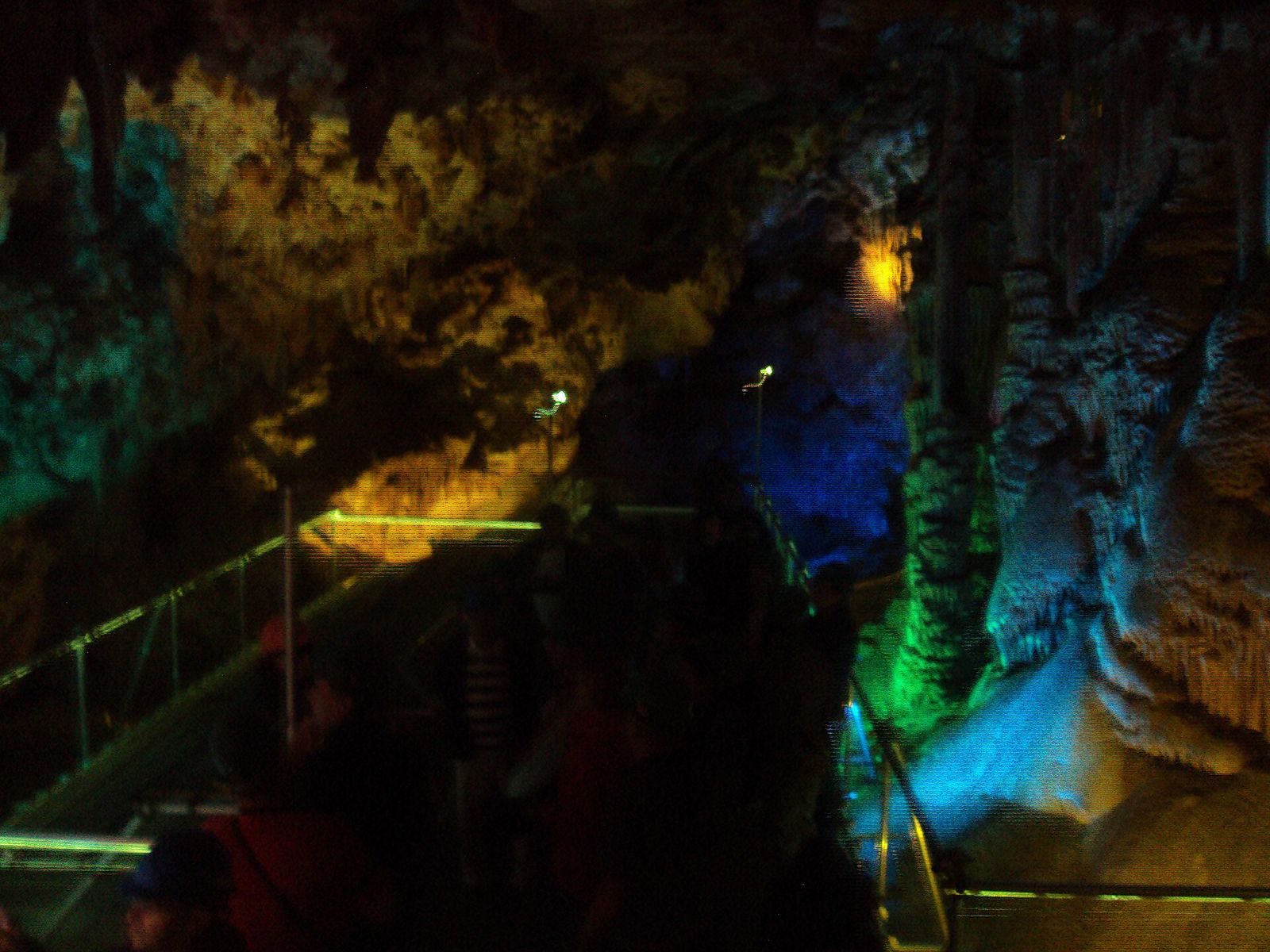
Venetsa Cave is near Oreshets, the village with the railway station. A metal walkway takes you through five main halls, and the formations are lit in greens, blues and golds. Look out for the helictites, thin formations that twist off sideways in every direction. If I had time for only one cave, I'd pick Magura for its big halls, and Venetsa if I wanted the prettier one.
Where to eat and stay in Belogradchik
For lunch I'd head to the Madona Inn, a han (the old Bulgarian word for a roadside inn) that runs a restaurant, rooms and a campsite. Its house dish, the Madonna kebab, is a casserole of bacon, potato, peppers and mushrooms, about as hearty as Bulgarian food gets, and just right after the fortress stairs.
I stay in a guesthouse within walking distance of the fortress, so the evening light and the morning trails are on the doorstep, and I ask for a room with a view of the rocks when I book. In July and August, and on any long weekend, I'd book a few weeks ahead.
My two days in Belogradchik
This is the plan I give friends with a hire car. Magura and the fortress fill the first afternoon, with the fortress last for the light, and a trail and Venetsa fill the next morning.
| When | What | Cost |
|---|---|---|
| Day 1, 9am | Drive from Sofia | Fuel |
| Day 1, about noon | Check in, lunch in town | Your bill |
| Day 1, 2pm | Magura Cave, out at Rabisha | About €6 |
| Day 1, late afternoon | Belogradchik Fortress and the lookout | About €4, plus parking |
| Day 1, evening | Dinner and a night in town | Your guesthouse |
| Day 2, early | A trail among the rocks | Free |
| Day 2, late morning | Venetsa Cave near Oreshets | Ticket at the cave |
| Day 2, afternoon | Drive back to Sofia, or on to Vidin | Fuel |
Vidin and Baba Vida fortress
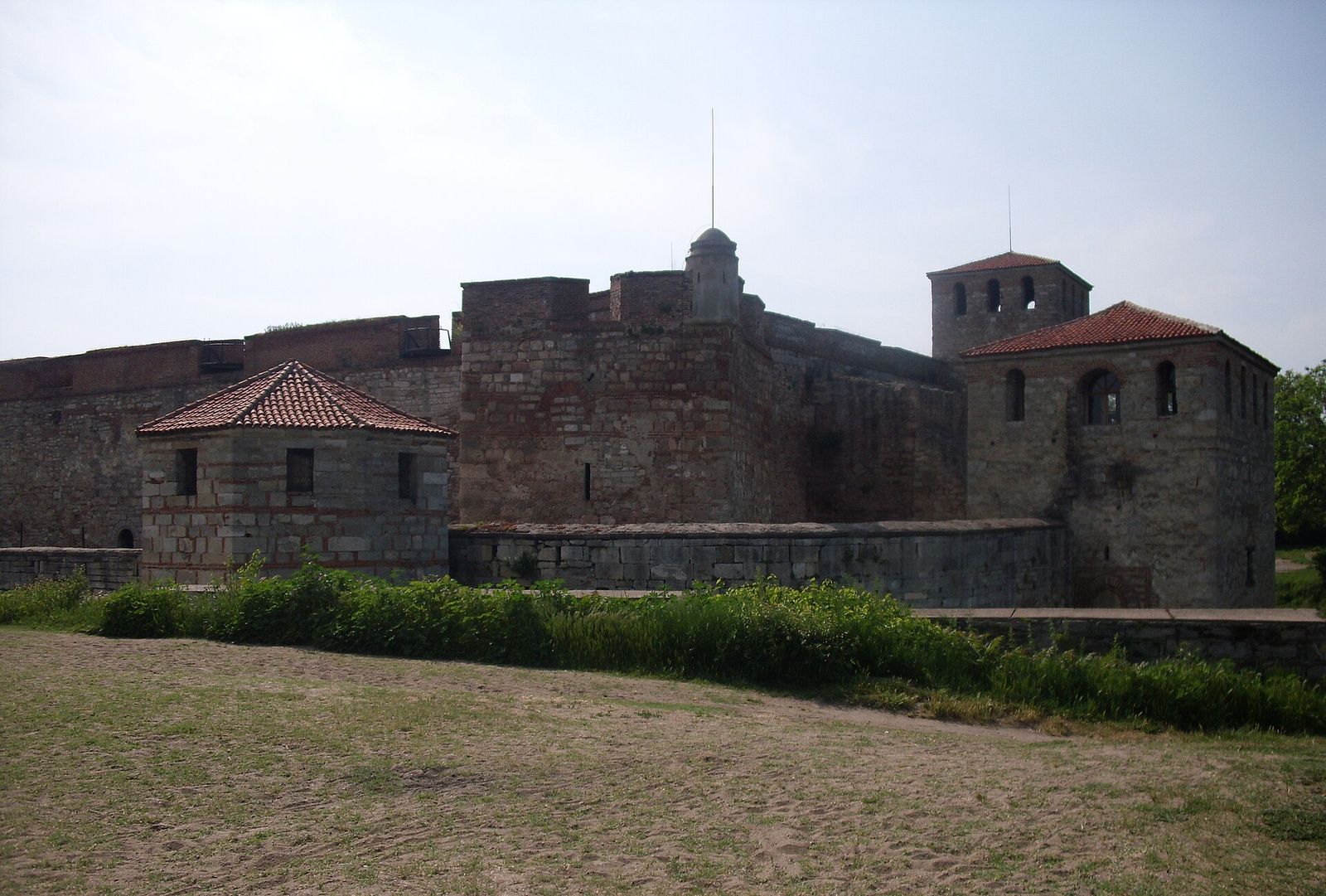
With a third day I carry on north to Vidin on the Danube, where Baba Vida fortress stands on the river bank. Building began in the 10th century on the site of a Roman fort. It's the only medieval castle in Bulgaria still standing complete. Belogradchik's fortress is half rock, half wall, while Baba Vida is all stone towers, so the two make a good pair.
On a Bulgaria itinerary of a week or more, I'd put Belogradchik and Vidin together as one trip north-west from Sofia, and save Plovdiv and Veliko Tarnovo for the other direction.
When to go to Belogradchik
May, June and September are my favourite months, with the forest round the rocks still green and the fortress open until 19:00 or 20:00. October brings autumn colour to the forest and an 18:00 close.
July and August are the hottest months, and the stairs and the open courtyards have little shade, so I go up in the morning or the evening. From November to March the fortress shuts at 17:00 and the drive crosses the Balkan range in winter weather, so I keep Belogradchik for April to October.
Key takeaways
- Go by car if you can: about 3 hours each way from Sofia, with the bus and train costing you a night at each end.
- Pay about €4 for the fortress, climb to the lookout, and give it an hour.
- Visit the fortress late in the day, and in summer stay until close to 20:00 for the red light on the rocks.
- Add Magura Cave for about €6, knowing the painting hall is shown as a projection.
- Stay at least one night, and add Vidin's Baba Vida fortress with a third day.
Frequently asked questions
Is Belogradchik worth it?
Yes. The red rock towers and the fortress built among them are the most striking scenery I know in Bulgaria, and the fortress costs only about €4. It's a long way from Sofia, so I make it an overnight trip.
How old is the Belogradchik Fortress?
About 2,000 years old. It began as a Roman fort on a rock terrace and was enlarged in the 14th century by Ivan Sratsimir, the Bulgarian tsar of Vidin. The Ottomans took it in 1396 and rebuilt parts of it in the early 19th century.
What are some famous rock formations in Bulgaria?
The Belogradchik Rocks are the most famous, with named towers such as the Madonna, the Monks, Adam and Eve and the Schoolgirl. The sand pyramids round Melnik in the south-west are the other rock formations I'd travel for.
What is the most beautiful part of Bulgaria?
For scenery, my answer is the north-west round Belogradchik, or the Rila mountains south of Sofia. For towns and history, Plovdiv's Old Town and Veliko Tarnovo sit near the top of my list of the best places to visit in Bulgaria.
Can you visit Belogradchik as a day trip from Sofia?
Only by car, and it's a long day of about 6 hours' driving for 3 hours on site. By bus you need 2 nights, because the one daily bus leaves Sofia at 16:30 and returns at about 6am, and the train and taxi via Oreshets need at least 1.
How long do you need at Belogradchik?
An hour covers the fortress and its lookout, and half a day adds Magura Cave. I give it a night, so I can see the rocks in the evening light and walk a trail the next morning.
How much does Belogradchik Fortress cost?
An adult ticket costs about €4, students pay about €2 and pensioners about €2.50. Parking in front of the gate is about €1.30, paid once.
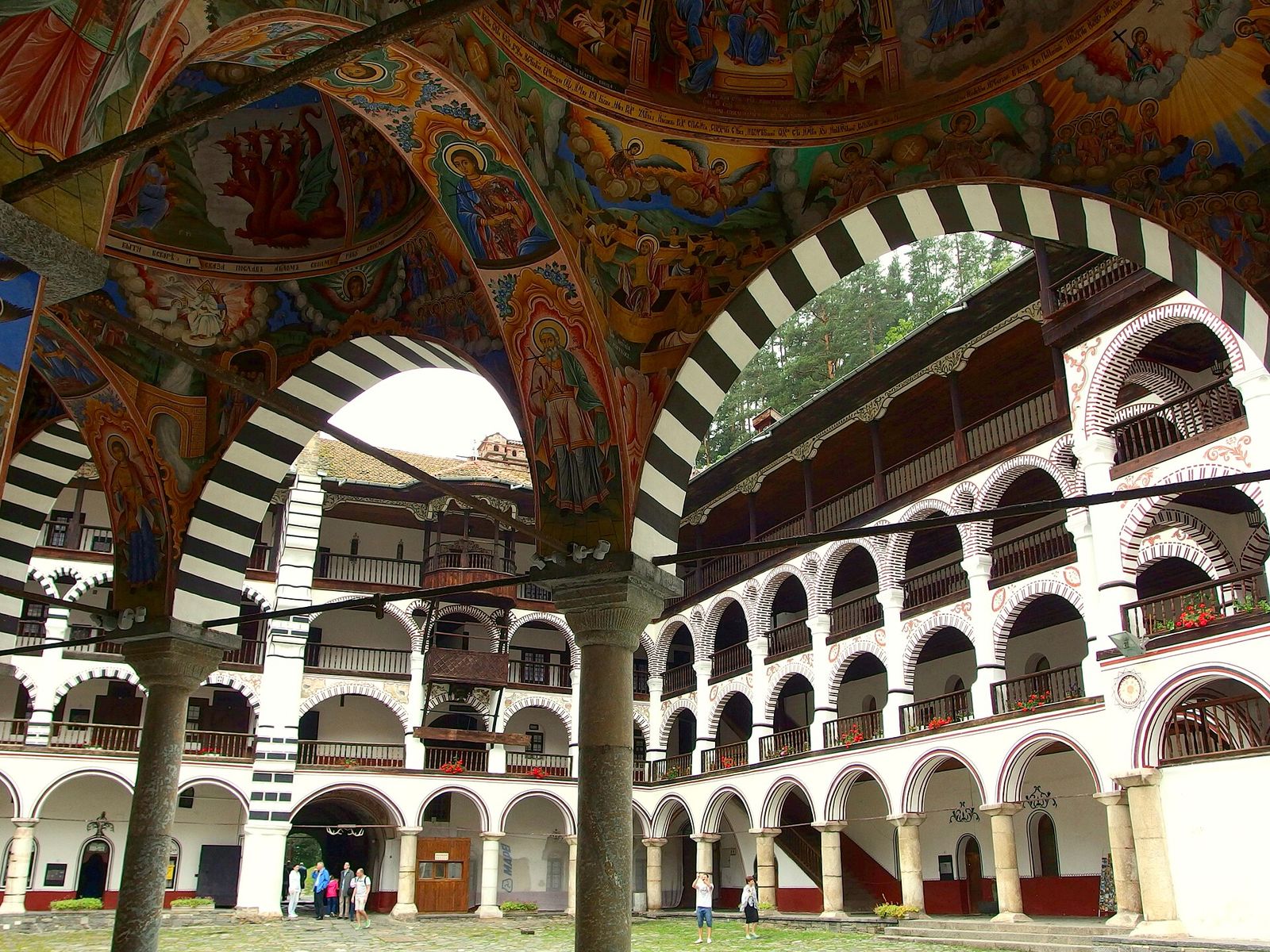
12 Best Day Trips from Sofia (and How I Get There)
My 12 favourite trips out of Sofia by bus, train and hire car, and the ones that deserve a night away.
Read the guide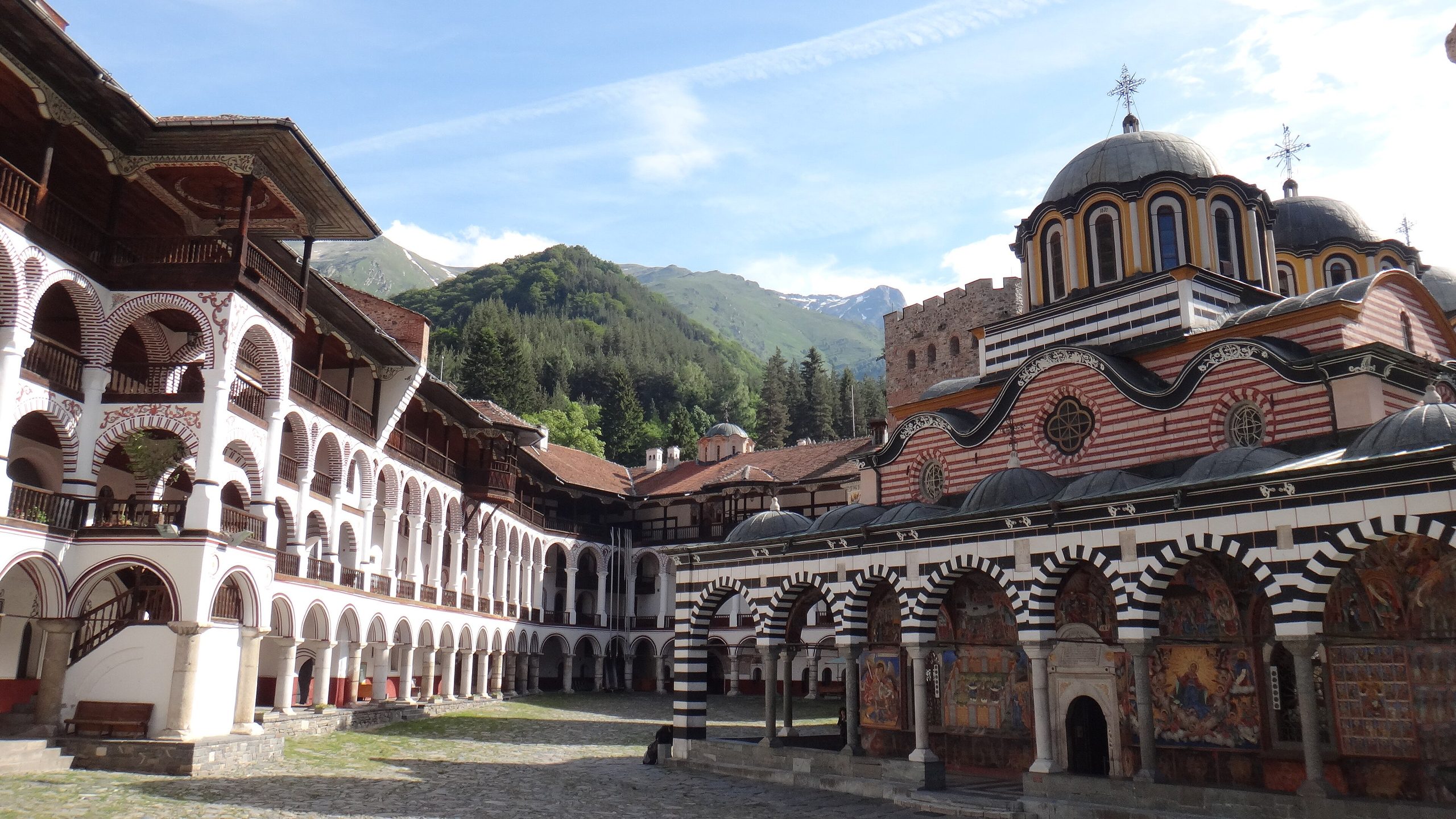
Rila Monastery Day Trip from Sofia: Bus, Car and Timings
Bulgaria's biggest monastery is free to walk into and 2 hours from Sofia. How I get there myself, and what to see.
Read the guide
Plovdiv Day Trip from Sofia: Bus, Train and My One-Day Route
Plovdiv by bus or train from Sofia, and the route I walk to fit the Old Town, the Roman theatre and Kapana into one day.
Read the guide