Getting Around Sofia: Metro, Trams, Taxis and Tickets
Sofia is a city you can mostly walk, with a cheap four-line metro for the longer hops and taxis that start at €1.50 on the meter. Since the switch to the euro, a ride on the metro, a tram or a bus costs €0.80, and a tap of your own bank card is the ticket. This is how I get around: the metro stations that matter, the fares, the ticket I'd buy for a weekend, night buses and taxis.
How I get around Sofia: the short answer
On a weekend I walk the centre, use the metro for anything along a line, and take a taxi up to Boyana or home after midnight. Trams and buses fill the gaps the metro misses, and they take the same €0.80 fare.
| Option | What it costs | When it runs | What I use it for |
|---|---|---|---|
| Walking | Free | Always | Serdika, Alexander Nevsky, Vitosha Boulevard, the markets |
| Metro, 4 lines | €0.80 a ride | About 5am to midnight | The airport, NDK, the railway station |
| Trams, trolleybuses, buses | €0.80 a ride | Early morning to late evening | Boyana, Vitosha, anywhere off the metro |
| Night buses N1 to N4 | The €3 24-hour or €7.60 72-hour card | About once an hour after midnight | Getting home on a budget |
| Taxi | €1.50 plus €0.75 a km by day | 24 hours | Boyana, late nights, heavy bags |
Walking around the centre
Most of what you came to see is a short walk from Serdika, the central metro interchange. St Nedelya Church, Banya Bashi Mosque and the Sofia Synagogue sit within about 300 metres of the station. From there it's about 15 minutes east along the yellow paving to Alexander Nevsky Cathedral, past the Presidency and the Russian Church.
Vitosha Boulevard runs 2.7 km south from St Nedelya Square to South Park, with the mountain filling the view at the far end. I walk down it and catch the metro back from NDK, because the bottom end is where my legs give out after a day of sights.
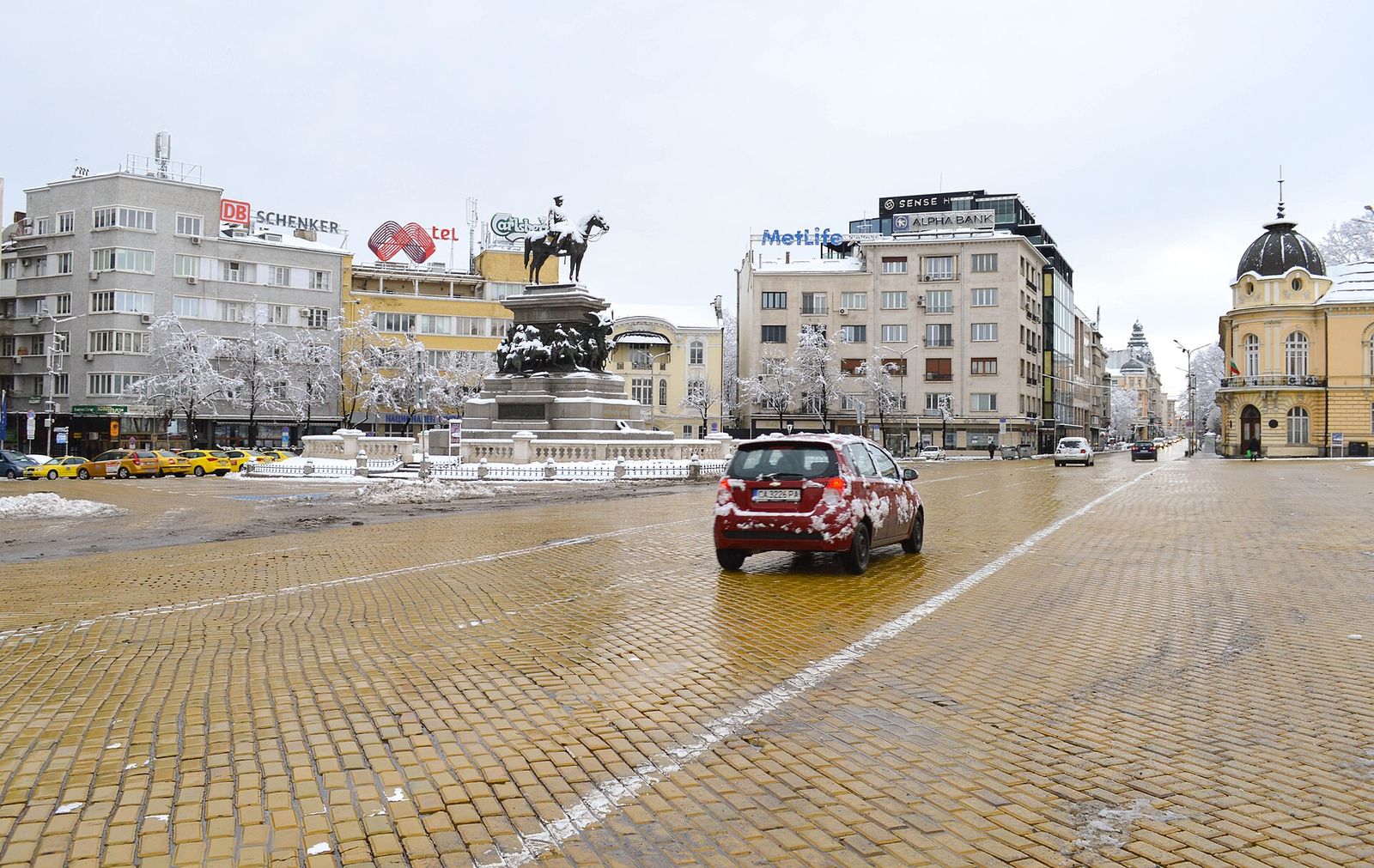
Side streets are rougher going than the boulevards. Cars park half on the kerb, loose paving stones rock underfoot and tram tracks cut across the crossings, so I cross at the lights and watch my feet more than the buildings.
The Sofia metro: four lines and the stations I use
The Sofia metro is the fastest way across the city and the only metro in Bulgaria. It opened on 28 January 1998, and the newest line, M3, followed on 26 August 2020. Station names are written in Latin letters as well as Cyrillic.
- M1 runs from Slivnitsa to Business Park, through Serdika and Mladost 1.
- M2 runs north to south from Obelya to Vitosha, through the Central Railway Station, Serdika II and NDK.
- M3 runs from Hadzhi Dimitar in the north-east to Gorna Banya in the south-west.
- M4 shares the M1 track through Serdika, then branches off after Mladost 1 to Sofia Airport.
Serdika is where M1, M2 and M4 meet. M1 and M4 stop at Serdika, M2 stops at Serdika II, and a short underground walk joins the two. Change here and you walk past the Roman streets of ancient Serdica, dug up when the station was built and left on show in the concourse.
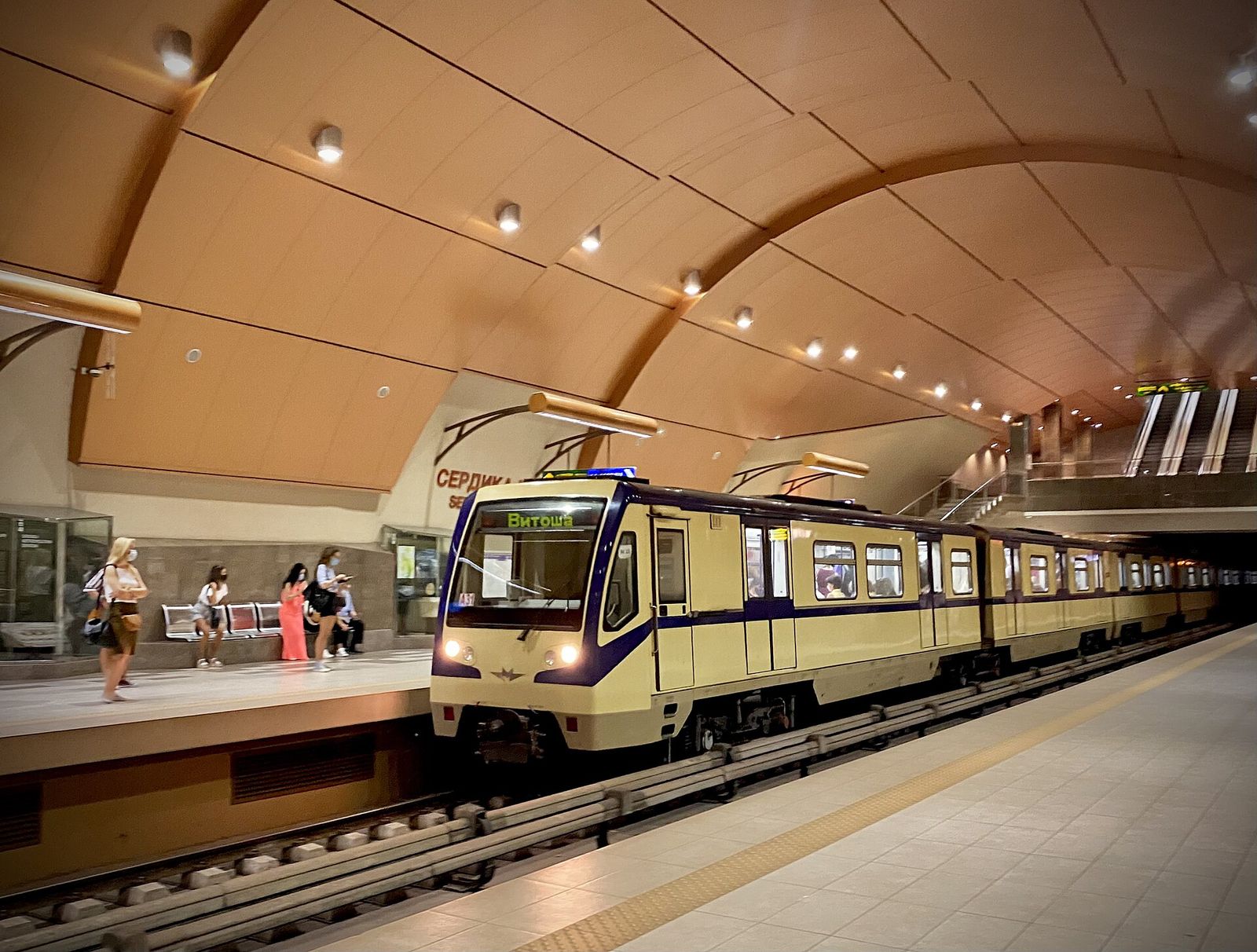
Trains run every 3.5 to 8 minutes at weekday peaks and every 4.5 to 9 minutes off-peak, stretching to about 14 minutes late in the evening.
These seven stops cover almost everything I do with visitors.
| Station | Line | What's there |
|---|---|---|
| Serdika and Serdika II | M1, M4 and M2 | The Serdica ruins, St Nedelya, Banya Bashi, the top of Vitosha Boulevard |
| Sofia University | M1, M4 | The university, a short walk to Alexander Nevsky Cathedral |
| NDK | M2 | The National Palace of Culture, South Park, the bottom of Vitosha Boulevard |
| G.M. Dimitrov | M1, M4 | The Museum of Socialist Art |
| Central Railway Station | M2 | Trains, with the Central Bus Station next door |
| Krasno Selo | M3 | Bus 65 to Boyana Church |
| Sofia Airport | M4 | Terminal 2 |
G.M. Dimitrov is the stop for the Museum of Socialist Art, and it sits on the airport line, so the sculpture park fits in on the way to or from a flight.
Sofia public transport tickets and fares
One fare system covers the metro, trams, trolleybuses and buses, and fares moved to euros on 1 January 2026. These are the official prices from the metro's ticket page.
| Ticket | Price | What it covers | How you get it |
|---|---|---|---|
| Single metro ticket | €0.80 | One metro trip, no changes | Machine or cashier at any metro station |
| 30 plus | €0.80 | Metro, trams and buses, changes within 30 minutes | Tap a bank card, or load it on a card |
| 60 plus | €1.10 | Metro, trams and buses, changes within 60 minutes | Loaded on a Sofia City Card or Ultralight card |
| One-day card | €2 | Metro, trams and buses for a day | Loaded on a card |
| 24-hour card | €3 | 24 hours from purchase, night buses included | Loaded on a card |
| 72-hour card | €7.60 | 72 hours from purchase, night buses included | Loaded on a card |
The simplest ticket is the card already in your wallet. Tap a contactless Visa or Mastercard, or the phone wallet linked to one, on the metro barrier or on the validator inside a tram or bus. That buys a 30 plus ticket for €0.80, with free changes for 30 minutes. Your last tap inside the 30 minutes covers that vehicle to the end of its route, so a long bus ride out of town still counts as one fare.
Taps on the same card stop costing anything once they reach €2 in a day of daytime travel. UK debit and credit cards work on the barriers and validators as long as they're Visa or Mastercard, the same cards I'd use for paying in Bulgaria in shops and cafes.
Which ticket to buy for a weekend
Tap your card and skip the passes. The €2 daily cap is lower than the €3 24-hour card, and three days of capped taps come to €6 at most, against €7.60 for the 72-hour card. The 72-hour card only pays off if you'll ride the night buses, which the daytime cap doesn't include.
This is what a typical weekend in Sofia costs on a tapped card, from a Friday evening landing to a Monday morning flight home.
| Day | Rides | Cost on a tapped card |
|---|---|---|
| Friday | M4 from the airport to Serdika | €0.80 |
| Saturday | Serdika to NDK, NDK back to Serdika, then out to G.M. Dimitrov and back | €2 (four rides, capped) |
| Sunday | Bus 66 up Vitosha and back down, plus the rides to and from its stop | €2 at most (capped) |
| Monday | M4 from Serdika to the airport | €0.80 |
| Total | €5.60 at most |
The 72-hour card would have cost €7.60 for the same trips, €2 more.
Trams, trolleybuses and buses
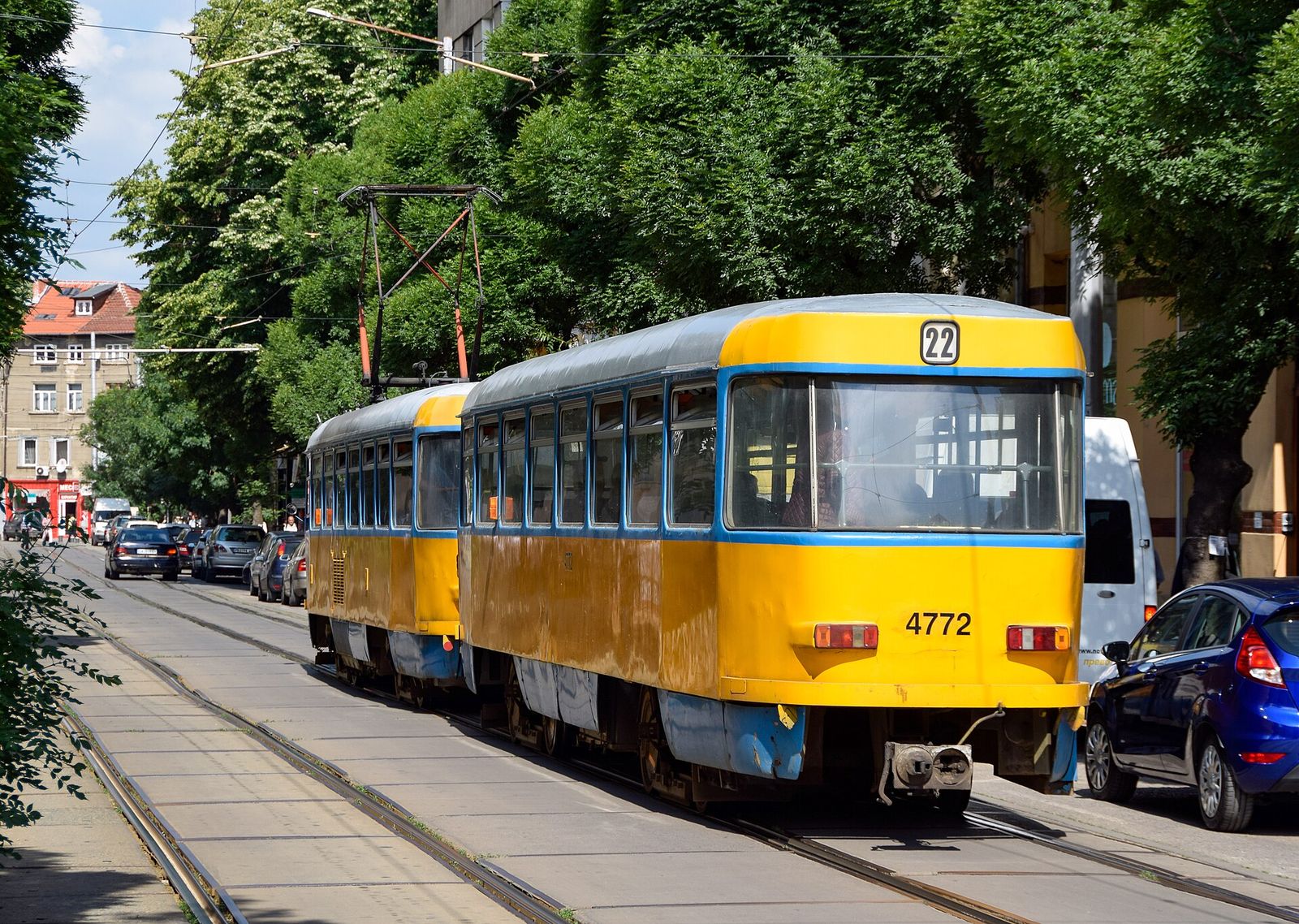
Above ground, Sofia has trams, trolleybuses and buses, run by the city's own transport companies and all on the same tickets. The trams have run since 1 January 1901, the trolleybuses since 8 February 1941, and the bus network has about 100 routes. The trams are the ones you'll notice, from boxy old Tatras to modern low-floor cars, rattling along the cobbles.
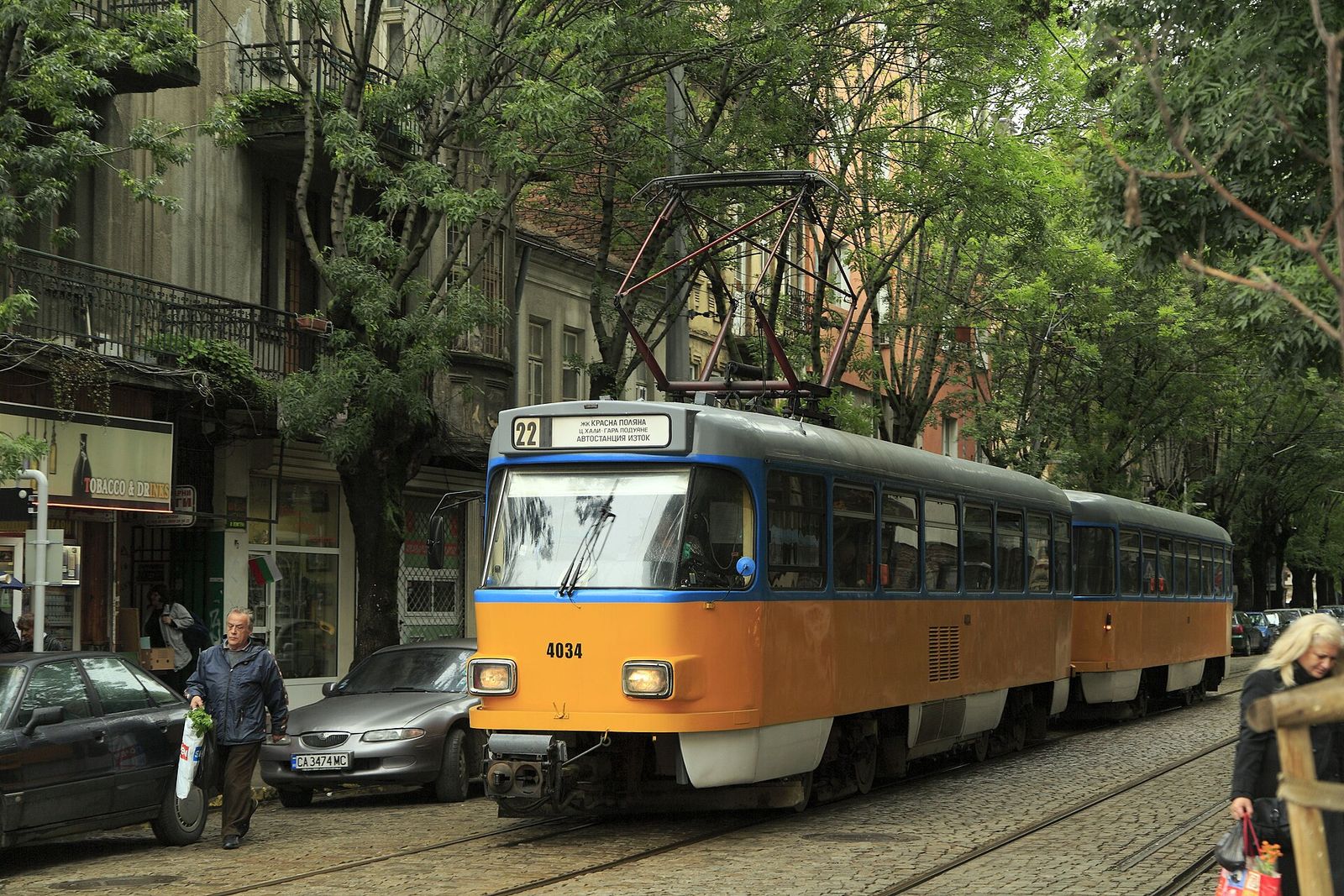
They're slow, though. Sofia's trams averaged 14 km/h in 2020, so anything along a metro line is quicker underground. I use ground transport for the trips the metro doesn't reach: bus 65 to Boyana Church, bus 66 up Vitosha, and the odd tram across town when it saves a change.
For routes and timetables I use Google Maps, which has Sofia's lines, or Sofia Traffic, the city's own transport site.
Night buses in Sofia
The metro stops around midnight, and Sofia's night network is thin. Four night bus lines, N1 to N4, run about once an hour, and all four meet at Batenberg Square, in front of the old royal palace, so you can change between them.
- N1 runs between Mladost and Lyulin.
- N2 runs between Obelya and Studentski Grad.
- N3 runs between Ovcha Kupel and Levski G.
- N4 runs from Gotse Delchev through Druzhba to both airport terminals, and has done since 14 July 2025.
The 24-hour card (€3) and the 72-hour card (€7.60) cover the night buses. An hourly bus is a long wait at 2am, though, so after midnight I take a taxi. The night tariff is only a little higher than the day one, at €1.70 to start and €0.85 a km.
Taxis and taxi apps in Sofia
Uber doesn't operate in Sofia, so it's a metered taxi or a taxi app. I book through TaxiMe or OK Taxi, or ask my hotel to call one, and in the centre I also flag them down in the street. Licensed taxis in Sofia show the company name and the price per kilometre on a sticker in the side window. Read it before you get in.
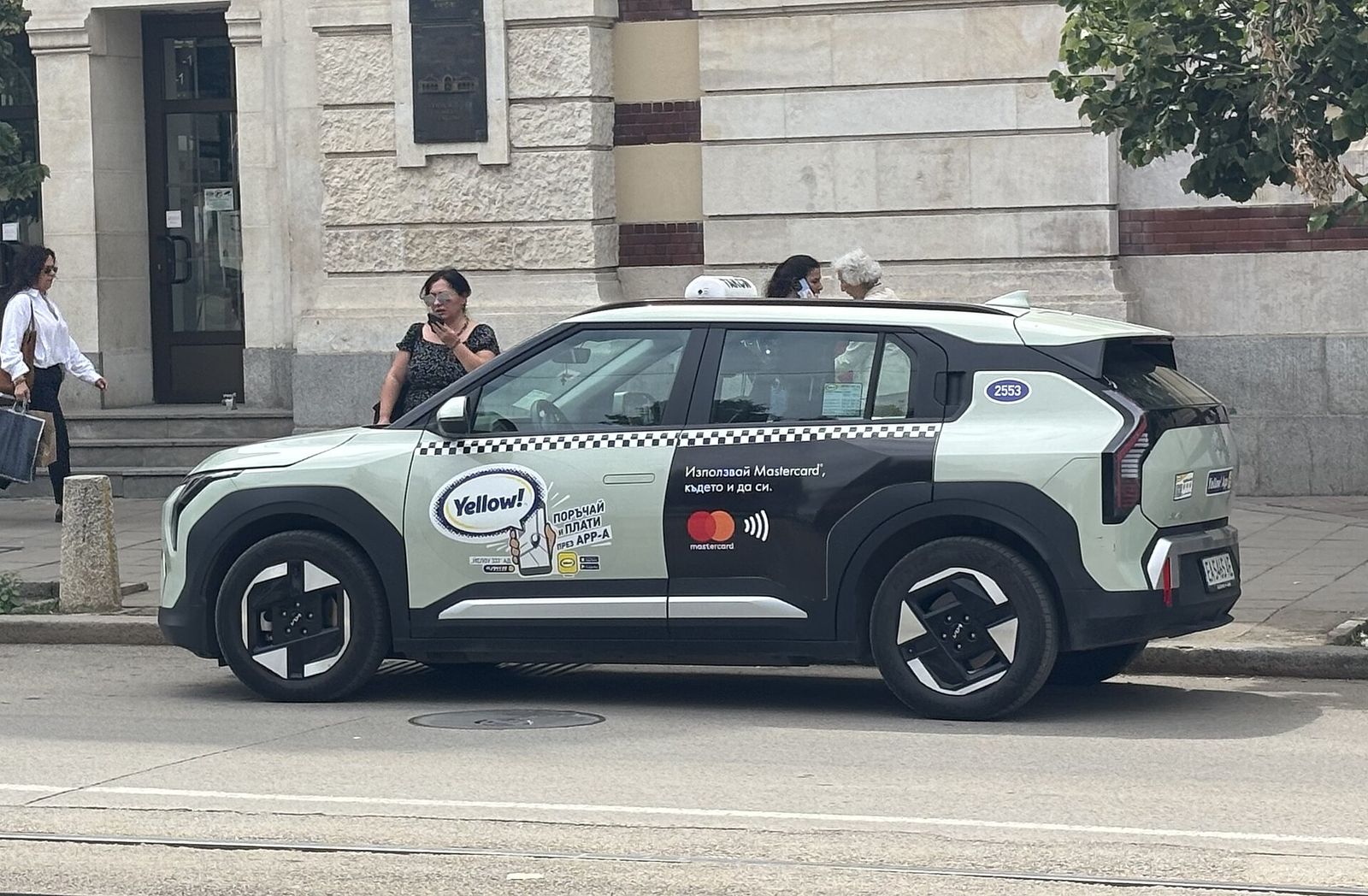
OK Supertrans is one of the big firms, and its price list is the benchmark I check a meter against.
| OK Supertrans tariff | Day (6am to 10pm) | Night (10pm to 6am) |
|---|---|---|
| Starting fare | €1.50 | €1.70 |
| Per kilometre | €0.75 | €0.85 |
| Waiting | €0.25 a minute | €0.25 a minute |
| Call-out charge | €0.60 | €0.60 |
At those rates a 3 km daytime hop across the centre comes to about €3.75, and Boyana, about 8 km out, comes to about €8 to €10. From Sofia Airport, the firm puts a metered ride downtown at €13 to €14, and to the Central Railway Station or Central Bus Station at €14 to €15.
E-scooters and bikes
Bolt rents e-scooters and e-bikes in Sofia, unlocked and paid for in its app, though here you can't call a Bolt car. I'd keep scooters off the yellow cobbles and away from tram tracks, where a small front wheel catches easily, and ride them on smooth tarmac only.
Sofia Airport and the train and bus stations
Sofia Airport is about 10 km east of the centre, and for the airport to the city centre run, the M4 metro starts at a station next to Terminal 2. Trains reach Serdika in about 20 to 25 minutes for €0.80, and you pay by tapping your card on the barrier. Terminal 1 has no metro: take the free shuttle bus to Terminal 2, or bus 84, which serves both terminals about every 12 minutes and takes about 45 minutes into town on weekdays and 35 at weekends.
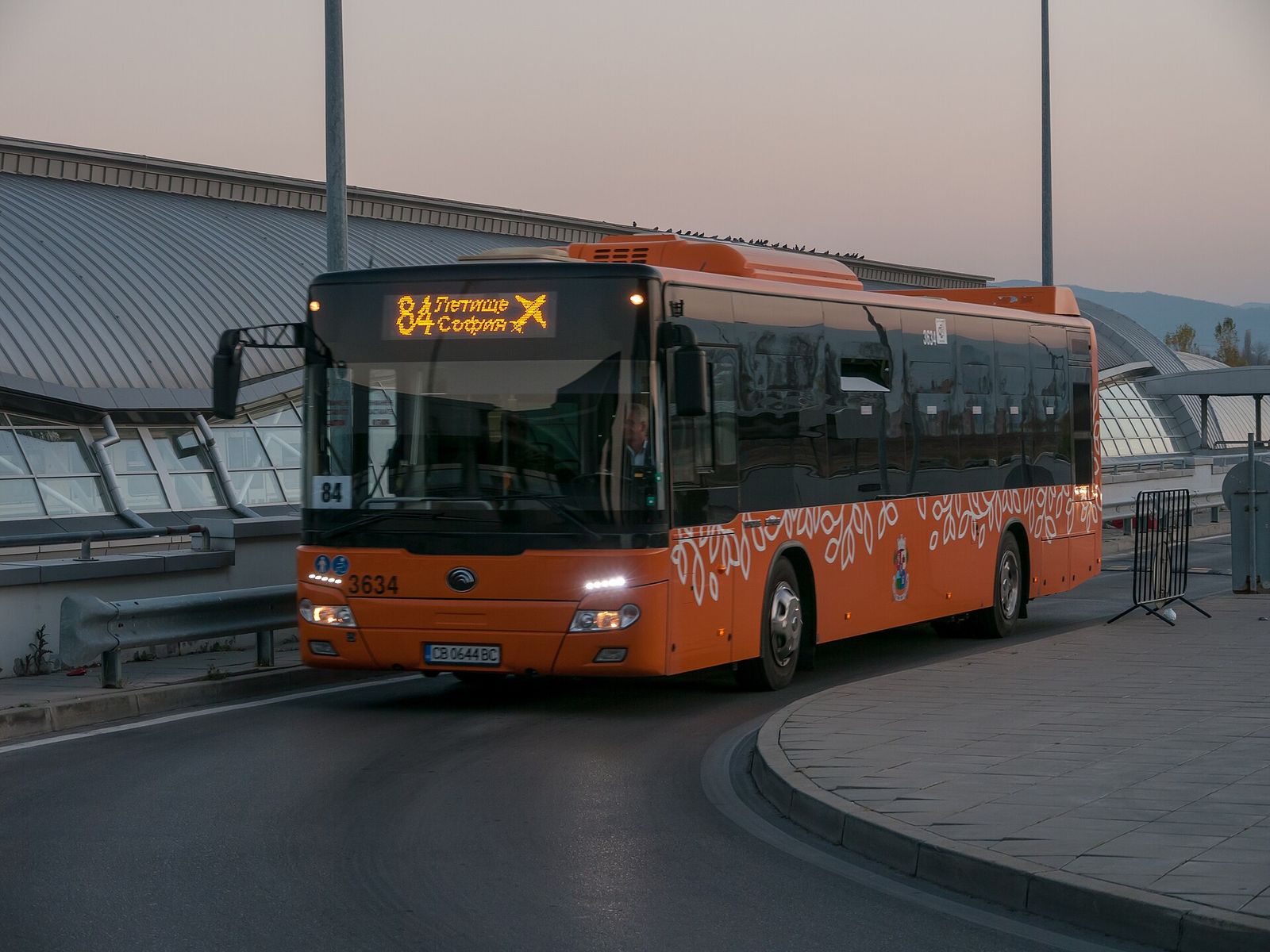
Land after the last train and you have the N4 night bus from both terminals or a taxi from the official desk.
For trains and coaches out of Sofia, the Central Railway Station is two stops north of Serdika II on M2, and the Central Bus Station is next door. Bulgaria's trains are slow but cheap: Plovdiv is about 3 hours away for about €5.60, while the bus from next door takes about 2 hours for €8.50 to €11.
Getting to Vitosha and Boyana by public transport
Vitosha by bus 66
Bus 66 is the mountain bus. It climbs from its terminus at Sofia Zoo, in the south of the city, up to Aleko, at just over 1,800 metres, where the path to Cherni Vrah starts. It takes the same €0.80 tap as any city bus. Aleko sits about 1,200 metres above the city centre on Vitosha mountain, so pack a warm layer even on a hot day in town.
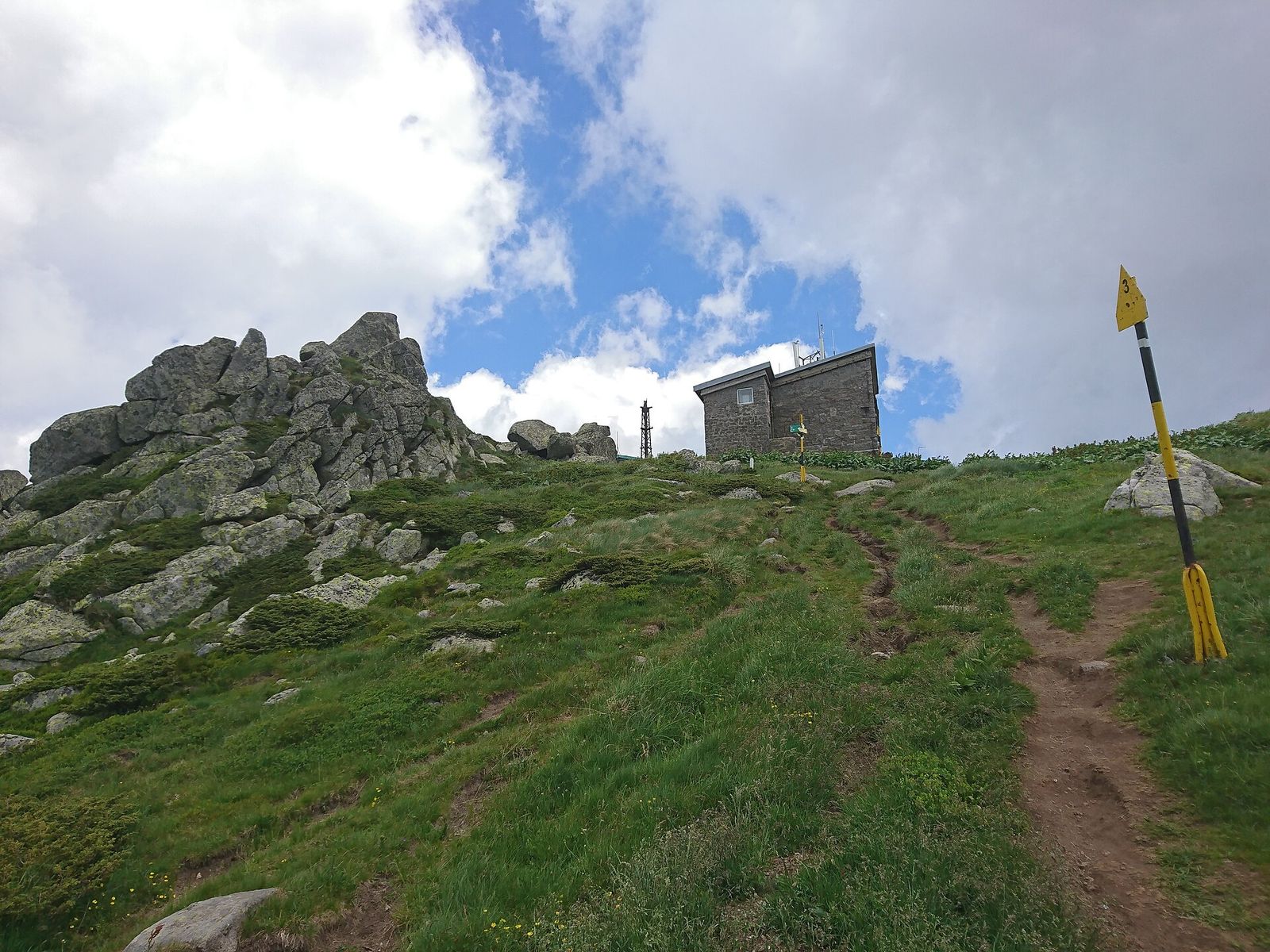
From Aleko it's 1.5 to 2 hours on a marked path to the 2,290-metre summit of Cherni Vrah. I'd save it for a clear day and set off from the city in the morning.
Boyana Church by bus or taxi
Boyana Church is about 8 km south-west of the centre. Bus 65 runs to the church from Krasno Selo metro station on M3, and a change from the metro inside 30 minutes keeps the trip to one €0.80 fare.
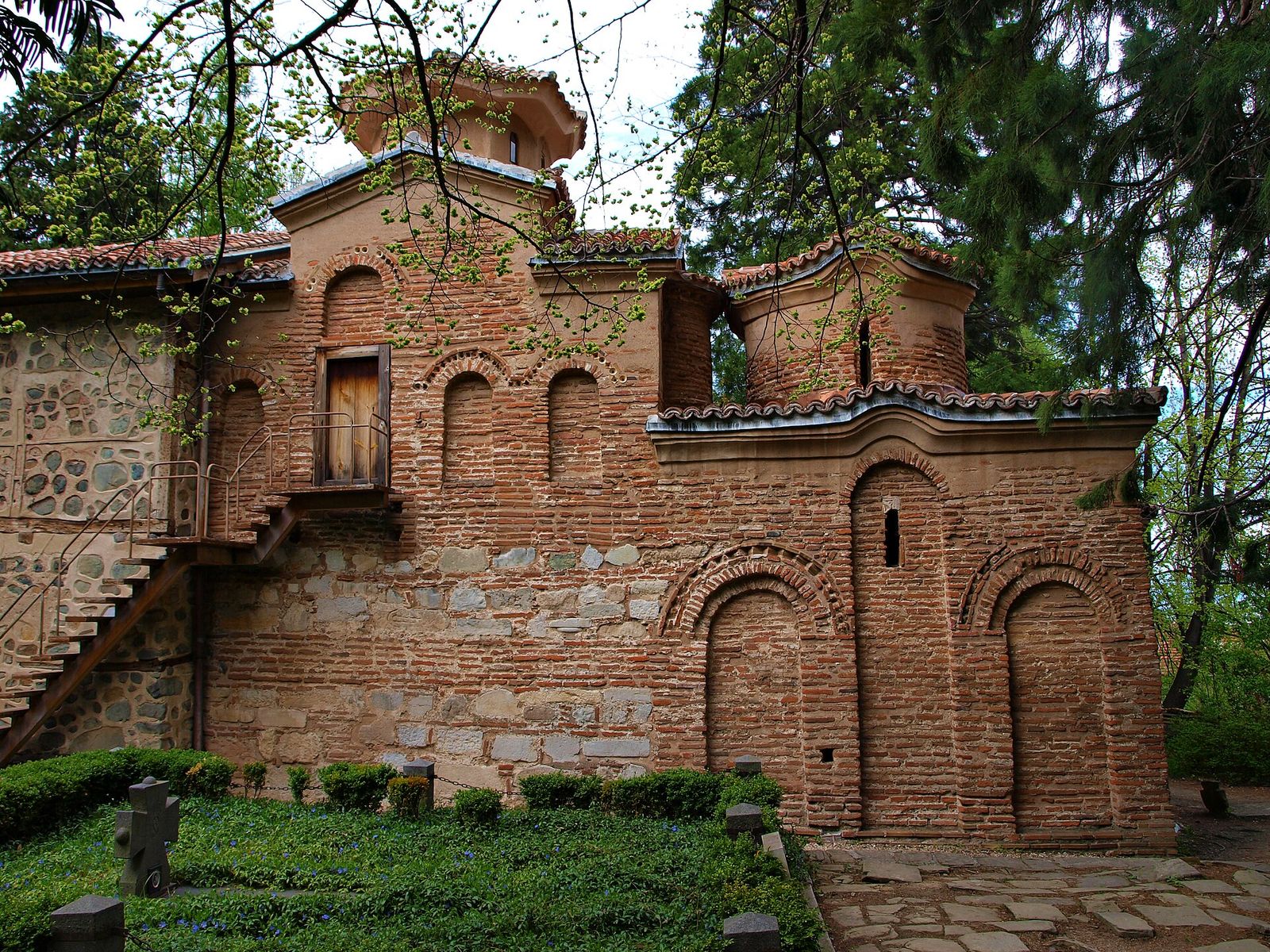
I take a taxi up to Boyana Church for opening time, at about €8 to €10 by day, then walk down to the National History Museum, which takes about 25 minutes downhill and saves a second fare.
Key takeaways
- Walk the old centre: every sight between Serdika and Alexander Nevsky Cathedral is inside a 15-minute stroll.
- Tap a contactless Visa or Mastercard for every ride: €0.80 a trip, capped at €2 a day.
- Skip the 72-hour card unless you'll use the hourly night buses.
- The M4 metro links Terminal 2 and Serdika in about 20 to 25 minutes, and bus 84 serves Terminal 1.
- Uber doesn't run here, so book a metered taxi by app or at the official airport desk.
Frequently asked questions
What are the opening hours of the Sofia metro?
The Sofia metro runs from about 5am to midnight every day. The first train from Sofia Airport leaves at 5.21am on weekdays, and the last one leaves at 11.38pm (11.46pm at weekends and on holidays). A few last trains on the main lines leave just after midnight.
How much is public transport in Sofia?
A ride on the metro, trams, trolleybuses or buses costs €0.80 in 2026. Tapping the same contactless card caps your daytime spending at €2 a day, and a 72-hour card that includes the night buses costs €7.60.
Can you pay by card on Sofia public transport?
Yes. Tap a contactless Visa or Mastercard, or a phone wallet, on the metro barrier or the validator inside a tram or bus, and it buys a ticket with 30 minutes of changes for €0.80. Use one card per person and tap in every vehicle.
Is Sofia walkable?
Yes, the centre is. St Nedelya, Banya Bashi Mosque and the synagogue sit within about 300 metres of Serdika station, and Alexander Nevsky Cathedral is about 15 minutes' walk east. I use the metro for NDK, the railway station and the airport.
Is there Uber in Sofia?
No, Uber doesn't operate in Sofia. Book a metered taxi through an app such as TaxiMe or OK Taxi, or at the official desk in the airport arrivals hall. A daytime ride with OK Supertrans starts at €1.50 plus €0.75 a km.
Does public transport run all night in Sofia?
Only the night buses do. The metro stops around midnight, and four night bus lines, N1 to N4, then run about once an hour from Batenberg Square, with N4 serving both airport terminals. The 24-hour and 72-hour cards cover them.
Sofia Travel Tips: What I'd Tell You Before a First Trip to Bulgaria
What I tell friends before their first Sofia trip: visas, the euro, the airport metro, taxis and the head nod.
Read the guide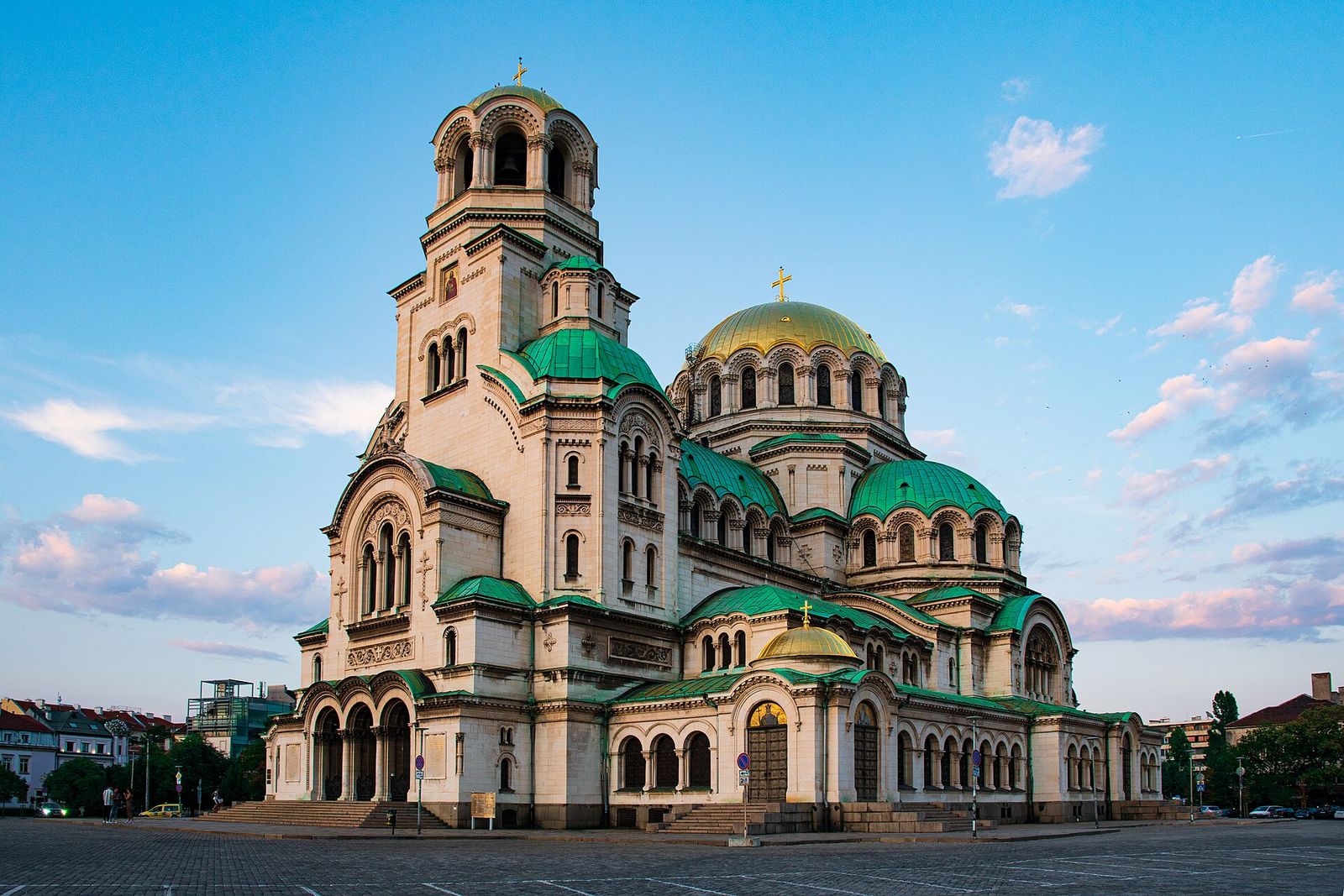
My Perfect Weekend in Sofia: A 2-Day Plan with Costs
How I would spend 48 hours in Sofia: what to see, where to eat, the Saturday night out and what it all costs.
Read the guide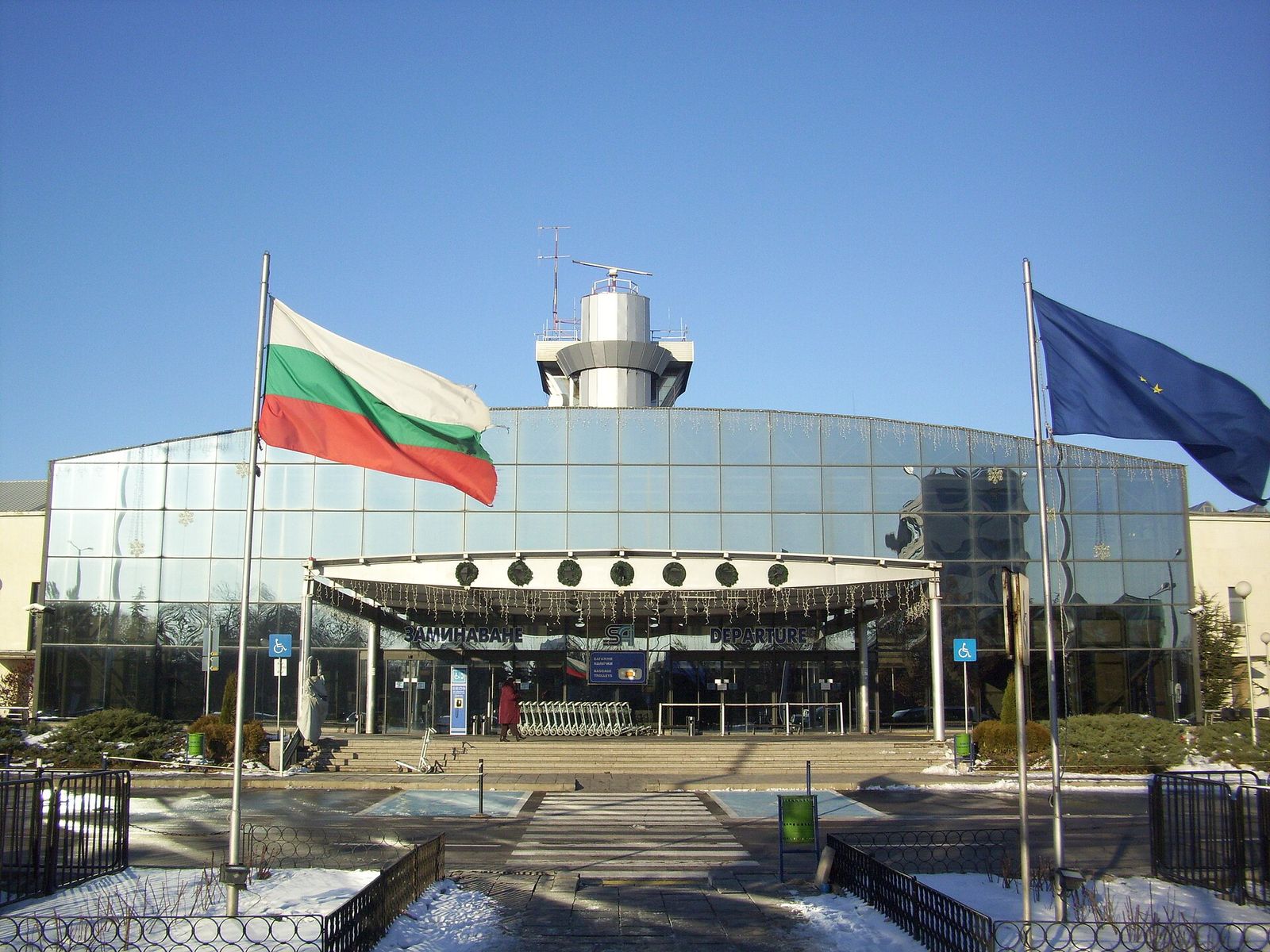
Flights from the UK to Sofia: Airlines, Airports and Fares
Which airline flies to Sofia from which UK airport, how long it takes, the fares I saw and getting into town.
Read the guide