The Best Bulgarian Wines to Try: 12 Bottles I Buy in Sofia
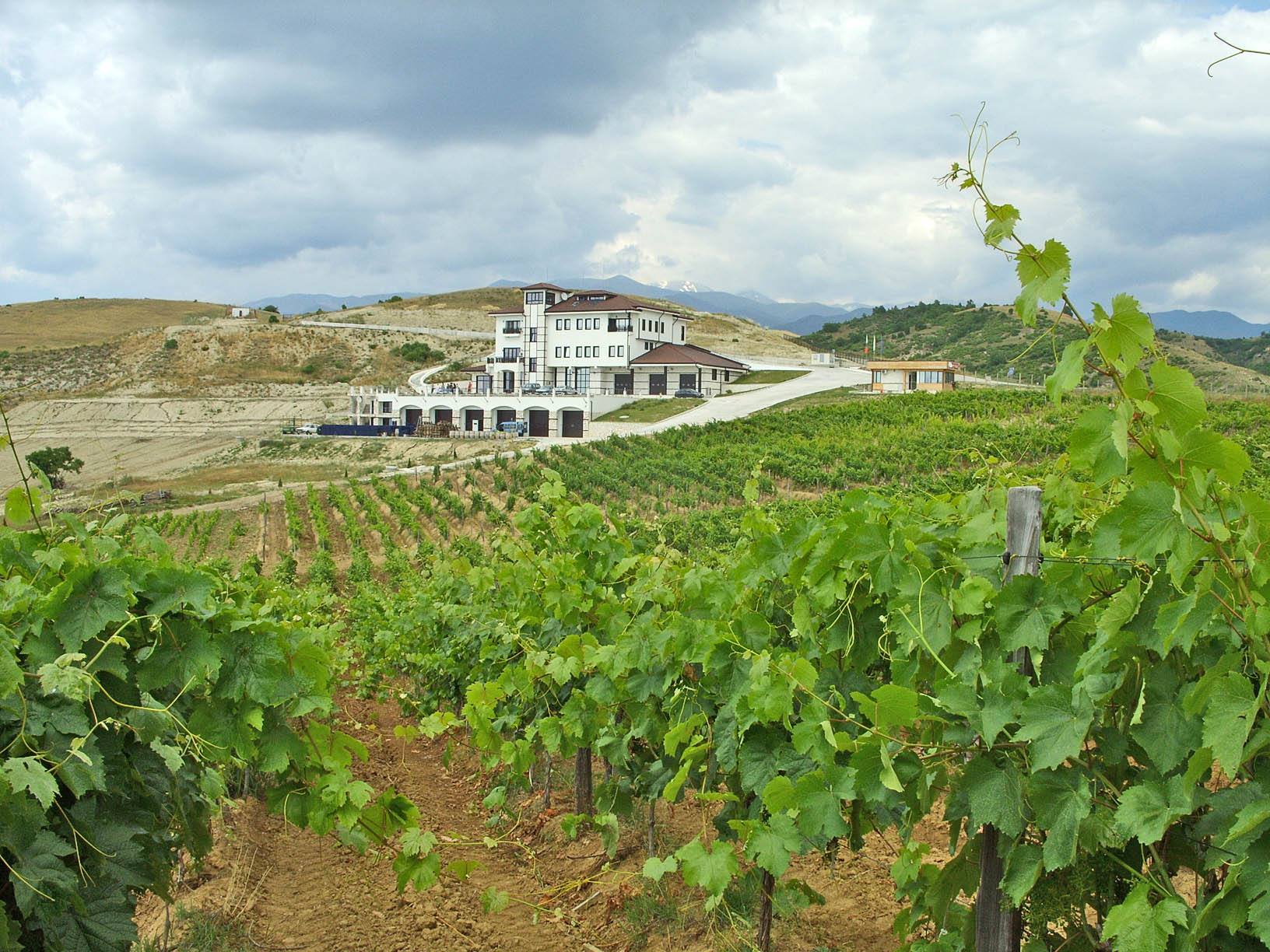
Bulgaria grows grapes most British wine lists never mention, and the bottles worth hunting down come from small producers working with Mavrud, Melnik and Rubin. These are the 12 Bulgarian wines I buy in Sofia, grouped by grape, with how each one tastes, what it costs on a Sofia wine-shop shelf in November 2026, and where to buy and taste them before you fly home.
My 12 best Bulgarian wines at a glance
Nine of my 12 picks use the local grapes behind the best Bulgarian wine: Mavrud, Melnik, Rubin, Gamza and Red Misket. The prices come from the online euro price list of Seewines, a Bulgarian wine shop with a branch in Sofia's Lozenets district, on 2 November 2026. "Not listed" means I couldn't find that bottle on its list that day.
| # | Wine | Producer | Grape | Style | Sofia shop price |
|---|---|---|---|---|---|
| 1 | Merul Mavrud Reserve 2021 | Rumelia | Mavrud | Rich, smooth red | €12.73 |
| 2 | Santimenti Mavrud 2023 | Zagreus | Mavrud | Organic, peppery red | €10.17 |
| 3 | AplauZ Mavrud Reserve 2022 | Villa Melnik | Mavrud | Oak-aged red | €14.27 |
| 4 | Melnik 55 | Logodaj | Melnik 55 | Off-dry, fruity red | Not listed |
| 5 | Melnik Estate Reserve 2019 | Orbelia | Broad-leaved Melnik | Aged red | €17.38 |
| 6 | Rubin Reserve | Dragomir | Rubin | Dark, firm red | Not listed |
| 7 | Pink Side of Rubin | Georgiev/Milkov | Rubin | Dry rosé | Not listed |
| 8 | Gamza 2023 | Borovitza | Gamza | Red | €11.25 |
| 9 | AXL Rose Valley Misket | Chateau Copsa | Red Misket | Dry white | Not listed |
| 10 | Pet-Nat Riesling Extra Brut | Tsarev Brod | Riesling | Natural sparkling | Not listed |
| 11 | Gomotartzi Chardonnay | Bononia | Chardonnay | Unoaked white | Not listed |
| 12 | Enira 2019 | Bessa Valley | Merlot-led blend | Bordeaux-style red | Not listed |
The best Mavrud wines
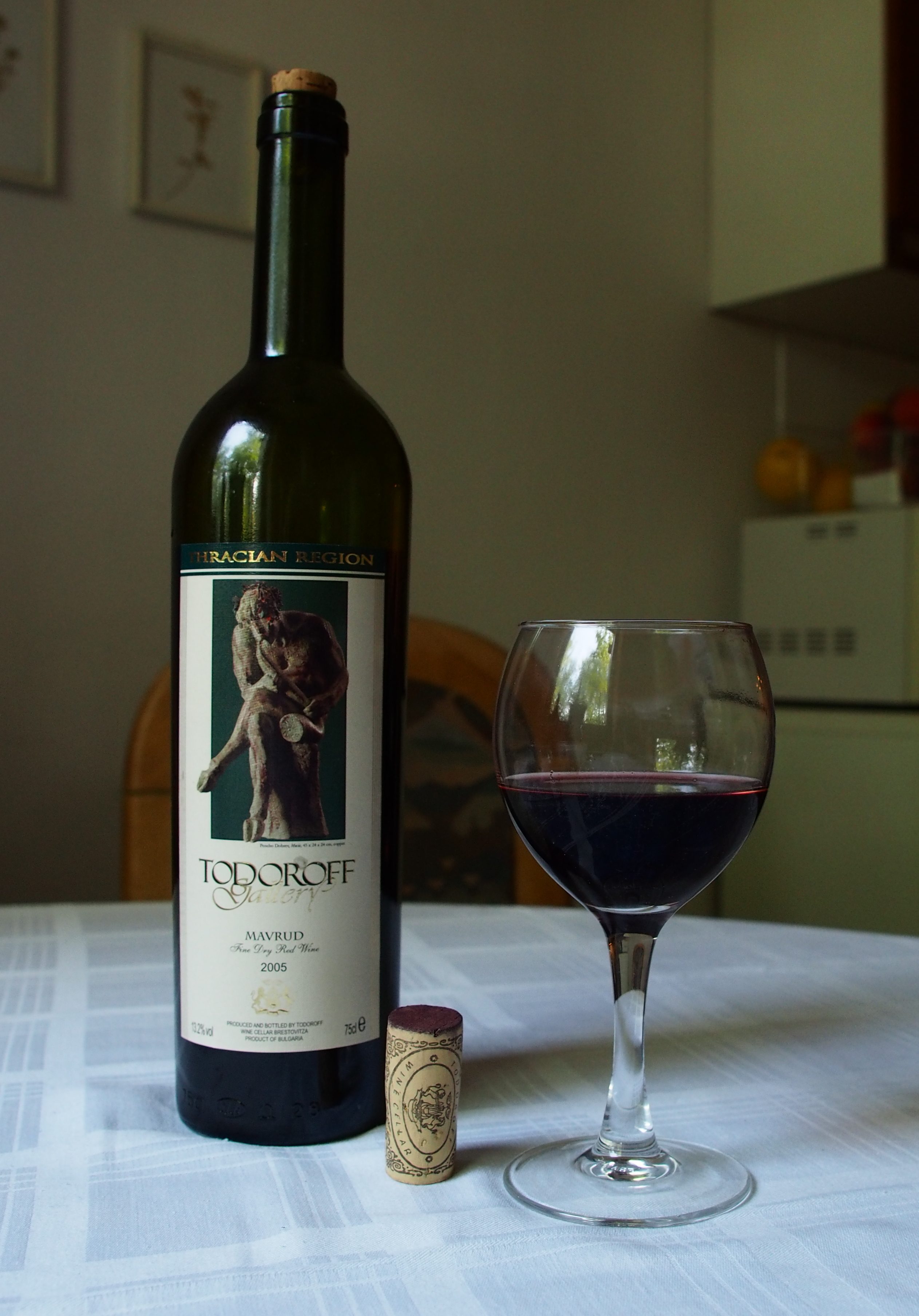
Mavrud (Мавруд) is Bulgaria's own red grape, grown on the Thracian plain around Plovdiv, and it makes dark, full-bodied wine with plenty of alcohol. Expect blackcurrant, plum and a peppery edge, with enough tannin to stand up to a plate of grilled pork. It's the first bottle I open for visitors, and I pour it with the clay-pot stews and grills of Bulgarian food.
1. Rumelia Merul Mavrud Reserve
Rumelia is a Thracian winery that built its name on Mavrud, and Merul is its Mavrud label. The Reserve tastes smooth, rounded and rich, and it has the structure to keep for a few years in a cupboard. It's my winner. The 2021 costs €12.73, and it shows what Mavrud does with a little age. Rumelia's basic Merul Mavrud 2022 sits on the same shelf at €7.11, the cheapest Mavrud I'd happily serve to friends.
2. Zagreus Santimenti Mavrud
Zagreus planted its first vines in 1998 and has made organic wine since 2010. Santimenti pours purple, smells of blackcurrant and white pepper, and tastes tangy, dry and medium-bodied at 13.5%. It's vegan-friendly too. At €10.17 for the 2023, it's the bottle I buy by the half-dozen. The Zagreus Hand Made Mavrud 2022 costs €13.50, and a Mavrud rosé from the same Hand Made range costs €9.15.
3. Villa Melnik AplauZ Mavrud Reserve
Villa Melnik is a family winery in the south-west that moves its wine by gravity flow. AplauZ is its Mavrud Reserve, and the 2022 costs €14.27 in Sofia. A UK merchant listed the 2019 at £32.95, which tells you how much a suitcase saves. While you're buying, add a bottle of the Villa Melnik orange wine: Keratsuda and Sauvignon Blanc left on their skins for a few weeks, dry and aromatic at 12%.
These are the Mavrud bottles I'd reach for, cheapest first, at Sofia shop prices on 2 November 2026:
| Mavrud | Producer | Price |
|---|---|---|
| Merul Mavrud 2022 | Rumelia | €7.11 |
| Santimenti Mavrud 2023 | Zagreus | €10.17 |
| Merul Mavrud Reserve 2021 | Rumelia | €12.73 |
| Hand Made Mavrud 2022 | Zagreus | €13.50 |
| AplauZ Mavrud Reserve 2022 | Villa Melnik | €14.27 |
| BIN 60 Mavrud 2024 | Santa Sarah | €14.90 |
| Sarva Red Mavrud 2021 | Dragomir | €16.50 |
| Mavrud 2023 | Chateau Copsa | €17.50 |
| Grand Reserve Mavrud 2018 | Dragomir | €72.00 |
The best Melnik wines
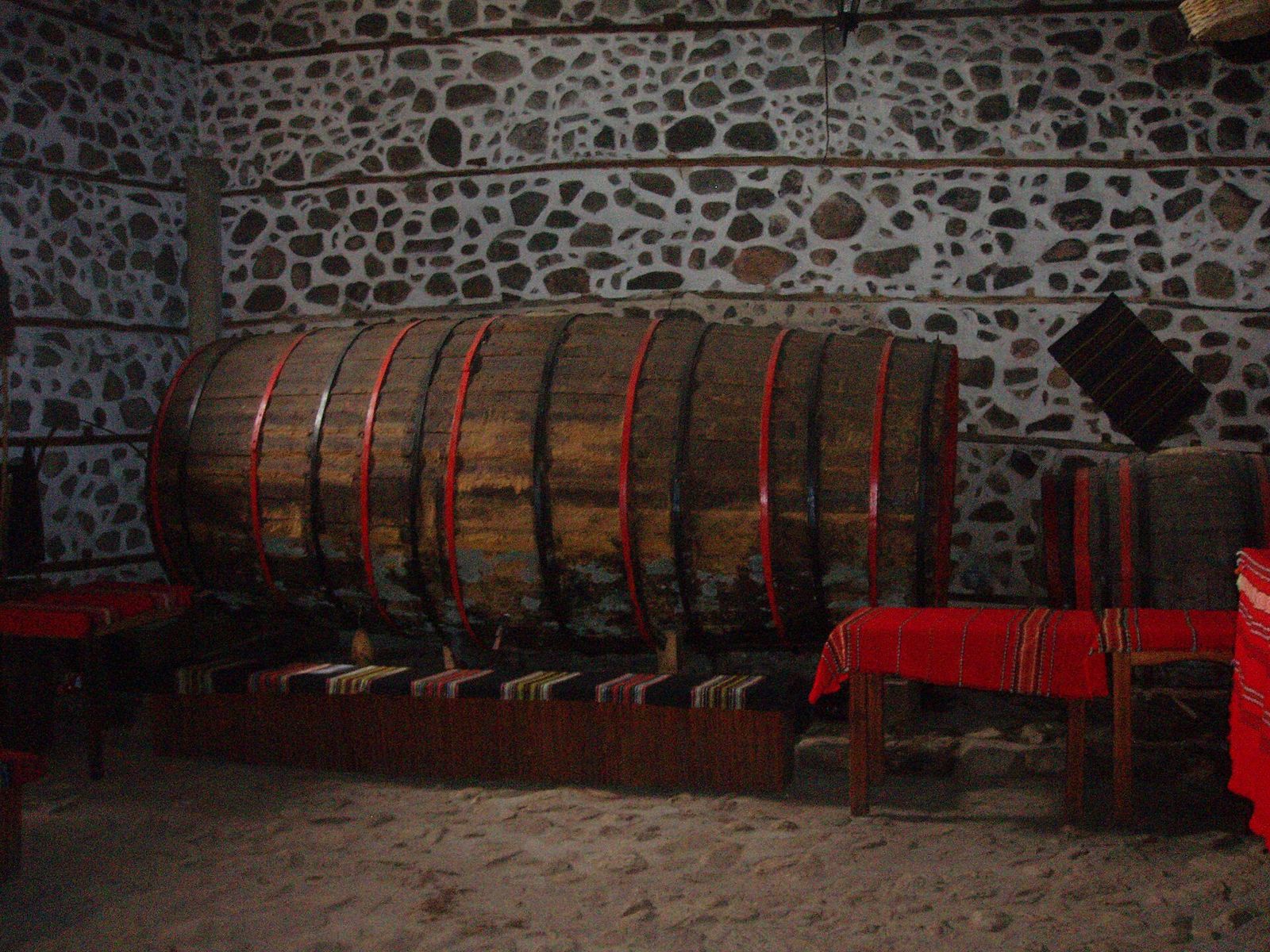
Melnik wine comes from the Struma Valley, the warm south-western corner of Bulgaria around the little town of Melnik near the Greek border, where most of the country's Melnik grapes grow. Local legend makes it Winston Churchill's favourite, and in the town itself Kordopulov House keeps a giant barrel in its stone cellar.
Two grapes carry the name. Broad-leaved Melnik (широка мелнишка лоза, shiroka melnishka loza) is the old local vine, and Melnik 55, also called Early Melnik Vine, is its offspring, bred from Broad-leaved Melnik and pollen from other varieties. Melnik 55 ripens towards the end of September, earlier than its parent, so its wines can taste riper and sweeter.
4. Logodaj Melnik 55
Logodaj was founded in 1994 in the Struma Valley. Its Melnik 55 sits at 14%, off-dry and fruit-forward after a gentle spell in oak. The nose is raisins and fruitcake, and the glass brings tobacco, red cherry, blackcurrant and spice with a smooth finish. Logodaj also makes a sparkling Broad-leaved Melnik in Brut and Rosé, both easy drinking, and a Rubin called Nobile.
5. Orbelia Melnik Estate Reserve
For Broad-leaved Melnik itself, Orbelia's Melnik Estate Reserve is the bottle I found on a Sofia shop's list: the 2019, already seven years old, on offer at €17.38 down from €21.73. I like Broad-leaved Melnik with a few years in bottle. Open it an hour before dinner and drink it with lamb or aged sirene cheese.
The best Rubin and Gamza wines
Rubin (Рубин) is a Bulgarian crossing of Syrah and Nebbiolo, created in 1944 and grown in the Danube Plain and the Thracian Lowlands. Gamza (Гъмза) is the local red of the Danube Plain in the north. Both turn up on wine lists in Sofia, and they're the two Bulgarian grape varieties I'd taste after Mavrud and Melnik.
6. Dragomir Rubin Reserve
Dragomir's Rubin Reserve comes from vines planted in 1974, and it tastes of dark cassis with firm but rounded tannins. It's the Rubin I'd put next to a good Northern Rhône Syrah. Dragomir also makes the priciest Mavrud in my table, the €72 Grand Reserve 2018, my one splurge bottle. For a second Rubin, Damianitza's organic Uniquato is full and fruit-driven.
7. Georgiev/Milkov Pink Side of Rubin
Two young winemakers started the Georgiev/Milkov project in 2014, and Pink Side of Rubin comes from a 40-year-old Rubin vineyard in the Thracian Valley. It's salmon pink and made in the Provence style. The nose is strawberry, and the glass is dry, floral and elegant at 12.5% after 4 months in French barrels. I keep one in the fridge from May to September, and I drink it with a bowl of almonds.
8. Borovitza Gamza
Borovitza makes its wine in red sandstone country and works with local crossings such as Bouquet, a cross of Mavrud and Pinot Noir. Its Gamza 2023 costs €11.25 in Sofia. Gamza is the same grape the Hungarians call Kadarka, and it makes a red that I drink slightly chilled on a summer terrace. For three local grapes in one bottle, Medi Valley's Great Bulgaria 2024 blends Gamza, Mavrud and Rubin for €14.
The best Bulgarian white and sparkling wines
The local white grapes are Dimyat and Misket, and Red Misket has pink skins but makes a white wine. Two of my three white picks use Riesling and Chardonnay.
9. Chateau Copsa AXL Rose Valley Misket
The Minkov family founded Chateau Copsa in 1998, and its winery sits in a castle-like building with stone towers in the Rose Valley, among rose and lavender fields. AXL is a dry, medium-bodied white made from 100% Red Misket, and only 1,300 bottles were made of the 2023. It smells of flowers and pear, and the glass is all stone fruit at 13%.
10. Tsarev Brod Pet-Nat Riesling
Tsarev Brod planted its first vines in 2001 in the north-east, and its Pet-Nat Riesling Extra Brut is made by the ancestral method, bottled before the first fermentation finishes and aged 4 months in bottle. Expect small bubbles, a slight cloudiness, a nose of pear and biscuit, and a dry, apple-crisp glass at 11.5%. The winery also makes a white from Gergana, a Bulgarian crossing of Muscat Ottonel and Dimyat.
11. Bononia Gomotartzi Chardonnay
Bononia sits on the banks of the Danube with a hotel on the estate, and its Gomotartzi Chardonnay sees no oak. It smells of gooseberry and green apple, like a Sauvignon Blanc, and tastes zesty and crisp at 13.5%. The 2020 won bronze at the Decanter World Wine Awards 2022, and I'd drink it by the end of 2026.
The best Bulgarian red blend
12. Bessa Valley Enira
Enira is the Bulgarian project of Stephan von Neipperg, owner of Chateau Canon La Gaffeliere in St-Emilion, and it comes from the Bessa Valley winery near Pazardzhik. The blend changes with the vintage: the 2019 is 42% Merlot, 36% Syrah, 12% Petit Verdot and 10% Cabernet Sauvignon, aged in French oak for one to three years. It tastes of plum, red cherry and forest fruit, with a soft hint of milk chocolate and vanilla. This is the bottle I take to dinner with anyone who swears by Bordeaux.
Where to buy Bulgarian wine in Sofia
Wine is one of the best bargains among Sofia's prices. A mid-range bottle costs about €6.60 in a shop, less than a large glass in a London pub. The small producers on my list cost more, and they live in specialist wine shops.
Seewines, Lozenets
Seewines is a Bulgarian wine-shop chain with a Sofia branch at ul. Zlaten Rog 20 in Lozenets, south of the centre, and another in Plovdiv. The bottle prices in my tables come from its online euro list on 2 November 2026. It lists more than 800 red wines, its Mavrud list runs to 40 bottles, and it delivers free on orders over €60.
Supermarkets
Billa and Fantastico stock the big-volume Bulgarian labels, which I buy for a picnic. For the producers in my list, from Logodaj to Zagreus, go to a wine shop.
Nectar for wine by the glass
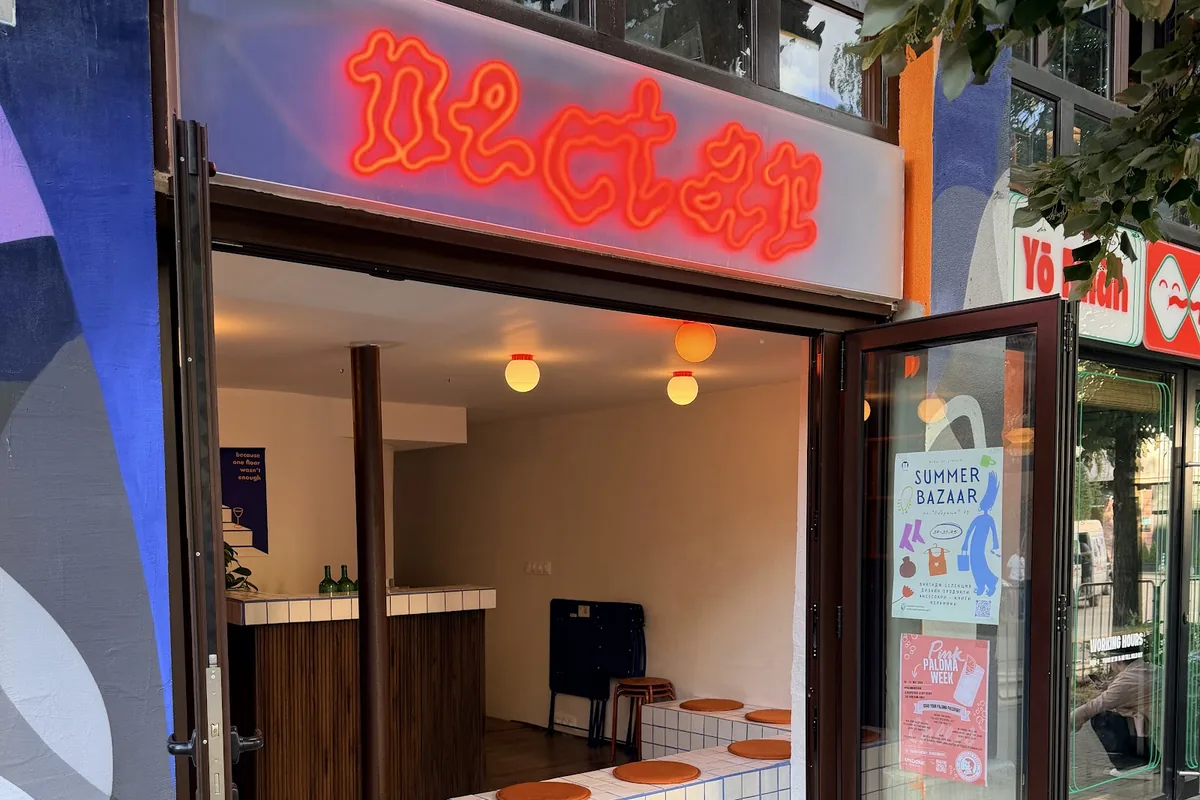
Nectar pours natural wines and cocktails at Iskar 11, from 5pm to midnight Wednesday to Saturday and 5pm to 10pm on Sunday. It's my first stop among the wine bars in Sofia when I want to taste a Bulgarian grape by the glass before I commit to a bottle.
A bottle of Mavrud is one of the Bulgarian souvenirs I'd carry home over anything with a rose on it. Wrap each bottle in a jumper in your hold bag.
Visiting the wineries from Sofia
From Sofia, the two wine regions I'd visit under my own steam are the Struma Valley for Melnik and the Thracian Lowlands for Mavrud. The Danube Plain, the Black Sea Coast and the Rose Valley complete the five Bulgarian wine regions people talk about.
Melnik and the Struma Valley
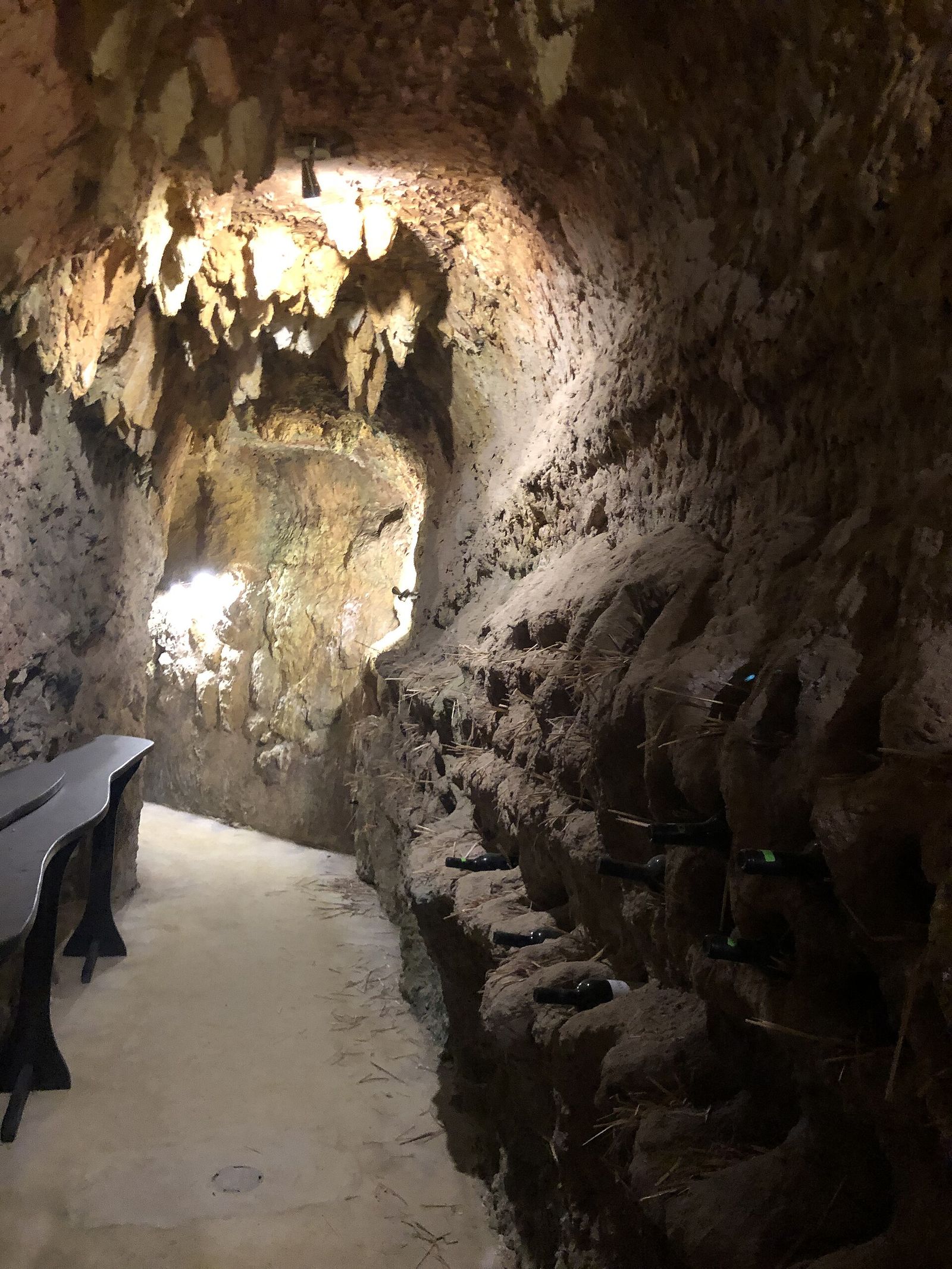
Melnik is a tiny town of old houses under sandstone cliffs, and its wine cellars are dug straight into the rock. The wine museum keeps its bottles in niches along a sandstone tunnel. Villa Melnik is open every day for tastings, and Logodaj is in the same valley. I'd book a night in Melnik, since a day trip from Sofia leaves little time to taste.
Plovdiv and Mavrud country
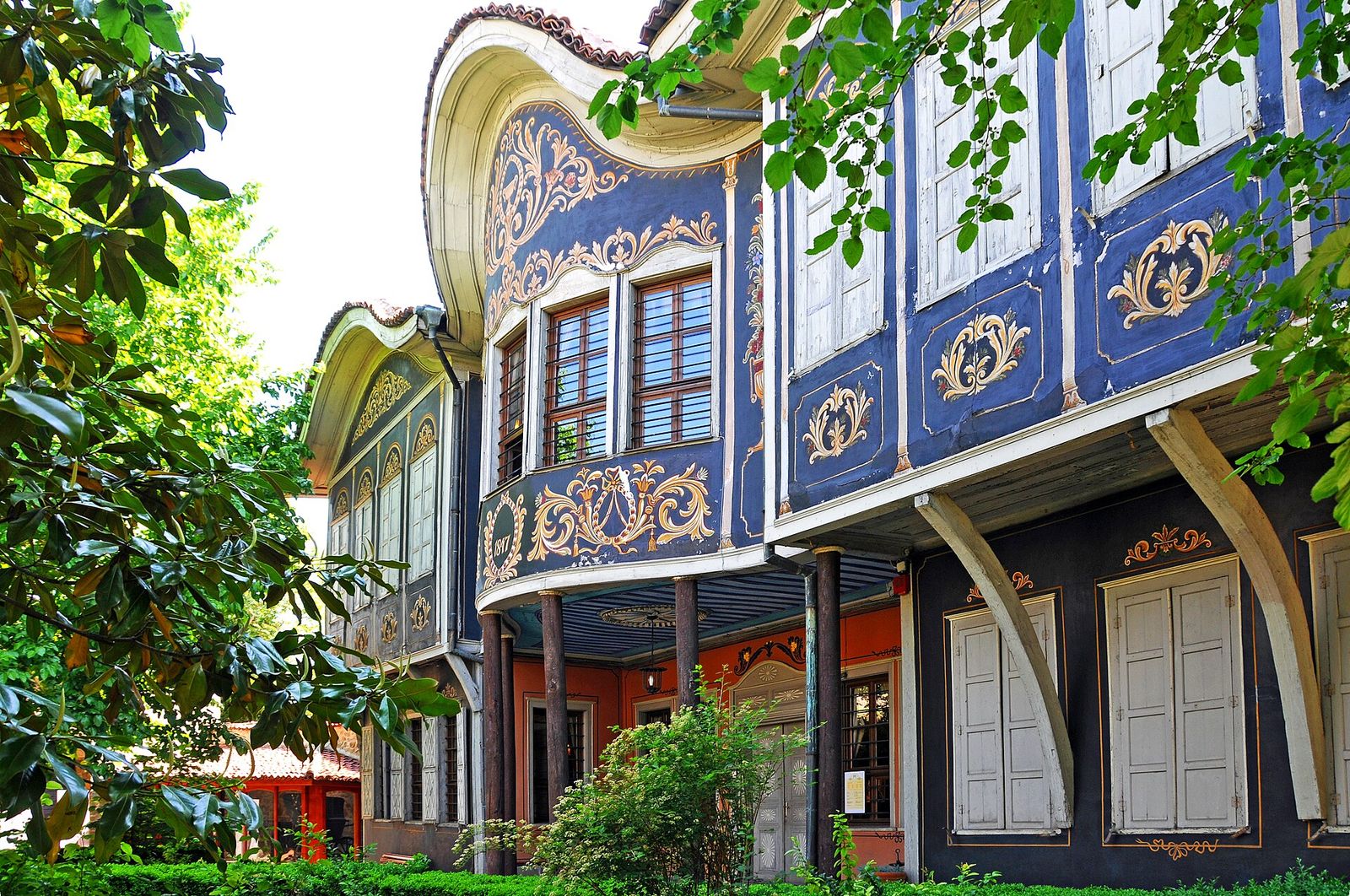
Plovdiv is the base for Mavrud country. The train from Sofia costs about €5.60 and takes about 3 hours, and the bus costs €8.50 to €11 and takes about 2 hours. A day trip to Plovdiv gives you the Old Town and a Mavrud lunch, and Pazardzhik, home to Bessa Valley, sits on the road between the two cities.
Key takeaways
- Mavrud is the grape to try first, and Rumelia's Merul Mavrud Reserve at €12.73 is my top Bulgarian bottle.
- Melnik wine comes from the Struma Valley: start with Logodaj's off-dry Melnik 55, then a Broad-leaved Melnik reserve.
- Rubin, Gamza and Red Misket are the local grapes to try next, and Tsarev Brod's Pet-Nat is the fizz.
- My priced picks cost €10 to €18 in a Sofia wine shop, the basic Merul Mavrud costs €7.11, and Dragomir's €72 Grand Reserve is the splurge.
Frequently asked questions
What is the most famous Bulgarian wine?
Mavrud is the most famous Bulgarian wine, a dark, full-bodied red from the Thracian plain around Plovdiv. Melnik, from the Struma Valley near the Greek border, comes a close second. Both grapes are Bulgarian and rarely grown anywhere else.
Are Bulgarian wines any good?
Yes. Bulgaria has more than 260 registered winemakers, and while its harvested vineyard area shrank from 85,320 hectares in 2007 to 36,551 in 2016, a new wave of smaller producers raised the quality. The best of them work with local grapes such as Mavrud, Melnik and Rubin.
What is Mavrud wine?
Mavrud is a red wine made from the Mavrud grape, which grows mainly on the Thracian plain in southern Bulgaria. It makes dark, full-bodied wine with high alcohol and firm tannin. International Mavrud Day is on 26 October.
What does Mavrud taste like?
Mavrud tastes of blackcurrant and dark plum with a peppery edge. Zagreus's Santimenti, for example, smells of blackcurrant and white pepper and tastes tangy and dry. Reserve bottlings aged in oak, such as Rumelia's Merul Reserve, taste smoother and richer.
What is Melnik wine?
Melnik wine is red wine from the Broad-leaved Melnik grape or its offspring, Melnik 55, grown in the Struma Valley around the town of Melnik in south-west Bulgaria. Melnik 55 ripens early and can taste off-dry, and Broad-leaved Melnik ripens later. Logodaj's Melnik 55 at 14% is a good first bottle.
How much does a good bottle of Bulgarian wine cost?
A good bottle of Bulgarian wine costs €10 to €18 in a Sofia wine shop. Rumelia's Merul Mavrud Reserve costs €12.73 and Villa Melnik's AplauZ Mavrud Reserve costs €14.27. A mid-range bottle costs about €6.60 in a Sofia shop.
Can you buy Bulgarian wine in the UK?
Yes, through specialist independent merchants, though stock comes and goes and prices run much higher than in Bulgaria. A UK merchant listed the 2019 vintage of Villa Melnik's AplauZ Mavrud Reserve at £32.95, and the 2022 costs €14.27 in Sofia. Buying in Sofia and flying home with up to 24 bottles is the cheaper route.
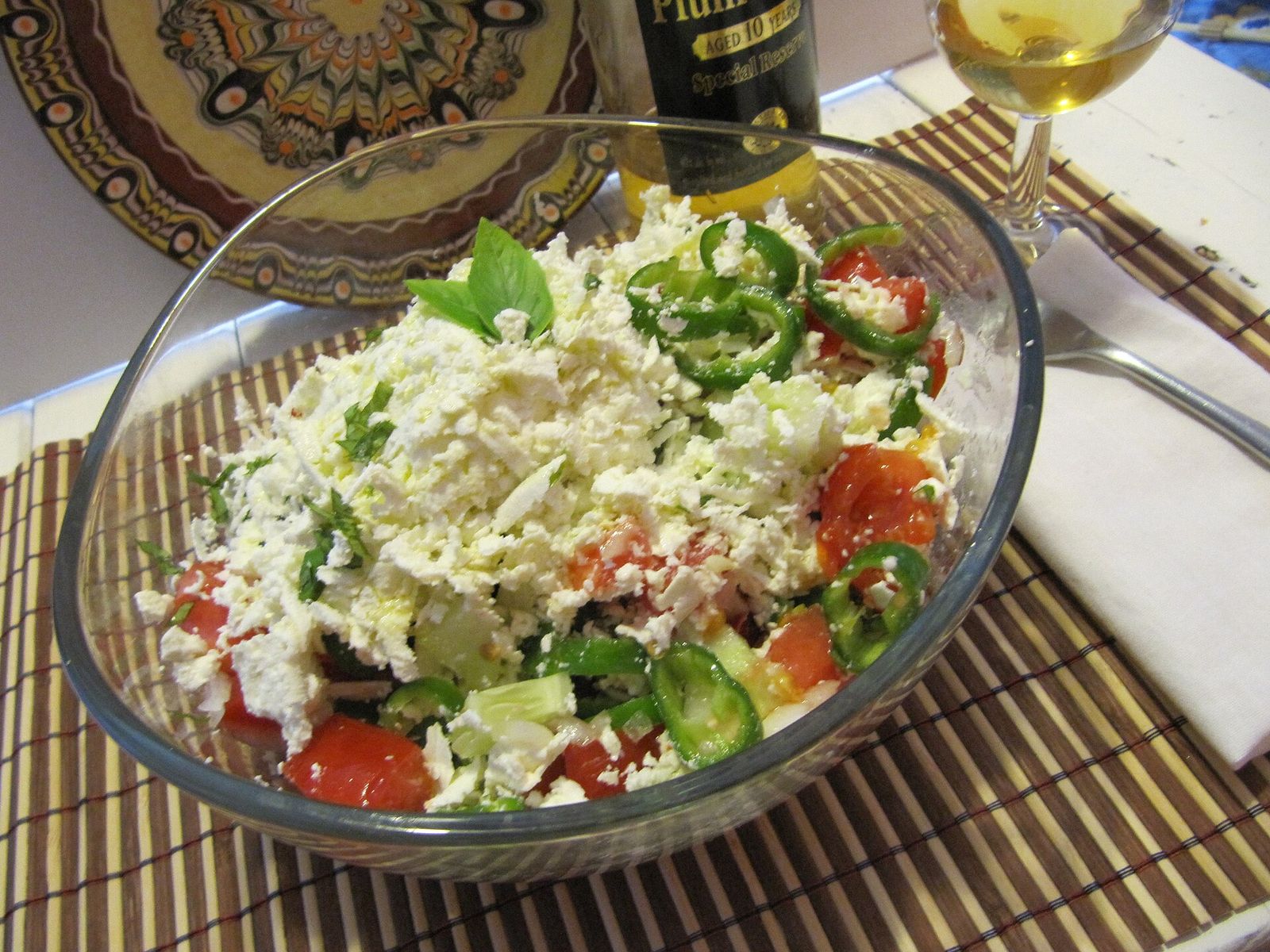
Bulgarian Drinks: What to Drink in Bulgaria and Where to Try It in Sofia
Rakia, wine, beer, boza and ayran: what Bulgaria drinks, how locals drink it and where I order each one in Sofia.
Read the guideBulgarian Wine: A Visitor's Guide to What to Order and Buy
Mavrud, Melnik and Misket: the Bulgarian wines I order in Sofia, what a bottle costs and how many to carry home.
Read the guide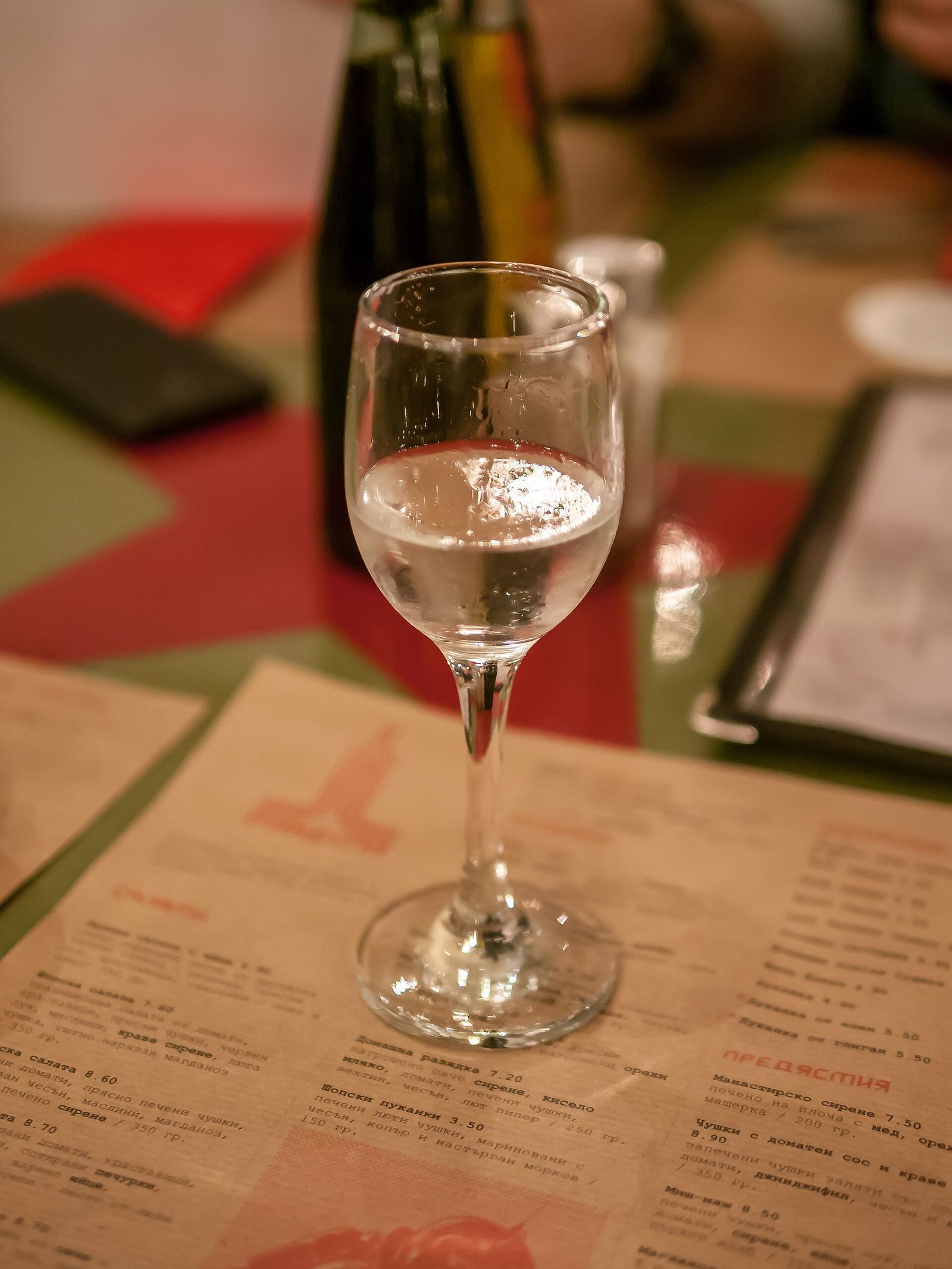
Rakia: Bulgaria's Fruit Brandy, and How I Drink It in Sofia
Bulgaria's fruit brandy, from grape to quince: the types, how to sip it, and where I drink and buy it in Sofia.
Read the guide