Getting Around Bulgaria: Buses, Trains, Driving and Taxis
Bulgaria runs on buses. Coaches leave Sofia's Central Bus Station for most towns, the trains are slower and cheaper, and a hire car is the easy way to reach Rila Monastery and the Belogradchik rocks, which public transport barely touches. This is how I get around the country: bus versus train versus car on the routes visitors use most, driving rules for UK licence holders, taxis and the trip to the coast.
The best way to get around Bulgaria: my short answer
I take the bus between towns, the train when I'm in no hurry, and a hire car for anything in the mountains.
| Option | Best for | What it costs | My verdict |
|---|---|---|---|
| Intercity bus | Plovdiv, Veliko Tarnovo, Blagoevgrad, most towns | About €9 to €18 for a 2 to 3 hour trip | My default |
| BDZ train | Plovdiv, Koprivshtitsa, overnight to Istanbul | Usually less than the bus; fares vary by day and time | Slow, roomy and cheap |
| Hire car | Rila Monastery, Belogradchik, Melnik, Buzludzha | Hire, fuel and an e-vignette | Worth it for 2 or 3 days in the countryside |
| Domestic flight | Sofia to Varna or Burgas | Check Bulgaria Air | When the coach takes all day |
| Taxi | The last stretch from a station, city hops | €1.50 plus €0.75 a km by day with OK Supertrans in Sofia | Licensed and metered, booked by app |
Buses win on frequency. Several companies run the main routes, so a coach to Plovdiv or Blagoevgrad leaves most hours of the day, and the bus is usually faster than the train over the same distance. Trains suit me for the lower fares and the room to spread out.
Bus, train or car from Sofia: the routes visitors use most
Almost every trip starts in Sofia, where the Central Bus Station and the Central Railway Station stand side by side, north of the centre. These are the six routes I get asked about most.
| From Sofia to | Bus | Train | Car | My pick |
|---|---|---|---|---|
| Plovdiv | About 2 hours, €8.50 to €11 | About 3 hours, about €5.60 | Under 2 hours on the Trakia motorway | Bus |
| Veliko Tarnovo | About 3 hours | Change at Gorna Oryahovitsa | About 3 hours | Bus |
| Burgas | About 7 hours | Intercity fast train | On the Trakia motorway | Fly or train |
| Varna | Up to about 9 hours | Intercity fast train | A long drive | Fly |
| Blagoevgrad, for Rila Monastery | About 2 hours, under €10, roughly hourly | On the line south, check BDZ | Rila Monastery about 2 hours | Car for Rila |
| Belogradchik | One direct bus, 4.30pm, about 4 hours | About 4 hours to Oreshets, then a taxi | About 3 hours | Car |
Plovdiv is the easy one. Buses and trains run through the day, and a day trip to Plovdiv works on either, with the bus a little faster and the train a few euros cheaper.
Veliko Tarnovo is a bus trip for me. The coach takes about 3 hours, while the train needs a change at Gorna Oryahovitsa and drops you at a station below the town, so the bus from Sofia to Veliko Tarnovo gets you into the old town with less faff. I give it at least one night.
The north-west is where public transport runs thin. The only direct bus to Belogradchik leaves Sofia at 4.30pm and the return leaves around 6am, so the rocks at Belogradchik are a drive of about 3 hours, or a night there if you go by bus.
Buses in Bulgaria: stations, companies and tickets
A typical 2 to 3 hour coach trip costs about €9 to €18, and private firms share the routes, the big names being Union Ivkoni, Biomet, Karat-S and FlixBus.
In Sofia, most intercity coaches leave from the Central Bus Station (Централна автогара), at 100 Knyagina Maria Luisa Boulevard. Metro line M2 stops at the railway station next door, and the smaller Serdika bus station is a few steps along the same boulevard. Some coaches for the south-west leave from Ovcha Kupel bus station instead, on the west side of the city.
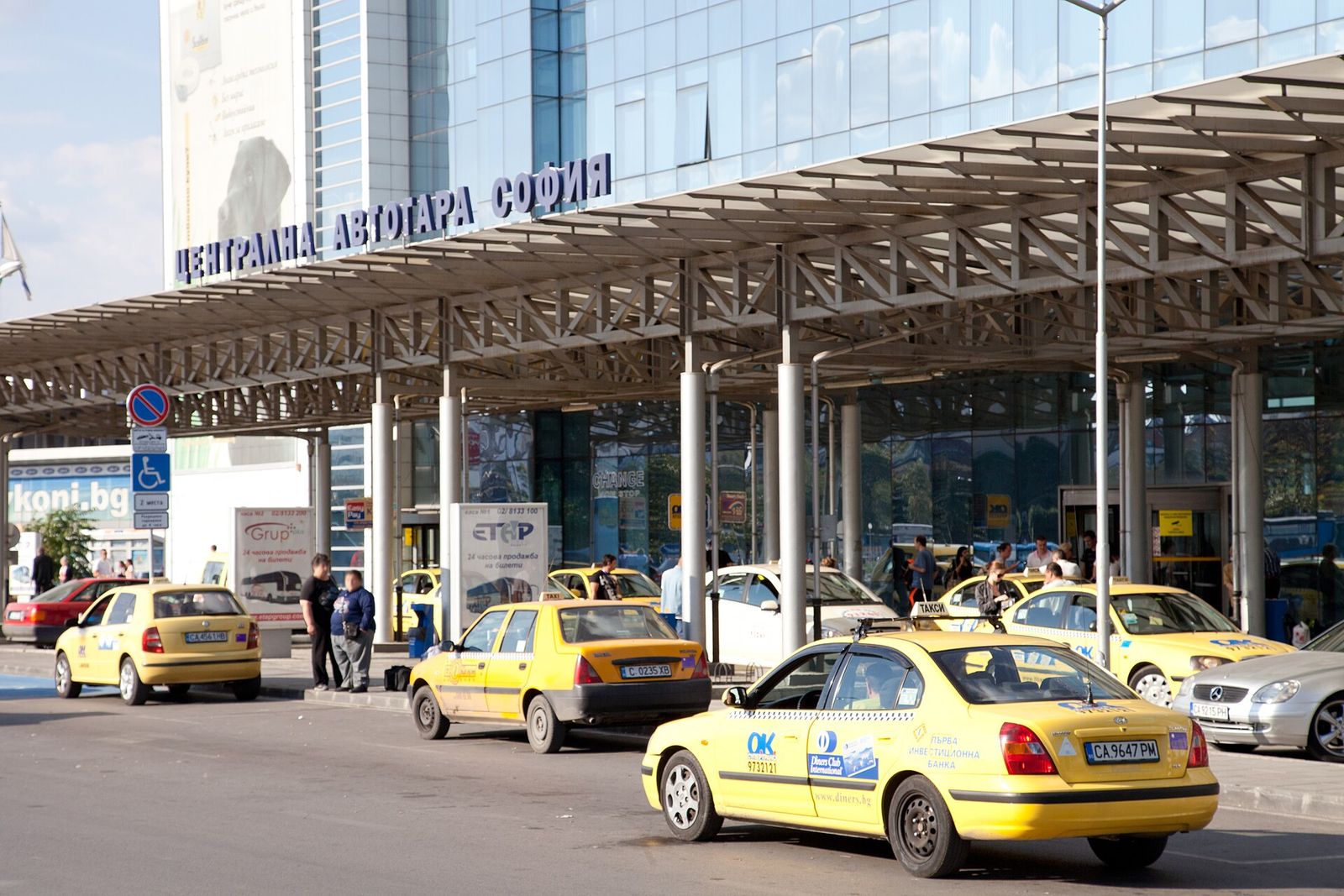
Inside, each company has its own ticket window, and the departures board lists the platform. I buy at the window on the day for the main routes, and online a day or two ahead for a Friday evening or a Sunday afternoon. Union Ivkoni and Karat-S sell online, BusTicket.bg sells seats on several companies' coaches, and FlixBus sells through its own app.
Trains in Bulgaria: BDZ routes, fares and tickets
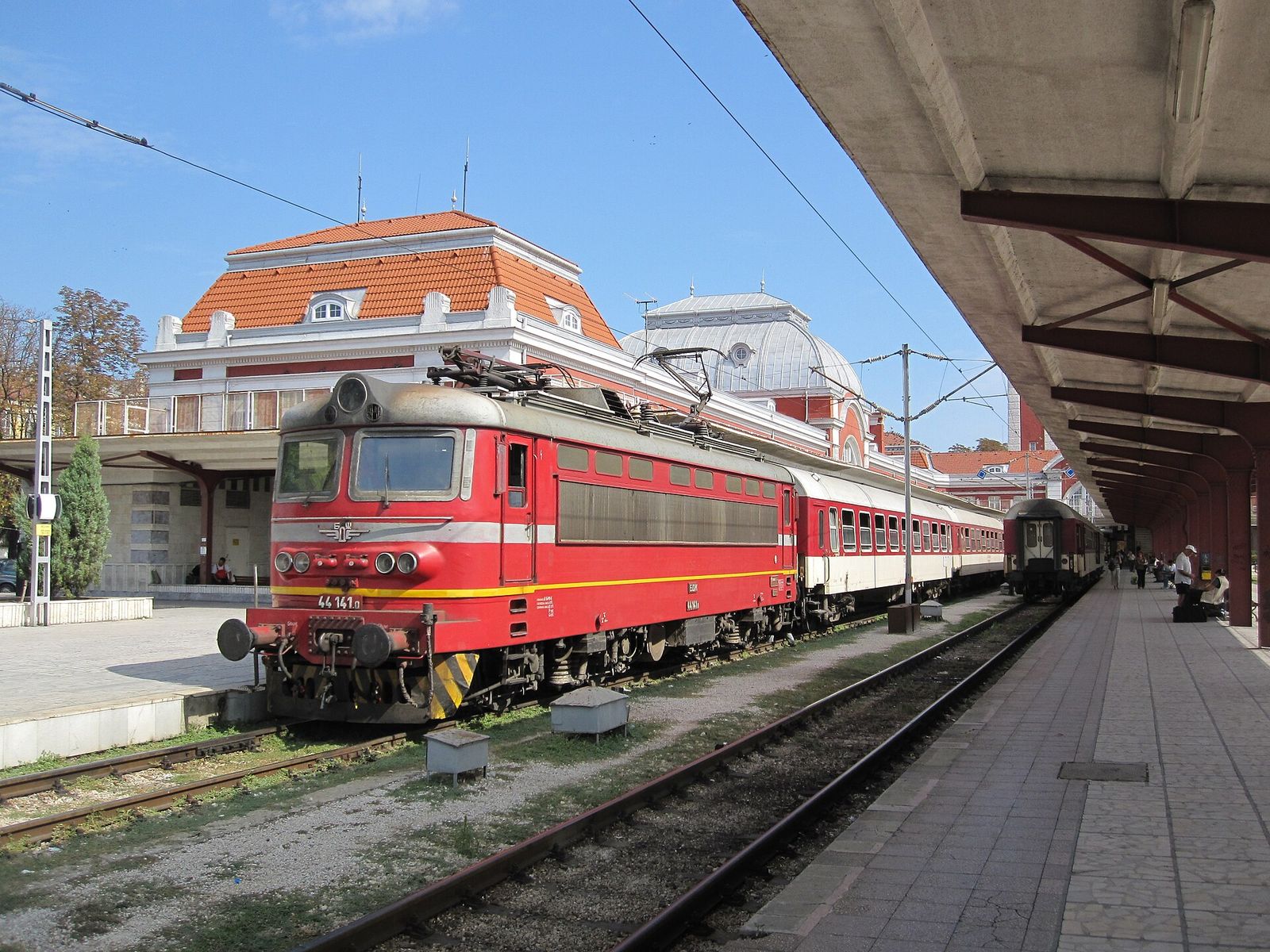
BDZ, Bulgarian State Railways, runs the country's trains. From Sofia, lines run south-east to Plovdiv and on towards Burgas, east to Varna through Gorna Oryahovitsa, south to Blagoevgrad and north-west to Vidin. The network reaches most towns, the trains are slower than the coaches, and they can be cancelled at short notice.
Fares depend on the length of the trip and the day and time you travel. You can buy at the windows in the station or online at BDZ's ticket site, and the BDZ timetable lets you filter for fast trains, direct trains, first class and sleeper cars.
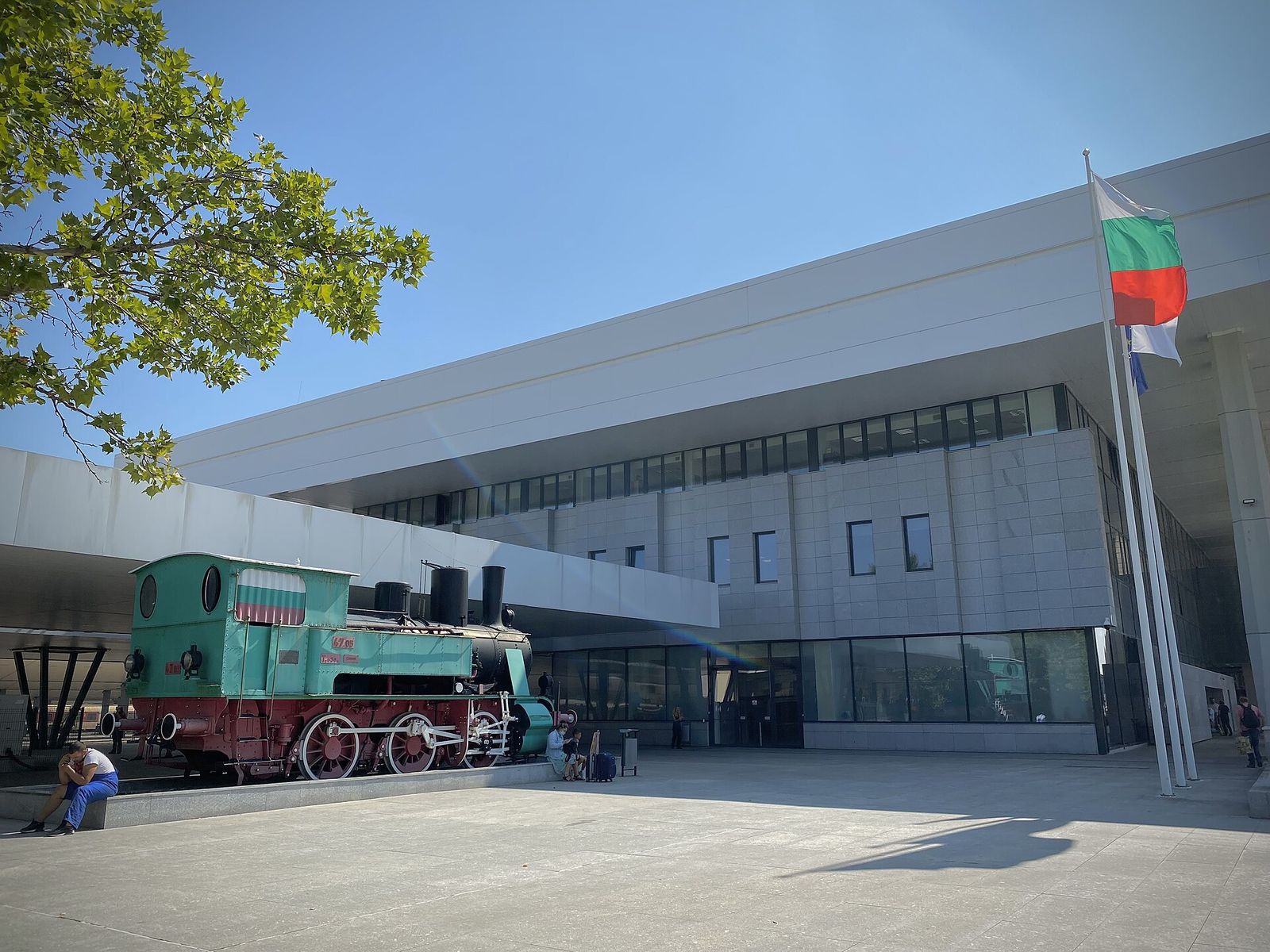
Bulgaria's trains are my pick for Koprivshtitsa. Its railway station sits about 8 km from the town, and a minibus (маршрутка, marshrutka) meets the trains for the run in, the simplest way there without a car.
Two of the international trains from Sofia are good value. The daily sleeper to Istanbul costs €26.40 in second class, plus a compulsory couchette reservation from €10. The daily train to Bucharest leaves Sofia Sever at 7.15am, reaches Bucharest Nord just before 5pm and costs €30.60 each way.
Driving in Bulgaria: what UK drivers need to know
Bulgaria drives on the right, and you overtake on the left. A full UK photocard licence is all you need. You'd only need an International Driving Permit if your licence has no photo. Hire firms usually want you to be at least 21, some ask for a licence held for a year, and most want your passport as a second ID. Keep the hire contract in the car, which Bulgarian rules require.
Headlights stay on day and night, all year round. The drink-drive limit is 0.05%, the same as Scotland's and lower than England's, and I don't drink at all if I'm driving. Phones are handsfree only, a warning triangle is compulsory, and traffic police hand out fines on the spot.
Motorways and main roads outside towns need an e-vignette, a digital toll linked to the number plate. Buy it online at BGTOLL or in the BGTOLL app before you set off, choosing a one-day, weekend, weekly or monthly pass. There's no sticker for the windscreen, and police fine drivers caught without one, so if you hire, ask the desk whether the car already has a valid vignette.
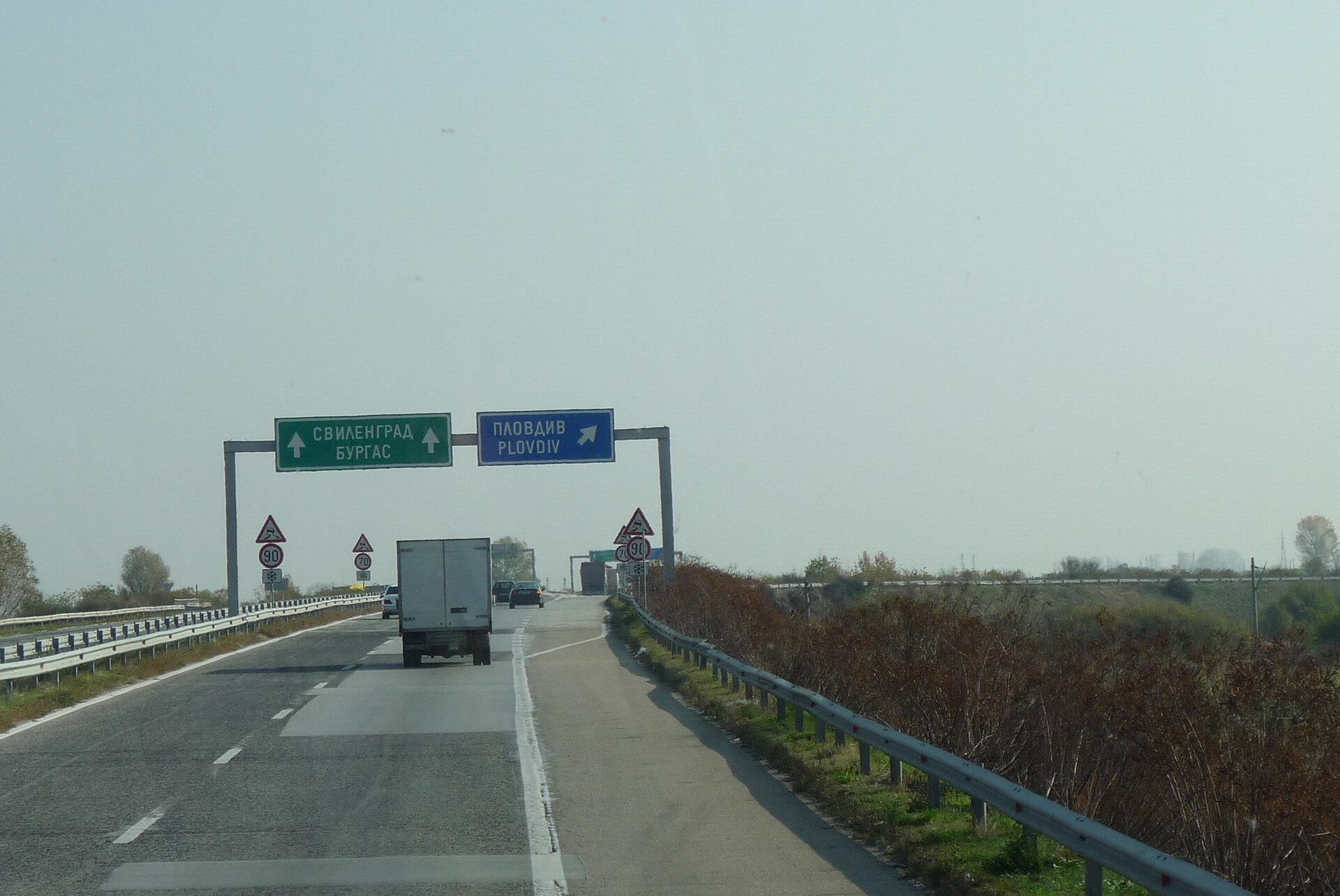
Road signs often give place names in both Cyrillic and Latin letters. Off the motorways, many roads are in poor repair, roadworks can be unmarked and unlit at night, and in the countryside you'll share the road with slow cars and the odd horse and cart. Driving on the motorways can be aggressive, so I sit in the right-hand lane and let the speeders past. I avoid driving after dark outside the cities.
Where a hire car beats the bus
A car makes sense for the places public transport has given up on. Rila Monastery is the obvious one: the direct bus from Sofia no longer runs, so the choice is a 2-hour drive each way or a bus to Blagoevgrad and a 41 km taxi ride. A car also turns Belogradchik, the Seven Rila Lakes lift, Buzludzha and Melnik into easy days or short overnights.
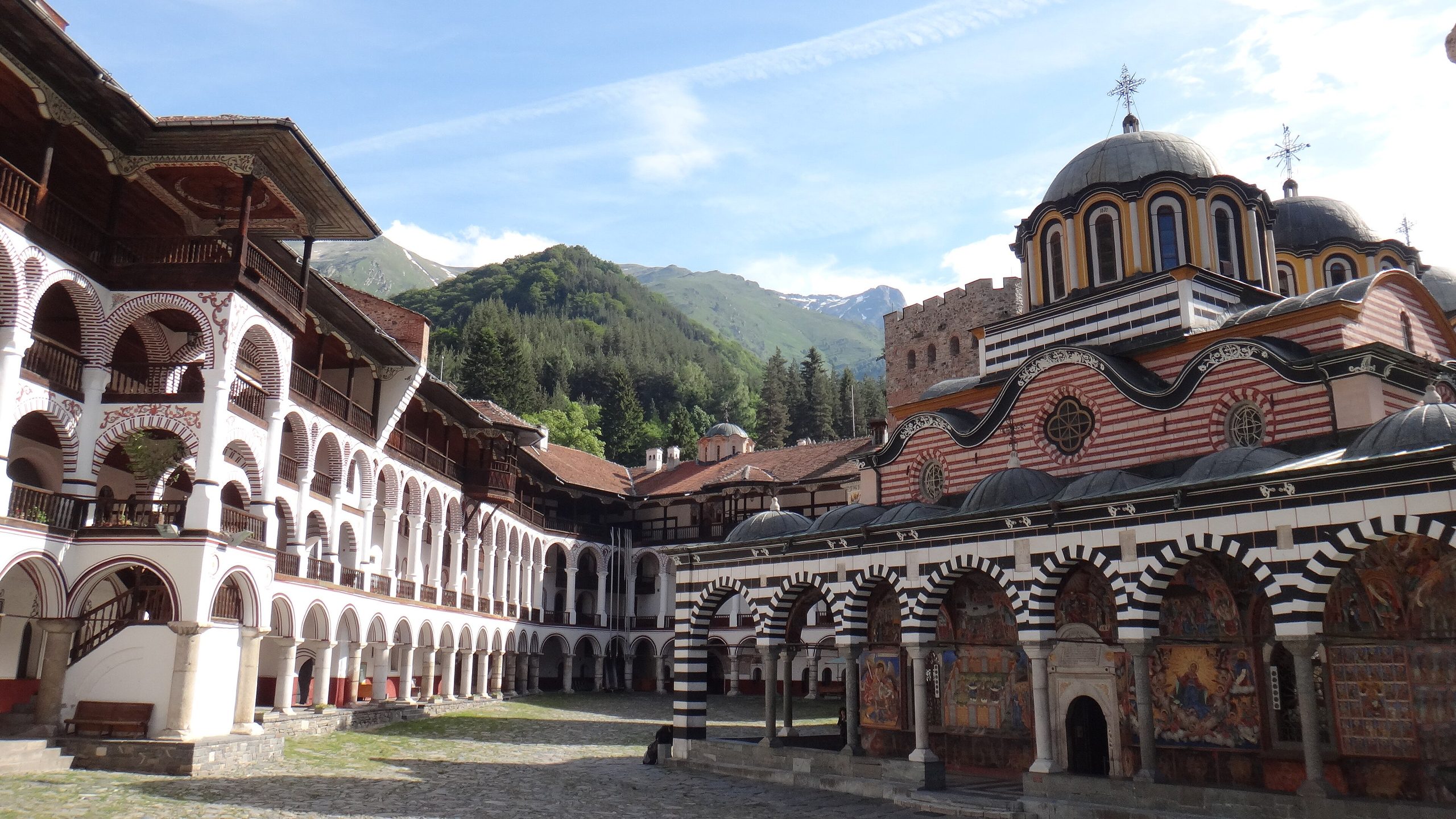
I wouldn't hire one for Sofia itself. The centre is walkable and parking is a fight. Plovdiv's Old Town is all steep cobbled lanes, so a car stays in the modern centre there. My usual plan is a car for 2 or 3 days in the middle of a trip and buses either side.
Taxis and ride-hailing in Bulgaria
Uber doesn't operate anywhere in Bulgaria, so you'll be using licensed, metered taxis. A licensed cab shows the company's name and its prices per kilometre on a sticker in the side window. Read it before you get in, because rates vary a lot between firms. I only get into yellow cabs with that sticker.
In Sofia I book through TaxiMe or OK Taxi, or ask my hotel to call one. OK Supertrans charges €1.50 to start and €0.75 a km by day, rising to €1.70 and €0.85 a km between 10pm and 6am, which puts a metered Sofia taxi from the airport to the city centre at about €13 to €14.
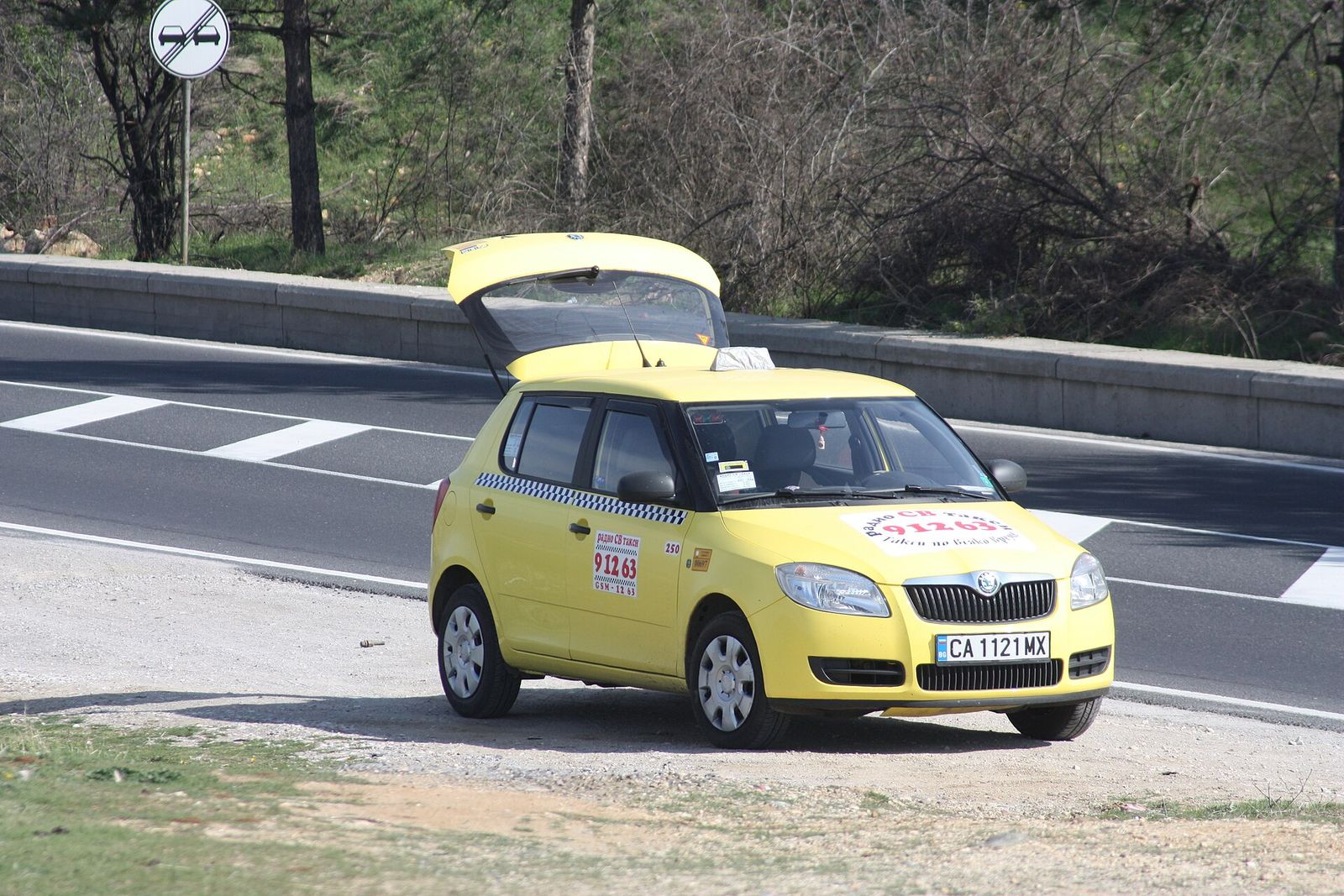
Outside Sofia, I use taxis for the last stretch of a public transport trip. Rila Monastery is under an hour from Blagoevgrad bus station by taxi, and Oreshets station to Belogradchik is a taxi ride too. I check the meter is running as we pull away.
Sofia to the Black Sea coast: flight, train or coach
The coast is as far from Sofia as you can get without leaving Bulgaria, and Varna and Burgas are its two hubs. By coach it's about 7 hours to Burgas, with FlixBus departures between 11.30am and 9pm, and up to about 9 hours to Varna. BDZ runs intercity fast trains to both cities, and if you drive, the Trakia motorway takes you to Burgas.
Bulgaria Air flies Sofia to Varna and Sofia to Burgas, and for a long weekend that short flight is the one I'd book. With a week, I'd fly one way and take the train the other. Once you're there, the beaches and old towns split between the wilder north around Varna and Nessebar and Sozopol near Burgas.
Getting around Bulgarian towns and cities
Sofia has the only metro in the country: four lines, €0.80 a ride, paid by tapping a contactless bank card on the barrier, with taps on the same card capped at €2 a day. In the capital I mostly walk, and Sofia's public transport covers the airport, the railway station and NDK.
The other towns visitors go to are small enough to walk. Plovdiv's Old Town is about 20 minutes on foot from the railway station. Veliko Tarnovo's station sits at the foot of the hills, about a 25-minute walk from the centre, so I take a taxi up with a suitcase. On Veliko Tarnovo's local buses you pay the conductor on board.
Cards work almost everywhere, but I carry €20 to €30 in small notes for conductors, minibuses and village taxis. Bulgaria switched to the euro on 1 January 2026, so any bus fare you see in leva is out of date: divide it by about 1.96 to get euros.
Which transport I'd pick for your trip
| Your trip | What I'd use |
|---|---|
| A weekend in Sofia with one day out | The bus to Plovdiv, or a hire car for one day to Rila Monastery |
| A week without a car | Buses between Sofia, Plovdiv and Veliko Tarnovo, then the train or a flight to the coast |
| Monasteries, rocks and mountain villages | A hire car for 2 or 3 days |
| Summer by the sea | A flight to Burgas or Varna |
| On to Istanbul or Bucharest | The night train to Istanbul or the day train to Bucharest |
For a first trip of a week to 10 days, I'd build a week in Bulgaria on the bus and train line through Plovdiv and Veliko Tarnovo, and hire a car only for the Rila and Belogradchik days.
Key takeaways
- The bus is my default between towns: about 2 hours and €8.50 to €11 from Sofia to Plovdiv, from the Central Bus Station.
- BDZ trains are cheaper and slower, with fares set by day and time and sold on the BDZ site.
- UK drivers need a full photocard licence, headlights on all day, a 0.05% drink limit and an e-vignette bought online.
- There's no Uber, so book a licensed metered taxi by app and read the tariff sticker first.
- For the coast, fly Bulgaria Air to Varna or Burgas, or allow 7 to 9 hours on the coach.
Frequently asked questions
Does Bulgaria have Uber?
No, Uber doesn't operate in Bulgaria. Use licensed metered taxis, booked through an app such as TaxiMe or OK Taxi, by phone or at the official desk in Sofia Airport's arrivals hall.
Is driving on the left or right in Bulgaria?
Bulgaria drives on the right, and you overtake on the left. Headlights must be on at all times, even on a sunny afternoon, and the limits are 50 km/h in towns, 90 km/h outside and 130 or 140 km/h on motorways.
Does Bulgaria have a train system?
Yes. BDZ, the state railway, runs trains from Sofia to Plovdiv, Burgas, Varna, Blagoevgrad, Vidin and many smaller towns, plus international trains to Istanbul and Bucharest. Trains are cheap and slower than the buses, and you can book online at bileti.bdz.bg.
What is the cheapest way to travel around Bulgaria?
The train is usually cheapest. Sofia to Plovdiv costs about €5.60 by train against €8.50 to €11 by bus, though the bus is quicker and needs no change. Most 2 to 3 hour bus trips cost about €9 to €18.
Do I need an international driving permit for Bulgaria?
Not with a UK photocard licence. You'd only need an International Driving Permit if your licence has no photo. Car hire firms usually want you to be 21 or over and to show your passport as well.
How do I buy bus tickets in Bulgaria?
Buy them at the bus company's window in the bus station, or online. Union Ivkoni and Karat-S sell on their own sites, BusTicket.bg covers several companies, and FlixBus sells through its app. I book a day or two ahead for Friday evenings and Sunday afternoons.
Is it safe to travel around Bulgaria by bus and train?
Yes, with the same care you'd take on a London bus. Pickpockets work the big stations, buses and trains, so keep your phone and passport on you. Sofia is safe for visitors too, and the scams to watch there are unlicensed taxis and inflated bills in strip clubs.
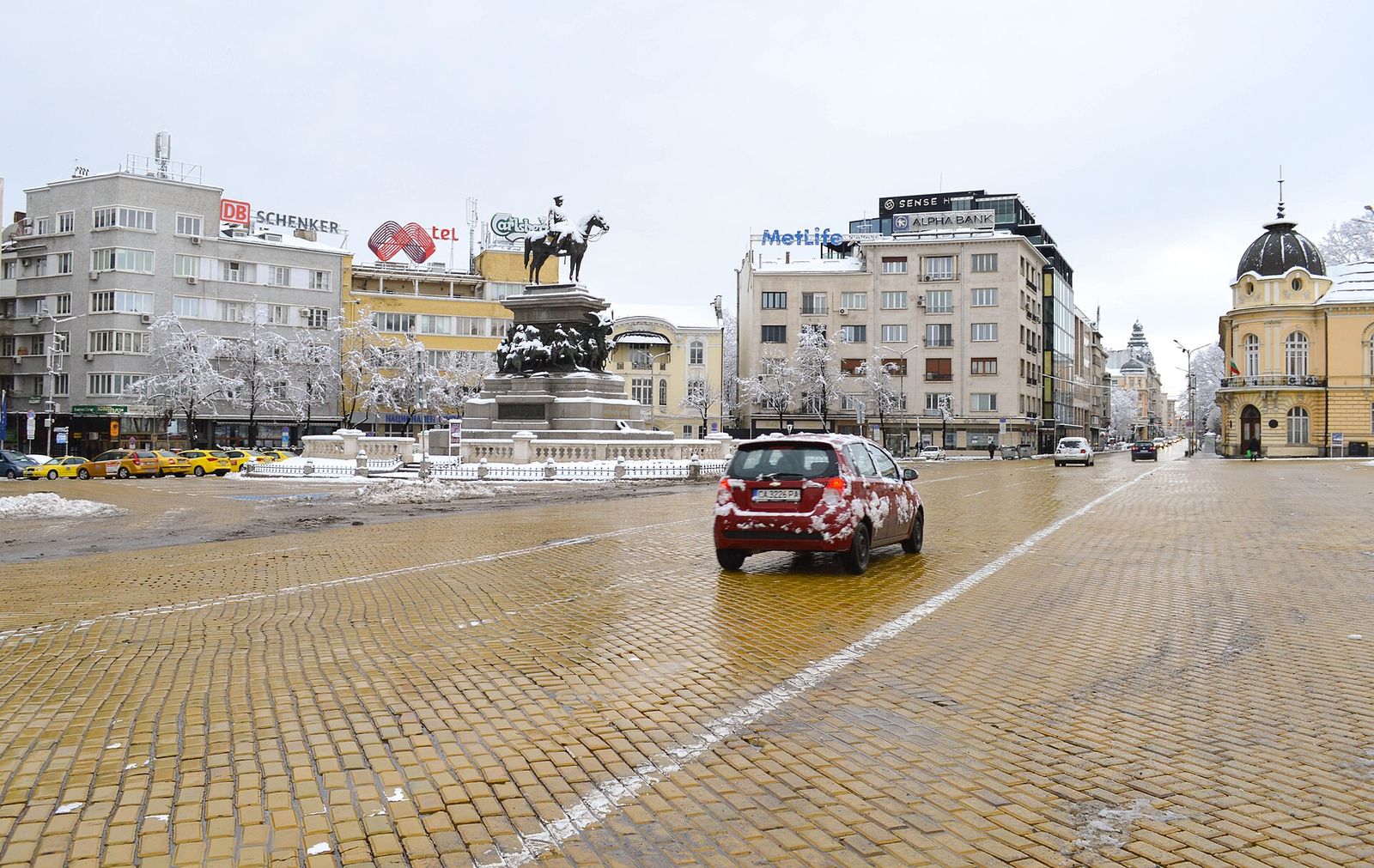
Sofia Travel Tips: What I'd Tell You Before a First Trip to Bulgaria
What I tell friends before their first Sofia trip: visas, the euro, the airport metro, taxis and the head nod.
Read the guide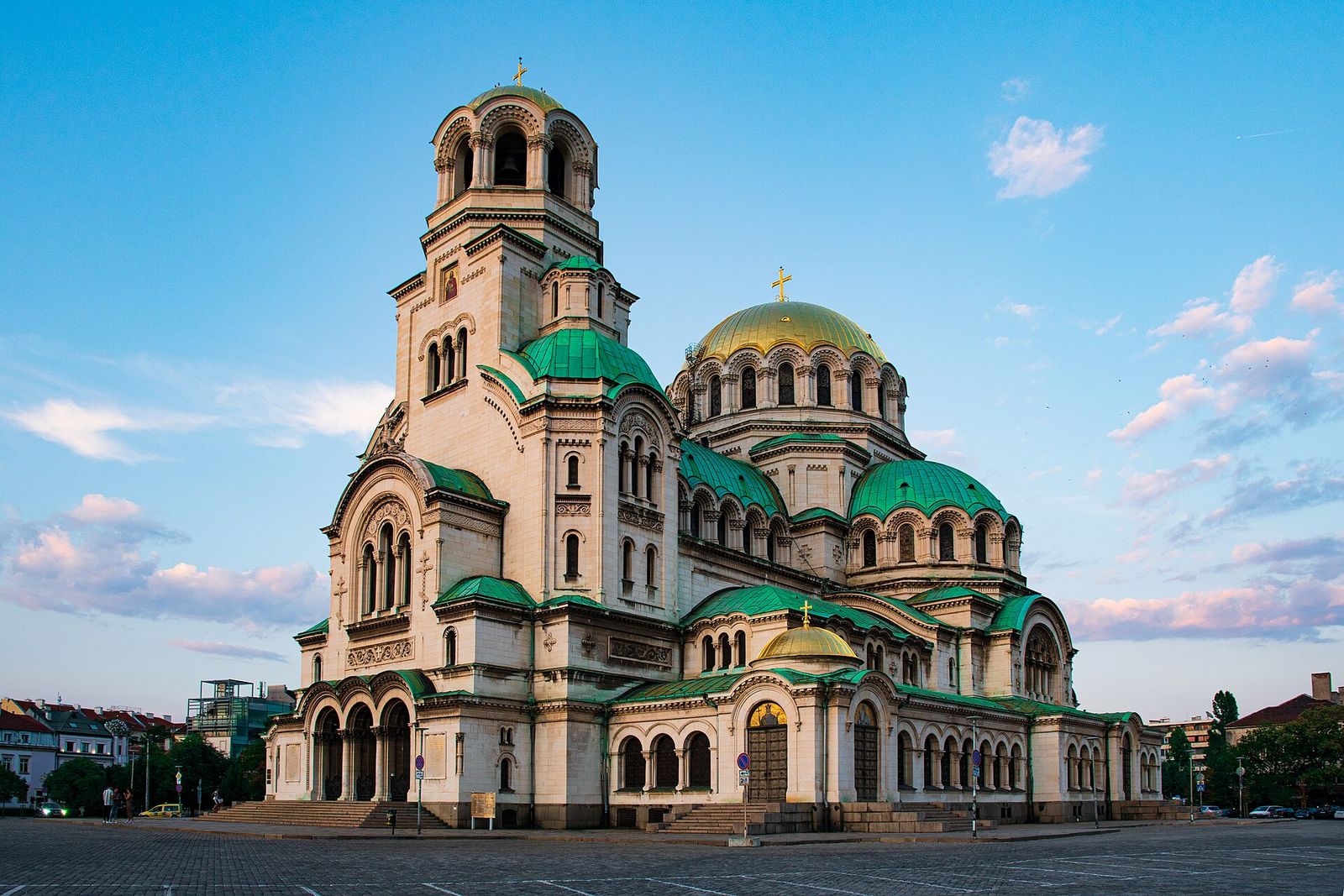
My Perfect Weekend in Sofia: A 2-Day Plan with Costs
How I would spend 48 hours in Sofia: what to see, where to eat, the Saturday night out and what it all costs.
Read the guide
Flights from the UK to Sofia: Airlines, Airports and Fares
Which airline flies to Sofia from which UK airport, how long it takes, the fares I saw and getting into town.
Read the guide