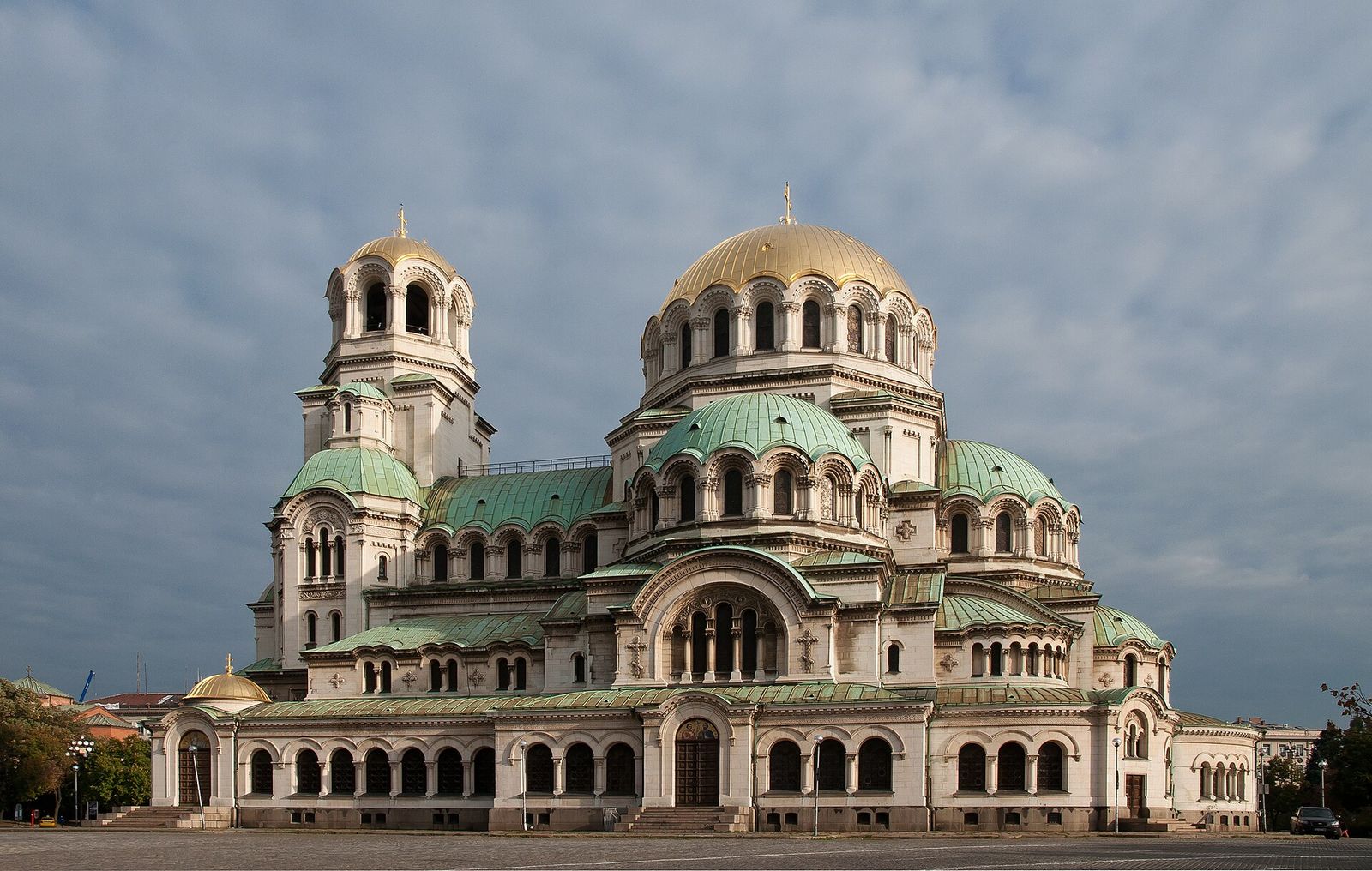
My Sofia Itinerary: How I'd Spend 3, 4 or 5 Days
Sofia's centre fits into a weekend, but the city has a 2,290-metre mountain on its southern edge and two of Bulgaria's best day trips within 150 km, so I always tell friends to stay longer. This is the plan I give anyone with three to five days: one area a day, Rila Monastery and Plovdiv done by bus or train, and what each day costs in euros.
My Sofia itinerary at a glance: 3, 4 or 5 days
The first three days are the core, and each extra day adds one thing. The costs below are per person for sights and local transport; food comes on top.
| Day | Plan | Getting around | Sights and transport |
|---|---|---|---|
| 1 | Alexander Nevsky, Serdica, the hot springs, Zhenski Pazar, Vitosha Boulevard | On foot | Free |
| 2 | Boyana Church, then Boyana Waterfall or the National History Museum | Taxi, or metro and bus | About €20 in summer, €35 to €39 in winter |
| 3 | Rila Monastery | Bus to Blagoevgrad and a taxi, or 2 hours by car | About €16 plus the taxi, museum €12 extra |
| 4 | Museum of Socialist Art, St Sofia underground, the history museum, the synagogue | Metro and on foot | About €29 |
| 5 | Plovdiv | Bus or train, 2 to 3 hours each way | €19 to €24 by bus, about €13 by train |
With only two nights, I squeeze Days 1 and 2 into a weekend in Sofia, Friday night to Sunday. Three days ends at Rila. On a four-day trip I'd still spend the extra day in the city, because two long bus days back to back wear people out, and Plovdiv waits for day five.
Day 1: Alexander Nevsky, Roman Serdica and the old centre on foot
Day 1 is the walk I do with every visitor on their first day, and every stop on it is free. It starts at the cathedral and finishes at sunset at the bottom of Vitosha Boulevard.
Morning: banitsa, Alexander Nevsky Cathedral and the Russian Church
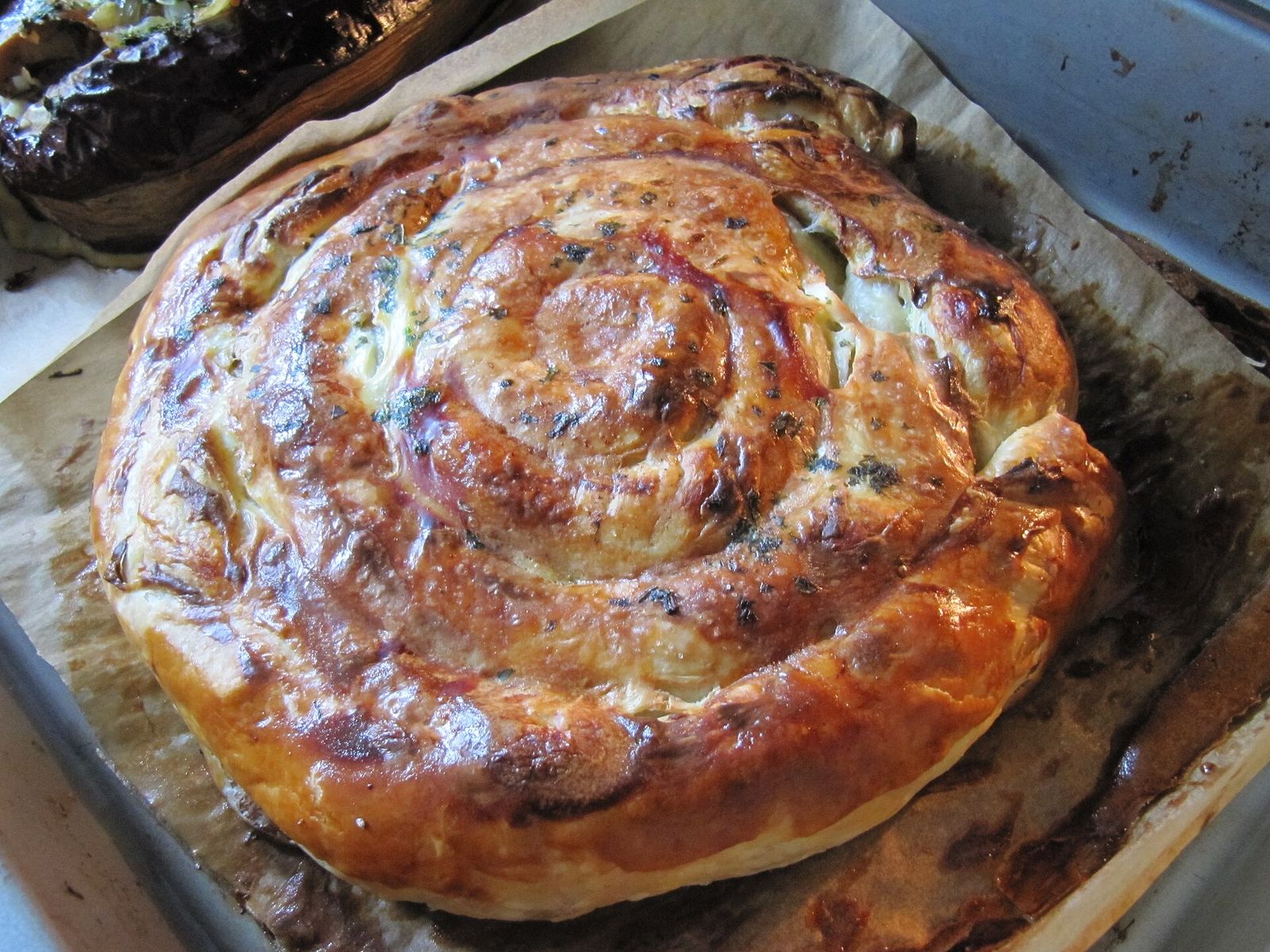
Breakfast is banitsa, filo pastry baked with egg and salty white cheese, eaten standing up with a carton of ayran, the salted yoghurt drink. I buy mine from one of the banitsa bakeries in Sofia on the way to the cathedral, while the trays are still hot.
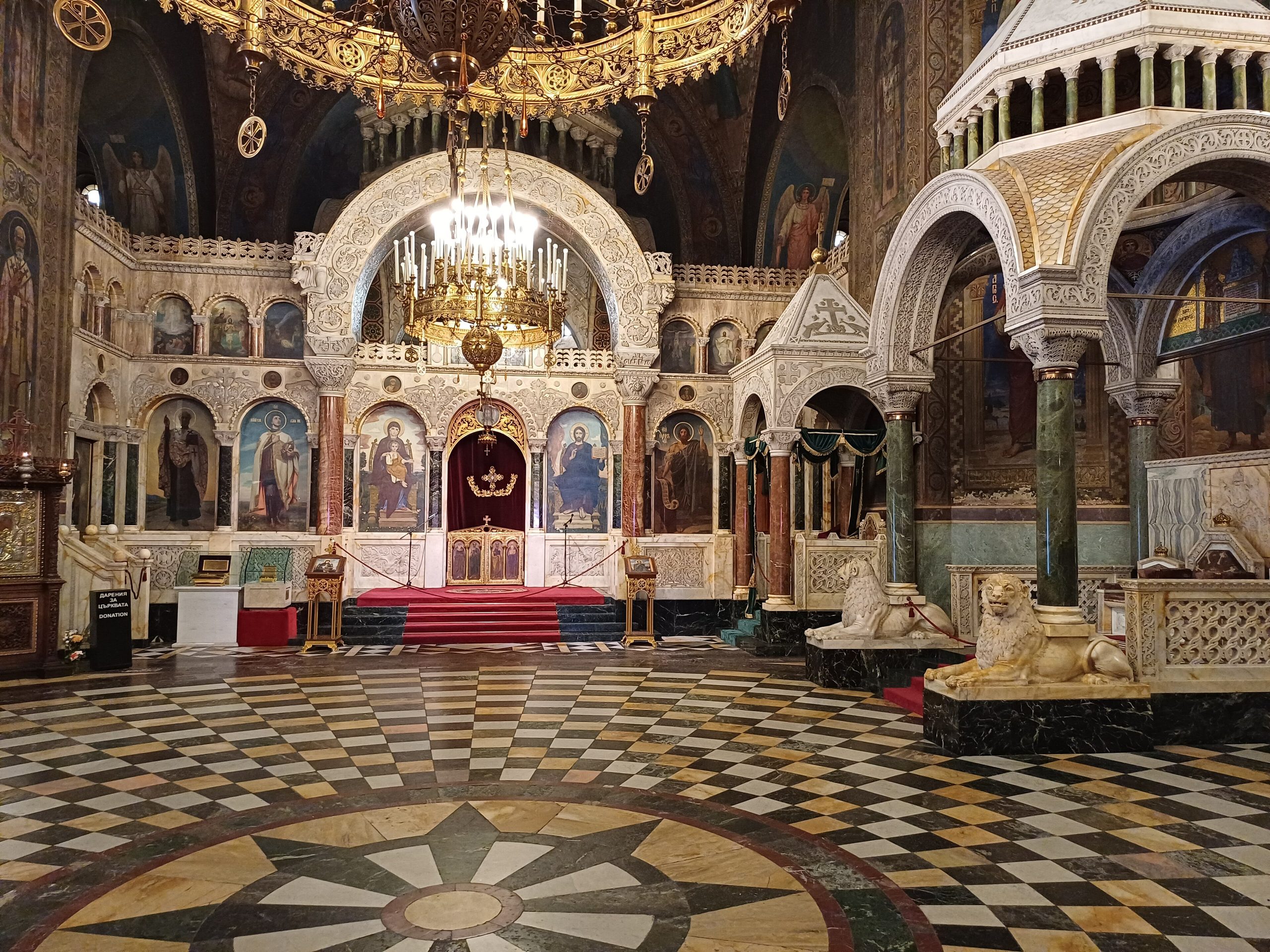
Alexander Nevsky Cathedral opens at 7am every day and costs nothing to enter. It went up between 1882 and 1912 for the soldiers who died in the Russo-Turkish War of 1877 to 1878, and it stands 50.52 metres high. Inside it's dark and candlelit, and a permit for a proper camera is about €5 at the candle stand.
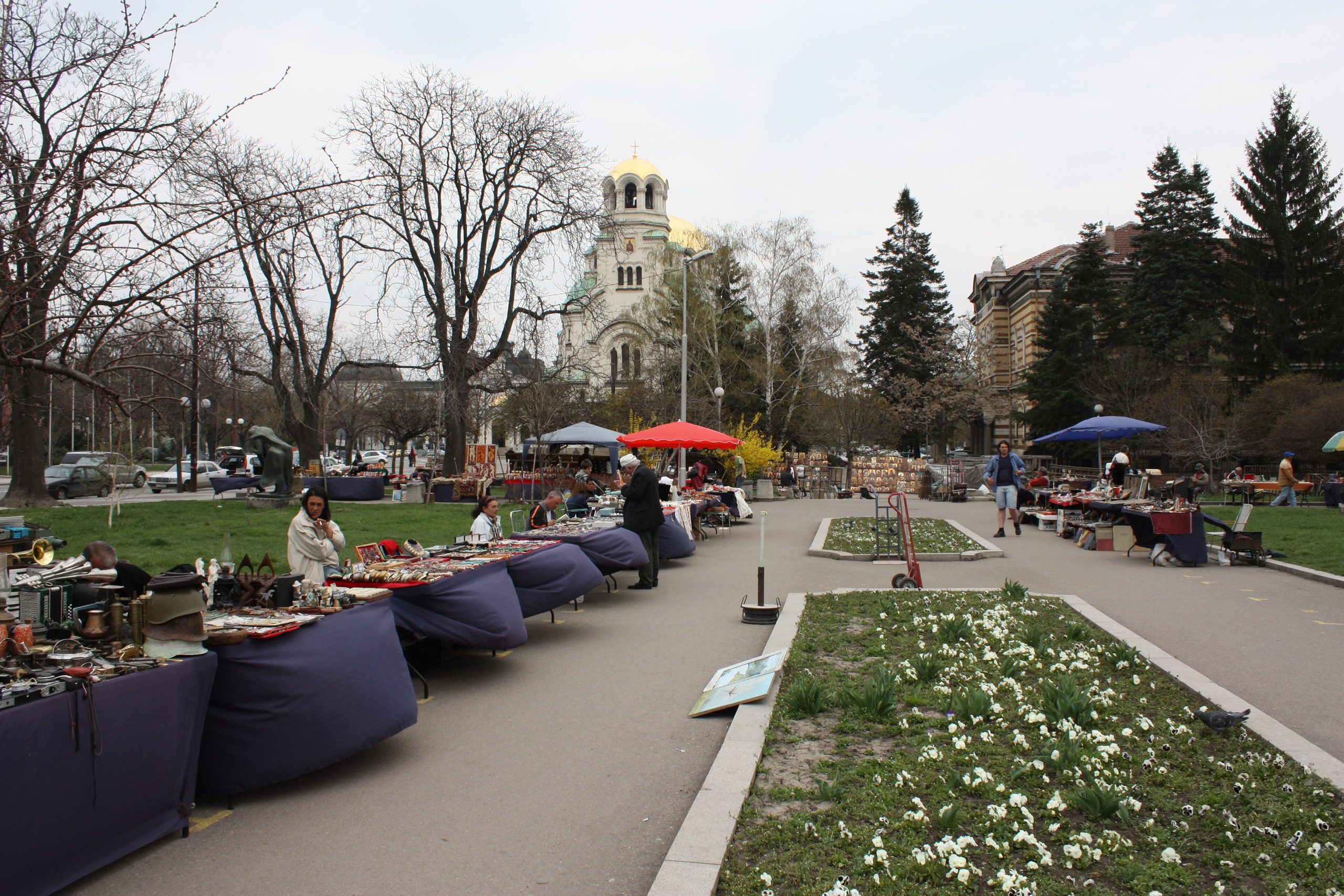
The stalls in the garden beside it make up the antiques market at Alexander Nevsky: icons, Soviet medals, old film cameras and embroidered tablecloths. Bring cash and haggle politely.
Then head for the gold onion domes of the Russian Church, built between 1907 and 1914 on the site of a mosque. Go down to the crypt, where people write wishes on scraps of paper and leave them in a box by the tomb of Archbishop Seraphim. Photos are banned inside, so keep the phone in your pocket.
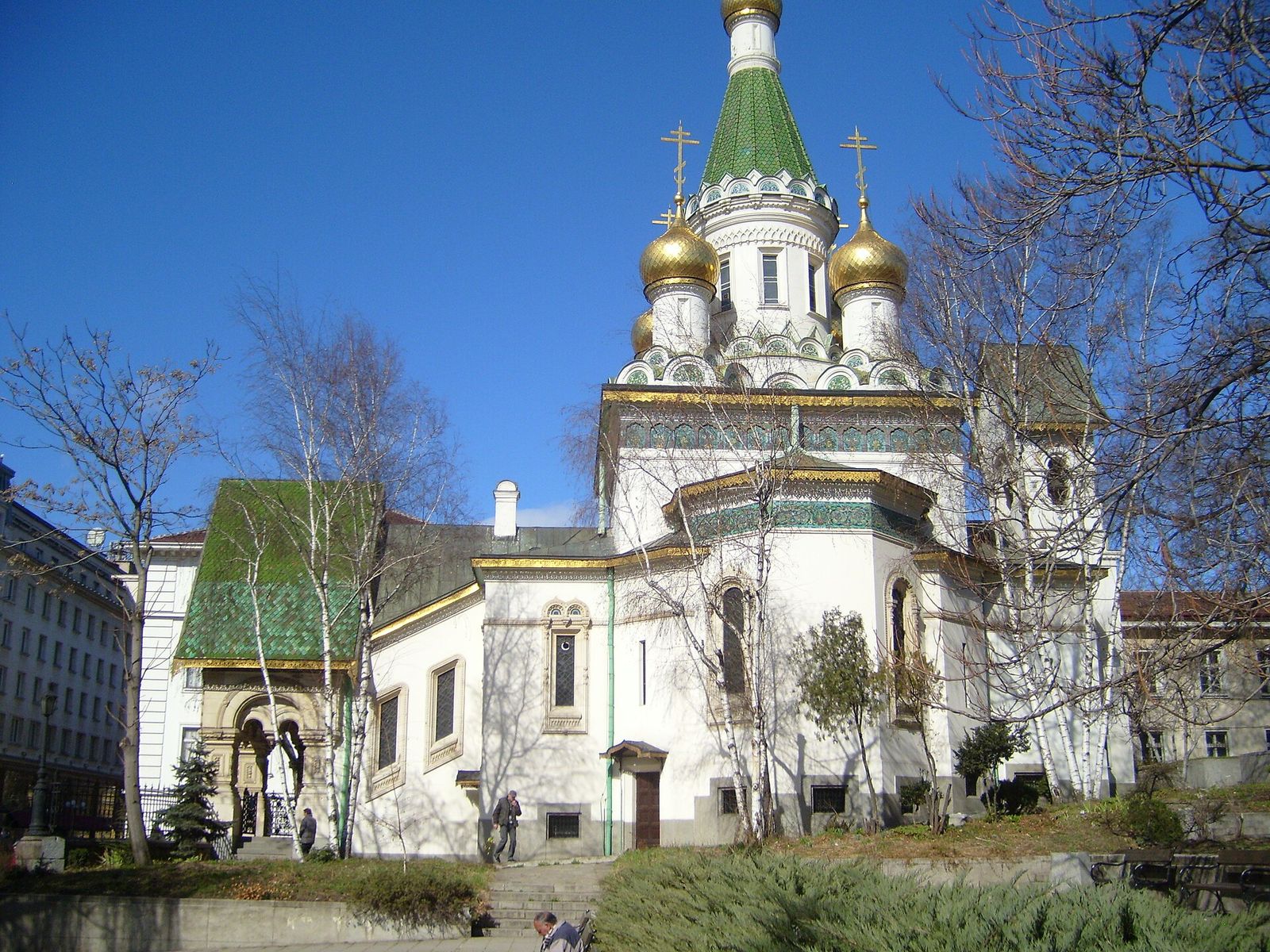
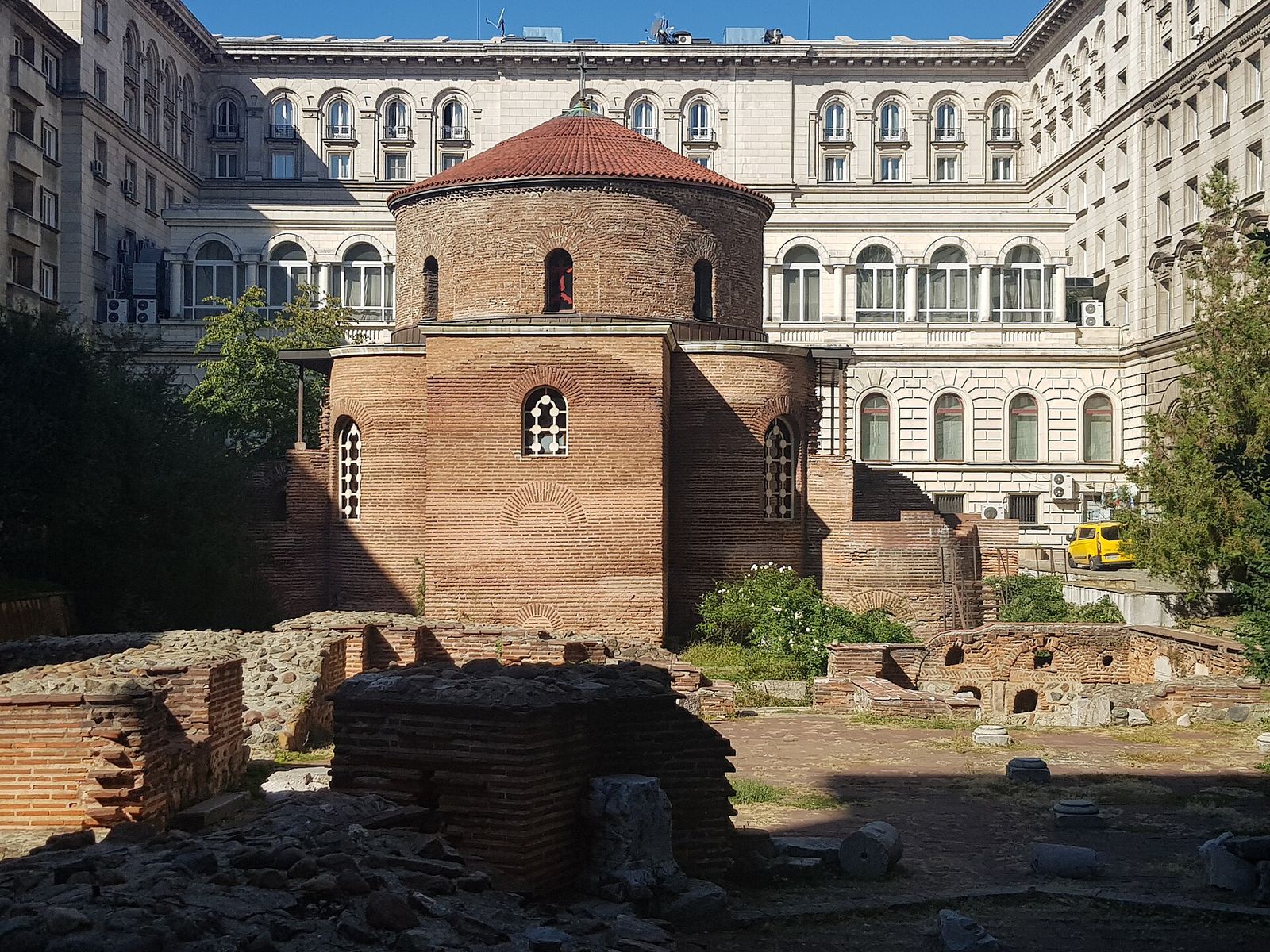
Late morning: the Rotunda, Serdica and four places of worship
The Rotunda of St George is a 4th-century red-brick church in a courtyard behind the Presidency, and the oldest building still standing in Sofia. Three layers of frescoes survive inside, the earliest from the 10th century, with 22 prophets painted round the dome. Entry is free from 8am to 7.30pm.
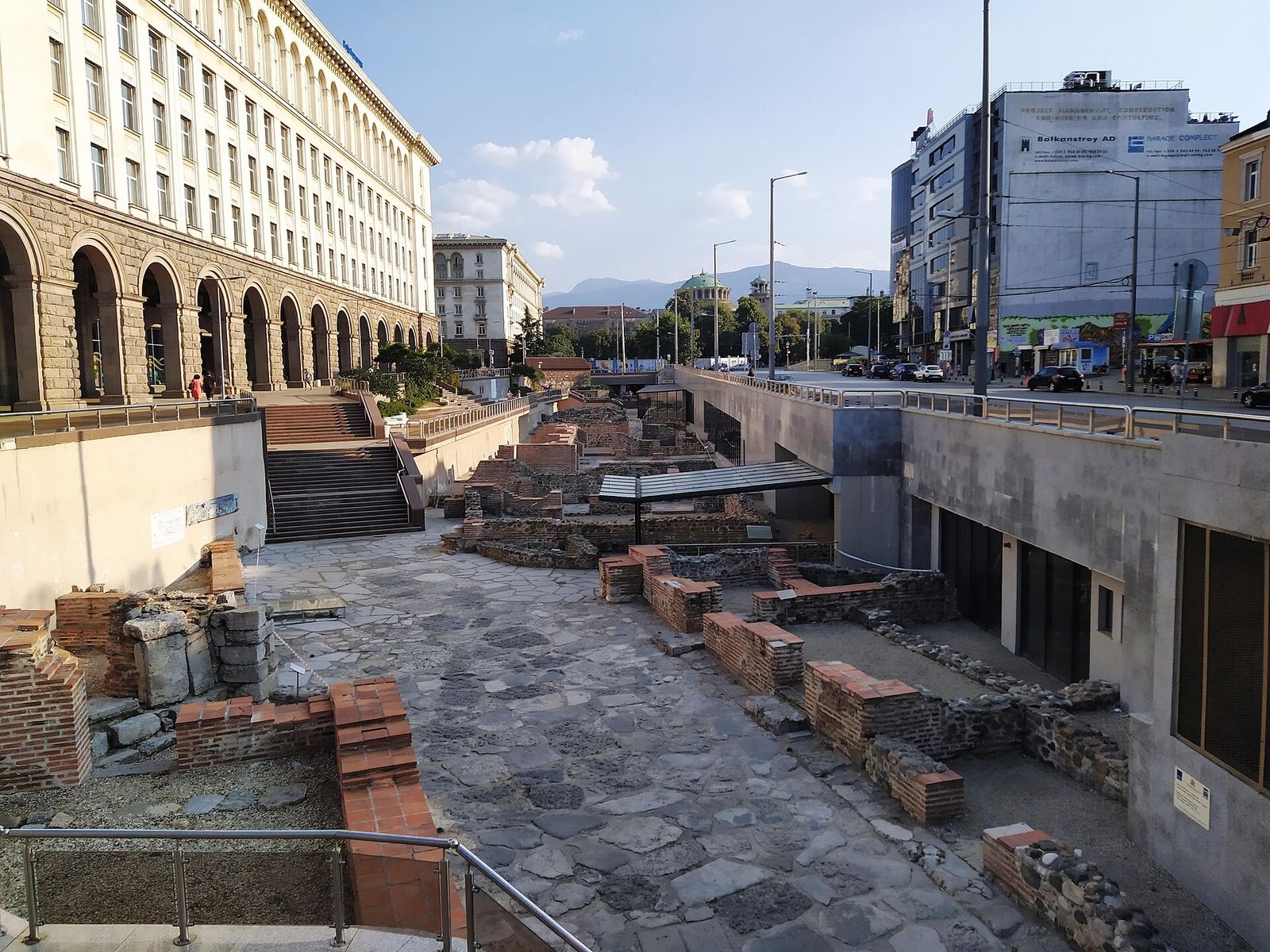
Back past the guards, the excavated streets of Roman Serdica fill the concourse of Serdika metro station, free to walk through on your way to the trains. The Romans took the area around 29 BC, the Huns destroyed the city in the 5th century and the emperor Justinian rebuilt it.
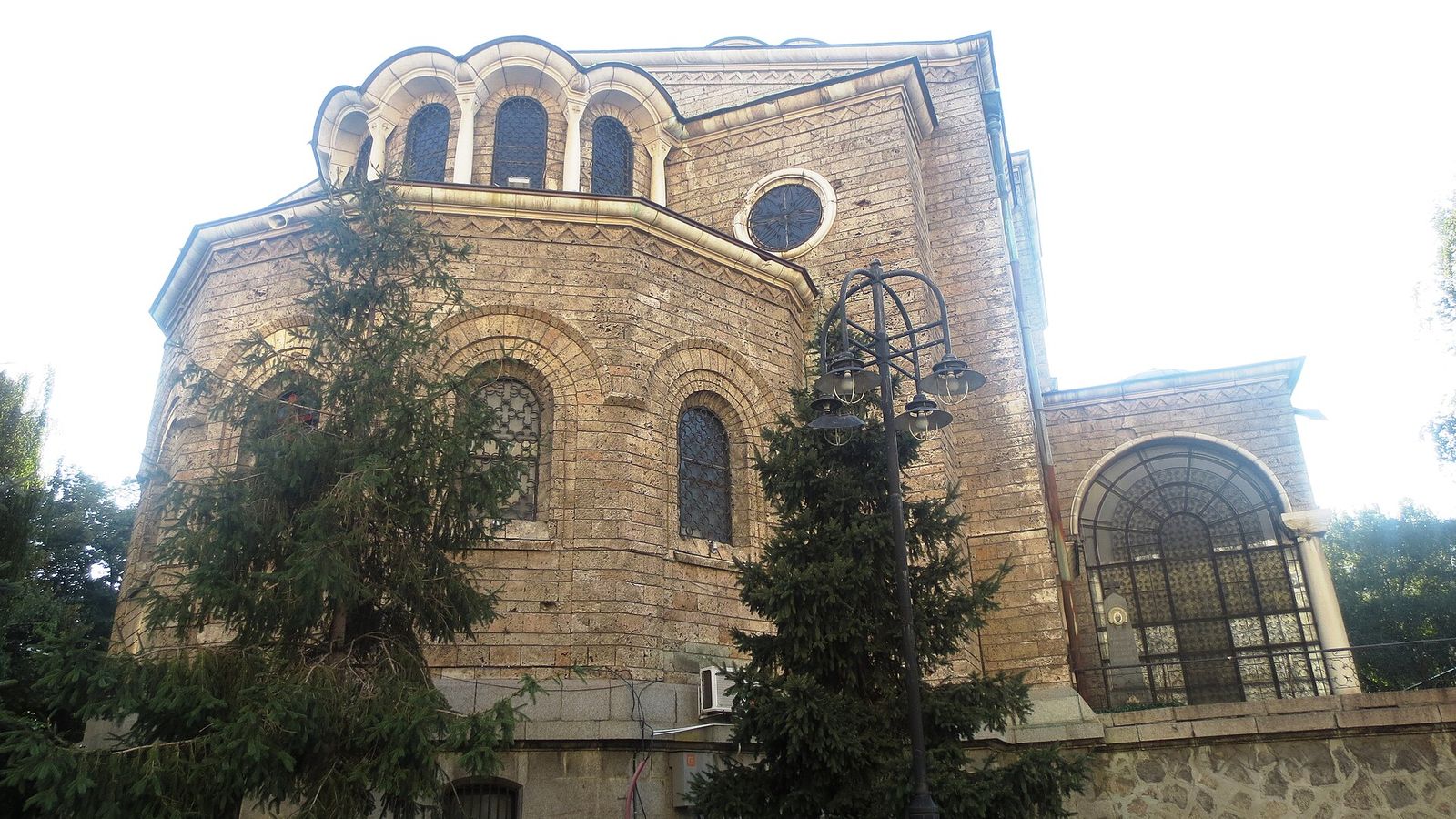
Four places of worship stand within a few minutes of each other here. St Nedelya, the Orthodox church on St Nedelya Square, stands where a church has stood since the 10th century, and a bomb attack inside it killed 150 people in 1925. It's free and open from 7am to 7pm.
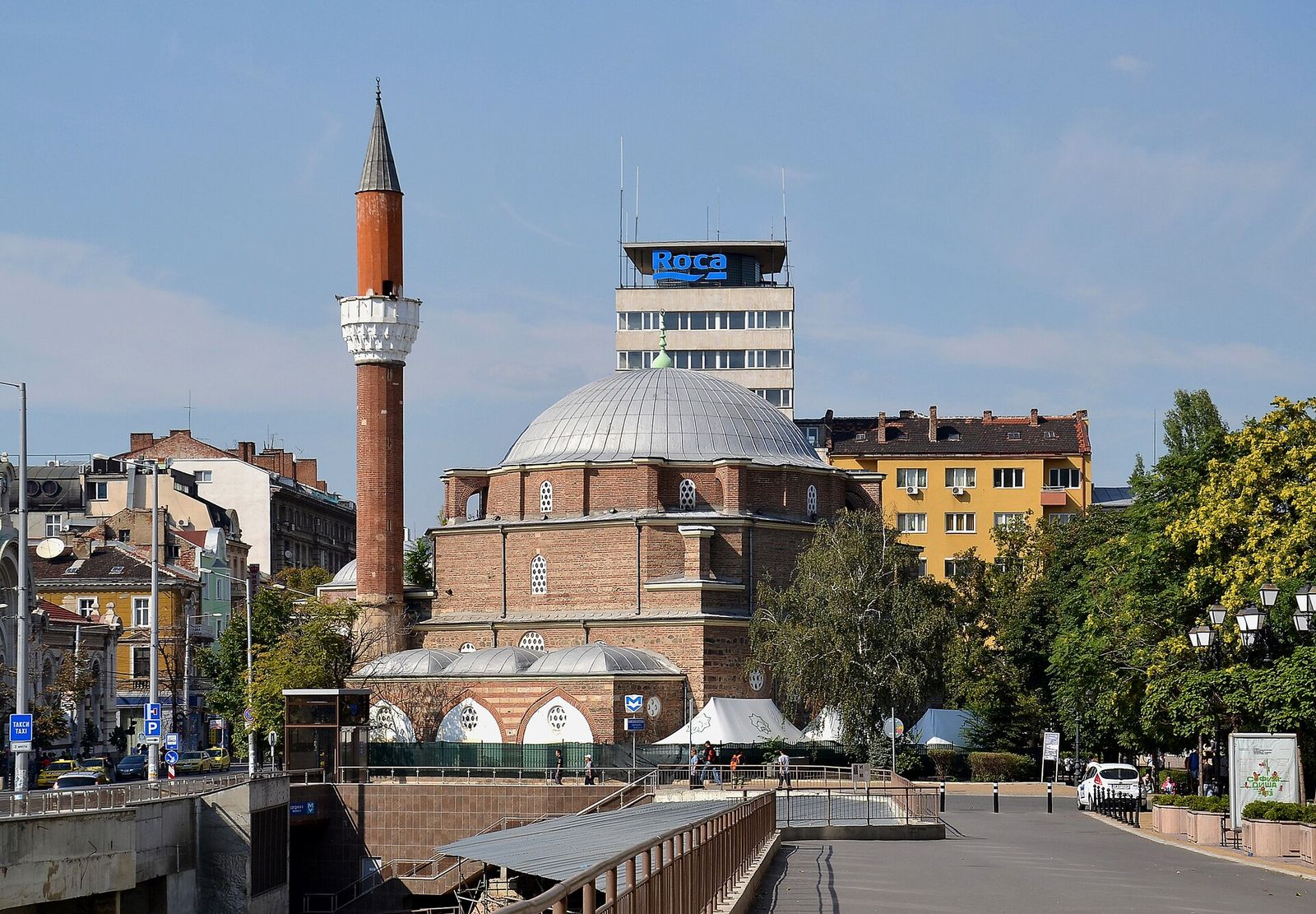
Banya Bashi Mosque, built in 1566 over a Roman bath-house, is the only working mosque in Sofia. Visitors are welcome between prayers if they dress modestly. The synagogue and St Joseph's Catholic cathedral are close by, and I leave the synagogue for Day 4, when there's time for its museum.
Lunchtime: the hot springs and Zhenski Pazar
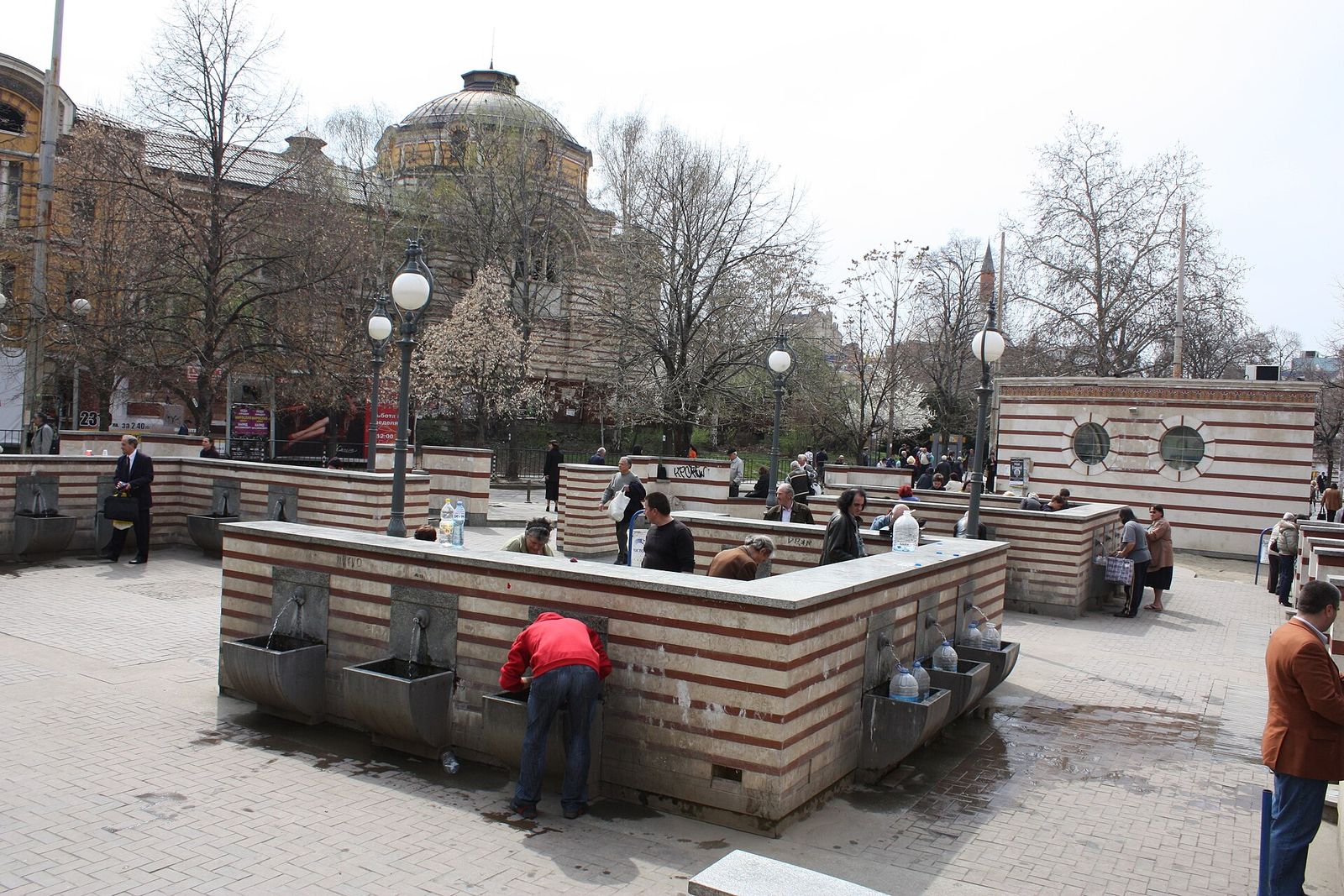
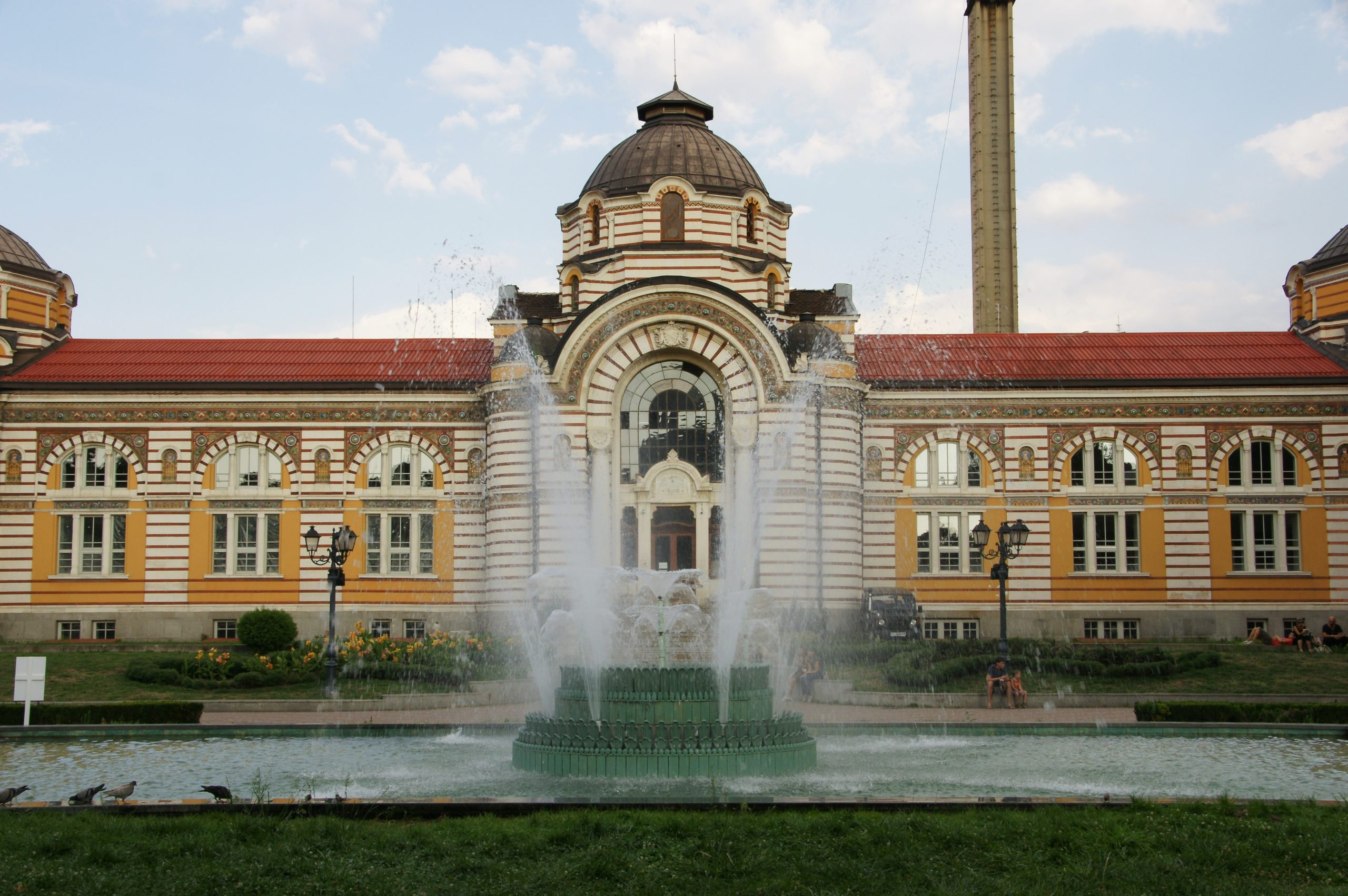
Across the square from the mosque, a row of taps along the side of the old Central Mineral Baths runs hot mineral water for free. People have used Sofia's springs since the 6th century BC, and locals still queue here with bottles and canisters. Bring an empty bottle and let the water cool before you drink it.
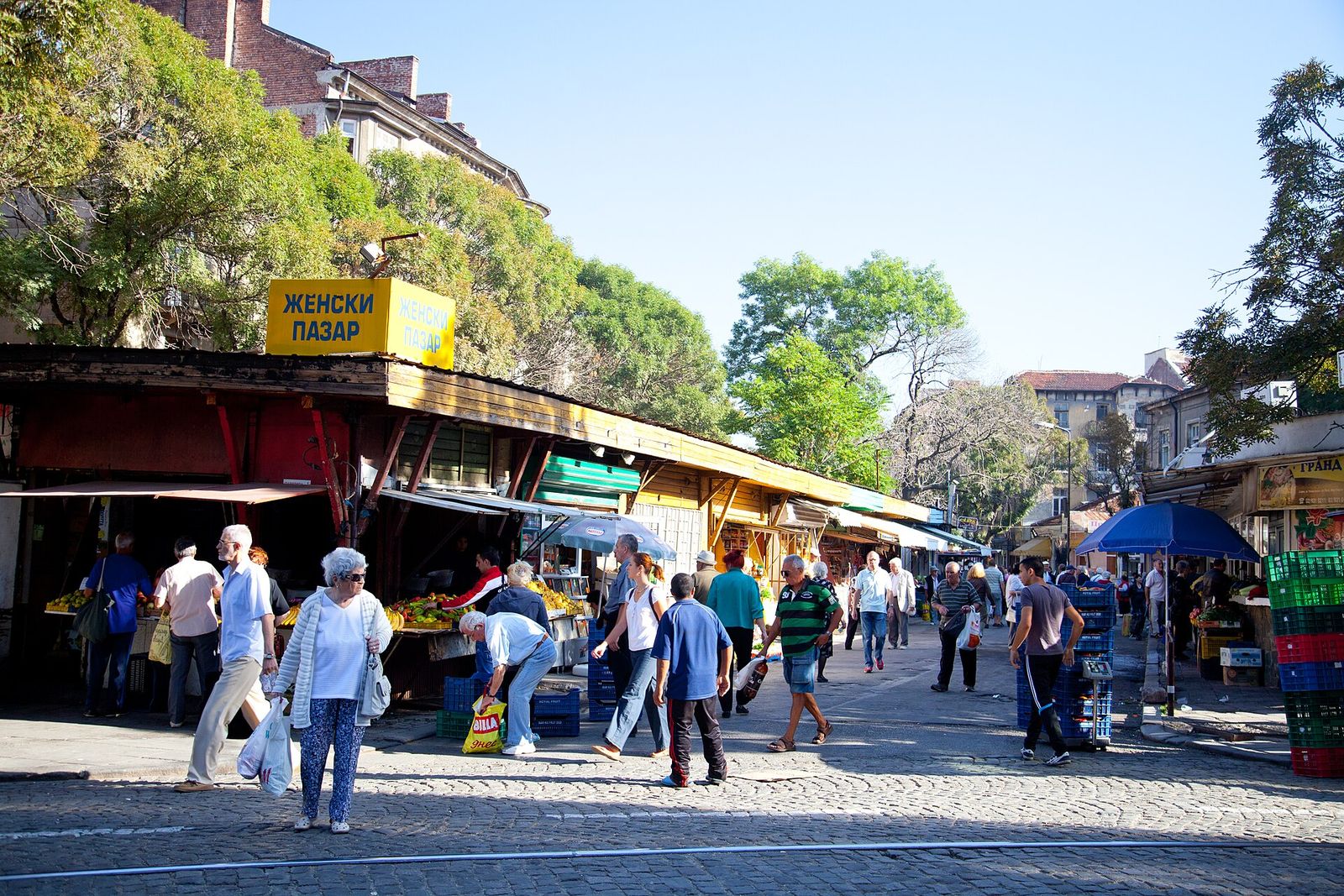
Zhenski Pazar, the Women's Market (Женски пазар), is a long strip of stalls on Stefan Stambolov Boulevard, a short walk west of the mosque. It sells fruit, vegetables, spices, honey and white cheese, so I buy cherries or apricots here in summer and eat them on the walk. Keep a hand on your pockets in the crowd.
Lunch is the cheap meal in Sofia. On weekdays many restaurants put out a set lunch menu (обедно меню) for €6 to €7.
Late afternoon: Vitosha Boulevard, NDK and South Park
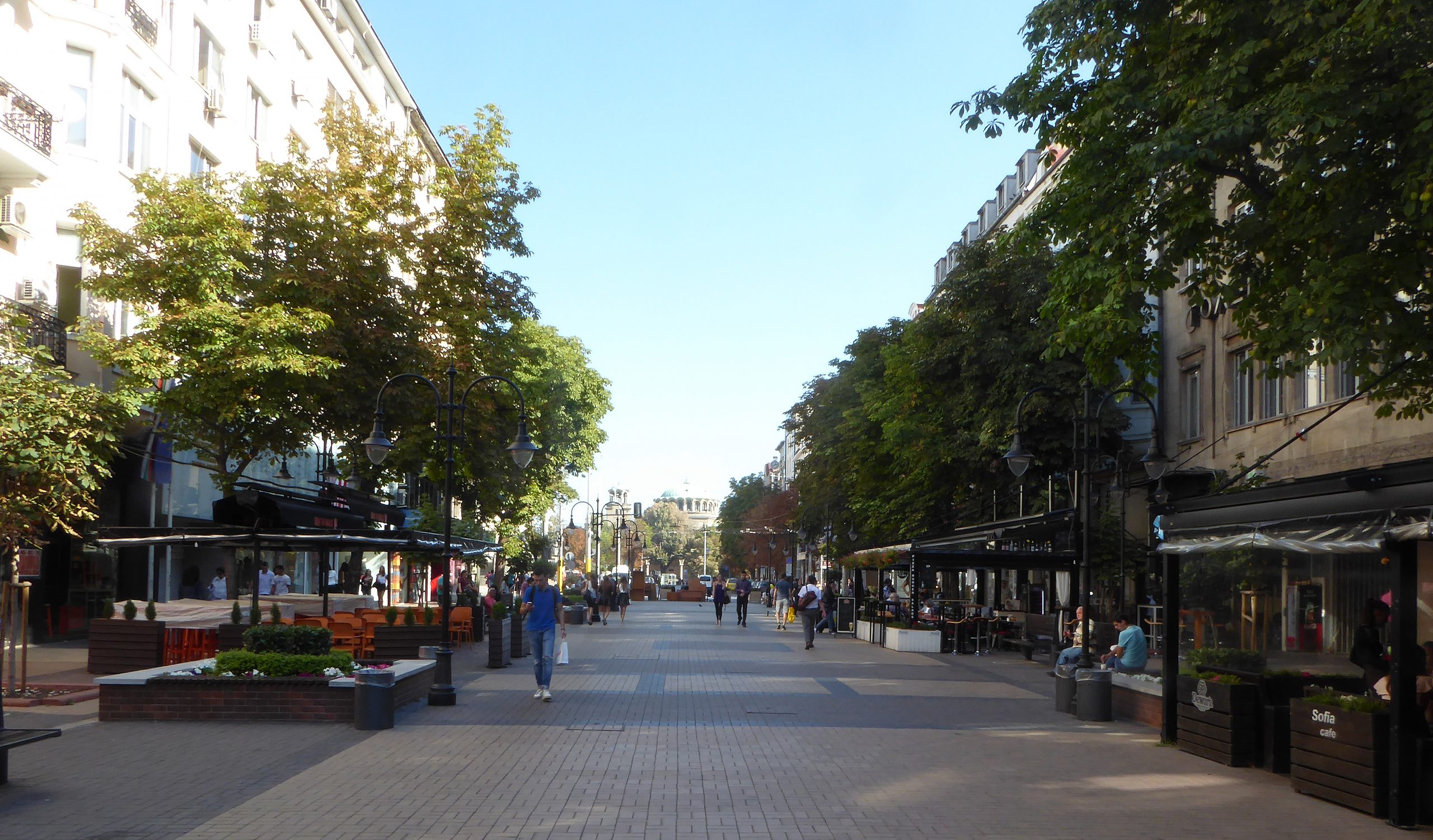
Vitosha Boulevard runs 2.7 km from St Nedelya Square to South Park, and its central stretch is pedestrian. On a clear evening the mountain it's named after closes off the end of the view. I start walking about an hour before sunset, when the cafe terraces fill.
At the bottom stands the National Palace of Culture, NDK to everyone in Sofia, a huge communist-era concert and conference hall with a long park and fountains in front. Skateboarders and families fill the park on summer evenings.
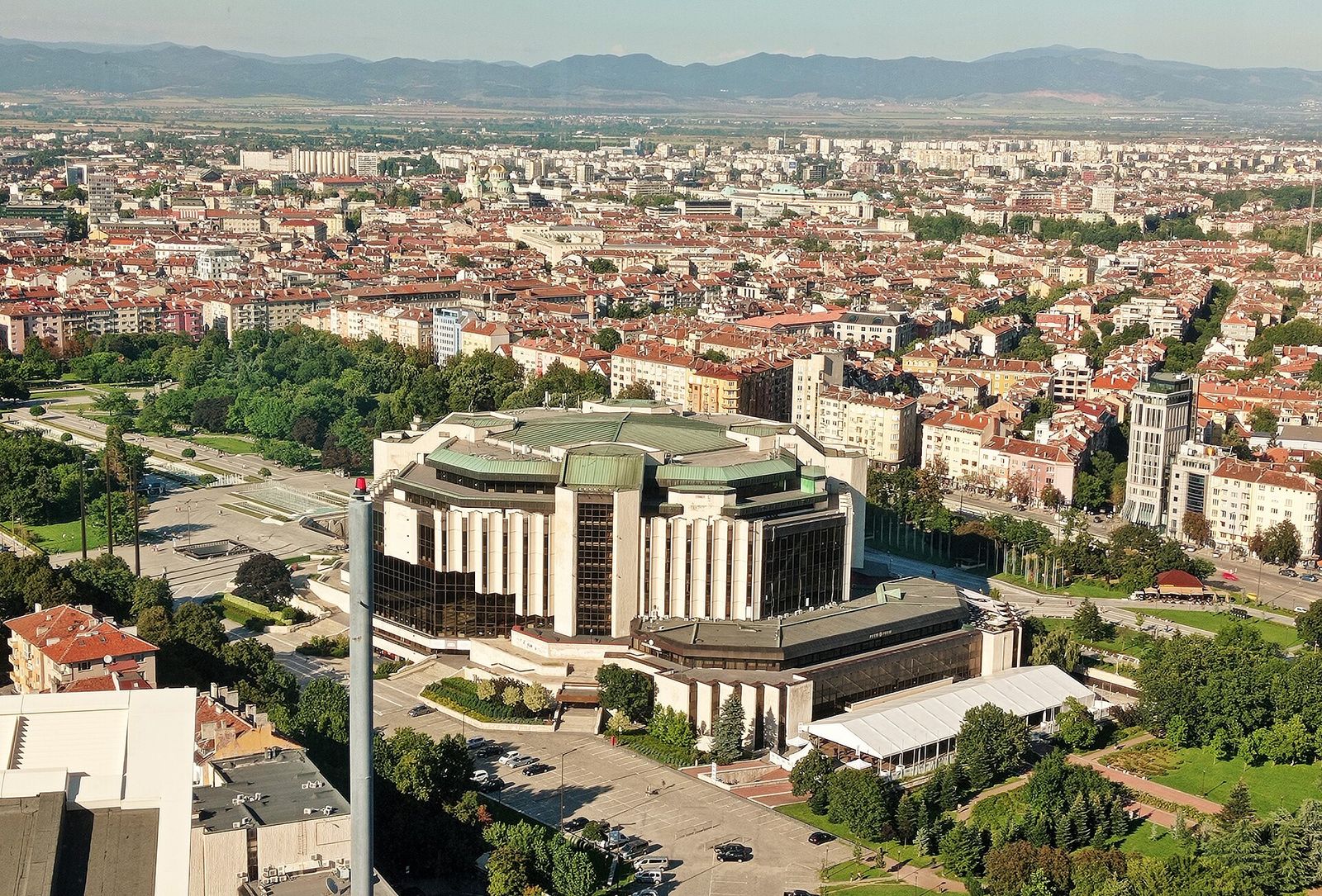
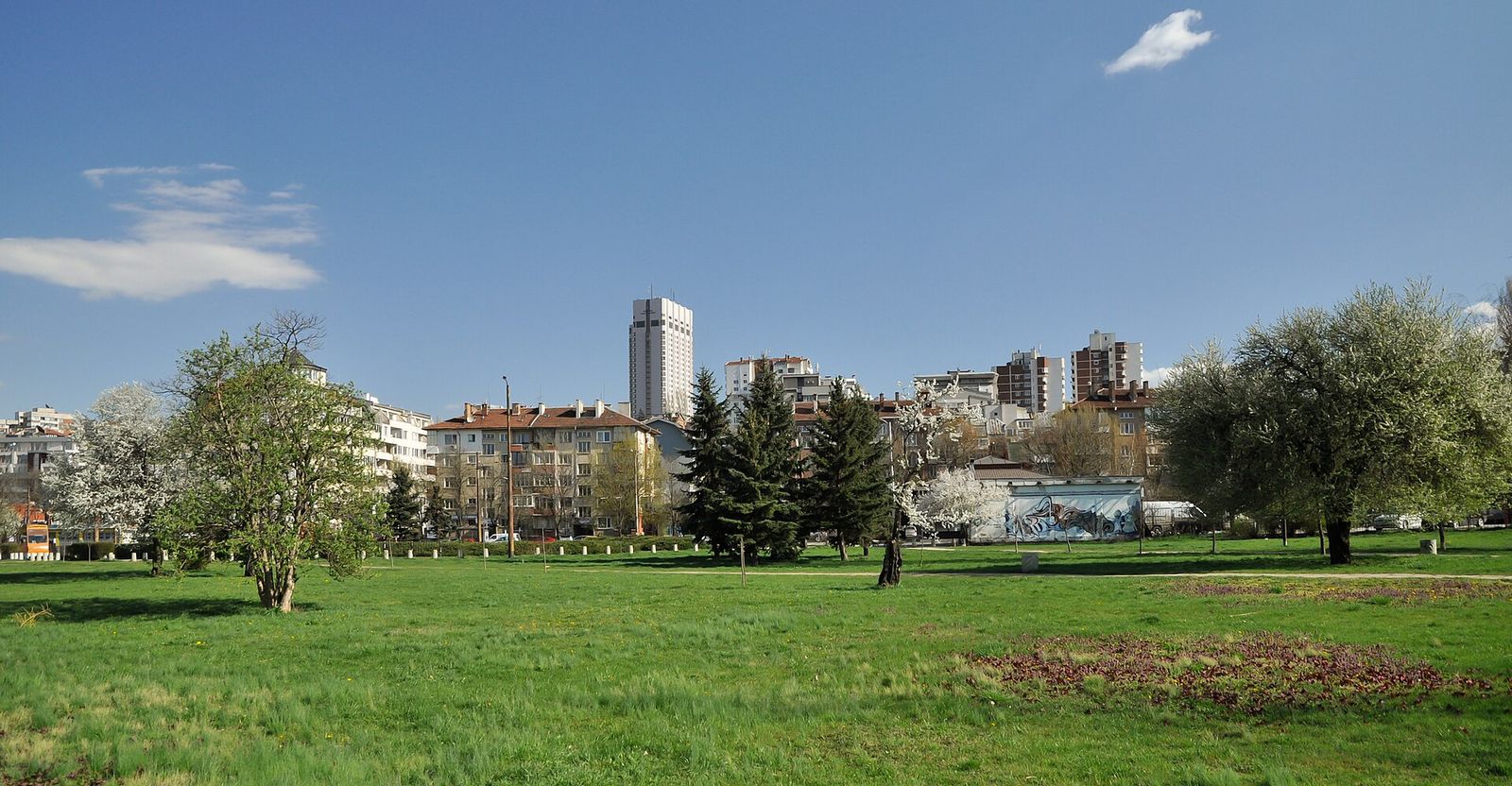
Cross the road behind NDK into South Park (Южен парк), the long run of lawns I'd pick from all of Sofia's parks for watching Vitosha turn pink at sunset. NDK metro station gets you back to the centre for €0.80.
Dinner on Day 1 is Moma, at Solunska 28, a few minutes' walk from Vitosha Boulevard. It cooks Bulgarian folk recipes with a lighter hand, and it's my pick from Sofia's restaurants for a first night. Book a day or two ahead for Thursday to Saturday.
Day 2: Boyana Church and a hike on Vitosha
Day 2 heads to the foot of the mountain, about 8 km south-west of the centre. Get to the church for opening time and you'll be on the trail, or in the museum, by mid-morning.
Boyana Church at opening time
Boyana Church is tiny, and it has been on the UNESCO World Heritage List since 1979. The main layer of frescoes dates from 1259, and the donor portraits of Sebastocrator Kaloyan and his wife Desislava look like real people. From 1 November to 31 March it opens at 9am, and from 1 April to 31 October at 9.30am. Tickets are €10, or €3 for students and children over 7.
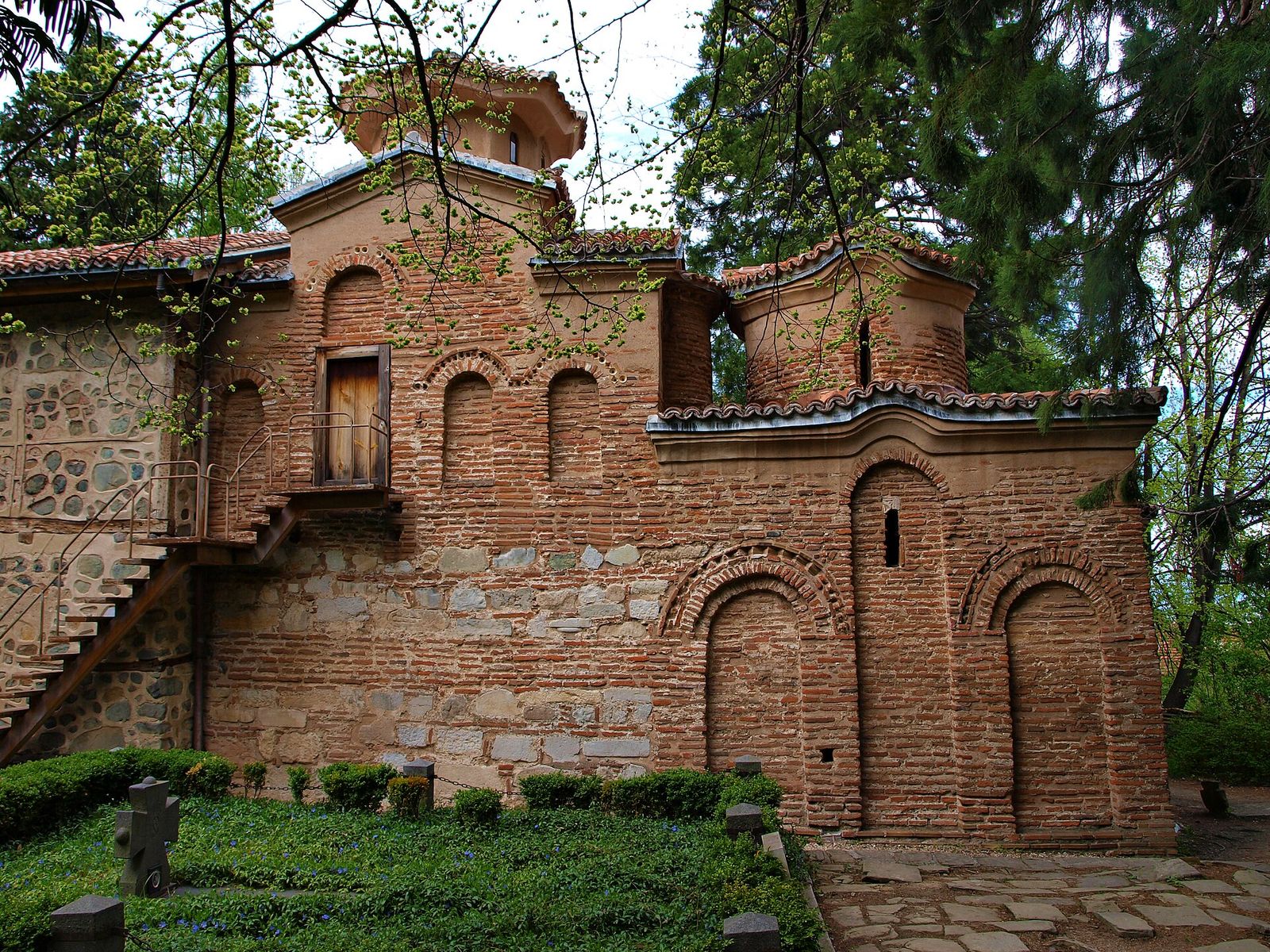
A metered taxi from the centre comes to about €8 to €10 by day. The cheaper way is the M3 metro to Krasno Selo, then bus 65 to its Boyana Church stop, at €0.80 a ride.
In summer: Boyana Waterfall, or a full day on Cherni Vrah
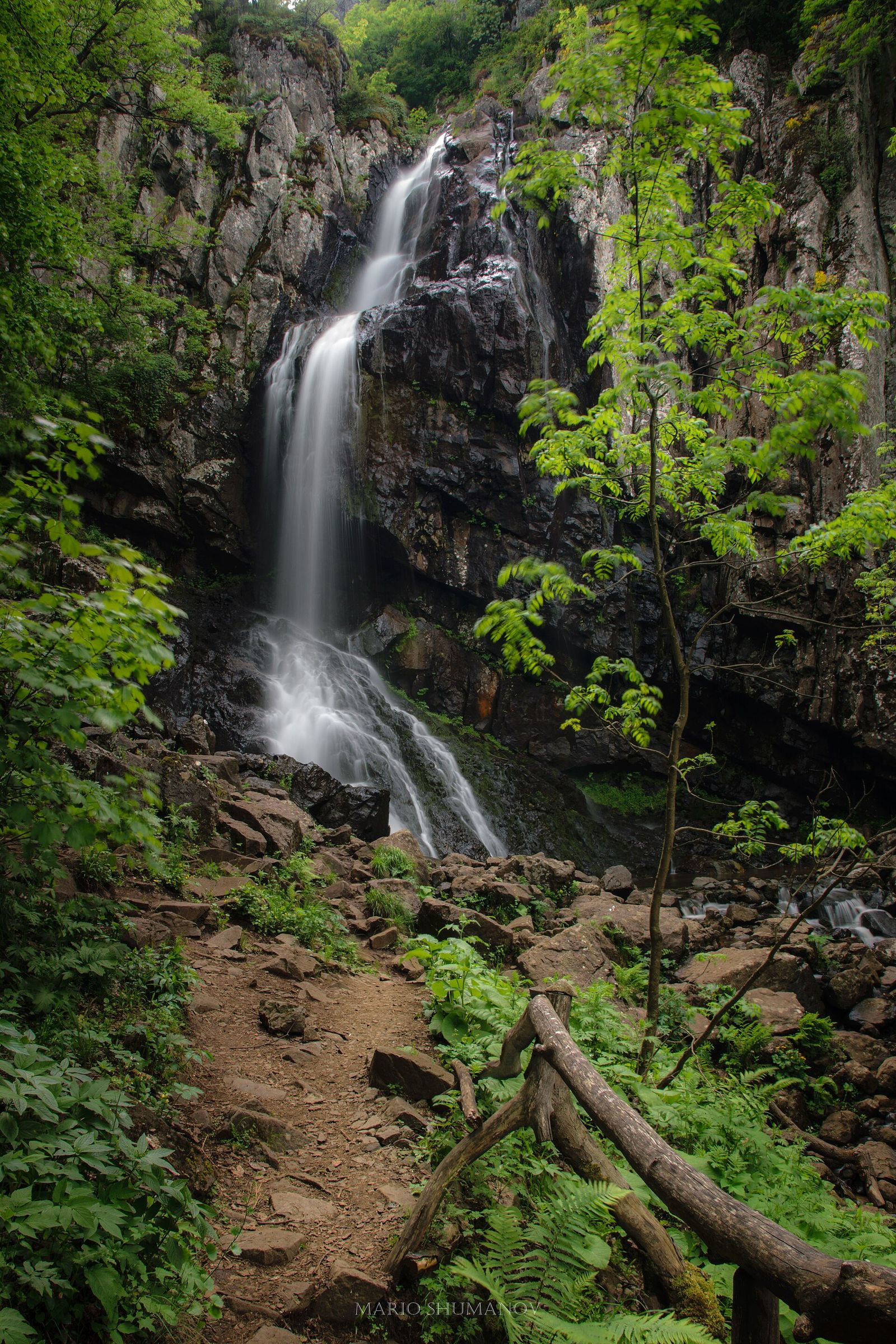
From the Boyana neighbourhood, a trail climbs through the forest on Vitosha to Boyana Waterfall, a 25-metre fall on the Boyana River with its base at 1,260 metres. Allow about 3 hours up. If that's too much after the church, a taxi to Kopitoto cuts it to about an hour on foot.
Keen walkers can swap the waterfall for Cherni Vrah, the 2,290-metre top of Vitosha, and give it the rest of the day. Bus 66 runs from Vitosha metro station to Aleko hut at 1,810 metres. From there it's 3 km and about 480 metres of climbing to the summit, where the weather station, built in 1935, has a cafeteria serving hot meals.
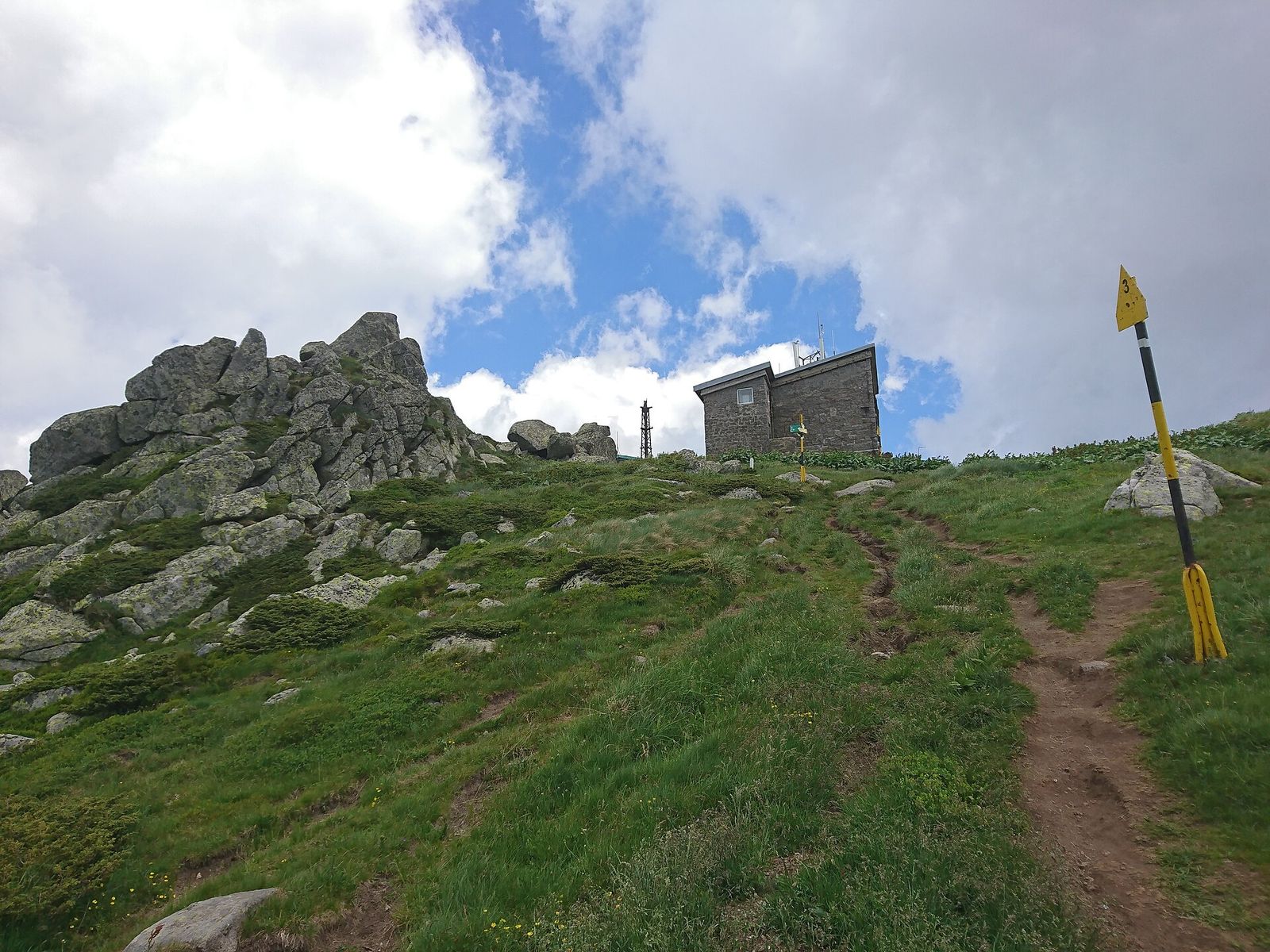
Sofia gets about 30 snowy days a year, almost all between December and March, so for this day the best time to visit Sofia is May to October.
In winter or rain: the National History Museum
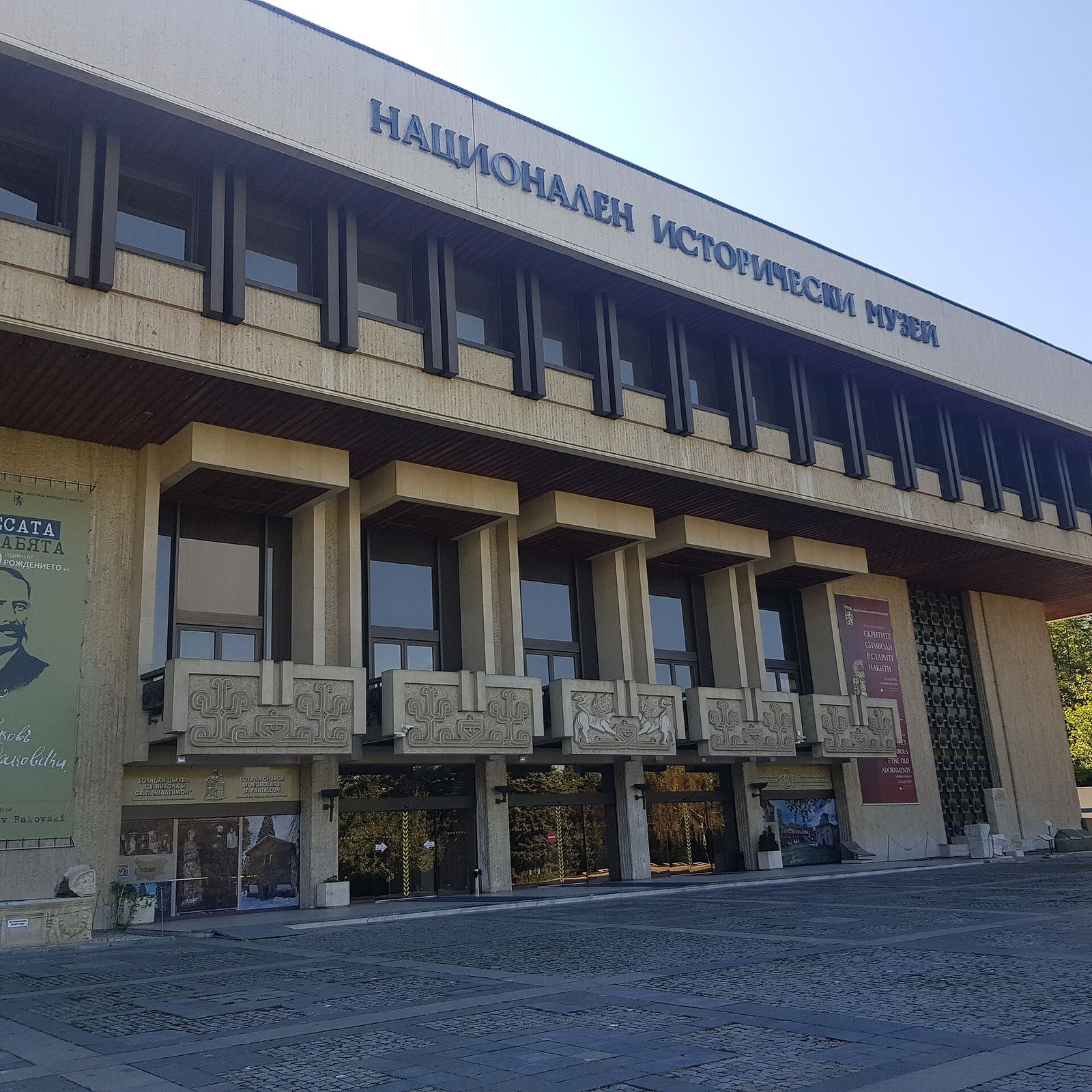
In winter I skip the trail and walk about 25 minutes downhill from the church to the National History Museum at 16 Vitoshko Lale Street, which runs Boyana Church. It opens every day from 9.30am, Mondays included, and adults pay €9. I give it about 2 hours.
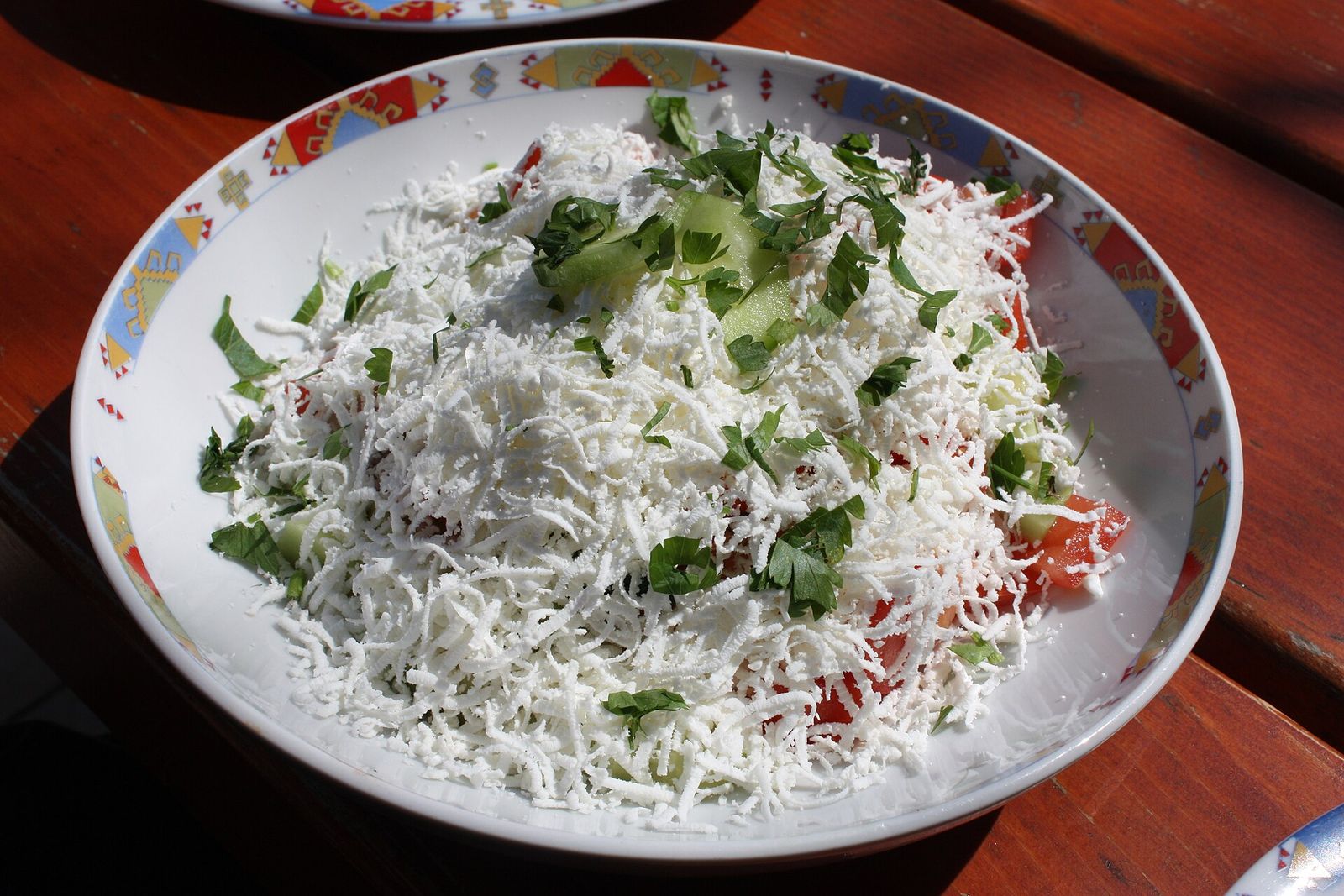
Back in town, dinner is Manastirska Magernitsa at Han Asparuh 67, which cooks recipes collected from monasteries all over Bulgaria and is open from noon to 11pm. Start with a shopska salad (tomato, cucumber, peppers and onion under grated white cheese), which arrives before almost every Bulgarian meal and tops my list of Bulgarian dishes to try. Then order the nettle soup.
Day 3: Rila Monastery by bus or car
Rila Monastery is a striped, arcaded monastery in a forested valley of the Rila Mountains, about 120 km south of Sofia and 1,147 metres up. There's no direct bus any more. Buses to Blagoevgrad leave Central Bus Station about every hour and take about 2 hours, and from Blagoevgrad a taxi covers the last 41 km.
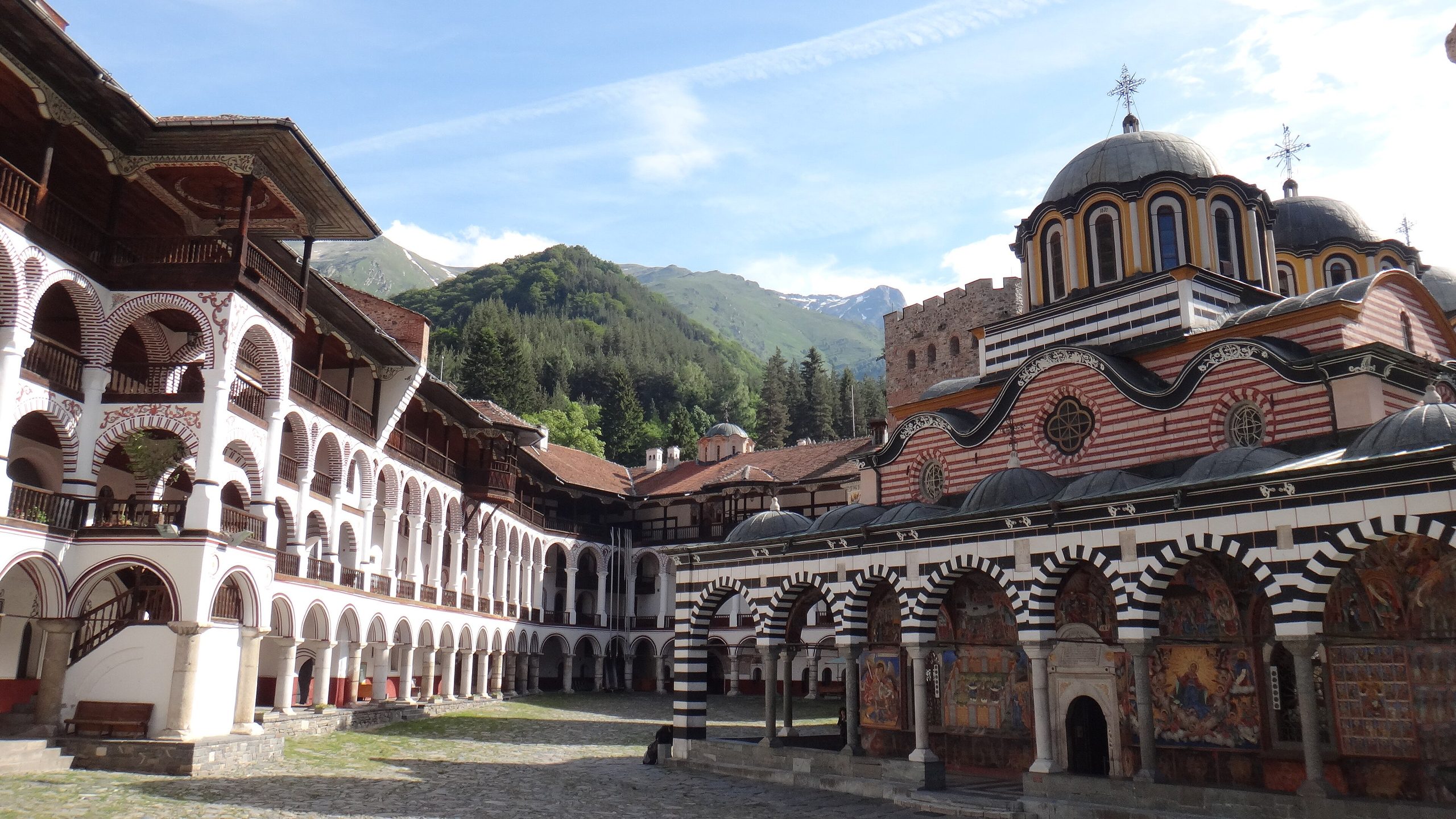
Entry to the monastery and its church is free, the combined museum ticket is €12, and you cover your shoulders and knees for the church. Agree the taxi fare in Blagoevgrad before you set off and book the same driver for the ride back, or hire a car for the 2-hour drive and leave when you like.
The little bakery outside the east gate fries mekitsa, rounds of hot dough. I buy two and eat them in the courtyard.
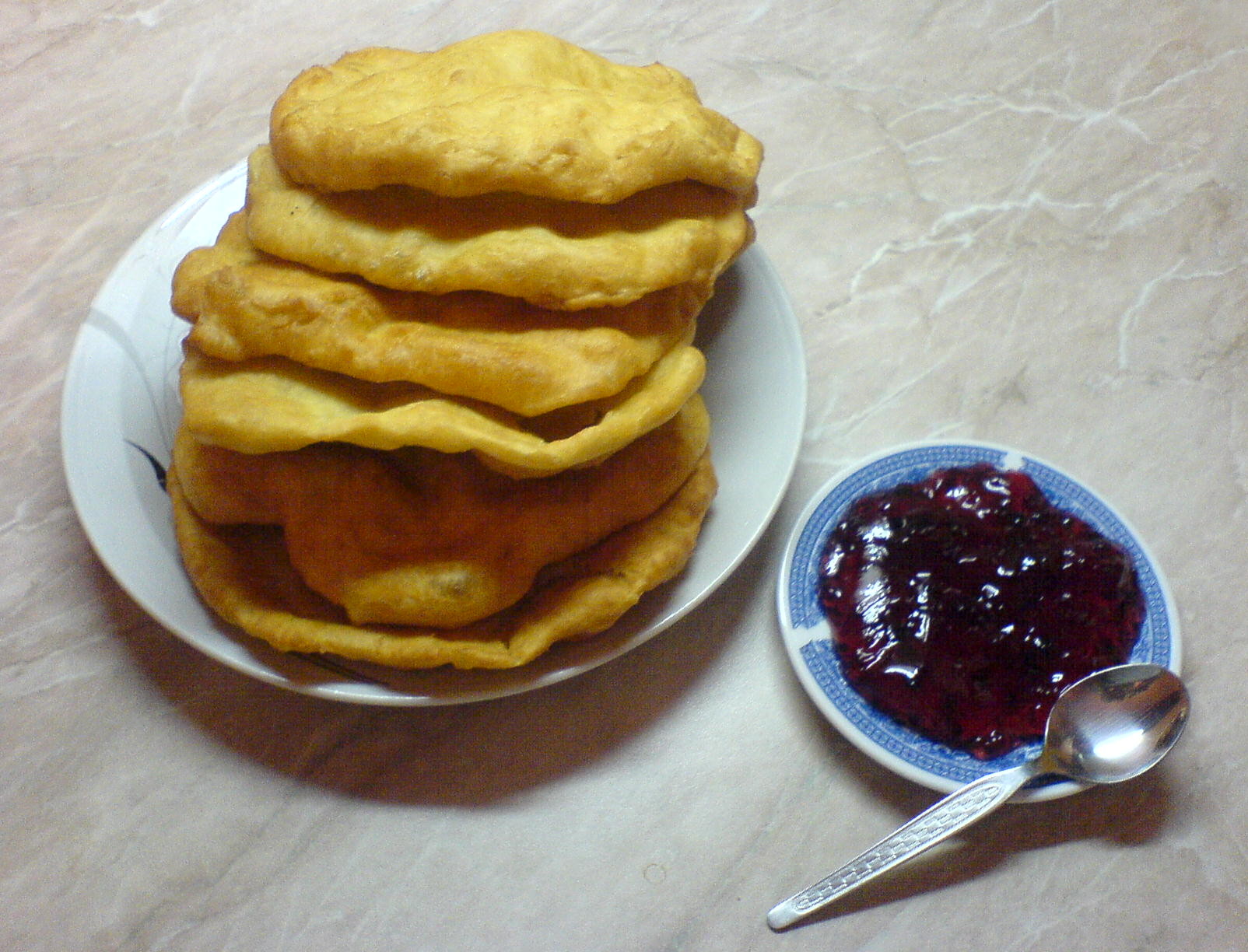
Of all the day trips from Sofia, Rila is my first choice and Plovdiv my second, so that's the order they go in here. Back in Sofia, dinner is Hadjidraganovite Izbi, a cellar restaurant at Hristo Belchev 18 where a folk band plays from 8pm to 11pm every night except Monday.
Day 4: the Museum of Socialist Art and the museums of the centre
Day 4 starts with the communist-era statues and then goes inside the buildings Day 1 walked past. Give it a Tuesday to Friday or a Sunday.
The Museum of Socialist Art puts over 70 pieces of monumental sculpture in a 7,500 square metre park: communist leaders, heroic workers, partisans and the five-pointed star that once topped the Party House. Tickets are €8, or €2 on Thursdays. It opens Tuesday to Sunday from 10am to 6pm at 7 Luchezar Stanchev Street, near G.M. Dimitrov metro station, and it shuts on Bulgarian public holidays, so check the museum's visiting page before a bank holiday weekend.
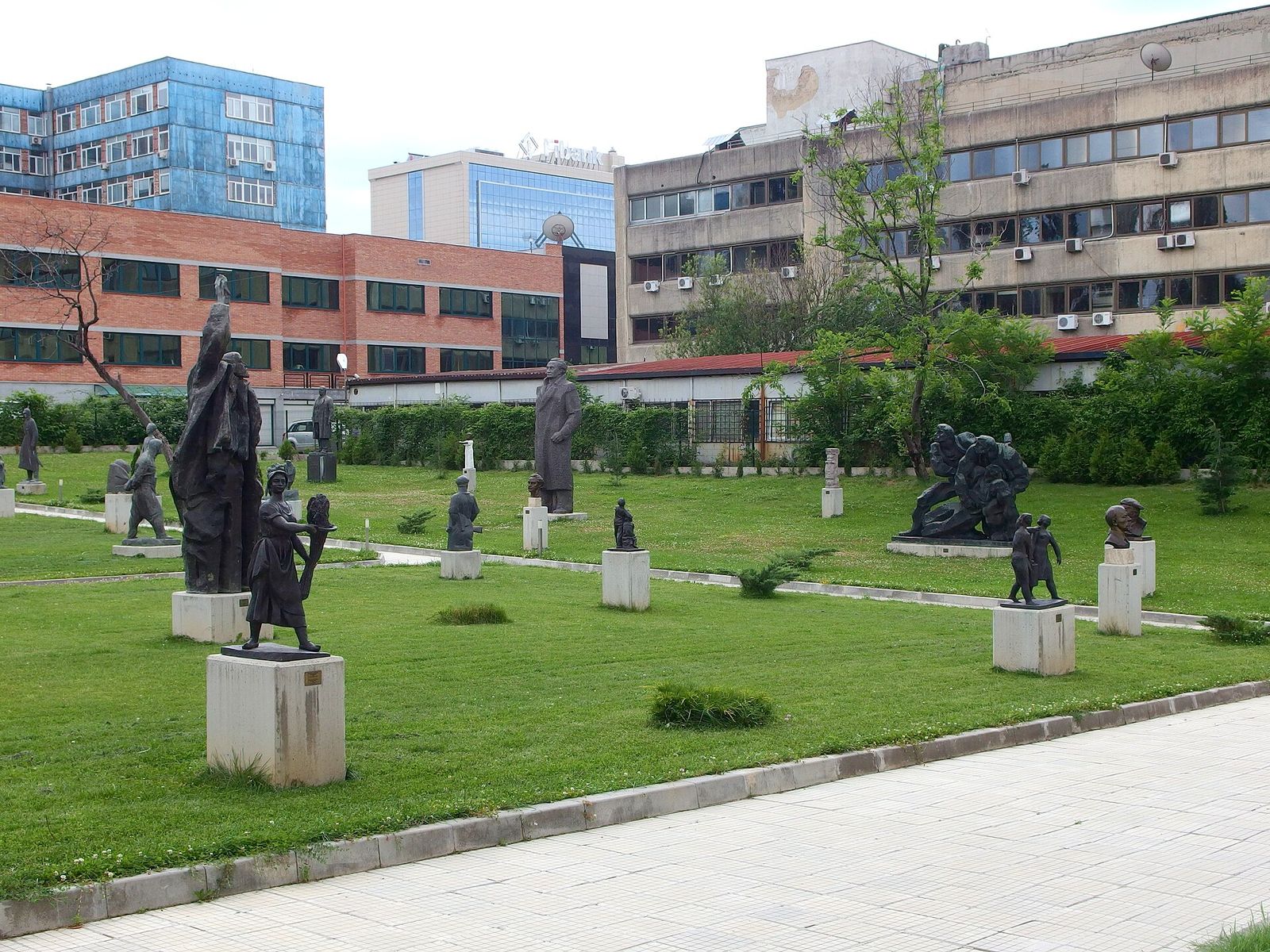
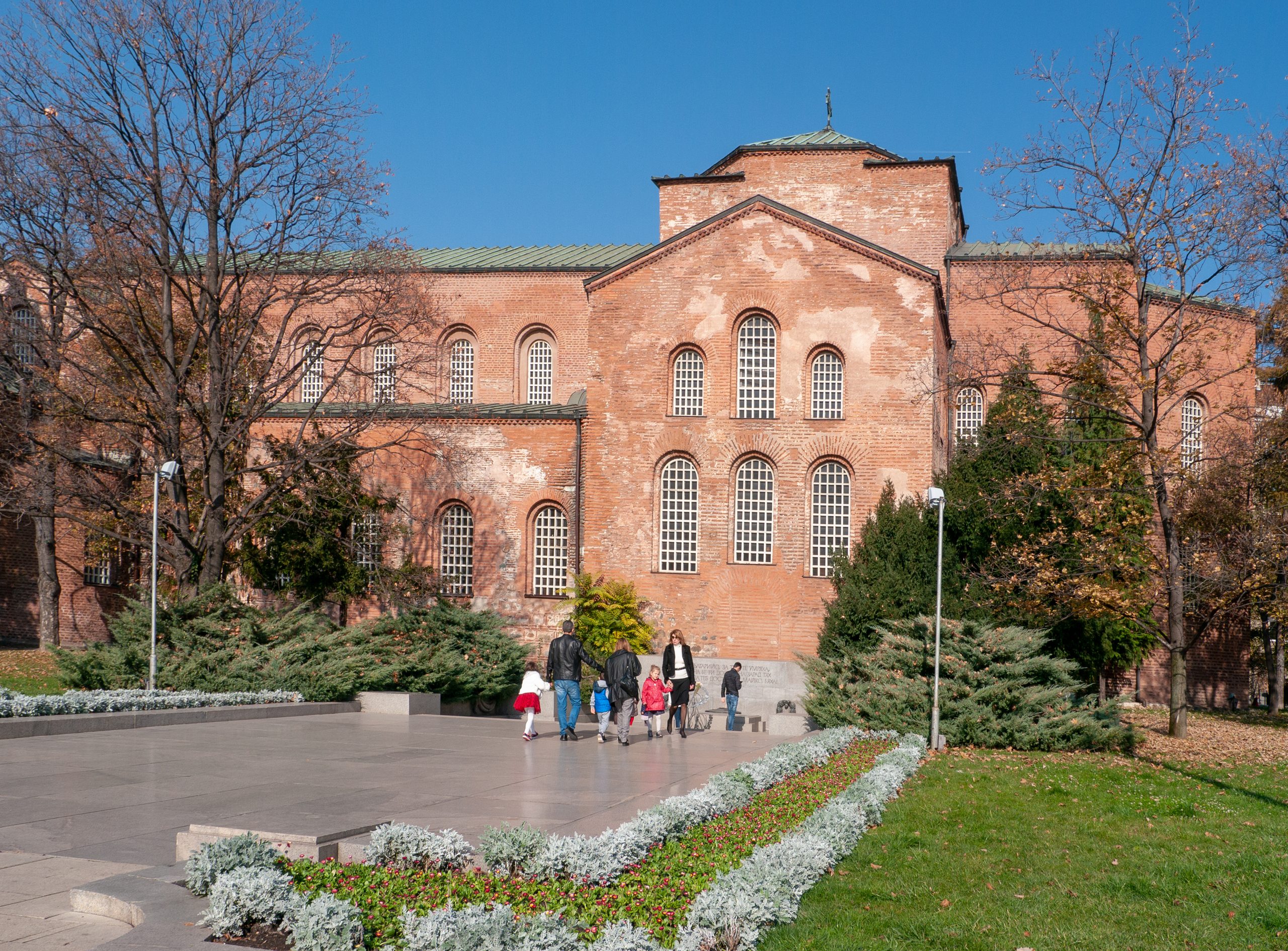
Back in the centre, the underground level of St Sofia Basilica at 2 Parizh Street shows the Roman cemetery and the 4th-century churches the 6th-century basilica was built over. Adults pay €4, and it's free on the second Thursday of the month.
The Central Mineral Baths building from Day 1 now houses the Museum of the History of Sofia, at 1 Banski Square. It was the city's main public bath from 1913 until the 1980s and became a museum in 2015. Tickets are €5, it's free on the first Thursday of the month and shut on Mondays from November to April, and my favourite piece inside is the Thracian gold bowl from Kazichene.
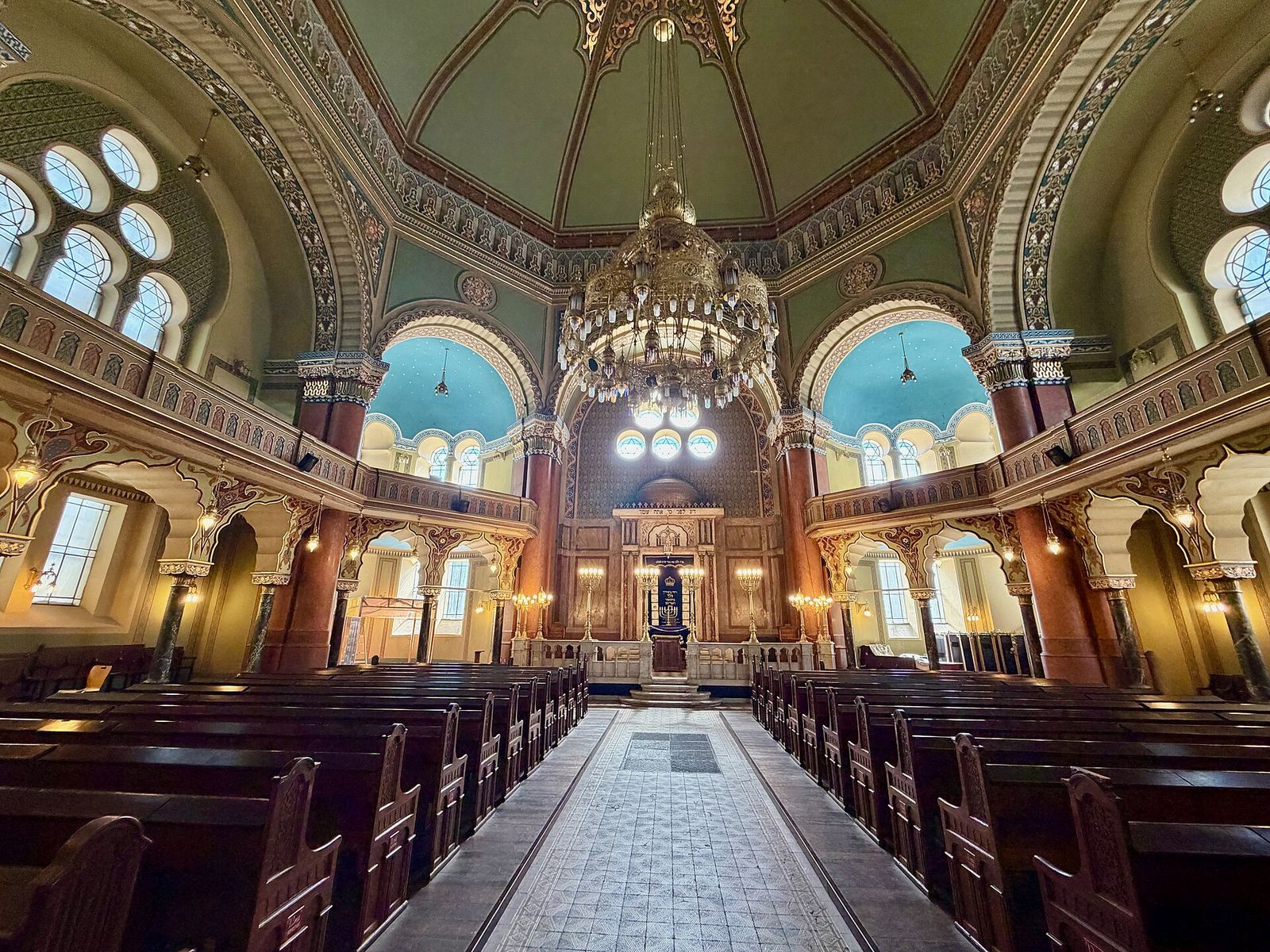
The Sofia Synagogue, close by at 16 Exarch Joseph Street, opens Sunday to Friday from 9am to 5pm and closes on Saturdays. The €10 ticket (€8 for students and seniors) covers an audio guide, the museum exhibition The Niche and permission to take photos. It also shuts on Jewish holidays and Bulgarian national holidays.
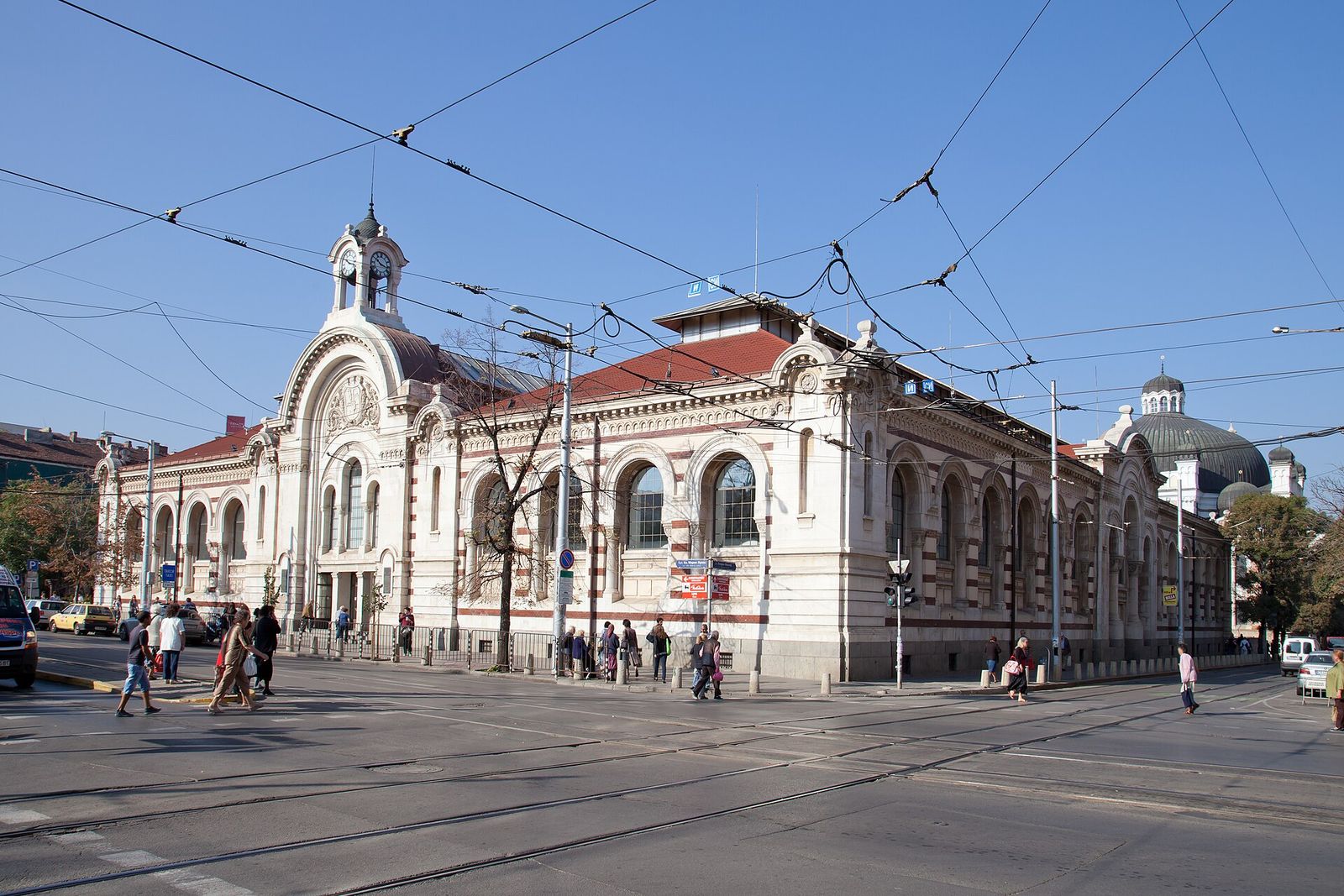
Round the corner on Maria Luiza Boulevard is the Central Market Hall, a 1911 building that reopened on 23 May 2024 after a renovation, as a market with an arts stage inside.
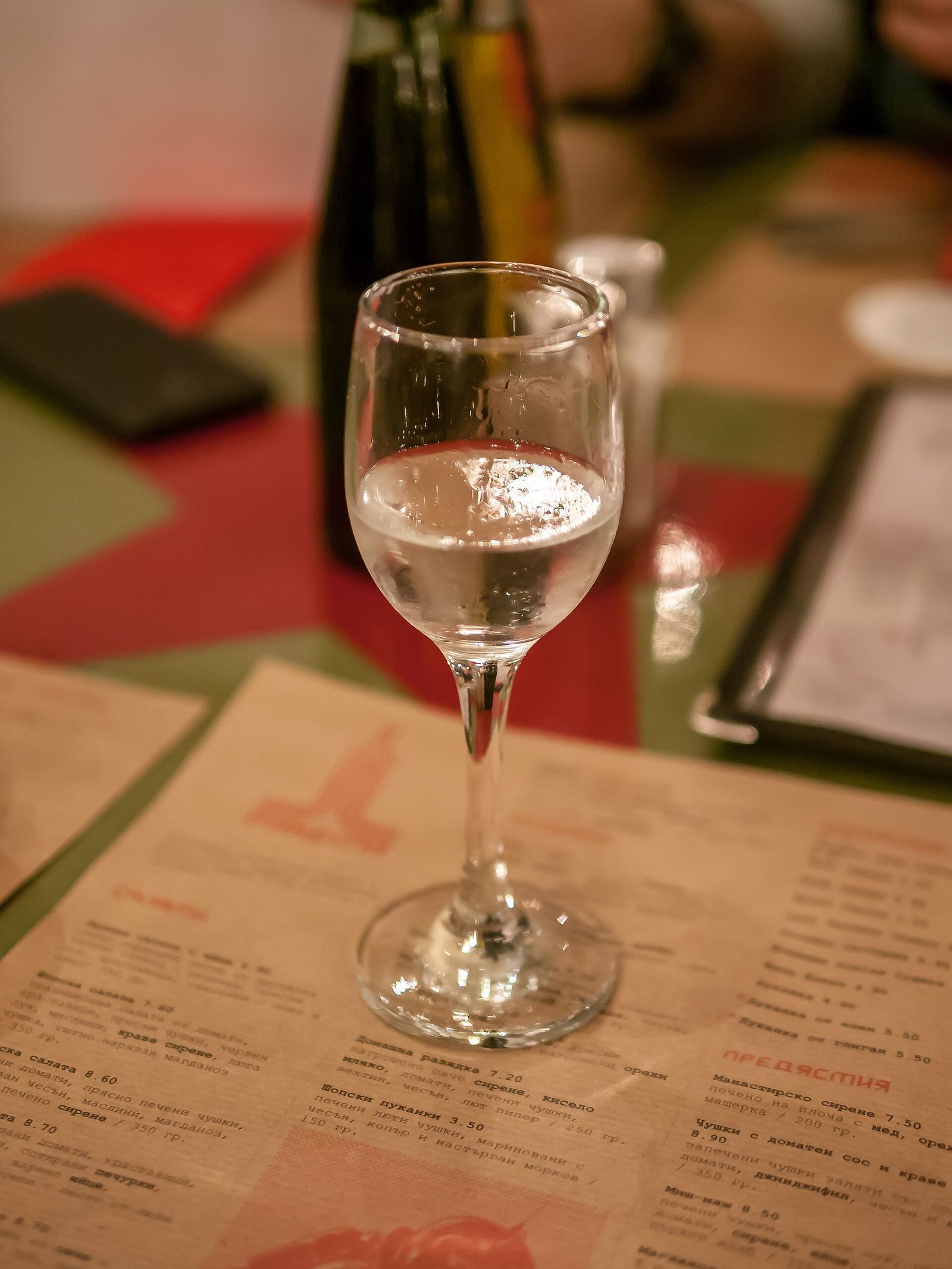
Dinner on Day 4 is Raketa Rakia Bar, on Yanko Sakazov Boulevard by Zaimov Park, where the socialist-era odds and ends on the walls pick up where the statues left off. Order a rakia in each fruit you haven't tasted yet: grape, plum, apricot, quince. On a weekend evening, book.
Day 5: a day trip to Plovdiv by train or bus
Plovdiv sits 144 km south-east of Sofia, and it was a European Capital of Culture in 2019. Sofia's Central Railway Station and Central Bus Station stand side by side on Maria Luiza Boulevard, a short metro ride north of Serdika. I take the bus, which takes about 2 hours and costs €8.50 to €11. Bulgaria's trains are cheaper at about €5.60, but they need about 3 hours on this route, usually with a change.
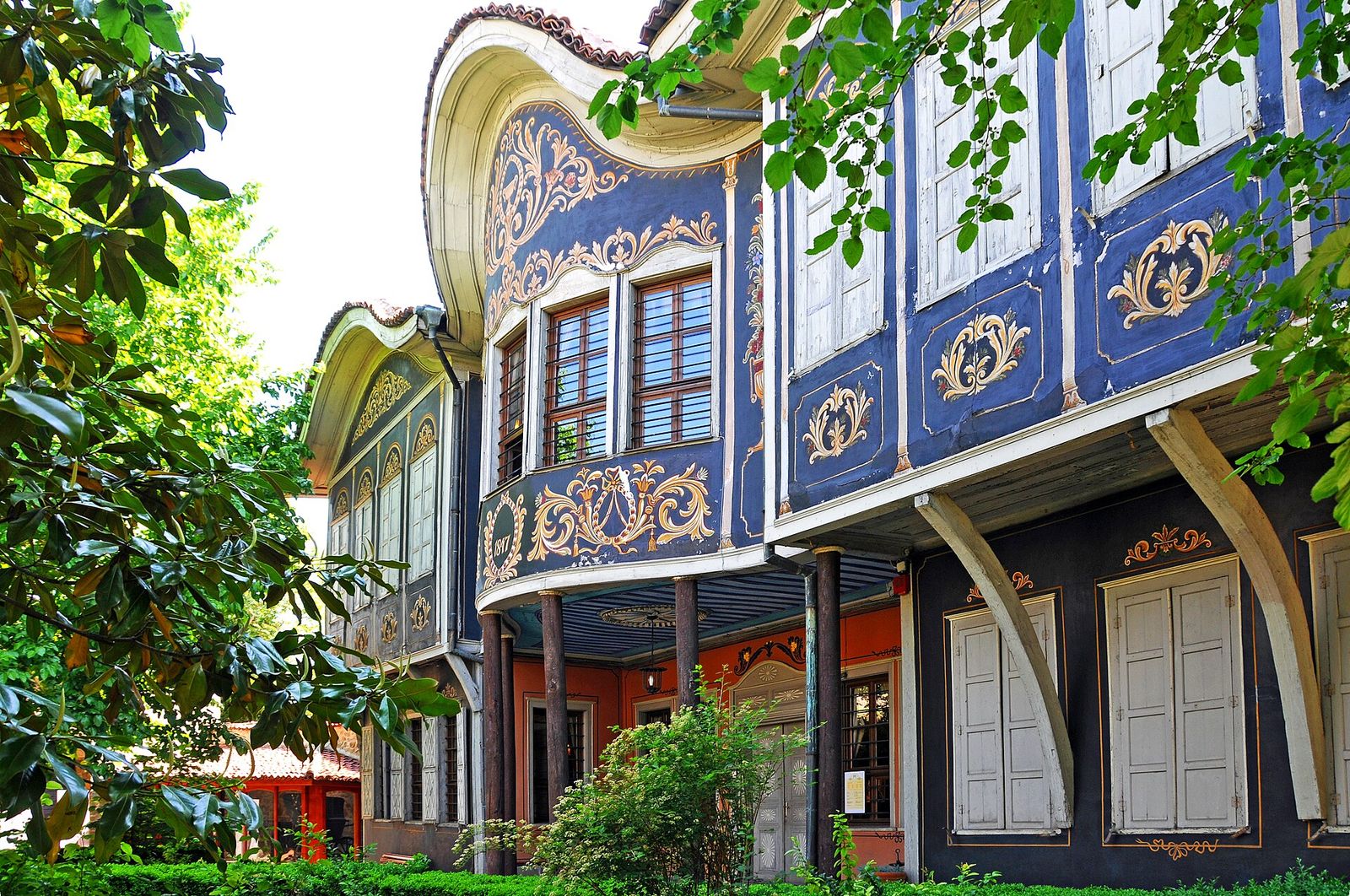
Plovdiv grew up on seven syenite hills, and its Old Town is an architectural reserve of merchants' houses, restored in the 1970s and 1980s. The blue-fronted house the merchant Argir Kuyumdzhioglu built in 1847 now holds the city's ethnographic museum.
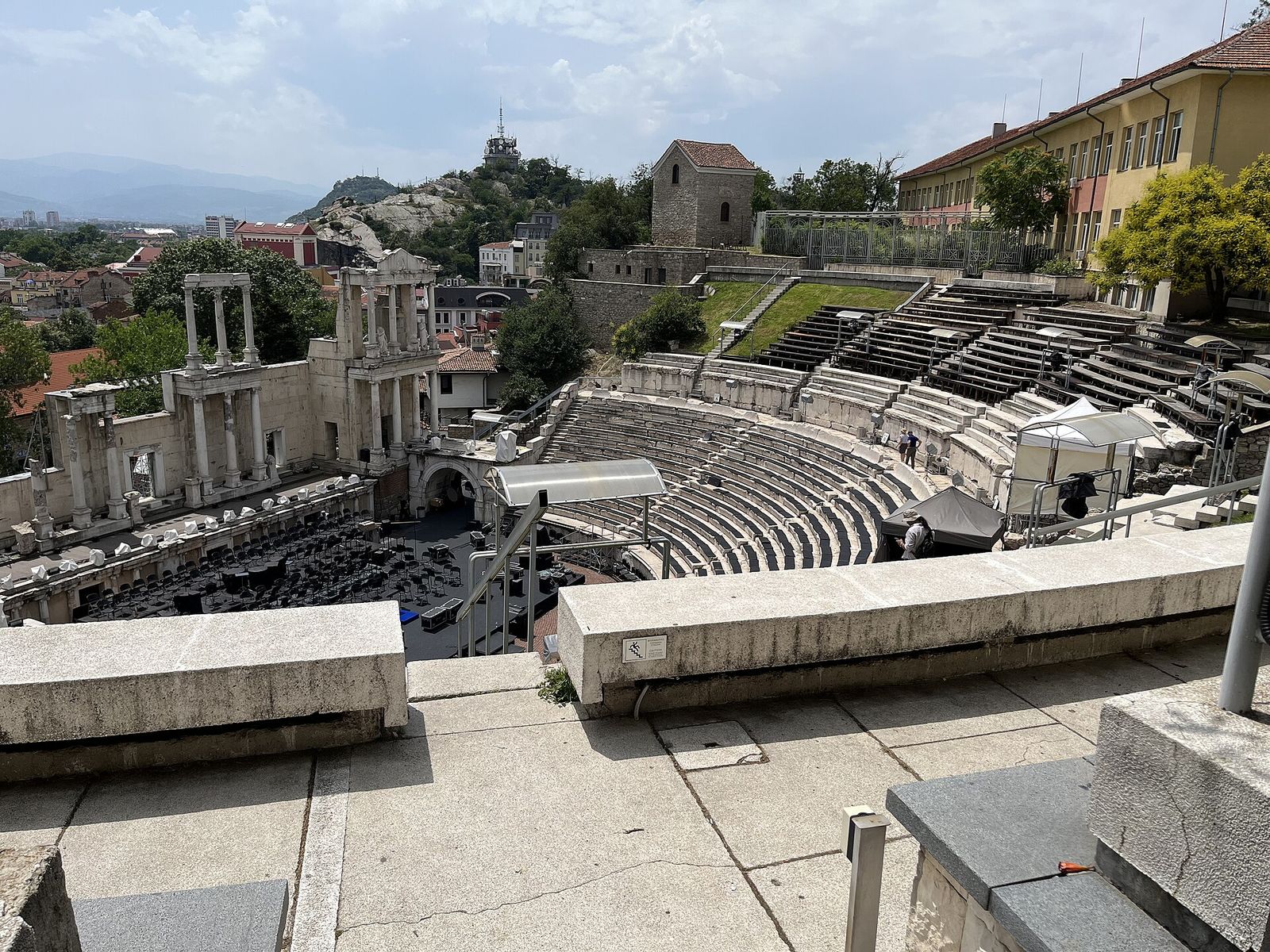
In the Old Town, the Roman theatre is built into the slope, its stone seats and columned stage still standing, and concerts and an opera festival still use the stage. Down in the modern centre, a small part of the Roman stadium's northern end, 14 rows of seats, is dug out at Dzhumaya Square, and you look down on it from the pavement. The rest of the stadium lies under the main street.
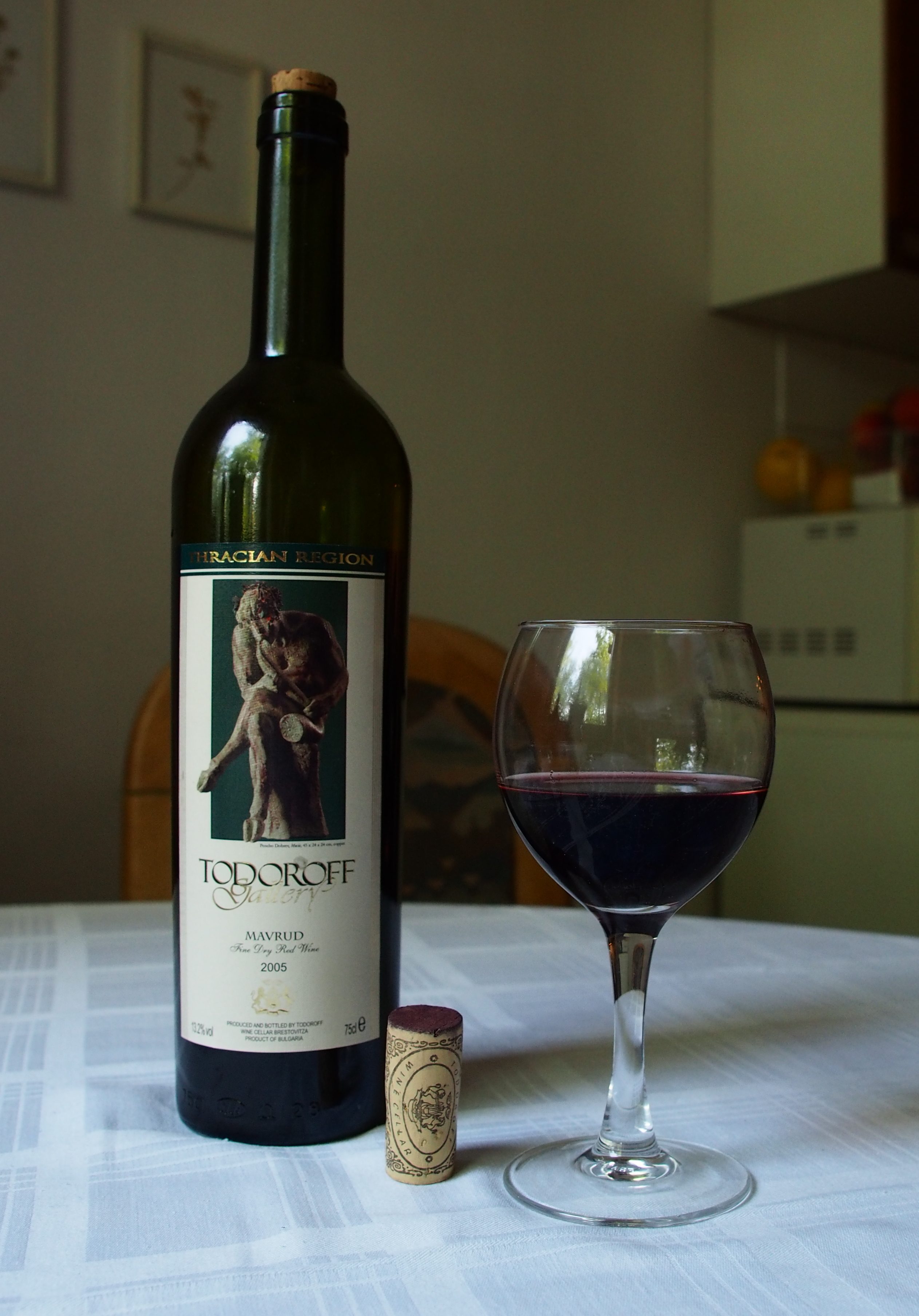
Lunch is the moment for a glass of Mavrud, the dark red grown on the plains around Plovdiv. It's the first Bulgarian wine I pour for visitors.
Which day to do what: closures and free days
The order above suits most arrival days, with one catch: Day 4 can't fall on a Monday, when the Museum of Socialist Art closes, or on a Saturday, when the synagogue closes. Mondays are the day I'd leave Sofia for Rila or Plovdiv.
| Sight | Closed | Free or cheaper |
|---|---|---|
| Museum of Socialist Art | Mondays and public holidays | €2 every Thursday |
| Museum of the History of Sofia | Mondays from November to April | Free the first Thursday of the month |
| Sofia Synagogue | Saturdays, Jewish holidays and Bulgarian national holidays | No free day |
| Boyana Church | 1 January, Easter Sunday, 24 and 25 December | Free the last Monday of the month after 3pm, and on 18 May, 17 September and 1 November |
| National History Museum | The same 4 days as Boyana Church | Free on 18 May |
| Alexander Nevsky Cathedral | Never: 7am to 7pm daily | Always free |
Land on a Thursday evening for five days and I'd do Friday in the centre, Saturday in Plovdiv, Sunday in the museums, Monday at Rila and Tuesday at Boyana, which keeps the two bus days apart. On that plan the Izbi dinner moves off Monday, when the band has the night off.
What 3 to 5 days in Sofia cost
These are per-person sums for sights and local transport, done the way I'd do each day. Beds, flights and food are on top.
| Day | What you pay for | Per person |
|---|---|---|
| 1 | Nothing: every stop is free | €0 |
| 2 (summer) | Taxi up, Boyana Church €10, the waterfall trail, a bus back | About €20 |
| 2 (winter) | Taxis both ways, Boyana Church €10, National History Museum €9 | €35 to €39 |
| 3 | Two metro rides and the bus to Blagoevgrad and back | About €16, plus the taxi and €12 for the museum |
| 4 | Socialist Art €8, St Sofia €4, history museum €5, synagogue €10, two metro rides | About €29 |
| 5 | Two metro rides and the bus or train to Plovdiv and back | €19 to €24 by bus, about €13 by train |
| 3 days | Days 1 to 3 | About €36 to €55, plus the Rila taxi |
| 5 days | Days 1 to 5 | About €78 to €108, plus the Rila taxi |
Food is where the money goes, and it's still cheap. A coffee costs €2 to €3, a casual lunch €8 to €10 and a simple dinner in a mehana €15 to €20 a head before drinks, so eating the way I do comes to about €25 to €33 a day each.
Older guidebooks quote leva, which Bulgaria swapped for the euro on 1 January 2026, so divide any price you find in one by 1.95583. A pint in Sofia today is about €2 in a plain local bar and €3.50 on average.
Getting around and where to stay for 3 to 5 days
A single ride on the metro, trams or buses costs €0.80, and tapping a contactless card on the validator caps your daytime spend at €2 a day. Three days of tapping comes to €6 at most, less than the 72-hour card at €7.60, and getting around Sofia this way needs no ticket office at all.
From the airport, the M4 metro leaves from beside Terminal 2 and reaches the centre in about 20 minutes for €0.80. Bus 84 serves both terminals, and a metered taxi from the airport to the city centre is about €13 to €14.
Stay in one central base for every night. Days 1 and 4 are mostly on foot around Serdika, Day 2 starts with a taxi or the M3 west, and the metro to the bus and railway stations starts in the centre. I'd book within walking distance of Vitosha Boulevard, my first choice of the areas to stay in Sofia.
Key takeaways
- Three days covers the old centre, Boyana and Vitosha, and Rila Monastery; a fourth adds the museums and a fifth adds Plovdiv.
- Do both day trips yourself: the bus to Blagoevgrad and a taxi for Rila, and the bus or train for Plovdiv.
- Keep the museums day off Mondays and Saturdays, and spend a Monday at Rila or in Plovdiv.
- Sights and transport for five days cost about €78 to €108 per person plus the Rila taxi, and Day 1 costs nothing.
Frequently asked questions
How many days do you need in Sofia?
Three days is what I recommend: two in and around the city and one at Rila Monastery. Two days covers the centre and Boyana, and five adds the museums and Plovdiv without rushing.
What should I do in Sofia for 3 days?
Spend Day 1 walking the centre, from Alexander Nevsky to Serdica, the hot springs and Vitosha Boulevard. Go to Boyana Church and up to Boyana Waterfall on Day 2, and go to Rila Monastery on Day 3, by car or by bus and taxi. Day 1 alone covers 5 of my 11 favourite things to do in Sofia.
Is 5 days in Sofia too long?
No, as long as two of the days leave the city. Five days gives you three in and around Sofia, a day at Rila Monastery and a day in Plovdiv, 144 km away.
Can you visit Rila Monastery and Plovdiv without a tour?
Yes, both work on public transport. For Rila, take the bus from Central Bus Station to Blagoevgrad, about 2 hours, then a taxi for the last 41 km. For Plovdiv, take the bus (about 2 hours, €8.50 to €11) or the train (about 3 hours, about €5.60).
What is closed on Mondays in Sofia?
The Museum of Socialist Art closes every Monday, and the Museum of the History of Sofia closes on Mondays from November to April. Alexander Nevsky Cathedral, Boyana Church and the National History Museum stay open, so a Monday suits Boyana or a day trip.
Do you need a car for a Sofia itinerary?
No. The centre is walkable, public transport costs €0.80 a ride with a €2 daily cap, and a taxi to Boyana is about €8 to €10. A car only helps at Rila, where it saves you the bus to Blagoevgrad and the taxi.
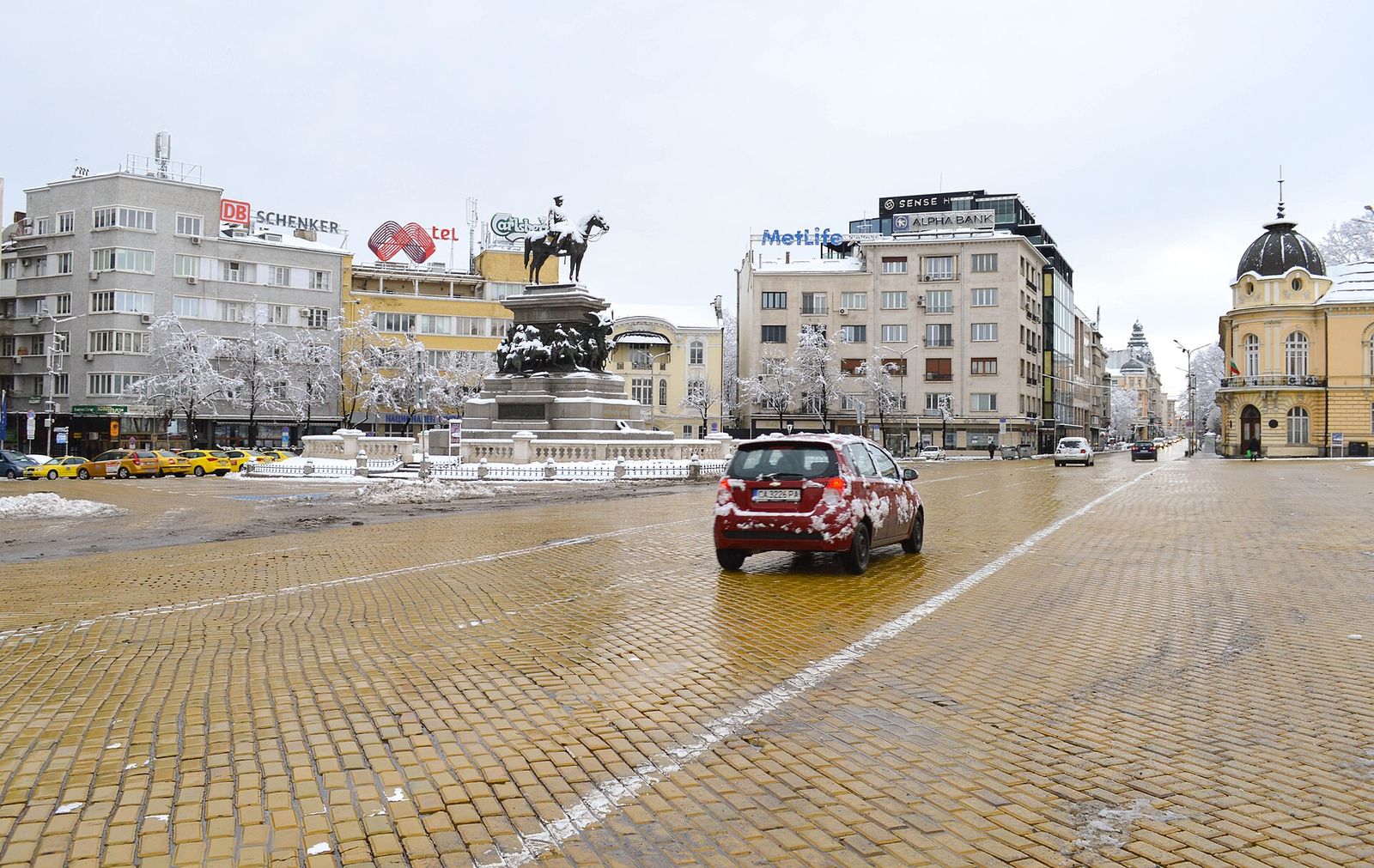
Sofia Travel Tips: What I'd Tell You Before a First Trip to Bulgaria
What I tell friends before their first Sofia trip: visas, the euro, the airport metro, taxis and the head nod.
Read the guide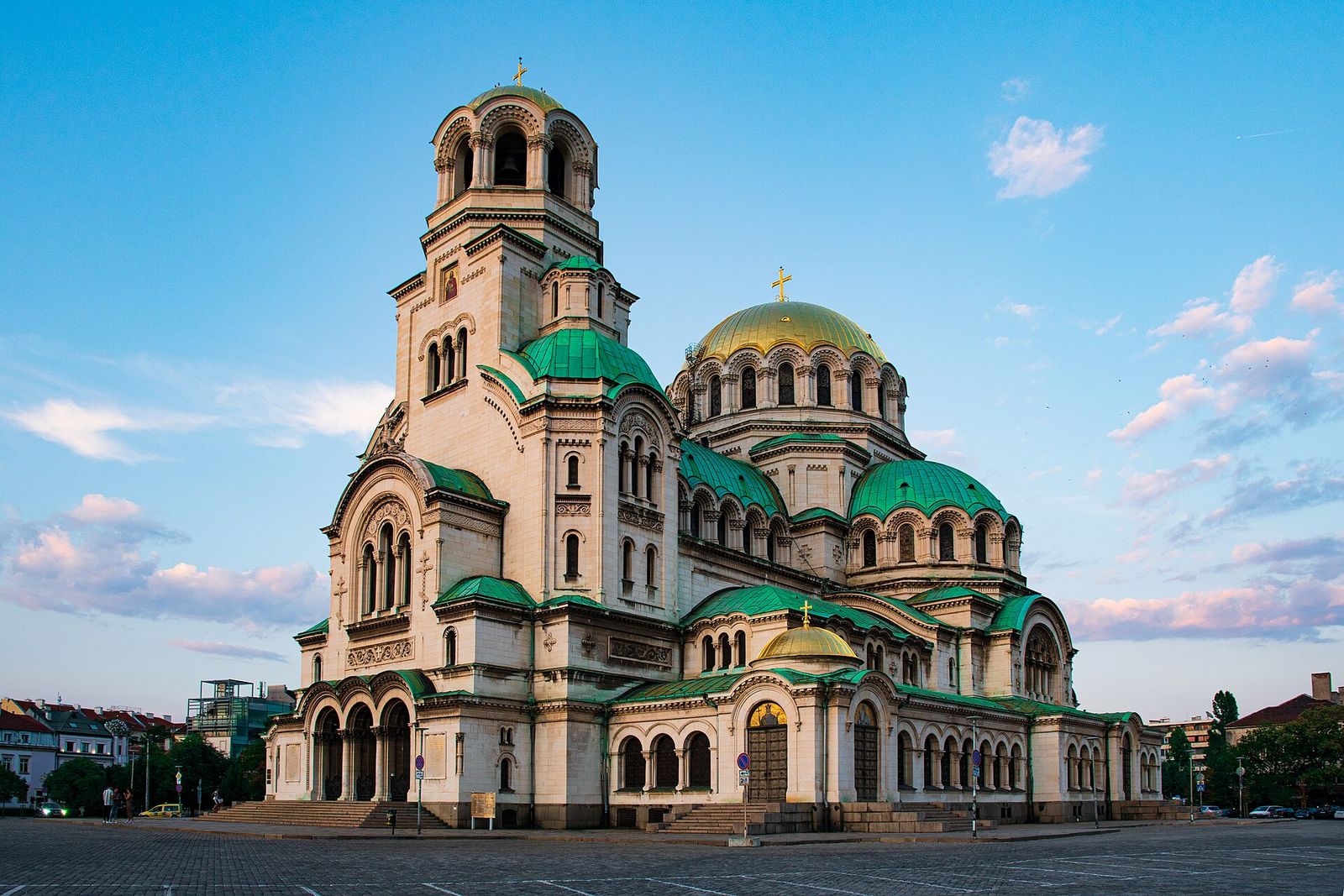
My Perfect Weekend in Sofia: A 2-Day Plan with Costs
How I would spend 48 hours in Sofia: what to see, where to eat, the Saturday night out and what it all costs.
Read the guide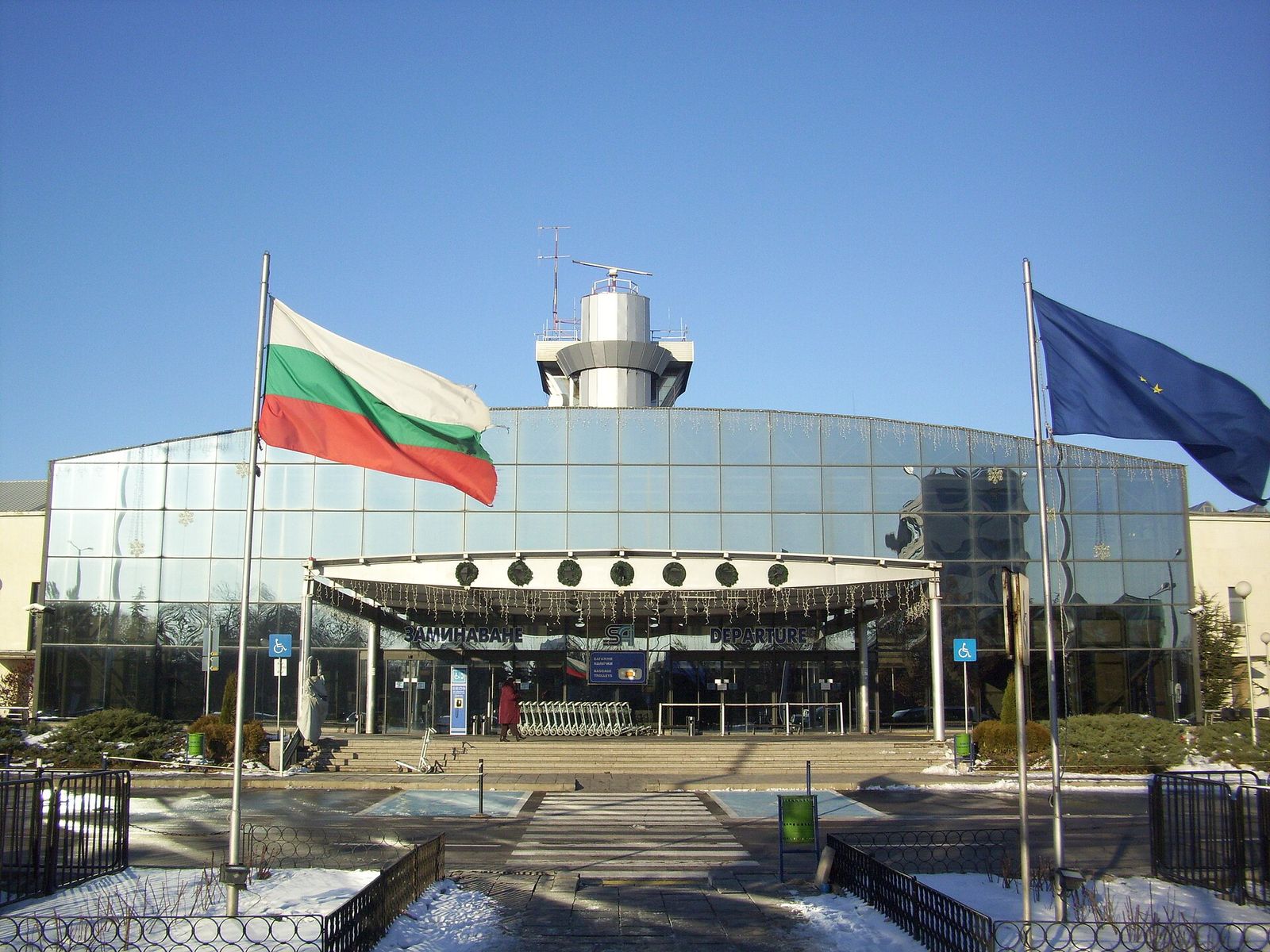
Flights from the UK to Sofia: Airlines, Airports and Fares
Which airline flies to Sofia from which UK airport, how long it takes, the fares I saw and getting into town.
Read the guide