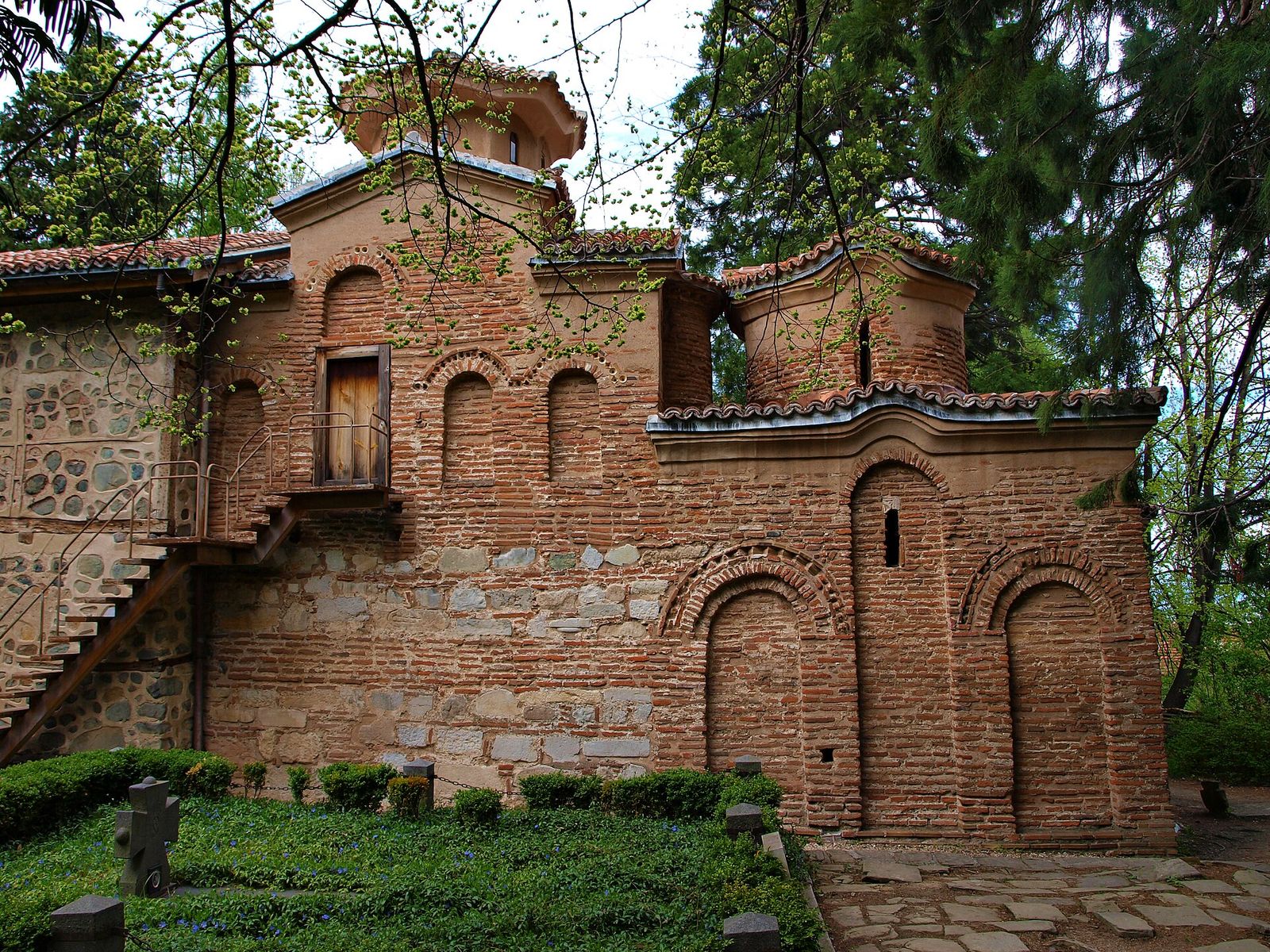
Boyana Church in Sofia: The Frescoes and How I'd Visit
Boyana Church is a tiny brick church at the foot of Vitosha, on the UNESCO World Heritage List since 1979 for the frescoes painted inside it in 1259. You get 10 minutes in there, with up to 8 strangers and no camera, and it's still my favourite €10 in Sofia. Here's what to look for, the 2026 rules and prices, the bus or taxi out, and how I pair it with the history museum.
Why Boyana Church is famous
The walls of this small church in the old village of Boyana hold 89 scenes and 240 figures, and most of them were painted in 1259 by an unknown painter and his team. Art historians call him the Boyana Master and place him in the Tarnovo school of painting. His faces have their own noses, eyebrows and expressions, and some of them look like people you'd sit next to on the tram.
That paint is why UNESCO listed the church in 1979. Bulgaria had already made it a national monument in 1927.
The building's full name is the Church of St Nicholas and St Panteleimon, and it's really three buildings joined end to end: a little church from the end of the 10th century, a two-storey addition from 1259, and a west end the villagers paid for in the 19th century. It stopped being a parish church in 1954, became part of the National History Museum in 2003 and now takes over 200,000 visitors a year.
I rank it #9 on my list of favourite things to do in Sofia, and of everything outside the centre, it's the first place I'd send you.
Boyana Church tickets, opening hours and rules
These are the 2026 prices from the church's own price list, all in euros.
| Ticket | Price |
|---|---|
| Adult | €10 |
| Students and children over 7 | €3 |
| Groups of 10 or more | €7 each |
| Children under 7 | Free |
| Visitors with special needs and their companions | Free |
Entry is free on the last Monday of every month from 3pm, on 18 May (International Museum Day), on 17 September (Sofia Day) and on 1 November, the Day of the National Awakeners. The church closes on only 4 days a year: 1 January, Easter Sunday, 24 December and 25 December.
At most 9 people stand in the medieval rooms at once, for 10 minutes at most. Food and drink are banned anywhere on the site, and so are smoking, vaping and drones. Individuals and groups of up to 5 can turn up without booking or reserve a slot by emailing reservation@boyanachurch.info, while organised groups have to book. There's a ramp and there are toilets on site, and the church's own website posts any changes to the hours.
Boyana Church frescoes: what you see inside
Ten minutes goes fast in a room this small and this painted, so I go in with a short list.
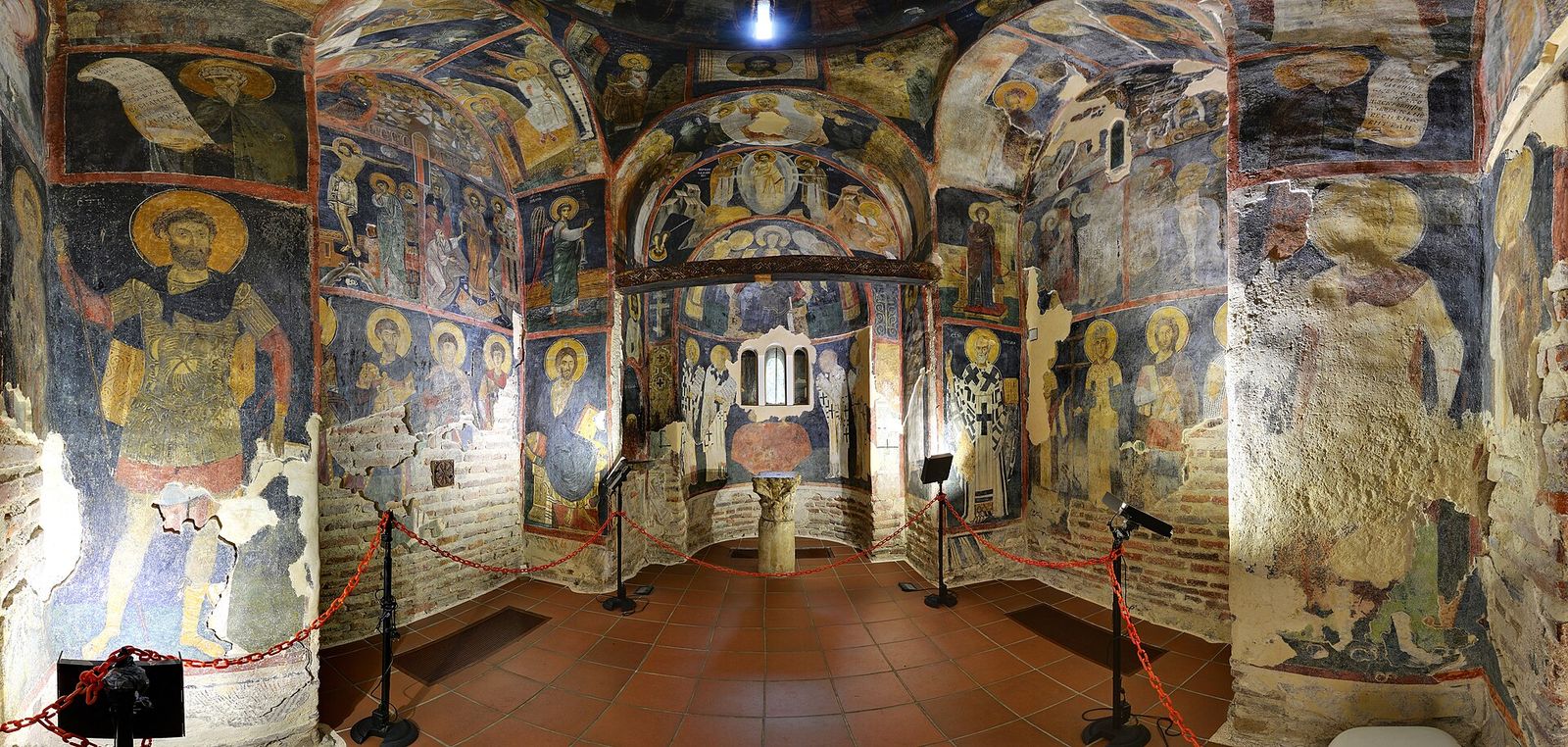
The old east church
The oldest part is the small cross-domed church from the end of the 10th century. A few fragments of its first paintings, from the 11th and 12th centuries, still show through, but most of what you see in here is the Boyana Master's work from 1259.
Look up into the dome for Christ Pantocrator, with the four Evangelists painted beneath him. Scenes from the life of Christ fill the walls and arches.
The narthex: St Nicholas and the ship at sea
The two-storey part from 1259 was built as a tomb church for the family who paid for it, and its ground floor, the narthex, is where I spend most of my 10 minutes. Its walls tell the life of St Nicholas in 18 scenes.
Find the Miracle at Sea. The painter gave the ship and the sailors' hats the look of real 13th-century vessels and crews, and historians link them to the Venetian fleet of his day.
The donor portraits: Kaloyan, Desislava, Constantine Tikh and Irina
On the north wall of the narthex stand the people behind the building. Sebastocrator Kaloyan, the local lord who paid for the 1259 church, appears with his wife Desislava, and beside them are Tsar Constantine Tikh Asen and Tsaritsa Irina, who ruled Bulgaria at the time.
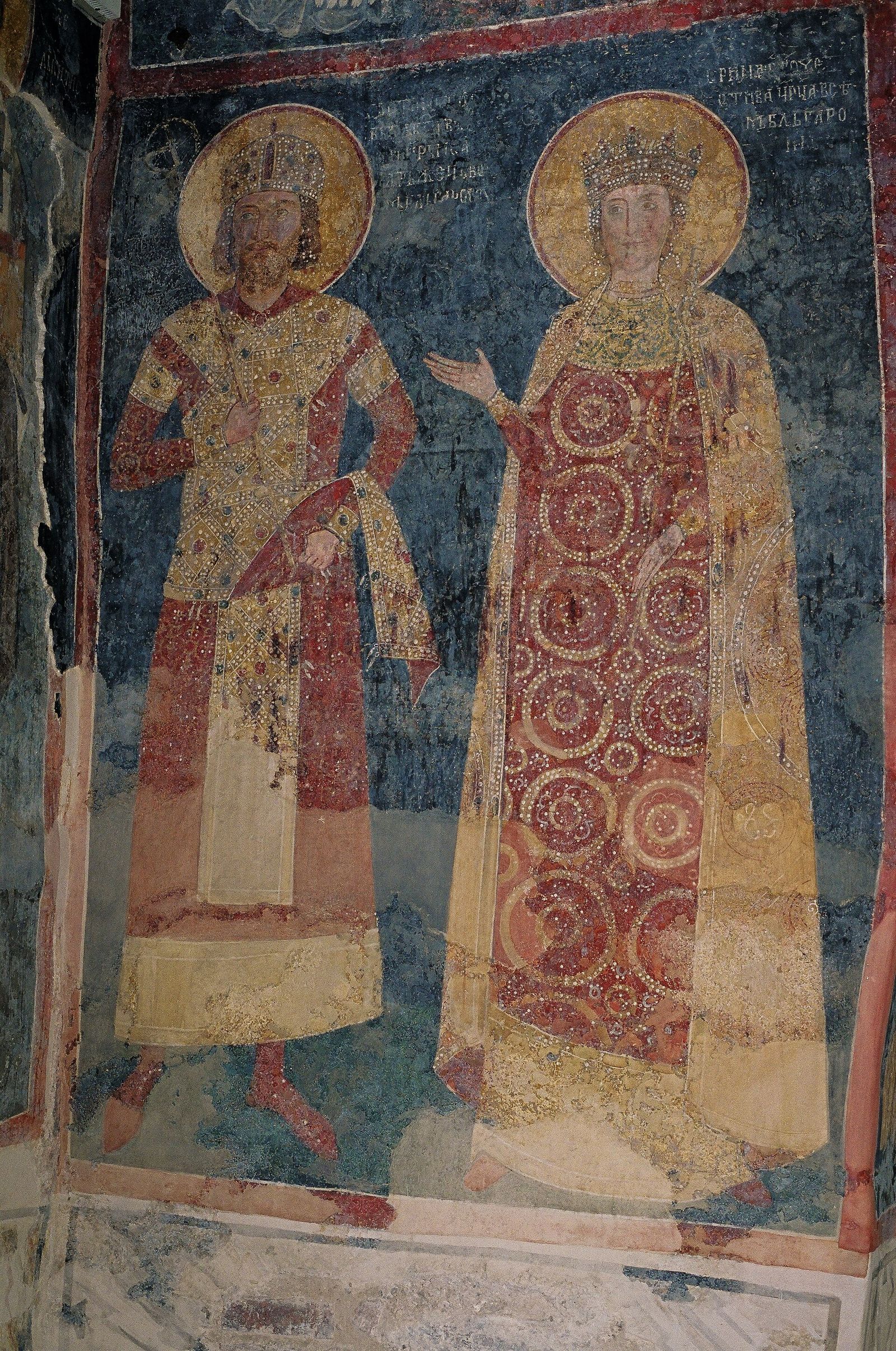
The donor's inscription, also in the narthex, gives the date 1259 and ties Kaloyan by family to both the Bulgarian tsar and the Serbian king. Spend your last few minutes on the four faces. Desislava's is the one I always go back to, because to me she looks painted from life.
St Ivan of Rila and the later layers
Also in the narthex is St Ivan of Rila, the hermit behind Rila Monastery, and it's the oldest surviving picture of him anywhere. Later painters added a few pieces of their own: a Presentation of the Virgin in the 14th century, a portrait of St Nicholas in the 16th or 17th century, and the two patron saints, St Nicholas and St Panteleimon, in 1882.
The upper-floor chapel of St Panteleimon keeps fragments of more 13th-century paintings, among them the Annunciation, the Crucifixion, the Resurrection and scenes from the saint's life. It's closed for conservation, so you won't get up there.
A short history of Boyana Church
| Date | What happened |
|---|---|
| End of the 10th century | The small east church is built |
| 1259 | Sebastocrator Kaloyan adds the two-storey church, and the main frescoes are painted |
| 19th century, before 1845 | The villagers add the west end |
| 1912 to 1915 | The frescoes are restored and cleaned |
| 1927 | Declared a national monument |
| 1954 | Closes as a parish church and goes into conservation |
| 1979 | Added to the UNESCO World Heritage List |
| 2003 | Becomes a branch of the National History Museum |
| 2006 | Reopens after about ten years of restoration |
During restoration work between 2006 and 2008, the museum's director reported an inscription under a layer of plaster reading "I, Vasiliy inscribed". It may be the painter's own name, but nobody can say for sure, so he's still the Boyana Master.
Of all the churches in Sofia, Boyana is the one where the paintings outrank the building. Its frescoes are more than 600 years older than the murals in Alexander Nevsky Cathedral.
The Boyana Church garden: sequoias and Queen Eleonore's grave
You'll spend more time in the garden than in the church, especially if there's a wait. The park around it was laid out in the early 20th century on royal initiative, and its giant sequoias are the trees you'll notice first. Queen Eleonore, Tsar Ferdinand's second wife, is buried just south of the church, and she's credited with saving it from destruction while she was queen.
How to get to Boyana Church from Sofia centre
Boyana Church is at 3 Boyansko Ezero Street in the Boyana district, about 8 km south-west of the centre, where the city meets the lower slopes of the mountain.
| Option | Where you get off | Cost |
|---|---|---|
| Taxi from the centre | The church gate | About €8 to €10 by day |
| Metro line M3 to Krasno Selo, then bus 65 | The Boyana Church stop (Боянска църква) | €0.80 a ride |
A metered taxi is the quickest, at about 20 to 25 minutes from the centre. On the OK Supertrans day tariff it starts at €1.50 and adds €0.75 a km, which is how you land at €8 to €10. A single ride on Sofia's buses, trams and metro is €0.80, and if you tap a contactless card on the validator, the system stops charging you at €2 for the day.
Bus 65 started in spring 2026 and runs about every 20 minutes on weekdays, less often at weekends, so check its times on Sofia's public transport site before you set off.
The National History Museum near Boyana Church
The National History Museum runs Boyana Church, and its main building is a short walk away at 16 Vitoshko Lale Street. It fills the former House No. 1 of the Boyana state residence.
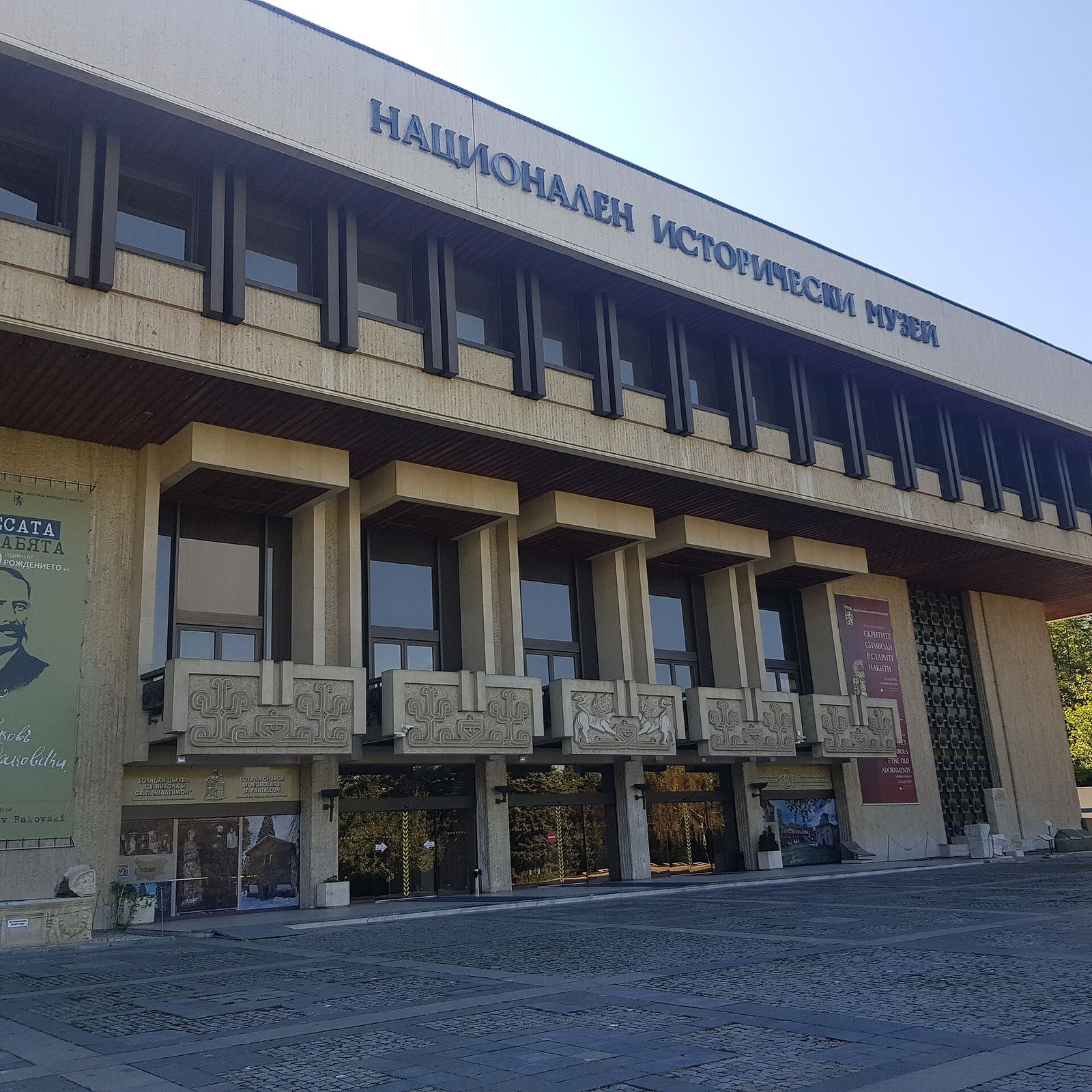
I give it about 2 hours. It's open every day, Mondays included, and it closes on the same 4 days a year as the church.
If you'd rather not walk between the two, a taxi is about a 10-minute ride.
Boyana Waterfall and Vitosha above the church
Boyana is where Sofia ends and Vitosha begins, so the church makes a natural first stop on a hiking day. The walk I'd pick from here goes up to Boyana Waterfall, a 25-metre fall on the Boyana River whose base sits at 1,260 metres.
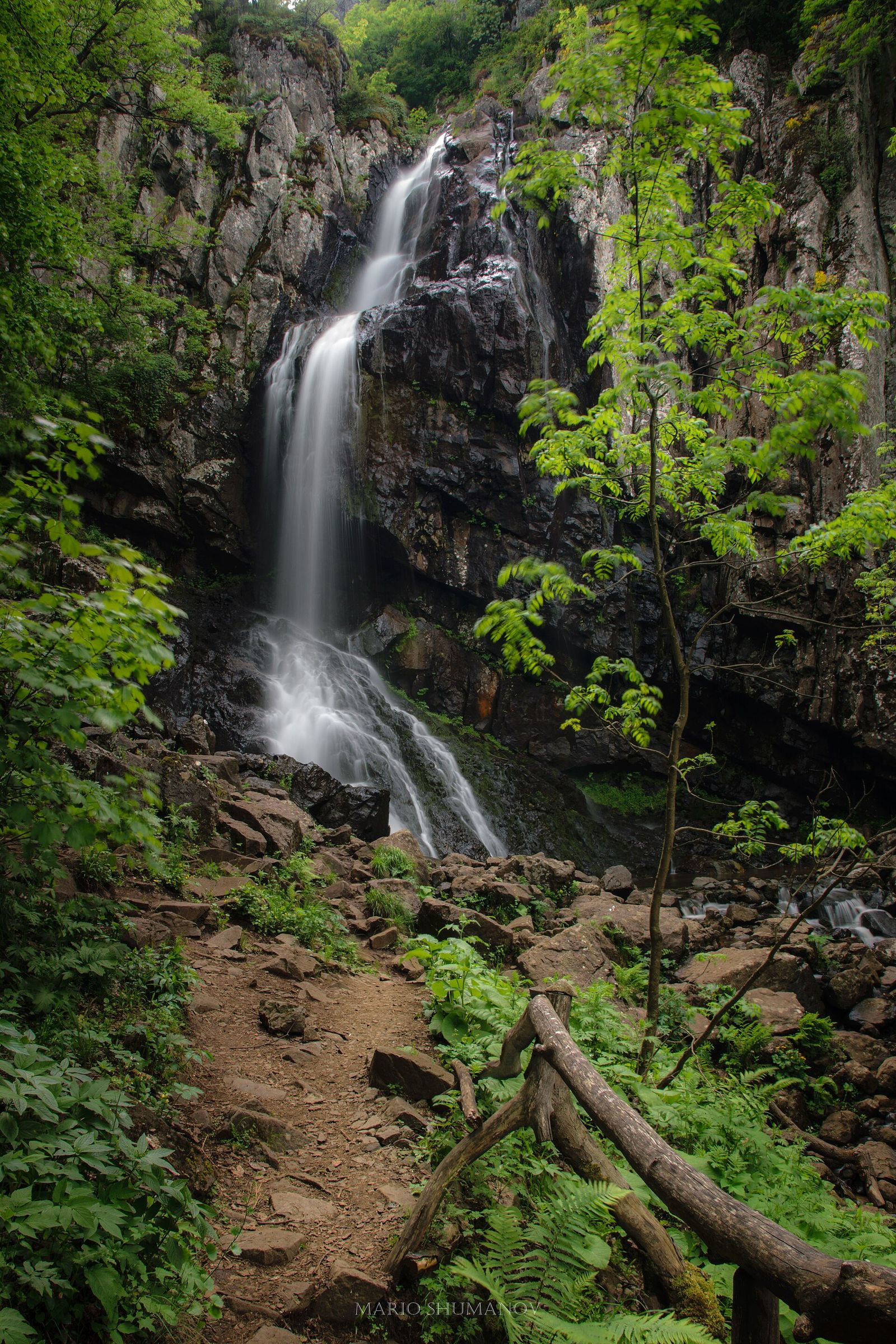
From the Boyana neighbourhood the trail takes about 3 hours up through the forest. If that's more than you want after the church, get a taxi to Kopitoto and walk to the falls in about an hour. In a cold winter the waterfall freezes in its shady valley and climbers rope up on the ice.
Cherni Vrah, the 2,290-metre top of Vitosha, needs a day of its own, so I save it for another trip.
My half-day plan for Boyana
This is the morning I plan for friends who visit in winter. In summer, swap the museum for the waterfall trail.
| Time | Plan | Cost |
|---|---|---|
| 8.30am | Taxi from the centre to Boyana Church | About €8 to €10 |
| 9am | Boyana Church at opening (9.30am from April to October) | €10 |
| 9.30am | The garden, the sequoias and Queen Eleonore's grave | Free |
| 10am | Walk down to the National History Museum | Free |
| 10.30am | National History Museum | €9 |
| 12.30pm | Taxi back to the centre for lunch | About €8 to €10 |
With two taxis the morning comes to about €35 to €39 for one person. Go both ways by metro and bus instead, tapping a contactless card, and the €2 daily cap brings it to about €21.
Key takeaways
- Boyana Church costs €10 (€3 for students and children over 7) and lets in 9 people at a time for 10 minutes, with no photos.
- The 1259 frescoes are the reason to go: 89 scenes, 240 figures, the St Nicholas cycle and the donor portraits on the north wall.
- A taxi from the centre costs about €8 to €10, and bus 65 from Krasno Selo metro costs €0.80 a ride.
- The National History Museum is about 25 minutes' walk away and costs €9, so the pair makes an easy half day.
Frequently asked questions
Why is Boyana Church important?
Boyana Church is famous for its frescoes from 1259 by the anonymous Boyana Master, who painted most of its 89 scenes and 240 figures. Its donor portraits of Kaloyan, Desislava, Tsar Constantine Tikh and Tsaritsa Irina look like real people, and it has the oldest surviving image of St Ivan of Rila. UNESCO added it to the World Heritage List in 1979.
What is the entrance fee for Boyana Church?
The entrance fee is €10 for adults and €3 for students and children over 7, and under-7s go free. Entry is also free on the last Monday of the month from 3pm, on 18 May, on 17 September and on 1 November.
How old is Boyana Church?
The oldest part of Boyana Church dates from the end of the 10th century, so it's over 1,000 years old. The two-storey middle section and its famous frescoes date from 1259, and the west end was added in the 19th century.
Can you take photos inside Boyana Church?
No, photos and video are banned inside Boyana Church, and that includes phones. Photograph the brick exterior and the garden before your slot starts.
How long do you need at Boyana Church?
You get 10 minutes inside at most, and I allow about 45 minutes with a wait in the garden. Add 20 to 25 minutes each way by taxi from the centre, or plan a half day if you're pairing it with the National History Museum.
How do I get to Boyana Church from Sofia city centre?
The easiest way is a metered taxi, about €8 to €10 and 20 to 25 minutes from the centre. By public transport, take metro line M3 to Krasno Selo and then bus 65 to its Boyana Church stop, at €0.80 a ride.
Is Boyana Church worth visiting?
Yes, if you like art or history: for me those 10 minutes beat anything else on the edge of the city. If you only have one day in Sofia and churches leave you cold, I'd skip it, since the round trip and the wait take about 1.5 hours for 10 minutes inside.
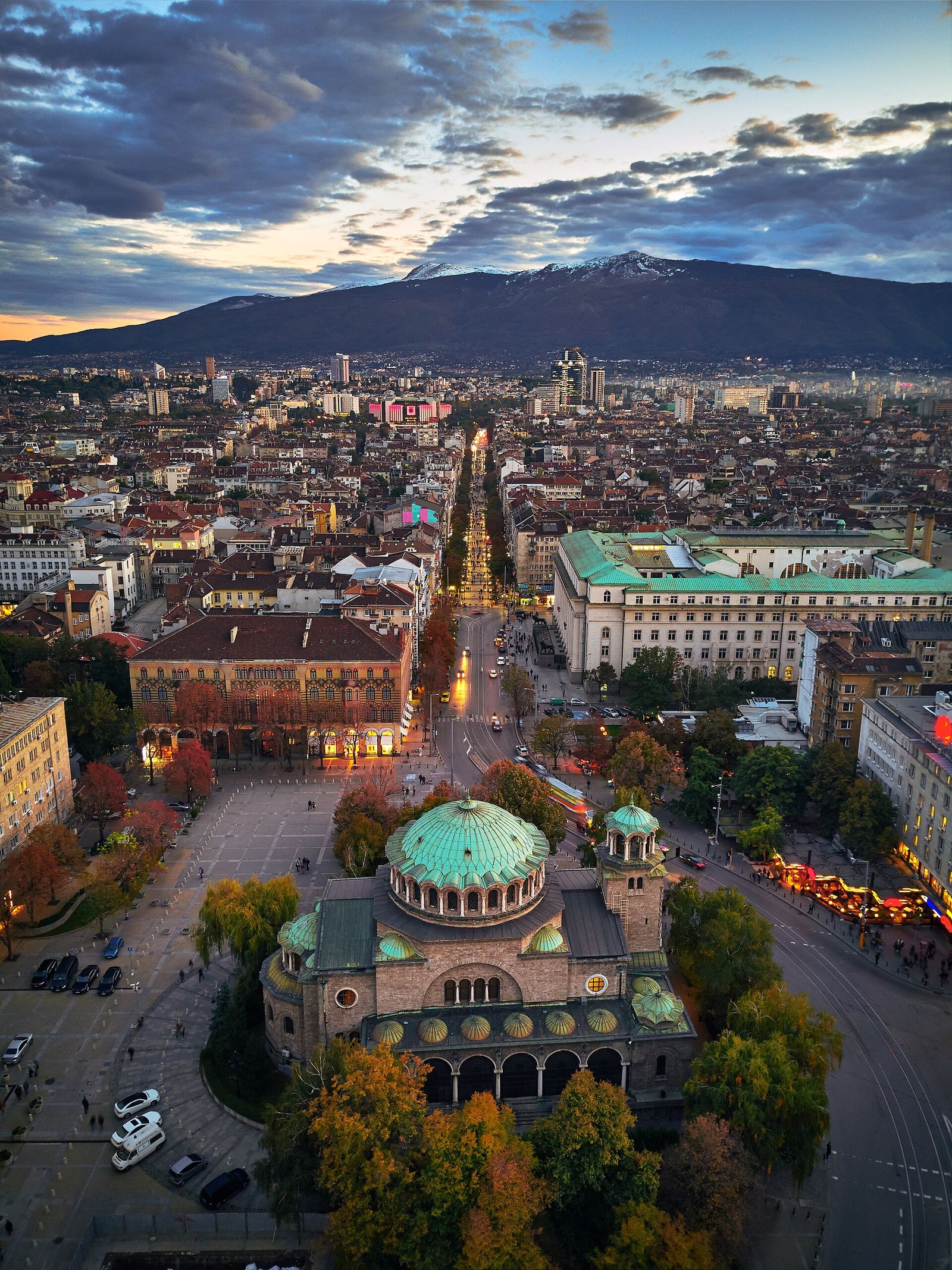
11 Best Things to Do in Sofia: My Personal Favourites
The best sights in Sofia sit close together and most are free. My 11 favourites, with prices, hours and a weekend plan.
Read the guide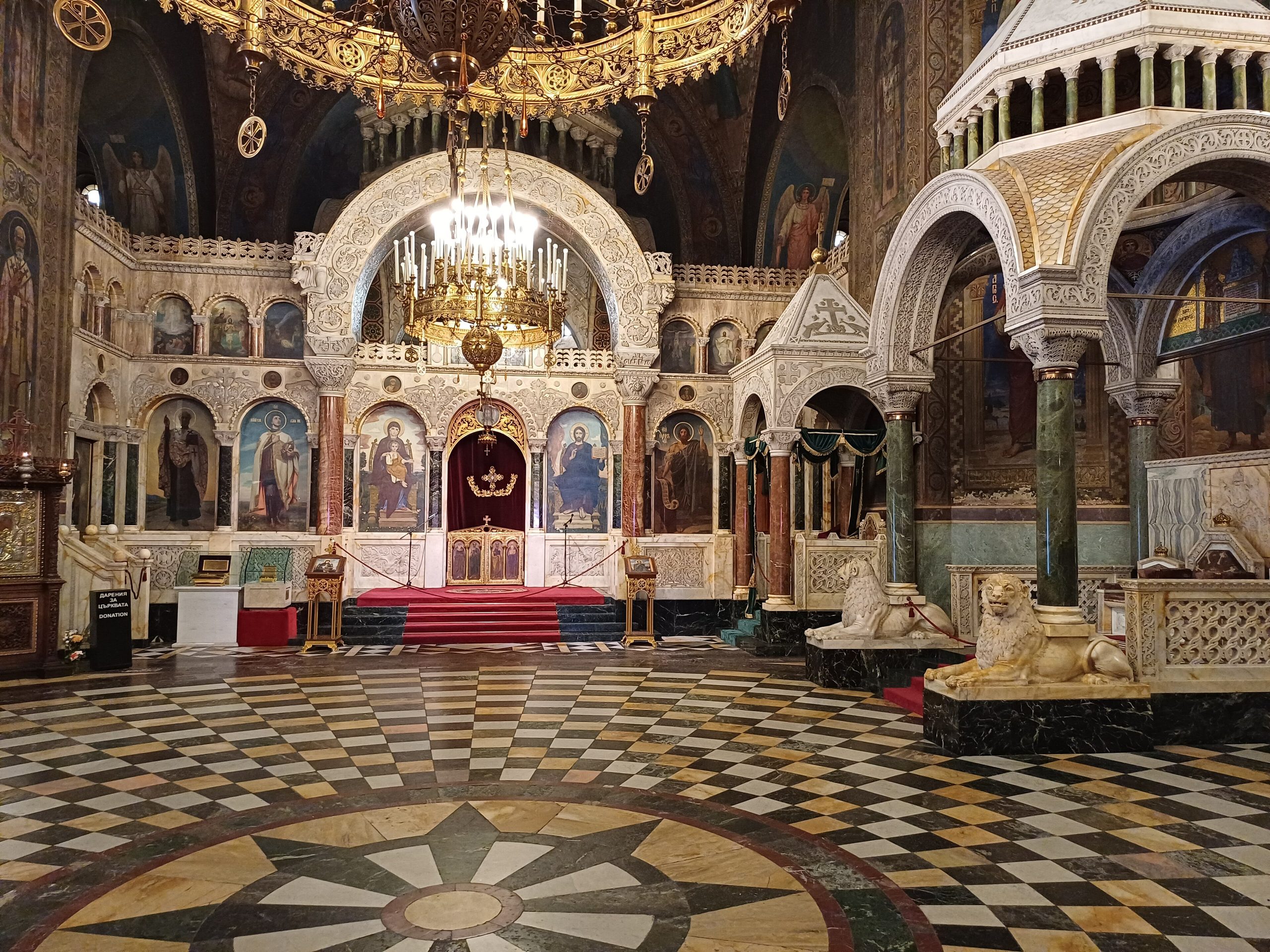
Alexander Nevsky Cathedral in Sofia: My Guide to Visiting
Sofia's gold-domed cathedral is free and open every day. How I visit it, from the crypt icons to the market outside.
Read the guide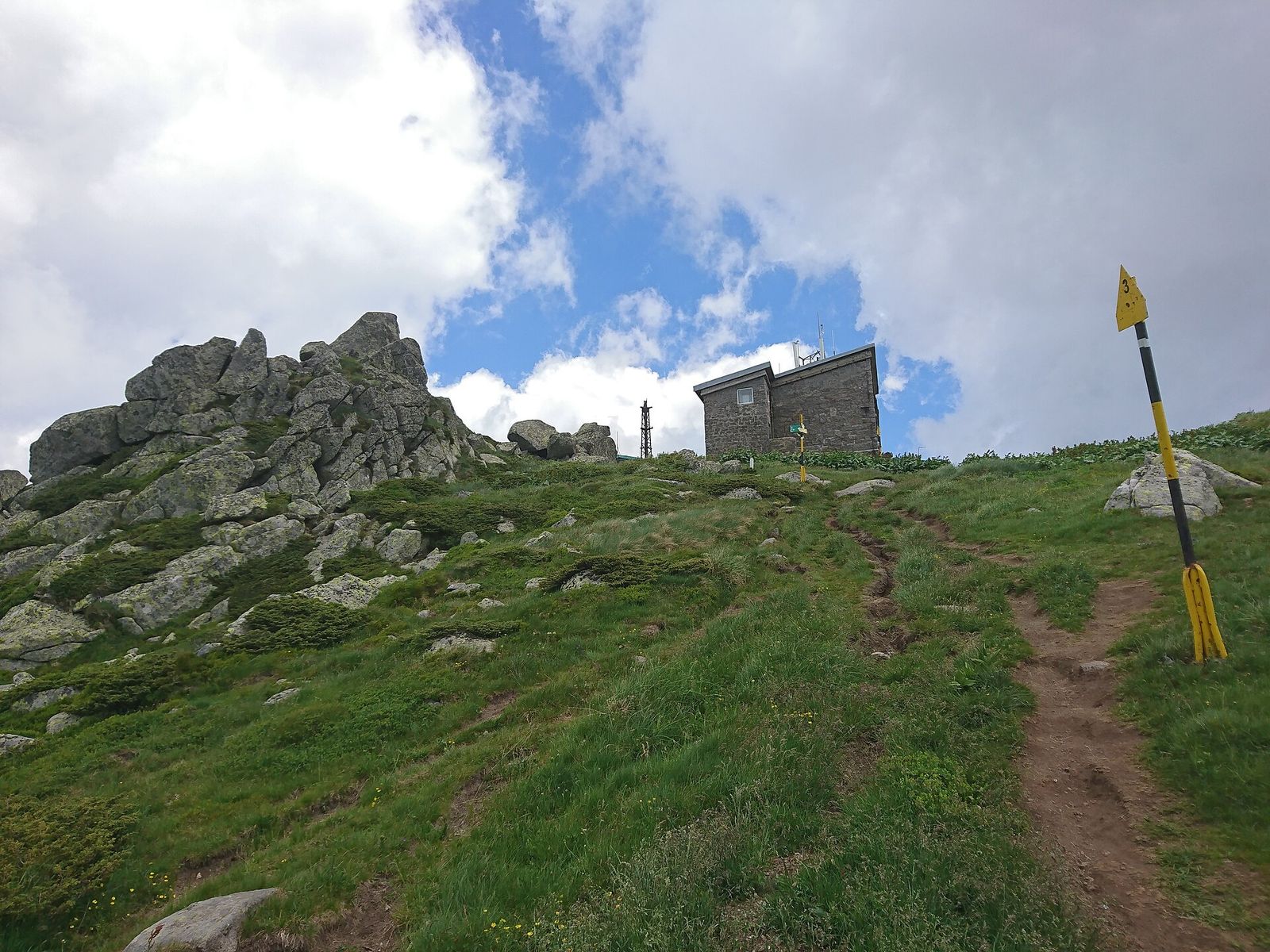
Vitosha Mountain: How I Get Up There and Where I Go
Sofia's own mountain, 2,290 metres high and one city bus away, and how I spend a day up there.
Read the guide