Bulgarian Phrases for Travellers: The Words I Use Every Day in Sofia
Bulgarian looks scary on a menu and sounds a lot friendlier out loud, and a dozen words will get you a long way in Sofia. These are the Bulgarian phrases I'd teach a friend on the way in from the airport: hello, thank you, the bill, the numbers on a price tag and how to read a nod that means no. Each one comes with the Cyrillic and how to say it.
The 12 Bulgarian words I'd learn before you land
These 12 get me through most days in Sofia. Bulgarian is written in Cyrillic, so each word comes in the Bulgarian script, then in the standard Latin spelling you'll see on signs, then in English sounds with the stressed syllable in capitals.
| English | Bulgarian | Say it like | When I use it |
|---|---|---|---|
| Hello | Здравейте (zdraveyte) | zdra-VAY-teh | Walking into a shop, café or taxi |
| Hi | Здрасти (zdrasti) | ZDRAS-tee | With people my own age, once we've smiled |
| Thank you | Благодаря (blagodarya) | bla-go-da-RYA | Everywhere, all day |
| Thanks | Мерси (mersi) | mer-SEE | The quick version at a till or bakery window |
| Please, or you're welcome | Моля (molya) | MO-lya | On the end of every order, and back when someone thanks me |
| Yes | Да (da) | dah | With a shake of the head |
| No | Не (ne) | neh | With a nod, which takes practice |
| Excuse me | Извинете (izvinete) | eez-vee-NEH-teh | Squeezing past someone, or catching a waiter's eye |
| Goodbye | Довиждане (dovizhdane) | do-VEEZH-da-neh | Leaving a shop or restaurant |
| Bye | Чао (chao) | CHAH-o | With friends, and anyone who said здрасти first |
| Cheers | Наздраве (nazdrave) | naz-DRAH-veh | The first sip of every round |
| How much is it? | Колко струва? (kolko struva?) | KOL-ko STROO-va | Market stalls and bakery windows |
Моля does three jobs: please, you're welcome and "sorry, what?" when you didn't catch something. Мерси came over from French and is the thanks I hear most at Sofia's tills, while благодаря is warmer and a touch more formal, so it's the one I use with older people.
Hello in Bulgarian and the other greetings
Hello in Bulgarian is здравейте (zdraveyte), and it's the safe choice with anyone you don't know, from the woman at the bakery window to the taxi driver. Between friends it shrinks to здравей (zdravey) for one person, and to здрасти (zdrasti) when it's casual. Bulgarians also greet by the clock:
| English | Bulgarian | Say it like | When |
|---|---|---|---|
| Good morning | Добро утро (dobro utro) | dob-RO OO-tro | Early morning |
| Good day | Добър ден (dobar den) | DO-bur den | From mid-morning to early evening |
| Good evening | Добър вечер (dobar vecher) | DO-bur VEH-cher | From early evening |
| Good night | Лека нощ (leka nosht) | LEH-ka nosht | The last goodbye of the night |
| How are you? | Как сте? (kak ste?) | kahk steh | Polite; to a friend it's как си? (kak si?) |
| Fine, thank you | Добре, благодаря (dobre, blagodarya) | dob-REH, bla-go-da-RYA | The standard answer |
| My name is... | Казвам се... (kazvam se...) | KAZ-vam seh | Introductions |
| Nice to meet you | Приятно ми е (priyatno mi e) | pree-YAT-no mee eh | With a handshake |
| Have a nice day | Приятен ден (priyaten den) | pree-YA-ten den | Shop staff say it as you leave |
Добър ден is my default in shops and cafés from mid-morning onwards, because it sounds polite whatever your Bulgarian is like after it. I say it as I walk in and довиждане on the way out, which is how Bulgarians do it in small shops.
Polite or casual "you": вие and ти
Bulgarian has two words for "you", like French. Вие (vie) is polite and plural, and ти (ti) is for friends, family, children and anyone who uses it with you first. A visitor can stick to the вие forms all weekend and never be wrong. These are the pairs that change:
| English | Polite (вие) | Casual (ти) |
|---|---|---|
| Hello | Здравейте (zdraveyte) | Здравей (zdravey) |
| Excuse me, or sorry | Извинете (izvinete) or извинявайте (izvinyavayte) | Извинявай (izvinyavay) |
| How are you? | Как сте? (kak ste?) | Как си? (kak si?) |
| Do you speak English? | Говорите ли английски? (govorite li angliyski?) | Говориш ли английски? (govorish li angliyski?) |
Благодаря, моля, да and не stay the same whoever you're talking to.
Yes and no in Bulgarian, and the head nod
Yes is да (da) and no is не (ne), which is the easy part. The body language runs the other way: Bulgarians nod for no and shake their head for yes. The yes is a looser side-to-side wobble than a firm British no, but from across a counter it looks much the same, and it's the mix-up I see most with visitors.
To make it harder, some Bulgarians switch to the Western nod when they talk to foreigners, so you can't be sure which system you're getting. My fix is to say the word with the gesture, and to ask for the word back when it matters: да или не? (da ili ne?) means "yes or no?". The head nod is the one part of Bulgarian etiquette that can flip the meaning of a conversation, so it's the one I'd practise in the mirror before you fly.
Bulgarian phrases for cafés, restaurants and bars
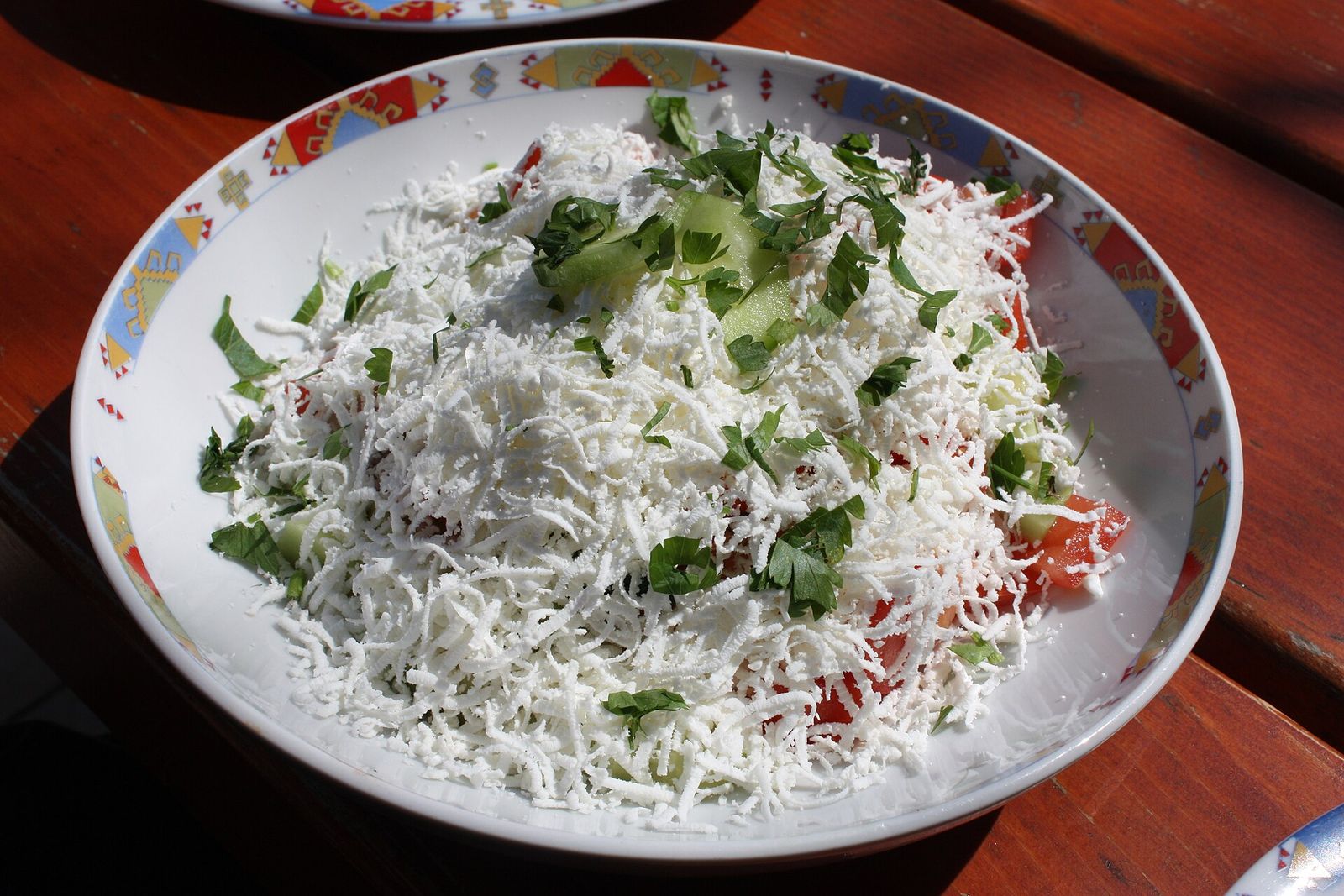
Restaurants in the centre often have an English menu, but the dish names stay Bulgarian, so една шопска салата, моля (edna shopska salata, molya) lands better than "the tomato salad with cheese". Shopska is the Bulgarian food I'd order first: tomato, cucumber and peppers under a snowdrift of grated sirene cheese, eaten with the first drink of the evening.
| English | Bulgarian | Say it like |
|---|---|---|
| A table for two, please | Маса за двама, моля (masa za dvama, molya) | MA-sa za DVA-ma, MO-lya |
| Can I have the menu? | Може ли менюто? (mozhe li menyuto?) | MO-zheh lee meh-NYOO-to |
| One coffee, please | Едно кафе, моля (edno kafe, molya) | ed-NO ka-FEH, MO-lya |
| Coffee with milk | Кафе с мляко (kafe s mlyako) | ka-FEH s MLYA-ko |
| Still or sparkling water | Негазирана или газирана вода (negazirana ili gazirana voda) | neh-ga-ZEE-ra-na EE-lee ga-ZEE-ra-na vo-DA |
| A draught beer | Една наливна бира (edna nalivna bira) | ed-NA na-LEEV-na BEE-ra |
| A glass of red or white wine | Чаша червено или бяло вино (chasha cherveno ili byalo vino) | CHA-sha cher-VEH-no EE-lee BYA-lo VEE-no |
| Without meat | Без месо (bez meso) | bez meh-SO |
| It's delicious | Много е вкусно (mnogo e vkusno) | MNO-go eh VKOOS-no |
| The bill, please | Сметката, моля (smetkata, molya) | SMET-ka-ta, MO-lya |
| Can I pay by card? | Мога ли да платя с карта? (moga li da platya s karta?) | MO-ga lee da pla-TYA s KAR-ta |
| Keep the change | Задръжте рестото (zadrazhte restoto) | za-DRUZH-teh RES-to-to |
| Enjoy your meal | Добър апетит (dobar apetit) | DO-bur a-peh-TEET |
| Cheers | Наздраве (nazdrave) | naz-DRAH-veh |
Наздраве means "to health", and it comes with eye contact and a clink with everyone at the table. If the first round is rakia, sip it with the salad: one small glass is meant to last until the main course arrives, and Bulgarians take one sip per mouthful. Задръжте рестото is the phrase I use most for tipping in Bulgaria, because I can hand over a note, say it and leave the waiter the change.
Menu words to recognise
Even with an English menu, the specials board and the bakery counter are in Cyrillic. These are the words I'd learn to spot.
| On the menu | Latin spelling | What it means |
|---|---|---|
| хляб | hlyab | Bread |
| сирене | sirene | White brined cheese, close to feta |
| кашкавал | kashkaval | Yellow cheese |
| пилешко | pileshko | Chicken |
| свинско | svinsko | Pork |
| телешко | teleshko | Veal or beef |
| агнешко | agneshko | Lamb |
| риба | riba | Fish |
| зеленчуци | zelenchutsi | Vegetables |
| чорба or супа | chorba or supa | Soup |
| на скара | na skara | Grilled |
| баница | banitsa | Flaky filo pastry with cheese |
Баница is the one I see on more signs than any other word in Sofia. At a bakery window, една баница, моля (edna banitsa, molya) gets you a piece, and айрян (ayran), a salted yoghurt drink, is the breakfast pairing.
Bulgarian phrases for shops and markets
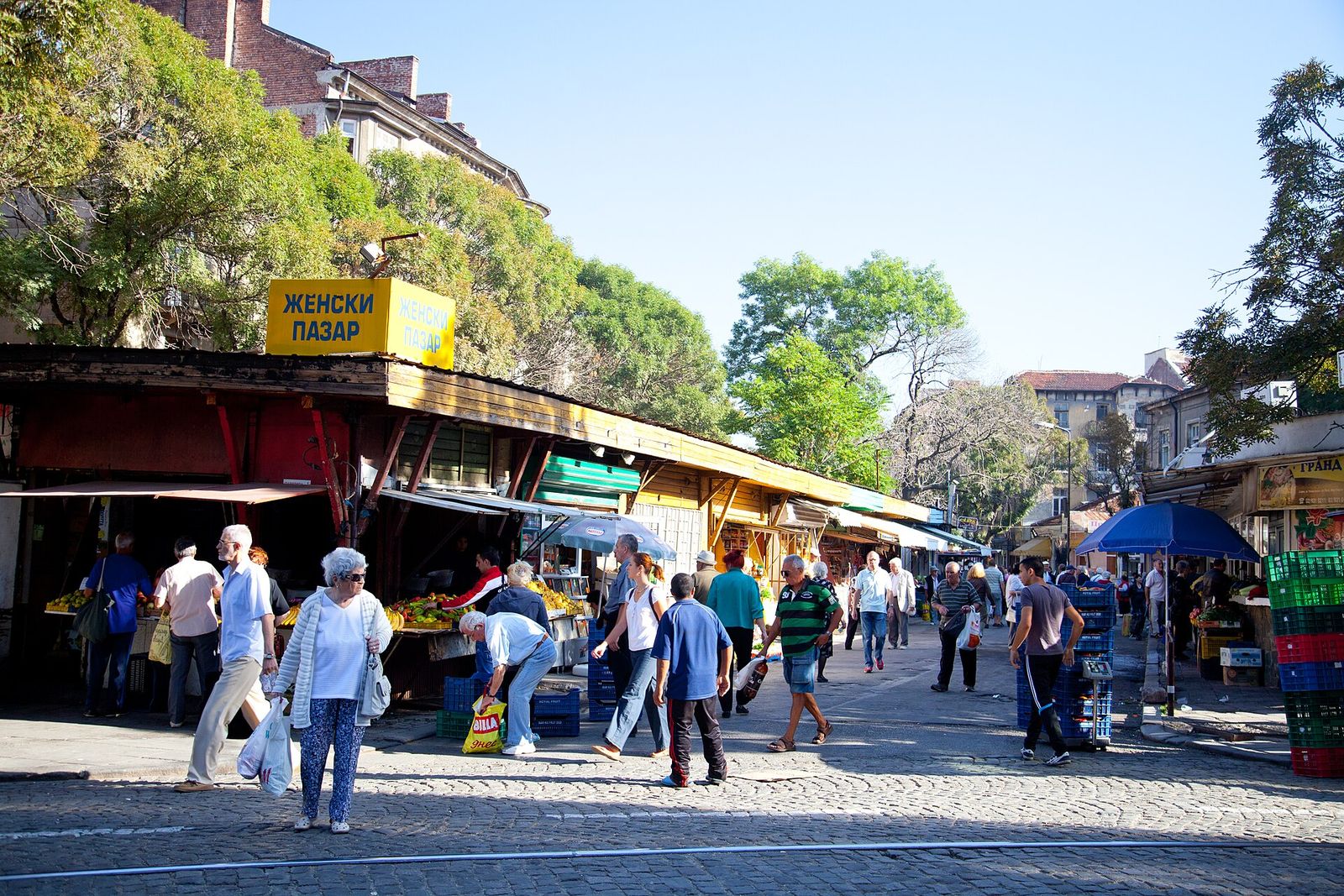
Market stalls are where English runs out quickest and where a few words get the warmest welcome. My favourite place to practise is Zhenski Pazar, the Women's Market (Женски пазар) along Stefan Stambolov Boulevard, where stallholders sell fruit, vegetables, cheese and spices by the kilo.
| English | Bulgarian | Say it like |
|---|---|---|
| How much is it? | Колко струва? (kolko struva?) | KOL-ko STROO-va |
| This one, please | Това, моля (tova, molya) | to-VA, MO-lya |
| Do you have...? | Имате ли...? (imate li...?) | EE-ma-teh lee |
| Half a kilo | Половин килограм (polovin kilogram) | po-lo-VEEN kee-lo-GRAM |
| I'm just looking | Само гледам (samo gledam) | SA-mo GLEH-dam |
| I'll take this | Ще взема това (shte vzema tova) | shteh VZEH-ma to-VA |
| Do you take cards? | Приемате ли карти? (priemate li karti?) | pree-EH-ma-teh lee KAR-tee |
| A bag, please | Една торбичка, моля (edna torbichka, molya) | ed-NA tor-BEECH-ka, MO-lya |
| That's all | Това е всичко (tova e vsichko) | to-VA eh VSEECH-ko |
Learn the word няма (nyama) as well. It means "there isn't any", and it's the answer you'll get when the bakery has sold out of banitsa or the stallholder has no change for a €20 note. A shrug with it means there's no point asking twice, so try the next stall.
Numbers in Bulgarian for prices in euros
Bulgaria switched to the euro on 1 January 2026, so every price you'll hear is in евро (evro). The word stays the same whatever the number: едно евро (edno evro) is €1 and пет евро (pet evro) is €5. These are the numbers I'd learn, because they cover most bills in Sofia.
| Number | Bulgarian | Say it like |
|---|---|---|
| 1 | едно (edno) | ed-NO |
| 2 | две (dve) | dveh |
| 3 | три (tri) | tree |
| 4 | четири (chetiri) | CHEH-tee-ree |
| 5 | пет (pet) | pet |
| 6 | шест (shest) | shest |
| 7 | седем (sedem) | SEH-dem |
| 8 | осем (osem) | O-sem |
| 9 | девет (devet) | DEH-vet |
| 10 | десет (deset) | DEH-set |
| 15 | петнайсет (petnayset) | pet-NAY-set |
| 20 | двайсет (dvayset) | DVAY-set |
| 50 | петдесет (petdeset) | pet-deh-SET |
| 100 | сто (sto) | sto |
Bigger numbers follow a pattern you can hear: двайсет и пет (dvayset i pet) is 25, literally "twenty and five". The teens all end in -найсет (nayset), so единайсет (edinayset) is 11 and дванайсет (dvanayset) is 12, and the longer forms you'll see written down, единадесет and дванадесет, are the same numbers.
One and two change with the noun. Един (edin) goes with masculine words like билет (bilet, ticket), една (edna) with feminine words like бира (bira, beer), and едно with neuter words like кафе and евро. Two works the same way: два билета (dva bileta) for two tickets, but две бири (dve biri) for two beers.
Cards work in most of central Sofia, so the numbers matter most at market stalls and kiosks, where I still pay cash. Since the switch, money in Bulgaria is the same euro notes and coins you'd spend in Spain or France, so leftover euros from another trip work here too.
Getting around Sofia: metro, taxi and directions phrases
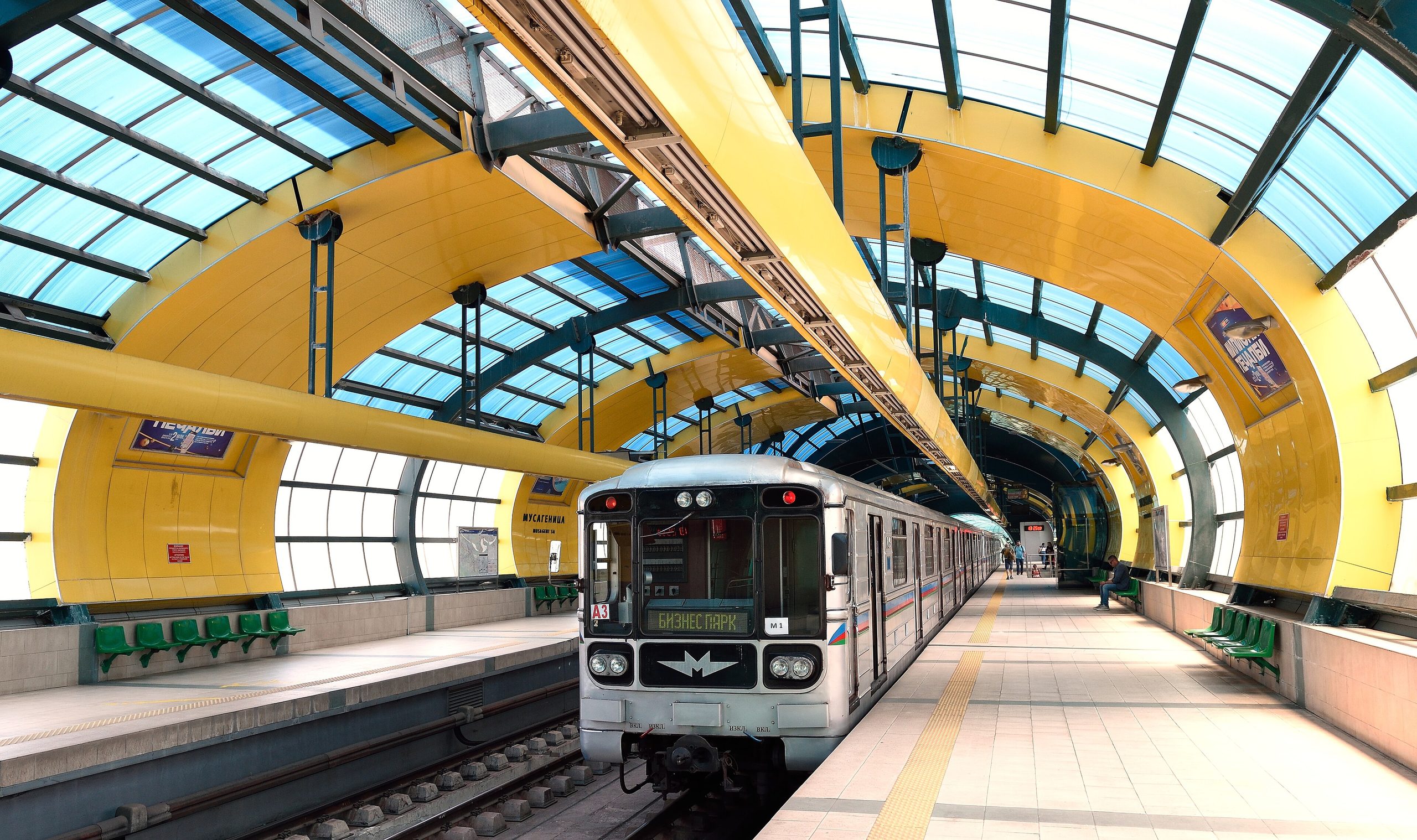
The Sofia metro is the easiest place to start reading Cyrillic. Station names on the platform walls are written in Cyrillic with the Latin spelling underneath, so you can match МУСАГЕНИЦА to Musagenitsa letter by letter while you wait.
| English | Bulgarian | Say it like |
|---|---|---|
| Where is...? | Къде е...? (kade e...?) | ku-DEH eh |
| the metro | метрото (metroto) | MEH-tro-to |
| the bus or tram stop | спирката (spirkata) | SPEER-ka-ta |
| the train station | гарата (garata) | GA-ra-ta |
| the bus station | автогарата (avtogarata) | av-to-GA-ra-ta |
| the airport | летището (letishteto) | leh-TEESH-teh-to |
| One ticket, please | Един билет, моля (edin bilet, molya) | eh-DEEN bee-LET, MO-lya |
| To the centre, please | До центъра, моля (do tsentara, molya) | do TSEN-tu-ra, MO-lya |
| Stop here, please | Спрете тук, моля (sprete tuk, molya) | SPREH-teh took, MO-lya |
| Left or right | Наляво или надясно (nalyavo ili nadyasno) | na-LYA-vo EE-lee na-DYAS-no |
| Straight on | Направо (napravo) | na-PRA-vo |
| How far is it? | Колко е далече? (kolko e daleche?) | KOL-ko eh da-LEH-cheh |
In a taxi I say the destination with до (do) in front and моля on the end: до НДК, моля, or до Александър Невски, моля. Everyone in Sofia calls the National Palace of Culture НДК (en-deh-KA), and drivers know it by those three letters. Before I get in, I read the price sticker on the side window, because taxis in Sofia show their rates there, and a car without one stays at the kerb.
Bulgarian signs to recognise in Sofia
These 13 signs save you pushing doors that say pull and hunting for the toilet.
| Sign | Latin spelling | What it means |
|---|---|---|
| ВХОД | vhod | Entrance |
| ИЗХОД | izhod | Exit |
| БУТНИ | butni | Push |
| ДРЪПНИ | drapni | Pull |
| ОТВОРЕНО | otvoreno | Open |
| ЗАТВОРЕНО | zatvoreno | Closed |
| ТОАЛЕТНА | toaletna | Toilet |
| КАСА | kasa | Till, or ticket desk |
| АПТЕКА | apteka | Pharmacy |
| СПИРКА | spirka | Bus or tram stop |
| ГАРА | gara | Railway station |
| ФУРНА or ПЕКАРНА | furna or pekarna | Bakery |
| ПУШЕНЕТО ЗАБРАНЕНО | pusheneto zabraneno | No smoking |
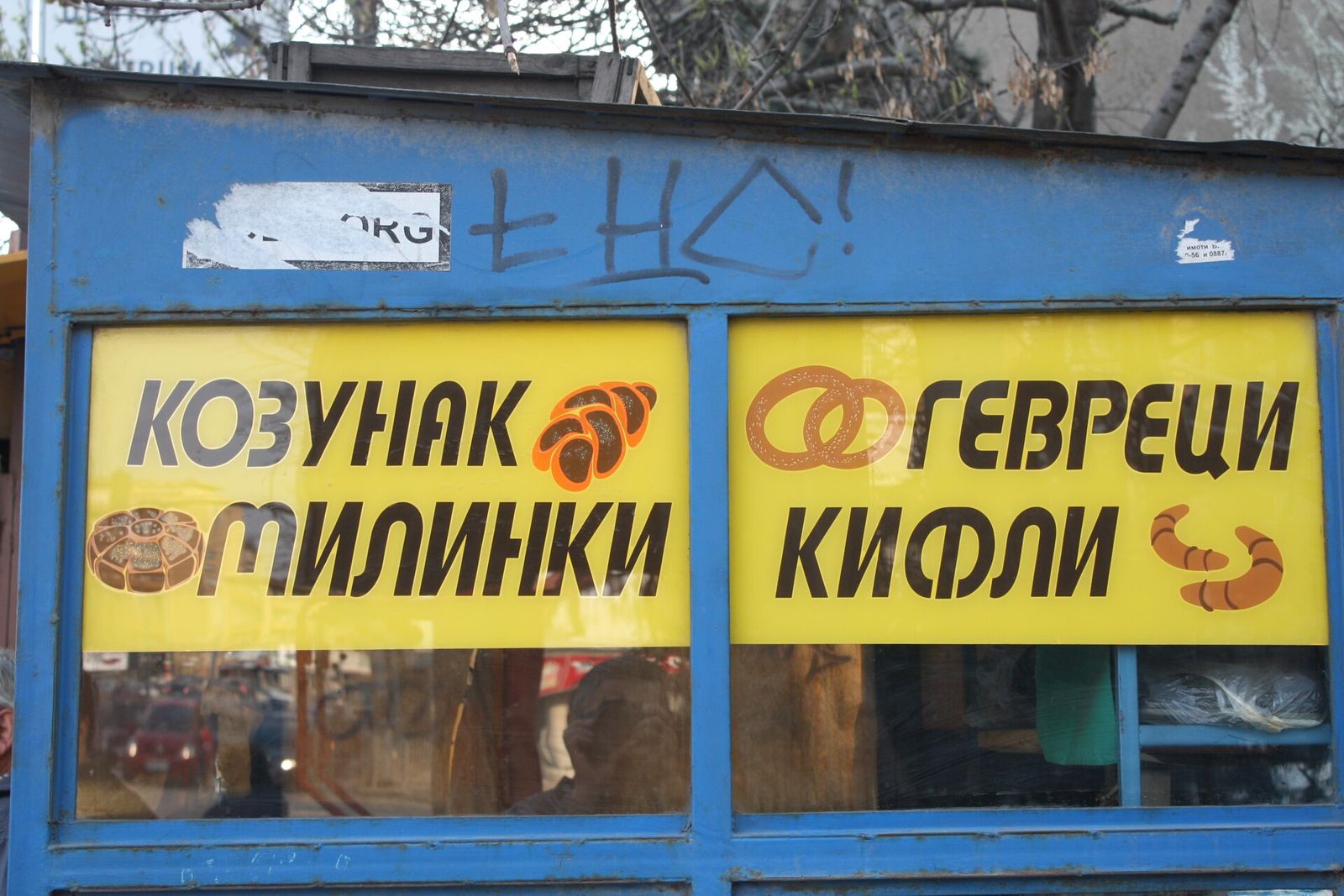
Bakery kiosks are good reading practice because the pictures help. You'll see козунак (kozunak, a sweet plaited loaf), гевреци (gevretsi, sesame bread rings), милинки (milinki, soft little rolls) and кифли (kifli, crescent rolls), and those four words alone use 15 of the 30 letters.
Emergency and pharmacy phrases in Bulgarian
These are the ones I keep saved on my phone. 112 is the emergency number in Bulgaria for police, ambulance and fire, the same as across the EU.
| English | Bulgarian | Say it like |
|---|---|---|
| Help! | Помощ! (pomosht!) | PO-mosht |
| Call an ambulance | Повикайте линейка (povikayte lineyka) | po-VEE-kay-teh lee-NAY-ka |
| I need a doctor | Трябва ми лекар (tryabva mi lekar) | TRYAB-va mee LEH-kar |
| Hospital | Болница (bolnitsa) | BOL-nee-tsa |
| Pharmacy | Аптека (apteka) | ap-TEH-ka |
| Police | Полиция (politsia) | po-LEE-tsee-ya |
| I'm allergic to... | Алергичен or алергична съм на... (alergichen or alergichna sam na...) | a-ler-GEE-chen or a-ler-GEECH-na sum na |
| I've lost my passport | Изгубих си паспорта (izgubih si pasporta) | eez-GOO-beeh see pas-POR-ta |
| I don't understand | Не разбирам (ne razbiram) | neh raz-BEE-ram |
| More slowly, please | По-бавно, моля (po-bavno, molya) | po-BAV-no, MO-lya |
| Do you speak English? | Говорите ли английски? (govorite li angliyski?) | go-VO-ree-teh lee an-GLEEY-skee |
The allergy line has two forms: a man says алергичен, a woman says алергична. Follow it with the thing itself: ядки (yadki) for nuts, мляко (mlyako) for milk or глутен (gluten) for gluten. If it's serious, write it on a card in Cyrillic and hand it over when you order.
How to pronounce Bulgarian: the letters that catch Brits out
Bulgarian is spelt the way it sounds, so once you know the 30 letters of the Bulgarian alphabet you can read any word aloud. The trouble is the handful that look like English letters and make a different sound.
| Letter | Looks like | Sounds like | Example |
|---|---|---|---|
| В | B | v, as in "van" | вино (vino), wine |
| Н | H | n, as in "no" | не (ne), no |
| Р | P | a rolled r | ресто (resto), change |
| С | C | s, as in "sun" | сметка (smetka), bill |
| У | y | oo, as in "food" | утро (utro), morning |
| Х | X | h, as in "loch" | изход (izhod), exit |
| И | a backwards N | ee, as in "see" | или (ili), or |
| Я | a backwards R | ya, as in "yard" | мляко (mlyako), milk |
| Ъ | no English twin | u, as in "but" | добър (dobar), good |
| Щ | Ш with a tail | sht, as in "ashtray" | нощ (nosht), night |
| Ж | an X with a line through it | the s in "measure" | Женски пазар (Zhenski Pazar) |
| Ц | a U with a tail | ts, as in "cats" | центъра (tsentara), the centre |
Ъ is the letter that muddles spellings. The official Latin spelling writes it as a, so Търново becomes Tarnovo and добър becomes dobar, but you say it closer to "DO-bur". The country's own name is the one exception: България is officially written Bulgaria, and said bul-GA-ree-ya.
Stress is the other trap. It can fall on any syllable and there's no rule to learn, which is why my tables mark it in capitals. On handwritten menus and some shop signs, italic letters change shape too: т looks like an English m, д like a g and и like a u, so a chalkboard offering "mopma" is selling торта (torta), cake.
Bulgarian words you'll hear all day in Sofia
Spoken Bulgarian is full of small words that set the mood of a sentence, and they were the first ones I picked up from listening in cafés. Two of them, ей сега and кака, say a lot about Bulgarian culture: time runs loosely, and family words get used for friends.
| Word | Say it like | What it means |
|---|---|---|
| Айде (ayde) or хайде (hayde) | AY-deh, HAY-deh | "Come on", "let's go" and, with чао, "bye then": айде, чао ends a lot of phone calls |
| Добре (dobre) | dob-REH | "Good", "OK" or "fine", depending on the tone, and the answer to как си? |
| Ей сега (ey sega) | ey seh-GA | "Right now", which in practice means in a minute or two |
| Няма проблем (nyama problem) | NYA-ma prob-LEM | "No problem", which you'll hear a lot |
| Кака (kaka) and бате (bate) | KA-ka, BA-teh | Older sister and older brother, also used for any older woman or man you're on friendly terms with |
| Абе (abe) | A-beh | A casual "well" or "look" at the start of a sentence, for friends only |
| Значи (znachi) | ZNA-chee | "So" or "right then", the filler word at the start of an explanation |
Key takeaways
- Здравейте, благодаря, моля, да, не and наздраве cover most of a weekend in Sofia.
- A Bulgarian nod means no and a shake means yes, so listen for the word rather than watching the head.
- Може ли plus any noun makes a polite request, from the bill to a glass of water.
- Use the polite вие forms with strangers, staff and older people, and keep ти for friends.
- Learn the numbers 1 to 10, 20, 50 and 100, because prices in euros are read as two numbers joined by и.
Frequently asked questions
How do you say hello in Bulgarian?
Hello in Bulgarian is здравейте (zdraveyte), the polite form for strangers and groups. With one friend it's здравей (zdravey), and the casual "hi" is здрасти (zdrasti). Добър ден (dobar den), good day, works in any shop or café from mid-morning.
What is kaka in Bulgarian?
Кака (kaka) means older sister. Bulgarians also use it as a friendly way to address an older girl or woman, the same way бате (bate), older brother, is used for an older man.
Is Bulgarian an easy language to learn?
Bulgarian is easier to start than it looks, because words are read the way they're written and nouns don't change their endings for case, which Russian and Polish nouns do. The hard parts are the verbs, the stress, which moves from word to word, and the 30-letter Cyrillic alphabet, which I'd give an afternoon before your trip.
Do people in Sofia speak English?
Many younger people in Sofia speak good English, especially in cafés, bars, hotels and shops in the centre. English runs thinner at market stalls, in taxis and with older Bulgarians, which is where the phrases in this post earn their keep.
How do you say cheers in Bulgarian?
Cheers in Bulgarian is наздраве (nazdrave), which means "to health". Look each person in the eye as you clink, and sip the first glass rather than knocking it back.
What should I avoid doing in Bulgaria?
Don't trust the head: a nod means no and a shake means yes, so check with да или не? (da ili ne?) before you act on it. Use the polite вие forms with anyone older or anyone serving you, and keep eye contact when you toast.
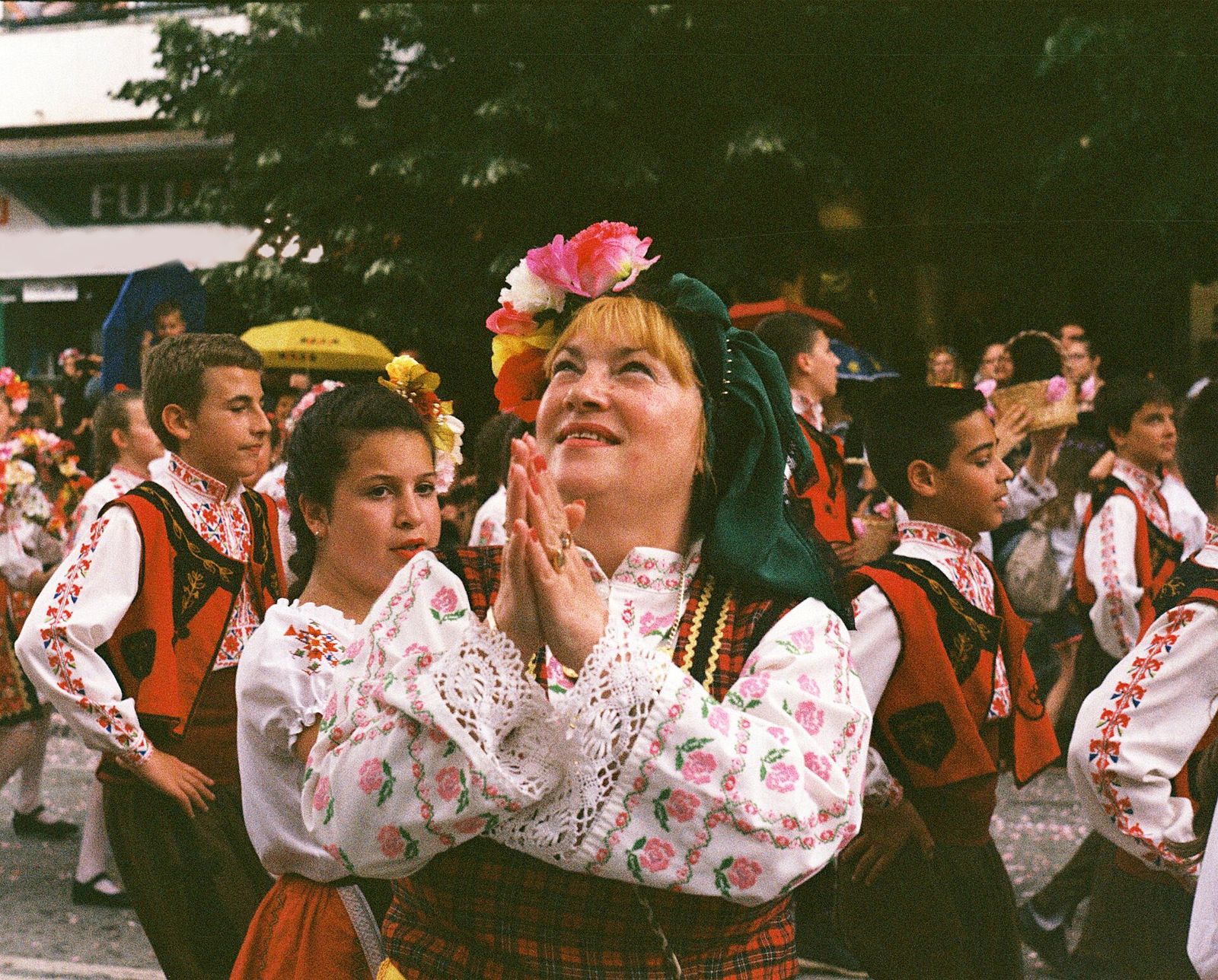
Bulgarian Culture and Traditions: A Visitor's Guide
Nods that mean no, rakia sipped with salad and masked kukeri: the Bulgarian customs I'd want you to know before a trip.
Read the guide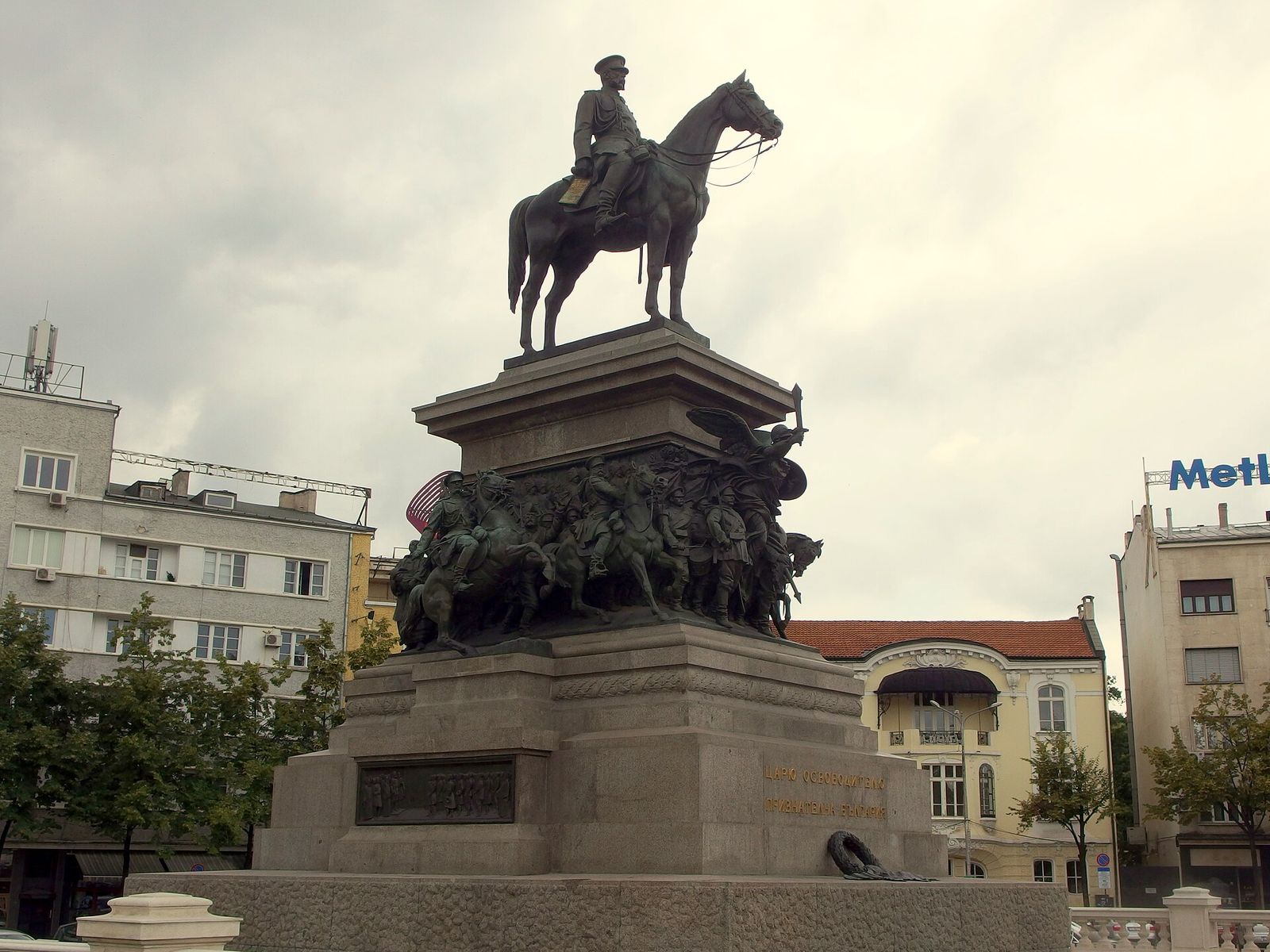
A Short History of Bulgaria (and Where to See It in Sofia)
Thracian gold to the euro: Bulgarian history era by era, and the Sofia sights where I see each chapter.
Read the guide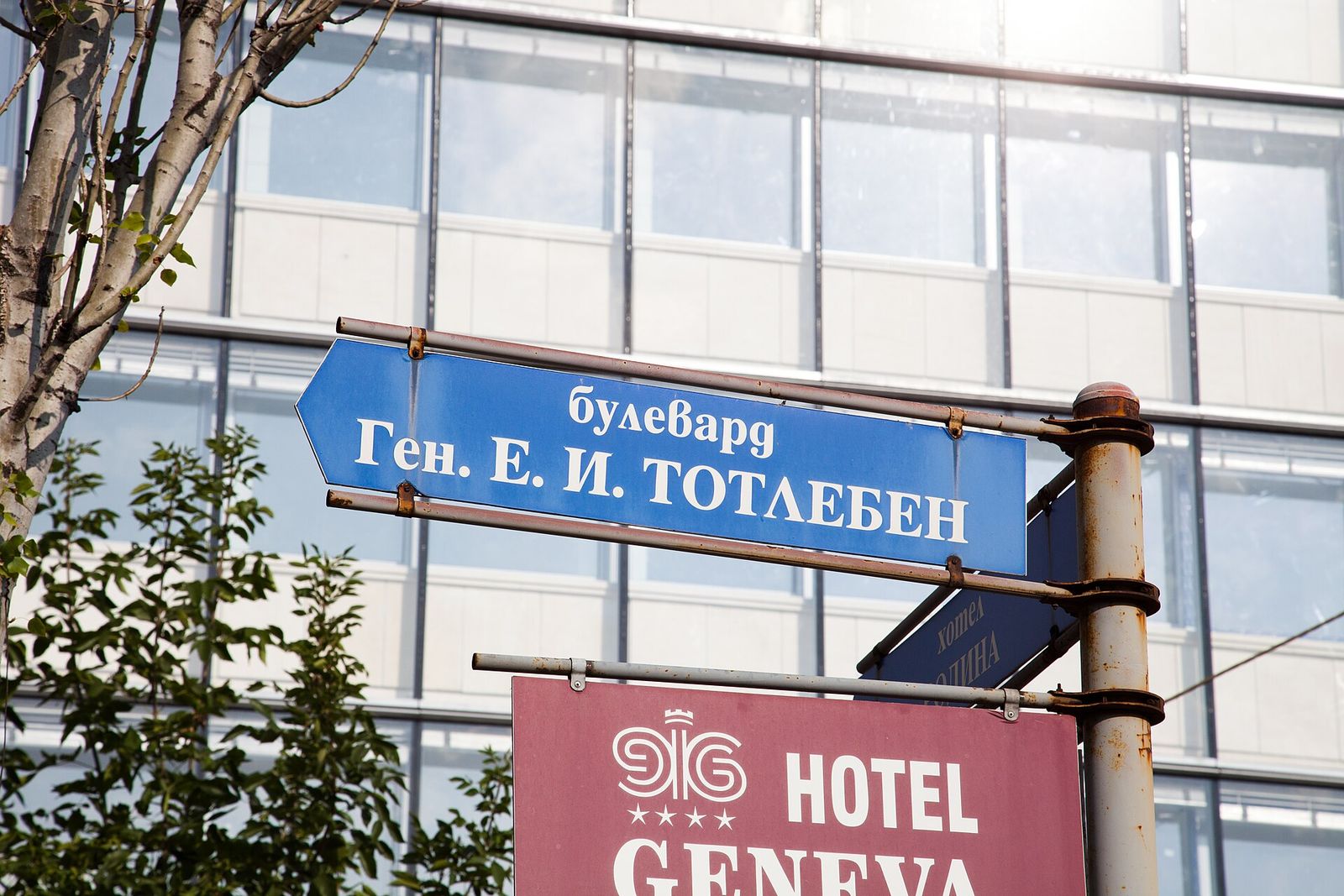
The Bulgarian Alphabet: How I Read Cyrillic in Sofia
All 30 letters of the Bulgarian alphabet, the six that fool English readers, and how I read Sofia signs with them.
Read the guide