Is Sofia Safe? My Honest Take as a Brit Who Lives Here
Sofia is one of the calmer European capitals to wander: violent crime against visitors is rare, and the trouble most people meet is a pickpocket on a tram or a taxi driver with no interest in his meter. I live in the centre, so this is my answer to whether Sofia is safe, area by area and hour by hour, with the scams I watch for and the one number to save.
Is Sofia safe for tourists?
Yes. Sofia is a safe city for a weekend away. I walk home alone through the centre at midnight most weekends and ride the metro at every hour it runs. The crime that does reach visitors is theft and overcharging, and it clusters in a few places: packed trams, the airport arrivals hall and a handful of clubs.
Read the UK government's travel advice for Bulgaria before you fly: its safety section lists the same risks I brief friends on, plus protests and bad roads.
Is Sofia safe at night?
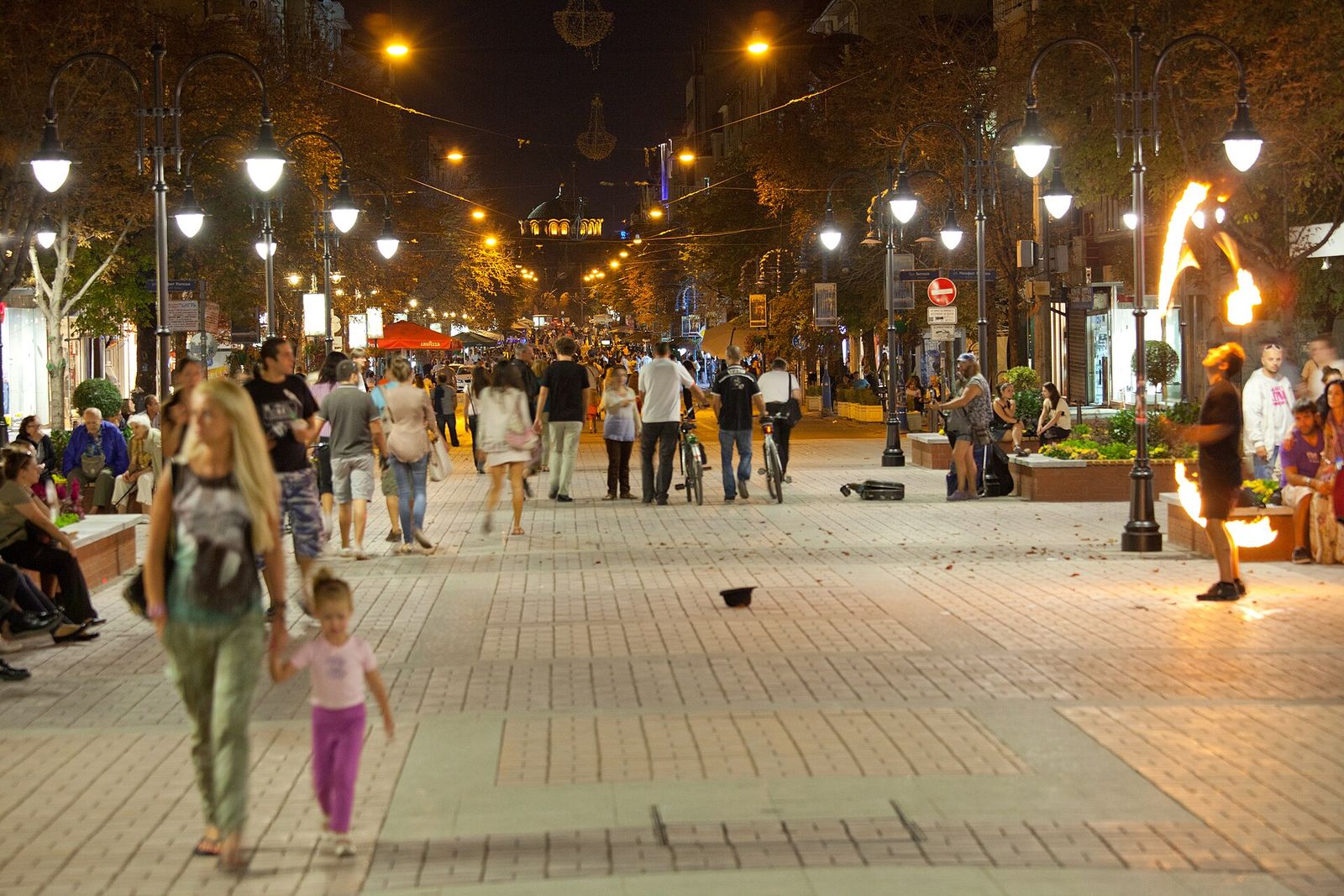
Central Sofia is safe at night. On a summer evening the car-free stretch of Vitosha Boulevard, from Alabin Street down to Patriarh Evtimiy Boulevard, is still full of families, buskers and couples with ice creams at 11pm. It's lit and busy, and it's the street I'd pick for a walk back to a hotel. Most of Sofia's nightlife sits on and around it, in side streets such as Rakovski and Neofit Rilski, so a night out in the centre rarely ends more than a short walk from a lit main road.
That's why I tell friends to stay in the centre: the walk home after dinner is short, on busy pavements, and needs no taxi. The streets round the stations, Lions Bridge and the big parks are the parts of the centre I'd think twice about after dark.
| Area | After dark | What I do |
|---|---|---|
| Vitosha Boulevard, Rakovski and the streets around them | Lit and busy until late, especially at weekends | Walk it |
| Alexander Nevsky Cathedral, the Largo and Tsar Osvoboditel Boulevard | Quieter once the restaurants close, still well lit | Walk it |
| Central Railway Station and Central Bus Station | Thin crowds, people hanging about, taxi touts | Arrive by metro, leave in a booked taxi |
| Lions Bridge and the far end of the Women's Market | Shuttered stalls and dim side streets | Skip it on foot late at night |
| Borisova Gradina and South Park | Unlit paths away from the main avenues | Stay on the lit paths or walk round |
| Studentski Grad, the student district | Packed bars and clubs at weekends | Fine for a night out, taxi home |
Getting home after midnight
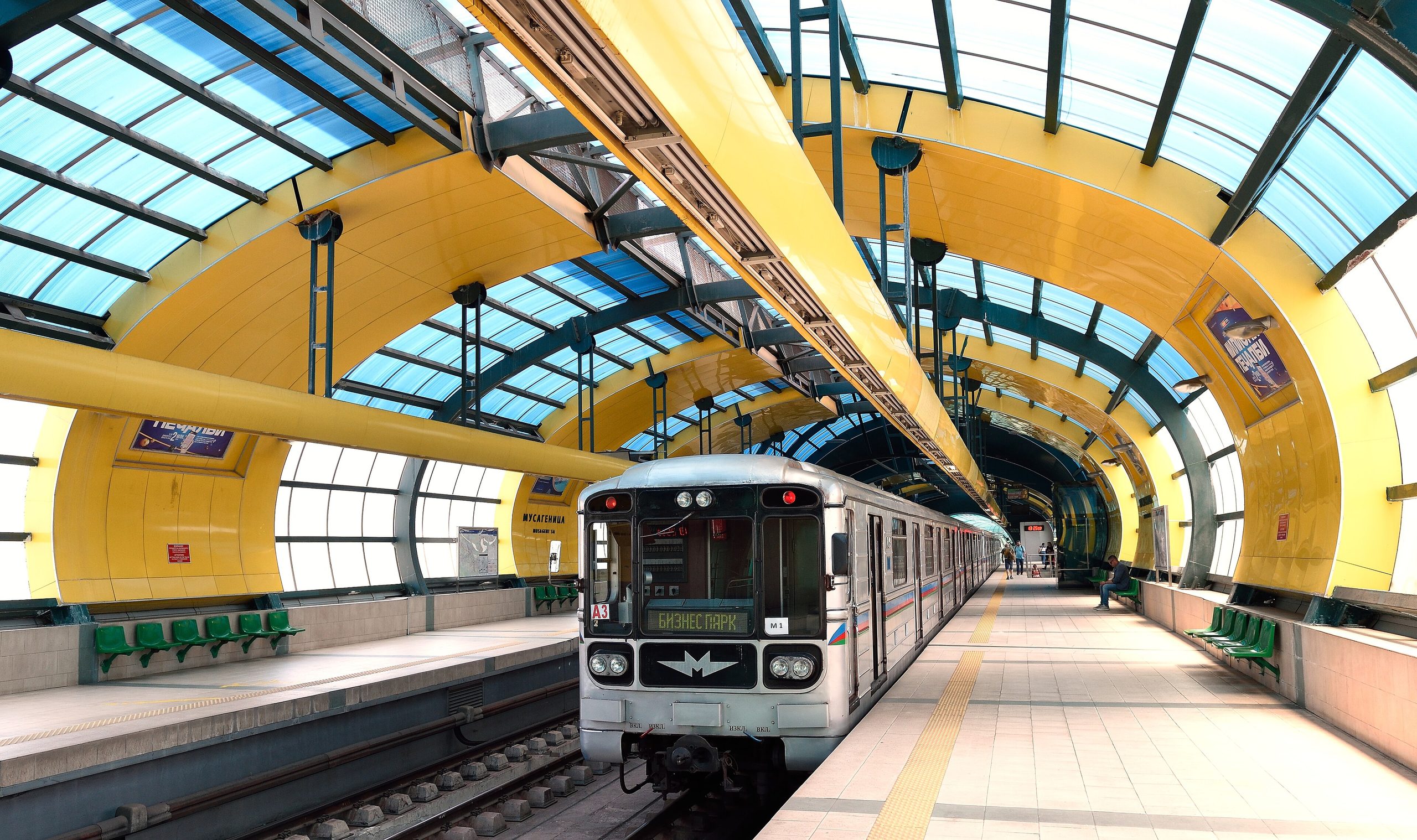
The Sofia metro runs from about 5am to midnight, and a few last trains leave just after 12. The last weekday train from Serdika to the airport goes at 23.23. After that a handful of night buses cover the main routes, including the N4 to both airport terminals, and a 24-hour transport card with night buses included costs €3.
Taxis run all night on a higher tariff: €1.70 to start and €0.85 a kilometre from 10pm to 6am on OK Supertrans, one of the big firms. A 5 km ride home comes to about €6, which is why I never walk a long way home through quiet streets to save money. I book through an app, so I keep data on my phone, either a UK plan that works in the EU or a Bulgarian SIM card.
Scams in Sofia I'd watch for
Six scams catch visitors in Sofia, and most of them work best on someone who has just landed or has had a few drinks.
| Scam | Where it happens | What I do |
|---|---|---|
| A driver offering a ride, then charging what he likes | Sofia Airport arrivals, the Central Railway Station | Walk past and use the official taxi desk or an app |
| No meter running, or a tariff far above the window sticker | Cabs waiting outside hotels and at the big sights | Read the sticker first, or book by app |
| A bill for hundreds of pounds, with threats if you refuse | So-called gentlemen's clubs | Never go in |
| A request to type your PIN in a second time | Shops, bars and restaurants | Cancel and pay another way |
| An offer to charge your card in pounds | Card machines and cash machines | Pick euros every time |
| A bump or a question while someone else goes for your bag | Crowds, trams and the airport | Bag zipped and worn in front |
Taxis are where most visitors get stung, and the airport is where it happens. Unlicensed drivers at Sofia Airport have been overcharging more and more, so I walk straight past anyone offering a ride and book at the official taxi desk in the arrivals hall. A metered ride from there to the centre costs about €13 to €14, and I check the meter is running before we pull away. Most of the time I skip the cab and ride the metro from the airport to the centre, €0.80 and about 20 minutes from Terminal 2.
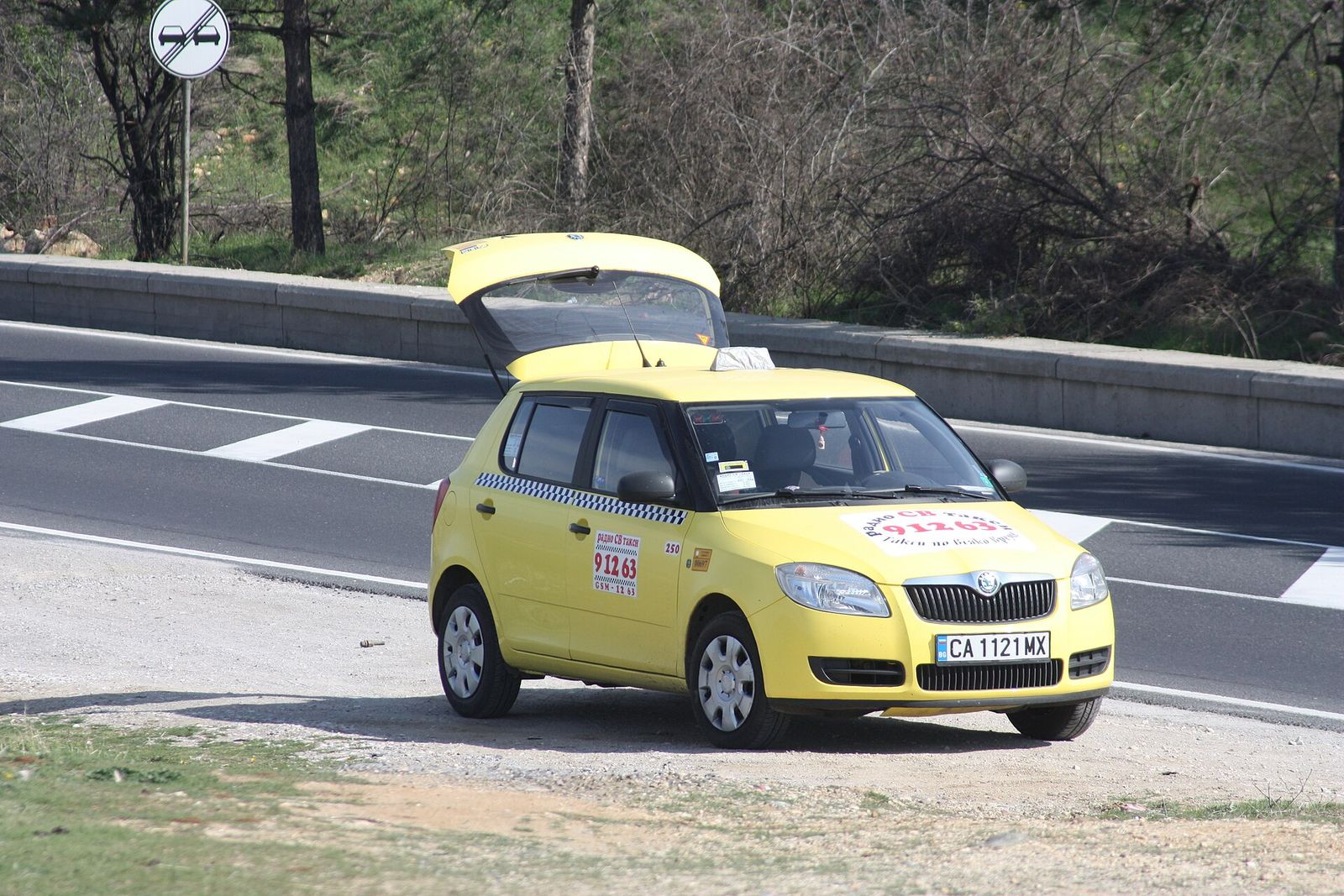
In town, most licensed Sofia taxis are yellow, with the firm's name and phone number on the doors and a tariff sticker on the side window showing the price per kilometre. A day rate of about €0.75 a kilometre is normal, so a car showing double that is one to wave on. I avoid cabs idling outside hotels and in tourist spots, and on the street I flag one with a green "available" light in the windscreen.
Card fraud is rarer, but watch where your card goes. I pay by card almost everywhere in the centre, from bakeries to taxis, and only when the machine stays in front of me. Since Bulgaria switched to the euro on 1 January 2026, card machines quote euros, and when one offers to charge me in pounds instead, I pick euros and let my own bank do the conversion. If I need pounds changed, I do it inside a bank.
Pickpockets in Sofia
Pickpockets are the crime you're most likely to meet in Sofia. They work tourist areas, buses and trams, the big transport hubs and the airport, and the usual trick is distraction: one person asks a question or bumps into you while another goes for your bag.
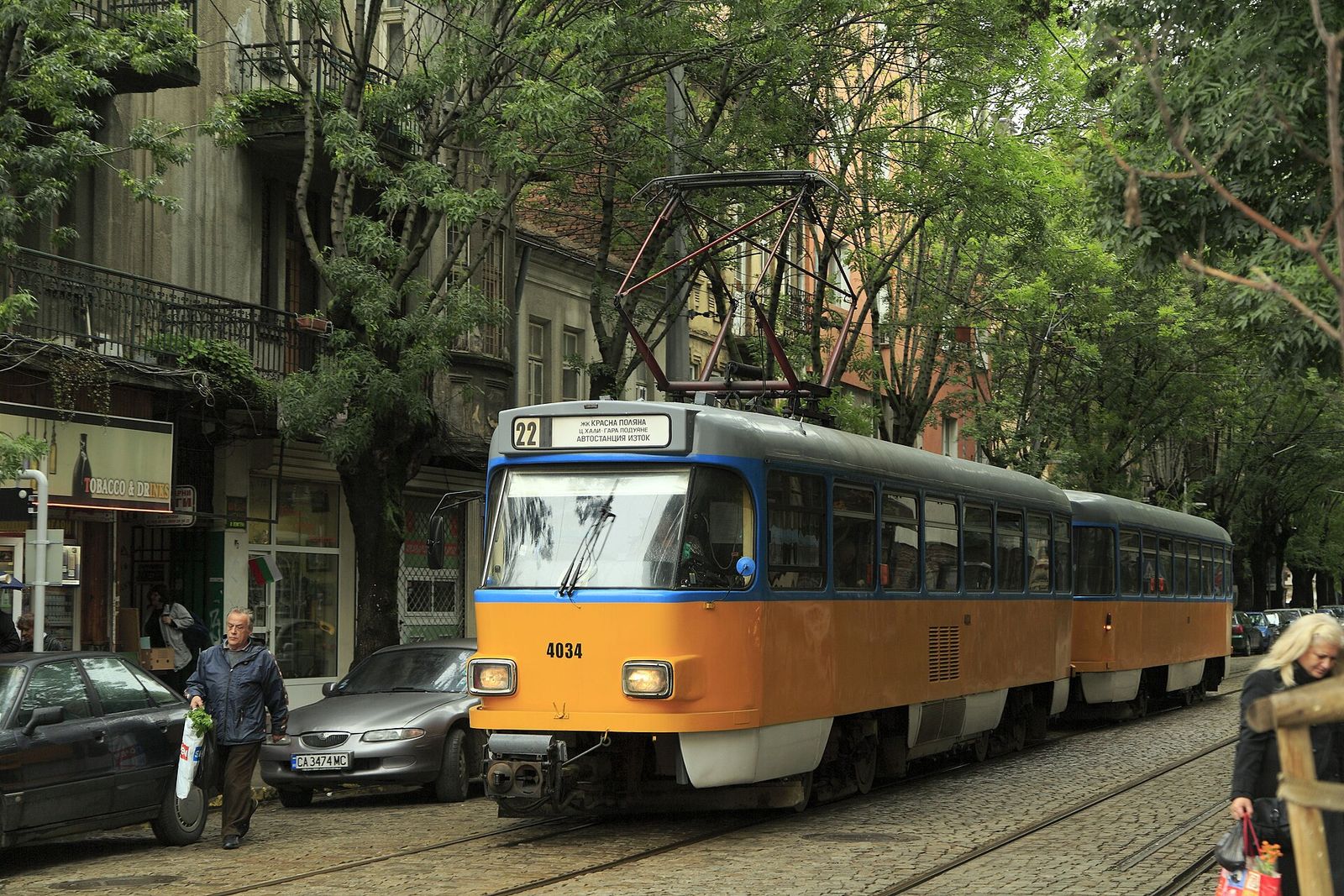
I keep a hand on my bag in five places. The Women's Market has narrow, packed aisles between its stalls, and the trams along Pirotska Street, which runs past it, fill up with shoppers and their bags. Serdika, the central metro interchange, gets crushed at rush hour. Bus 84 to the airport is full of luggage and distracted people. The antiques market outside Alexander Nevsky Cathedral gets busy on sunny afternoons, and everyone there is looking at the stalls.
I wear a zipped cross-body bag at the front, keep my phone in a front pocket or my hand, and never put anything in a back pocket. On a crowded tram I stand with my back to the wall. If I'm carrying my passport it goes in an inside pocket, and on most days it stays locked away while I carry a printed copy.
Roads, pavements and other everyday risks
Traffic is a bigger day-to-day risk in Sofia than crime. Driving standards are poor and some drivers are aggressive, so I cross at traffic lights where there are any, and at zebra crossings I wait for eye contact before I step out, because plenty of cars don't stop. Trams run down the middle of several main streets, and a tram can't swerve.
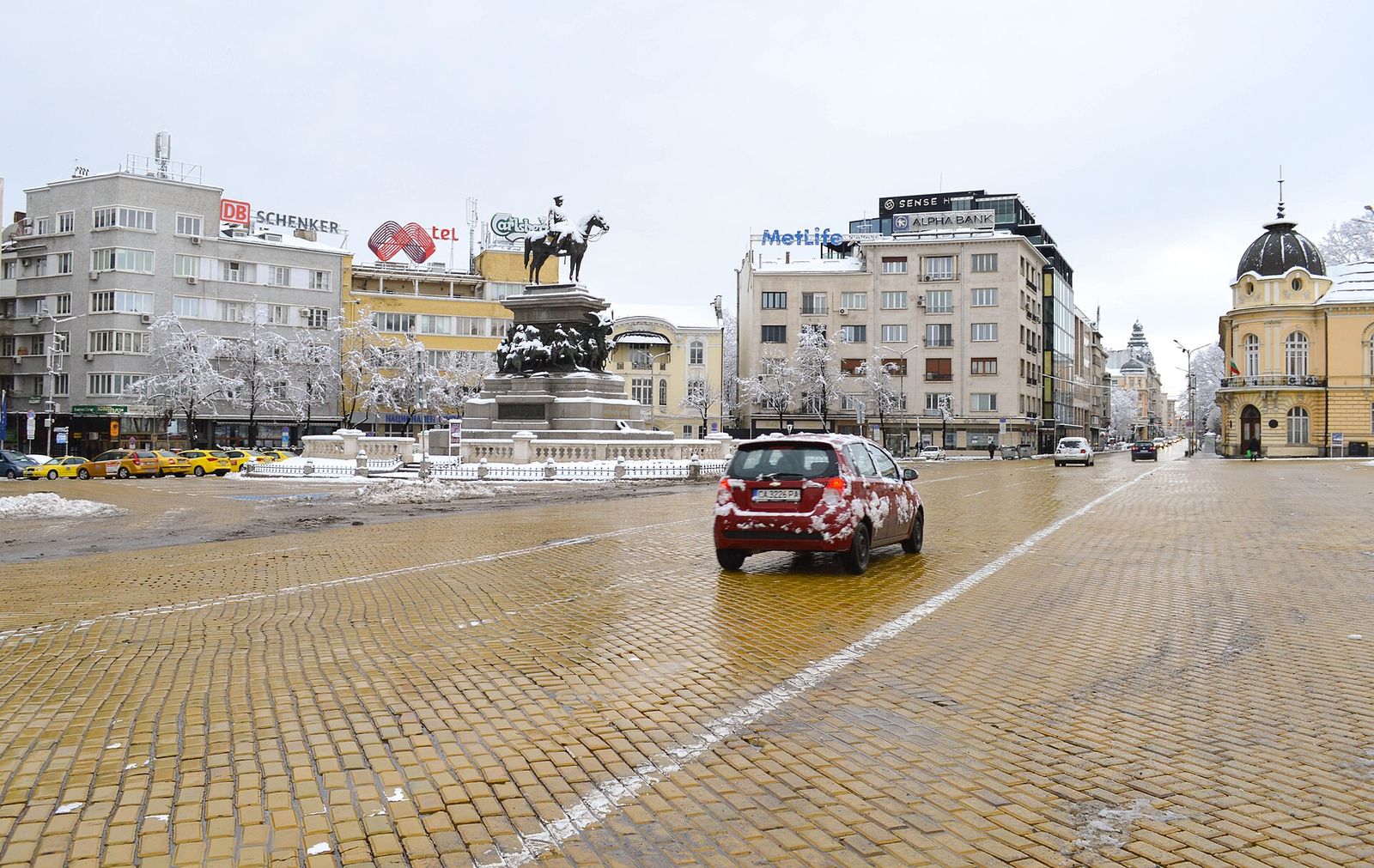
Many pavements are in poor repair, with broken slabs, kerbs at odd heights and the odd hole, so I look down more here than in London. The yellow paving round the Parliament and along Tsar Osvoboditel Boulevard turns slippery after rain and treacherous with frost, and from December to February I swap trainers for boots with grip.
Stray dogs have a big reputation and a small presence in the centre. The few I see are dozing in parks with a plastic tag in one ear, the mark of a dog that has been neutered and vaccinated, and they ignore people. I give any dog a wide berth on the edge of town and in villages, and I never feed them.
On still winter days, the mountains round the city trap the smoke of the heating season, and smog hangs over Sofia. On those days I skip my run in the park and go up Vitosha instead, where the air is clear above the haze.
Protests, football and Bulgarian law
Political protests are a regular part of Sofia life, usually outside the Council of Ministers by the Largo and around Parliament. Most are peaceful, but they block roads and trams, and a few have turned violent. I walk round them.
Football is the other crowd I avoid. Crowd control at Bulgarian stadiums works differently from British grounds, and fans have set off throwdown fireworks inside them. On derby days between Levski and CSKA, I stay away from Borisova Gradina, where the big stadiums stand.
A few laws catch British visitors out. You must carry ID, and a printed copy of your passport's photo page is accepted. Police can fine or arrest people for loud behaviour or urinating in the street, and drunken or disorderly behaviour is treated more seriously than at home. Covering your face in public, with a niqab, a burka or anything similar, is illegal and can bring a fine. Don't photograph military buildings or bases.
Is Sofia safe for women, solo travellers and LGBT+ visitors?
As a woman who lives in Sofia, I feel safe here by day and by night. Bulgarian women rarely drink alone in bars, so a woman on her own stands out more than she would in Manchester, and the attention that brings is a comment or a long stare. A firm no ends it, and I've never needed more than that. For solo female travel in Bulgaria, my rules are the ones in this post plus two more: cover your shoulders and knees in churches and monasteries, and book a hotel or hostel with a 24-hour reception.
Solo travellers of any kind have it easy here: the sights of the centre sit within walking distance of Serdika, and the metro runs straight to the airport.
Same-sex relationships are legal in Bulgaria, but public attitudes are less tolerant than in the UK, and most couples keep a low profile. Sofia has a few gay bars and clubs and holds Sofia Pride every year, which has drawn over 10,000 people in recent years under a heavy police presence, with some verbal abuse aimed at those taking part. Attitudes outside Sofia are more conservative.
There have been a small number of verbal and physical attacks on ethnic minority UK nationals, and they rise around rallies by populist or right-wing groups. If that applies to you, stay alert at night and well away from any demonstration.
Hiking Vitosha safely
Vitosha rises to 2,290 metres at Cherni Vrah, a bus ride from the city, and the mountain is where I take more care than anywhere in town. The summit can sit in snow while Sofia is in sunshine, so I carry a waterproof and a warm layer in every season.
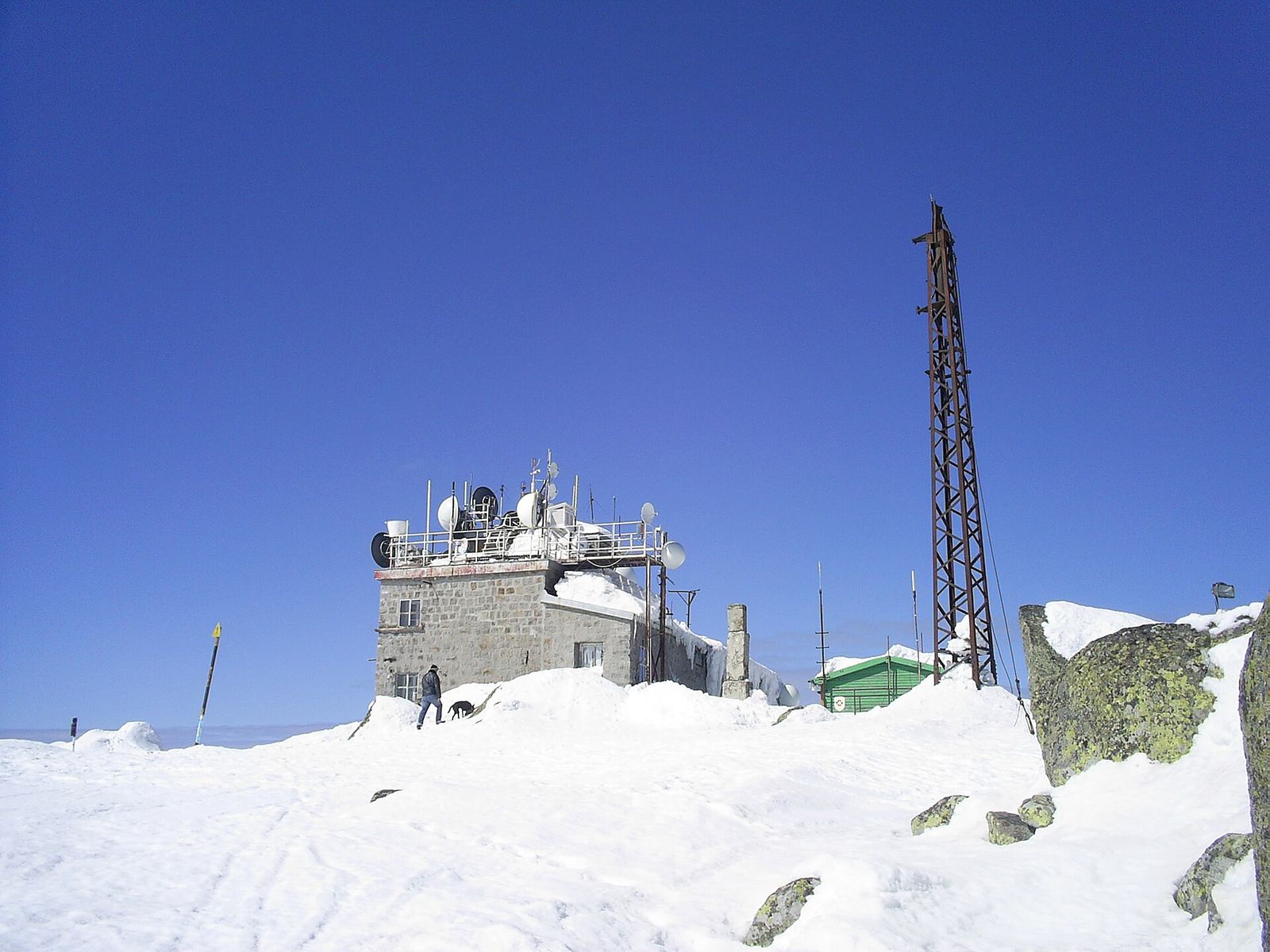
Ticks live in the long grass and the woods, and tick-borne encephalitis turns up in rural Bulgaria, so I hike in long trousers and check myself afterwards. In an emergency on the mountain, ring 112. Bulgaria's Mountain Rescue Service also has a free app, called ПСС, on Google Play and the App Store, and it lives on my phone. If you plan to hike or ski, make sure your travel insurance covers mountain rescue and helicopter costs.
Is Bulgaria safe outside Sofia?
Yes, and the risks outside the capital are the same petty ones, concentrated in a few places. On the Black Sea coast, Sunny Beach has the worst record: thieves target tourists on the beach, hotel rooms have been burgled, thefts on the Nessebar to Sunny Beach bus have risen, and robberies and threats by taxi drivers there are reported again and again. I'd lock the balcony door, use the room safe and take a taxi the hotel recommends.
Driving is the biggest risk outside towns. Many roads are in poor repair, roadworks often go unmarked and unlit at night, and in the countryside you'll meet slow cars and horse-drawn carts. Headlights or sidelights must stay on in daylight, you need a digital vignette for motorways and main roads, bought online at bgtoll.bg, and drink-driving can cost you the car.
Trains are slow, get cancelled at short notice and have thieves working them, so I keep documents and valuables on me and nothing in the luggage rack.
Emergency numbers, healthcare and tap water
112 reaches police, ambulance and fire anywhere in Bulgaria, free from any phone, with or without a local SIM. I'd also learn one word of Bulgarian for emergencies: помощ (pomosht) means help.
For healthcare, bring your GHIC, the UK Global Health Insurance Card, which covers state healthcare in Bulgaria, plus travel insurance for everything the GHIC leaves out, such as getting you home. Pharmacies sit on almost every central street, and a few in the centre open round the clock.
Sofia's tap water is safe to drink, and I fill a bottle from the kitchen tap every morning. It comes mainly from mountain sources in Rila, held in the Iskar and Beli Iskar dams, and Sofiyska Voda, the city's water company, takes about 2,000 control samples a year from 86 points across the network. The water is soft, so the kettle stays free of limescale.
Key takeaways
- Sofia is a safe city for a weekend, and theft and overcharging are the crimes visitors meet.
- Plan for pickpockets and taxi overcharging: book cabs at the airport desk or in an app, and wear your bag in front on trams.
- Stay out of gentlemen's clubs, and away from protests and derby-day crowds.
- Once the metro stops around midnight, a night bus on a €3 24-hour card or a metered taxi, about €6 for 5 km, gets you home.
- Save 112, carry ID and pack shoes with grip for wet yellow paving.
Frequently asked questions
Is Bulgaria a safe country to travel to?
Yes, Bulgaria is a safe country for travellers, and violent crime against visitors is rare. Petty theft is the main crime they meet, with the highest risk in Sunny Beach. The roads are a bigger danger than crime, so drive carefully or take the bus.
Is Bulgaria safe for British tourists?
British visitors are safe in Bulgaria and face the same small risks as everyone else: pickpockets, taxi overcharging and inflated bills in gentlemen's clubs. Carry a printed copy of your passport's photo page as ID, keep the noise down late at night, and travel with a GHIC and travel insurance.
Is it safe to be in Bulgaria right now?
It is. The UK's travel advice for Bulgaria, last updated on 11 August 2026 and still current on 2 November 2026, doesn't tell you to avoid any region. Political protests do happen in Sofia and other cities, so check the local news and walk round any crowd.
Are there taxi scams in Sofia?
There are, mostly at the airport and the main stations, where unlicensed drivers overcharge new arrivals. Book at the official taxi desk in arrivals or through an app such as TaxiMe or Yellow!, and check the tariff sticker and the meter before you set off. A licensed cab charges about €0.75 a kilometre by day.
Is tap water safe to drink in Sofia?
Yes, Sofia's tap water is safe to drink. It comes mainly from mountain sources in Rila, and the city's water company samples it every day, weekends included. I drink it straight from the tap.
Do they speak English in Sofia?
Many younger people in Sofia speak good English, especially in hotels, bars and cafes, and older people less so. Most signs are in Cyrillic, but metro stations show their names in Latin letters too. One habit trips visitors up: Bulgarians nod for no and shake their heads for yes.
What are the dos and don'ts in Bulgaria?
Do carry ID, pay by card only where you can see the machine, and cover your shoulders and knees in churches. Don't buy or carry drugs of any kind, don't photograph military sites, and don't get into a taxi before you've read its tariff sticker.
Sofia Travel Tips: What I'd Tell You Before a First Trip to Bulgaria
What I tell friends before their first Sofia trip: visas, the euro, the airport metro, taxis and the head nod.
Read the guide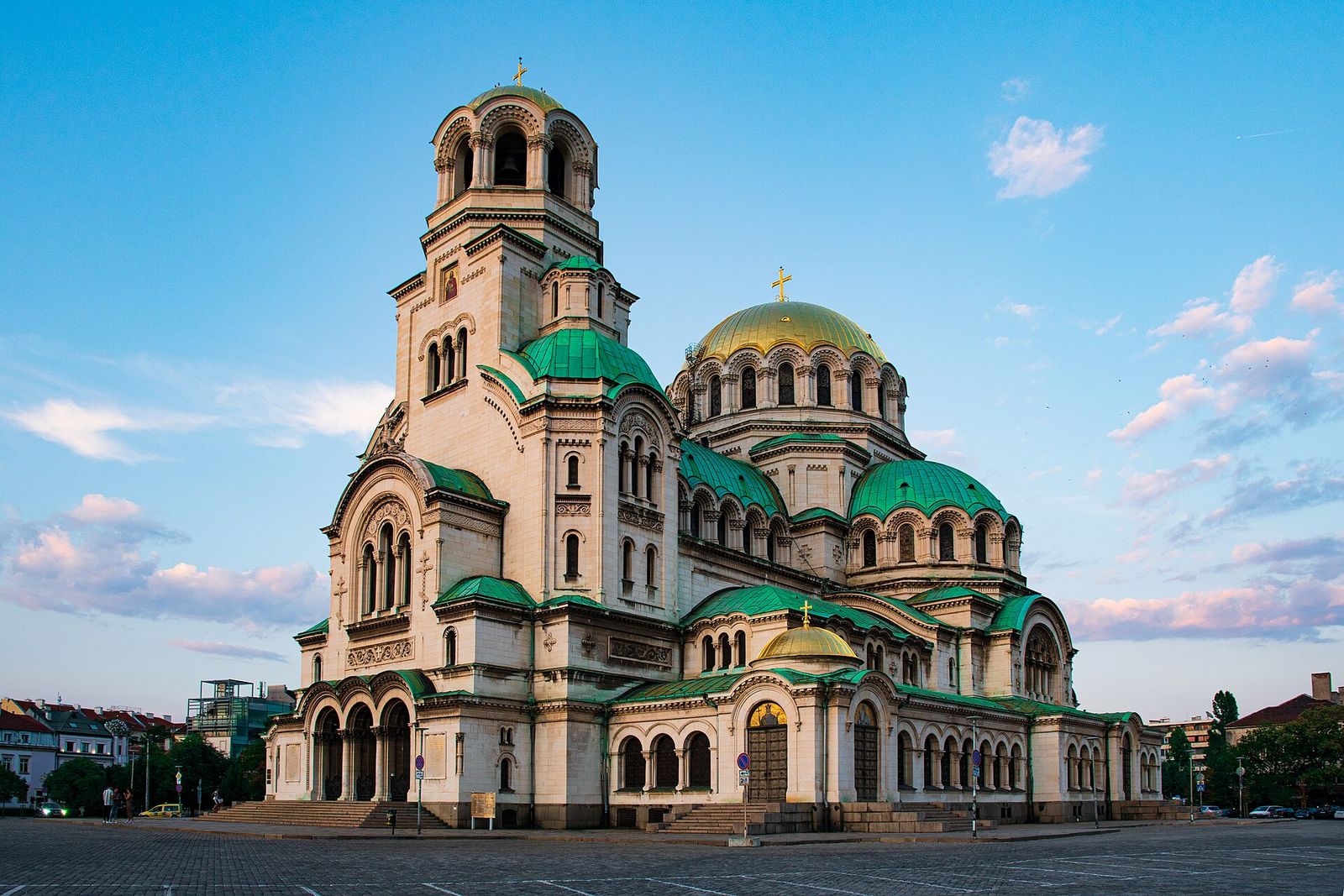
My Perfect Weekend in Sofia: A 2-Day Plan with Costs
How I would spend 48 hours in Sofia: what to see, where to eat, the Saturday night out and what it all costs.
Read the guide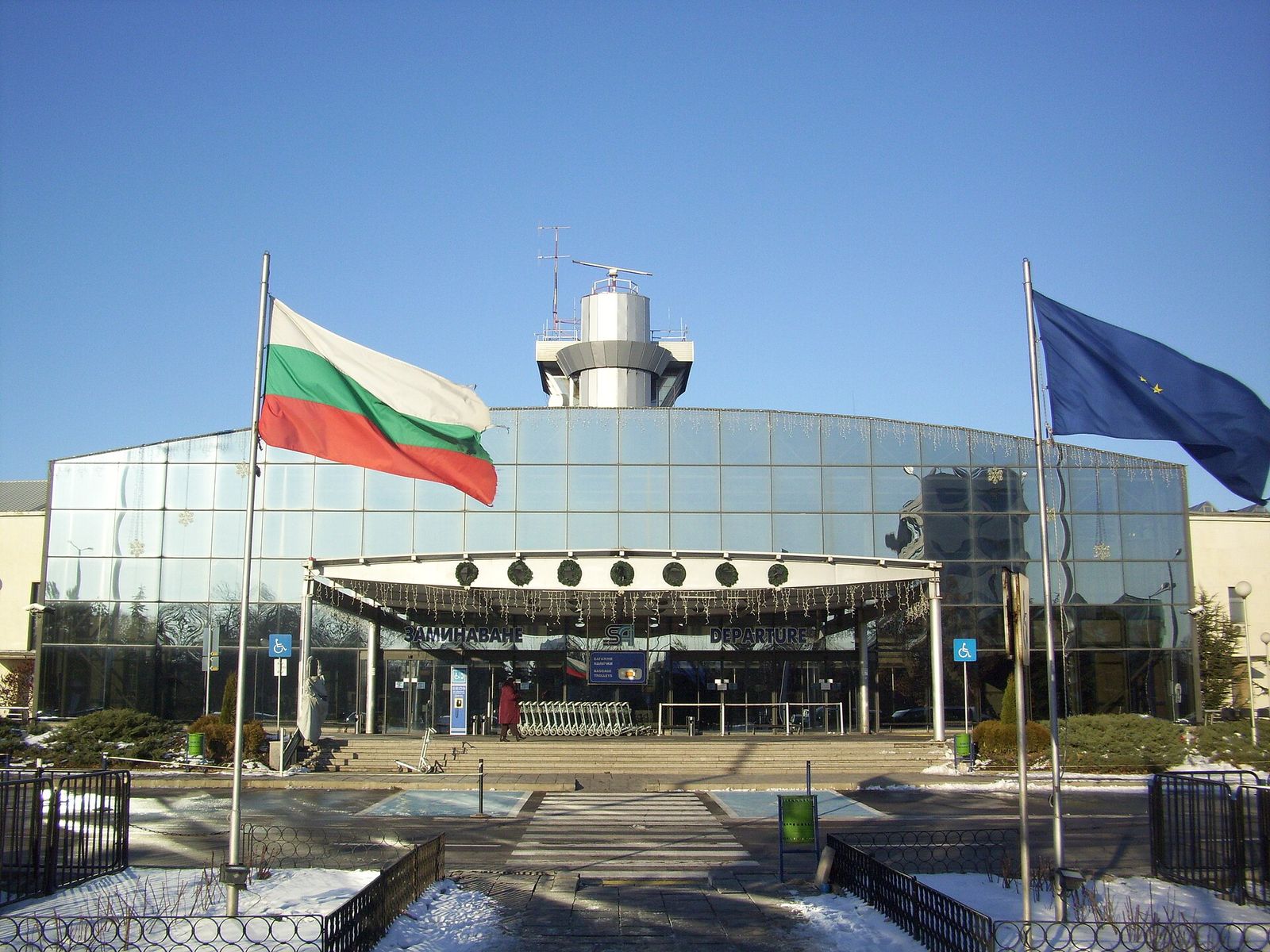
Flights from the UK to Sofia: Airlines, Airports and Fares
Which airline flies to Sofia from which UK airport, how long it takes, the fares I saw and getting into town.
Read the guide