Sofia Street Food: What I Eat on the Go and Where
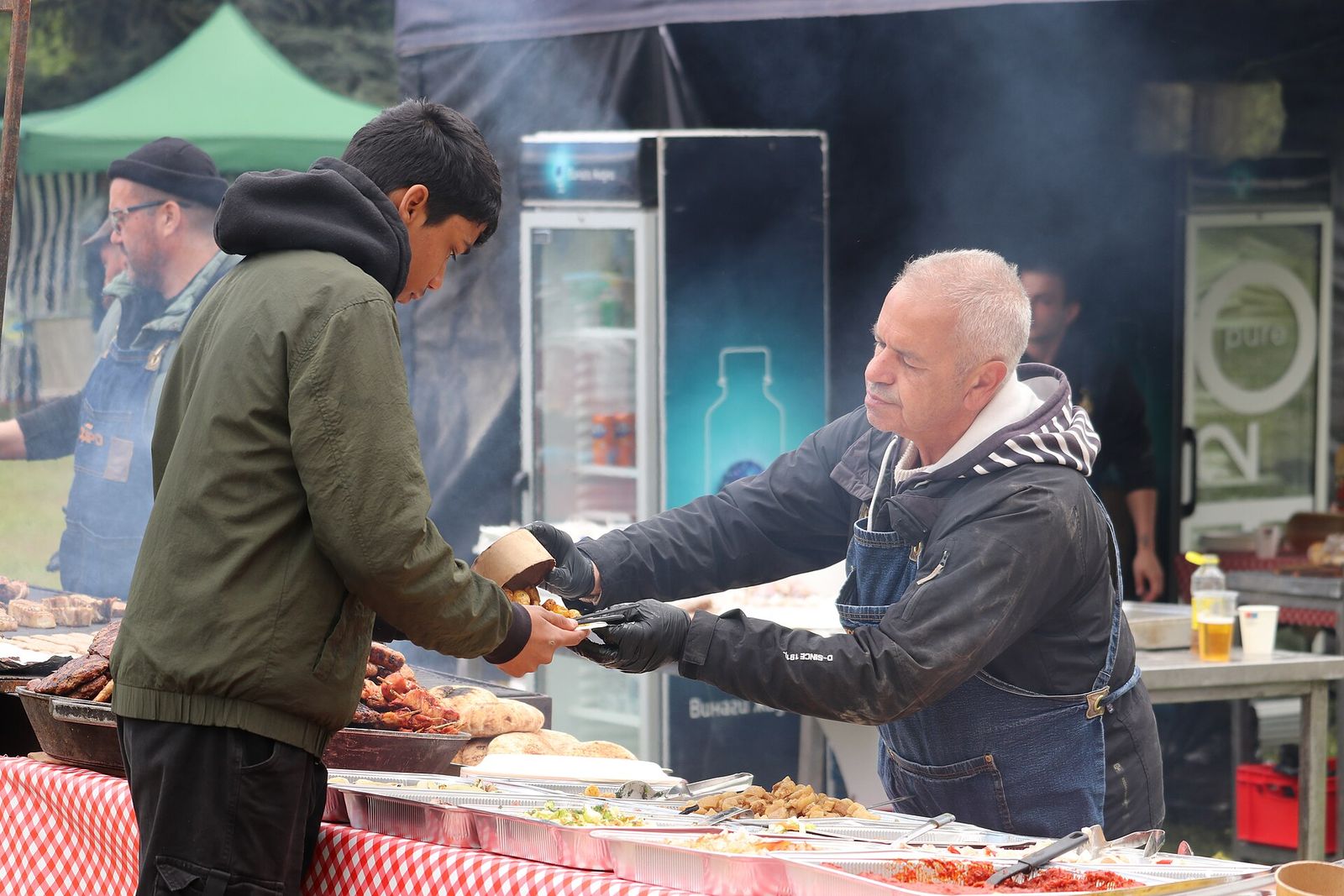
Sofia's street food is mostly breakfast: hot banitsa wrapped in paper, mekitsa straight from the fryer and a bottle of boza, bought through a hatch in a wall on the way to work. I live here and eat this way most mornings. This is my list of the street food worth stopping for, where in the centre to find it, the cheap places I keep going back to and what it all costs in euros.
What street food in Sofia is like
Street food in Sofia means pastry in the morning and the grill at night. Most of it is sold through a window: a hatch in the ground floor of an apartment block, a kiosk by a metro exit or the counter of a neighbourhood bakery. You eat it standing up, out of a paper wrap. A pastry and a drink cost coins.
The signs to look for are баничарница (banicharnitsa), a banitsa shop, and закуски (zakuski), which on a shop front means breakfast pastries. Some counters sell ready-cut pieces at a fixed price, and others cut a slice from a big round tray and weigh it, with the price shown per kilo.
It draws on the same short list of Bulgarian dishes you'll meet in restaurants, built on white cheese, yoghurt and filo. By early afternoon the pastry trays are running low, and the food moves to grills, soup bars and the kiosks that sell duner into the night. The menus on hatches and kiosks are usually in Cyrillic only, so I give the Bulgarian word for everything below.
The Sofia street food I eat most
I've put these 7 in roughly the order I eat them, from banitsa at 8am to a duner on the way home.
Banitsa, gevrek and the bakery window
Banitsa (баница) is filo pastry baked with eggs and sirene, the salty white cheese, and it's the first street food I'd send anyone to. It comes cut from a big tray and wrapped in paper, still hot if you go early. Plain cheese is the classic, and leek, spinach and a sweet pumpkin version called tikvenik (тиквеник) are on most counters too. The counters I rate for the best banitsa in Sofia are the ones I'm happy to queue at before 9am.
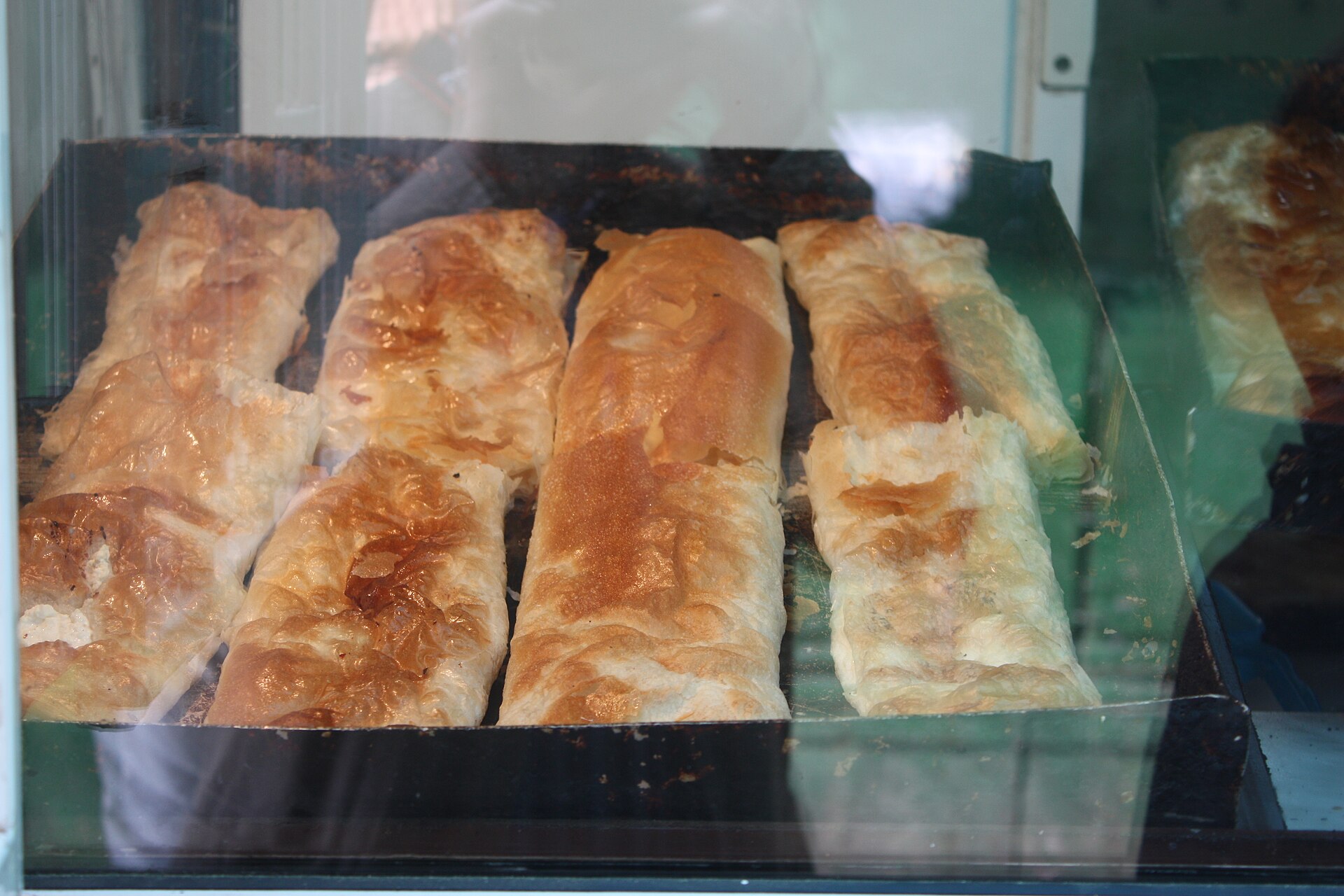
The same window usually sells gevrek (геврек), a ring of bread crusted in sesame seeds, close to the Turkish simit. It's chewier and lighter than banitsa. I grab one when I don't want butter on my fingers. Next to it there's often kifla (кифла), a soft crescent roll, plain or filled with jam.
Mekitsa (мекица)
Mekitsa is a round of dough fried until it puffs up, then dusted with icing sugar or spread with jam, honey or sirene. It's best within a few minutes of leaving the oil, eaten on the pavement, and one is a lot heavier than it looks. Mekitsa & Coffee on Graf Ignatiev Street, a shop named after exactly what it sells, is my usual stop. When I'd rather sit down with eggs and a proper coffee, a few of the brunch places in Sofia put mekitsi on the menu too.
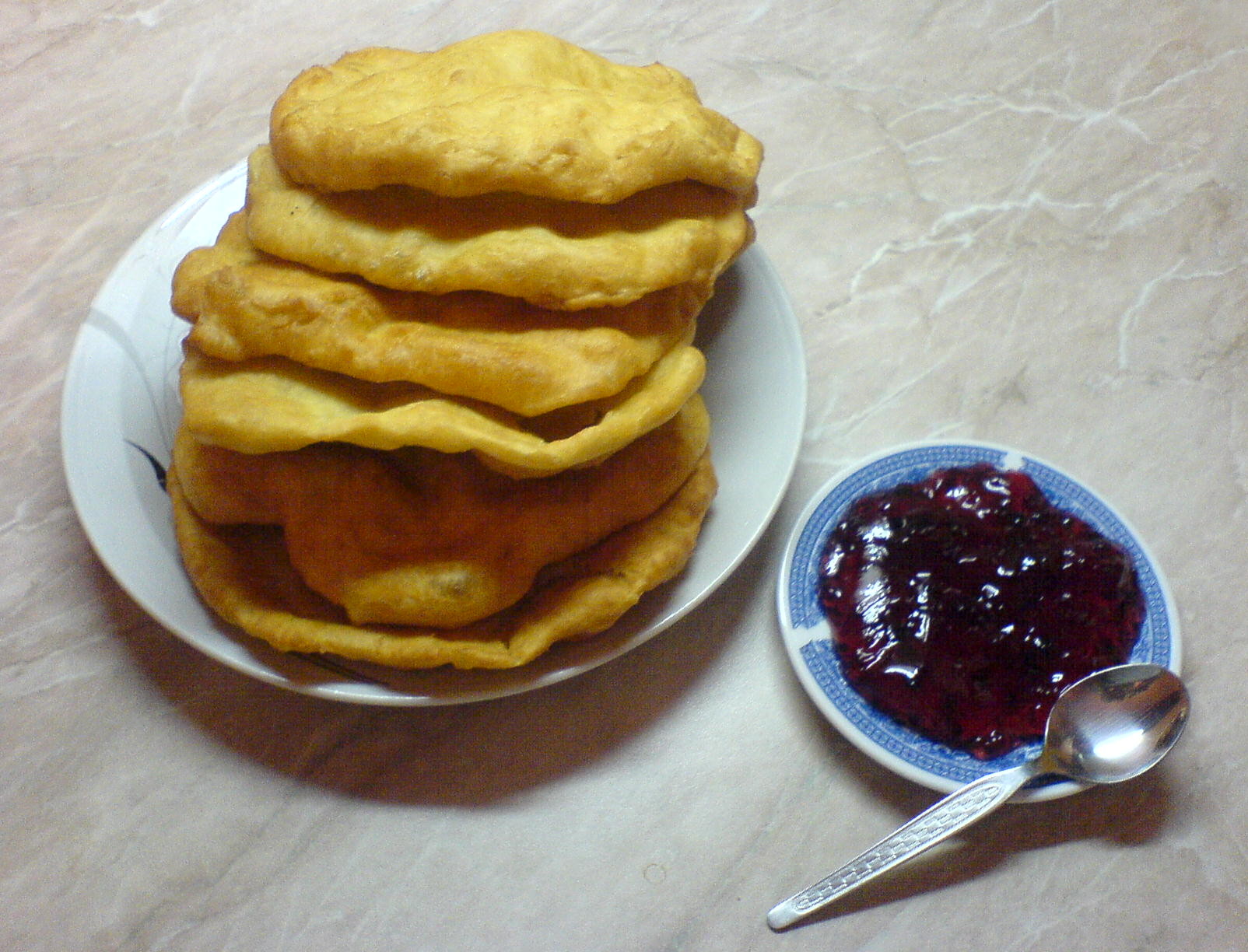
Mekitsa is my Saturday swap for banitsa. With a coffee it keeps me going until well past lunch.
Palachinki, the pancakes on Vitosha Boulevard
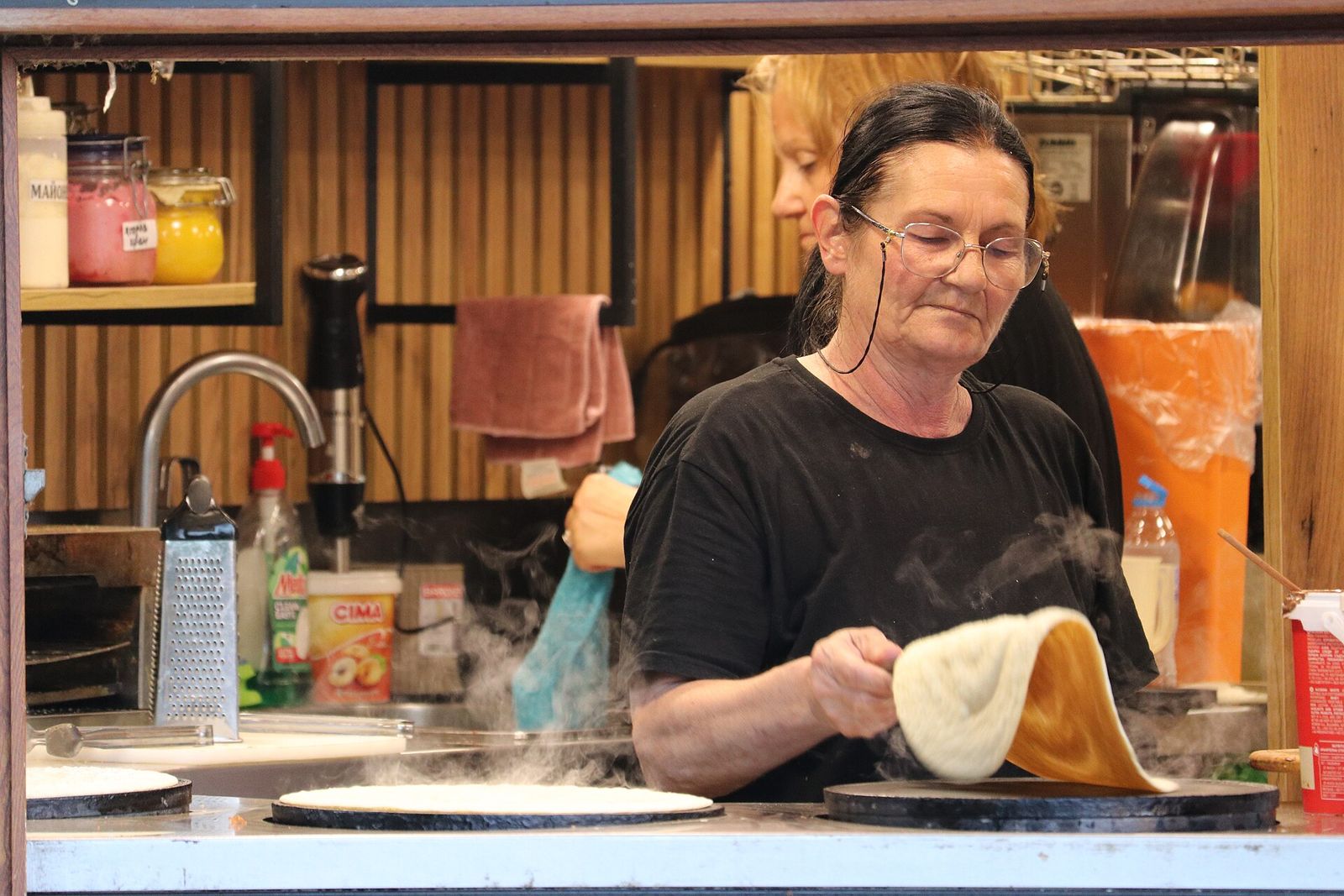
Palachinki (палачинки) are thin pancakes, the size and thickness of a French crêpe, folded round honey, jam, chocolate spread or white cheese. Stands on Vitosha Boulevard cook them to order on round hotplates, and I buy one for the walk down towards NDK in the afternoon. Sweet is the usual order. A sirene one makes a quick savoury lunch.
Of the Bulgarian desserts, baklava is the one I'd add to a sweet afternoon, sold by the piece in Sofia's pastry shops.
Kebapche and kyufte
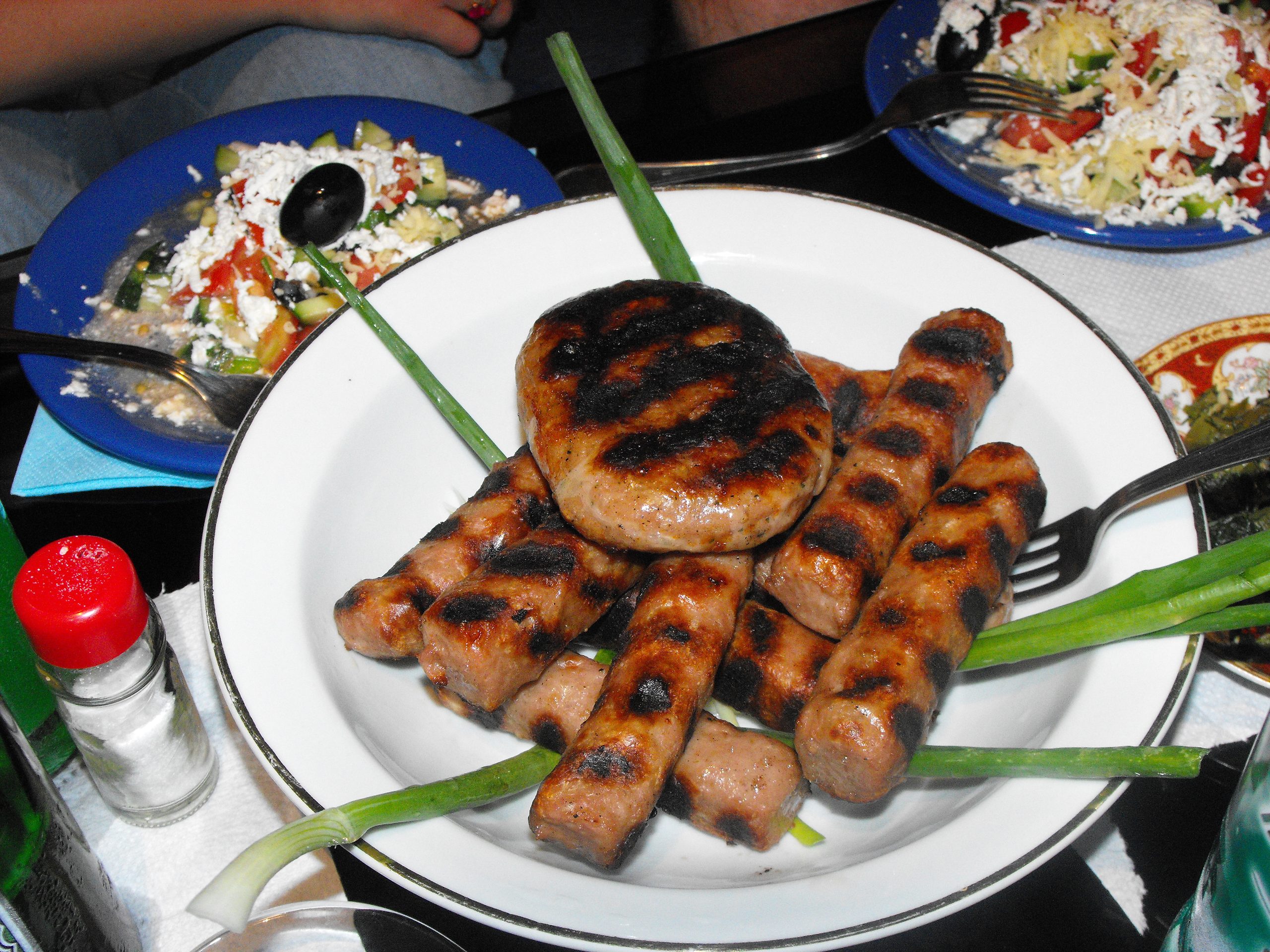
Kebapche (кебапче) is a finger of minced pork and beef seasoned with cumin and grilled, and kyufte (кюфте) is the round version with onion in the mix. They're Bulgaria's grill food, and in Sofia I eat them at a counter or a plain grill restaurant. I have them with chips under grated sirene, a spoon of lyutenitsa (the red pepper relish) and a cold beer. At Divaka they come as a 350 g plate of three.
Duner and pizza by the slice
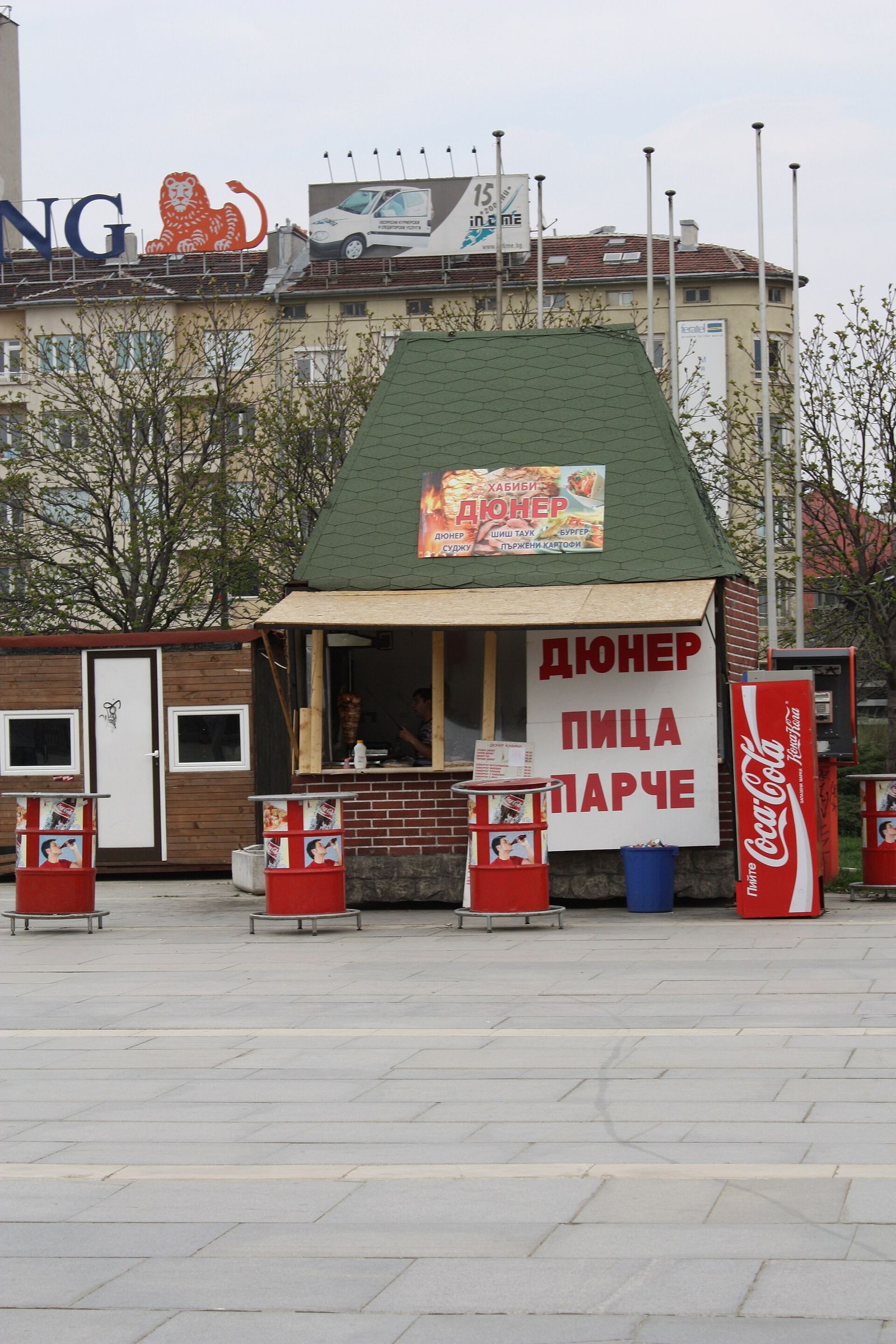
Duner (дюнер) is Bulgaria's döner kebab and Sofia's late-night food: chicken or pork shaved off a spit and rolled in flatbread with salad, garlic sauce and, the Bulgarian touch, chips inside. Kiosks sell it from lunchtime into the night, and the same hatch often does pizza by the slice, written пица парче on the sign. It's my walk-home food.
Tarator and soup to go
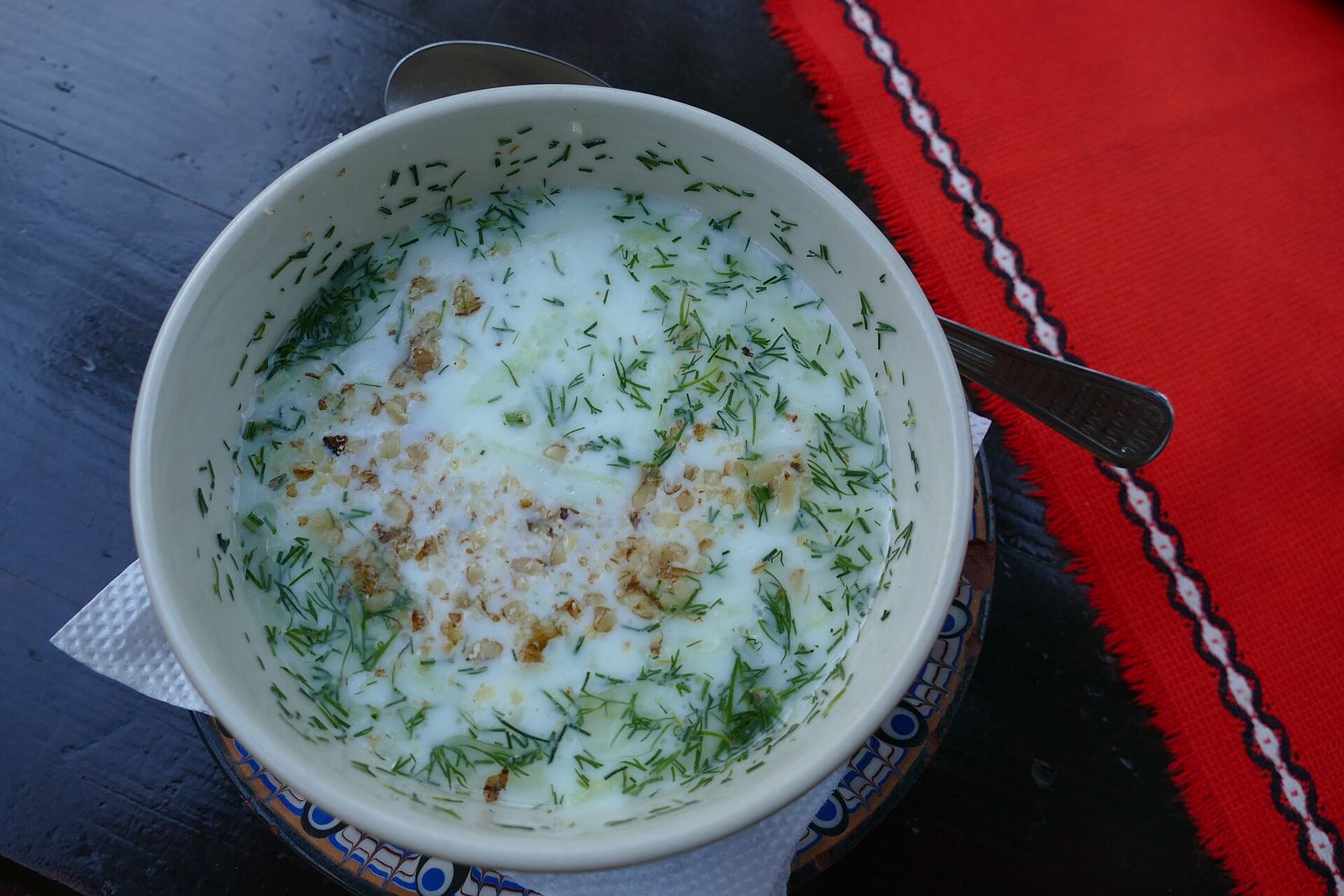
Sofia eats soup at lunch all year, and small soup bars sell it in takeaway tubs. In summer the one to get is tarator (таратор): cold yoghurt thinned with water, with grated cucumber, garlic, dill and crushed walnuts. In winter I want bob chorba (боб чорба), bean soup with dried herbs, and on a cold day I carry a tub of it home.
Boza and ayran
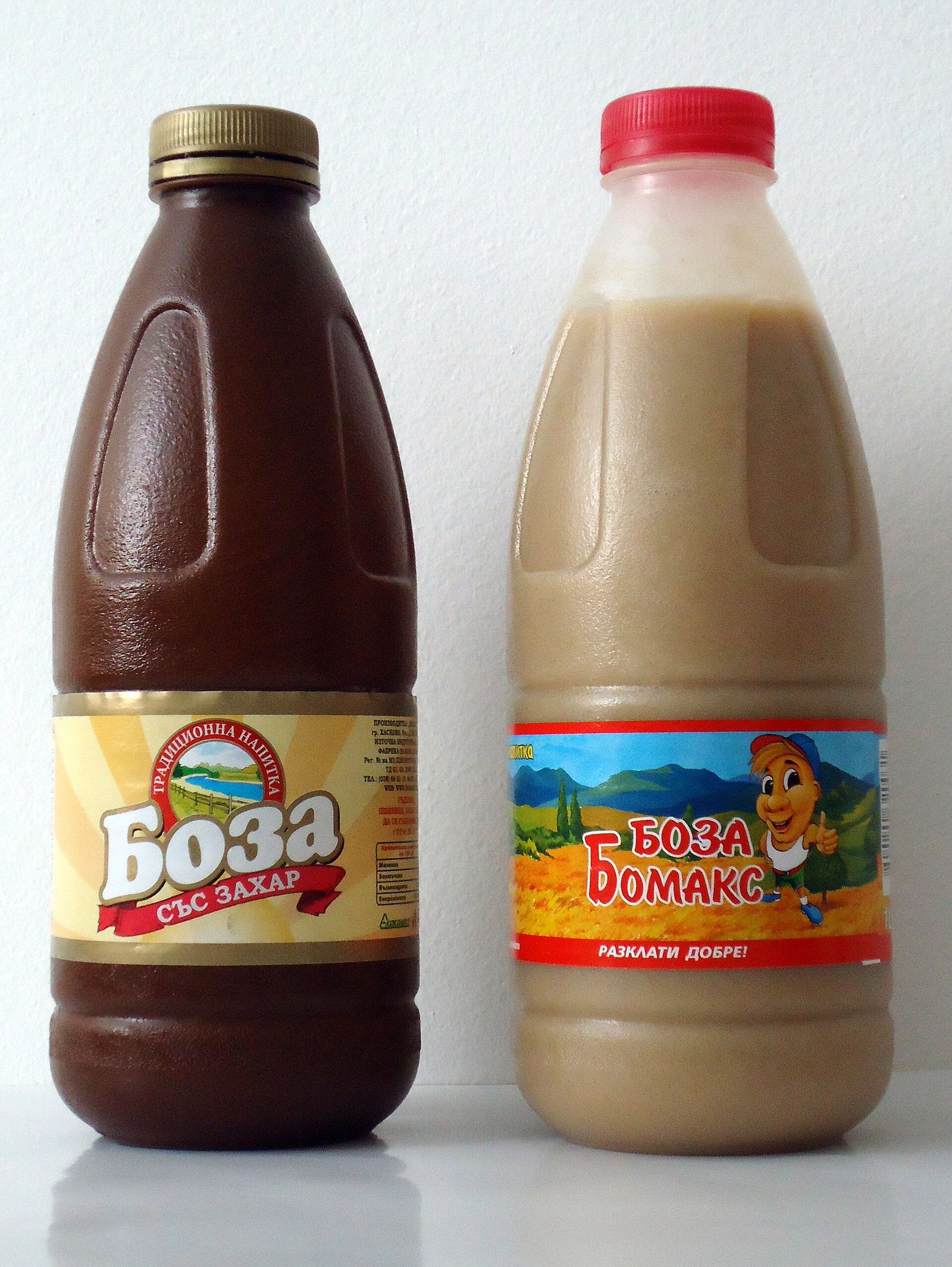
Most banitsa windows have a fridge, and in it are the 2 drinks Bulgarians have with their banitsa. Ayran (айрян) is yoghurt whisked with water and salt, cold and sharp, and it cuts through the butter in banitsa. Boza (боза) is thick, sweet and a little sour, made from fermented wheat with about 1% alcohol. I drink ayran in summer and boza in winter, and both boza and ayran come in small plastic bottles next to the pastry.
Where I go for cheap eats in Sofia
My 4 regular cheap stops in the centre are 2 bakeries, a soup bar and a grill.
Handmade Banitza on Solunska Street
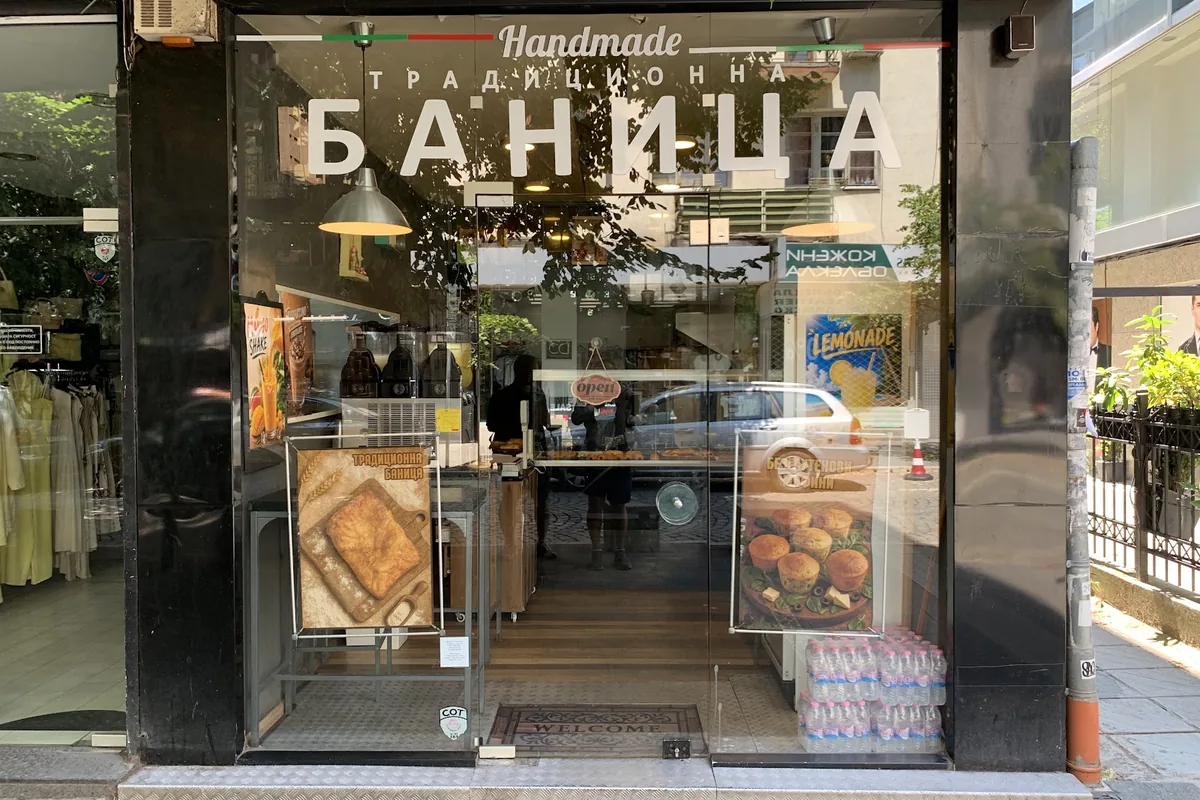
Handmade Banitza is a takeaway counter on Solunska Street, a few minutes from Vitosha Boulevard. Its leek banitsa is my favourite in the city. It bakes cheese, leek, spinach with cheese and pumpkin versions, and with standing room for only a couple of people inside, I eat mine on the walk to Vitosha.
Furna, the vegan bakery on Stefan Stambolov
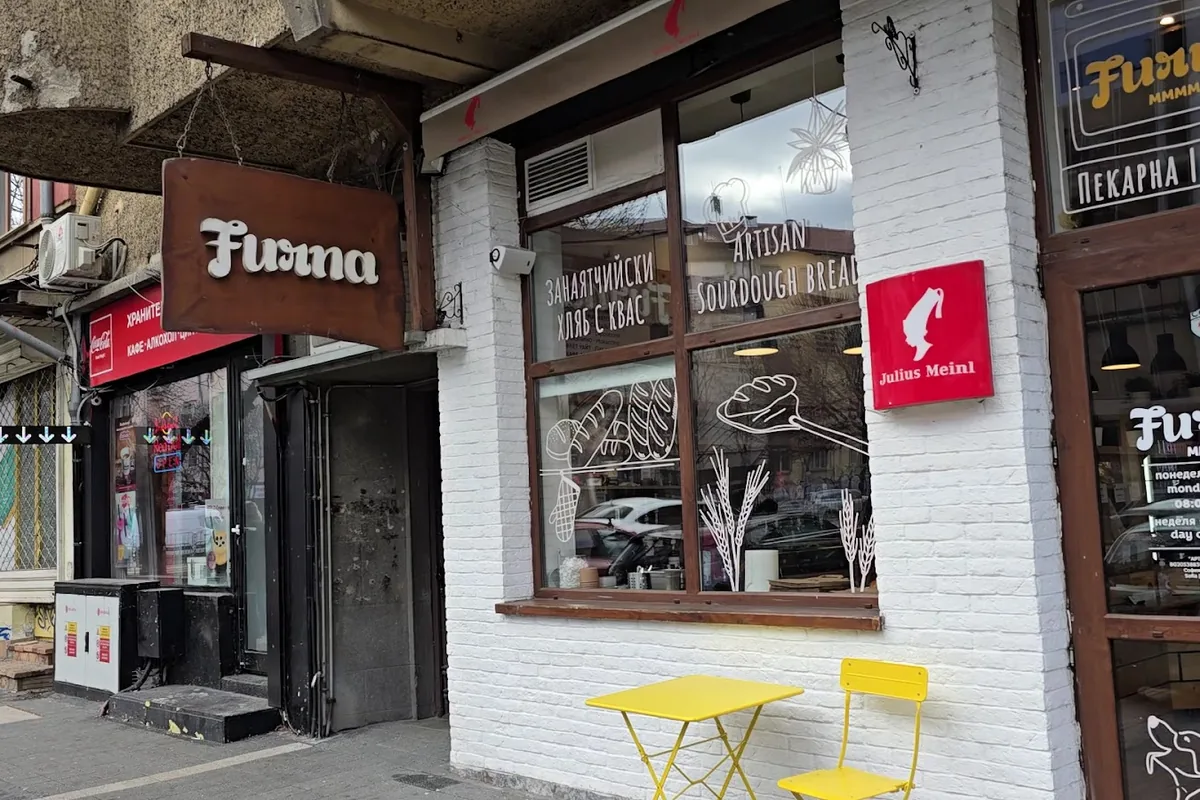
Furna is a vegan bakery on Stefan Stambolov Boulevard, and its banitsa has no egg or cheese in it. The savoury fillings change with the day: mushroom, potato with onion and thyme, beans with peppers, red lentil. The sweet ones are apple with walnut and cinnamon, or pumpkin with walnut. It's the first address I give anyone looking for vegan food in Sofia. It opens at 8am from Monday to Saturday, and the banitsa can be gone by 10am. Go early.
Supa Star for soup
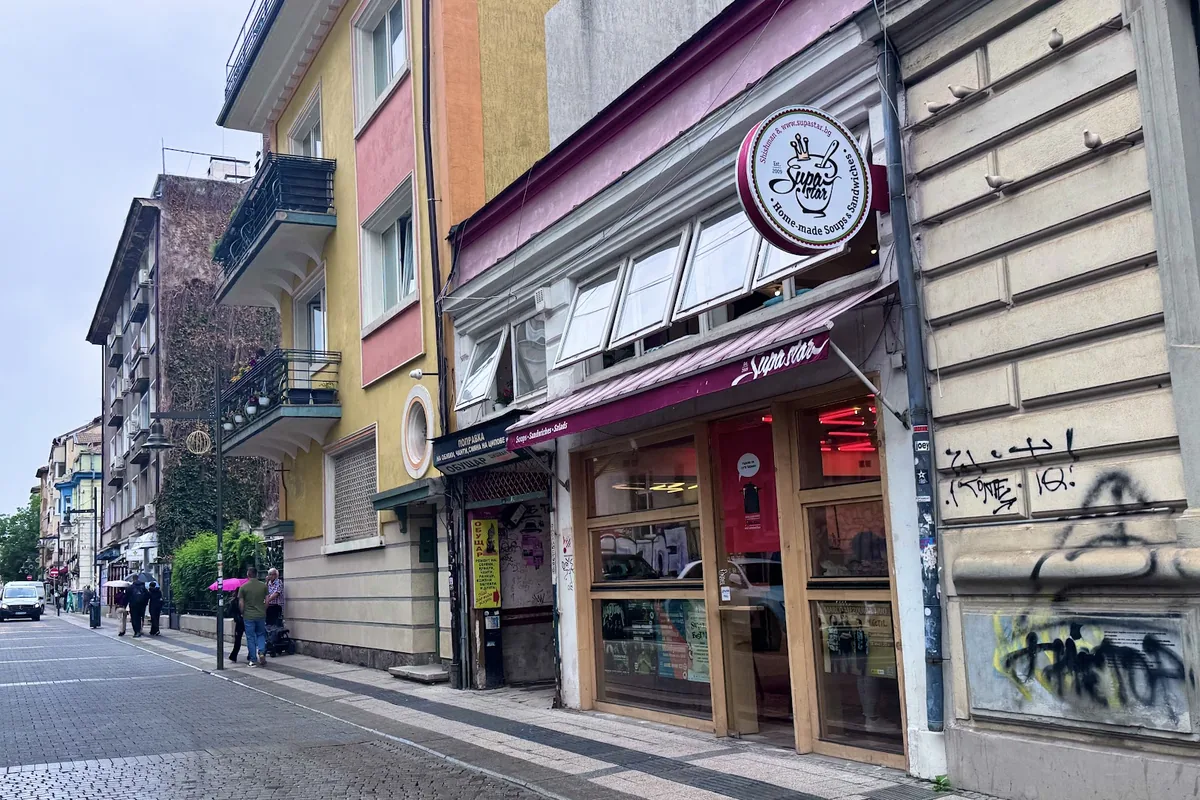
Supa Star is a tiny soup bar on Tsar Shishman Street that makes six soups a day, tarator among them, to eat in or take away. It's my lunch on a day when I don't want a full set menu. The room only fits a handful of people, so on a sunny day I carry mine to the nearest park.
Divaka for kebapche
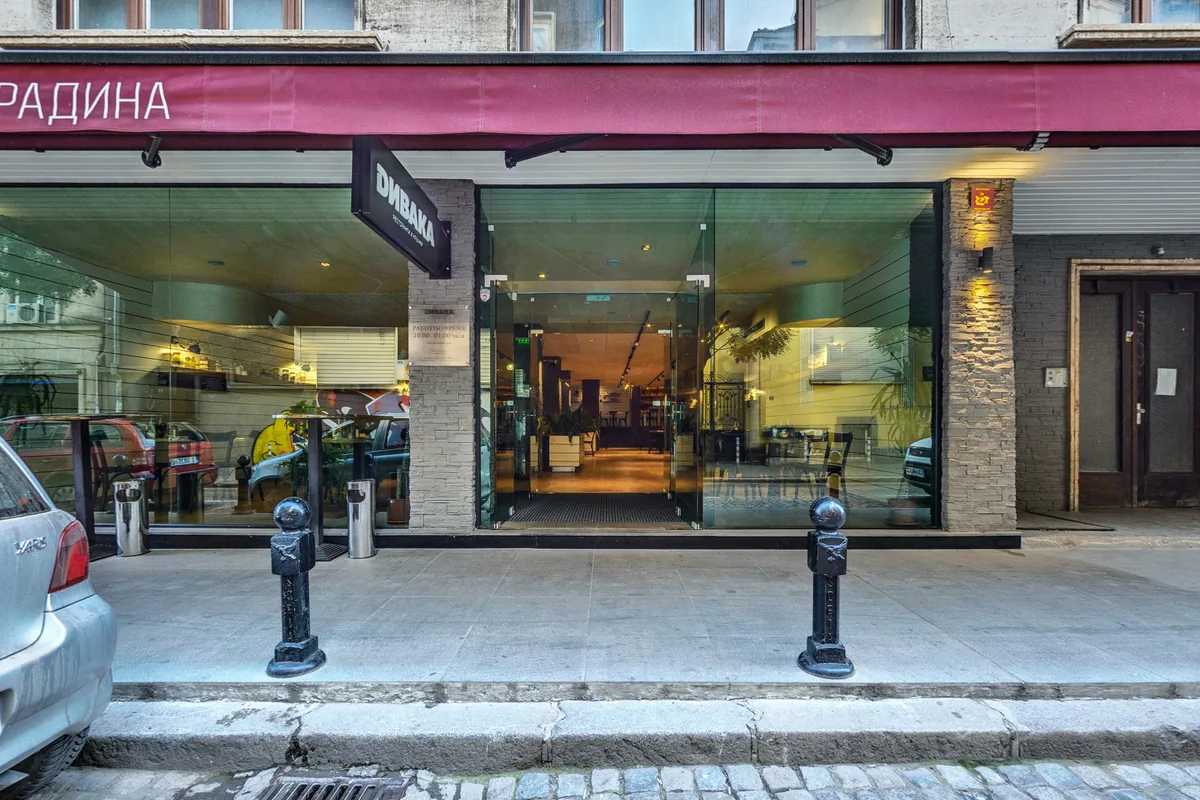
Divaka is a plain grill restaurant with 3 branches in the centre: Hristo Belchev 16, William Gladstone 54 and 6 Septemvri 41A, open from 11am to 10pm. Three classic kebapche (350 g) cost €8.18. Three kyufte, same price. Of my favourite restaurants in Sofia, it's the one I pick when I want the grill with a table and a beer.
Where to find street food in Sofia
The cheapest food in Sofia sits where commuters pass. The exits and underpasses around Serdika and the other central metro stations have banitsa hatches and kiosks. For a street-food wander, these are the 3 areas I'd head for.
Vitosha Boulevard and the streets off it
Vitosha Boulevard is Sofia's main shopping street, 2.7 km from St Nedelya Square south to South Park, and car-free between Alabin Street and Patriarh Evtimiy Boulevard. The pancake stands are on the boulevard itself, and the cheaper food is a street or two off it: Handmade Banitza on Solunska Street, a Divaka on Hristo Belchev.
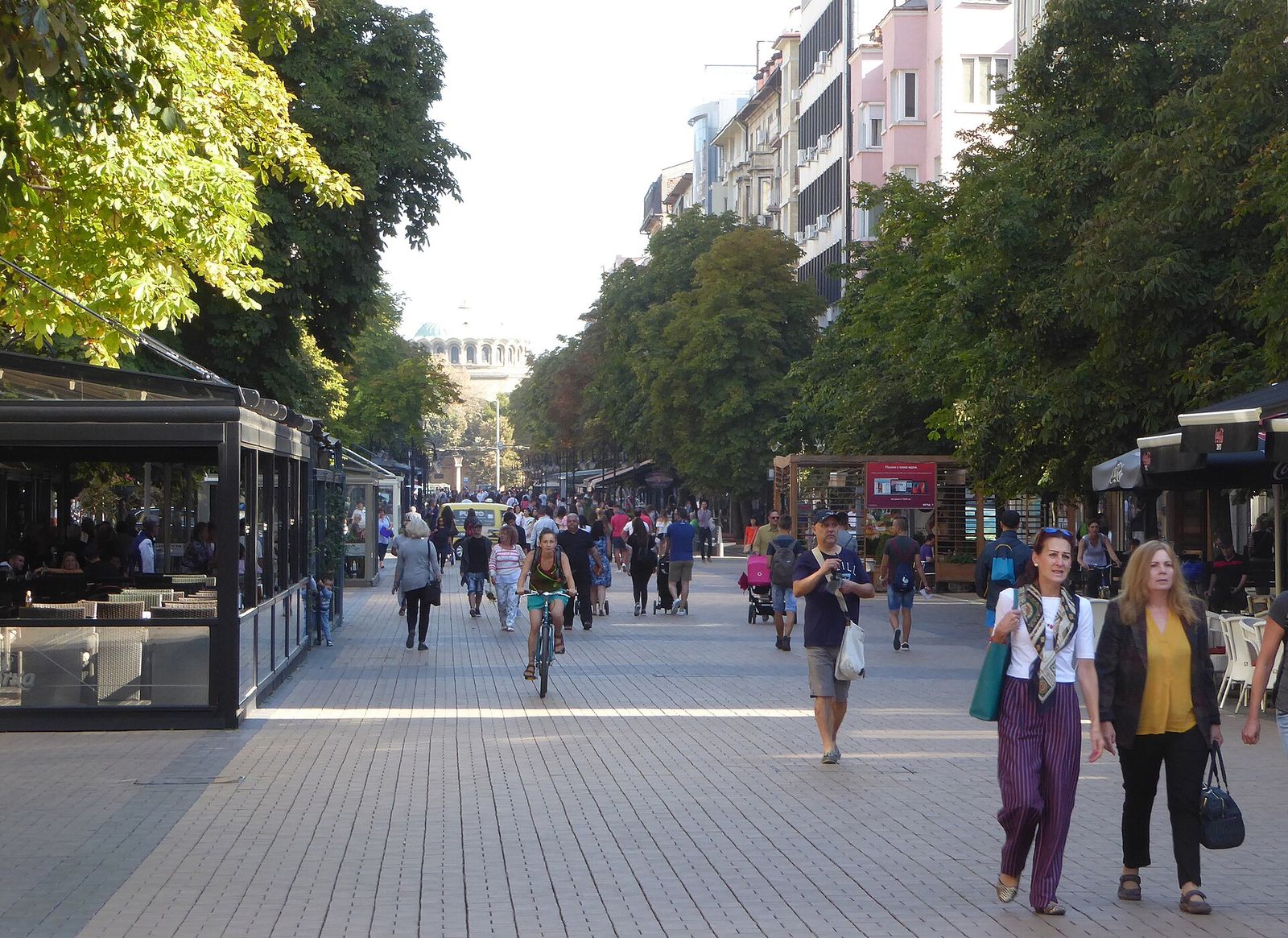
My habit is a pancake on Vitosha itself and everything else from a street back.
Zhenski Pazar, the Women's Market
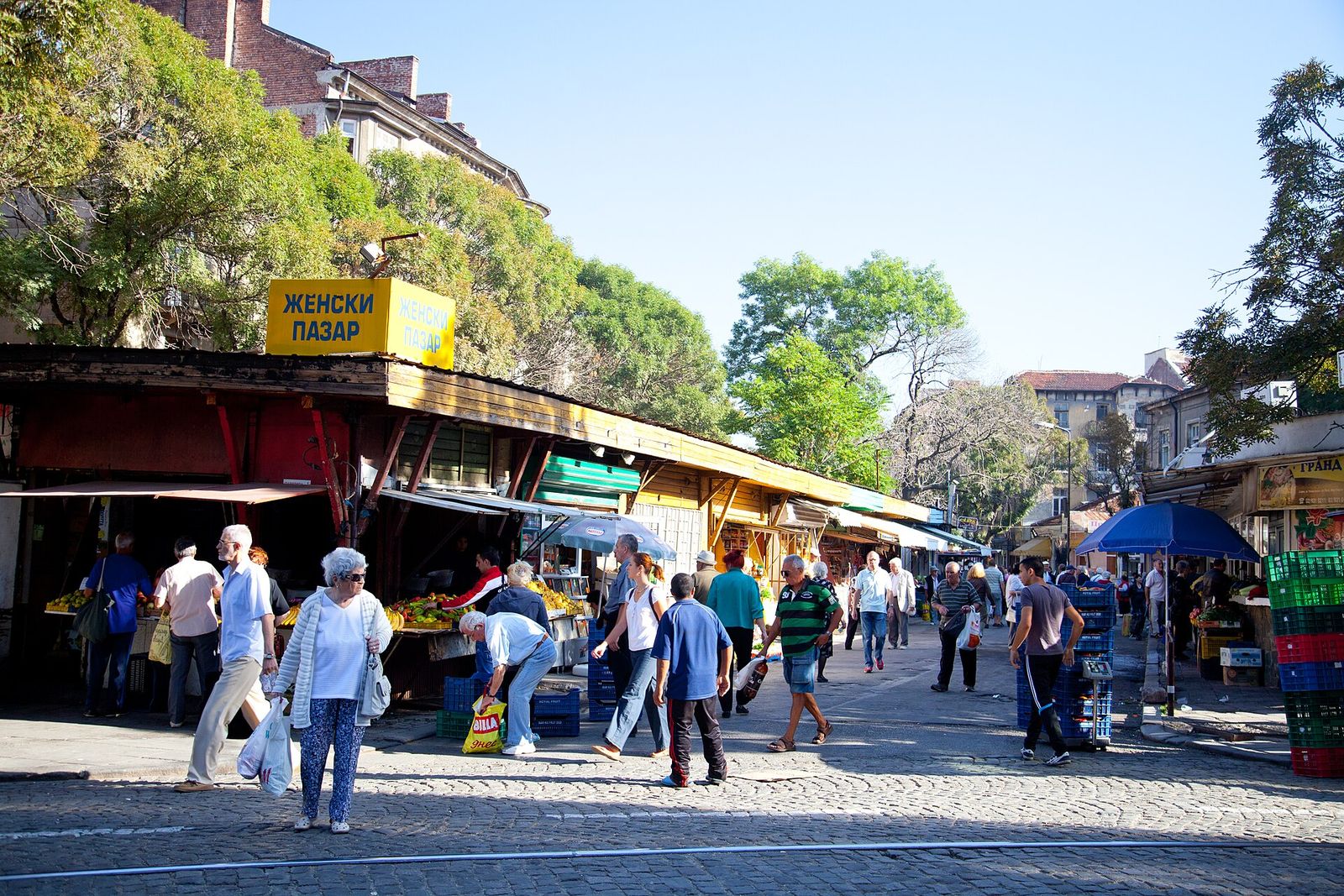
Zhenski Pazar (Женски пазар) is the open-air market along Stefan Stambolov Boulevard, between Todor Aleksandrov and Slivnitsa boulevards near Lavov Most. It sells fruit, vegetables, spices, meat and dairy, and mornings are the best time to go. I buy a bag of whatever fruit is in season and a wedge of sirene. Furna is on the same boulevard for a pastry afterwards.
The Central Market Hall
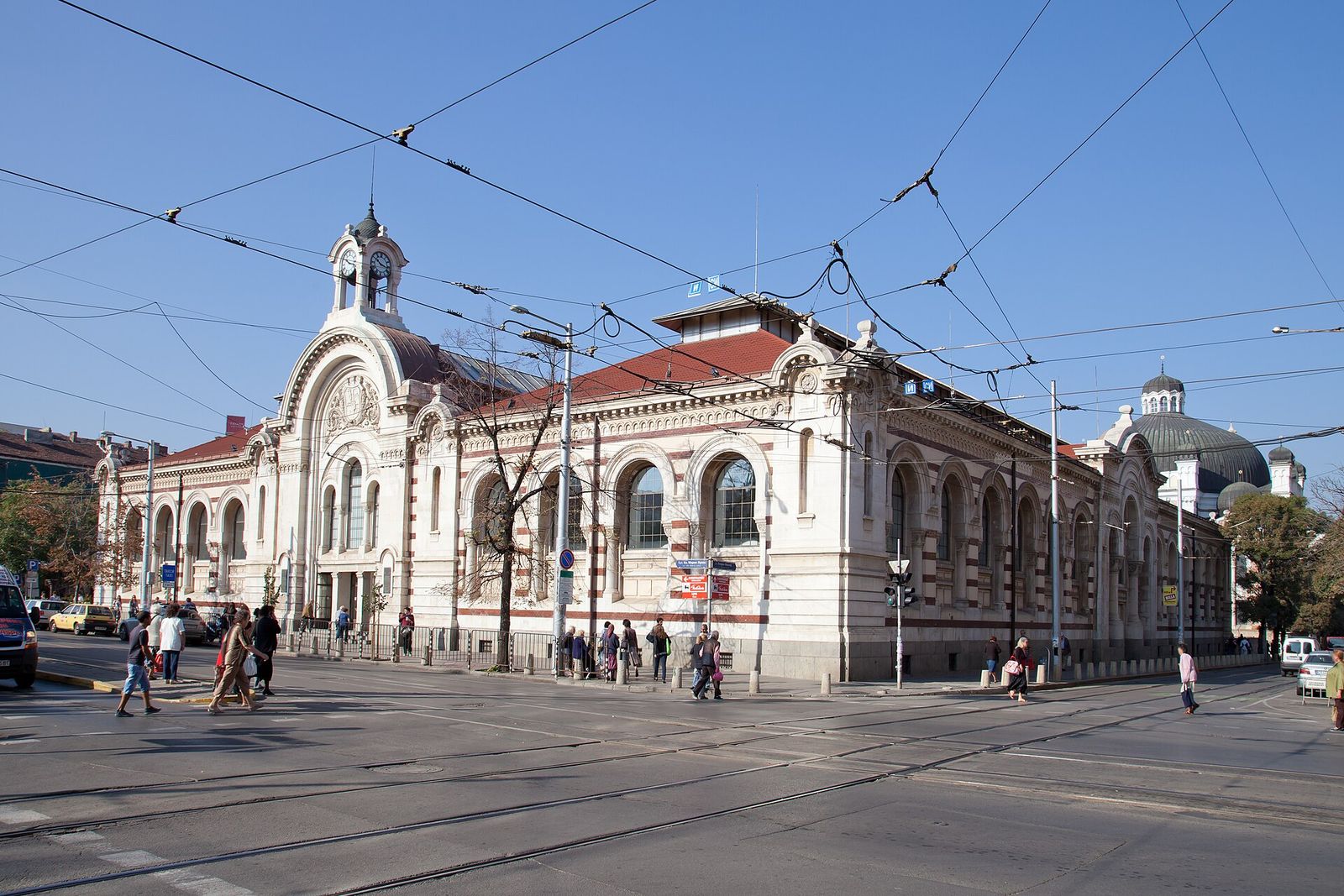
The Central Market Hall, Halite (Халите) to locals, is the covered market at Maria Luiza Boulevard 25, in a building from 1911. It reopened on 23 May 2024 after a renovation, with a supermarket inside plus an archaeology zone and a stage. I go on rainy days. It's my stop for picnic food: bread, cheese, fruit and a bottle of ayran. Banya Bashi Mosque and the Sofia Synagogue are both a minute's walk away.
What street food and cheap eats cost in Sofia
These are 2026 prices in euros, cheapest first. A banitsa, mekitsa or gevrek from a bakery window is small change, so the table starts with drinks.
| What | Where | Price |
|---|---|---|
| Half-litre bottle of beer | A corner shop | About €1 |
| Half-litre of draught beer | A plain local bar | About €2 |
| Espresso or cappuccino | A cafe | €2 to €3 |
| Half-litre of draught beer | City average | About €3.50 |
| Weekday set lunch, soup and a main | Any restaurant with a lunch board outside | €6 to €7 |
| Three kebapche, 350 g | Divaka | €8.18 |
| A McDonald's meal | Any branch | About €10.50 |
Food is where Sofia's prices feel lowest to a British visitor. A McDonald's meal costs more than soup and a main from a weekday lunch board, which is called an обедно меню (obedno menyu) and runs from Monday to Friday.
Seasonal street snacks: corn, chestnuts and sunflower seeds
In summer, carts in the parks sell corn on the cob, boiled or grilled, with salt. From autumn, sellers roast chestnuts on braziers on street corners and sell them hot in paper cones, and a cone is the best hand-warmer I know on a winter weekend in Sofia.
All year, Bulgarians crack sunflower seeds, семки (semki), bought in bags from kiosks and corner shops, and the shells pile up under park benches. On a hot afternoon I'd rather have gelato, and the best ice cream in Sofia comes by the scoop from small shops in the centre.
A day of street food in Sofia
This is the day I'd plan for a friend who wants to eat cheaply and well, starting on Solunska Street and ending on Hristo Belchev Street.
| Time | What I'd eat | Where |
|---|---|---|
| 8.30am | Banitsa with ayran or boza | Handmade Banitza on Solunska Street, or any bakery window |
| 11am | Seasonal fruit and a wedge of sirene | Zhenski Pazar |
| 1pm | Soup, tarator in summer | Supa Star |
| 4pm | A pancake with honey or chocolate | A stand on Vitosha Boulevard |
| 7.30pm | Kebapche, chips with sirene and a beer | Divaka on Hristo Belchev |
| Late | Duner | A kiosk on the way home |
It's the eating plan I'd hand anyone doing Sofia on a budget, since the only meal I'd sit down for is the plate of kebapche at Divaka. On a weekday, swap Supa Star for a set lunch if you want a main course as well as soup.
How to eat street food in Sofia: cash, nods and opening hours
Carry a few euro coins. Handmade Banitza takes cards, but the smallest hatches and market stalls can be cash only. Ordering is mostly pointing, and 2 Bulgarian phrases cover almost every counter: "edno" (едно), one, and "blagodarya" (благодаря), thank you.
Nobody tips at a kiosk, bakery window or market stall. Tipping in Bulgaria is for table service, where about 10% is normal, so at Divaka I leave something and at Handmade Banitza I don't.
The soup bars do lunch, the duner kiosks stay open late and Furna closes on Sundays, so I buy my vegan banitsa on a Saturday. Faced with 2 counters I've never tried, I pick the one with the queue, because a busy counter turns its food over fastest.
Key takeaways
- Buy banitsa before 10am, point and say "edno parche" (one piece), and drink ayran in summer or boza in winter.
- Furna bakes its vegan banitsa from Monday to Saturday, opens at 8am and can sell out by 10am.
- Divaka's 3 central branches grill kebapche and kyufte from 11am to 10pm.
- Carry euro coins for hatches and market stalls, and say "da" or "ne" out loud, because a nod means no.
Frequently asked questions
What is Bulgaria's most famous food?
Banitsa is Bulgaria's best-known food, and it's the one Sofia eats on the street every morning: filo pastry baked with eggs and white cheese. Shopska salad, of tomato, cucumber and peppers under grated sirene, is the famous one in restaurants.
How much does a pint of beer cost in Sofia?
A half-litre of draught beer, a little under a British pint, costs about €3.50 on average in Sofia and about €2 in a plain local bar. A half-litre bottle from a corner shop costs about €1, and an imported 0.33-litre bottle in a bar about €4.
What is the main commercial street in Sofia?
Vitosha Boulevard is Sofia's main shopping street, running 2.7 km from St Nedelya Square to South Park. The car-free northern stretch, between Alabin Street and Patriarh Evtimiy Boulevard, has the shops, cafe terraces and pancake stands.
What are the dos and don'ts for eating out in Bulgaria?
Say yes and no out loud, because a Bulgarian nod means no and a shake of the head means yes. Carry coins for bakery windows and market stalls, and leave about 10% for table service but nothing at kiosks. Buy banitsa in the morning, when it's fresh.
Is there vegan street food in Sofia?
Yes. Furna on Stefan Stambolov Boulevard bakes vegan banitsa, with fillings such as mushroom, red lentil and pumpkin with walnut, and roasted chestnuts in winter are vegan too. On restaurant menus, постно (postno) marks dishes with no meat, dairy or eggs.
Is street food in Sofia cheap?
Yes, street food in Sofia is cheap by British standards. Banitsa, mekitsa and gevrek cost coins at a bakery window and a weekday set lunch of soup and a main costs €6 to €7, while a McDonald's meal costs about €10.50.
Sofia Food Guide: What to Eat and Where
Banitsa, shopska and rakia: what to eat in Sofia, the places I eat it, and what a meal costs in euros.
Read the guide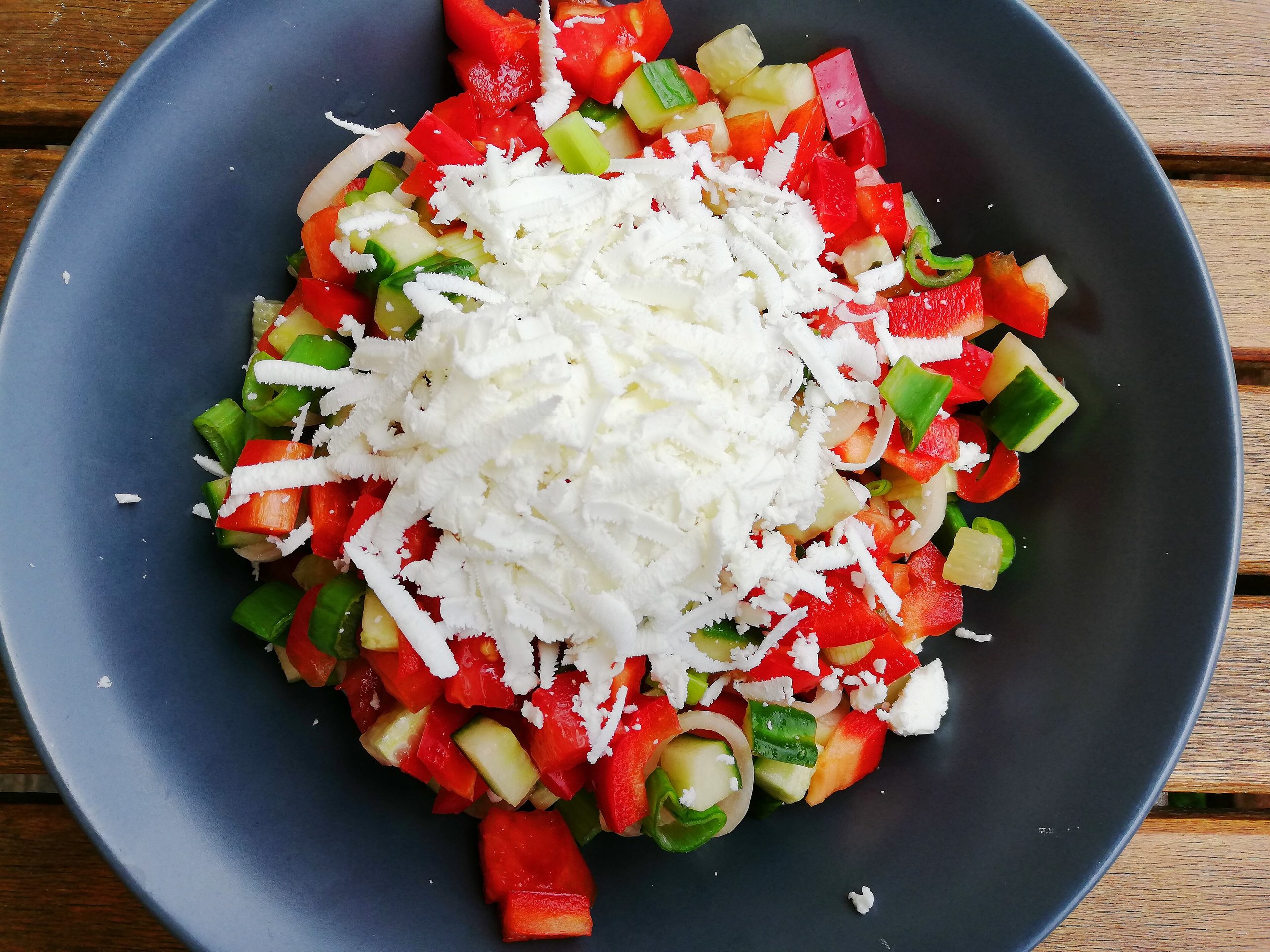
Bulgarian Food: The Dishes I Tell Every Visitor to Try
Salads, white cheese, yoghurt, grills and clay pots: the Bulgarian dishes I order, with the menu word for each.
Read the guide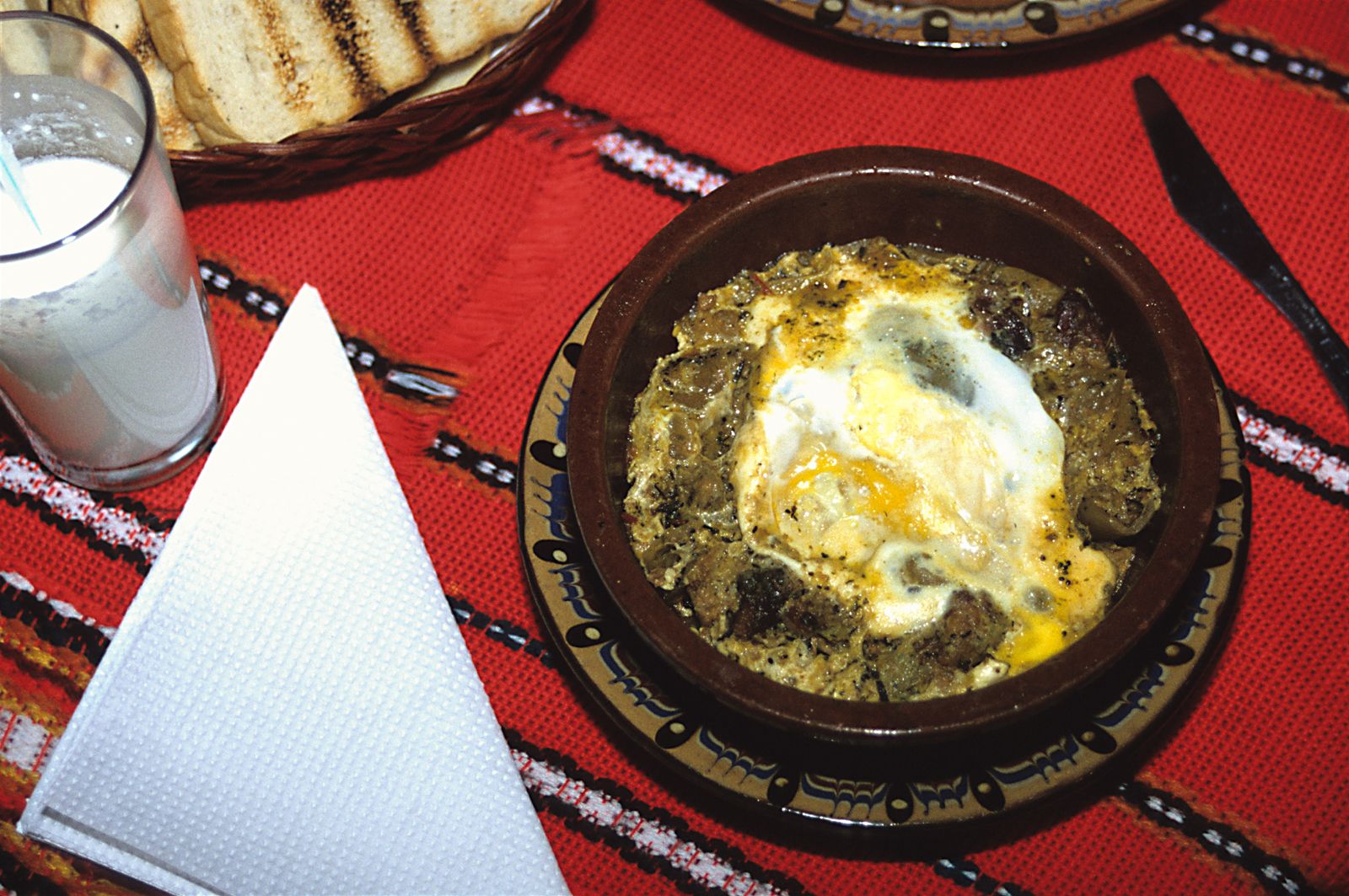
The Best Restaurants in Sofia: 11 Places I Send Friends
The 11 Sofia restaurants I send friends to, from folk-music cellars to award-winning fine dining, and what to order.
Read the guide