A Short History of Bulgaria (and Where to See It in Sofia)
Bulgarian history runs from Thracian gold to the euro, with a state founded in 681, two medieval empires, 482 years of Ottoman rule and four decades of communism along the way. Sofia has a ruin, a church or a statue for almost every chapter. This is my short version, era by era, with the places in the city where I'd take you to see each one.
Bulgarian history at a glance
The table runs through nine eras. The right-hand column is the bit you'll use on a visit, and most of it sits within a short walk of Serdika metro.
| Era | Dates | What happened | Where I see it in Sofia |
|---|---|---|---|
| Thracians | to 46 AD | Gold-working tribes; the Odrysian kingdom from the 470s BC | Thracian treasures at the National Historical Museum |
| Romans and Byzantines | 46 AD to 681 | Rome rules Thrace; Serdica grows round the hot springs | Serdica ruins, Rotunda of St George, St Sofia |
| First Bulgarian Empire | 681 to 1018 | Asparuh founds the state; Cyrillic; Simeon I's Golden Age | Cyril and Methodius statue, National Library |
| Byzantine rule | 1018 to 1185 | Basil II's conquest | Little to see |
| Second Bulgarian Empire | 1185 to 1396 | Tarnovo is the capital; Boyana's frescoes (1259) | Boyana Church |
| Ottoman rule | 1396 to 1878 | Part of the Ottoman Empire; April Uprising (1876) | Banya Bashi Mosque |
| Liberation and the Kingdom | 1878 to 1944 | San Stefano; Sofia made capital; wars and lost land | Tsar Liberator, Alexander Nevsky, Sofia Synagogue |
| Communist Bulgaria | 1944 to 1989 | People's Republic; Todor Zhivkov in charge from 1954 | The Largo, Museum of Socialist Art |
| Modern Bulgaria | 1990 to today | NATO, the EU, Schengen and the euro | Euro price tags everywhere |
Thracians and Romans: Bulgaria before 681
The grave goods found at Varna, made between 4,600 and 4,200 BC, are the oldest worked gold yet found anywhere in the world. The Thracians, the tribes who lived here before the Bulgars arrived, formed the Odrysian kingdom in the 470s BC.
Rome made Thrace a province in 46 AD, and Serdica grew into a Roman city beside the hot springs in central Sofia, which locals still use to fill plastic bottles. Constantine the Great is said to have called it "my Rome". The Huns destroyed the city in 447, and it lay in ruins for about a century.
Ancient Serdica at Serdika metro
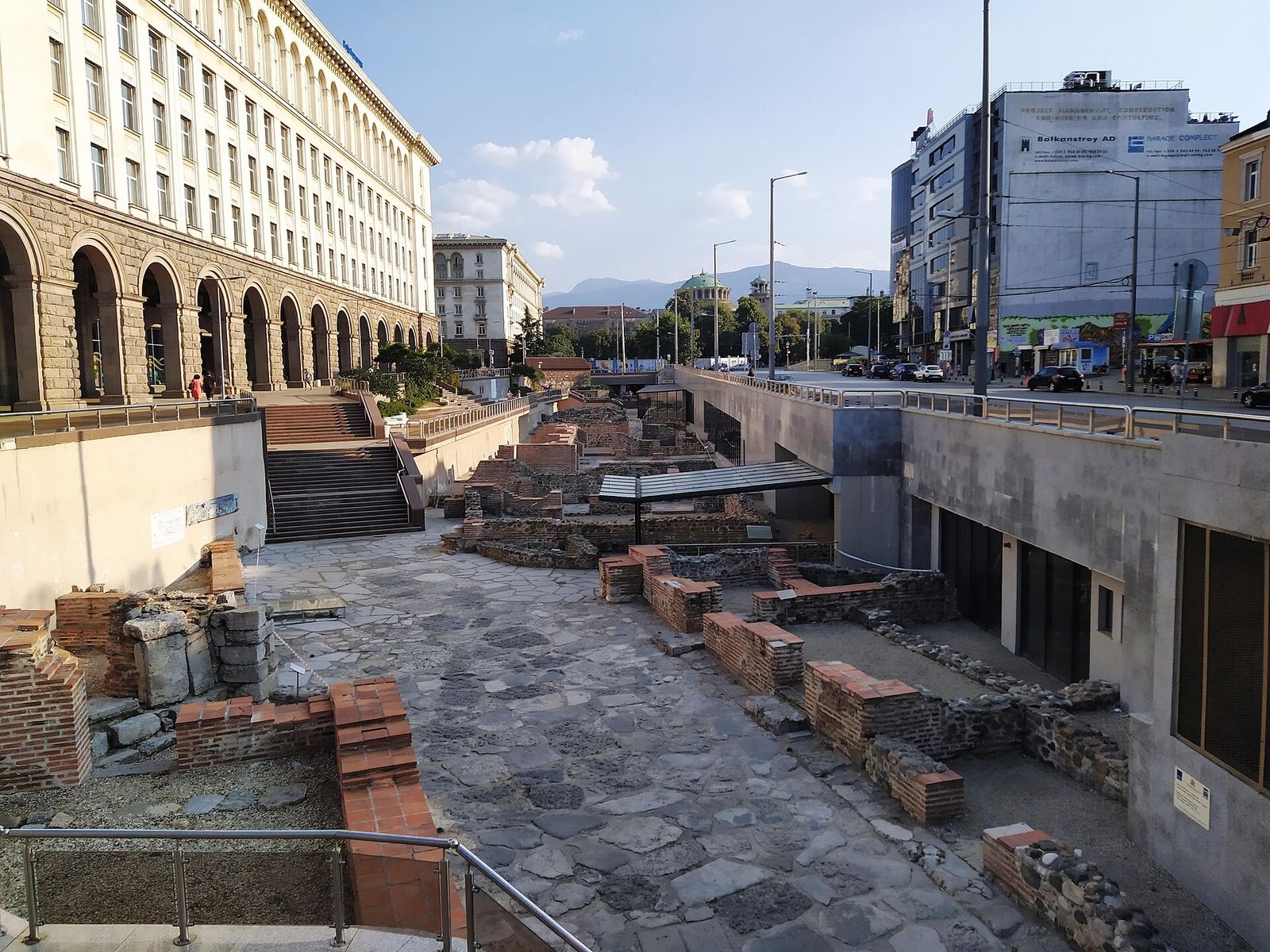
Builders digging Serdika metro station in 2010 to 2012 hit 8 Roman streets, an early Christian basilica and a set of baths, and the city left them on show. You walk on the old paving between the communist-era government blocks, and the underground section off the metro concourse has mosaic floors and the Eastern Gate. Most of what you see at the Roman ruins of Serdica dates from the 4th to the 6th centuries.
Rotunda of St George
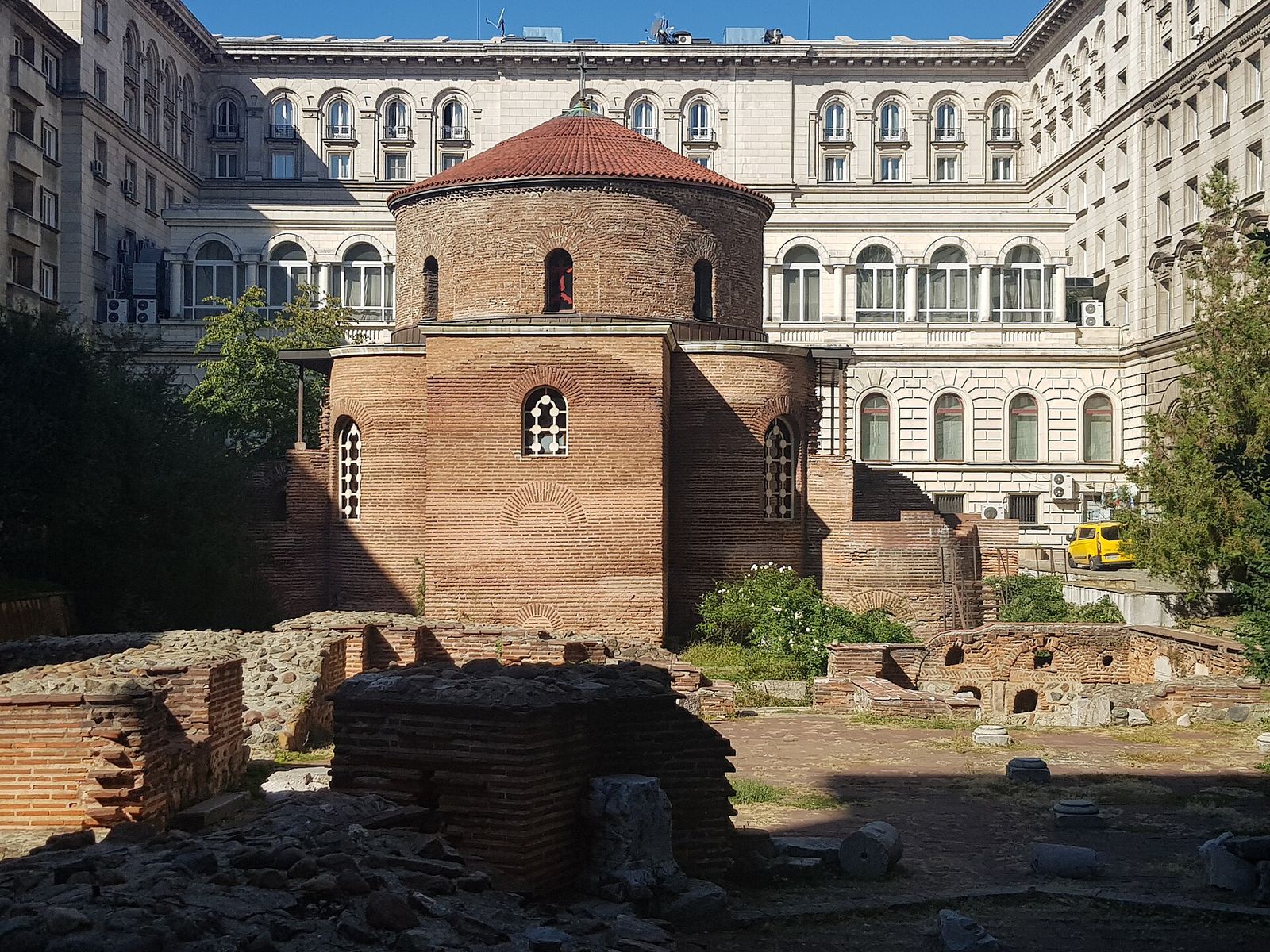
The Rotunda of St George is a 4th-century red-brick church and the oldest standing building in Sofia. It sits in the courtyard behind the Presidency, ringed by a Roman street, and the Ottomans used it as a mosque. Inside, three layers of frescoes go back to the 10th century, with 22 prophets painted round the dome. It's free to go in, and I give it 20 minutes.
St Sofia Basilica
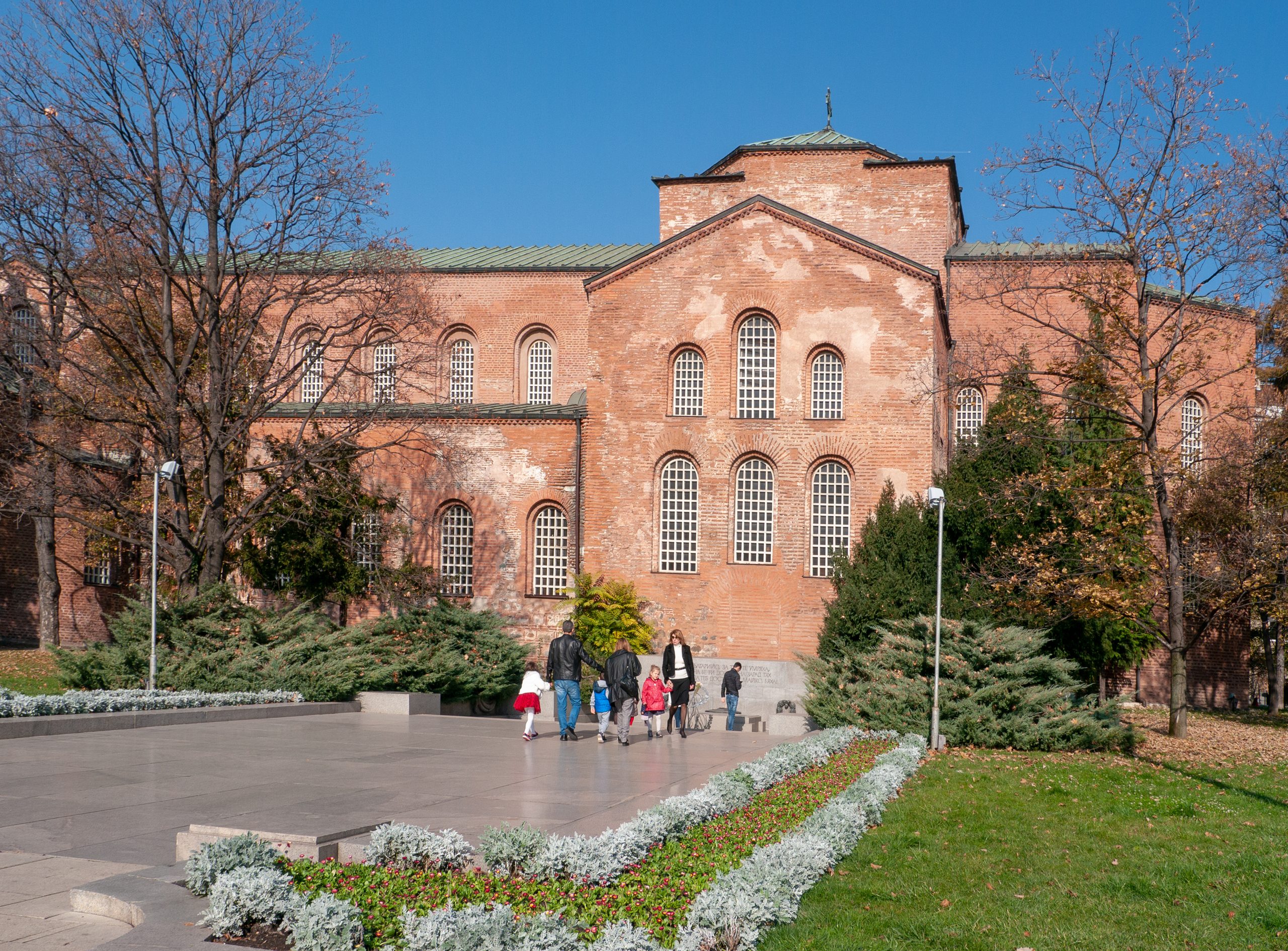
Sofia takes its name from this church. St Sofia is a 6th-century basilica built over older churches and a Roman cemetery. The name Sofia, Greek for wisdom, first turns up in records around 1359; before that the city was Serdica and then Sredets. A ticket to the underground level of St Sofia, with its tombs and wall paintings, costs €4.
The First Bulgarian Empire (681 to 1018)
In 681 Byzantium recognised the state of Khan Asparuh's Bulgars, with its capital at Pliska, and Bulgarians treat that year as their country's birthday. Khan Krum took Sofia in 809 after a long siege, and the city became Sredets. Under Boris I Bulgaria became officially Christian in the 860s.
At the end of the 9th century the Preslav Literary School developed the Cyrillic alphabet, in official use from 893, the year Simeon I came to the throne. Simeon ruled until 927, styled himself tsar of the Bulgarians and the Romans, and presided over what Bulgarians call the Golden Age. In 1018 Basil II finished the Byzantine conquest, and most of the Bulgarian nobility joined his empire.
Saints Cyril and Methodius at the National Library
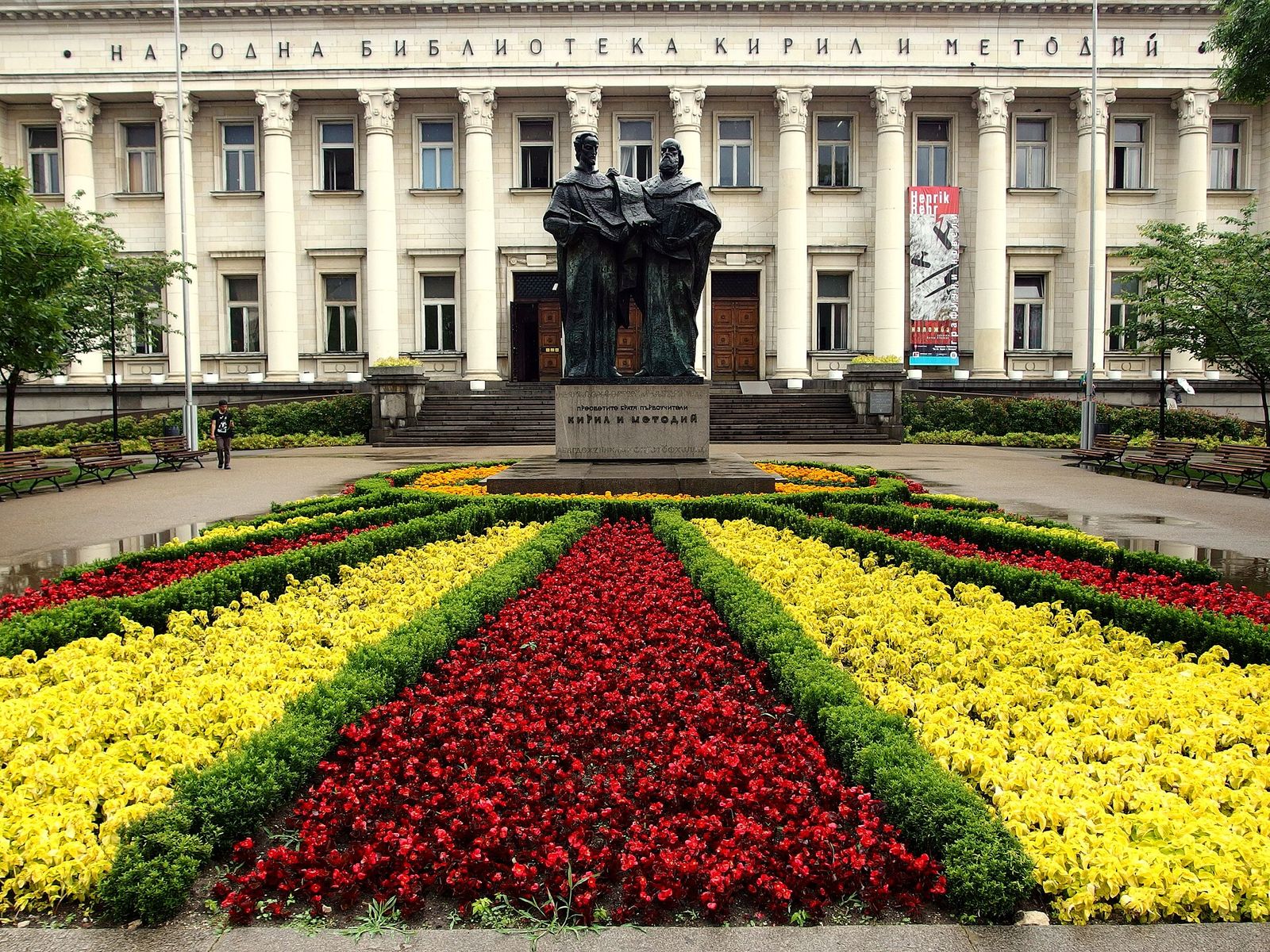
Cyrillic takes its name from St Cyril, and the bronze statue of Cyril and his brother Methodius stands outside the National Library, a short walk from Alexander Nevsky. Their saints' day, 24 May, doubles as the national day of the alphabet, one of the Bulgarian traditions I like best. If you learn the Cyrillic alphabet in Bulgaria before you come, every street sign and menu turns into words you can sound out.
The Second Bulgarian Empire (1185 to 1396)
In 1185 the brothers Peter and Asen led a revolt against Byzantium, Peter took the title of tsar, and a year later Constantinople recognised Bulgaria again. The capital moved to Tarnovo, today's Veliko Tarnovo, and the empire peaked under Ivan Asen II, who reigned from 1218 to 1241. The Ottomans ended it in stages: Sofia fell in 1382, Tarnovo in 1393 and Vidin, the last Bulgarian kingdom, in 1396.
Boyana Church
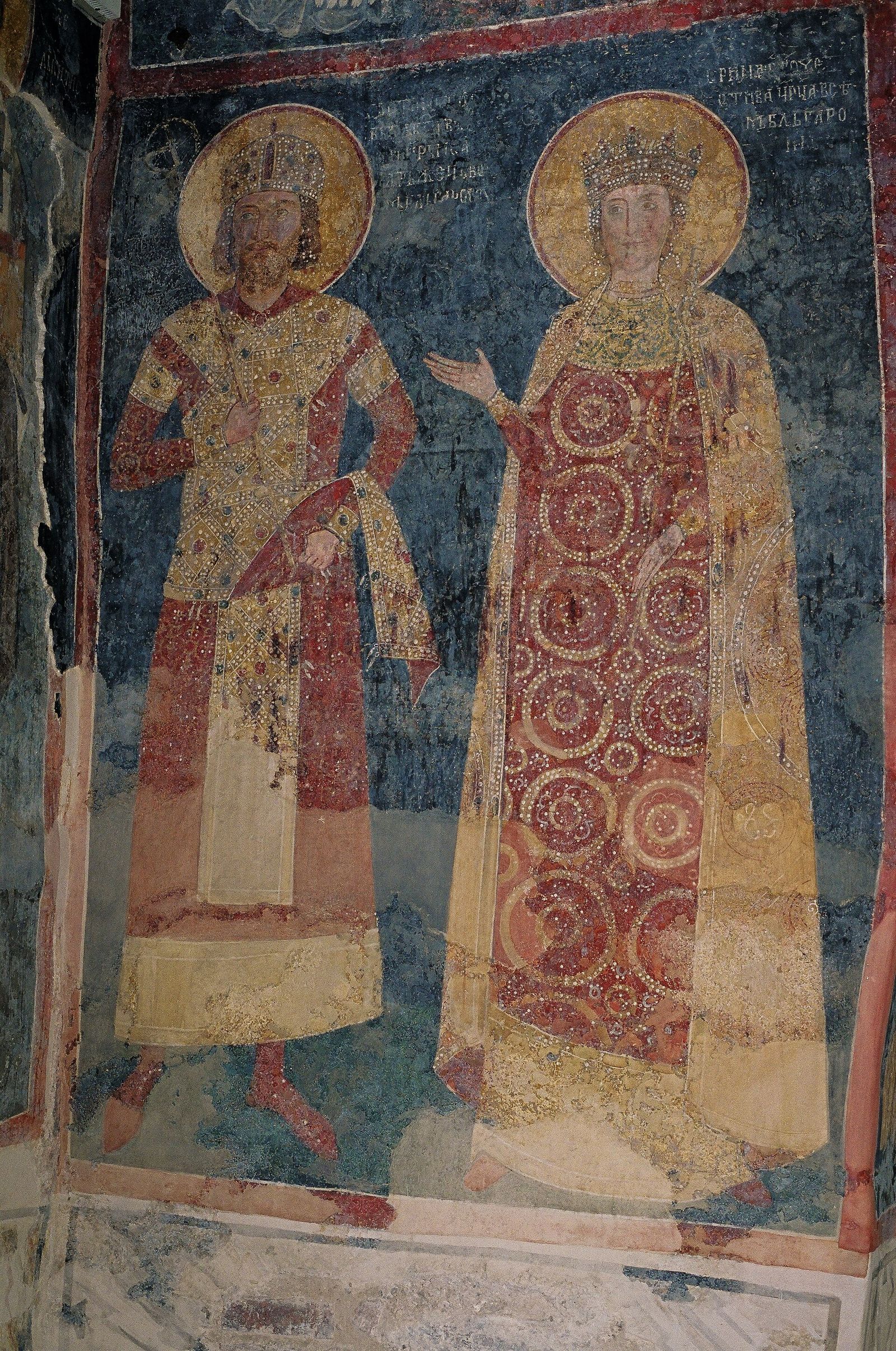
Boyana is the Second Empire at its best, and my favourite 10 minutes in Sofia. The main layer of frescoes dates from 1259, and the donor portraits of Sebastocrator Kaloyan and his wife Desislava, and of Tsar Constantine Tih Asen and Tsaritsa Irina, are the reason I keep going back. The tiny church has been on the UNESCO list since 1979 and sits at the foot of Vitosha, about 8 km from the centre. Tickets to Boyana are €10, and it opens daily, 9am to 5.30pm from November to March and 9.30am to 6pm from April to October. More than 200,000 people a year squeeze into Boyana Church, so I go on a weekday morning.
Ottoman rule (1396 to 1878)
Bulgaria spent 482 years inside the Ottoman Empire, and Sofia was the seat of the province of Rumelia from 1530 to 1836. By the 17th century the city had 11 large mosques and more than 100 small ones. Most were destroyed in the war of 1877 to 1878.
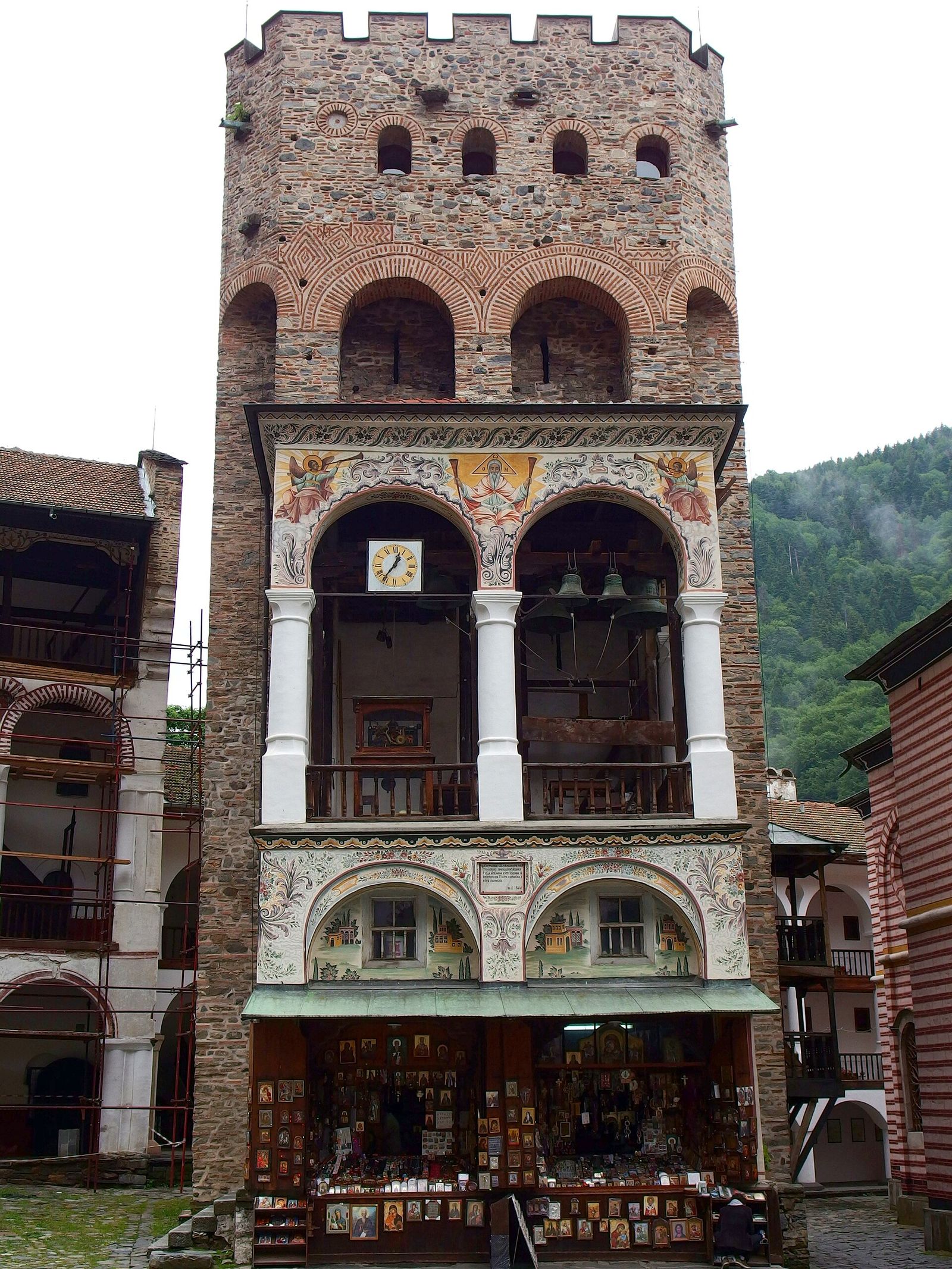
Rila Monastery, founded in the 10th century by St Ivan of Rila, came through with its 14th-century Hrelyu Tower, and most of the rest was rebuilt after a fire in 1833. A Rila Monastery day trip is the one I'd pick for this era: about 2 hours each way by car, and €12 for every museum on site.
The 1800s brought the National Revival, and with it the April Uprising of 1876. Its first shot was fired at a bridge in Koprivshtitsa, the Revival town, on 20 April 1876. The Ottomans crushed the rising and massacred tens of thousands of people, mostly in Batak, Perushtitsa and Bratsigovo. News of the killings spread across Europe, William Gladstone took up the Bulgarian cause in Britain, and the next year Russia went to war with the Ottomans.
Banya Bashi Mosque
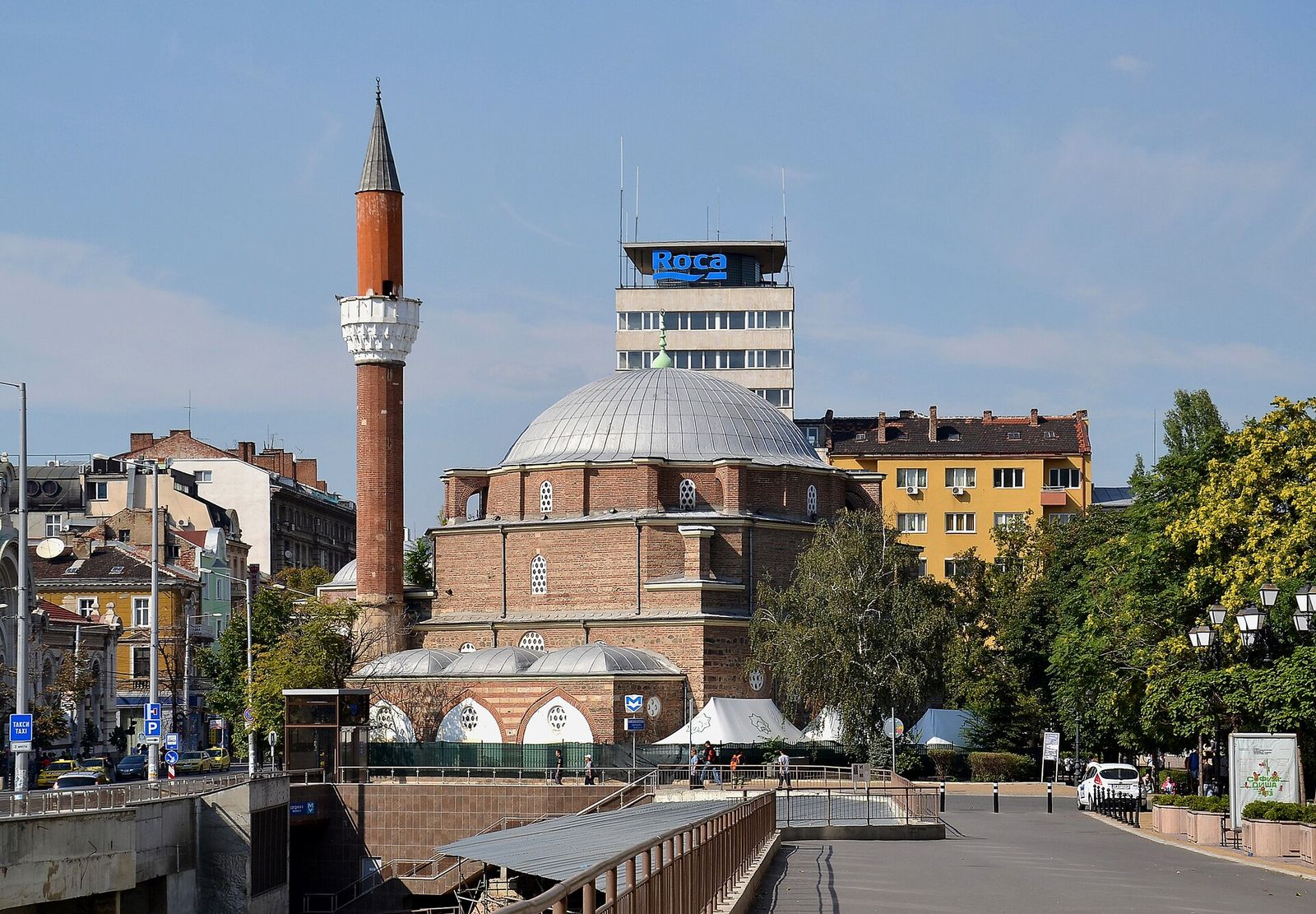
Banya Bashi is the one Ottoman building I'd make time for. It was built in 1566, it's attributed to the Ottoman architect Mimar Sinan, and it's the only working mosque left in Sofia. Its name refers to the baths: it stands over a Roman bath-house, a few steps from the mineral taps. Banya Bashi Mosque opens 5am to 8pm, and visitors are welcome outside prayer times with shoulders and knees covered.
Liberation and the Kingdom (1878 to 1944)
The Russo-Turkish War of 1877 to 1878 ended Ottoman rule. The Treaty of San Stefano, signed on 3 March 1878, created a large Bulgarian principality covering Moesia, Thrace and Macedonia. Later that year the Treaty of Berlin, agreed at a congress chaired by Bismarck with Disraeli leading for Britain, cut it back to the land between the Danube and the Balkan mountains, Sofia included.
Sofia was made the capital on 3 April 1879, and by the 1910 census it had grown past 100,000 people. On 6 September 1885 Bulgaria united with Eastern Rumelia and then beat Serbia in the war that followed. On 22 September 1908 it declared full independence, and Prince Ferdinand became tsar.
The Balkan Wars of 1912 to 1913 explain much of today's map. They left 58,000 Bulgarians dead, and the second one cost most of the new land in Macedonia to Serbia and Greece, Adrianople to the Ottomans and Southern Dobruja to Romania. Bulgaria fought on the losing side in the First World War (1915 to 1918), and the Treaty of Neuilly in November 1919 took its Aegean coast, almost all its Macedonian land and Dobruja again.
In the Second World War Bulgaria joined the Axis on 1 March 1941, and US and British bombers hit Sofia in late 1943 and early 1944, destroying or damaging thousands of buildings.
In March 1943 the government moved to deport Bulgaria's own Jews, about 48,000 people. MP Dimitar Peshev, Metropolitan Stefan of Sofia, Metropolitan Kiril of Plovdiv and the writers', lawyers' and doctors' unions protested, and the deportations from Bulgaria proper were called off. In the same month Bulgarian authorities deported 11,343 Jews from occupied Macedonia and Thrace to Treblinka, and all but about a dozen were murdered. In May Sofia's Jews were expelled to the countryside, and lost much of what they owned.
Monument to the Tsar Liberator
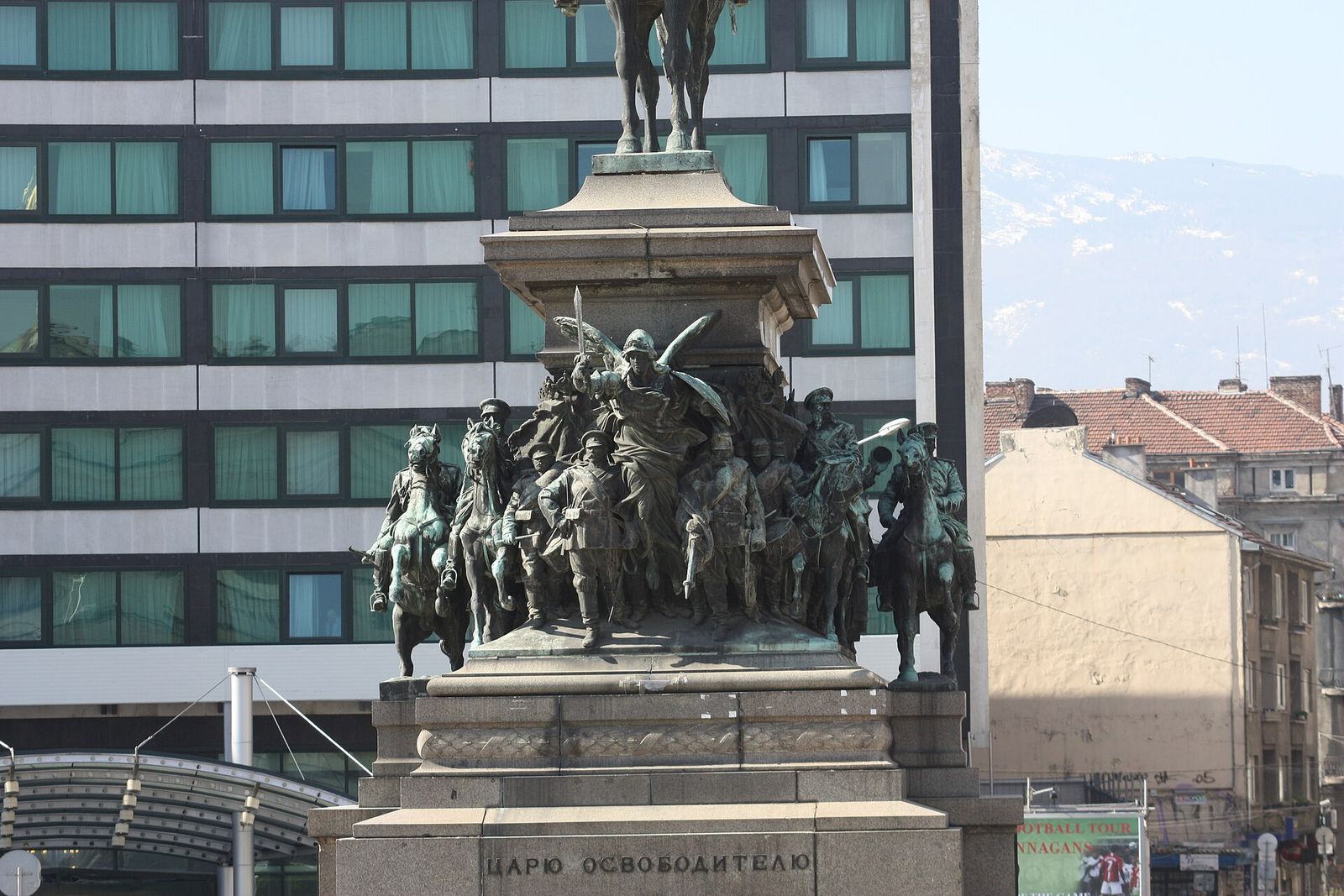
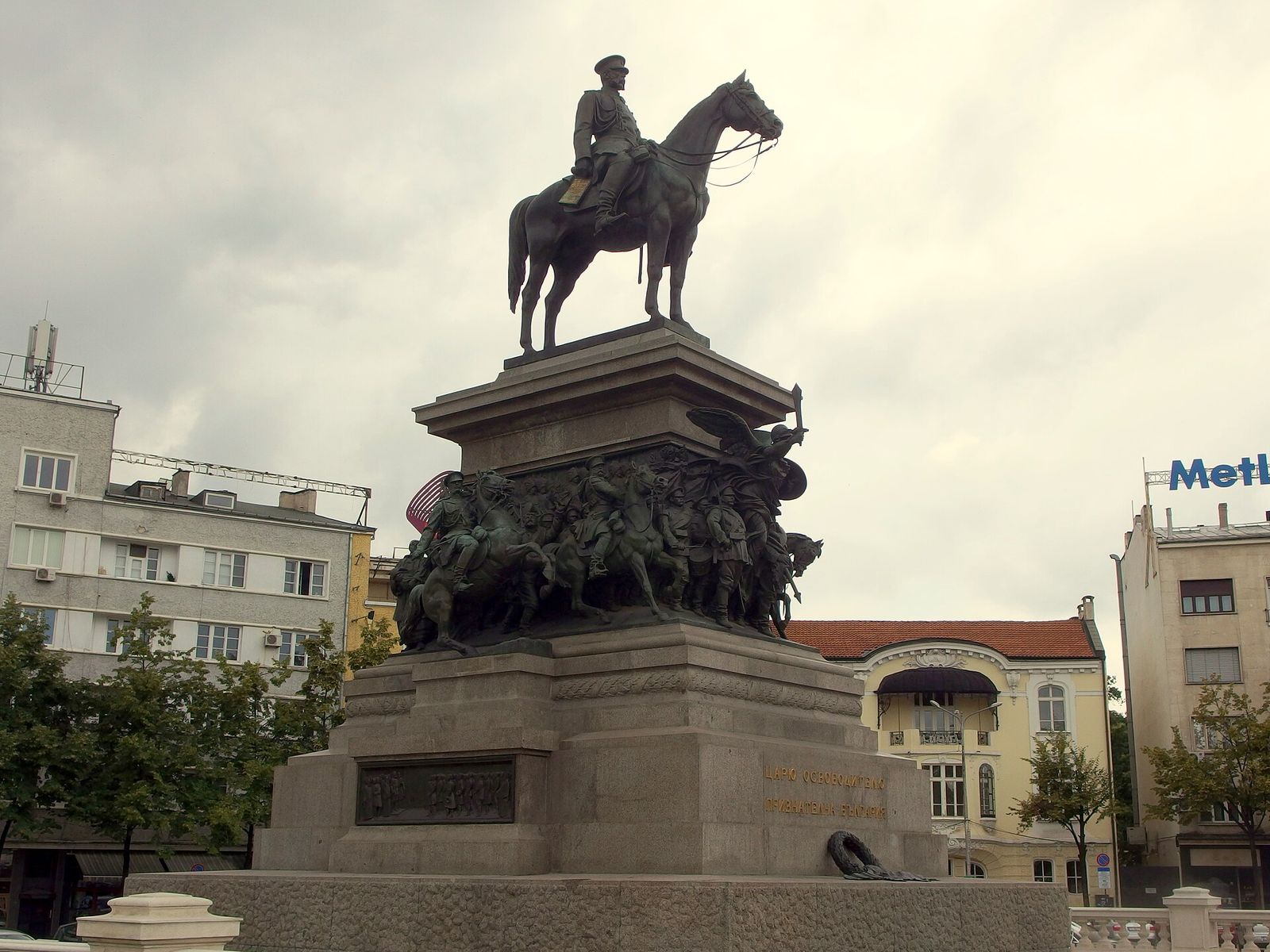
The Tsar Liberator is Alexander II of Russia, on horseback on Tsar Osvoboditel Boulevard, facing the National Assembly. The Italian sculptor Arnoldo Zocchi beat 31 rivals from 12 countries for the job, and the monument was unveiled on 30 August 1907. Walk round the base. The bronze reliefs show the goddess Nike leading Russian and Bulgarian soldiers, the signing of San Stefano and the first assembly in Veliko Tarnovo, and the bronze wreath came from Romania for its own war dead.
Alexander Nevsky Cathedral
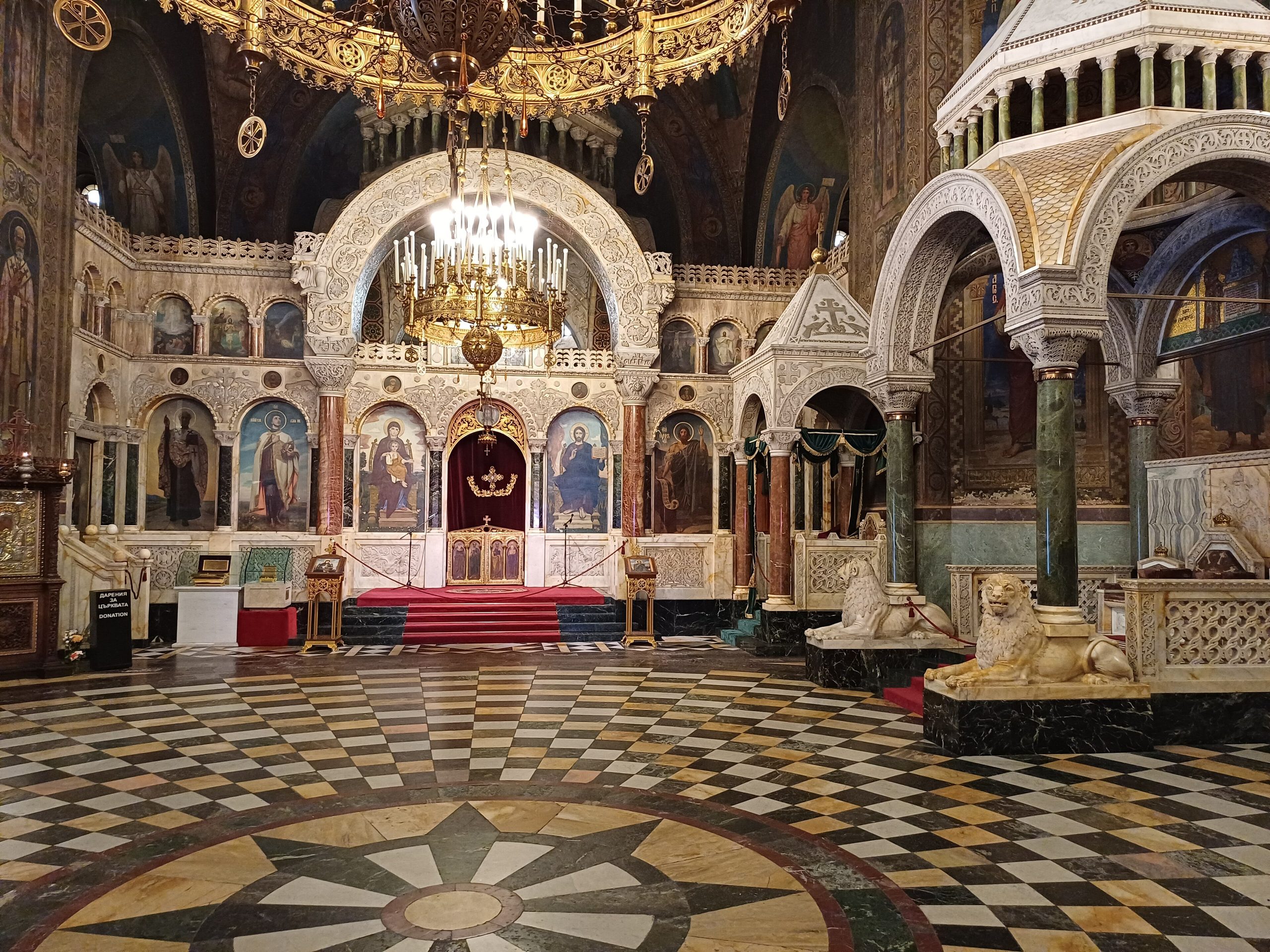
Sofia's patriarchal cathedral marks the same war. Alexander Nevsky Cathedral went up between 1882 and 1912 in memory of the soldiers who died in 1877 to 1878, and it stands 50.52 metres high. Entry is free, 7am to 7pm every day. The crypt holds the National Gallery's Museum of Christian Art, a collection of old Bulgarian icons, for €10.
Sofia Synagogue
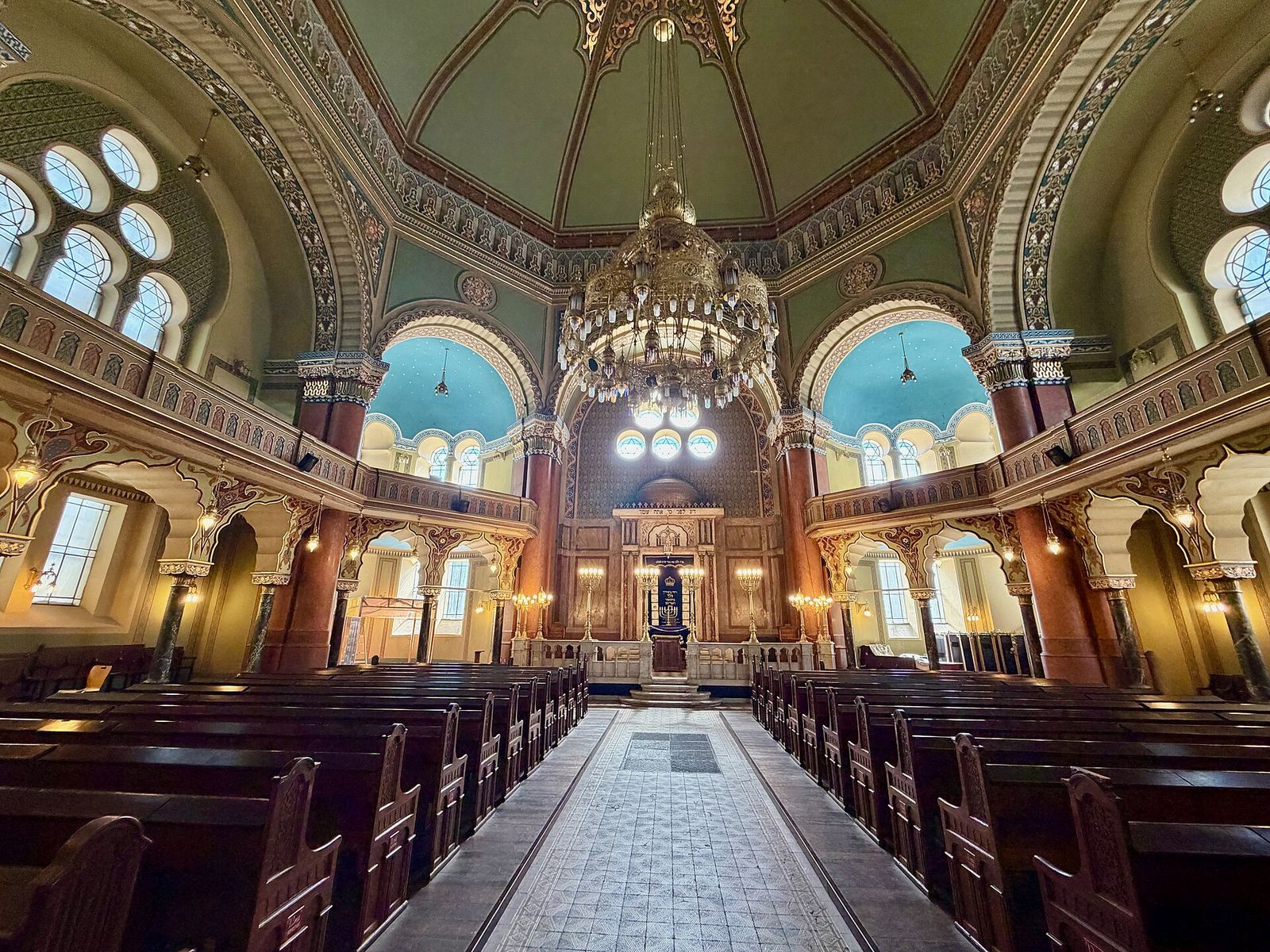
The Sofia Synagogue opened in 1909 with Tsar Ferdinand at the ceremony, a few minutes' walk from Banya Bashi. It's the third largest in Europe. Visits run Sunday to Friday, 9am to 5pm, and the €10 ticket covers the museum exhibition, an audio guide and permission to take photos.
Communist Bulgaria (1944 to 1989)
The Soviet Union declared war on Bulgaria on 5 September 1944, and a coup on 9 September overthrew the government and brought the communists to power. The monarchy ended in 1946, three years into the reign of the child tsar Simeon II, and Bulgaria became a People's Republic. Todor Zhivkov led the Communist Party from March 1954 until the party removed him in November 1989, 35 years at the top.
Sofia's centre got its Stalinist look in those decades: the government complex round the Largo, the Vasil Levski Stadium and the National Library all went up after 1944.
The Largo and the former Party House
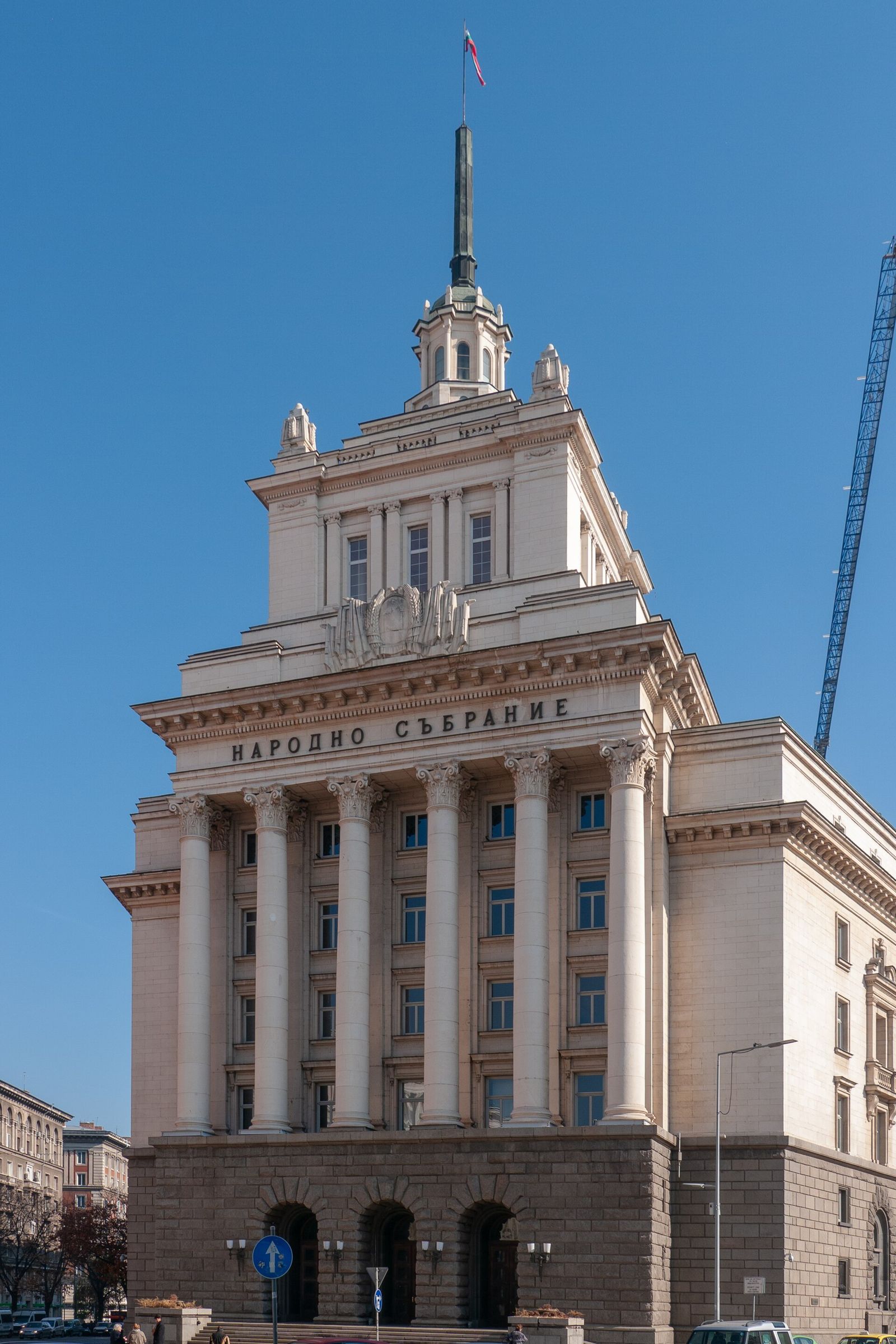
The Largo is the square of heavy stone government buildings above Serdika metro, with the Presidency on one side and the former Communist Party House at the end. The Party House now carries НАРОДНО СЪБРАНИЕ (National Assembly) across its front. Stand on the steps above the Serdica ruins and you get a Roman street, a 16th-century mosque and the communist capital in one view.
Museum of Socialist Art
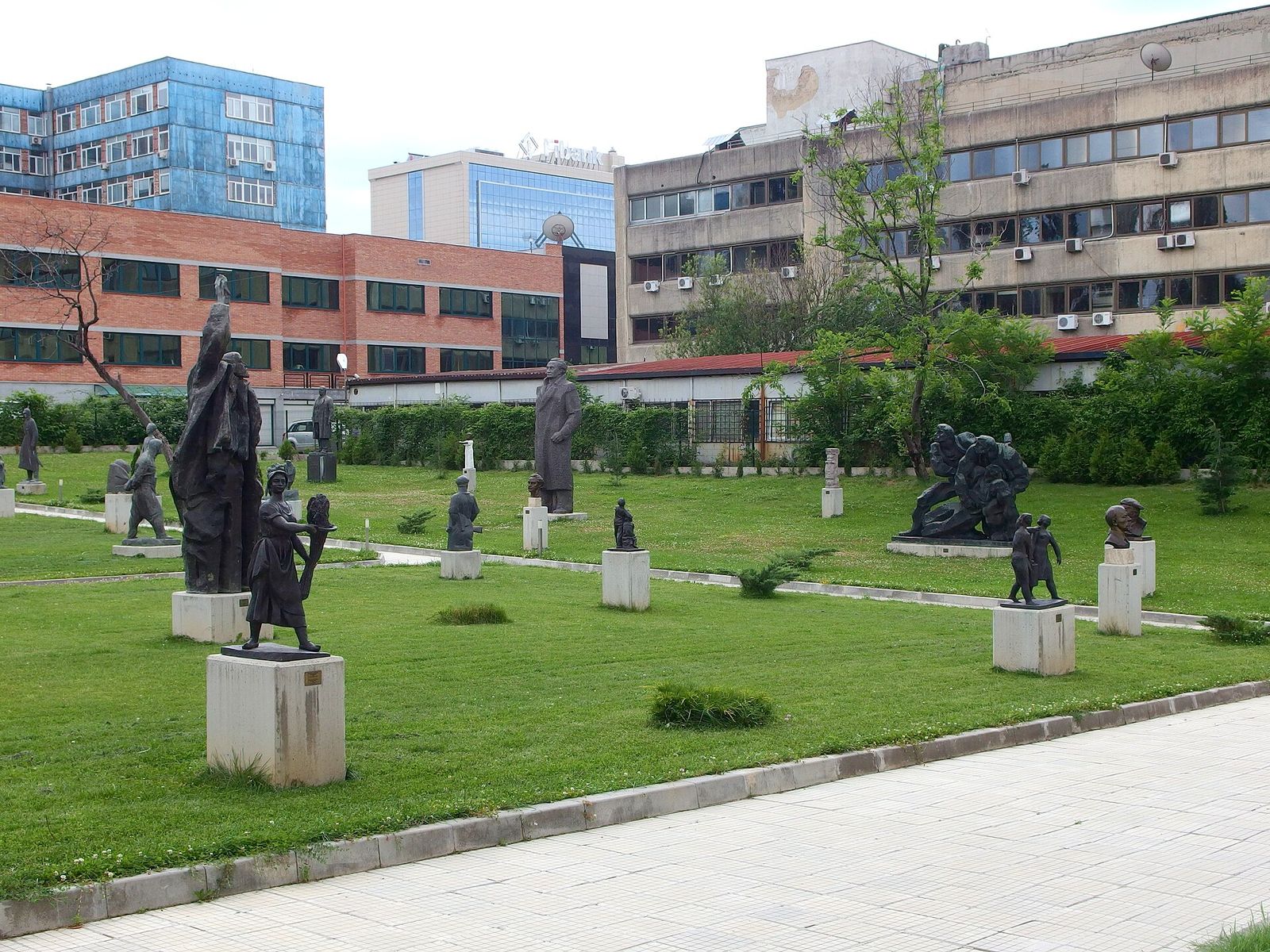
The communist era's statues live in the sculpture garden of the Museum of Socialist Art, a short walk from G.M. Dimitrov metro: several Lenins, Georgi Dimitrov busts, partisans and collective-farm women, a big red star on a pole, plus an indoor gallery. Tickets are €8, and it opens Tuesday to Sunday, 10am to 6pm. The Monument to the Soviet Army lost its top figures in December 2023, and its empty column still stands near Sofia University.
Bulgaria since 1989
Bulgaria held its first free election in June 1990 and adopted a new constitution in July 1991. In 2001 Simeon II, the boy tsar of 1943, came back and won the parliamentary election of 17 June. Bulgaria joined NATO on 29 March 2004, the EU on 1 January 2007 and the Schengen Area on 1 January 2025. On 1 January 2026 it swapped the lev for the euro in Bulgaria, at a fixed 1.95583 leva to €1.
Where to see Bulgarian history in Sofia
The National Historical Museum
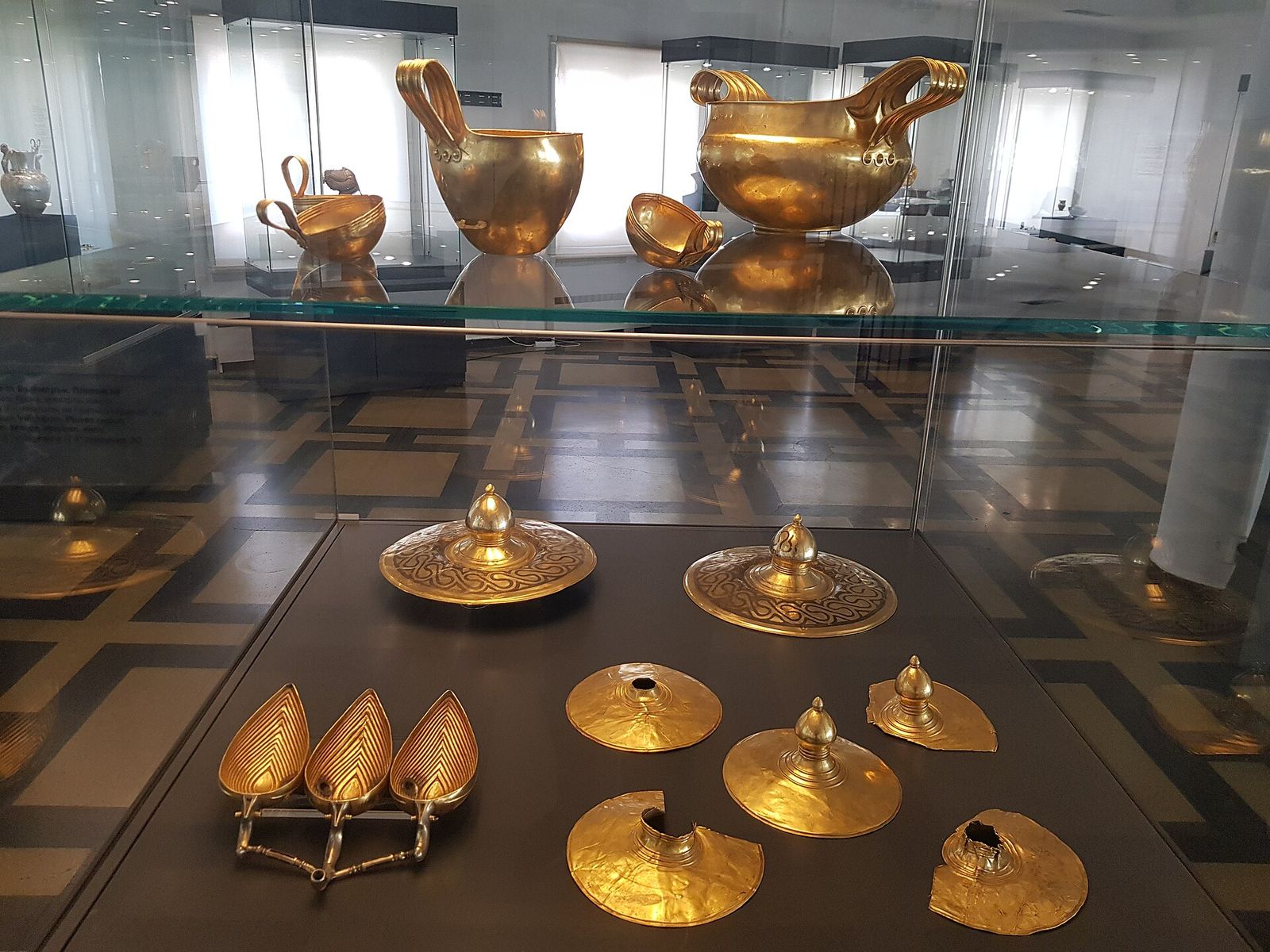
Of all the museums in Sofia, this is the one that tells the story start to finish. The National Historical Museum in Boyana holds more than 650,000 objects and shows about 10% of them over three floors, from the 6th millennium BC to 1946, including Thracian gold such as the Valchitran treasure. Boyana Church belongs to it and sits about 25 minutes' walk uphill, so I do both in one go for €19. Entry is free on 18 May, International Museum Day.
My one-day history route in Sofia
This is the day I plan for friends who ask for "the history bit". The morning is on foot round Serdika and Alexander Nevsky; the afternoon is a taxi to Boyana.
| Time | Stop | Era | Ticket |
|---|---|---|---|
| 9am | Rotunda of St George | Roman | Free |
| 9.30am | Serdica ruins and the Largo | Roman and communist | Free |
| 10.15am | Banya Bashi Mosque and the mineral taps | Ottoman | Free from outside |
| 10.45am | Sofia Synagogue (not Saturdays) | Kingdom | €10 |
| 11.45am | St Sofia's underground level | Roman | €4 |
| 12.30pm | Alexander Nevsky and the Tsar Liberator | Liberation | Free; crypt €10 |
| 2pm | National Historical Museum | All of it | €9 |
| 4.15pm | Boyana Church | Second Empire | €10 |
The tickets come to €23, or €43 with the synagogue and the crypt. In winter, Boyana sells its last tickets at 5.20pm, so I keep an eye on the clock at the museum. The Museum of Socialist Art doesn't fit this day, so I give it a second morning.
History day trips from Sofia
Tarnovo, the medieval capital, and Koprivshtitsa, where the April Uprising started, are out in the country, 2 to 3 hours from Sofia. These are the day trips from Sofia I'd pick for the history, all done by bus, train or car.
| Place | Era | Getting there | What I go for |
|---|---|---|---|
| Veliko Tarnovo | Second Empire | About 3 hours by direct bus | Tsarevets fortress, €7.67 |
| Plovdiv | Roman and Revival | About 2 hours by bus (€8.50 to €11) or 3 hours by train (about €5.60) | The Roman theatre and Old Town houses |
| Koprivshtitsa | April Uprising | Train about 2 hours (about €4), then a minibus | 6 museums for €10 |
| Rila Monastery | Medieval and Revival | About 2 hours by car | Hrelyu Tower and the museums, €12 |
| Buzludzha and Shipka | Liberation war and communism | Car, or train to Kazanlak (about 3 hours) and a taxi | Outside only, free |
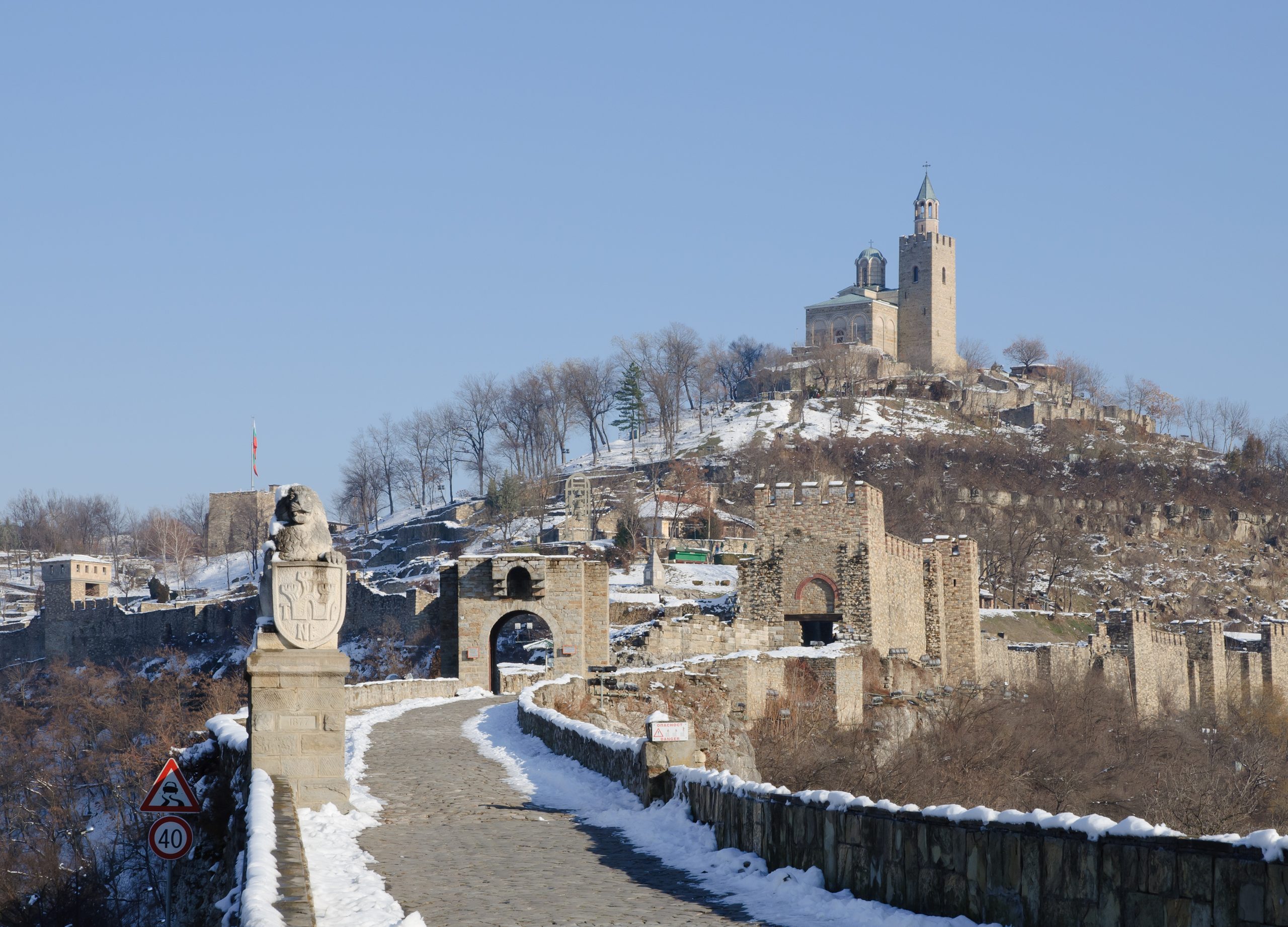
If I could only pick one, it's Veliko Tarnovo. Tsarevets was the main fortress of the Second Empire from 1185 to 1393, its walls run round the hilltop above the Yantra river, and at 3 hours each way I stay the night.
Key takeaways
- Start at Serdika metro: Roman streets, a 16th-century mosque and the communist Largo are all within a few minutes' walk.
- The National Historical Museum (€9) and Boyana Church (€10) fill half a day and run from Thracian gold to 1946.
- The Tsar Liberator monument and Alexander Nevsky Cathedral both mark the war of 1877 to 1878 that ended Ottoman rule.
- Save the Museum of Socialist Art and the Nevsky crypt for a Thursday, when National Gallery branches charge €2.
- For the medieval story, Veliko Tarnovo is the trip, and it's best with a night there.
Frequently asked questions
How long was Bulgaria under Ottoman rule?
Bulgaria was under Ottoman rule for 482 years, from the fall of Vidin in 1396 to the Liberation in 1878. Sofia fell earlier, in 1382. The Treaty of San Stefano, signed on 3 March 1878 after the Russo-Turkish War, ended it.
Does Bulgaria have the oldest city in the world?
No, though Plovdiv is often counted among the oldest continuously inhabited cities in Europe. Bulgaria does hold one record: the Varna grave gold, from between 4,600 and 4,200 BC, is the oldest gold yet dug up anywhere.
Why did Bulgaria lose so much land?
Bulgaria lost land in three rounds. The Treaty of Berlin in 1878 cut back the large Bulgaria drawn at San Stefano, the Second Balkan War of 1913 cost most of the Macedonian gains and Southern Dobruja, and the Treaty of Neuilly in 1919, after Bulgaria fought on the losing side in the First World War, took the Aegean coast and almost all of Macedonia.
When did Bulgaria become a country?
Bulgaria became a country in 681, when Byzantium recognised Khan Asparuh's state with its capital at Pliska. The modern state dates from the Liberation in 1878, and full independence came on 22 September 1908.
Was Bulgaria communist?
Yes. The communists took power in a coup on 9 September 1944, and Bulgaria was a one-party People's Republic from 1946 to 1990, with Todor Zhivkov in charge from 1954 to 1989. It stayed a separate country and was never part of the Soviet Union.
What is the oldest building in Sofia?
The Rotunda of St George, a 4th-century Roman church in the courtyard behind the Presidency, is the oldest standing building in Sofia. It has served as a church and as a mosque, and its earliest frescoes date from the 10th century.
Why is Sofia called Sofia?
Sofia is named after the St Sofia Basilica, and the name comes from the Greek word for wisdom. It first appears in records around 1359; before that the city was Serdica under the Romans and Sredets under the first Bulgarian Empire.
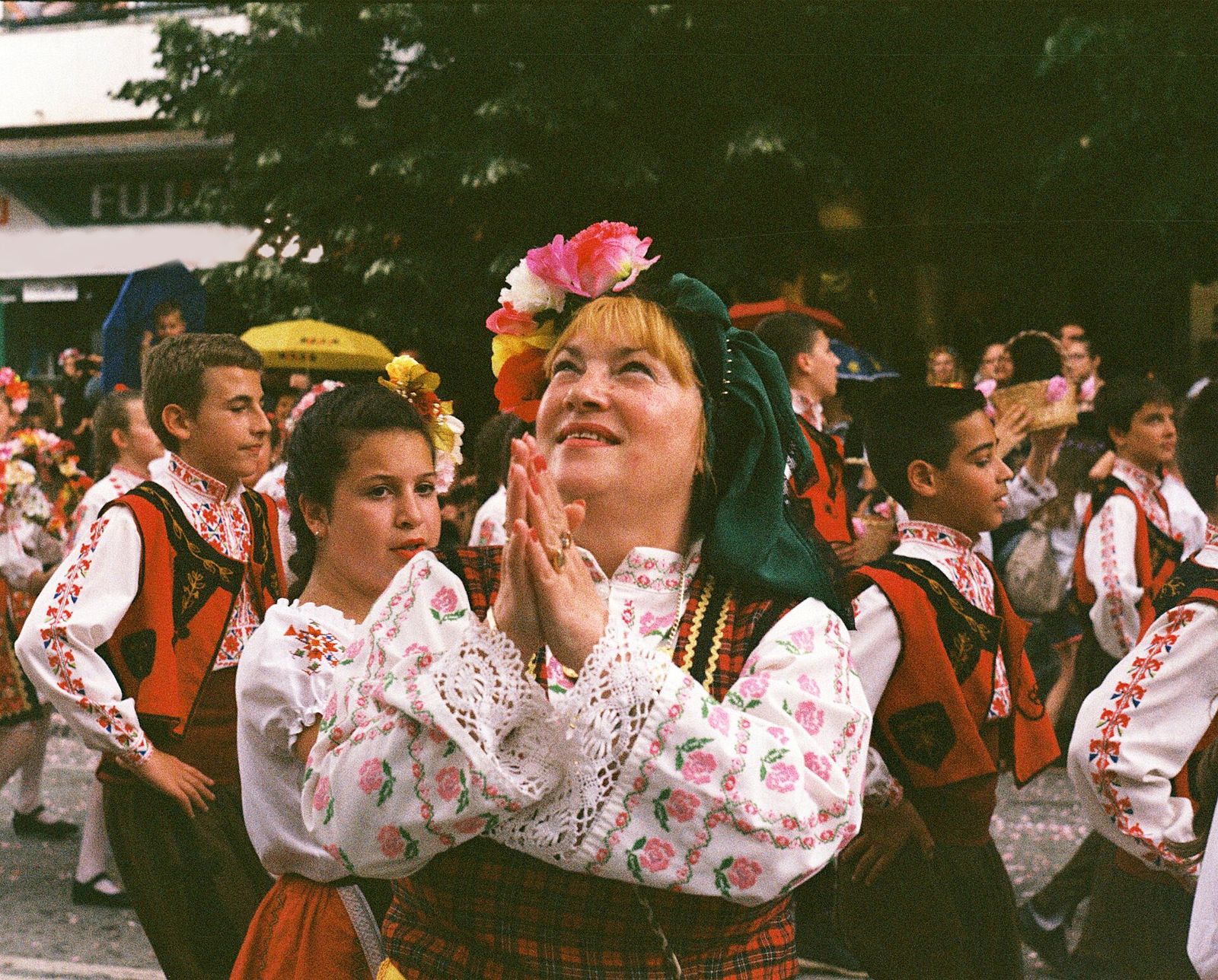
Bulgarian Culture and Traditions: A Visitor's Guide
Nods that mean no, rakia sipped with salad and masked kukeri: the Bulgarian customs I'd want you to know before a trip.
Read the guide
Bulgarian Phrases for Travellers: The Words I Use Every Day in Sofia
Hello, thank you, cheers and the bill: the Bulgarian words I use every day in Sofia, and how to say each one.
Read the guide
The Bulgarian Alphabet: How I Read Cyrillic in Sofia
All 30 letters of the Bulgarian alphabet, the six that fool English readers, and how I read Sofia signs with them.
Read the guide