The Best Churches in Sofia: My 8 Favourites, Ranked
Sofia's churches span 1,600 years, from a 4th-century Roman rotunda to a gold-domed cathedral finished in 1912, and seven of my eight favourites sit within a 20-minute walk of each other. These are the ones I take visiting friends to, ranked, with the hours, the prices, what to wear and the route I walk to fit most of them into one morning.
Sofia's best churches at a glance
Boyana is the only one of the eight you need transport for. Hours are for 2026.
| Church | Built | Entry | Hours | Time needed |
|---|---|---|---|---|
| 1. Alexander Nevsky Cathedral | 1882 to 1912 | Free; crypt icons €10 | 7am to 7pm daily | 30 minutes, or 75 with the crypt |
| 2. Boyana Church | 10th century; frescoes 1259 | €10 | 9am to 5.30pm (November to March); 9.30am to 6pm (April to October) | 45 minutes with the garden |
| 3. Rotunda of St George | Early 4th century | Free | About 8am to 7.30pm daily | 20 to 30 minutes |
| 4. St Sofia Basilica | 6th century | Free; underground level €4 | Underground 10am to 5.30pm | 15 minutes, or an hour with the underground |
| 5. Russian Church | 1907 to 1914 | Free | 8am to 6.30pm daily | 20 to 30 minutes |
| 6. St Nedelya Church | Site in use since the 10th century; reopened 1933 | Free | 7am to 7pm daily | 15 minutes |
| 7. Seven Saints Church | 1547 as a mosque; a church since 1903 | Free | Not published | 15 minutes |
| 8. St Petka of the Saddlers | 11th century | Not published | Not published | 10 minutes |
What to know before you visit a church in Sofia
Most of the churches on this list are working Bulgarian Orthodox churches, so people come in to pray while you look round. Cover your shoulders and knees, and men take their hats off. I keep a light scarf in my bag for summer, and many women at the Russian Church cover their hair too. Keep your voice low, set your phone to silent and never stand between someone and the icon they're kissing, the same manners Bulgarians expect in any church in the country.
You can walk in during a service. Stand at the back, leave the middle of the floor to the people praying, and save the slow look at the walls for afterwards. At Alexander Nevsky, weekday services start at 8am and 5pm and the Sunday liturgy starts at 9.30am, and the times for feast days are on the cathedral's visiting page, in Bulgarian.
Candles are sold at a stand by the door, and I light one in every church I visit.
My 8 favourite churches in Sofia, ranked
1. Alexander Nevsky Cathedral
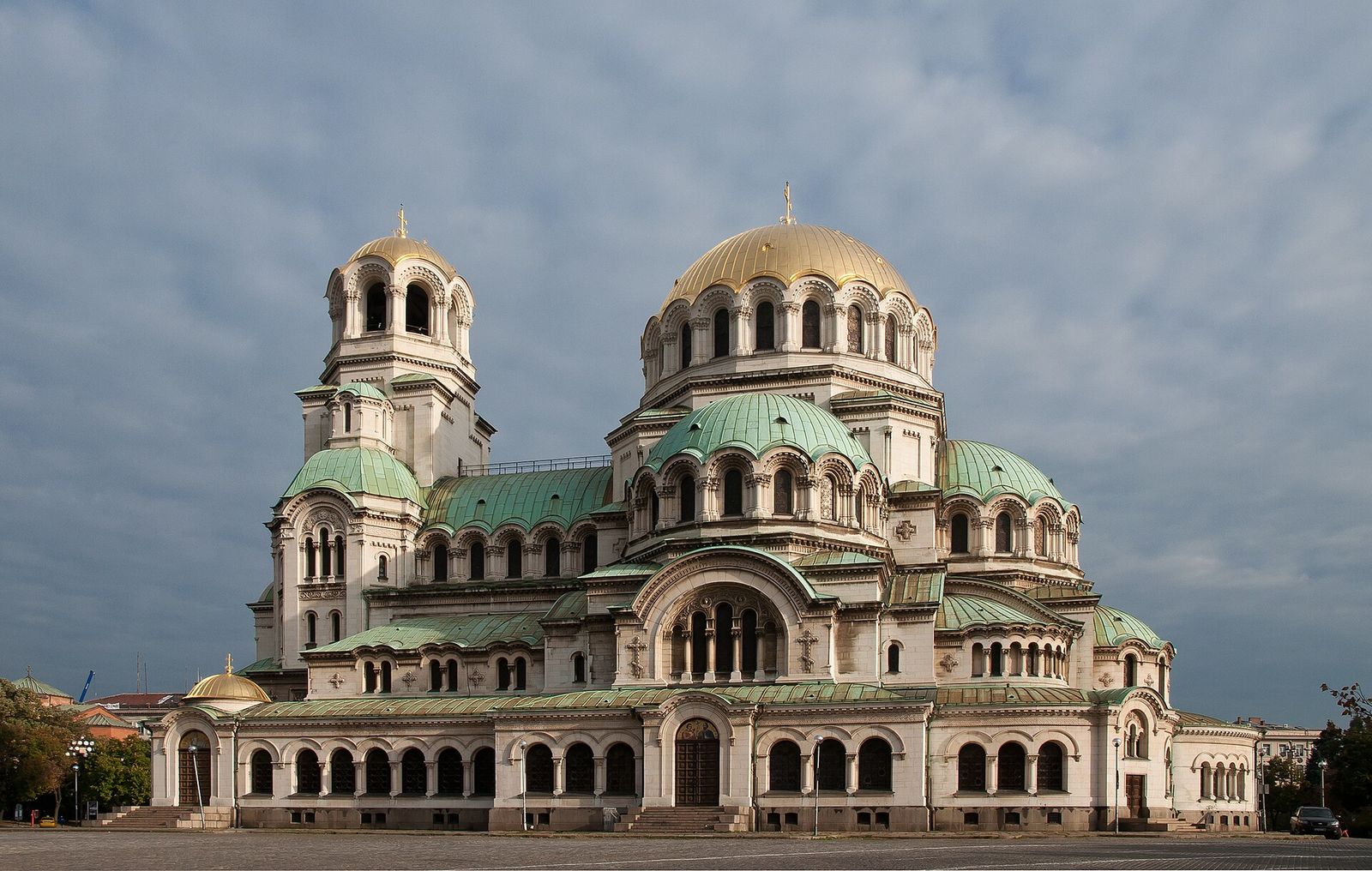
Alexander Nevsky Cathedral went up between 1882 and 1912 in memory of the soldiers who died in the Russo-Turkish War of 1877 to 1878, the war that ended Ottoman rule in Bulgaria. It's the Patriarchal cathedral, the main church of the Bulgarian Orthodox Church, and it's number 1 on my list of things to do in Sofia as well as this one. It stands just over 50 metres high under its gold dome, and the 12 bells in its tower weigh about 25 tonnes between them.
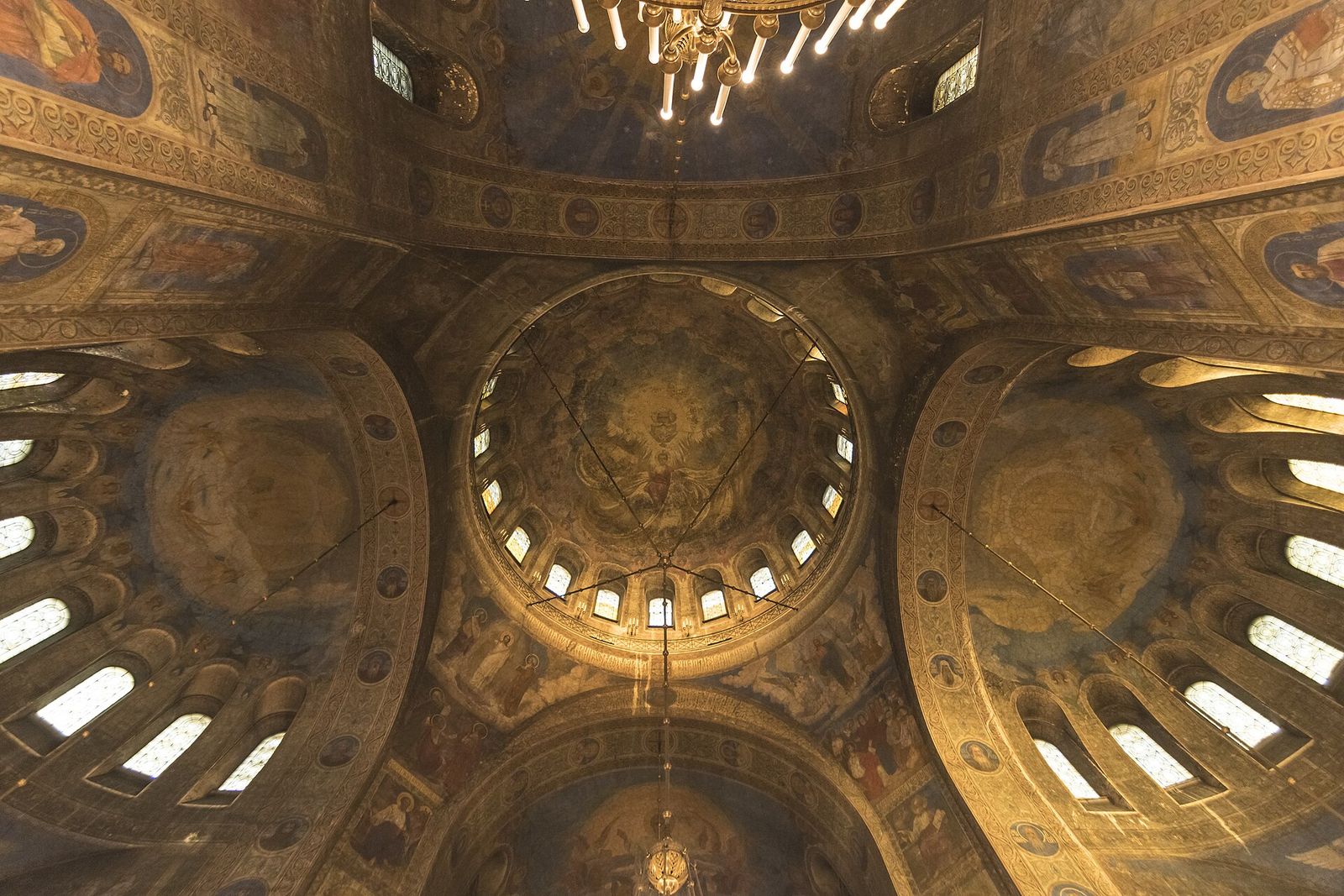
Inside, it's dark and huge and smells of candles. Look up first. The murals in the dome and vaults are by Bulgarian, Russian and Austro-Hungarian artists, the Czech-born Ivan Mrkvička among them, and the iconostasis, the screen of icons in front of the altar, is Italian marble with onyx and alabaster. Entry is free from 7am to 7pm every day of the year.
The crypt has its own door on the outside of the cathedral, under a gold mosaic of St Petka. Down there, the National Gallery keeps its collection of old Bulgarian icons, and it's my favourite of the museums in Sofia for an hour on a rainy day. It opens Tuesday to Sunday from 10am to 6pm and costs €10. From about 10am, the antiques market by the cathedral lays out icons, Soviet badges and lace in the little park beside it.
2. Boyana Church
Boyana Church sits in a garden of tall sequoias at the foot of Vitosha, about 8 km south-west of the centre, and it's the one church I'd cross the city for. Its frescoes, most of them painted in 1259, put it on the UNESCO World Heritage List in 1979: 240 figures in all, 18 scenes from the life of St Nicholas, and portraits of the couple who paid for the paintings, Sebastocrator Kaloyan and his wife Desislava. They're painted as real people with individual faces, and they're the pair I stand in front of longest.
The building grew in three stages: a small east church at the end of the 10th century, Kaloyan's two-storey addition in 1259 and a last extension in the 19th century. It has been part of the National History Museum since 2003, and it reopened in 2006 after about ten years of restoration.
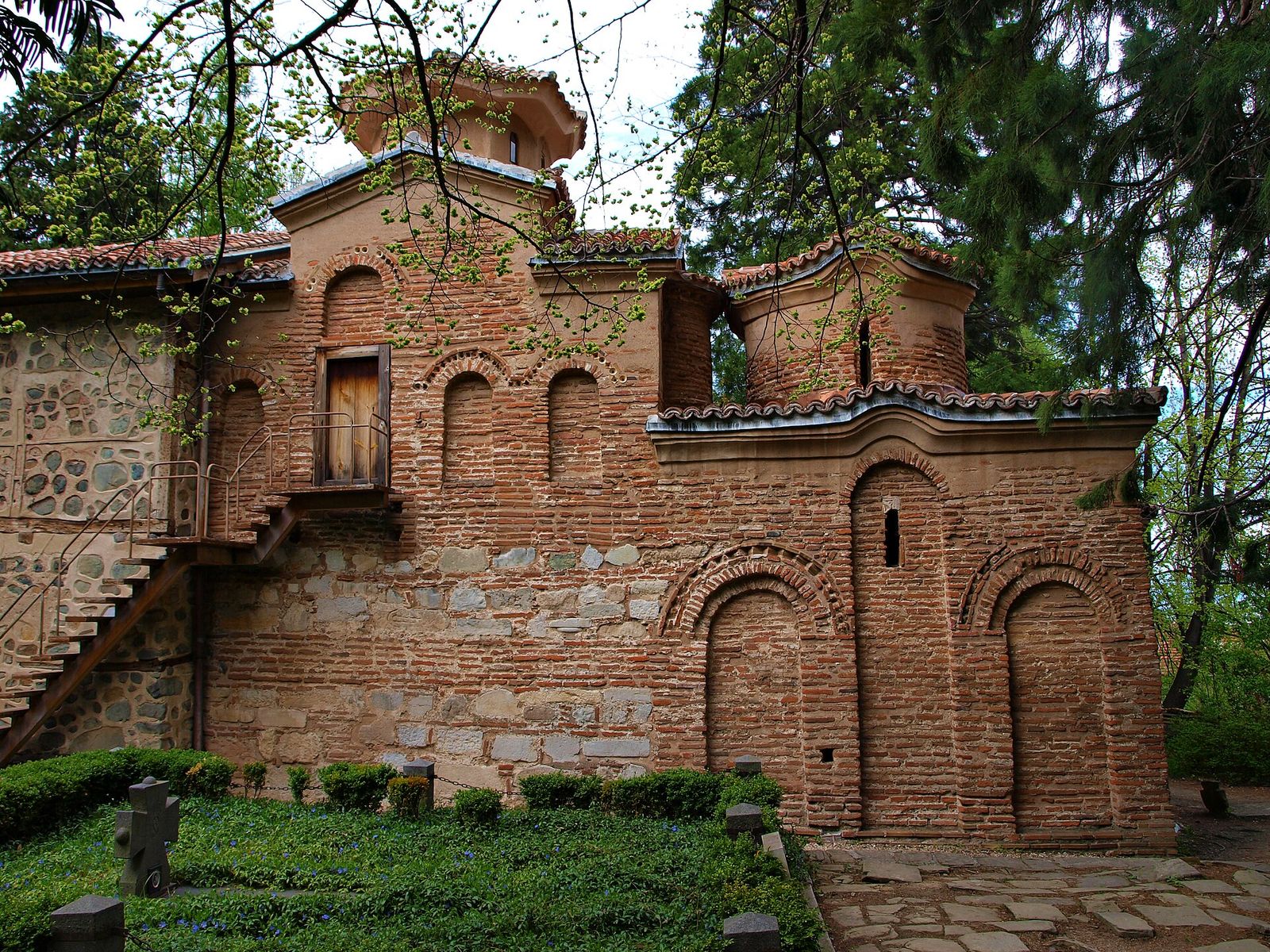
At most 9 people go in at a time, for at most 10 minutes in the medieval rooms. Individuals and groups of up to 5 don't need to book. Queen Eleonore, wife of Tsar Ferdinand, is buried in the churchyard. Afterwards, the National History Museum is a short ride down the hill, and the two together fill an afternoon.
A metered taxi from the centre costs about €8 to €10 and takes 20 to 25 minutes. Bus 65 from Krasno Selo metro has its own Boyana Church stop, at €0.80 a ride. Entry is free on the last Monday of each month after 3pm and on 18 May, 17 September and 1 November, and no bookings are taken on those days, so I check boyanachurch.info before a free-day visit.
3. Rotunda of St George
The Rotunda of St George is the oldest building still standing in Sofia, a round red-brick rotunda the Romans built in the early 4th century, when the city was Serdica. It sits a few metres below today's pavement in a courtyard closed in by the Presidency and the other big stone blocks of the Largo, and walking in from the street feels like finding a back room.
Painting survives in layers on the walls of its one round room, the oldest from the 10th century, and a ring of 22 prophets, each over 2 metres tall, circles the dome. Under the Ottomans it was a mosque. It belongs to the Bulgarian Orthodox Church again now, and it's free and open daily from about 8am to 7.30pm.
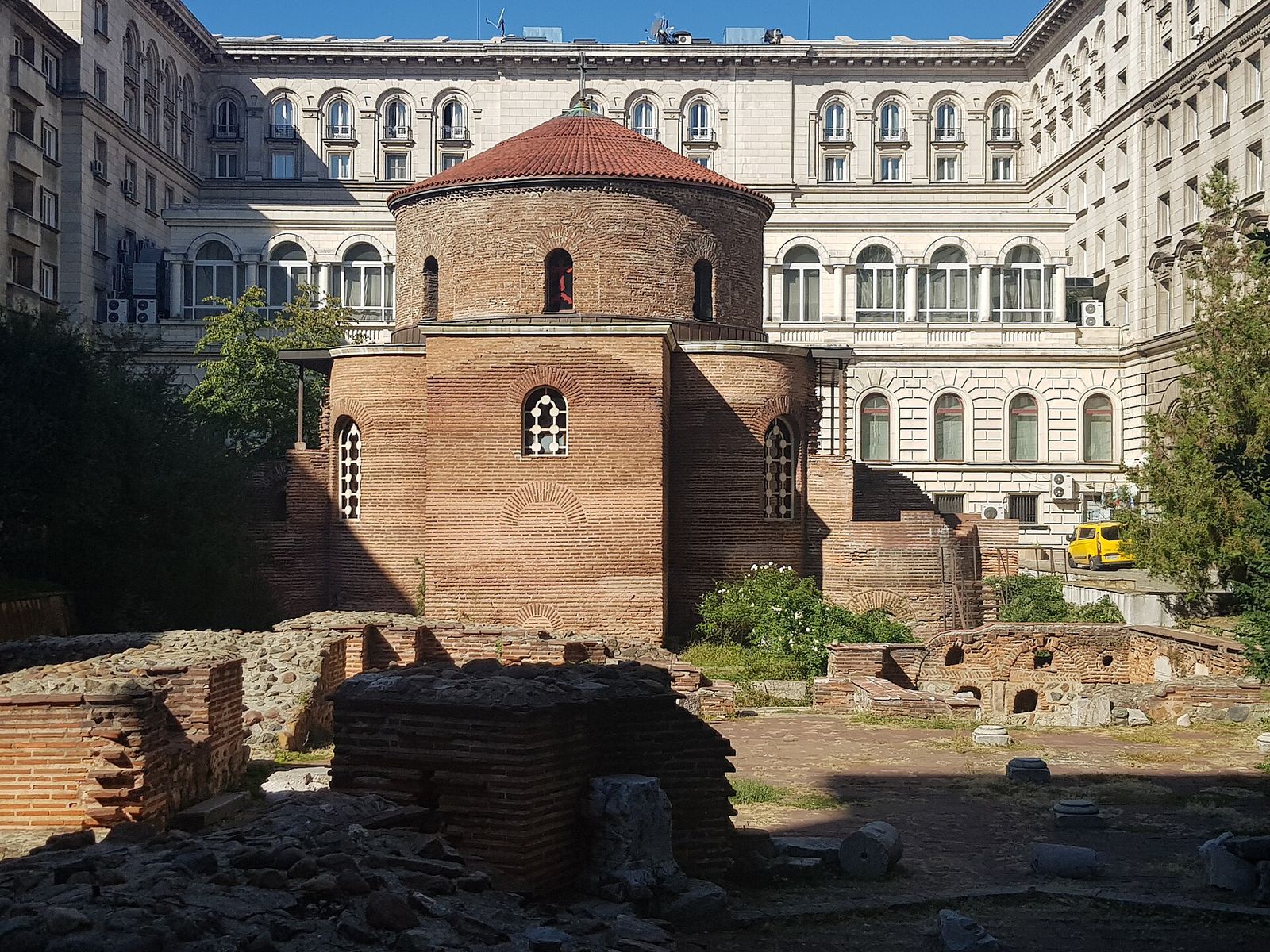
Outside, the courtyard keeps a stretch of Roman street with its drains, the base of a large basilica and a Roman underfloor heating system. The guard at the Presidency changes every hour on the hour, so I finish my look round just before the hour and catch both.
4. St Sofia Basilica
St Sofia Basilica is the red-brick church the city is named after, two minutes' walk from Nevsky across the square. It went up in the 6th century on top of older churches and a Roman cemetery, and it served as a mosque under the Ottomans. Its brick piers and pale plastered walls feel plain and quiet after Nevsky's gold.
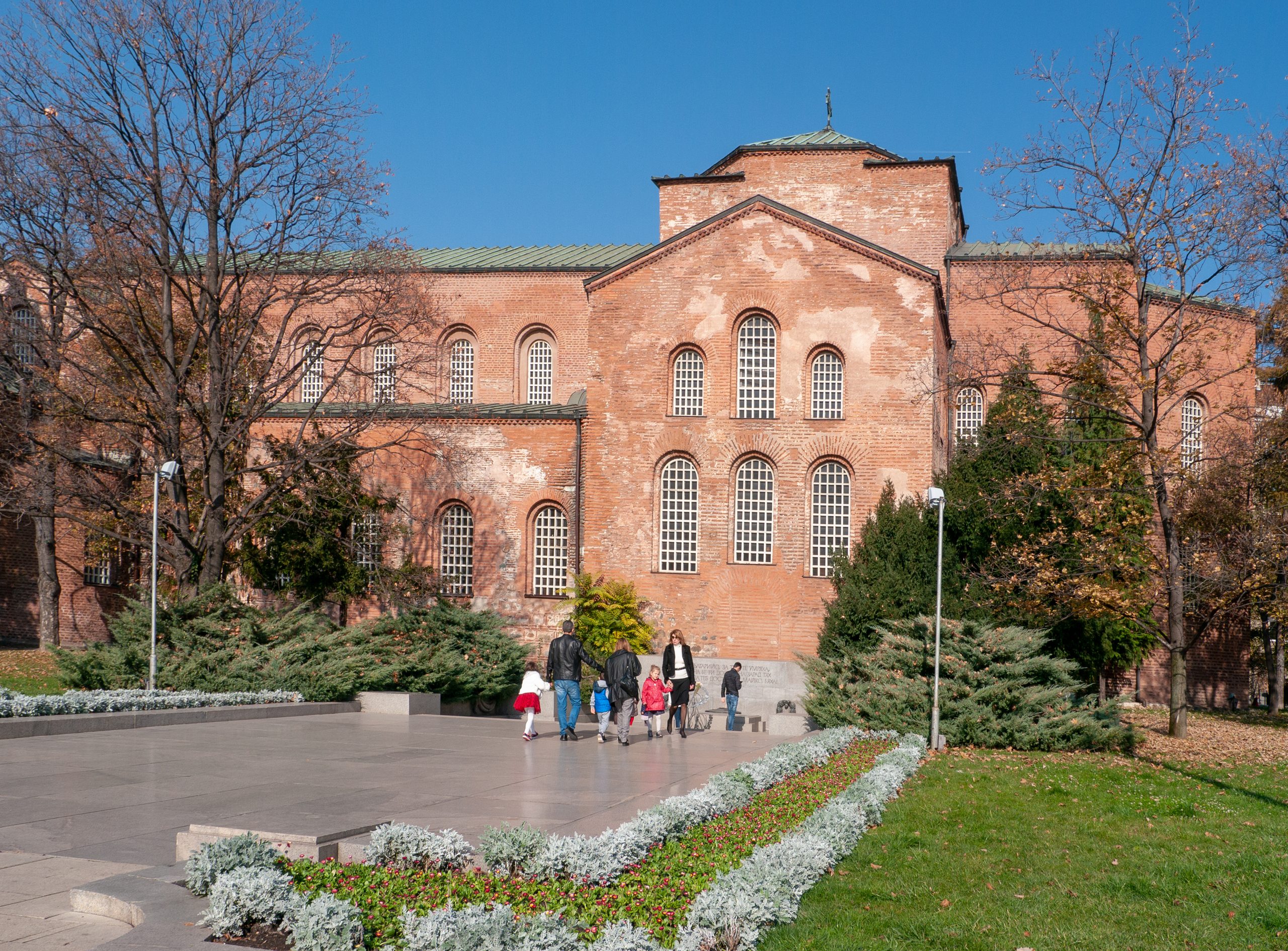
The part I'd never skip is underneath. The archaeological level, run by the Museum of the History of Sofia, shows about 50 Roman graves and tombs, a few with painted walls, plus the foundations of three earlier churches. It costs €4 for adults and €1.50 for children, students and seniors, and it opens 10am to 5.30pm.
The eternal flame of the Unknown Soldier burns against St Sofia's south wall, and the writer Ivan Vazov is buried beside the church.
5. Russian Church
The Russian Church, properly the Church of St Nicholas the Miracle-Maker, is a piece of Moscow on a Sofia boulevard. Five gold onion domes crown it, the tallest on a spire of green glazed tiles, and it stands in a birch garden on Tsar Osvoboditel Boulevard, a three-minute walk from St Sofia. It was built between 1907 and 1914 as the Russian embassy's church, and it still belongs to the Moscow Patriarchate.
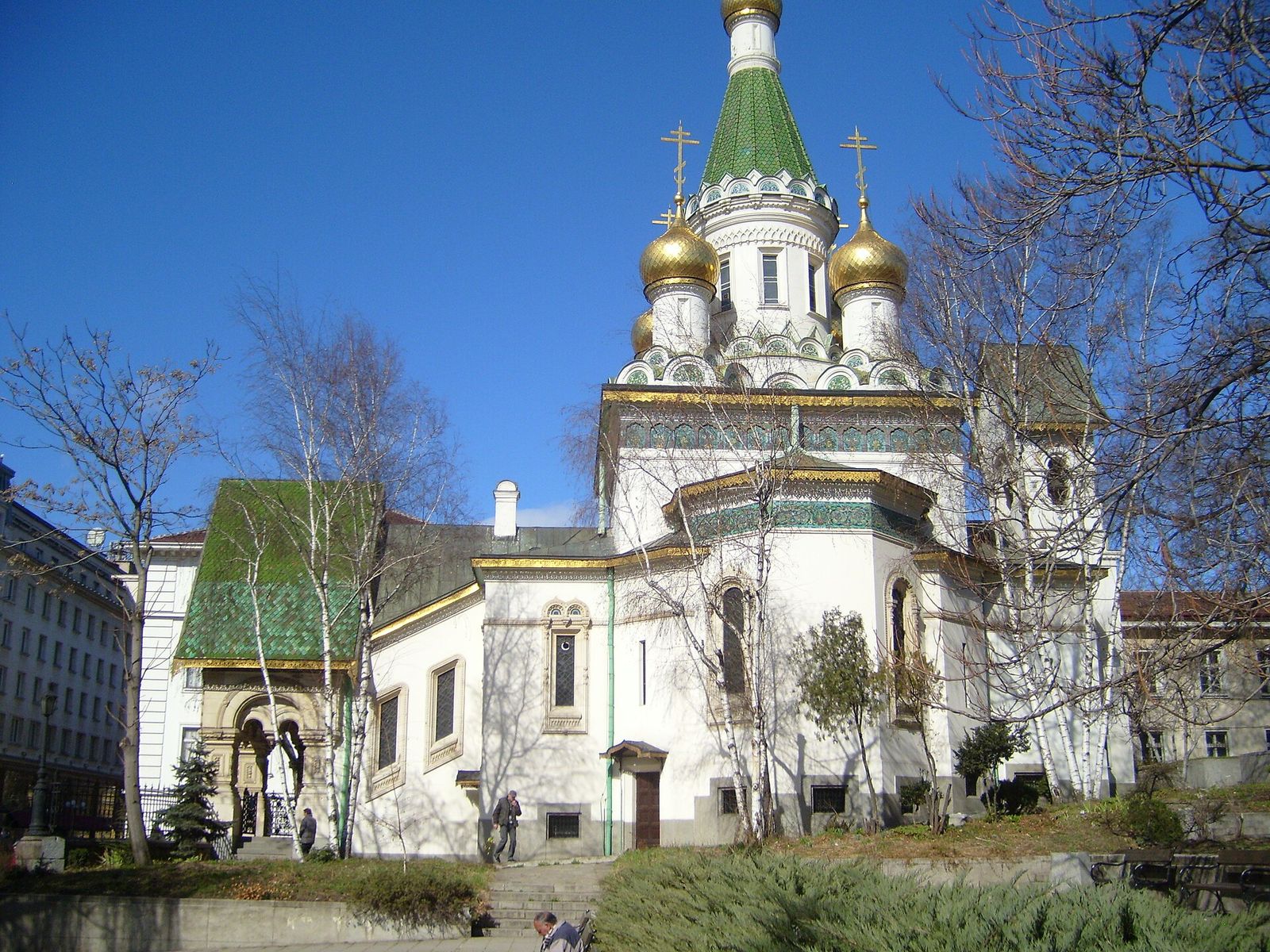
Inside is one small room, painted with murals by Vasily Perminov's team. Downstairs in the crypt lies Archbishop Seraphim (Sobolev), who led Sofia's Russian congregation until he died in 1950, and people write wishes on slips of paper, in any language, and post them in a box by his tomb. Entry is free from 8am to 6.30pm daily. In spring, tulips fill the garden.
6. St Nedelya Church
St Nedelya stands on its own square at the top of Vitosha Boulevard, two minutes from Serdika metro, and a church has stood on this spot since the 10th century. In 1925 a bomb attack inside it killed 150 people. It reopened in 1933 under a 31-metre dome.
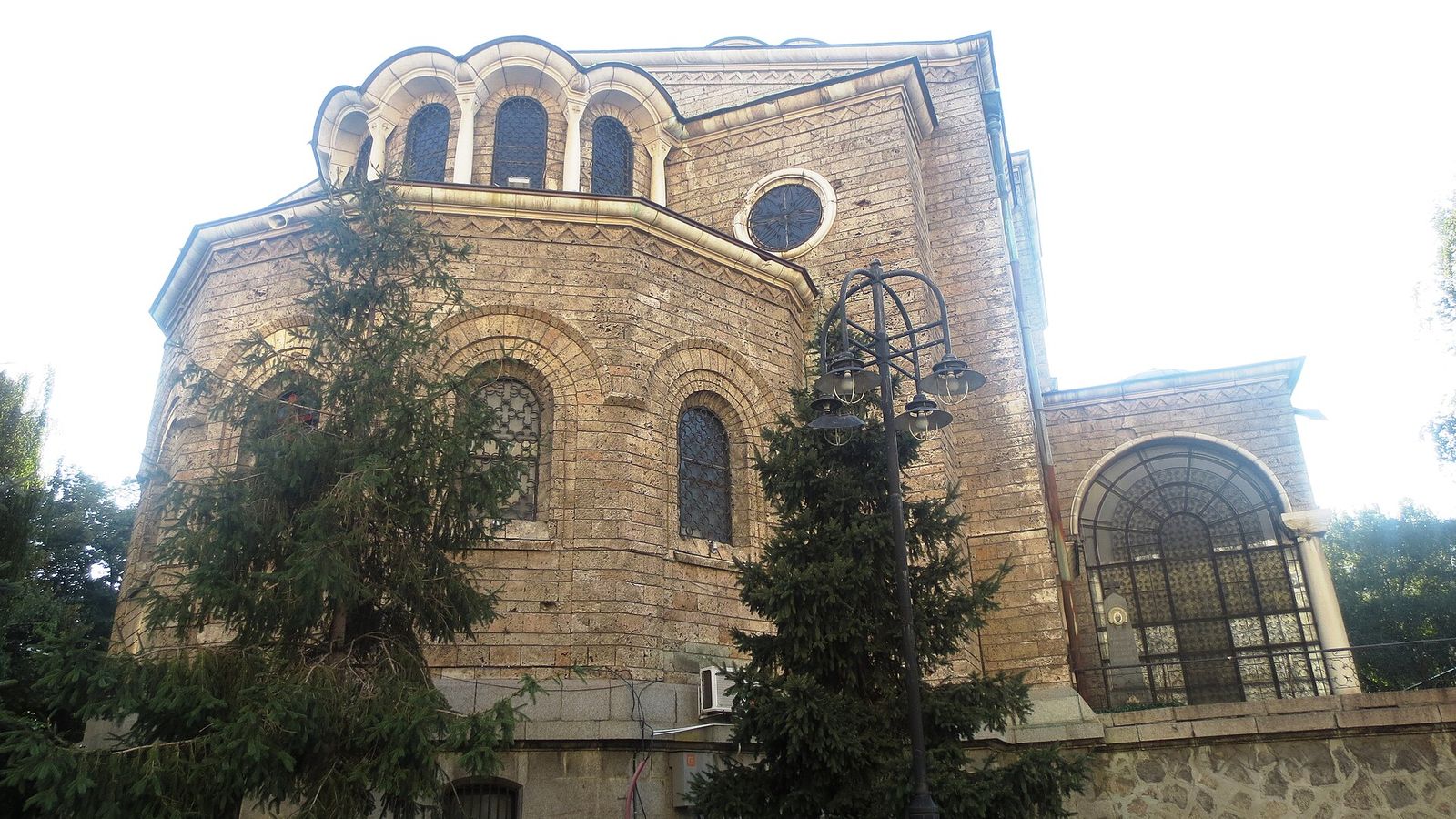
The church keeps the relics of the Serbian king Stefan Milutin. Entry is free from 7am to 7pm, and St Nedelya is where my church walk ends.
7. Seven Saints Church
Seven Saints Church (Свети Седмочисленици) began life as a mosque. It was finished around 1547 for Sofu Mehmed Pasha, a former Ottoman governor of Rumelia, to a design by the Ottoman court architect Mimar Sinan, and it was called the Black Mosque after the dark granite of its minaret. The minaret fell in a 19th-century earthquake, and after the end of Ottoman rule in 1878 the building served as an army warehouse and a prison.
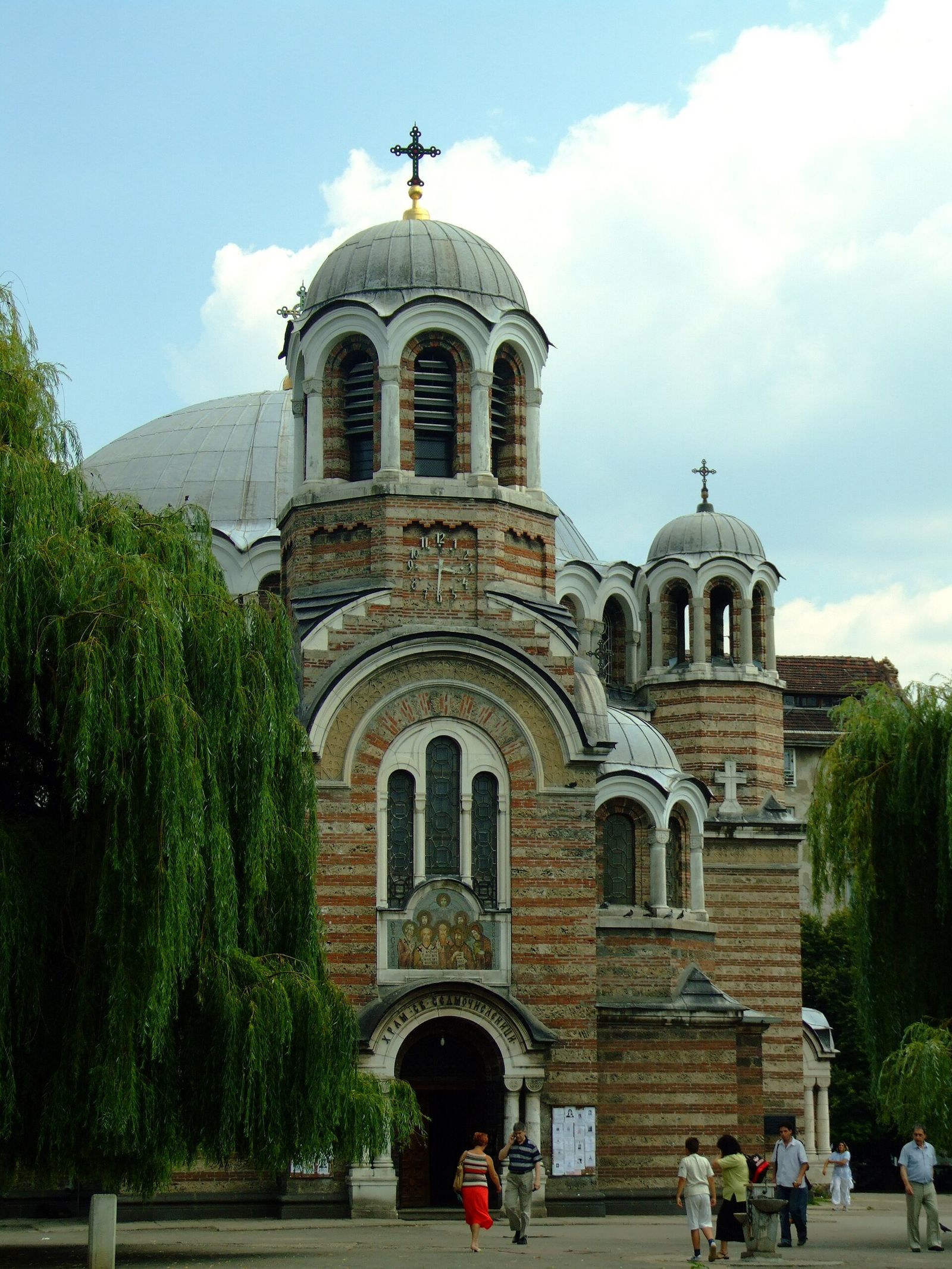
Between 1901 and 1902, the architects Yordan Milanov and Petko Momchilov gave the old mosque a new dome, a porch and a bell tower, and the church opened on 27 July 1903. It's named for Cyril and Methodius, who created the first Slavonic alphabet, and their five disciples: Clement, Naum, Gorazd, Angelarius and Sava. Inside, look at the tall candlesticks in front of the altar, cast in 1903 from old police badges. It stands in a small garden of willows at 25 Graf Ignatiev Street, a 10-minute walk south-west of Nevsky, and a bench in that garden is where I start a church morning.
8. St Petka of the Saddlers
St Petka of the Saddlers is the smallest church on this list: a stone box with a tiled roof, sunk below street level in the underpass at Serdika, among the excavated streets of Roman Serdica. It was built in the 11th century over a 4th-century Roman tomb, which is now its crypt, and its walls are a metre thick. Sofia's saddlers held their rites here in the Middle Ages, with St Petka as their patron, and the name comes from semerci, Ottoman Turkish for saddle-maker.
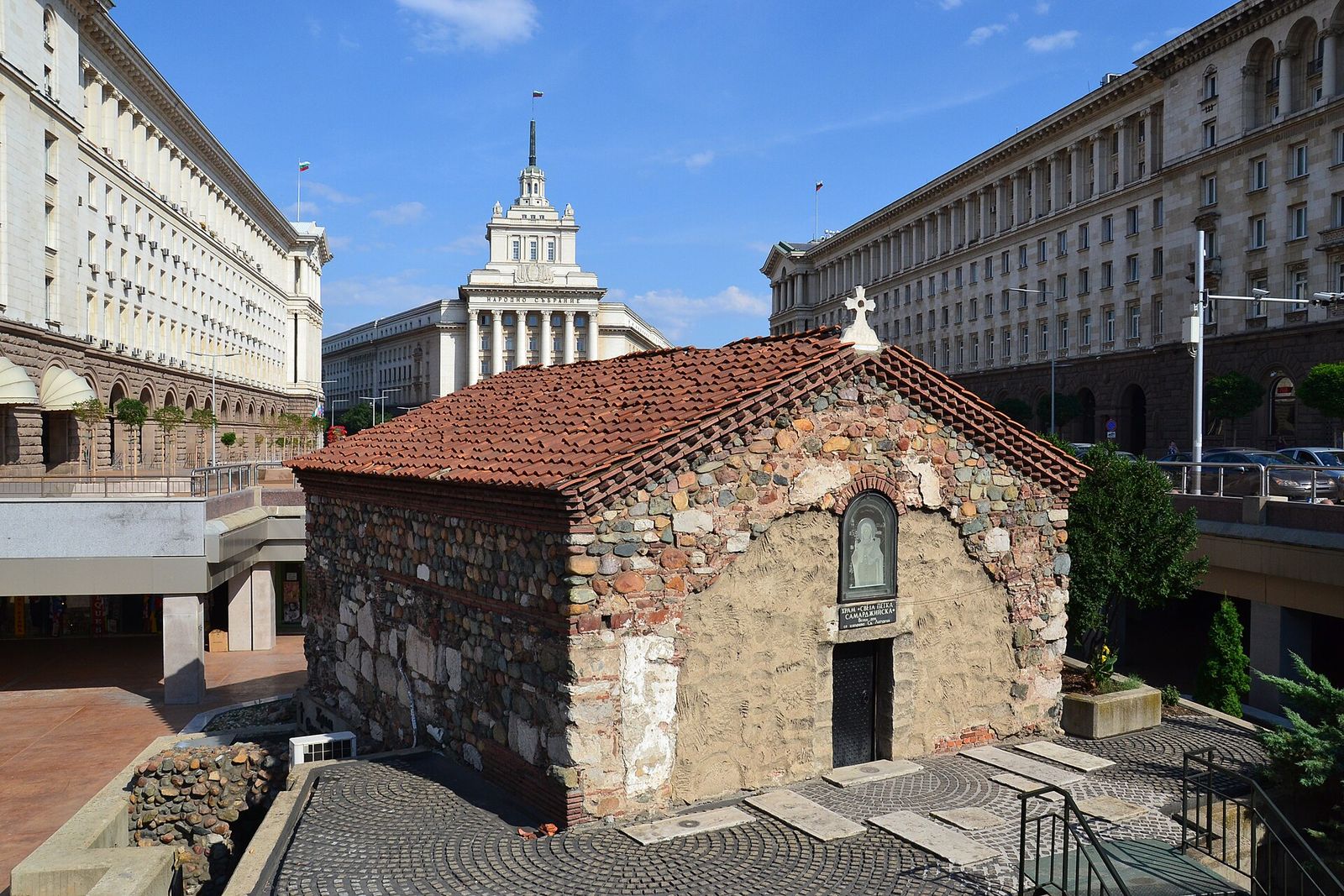
The oldest frescoes on its walls date from the 14th century, with later layers painted over them. One theory says Vasil Levski, Bulgaria's national hero, is buried here. Bones were dug up in 1956 and then went missing, and two commissions in the 1980s found no proof that they were his. St Petka has no published opening hours or prices, so I treat it as a quick look-in whenever I pass through Serdika.
More churches in and around Sofia
If you've ticked off the eight, these are the next four I'd add, two in town and two out of it.
| Church | Where | Why I'd go |
|---|---|---|
| St Paraskeva | 58 Rakovski Street, in the centre | An Orthodox parish church, free, 8am to 6pm |
| St Joseph's Cathedral | Todor Alexandrov Boulevard, by Serdika | Sofia's Catholic cathedral, with the excavated Western Gate of Serdica beside it |
| Dragalevtsi Monastery | Foothills of Vitosha, buses 64, 93 or 98 to Dragalevtsi | Founded in 1345, with frescoes from 1475 and 1476 on its little church |
| Rila Monastery | 2 hours' drive south | Free church, €12 combined museum ticket, 1,147 metres up in the mountains |
My walking route round Sofia's churches
This is the morning I plan for friends who love churches. It starts at Seven Saints, takes in the big three around Alexander Nevsky Square and works west to Serdika, and it costs €14 with Nevsky's crypt and St Sofia's underground level.
| Time | Where | What to do |
|---|---|---|
| 9am | Seven Saints Church | The candlesticks, then the garden |
| 9.20am | Alexander Nevsky Cathedral | The nave and the dome |
| 10am | Nevsky's crypt | The icons, as the doors open |
| 10.50am | St Sofia Basilica | The church, the flame, then the Roman tombs underneath |
| 11.50am | Russian Church | The domes, the murals, a wish in the crypt |
| 12.20pm | Rotunda of St George | The frescoes and the Roman street, then the guard changing at 1pm |
| 1.10pm | St Petka of the Saddlers | A look in on the way through Serdika |
| 1.20pm | St Nedelya Church | The iconostasis and Stefan Milutin's relics |
From St Nedelya, the houses of worship of three more faiths sit within five minutes' walk, and the four together are known as the square of religious tolerance. Banya Bashi Mosque, built in 1566, is the city's only working mosque. The Sofia Synagogue opens Sunday to Friday from 9am to 5pm, at €10 with its museum. St Joseph's, the Catholic cathedral, completes the set. Between the mosque and the old bath house, locals fill bottles from the free hot taps by the Central Mineral Baths, and I always top up mine.
Boyana fits in the afternoon, by taxi after lunch.
When to visit Sofia's churches
Early is best. Nevsky opens at 7am, and before the market sets up at about 10am the square and the nave are close to empty. Weekday mornings are also the quietest time in the Russian Church's crypt.
Sunday morning is the time to hear the churches. The liturgy at Nevsky starts at 9.30am, with a choir, and standing at the back for twenty minutes is one of my favourite things to do in the city. At Easter, the midnight service on Saturday night fills the square outside Nevsky with people holding candles, and Easter in Bulgaria is the biggest feast of the year.
Key takeaways
- Seven Saints, Nevsky, St Sofia, the Russian Church, the Rotunda, St Petka and St Nedelya fit into one morning on foot, from 9am to about 1.30pm.
- Boyana Church is the one to plan for: a taxi out, a €10 ticket and 10 minutes with the frescoes.
- End the walk at St Nedelya, with Banya Bashi Mosque, the synagogue and St Joseph's Cathedral all within five minutes.
- Do the museums under Nevsky and St Sofia on a Thursday, and avoid Mondays, when Nevsky's crypt is shut.
Frequently asked questions
Is Bulgaria Catholic or Orthodox?
Bulgaria is Orthodox. The Bulgarian Orthodox Church runs most of the churches in this guide, from Nevsky to the Rotunda, while the Russian Church belongs to the Russian Orthodox Church. There's a small Catholic community too, and its cathedral is St Joseph's, near Serdika.
What is the main church in Sofia?
Alexander Nevsky Cathedral is the main church, the Patriarchal cathedral and seat of the Bulgarian Patriarch. St Sofia Basilica, the church the city is named after, stands two minutes away across the square.
Are churches in Sofia free to visit?
Yes, nearly all of them are free to enter, Nevsky, St Sofia, the Rotunda and the Russian Church included. Boyana Church charges €10, and the museums under Nevsky and St Sofia cost €10 and €4.
Can you take photos inside churches in Sofia?
In most of them, yes, with the flash off and never during a service. Boyana bans photos and video completely, the Russian Church bans them inside, and Nevsky asks about €5 for a camera permit.
What should I wear to visit a church in Sofia?
Cover your shoulders and knees, and men should take their hats off. A light scarf in your bag sorts out a summer vest top, and at the Russian Church many women also cover their hair.
Is St Sofia church the same as Hagia Sophia?
No. Hagia Sophia is the great domed church in Istanbul, and St Sofia is a smaller 6th-century red-brick basilica in Sofia. Both are named for Holy Wisdom, sophia in Greek, and the city of Sofia took its name from the basilica.
What is the oldest church in Sofia?
The Rotunda of St George, a Roman brick rotunda from the early 4th century, is the oldest church in Sofia and older than any other building in the city. St Sofia Basilica, from the 6th century, is the next oldest.
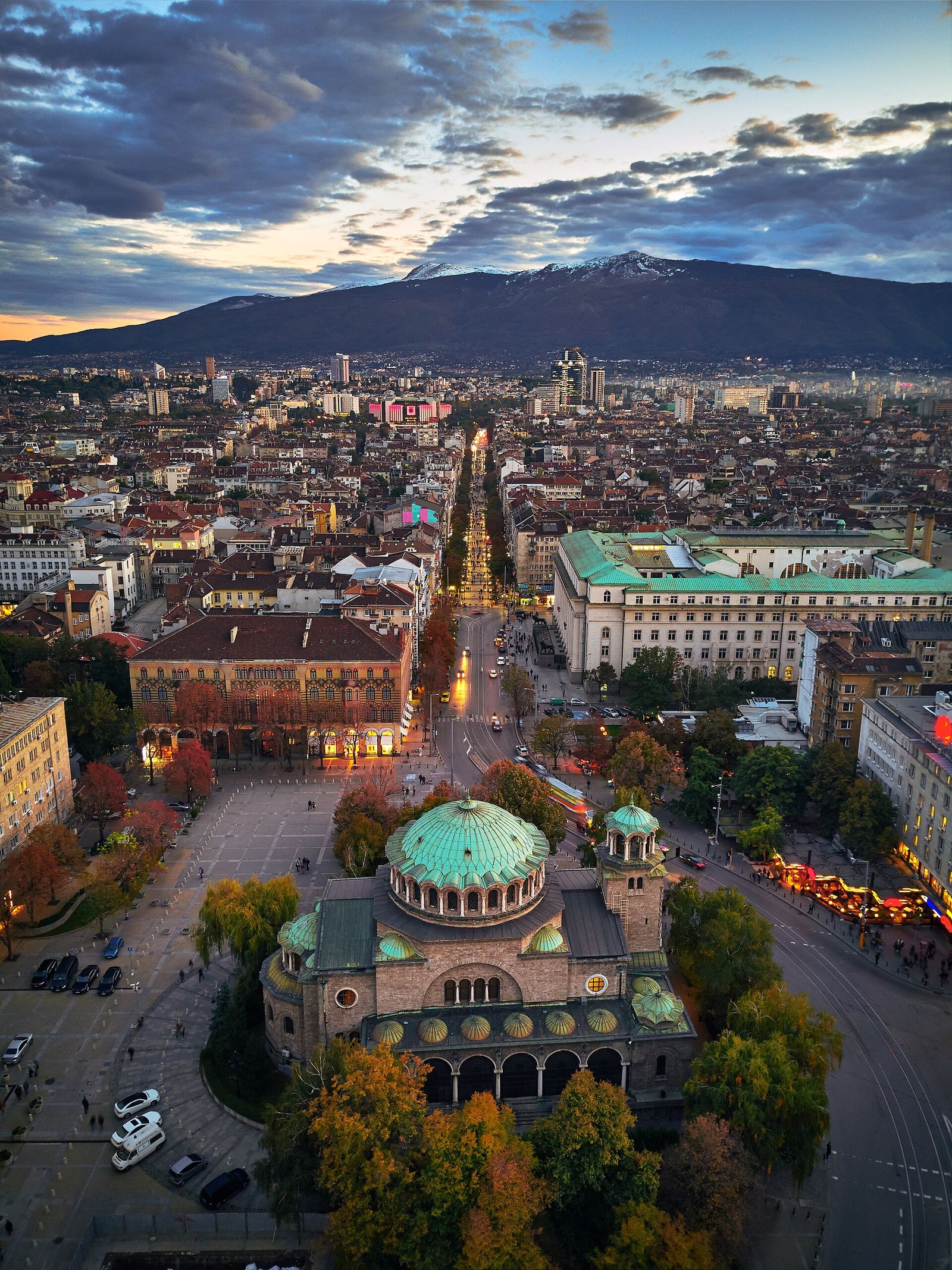
11 Best Things to Do in Sofia: My Personal Favourites
The best sights in Sofia sit close together and most are free. My 11 favourites, with prices, hours and a weekend plan.
Read the guide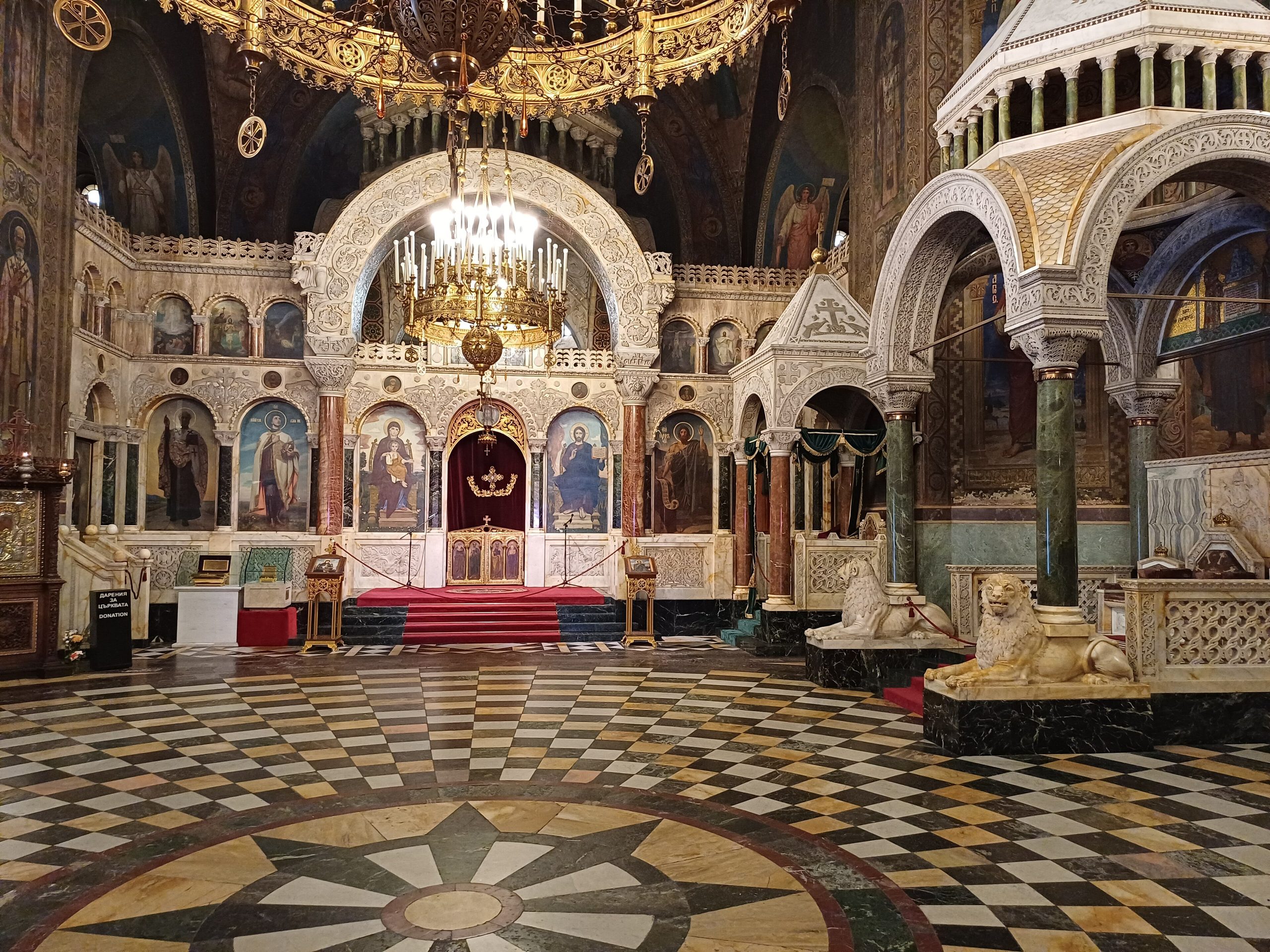
Alexander Nevsky Cathedral in Sofia: My Guide to Visiting
Sofia's gold-domed cathedral is free and open every day. How I visit it, from the crypt icons to the market outside.
Read the guideBoyana Church in Sofia: The Frescoes and How I'd Visit
A tiny UNESCO church at the foot of Vitosha, painted in 1259. What it costs, the rules and how I fit it in.
Read the guide