The Best Markets in Sofia: The 5 I Actually Shop At
Sofia's markets are where the city still does its weekly shop, from crates of pink tomatoes at the Women's Market to farm cheese by the old Roman Wall on a Saturday morning. Add the icons and lace beside Alexander Nevsky Cathedral, the food hall at Halite and December's Christmas stalls, and you have my five. Here's when each one runs, what I buy, how to pay and which one suits your trip.
Sofia's markets at a glance
Sofia's markets come in two kinds: food markets where locals buy the week's vegetables, and stalls of old and handmade things for anyone with a suitcase to fill. On a weekend I'd fit in one of each.
| Market | What it is | When | Best for | Nearest metro |
|---|---|---|---|---|
| Zhenski Pazar | Open-air food market | Mornings are best | Fruit, cheese, honey, spices | Lavov Most (M2) |
| Antiques market by Alexander Nevsky | Antiques and flea stalls | Every day from about 10am, weather permitting | Icons, lace, Soviet badges | Sofia University (M1, M4) |
| Central Market Hall (Halite) | Covered food hall | Normal shop hours | Jars, wine, rakia, a rainy hour | Serdika (M1, M2, M4) |
| Roman Wall farmers' market | Producers' market | Saturdays, 9am to 2pm | Farm produce from the people who made it | I take a taxi |
| Christmas markets | Seasonal stalls | Mid to late November to 21 December, or 28 December at NDK | Mulled wine, gifts, an evening out | Serdika for City Garden, NDK (M2) for NDK |
A ride on the Sofia metro costs €0.80 by tapping a contactless bank card at the barrier, and every market here except the Roman Wall is a short walk from a station.
The best markets in Sofia
1. Zhenski Pazar, the Women's Market
Zhenski Pazar (Женски пазар) is Sofia's oldest market and its biggest open-air one, a long strip of fruit, cheese and spice stalls on Stefan Stambolov Boulevard. Village farmers started selling here around the Liberation in 1878, when this was the edge of town, and the city has since grown right round it. I buy my own fruit and veg here every week.
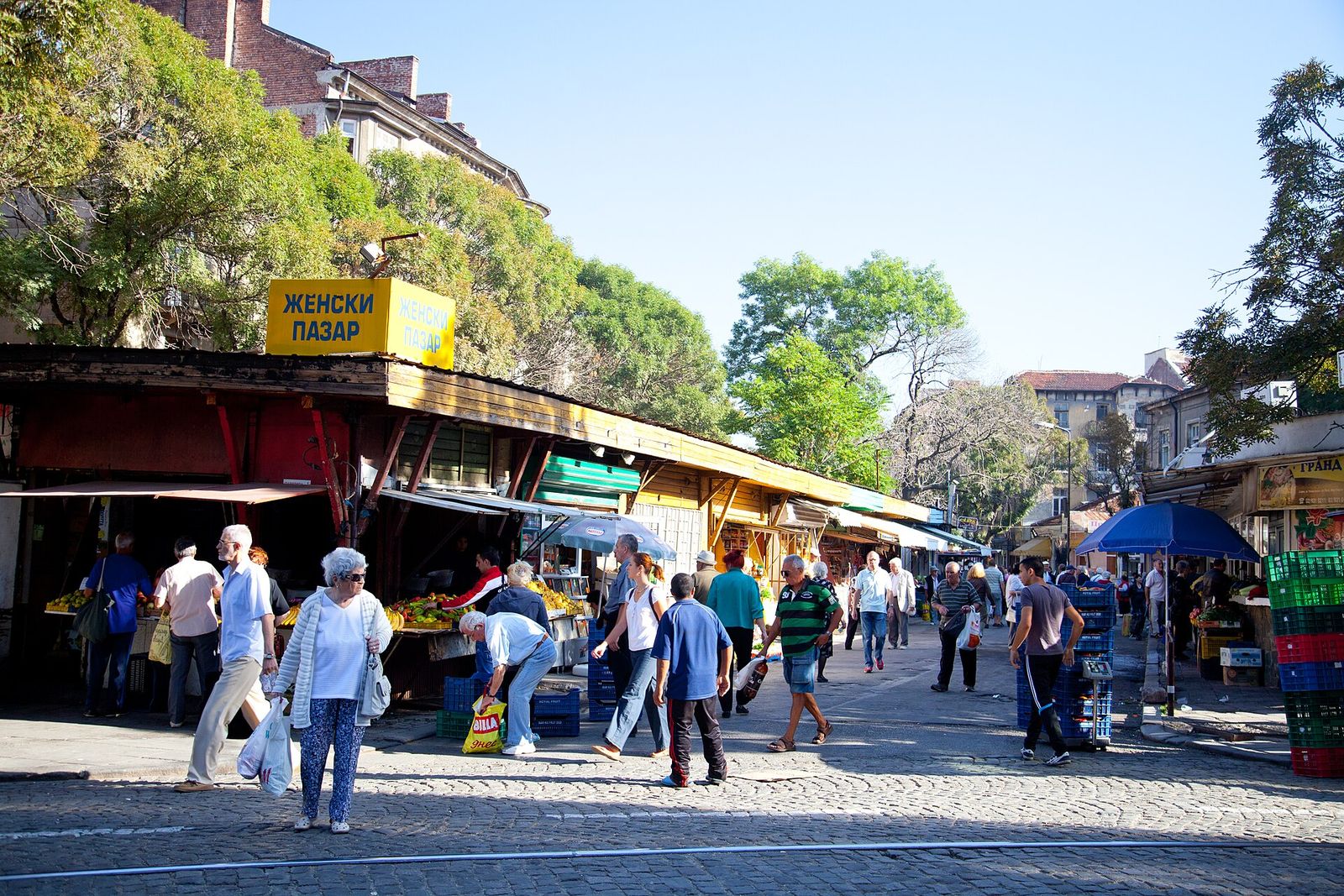
The stalls run between Slivnitsa Boulevard and Todor Aleksandrov Boulevard, a short walk from Lavov Most metro at the north end. Produce comes first: pink tomatoes by the kilo in summer, sacks of red peppers in autumn for roasting, then honey, walnuts, white sirene cheese and bags of sharena sol, the herb salt Bulgarians dip warm bread into. The shops behind the stalls add Middle Eastern groceries, Arabic spices and halal butchers.
The central stretch was rebuilt in 2014 for about €4.2 million, with a children's play area and the Serdika Gallery, a contemporary art space upstairs. The edges are still scruffy. I like it that way. I go before 11am, when the crates are fullest, and give the Women's Market about an hour with a shopping bag over my shoulder.
2. The antiques market by Alexander Nevsky Cathedral
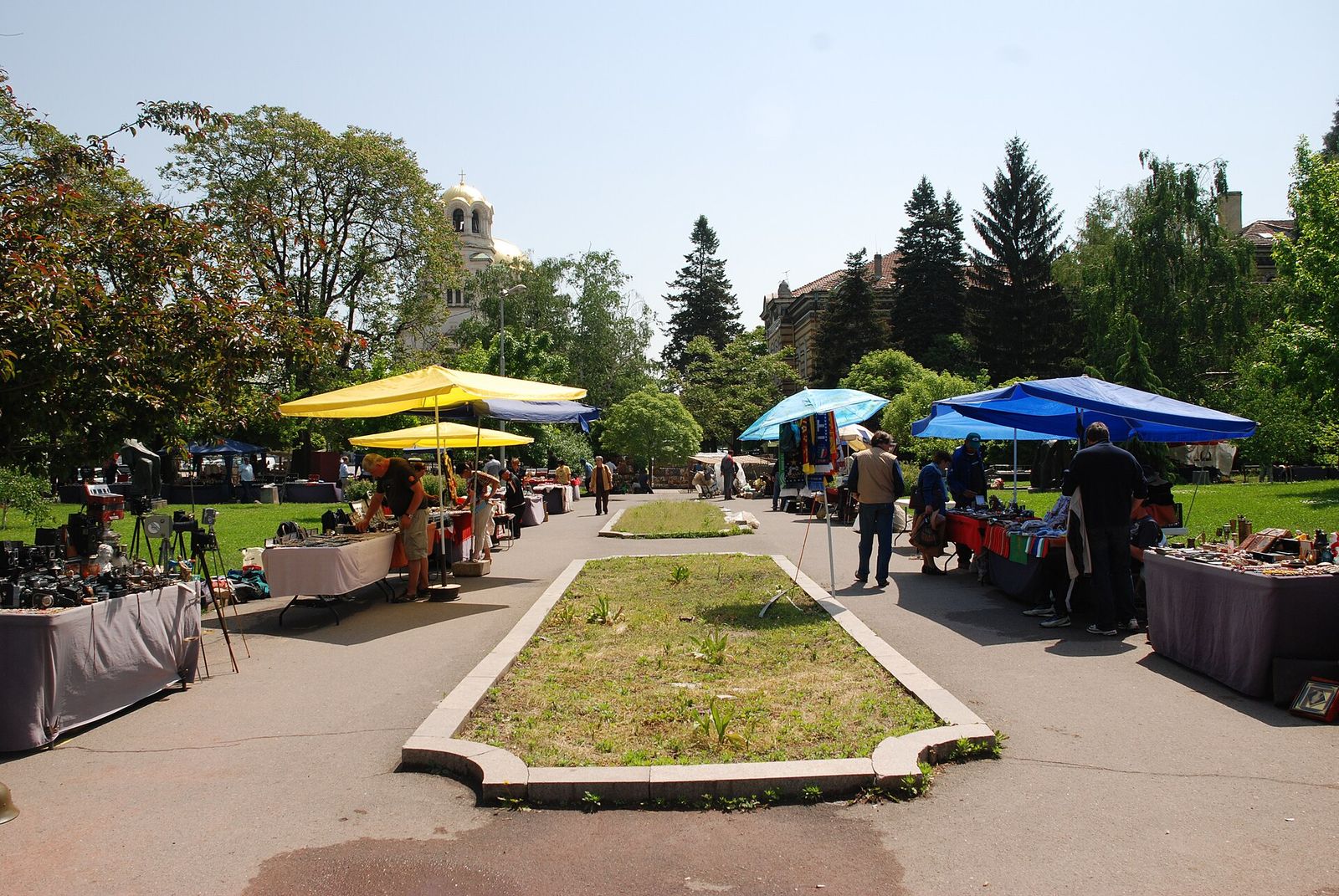
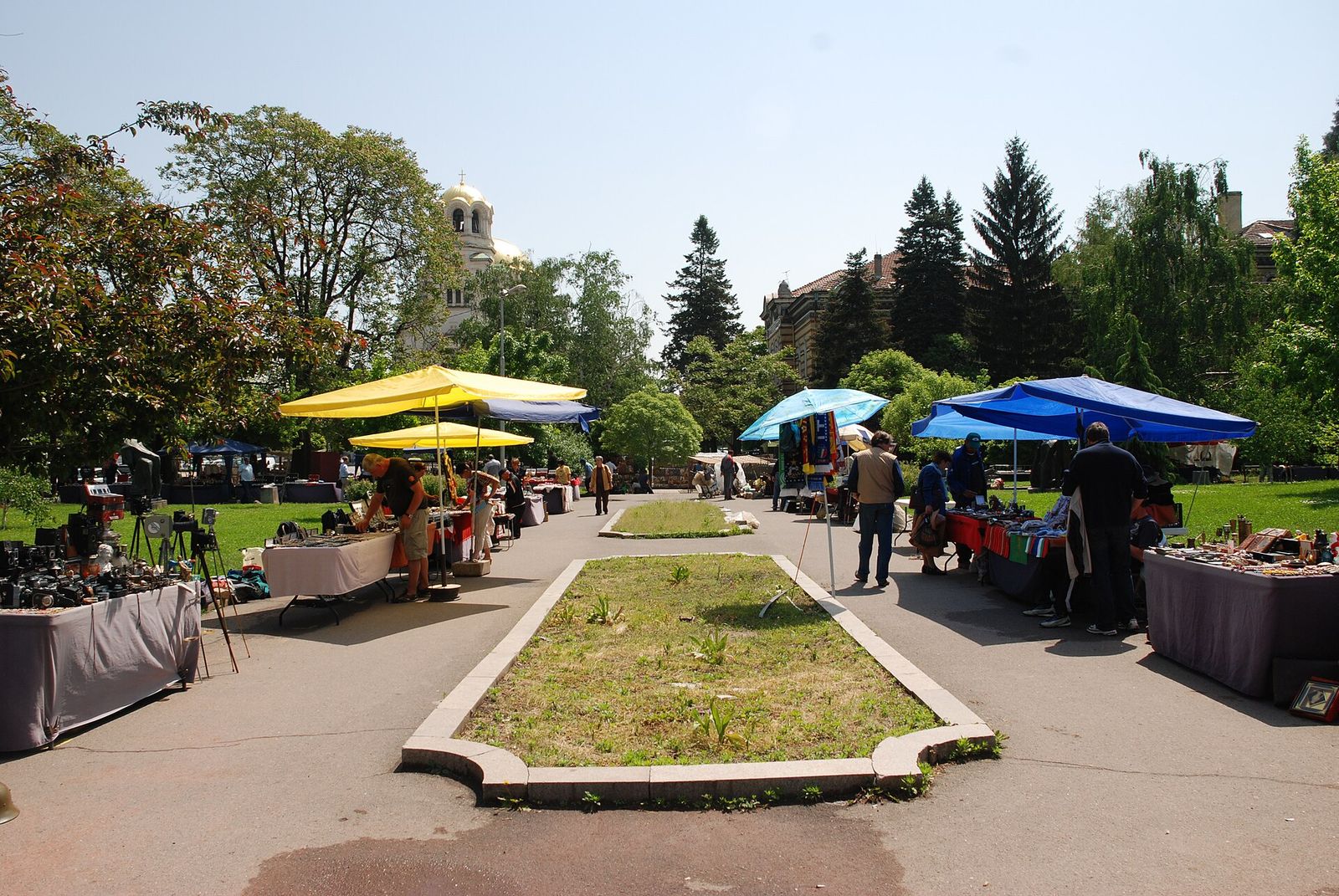
Sofia's flea market is a run of folding tables along the paths of the small park between Alexander Nevsky Cathedral and St Sofia Basilica. Sellers set up from about 10am every day, weather permitting, with no official hours. Browsing costs nothing, and the gold domes sit right behind the stalls.
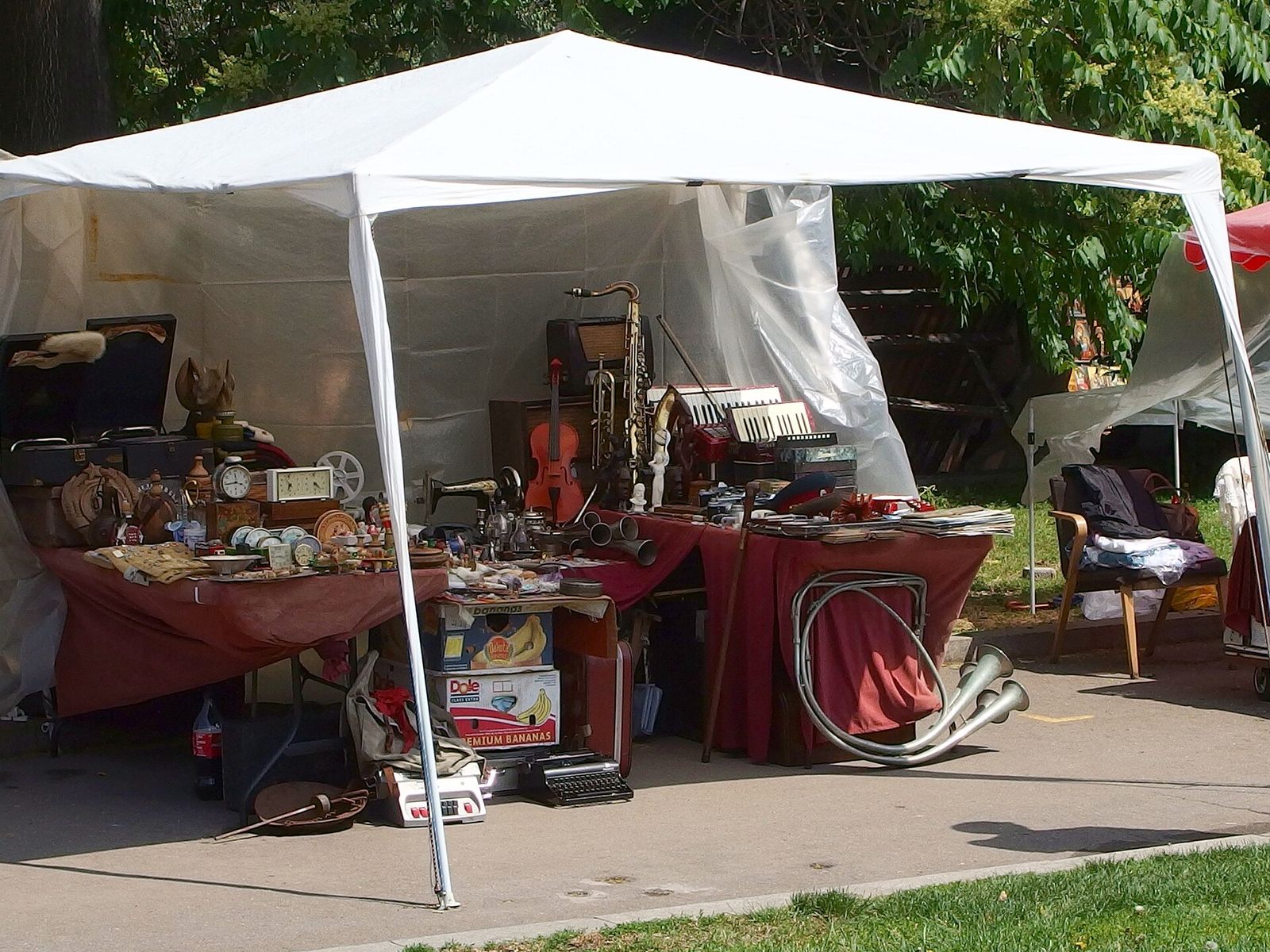
The tables carry new hand-painted icons, Soviet badges and officer hats, army helmets, old cameras, typewriters and dial telephones. I treat the "Soviet" and "wartime" pieces as reproductions unless the seller can show otherwise, so I price them as decoration and haggle with a smile. Sellers take cash in euros and give no receipts.
Along one path, older women sit beside tables of handmade lace, embroidered tablecloths and knitted wool socks.
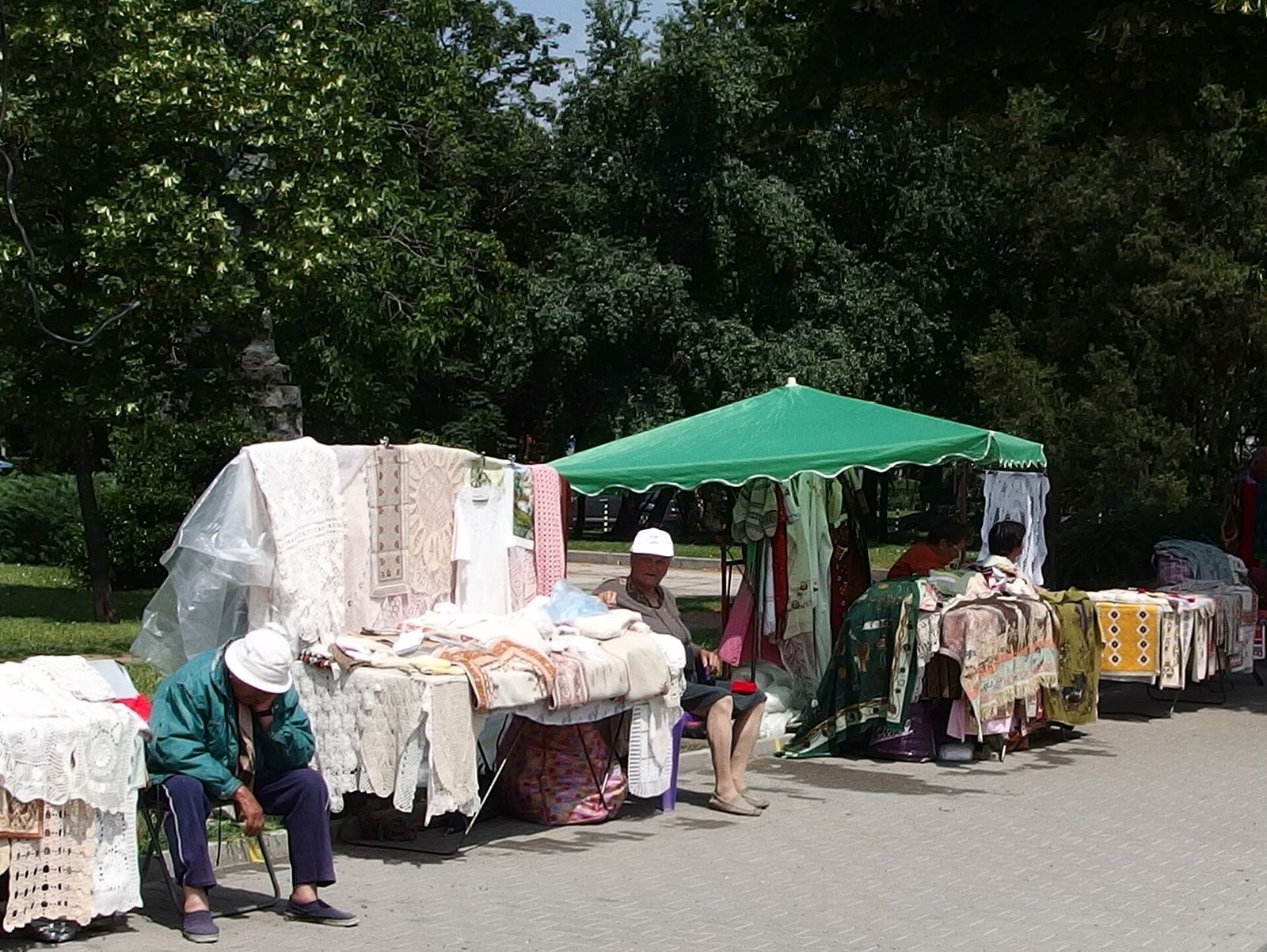
A crocheted table runner, bought from the woman who made it, is my favourite present to carry home from Sofia. Sofia University metro on lines M1 and M4 is a 5 to 10 minute walk from the antiques market, and the stalls fit into one morning with the cathedral, St Sofia Basilica and the Russian Church.
3. Central Market Hall (Halite)
Central Market Hall, Halite (Халите) to locals, is the striped stone building with a clock tower at Knyaginya Maria Luiza Boulevard 25. It opened in 1911 and reopened on 23 May 2024 after about a year of renovation, as a project of Kaufland Bulgaria. Inside today you'll find a supermarket-style food market, a stage for events and an interactive zone on Sofia's history and archaeology, and walking in is free.
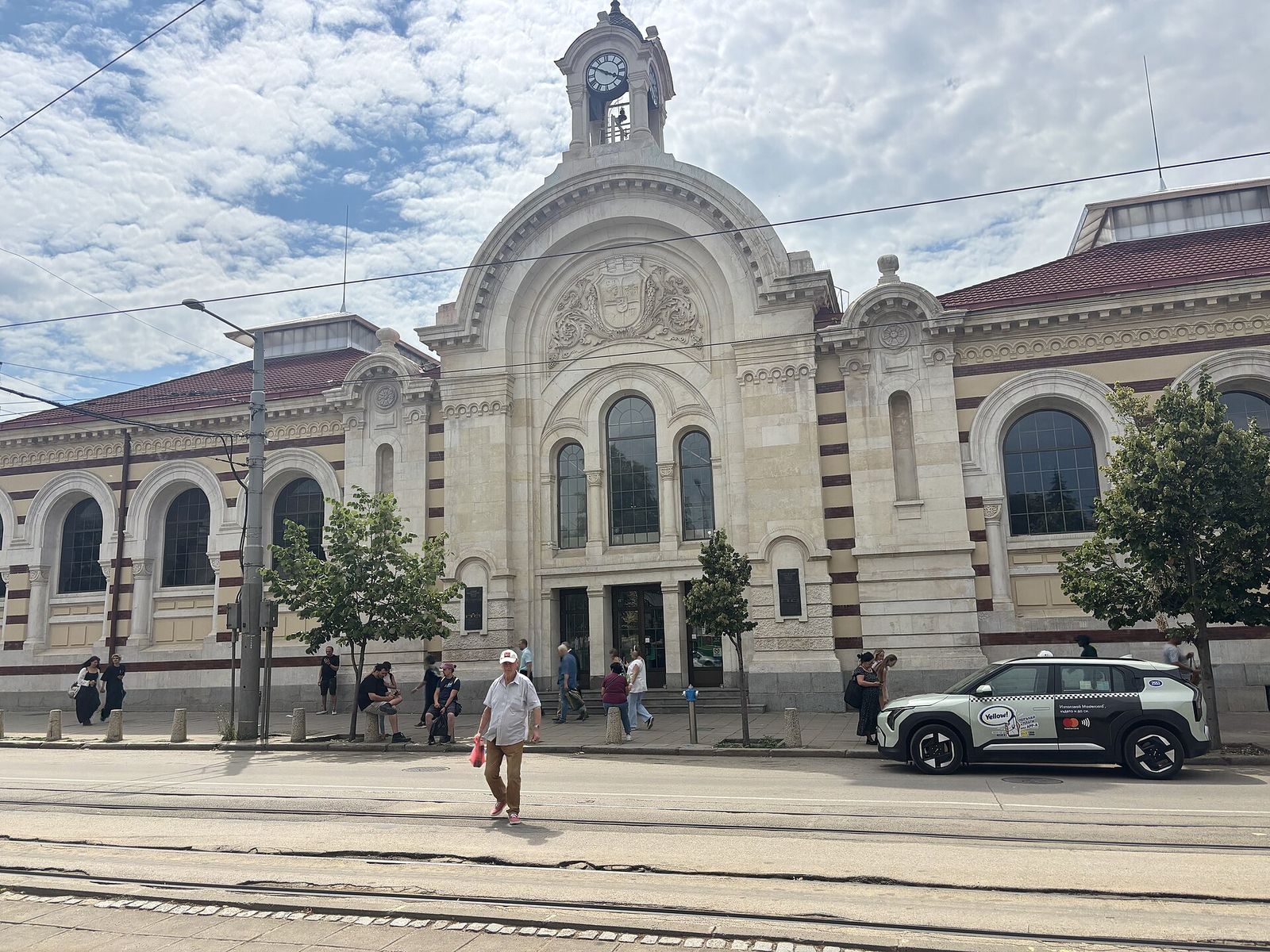
I use it to buy food gifts in one go: jars of lyutenitsa, Bulgarian wine and a bottle of rakia to take home. Then I give the history zone ten minutes, because the hall stands on layers of the city that go back to ancient Serdica. Cross the boulevard and Banya Bashi Mosque is a minute away, with the free hot mineral water taps just behind it, where locals queue to fill big plastic bottles.
4. The Roman Wall farmers' market
The Roman Wall farmers' market (Фермерски пазар Римската стена) is the one I'd plan a Saturday around. Hrankoop Sofia, a food cooperative, has run it every Saturday morning since 21 September 2013. Only Bulgarian micro-producers selling what they grew or made get a stand, and the cooperative checks each farm on site.
It sets up in Lozenets, south of the centre, in the area named after a stretch of old wall that Sofians call the Roman Wall. I come for whatever the farms have that week. In my bag that usually means cheese, vegetables and a tub of farm Bulgarian yoghurt.
The cooperative's producers stand under its tents, marked with the Hrankoop logo. Stands outside those tents are rented by other traders, and the cooperative can't vouch for what they sell, so I buy from the logo. I get a taxi from the centre and show the driver Римската стена written down. Before I go, I check the hours on Hrankoop's Roman Wall market page, which is in Bulgarian.
5. Sofia's Christmas markets
From mid to late November, Sofia puts up its Christmas markets, and I make a December evening of them. My favourite is the German Christmas Market in the City Garden, in front of the red and cream Ivan Vazov National Theatre, with German sausages, a stage and standing barrel tables. The other big one is the Sofia Christmas Fest outside NDK, the National Palace of Culture, with food and drink, handmade gifts and lines of decorated trees.
Mulled wine here is греяно вино (greyano vino), and I drink mine standing at a barrel table with a sausage in the other hand. Christmas Eve on 24 December is a public holiday, and Christmas in Sofia centres on a meatless family supper that night, so I do the markets in the weeks before.
Which market for which trip
| Your trip | Where I'd go |
|---|---|
| A Saturday in Sofia | The Roman Wall farmers' market from 9am, then a taxi back to Zhenski Pazar while the stalls are still full |
| Any weekday morning | Zhenski Pazar, then Central Market Hall, a few minutes' walk away along Ekzarh Yosif Street |
| Presents to fly home with | The lace row and icon tables at the antiques market, plus jars and bottles from Halite |
| A wet afternoon | Central Market Hall, then the Sofia Synagogue a minute away, open 9am to 5pm except on Saturdays |
| A December weekend | The German market in the City Garden on Friday night, then the Christmas Fest at NDK after a stroll down Vitosha Boulevard |
| A flat with a kitchen | Zhenski Pazar, where one bag covers breakfasts for a weekend |
| Late February | The street stalls that go up all over the centre selling red and white martenitsa cords, which Bulgarians give each other on 1 March |
The Bulgarian souvenirs I pack most are rose cosmetics, Troyan pottery and a bottle of rakia, and Halite sells the rakia. For clothes and big brands, Vitosha Boulevard and the malls handle shopping in Sofia, with fixed prices and cards everywhere.
Neighbourhood markets and Bitaka
Sofia has more markets than these five, and on a long weekend I'd skip the rest. They serve the streets around them, so they're worth a look only if you're staying nearby.
| Market | Where | What you'll find | My verdict |
|---|---|---|---|
| Krasno Selo market | Tsar Boris III Boulevard at Zhitnitsa Street, by Krasno Selo metro (M3) | Fruit and vegetables for the neighbourhood | Handy if you stay in the south-west |
| Sitnyakovo market | Off Sitnyakovo Boulevard, east of the centre | A local produce market | Only if it's your corner |
| Bitaka (Битака) | Listings disagree on where and when | Second-hand goods of every kind | Ask your hotel for the current spot first |
Bitaka takes its name from битак, the Bulgarian word for a flea market. Older listings give different places and days for it, so I'd never cross the city on a guess. For old things, I stay with the antiques tables by the cathedral.
How to shop Sofia's markets
Stalls take cash. Bulgaria switched to the euro on 1 January 2026, and the old leva stopped being legal tender on 1 February 2026. I carry about €20 in coins and €5 and €10 notes, because a €50 note for a kilo of apples sends the stallholder hunting for change. Away from the stalls, money in Bulgaria is mostly a contactless tap, Apple Pay and Google Pay included.
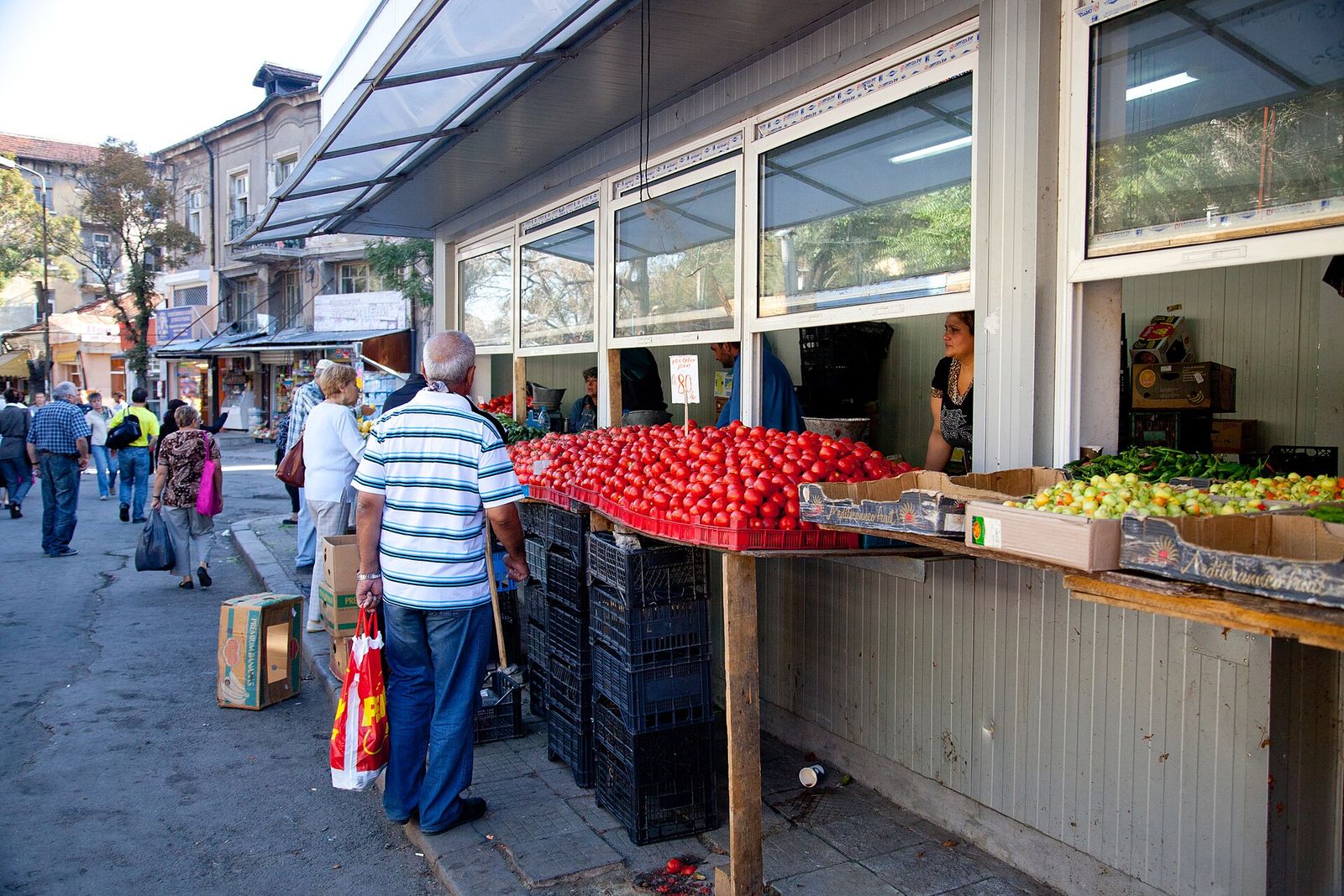
Prices go on handwritten cards, usually per kilo (кг) and sometimes per piece (бр.). At the food stalls the price on the card is the price. Bulgarian etiquette treats haggling in a shop as rude, and the antiques tables are where a polite back and forth is normal.
At Zhenski Pazar the stallholder picks your fruit, so watch what goes into the bag. Pickpockets are the petty crime I warn friends about when they ask if Sofia is safe, and the tight aisles at the Women's Market are their kind of crowd, so I keep my bag zipped. Three Bulgarian phrases get you served faster than English at any stall:
| You want to say | Bulgarian | Say it like |
|---|---|---|
| How much is it? | Колко струва? (kolko struva?) | KOL-ko STROO-va |
| Half a kilo | Половин килограм (polovin kilogram) | po-lo-VEEN kee-lo-GRAM |
| Thank you | Благодаря (blagodarya) | bla-go-da-RYA |
Taking market food home to the UK
Honey, jam, lyutenitsa and sharena sol all travel well, and honey from the EU is allowed into Great Britain. Put any jar over 100ml in your hold bag, because airport security treats honey, jam and spreads as liquids in hand luggage.
For drink, the UK allowance when you land in Great Britain is 4 litres of spirits and 18 litres of still or sparkling wine. At 0.7 litres a bottle, 5 bottles of rakia fit under the spirits limit. A real antique can need an export certificate before it leaves Bulgaria, so I buy new icons, lace and reproductions.
Key takeaways
- Zhenski Pazar is the food market to see: free to walk round, at its best in the morning and a short walk from Lavov Most metro.
- The antiques market by Alexander Nevsky sets up from about 10am daily, and its lace row is my pick for presents.
- Central Market Hall covers food gifts and a wet afternoon, with a history and archaeology zone inside.
- The Roman Wall farmers' market runs only on Saturdays, from 9am to 2pm, so plan a Saturday morning round it.
- Carry small euro notes, haggle only for antiques and eat the cheese before you fly home.
Frequently asked questions
Are there Christmas markets in Sofia?
Yes, and there are two big ones. The German Christmas Market fills the City Garden in front of the National Theatre, and the Sofia Christmas Fest sets up outside NDK, both from mid to late November. The German market closes on 21 December and the Christmas Fest stays until 28 December. Expect mulled wine, sausages and gift stalls, at their best after dark.
Is Sofia a cheap city to visit?
Yes, for a UK visitor. A cappuccino costs about €3.10, a half-litre of beer in a plain local bar about €2 and a metro ride €0.80, and Sofia prices for food and drink sit well below London's. Browsing every market in this post costs nothing at all.
What are the dos and don'ts at a market in Bulgaria?
Do carry small euro notes, keep your bag closed in crowds and haggle politely at the antiques tables. Don't haggle over vegetables, and don't read a nod as yes, because Bulgarians nod for no. Say "blagodarya", thank you, when you pay.
What can you do in Sofia?
A weekend covers Alexander Nevsky Cathedral, the Roman streets of Serdica, the hot mineral springs, Boyana Church and a hike on Vitosha. Zhenski Pazar is number 8 on my list of things to do in Sofia, and the antiques market belongs to number 1, the cathedral.
When is the farmers' market at the Roman Wall?
It runs every Saturday from 9am to 2pm in Lozenets, south of the centre. Hrankoop Sofia has organised it since September 2013, and its own producers' stands carry the Hrankoop logo.
Where is the flea market in Sofia?
The one most visitors mean is the antiques market in the park beside Alexander Nevsky Cathedral, from about 10am every day, weather permitting. Sofia's other flea market, Bitaka, sells second-hand goods, but listings disagree on where and when it runs, so check with your hotel first.
Can you buy souvenirs at Sofia's markets?
Yes. The antiques market has new hand-painted icons, handmade lace and embroidery, and Central Market Hall has jars of lyutenitsa, Bulgarian wine and rakia. Zhenski Pazar is a food market with a souvenir or pottery stall or two, so I'd go there for honey and spices.
Shopping in Sofia: Where I Shop and What I Buy
Where I shop in Sofia, from the big brands on Vitoshka to icons, embroidery, market honey and rose oil.
Read the guide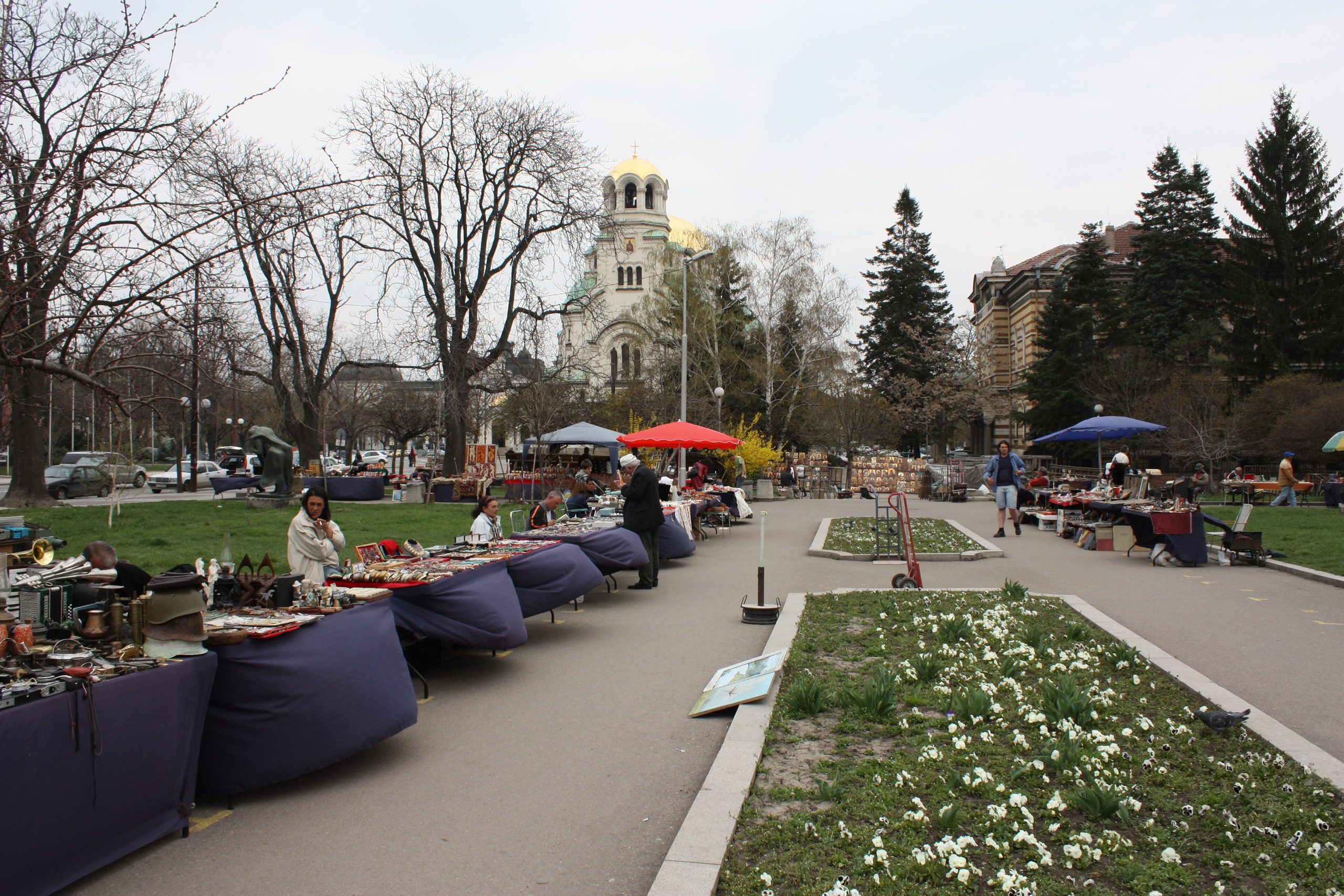
The Antiques Market at Alexander Nevsky: Sofia's Flea Market
Icons, Soviet badges, lace and old cameras outside the cathedral. What I buy, what's fake and how I haggle.
Read the guide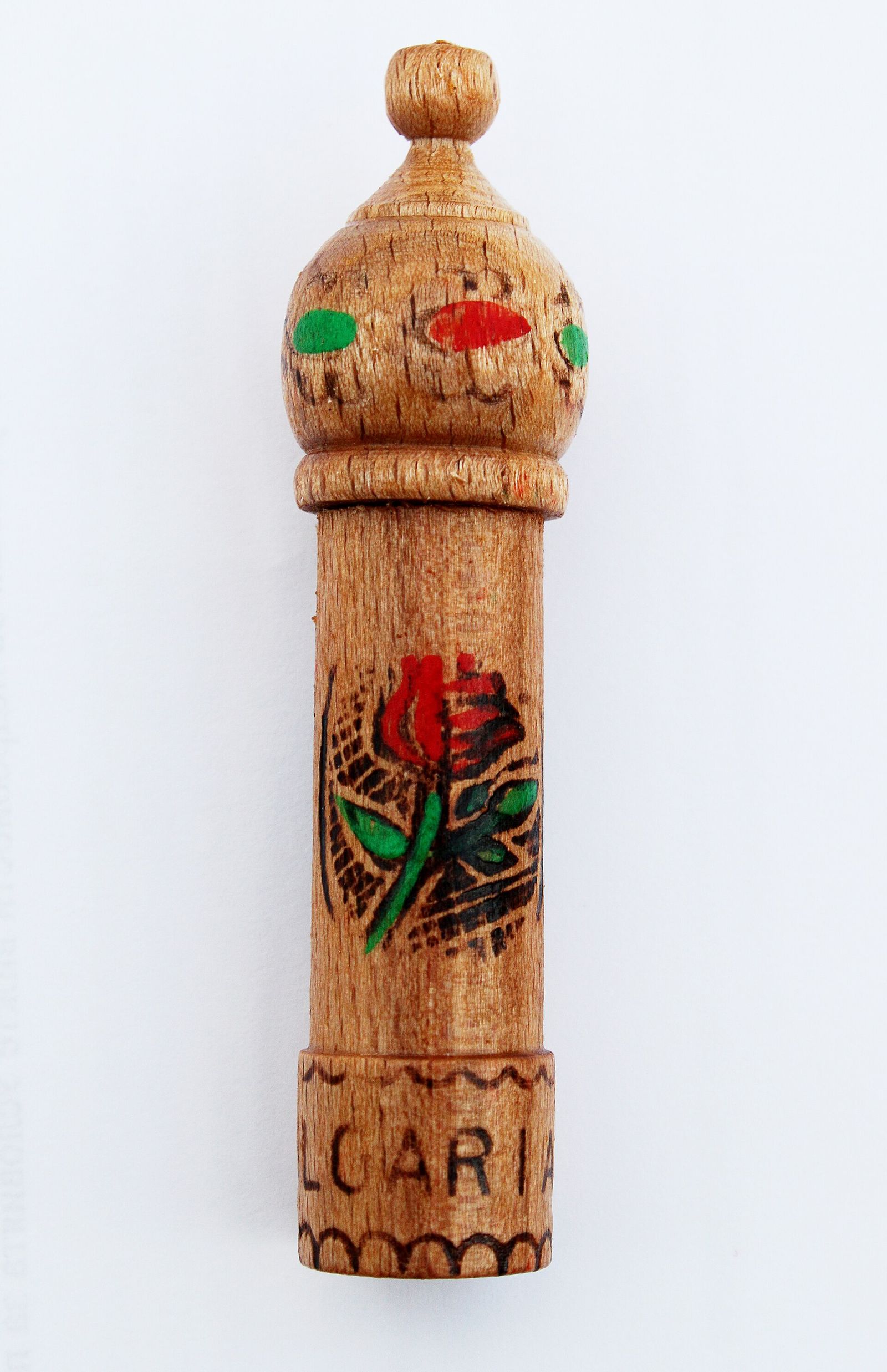
Bulgarian Souvenirs Worth Buying, and Where I Find Them in Sofia
Rose oil, Troyan pottery, rakia and lyutenitsa: the Bulgarian souvenirs I buy in Sofia and how I get them home.
Read the guide