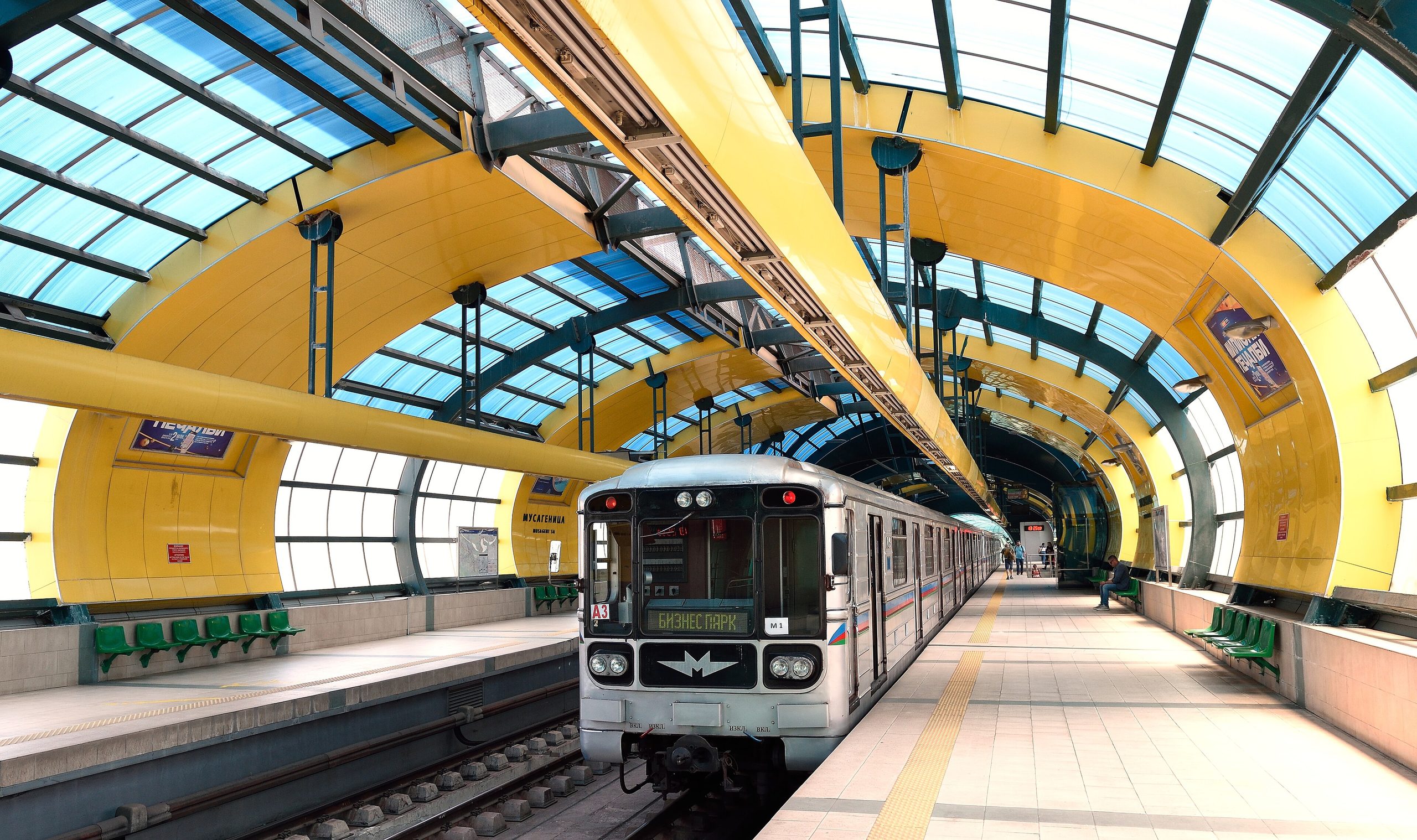
Sofia Metro: Lines, Fares, Hours and the Stops I Use
Sofia's metro is the quickest way across the city: one tap of your bank card at the barrier takes you from the airport to the Roman streets at Serdika, or from Alexander Nevsky Cathedral out to the Museum of Socialist Art. This is how I use it: where each line goes, the stops by the sights, the fares, the first and last trains and how to change lines.
Sofia metro lines and where they go
The Sofia metro has four colour-coded lines. M1, M2 and M4 cross at Serdika, under the old Roman city, while M3 skips Serdika and serves the centre through NDK II and Orlov Most.
| Line | Colour | Runs between | What I use it for |
|---|---|---|---|
| M1 | Red | Slivnitsa and Business Park | Serdika, Sofia University, the Museum of Socialist Art |
| M2 | Blue | Obelya and Vitosha | The railway station, Serdika II, NDK, the bus up Vitosha |
| M3 | Green | Hadzhi Dimitar and Gorna Banya | NDK II, Orlov Most, Krasno Selo for Boyana Church |
| M4 | Yellow | Slivnitsa and Sofia Airport | The airport, plus every M1 stop through the centre |
- M1, the oldest line, crosses the city from west to south-east. For a visitor its useful stretch is the 4 stops from Serdika out to G.M. Dimitrov.
- M2 runs north to south, calling at the Central Railway Station, Lavov Most, Serdika II, NDK and European Union before it ends by the Paradise Center mall.
- M3, the newest, runs from the north-east to the south-west. I use it for 3 stops: NDK II, Orlov Most on the edge of Borisova Gradina, and Krasno Selo for Boyana.
- M4 is the airport line. It follows the M1 route through the centre, then branches off at Mladost 1 in the east of the city to end beside Terminal 2.
The metro stations I use in Sofia
Between them, these stations cover almost everything I show friends when they come to stay.
| Station | Line | What's above it |
|---|---|---|
| Serdika and Serdika II | M1, M4 and M2 | Roman Serdica, St Nedelya, Banya Bashi Mosque, the top of Vitosha Boulevard |
| Sofia University | M1, M4 | Alexander Nevsky Cathedral, Borisova Gradina |
| Lavov Most | M2 | Lions' Bridge and the Women's Market |
| Central Railway Station | M2 | Trains, with the Central Bus Station next door |
| NDK and NDK II | M2 and M3 | The National Palace of Culture, South Park, the bottom of Vitosha Boulevard |
| G.M. Dimitrov | M1, M4 | The Museum of Socialist Art |
| Krasno Selo | M3 | Bus 65 to Boyana Church |
| Vitosha | M2 | Paradise Center and bus 66 up the mountain |
| Sofia Airport | M4 | Terminal 2 |
Lavov Most is my stop for Zhenski Pazar, the Women's Market, a short walk from the station. One stop further north, the Central Railway Station is where trains in Bulgaria to Plovdiv and Varna leave from, and the Central Bus Station sits next door.
Serdika and Serdika II
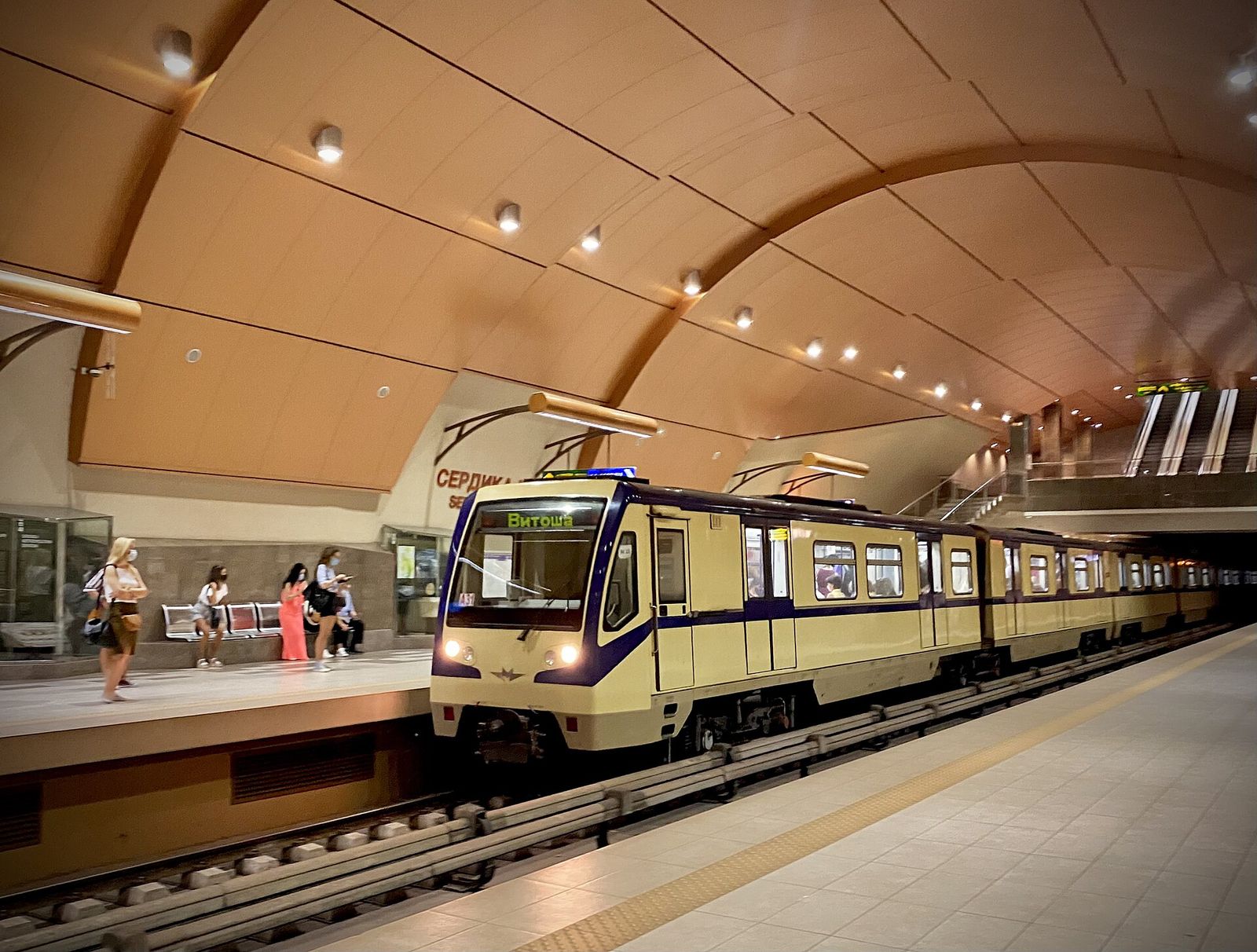
Serdika is the stop I'd pick for a first look at the city. M1 and M4 trains stop at Serdika, M2 trains stop at Serdika II, and a short underground walk joins the two.
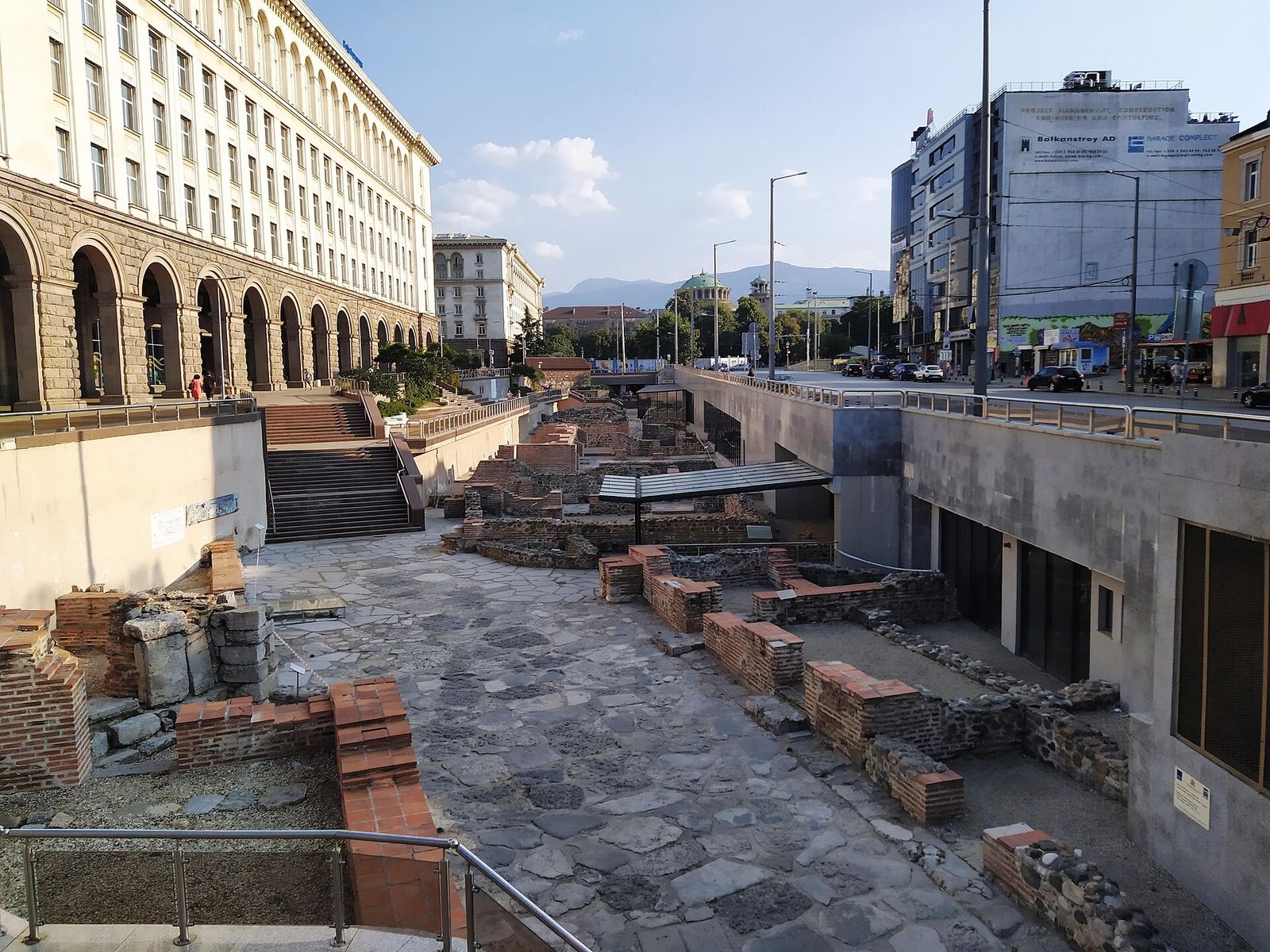
The ruins of ancient Serdica start right beside the concourse. The open-air part on the Largo is free from 7am to 10pm, and the covered dig next door costs €3. Up at street level, St Nedelya Church, the Banya Bashi Mosque and the Sofia Synagogue are all within about 300 metres.
Sofia University
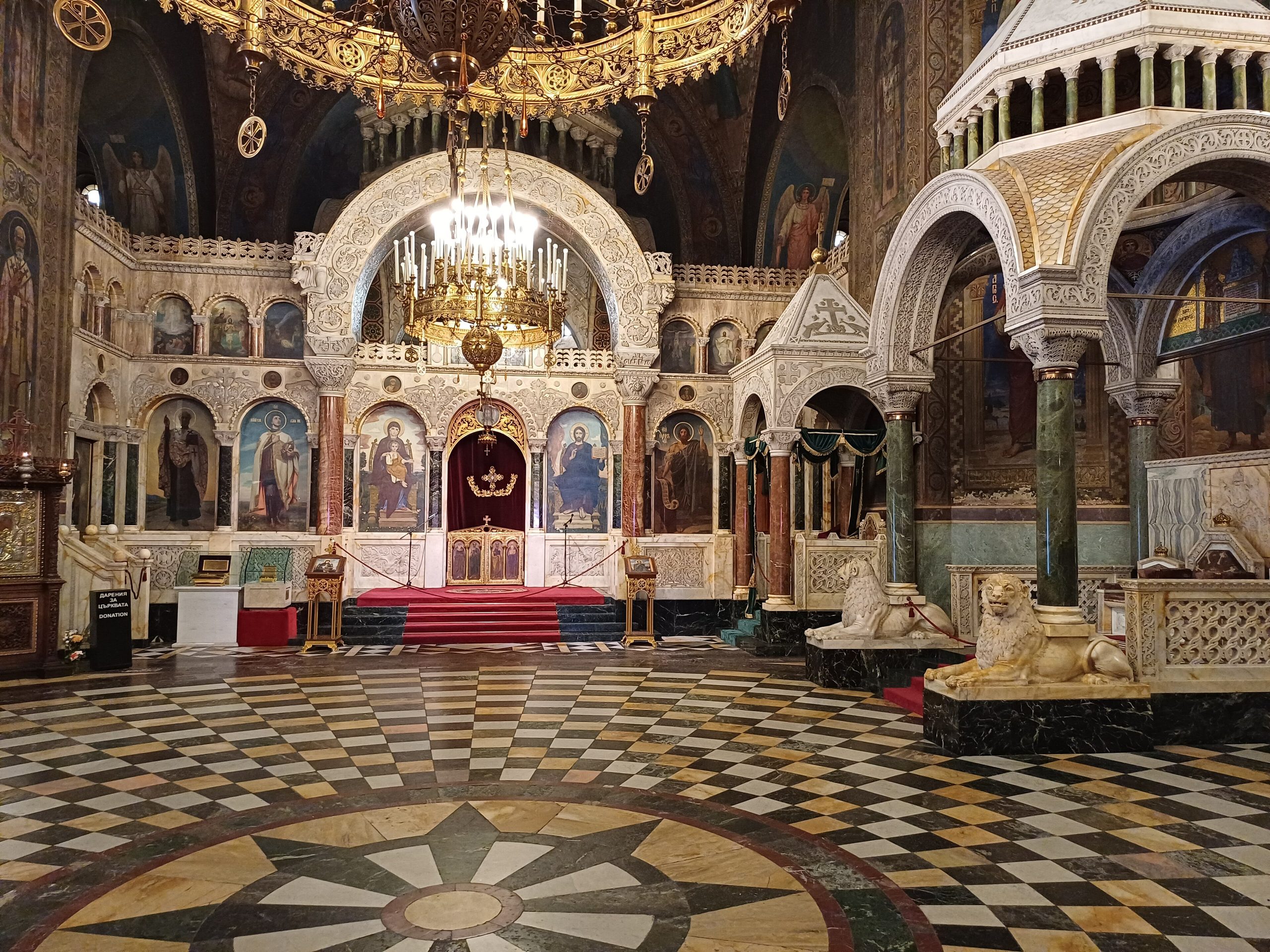
Sofia University (SU St Kliment Ohridski on the maps) is one stop east of Serdika on M1 and M4, and it's the stop for Alexander Nevsky Cathedral, 5 to 10 minutes away on foot. Entry is free, and the doors are open from 7am to 7pm every day.
The station also sits at the city end of Borisova Gradina, the park with the lakes and the Japanese Corner. I walk a loop past the lakes and come out at Orlov Most, where M3 runs on to NDK II.
NDK and NDK II
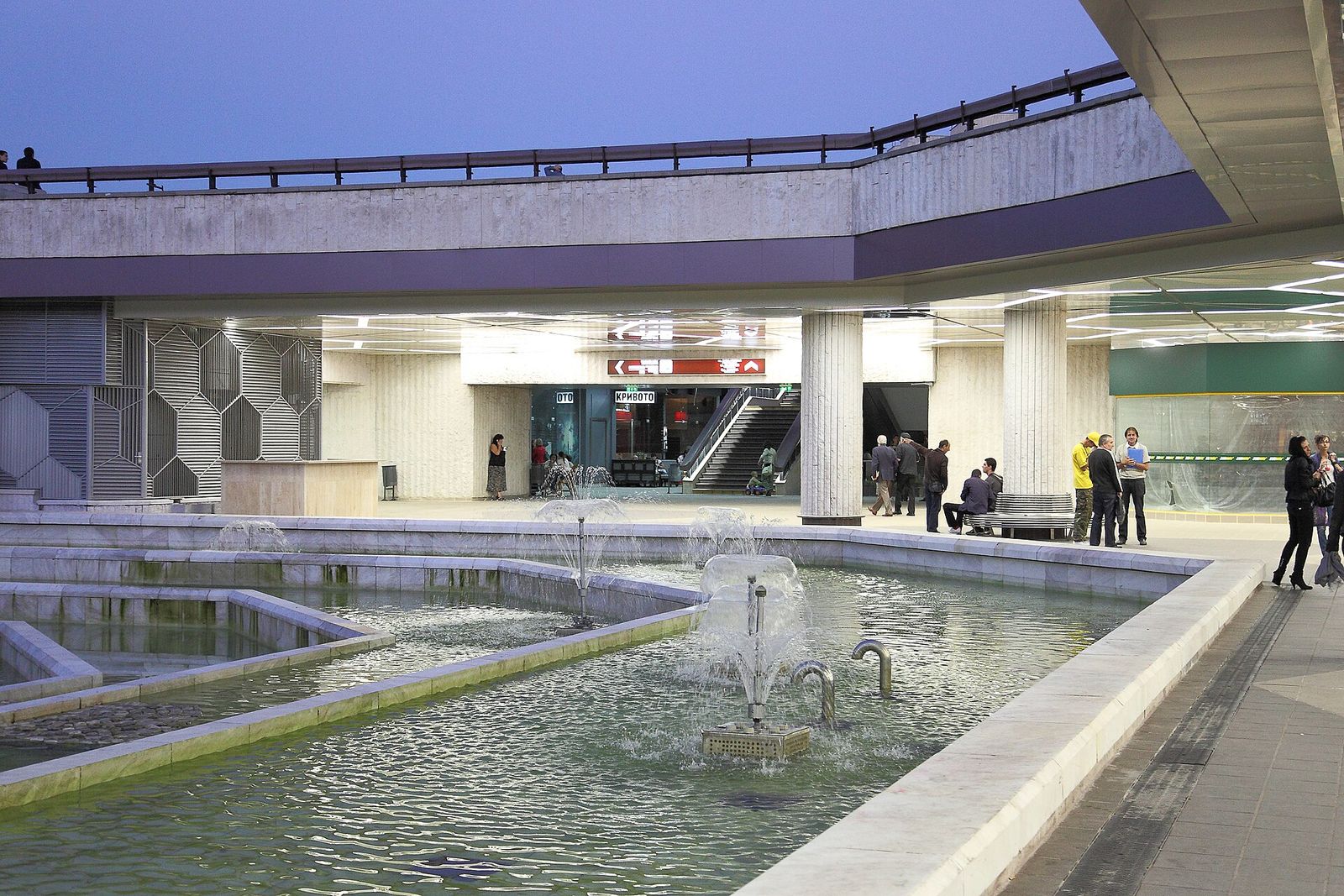
M2 stops at NDK and M3 at NDK II, both by the National Palace of Culture, the eight-floor concrete congress centre everyone calls NDK. South Park starts behind it, and the sunken square in front, with its fountains, is where the metro passages come up.
NDK is also the south end of Vitosha Boulevard, which runs 2.7 km from St Nedelya Square. I walk the boulevard from Serdika, window-shopping all the way, and ride M2 back 1 stop when my feet have had enough.
G.M. Dimitrov
G.M. Dimitrov is 4 stops east of Serdika on M1 and M4, and it's the stop for the Museum of Socialist Art, my favourite odd museum in the city. Its sculpture park is full of Lenins and Georgi Dimitrovs from the communist years. Entry costs €8, and it opens Tuesday to Sunday, 10am to 6pm.
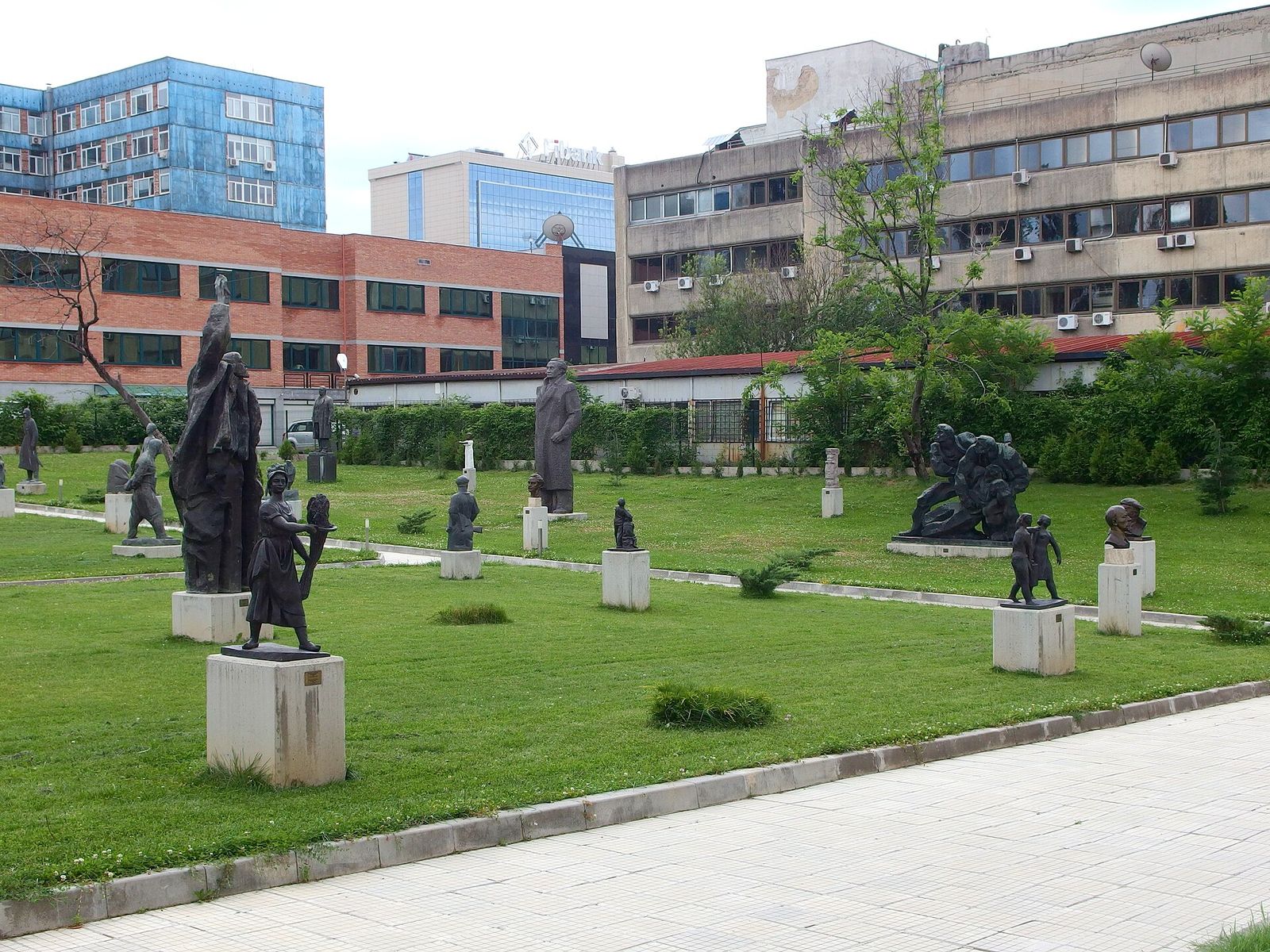
The museum hides behind office blocks, so follow the pedestrian tunnel from the station towards the centre and look for the big red star in the shrubbery. The entrance is just to its left.
Krasno Selo
Krasno Selo on M3 is where bus 65 starts its run to Boyana Church, about 8 km south-west of the centre. Tap the same card on the metro barrier and again on the bus, and the change inside 30 minutes keeps the trip to one €0.80 fare.
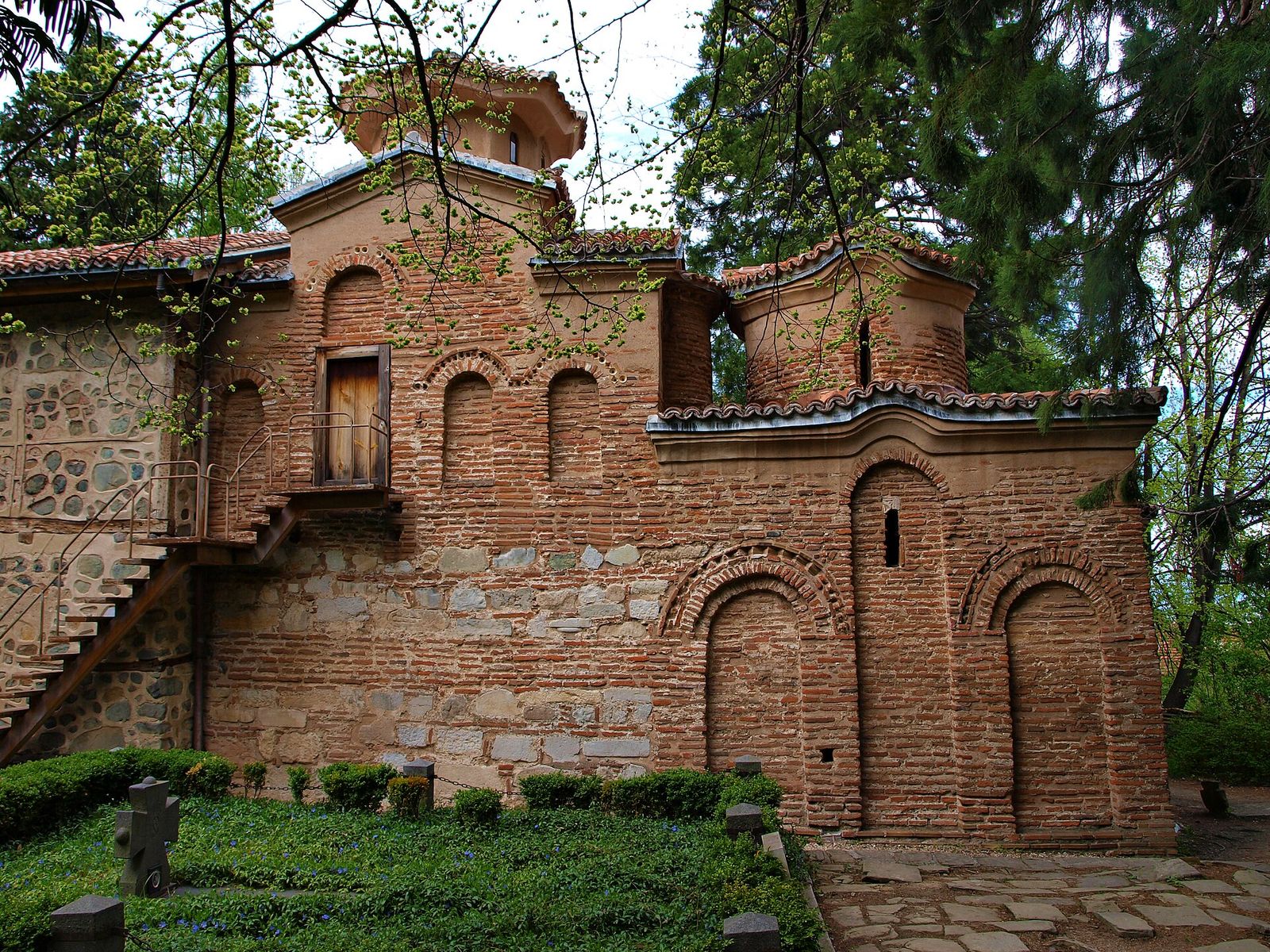
The church ticket is €10, and from November to March the doors open at 9am. Only 9 people stand in the medieval rooms at once, for 10 minutes at most, so I aim for opening time.
Vitosha
Vitosha is the southern end of M2, by the Paradise Center mall, and bus 66 up Vitosha mountain stops here on its way from the zoo to Aleko, at just over 1,800 metres.
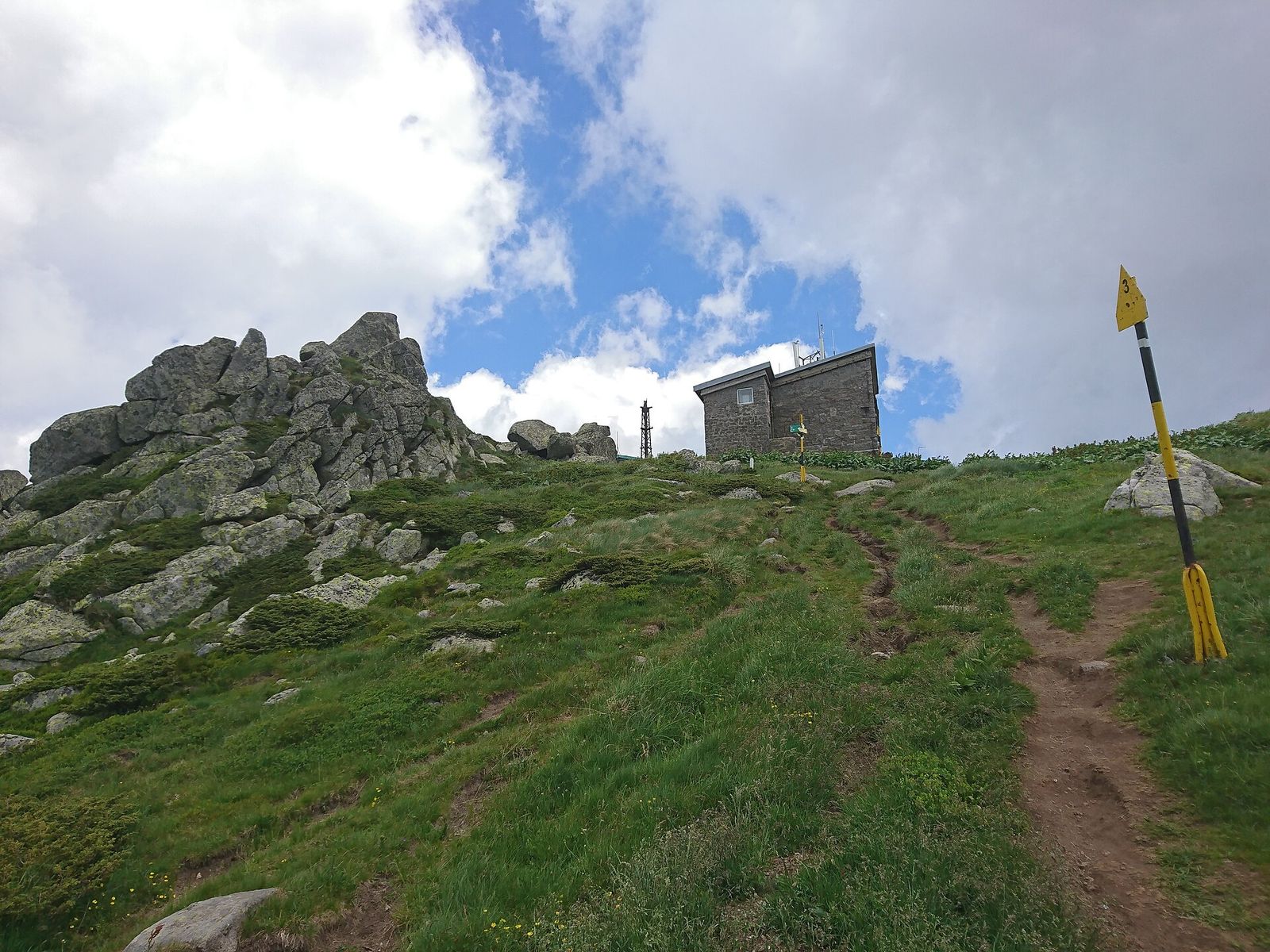
From Aleko it's 1.5 to 2 hours on a marked path to Cherni Vrah, the 2,290-metre summit. Watch the clock on the way down: the last bus leaves Aleko at 5.45pm from November to March and 8pm from April to October.
Sofia Airport
Sofia Airport station is the end of M4, next to the eastern end of Terminal 2, and you reach it from arrivals on the same level with no stairs. Every train from the platform runs into town, and Serdika is about 20 to 25 minutes away.
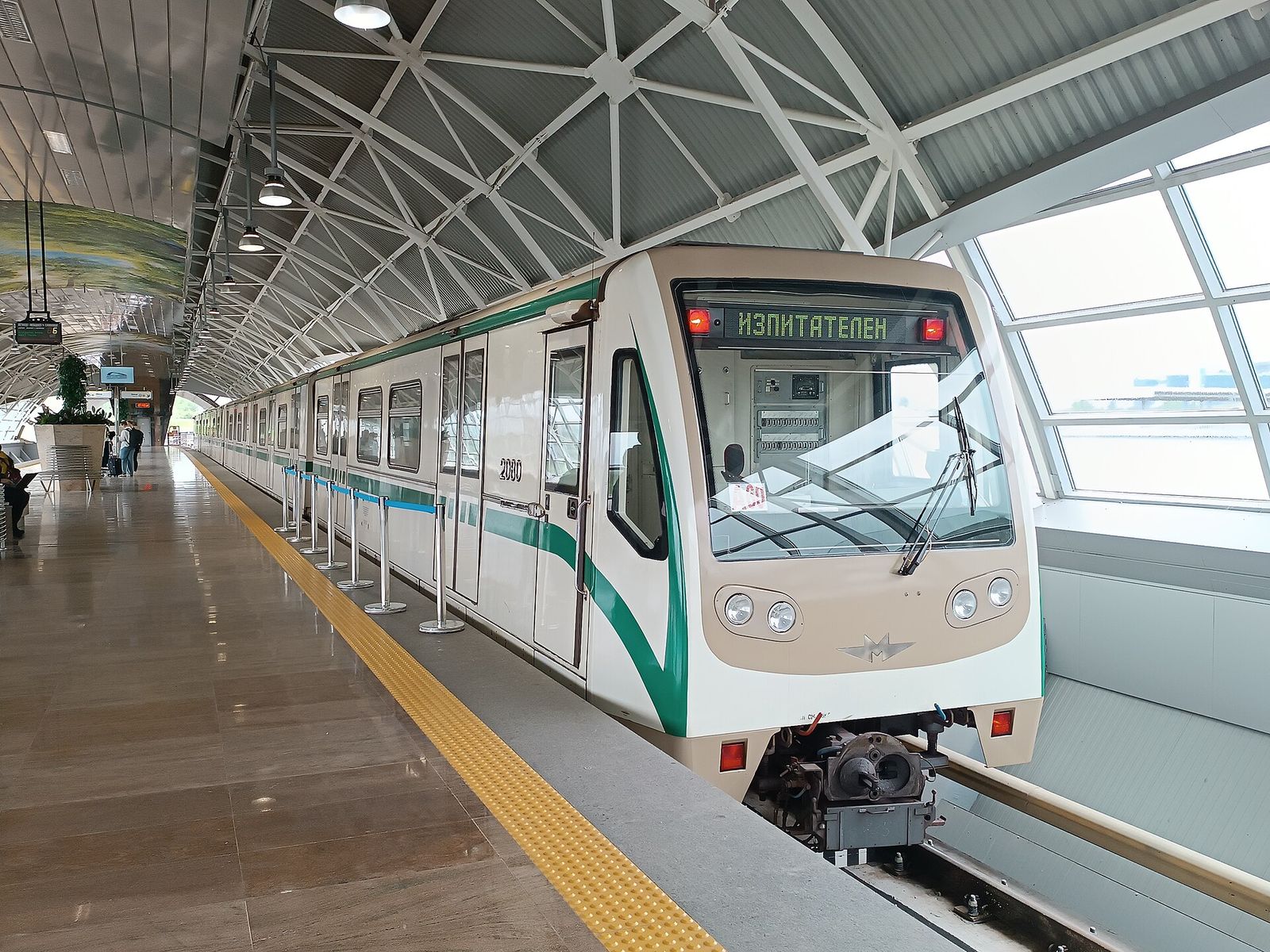
Terminal 1 has no metro station. From there, ride the free shuttle bus across to Terminal 2, or take bus 84, which serves both terminals; the airport to the city centre run by bus takes 35 to 45 minutes, against about 20 by train.
Sofia metro tickets and fares
Fares moved to euros on 1 January 2026, and a metro ride costs €0.80, less than a London bus fare. The metro's ticket page lists every option in English; these are the ones a visitor might use.
| Ticket | Price | What it covers | How you get it |
|---|---|---|---|
| Single metro ticket | €0.80 | One metro trip with no change, valid 60 minutes | Cashier or machine at any metro station |
| 30 plus | €0.80 | Metro, trams and buses, changes within 30 minutes | Tap a bank card, or load it on a card |
| 60 plus | €1.10 | Metro, trams and buses, changes within 60 minutes | Loaded on a Sofia City Card or Ultralight card |
| One-day card | €2 | Metro, trams and buses for the day | Loaded on a card |
| 24-hour card | €3 | 24 hours from purchase, night buses included | Loaded on a card |
| 72-hour card | €7.60 | 72 hours from purchase, night buses included | Loaded on a card |
Free changes stretch one fare a long way when getting around Sofia. Tap in at Serdika II, tap again on bus 66 at Vitosha within 30 minutes of the first tap, and you ride all the way up to Aleko for €0.80. For a weekend in Sofia I skip the passes altogether. Three days of capped taps come to €6 at most, against €7.60 for the 72-hour card, and that card only pulls ahead if you ride the night buses.
Paying by card at the metro barrier
The ticket I use is the bank card already in my purse. Tap a contactless Visa or Mastercard, or a phone with Apple Pay or Google Pay, on the reader at the barrier, and it charges €0.80 for a 30 plus ticket. Change onto a tram or bus within 30 minutes, tap again inside the vehicle, and you pay nothing more.
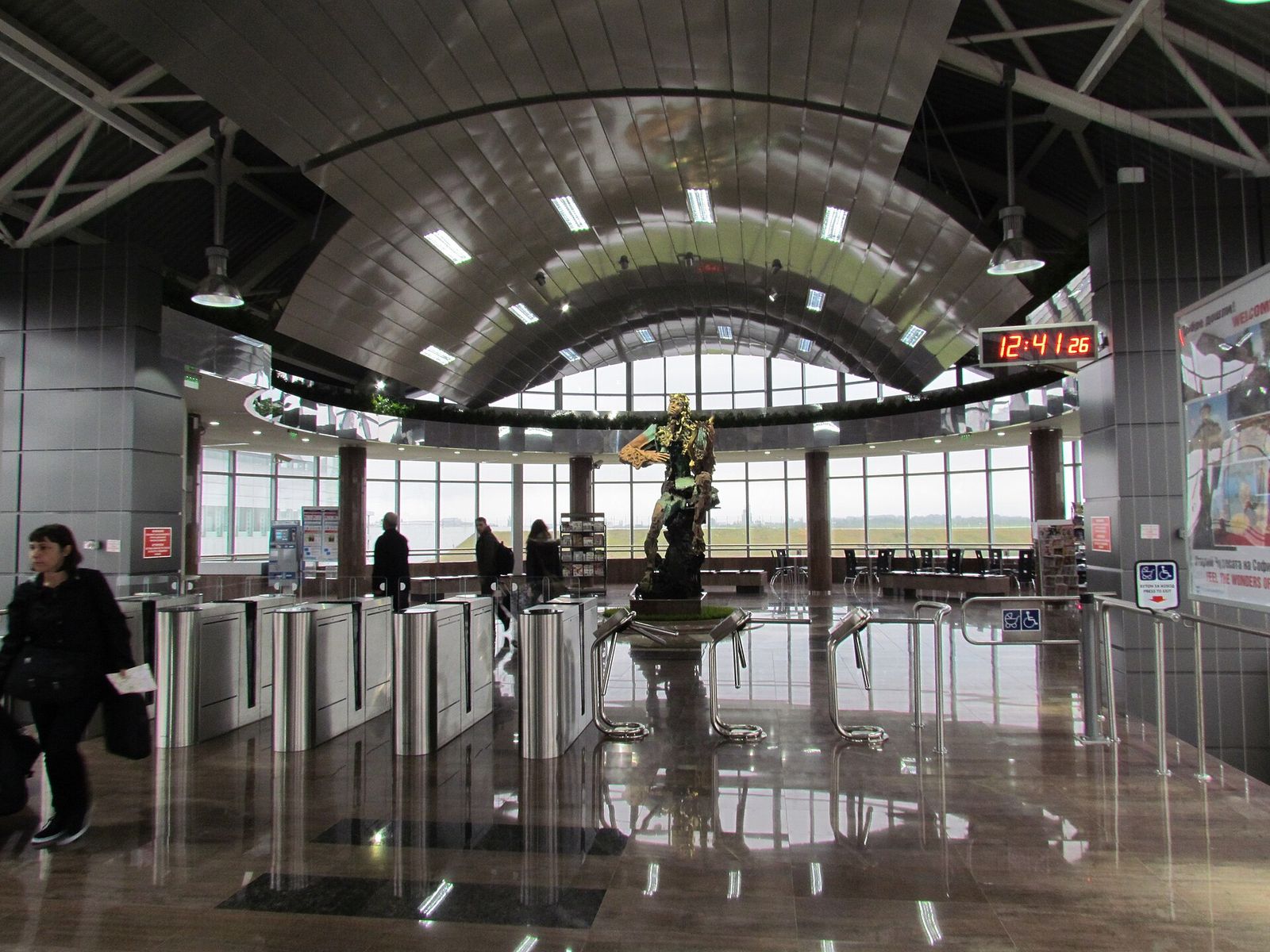
Daytime taps on one card are capped at €2 a day. The cap counts per card or per phone, so pick one and stick with it all weekend, and give each person in your group their own card. UK debit and credit cards work as long as they're Visa or Mastercard; I keep the Amex for somewhere else.
For cash, every station sells a paper single for €0.80 at the cashier window or the machine, good for one metro trip.
Sofia metro hours: first and last trains
The metro runs every day from about 5am until just after midnight, and on most lines the last trains leave a little later at weekends and on public holidays. The timetable changes now and then, so before a late night I check the metro's own timetable, which is in Bulgarian.
| Route | First train, weekdays | Last train, weekdays | Last train, weekends and holidays |
|---|---|---|---|
| Sofia Airport to Slivnitsa, via Serdika | 5.21am | 11.38pm | 11.46pm |
| Serdika to Sofia Airport | 5.08am | 11.23pm | 11.32pm |
| Business Park to Slivnitsa | 5.22am | 11.25pm | 11.32pm |
| Obelya to Vitosha | 5.01am | 11.42pm | 11.57pm |
| Vitosha to Obelya | 5.18am | 12.08am | 12.24am |
| Hadzhi Dimitar to Gorna Banya | 4.53am | 11.52pm | 11.51pm |
| Gorna Banya to Hadzhi Dimitar | 5.00am | 11.28pm | 11.28pm |
There is no all-night metro. After the last train, 4 night bus lines, N1 to N4, run about once an hour and all meet at Batenberg Square, and N4 goes out to both airport terminals. The 24-hour and 72-hour cards cover them, while the €2 tap cap doesn't.
How often the trains run
On weekdays a train comes every 3.5 to 8 minutes at the morning and evening peaks, every 4.5 to 9 minutes in the middle of the day, and every 7 to 14 minutes in the last hour before midnight. At weekends and on holidays the gaps stretch to between 6 and 15 minutes, depending on the line and the hour.
The metro averages 39 km/h, while Sofia's trams averaged 14 km/h in 2020, so anything along a line is faster by train. It's busy, too: the metro carried 123 million passengers in 2024, well over 300,000 a day on average, and on the central stretch at the morning peak I expect to stand.
Signs, directions and changing lines
Station names are written in Latin letters as well as Cyrillic, so you can follow the metro without a word of Bulgarian. Two Cyrillic words cover most of the other signs: ВХОД (vhod) marks the way in and ИЗХОД (izhod) the way out. Learn a few letters of the Bulgarian alphabet and the destination boards on the trains get easier too.
Platforms are signed by the station at the end of the line. From Serdika II, trains towards Vitosha go to NDK, and trains towards Obelya go to the Central Railway Station. The destination on the front of the train can be in Cyrillic only: Летище София is Sofia Airport, Бизнес парк is Business Park, Витоша is Vitosha and Обеля is Obelya.
To change lines at Serdika, follow the signs for the line number you want; between M2 and M3 you change at NDK and NDK II. Every station on the network is wheelchair accessible, and at Serdika the lift sits at the far end of the platform, which is where I head with a suitcase.
A short history of the Sofia metro
The network took 22 years to reach four lines, from the first stretch of M1 in 1998 to the opening of M3 in 2020.
| Date | What opened |
|---|---|
| 28 January 1998 | The first stretch of M1 |
| 31 October 2000 | Serdika station |
| 31 August 2012 | M2 |
| 2 April 2015 | The branch to Sofia Airport |
| 8 May 2015 | The branch to Business Park |
| 26 August 2020 | M3, and M4 as its own line |
Building M2 around Serdika between 2010 and 2012 uncovered parts of six Roman streets, and they now lie open beside the station.
Key takeaways
- Give everyone in your group their own contactless Visa or Mastercard (not Amex) and use it for every tap, so the €2 daily cap kicks in.
- Skip the 72-hour card unless you'll ride the night buses, because three days of capped taps cost €6 at most.
- Heading to the airport, board a train showing Летище София (Sofia Airport), since Business Park trains split off at Mladost 1.
- The last weekday train from Serdika to the airport leaves at 11.23pm; after that it's the N4 night bus or a taxi.
- Get off at Sofia University for Alexander Nevsky, G.M. Dimitrov for the Museum of Socialist Art and Krasno Selo for bus 65 to Boyana.
Frequently asked questions
What are the opening hours of the Sofia metro?
The Sofia metro runs from about 5am to just after midnight every day. The first weekday train from Sofia Airport leaves at 5.21am and the last at 11.38pm, or 11.46pm at weekends and on holidays. The last M2 train from Vitosha leaves at 12.08am on weekdays.
How much does the Sofia metro cost?
A Sofia metro ride costs €0.80. Tapping a contactless card buys a 30 plus ticket with free changes onto trams and buses for 30 minutes, and taps on one card cap at €2 a day. A 72-hour card with night buses costs €7.60.
Does the Sofia metro go to the airport?
Yes, line M4 runs to Sofia Airport, with the station next to Terminal 2. Trains reach Serdika in about 20 to 25 minutes for €0.80. Terminal 1 has no station, so take the free shuttle bus to Terminal 2 or bus 84.
Can I pay by card on the Sofia metro?
Yes. Tap a contactless Visa or Mastercard, or a phone with Apple Pay or Google Pay, on the reader at the barrier and you're charged €0.80. Use one card per person and keep using the same card, so the €2 daily cap counts all your rides.
How many metro lines does Sofia have?
Sofia has four metro lines: M1 (red), M2 (blue), M3 (green) and M4 (yellow), with 50 stations between them. M1, M2 and M4 meet at Serdika, and M4 is the line to the airport.
Does the Sofia metro run all night?
No, the metro stops just after midnight and starts again at about 5am. Overnight, night buses N1 to N4 run about once an hour and meet at Batenberg Square, and the 24-hour and 72-hour cards cover them.
Is the Sofia metro easy for tourists to use?
Yes. Station names are written in Latin letters as well as Cyrillic, one €0.80 fare covers any ride, and you pay by tapping your own bank card. The one thing to watch is the M1 and M4 split after Mladost 1 on the way to the airport.
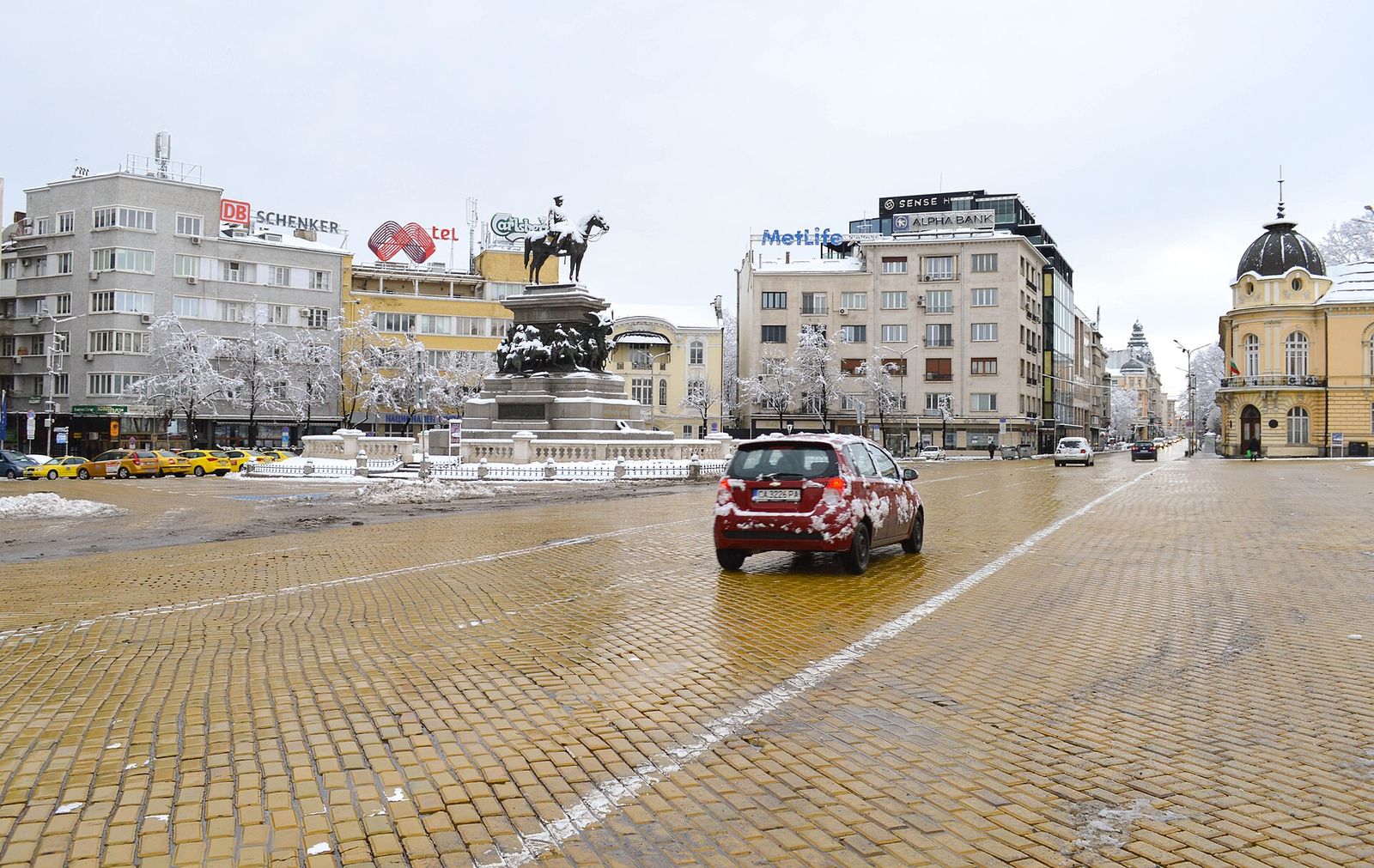
Sofia Travel Tips: What I'd Tell You Before a First Trip to Bulgaria
What I tell friends before their first Sofia trip: visas, the euro, the airport metro, taxis and the head nod.
Read the guide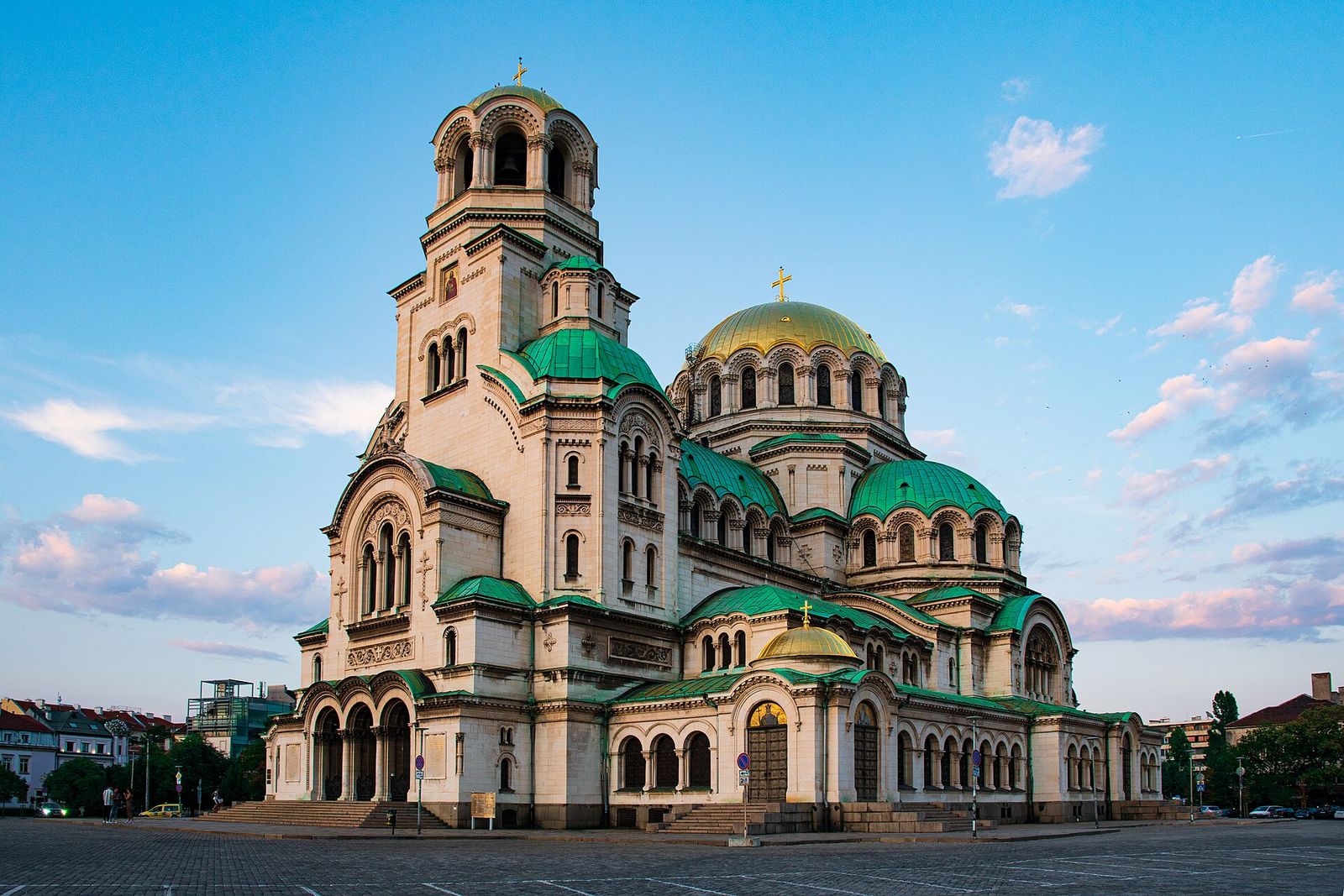
My Perfect Weekend in Sofia: A 2-Day Plan with Costs
How I would spend 48 hours in Sofia: what to see, where to eat, the Saturday night out and what it all costs.
Read the guide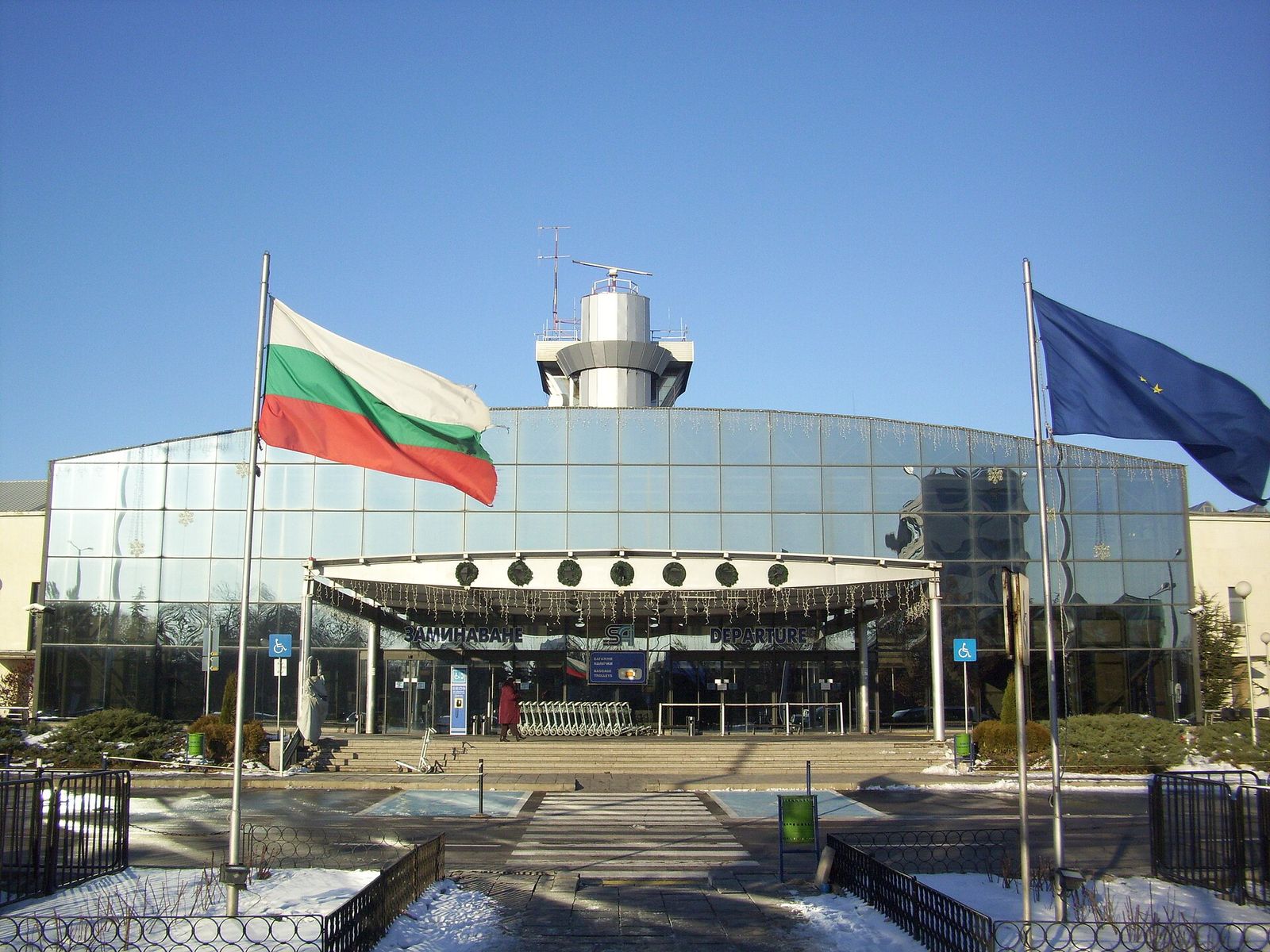
Flights from the UK to Sofia: Airlines, Airports and Fares
Which airline flies to Sofia from which UK airport, how long it takes, the fares I saw and getting into town.
Read the guide