Boza and Ayran: Bulgaria's Breakfast Drinks, and Where I Buy Them
Boza is the drink Bulgarians pour at breakfast: thick, sweet and a little sour, brewed from wheat and drunk with a slice of banitsa. Ayran is its salty rival, just yoghurt, cold water and salt. I drink both, depending on the weather. Here's what each one is, what boza tastes like, how much alcohol it has, how it compares with Turkish boza and where I buy both in Sofia.
What is boza?
Boza (боза) is a fermented grain drink, made in Bulgaria from wheat or rye, sometimes half and half with millet. It's beige to light brown and smooth, and it pours from the bottle like a thin porridge. Of all the Bulgarian drinks I tell visitors to try, boza is the one they've never heard of.
The word boza was first written down in the 14th century, and its heyday came under the Ottomans: by the 17th century Istanbul had about 300 boza shops employing more than 1,000 people. The boza maker, the bozadzhiya (бозаджия), was a common trade in Ottoman towns. In Bulgaria millet was the old grain, and wheat took over later.
What does boza taste like?
Boza tastes like liquid malt loaf with a squeeze of lemon. The first mouthful is sweet and bready, then a sourness arrives at the back of the tongue, the kind you get from sourdough or natural yoghurt. Fresh boza has a faint fizz, and it's thick enough to coat the glass and pour slowly.
Friends I take to a bakery counter either hand the bottle back after one sip or buy a second before they leave the shop. I'm firmly in the second camp, and from November to March boza is my breakfast drink.
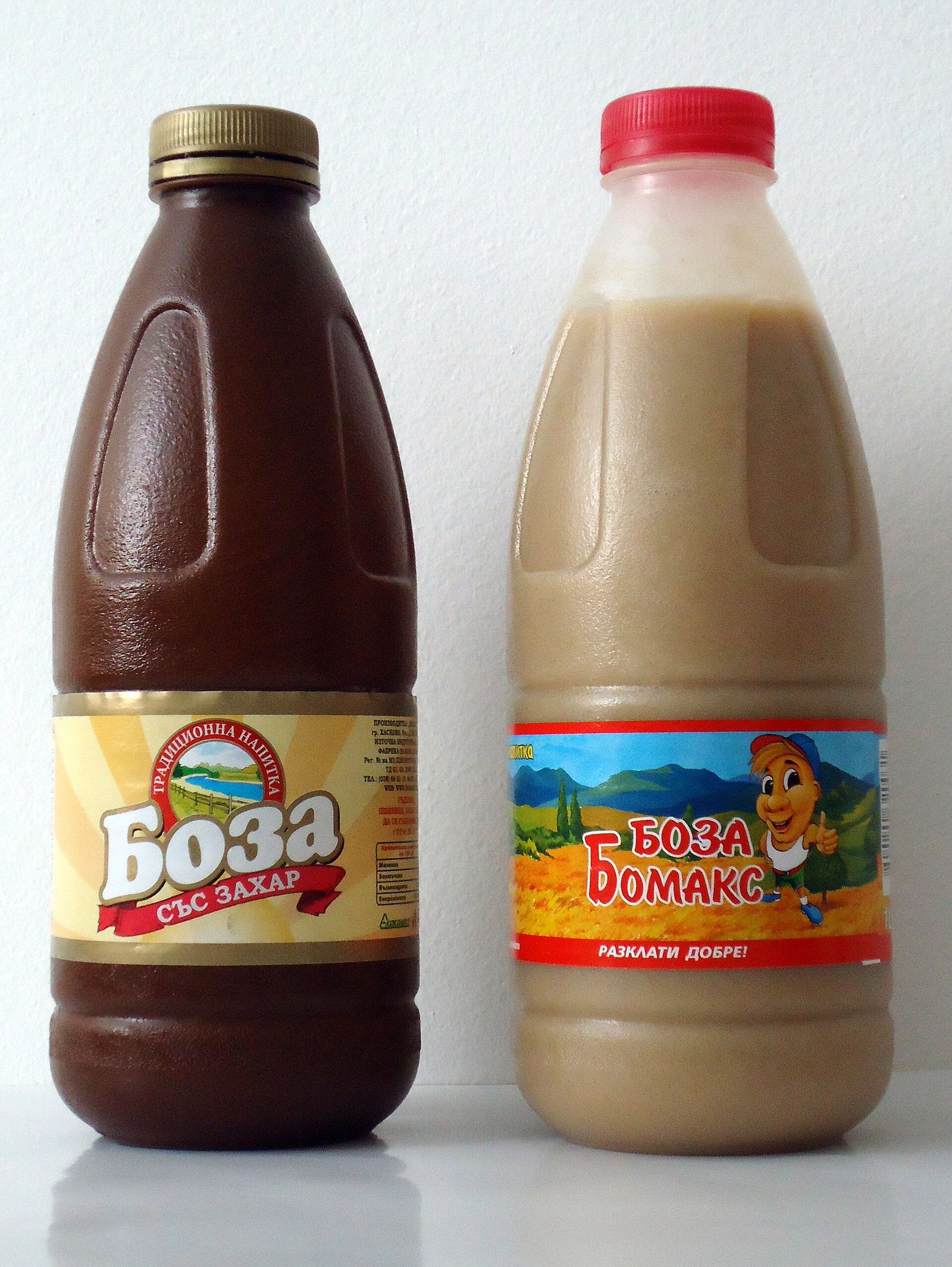
Next to the classic beige bottles you'll see darker cocoa boza (какаова боза), a newer Bulgarian version made with cocoa powder. Bulgarian standards ask for more sugar in it, so it's sweeter and closer to a chocolate milkshake. It's the bottle I'd hand a child or a nervous friend first.
Is boza alcoholic?
Barely. Bulgarian boza contains 0.5% to 1% alcohol, made by the yeast as the grain ferments, a fraction of the strength of a lager. Turkish law caps boza at 2%, and homemade boza usually stays under 1%. Bulgarians treat it as a soft drink.
Boza keeps fermenting after it's made and turns fizzier the longer it sits, which is why I buy it on the morning I'm going to drink it. For something stronger, rakia runs at about 40% and comes in a glass of up to 50ml.
How Bulgarian boza is made, and how to read the label
Boza starts as a grain porridge. The grain is boiled with water, strained to take out the bran, thinned with more water and sweetened. Then yeast and lactic bacteria go to work together, the same pairing that makes sourdough rise and turn sour, and good boza comes out smooth and even, with nothing settled at the bottom.
Bulgarian standards set a minimum of 10% sugar in fresh boza and 14.5% in cocoa boza, and shop boza needs at least 8.3%, so every bottle tastes sweeter than you'd expect from fermented grain. Some producers swap the sugar for glucose or sweeteners such as saccharin or aspartame, and the label tells you which you're getting.
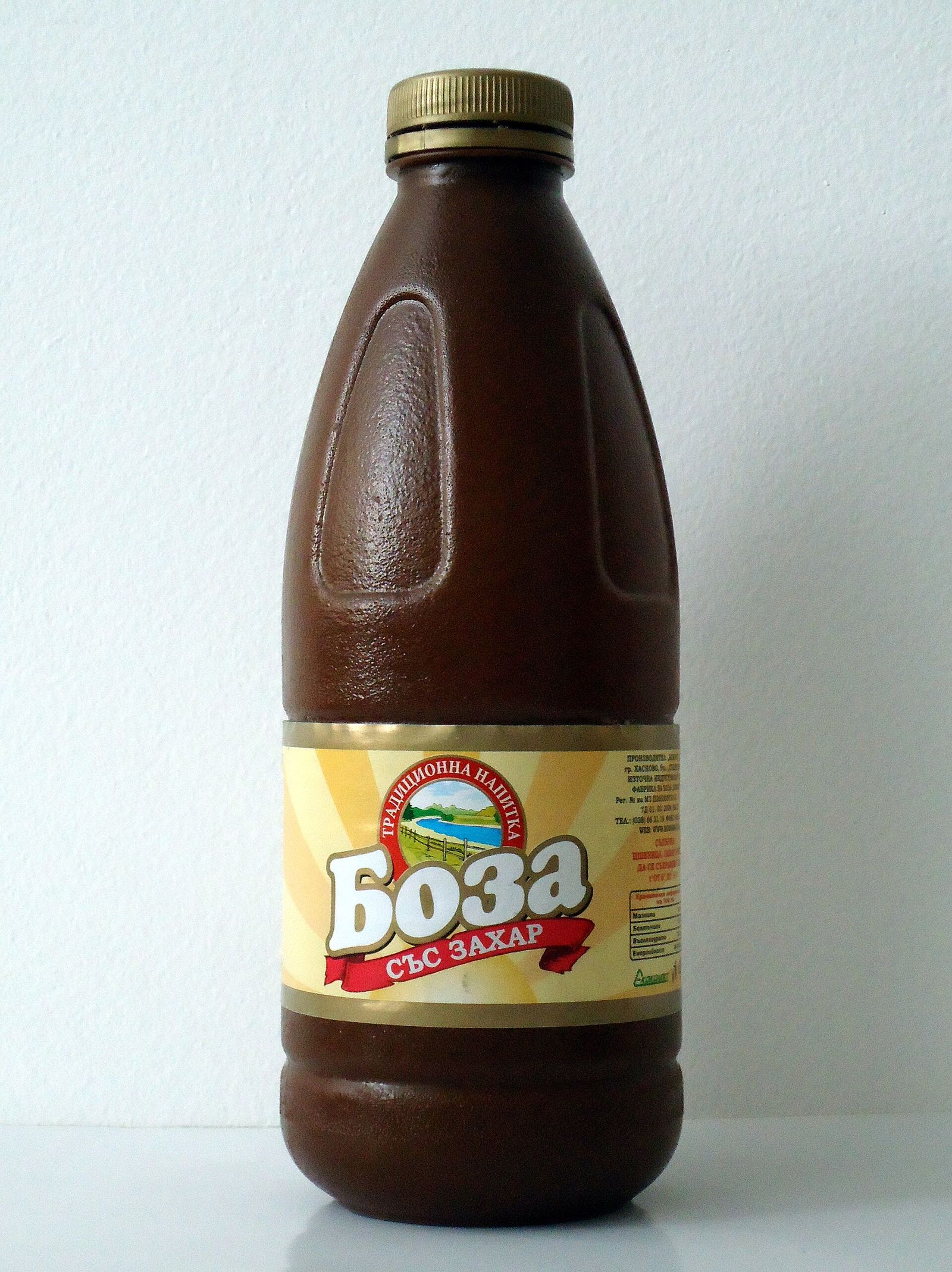
These are the words to look for on a bottle in a Sofia fridge.
| On the label | Say it | What it means | My take |
|---|---|---|---|
| Боза | boza | Plain boza, usually wheat | The classic, start here |
| Със захар | sas zahar | Sweetened with sugar | The one I buy |
| С подсладител | s podsladitel | Made with sweetener instead of sugar | Thinner taste, for me |
| Какаова боза | kakaova boza | Cocoa boza | Sweet, good for first-timers |
| Пшеница | pshenitsa | Wheat, in the ingredients | What most bottles are made from |
| Най-добър до | nay-dobar do | Best before | Check it every time |
Two towns have a name for boza in Bulgaria. Radomir, a railway junction south-west of Sofia on the line to Kulata, was the country's boza-making centre in the early 20th century. Lyubimets, in Haskovo province in the south-east, is known for good boza too.
Bulgarian boza vs Turkish boza
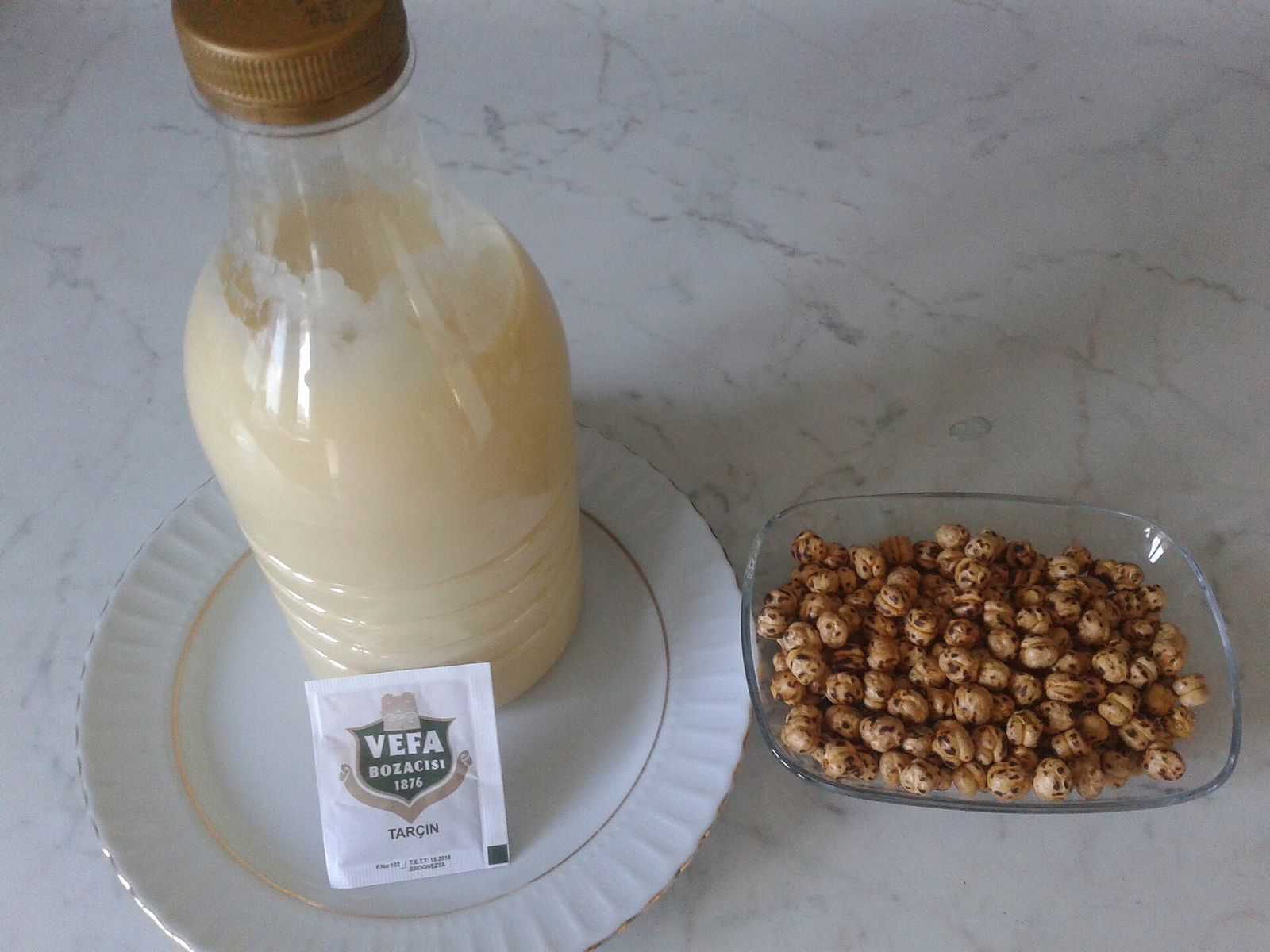
Bulgarian and Turkish boza share an Ottoman ancestor, and the quickest way to tell them apart is the spoon: Turkish boza is thick enough to need one.
| Bulgarian boza | Turkish boza | |
|---|---|---|
| Grain | Wheat or rye, sometimes mixed with millet | Millet at first, now also wheat or maize |
| Texture | Pourable, drunk from the bottle or a glass | Thick enough to eat with a spoon |
| Served | Cold, straight from the fridge | Cold, under cinnamon and roasted chickpeas |
| Eaten with | Banitsa, at breakfast | On its own, as a treat |
| Season | All year, chilled in summer | Mostly winter |
| Keeps | 24 to 48 hours when fresh | About 6 to 7 days |
Vefa, a boza house in Istanbul open since 1876, is still run by the founding family's great-great-grandchildren. If you take the train to Istanbul from Sofia, a glass at Vefa with cinnamon and leblebi, the roasted chickpeas, is the comparison to make. I like both, but I'd only drink the Turkish one as a pudding.
What is ayran?
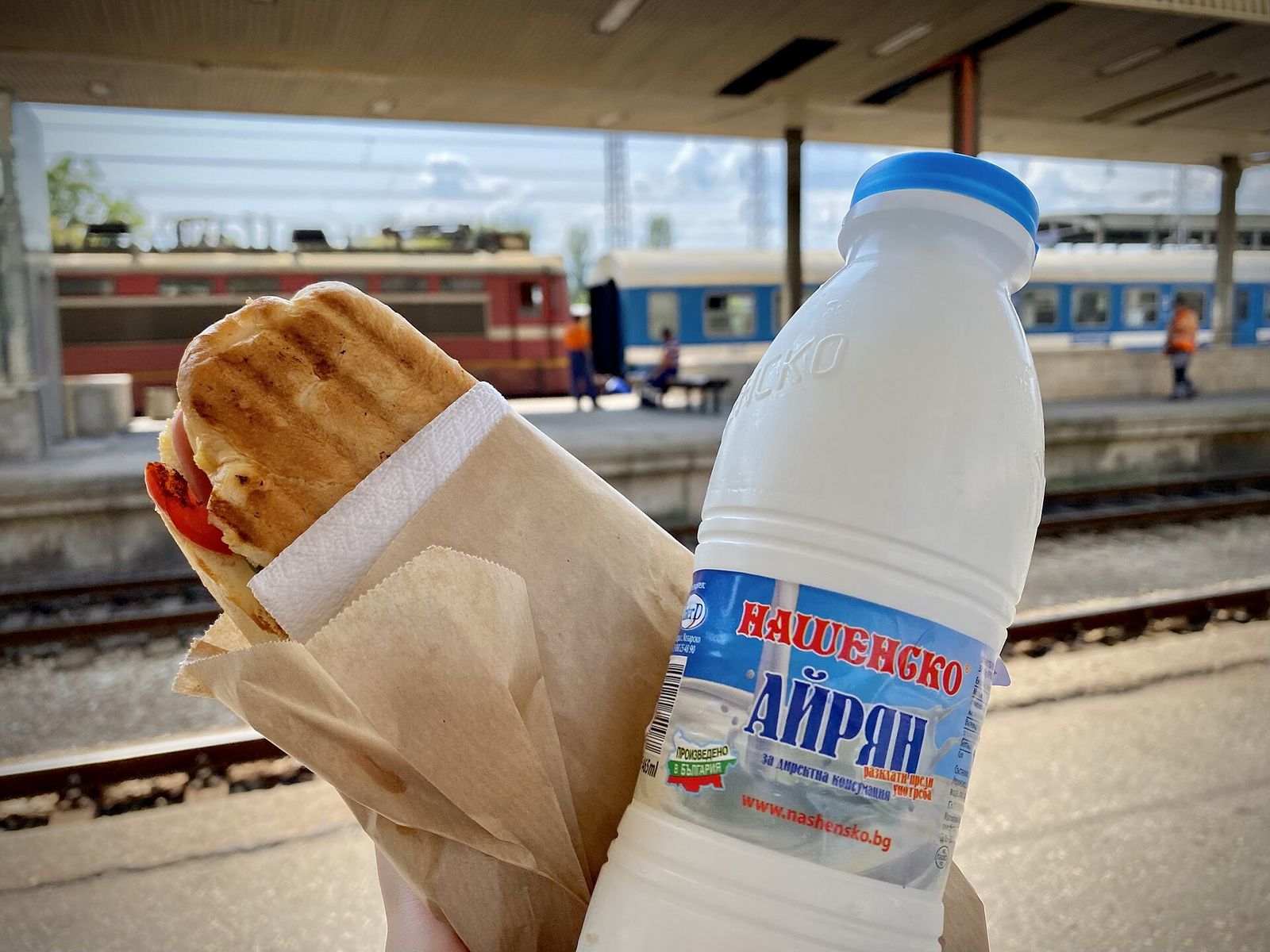
Ayran (айрян) is yoghurt whisked with cold water and salt, and shop ayran is yoghurt with less than 50% added water and about 0.8% salt. It's thin, white, sharp and salty, and it tastes like cold, drinkable Bulgarian yoghurt with the salt turned up.
You'll see the older spelling айран on some menus too. Turkey promotes ayran as its national drink. On a 30-degree August afternoon in Sofia it's the first thing I reach for in a shop fridge.
Ayran with kebapche at lunch
Ayran is the grill drink. Order kebapche, the cumin-spiced fingers of minced meat, or the round kyufte at lunchtime and you'll see a glass of ayran next to the plates on the tables around you. The cold, salty yoghurt cuts through the fat and the cumin, and kebapche with ayran is the pairing I'd put first on any list of Bulgarian food to try with a drink.
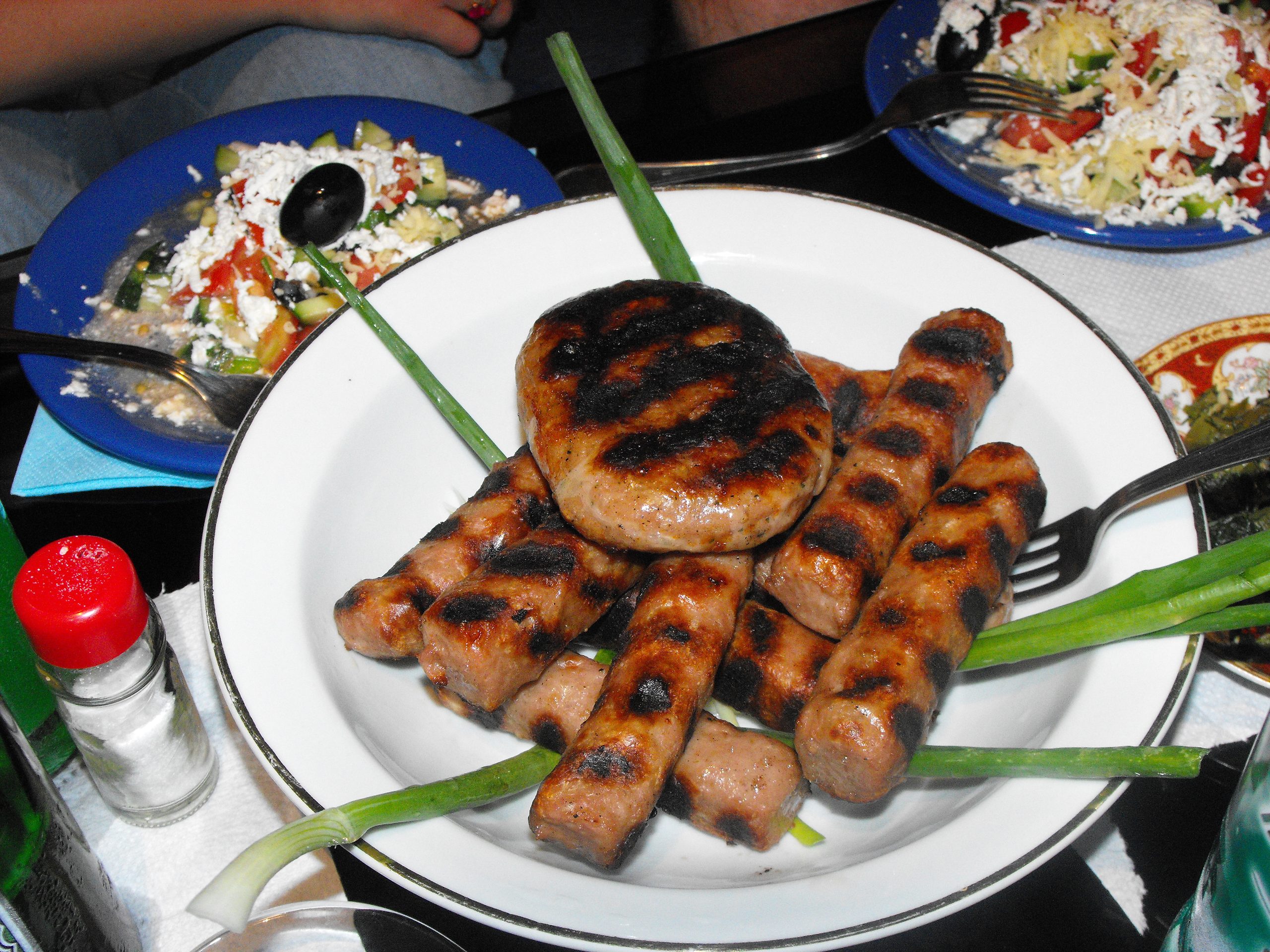
Making ayran at home
Ayran is the easiest Bulgarian thing to make in a UK kitchen. Bulgarians mix it half and half at home: whisk equal amounts of plain natural yoghurt and cold water with a good pinch of salt until it froths, then chill it. Some add black pepper, mint, basil or lemon balm (маточина), and a richer version uses yoghurt with more than 4% fat. Boza needs two or three days somewhere warm to ferment, so I buy mine.
Boza vs ayran side by side
Both drinks sit in the same fridge at the same bakery window, and they have almost nothing in common beyond the banitsa.
| Boza | Ayran | |
|---|---|---|
| Made from | Fermented wheat or rye, with sugar | Yoghurt, water and salt |
| Taste | Sweet and bready, with a sour finish | Sharp, salty and cooling |
| Texture | Thick, like a milkshake | Thin, like milk |
| Alcohol | 0.5% to 1% | None |
| Colour | Beige to brown | White |
| Bulgarians drink it with | Banitsa, at breakfast | Banitsa at breakfast, grilled meat at lunch |
If you only try one, make it boza: it's the stranger of the two, and fresh Bulgarian boza is a drink you won't find in a UK supermarket.
The banitsa breakfast: how to order boza or ayran
Breakfast in Sofia is a slice of banitsa, filo baked with eggs and sirene, the salty white cheese, bought warm from a bakery window and eaten standing up, with a bottle of boza or ayran from the fridge by the till. Sweet-sour boza against salty cheese is the combination Bulgarians grew up on; ayran doubles down on the salt and cools you off. Buy before 10am, while the trays of banitsa in Sofia are still warm.
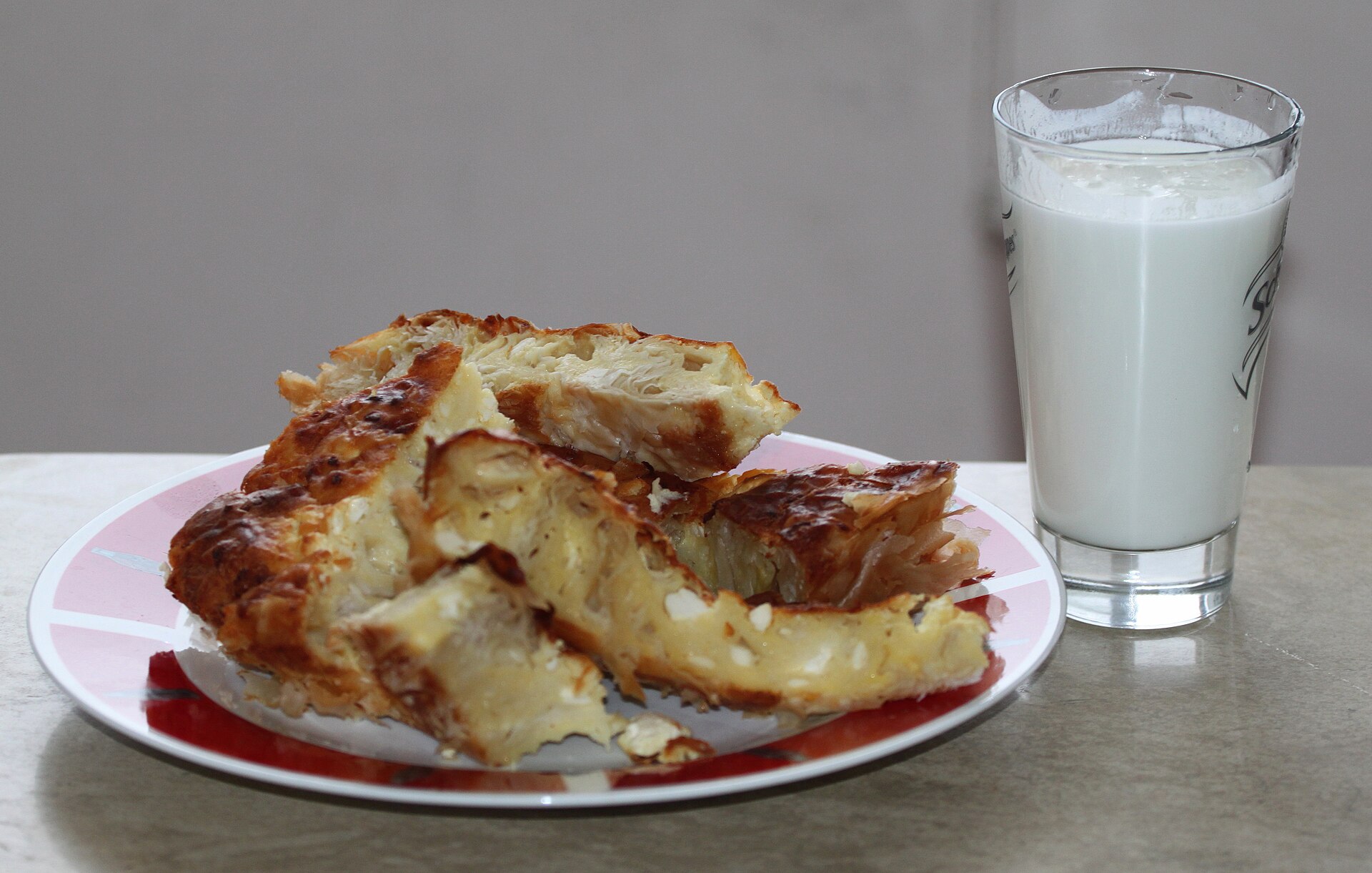
These are the Bulgarian phrases I use at a bakery counter.
| You want | Say | Sounds like |
|---|---|---|
| One boza, please | Една боза, моля | edna boza, molya |
| One ayran, please | Един айрян, моля | edin ayran, molya |
| A piece of cheese banitsa | Едно парче баница със сирене | edno parche banitsa sas sirene |
| Do you have boza? | Имате ли боза? | imate li boza |
| Thank you | Благодаря | blagodarya |
Boza is a feminine word and ayran a masculine one, hence една and един, but the person at the counter will understand either. Pointing at the fridge works in any language.
Where I buy boza and ayran in Sofia
These are the places I pick them up, from the first banitsa of the day to a late run to the kiosk.
| Where | What you'll find | When I go |
|---|---|---|
| Bakery window or banitsa shop (баничарница) | Boza and ayran in a small fridge by the till | Mornings, before 10am |
| Supermarket chill cabinet | Boza, plain and cocoa, with ayran next to the yoghurt | Any time |
| Mehana or grill restaurant | Ayran by the glass or bottle, with the grill | Lunch |
| Corner shop or 24-hour kiosk | A bottle or two of each in the drinks fridge | Late, or early on a Sunday |
Handmade Banitza on Solunska Street
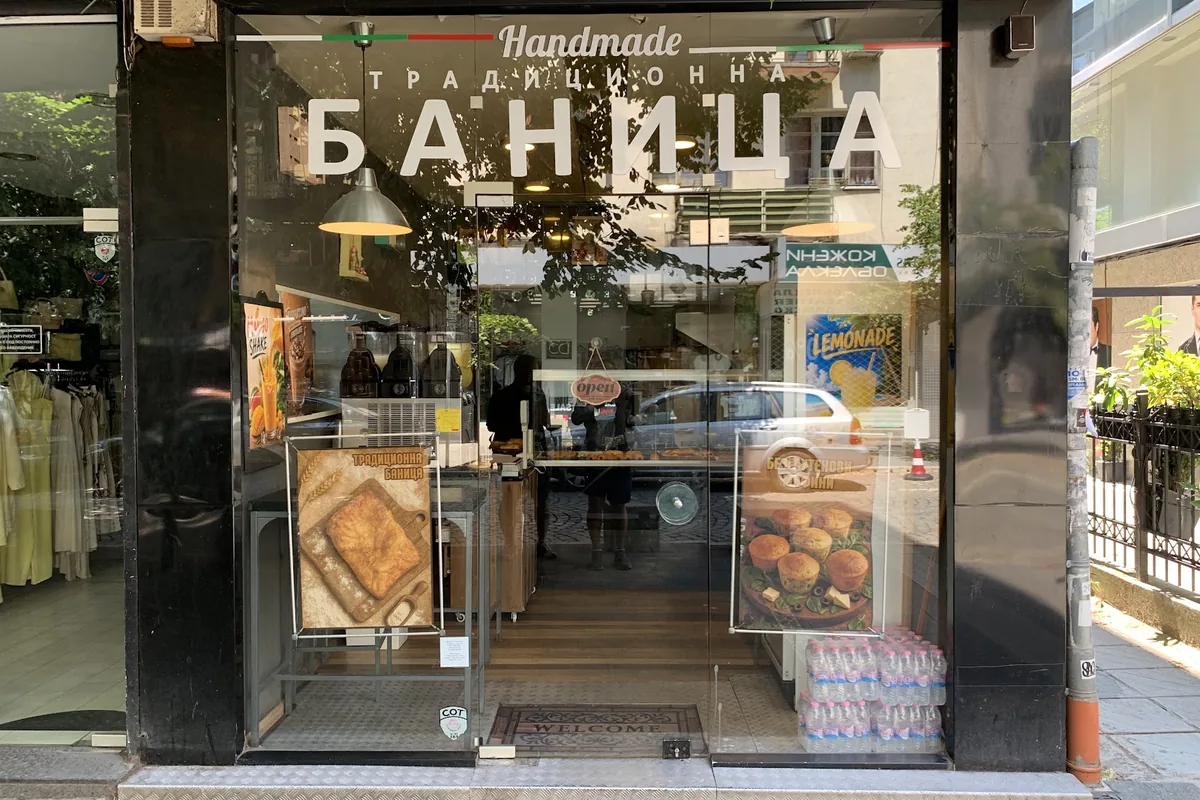
Handmade Banitza is where I buy boza most weeks, because it comes with the leek banitsa I'd cross the city for. It's a small counter at Solunska 17, a few minutes from Vitosha Boulevard, baking cheese, leek, spinach with cheese and pumpkin banitsa, with boza in the fridge. A hot slice and a cold bottle from a counter like this is the street food in Sofia I eat most often.
Fitting boza and ayran into a Sofia weekend
On a weekend in Sofia both drinks fit in at breakfast and lunch, the two meals Bulgarians drink them with, so they cost you no extra time.
| When | Drink | Where | With |
|---|---|---|---|
| Saturday, 8.30am | Boza | Handmade Banitza, Solunska Street | A leek banitsa |
| Saturday, 1pm | Ayran | A mehana with a grill | Kebapche and a shopska salad |
| Sunday, 9am | Cocoa boza | Any supermarket fridge | A cheese banitsa from the nearest window |
If you'd rather sit down with a proper coffee, some of the brunch places in Sofia put banitsa on the menu, and I buy the boza on the walk there.
Key takeaways
- Boza is a thick, sweet-sour fermented wheat drink with 0.5% to 1% alcohol, and Bulgarians drink it cold with banitsa at breakfast.
- Ayran is yoghurt and cold water, half and half at home, with a pinch of salt, and it's the drink to order with kebapche at a grill.
- Bulgarian rules give fresh boza 24 hours in summer and 48 in winter, and bottled boza belongs in the fridge.
- Turkish boza is thicker and comes under cinnamon and roasted chickpeas; Bulgarian boza comes plain in a bottle.
- Ask for "една боза" or "един айрян" at any bakery counter in Sofia.
Frequently asked questions
Is boza alcoholic?
Only very slightly: Bulgarian boza carries 0.5% to 1% alcohol from fermentation, and Turkish boza is capped at 2% by law. In Sofia it sits in the bakery fridge next to the ayran and goes down with breakfast.
What is Turkish boza made of?
Turkish boza was first made from millet and today is also brewed from wheat or maize, sweetened and fermented with yeast. It's thicker than Bulgarian boza and served cold under cinnamon and roasted chickpeas, mostly in winter.
Can Muslims drink boza?
Boza was sold across the Ottoman Empire, with about 300 boza shops in 17th-century Istanbul alone, and Turkey still sells it as an everyday winter drink. It does contain a trace of alcohol from fermentation, usually under 1%, so whether it fits comes down to personal practice. Ayran, made from yoghurt, water and salt, has no alcohol and is the easy swap.
What is boza good for?
It's a filling breakfast drink: boza is 10% to 17% carbohydrate, with some protein, minerals and B vitamins from the grain. Yeast and lactic bacteria do the fermenting, and a bottle with a slice of banitsa keeps me going until lunch.
What is ayran in Bulgaria?
Ayran is Bulgaria's salted yoghurt drink: yoghurt and cold water whisked half and half with a pinch of salt. Bulgarians drink it with banitsa at breakfast and with grilled kebapche at lunch, and supermarkets stock it in bottles next to the yoghurt.
Do you drink boza hot or cold?
Drink boza cold. Bulgarian rules say boza can only be sold chilled from 1 May to 10 October, and bakeries and supermarkets keep it in the fridge all year. Turkish boza is served cold too, even in winter.
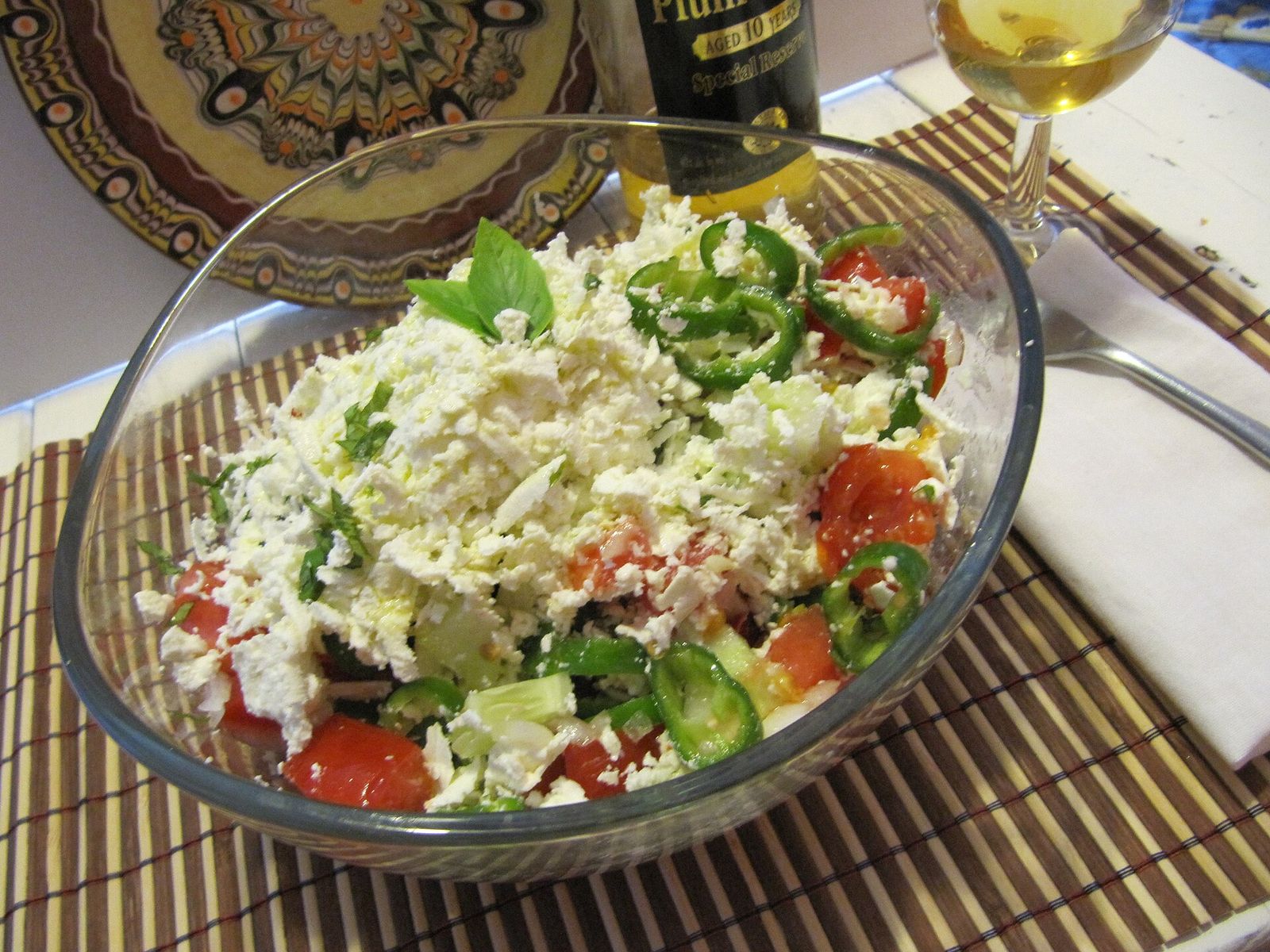
Bulgarian Drinks: What to Drink in Bulgaria and Where to Try It in Sofia
Rakia, wine, beer, boza and ayran: what Bulgaria drinks, how locals drink it and where I order each one in Sofia.
Read the guide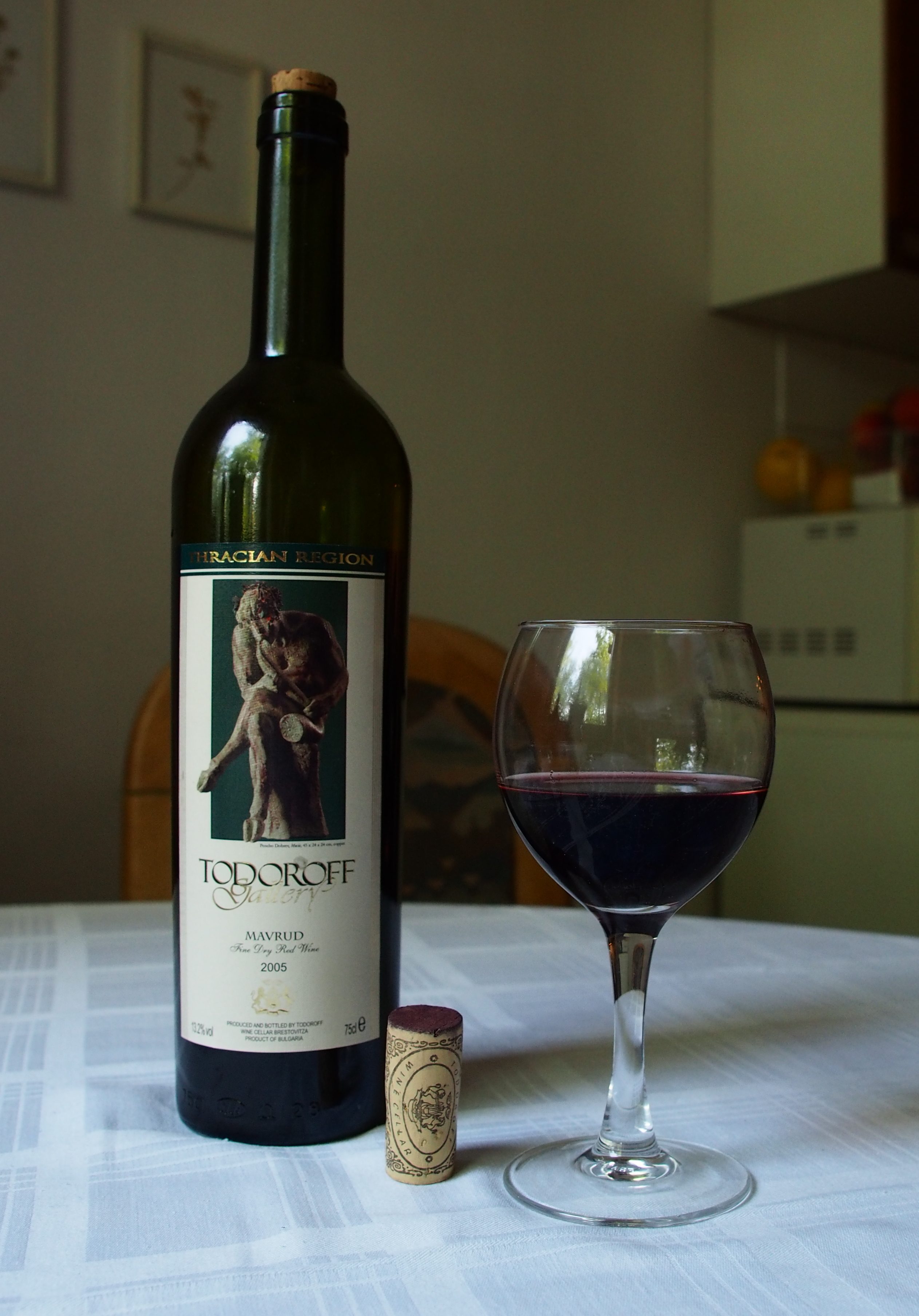
Bulgarian Wine: A Visitor's Guide to What to Order and Buy
Mavrud, Melnik and Misket: the Bulgarian wines I order in Sofia, what a bottle costs and how many to carry home.
Read the guide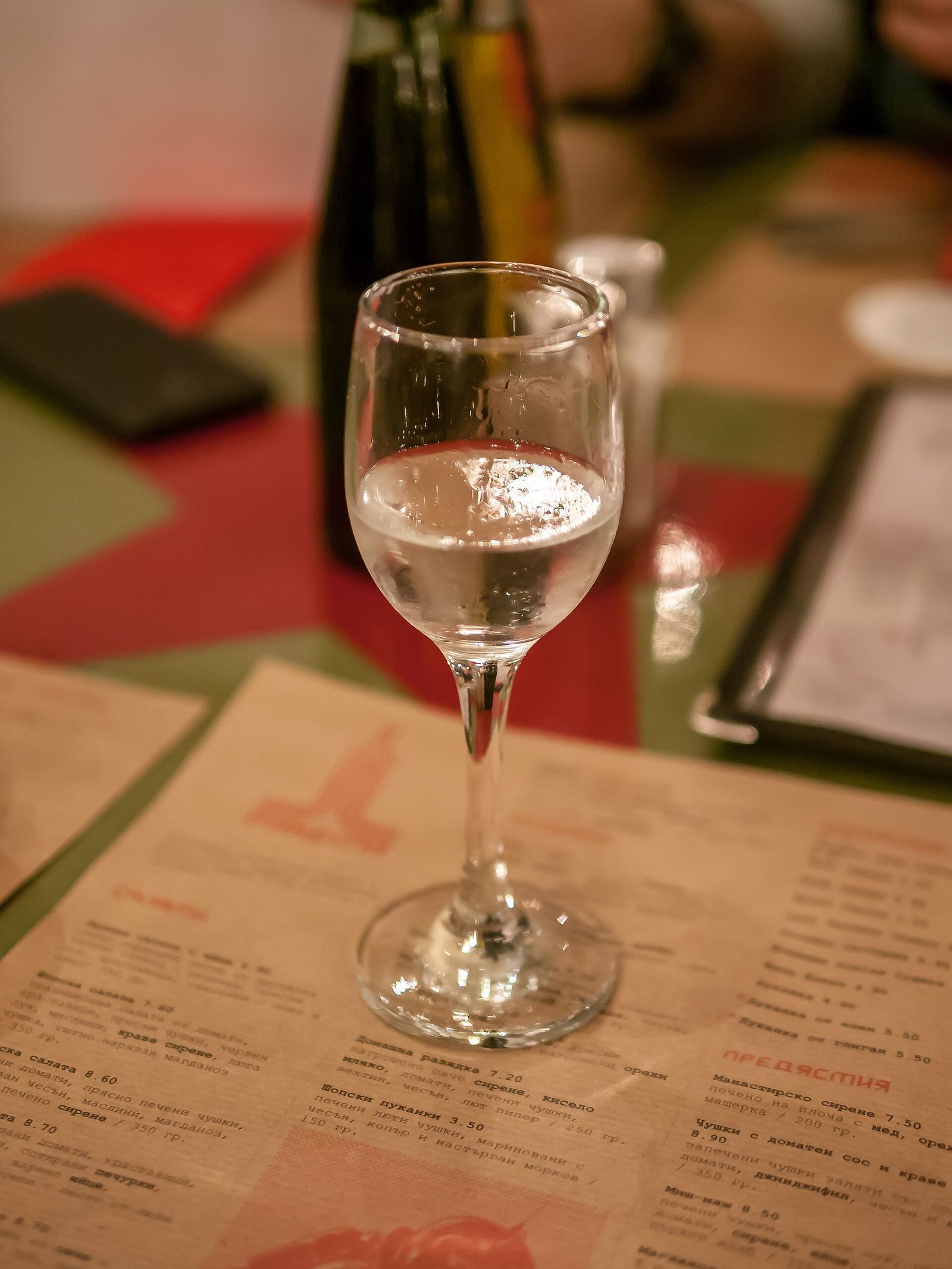
Rakia: Bulgaria's Fruit Brandy, and How I Drink It in Sofia
Bulgaria's fruit brandy, from grape to quince: the types, how to sip it, and where I drink and buy it in Sofia.
Read the guide