12 Best Day Trips from Sofia (and How I Get There)
Sofia is my favourite base in Bulgaria because so much sits a few hours from it: Rila Monastery, Roman Plovdiv, seven mountain lakes and a concrete flying saucer on a peak. These are my 12 favourite day trips from Sofia, how I reach each one by bus, train or hire car, what they cost and which ones I'd give a night.
My 12 day trips from Sofia at a glance
I've put these in the order I'd do them, from the trips that work best from Sofia to the long drives that earn an overnight bag.
| Trip | Distance or time each way | How I get there | Day trip or a night? |
|---|---|---|---|
| Rila Monastery | About 120 km, 2 hours by car | Hire car, or bus to Blagoevgrad and a taxi | Day trip |
| Plovdiv | About 2 hours by bus, 3 by train | Bus or train from Central Station | Day trip |
| Seven Rila Lakes | About 95 km, 1.5 to 1.75 hours by car to the lift | Hire car, or train, local bus and taxi | Long day trip |
| Koprivshtitsa | 110 km, about 2 hours by train | Train, then the minibus from the station | Day trip |
| Vitosha and Cherni Vrah | Aleko is 1,810 m up, by city bus | Metro M2 and bus 66 | Half or full day |
| Bachkovo Monastery | 189 km | Plovdiv, then Asenovgrad and a taxi | Best from a night in Plovdiv |
| Borovets | 70 km | Hire car | Day trip in ski season |
| Buzludzha and Kazanlak | Kazanlak about 3 hours by train, then a 16 km side road uphill | Hire car | A night without a car |
| Veliko Tarnovo | About 3 hours by bus | Bus from Central Bus Station | A night |
| Bansko | 160 km, about 3 hours by bus | Bus from Ovcha Kupel or Central | A night |
| Belogradchik Rocks | About 3 hours by car, 4 by bus | Hire car | A night without a car |
| Melnik and Rozhen | Further south than Rila | Hire car | A night |
Sofia's train and bus stations for day trips
Sofia's Central Railway Station and Central Bus Station stand side by side north of the centre, a short ride from Serdika on metro line M2. The trains to Plovdiv, Koprivshtitsa and Dupnitsa leave from the railway station, and most intercity buses, Plovdiv and Veliko Tarnovo included, leave from the bus station next door.
Ovcha Kupel is the smaller bus station in the south-west of the city, with buses towards Bansko. Tram 5 runs there from the stop behind the Palace of Justice, or it's about 20 minutes by taxi.
Bulgarian trains cost less than the buses and run slower. On the rail lines out of Sofia the day-trip trains worth catching go to Plovdiv, Koprivshtitsa and Dupnitsa, and I check the BDZ timetable the night before every time, because the early departures make or break a day trip. For Rila Monastery, Buzludzha, Belogradchik and Melnik I hire a car.
The 12 best day trips from Sofia
1. Rila Monastery
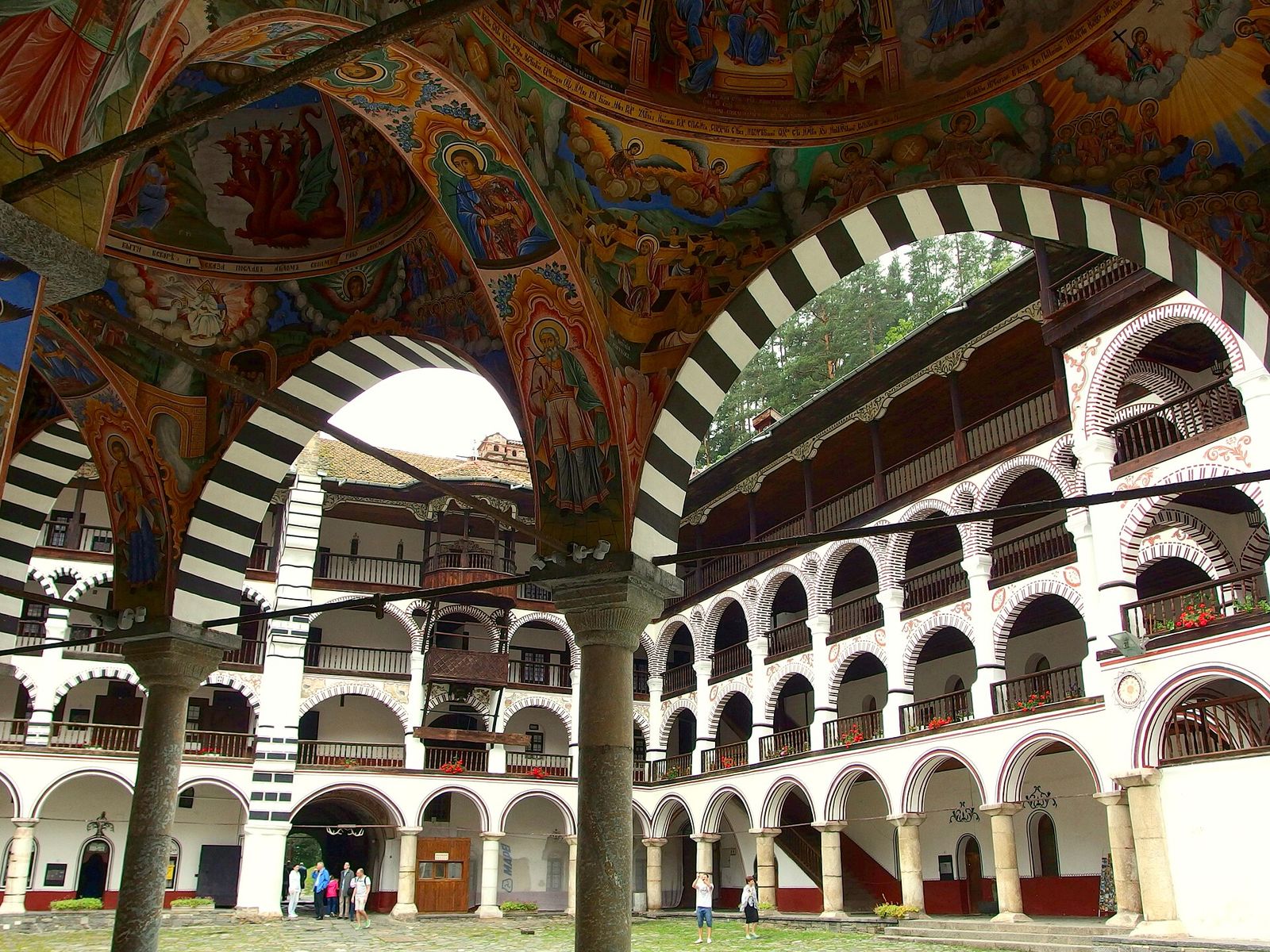
Rila Monastery's striped arcades sit in a forested valley of the Rila Mountains, about 120 km south of Sofia and 1,147 metres up. It's the trip I'd do first and the one I take every visitor on. St Ivan of Rila founded it in the 10th century, it has been a UNESCO World Heritage Site since 1983, and Hrelyu Tower in the courtyard dates from the mid-1300s.
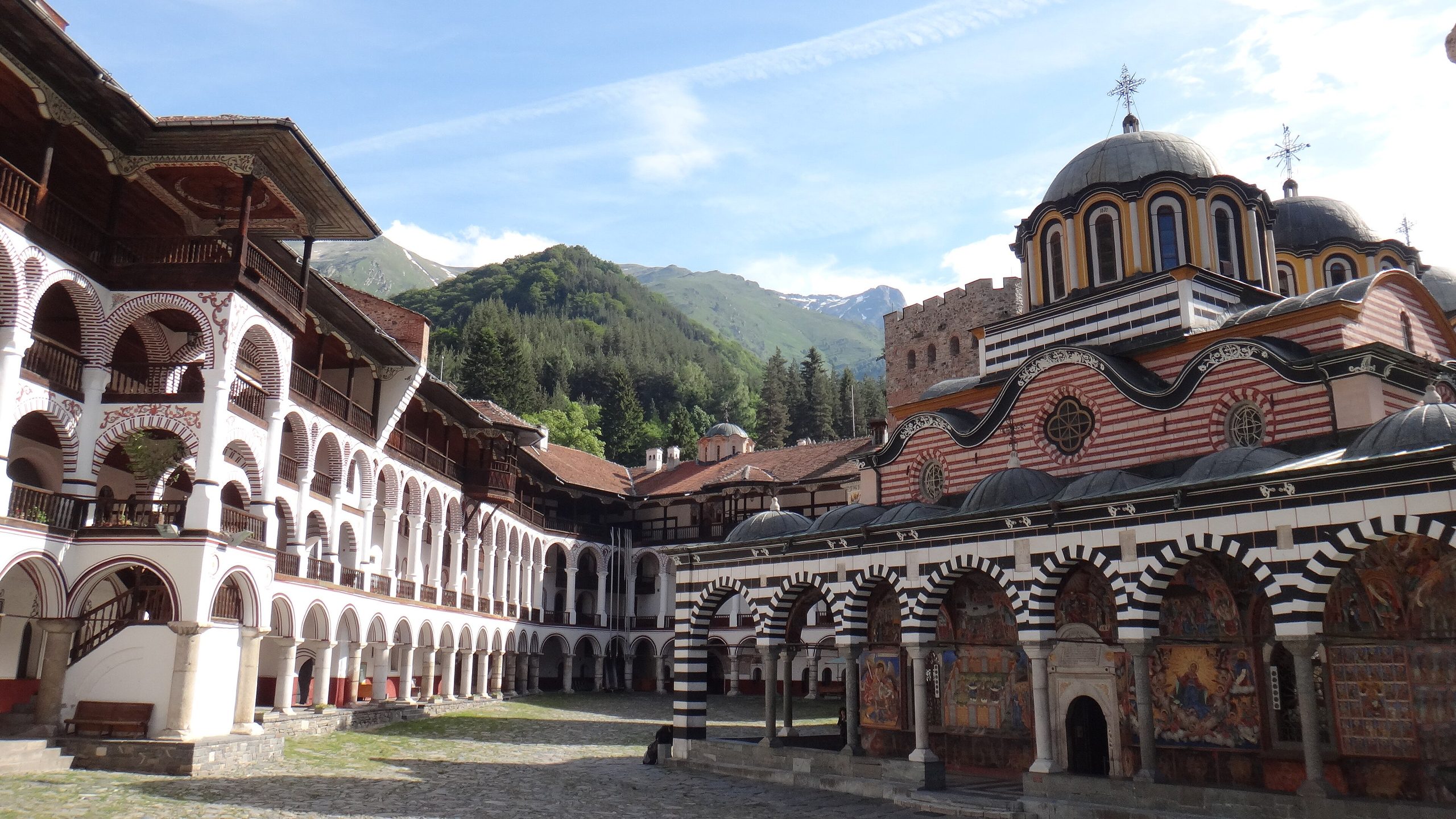
The courtyard and church open 07:00 to 19:30 and cost nothing to enter. The museums are extra, with a combined ticket at €12, and I'd allow about 1.5 hours inside the walls. Cover shoulders and knees for the church. On the way out I always buy mekitsa, hot fried dough, from the little bakery outside the east gate.
2. Plovdiv
Plovdiv on a day trip is the easiest of the twelve without a car. Buses from Central Bus Station take about 2 hours and cost €8.50 to €11, and the train takes about 3 hours for about €5.60. From Plovdiv's railway station it's a 20-minute walk to the Old Town.
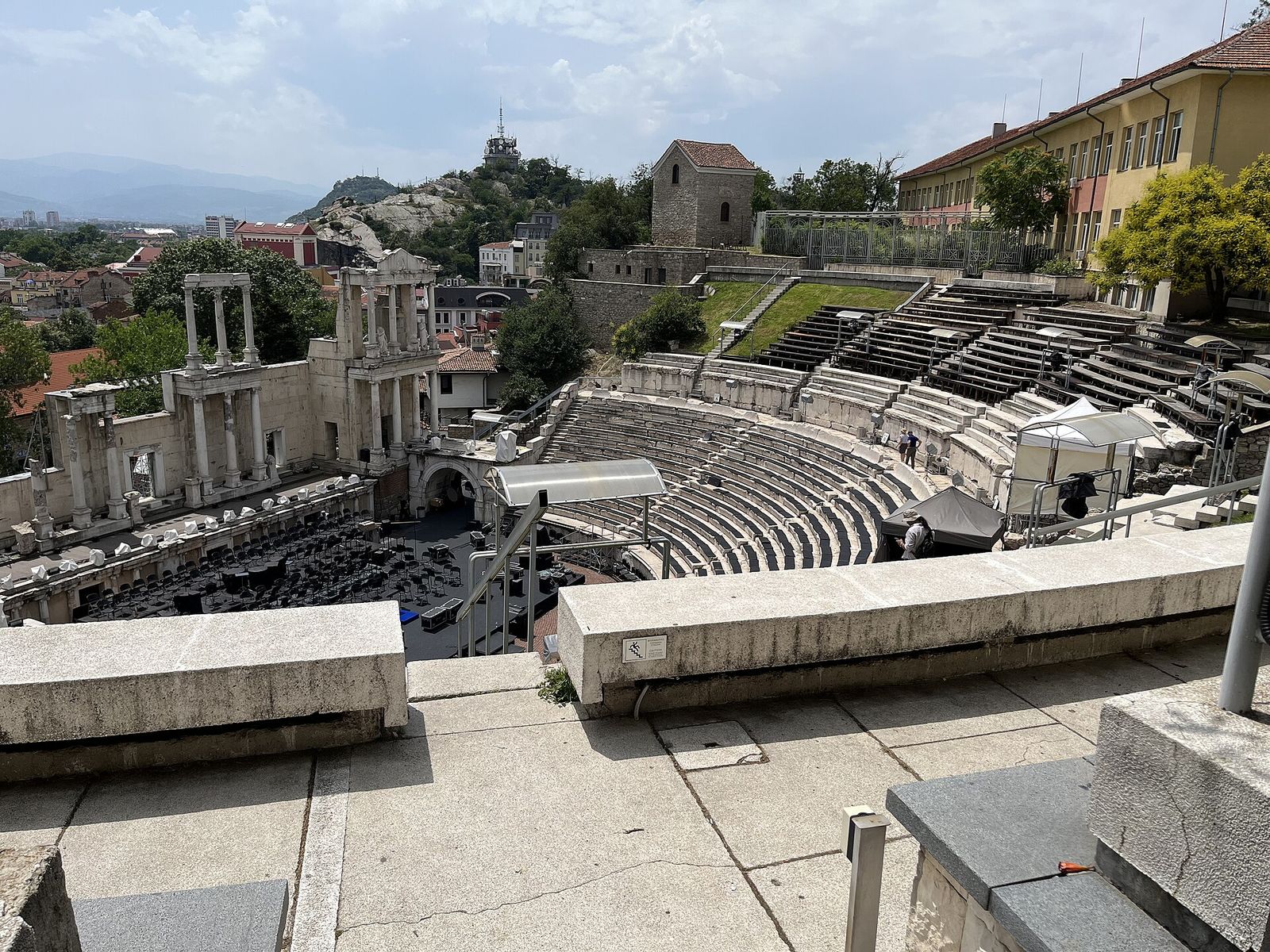
My route starts at the Roman Stadium, built under Emperor Hadrian for up to 30,000 spectators, with only its northern curve on show below the main pedestrian street. Then I climb into the Old Town on its three hills, Dzhambaz, Nebet and Taksim, past painted merchants' houses such as the Hindliyan and Balabanov houses. The Roman theatre on the hillside held about 6,000 people. Lunch is in Kapana, a grid of pedestrian streets packed with cafes and bars, and if I'm catching a late bus I finish with the sunset from Nebet Tepe.
3. Seven Rila Lakes
The Seven Rila Lakes are my favourite hike in Bulgaria. A chairlift carries you about 20 minutes up to the Rila Lakes Chalet for €16 return or €11 one way, and from there a loop of about 8.5 km climbs past all seven lakes in 4.5 to 5 hours. Going up, they run Lower Lake, Fish, Trefoil, Twin, Kidney, Eye and Tear. The first ridge is the longest climb, so I do it while my legs are fresh.
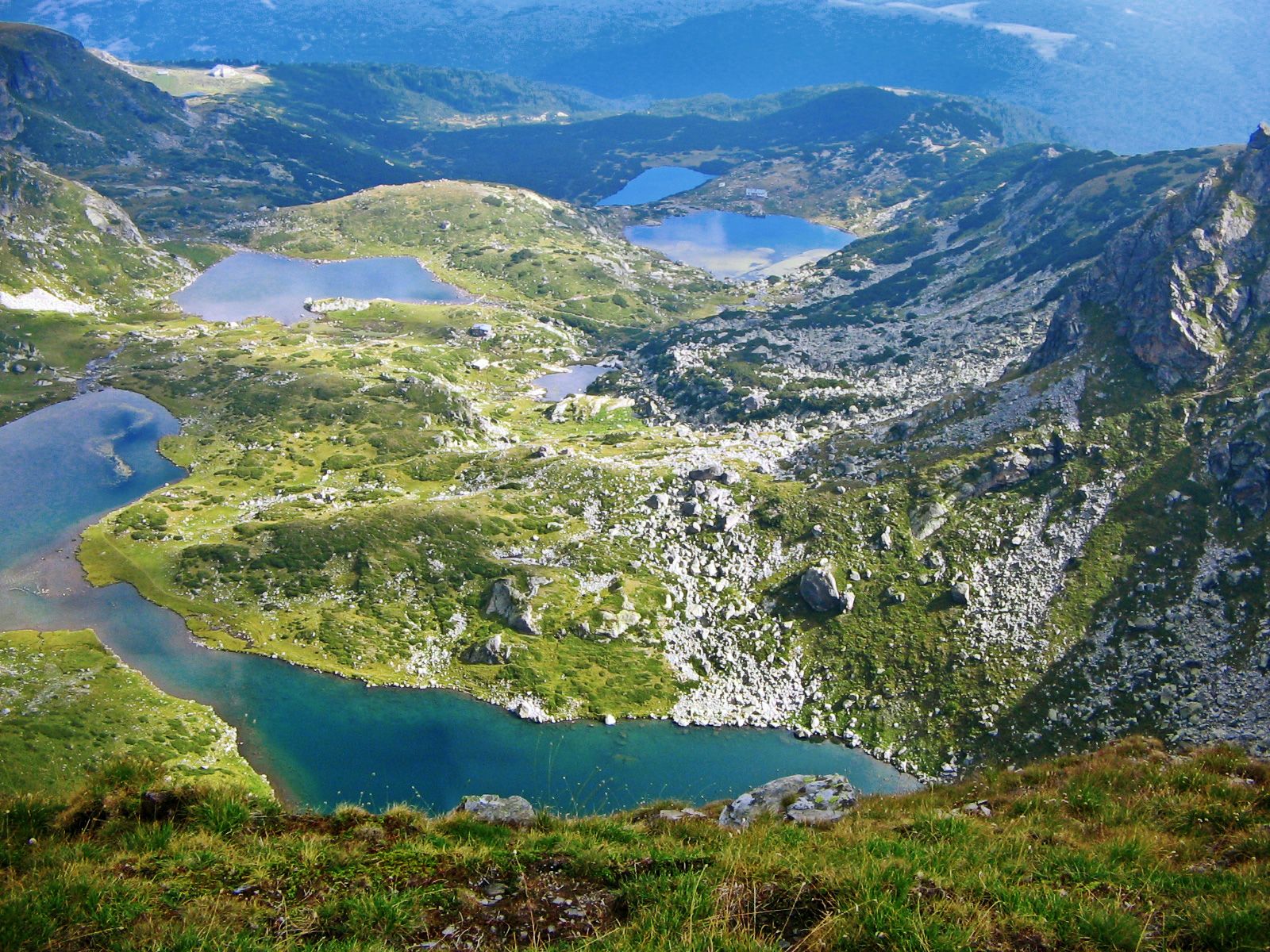
A car makes this easy. Without one, take the train to Dupnitsa, about 2 hours, then a local bus to Sapareva Banya and a taxi or minibus up to the lift. Skip the lift and the walk up takes 1.5 to 2 hours with more than 500 metres of climbing. Ice and old snow can still sit on the lakes in June, and July and August bring the crowds.
4. Koprivshtitsa
Painted 19th-century houses, cobbled lanes and stone bridges make Koprivshtitsa the prettiest town within reach of Sofia, 110 km away at 1,030 metres in the Sredna Gora hills. The April Uprising against Ottoman rule began in this town of fewer than 3,000 people, with the first shot fired at a little bridge on 20 April 1876.
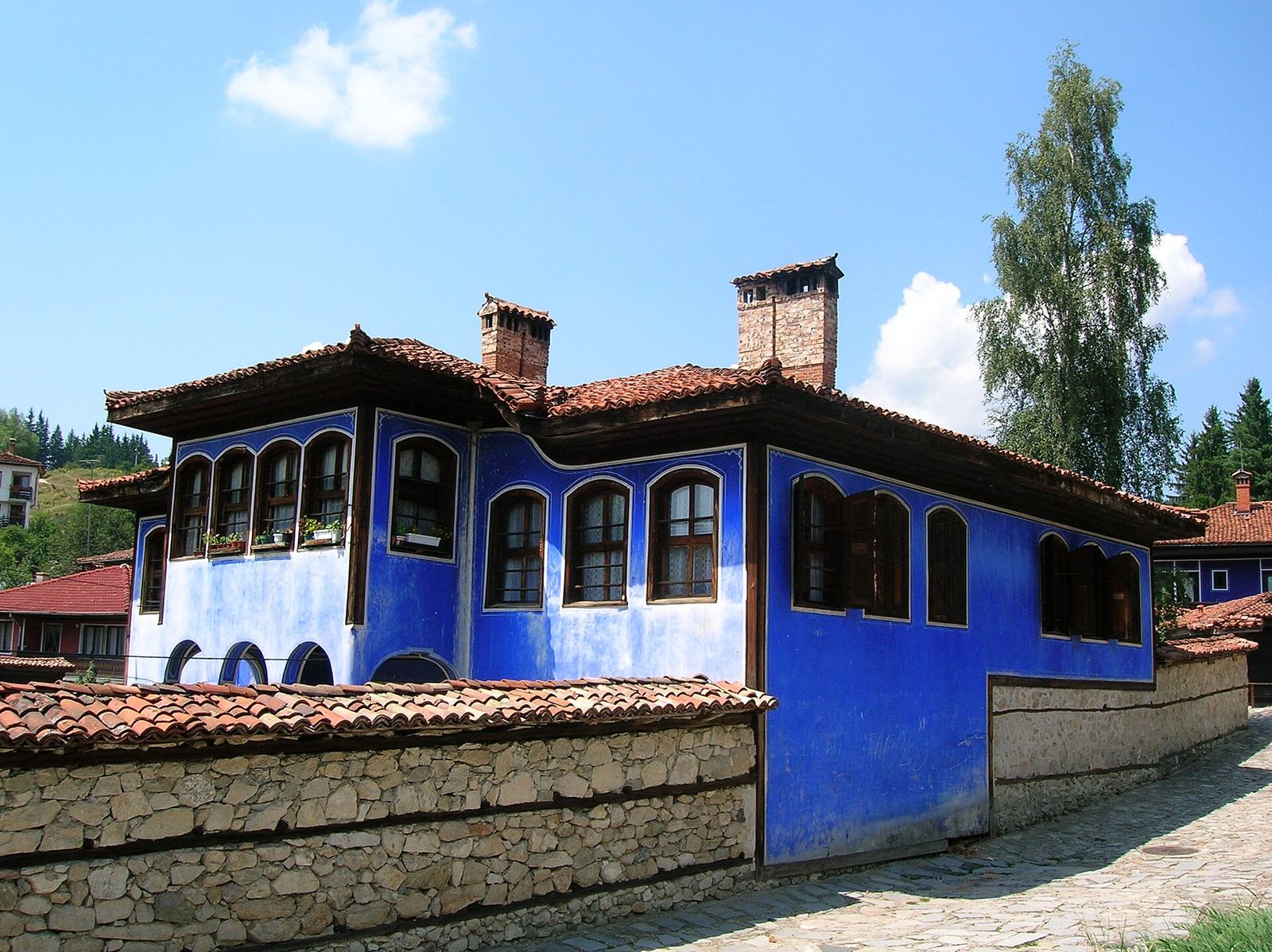
I spend the day in the house museums: Kableshkov House, home of the man who declared the uprising; Lyutov House with its wool rugs; Benkovski House, plus his 11-metre monument with its view over the roofs; and Debelyanov House, home of the poet Dimcho Debelyanov, who died at 29 in the First World War. The direct trains from Sofia take 2 to 2.5 hours, and the quickest connection, with a change, about 1h40. The station is 8 km from town, so ride the minibus that meets the trains. Roughly every five years the town hosts the National Folklore Festival.
5. Vitosha and Cherni Vrah
I'm on Vitosha more often than on any other day out, because the trip starts on the metro. Take M2 to Vitosha station, then bus 66 up to Aleko at 1,810 metres, for €0.80 a ride. The Simeonovo gondola closed in 2023 and the Dragalevtsi chairlift is out of action, so the bus is the way up.
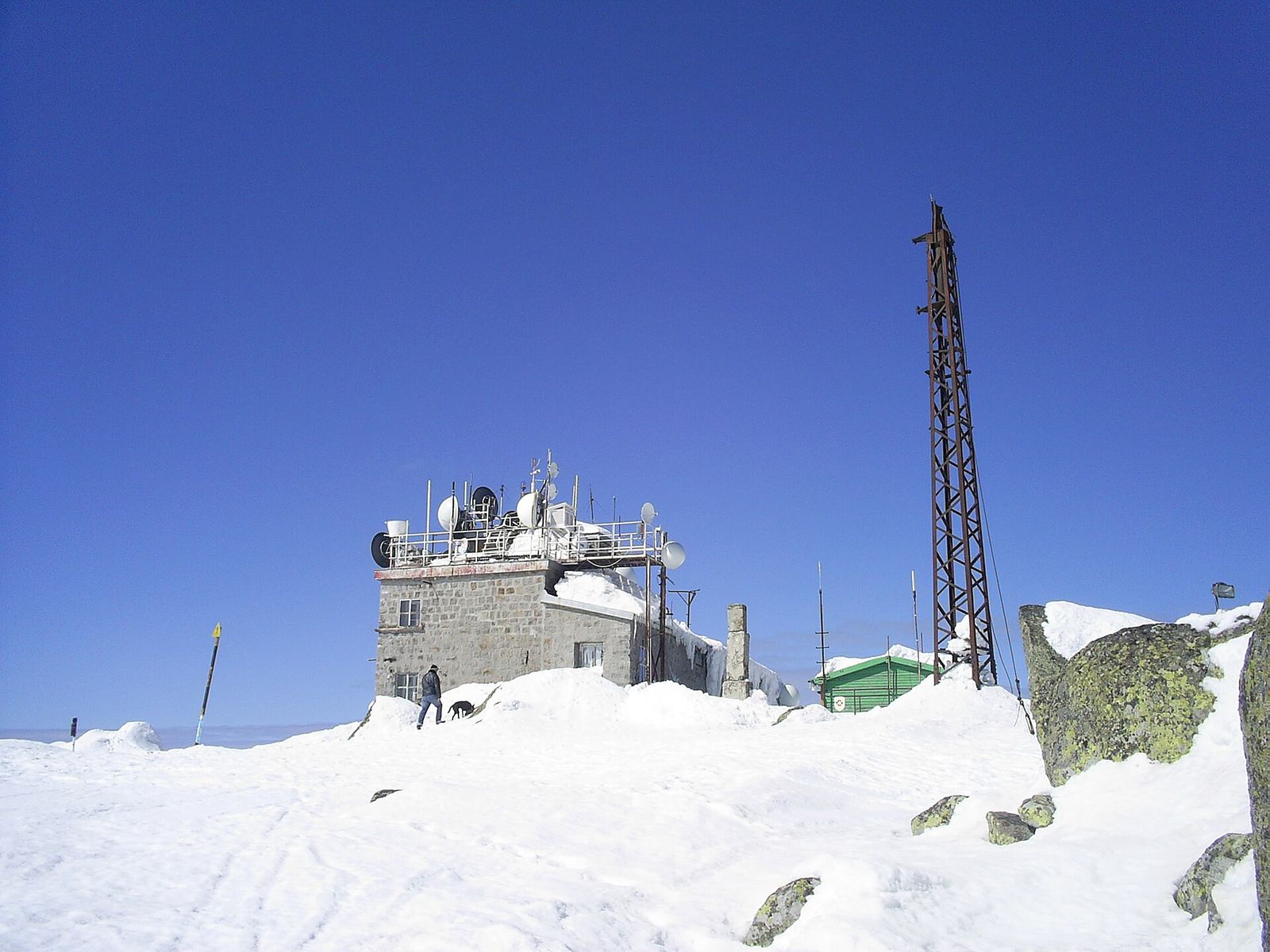
From Aleko, Cherni Vrah at 2,290 metres is 3 km and about 1.5 to 2 hours up a marked path. The weather station on top, there since 1935, has a cafe serving bean soup, and hikers ring the bell beside it. Organised hiking in Bulgaria started on this summit, when the writer Aleko Konstantinov led about 300 people up from Sofia on 27 August 1895. My other favourite day hikes near Sofia are Boyana Waterfall, about 3 hours up from the Boyana neighbourhood, and the boulder river at Golden Bridges, on bus 63.
6. Bachkovo Monastery
Bachkovo Monastery sits on the Chepelare River, 10 km south of Asenovgrad and 189 km from Sofia, and it's the one I pair with Plovdiv. Gregory Pakourianos, a Georgian commander in Byzantine service, founded it in 1083. The ossuary is the only part of the first monastery still standing, with a 14th-century portrait of Tsar Ivan Alexander among its frescoes.
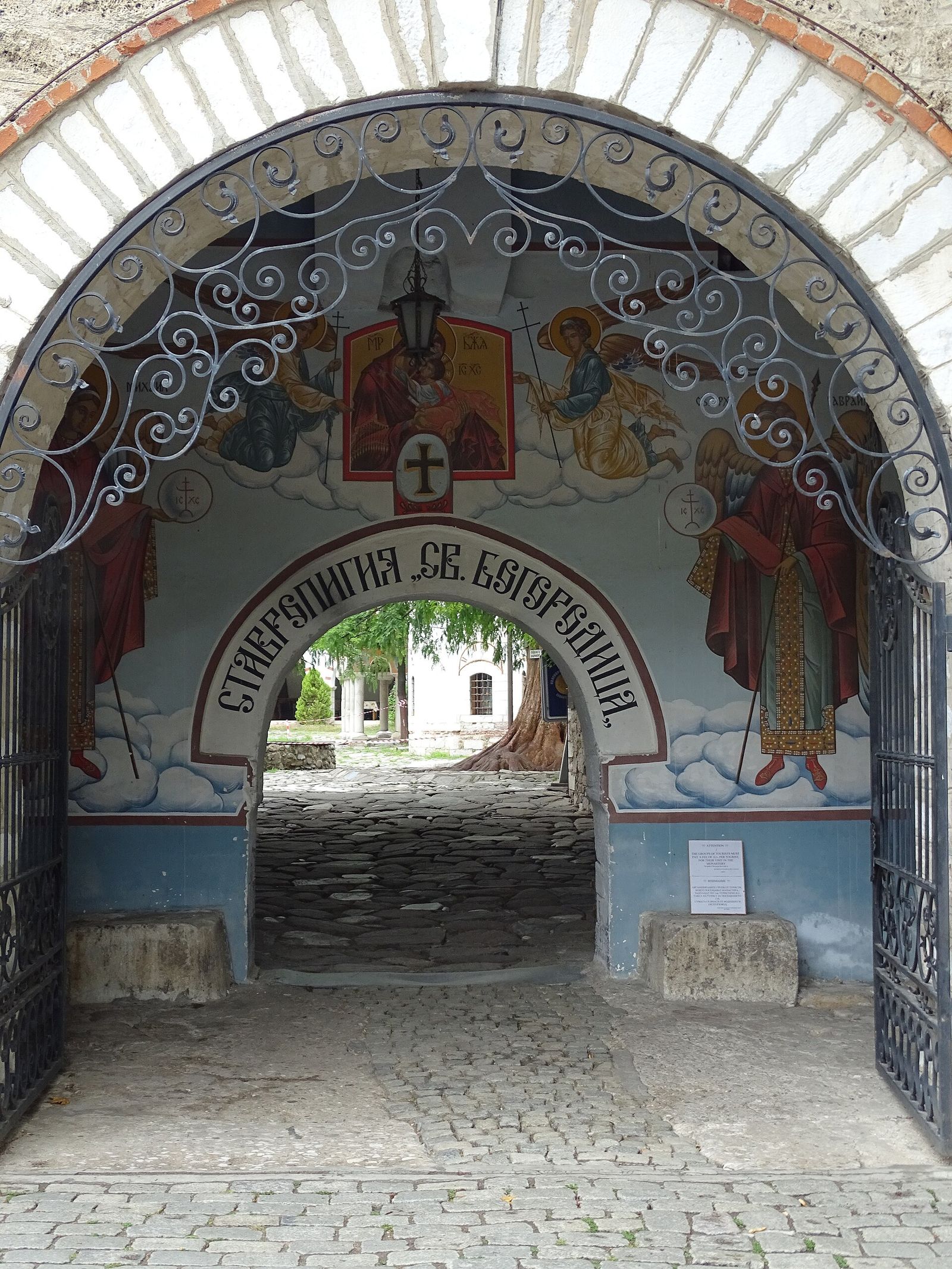
Inside, the painter Zahari Zograf decorated the porch of the Church of the Archangels in 1841 and painted a Doomsday in St Nicholas Church in 1850, and the monastery keeps an icon of the Virgin from 1310. To get here, ride to Plovdiv, take the train on to Asenovgrad, about 25 minutes, and a taxi for the last 10 km. From Sofia that's a long day, so I do Bachkovo the morning after a night in Plovdiv, and stop at Asen's Fortress on the road from Asenovgrad.
7. Borovets
At 70 km from Sofia, Borovets is the closest big ski resort, at 1,350 metres in the Rila Mountains and 10 km above the town of Samokov. It started life as Chamkoria in 1896, which makes it Bulgaria's oldest winter resort. It has 58 km of marked pistes, and its gondola climbs to Yastrebets peak at 2,363 metres.
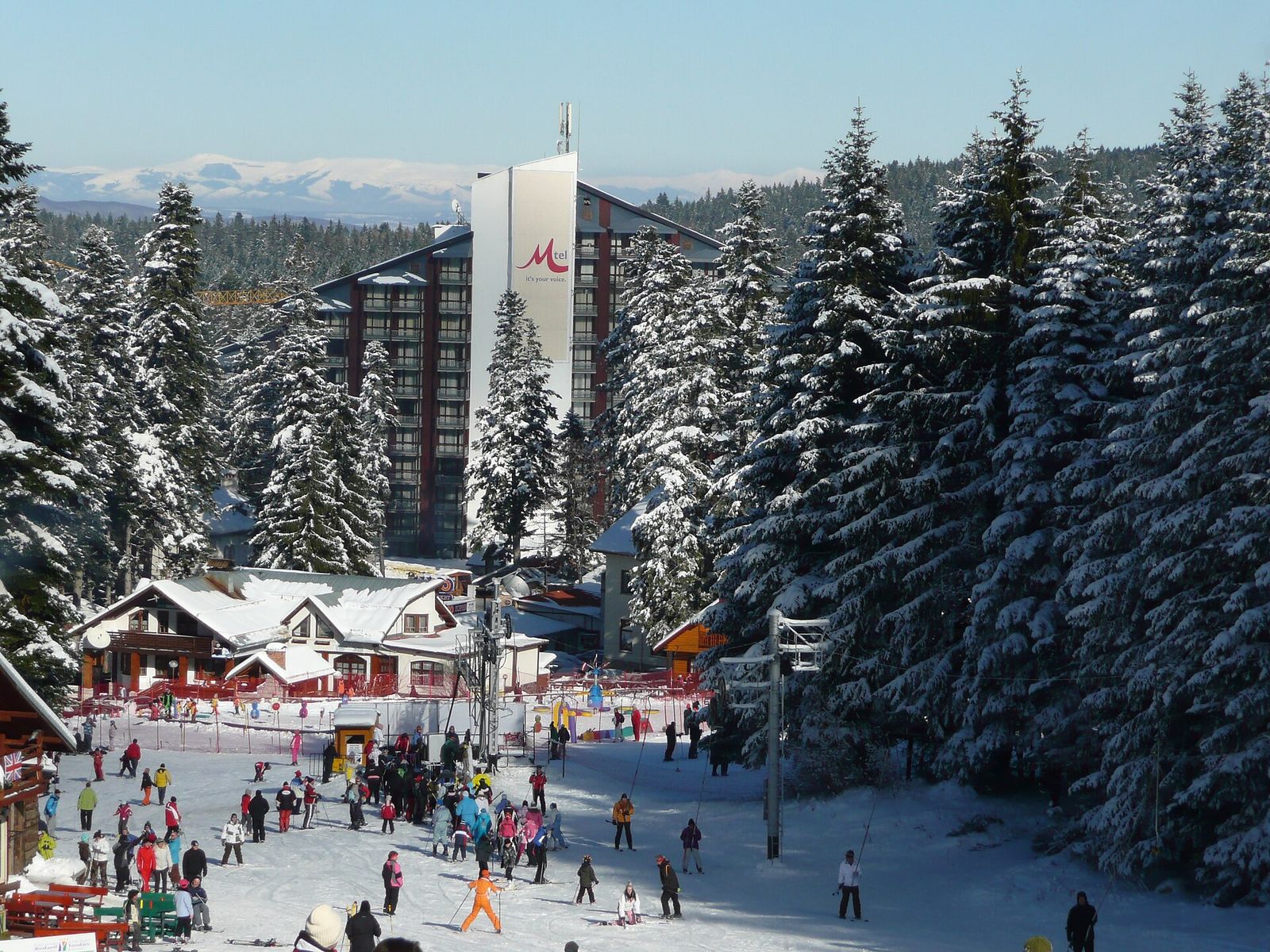
I drive it on an early start and come back to Sofia the same evening. On a winter trip to Sofia I'd pick Borovets for a ski day and keep Bansko for a ski weekend.
8. Buzludzha and Kazanlak
A concrete flying saucer sits on Buzludzha Peak, 1,432 metres up: the Buzludzha Monument, 70 metres tall, which Bulgaria's communist party opened on 23 August 1981. All maintenance stopped with the fall of communism in 1989. It's closed to the public because the structure is weak, so you walk round the outside and look up at the saucer and its tower.
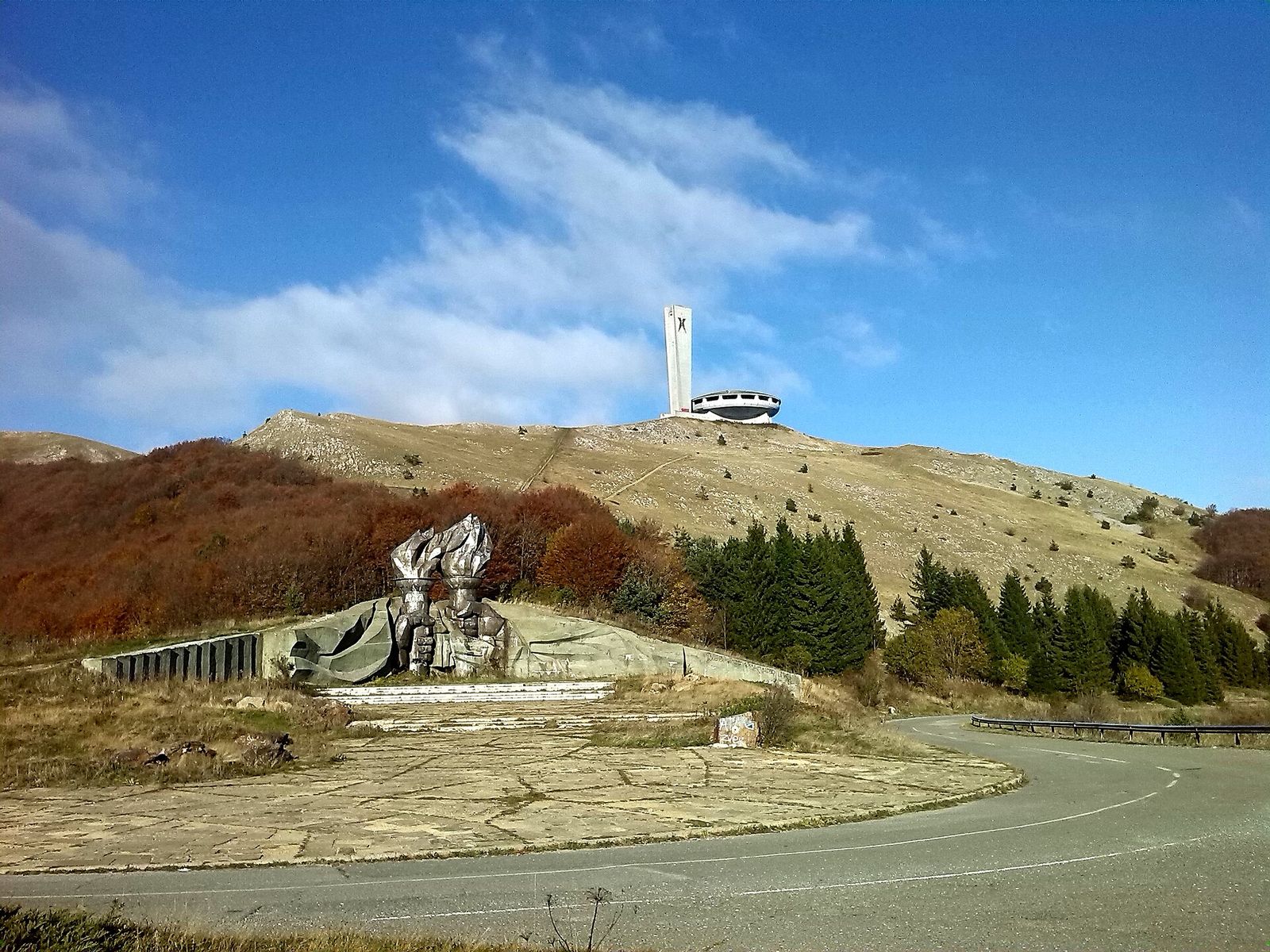
Europa Nostra named it one of Europe's seven most endangered heritage sites in 2018, and conservation work began in 2019. A 16 km side road climbs to it off the Shipka Pass road north of Kazanlak, and it's a car trip in practice. Kazanlak itself has a 4th-century BC Thracian tomb and the rose fields of the Rose Valley. It's about 3 hours from Sofia by train, so without a car I'd make it a night.
9. Veliko Tarnovo
Veliko Tarnovo was Bulgaria's capital from 1185, when the Second Bulgarian Empire began, until the Ottomans took it in 1393. Tsarevets, the fortress hill with the Patriarchal Cathedral on top, is the reason to go, and the old town stacks its houses up the gorge around it.
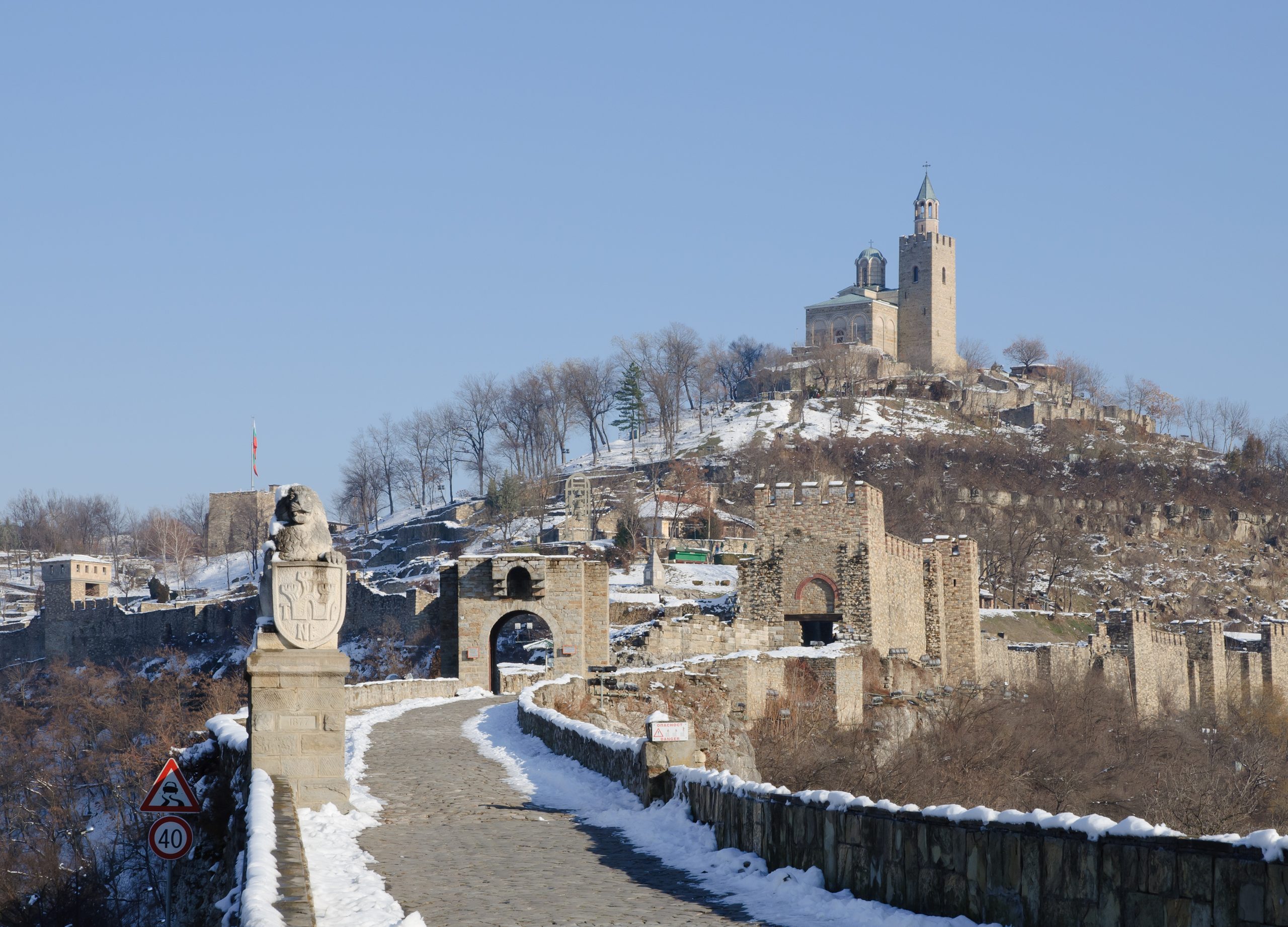
Buses leave Central Bus Station several times a day and take about 3 hours. The train is slower, with a change at Gorna Oryahovitsa. Six hours on a bus for an afternoon on the hill is too much for me, so I stay a night.
10. Bansko
Bansko sits 160 km south of Sofia at 925 metres, at the foot of the Pirin Mountains. In winter a gondola from town, built in 2003, links to 75 km of ski runs and 14 lifts. Outside ski season I go for the old town, its stone houses and mehanas, the folk taverns, and Holy Trinity Church, which the people of Bansko built in 1835.
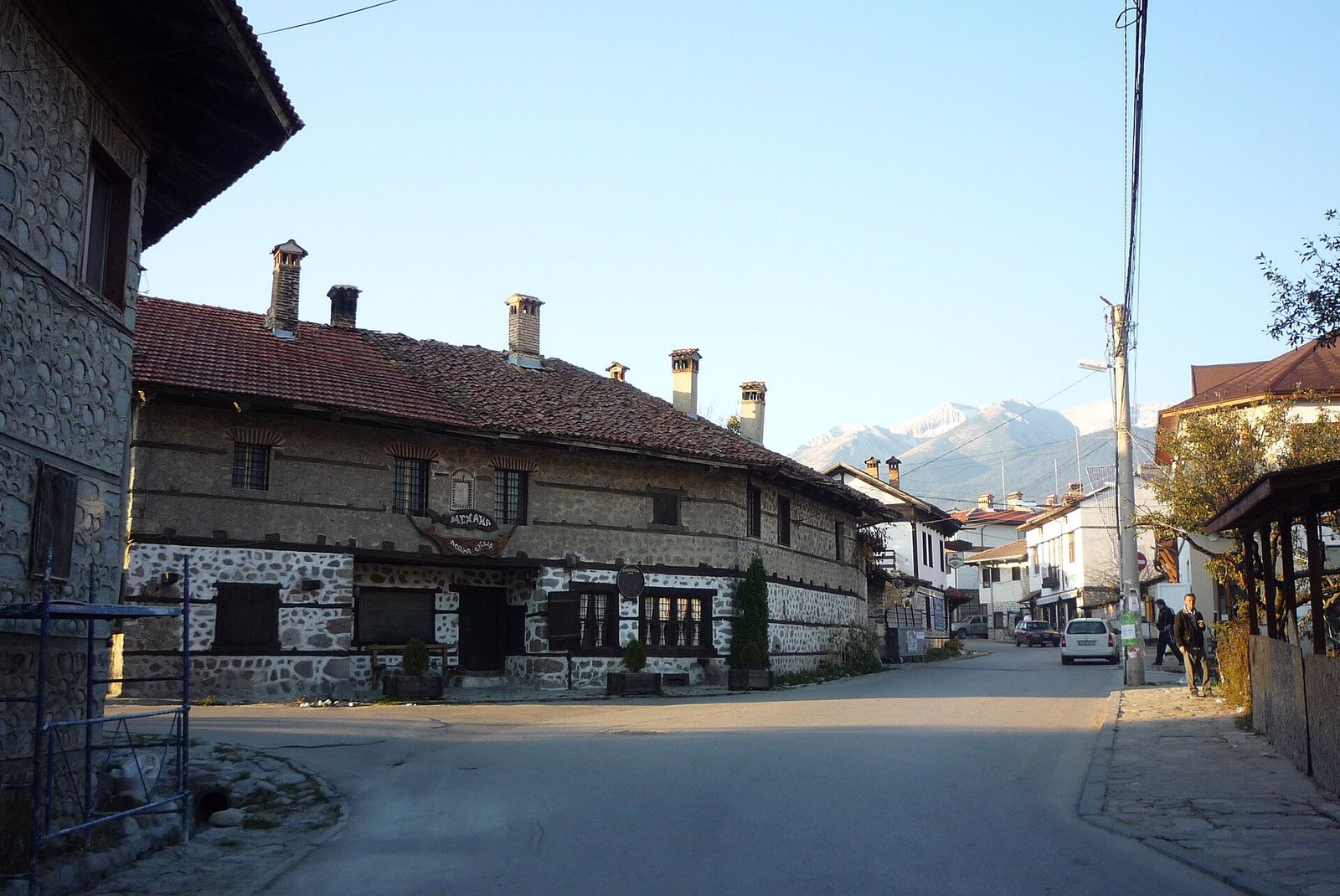
Buses from Ovcha Kupel and Central Bus Station take about 3 hours. I skip the train, which needs a change at Septemvri onto the slow narrow-gauge line. Bansko is too far for a day, so I give it a weekend.
11. Belogradchik Rocks
Up in the far north-west, near the Serbian border, the Belogradchik Rocks rise in a crowd of towers with a fortress built in among them. The fortress has Roman origins and was enlarged in the 14th century. A lookout about 10 minutes' walk from the entrance, up a narrow staircase, gives the best view of the rocks, and an hour inside is plenty.
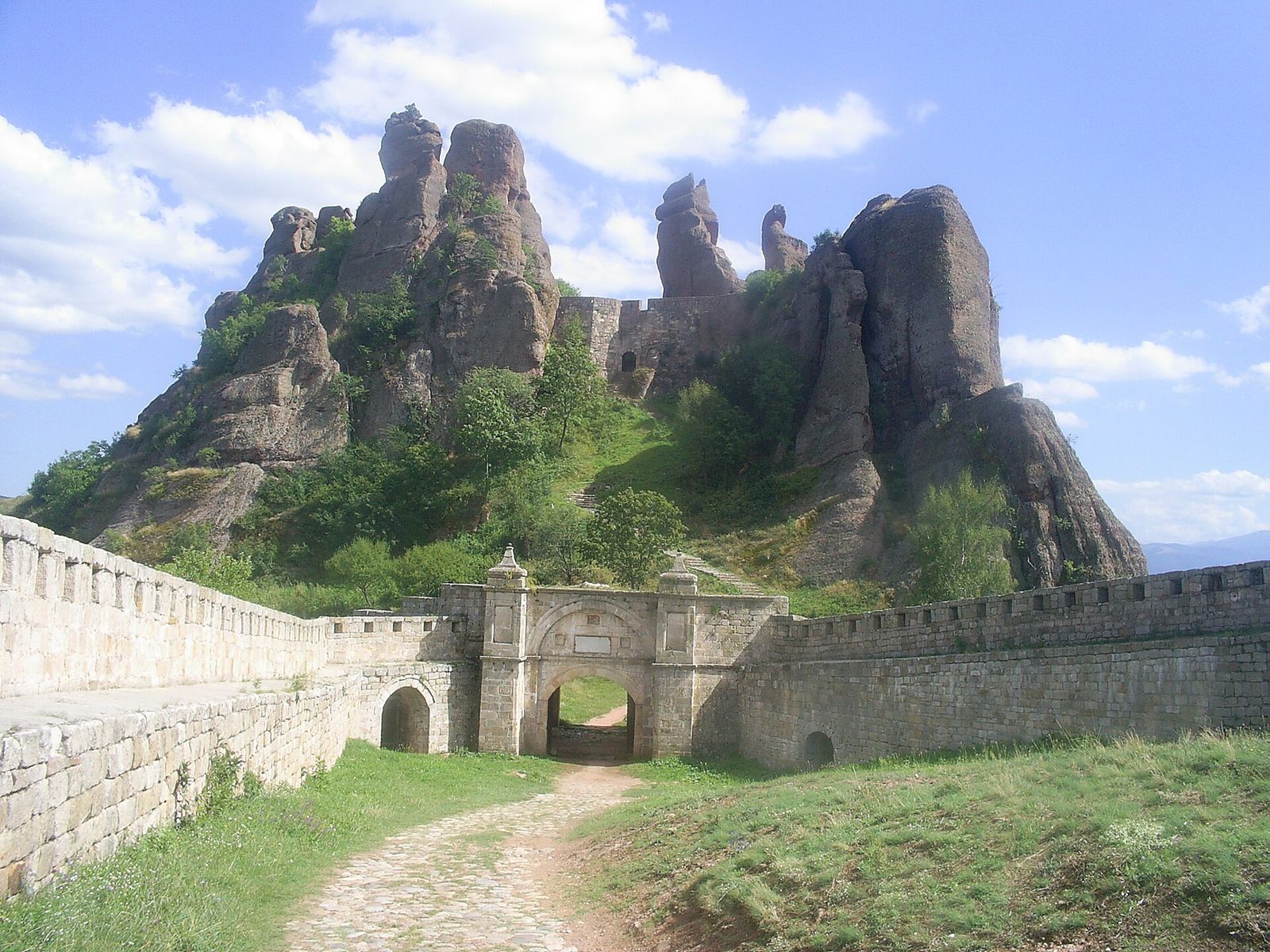
Entry is about €4, and the fortress opening hours run 09:00 to 17:00 from November to March, stretching to 20:00 from June to August. By car it's about 3 hours each way. The daily bus leaves Sofia at 16:30, takes about 4 hours and comes back at about 6am, so without a car it's two nights. Magura Cave nearby has prehistoric paintings, though their hall is closed and you see a projection instead.
12. Melnik and Rozhen Monastery
With a few hundred residents, Melnik is Bulgaria's smallest town, its whitewashed stone houses tucked under the Melnik Earth Pyramids, sandstone cliffs up to 100 metres high in the south-western Pirin Mountains.
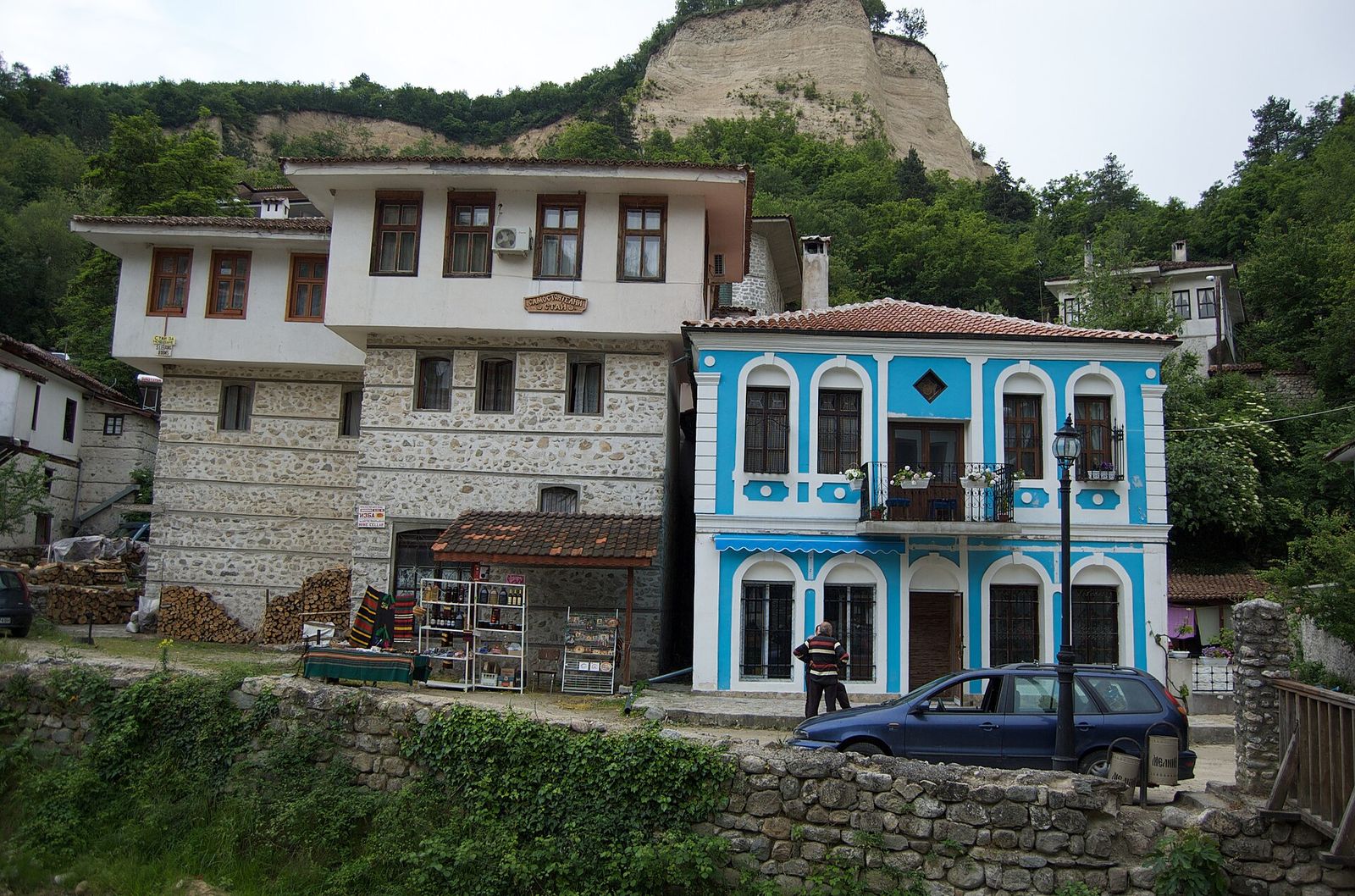
Rozhen Monastery is a little under 2 hours' walk north-east of town, and the path there winds through the pyramids, which look their best from the ridge near the monastery. I walk it the morning after a night in Melnik, before the drive back to Sofia.
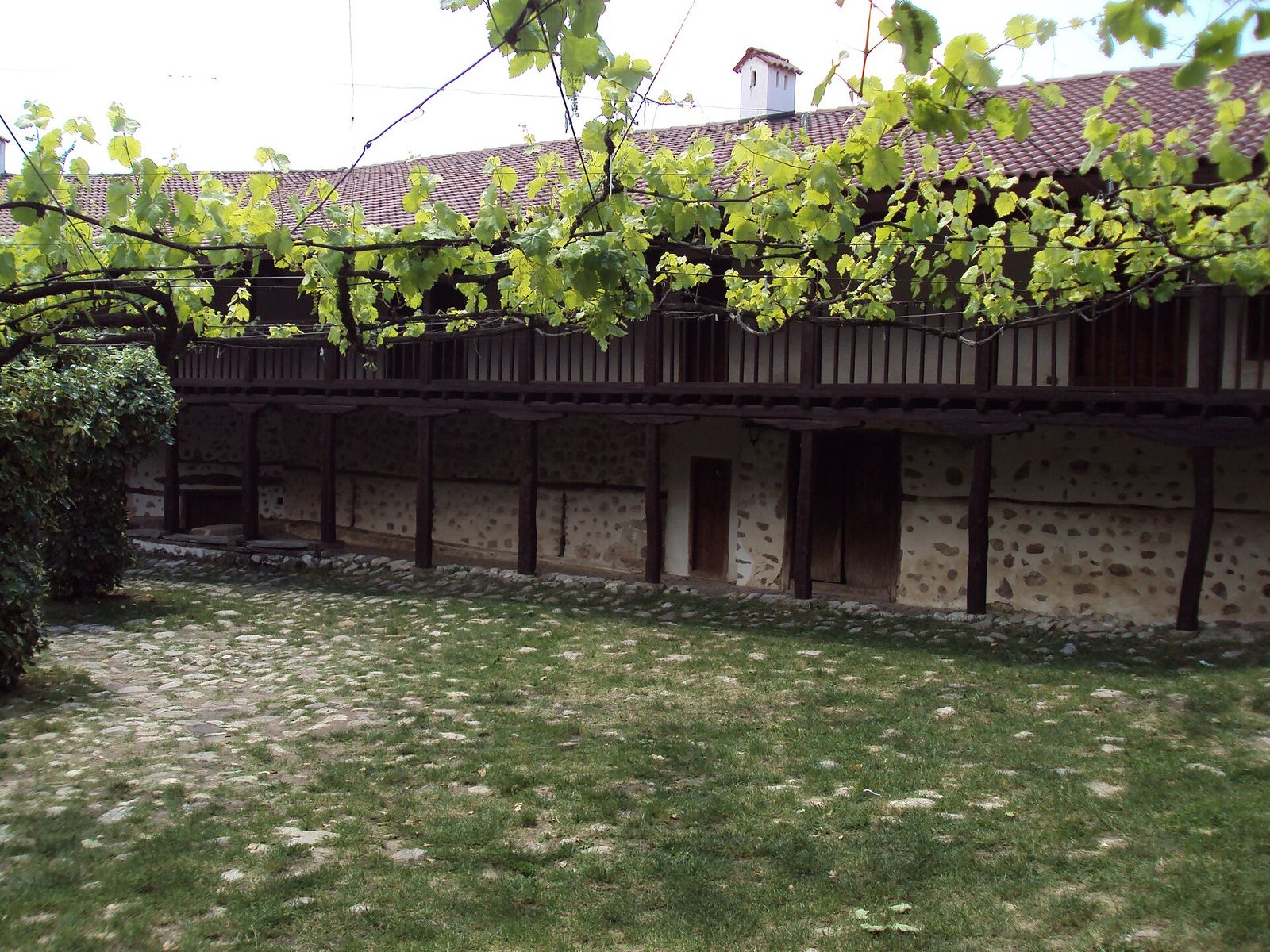
Melnik has made strong wine since at least 1346, and it sits in the warm Struma Valley, the south-western corner of Bulgaria's wine regions. The local grape is Broad-leaved Melnik, said to be Churchill's favourite, and Kordopulov House has one of the town's largest wine cellars. It's further south than Rila, towards the Greek border, so I drive down, see Rila Monastery on the way and sleep in Melnik.
Which day trip first, and which to skip without a car
With one spare day and a car, I'd go to Rila Monastery, and add the Seven Rila Lakes if I'd started at dawn. With one spare day and no car, Plovdiv by bus. In my Sofia itinerary for 3 to 5 days, Rila Monastery takes day 3 and Plovdiv day 5.
| Your situation | My pick |
|---|---|
| One free day with a car | Rila Monastery, plus the Seven Rila Lakes on an early start |
| One free day without a car | Plovdiv by bus or train |
| Half a day | Vitosha on the metro and bus 66 |
| Winter | Borovets for a ski day, or Plovdiv |
| Two nights to spare | Veliko Tarnovo, or Bansko in ski season |
Without a car I'd skip Buzludzha, Belogradchik and Melnik as day trips: each needs a night, and Buzludzha barely works by public transport at all. Rila Monastery without a car means a bus to Blagoevgrad and a taxi, which works but costs you the morning. Plovdiv, Koprivshtitsa and Vitosha are the three I'd do on public transport without a second thought.
Key takeaways
- Do Rila Monastery first, by car, and add the Seven Rila Lakes if you leave Sofia early.
- Plovdiv and Koprivshtitsa are the best trips by train or bus, and Vitosha needs only the metro and bus 66.
- Check the BDZ timetable the night before a train trip, and carry euro cash for the Rila Lakes chairlift.
- Buzludzha, Belogradchik and Melnik need a car, and Bansko and Veliko Tarnovo deserve a night away.
Frequently asked questions
Where can you go by train from Sofia?
Plovdiv, Koprivshtitsa and Dupnitsa, for the Seven Rila Lakes, are the best day trips by train. Plovdiv takes about 3 hours, Koprivshtitsa about 2 hours plus a minibus from the station, and Dupnitsa about 2 hours. Kazanlak, for Buzludzha, is about 3 hours, and Bankya's hot springs are about 30 minutes out.
Can you get to Rila Monastery by public transport?
Only part of the way. No public bus runs to the monastery in 2026, so take a bus to Blagoevgrad and a taxi from there. By hire car it's about 2 hours each way.
Is the Rila Monastery worth visiting?
Yes. It's the trip I'd pick over every other on this list: a UNESCO-listed monastery founded in the 10th century, free to enter, with frescoed arcades in a mountain valley. Give it a full day from Sofia, with about 1.5 hours at the monastery itself.
Can you do Rila Monastery and the Seven Rila Lakes in one day?
Yes, by car and with an early start. Plan on about 5 hours at the lakes, 1.5 hours at the monastery and about 5 hours of driving in total. Without a car, split them over two days.
How far is Plovdiv from Sofia?
Plovdiv is about 2 hours from Sofia by bus and about 3 hours by train. The bus costs €8.50 to €11 and the train about €5.60, and both leave from the twin stations north of Sofia's centre.
Is Belogradchik worth it?
Yes, if you drive or stay a night. For about €4 you walk a fortress with Roman origins built in among the rock towers, and the lookout above its entrance is one of my favourite views in Bulgaria. By bus it's 4 hours each way with a 6am return, which makes it two nights.
What is the most beautiful town in Bulgaria?
Koprivshtitsa gets my vote for a day trip from Sofia, with its painted houses and cobbled lanes at 1,030 metres. Further away, Veliko Tarnovo around its fortress hill and Melnik under its sandstone cliffs top my list of places to visit in Bulgaria.
What is the most beautiful part of Bulgaria?
For me it's the Rila Mountains, home to both the Seven Rila Lakes and Rila Monastery. The Pirin Mountains around Bansko and Melnik come a close second.
Rila Monastery Day Trip from Sofia: Bus, Car and Timings
Bulgaria's biggest monastery is free to walk into and 2 hours from Sofia. How I get there myself, and what to see.
Read the guide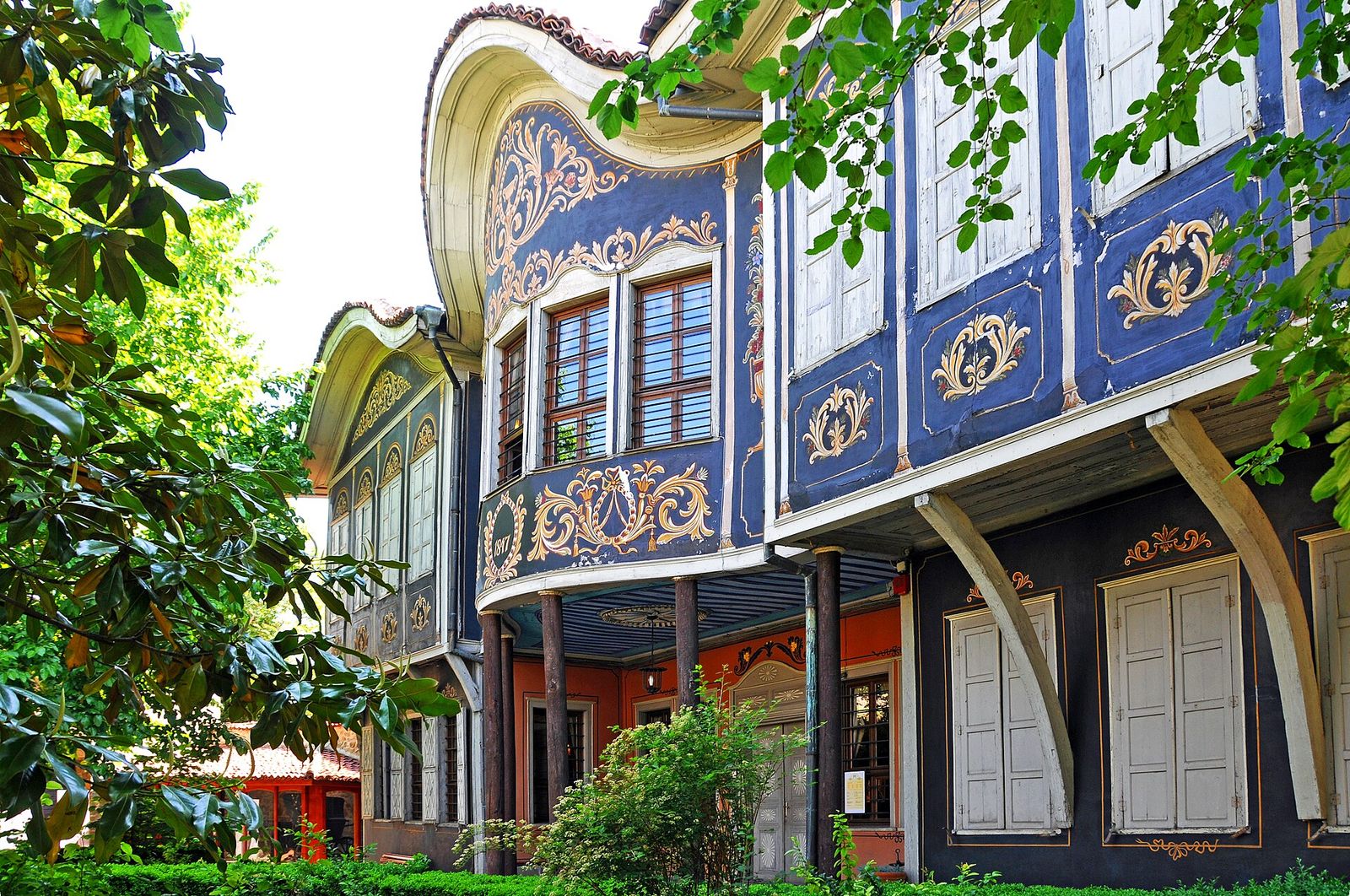
Plovdiv Day Trip from Sofia: Bus, Train and My One-Day Route
Plovdiv by bus or train from Sofia, and the route I walk to fit the Old Town, the Roman theatre and Kapana into one day.
Read the guideSeven Rila Lakes from Sofia: Chairlift, Hike and Getting There
Seven glacial lakes, a chairlift and a 5-hour loop, 95 km from Sofia. How I get there myself, and when to go.
Read the guide