Central Mineral Baths in Sofia: the Hot Springs and the Museum
Sofia's Central Mineral Baths are the striped 1913 bath house beside Banya Bashi Mosque, and the hot springs underneath have drawn people to this corner of the city since before the Romans. You can't bathe inside any more, but the taps outside still pour free hot water, and the building holds the city's history museum. Here's how I see both, and where I go for a proper soak.
What the Central Mineral Baths are today
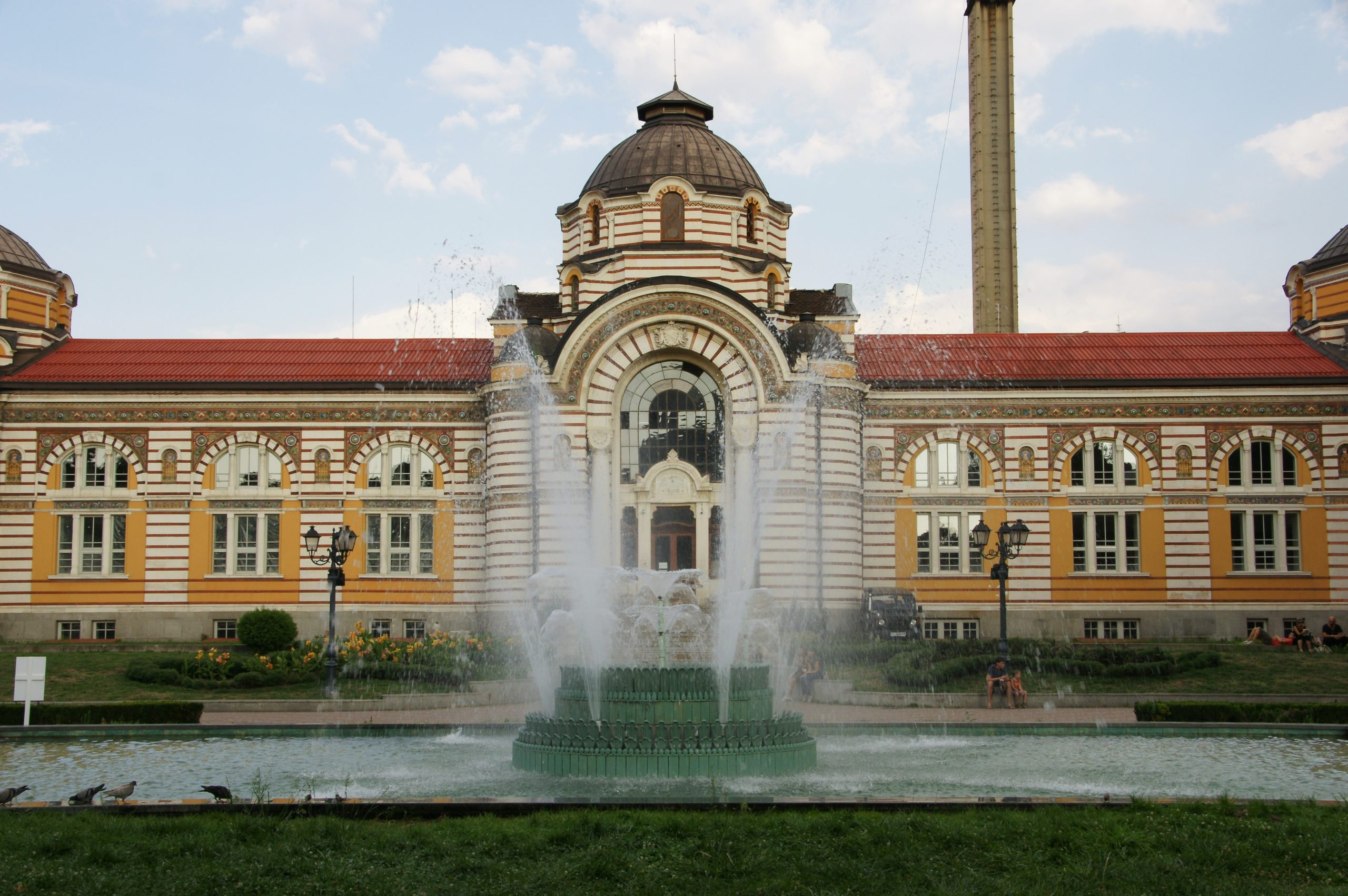
The Central Mineral Baths (Централна минерална баня) take up a block at 1 Banski Square in the old centre. From 1913 until 1986 this was Sofia's main public bath, fed by mineral springs right under the building. Since 2015 it has held the Museum of the History of Sofia, and the spring water reaches the public through free taps outside.
The taps take 5 minutes and cost nothing, and the museum needs about an hour and €5. Filling a bottle at the hot springs is #4 on my list of things to do in Sofia, and if you have the hour, I'd add the museum.
Can you bathe at the Central Mineral Baths?
No. The bath closed to visitors in 1986 because the building was in poor repair, and after 1989 it stood largely abandoned. When the city restored it, the museum got the western and southern ends, about 7,000 square metres, with the main lobby and two of the four courtyards. A 2006 council decision set the rest aside for a spa with two pools, but there's no public bath to walk into today.
The hot mineral springs and the free taps
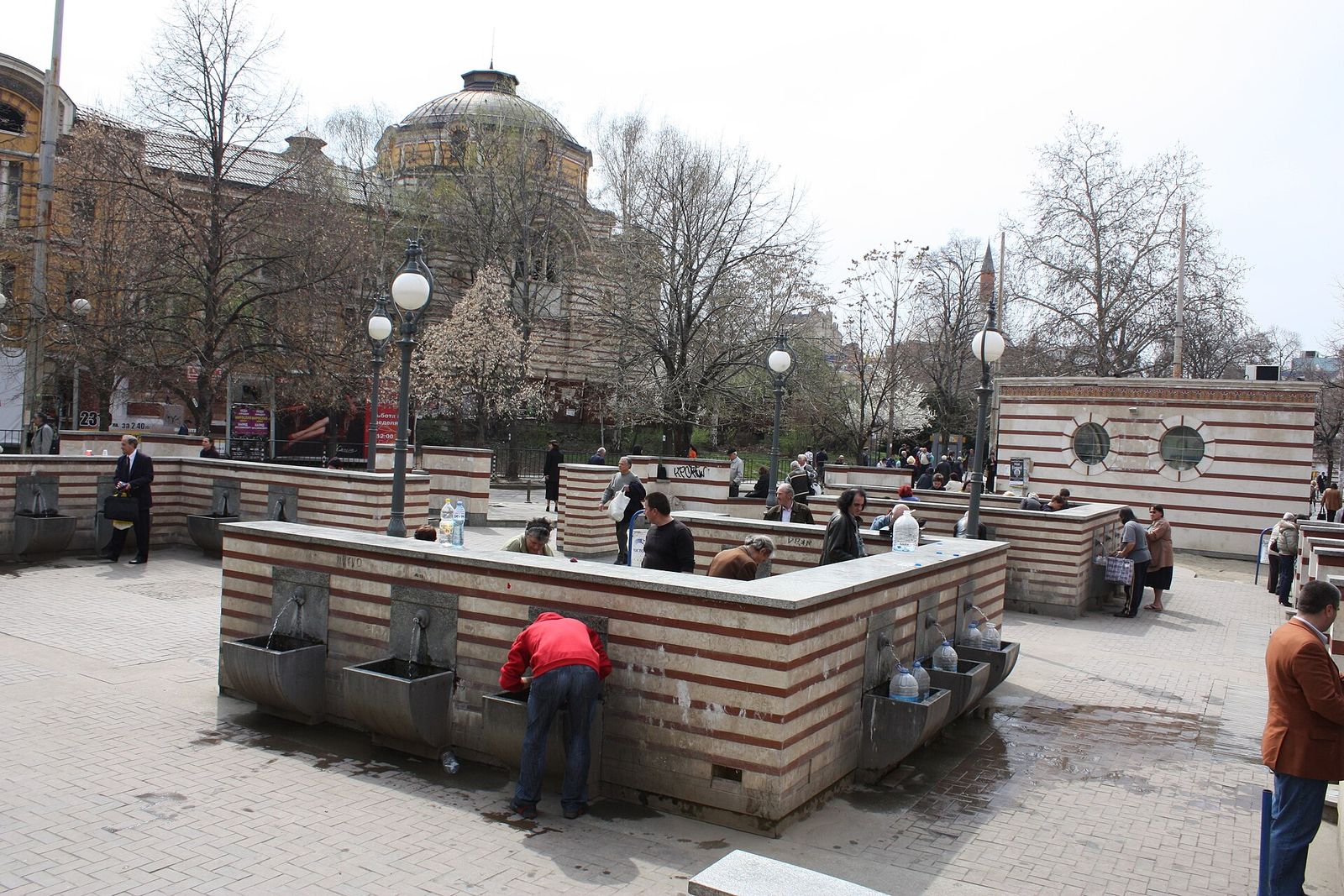
The city built the filling spouts in 2004, in the first stage of the restoration, to give free mineral water to the streets around the baths. They sit in low walls striped red and cream like the bath house, in the square beside it within sight of Banya Bashi's minaret, and you find them by the queue.
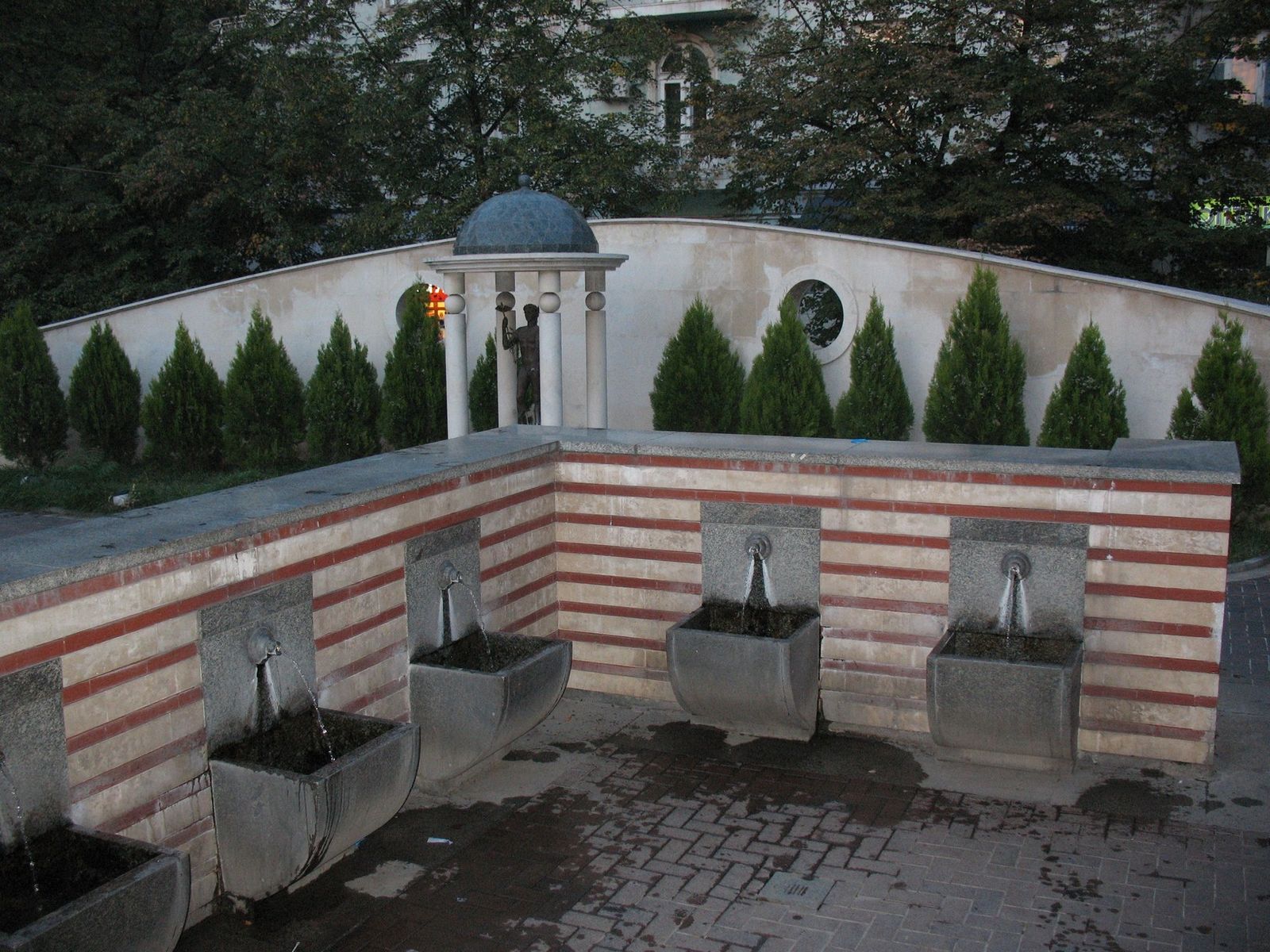
Locals come with big plastic bottles and canisters, fill them one after another and carry them home to drink. Restaurant menus list mineral water as минерална вода, and it sits with ayran and boza among the Bulgarian drinks I tell visitors to try.
The water comes out hot. I hold my bottle by the neck while it fills. It tastes soft, with a faint mineral edge, and in January I keep the warm bottle in my coat pocket as a hand warmer.
Central Mineral Baths history, from Serdica to 2015
People have used Sofia's hot springs since the 6th century BC, and the Romans built their city of Serdica beside them. Banya Bashi Mosque next door, built over a Roman bath-house, takes its name from the baths.
Once Sofia became Bulgaria's capital in 1879, the city wanted a modern public bath, and the building you see took 24 years from competition to opening.
| Year | What happened |
|---|---|
| 1889 | Austrian architect Emil von Förster wins a competition for a mineral bath with a hotel |
| 1893 | Work stops for lack of money |
| 1904 | Petko Momchilov and Friedrich Grünanger rework the design |
| 1908 | A smaller bath opens |
| 1913 | The large bath opens on 13 May, with two pools, family baths and Turkish-Roman baths |
| 1914 | A water-cure institute with water-filling rooms opens in the north wing |
| 1944 | Bombing destroys the smaller bath and badly damages the large one |
| 1986 | The bath closes to visitors |
| 1998 | Listed as a monument of national importance |
| 2004 | First restoration stage, and the free filling spouts outside |
| 2007 to 2013 | EU-funded conservation and conversion |
| 2015 | The Museum of the History of Sofia opens inside |
After the war the large bath was restored exactly as it had been built. The smaller bath never came back.
The bath house's stripes, tiles and Apollo Medicus
The building is in Secession style, the Central European take on Art Nouveau. Bands of cream stone and red brick run round every wall, small domes sit on the corners, and a tall chimney still rises behind the roofs. Behind the facade, the wings wrap round four courtyards.
The colour comes from the tiles. The artist Haralampi Tachev drew the facade's plant and geometric decorations in 1908, and the walls carry multicoloured majolica made to the original recipes and moulds. Two ceramic panels show Apollo Medicus, the god of health, and Tyche, the guardian of cities, made with a technique by Professor Stefan Dimitrov. The stone sculptures are by Georgi Kiselinchev.
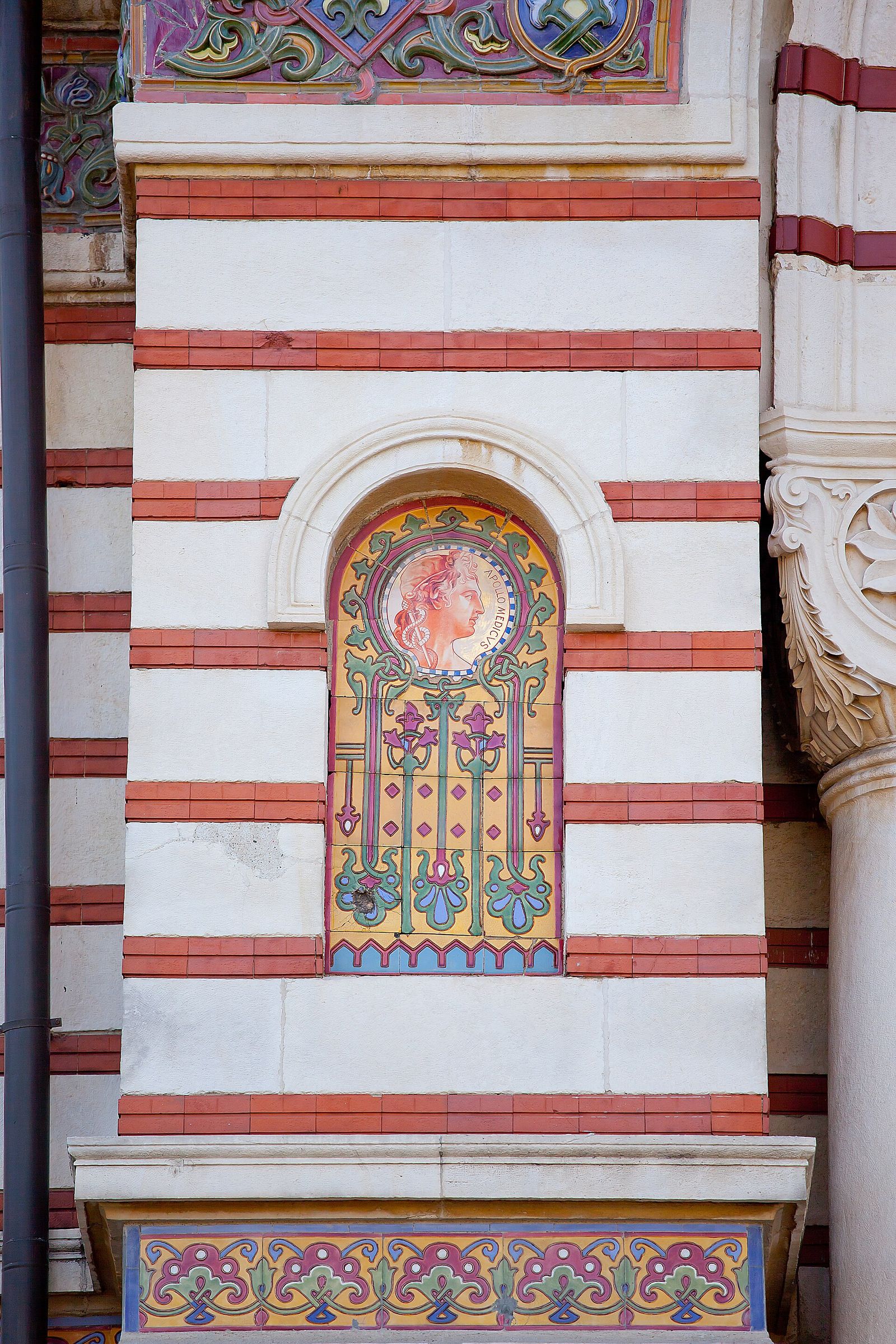
I always walk once round the outside before I go in. The panels on the side walls get far fewer people than the entrance, and the colours are best in low afternoon light.
Inside the Museum of the History of Sofia
The museum's permanent exhibition, "Sofia over the centuries", runs in date order through the old bath halls: prehistory, antiquity, the Middle Ages, Sofia from the 15th to the 19th century, the years from 1878 to 1944, and Sofia under communism from 1944 to 1989. You walk under the white domes where people once bathed, past iron balconies that look down into the old halls.
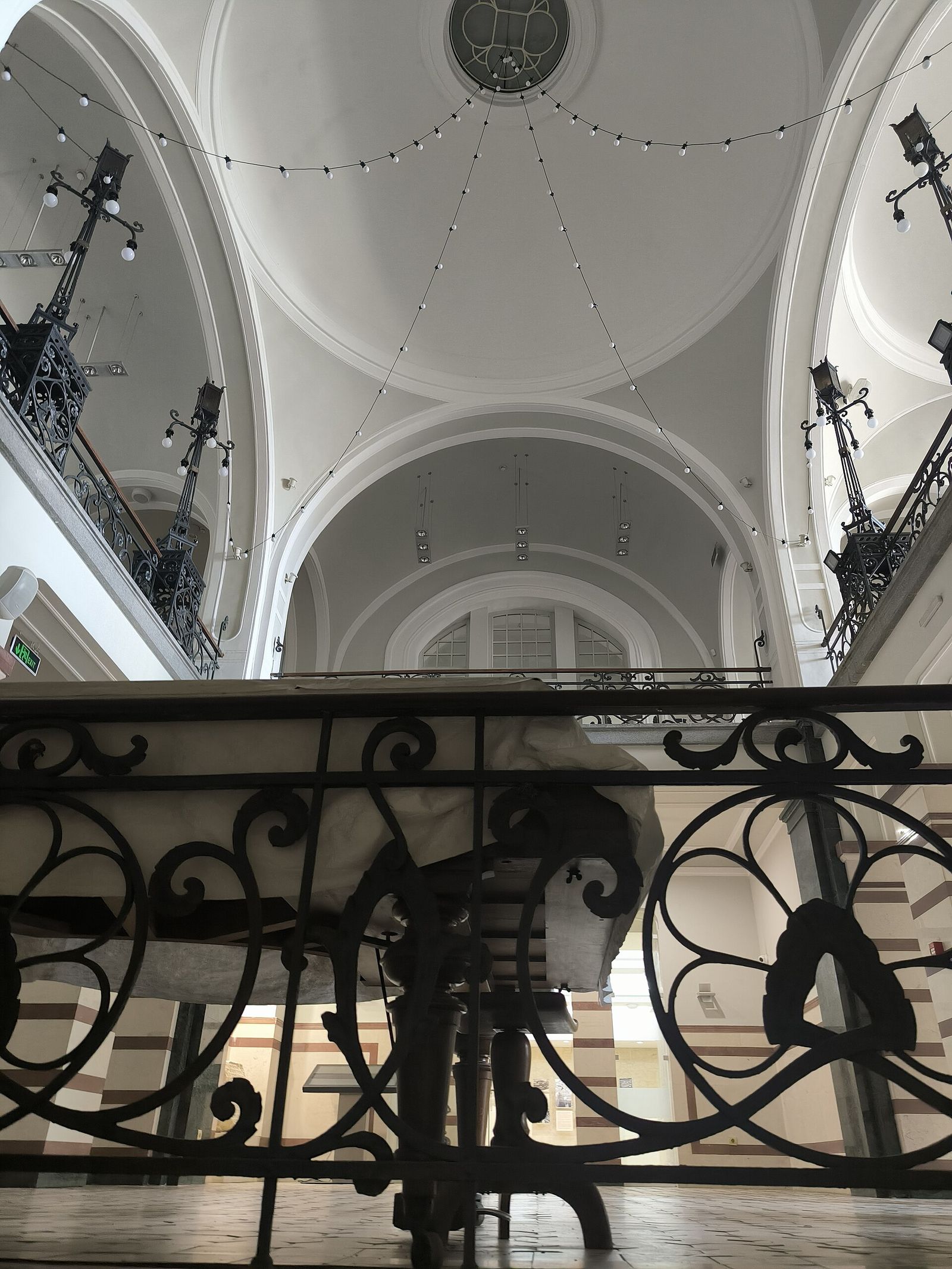
My favourite single object is the Thracian gold bowl from Kazichene, a village on Sofia's eastern edge. The building itself is half the show, though, so look up as often as you look into the cases.
You'll find the museum under several English names: the Regional History Museum, the Sofia History Museum and the Museum of the History of Sofia are all this one. It also runs the city's Roman sites, and it's number 5 on my list of the museums in Sofia worth your time.
Museum tickets and opening hours
| Ticket | Price |
|---|---|
| Adults | €5 |
| Children 7 to 18, students, seniors | €2 |
| Under 7 | Free |
| Family | €10 |
| Audio guide, Bulgarian or English | €3 |
| First Thursday of the month | Free |
From 1 May to 31 October the museum opens every day from 10am to 6pm. From 1 November to 30 April it opens Tuesday to Sunday at the same times. Last entry is 5.30pm, and the museum's own hours page posts any summer changes.
The museum also sells a weekly ticket for 4 of its sites at €11, or €5 reduced and €24.50 for a family, so ask at the desk which 4 it covers. Its branches include the archaeological level under St Sofia Church, where a Roman necropolis and older churches lie below the floor.
Where to soak in mineral water near Sofia
For a real soak, I go to Bankya, a spa town on Sofia's western edge about 30 minutes by train from Sofia Central Station. Its Public Mineral Bath, also known as the Big Bath or the Royal Bath, was built between 7 March 1907 and 24 May 1911. It's a listed monument, and it still runs as a bath.
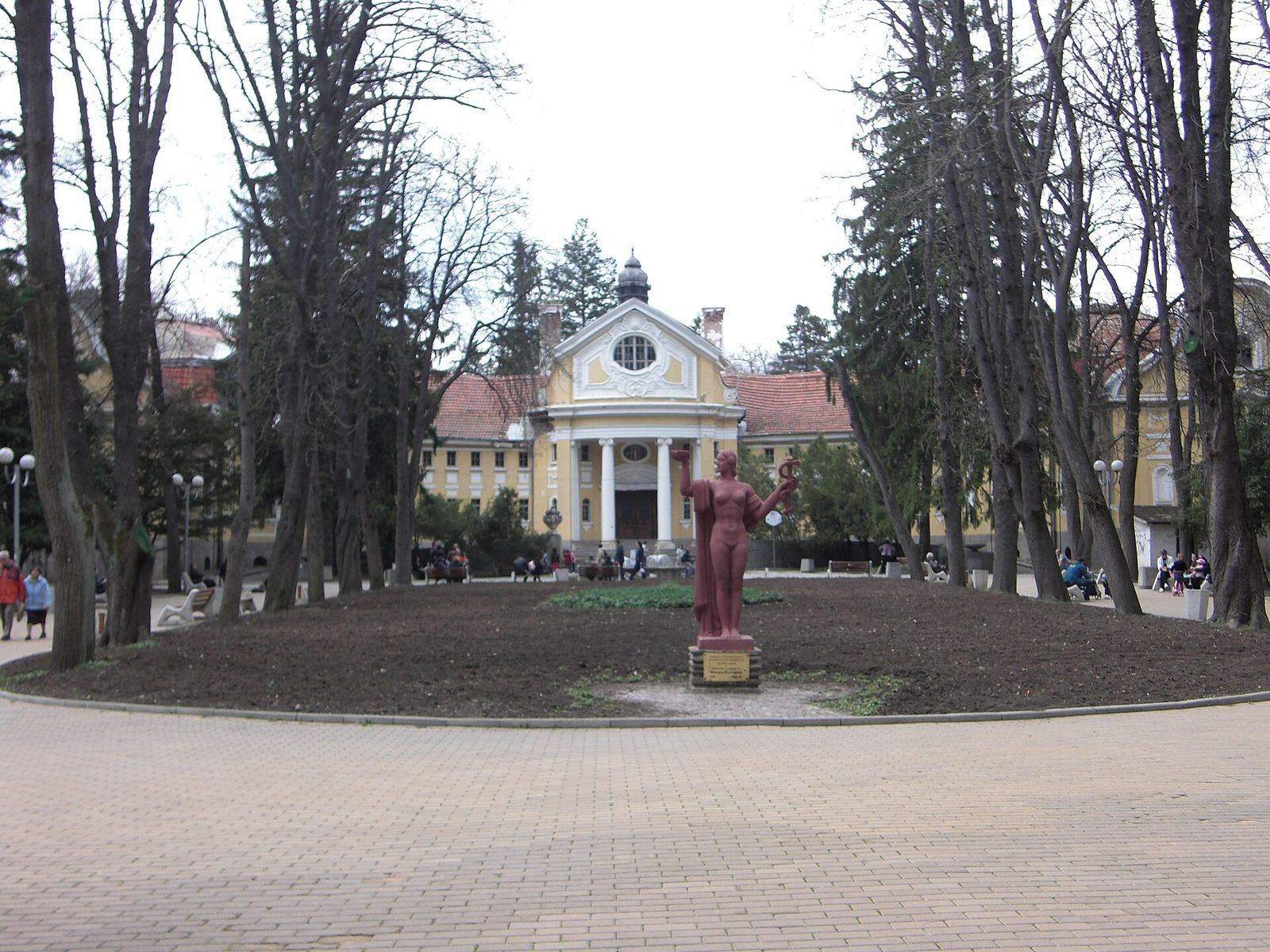
The thermal zone has a round pool 6.30 metres across at 36.5 to 37°C, stone basins of mineral water, showers and warm stone beds. The wellness zone adds two steam rooms, a Finnish sauna, a herbal sauna, 2 hydromassage pools at 32°C and a children's pool at 30°C, and there's a salt room as well. Bankya is the shortest of my day trips from Sofia, and a long soak there is the best cure I know for legs that have walked Vitosha.
Tickets are timed by zone, and the bath's price list includes VAT:
| Ticket | Time | Price |
|---|---|---|
| Thermal zone | 90 minutes | €7.67 |
| Wellness zone | 120 minutes | €12.78 |
| Thermal and wellness zones | 210 minutes | €17.90 |
| Salt room, adults | 45 minutes | €10.23 |
Children and students get 30% off the thermal and wellness tickets, and staying past your slot costs a flat €2.56 extra. I take the 210-minute ticket and treat it as the afternoon.
In summer, the outdoor mineral pools at Pancharevo and Bankya are the ones I'd pick from the swimming pools in Sofia on a hot afternoon.
What's next to the Central Mineral Baths
The baths sit in the old centre around Serdika metro, and four more sights are within about 300 metres. You can see all of them on foot in a morning.
Banya Bashi Mosque
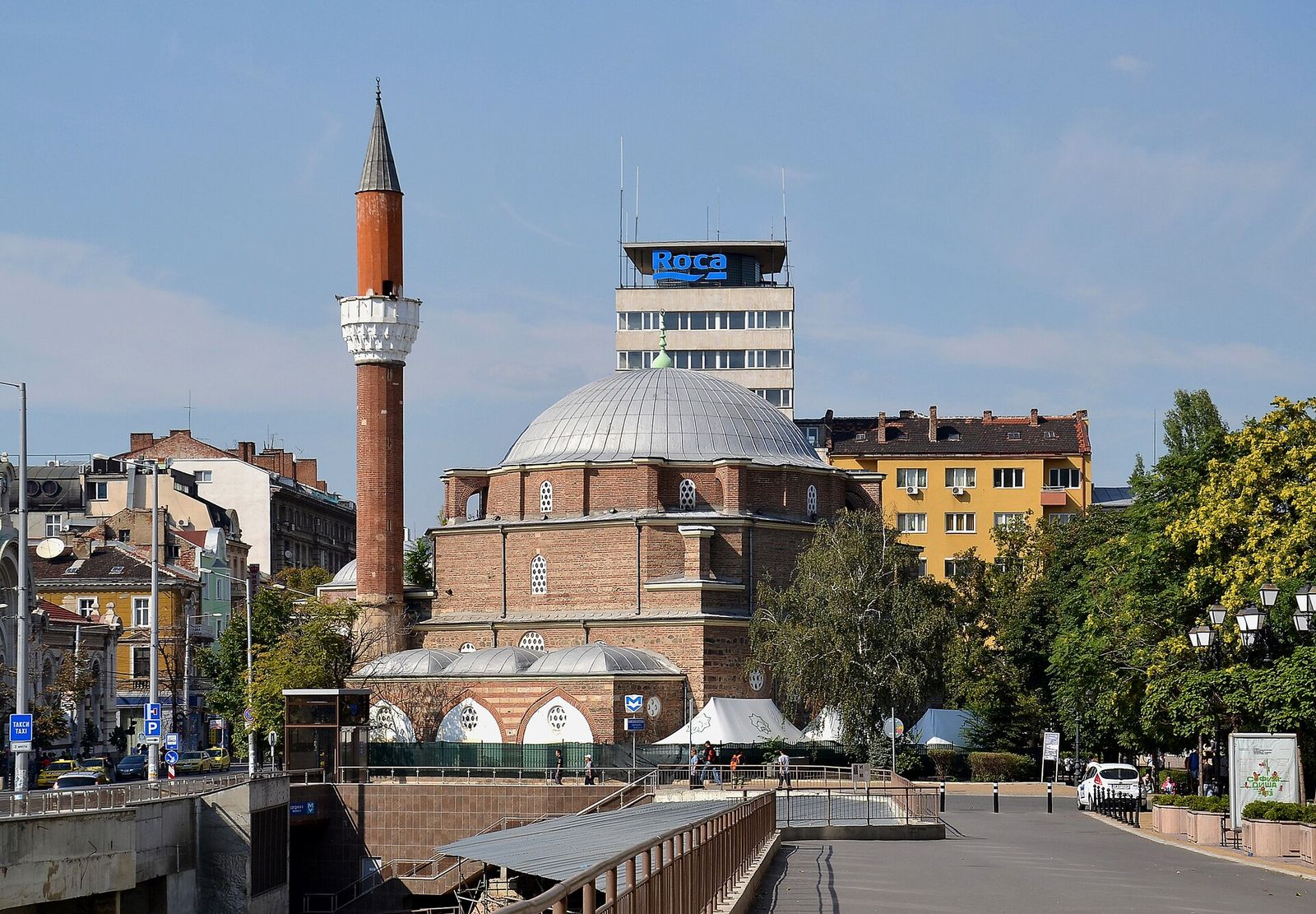
Banya Bashi stands at 2 Maria Luiza Boulevard, next to the baths. It dates from 1566, it's credited to the Ottoman architect Mimar Sinan, and it's the only working mosque in Sofia, under a 15-metre dome. It opens from 5am to 8pm, visitors are welcome between prayers, and modest clothes are expected: shoulders and knees covered.
Central Market Hall (Halite)
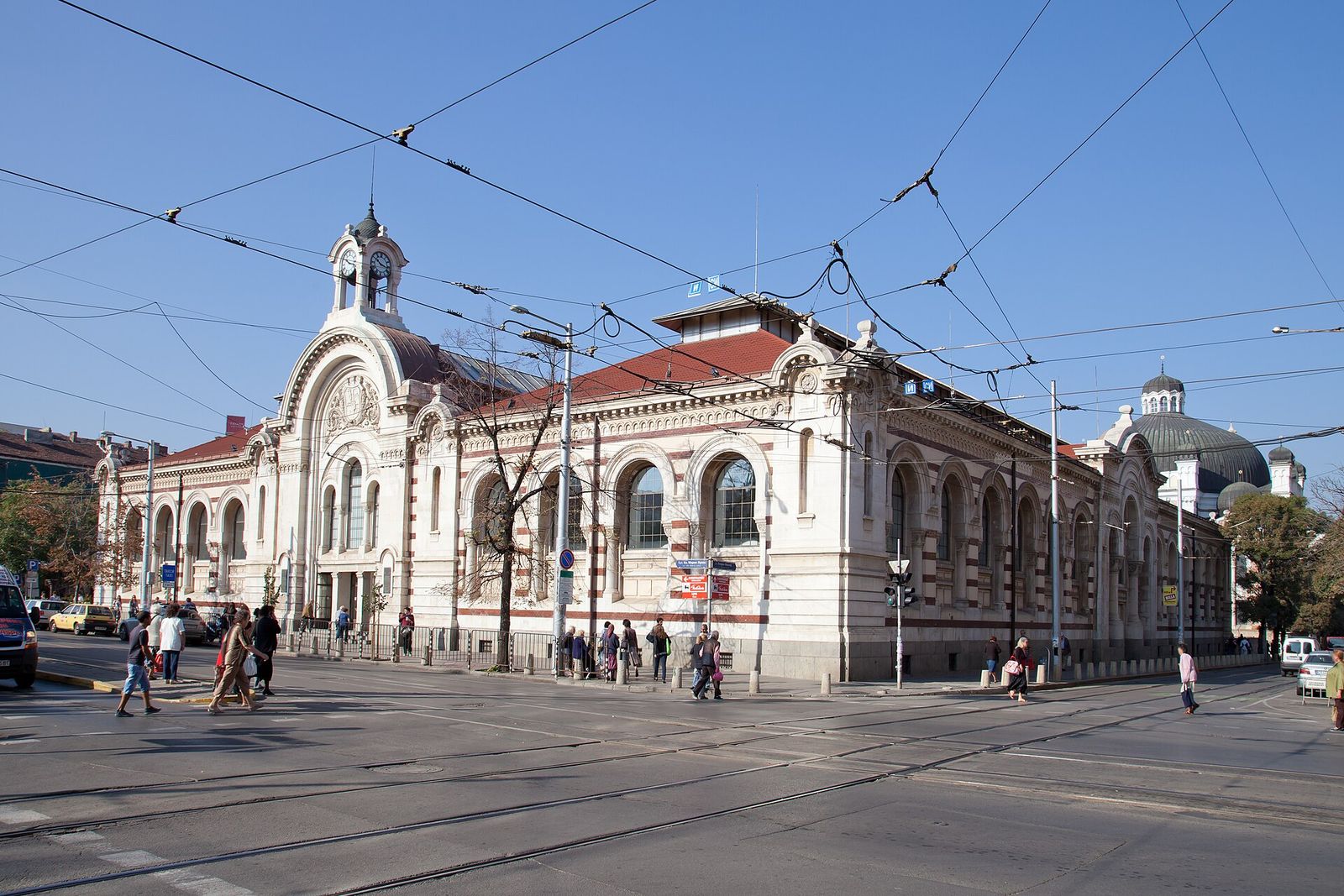
Across Maria Luiza Boulevard, at number 25, the Central Market Hall has been trading since 1911. It reopened on 23 May 2024 after about a year of renovation, with a supermarket, a zone on the site's archaeology and history, and a stage for arts events. The basement keeps remains of a Roman wall and baths, and I pick up snacks for later in the supermarket.
Sofia Synagogue
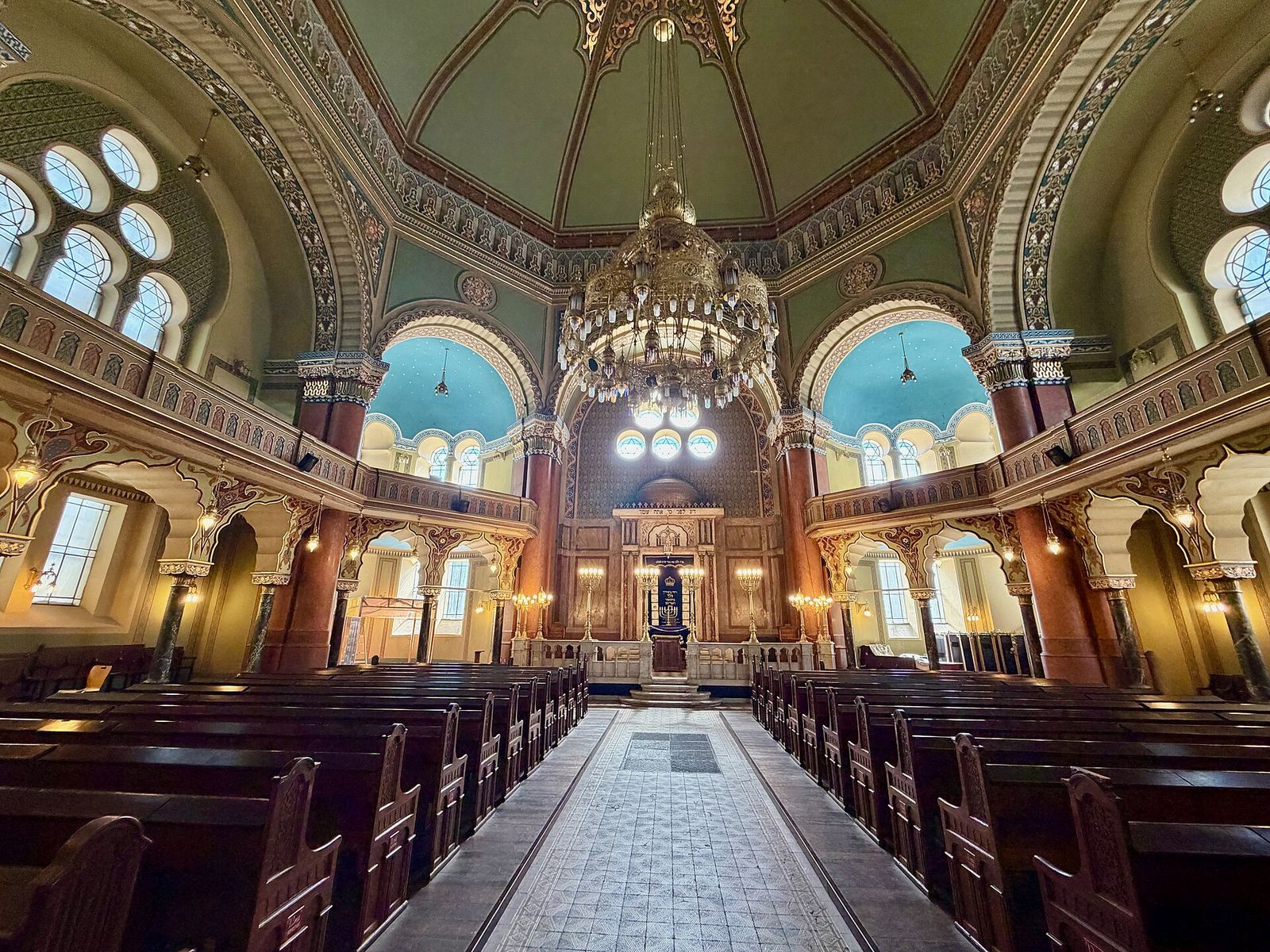
The Sofia Synagogue is at 16 Exarch Joseph Street, a couple of minutes from the taps. It opens Sunday to Friday from 9am to 5pm and closes on Saturdays, Bulgarian national holidays and Jewish holidays. A €10 ticket covers the small museum, an audio guide and permission to take photos, and the huge brass chandelier under the painted dome is the thing to see.
Ancient Serdica under the metro
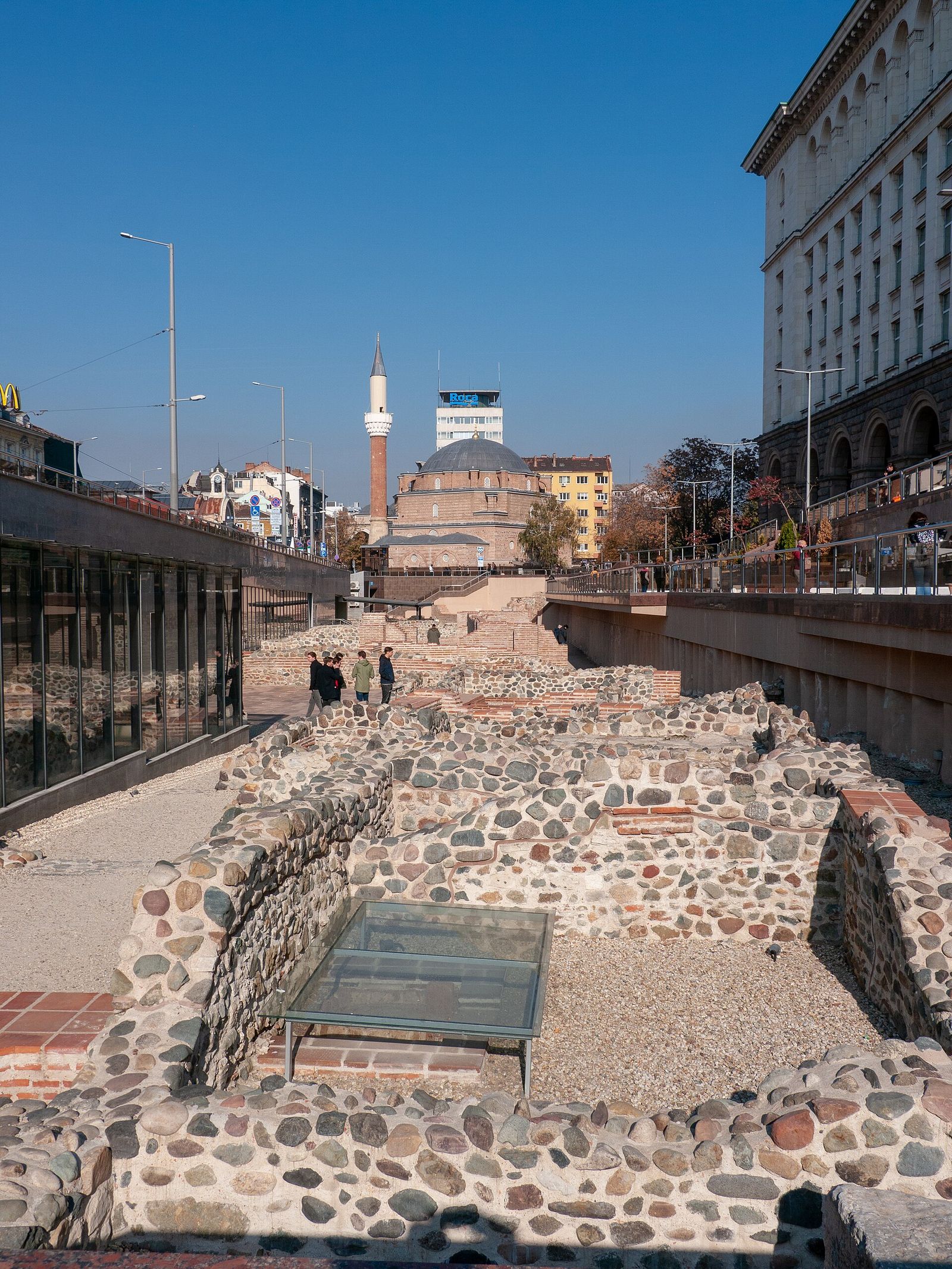
The Roman city that grew up beside these springs turned up when Serdika metro station was built in 2010 to 2012. Ancient Serdica shows its streets, an early Christian basilica and baths from the 4th to 6th centuries, and the open-air part sits in the station concourse, so you walk through it for free on the way to your train.
How to get to the Central Mineral Baths
Serdika is the nearest metro station, and from there the baths are about 3 minutes' walk north, next to the mosque. A ride on Sofia's metro, trams and buses costs €0.80, and if you tap the same contactless card each time, the fares stop at €2 for the day.
From the top of Vitosha Boulevard by St Nedelya Church, it's about 5 minutes' walk north. From Alexander Nevsky Cathedral it's about 15 minutes west on foot, past the Russian Church and the Presidency.
My 2-hour plan around the baths
This is the loop I give friends for a first morning in Sofia. Everything is free except the museum.
| Time | Stop | Cost |
|---|---|---|
| 10am | Fill a bottle at the hot taps | Free |
| 10.10am | Museum of the History of Sofia | €5 |
| 11.15am | Banya Bashi Mosque, between prayers | Free |
| 11.35am | Central Market Hall | Free to walk in |
| 11.50am | Serdica's Roman streets in the metro | Free |
From there, Zhenski Pazar, the Women's Market (Женски пазар), is a few blocks north for fruit, cheese and a cheap lunch. On a weekend in Sofia, this loop leaves the afternoon free for Alexander Nevsky and Vitosha Boulevard.
Key takeaways
- The Central Mineral Baths are a museum now, and nobody has bathed inside since 1986.
- The hot taps outside are free, so bring an empty bottle that copes with heat.
- The museum costs €5 for adults, is free on the first Thursday of the month, and closes on Mondays from November to April.
- For a real soak in mineral water, the Bankya bath is about 30 minutes away, open daily from 9am to 8pm, from €7.67 for 90 minutes.
Frequently asked questions
Can you bathe in the Central Mineral Baths in Sofia?
No. The bath closed to visitors in 1986, and the building has held the Museum of the History of Sofia since 2015. For a soak, the 1911 Public Mineral Bath in Bankya, about 30 minutes away by train, has a pool kept at 36.5 to 37°C.
Is the mineral water from the taps safe to drink?
Locals fill bottles to drink every day, and the city built the spouts in 2004 to give the neighbourhood free mineral water. I drink mine once it has cooled down.
Is the Regional History Museum the same as the Museum of the History of Sofia?
Yes. The Regional History Museum, the Sofia History Museum and the Museum of the History of Sofia are one museum, inside the Central Mineral Baths at 1 Banski Square. The National History Museum out in Boyana is a different, bigger collection.
When is the Museum of the History of Sofia free?
It's free for everyone on the first Thursday of each month. Children under 7 go free every day, and other children, students and seniors pay €2.
Is the Museum of the History of Sofia open on Mondays?
Only in summer. From 1 May to 31 October it opens every day from 10am to 6pm, and from 1 November to 30 April it closes on Mondays.
How old are Sofia's hot springs?
People have used them since the 6th century BC, and the Romans built Serdica around them. The bath house on the spot today opened in 1913.
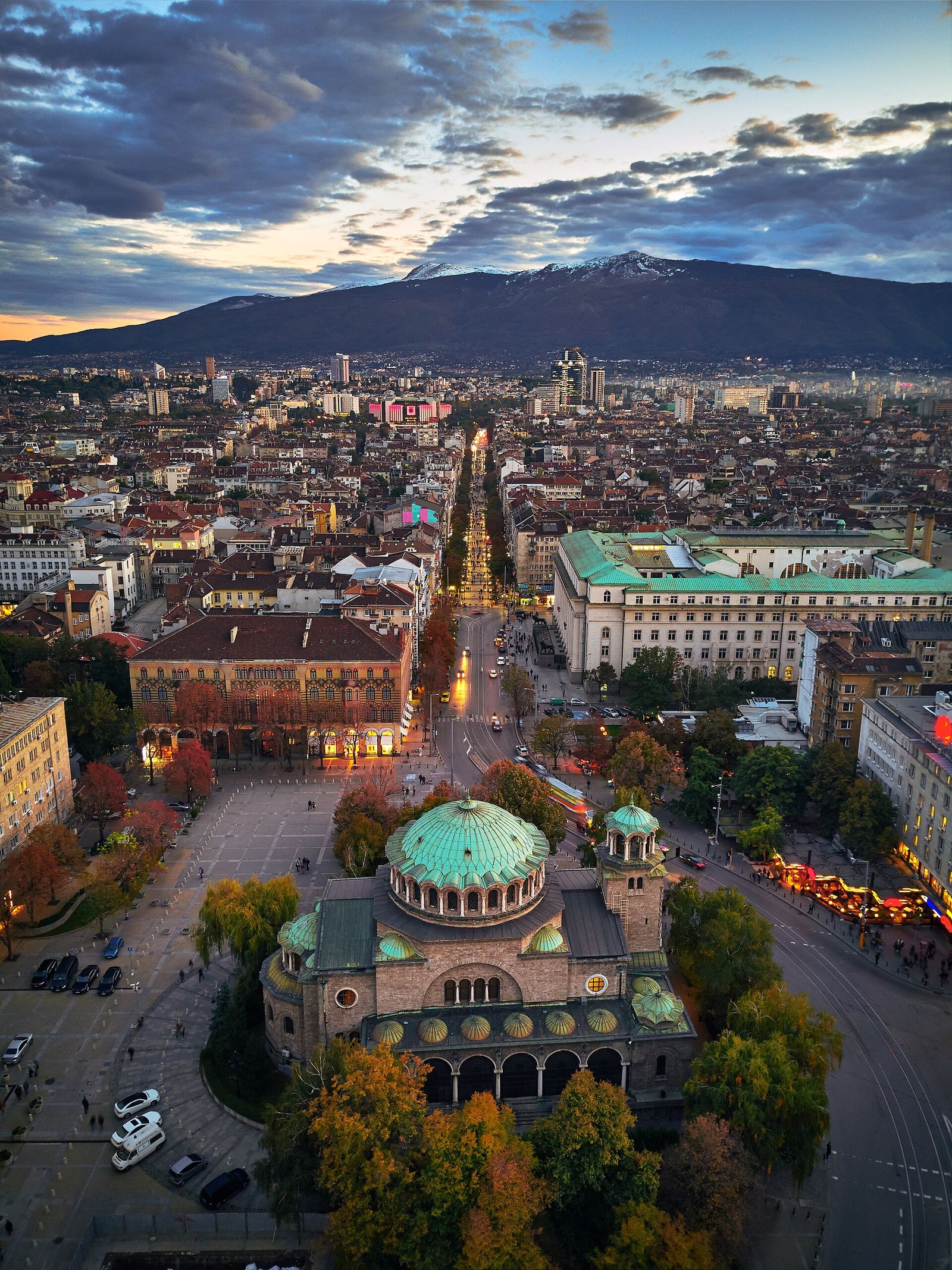
11 Best Things to Do in Sofia: My Personal Favourites
The best sights in Sofia sit close together and most are free. My 11 favourites, with prices, hours and a weekend plan.
Read the guide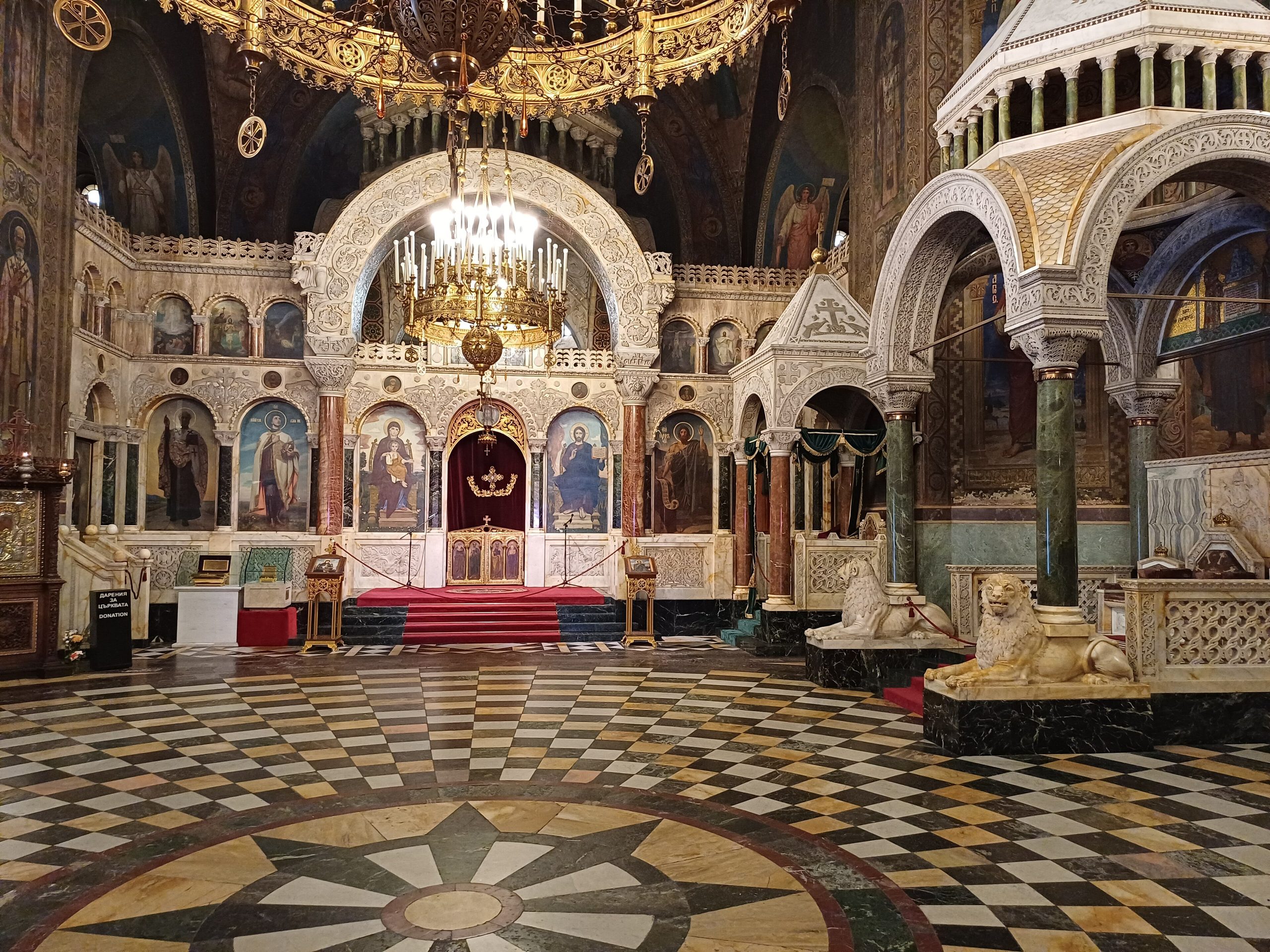
Alexander Nevsky Cathedral in Sofia: My Guide to Visiting
Sofia's gold-domed cathedral is free and open every day. How I visit it, from the crypt icons to the market outside.
Read the guide
Boyana Church in Sofia: The Frescoes and How I'd Visit
A tiny UNESCO church at the foot of Vitosha, painted in 1259. What it costs, the rules and how I fit it in.
Read the guide