Bulgarian Etiquette: The Manners I'd Want You to Know
Bulgarian etiquette is best known for its head nod, which means no, and it trips up every friend who comes to stay with me. The other rules are easier: slippers at the door, rakia sipped with food, about 10% on a restaurant bill and covered shoulders in church. These are the manners I'd want you to know before a first weekend in Sofia, situation by situation.
The Bulgarian head nod: yes and no the other way round
In Bulgaria a nod, the up-and-down movement Brits use for yes, means no (не, ne). Yes (да, da) is a shake of the head from side to side, looser than ours and closer to a wobble. A quick downward jerk of the head with a click of the tongue is another no, and plenty of children use it.
Some Bulgarians switch to the Western version when they talk to a foreigner, so a nod from a waiter on Vitosha Boulevard could mean either. My fix is to keep my own head still and say the word. When an answer leaves me unsure, I ask "da ili ne?" (да или не?), yes or no, and I get a word back. Da and ne are the first two Bulgarian phrases for travellers I'd learn on the plane.
Other Bulgarian gestures
To call a waiter over, wave your open hand towards you, not one curled finger. Pointing is fine, but circling a finger beside your temple is a rude gesture here, so keep it out of jokes.
Direct eye contact is normal in most situations, from the cafe counter to a business meeting. Friends and family stand close, while colleagues and people of the opposite sex keep about an arm's length apart when they talk.
Bulgarian etiquette do's and don'ts at a glance
This is the cheat sheet I send friends the week before they fly, one row per situation.
| Situation | Do | Don't |
|---|---|---|
| Yes and no | Say "da" or "ne" out loud | Trust a nod, yours or theirs |
| Meeting someone | Shake hands firmly and look them in the eye | Go in for a cheek kiss with someone you've just met |
| Walking into a shop | Say "dobar den" (good day) | Start browsing in silence |
| At the table | Sip rakia with your salad and toast "nazdrave" | Down it like a shot |
| Paying the bill | Ask for it and leave about 10% for good service | Wait for it to arrive on its own |
| In a home | Leave your shoes at the door and accept the slippers | Bring an even number of flowers |
| In a church | Cover shoulders and knees; men remove hats | Photograph a service in progress |
| In a shop | Pay the price on the label | Haggle |
| In a taxi | Book through an app and check the meter is running | Get into a car with no tariff card on the window |
| On a name day | Say "chestit imenden" and let the celebrant treat you | Turn down the cake |
Greetings and how Bulgarians say hello
Men shake hands firmly and hold eye contact, and a man and a woman meeting for the first time shake hands too. Women who know each other kiss on both cheeks, and close friends and family hug. With anyone you've just met, a handshake is plenty.
When I walk into a shop, a cafe or a taxi, I say здравейте (zdraveyte), hello, or добър ден (dobar den), good day, before anything else. Bulgarian has a polite "you", вие (vie), and a friendly one, ти (ti), and a visitor can stick to the polite forms all weekend without putting a foot wrong. Mr and Mrs, господин (gospodin) and госпожа (gospozha), turn up at a first meeting and on formal occasions, and most people move to first names soon after.
Conversations get loud, and two friends at a cafe table on Graf Ignatiev Street can sound like they're rowing when they're only swapping news about the week.
Table manners and toasting with rakia
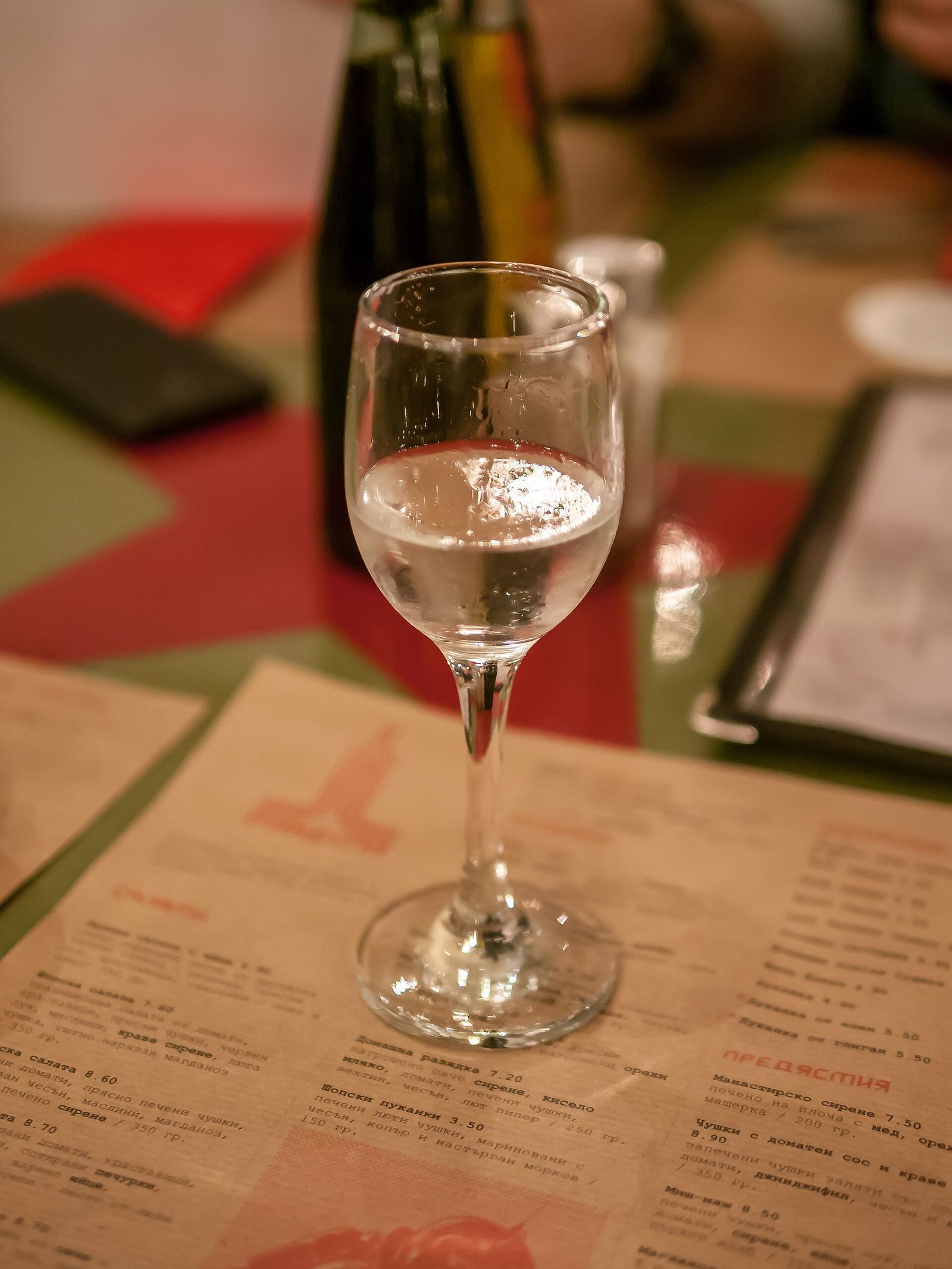
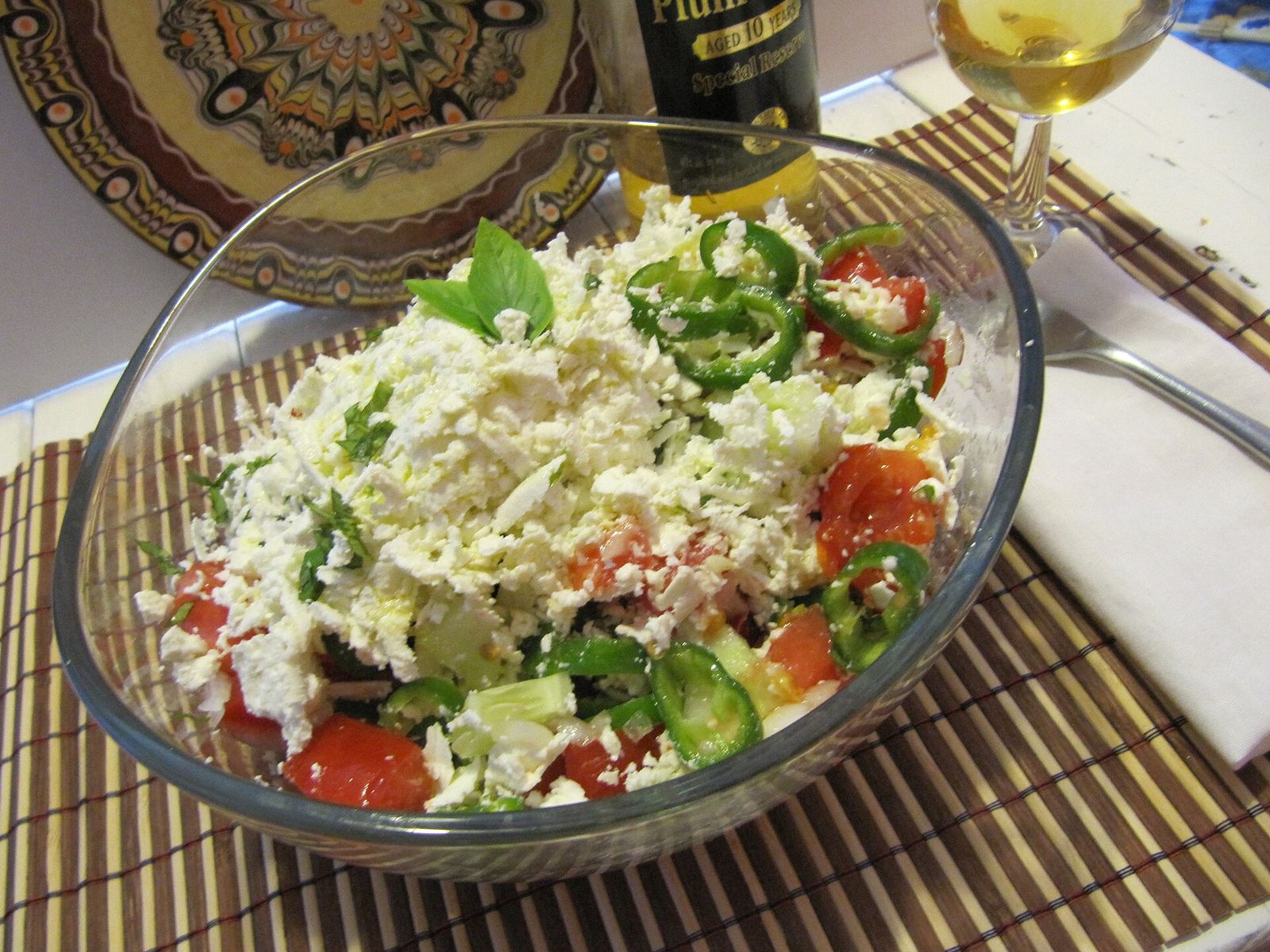
A Bulgarian meal starts with a salad and a small glass of rakia, fruit brandy at about 40%. You sip it, a little with each forkful of salad, and the salad course can run for an hour before anyone opens the mains. Shopska, tomato and cucumber under a heap of grated white sirene cheese, is the first of the Bulgarian dishes I'd order.
Every round opens with наздраве (nazdrave), cheers, and you look each person in the eye as the glasses touch. Wait for that first toast before you drink. Grape and plum are the two kinds of rakia on every menu, and at a family table you may see someone spill a few drops on the ground for the dead.
Before the first bite, Bulgarians wish each other добър апетит (dobar apetit), enjoy your meal. Hosts keep topping up glasses, so I leave a little in mine once I've had enough. Dinners with friends run two hours without trying, and a wedding or a big birthday can go on for four.
The verb черпя (cherpya) means to treat someone, and whoever says it, usually whoever did the inviting, picks up the bill. When it's your turn to pay, catch the waiter's eye and say сметката, моля (smetkata, molya), the bill, please: at the Sofia restaurants I send friends to, it never turns up unasked.
Tipping in Bulgaria: how much to leave
Most restaurant bills in Bulgaria carry no service charge, so the tip goes on top. I leave about 10% at a sit-down restaurant when the service is good, so a €46 dinner for two becomes €50 or €51. In cafes, bars and taxis I round up or leave the coins, and nobody expects a tip at a bakery window.
When I pay by card, I tell the waiter the total I want charged, tip included, before they key it in, or I leave the tip in coins on the table. The same habits hold for tipping in Bulgaria outside the capital, from Plovdiv to the Black Sea resorts.
Visiting a Bulgarian home
Shoes come off at the door, and your host will usually find you a pair of slippers. Bring something: a bottle of wine, a box of chocolates, a cake or some fruit. Bulgarians open a gift as soon as you hand it over and often serve it there and then, so a cake you brought may be dessert that evening.
Flowers go in odd numbers, so I buy 5 or 7 stems. Even numbers are for graves and funerals, and so are lilies and chrysanthemums, which I'd leave out of any bunch for a host.
Expect to be fed. Grandparents, baba (баба) and dyado (дядо), often do the cooking, and a clean plate is an invitation to refill it. "Стига, благодаря" (stiga, blagodarya), that's enough, thank you, said with a hand over the plate, is how I get out of a third helping.
Turning up a little after the stated hour for dinner at a friend's flat is normal, though anything work-related starts on time.
Name days, birthdays and the martenitsa
Like most Bulgarian traditions, name days follow the Orthodox church calendar, and each saint's day belongs to everyone named after that saint. These four are the ones you'll hear about:
| Date | Name day | Who celebrates |
|---|---|---|
| 7 January | Ivanovden | Ivan, Ivana and the other forms of John |
| 6 May | Gergyovden, St George's Day | Georgi, Gergana and the other forms of George |
| 26 October | Dimitrovden | Dimitar, Dimitrina and the other forms of Demetrius |
| Palm Sunday | Tsvetnitsa | Names that come from flowers, trees and herbs |
By old Bulgarian custom, anyone can call on a name day without an invitation, and the person celebrating does the treating. That means cake in the office, a round of drinks at the bar, and a bag of sweets that a child takes in to share at school. The same goes for birthdays: the birthday girl or boy pays.
Martenitsa etiquette on 1 March
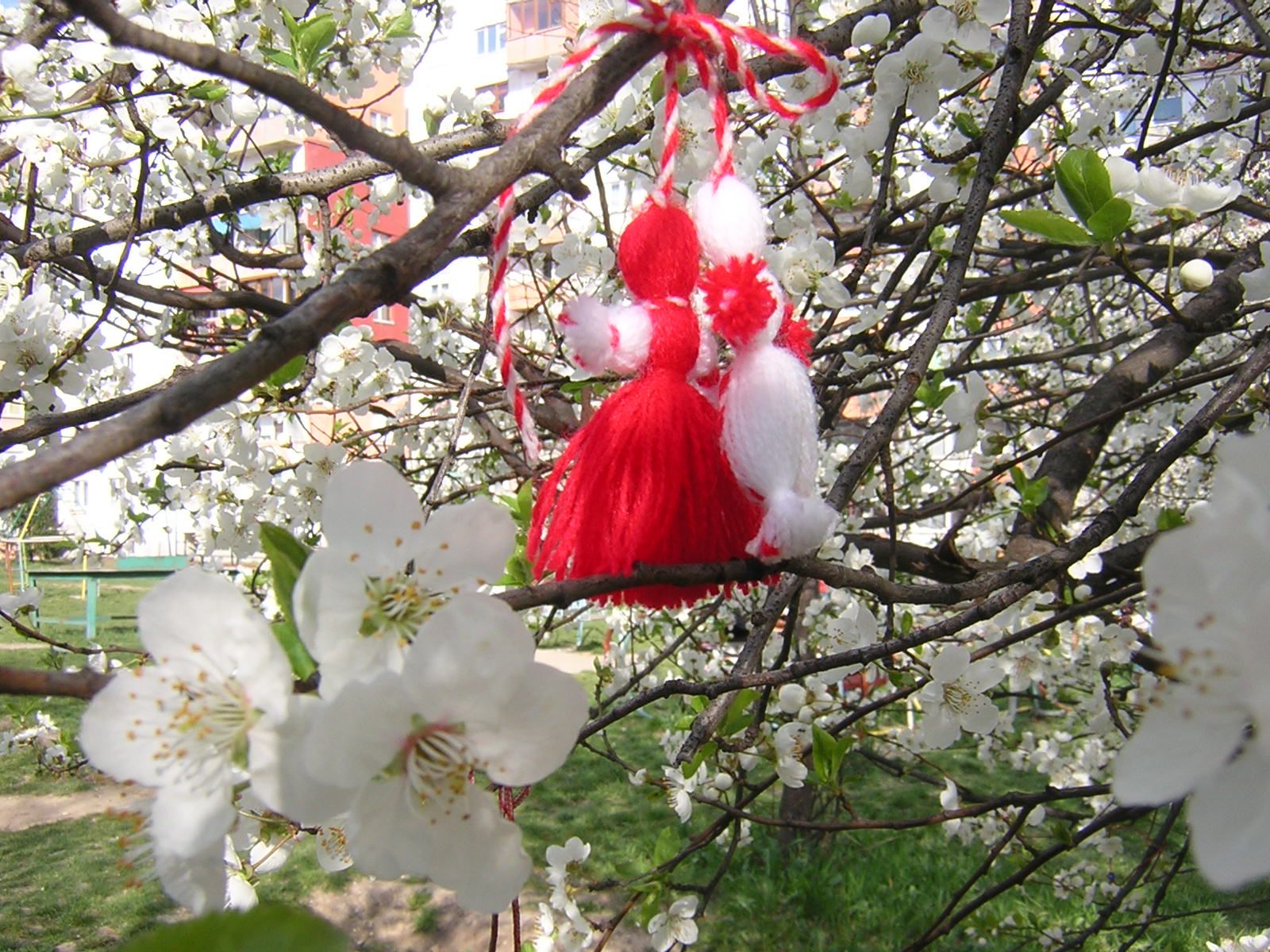
On 1 March Bulgarians give each other martenitsi (мартеници), red and white woollen tokens for health, with the greeting "честита Баба Марта" (chestita Baba Marta). If someone ties one round your wrist, wear it until you see a stork, a swallow or a tree in blossom, then hang it on a blossoming branch. The martenitsa custom went on UNESCO's intangible heritage list in 2017, shared with Romania, North Macedonia and Moldova.
Church and mosque etiquette in Sofia
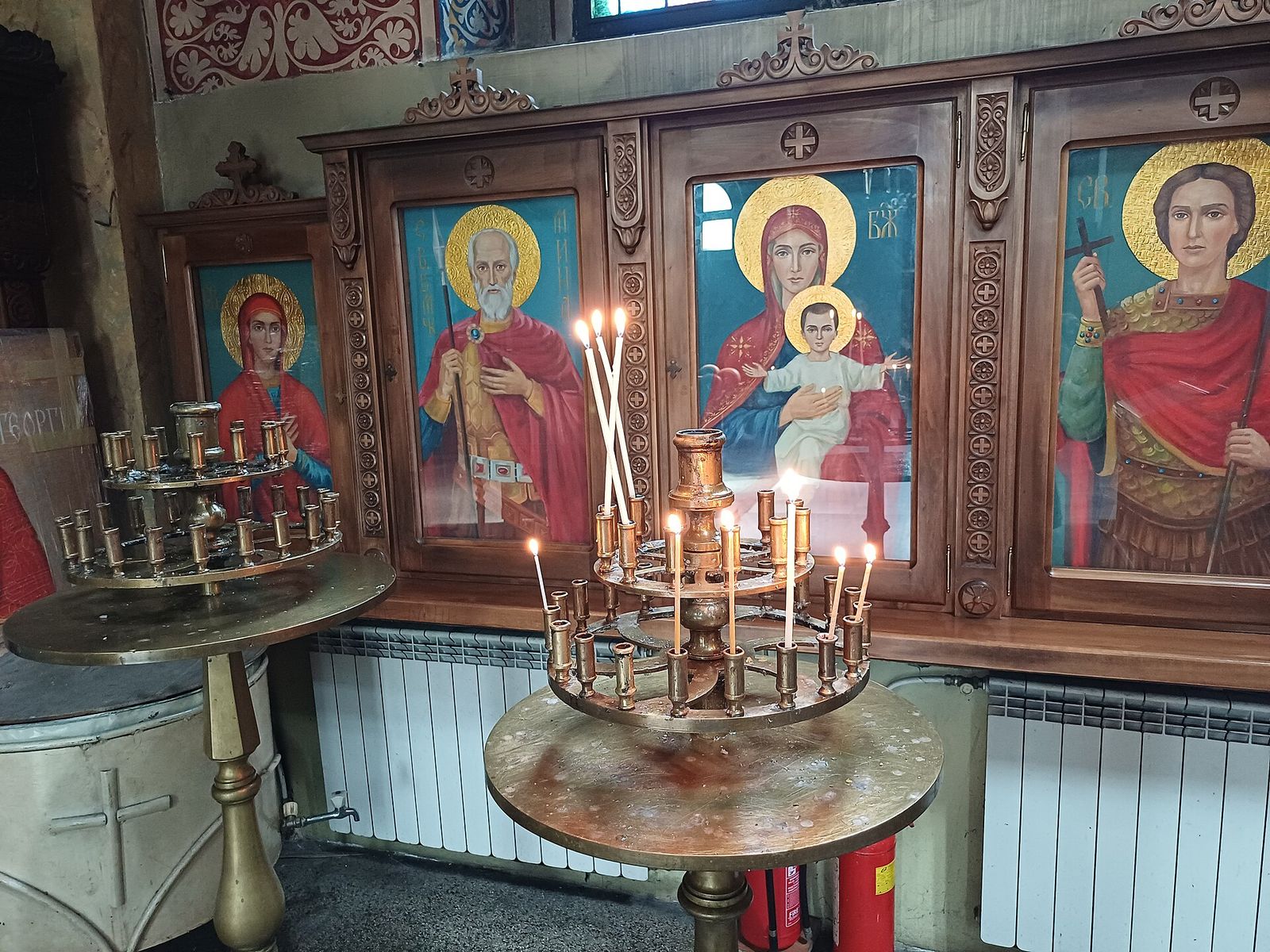
Most of Sofia's Orthodox churches are free to enter and open through the day, and plenty of locals drop in on the way to work. Cover your shoulders and knees, men and women alike, and men remove their hats. In summer I carry a light scarf to throw over a vest top.
To light a candle, buy a thin beeswax one at the stand by the door, light it from a candle that's already burning, and put it in the right place: the raised holders are for the living, and the low trays of sand are for the dead. Keep your voice down, stand at the back during a service, and never cut across in front of someone praying at the iconostasis.
Sofia's only working mosque is Banya Bashi Mosque, built in 1566 beside the hot mineral springs. Visitors are welcome outside prayer times in modest dress.
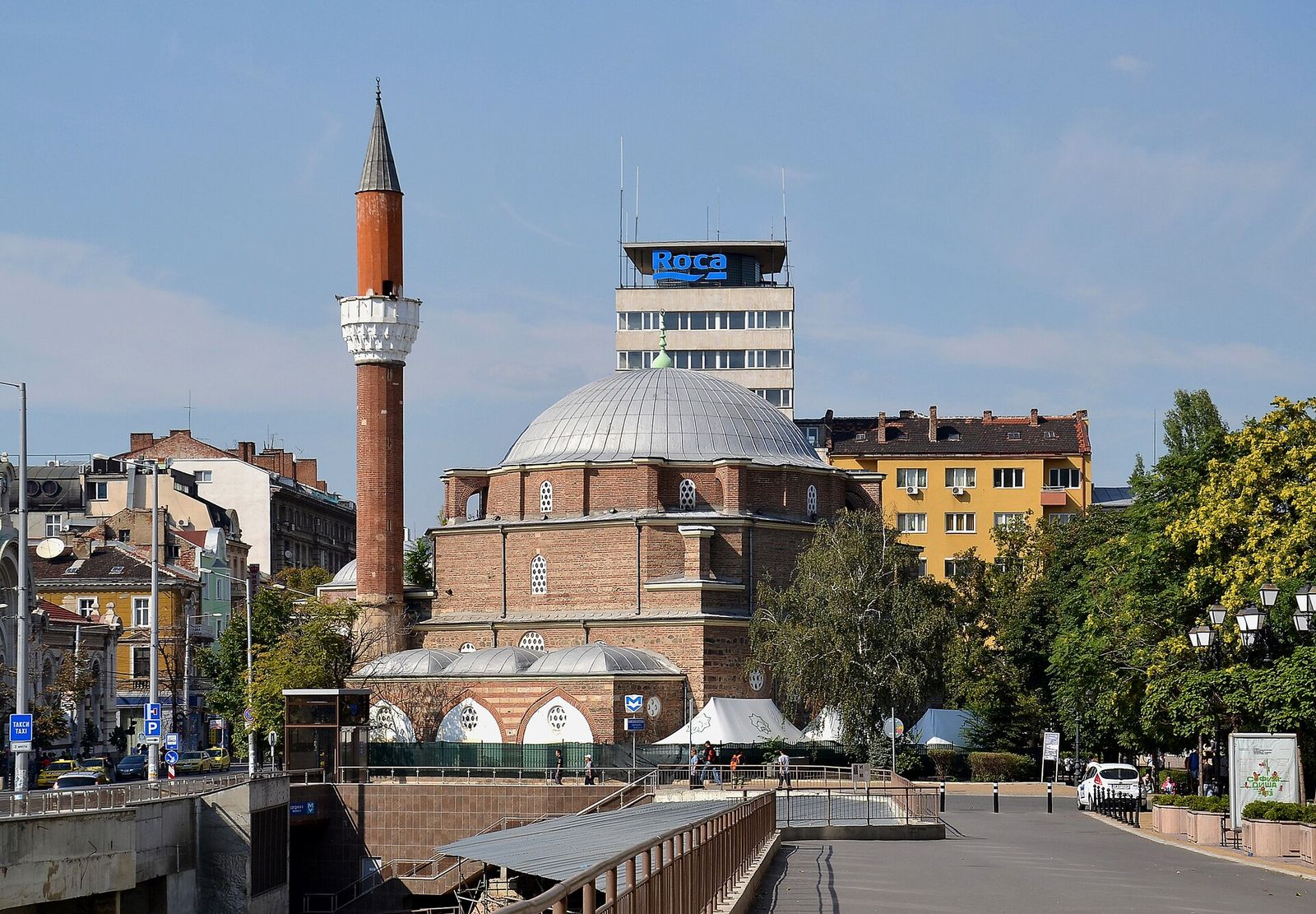
I follow the usual mosque manners there: shoes off at the door, arms and legs covered, a scarf over my hair, and quiet voices inside.
Shops, markets and haggling
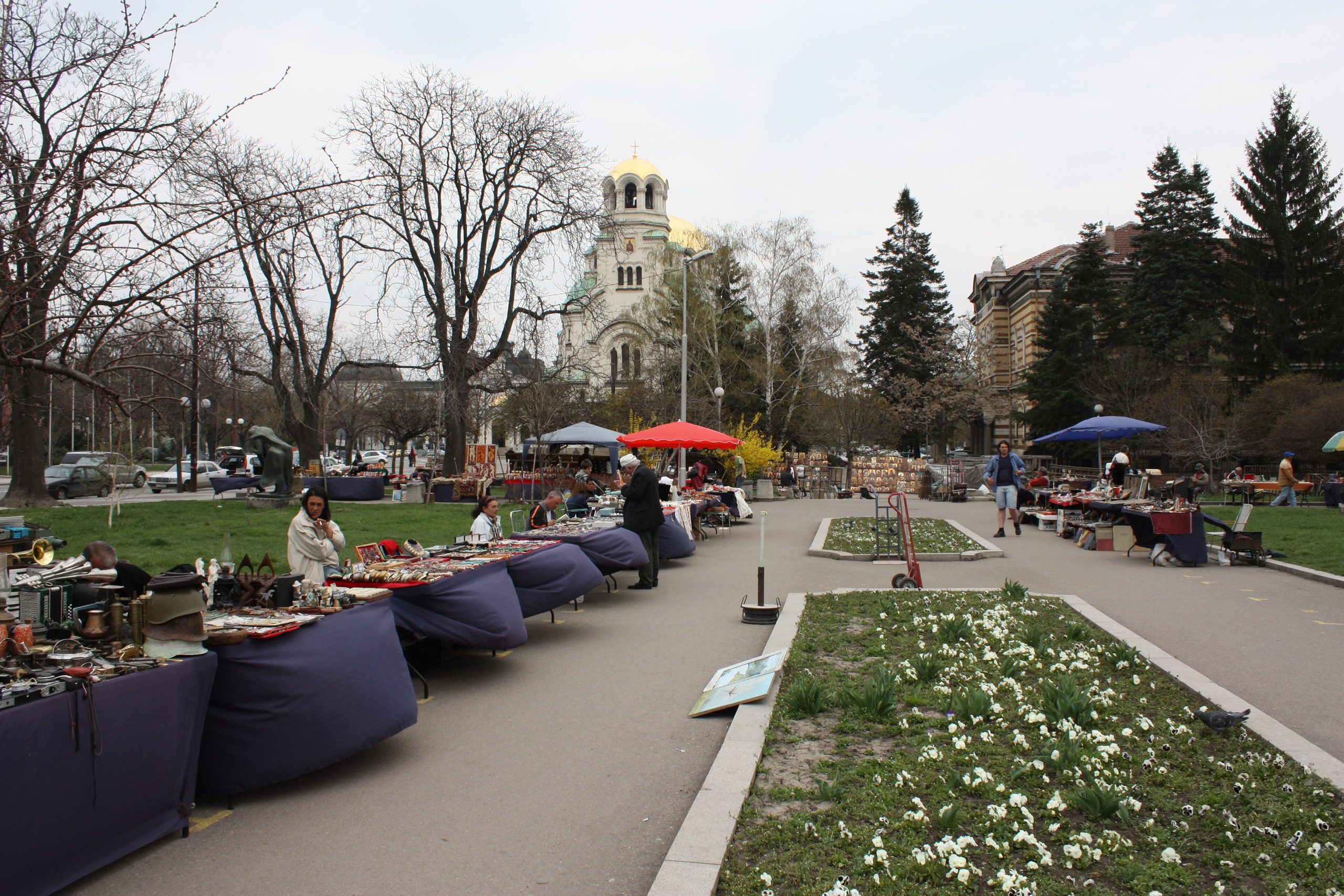
Prices in Bulgarian shops are fixed, and trying to haggle one down comes across as rude. You get a receipt (касова бележка, kasova belezhka) for every purchase, because the law requires one. Outdoor stalls are the exception: at the antiques market by Alexander Nevsky, a polite bit of back and forth over a Soviet badge or an old camera is normal.
At Zhenski Pazar, the Women's Market, the stallholder picks the fruit and vegetables for you, so point and say how many instead of squeezing the tomatoes yourself. Cards work in most of Sofia, but small shops and market stalls can be cash only, so I carry €20 to €50 in small notes, the euros that replaced the lev on 1 January 2026.
Taxis, the metro and smoking
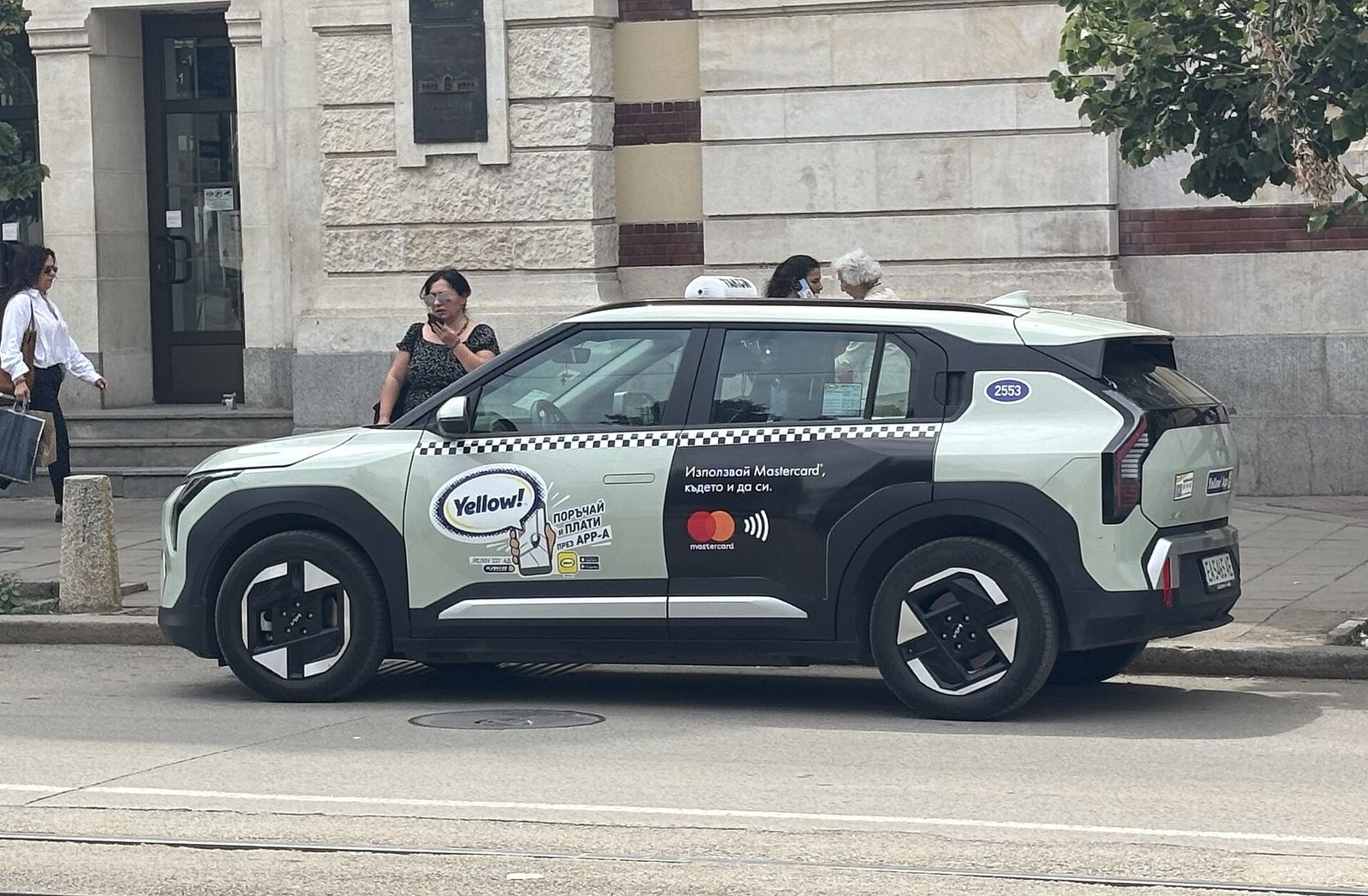
Uber doesn't run in Sofia, so I book taxis in Sofia through TaxiMe, Yellow! or the OK Taxi app. Get in only when you can see the firm's name, a tariff card on the window and a running meter, and round the fare up to the next euro when you pay. A driver who touts for business at the airport or a station is the one to walk past.
A ride on the Sofia metro costs €0.80, and the manners are the ones you'd use on the Tube: let people off first, keep your bag off the seat, and stand up for older passengers, pregnant women and parents with small children.
Smoking is banned indoors in Bulgarian restaurants, bars and pubs, and the police can fine you for lighting up. Smokers head for the terraces instead, so an outdoor table in summer can come with a cloud of someone else's cigarette.
Conversation topics to handle with care
Bulgarians are proud of the Cyrillic alphabet, which took shape here and gets its own public holiday on 24 May, and of 3 March 1878, the Liberation from Ottoman rule. Ask about either and you'll get a long, cheerful answer.
Balkan politics is where a friendly chat goes sideways. North Macedonia and its language, the Ottoman centuries and Russia all stir strong, split opinions, and I'd let a Bulgarian raise them first. Calling Bulgarian "basically Russian" lands badly too. The communist decades from 1944 to 1989 get mixed feelings across generations, so I listen before I joke about that stretch of the history of Bulgaria.
Key takeaways
- A nod means no and a side-to-side wobble means yes, so answer with "da" or "ne" out loud.
- Sip rakia with the salad, toast "nazdrave" with eye contact, and ask for the bill when you want it.
- Tip about 10% in a sit-down restaurant and round up in cafes, bars and taxis.
- In a home, shoes come off, gifts get opened at once, and flowers come in odd numbers.
- In churches, cover shoulders and knees and keep cameras away during a service; in shops, pay the price on the label.
Frequently asked questions
Do Bulgarians shake their heads for yes?
Yes. A side-to-side shake of the head means yes in Bulgaria and a nod means no, the reverse of the UK. Some Bulgarians switch to the Western gestures with foreigners, so say "da" or "ne" and ask "da ili ne?" when you're not sure.
What is the tipping culture in Bulgaria?
About 10% in a sit-down restaurant for good service, with no service charge on most bills. In cafes, bars and taxis people round up or leave the coins, and counter service needs no tip. When paying by card, tell the waiter the total including the tip before they run it.
How does Bulgaria say hello?
Bulgarians say здравейте (zdraveyte) to anyone they don't know and здрасти (zdrasti) to friends, or добър ден (dobar den), good day, in shops. Men shake hands firmly with eye contact, and women who know each other kiss on both cheeks.
What is a typical breakfast in Bulgaria?
Banitsa, filo pastry baked with egg and salty white cheese, eaten warm with a glass of ayran, a salted yoghurt drink, or boza, a thick grain drink. I buy mine from a bakery window before 10am, while the trays of banitsa in Sofia are fresh.
What is considered rude in Bulgaria?
Haggling in a shop, downing rakia without a toast, keeping your shoes on in someone's home and handing over an even number of flowers all go down badly. So does photographing a church service or circling a finger beside your temple.
Should I remove my shoes in a Bulgarian home?
Yes. Shoes come off at the door in Bulgarian homes, and your host will usually offer slippers. Leave them on only if your host insists.
How do you toast in Bulgaria?
Raise your glass, say "nazdrave" (наздраве) and look each person in the eye as the glasses touch. Wait for the first toast before drinking, then sip, because rakia is never knocked back in one.
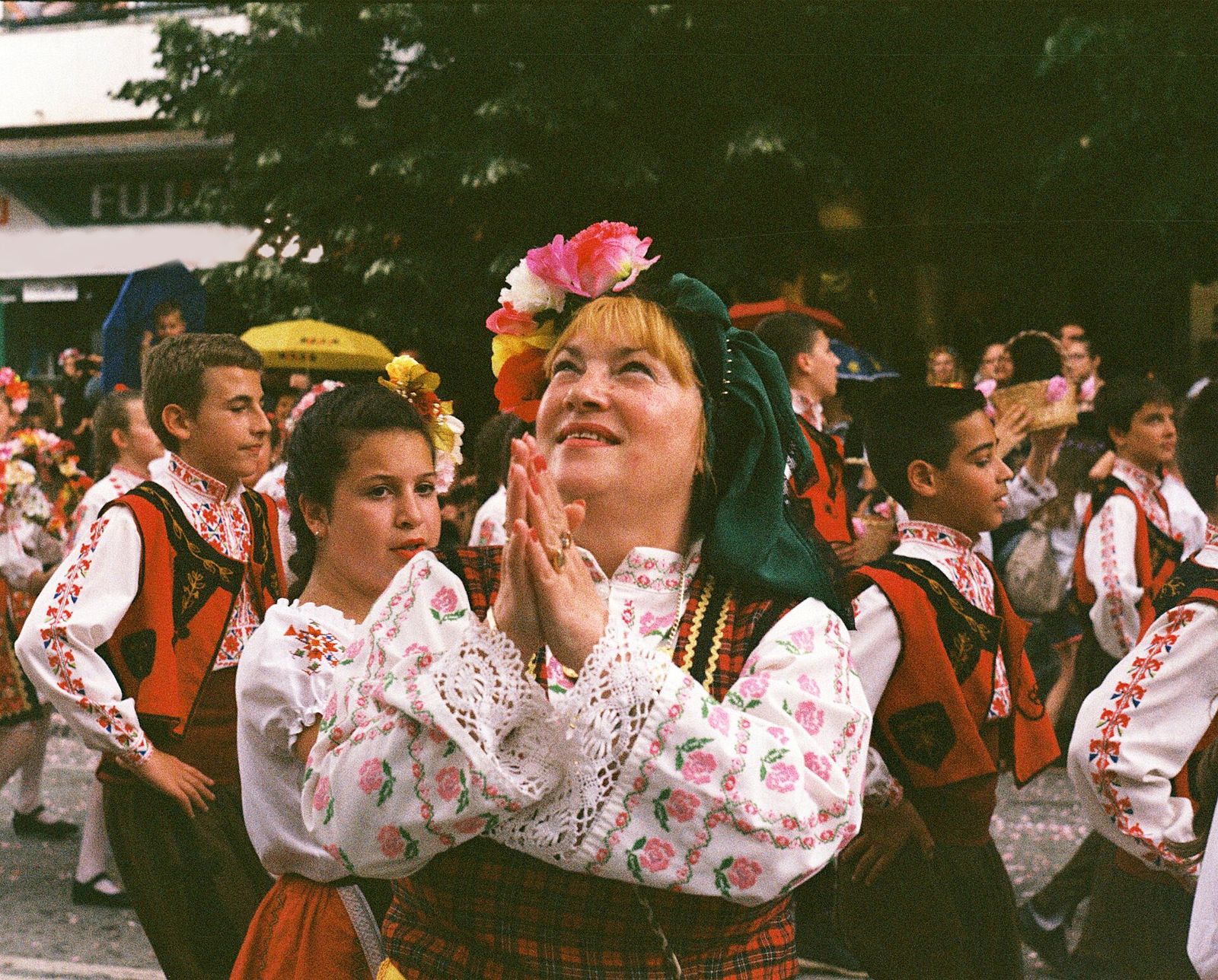
Bulgarian Culture and Traditions: A Visitor's Guide
Nods that mean no, rakia sipped with salad and masked kukeri: the Bulgarian customs I'd want you to know before a trip.
Read the guide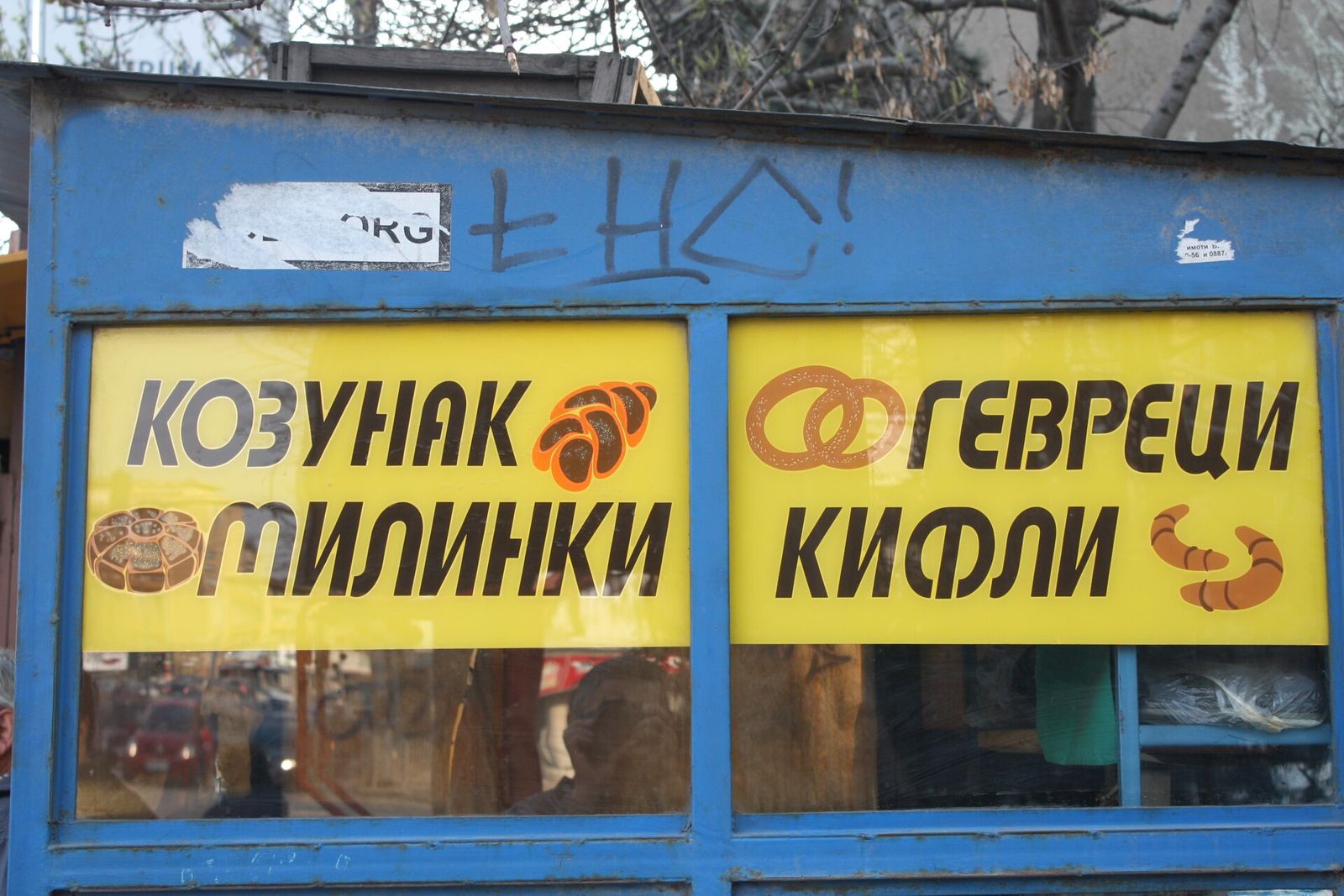
Bulgarian Phrases for Travellers: The Words I Use Every Day in Sofia
Hello, thank you, cheers and the bill: the Bulgarian words I use every day in Sofia, and how to say each one.
Read the guide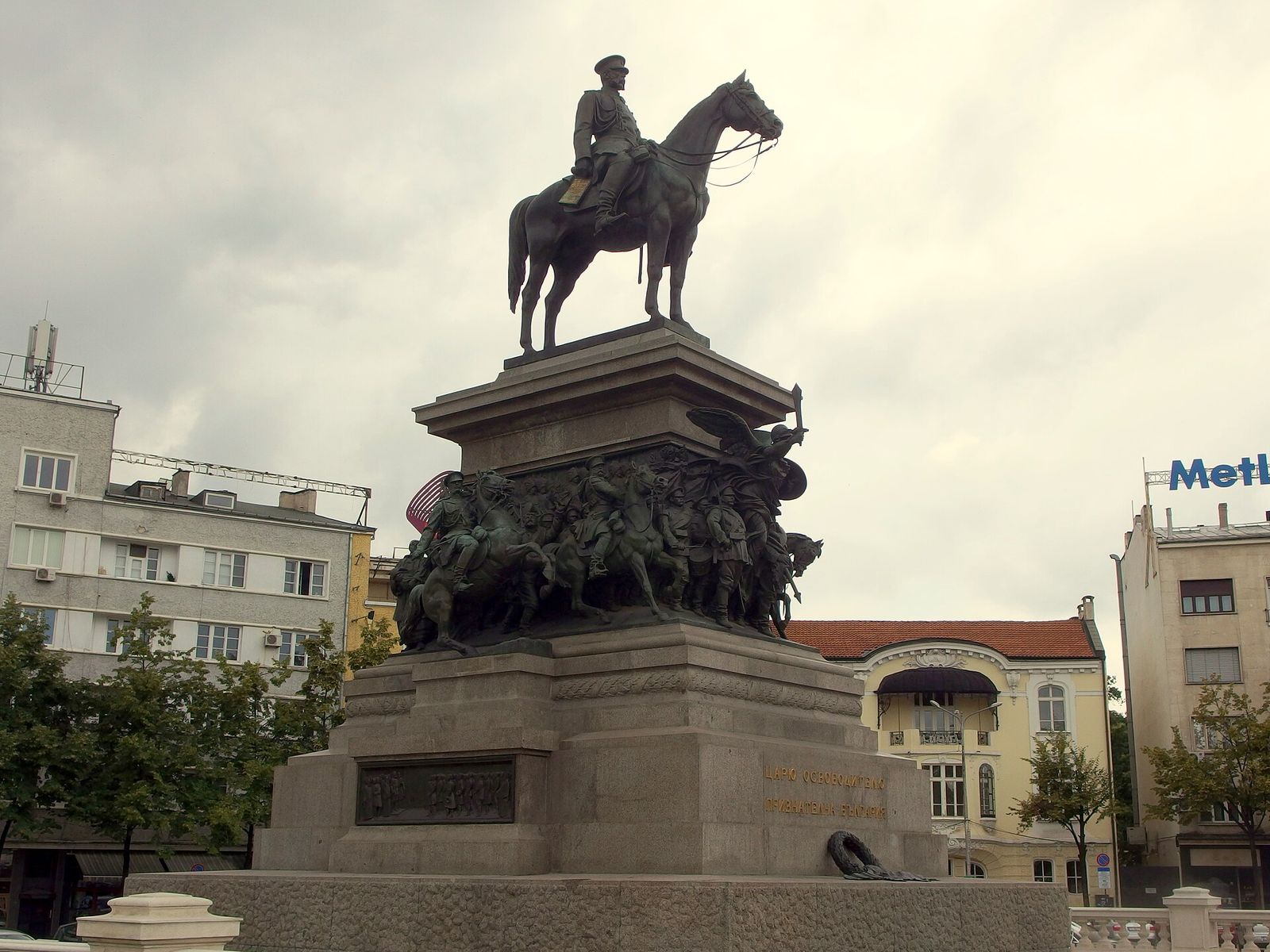
A Short History of Bulgaria (and Where to See It in Sofia)
Thracian gold to the euro: Bulgarian history era by era, and the Sofia sights where I see each chapter.
Read the guide