What to Pack for Bulgaria: My Packing List for Every Season
Bulgaria has four proper seasons, and Sofia sits about 550 metres up with a 2,290-metre mountain at the end of the metro line, so my bag changes a lot from month to month. This is the list I give friends flying out from the UK: the paperwork and plug you can't skip, clothes for each season, what to wear in churches and the extra layers for Vitosha and Rila.
My Bulgaria packing list at a glance
The first nine go in every bag for Bulgaria, and the last five depend on the month and the mountains.
| Item | Why I pack it | When |
|---|---|---|
| Passport issued less than 10 years ago | Entry rule for Bulgaria and the Schengen area | Every trip |
| Printed copy of the passport photo page | You must carry ID, and the copy counts | Every trip |
| GHIC plus travel insurance | State healthcare, then everything else | Every trip |
| UK to EU two-pin adaptor | Sockets are Type C and F | Every trip |
| Contactless bank card | Metro and bus fares stop at €2 a day | Every trip |
| About €20 in euro notes | Bakeries, kiosks and market stalls that take cash only | Every trip |
| Light scarf | Covers shoulders in churches | Every trip |
| Shoes with grip | The yellow paving is slippery when wet | Every trip |
| Refillable water bottle | Tap water is safe, and the mineral taps are free | Every trip |
| Fleece and a waterproof jacket | Vitosha and Rila are far colder than the city | Any mountain day |
| Sun hat and high-SPF sun cream | Long summer days and strong sun at altitude | May to September |
| Insect repellent | Ticks in long grass, mosquitoes in rural areas | Spring to autumn |
| Warm coat, hat, gloves and boots | Nights below freezing and about 30 snowy days a year | November to March |
| Swimwear | The Black Sea coast | June to September |
Passport, insurance and money for Bulgaria
Check your passport first. For Bulgaria it must have been issued less than 10 years before the day you arrive and run for at least 3 months after the day you plan to leave the Schengen area. British passport holders need no visa for Bulgaria and get 90 days in any 180 across Schengen.
I check the gov.uk entry requirements for Bulgaria the week before any trip. Since the EU's Entry/Exit System arrived, border staff may also scan your fingerprints and photograph you at a booth, and the record lasts 3 years.
Bulgaria expects you to carry ID at all times, and a printed copy of your passport's photo page is accepted. I keep one folded in my purse, and friends who visit leave their passports in the hotel safe.
For health cover, bring a GHIC, free from the NHS GHIC page, and travel insurance on top for a flight home or private treatment. Hiking or skiing? Make sure the policy covers mountain rescue.
Bulgaria switched from the lev to the euro on 1 January 2026, and shops have taken euros only since 1 February 2026. Cards and phone payments work in almost every cafe, restaurant and shop in central Sofia, so I carry about €20 in notes for the banitsa kiosk and the market stalls. Tap the same card at every metro barrier and bus validator, and Sofia's public transport stops charging at €2 a day.
Plug adaptor, phone and chargers
Bulgaria uses the European two-round-pin plugs, Types C and F, on 230 volts at 50 Hz. UK chargers, hair straighteners and laptops run on 230 volts too, so a plain adaptor does the job. I pack two, one for the phone and one for the power bank, and charge both overnight.
UK networks set their own roaming charges in the EU, so check yours before you leave. If the daily fee is steep, a local eSIM is cheap: the Bulgaria SIM card deals I'd look at give 25 GB for about €10 over 30 days.
What to wear in Sofia, season by season
Sofia has hot summers and snowy winters, and the average low stays under 10°C for 8 months of the year, October to May. These are the official averages for 1991 to 2020, with what I'd wear in the city and what I'd add for a day in the mountains. For a first trip, the best time to visit Sofia is May or September.
| Season | Sofia's average highs and lows | City clothes | Add for Vitosha or Rila |
|---|---|---|---|
| Spring (March to May) | Highs 11.4°C to 21.4°C, lows 1.1°C to 9.8°C | Jeans, light jumpers, a packable waterproof | A fleece, a warm hat, boots for snow patches up high |
| Summer (June to August) | Highs 25.2°C to 28.3°C, lows 13.4°C to 15.3°C | Linen, shorts, sandals, one long layer for evenings | A fleece, a waterproof, a sun hat and SPF 45 to 60 |
| Autumn (September to November) | Highs 23.3°C falling to 10.7°C, lows 10.9°C falling to 1.9°C | Layers, then a proper jacket by November | A warm layer, gloves and a hat from October |
| Winter (December to February) | Highs 3.5°C to 6.5°C, lows -3.9°C to -2.4°C | A warm coat, hat, gloves, waterproof boots | Thermals and snow boots, or ski kit |
Spring: March to May
March gets about 5 snowy days, so I pack it like winter with a lighter coat. April and May bring 52 mm and 73 mm of rain, and a packable waterproof covers the showers. In May the terraces stay full after dark. Bring a jumper.
Summer: June to August
I live in linen and cotton from June, with sandals for the city and one pair of long trousers. June is the wettest month of the year, at 81.6 mm, so the waterproof stays in the bag. July gets about 312 hours of sun, the most of any month, so I wear a sun hat even on a day of museums.
Autumn: September to November
September still feels like summer, and I'd keep the sandals in. October is the month for layers you peel off by lunchtime, with a 6.3°C dawn turning into a 17.6°C afternoon. By November you want a winter jacket, a hat and shoes that cope with rain.
Winter: December to February
January is the coldest month and the snowiest, with about 7.5 snowy days. I'd bring a warm coat with a hood, a hat, gloves and waterproof boots with a good tread, plus a thin thermal layer for standing outside at the Christmas markets.
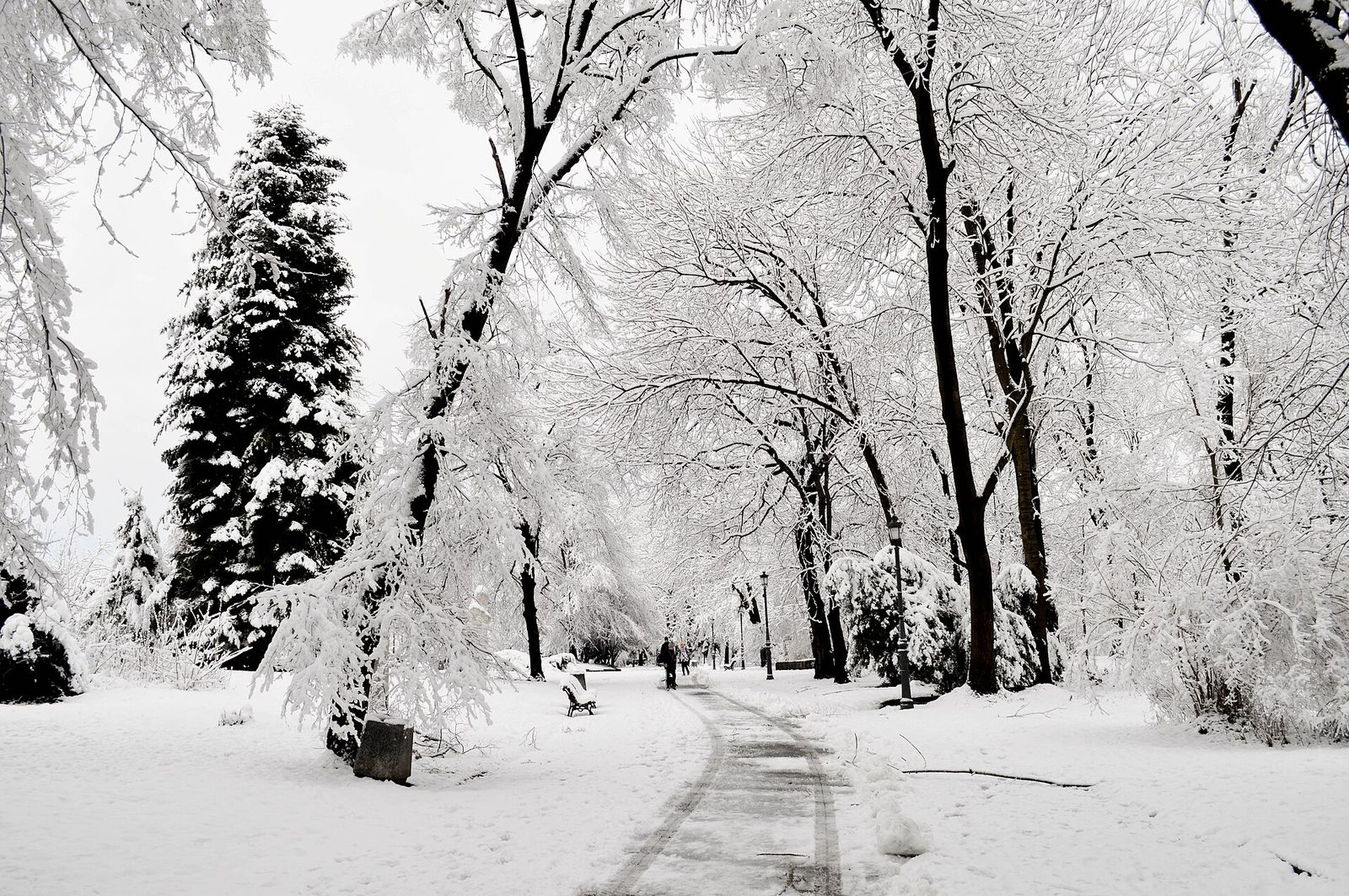
On a snowy morning I walk through Borisova Gradina, the big park south-east of the centre, before the paths get trodden to slush. The rest of my winter in Sofia follows the sky: clear days for Vitosha, grey ones for galleries and long lunches.
Shoes for Sofia's yellow paving and mountain paths
The famous yellow paving around the Parliament and along Tsar Osvoboditel Boulevard decides my shoes. It turns slippery after rain and treacherous with frost, and plenty of other pavements have broken slabs, odd kerbs and the occasional hole.
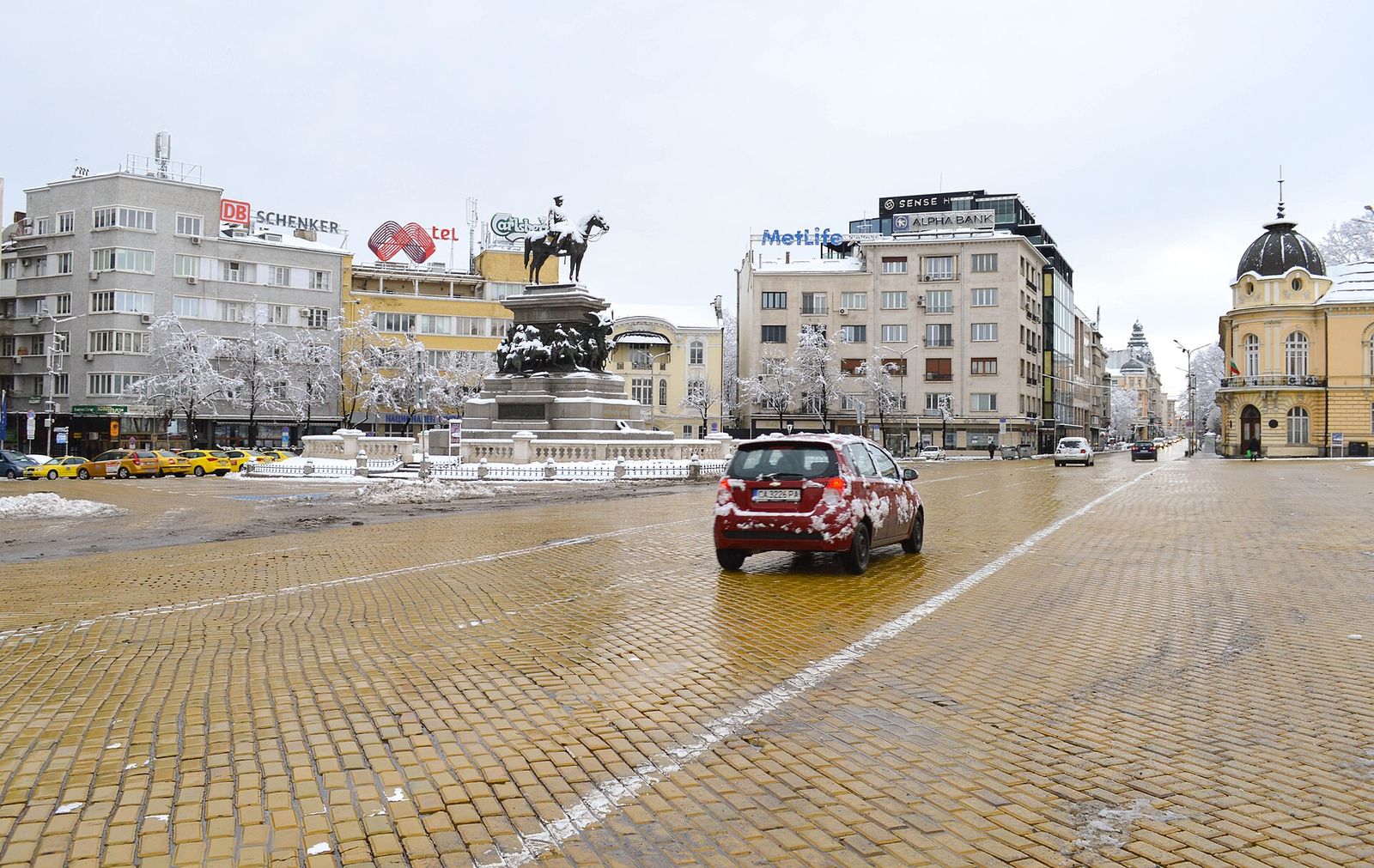
I travel with two pairs. Trainers with a proper grip do the city from March to November, and walking shoes or light boots go on for Vitosha, Rila and the wet days. From December to February I swap both for waterproof boots with a deep tread. Heels and smooth-soled loafers stay at home, and sandals only come between June and September.
What to wear in churches and monasteries
Bulgarian Orthodox churches expect shoulders and knees covered, and men take their hats off inside. In a vest top and short shorts I'd feel underdressed, so a scarf for my shoulders and one pair of long trousers or a midi skirt come with me all summer.
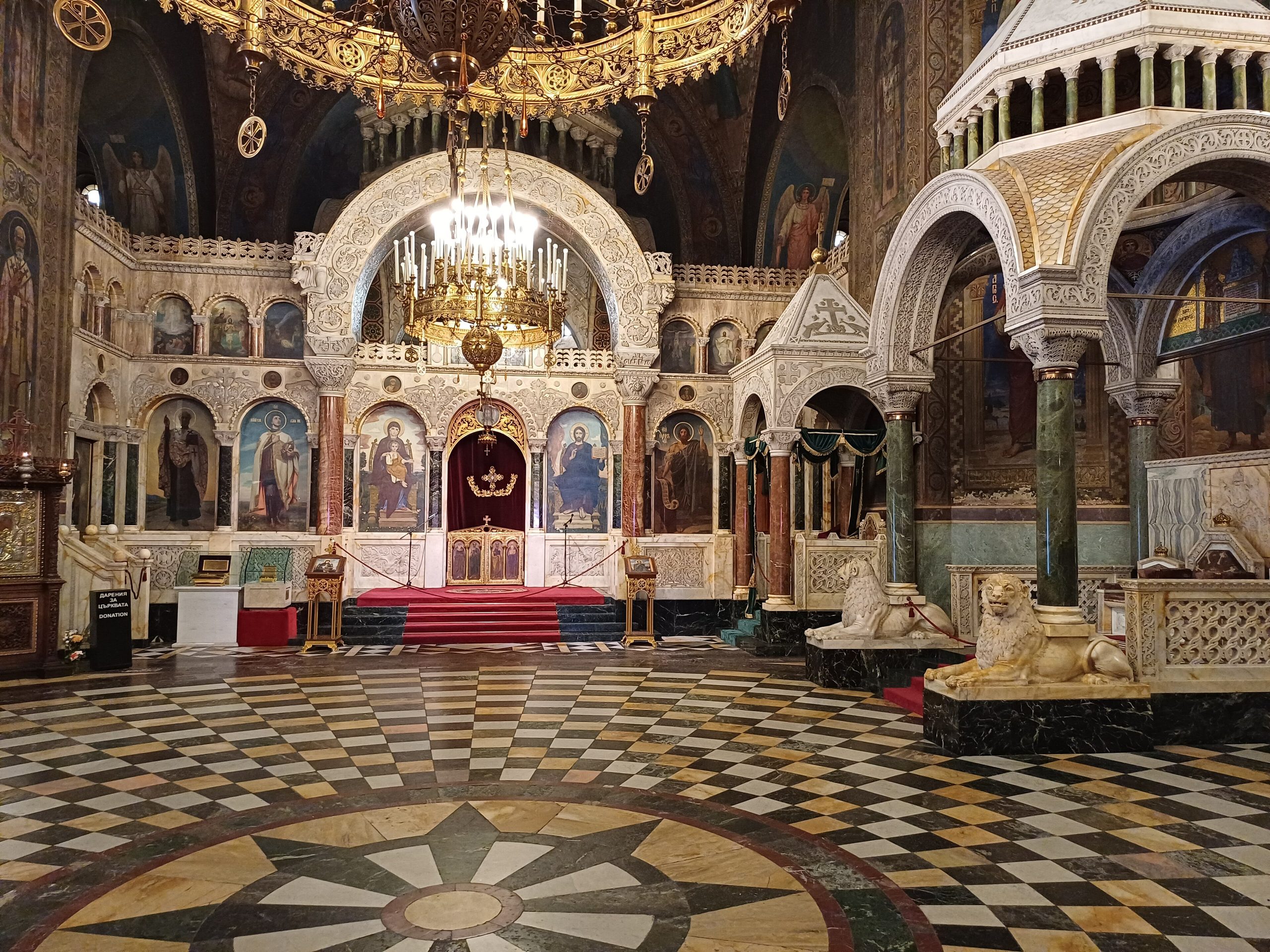
Alexander Nevsky Cathedral is free and open from 7am to 7pm every day. It's the church every visitor walks into, often straight off a hot square in August, so that's the day the scarf comes out.
Rila Monastery needs the same covered shoulders and knees, plus a warmer layer than Sofia. It sits 1,147 metres up in the Rila Mountains, about 120 km south of the city and about 600 metres higher, so a summer afternoon there runs several degrees cooler.
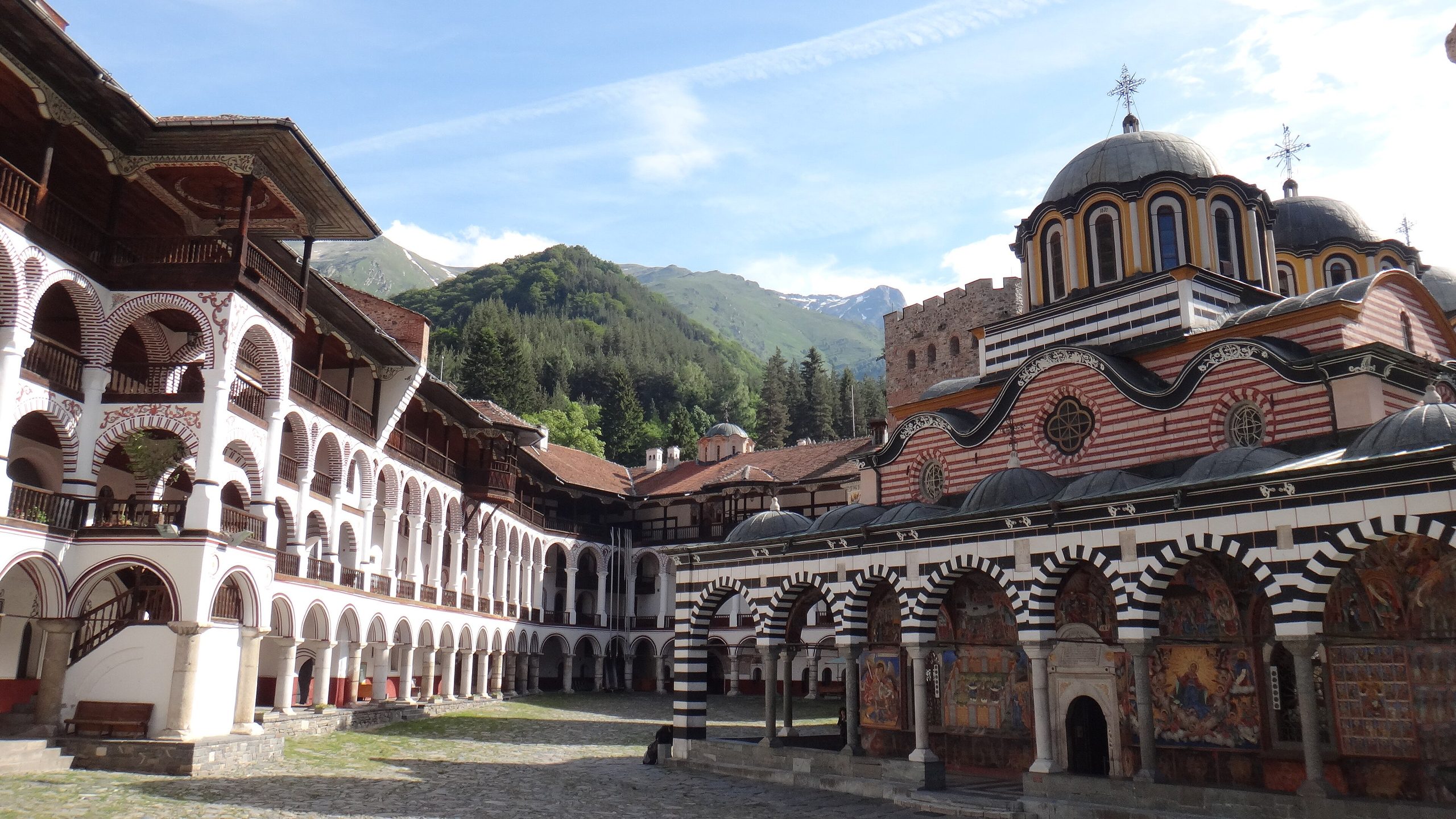
My day bag for Vitosha and the Rila mountains
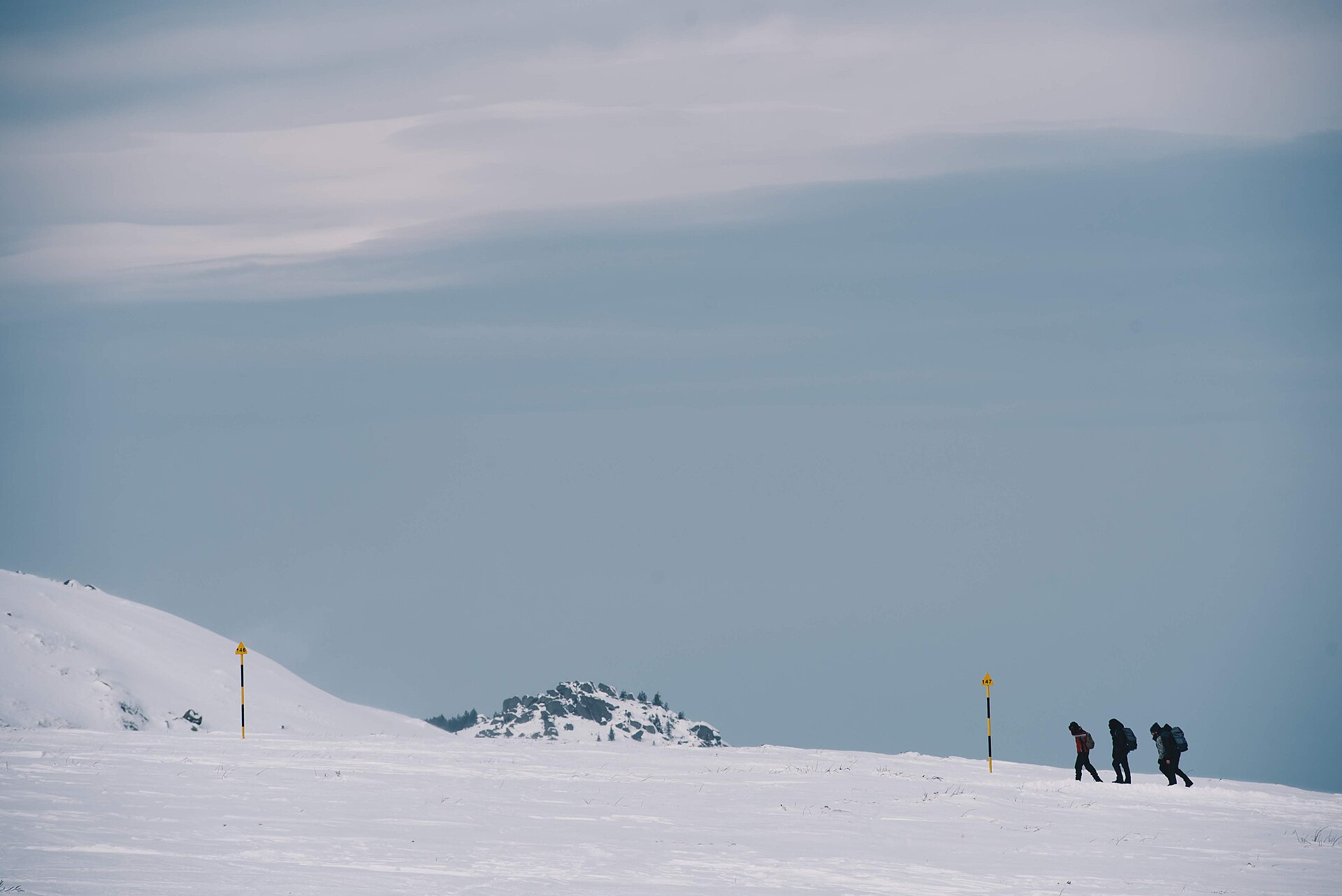
Bus 66 runs from Vitosha metro station up to Aleko, at 1,810 metres, for €0.80. From there, Cherni Vrah, the summit, is about 3 km and 480 metres of climbing. The top can sit in cloud or snow while Sofia is in sunshine. So my bag is packed for 2,290 metres.
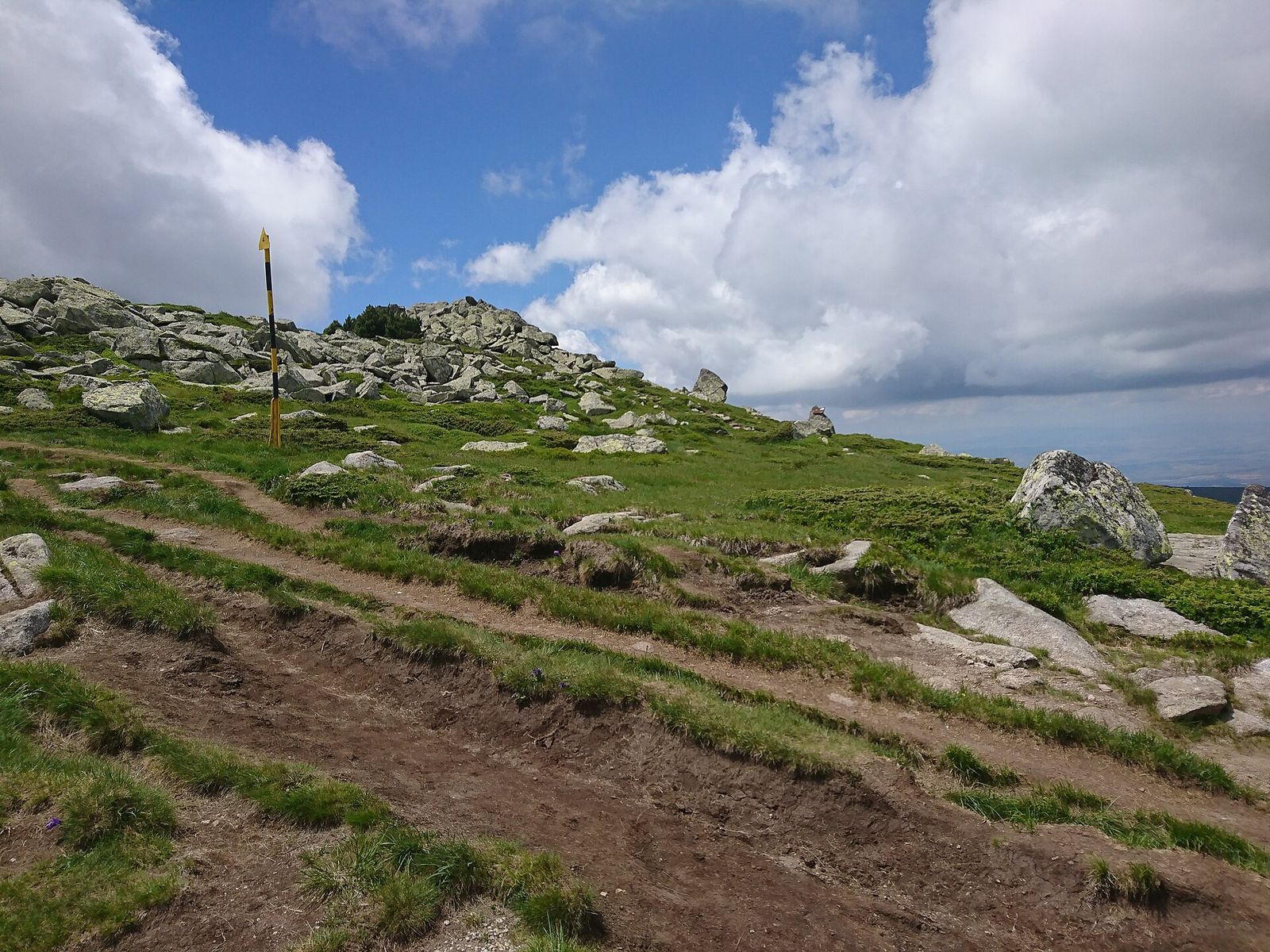
This is what goes in my bag for a day on Vitosha mountain or in Rila, in any season:
- A waterproof jacket, even under a blue sky, because summer storms build in the afternoon.
- A fleece or a light down jacket, since mountain evenings fall to about 10°C in summer and lower above 2,000 metres.
- A warm hat and thin gloves, from September to June and on any summit day.
- Sun hat and SPF 45 to 60, because the sun burns faster at altitude.
- Long trousers, for the ticks in the long grass.
- Water and lunch, since the climb from Aleko alone takes 1.5 to 2 hours.
- A charged phone, with the trail map saved offline.
- A few euros in cash for a coffee at the Aleko hut.
The Seven Rila Lakes sit between 2,095 and 2,535 metres and make a July to September hike, since the lakes freeze in October and thaw in June. The weather up there turns fast: Musala, the highest peak in Rila, can sit at 5°C in fog and rain in July, and old snow lasts into August high up.
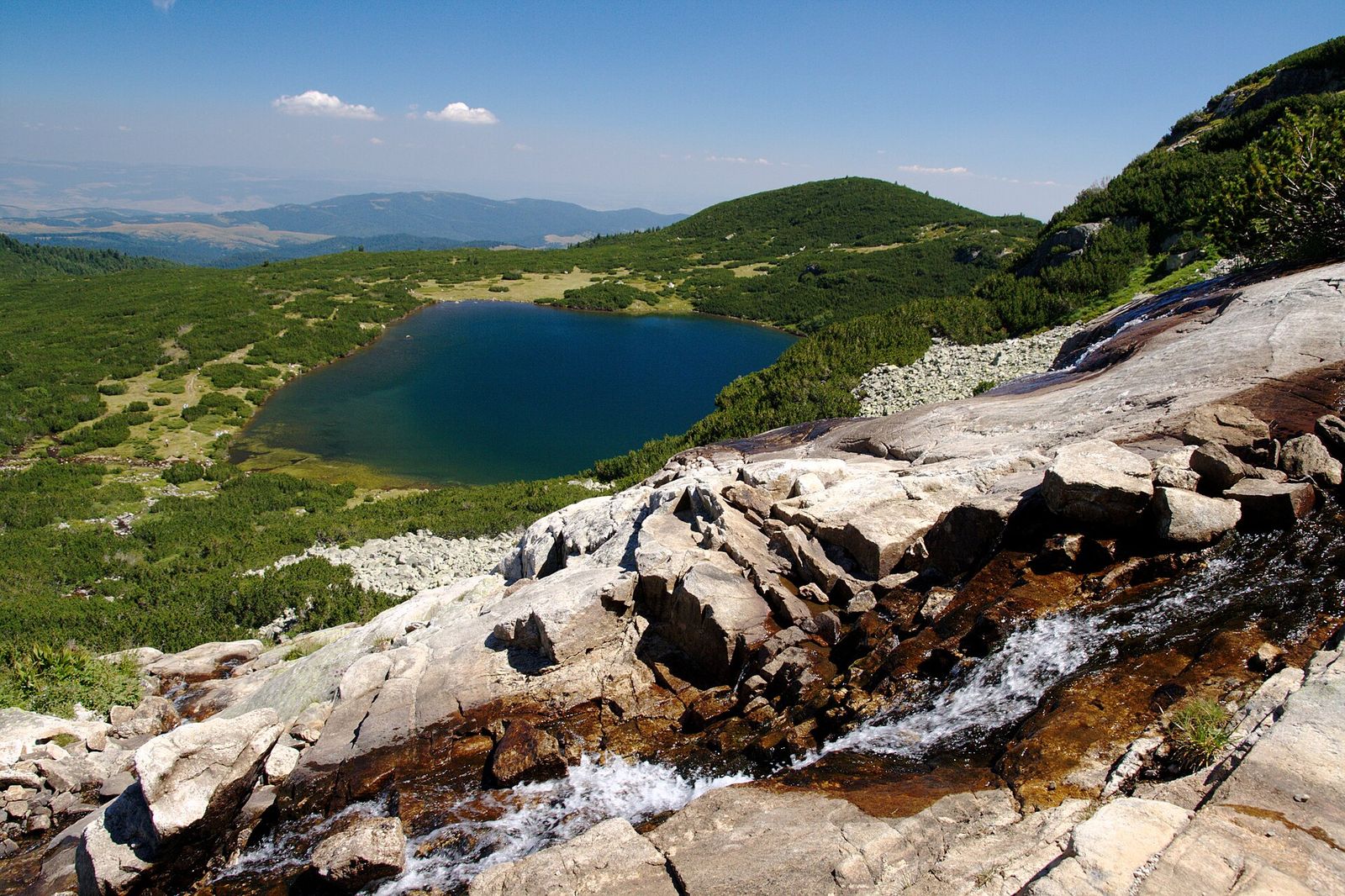
Water bottle, sun cream and insect repellent
Sofia's tap water is safe to drink, so a refillable bottle saves buying plastic all weekend. The free hot taps beside the Central Mineral Baths pour spring water, and locals queue there with big bottles to take it home. It comes out warm with a faint mineral taste, and the mineral springs are one of my favourite free stops in the centre.
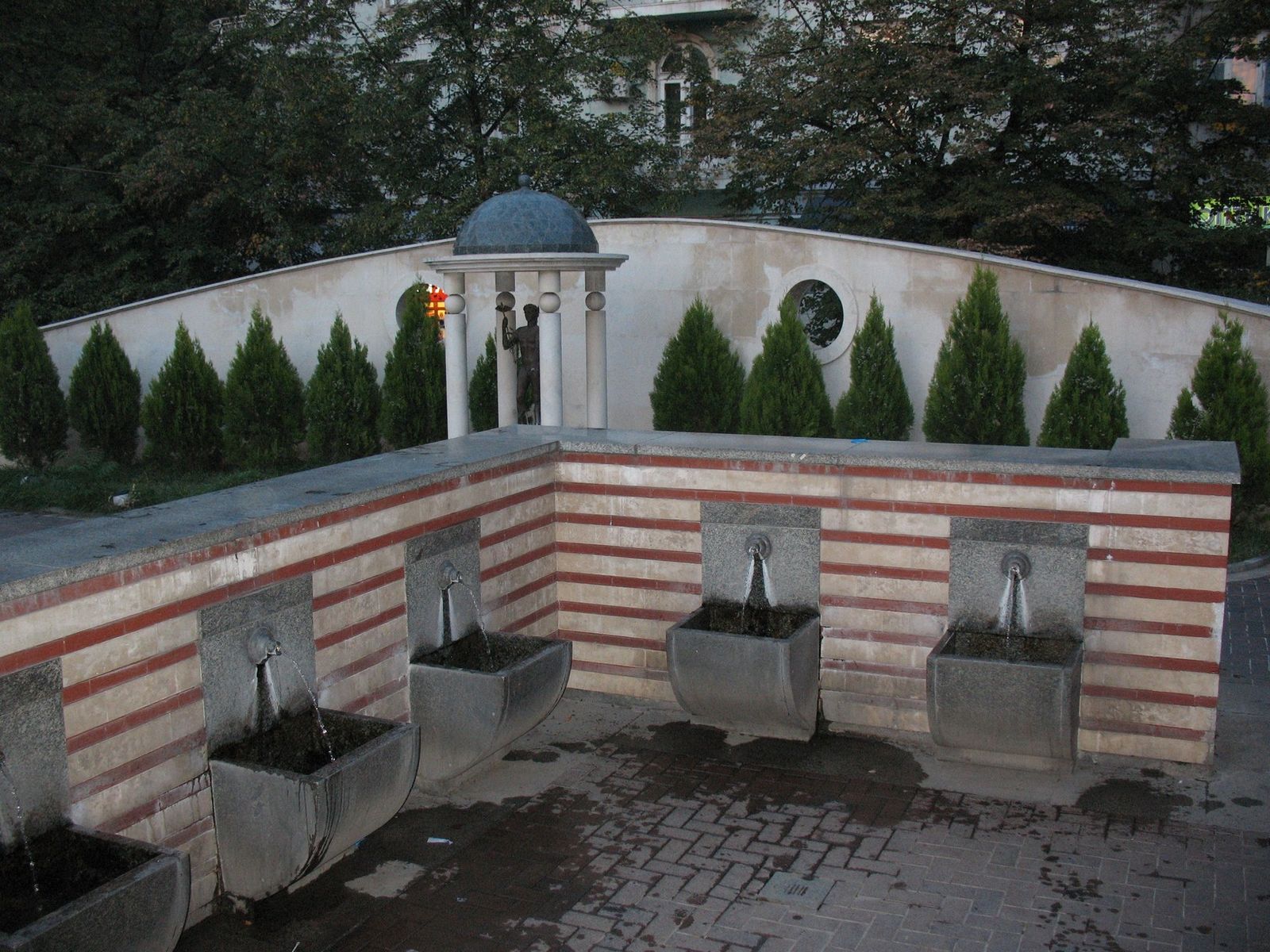
Pack insect repellent for anything outside the city. Mosquitoes bite from June to September in rural and forest areas, and ticks live in the long grass and woods, where tick-borne encephalitis turns up in rural Bulgaria. After a hike I check my legs and hairline before the bus home.
I bring sun cream from home because I know which one suits my skin. If you run out, pharmacies carry the sign Аптека (apteka) and sit on almost every central street, so a small first-aid kit is plenty.
Packing for the Black Sea coast
The coast is a separate trip on the far side of the country, and I swim there from June to September. The sea at Varna averages 21.5°C in June and 24.8°C in August. Add swimwear, flip-flops for the sand and a cover-up for walking into town, as beachwear off the beach gets looks in the old towns.
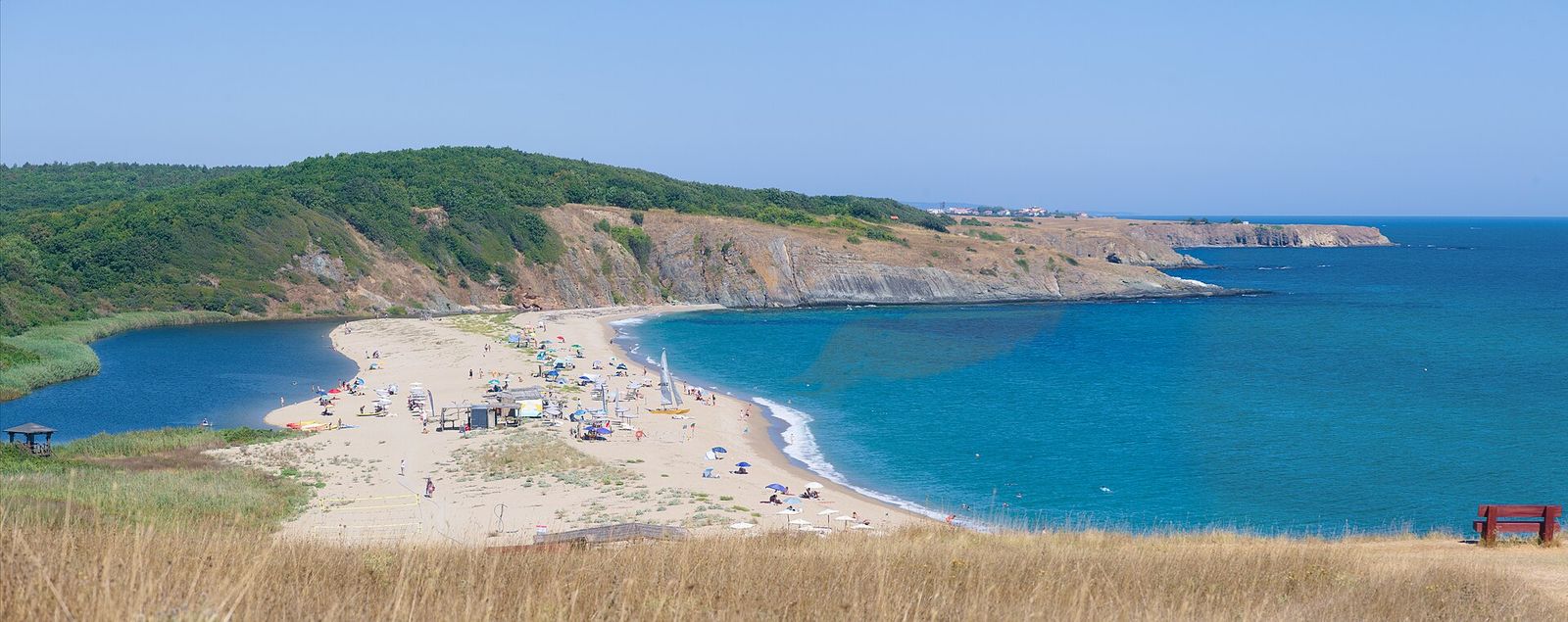
My favourite beach on the Bulgarian Black Sea coast is at Sinemorets, near the Turkish border, where you swim in the Veleka river on one side of the sand and the sea on the other.
Packing light for a weekend in Sofia
Flights from the UK take about 3 hours, and for a weekend in Sofia hand luggage is all you need. The metro from Terminal 2 into the centre costs €0.80, and a small bag makes it easy. This is the list I send friends for an October weekend:
- 2 pairs of trousers, one smart enough for dinner
- 3 tops and 1 long-sleeved layer
- 1 warm jumper or fleece
- 1 packable waterproof
- Trainers with grip, worn on the plane
- A thin scarf for the churches
- Adaptor, charger and power bank
- Passport, the printed copy, GHIC and a contactless card
- A refillable water bottle
Leave space for the way back, too. Great Britain lets each adult bring home 4 litres of spirits and 18 litres of wine duty-free, and if you check a bag, a bottle of rakia travels well in it, wrapped in a jumper. Bulgarian cheese, yoghurt and sausage can't come home at all, because Great Britain's rules on meat and dairy ban EU dairy, pork, beef and lamb products from your luggage. Rose oil, mountain tea and sharena sol are the Bulgarian souvenirs that pack flat and light.
Key takeaways
- The paperwork and plug never change: a passport under 10 years old, the photo-page copy, a GHIC, insurance that covers mountain rescue and a Type C or F adaptor.
- Dress for the season: linen and one long layer in summer, a warm coat, hat and grippy boots from December to February, and layers in between.
- Carry a scarf for churches and Rila Monastery, where shoulders and knees stay covered.
- Pack for the summit on any Vitosha or Rila day: a waterproof, a fleece, sun cream and a charged phone, and be back for the last bus.
Frequently asked questions
What plug adapter do I need for Bulgaria?
You need a UK to European two-pin adaptor for Type C and F sockets. Bulgaria runs on 230 volts at 50 Hz, the same as the UK, so phones, laptops and hair straighteners need no voltage converter.
Is Bulgaria warmer than the UK?
In summer it's hotter, and in winter it's colder. Sofia averages 27.8°C on July afternoons and -3.9°C on January nights, so pack for heat in August and real cold in January.
Does it snow a lot in Sofia?
Sofia gets about 30 snowy days a year, almost all between December and March, and January is the snowiest month. Pack waterproof boots with a good tread, because the yellow paving in the centre turns icy.
What should I wear to visit churches in Bulgaria?
Cover your shoulders and knees, and men should take their hats off inside. A light scarf over a summer top and long trousers or a midi skirt work for every church and monastery, Rila Monastery included.
Do I need to carry my passport in Bulgaria?
You must carry ID at all times, and a printed copy of your passport's photo page is accepted. Keep the copy on you and the passport in the hotel safe, and carry the passport itself when you cross into another country, Greece and Romania included.
Can I drink the tap water in Sofia?
Yes, Sofia's tap water is safe to drink, so bring a refillable bottle. The free hot taps beside the Central Mineral Baths also pour spring water that locals bottle to drink at home.
What food can't I take into Bulgaria from the UK?
Meat, milk and products containing them can't be brought into the EU, so finish any ham or cheese sandwich before you land. The same applies on the way home: Great Britain doesn't let EU cheese, yoghurt or sausage into your luggage.
Sofia Travel Tips: What I'd Tell You Before a First Trip to Bulgaria
What I tell friends before their first Sofia trip: visas, the euro, the airport metro, taxis and the head nod.
Read the guide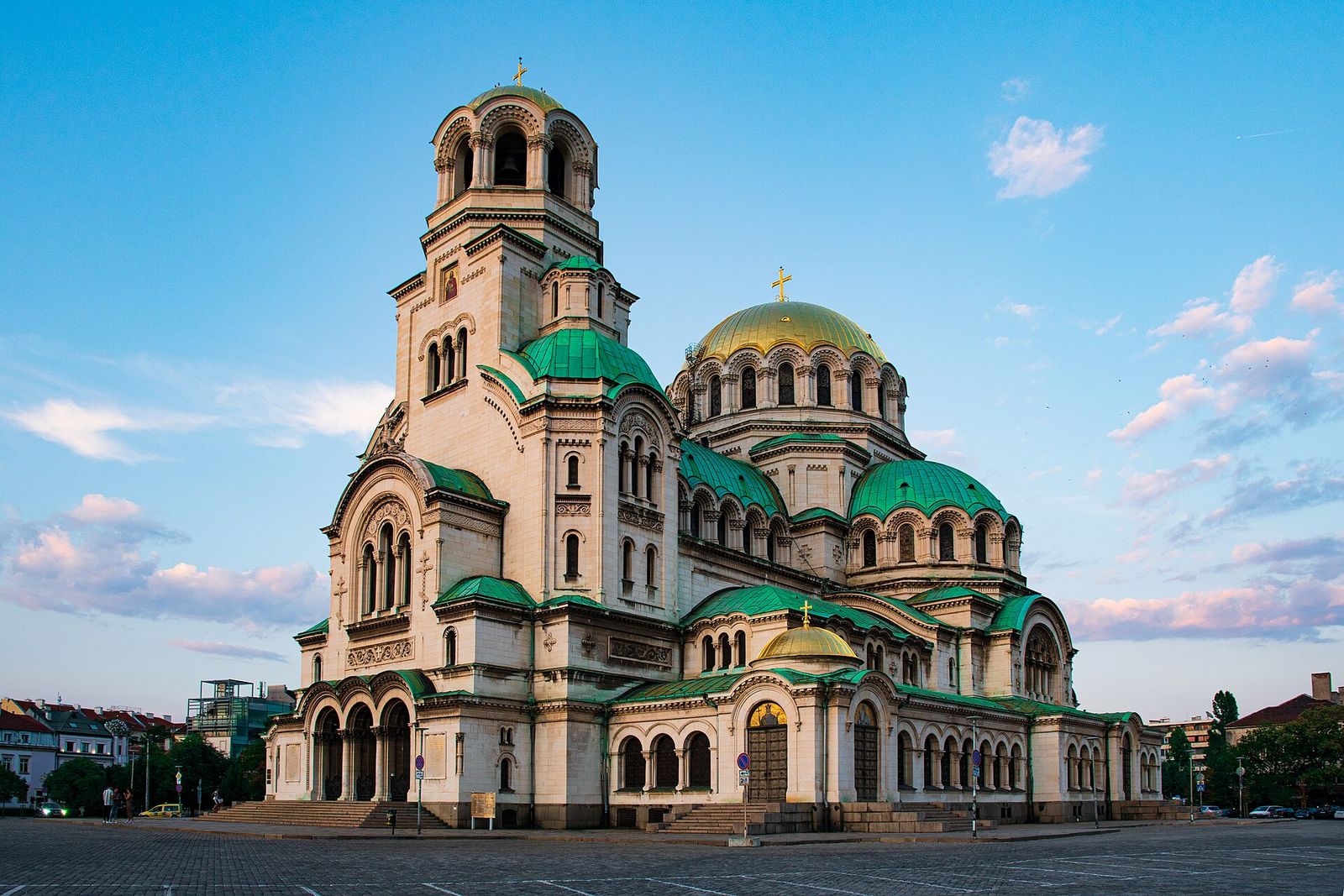
My Perfect Weekend in Sofia: A 2-Day Plan with Costs
How I would spend 48 hours in Sofia: what to see, where to eat, the Saturday night out and what it all costs.
Read the guide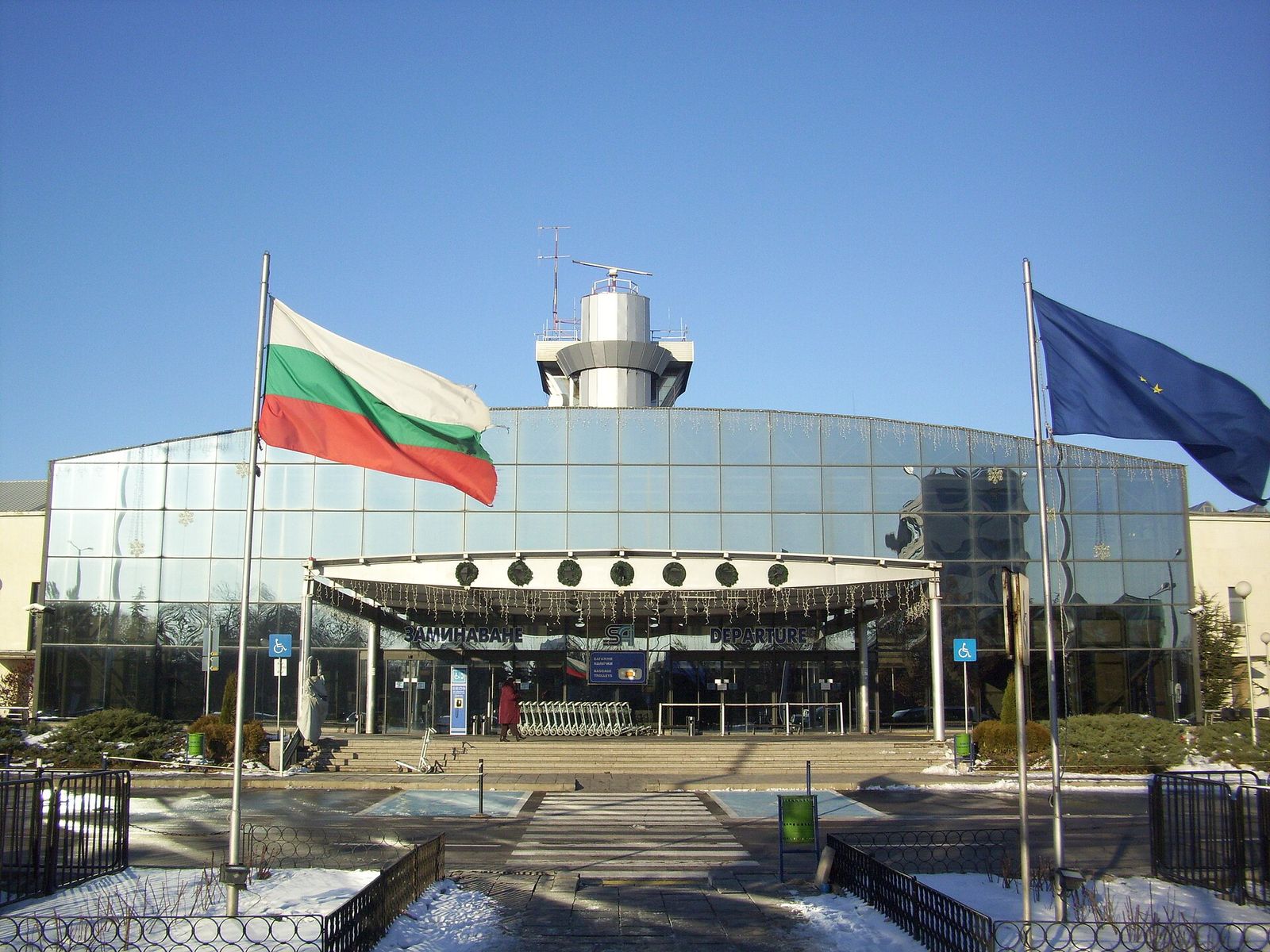
Flights from the UK to Sofia: Airlines, Airports and Fares
Which airline flies to Sofia from which UK airport, how long it takes, the fares I saw and getting into town.
Read the guide