Bulgarian Beer: The Brands to Try and How to Order Them in Sofia
Bulgaria is a pale lager country: a cold half-litre on a terrace, grilled meat on the table and €2 to €3.50 on the bill. I've lived in Sofia long enough to have favourites, so these are the 9 Bulgarian beers you'll see on menus here, the six I order by name, how to ask for them, what they cost and the five places I go to drink them.
Bulgarian beer brands at a glance
These are the 9 Bulgarian beers I see most often on menus and in supermarket fridges. Almost all of them are pale lagers, and each of the big brands is tied to the town where it was first brewed.
| Beer | In Cyrillic | Home town | What it is | My take |
|---|---|---|---|---|
| Kamenitza | Каменица | Plovdiv | Pale lager, plus an alcohol-free version | My everyday draught |
| Zagorka | Загорка | Stara Zagora | Pale lager, an unpasteurised Retro and a dark Rezerva | Pick up the Retro |
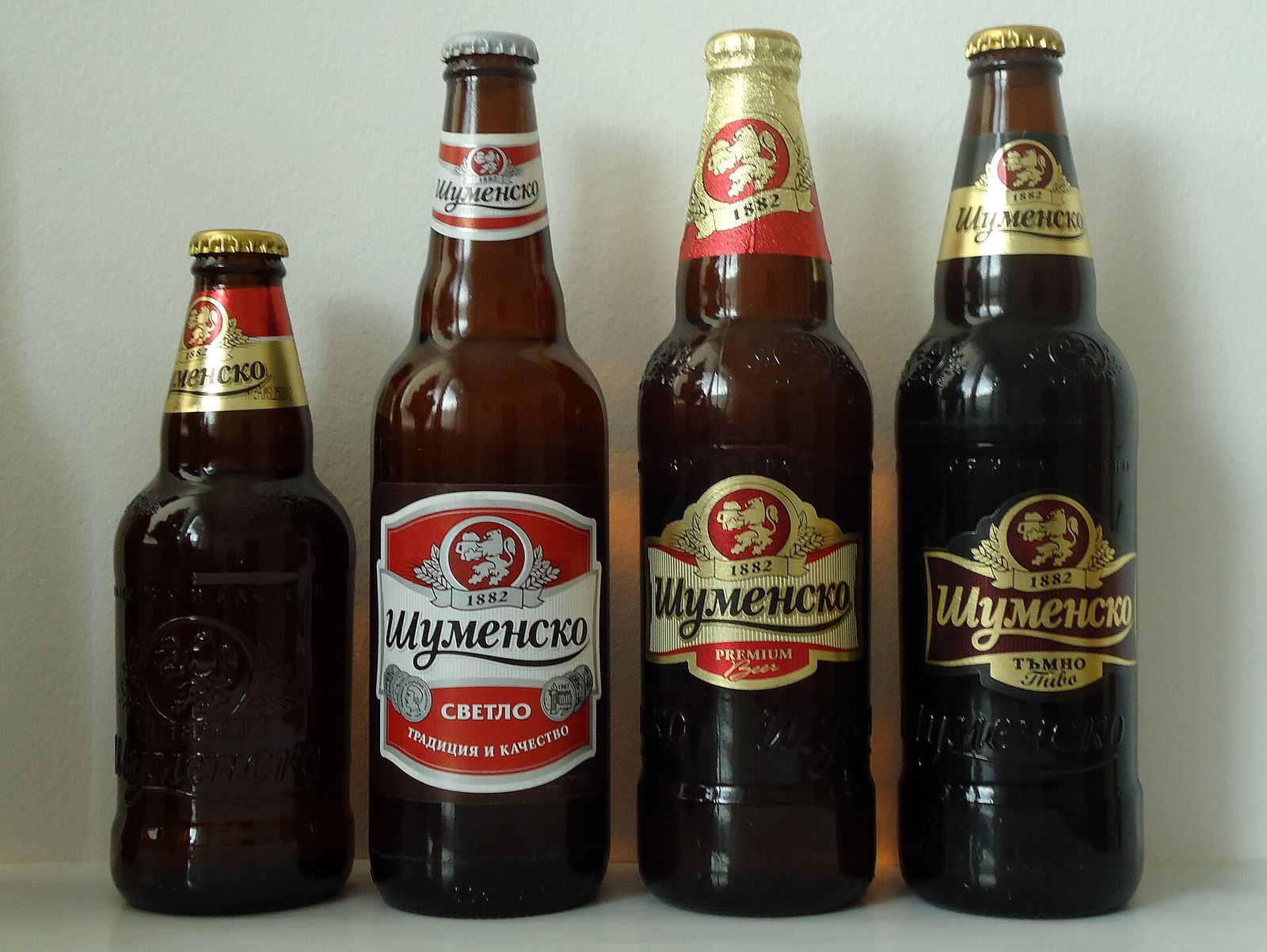
| Shumensko | Шуменско | Shumen | Pale, premium and dark lagers | Order the dark |
| Pirinsko | Пиринско | Blagoevgrad | Pale lager | Fine with a grill |
| Ariana | Ариана | Sofia | Pale lager and a 5.5% dark | Sofia's own, and the dark is good |
| Astika | Астика | Haskovo | Pale lager | A supermarket staple |
| Burgasko | Бургаско | Burgas | Pale lager | One for the Black Sea coast |
| Bolyarka | Болярка | Veliko Tarnovo | Pale and dark lagers | My favourite of the big lagers |
| Stolichno | Столично | Brewed by Zagorka | Dark bock | My winter beer |
Three international brewers own most of these. Molson Coors has Kamenitza, Astika and Burgasko, Heineken has Zagorka, Ariana and Stolichno, and Carlsberg has Shumensko and Pirinsko. Bolyarka sits outside all three: it brews in Veliko Tarnovo and also brings Germany's Warsteiner into Bulgaria.
The Bulgarian beers I order
These six are the beers I ask for by name, in the order I'd try them on a first trip. Pirinsko from Blagoevgrad, Astika from Haskovo and Burgasko from Burgas fill the rest of the fridge as plain pale lagers, and I drink them when one of them is the only tap in the bar.
Kamenitza (Каменица)
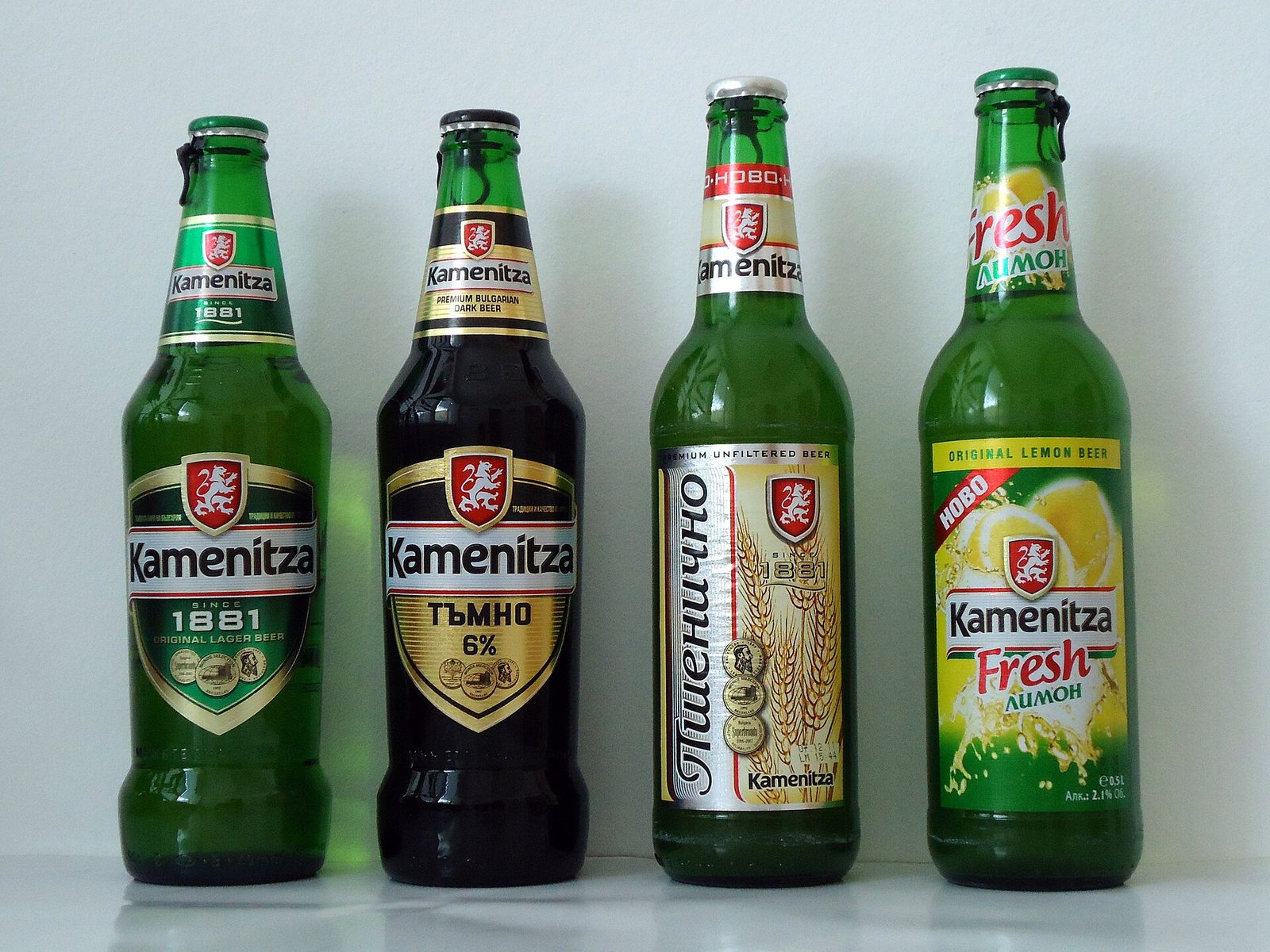
Kamenitza is the beer I order when I don't want to think about it. It comes from Plovdiv, Bulgaria's second city, and dates itself to 1881, which makes it the oldest of the big names. The everyday bottle is Kamenitza Svetlo (светло, pale), a light, clean lager for a hot afternoon, and there's an alcohol-free version (безалкохолна, bezalkoholna) for whoever is driving. Over the years Kamenitza has also bottled a dark beer, a wheat beer and a lemon beer, all four in the photo above.
Zagorka (Загорка)
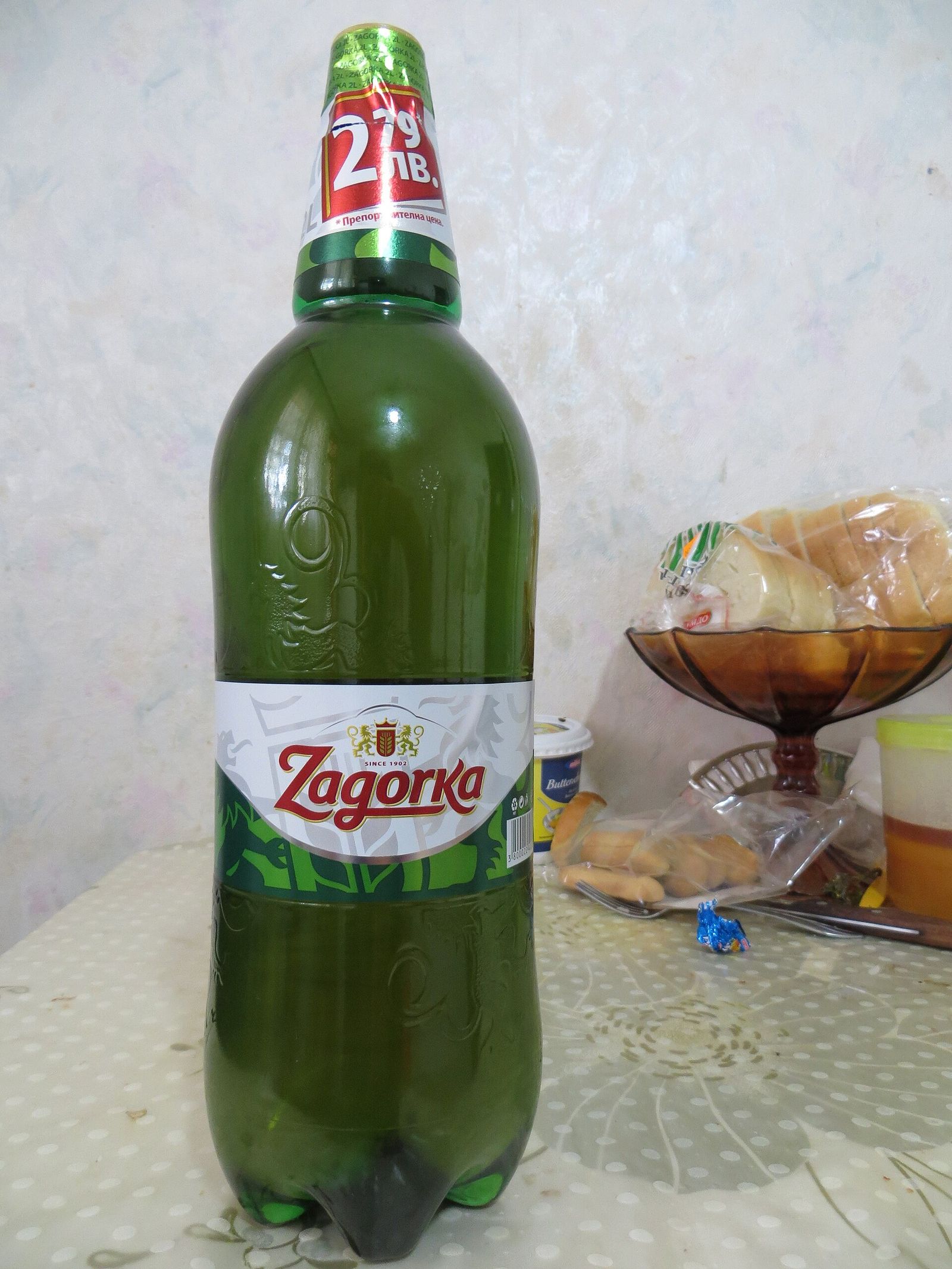
Zagorka is brewed in Stara Zagora, and its label says "since 1902". The standard beer is Zagorka Spetsialno (Специално), a pale lager sold in everything from a 330 ml bottle to a 2-litre plastic one. Zagorka Retro (Ретро) is unpasteurised and comes in half-litre bottles, and Zagorka Rezerva (Резерва) is a dark beer with oak notes. There's a 0.0% version too. Retro is the Zagorka I pick up in a supermarket.
Shumensko (Шуменско)
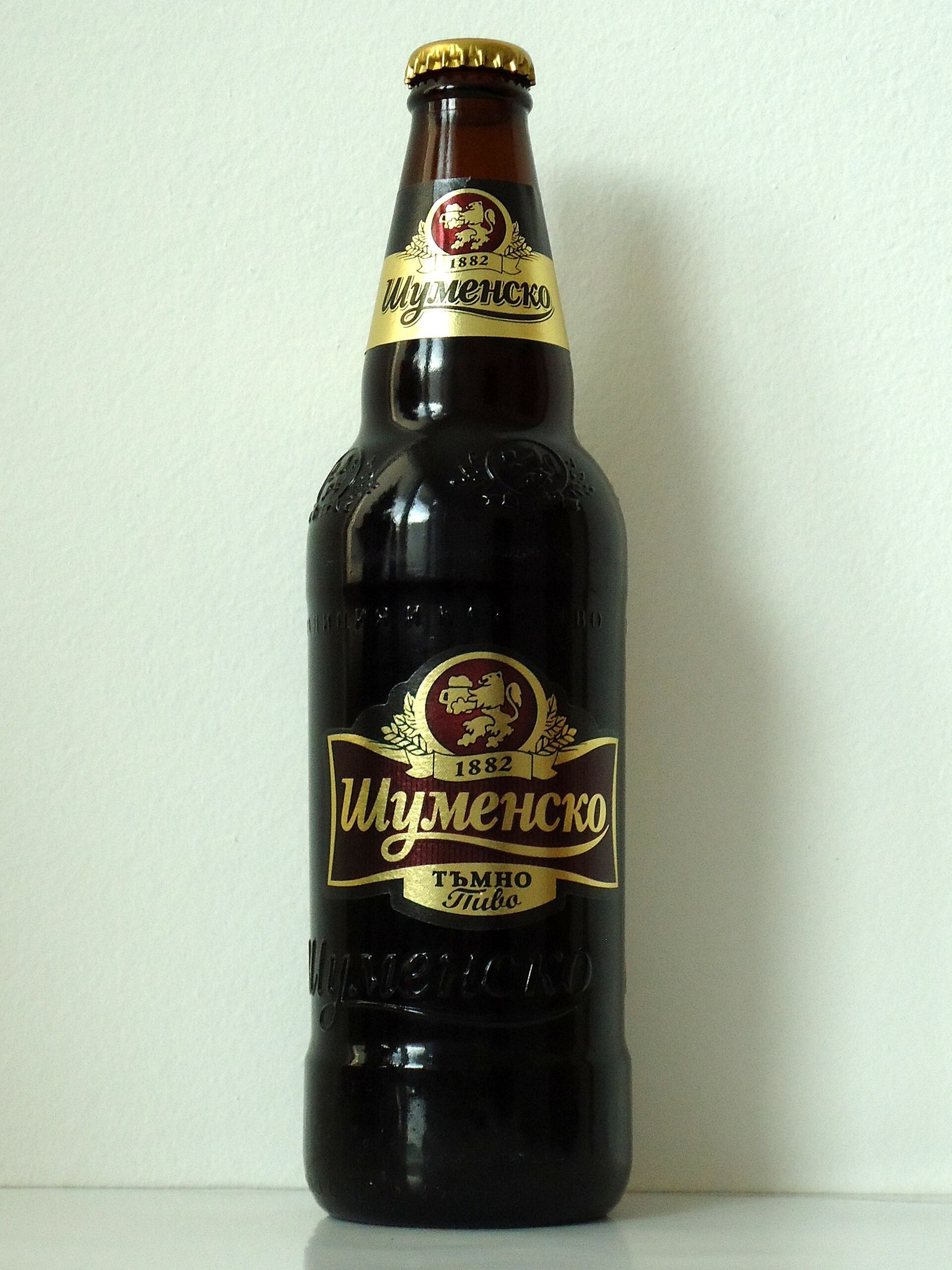
Shumensko comes from Shumen in north-east Bulgaria, where the Czech brewer Franz Milde founded the brewery in 1882, the year still printed on its labels. The range runs from Svetlo (pale) to a Premium lager and a dark beer labelled тъмно пиво (tamno pivo). I skip the pale and go for the dark: maltier and a little sweeter, and good with a plate of kebapche.
Ariana (Ариана)
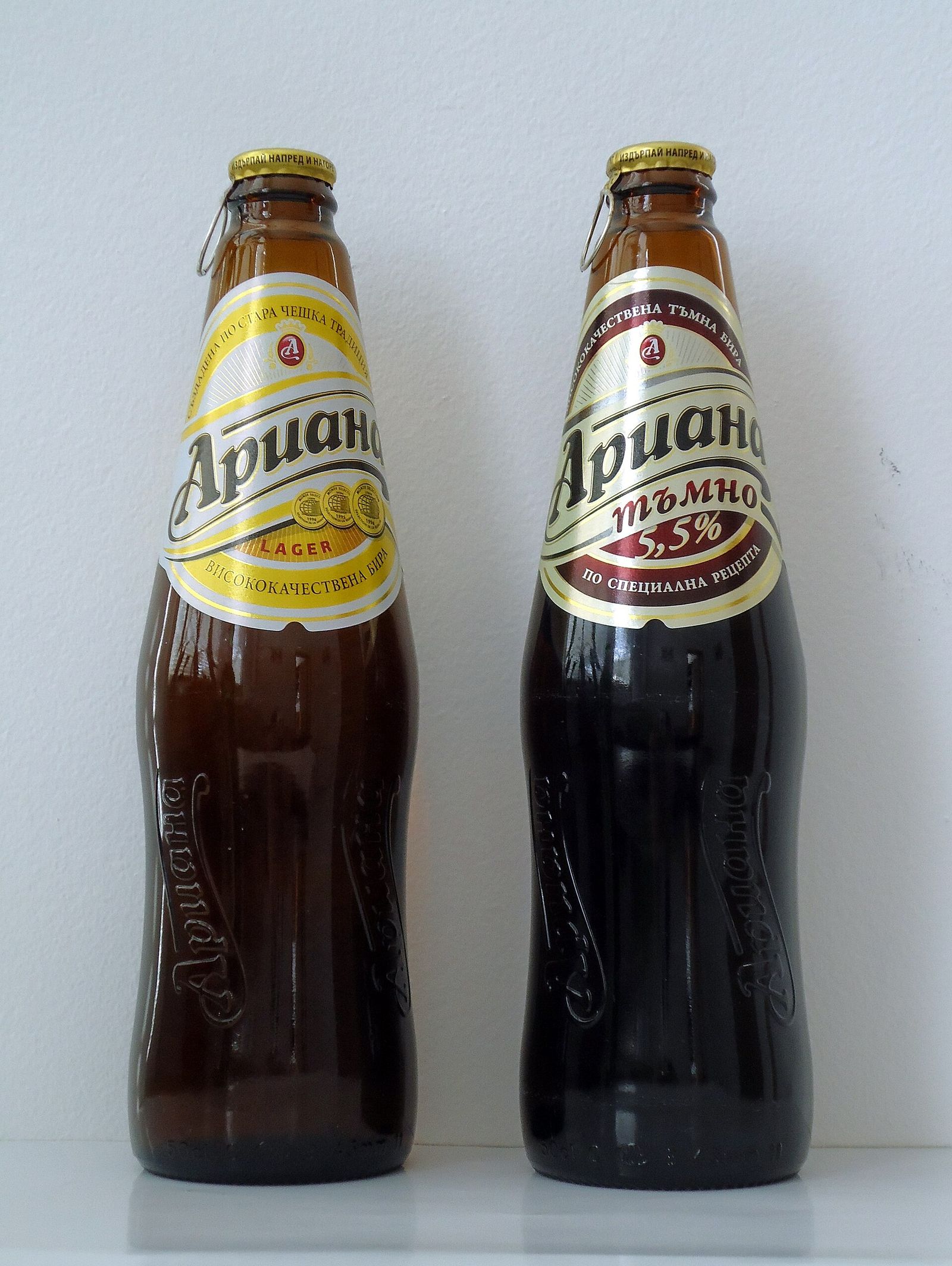
Ariana is Sofia's own beer. Its story starts in 1884, when the Czech brothers Prošek opened the Vitosha brewery in the capital, and the lager's label still says it's made to an old Czech tradition. The lager is an easy, everyday pale beer. The dark, Ariana Tamno (тъмно), is 5.5% on the label and is the one I'd point you to: rounder and sweeter than the lager, and very good with a bowl of bean soup in January.
Bolyarka (Болярка)
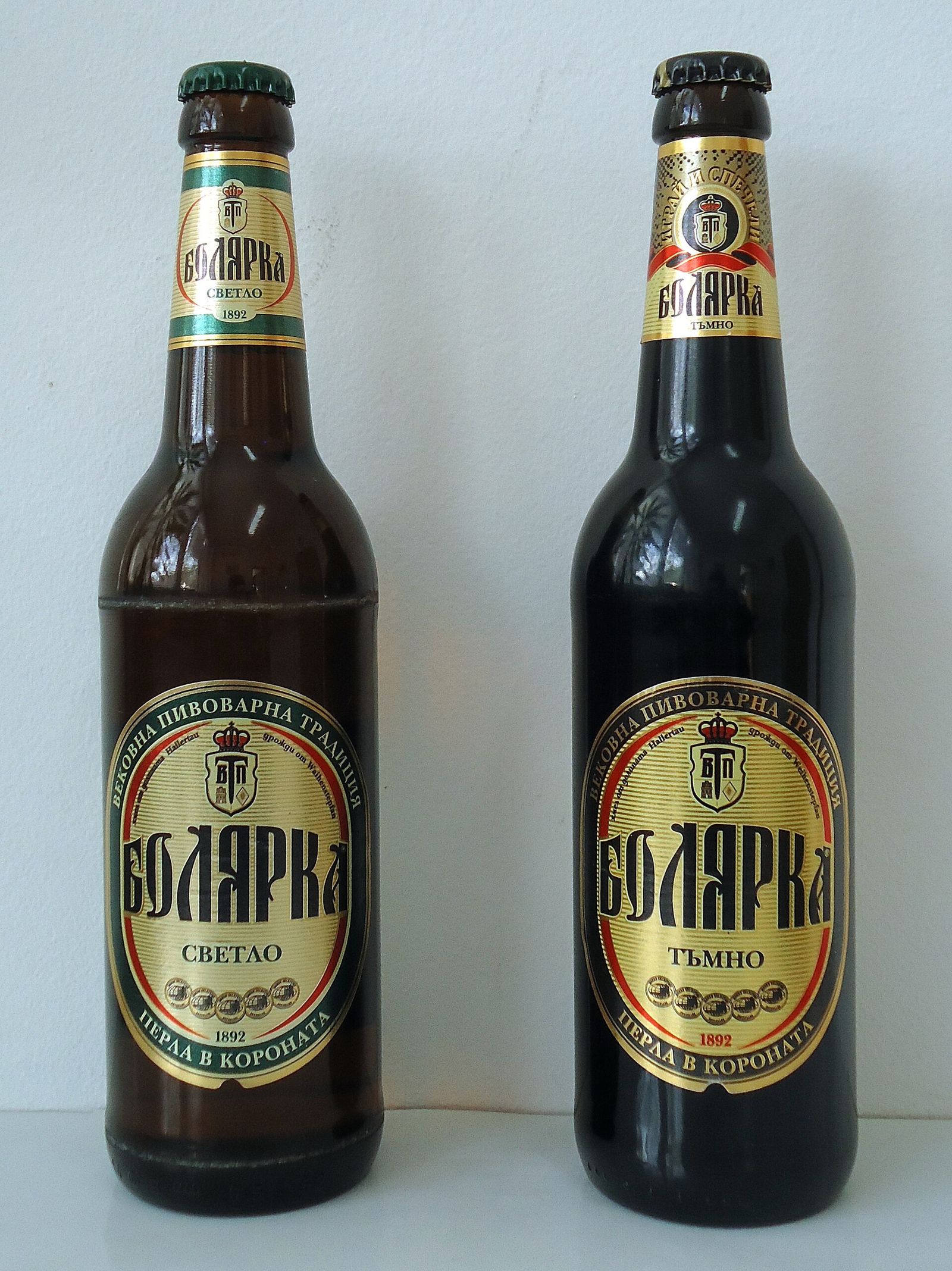
Bolyarka is brewed in Veliko Tarnovo, Bulgaria's medieval capital, and none of the three international groups owns it. The labels carry the date 1892 and name the hops (Hallertau) and the yeast (Weihenstephan), both German. The pale lager is my favourite of the mainstream Bulgarian beers, with a touch more bitterness than Kamenitza, and the dark makes a good second round.
Stolichno (Столично)
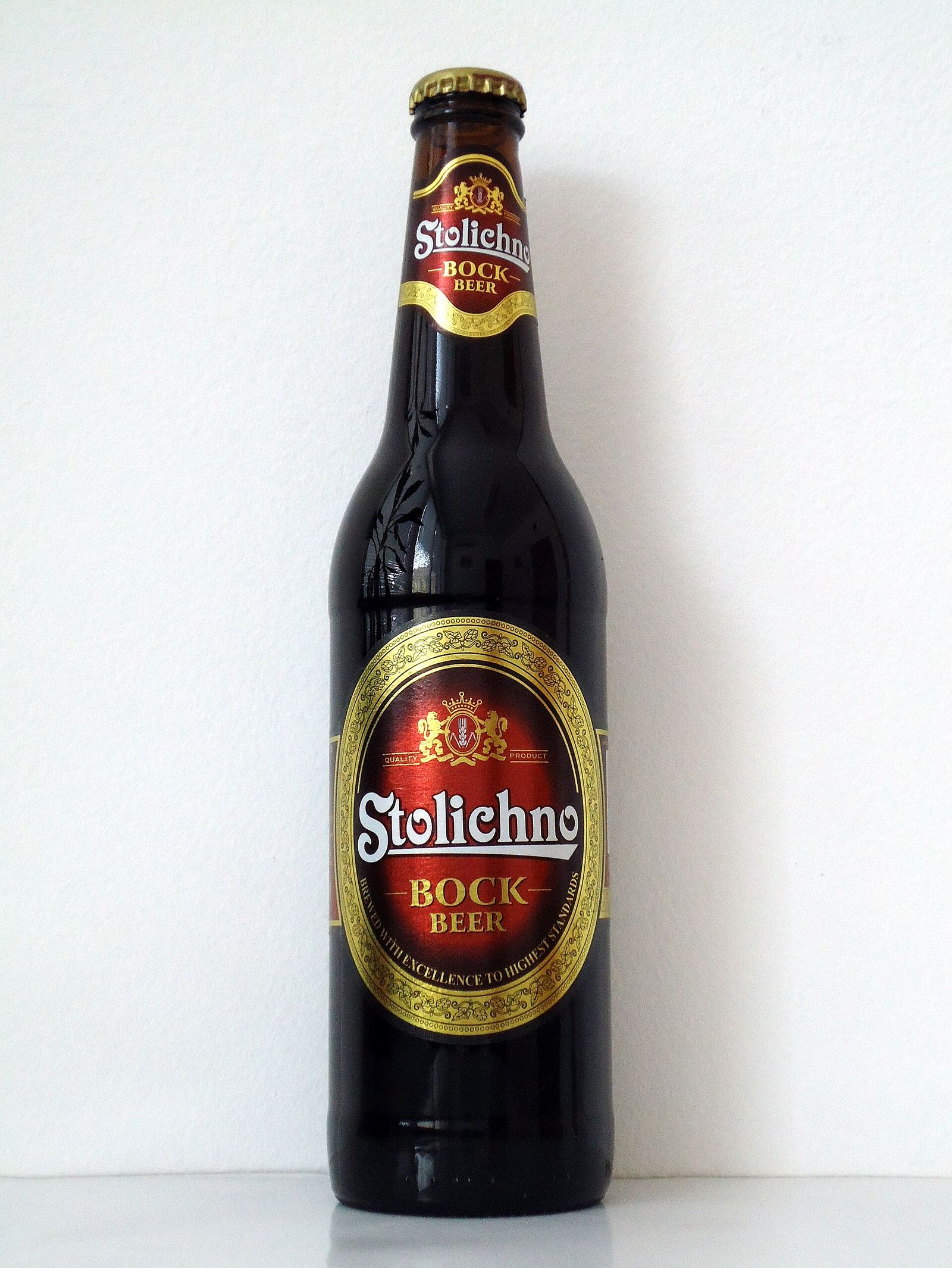
Stolichno means "of the capital", and it's a bock: a dark, malty, stronger style of beer that Zagorka brews. It's what I drink from November to March, when a pale lager feels too thin for the weather. Bock drinks heavier than anything else on this list, so one bottle with dinner is my limit.
A short history of Bulgarian beer
Beer came late to Bulgaria. Until the 1870s it was practically unknown here, and Bulgarians drank wine and rakia. Swiss and Czech brewers opened the first breweries around the liberation from Ottoman rule in 1878.
The first commercial brewery opened in Plovdiv in 1876, founded by the Swiss Rudolf Frick and Friedrich Sulzer, and production started in 1882 in the Kamenitsa area that gave Kamenitza its name. Shumen followed in 1882, Varna and Sofia's Vitosha brewery in 1884, and Stara Zagora in 1902. Once the First World War was over, Bulgaria had 18 breweries.
After the Second World War the state nationalised every brewery, and after 1989 the big international brewers bought them, which is how a Bulgarian lager today usually belongs to Heineken, Carlsberg or Molson Coors. Kamenitza, Shumensko and Zagorka still print their founding years, 1881, 1882 and 1902, on their labels, all within 25 years of the liberation, the turning point in Bulgarian history that the Tsar Liberator monument in front of Sofia's parliament commemorates.
How to order beer in Sofia
Four words cover most orders: голяма (golyama, big), малка (malka, small), наливна (nalivna, draught) and бутилка (butilka, bottle). A big beer, голяма бира, is half a litre, the nearest thing to a pint, and a small one is about a third of a litre.
| Say | Sounds like | You get |
|---|---|---|
| Една голяма бира, моля | edna golyama bira, molya | One big beer, please (half a litre) |
| Една малка бира | edna malka bira | One small beer (about 0.33 litre) |
| Наливна | nalivna | Draught |
| Бутилка | butilka | A bottle |
| Светла or тъмна | svetla or tamna | Pale or dark |
| Наздраве! | nazdrave | Cheers! |
| Сметката, моля | smetkata, molya | The bill, please |
Labels say светло and тъмно, ending in an o, because they agree with пиво (pivo), the older Slavic word for beer that brewers still use. At the bar you'll say светла and тъмна, to agree with бира. Add "моля" (molya, please) and finish with "благодаря" (blagodarya, thank you), two of the Bulgarian phrases I use every single day.
When the glasses meet, look the other person in the eye and say "nazdrave". Bulgarians notice when you clink while looking at the table, and eye contact is the easiest bit of Bulgarian etiquette to get right on a first night out.
How Bulgarians drink beer
Of all the Bulgarian drinks, beer is the one for the afternoon: rakia arrives with the salad at the start of dinner, wine comes with the main course, and beer belongs on a terrace in the sun. The standard order is a half-litre with something off the grill.
That means kebapche (spiced minced-meat sausages), kyufte (meatballs) or a plate of chips under grated sirene, the white brined cheese, and it's the side of Bulgarian food I'd pair with lager every time. A бирария (birariya) is a beer hall with a terrace and a grill menu, and my favourite in Sofia is Beer House Wooden in Zaimov Park.
Supermarkets sell the big lagers in glass, in cans and in 1 and 2 litre plastic bottles, and in summer the 2-litre bottles turn up on picnic blankets in the parks. Sofia, Plovdiv and Bansko are among the towns that hold a beer festival every year.
What beer costs in Sofia
These are 2026 prices in euros, from a plain local bar up to an imported bottle.
| What | Where | Price |
|---|---|---|
| Half-litre of draught Bulgarian lager | Plain local bar | About €2 |
| Half-litre of draught Bulgarian lager | Sofia average | About €3.50 |
| Imported beer, 0.33 litre | Bar | About €4 |
| Half-litre bottle of Bulgarian beer | Supermarket | About €1 |
For two people, four rounds of half-litres come to about €16 in a plain bar at €2 a glass, or €28 at the €3.50 average. The rest of the Sofia prices run on the same scale: a coffee costs €2 to €3 and a metro ride €0.80. For tipping in Bulgaria, I round up at the bar and leave 5 to 10% when someone brings the drinks to my table.
Bulgarian craft beer
Bulgaria's craft brewers are small, and they make the styles the big brands leave alone: IPAs, smoked beers and oddities such as a beer brewed with grape juice.
Hills is the one I buy most. It's a small independent brewery at Perushtitsa, a town near Plovdiv, and its range runs from a 3.8% Belgian-style Summer Blanche to a 6.5% Smooth Bock. Heart Beet is an IPA made with organic beetroot juice (5.7%), Weinbeere mixes hops and malt with white grape juice (6.5%), a recipe Hills patented in 2020, and Pils (4.8%) and Weizen (4.7%) are the easy ones to start with. Double Rauch (5.2%) and Helles Rauch (5%) are the smoked ones. A second line, MOMA, brews with Bulgarian ingredients, and Hills sells the lot through its online shop, with delivery to addresses across Bulgaria.
In the capital, Sofia Electric Brewing brews its own beer and pours it at a taproom on Vrabcha Street in the centre, and KANAAL on Madrid Boulevard specialises in craft beer from around the world, with a good list on draught. Those two are my first stops for craft beer in Sofia.
Where I drink Bulgarian beer in Sofia
Most bars in Sofia pour one of the big lagers on draught, so you'll find Bulgarian beer anywhere. These are the five places I go for it, and four of them put you outside: in a park, on a pavement or in a garden.
Beer House Wooden (Бирария Дървеното)
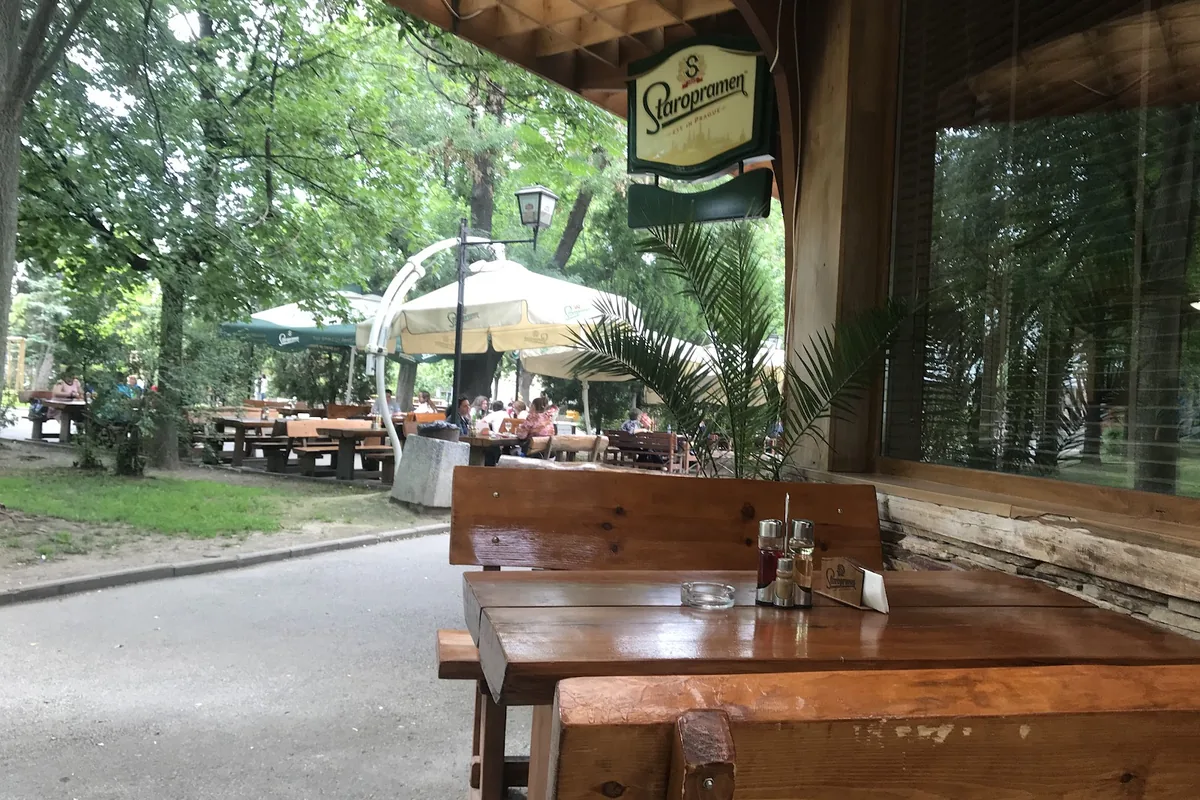
Beer House Wooden, Birariya Darvenoto in Bulgarian, is a beer hall in Zaimov Park, east of the centre. It pours Kamenitza, kebapche is on the menu, and there are tables inside and out, plus a covered terrace for smokers. Zaimov is one of the smaller parks in Sofia, with a playground, in the Oborishte district. A beer here turns into dinner without anyone having to move.
Barila Bar
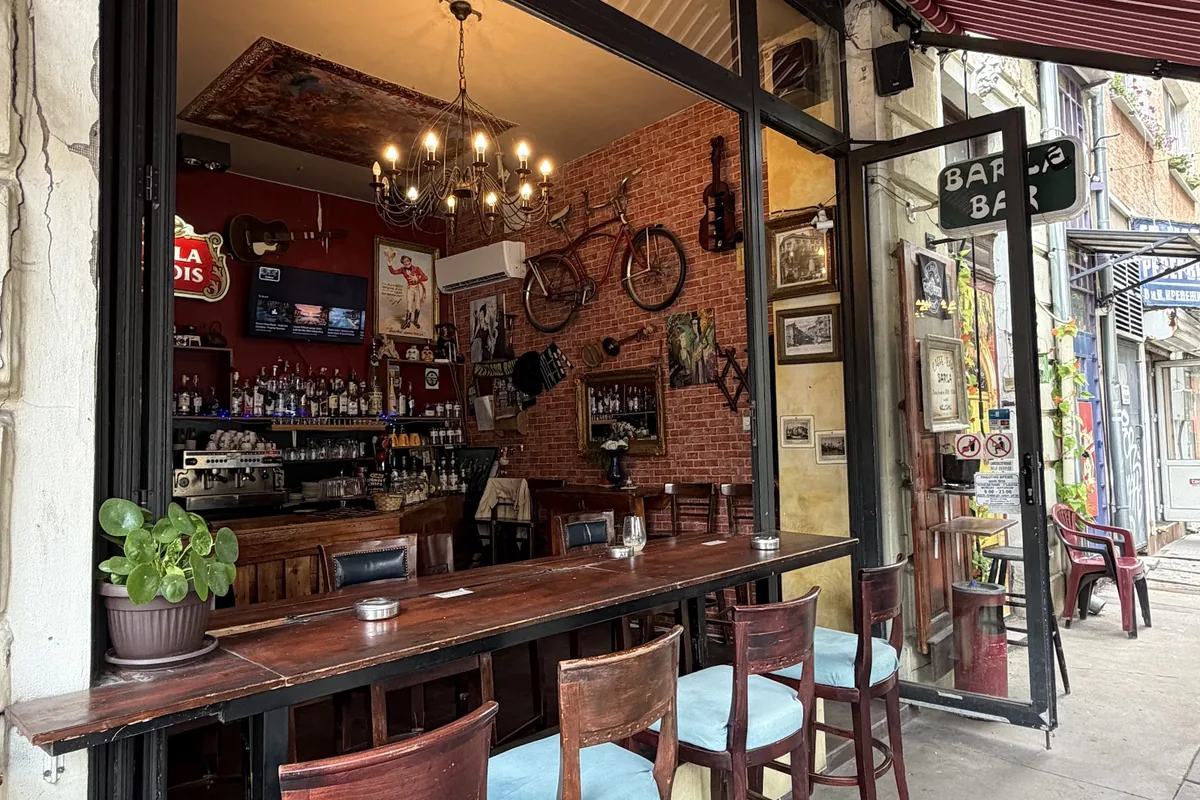
Barila Bar sits by the Women's Market (Женски пазар), Sofia's big open-air food market, with a few seats on the pavement out front. You order and pay at the bar, then carry your glass outside. It serves beer, cocktails and coffee, and I come here for a cold lager after a morning round the stalls.
Social Cafe Bar & Kitchen
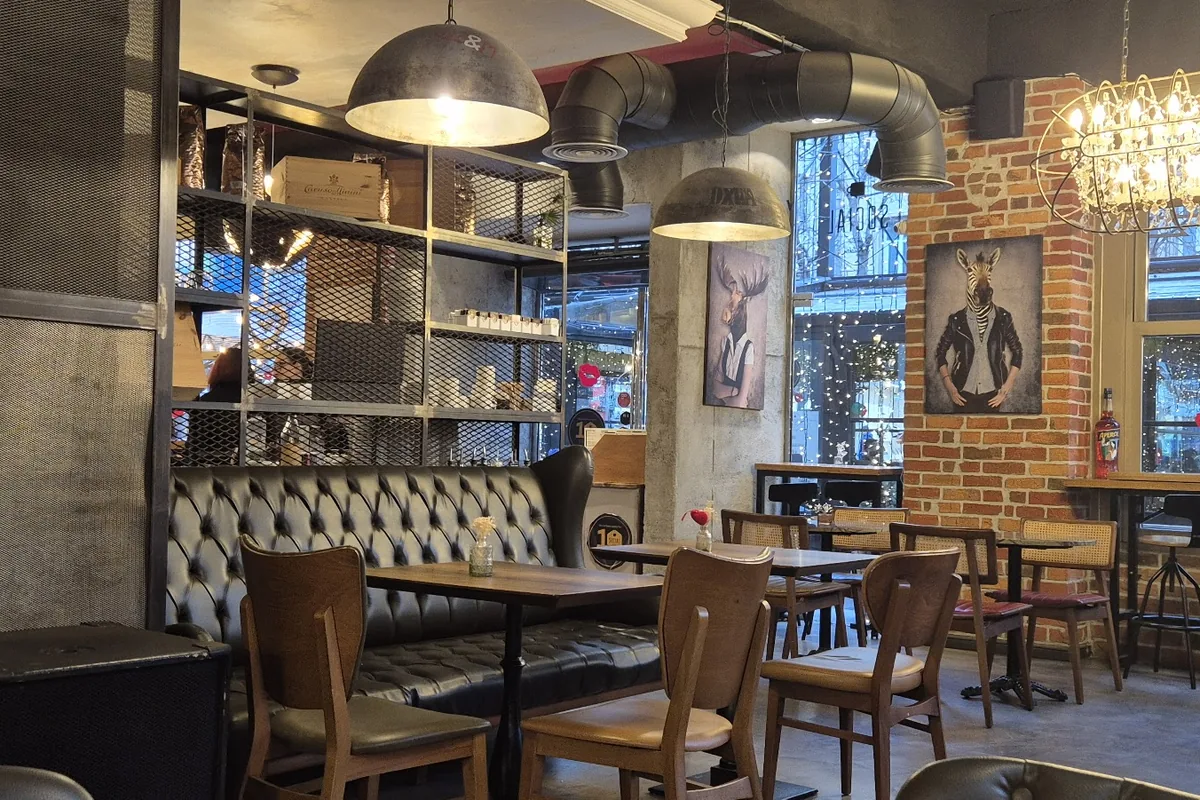
Social is on Vitosha Boulevard, Sofia's main pedestrian high street, and it pours draught beer over two floors. I use it when I want a socket for my laptop and a half-litre at the same table, and the smokers' seats outside are walled in for winter. It also does cocktails, coffee and mocktails for anyone off the booze.
Bar Jack
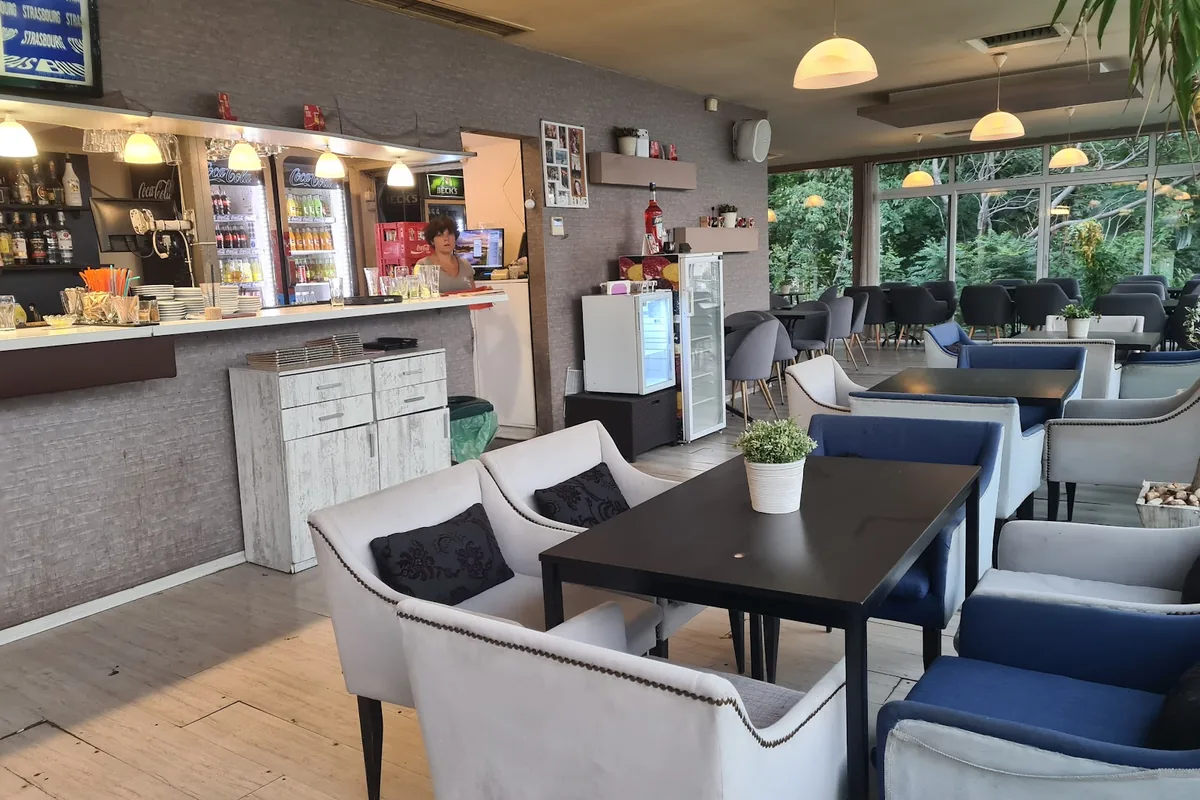
Bar Jack is in the park around the National Palace of Culture (NDK), at the south end of Vitosha Boulevard. Its outdoor tables are popular with dog walkers, there's a room inside for bad weather, and the beer list includes some Bulgarian beers. It's where I end a Sunday walk round the park, with a pale lager and a view of NDK's concrete.
Spetema Caffe
Spetema Caffe is a self-service cafe in the City Garden, the little park beside the old royal palace in the centre. You fetch your beer from the counter and sit outside under the trees, and it's my stop for a quick lager between the cathedral, the palace and the shops.
Key takeaways
- Bulgarian beer means pale lager first, and Kamenitza is the draught I order most.
- For more flavour, order a dark (тъмно), the Stolichno bock or a craft beer from Hills.
- Ask for голяма бира for a half-litre, and expect to pay about €2 to €3.50 in a bar or about €1 in a supermarket.
- Drink it the Bulgarian way, on a terrace with a grill menu, and look people in the eye on every "nazdrave".
Frequently asked questions
What is the most popular beer in Bulgaria?
Kamenitza, Zagorka and Astika are the three most popular, all pale lagers, and most menus in Sofia carry at least one of them. My everyday order is a Kamenitza.
What style is Bulgarian beer?
Most Bulgarian beer is light pale lager, the style Swiss and Czech brewers brought in the 1870s and 1880s. The big brands also make dark lagers (тъмно), Zagorka brews the Stolichno bock, and craft brewers such as Hills add IPAs, smoked beers and a grape-juice beer.
Is Bulgarian beer strong?
No. The everyday pale lagers are normal-strength lagers, and the stronger bottles are the darks and bocks: Kamenitza's dark is 6% and Ariana's 5.5% on the label, and Hills' Smooth Bock is 6.5%. Check the label on anything dark before a second round.
What is the Bulgarian word for beer?
Beer is бира (bira), and a half-litre is голяма бира (golyama bira), a big beer. You'll also see пиво (pivo), the older Slavic word, on labels such as Shumensko's dark beer, and a brewery is a пивоварна (pivovarna).
How much does a beer cost in Sofia?
A half-litre of draught Bulgarian lager costs about €2 in a plain local bar and €3.50 on average across Sofia. An imported 0.33 litre bottle is about €4 in a bar, and a half-litre bottle of Bulgarian beer in a supermarket about €1.
Does Bulgaria have craft beer?
Yes, a small scene of independent breweries makes the IPAs and smoked beers the big brands leave out. Hills, near Plovdiv, is the one I buy most, and in Sofia, Sofia Electric Brewing pours its own beer at a taproom on Vrabcha Street, open from 5pm to 1am every day.
Can I bring Bulgarian beer back to the UK?
Yes. Arriving in Great Britain from Bulgaria, you can bring up to 42 litres of beer for your own use without paying duty, under the UK's personal allowances. Pack the bottles in your hold luggage, wrapped in clothes, and cans of craft beer travel better than glass.
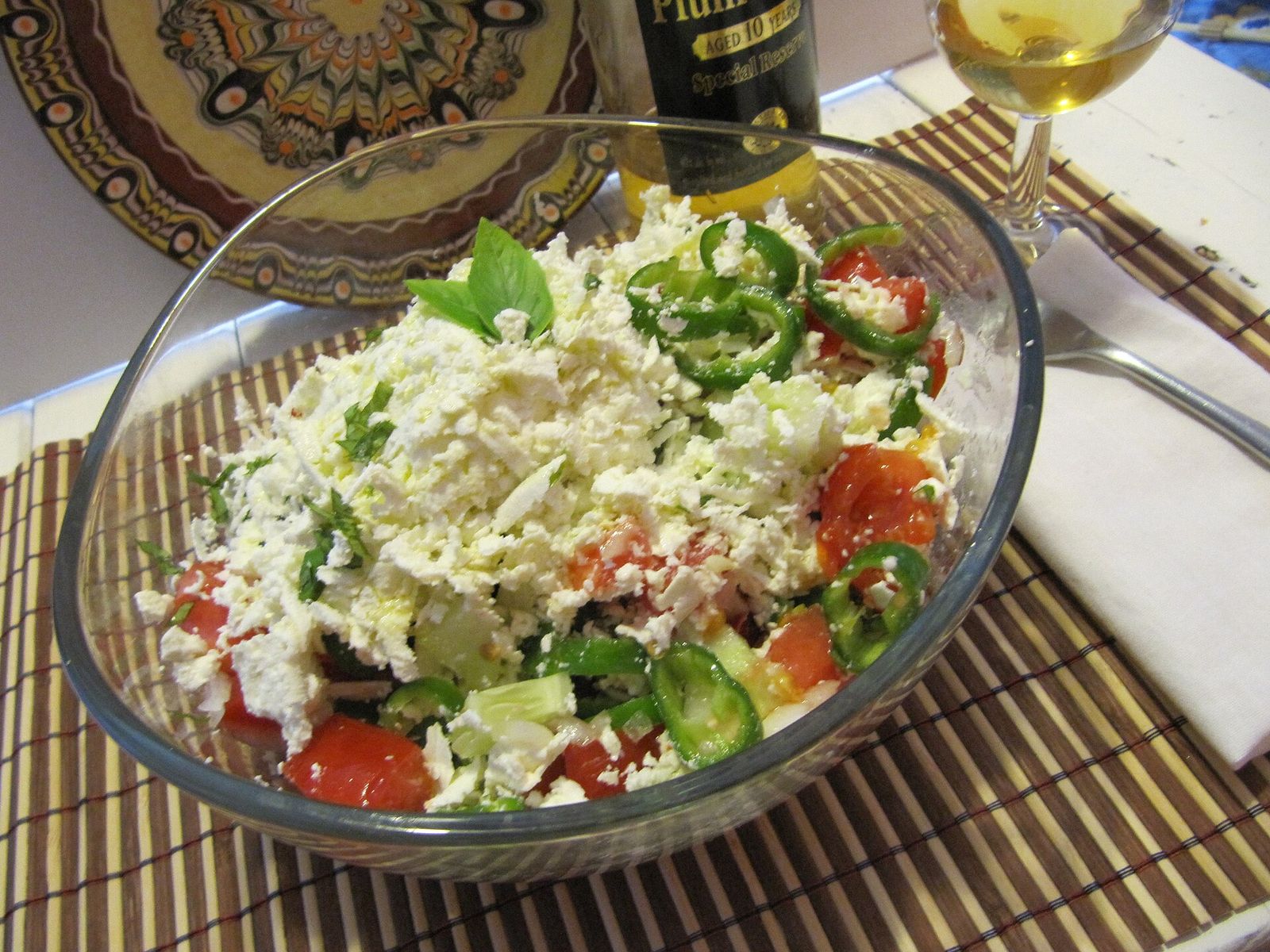
Bulgarian Drinks: What to Drink in Bulgaria and Where to Try It in Sofia
Rakia, wine, beer, boza and ayran: what Bulgaria drinks, how locals drink it and where I order each one in Sofia.
Read the guide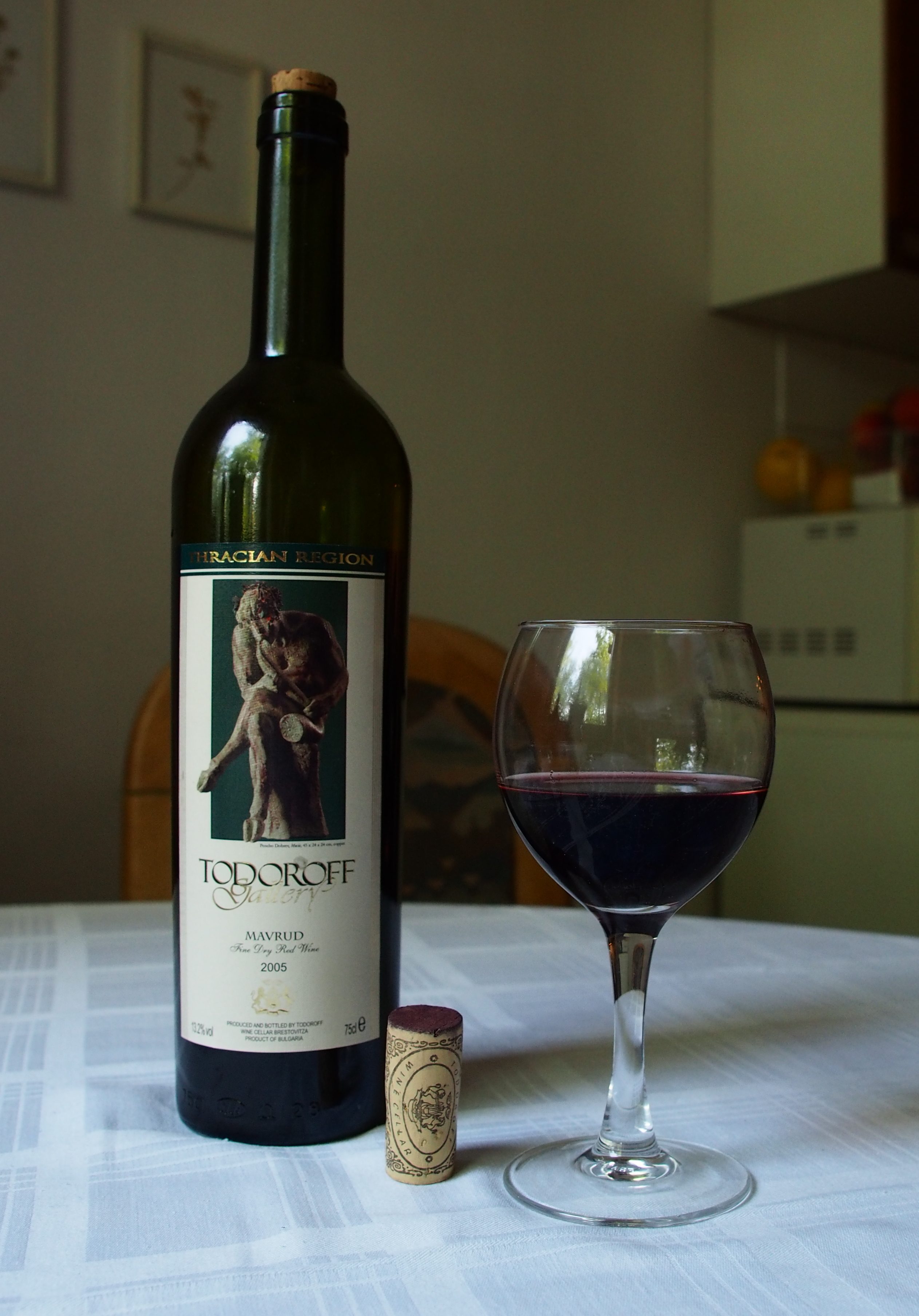
Bulgarian Wine: A Visitor's Guide to What to Order and Buy
Mavrud, Melnik and Misket: the Bulgarian wines I order in Sofia, what a bottle costs and how many to carry home.
Read the guide
Rakia: Bulgaria's Fruit Brandy, and How I Drink It in Sofia
Bulgaria's fruit brandy, from grape to quince: the types, how to sip it, and where I drink and buy it in Sofia.
Read the guide