The Bulgarian Black Sea Coast: My Favourite Places, North to South
Bulgaria's Black Sea coast is known for long sandy beaches, two ancient Greek towns on rocky peninsulas and one party resort that gives the rest a bad name. It runs 378 km from the Romanian border to the Turkish one. These are my favourite places along it, north to south, plus the beaches I'd pick and how I get there from Sofia by train, coach, plane or car.
The Bulgarian Black Sea coast at a glance
The coast splits in two at Cape Emine, where the Balkan Mountains run into the sea. North of it you get headlands, high cliffs and small coves, with Varna as the hub. South of it the bays open into long, wide beaches, with Burgas as the hub, and the last stretch before Turkey sits inside Strandzha Nature Park.
The coast takes two of the 12 spots on my list of the best places in Bulgaria, and it's the one part of the country I'd never try from Sofia in a day.
| Place | Coast | What it is | Hub | Who I'd send |
|---|---|---|---|---|
| Tyulenovo | North | Low cliffs and rock arches | Varna | Drivers and sunrise people |
| Cape Kaliakra | North | Headland with cliffs and a fortress | Varna, 60 km | Walkers and birdwatchers |
| Balchik Palace | North | A queen's summer palace and garden | Varna | Anyone who likes a garden |
| Varna | North | Port city with Roman baths | Varna | A city break with beaches |
| Nessebar | South | Old town on a former island | Burgas | History lovers, for a day |
| Burgas | South | Port city with a pier and bird lakes | Burgas | Arrivals and birdwatchers |
| Sozopol | South | Old town of wooden houses | Burgas, 35 km | Everyone: my base |
| Sinemorets | South | Wild beach at a river mouth | Burgas | Quiet-beach hunters |
My favourite places on the north coast, around Varna
I explore the north by car, starting at Tyulenovo near the Romanian end and working down to Varna.
Tyulenovo and the cliffs north of Kavarna
Tyulenovo is a tiny village on low cliffs about 20 metres high, where the sea has cut arches into the rock. Park in the village and walk 5 to 10 minutes to the edge. I go at sunrise, when the light comes straight off the water and the rock turns gold.
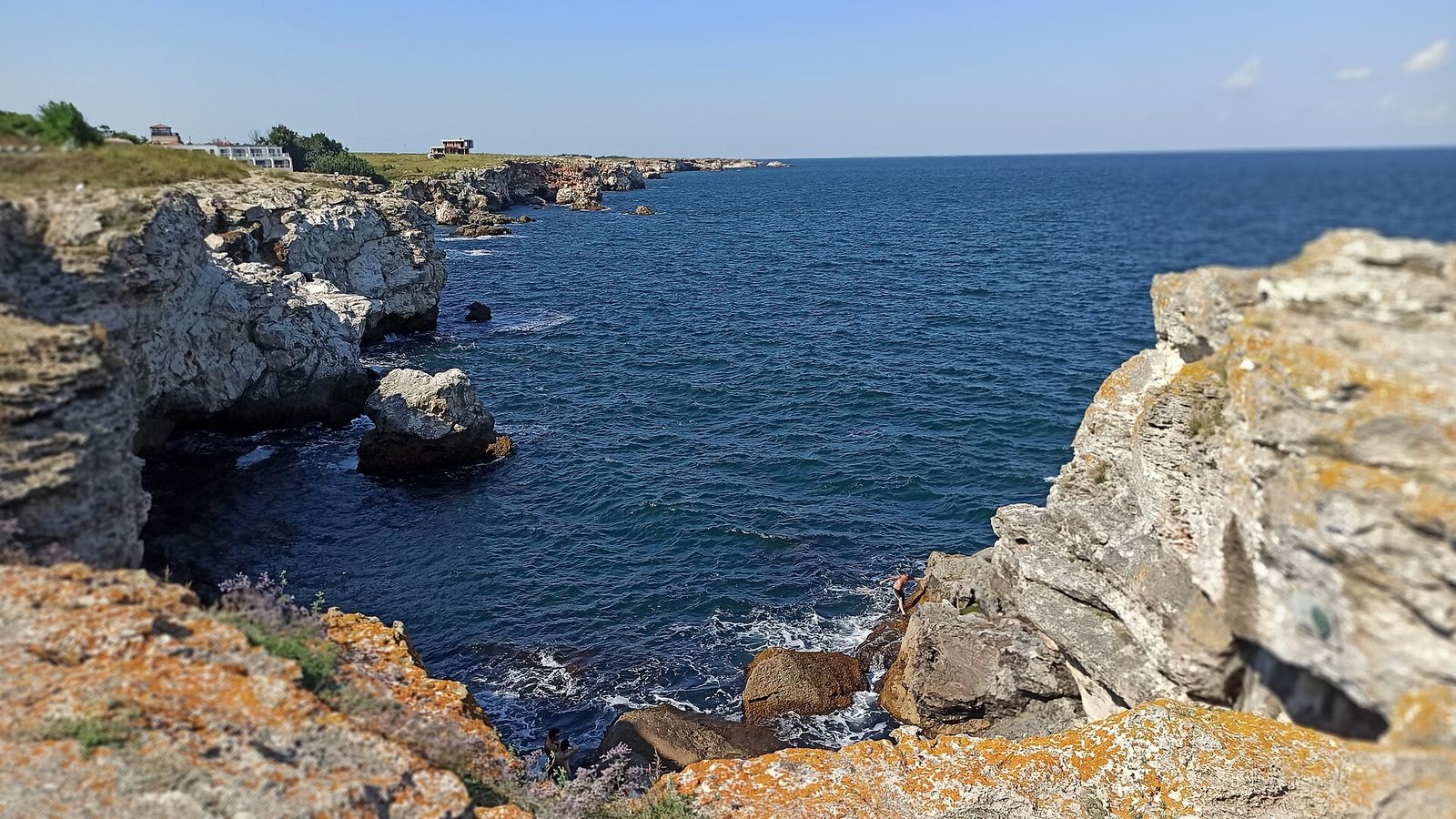
You can only get to Tyulenovo by car. Yailata, a little further south, is a stretch of clifftop that's at its best in May, when wild peonies flower, and I allow 1 to 2 hours there. Bolata is the one sandy beach on this rocky stretch, tucked into a cove, and it's where I swim after a morning on the cliffs. Cormorants nest along these cliffs from March to mid-July.
Cape Kaliakra
Cape Kaliakra is my favourite spot on the coast. The headland runs long and thin into the sea 12 km east of Kavarna and 60 km north-east of Varna, and its cliffs drop up to 70 metres to the water. The first settlement here dates from the 4th century BC, and in the second half of the 14th century the cape was the capital of the Despotate of Dobruja.
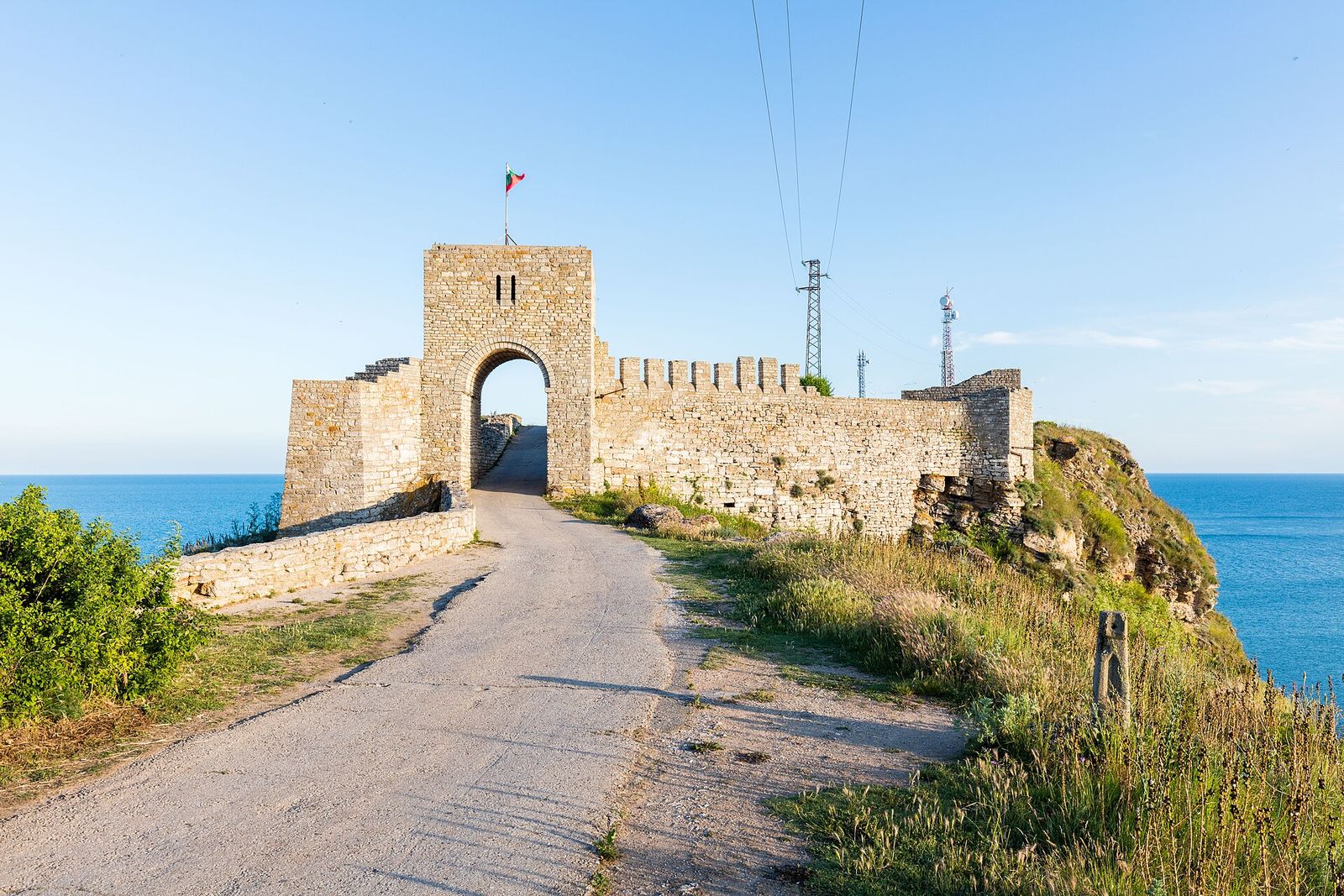
Inside the fortress gate you pass old walls, baths and the ruler's residence, and further on stand a lighthouse from 1901 and a small chapel built in 1993. Before the gate, an obelisk called the Gate of the 40 Maidens marks the legend of 40 girls who leapt into the sea rather than be captured. I watch the water for dolphins, which live off the cape with the cormorants, and in spring and autumn migrating birds pass overhead.
Balchik Palace and its botanical garden
Balchik Palace was the summer home of Queen Marie of Romania. Balchik belonged to Romania from 1913 to 1940, and the palace went up between about 1924 and 1937, with a slim minaret standing beside a Christian chapel. The palace and its grounds sit on the seafront at Balchik, a short drive west of Kavarna.
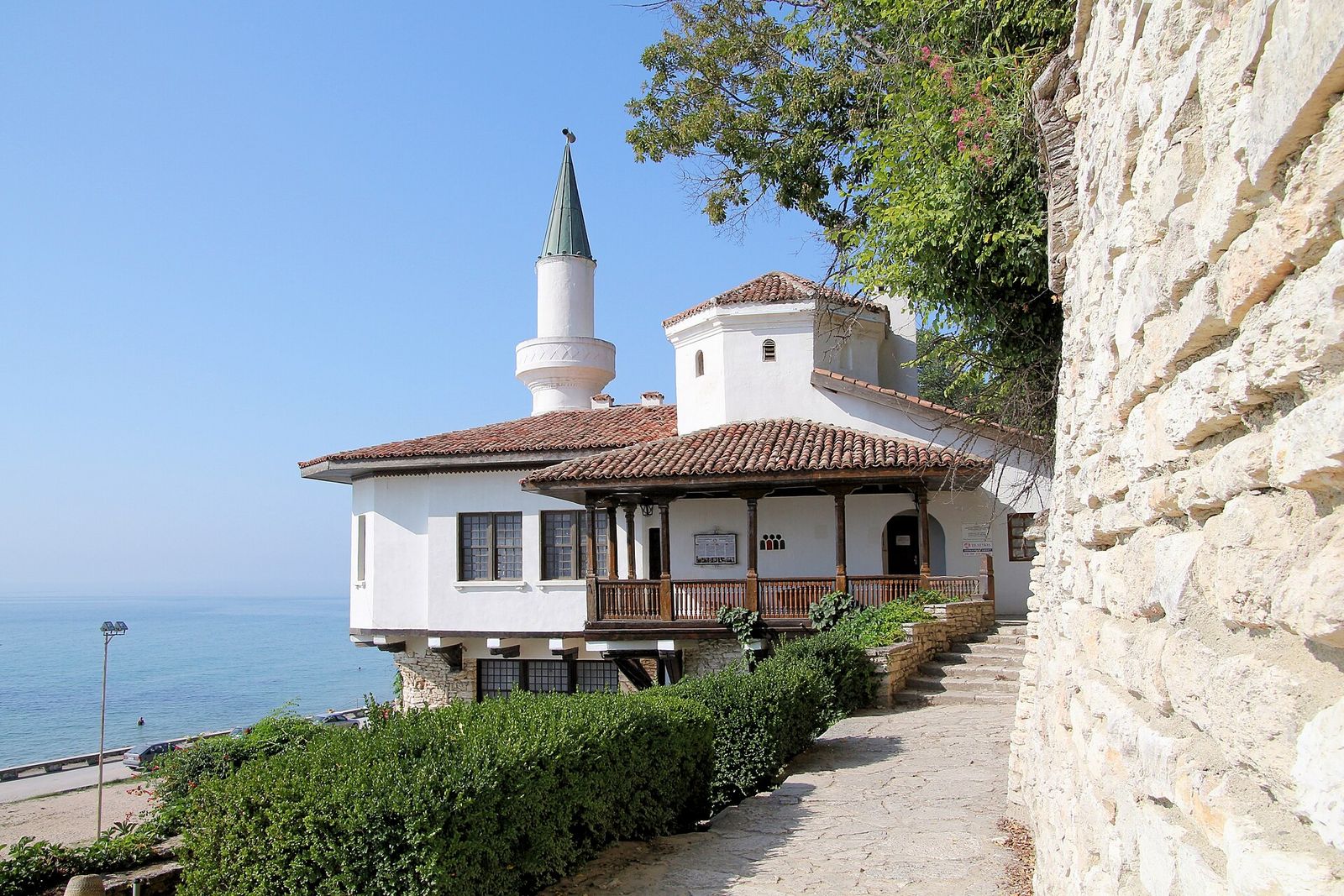
The palace park became a botanical garden in 1940. It covers 65,000 square metres with 2,000 plant species, and the outdoor cactus garden alone fills 1,000 square metres. The grounds also hold villas, a wine cellar and a chapel by a holy spring. I give it half a day and walk down through the terraces to the water.
Varna
Varna is Bulgaria's third-largest city and the hub for the north coast. Greeks from Miletus founded it as Odessos between 585 and 550 BC, and it's a proper city, with a long seafront park, the Sea Garden, running beside the beach.
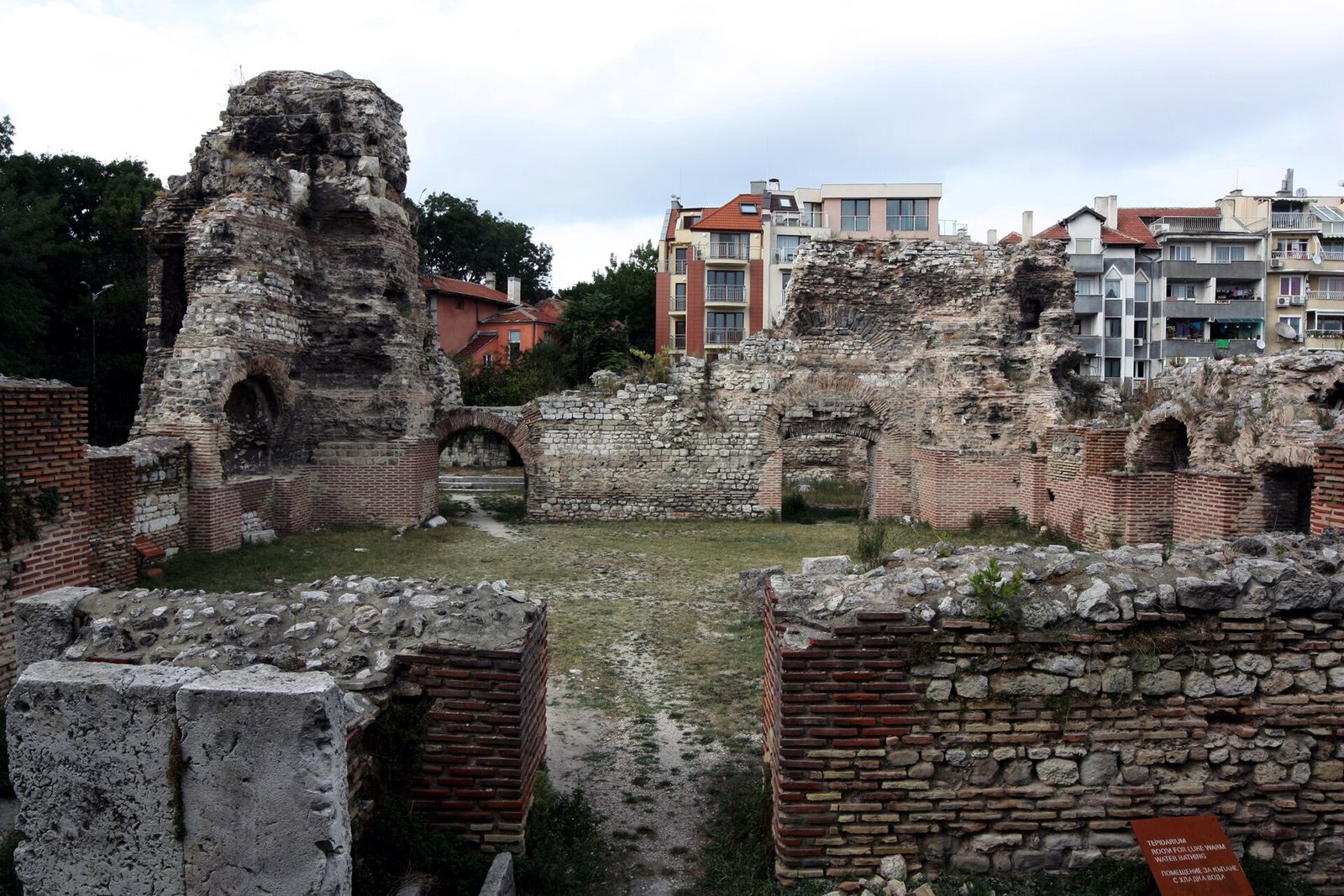
My first stop is the Roman Thermae, the city's great baths from the late 2nd century AD. They measured 100 metres by 70 and stood 25 metres high, and what's left still towers over the street. The second is the gold from the Varna necropolis in the Archaeological Museum, dated to 4600 to 4200 BC and the oldest gold treasure found anywhere. If you only see one thing about Bulgaria's history on the coast, make it that gold.
Around Varna, I like Aladzha, a medieval monastery cut into the rock near Golden Sands, and Pobiti Kamani, a field of stone columns 5 to 7 metres tall standing in the sand. Euxinograd, the old royal summer palace, sits on the coast just north of the city.
My favourite places on the south coast, around Burgas
The south is where the sand is. It's busier, and the two old towns, Nessebar and Sozopol, are the reason I go back every summer.
Nessebar
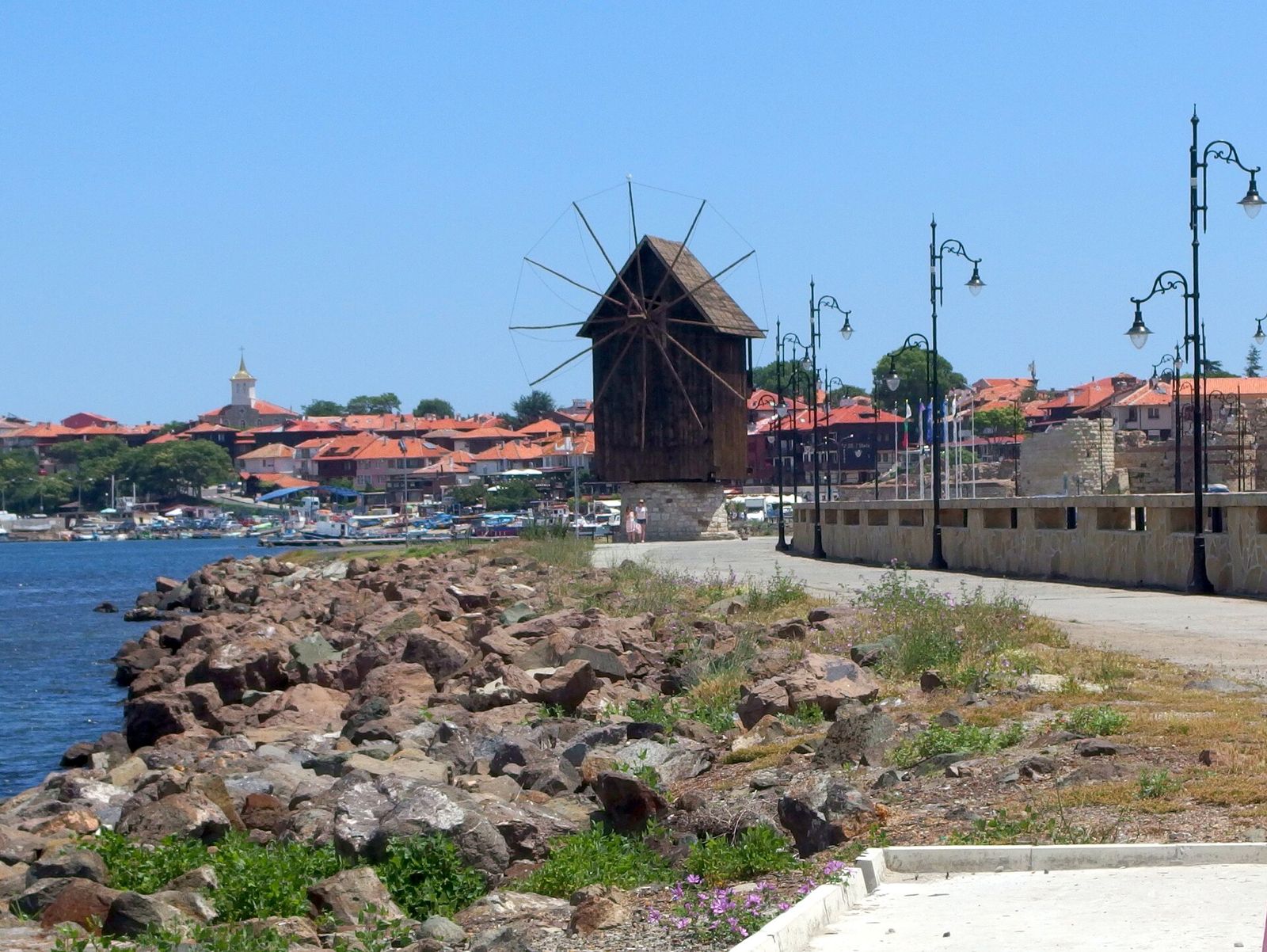
Nessebar is the prettiest town on the coast. Dorians from Megara settled it as the Greek colony of Mesembria at the start of the 6th century BC. The old town covers what used to be an island, and a narrow, man-made isthmus with a wooden windmill on it ties it to the new town. The old town is a UNESCO World Heritage Site.
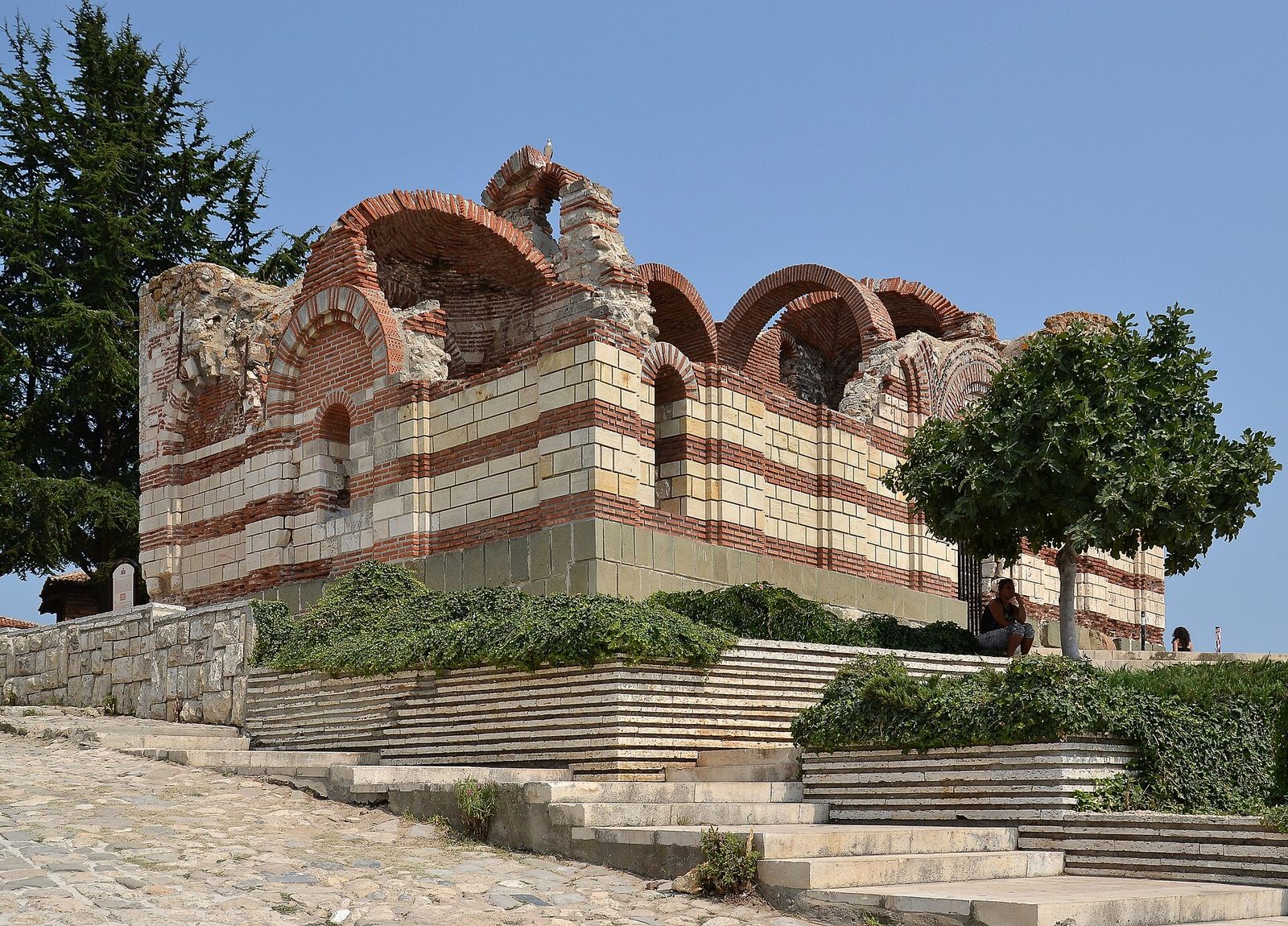
Nessebar has 40 churches that survive at least in part. St Sophia, the Old Bishopric, goes back to the 5th or 6th century, and the one I love is the 14th-century St John Aliturgetos, its striped brick and stone walls standing by the sea. Sunny Beach, the biggest resort on this stretch, starts immediately north of the town, so I visit Nessebar for the day and sleep somewhere quieter.
Burgas
Burgas is Bulgaria's fourth-largest city and the hub for the south coast, and I spend a morning here on the way to Sozopol. The Sea Garden runs along the central beach, the pier sticks out into the bay, and the Archaeological Museum and the Ethnographic Museum are there for a rainy day.
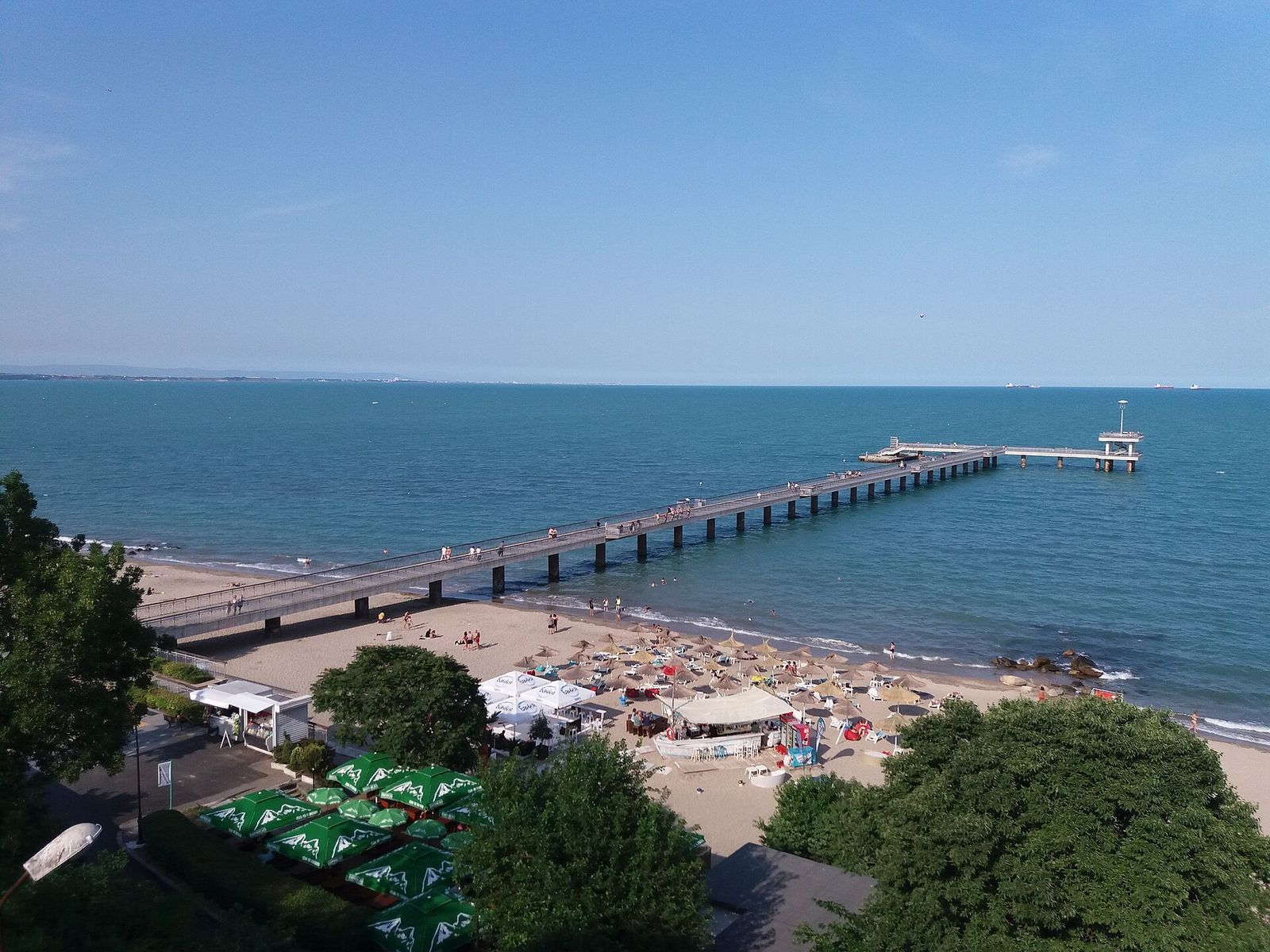
The city sits among lakes. Lake Burgas, Bulgaria's largest, has over 250 bird species around it, and Atanasovsko Lake, a salt lake on the edge of the city, lies under a migration route where about 60,000 birds of prey and 240,000 storks, pelicans and cranes pass over. St Anastasia, a small island in the bay, belongs to the city too. On a summer evening I order a Burgasko, the Bulgarian beer named after the city, at a bar on the seafront.
Sozopol
Sozopol is where I stay on the south coast, 35 km south of Burgas on its own small peninsula. It's older than Nessebar: Greek colonists from Miletus founded it in the 7th century BC as Antheia, and it later became Apollonia. Traditional wooden houses line the lanes of its old town.
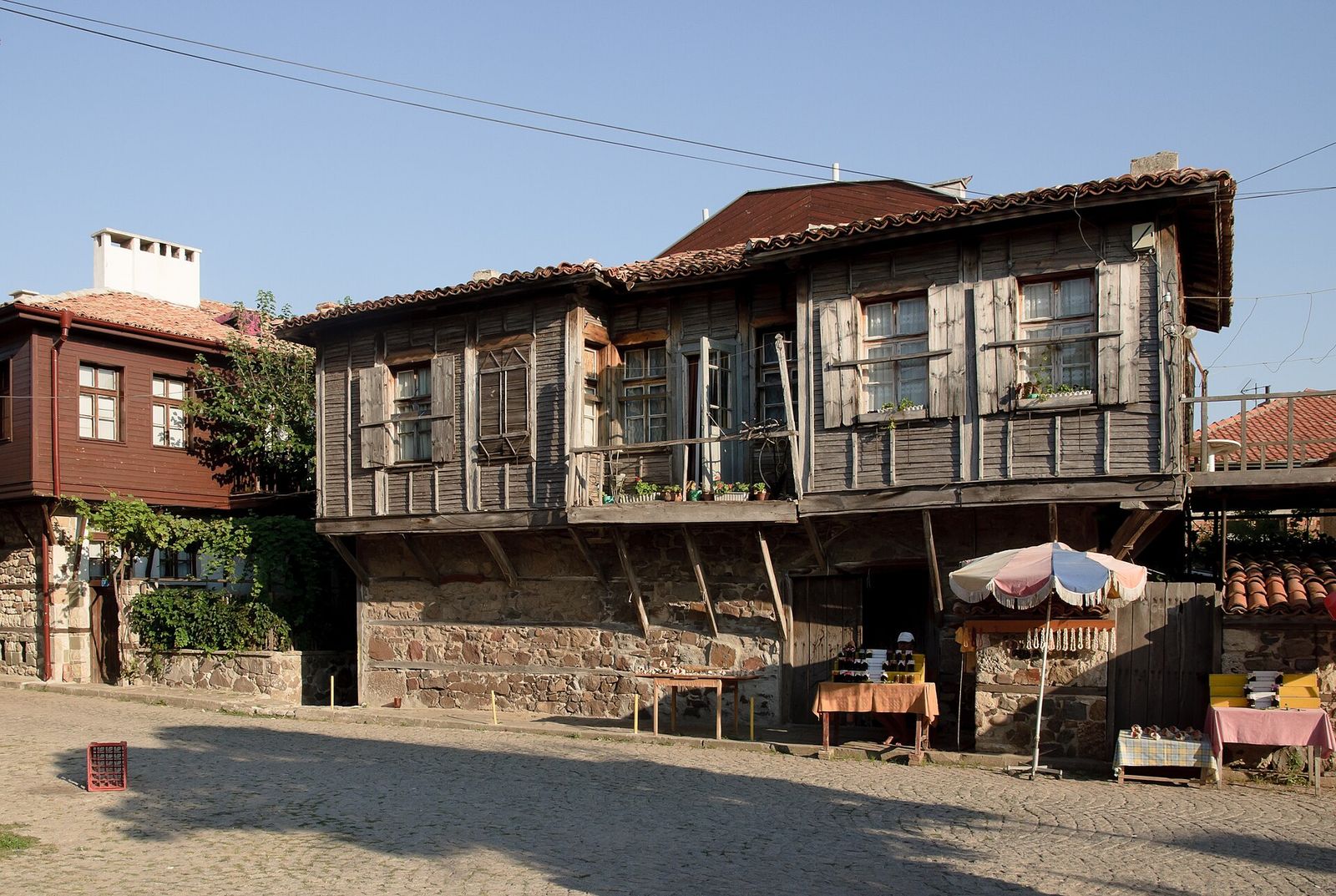
I like Sozopol for its size. You walk from the old town to a beach in minutes, the evenings are slow, and the new town gives you a supermarket and a cash machine. St Ivan Island sits just offshore. Every September since 1984, the Apollonia arts festival fills the town for about 10 days after the beach crowds go home, and that's my favourite time on the coast.
Sinemorets and the Veleka river mouth
Sinemorets is the last village I'd stop at before the Turkish border, and it has my favourite beach in Bulgaria. Leave the car in the village and walk down to the mouth of the Veleka, where the river runs along the back of a sandy spit before it meets the sea, so you can swim in the river on one side and the sea on the other.
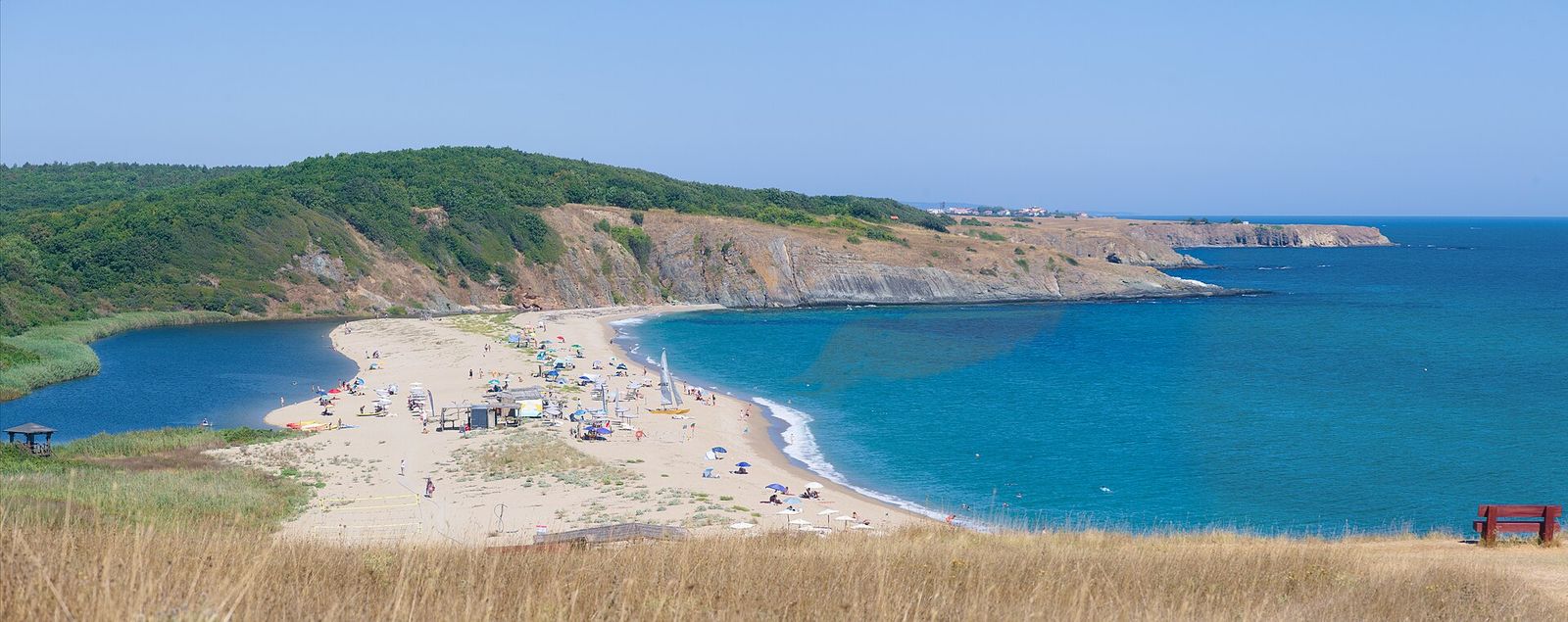
This is Strandzha, the forested corner of Bulgaria, and the coast gets wilder the further south you go. Near Sinemorets are the rock formations called the Stone Ships, Ahtopol has a lighthouse I visit in September for the storm waves, and Silistar and Rezovo are the last beaches before Turkey. Inland, Bulgari village is 17 km from the coast, and on 3 and 4 June its fire dancers walk barefoot on embers, one of the few festivals in Bulgaria I'd cross the country for.
Bulgaria's beaches: which resort I'd pick
About 130 km of the coast is white or golden sand. The big resorts are package-holiday towns built for fortnight stays, and the small towns south of Sozopol are where I'd go for a beach without the high-rises.
| Beach or resort | Where | What it's like | Who I'd send |
|---|---|---|---|
| Golden Sands | North of Varna | Big resort with a nature park behind it | Families wanting a pool and Varna nearby |
| Albena | Between Golden Sands and Balchik | Purpose-built resort on a long beach | Families on a package |
| Kamchia | 30 km south of Varna | Beach backed by the Longoz forest | Anyone who wants shade and quiet |
| Sunny Beach | Just north of Nessebar | The largest resort, with clubs and bars | Groups on a party holiday |
| Pomorie | North of Burgas | Small town on a peninsula, Thracian tomb 5 km west | Couples who want a real town |
| Sozopol | 35 km south of Burgas | Old town with beaches either side | My pick for a first trip |
| Primorsko and Kiten | South of Sozopol | Long sandy bays and small towns | Beach days away from the packages |
| Sinemorets | Near the Turkish border | Wild beach at the Veleka river mouth | Anyone who hates sunbeds |
I tip on the coast the way I do in Sofia: about 10% in a sit-down restaurant, the usual rate for tipping in Bulgaria, and a rounded-up bill at a beach bar with table service.
How to get from Sofia to Varna and Burgas
Coaches beat the trains on most routes around Bulgaria, but the coast is the exception. Bulgarian trains are slow and cheap, and the night train covers the distance while you sleep.
| How | Sofia to Burgas | Sofia to Varna |
|---|---|---|
| Day train | 06:00 direct, about 6 hours, €11.71 | Fastest 7h42 with a change, €14.98 |
| Night train | 22:20, arrives 05:49, €12.53 | 20:50 and 23:00, arrive 05:50 and 06:50, €14.98 |
| Bed on the night train | €7.67 extra | €7.67 extra |
| Coach | About 7 hours | About 8h45 |
| Flight | Bulgaria Air, a short hop | Bulgaria Air, a short hop |
| Car | About 360 km, motorway all the way | About 470 km |
Sofia to Burgas
I take the train to Burgas, and the night train's 05:49 arrival leaves time for a swim before breakfast. Plovdiv sits on one of the Burgas lines, so on a longer trip I break the journey with a night in Plovdiv and catch a train on from there.
Coaches leave from Sofia's Central Bus Station. Drivers have the Trakia motorway from Sofia to Burgas, finished in 2013.
Sofia to Varna
Varna is further, and the coach takes up to about 8 hours 45 minutes, leaving Sofia between 11:30 and 21:00 and arriving at Varna bus station on Vladislav Varnenchik Boulevard. The train wins here. The 23:00 night train is my pick: it runs direct via Gorna Oryahovitsa, the junction for Veliko Tarnovo, and arrives at 06:50. The 20:50 goes the other way round, via Plovdiv, and arrives at 05:50. A return to Varna costs €22.04 in second class against €29.96 for two singles.
For a long weekend I fly, because the day train eats 6 to 8 hours each way. Bulgaria Air flies from Sofia to both Varna and Burgas.
Repair works mean most daytime trains to the coast start with a short hop from Sofia Central to Iskar, Poduyane or Sofia Sever station, where you change trains, and the timetable sells it as one journey at one fare. The night trains run direct. I check the BDZ timetable on the day I travel, and boards and tickets often show only Варна (Varna) and Бургас (Burgas), so 10 minutes with the Bulgarian alphabet pays off. Groups of 3 to 6 get about 15% off trains in Bulgaria, which brings Varna down to €12.78 a head.
If you drive, buy the motorway e-vignette on the official toll site before you set off. Once you're there, the coast road runs from Durankulak, at the Romanian border, down to Burgas.
When to go to the Bulgarian Black Sea coast
The tourist season lasts from May to October, and I swim from June to September. July and August bring the warmest sea and the biggest crowds. June and September suit me best: the sea is still above 21°C and there's room on the sand.
| When | Where | What I go for |
|---|---|---|
| May | Yailata, north coast | Wild peonies on the clifftops |
| May to June | Marina Reka, Strandzha | Rhododendrons in flower, about an hour's drive from Burgas |
| 3 and 4 June | Bulgari village, south coast | Fire dancing on embers |
| June to early July | Near the Thracian Cliffs, north coast | Lavender fields in flower |
| July and August | Every beach | Peak season and the warmest sea |
| September | Sozopol and Ahtopol | Apollonia festival and storm waves |
| Spring and autumn | Kaliakra and the Burgas lakes | Migrating birds |
Out of season, from November to April, the resorts close and the old towns go quiet. I'd still go to Nessebar or Sozopol in October for the empty lanes, but not for a swim.
Where to base yourself on the coast, and how many nights
For a first trip, I'd go south and sleep in Sozopol, and for a second I'd do the north with a hire car.
Three nights on the south coast. Take the 22:20 night train to Burgas, have breakfast by the pier and get to Sozopol by mid-morning. Spend day one on the old town and its beaches. On day two, go up the coast to Nessebar early and come back for a swim. On day three, hire a car and drive south to Sinemorets and the Veleka mouth, with Ahtopol on the way back.
A week from north to south. Fly or take the night train to Varna and pick up a hire car. Do the Roman baths and the Archaeological Museum on day one, Tyulenovo, Bolata and Kaliakra on day two, and Balchik Palace on day three. Then drive the coast road south, stopping at Kamchia, and spend the last 4 nights in Sozopol, with Nessebar and Sinemorets as day trips, before the train home from Burgas.
On a two-week trip round Bulgaria, I put the coast last, after the cities and monasteries, and take the night train back to Sofia for the flight home. Bulgaria switched to the euro on 1 January 2026, and if you have leva left over from an old seaside holiday, the Bulgarian National Bank's offices in Varna and Burgas swap them free.
Key takeaways
- The north coast around Varna is cliffs and coves, best by car; the south around Burgas is long sandy beaches and the old towns of Nessebar and Sozopol.
- Take the night train from Sofia and add a bed for €7.67; the coach is slower to both Varna and Burgas.
- June and September give you a sea above 21°C without the August crowds.
- Sleep in Sozopol, visit Nessebar for the day, and keep Sunny Beach for a party holiday only.
Frequently asked questions
Is the Bulgarian Black Sea coast nice?
Yes. About 130 km of its 378 km is sandy beach, the sea reaches about 24.8°C in August, and Nessebar and Sozopol were both founded by Greek colonists over 2,500 years ago. Skip Sunny Beach unless you want a party, and head to Sozopol or the wild beaches near Sinemorets instead.
Can you swim in the Black Sea in Bulgaria?
Yes, from June to September, and August is the warmest month, when the sea at Varna averages 24.8°C. For calm, sandy water I swim in the southern bays around Sozopol, and for something wilder at the Veleka mouth.
What is the weather like on the Bulgarian Black Sea coast?
Summers are warm, with daily average air temperatures of about 23°C to 24°C in July and August in both Varna and Burgas. June runs about 2°C cooler and September about 4°C cooler, and the season lasts from May to October.
What should you be careful of on the Bulgarian coast?
The UK government warns about overcharging in "gentlemen's clubs" in Sunny Beach, Sofia, Bansko and Borovets, and about hotel-room thefts in Sunny Beach. Keep valuables in the hotel safe, check a card payment goes through in front of you, and use the bars your hotel recommends.
How long is the train from Sofia to Varna?
The fastest daytime journey takes 7 hours 42 minutes with a change at Sofia Sever, and second class costs €14.98. The night trains leave Sofia at 20:50 and 23:00 and arrive at 05:50 and 06:50, and a bed adds €7.67.
How far is Burgas from Sofia?
Burgas is about 360 km from Sofia, linked by the Trakia motorway. The train takes about 6 hours, the coach about 7, and Bulgaria Air flies the route.
Is it better to stay in Varna or Burgas?
Neither is my first choice for a beach holiday. Varna is the better city, with the Roman baths and the Varna gold, and the best base for the cliffs of the north. For the south, I'd skip Burgas and stay in Sozopol, 35 km away.
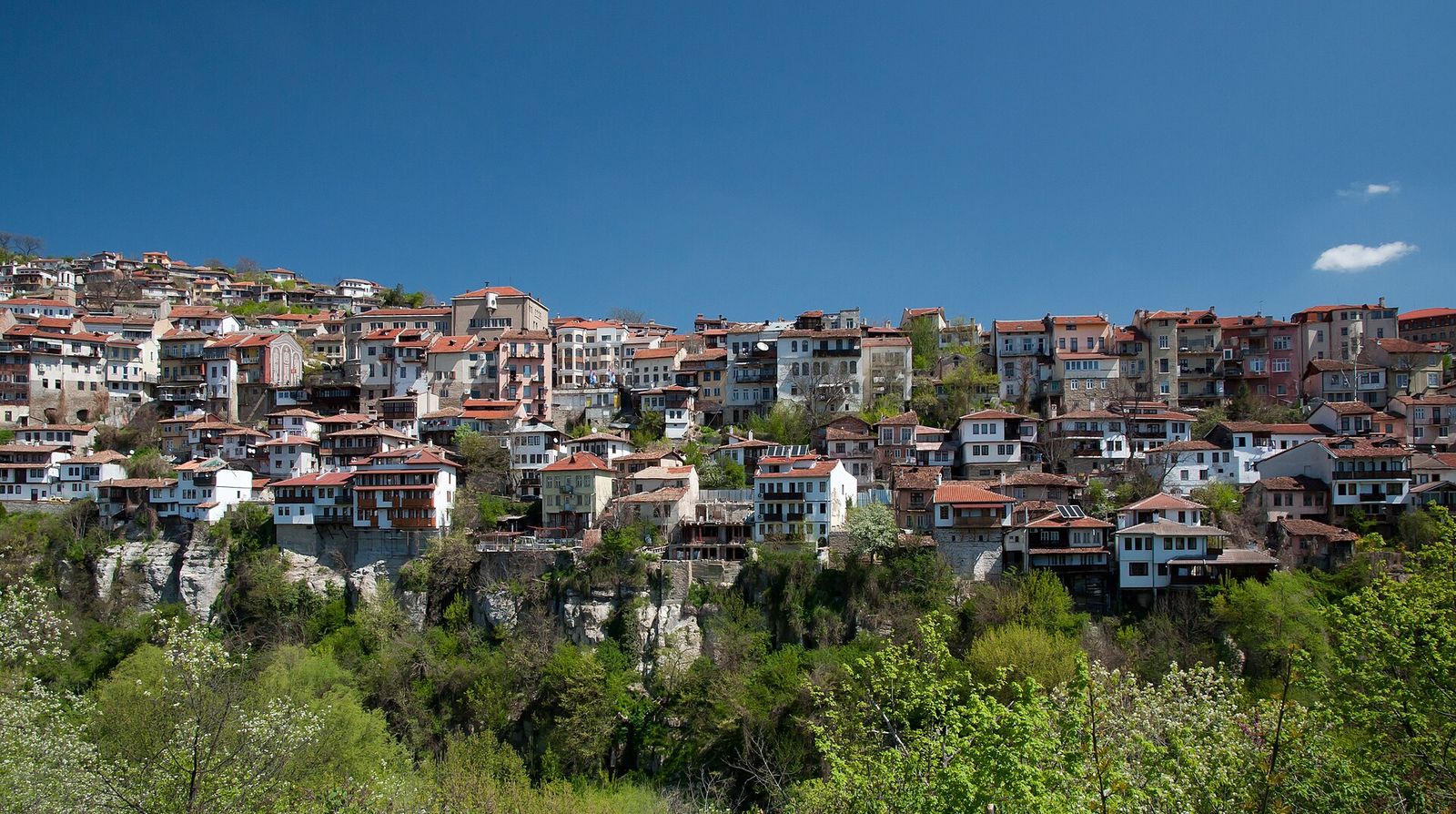
12 Best Places to Visit in Bulgaria: My Favourites for 2026
My 12 favourite places in Bulgaria beyond Sofia, ranked, with the time from Sofia and how I get to each one.
Read the guide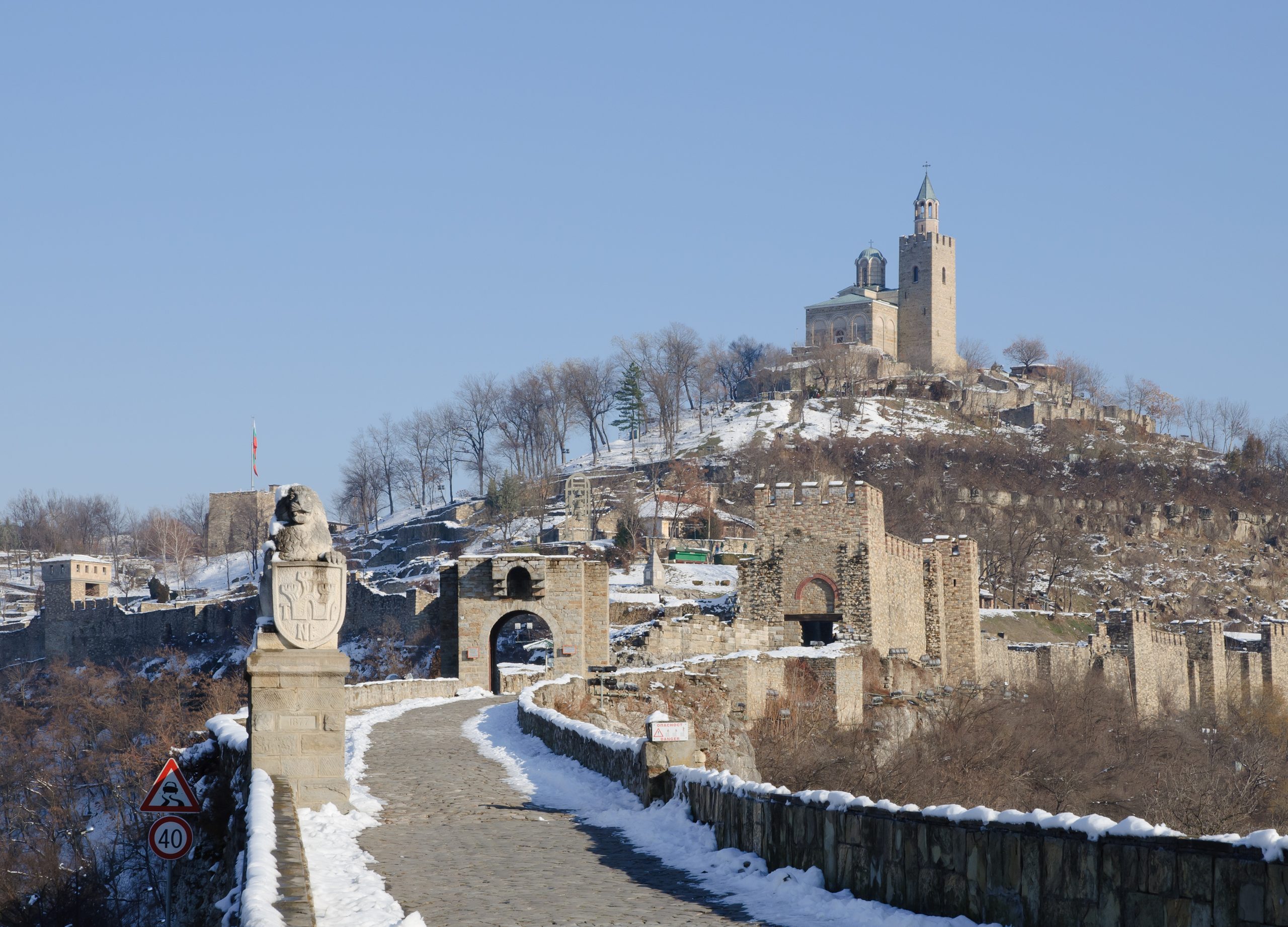
Veliko Tarnovo: My Favourite Things to Do in Bulgaria's Old Capital
Bulgaria's medieval capital on the Yantra: Tsarevets, Trapezitsa, the craft street, Arbanasi and my one-night plan.
Read the guide
Sofia to Veliko Tarnovo: Bus, Train or Car, and the One I Take
How I get from Sofia to Veliko Tarnovo: the coach times, the train change, the drive and why I stay a night.
Read the guide