Bulgarian Culture and Traditions: A Visitor's Guide
Bulgarian culture is known for a head nod that means no, rakia sipped slowly with a salad, and a calendar full of saints' days, masked dancers and red-and-white wristbands. I still get the nod wrong at the bakery counter. This is my visitor's guide: the customs you'll meet on a first trip, the traditions through the year and the places in Sofia where I'd go to see them.
Bulgarian culture at a glance
Bulgaria had 6,519,789 people at the 2021 census, and around 85% of those who gave an ethnicity called themselves Bulgarian. Turks and Roma are the two largest minorities, about one person in eight between them. The language is Bulgarian, a Slavic language written in Cyrillic, and most Bulgarians who follow a faith belong to the Bulgarian Orthodox Church.
In Sofia, four faiths share a few streets: within five minutes of Serdika metro you can walk past St Nedelya Cathedral, Banya Bashi Mosque, Sofia Synagogue and the Catholic St Joseph's Cathedral. I take visiting friends round all four on their first morning.
| Fact | Bulgaria |
|---|---|
| Population | 6.5 million (2021 census) |
| Language | Bulgarian, written in Cyrillic (кирилица) |
| Main religion | Bulgarian Orthodox Christianity |
| In the EU since | 1 January 2007 |
| Currency | Euro since 1 January 2026, fixed at 1.95583 leva to €1 |
| National day | 3 March, Liberation Day (1878) |
| Day of the alphabet and culture | 24 May |
Bulgarian customs you'll meet on day one
The head nod: yes and no the other way round
Bulgarians nod for "no" (не, ne) and shake their heads from side to side for "yes" (да, da). The yes is a loose wobble. To a British eye it looks like a refusal. To make it harder, some Bulgarians switch to the Western version when they talk to foreigners, so you never quite know which system you're getting.
Da and ne are the first two Bulgarian words for travellers I'd learn, because a spoken answer beats any head movement. If a reply leaves you lost, ask "da ili ne?" (yes or no?) and you'll get a word back.
Greetings, name days and visiting a home
Friends greet each other with a hug and a kiss on each cheek, and a handshake covers everyone else. Conversations get loud. A table of Bulgarians talking over each other at full volume is usually a good night out.
Name days often get more fuss than birthdays. Each saint's day in the Orthodox calendar belongs to the names that go with it: 7 January, Ivanovden, is the turn of every Ivan and Ivana, and 6 May, St George's Day, belongs to every Georgi and Gergana. The person celebrating does the treating, so expect cake in the office and a round of drinks on someone named Georgi.
In a Bulgarian home, shoes come off at the door and the host hands you slippers, one of the Bulgarian manners that catches out British guests. Grandparents, baba (баба) and dyado (дядо), often do the cooking, and they will keep refilling your plate. I bring a bottle of wine or a box of chocolates and arrive hungry.
Prices are fixed, so skip the haggling
Shop and restaurant prices are fixed in Bulgaria, and trying to knock one down comes across as rude. Outdoor stalls are the exception: at the antiques market by Alexander Nevsky, a bit of back and forth over a Soviet badge or a lace tablecloth is normal.
Food and drink rituals
Rakia with a shopska salad
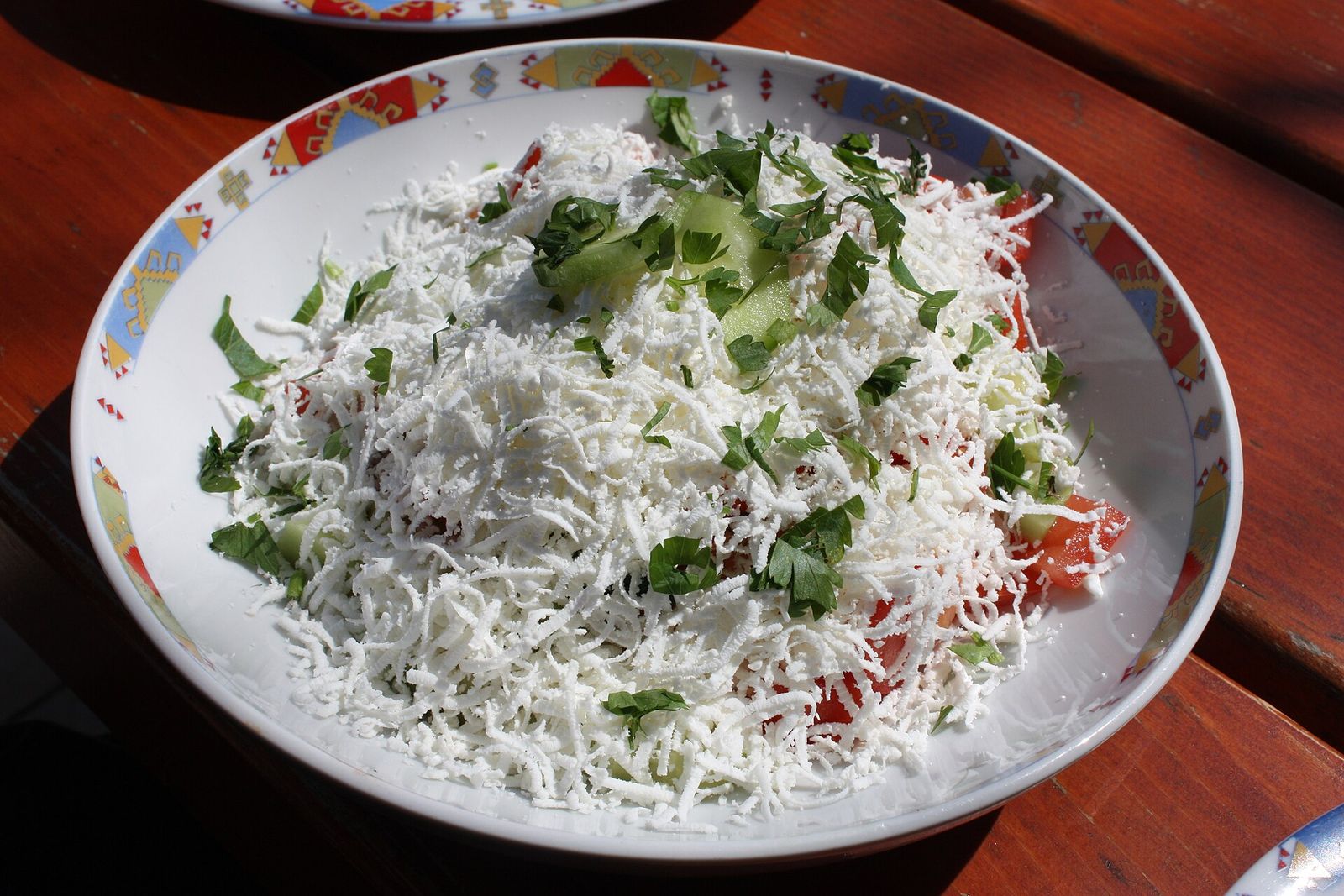
A Bulgarian dinner starts with a salad and a small glass of rakia, fruit brandy at about 40%. Shopska salad is the classic: tomato, cucumber, pepper and onion under a snowdrift of grated white sirene cheese. You sip the rakia, one sip per mouthful of salad, and the salad course can stretch over an hour before anyone mentions mains.
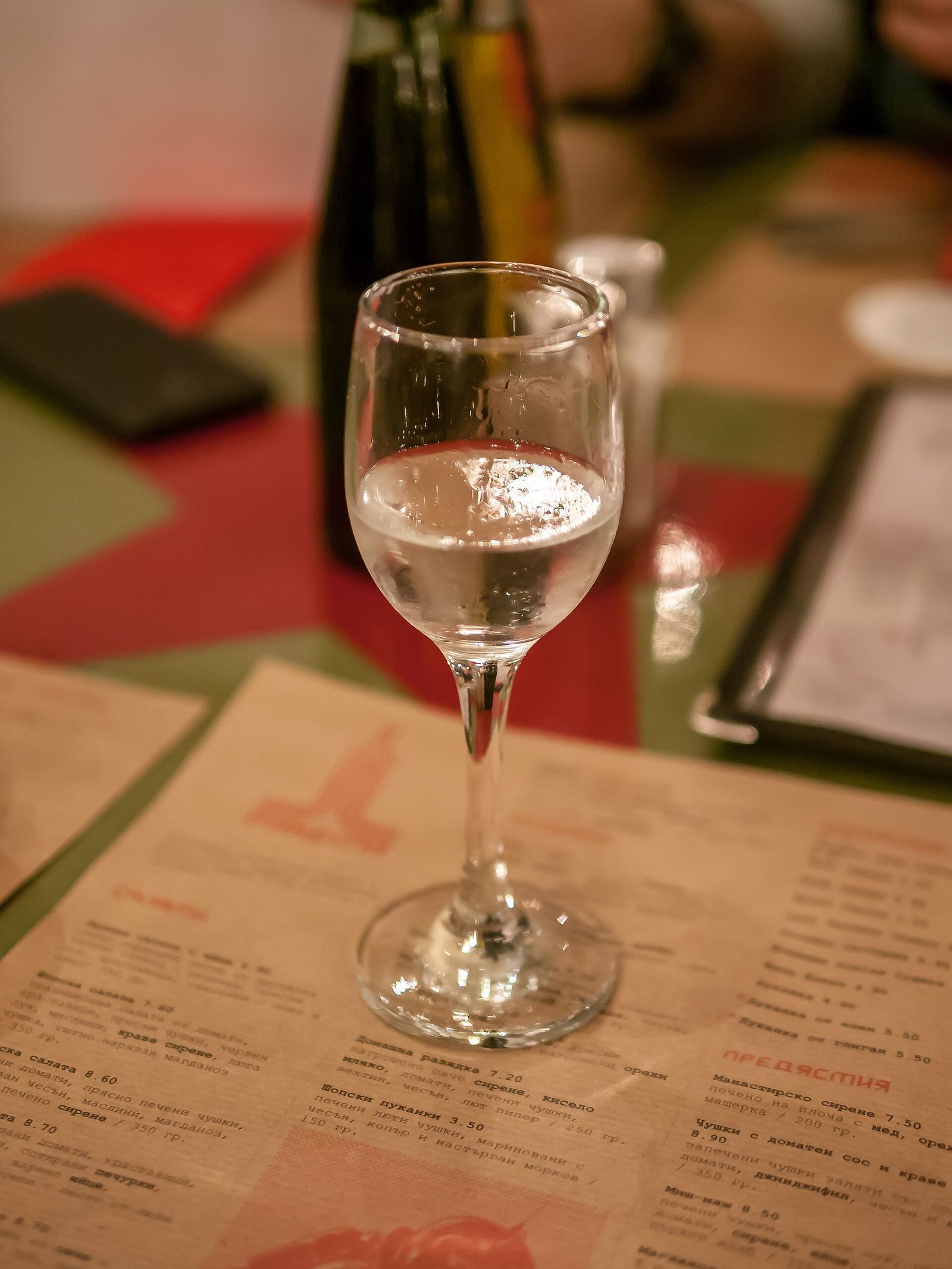
Every glass gets a toast of "nazdrave" (наздраве), and you look each person in the eye as you clink. Grape and plum are the two kinds of Bulgarian rakia on every menu, and homemade bottles from village stills turn up at almost any family dinner.
Banitsa and yoghurt for breakfast
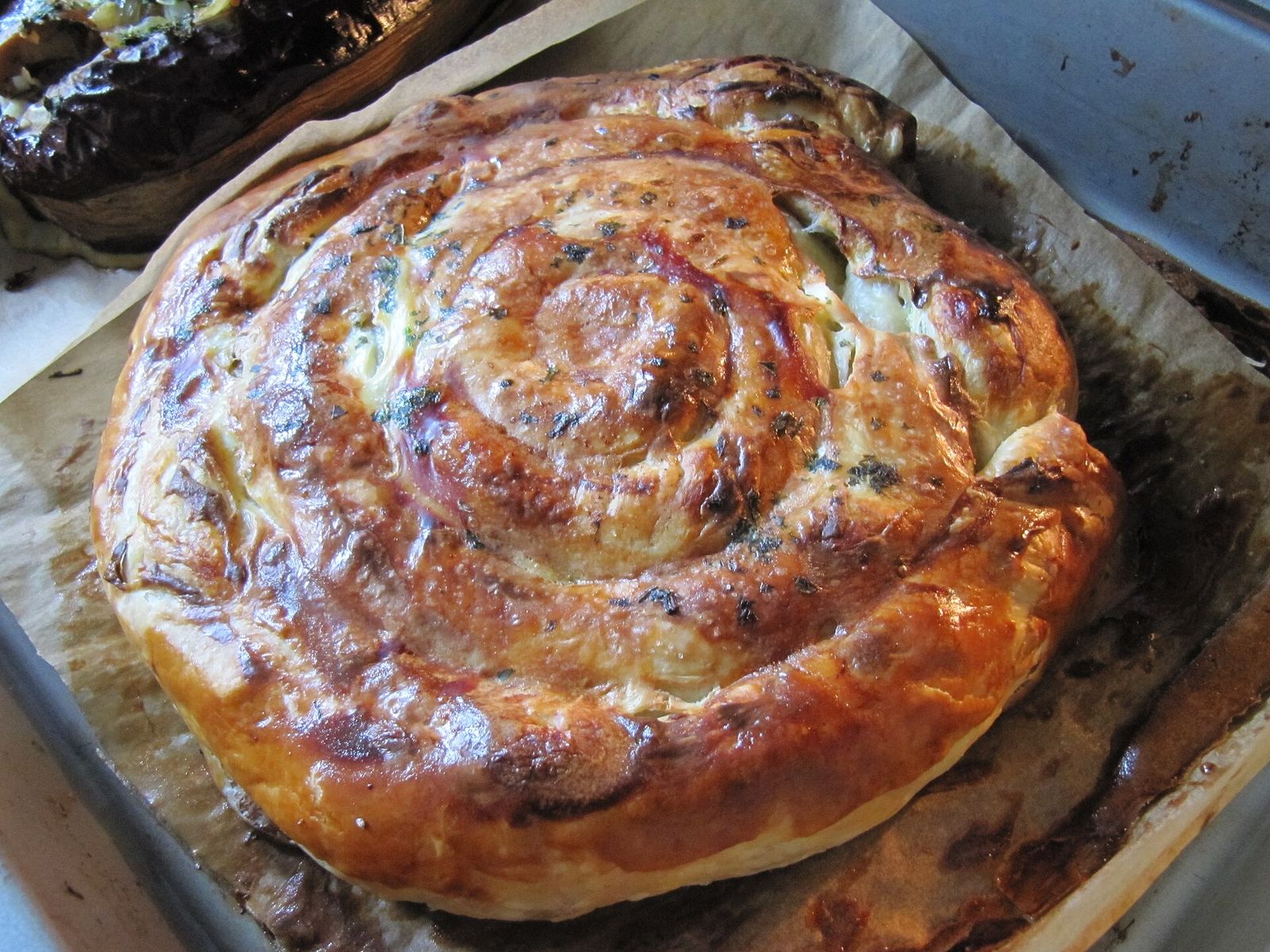
Breakfast in Sofia is banitsa: filo pastry baked with eggs and salty white cheese, bought warm from a bakery window and eaten on the walk to work. Locals drink it with ayran, yoghurt whisked with water and salt, or with boza, a thick, sweet-sour grain drink. I buy mine before 10am, while the trays are fresh, at one of my favourite places for banitsa in Sofia.
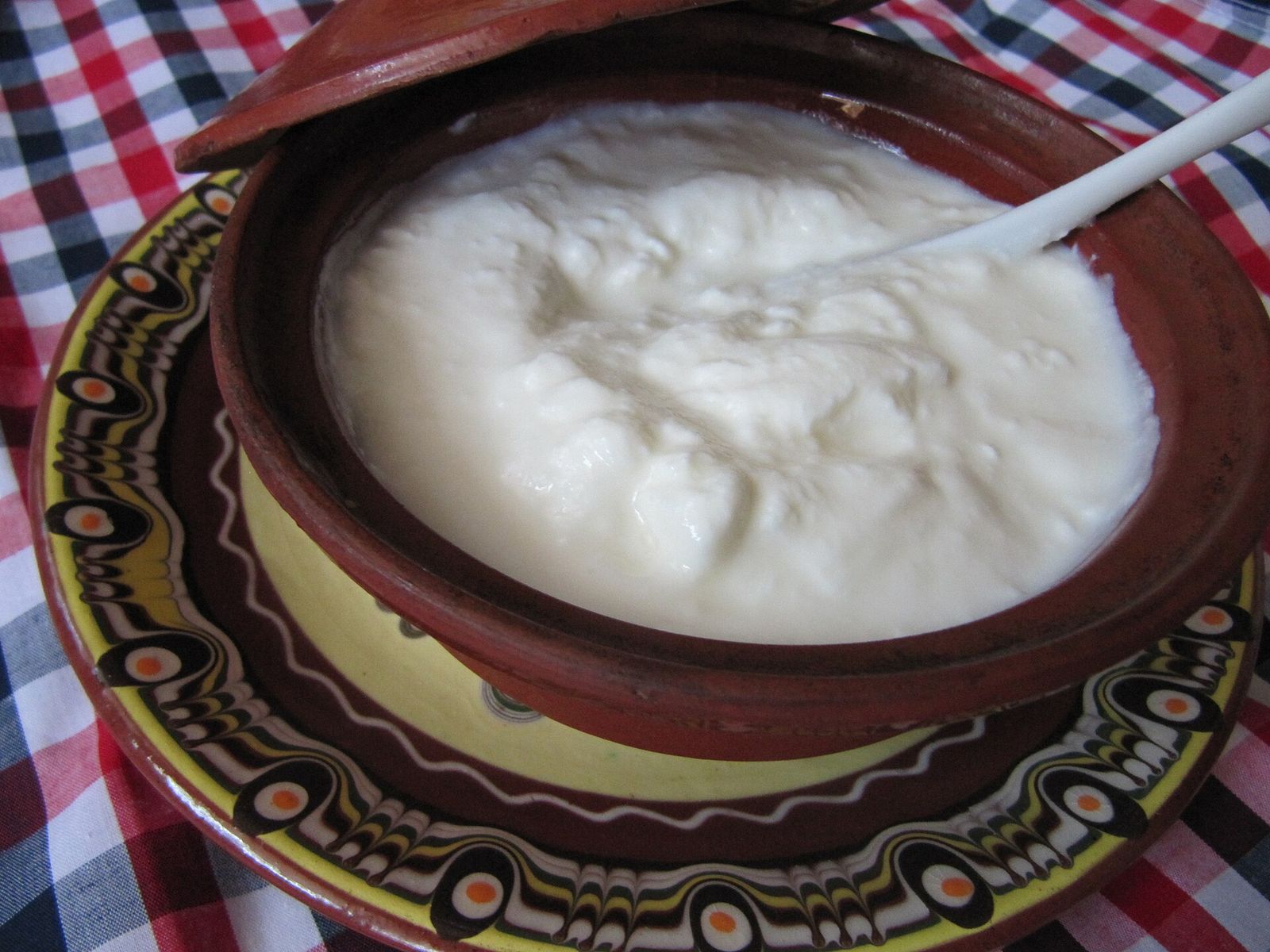
Yoghurt is a point of national pride. Kiselo mlyako (кисело мляко) means sour milk, and in 1905 the Bulgarian doctor Stamen Grigorov identified the bacterium behind it, now called Lactobacillus bulgaricus. It goes into cold tarator soup, on top of stuffed vine leaves and into plenty of the Bulgarian dishes I'd try first.
Church etiquette and the Orthodox calendar
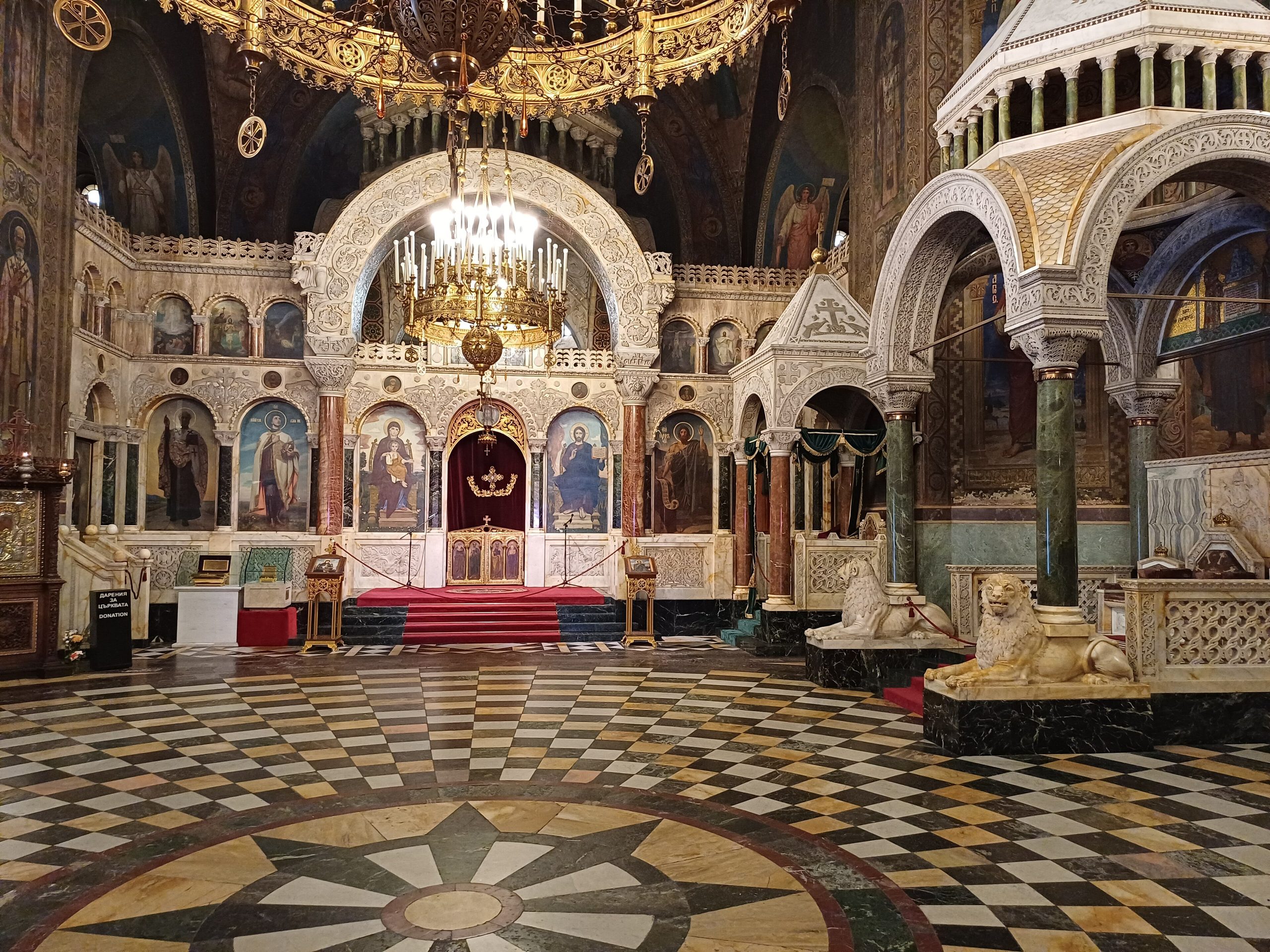
Orthodox churches in Sofia stay open through the day, and you can walk into most of them for free. Buy a thin beeswax candle at the stand by the door and light it from one that's already burning. Candles for the living go in the raised holders and candles for the dead go in the low trays of sand.
Cover your shoulders and knees, and men take their hats off. I carry a light scarf in summer for vest-top days. Alexander Nevsky Cathedral is the one to start with: free, open 7am to 7pm every day, and dark inside until your eyes adjust to the gold.
Easter in Bulgaria
Orthodox Easter follows its own calendar: in 2027 it falls on 2 May, five weeks after Western Easter on 28 March, and Good Friday to Easter Monday are public holidays. Families dye eggs on the Thursday before, always a red one first, and bake kozunak, a sweet braided bread eaten from Sunday morning.
The high point is the midnight service on Holy Saturday, when churches across Sofia fill with people holding lit candles. The greeting is "Hristos voskrese" (Christ is risen) and the reply is "Voistina voskrese" (truly he is risen). On Sunday everyone taps eggs, and whoever holds the last uncracked one is in for a healthy, lucky year. In 2028 Orthodox Easter lands on 16 April, the same day as Western Easter.
Christmas Eve and New Year
Bulgaria celebrates Christmas on 25 December, like the UK, and 24, 25 and 26 December are all public holidays. Christmas Eve, Badni vecher (Бъдни вечер), is the family meal: meatless, with an odd number of dishes on the table and a round loaf with a coin baked inside for whoever's lucky. Groups of carol singers, the koledari, go house to house that night.
On 1 January children tap the backs of their family with a survachka, a cornel branch tied with coloured thread, wishing everyone health for the year. The custom is called survakane. Sofia's Christmas markets set up in front of the National Theatre and at NDK from mid to late November.
Bulgarian traditions through the year
These are the dates I'd plan a trip around, from saints' days and folk festivals to the public holidays when banks and offices shut.
| When | Tradition or holiday | What happens | Where to see it from Sofia |
|---|---|---|---|
| 1 January | New Year and survakane | Children tap backs with a decorated cornel branch | Family homes |
| 7 January | Ivanovden | Name day for every Ivan and Ivana | Across Bulgaria |
| Late January (2026: 17 to 18 and 24 to 25 January) | Surva kukeri festival | Masked dancers in bells parade through town | Pernik, 30 km south-west of Sofia |
| 14 February | Trifon Zarezan | Vine growers prune the first vines and share wine | Wine villages; Sofia wine bars |
| 1 March | Baba Marta | Everyone swaps martenitsi | Street stalls all over central Sofia |
| 3 March | Liberation Day | National holiday, flags out | Across Bulgaria |
| 2 May 2027 | Orthodox Easter | Midnight service, red eggs, egg-tapping | Any Sofia church at midnight |
| 6 May | St George's Day | Public holiday and name day for Georgi and Gergana | Across Bulgaria |
| 24 May | Day of the alphabet and culture | Public holiday for Cyril, Methodius and Cyrillic | National Library, Sofia |
| 3 and 4 June | Nestinarstvo | Fire-dancing on embers | The village of Bulgari, Strandzha |
| First weekend of June | Rose Festival | Petal picking in the rose fields | Kazanlak, about 3 hours by train |
| 22 September | Independence Day | Public holiday | Across Bulgaria |
| 24 December | Christmas Eve | Meatless supper, coin in the bread | Family homes |
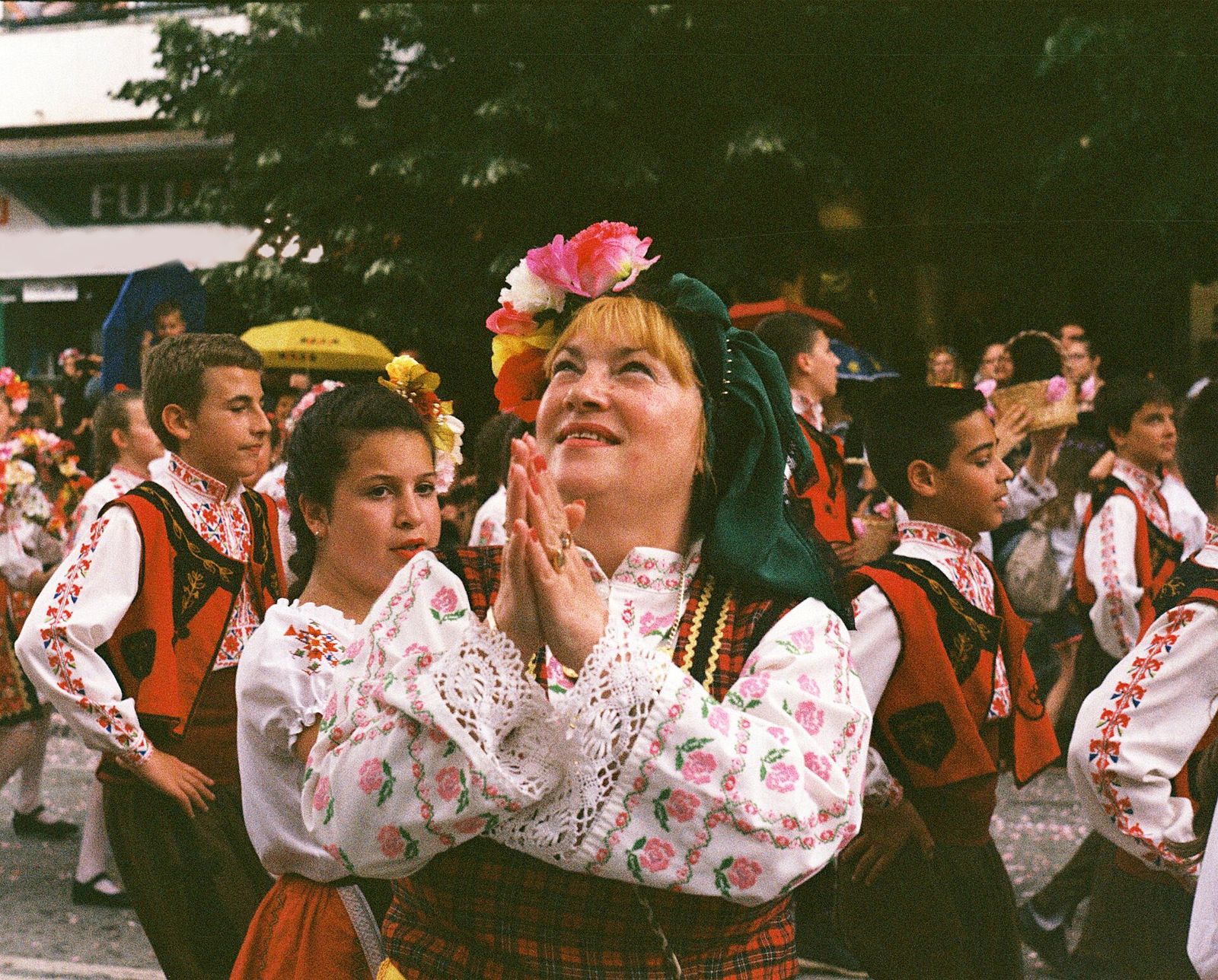
Two entries need a longer trip. The Rose Festival in Kazanlak, in the photo at the top of this page, is traditionally held on the first weekend of June and comes with rose picking in the fields. Nestinarstvo, fire-dancing on the feast of Saints Constantine and Helena on 3 and 4 June, has been on UNESCO's intangible heritage list since 2009 and takes place in Bulgari, a village in the Strandzha mountains in the far south-east. The rest of the festivals and holidays in Bulgaria are an easy day out from Sofia, or happen in the city itself.
Kukeri and the Surva festival in Pernik
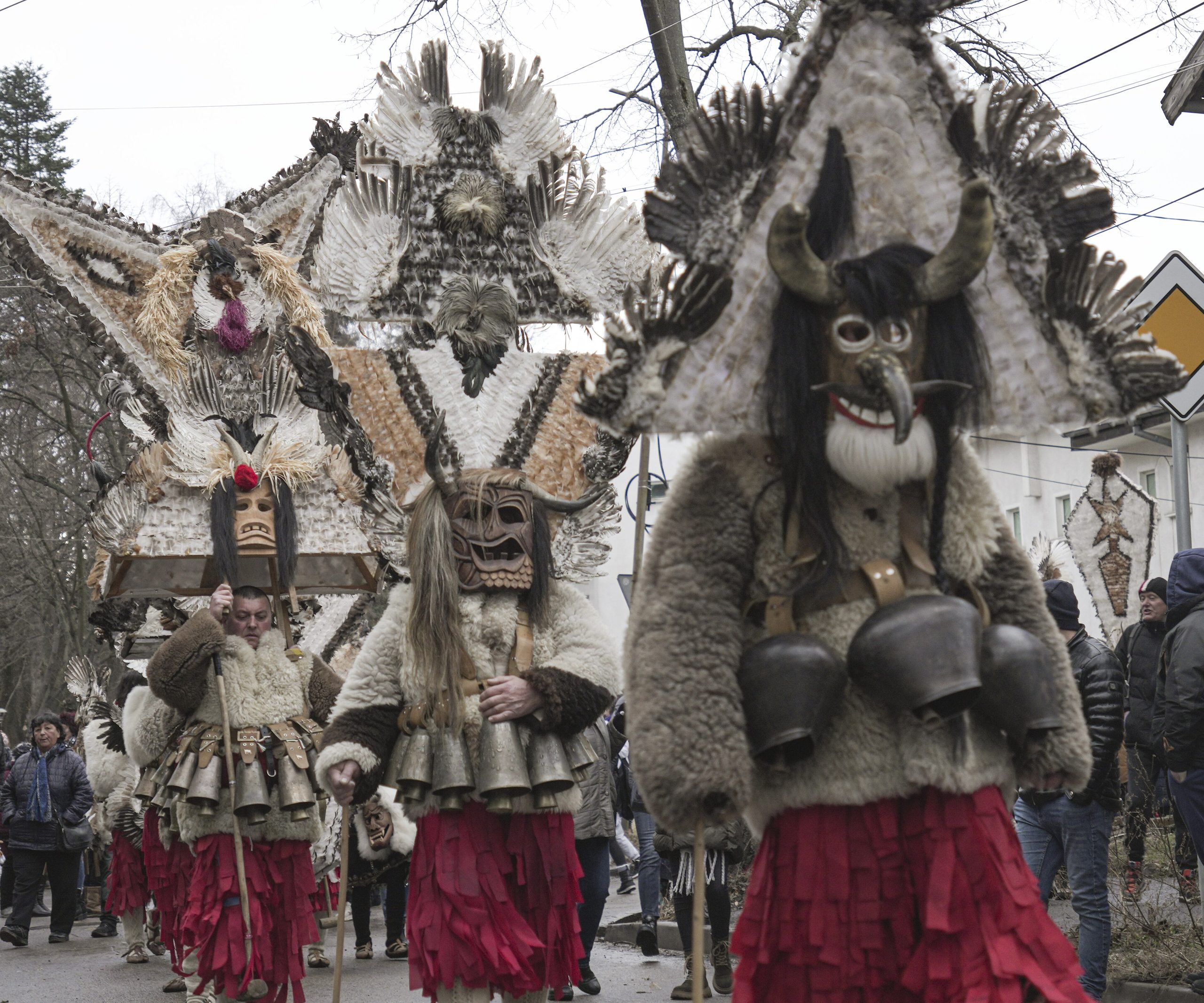
Kukeri are dancers, traditionally men, in towering masks, shaggy fur and belts of heavy bells who dance through villages to scare off evil spirits and bring luck for the year. The season runs from New Year to the start of Lent, and many link the custom to Thracian rites older than Bulgaria itself.
The biggest gathering is Surva in Pernik, 30 km south-west of Sofia. In 2026 the 32nd edition ran over two weekends in late January, and the festival bills itself as the largest masquerade festival in Europe. UNESCO added the Surova folk feast of the Pernik region to its intangible heritage list in 2015.
Trifon Zarezan, the wine day on 14 February
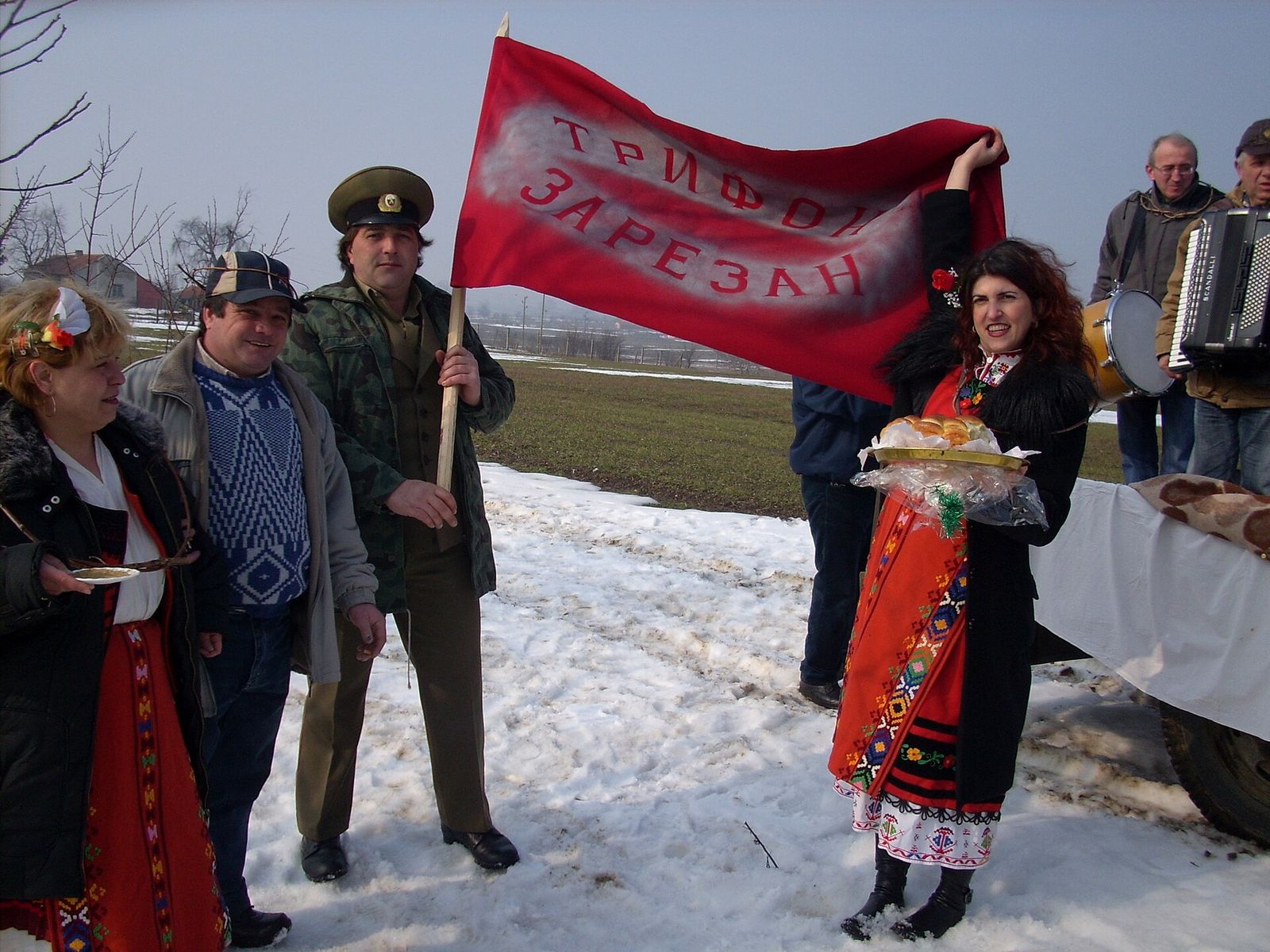
While the UK does roses and dinner for two, Bulgarian wine villages spend 14 February in the vineyards. Growers make the first pruning cut of the year, then share food and wine among the rows. It's the day to order a glass of Mavrud in Sofia, and the best excuse I know for a tasting of Bulgarian wine.
Baba Marta and the martenitsa on 1 March
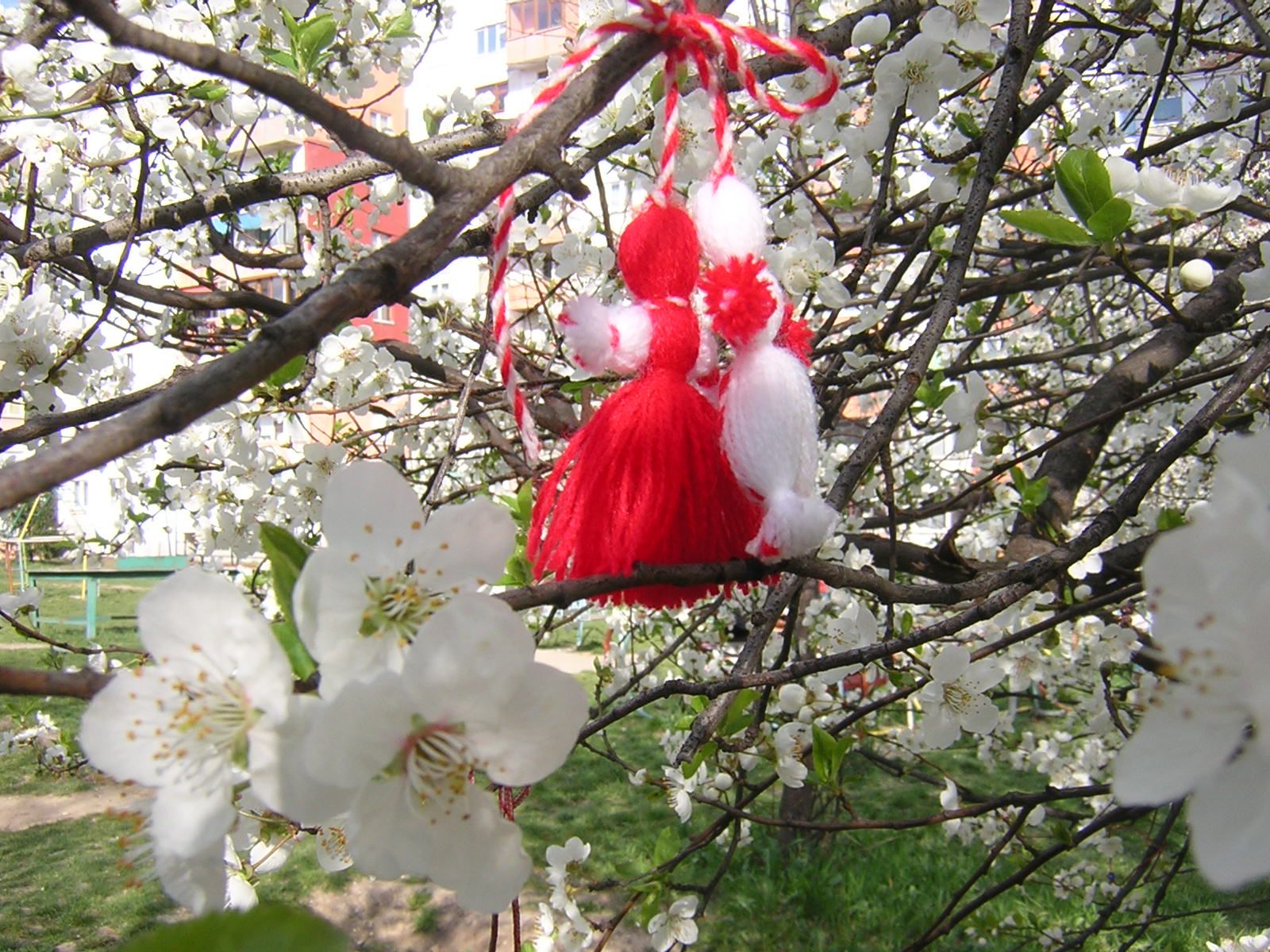
On 1 March Bulgarians give each other martenitsi (мартеници), twists of red and white wool worn on the wrist or pinned to a coat. Red stands for health and white for a long, happy life, and the classic pair of figures are Pizho and Penda, a boy and a girl. Baba Marta, Granny March, is the grumpy old woman behind the custom, and her moods are said to be March's weather.
You wear it until you see a stork, a swallow or a tree in blossom, then tie it to a blossoming branch. UNESCO listed the 1 March customs in 2017, shared by Bulgaria, North Macedonia, Moldova and Romania. Stalls selling martenitsi for Baba Marta fill central Sofia in the weeks before 1 March.
24 May, the day of the alphabet
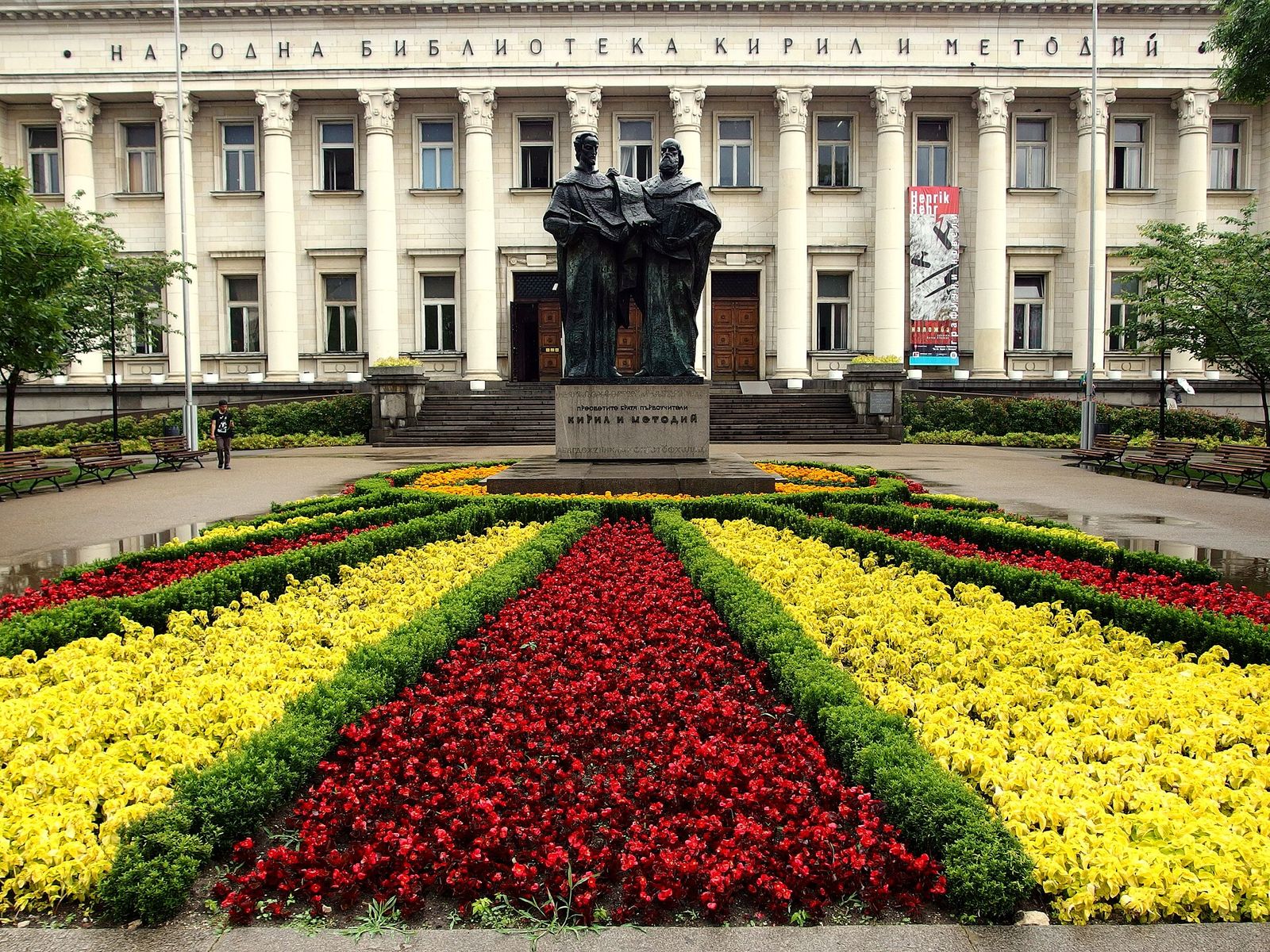
Bulgaria gives a public holiday to the alphabet. On 24 May the country marks the brothers Cyril and Methodius, the alphabet, education and culture, and Bulgarians are proud that the Cyrillic script took shape here before it spread. The statue of the two brothers outside the National Library, a short walk from Alexander Nevsky, is where I'd go to see Sofia celebrate. Learning the Cyrillic alphabet in Bulgaria takes an afternoon and makes every menu readable.
Folk music, the horo and folk costume
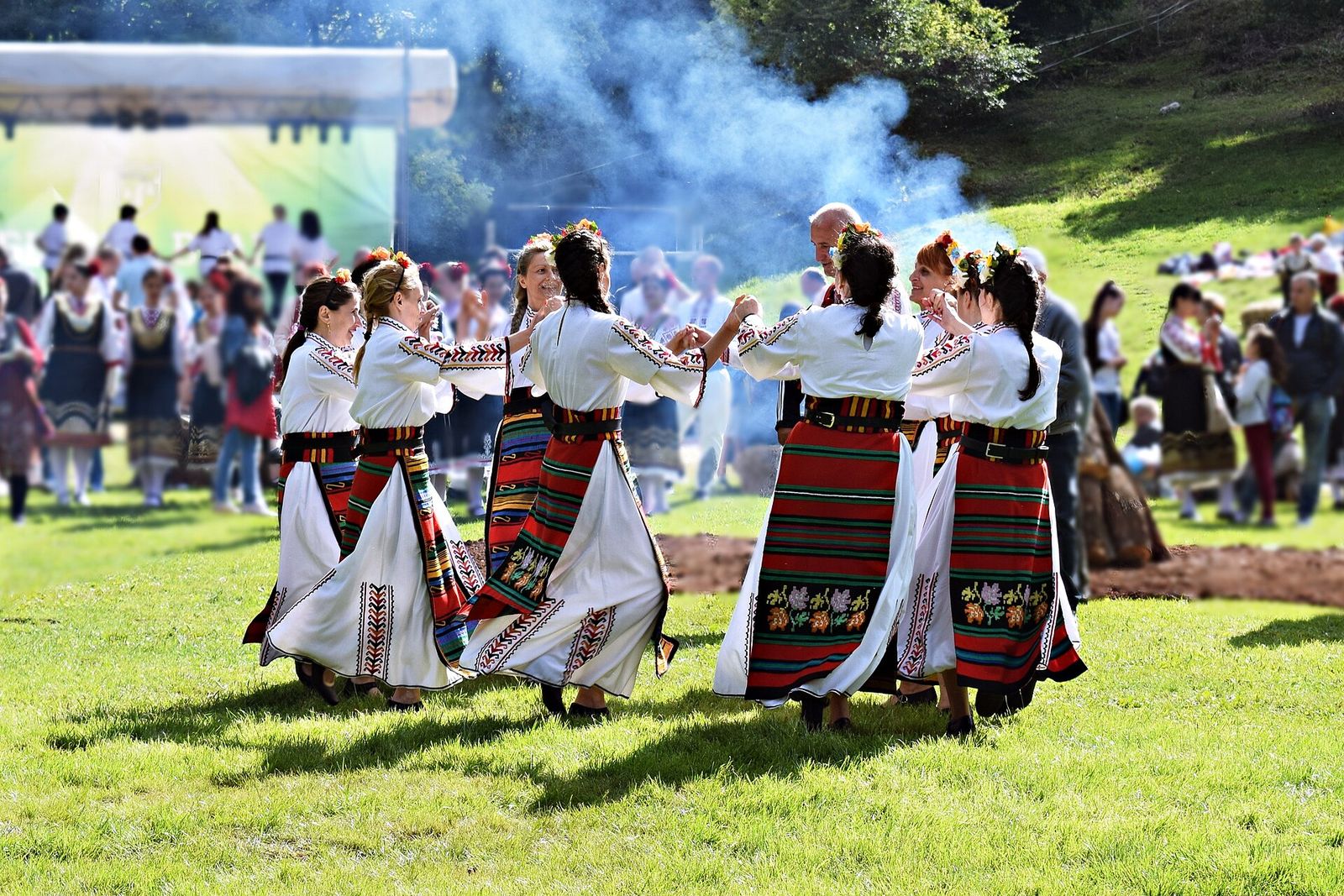
Bulgarian folk music runs on uneven rhythms built from groups of 2 and 3. The rachenitsa, a fast dance, is in 7/8, counted 2+2+3. Tapping your foot to it takes practice. The Shope region around Sofia has its own close two-voice singing, and the Bistritsa Babi, grandmothers from the area who sing archaic polyphony, went on UNESCO's list in 2008.
The instruments to listen for are the gaida, a goatskin bagpipe that UNESCO listed in 2025, the kaval, an end-blown flute, the gadulka, a fiddle held upright, and the tapan, a big double-headed drum. Valya Balkanska's "Izlel e Delyo Haydutin" is on the Voyager Golden Record, launched into space in 1977.
The horo is the dance: a line or circle of people holding hands or belts, stepping together. At weddings and village fairs everyone joins. You will be pulled in. The Koprivshtitsa folklore festival, on UNESCO's good practice register since 2016, runs about every five years in Koprivshtitsa, a town of painted 19th-century houses 110 km east of Sofia. To hear Bulgarian folk music played live in Sofia, I book a table at one of the two Hadjidraganov restaurants.
Where to see Bulgarian culture in Sofia
National Ethnographic Museum
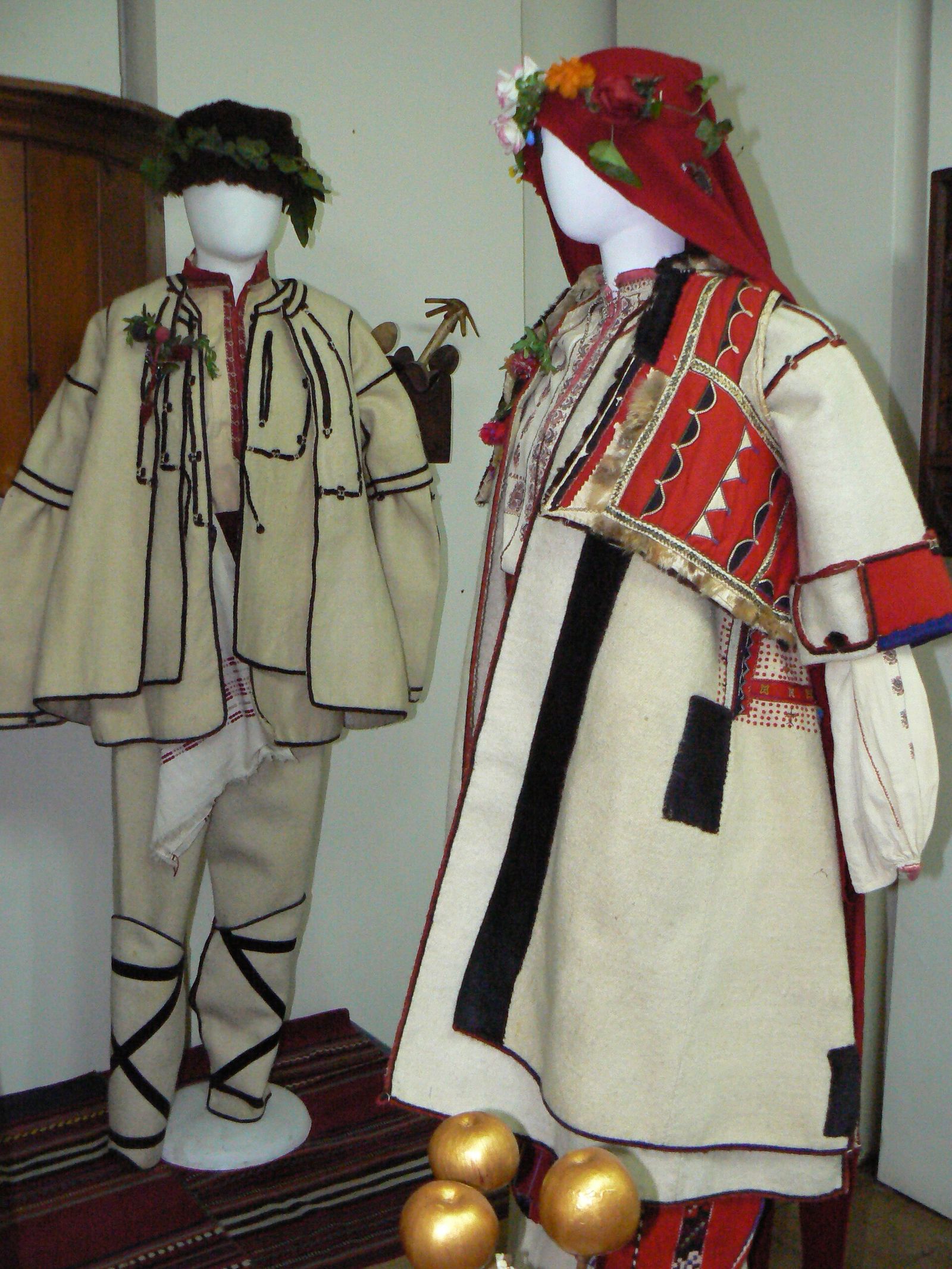
Sofia's former royal palace, in the city centre, houses the National Ethnographic Museum alongside the National Gallery. Its rooms are full of regional folk costumes and embroidery, and it's the best place I know to see what horo dancers wear and how the patterns change from region to region. The museum shop sells embroidered shirts and pieces by master craftspeople, my first stop for Bulgarian crafts with a maker behind them.
The icon museum in the Alexander Nevsky crypt
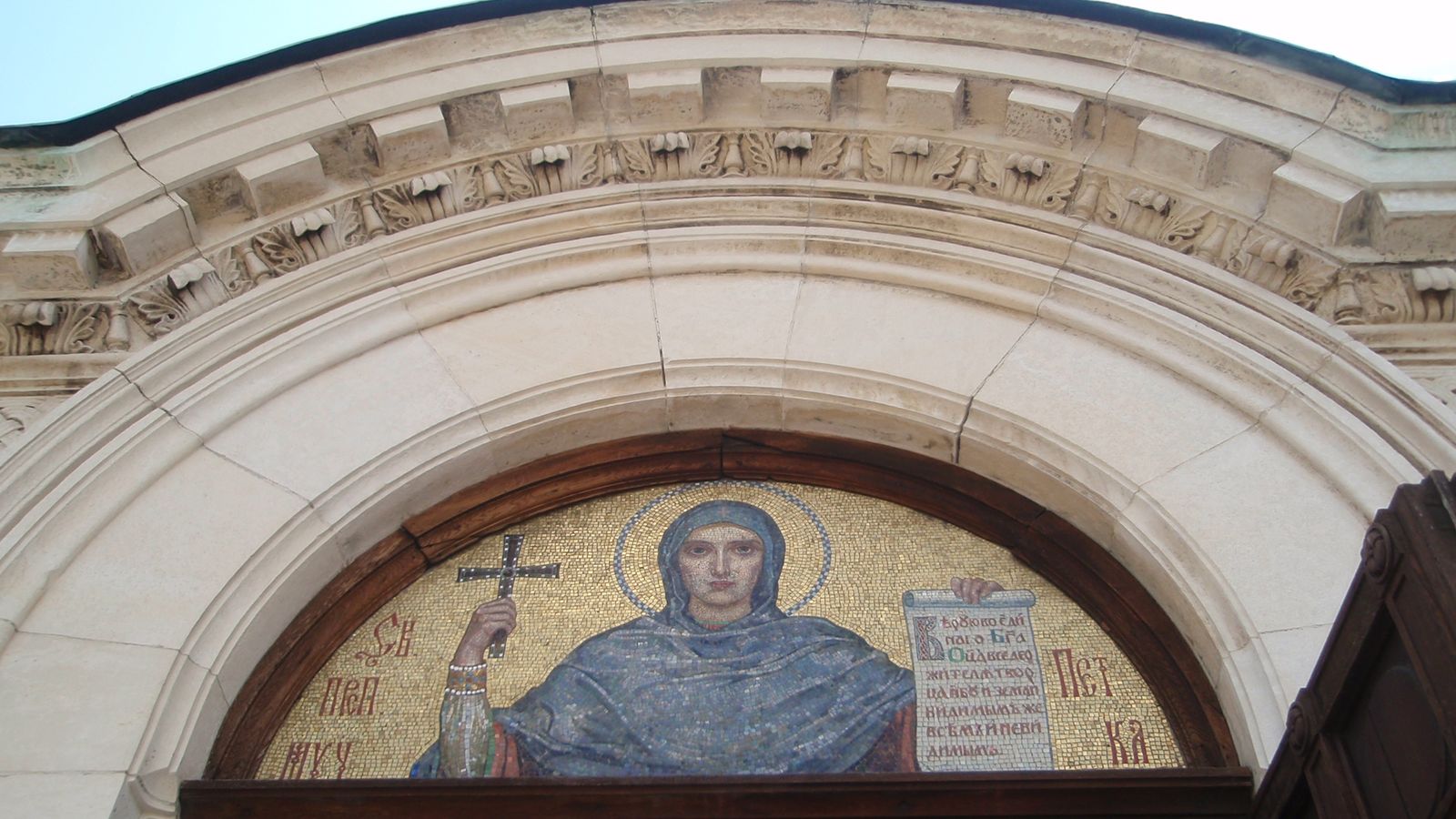
Under the cathedral, the National Gallery's Museum of Christian Art holds icons, fresco fragments and manuscripts made on Bulgarian lands from the 4th century to the 19th. It opens Tuesday to Sunday from 10am to 6pm and costs €10, or €2 on Thursdays, and under-18s go free. Look for the gold mosaic of St Petka above the entrance on the outside wall. I'd give it 45 minutes after the cathedral upstairs.
Zhenski Pazar, the Women's Market
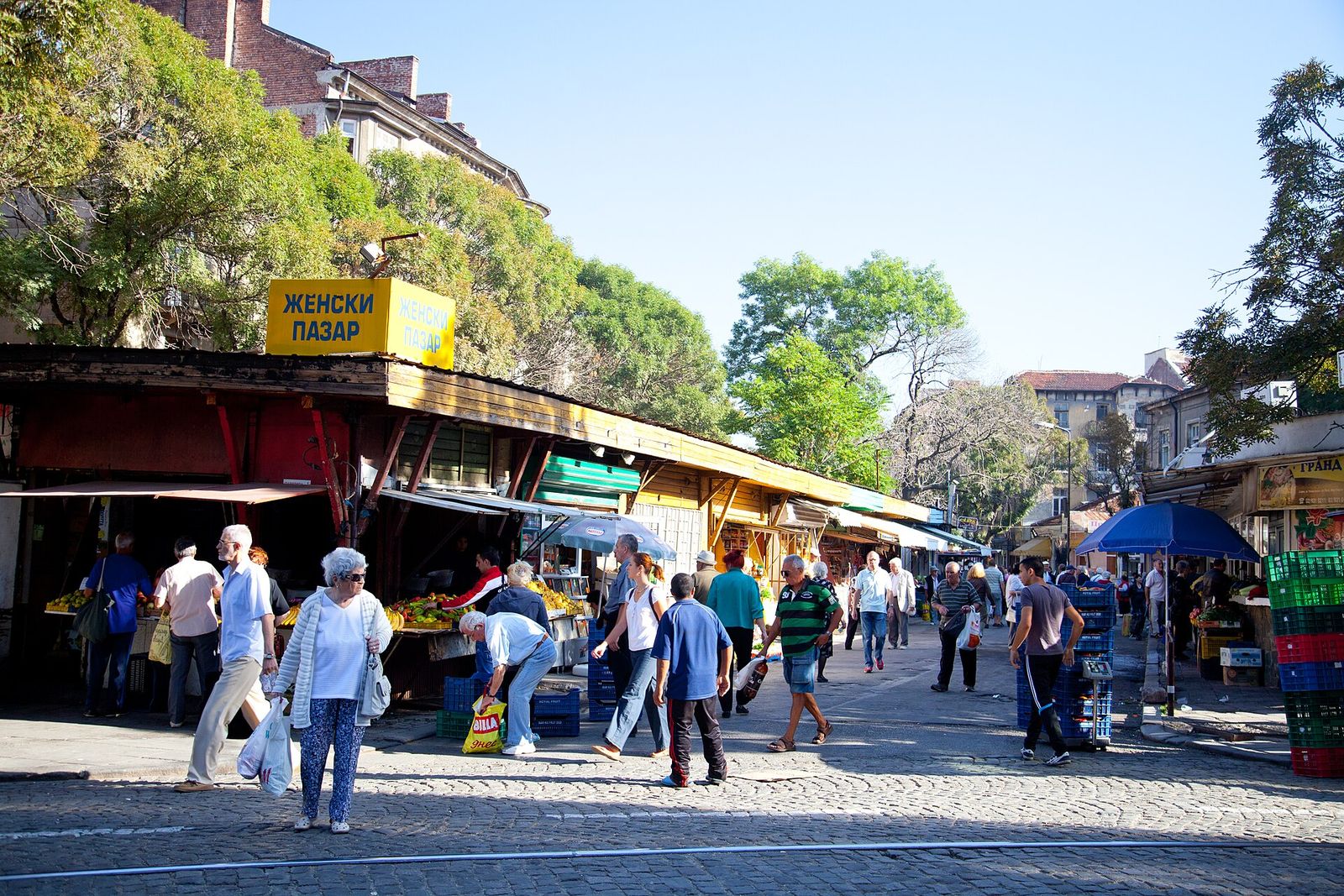
The Women's Market (Женски пазар) is Sofia's oldest market, set up around the Liberation in 1878 so village farmers could sell in the city. It runs along Stefan Stambolov Boulevard, a short walk from Lavov Most metro, and sells fruit, vegetables, dairy and Middle Eastern spices. I go on a weekday morning for peppers, white cheese and a chat with the stallholders.
Folk music dinners at Hadjidraganovite Kashti and Izbi
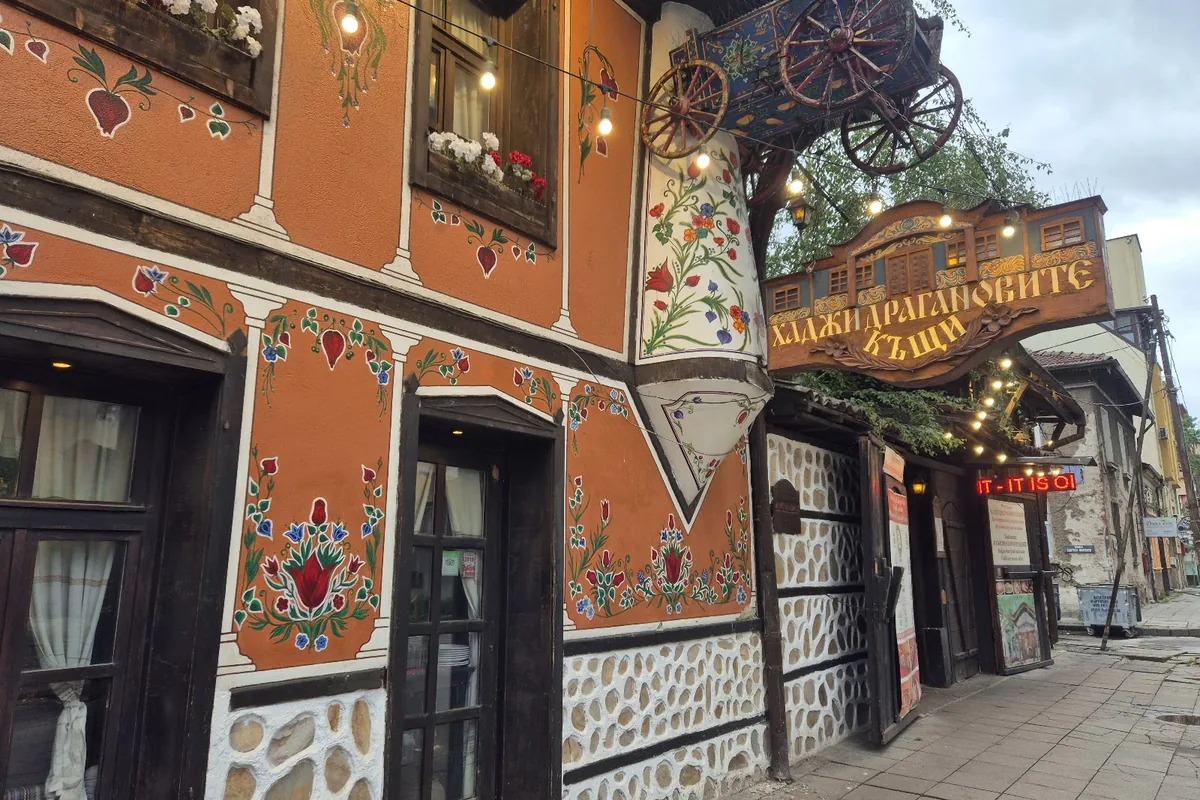
Hadjidraganovite Kashti (Хаджидрагановите къщи) is a traditional Bulgarian restaurant on Kozloduy Street, by the junction with Maria Luiza Boulevard. A band plays live folk music from 8pm every evening except Tuesday. Its sister restaurant, Hadjidraganovite Izbi (the Hadjidraganov Cellars) on Hristo Belchev Street near Vitosha Boulevard, has live folk music every evening except Monday. Book a weekend table on kashtite.com or izbite.com.
Modern Bulgarian culture: chalga and prices
Folk music has a loud younger cousin. Chalga is Bulgarian pop-folk, Balkan melodies over club beats, and Bulgarians draw a firm line between it and real folk music. A night at one of the chalga clubs in Sofia is as Bulgarian as a horo, just with more sequins.
In 2024 Bulgaria's GDP per head, adjusted for prices, was 66% of the EU average, the lowest of the 27 member states. For a visitor, that shows up in the bill: Sofia prices run to about €3.50 for a half-litre of draught beer and €0.80 for a metro ride.
Key takeaways
- Nod means no and a head wobble means yes in Bulgaria, so answer out loud with "da" or "ne".
- Rakia is sipped with the salad before mains, one sip per mouthful, with "nazdrave" and eye contact.
- The calendar is the culture: kukeri in January, Trifon Zarezan on 14 February, martenitsi on 1 March, Easter on 2 May 2027 and Christmas Eve on 24 December.
- Dress for churches with shoulders and knees covered, and put candles for the dead in the low trays of sand.
- In Sofia, see it all at the Ethnographic Museum, the Nevsky crypt icons, the Women's Market and a folk music dinner.
Frequently asked questions
What is the main ethnicity in Bulgaria?
Ethnic Bulgarians, about 85% of those who stated an ethnicity at the 2021 census. Turks are the biggest minority, followed by the Roma, and together they come to roughly 13%. Bulgarian is the official language and is spoken almost everywhere.
What are the dos and don'ts in Bulgaria?
Do say "da" or "ne" out loud, cover your shoulders and knees in churches and sip your rakia with food. Don't haggle in shops, where prices are fixed, and don't trust a nod. In a home, slip your shoes off at the door.
What are some common personality traits of Bulgarians?
Bulgarians I know are hospitable, direct and loud in the best way. Guests get fed until they give up, opinions come without sugar-coating, and a dinner table at full volume is a happy one. A name day often gets more of a party than a birthday.
Is Bulgaria a wealthy or poor country?
Bulgaria has the lowest GDP per head in the EU, at 66% of the EU average in 2024 once prices are adjusted for. It has been in the EU since 2007 and has used the euro since 1 January 2026. Prices for visitors are low compared with the UK.
What are the most important Bulgarian traditions?
The big ones are the martenitsa on 1 March, kukeri masquerades in winter, Orthodox Easter with red eggs, Trifon Zarezan on 14 February and the meatless Christmas Eve supper. Name days and the horo dance carry on all year round.
Do Bulgarians really shake their heads for yes?
Yes. A side-to-side wobble means yes and a nod means no, though some Bulgarians switch to the Western gestures with foreigners. Ask "da ili ne?" if you're unsure.
What should I wear to visit a church in Bulgaria?
Knees and shoulders covered for everyone, and hats off for men. In summer a light scarf thrown over a vest top does the job.
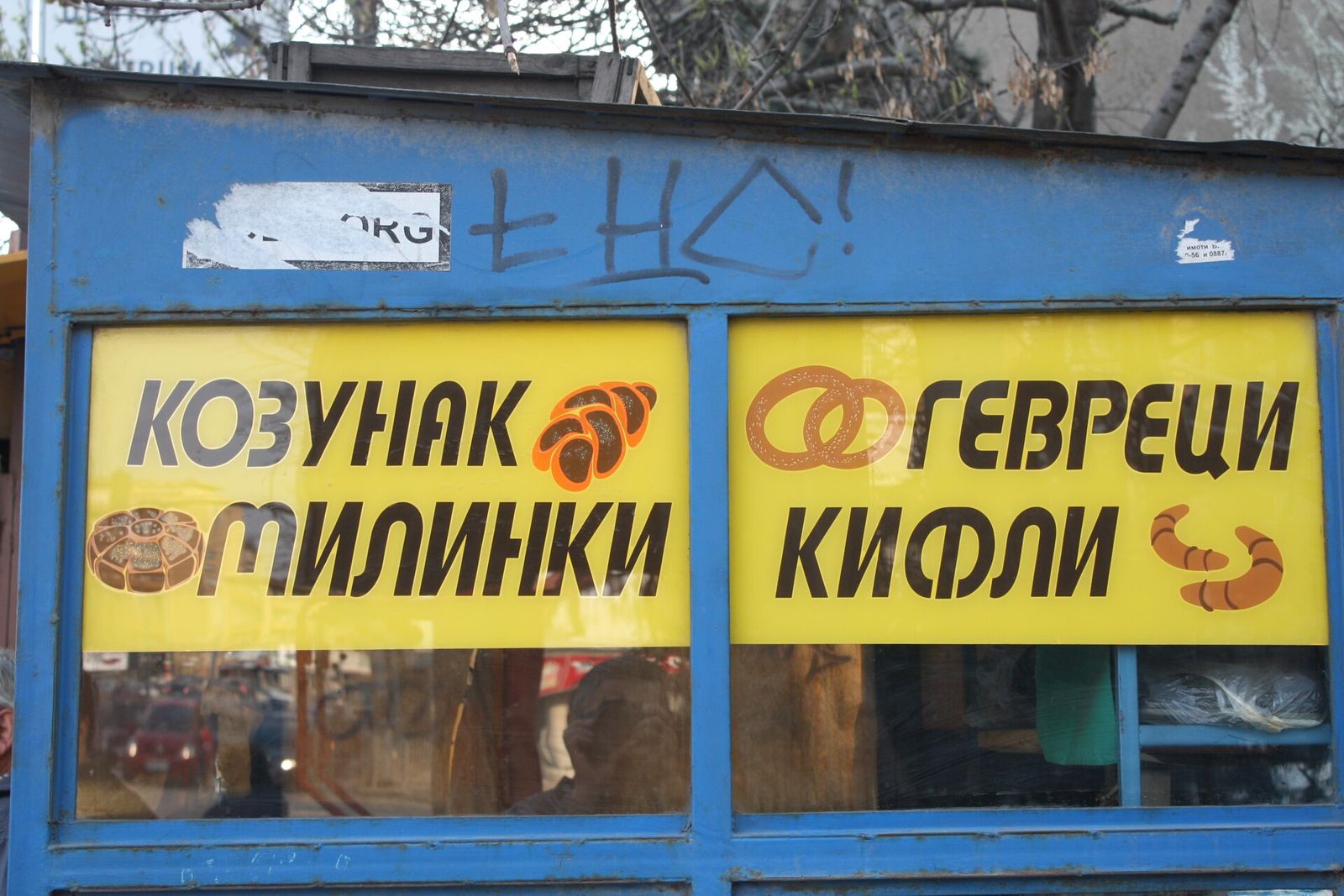
Bulgarian Phrases for Travellers: The Words I Use Every Day in Sofia
Hello, thank you, cheers and the bill: the Bulgarian words I use every day in Sofia, and how to say each one.
Read the guide
A Short History of Bulgaria (and Where to See It in Sofia)
Thracian gold to the euro: Bulgarian history era by era, and the Sofia sights where I see each chapter.
Read the guide
The Bulgarian Alphabet: How I Read Cyrillic in Sofia
All 30 letters of the Bulgarian alphabet, the six that fool English readers, and how I read Sofia signs with them.
Read the guide