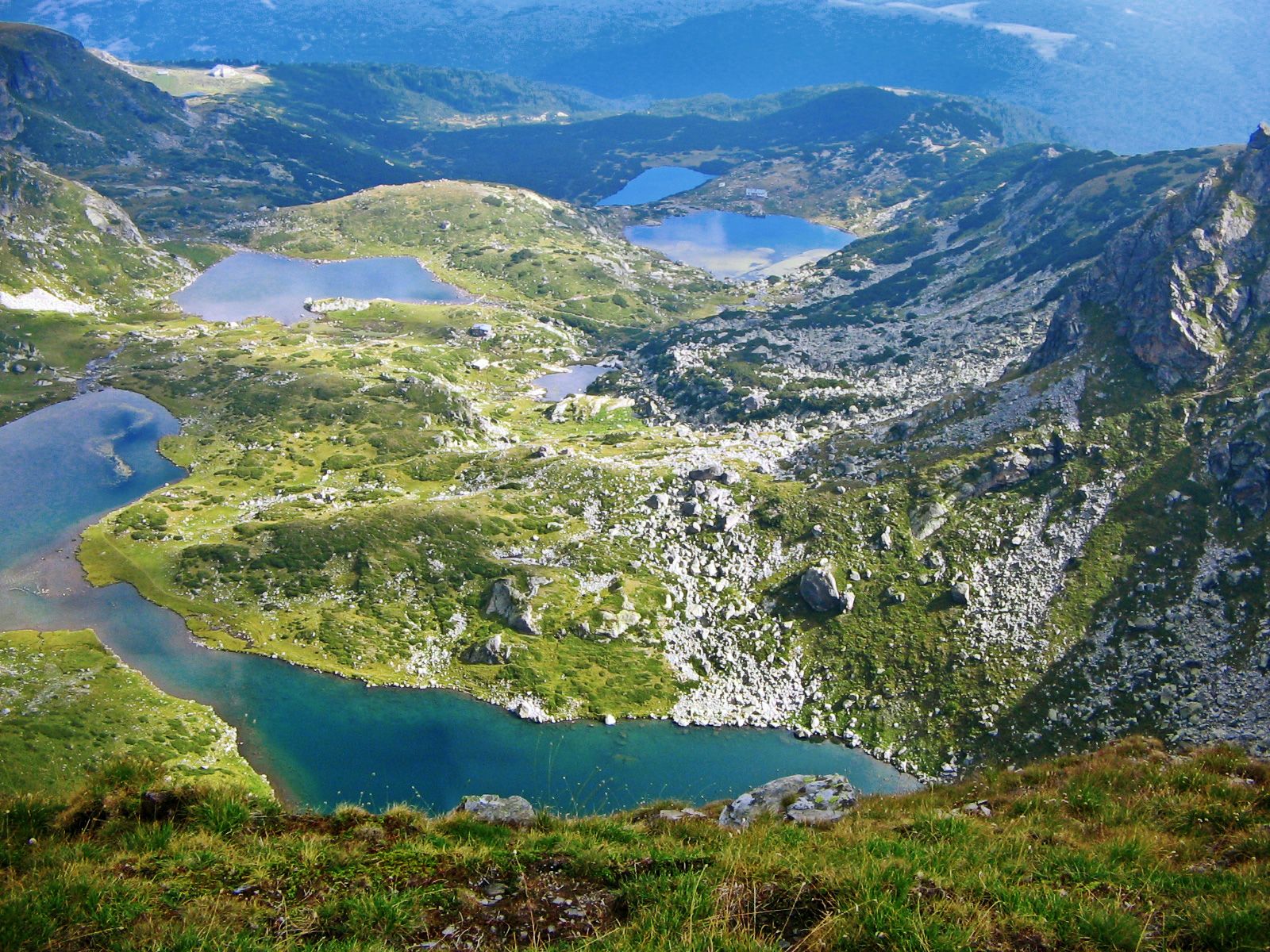
Seven Rila Lakes from Sofia: Chairlift, Hike and Getting There
The Seven Rila Lakes are my favourite hike in Bulgaria: seven glacial lakes stacked up a mountain cirque between 2,095 and 2,535 metres, about 95 km south of Sofia. A chairlift lifts you more than 500 metres up the mountain, and a loop of about 8.5 km passes every lake. Here's how I get there from Sofia, what the lift costs in 2026 and when I'd go.
What the Seven Rila Lakes are
The Seven Rila Lakes are glacial lakes in Rila National Park, in Kyustendil province, set one above another in a bowl of grass and granite in the north-west of the Rila Mountains. Each is named after its shape or its water: the Tear, the Eye, the Kidney, the Twin, the Trefoil, Fish Lake and the Lower Lake. Streams link one lake to the next, all the way down the chain.
Of all the day trips from Sofia, this is the one I push on friends who like walking. Climb to the ridge above the top lake and the others lie strung out below you in shades of blue, the photo everyone comes home with.
How to get to the Seven Rila Lakes from Sofia
The lakes start at the top of a chairlift, and the chairlift starts at Pionerska Hut, about 1,500 metres up, above the little mountain resort of Panichishte.
| Option | Route | Time each way | Cost | Best for |
|---|---|---|---|---|
| Hire car | Struma motorway to Dupnitsa, then Sapareva Banya, Panichishte and Pionerska Hut | 1 hour 30 to 1 hour 45 minutes | Car hire, fuel and paid parking | Most people, and anyone adding Rila Monastery |
| Bus and taxi | Bus from Ovcha Kupel to Sapareva Banya, taxi up to the lift | Allow 3 to 4 hours | Bus fare plus the taxi fare you agree | Non-drivers with a night to spare |
| Taxi from Sofia | Door to door, with the driver waiting | About 1 hour 45 minutes | A fixed price agreed before you leave | Groups of 3 or 4 |
By car: my pick
I drive. Head south out of Sofia on the Struma motorway towards Dupnitsa, turn off for Sapareva Banya, then follow the road up through the forest to Panichishte and on for the last 4 km to Pionerska Hut. It's about 95 km, and the last stretch is paved but winding.
The car park at the lift is paid, and on summer weekends it fills early, so I arrive before the lift opens. Hire cars normally come with Bulgaria's e-vignette, the electronic road toll, but check yours before you join the motorway.
By bus and taxi
Buses to Sapareva Banya leave from Ovcha Kupel bus station in south-west Sofia and take about 1.5 hours. You reach Ovcha Kupel on tram 5 from the stop behind the Palace of Justice, or in about 20 minutes by taxi. From Sapareva Banya, a taxi takes you up past Panichishte to the lift.
Agree the taxi fare before you get in, and take the driver's number for the ride back down. I wouldn't count on finding a spare taxi at Pionerska Hut at 5pm.
The other way in is through Dupnitsa, the nearest big town, which has trains from Sofia in about 2 hours and local buses on to Sapareva Banya. Check any train on the BDZ timetable before you plan round it. Either way, connections make it 3 to 4 hours each way, which leaves you racing the last lift. Without a car I'd stay a night in Sapareva Banya or at one of the huts and start the lakes fresh.
Seven Rila Lakes chairlift: prices and opening hours
The chairlift is an open two-seater from Pionerska Hut up to the Rila Lakes Hut at about 2,100 metres. The ride takes 20 to 30 minutes over the forest, with your feet dangling, so hold on to your phone.
| Ticket | One way | Return |
|---|---|---|
| Adult | €11 | €16 |
| Child aged 5 to 12, senior or disabled visitor | €6 | €8 |
| Child under 5 | Free | Free |
In summer 2026 the lift ran from 8.30am to 5.30pm, Tuesday to Sunday, and from 12.30pm on Mondays. Winter hours, since it reopened on 31 October, are 8.30am to 4.30pm, again from 12.30pm on Mondays. Dogs ride in a pet carrier for €6, and I'd keep them on a lead once you're in the national park.
Cards are normally accepted, but the machines at the lift sometimes fail, so I carry euro cash for the ticket and the parking. Bad weather gets no refund, and the lift stops in strong wind and thunderstorms. On July and August weekends the queue for the lift can run past an hour.
You can walk up instead. The path from Pionerska Hut up to the top station takes 1.5 to 2 hours, and I'd only do it if the lift is shut or the queue looks hopeless, because it eats into your time at the lakes.
The seven lakes, from the bottom to the top
The deep water is in the middle of the chain: the Twin, the Kidney and the Eye are all more than 27 metres deep.
| Lake | In Bulgarian | Altitude | Depth | Known for |
|---|---|---|---|---|
| Lower Lake | Dolnoto ezero | 2,095 m | 11 m | The lowest, ringed by dwarf pine |
| Fish Lake | Ribnoto ezero | 2,184 m | 2.5 m | The shallowest of the seven |
| Trefoil | Trilistnika | 2,216 m | 6.5 m | Lobed shape and low shores |
| Twin | Bliznaka | 2,243 m | 27.5 m | 9.1 hectares, the biggest by area |
| Kidney | Babreka | 2,282 m | 28 m | The steepest shores |
| Eye | Okoto | 2,440 m | 37.5 m | The deepest cirque lake in Bulgaria |
| Tear | Salzata | 2,535 m | 4.5 m | Clear water, right under the ridge |
Lower Lake (Dolnoto)
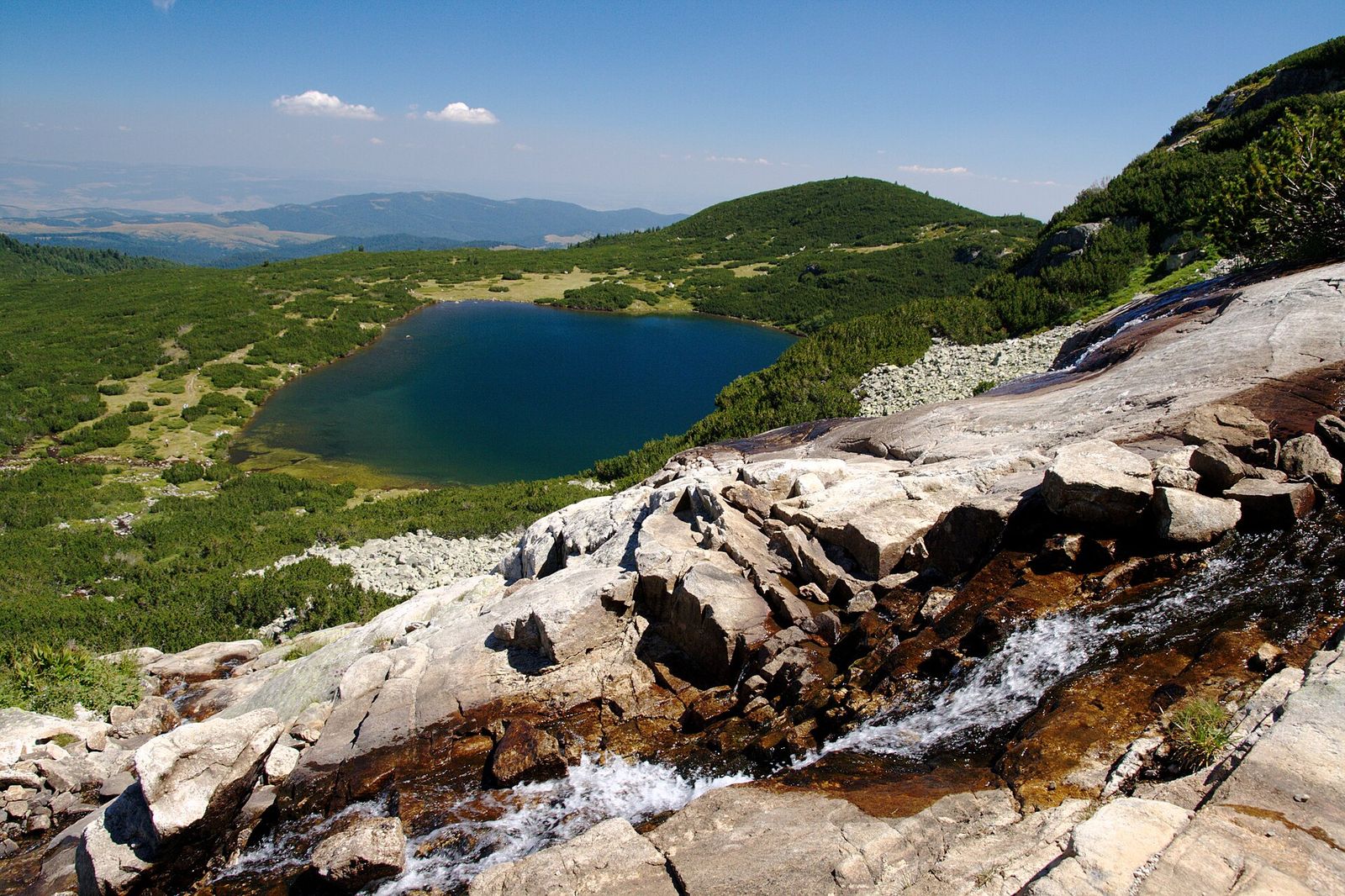
Sitting a little below the other six, the Lower Lake is the one I keep for the end of the loop, when my knees want something flat. Follow the stream out of it and you're looking at the first metres of the Dzherman River.
Fish Lake (Ribnoto)
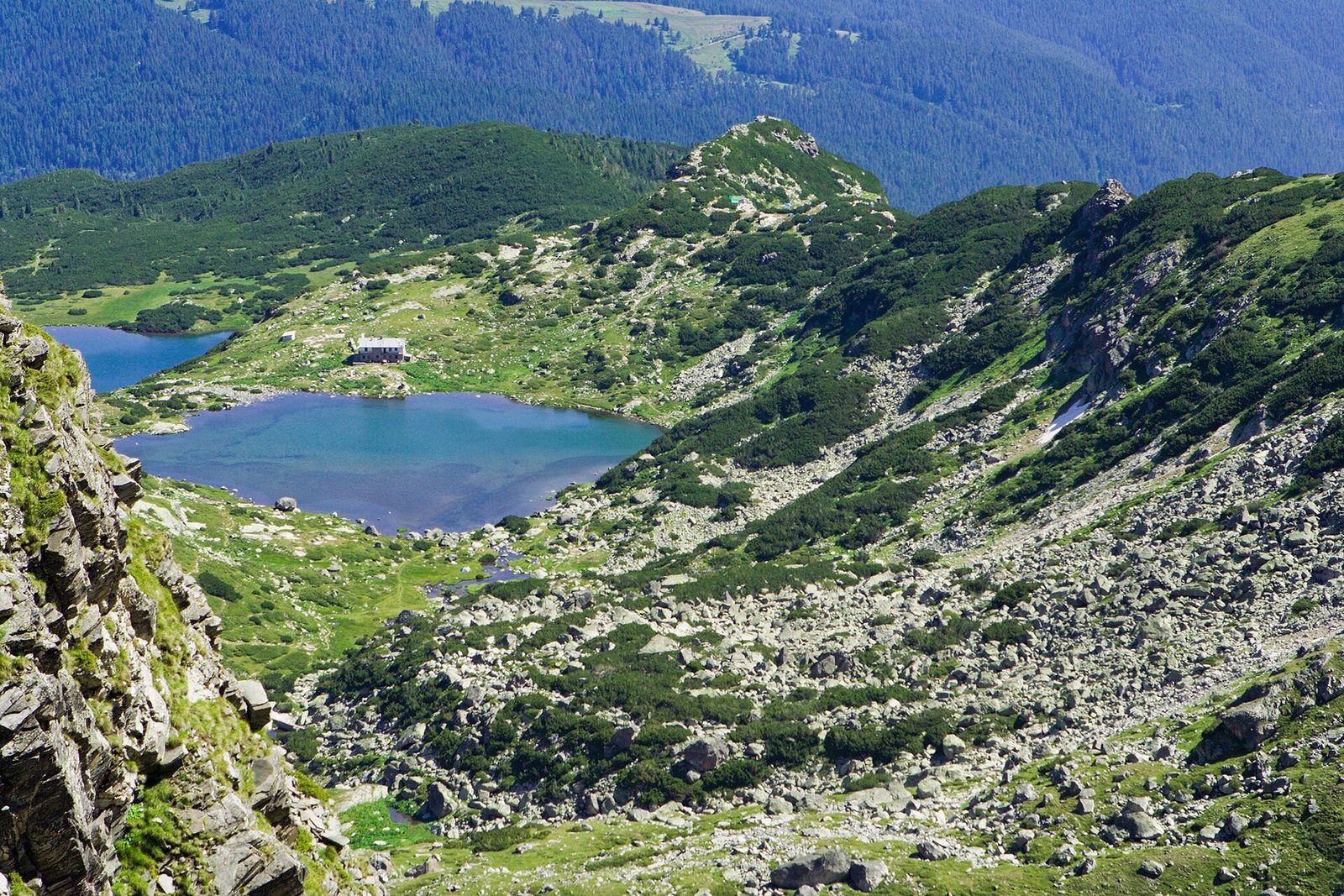
Fish Lake is shallow enough to see the weed on the bottom near the edges, and the Seven Lakes Hut stands on its shore. It's where I stop for a drink and check the sky before the climbing starts.
Trefoil (Trilistnika)
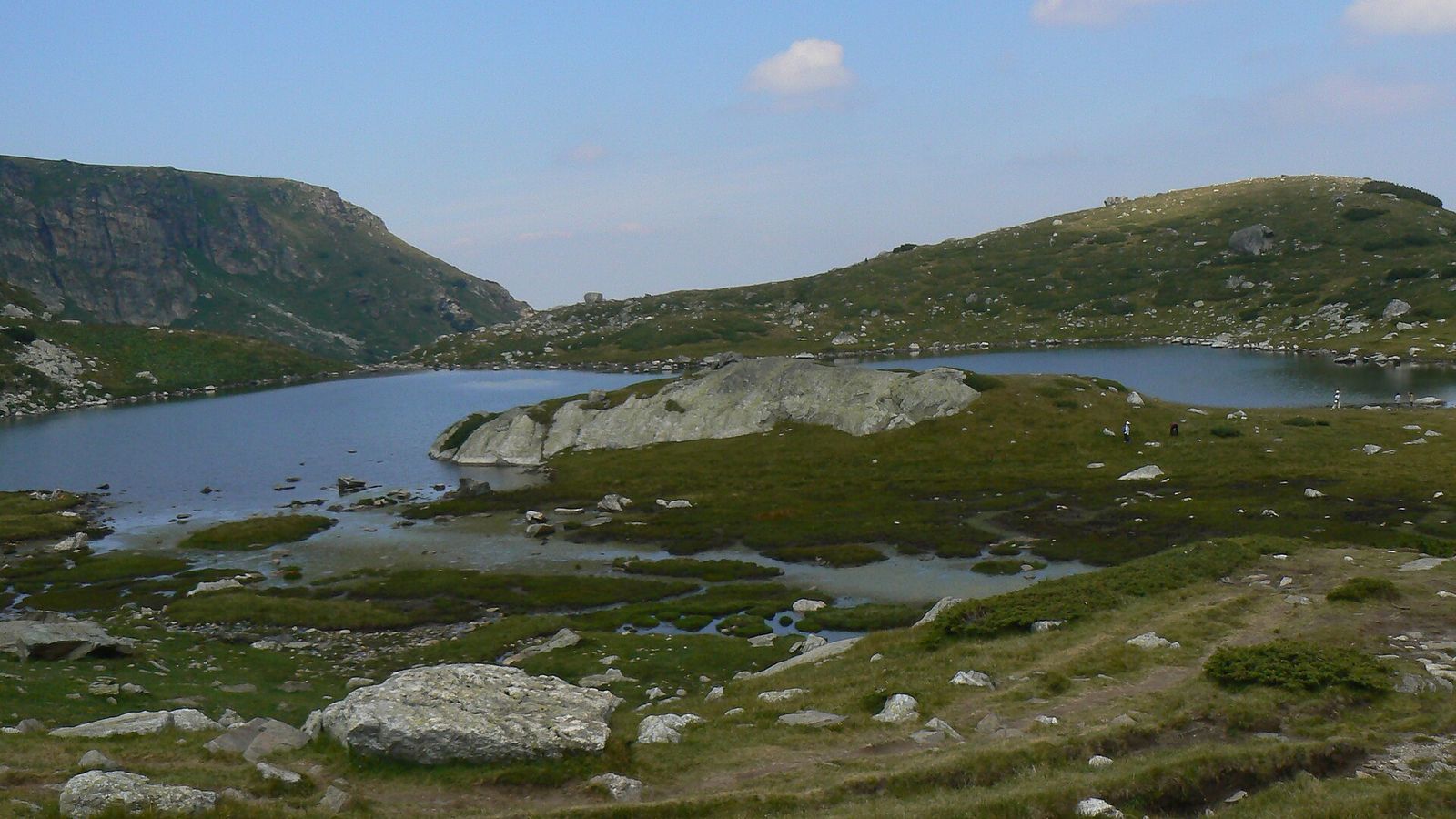
The Trefoil spreads out in lobes, with low grassy shores and granite slabs breaking the surface. I stop here for my first proper photo, with the slabs in front and the upper cirque behind.
Twin (Bliznaka)
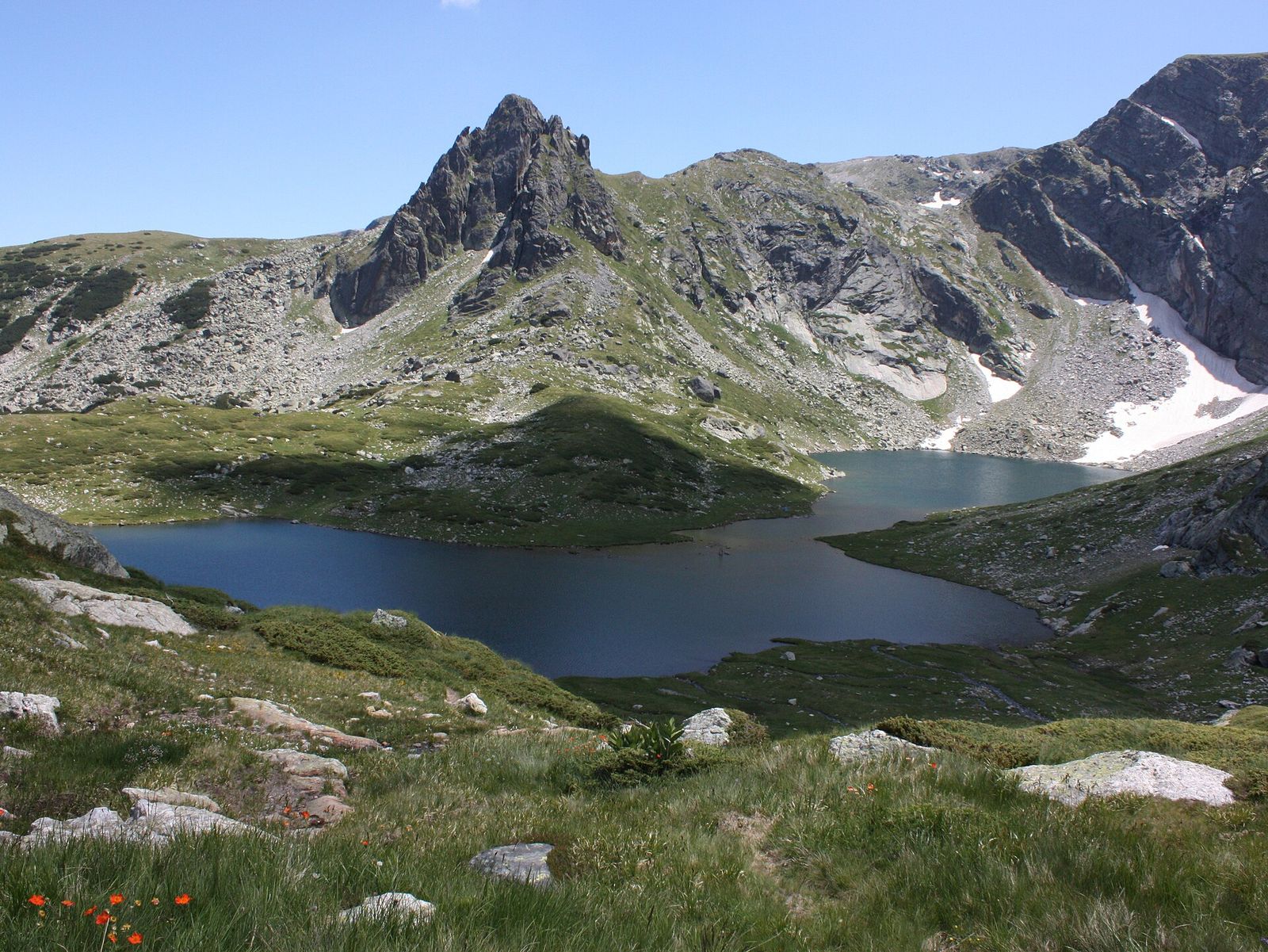
Pinched in the middle, the Twin reads as two lakes joined at the waist, and from the ridge above you can see how it got its name. The pointed peak standing over it is Haramiyata.
Kidney (Babreka)
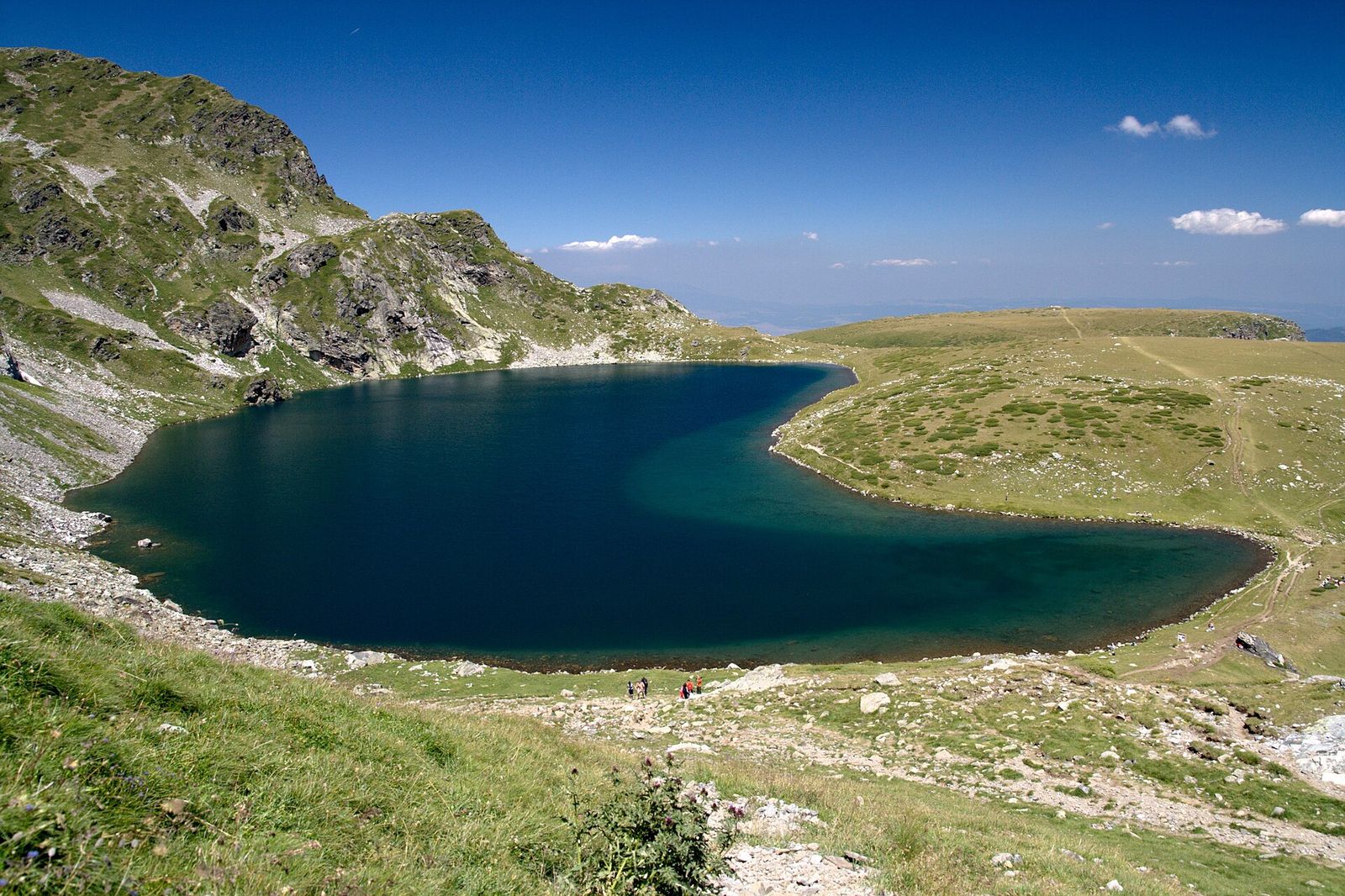
On one side the Kidney curves round a flat green meadow, and on the other its bank drops steeply into the water. Every year on 19 August, followers of the Bulgarian spiritual teacher Peter Deunov gather on that meadow to dance the Paneurhythmy in big circles. Go that day if you're curious, and pick another date if you want the lakes quiet.
Eye (Okoto)
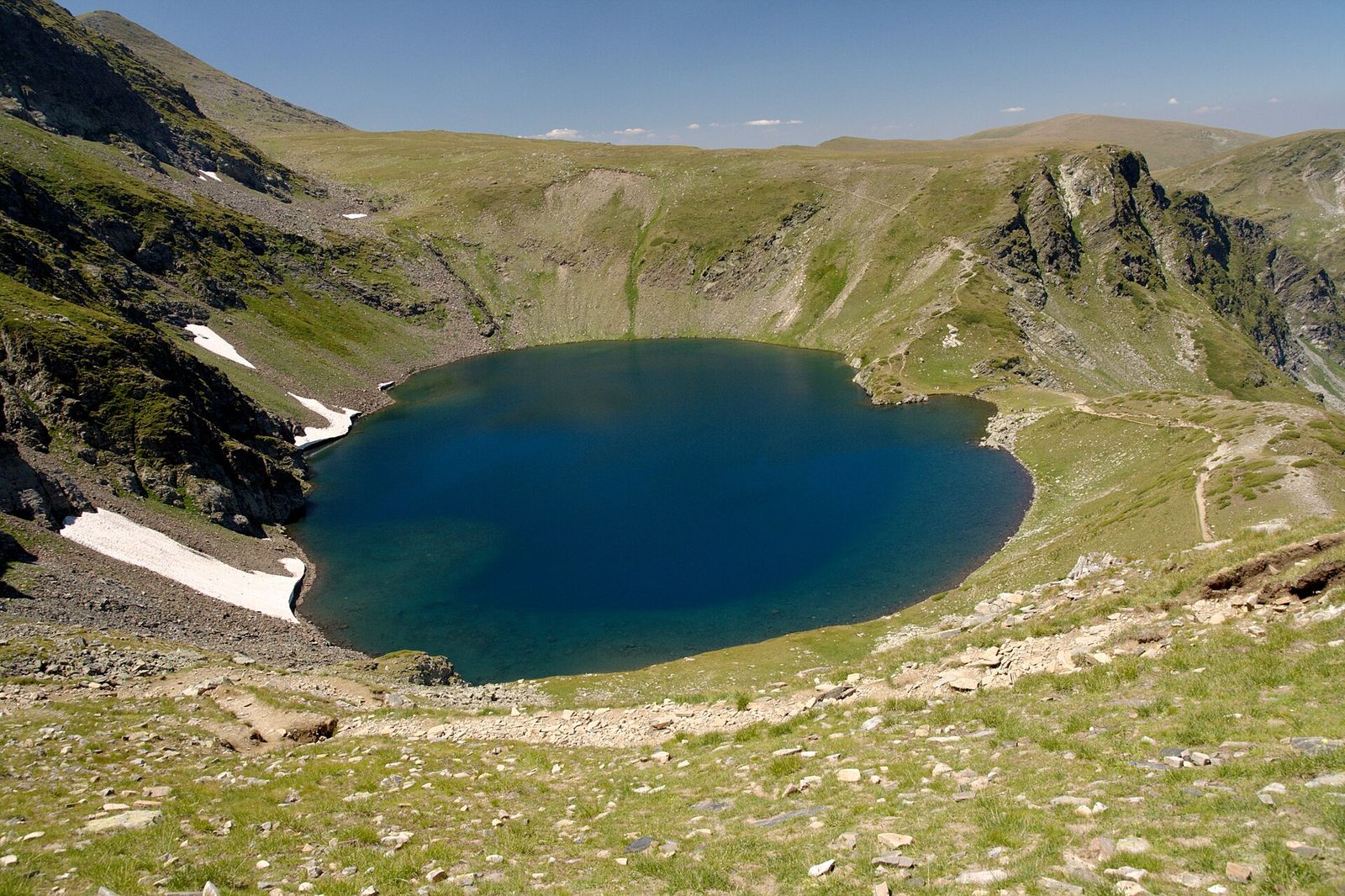
My favourite is the Eye: an almost perfect oval of dark blue water in a bowl of grass and scree. The rocky, narrow stretch of path below it is the toughest part of the hike, so I take it slowly and save my lunch for the top.
Tear (Salzata)
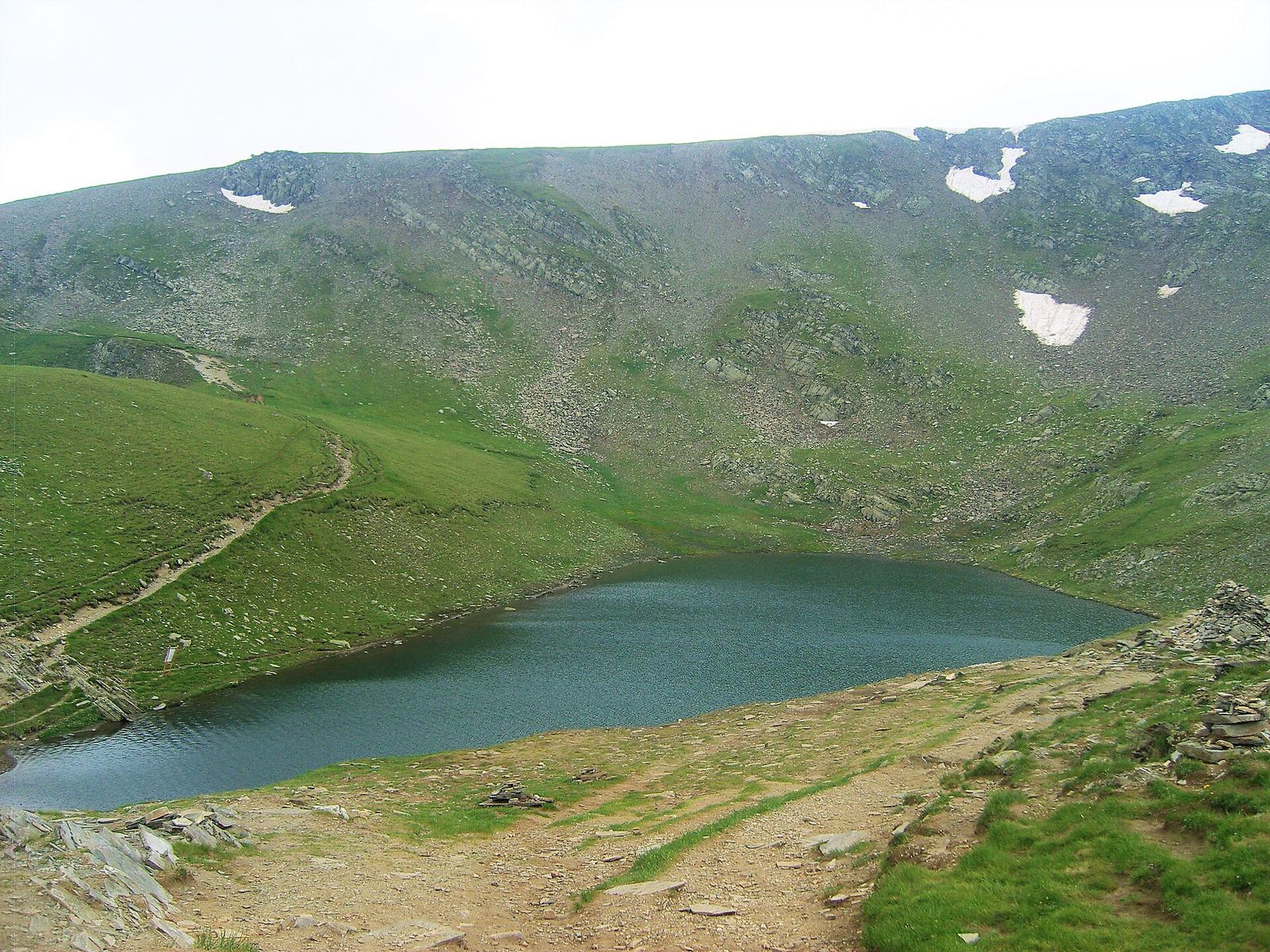
Highest and smallest of the seven, the Tear is named for how clear its water is. From its shore a short, steep pull takes you up to Lake Peak (Ezerni vrah), about 2,560 metres, where the Tear lies almost straight below you.
The Seven Rila Lakes hike: route, distance and time
The standard loop starts and ends at the Rila Lakes Hut by the top of the lift. It's about 8.5 km, including the branch up to the top two lakes and the viewpoint, and it takes 4.5 to 5 hours at a steady pace with stops. You climb about 400 metres, from the hut at about 2,100 metres to the Tear at 2,535 metres.
The path is well trodden and waymarked all the way. The lower lakes are an easy walk, and the climb to the Eye and the Tear is steeper and rocky in places. The first ridge is the longest climb of the day.
My route goes up past Fish Lake, the Trefoil, the Twin, the Kidney and the Eye to the Tear, then onto Lake Peak for the view. Coming back down, I finish with a detour to the Lower Lake before the last stretch to the hut.
Huts at the Seven Rila Lakes: food and beds
Two mountain huts sit by the lakes, and both take overnight guests. Book ahead for July and August.
Rila Lakes Hut
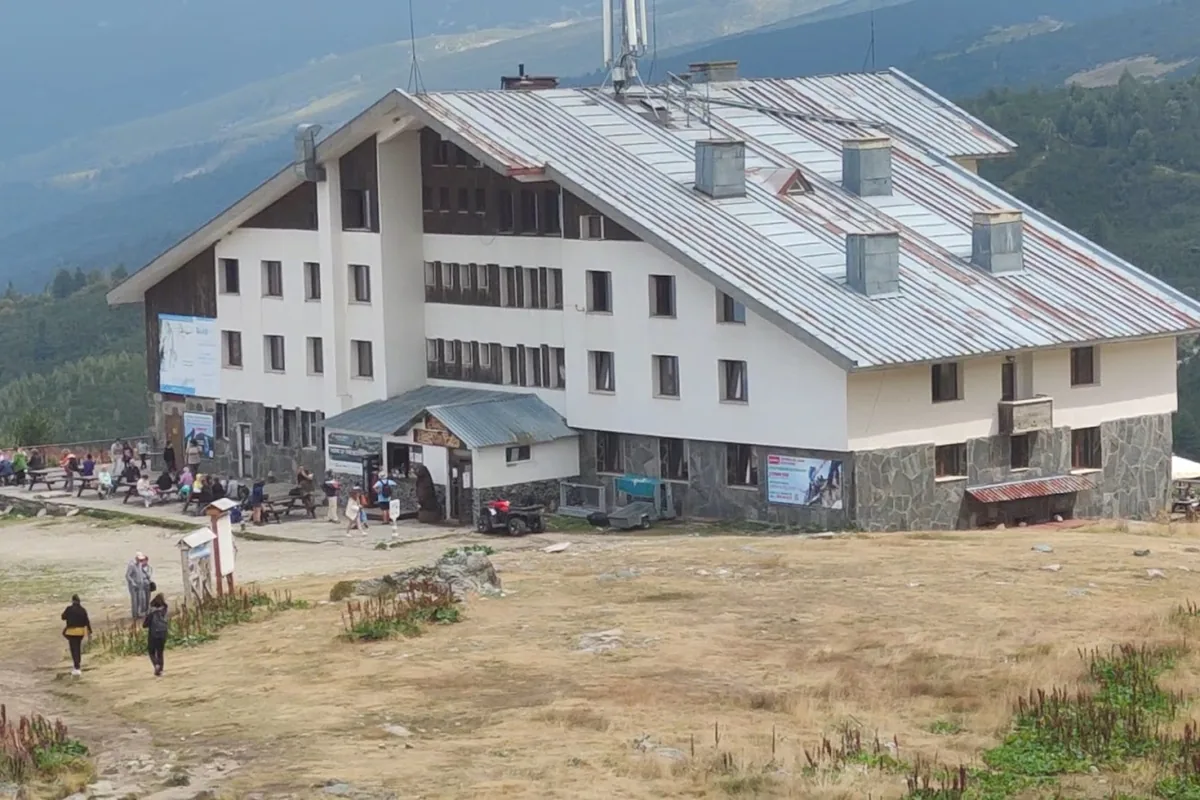
The Rila Lakes Hut is next to the top of the chairlift, at about 2,100 metres, with a restaurant, a bar and rooms of 2 to 12 beds. It's where I eat on the way down, before the ride back to the car. It stays open all year, and in winter there's a small ski tow on the ridge above it.
Seven Lakes Hut
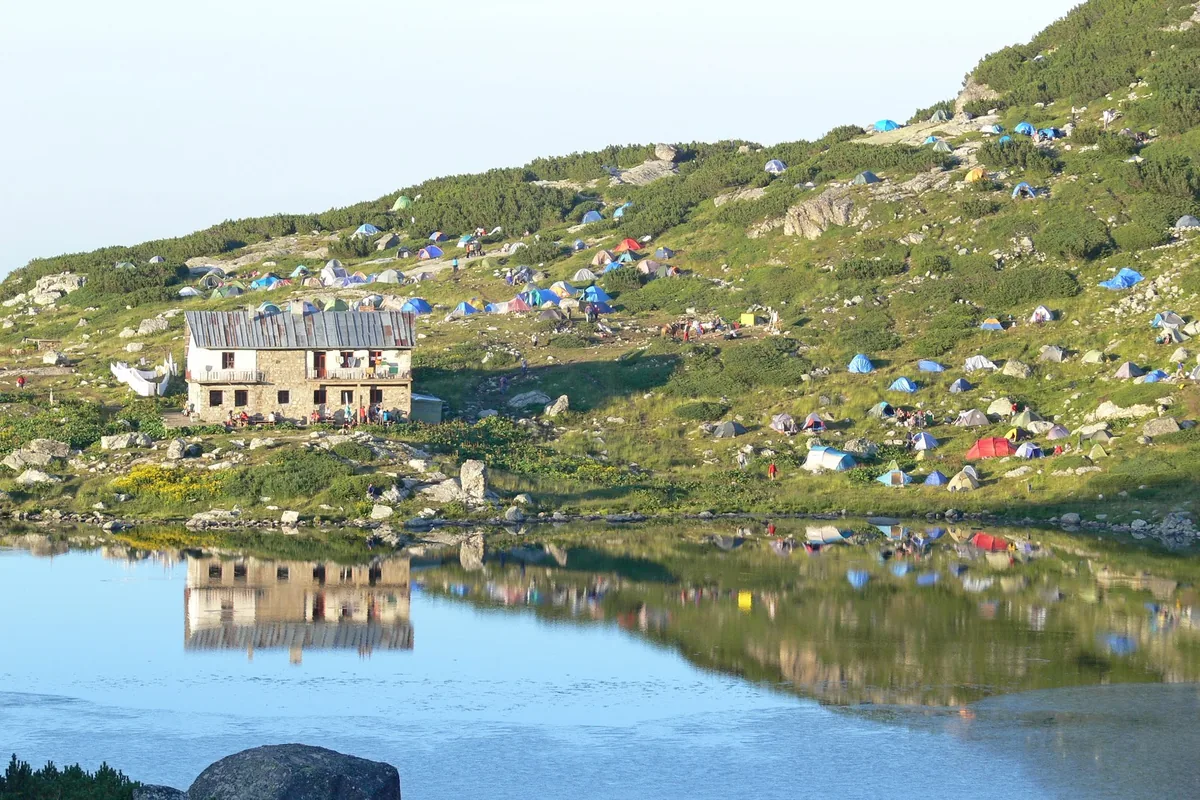
The Seven Lakes Hut is the older of the two, on the north-east shore of Fish Lake at 2,196 metres and about 40 minutes' walk from the Rila Lakes Hut. Sleep here and you're already on the path at dawn, with the upper lakes to yourself before the first lift arrives.
When to visit the Seven Rila Lakes
July and August are the warmest months and the busiest, with the longest lift queues at weekends. September is quieter, and it's when I go.
| When | The lakes | The lift | My verdict |
|---|---|---|---|
| June | Ice and old snow on the upper lakes, mud on the path | Running again from late May | Pretty, but bring boots |
| July and August | Clear of ice and at their warmest | Summer hours, long weekend queues | Warmest, so go on a weekday |
| September | Clear, with fewer people | Running until early October | My pick, on a weekday |
| October | Starting to freeze | Shut for maintenance for 2 to 3 weeks | Skip it |
| November to May | Frozen under snow, with ice up to 2 metres thick | Winter hours, 8.30am to 4.30pm, until April | Only for experienced winter walkers |
What to pack for the Seven Rila Lakes
You're above 2,000 metres all day, so pack for colder, wetter weather than Sofia's. My day bag, on top of my usual Bulgaria packing list:
- Walking boots or trail shoes with grip
- A warm layer and a waterproof, even in August
- 2 litres of water and lunch, unless you're eating at the hut
- Sun cream, sunglasses and a hat
- Euro cash for the lift, the parking and the huts
Seven Rila Lakes and Rila Monastery in one day
With a car and a long summer day, you can add Rila Monastery, in the same mountains. It only works from July to September, when the lakes are clear of ice, and you need to leave Sofia by 7am. Do the lakes first, because the last lift down goes in the late afternoon, while the monastery courtyard stays open until 7.30pm.
| Time | Plan |
|---|---|
| 7am | Leave Sofia, south on the Struma motorway |
| About 8.45am | Park at Pionerska Hut and take the lift up |
| 9am to 2pm | The loop, about 5 hours with lunch at the top |
| Mid-afternoon | Lift down, then drive back past Sapareva Banya and south to the monastery |
| Late afternoon | Rila Monastery: the courtyard, the church and the history museum, about 1.5 hours |
| Evening | Drive back to Sofia, about 2 hours |
In those months the history museum stays open until 7.30pm, though Hrelyu Tower closes at 4.30pm, so the tower is the one thing this plan misses. Without a car, I'd split the two over separate days.
Is the Seven Rila Lakes trip worth it?
Yes, between July and September.
Go if:
- You like hiking. Seven lakes on one waymarked loop, each a short climb above the last.
- You can drive or spare a night. A car turns it into an easy day, and without one a night in Sapareva Banya does the same job.
- You want high mountains without a technical climb. The lift does the first big climb, and the rest is a steady walk.
Skip it if:
- You've only got a weekend. Sofia fills 2 days, and Vitosha gives you mountain air from a city bus stop.
- You're visiting between October and early June. Expect closed lifts, ice or deep snow.
- The lift is shut for maintenance. The hikes near Sofia start a city bus ride from the centre.
Key takeaways
- Drive to Pionerska Hut in about 1 hour 45 minutes, or take the bus to Sapareva Banya, stay the night and get a taxi up in the morning.
- The chairlift is €16 return for adults, and euro cash beats a card machine that might be down.
- Allow 4.5 to 5 hours for the 8.5 km loop, and start on the first lift at 8.30am.
- Visit between July and September, and check the lift isn't in one of its 2 to 3 week maintenance breaks.
Frequently asked questions
Can you swim in the Seven Rila Lakes?
I don't, and I'd ask you not to. The water stays ice cold even in August, and the lakes sit inside Rila National Park.
How long is the Seven Rila Lakes hike?
The loop from the top of the chairlift is about 8.5 km and takes 4.5 to 5 hours with stops. Walking up from Pionerska Hut adds 1.5 to 2 hours of climbing, plus the walk back down.
How much is the Seven Rila Lakes chairlift?
An adult ticket is €16 return or €11 one way. Children aged 5 to 12, seniors and disabled visitors pay €8 return or €6 one way, and children under 5 ride free.
Can you visit the Seven Rila Lakes from Sofia without a car?
Yes, but it's a long day. Take a bus from Ovcha Kupel bus station to Sapareva Banya, about 1.5 hours, then a taxi up to the lift, or go via Dupnitsa by train. Allow 3 to 4 hours each way, and stay a night if you can.
Where to stay in Rila National Park?
For the Seven Rila Lakes, stay at the Rila Lakes Hut by the top of the chairlift or the Seven Lakes Hut on Fish Lake. Both have basic beds and fill up in summer, so book ahead. Below the lift, Sapareva Banya and Panichishte have small hotels and guesthouses.
What are some good hikes in the Rila Mountains in Bulgaria?
The Seven Rila Lakes loop is the classic. Musala, at 2,925 metres the highest peak in Bulgaria and the Balkans, is climbed from the ski resort of Borovets. From Rila Monastery, a forest path leads up to the cave where St Ivan of Rila lived as a hermit.
What are the most beautiful mountains in Bulgaria?
Rila and Pirin are my two favourites. Rila has the Seven Rila Lakes and Musala, and Pirin, above the town of Bansko, has sharp peaks and Vihren at 2,914 metres. Vitosha, on Sofia's doorstep, is gentler and easier to reach.
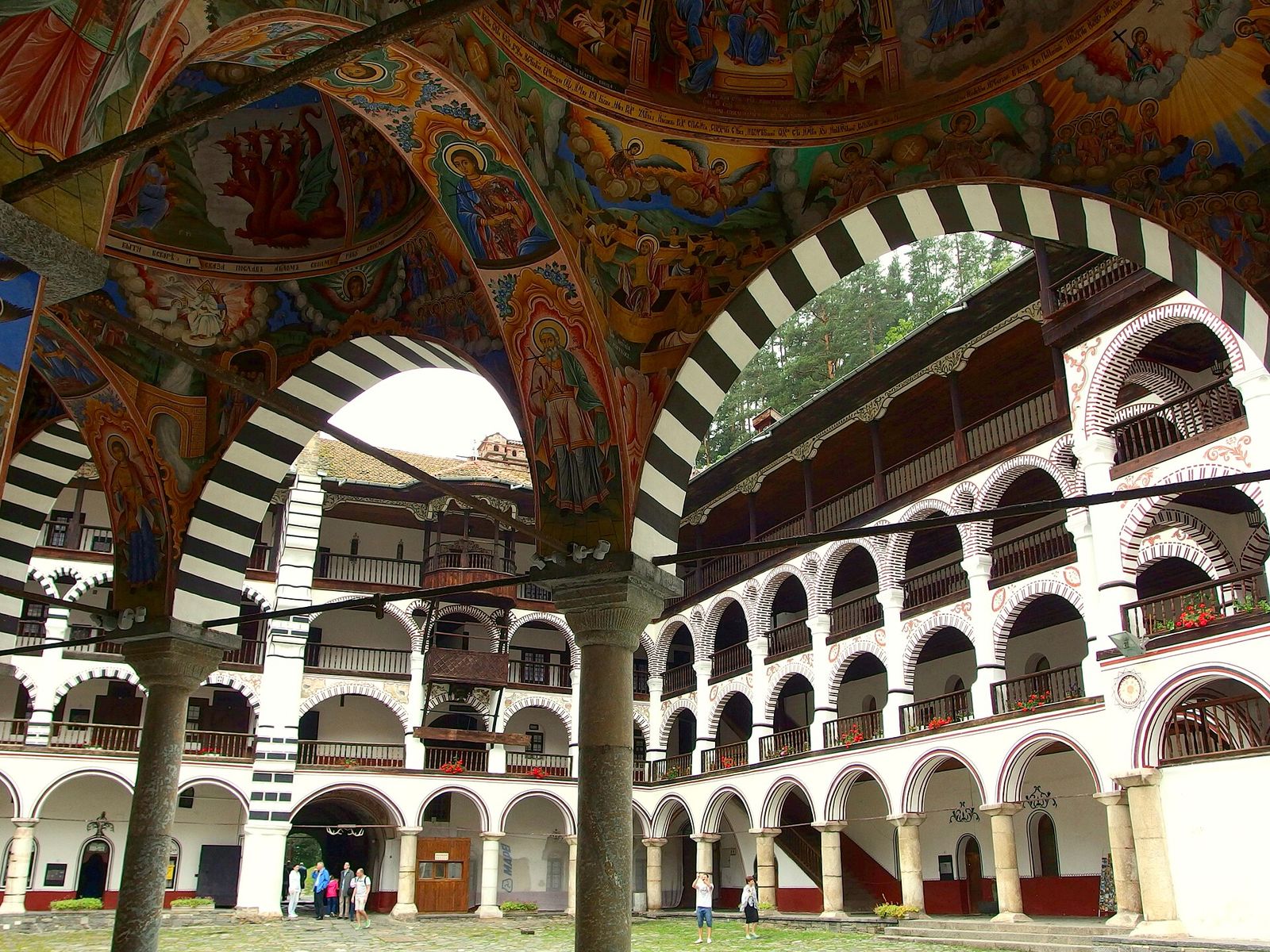
12 Best Day Trips from Sofia (and How I Get There)
My 12 favourite trips out of Sofia by bus, train and hire car, and the ones that deserve a night away.
Read the guide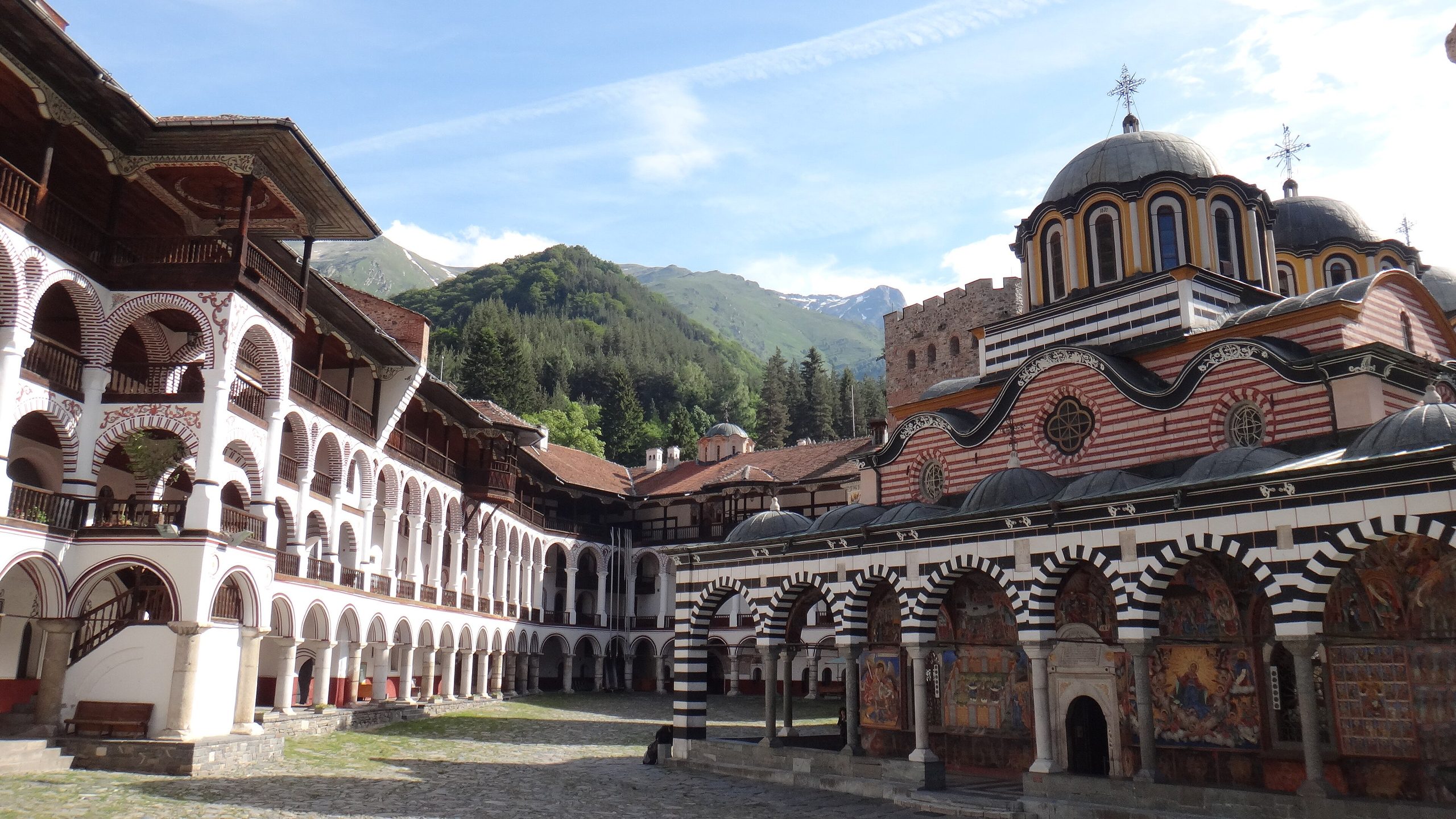
Rila Monastery Day Trip from Sofia: Bus, Car and Timings
Bulgaria's biggest monastery is free to walk into and 2 hours from Sofia. How I get there myself, and what to see.
Read the guide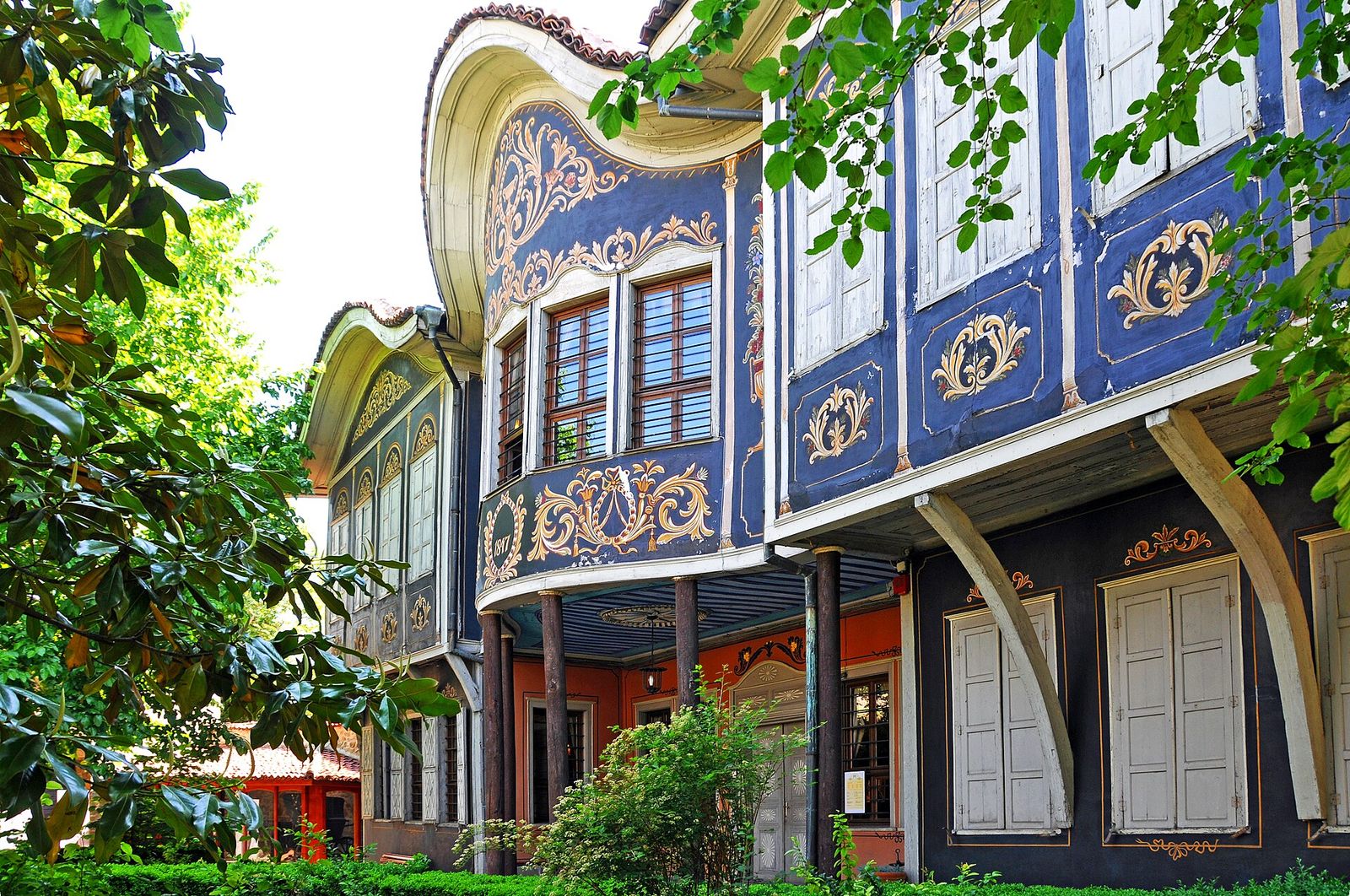
Plovdiv Day Trip from Sofia: Bus, Train and My One-Day Route
Plovdiv by bus or train from Sofia, and the route I walk to fit the Old Town, the Roman theatre and Kapana into one day.
Read the guide