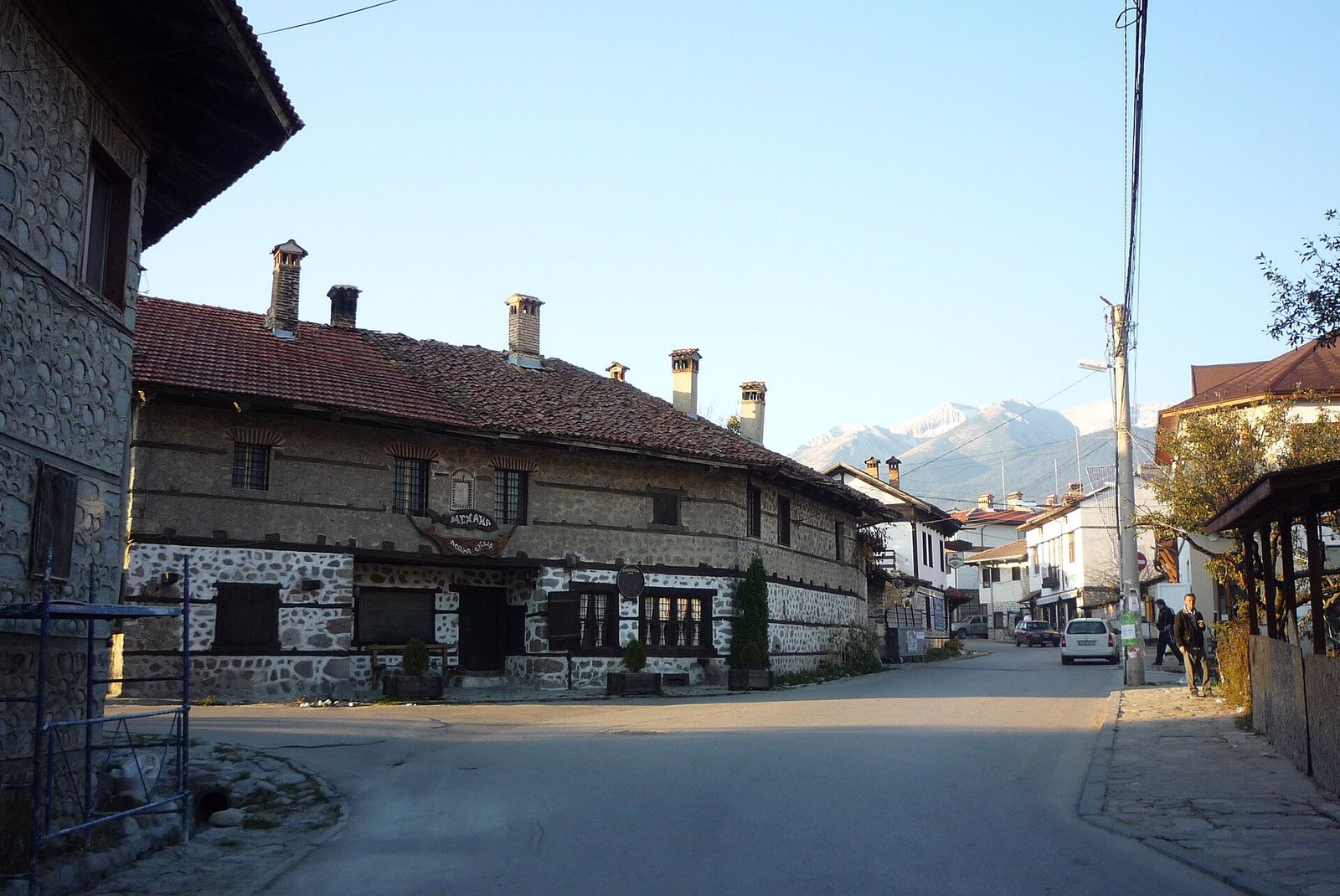
Bansko, Bulgaria: Skiing, the Old Town and Summer in Pirin
Bansko is Bulgaria's best-known ski town, with a gondola that leaves from the streets and climbs into the Pirin Mountains, 160 km south of Sofia. It's also an old stone town with proper taverns, and in summer it's the base for Vihren, the second-highest peak in the country. Here's how I get there from Sofia without a car, what the lift passes cost, and how I'd spend a weekend there in winter or summer.
Is Bansko worth the trip from Sofia?
Yes, for a ski weekend or a summer weekend in the mountains. Bansko is a town of 8,873 people (2020) at 925 metres, at the foot of the Pirin Mountains and next door to Razlog. The Alpine Ski World Cup has raced here since 2009, which tells you the top runs are serious.
I keep Bansko on my list of day trips from Sofia, but I never do it in a day. Three hours each way on the bus leaves too little time on the mountain, and the old town is at its best in the evening, over dinner in a mehana, a folk tavern.
Skip February half-term and the other English school holidays if you hate queues. If you want it quiet, come in summer instead, when the ski crowds have gone and a bus runs up to the Pirin trails.
How to get from Sofia to Bansko
Bansko sits south of Sofia, past Blagoevgrad and over the hills to the east of the Struma valley. I go by bus. For the ride itself, I'd pick the narrow-gauge train.
| Option | How it works | From Sofia | Cost |
|---|---|---|---|
| Bus | From Ovcha Kupel or Central Bus Station, several a day | About 3 hours | About €14 each way |
| Hire car | Struma motorway south past Blagoevgrad, then east through Razlog | 160 km, slower in snow | Car hire plus the e-vignette |
| Narrow-gauge train | Train to Septemvri, then the narrow-gauge line to Bansko | Just under 7 hours | Under €9 |
| Train and local bus | Train to Blagoevgrad, then a local bus every 30 to 60 minutes | 2 to 3 hours to Blagoevgrad, plus the bus | €4.29 for the train, plus the bus fare |
Sofia to Bansko by bus
Buses leave from Ovcha Kupel, the small bus station in south-west Sofia that tram 5 reaches from behind the Palace of Justice, and from Central Bus Station beside the railway station. Between the two there are several departures a day, so I check which station my bus uses when I buy the ticket.
Many of the buses are minibuses with little room for luggage, so with skis or a snowboard I'm there early, or I risk waiting for the next one. In Bansko a taxi from the bus station to a hotel costs about €7, and short hops around town about €5, if you agree the fare before you get in.
Sofia to Bansko by car
The drive is 160 km. Take the Struma motorway south past Blagoevgrad, then the road east through Razlog into Bansko. Outside towns you need the e-vignette, Bulgaria's electronic road toll, and hire cars normally come with one.
In winter I carry snow chains, because the side streets in Bansko aren't always cleared. A car also makes the summer trips easy: Vihren hut, the bear sanctuary at Belitsa and the mineral springs at Banya are all short drives.
The narrow-gauge train to Bansko
The Rhodope narrow-gauge line runs 125 km on 760 mm track from Septemvri to Dobrinishte through 35 tunnels, and Bansko is near the end of the line. On the November 2026 timetable, the 06:23 from Sofia reaches Septemvri at 08:43, and the 08:55 narrow-gauge train, which has a buffet and needs a reservation, reaches Dobrinishte at 13:17.
The fares are €4.24 from Sofia to Septemvri and no more than €4.29 on the narrow gauge, so the trip costs under €9. It's slow. On the way you pass Avramovo, at 1,267 metres the highest railway station on the Balkan Peninsula. I'd check the day's times on BDZ before I set off.
Skiing in Bansko
Bansko's gondola, built in 2003 to replace a minibus, starts in town and takes 25 minutes to reach Banderishka Polyana, the hub of the ski area. It runs from 08:30 to 17:00, and the lifts above it from 08:45 to 16:15.
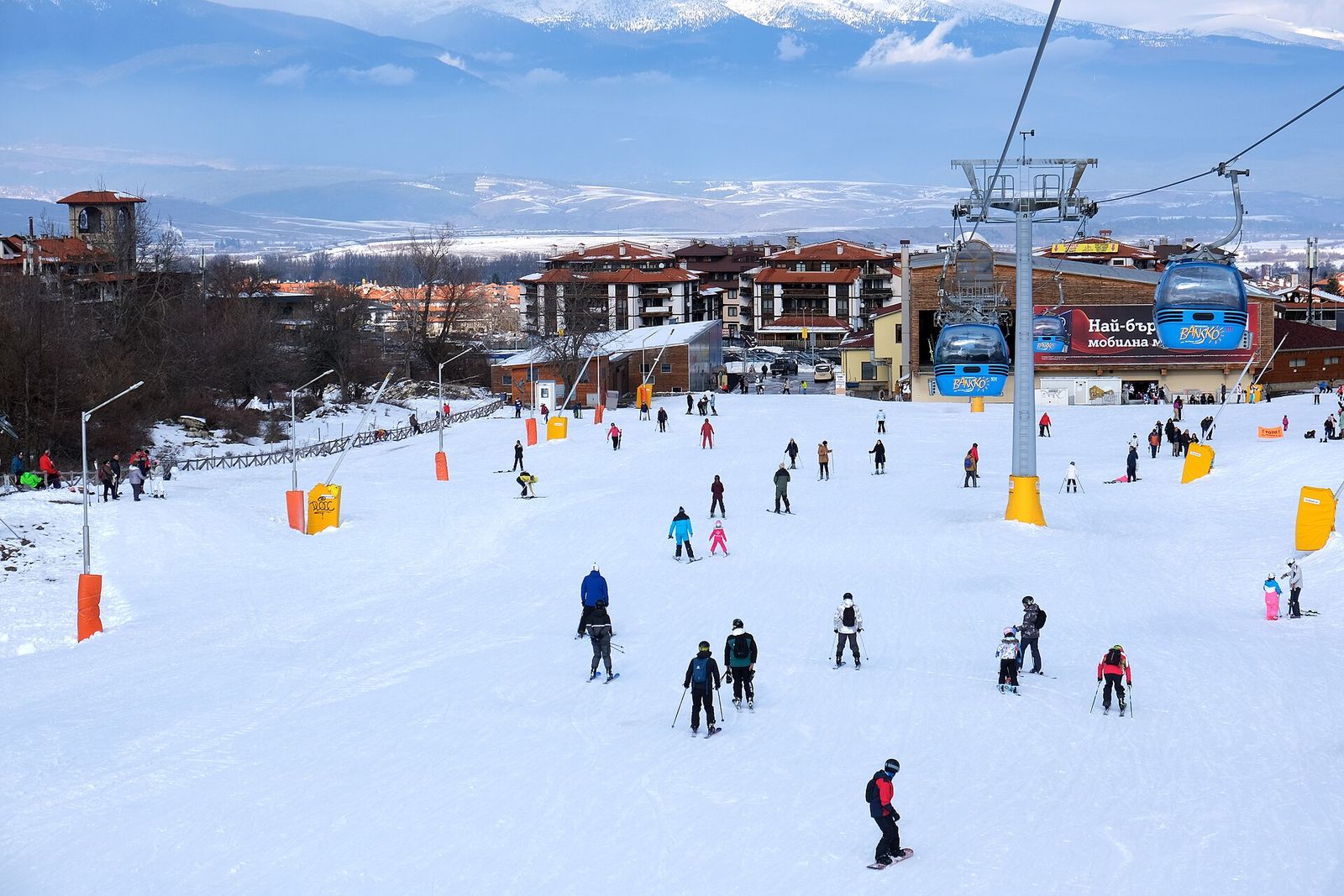
The area has 14 lifts, about 75 km of runs and a top lift station at 2,600 metres. From there it's over 1,600 metres of descent to town, and the last stretch is the ski road, which brings you back to the gondola station on your skis. Todorka, Shiligarnik, Chalin Valog and Plato are the names you'll see on the lift map.
The 2026/27 season is planned for 1 December 2026 to 11 April 2027, weather permitting. Bansko is mainly a beginners' resort with few black runs, and 3 or 4 days covers it. Grooming is patchy.
Bansko lift pass prices for 2026/27
Multi-day passes booked online ahead for 2026/27 cost these amounts, plus a €2.50 deposit for the card that you get back when you return it.
| Pass | Adult | Child (under 12) |
|---|---|---|
| 3 days | €205 | €102 |
| 4 days | €273 | €131 |
| 5 days | €331 | €163 |
| 6 days | €395 | €181 |
| Season pass, bought by 1 December 2026 | €870 | €460 (ages 7 to 11) |
The season pass costs €820 for students, teenagers aged 12 to 18 and retirees up to 74, and €55 for children under 7 and anyone over 75, with mountain insurance included. The lift company sells it at the gondola bottom station from 8am to 5pm daily, and its price list has the current rates. For a long weekend, the 3-day pass works out at about €68 a day.
Non-skiers ride the gondola for roughly half price, and a half-day ticket goes on sale from about 12.30pm.
Ski hire and lessons in Bansko
Full kit in town runs to about €70 for 4 days, or about €100 for premium skis, and most shops will store your skis and boots overnight. Group lessons start at €56 and a private lesson costs €105 for the first person plus €59 for each extra skier.
Most hotels run a morning and afternoon shuttle to the lift station, and the minibuses up the mountain are included in the lift pass. Aim to be at the bottom station by 9am at the latest.
Bansko old town
The old town is where I spend the time I'm not skiing. Its cobbled lanes run between stone houses with high walls and heavy wooden gates, and wandering them costs nothing.
Paisius of Hilendar (1722 to 1773), who wrote Istoriya Slavyanobolgarskaya, a history of the Slavs and Bulgarians, came from Bansko. So did Neofit Rilski (1793 to 1881), monk, teacher and artist, and the poet Nikola Vaptsarov (1909 to 1942). Painters from Bansko also worked on the frescoes of the church at Rila Monastery, finished in 1846.
Holy Trinity Church
The people of Bansko built Holy Trinity Church in 1835, and its stone bell tower with a clock stands over the main square of the old town. It's open from 07:30 to 17:00, entry is free and a donation is welcome.
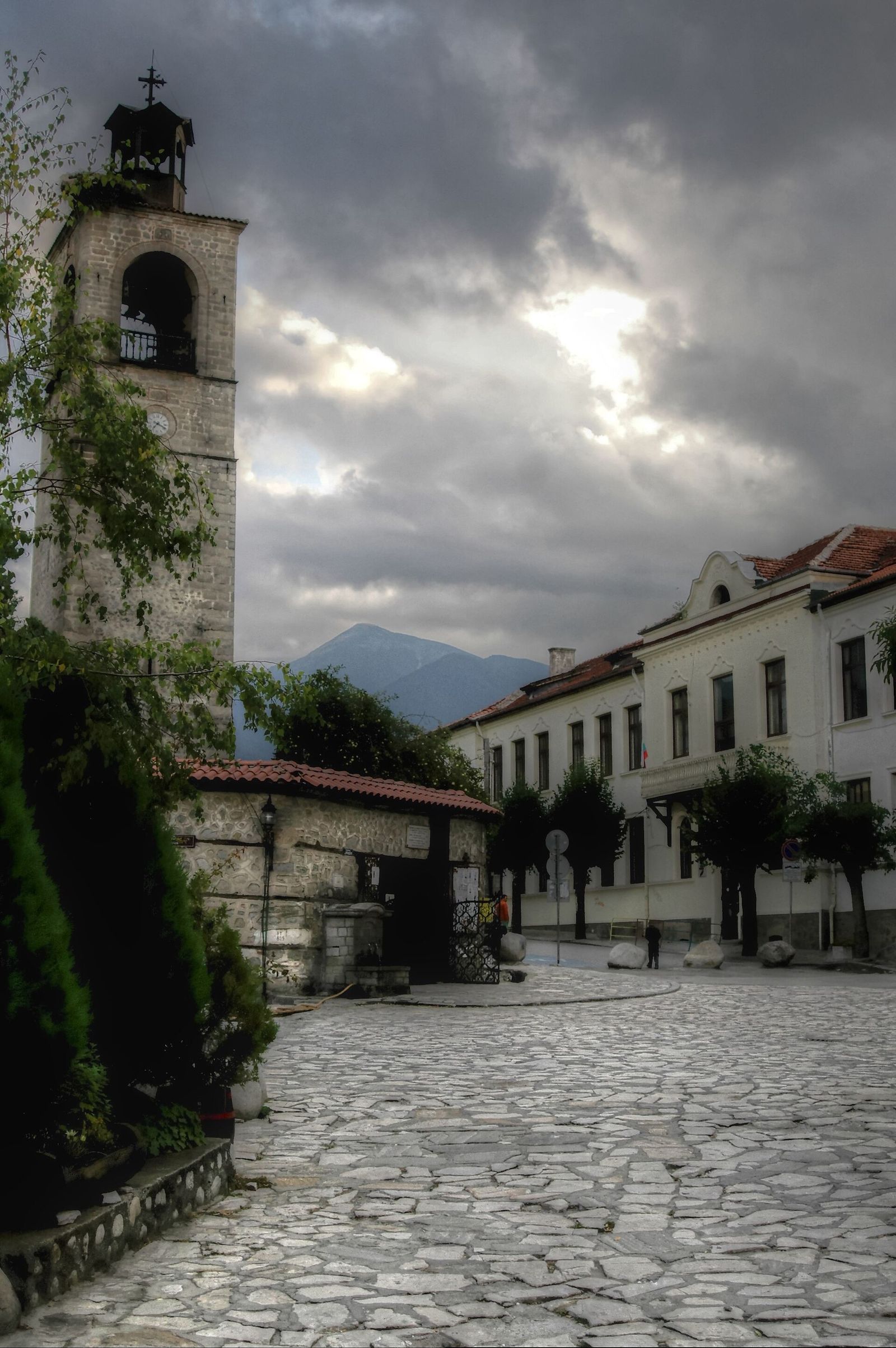
I use the tower to find my way around, since most of the lanes I like start from this square. Go inside, because the interior is the best part.
Velyan's House
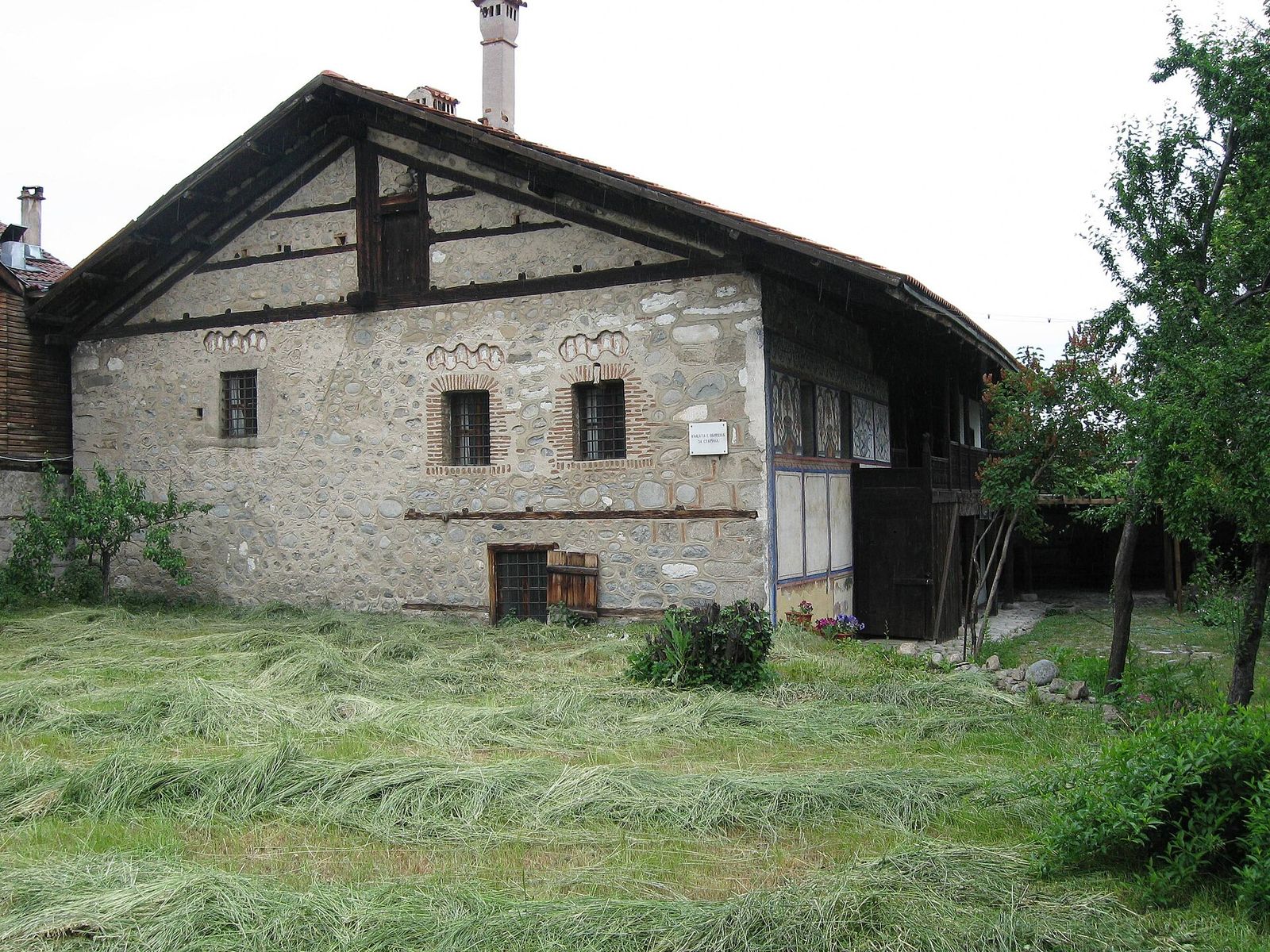
Velyan's House, on Velyan Ognev Street, is an 18th-century home with painted walls and carved wooden ceilings, and it's the house museum I'd pick if you only see one. From the lane it's plain stone with small barred windows, and most of the colour is inside.
Neofit Rilski House
The Neofit Rilski House-Museum, at 2 Neofit Rilski Street next door to Holy Trinity, is the monk and teacher's own 18th-century home. Its wooden gallery, stone ground floor and courtyard show the old Bansko way of building.
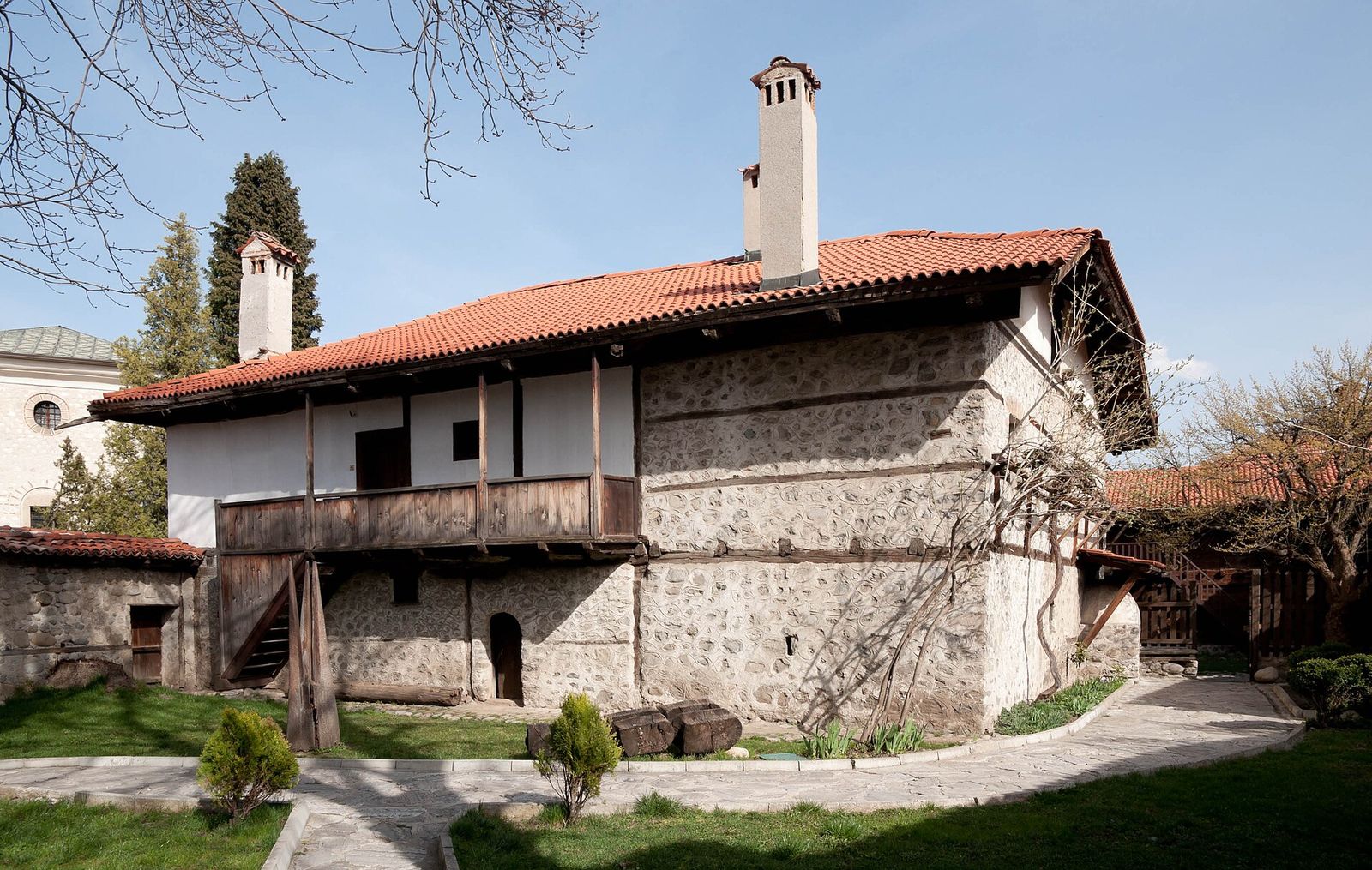
Radonova House, at 3 Aton Street, is the third of the house museums, a 19th-century home with an ethnographic display. Each charges a small entry fee, and all three sit within a few minutes' walk of Holy Trinity.
Mehanas, food and nights out in Bansko
The old town is full of mehanas, with long menus of grilled and clay-pot dishes. Dinner costs about €20 a head. I tip about 10%, the same as in Sofia.
| Dish | In Cyrillic | What it is |
|---|---|---|
| Kapama | капама | Bansko's own dish: pork, chicken and sausage layered with sauerkraut and rice, sealed in a clay pot and baked for hours |
| Banski starets | бански старец | A dried pork sausage from Bansko, pressed flat and sliced thin as a starter |
| Kavarma | кавърма | Pork or chicken stewed in a clay pot |
| Shopska salad | шопска салата | Tomato, cucumber, pepper and onion under grated white cheese |
Kapama is the one I'd order, and I share a pot between two. Kavarma comes in a smaller clay pot and makes a good second choice; the rest of Bulgarian food on a mehana menu is the same as in Sofia, from kebapche to banitsa. Late in the season, in March and April, some places give repeat customers up to 60% off, so when I find a mehana I like, I go back.
Après-ski and bars
In winter the pubs and cocktail bars fill up once the lifts stop in the late afternoon. For something other than a drink, Pirin Street has an ice rink, open from about noon to 9pm.
Bansko in summer: hiking in the Pirin Mountains
From mid-June to mid-September Bansko turns into a hiking base. Pirin is rockier and sharper than Rila, where I'd go for the Seven Rila Lakes, and its high peaks rise straight above the town.
Vihren hut
Vihren hut, at 1,950 metres, is where most Pirin hikes from Bansko start. A bus runs up several times a day for about €4, a taxi costs about €15, and either way it's about 30 minutes from town.
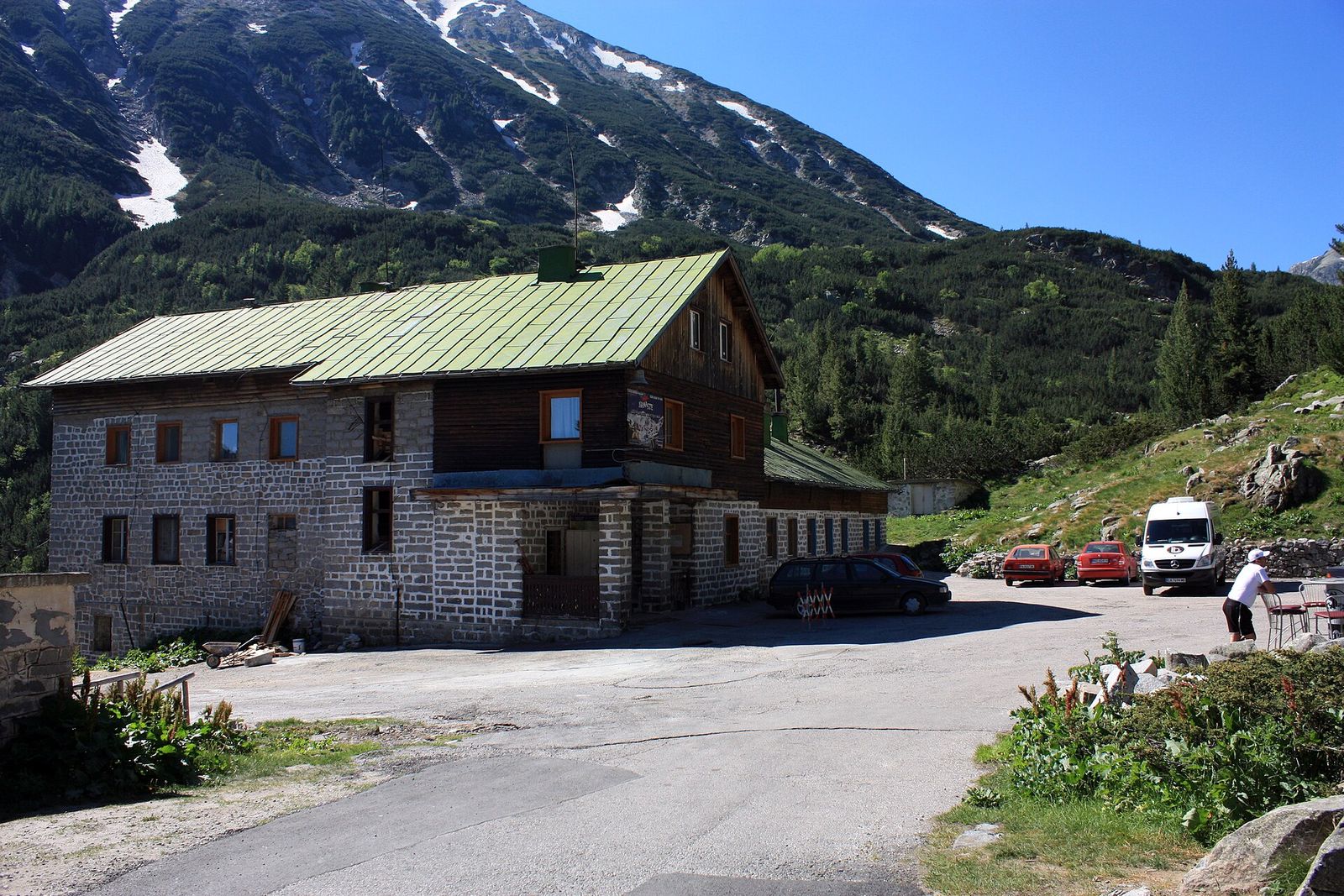
The hut has dormitory beds for about €10 and cheap meals, so you can stay the night and start the climb at first light.
Climbing Vihren
Vihren, at 2,914 metres, is the second-highest peak in Bulgaria and the third-highest in the Balkans, and the path to the top starts at Vihren hut. It's a full day of steep, rocky walking above the treeline, so I carry plenty of water and start early.
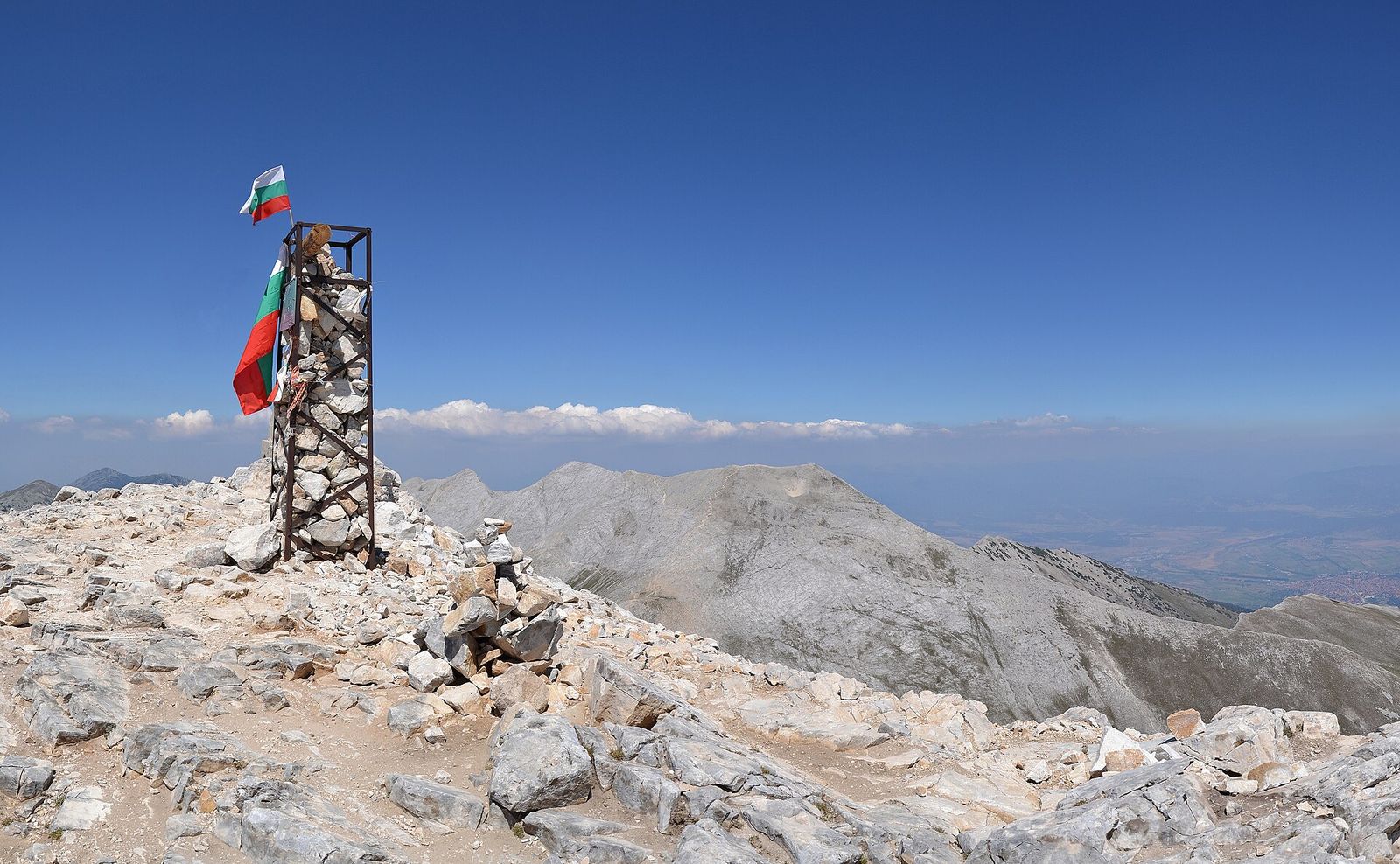
Koncheto, the famous ridge up here, is 200 metres long and about 1 metre wide with cliffs on both sides, so it's only for people with a head for heights. If you only want a taste of Pirin, the walk around the hut and the valley above it is enough for a morning.
Near Bansko: Razlog, Banya and the bear sanctuary
Razlog, about 5 km away, is the neighbouring town on the same bus and train routes. Banya, also about 5 km from Bansko, is a village with 27 thermal mineral springs, and it's where I'd soak tired legs after a ski day. Dobrinishte, at the end of the narrow-gauge line, has its own small ski area.
The bear sanctuary at Belitsa
Near Belitsa, a small town about 13 km north of Bansko, a sanctuary looks after brown bears rescued from the old trade in dancing bears. The bears live in wooded enclosures with pools to bathe in.
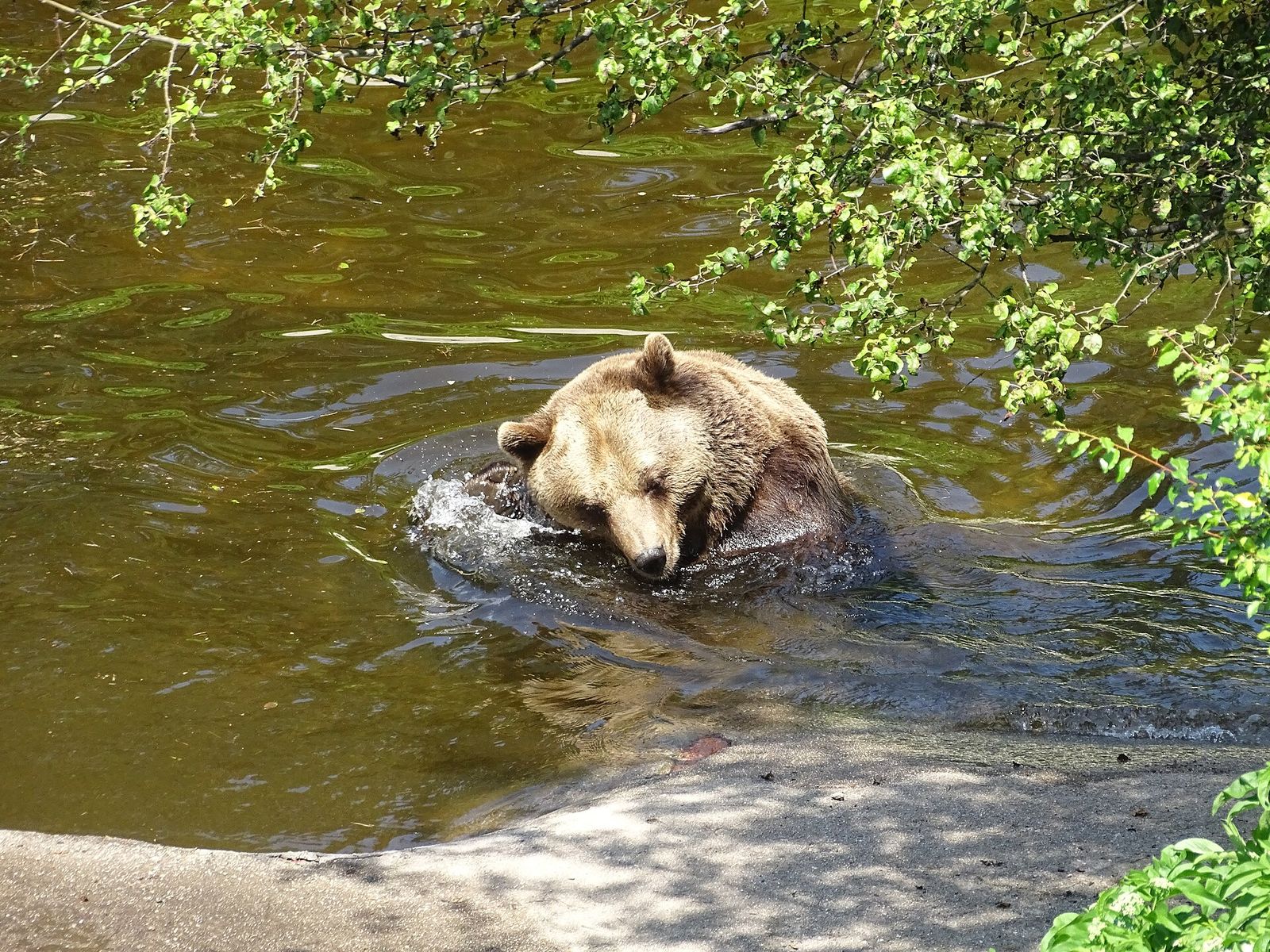
It's an easy half-day by car or taxi, and on a summer weekend I pair it with an afternoon in the old town.
Festivals and events in Bansko
| When | Event | What happens |
|---|---|---|
| 1 January, about 11am | Kukeri parade | Masked dancers in fur and bells in the main square |
| Winter, in World Cup years | Alpine Ski World Cup | Races, first held here in 2009 for women and 2011 for men |
| March | Horizon Festival | A British underground dance music festival in the resort |
| Last week of June | Bansko Nomad Fest | A gathering of digital nomads, about 700 people in 2023 |
| Early August | Bansko Jazz Festival | The town's yearly jazz festival |
The kukeri parade is the one I'd travel for: the dancers swing heavy bells to scare off evil spirits and wish the town a good year. In summer I'd time a trip for the jazz festival in early August.
Bansko vs Borovets for a ski trip
Borovets is the other big ski resort within reach of Sofia, in the Rila Mountains above Samokov, and the choice comes down to distance against size.
| Bansko | Borovets | |
|---|---|---|
| From Sofia | 160 km, about 3 hours by bus | 70 km |
| Resort altitude | 925 metres (the town) | 1,350 metres |
| Ski runs | About 75 km, 14 lifts | 58 km, 12 lifts |
| Highest runs | 2,600 metres | 2,560 metres |
| Getting on the slopes | Gondola from town | Lifts from the resort |
| Best for | A ski week or long weekend, with an old town | A ski day or weekend from Sofia |
Borovets is my pick for a single ski day by car from Sofia. Bansko wins for anything longer, with 17 km more runs and the old town for the evenings.
A two-night Bansko weekend from Sofia
| Day | Winter | Summer |
|---|---|---|
| Friday | Bus from Sofia, check in, dinner in an old town mehana | Bus from Sofia, an evening walk round the old town |
| Saturday | In the gondola queue by 7.30am, ski until the lifts stop at 16:15, ski road home | Early bus to Vihren hut, a day in the high Pirin |
| Sunday | A morning on the slopes or Holy Trinity and Velyan's House, then the bus back | The bear sanctuary at Belitsa or the springs at Banya, then the bus back |
Flights from the UK land in Sofia, so on a ski week I add a night in Sofia in winter at the start or the end and get a city break out of the same flights. Melnik, with its wine cellars and sand pyramids, sits on the far side of the Pirin range and makes a second trip of its own.
Key takeaways
- Bansko is 160 km from Sofia, about 3 hours and €14 by bus, and too far for a day trip.
- Its gondola climbs from town to Banderishka Polyana; queue by 7.30am at peak times.
- For 2026/27 a 3-day adult pass booked ahead costs €205 and a 6-day pass €395, and the season runs 1 December 2026 to 11 April 2027.
- The old town gives you Holy Trinity Church (1835, free), Velyan's House and the Neofit Rilski House.
- In summer, take the bus to Vihren hut for the climb to Vihren, at 2,914 metres.
Frequently asked questions
What are some fun things to do in Bansko?
Skiing from December to April is the big one, with the gondola straight from town. Beyond that I'd walk the old town to Holy Trinity Church and Velyan's House, eat kapama in a mehana, soak in the springs at Banya and, in summer, climb Vihren from Vihren hut.
Which airport is closest to Bansko?
Plovdiv Airport is slightly closer, at about 150 km by road, against about 160 km from Sofia Airport. I fly into Sofia, which has far more direct flights from the UK: all year from London and in winter from Birmingham, Bristol, Liverpool and Edinburgh too.
Is tap water drinkable in Bansko, Bulgaria?
The public fountains around Bansko run with fresh mountain water that's safe to drink, and I fill my bottle at them. Bottled mineral water is cheap in every shop if you prefer it.
How much does a ski pass cost in Bansko?
For 2026/27, an adult pass booked online ahead costs €205 for 3 days and €395 for 6 days, and a child's 6-day pass costs €181. The adult season pass is €870 if you buy it by 1 December 2026.
Can you visit Bansko as a day trip from Sofia?
You can, but I wouldn't. The bus takes about 3 hours each way, which leaves too little time to ski or hike, so I always stay at least one night and usually two.
Is Bansko good for beginners?
Yes. It's mainly a beginners' resort with few black runs, group lessons start at €56, and some ski schools take their pupils past the main gondola queue.
When is the ski season in Bansko?
The 2026/27 season is planned for 1 December 2026 to 11 April 2027, weather permitting. I steer clear of the English school holidays for the queues, and of the run-up to any World Cup race, when half the slopes are shut.
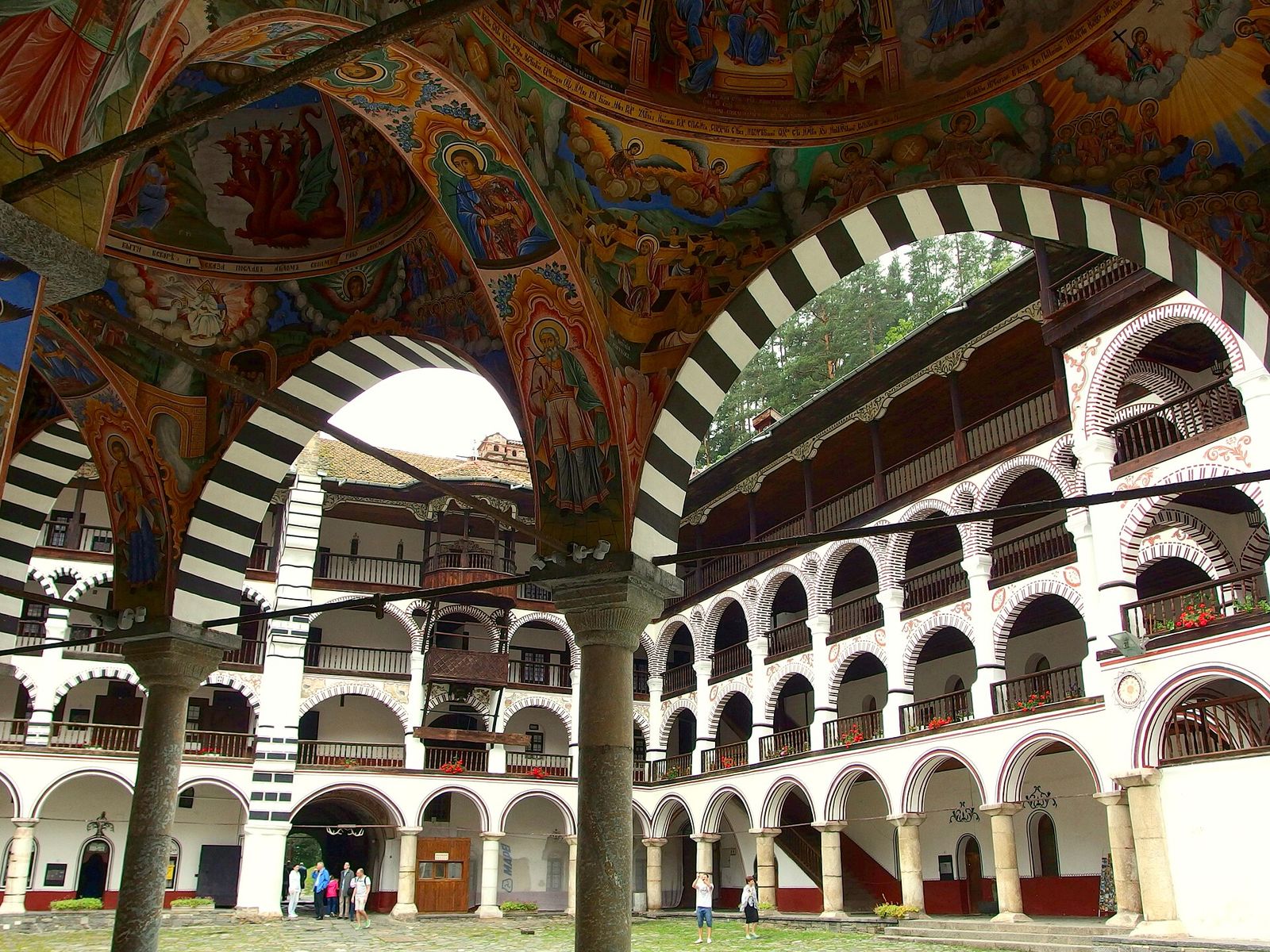
12 Best Day Trips from Sofia (and How I Get There)
My 12 favourite trips out of Sofia by bus, train and hire car, and the ones that deserve a night away.
Read the guide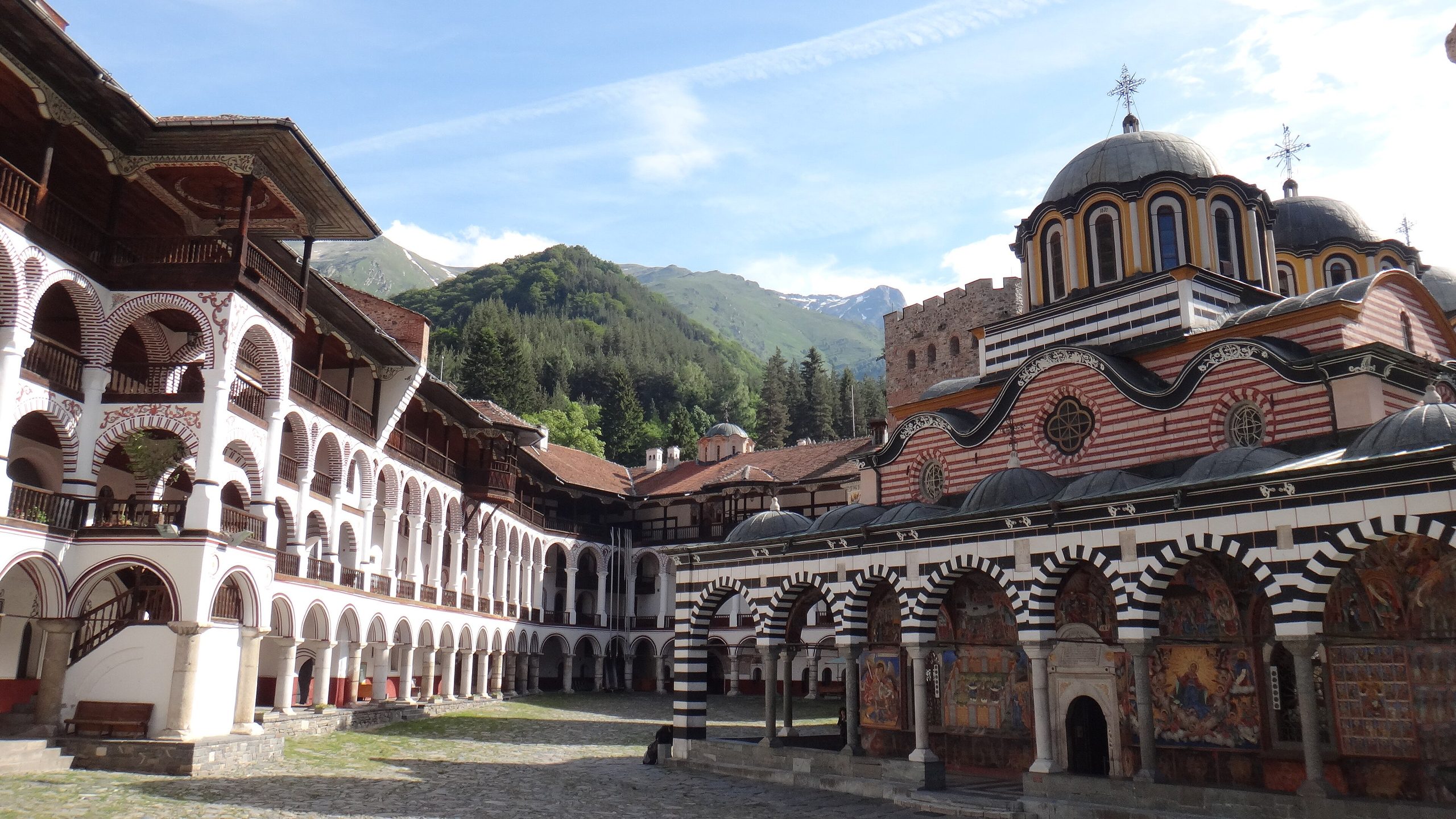
Rila Monastery Day Trip from Sofia: Bus, Car and Timings
Bulgaria's biggest monastery is free to walk into and 2 hours from Sofia. How I get there myself, and what to see.
Read the guide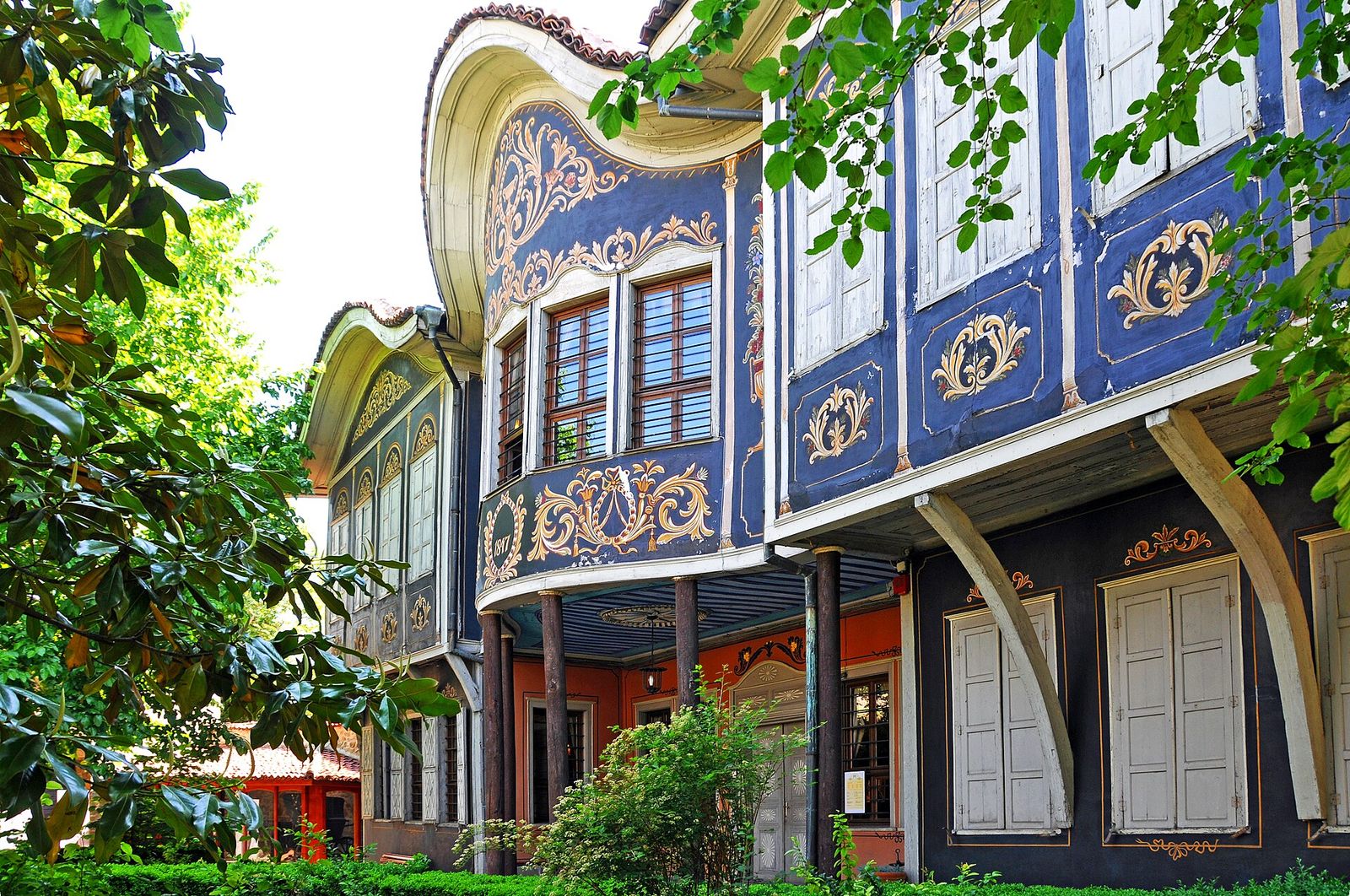
Plovdiv Day Trip from Sofia: Bus, Train and My One-Day Route
Plovdiv by bus or train from Sofia, and the route I walk to fit the Old Town, the Roman theatre and Kapana into one day.
Read the guide