Bulgarian Souvenirs Worth Buying, and Where I Find Them in Sofia
Bulgaria is famous for roses, and Sofia's souvenir shelves prove it: rose oil in tiny carved wooden bottles, rose soap, rose jam. Past the roses sit the presents I rate higher, from hand-painted pottery and red cross-stitch embroidery to a small icon and a bottle of rakia. Here are the 14 souvenirs I buy, where I find each one in Sofia, how I tell handmade from factory-made and what the UK border lets you carry home.
Bulgarian souvenirs at a glance
All 14 come from stalls, shops and supermarkets in central Sofia.
| Souvenir | Where I buy it in Sofia | Pack it in |
|---|---|---|
| Rose oil in a wooden phial | Rose cosmetics and souvenir shops in the centre | Hand luggage |
| Rose water, cream and soap | Cosmetics shops on and around Vitosha Boulevard | Hold bag if over 100ml |
| Troyan pottery | Zhenski Pazar stalls, souvenir shops on Vitosha Boulevard | Hand luggage, wrapped |
| Embroidery and lace | Antiques market, Ethnographic Museum shop | Either |
| Orthodox icons | Antiques market at Alexander Nevsky | Hand luggage |
| Carved wood | Antiques market, souvenir shops | Either |
| Martenitsa | Street stalls before 1 March | |
| Communist-era badges | Antiques market | Hand luggage |
| Rakia | Supermarkets | Hold bag |
| Mavrud or Melnik wine | Supermarkets, wine shops | Hold bag |
| Lyutenitsa | Supermarkets, Central Market Hall | Hold bag |
| Sharena sol | Supermarkets, Zhenski Pazar | Either |
| Mountain tea | Supermarkets | Either |
| Rose jam, lokum and honey | Supermarkets, Zhenski Pazar | Hold bag for jars |
Bulgarian rose oil and rose products
Bulgarian rose oil comes from the Rose Valley, two valleys south of the Balkan Mountains around Kazanlak and Karlovo, which produce close to half the world's rose oil, about 1.7 tonnes. The rose is the Damask rose, picked by hand early in the morning in May and June and distilled the same day. It takes 3 to 4 tonnes of petals to make a single kilo of oil, and since 2014 Bulgarian rose oil has been a protected name in the EU.
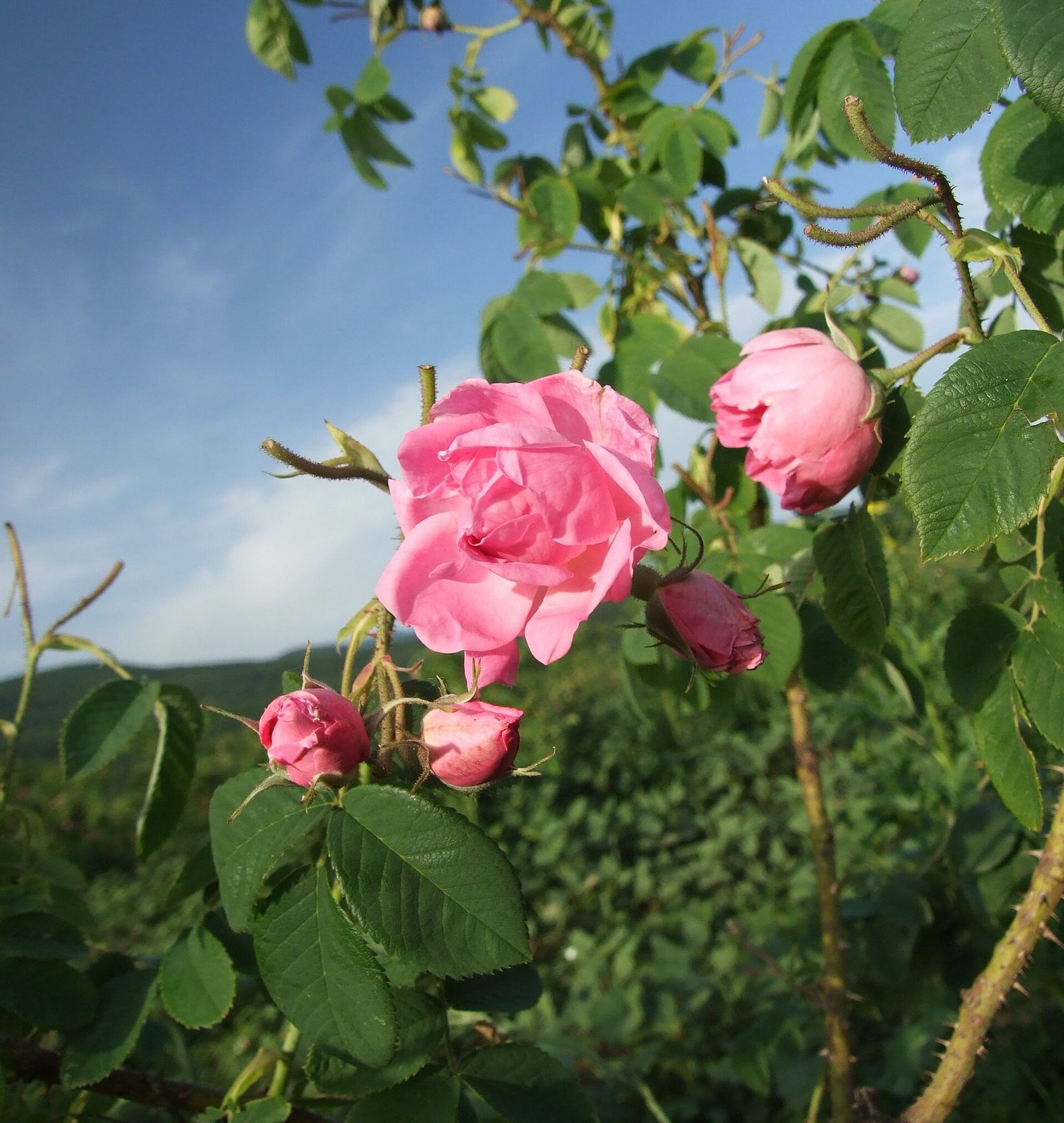
To see the roses in flower, go to the Rose Festival in Kazanlak, traditionally on the first weekend of June, with petal picking in the fields. It's the one date on the Bulgarian festival calendar I'd build a trip around, and Kazanlak is about 3 hours from Sofia by train.
Rose oil in a carved wooden phial
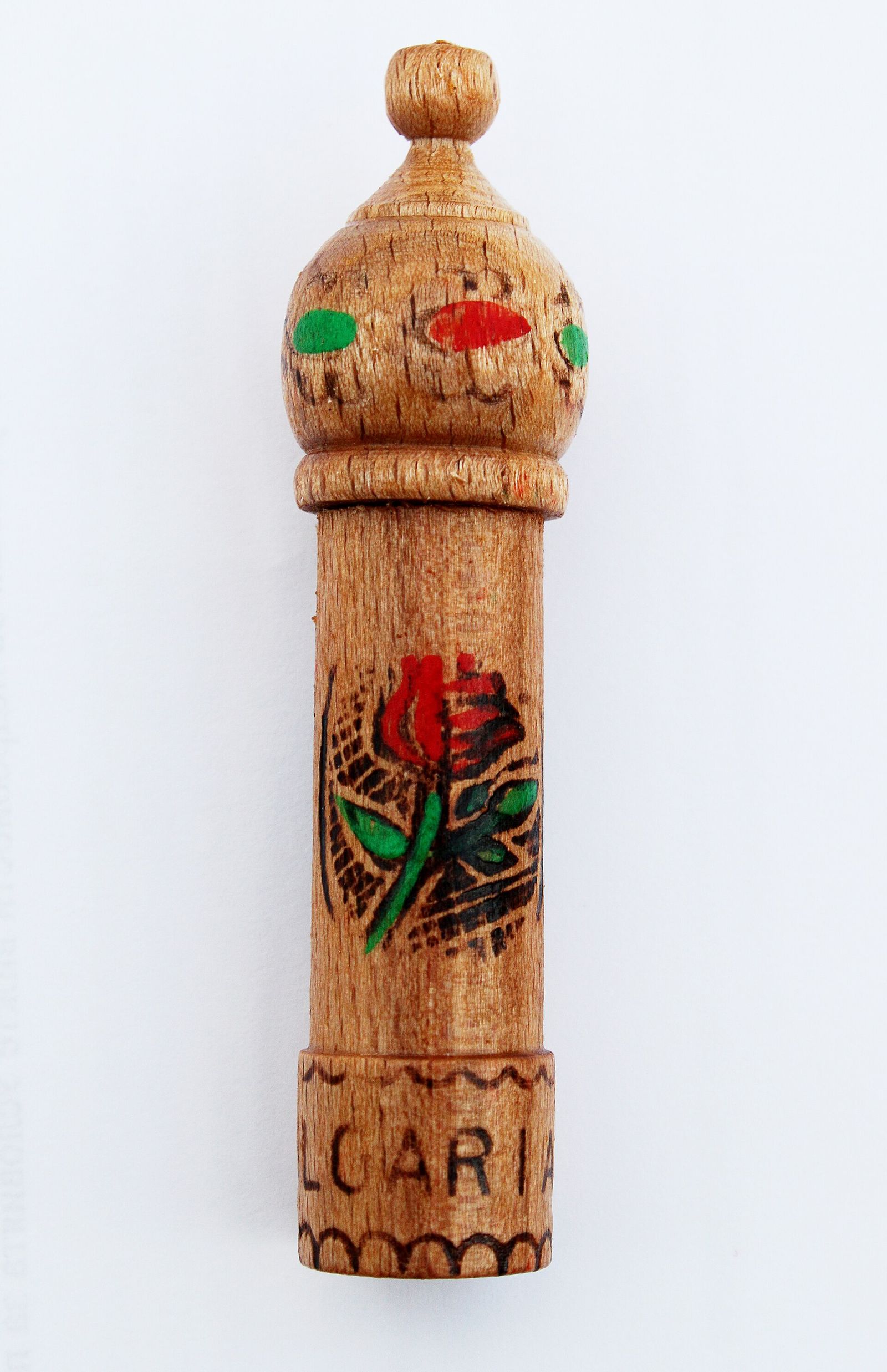
The classic Bulgarian souvenir is a muskal: a small carved wooden bottle, often painted with roses, with a glass phial of oil hidden inside. It fits in a coat pocket, and it's the first present I'd buy for someone who has never been to Bulgaria. The label tells you what's in the glass. Read it before you pay.
| The label says | What you're buying | My verdict |
|---|---|---|
| Rose oil, rose otto, розово масло | Pure oil, steam-distilled from Damask rose petals | The real thing, and the priciest of the three |
| Rose absolute | Rose oil drawn out of the petals with a solvent such as hexane | Real rose, mostly bought by perfumers |
| Perfume, parfum, fragrance | Rose scent mixed into a carrier oil or alcohol | A cheap present that smells of roses |
Rose water, rose cream and rose soap
Rose water is the scented water left behind when the oil is distilled, and I use it as a face toner every morning. Rose hand cream, face cream, soap and shampoo fill the cosmetics shops on and around Vitosha Boulevard, Sofia's high street, and Bulgarian Rose Karlovo, a manufacturer in the Rose Valley, even makes a rose shampoo for men. These are my presents for people who'd never open a phial of oil, because a hand cream gets used daily.
Bulgarian crafts to bring home
Hand-painted Troyan pottery
The glazed pottery on souvenir stalls across Bulgaria follows the style of Troyan, a centre of Bulgarian crafts about 160 km north-east of Sofia, where the National School of Applied Arts began as a pottery school in 1911. Potters there use red local clay and glaze it in yellow, brown and green, either smearing the paint with a fingertip into the raindrop pattern known as the Troyan drop, or drawing peacock eyes and butterflies with a bull's horn and a feather. The piece I'd buy is a gyuvech, the lidded clay pot Bulgarians use to bake stews in the oven.
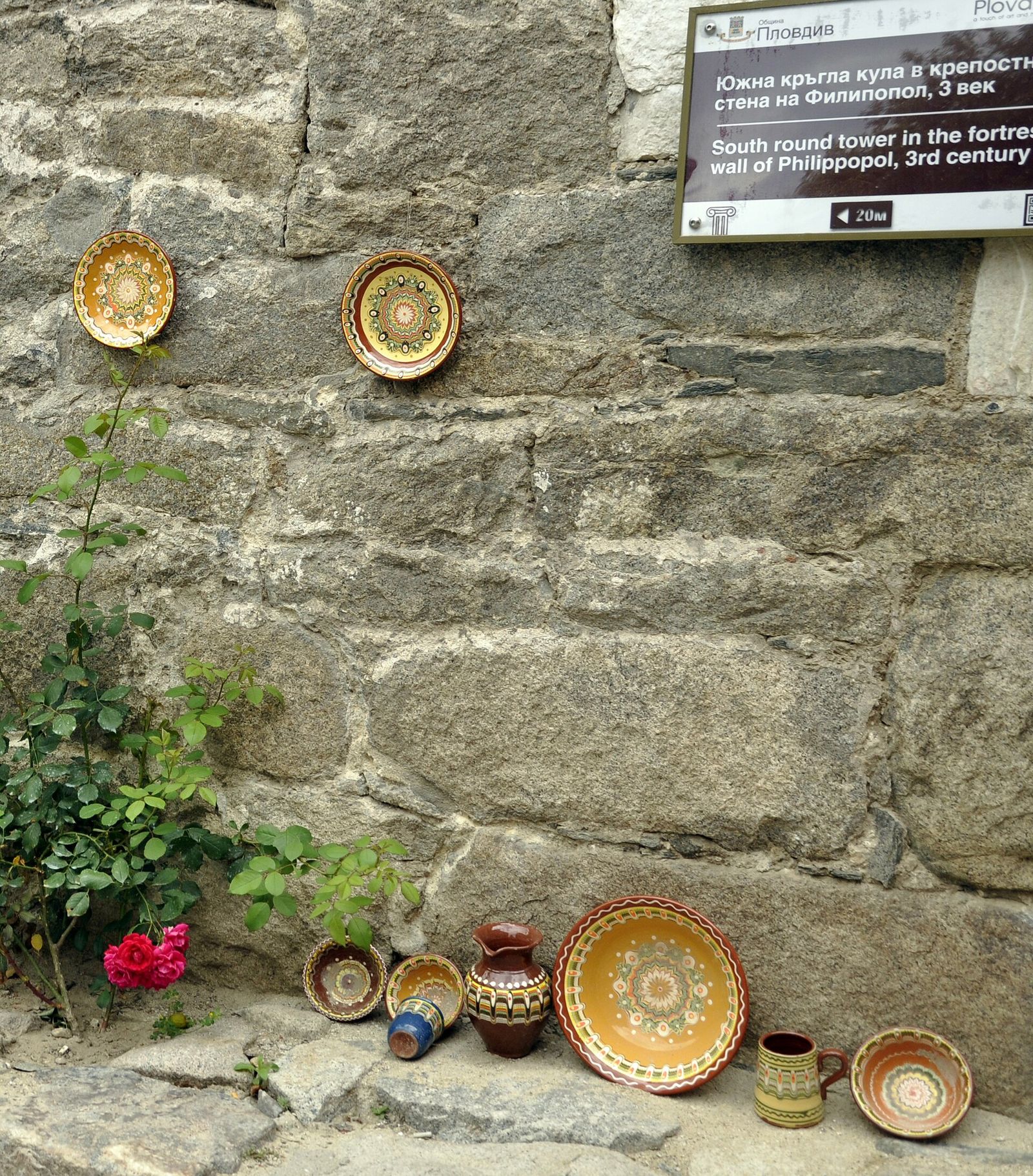
Every hand-painted piece comes out slightly different: drips run to different lengths, and a peacock eye sits a little off round. A pattern that repeats perfectly around a plate is a printed transfer.
Embroidery and lace
Bulgarian embroidery, шевица (shevitsa), is mostly red cross-stitch on linen or cotton, worked into geometric flowers and stars inside a border. It decorated shirts, aprons and tablecloths. My favourite place to buy it is the row of older women at the antiques market by Alexander Nevsky, who sell handmade lace, embroidered tablecloths and knitted wool socks. The Ethnographic Museum shop is where I go for finer pieces.
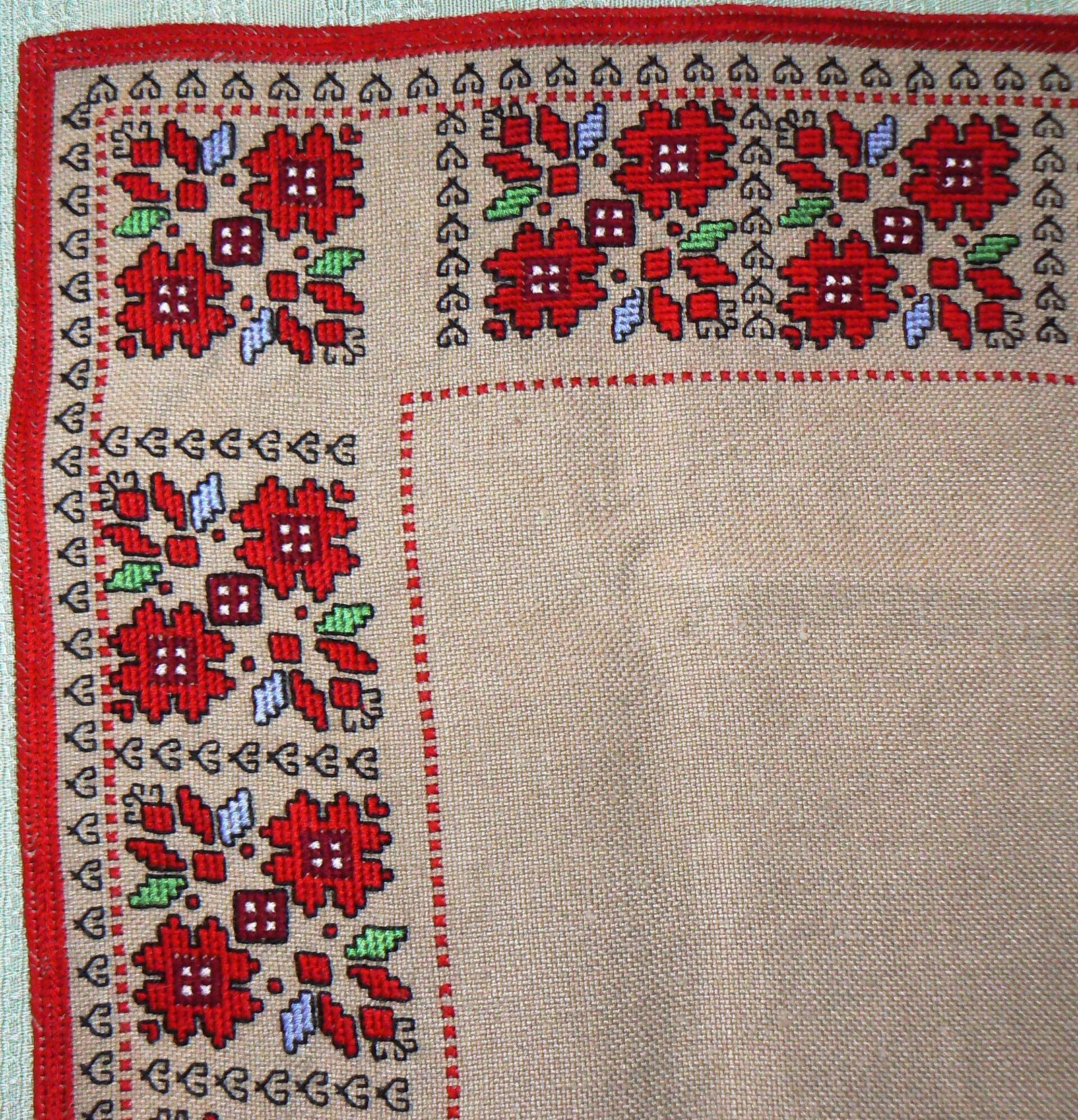
Turn a piece over before you pay. Hand embroidery shows knots, thread ends and slightly uneven stitches on the back, while machine embroidery looks perfectly regular and often sits on a stiff paper backing. A small embroidered napkin or a lace doily packs flat into any bag.
Orthodox icons
Icons are painted on wooden panels, and the small ones pack flat and weigh almost nothing. The antiques market by Alexander Nevsky Cathedral props up rows of them along the pavement, from postcard-sized saints to big panels of the Virgin and Child.
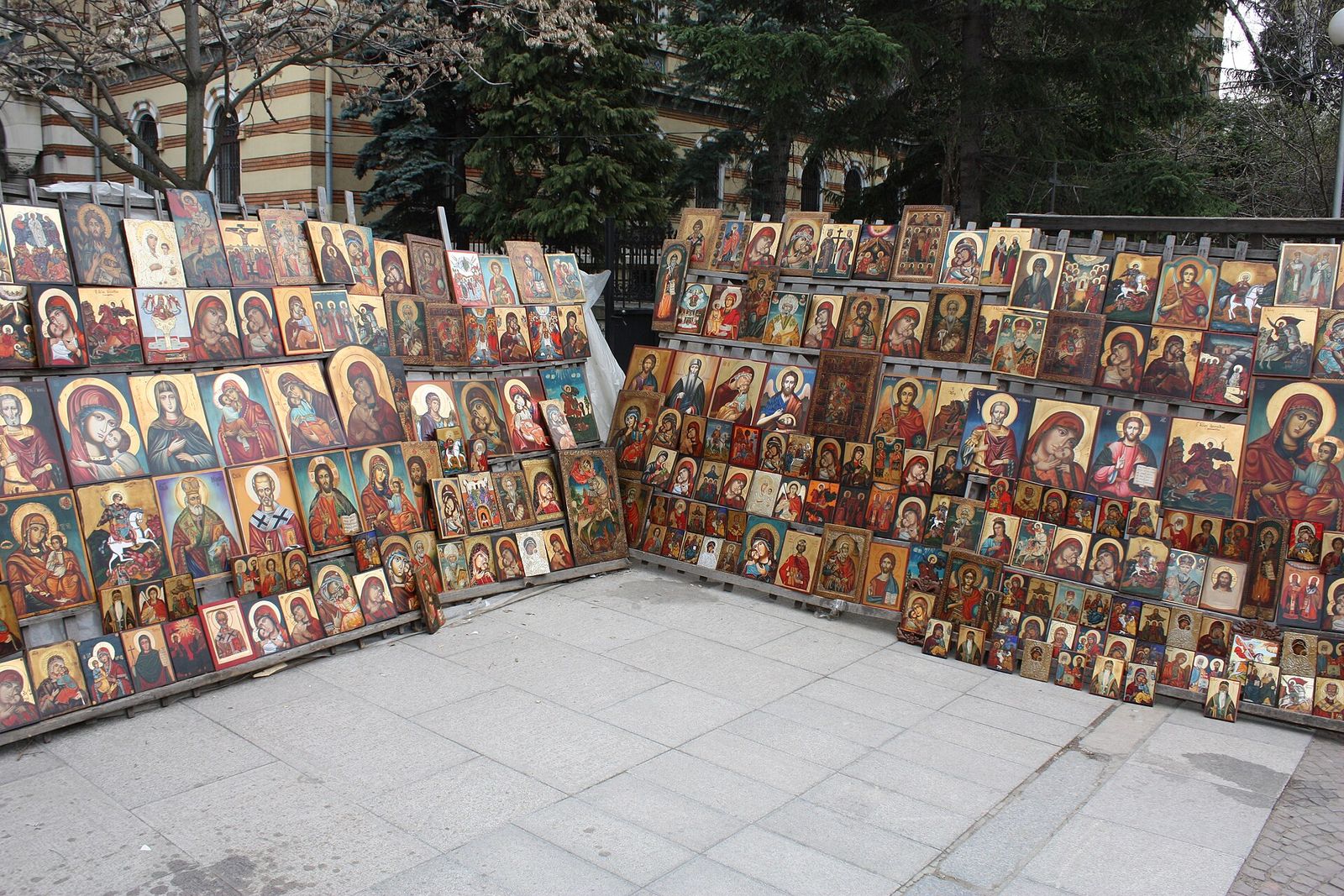
Tilted to the light, paint shows brushstrokes and a slightly raised surface, while a print glued to wood has an even sheen and, up close, a dot pattern. Most icons on the stalls are new pieces painted in the traditional style, and a new hand-painted icon is exactly what I buy for my own wall.
Carved wood from Tryavna
Tryavna, a small town in the Balkan Mountains, gave its name to a school of woodcarving, and the woodcarving museum in its Daskalov House has a carved sun spread across a ceiling. In Sofia the carving comes smaller: boxes, spoons, wall plaques and the wooden muskal that holds rose oil.
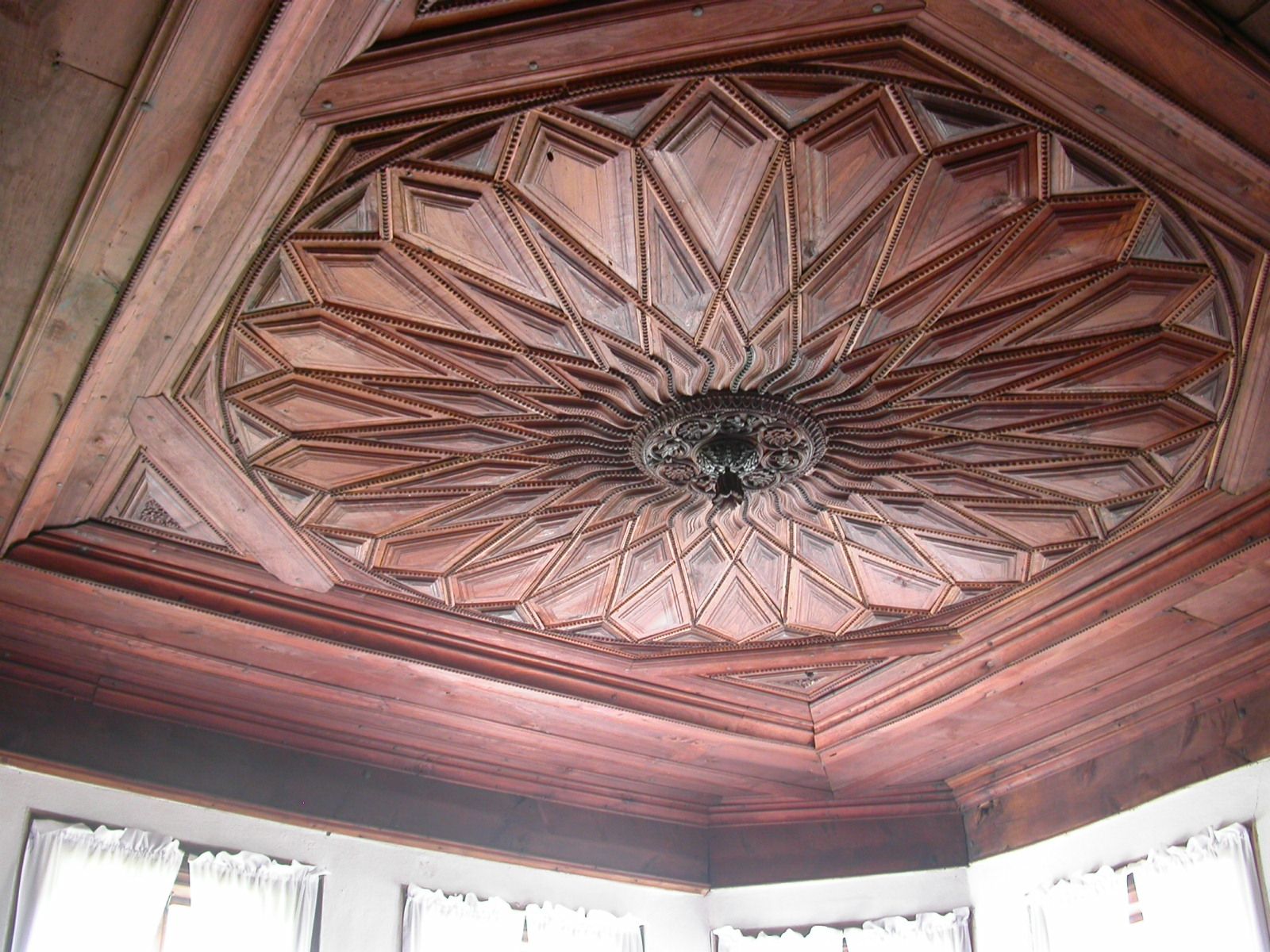
Hand-carving leaves tool marks and slightly uneven depths, and a laser-cut pattern has crisp, identical lines with scorched brown edges. I buy a carved spoon or a small box, since either fits in a handbag.
Martenitsa
A martenitsa is a red and white woven bracelet or tassel that Bulgarians give each other on 1 March, Baba Marta Day, to welcome spring. You wear it until you see a stork or a tree in blossom, then tie it to a branch. The custom has been on UNESCO's intangible heritage list since 2017.
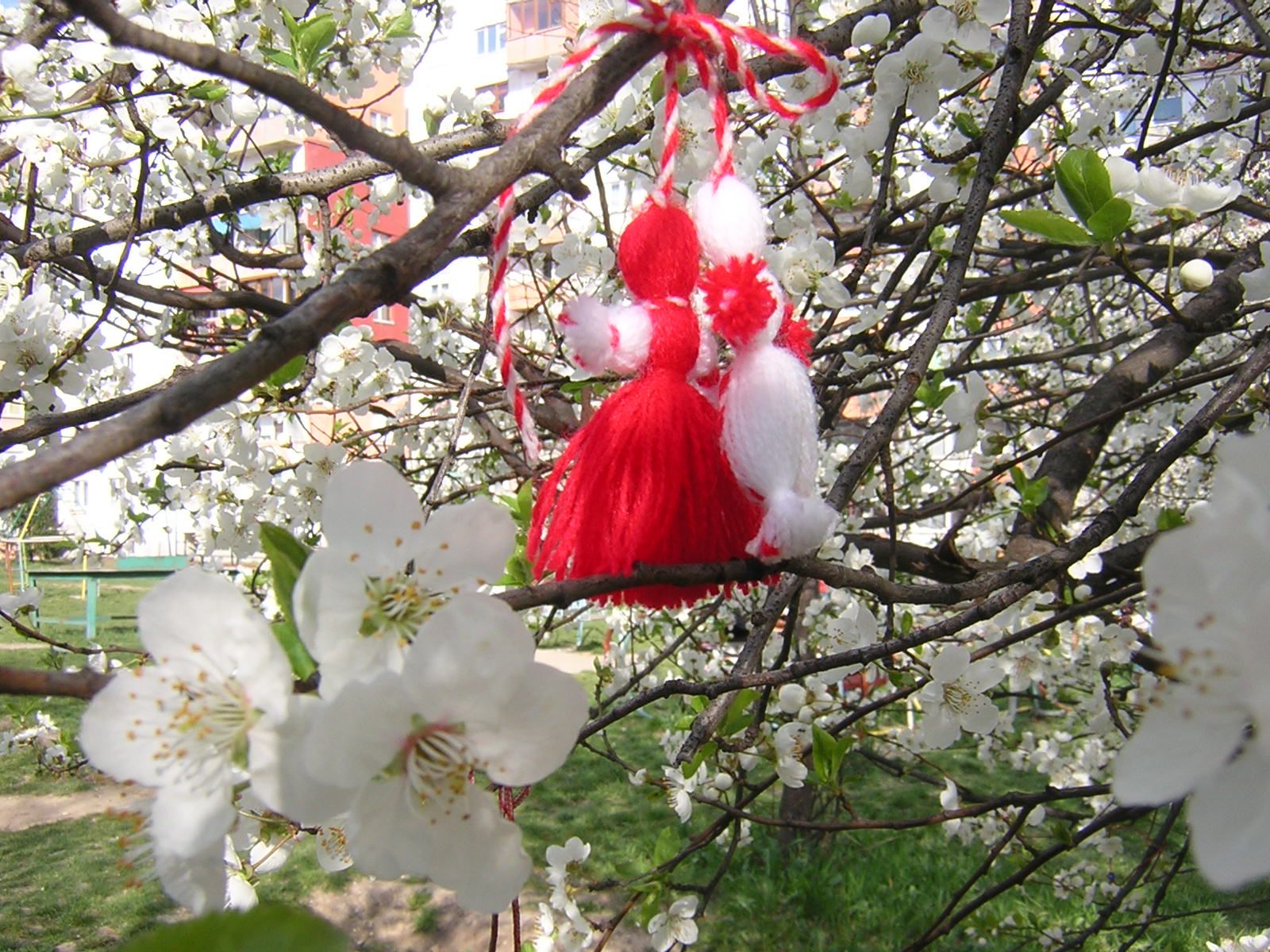
Street stalls all over the centre sell them in the weeks before Baba Marta, from plain twisted threads to pairs of little woollen dolls called Pizho and Penda. If your trip lands near 1 March, buy a handful for children at home, who can wear them until the first blossom comes out.
Communist-era badges
Bulgaria sold enamel pin badges of its towns and monuments in the 1970s and 1980s, and the antiques market keeps trays of them next to Soviet stars, medals and officer hats. I pick badges of places I've been, such as the Shipka monument or the tower in Veliko Tarnovo.
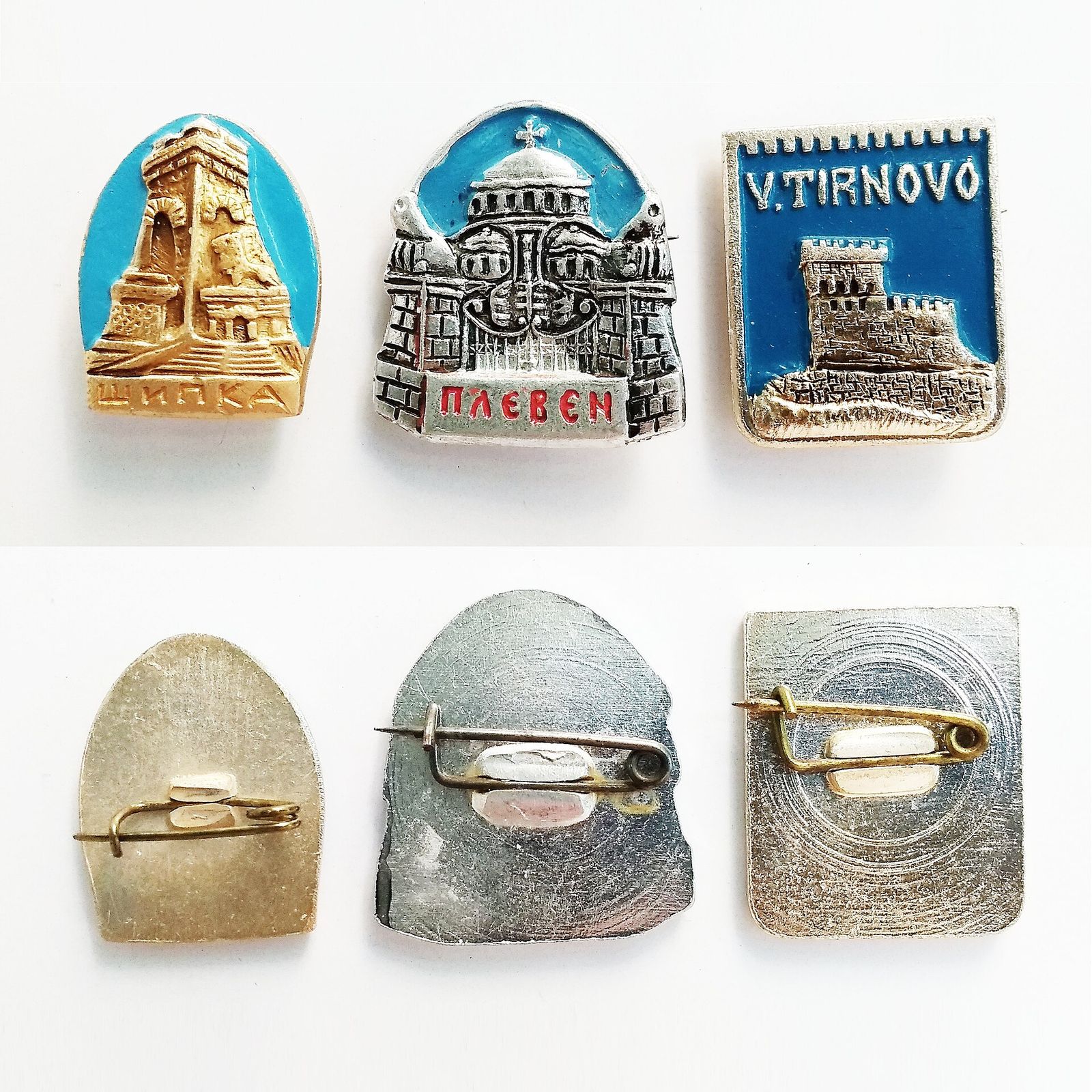
Plenty of the "Soviet" medals and badges on the tables were made recently. I treat them as decoration and pay what a badge is worth to me.
Bulgarian food and drink to take home
Rakia
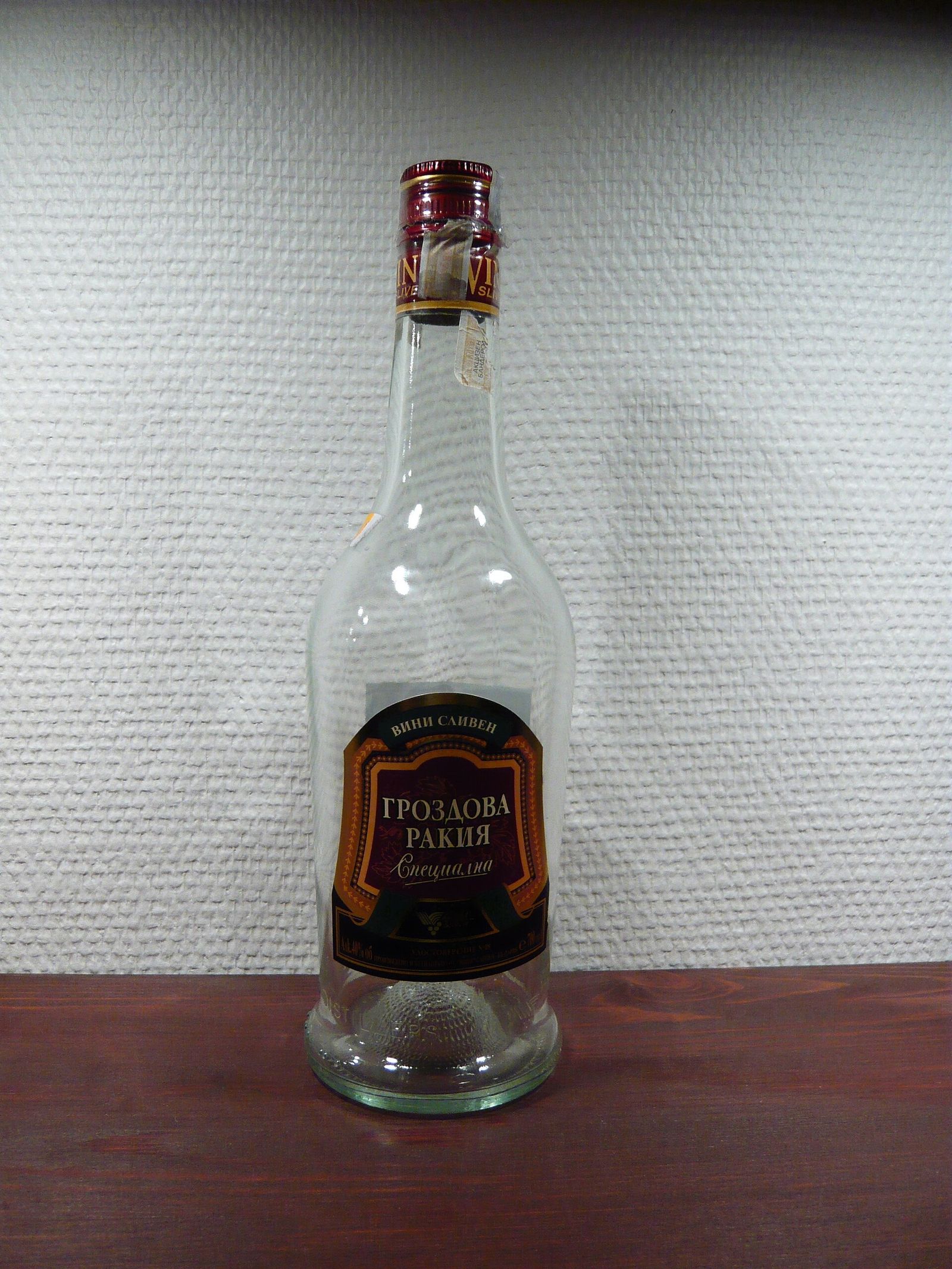
A bottle of rakia is the souvenir I bring home most often. Sofia's supermarkets carry a long shelf of it, mostly 70cl bottles at 40%, with brands such as Burgas 63, Karnobatska and Sungurlarska. For someone's first taste I'd pick a grape rakia, and as a gift I go for an aged bottle or a fruit one, apricot or quince, because friends at home won't have tried those.
Mavrud and Melnik wine
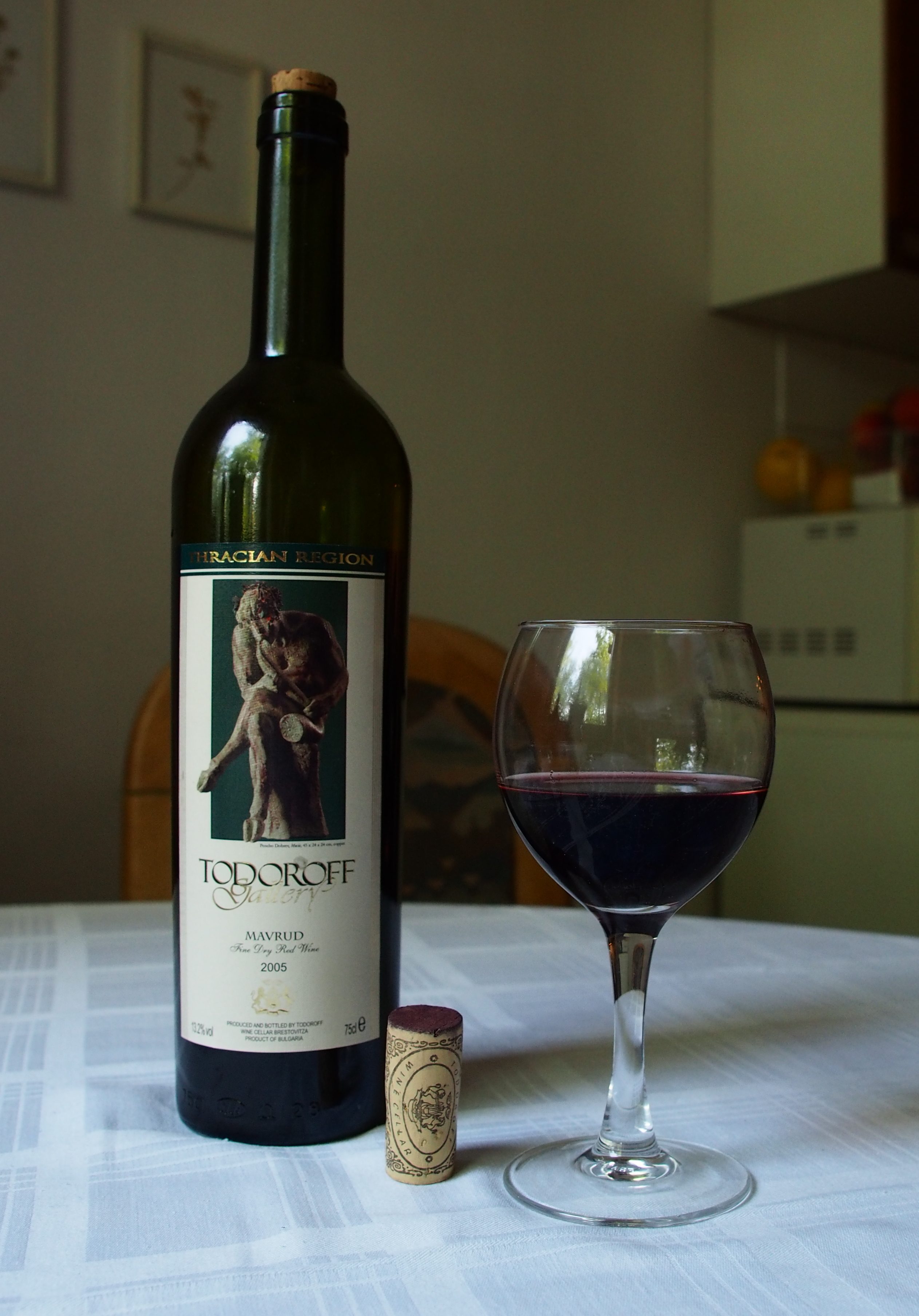
The local grapes are the reason to buy Bulgarian wine here, and a mid-range bottle costs about €6.60 in a Sofia shop. I bring home the two local reds: Mavrud, dark and plummy, from the country around Plovdiv, and Melnik, from the Struma Valley in the far south-west. Billa and Fantastico stock the big labels, and small-estate bottles live in specialist wine shops.
Lyutenitsa
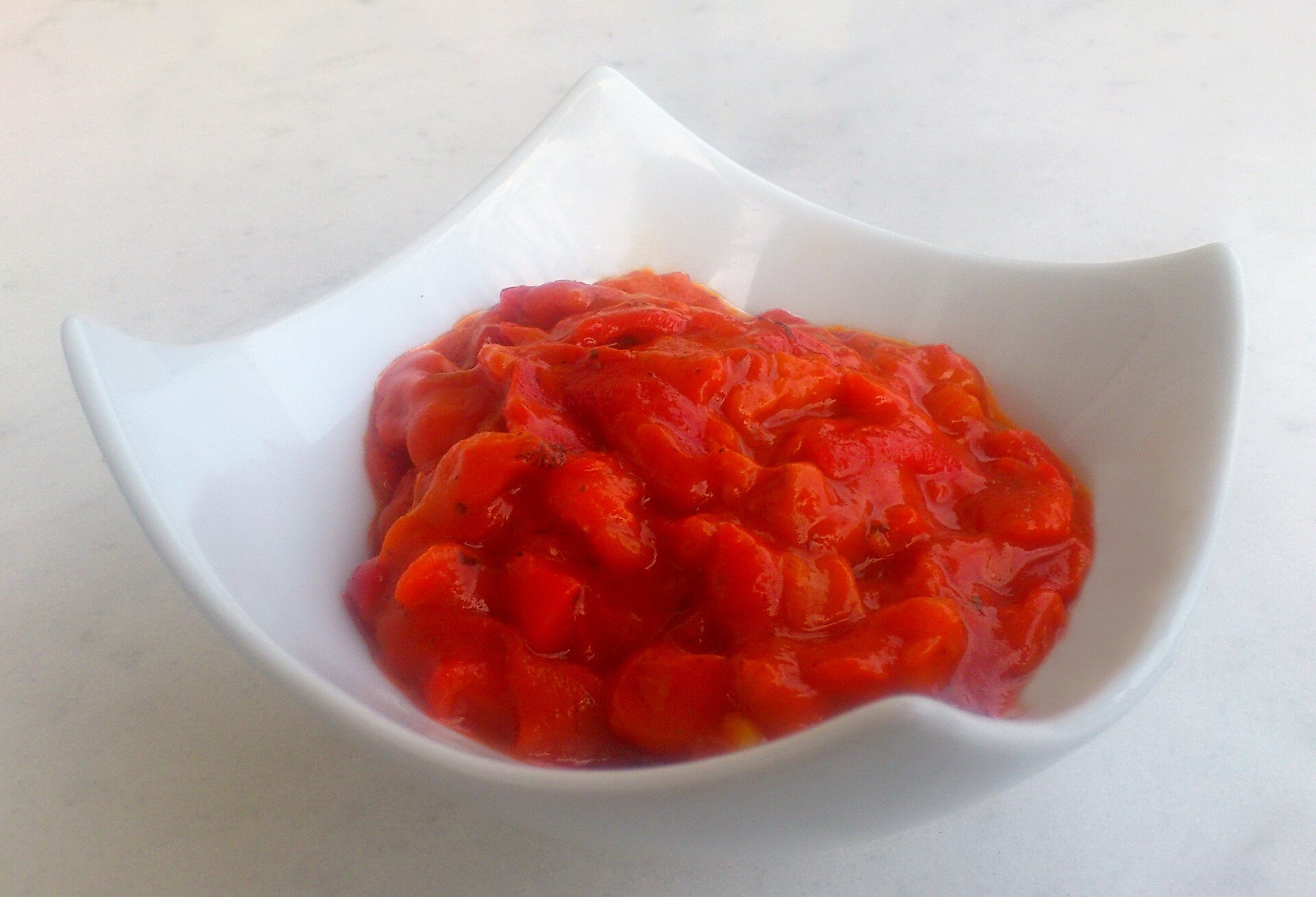
Lyutenitsa is a thick relish of roast red peppers and tomatoes that Bulgarians spread on bread, eat with eggs and spoon beside grilled meat. Every supermarket has a shelf of it in glass jars. It's the jar I'd use to explain Bulgarian food to friends at home: spread it thick on hot toast and they understand.
Sharena sol
Sharena sol, шарена сол, means "colourful salt": salt mixed with dried savory, paprika and other spices. It sits on the table in a lot of Bulgarian homes, and the classic way to eat it is to tear off warm bread and dip it straight in.
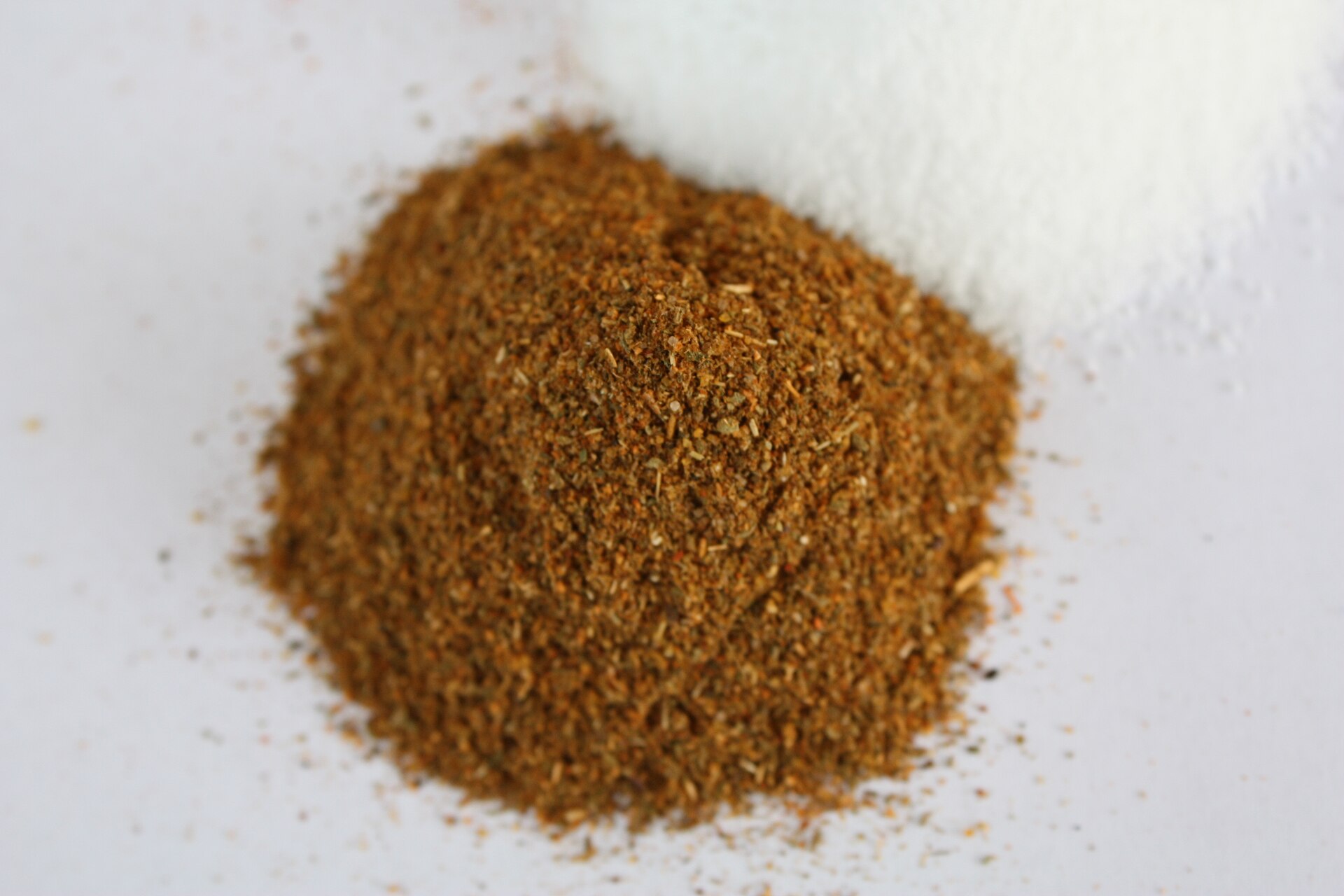
Supermarkets sell it in small packets and jars by the spices. A packet weighs next to nothing and goes in hand luggage with no liquids rule to worry about.
Mountain tea
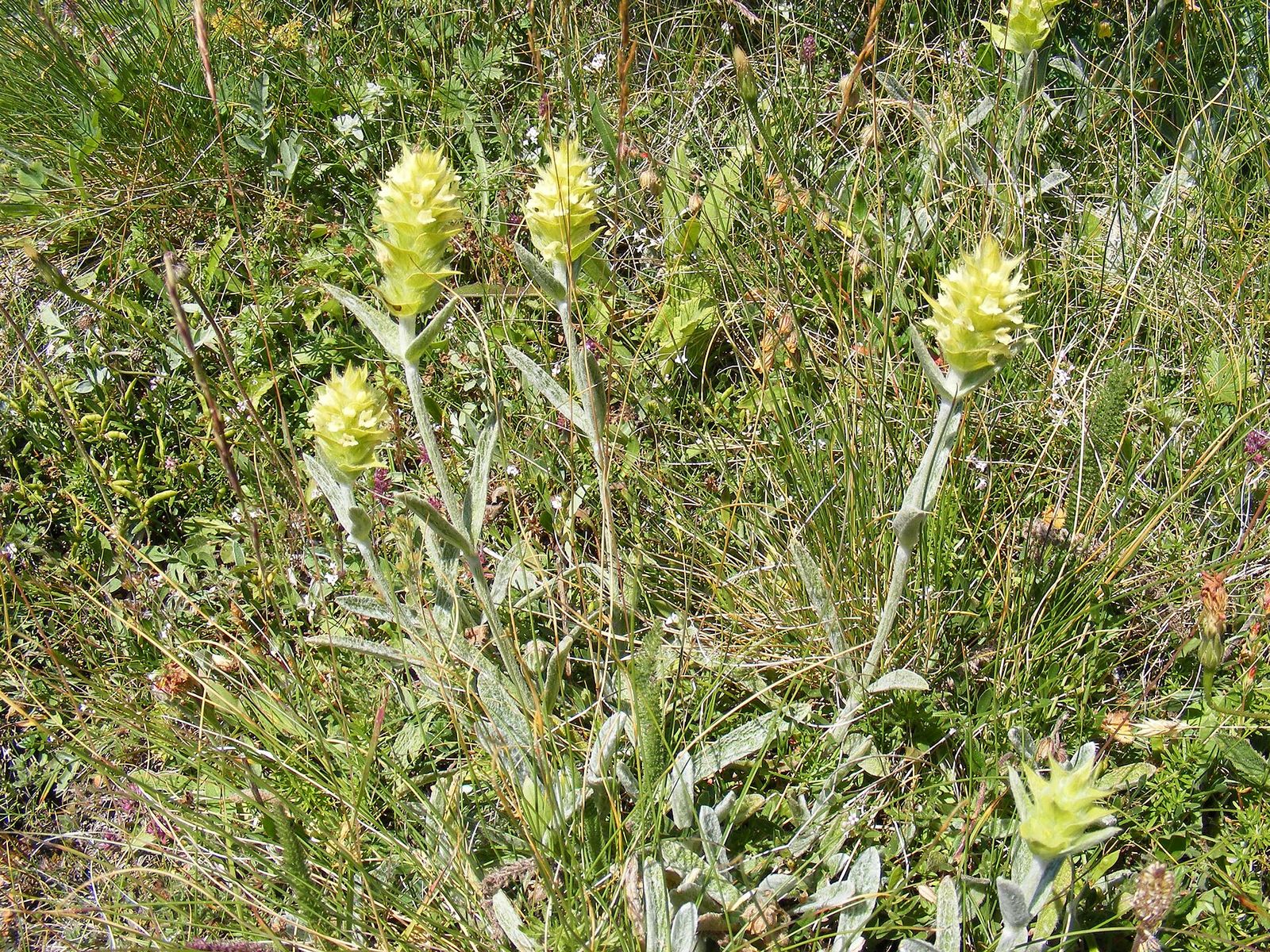
Mountain tea, планински чай (planinski chai), is made from the dried flowering stems of a woolly mountain herb, and the best-known kind is мурсалски чай (mursalski chai). I brew it on cold evenings with a spoon of honey. Supermarkets sell it boxed on the shelf beside the black tea.
Rose jam, lokum and honey
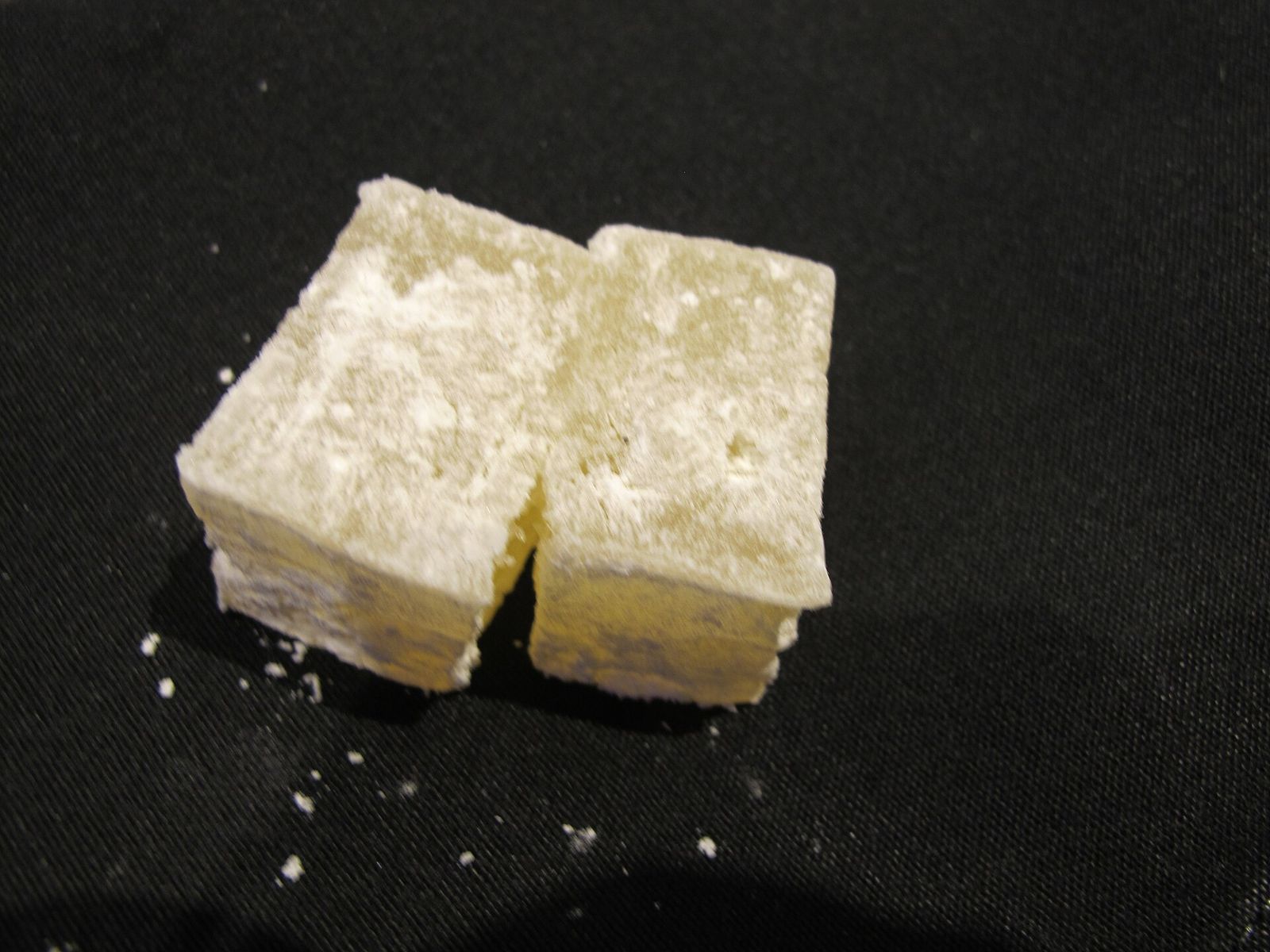
Rose jam is Damask rose petals cooked down with sugar, and I eat it on yoghurt or pancakes. Lokum, the soft sugar-dusted cubes British shops call Turkish delight, comes in rose flavour here, and souvenir shops sell it boxed. Honey from the Zhenski Pazar stalls is the other jar I pack.
Where to buy Bulgarian souvenirs in Sofia
Four places in the centre, plus the rose cosmetics shops on Vitosha Boulevard, cover all 14 souvenirs on my list. The antiques market, the museum shop and Zhenski Pazar sit within a 15-minute walk of Serdika metro. The rest of my Sofia shopping happens on Vitosha Boulevard and in the malls.
The antiques market at Alexander Nevsky
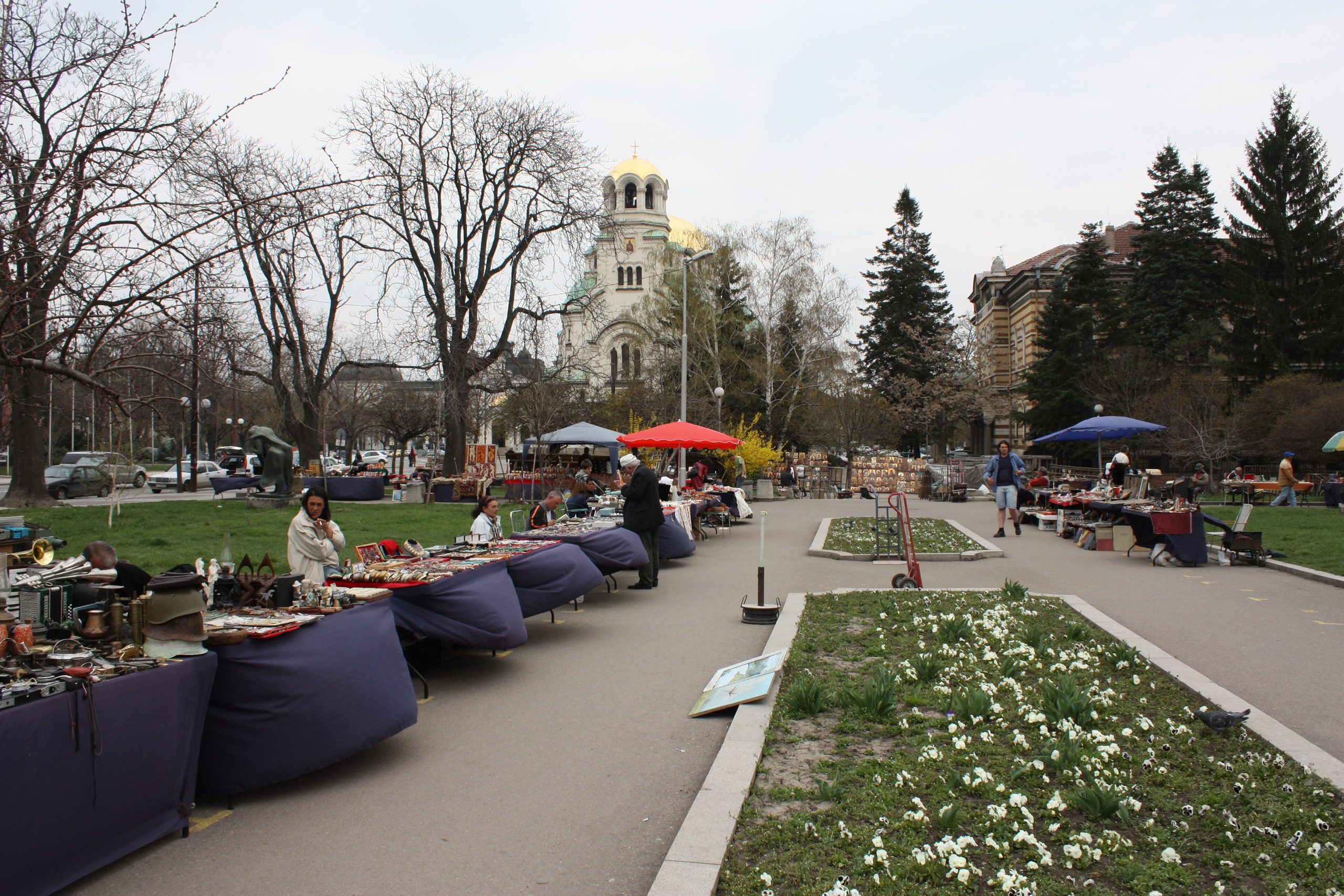
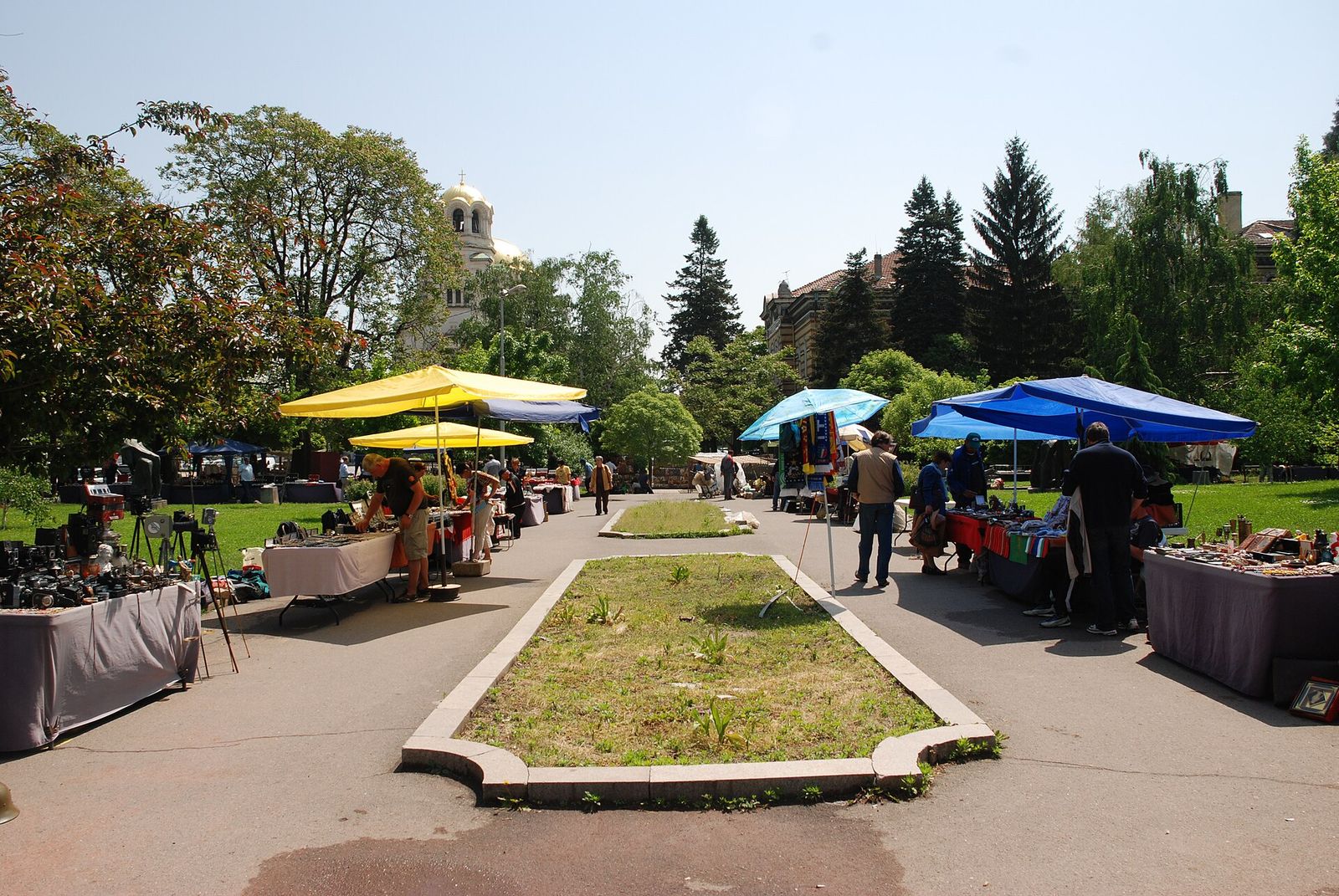
The stalls beside Alexander Nevsky Cathedral set up in the garden from about 10am every day, weather permitting. This is where I buy icons, embroidery, lace and the odd badge, and I leave the old cameras, typewriters and army helmets on the tables. Haggling is normal, so ask the price, offer less and meet somewhere in the middle. Nobody writes receipts. Sofia University is the nearest metro station.
The National Ethnographic Museum shop
For crafts I'd trust as handmade, I go to the shop at the National Ethnographic Museum, in the former royal palace on Knyaz Alexander I Square, under ten minutes on foot from Serdika. It sells pieces by master craftspeople, including embroidered shirts and other parts of folk costume. I go there first on a crafts day, to see what good embroidery looks like before I haggle for it at the stalls.
Zhenski Pazar
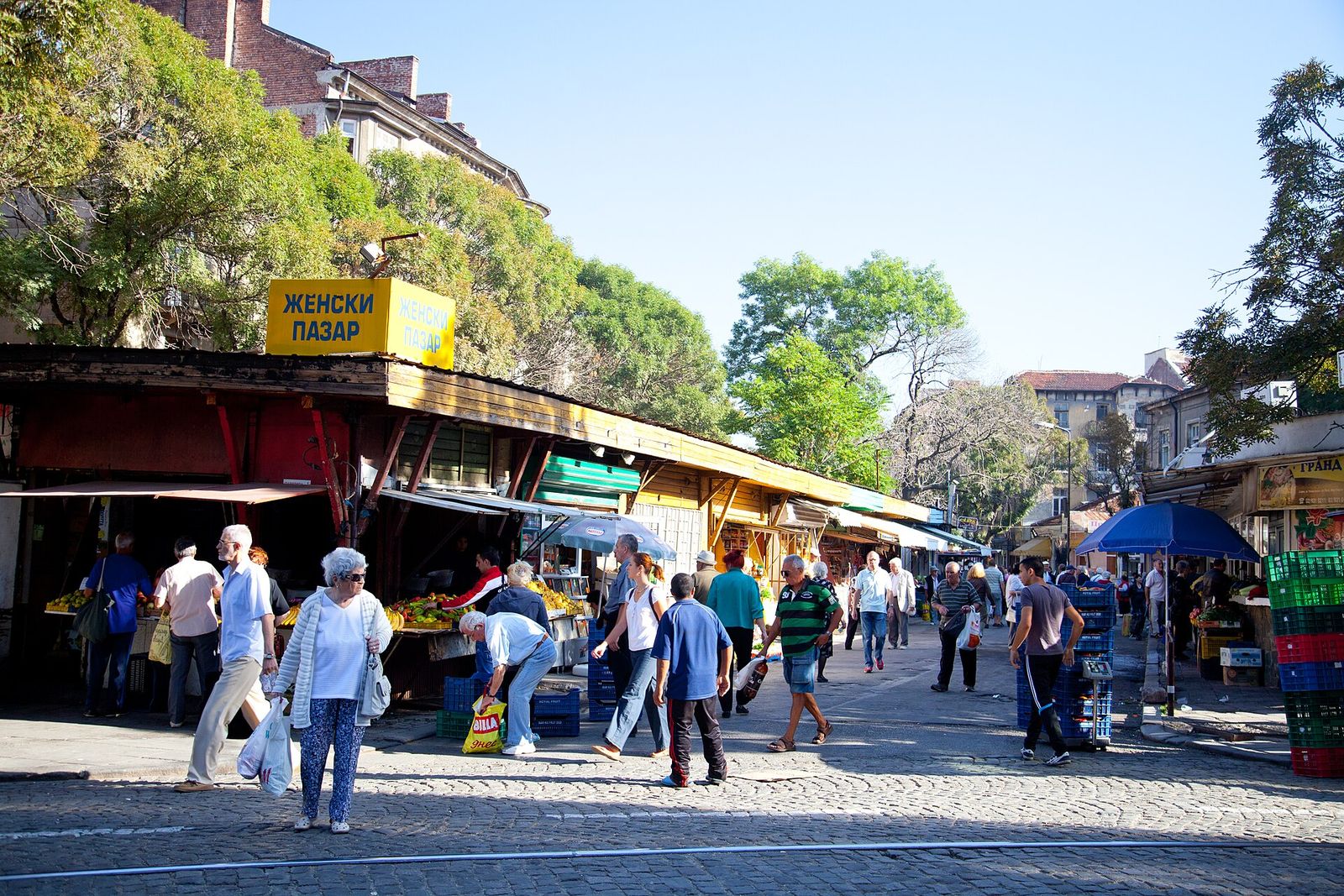
The Women's Market (Женски пазар) runs along Stefan Stambolov Boulevard and is Sofia's oldest and largest open-air market. I buy honey, spices, nuts and dried fruit here, plus cheap embroidered textiles and the odd piece of pottery from the stalls along its edges. Go in the morning, carry cash and keep your bag zipped. Lavov Most and Serdika metro stations are both a short walk away.
Central Market Hall and the supermarkets
Billa, Fantastico, Kaufland and Lidl all stock rakia, wine, lyutenitsa, sharena sol, lokum and mountain tea. In the centre, the handiest is the Kaufland inside Central Market Hall, Halite to locals, the 1911 market hall on Maria Luiza Boulevard that reopened in May 2024.
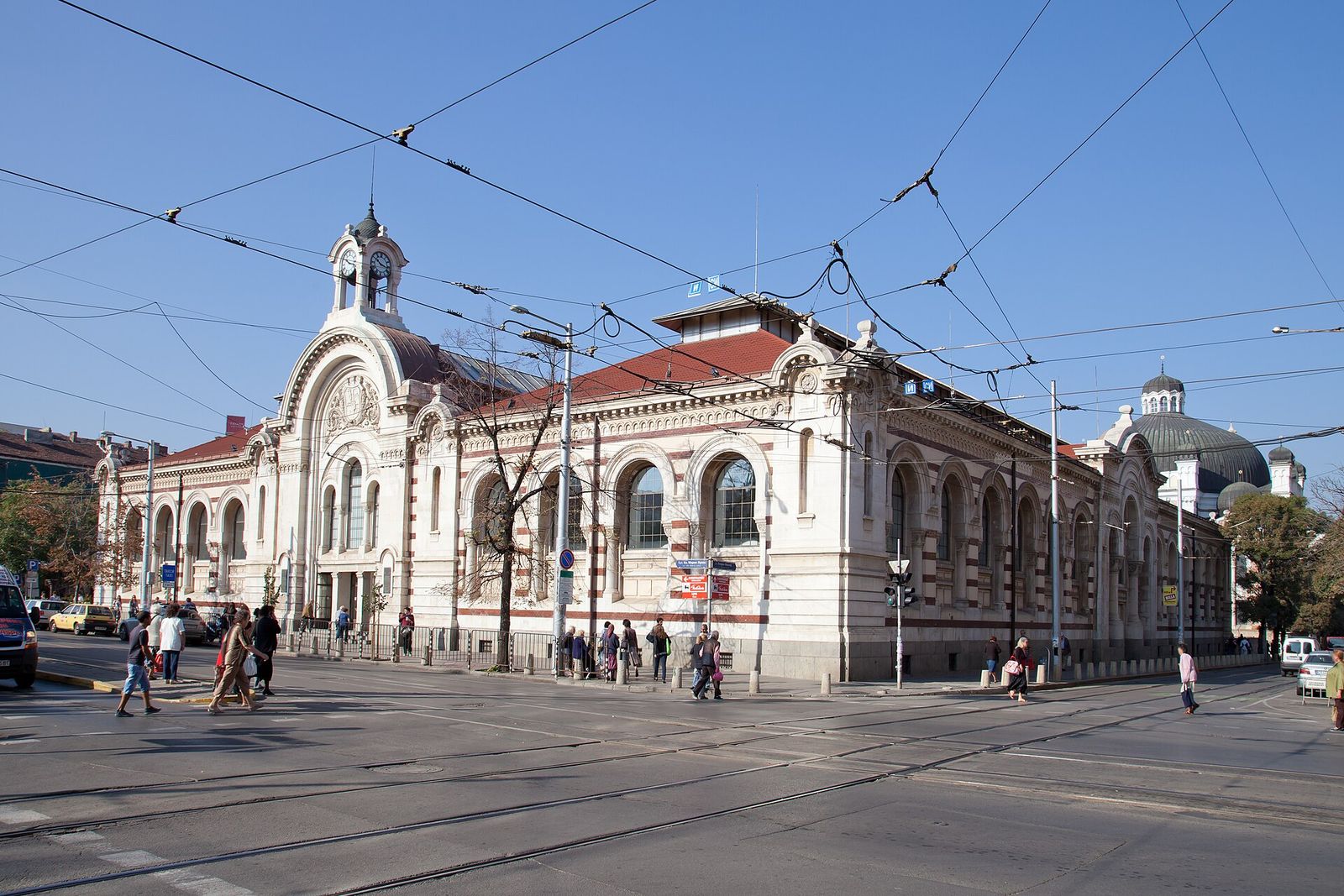
I do the food and drink shop on my last afternoon, so the jars and bottles go straight from the bag into the suitcase.
Bulgarian souvenirs I'd skip
A few things look like perfect presents and cause trouble at the airport or end up in a drawer.
- Militaria from the antiques market. The helmets, gas masks, shell cases and cartridges are heavy, and I'd never try to fly with anything that looks like ammunition.
- Magnets and slogan T-shirts. The souvenir shops on Vitosha Boulevard sell racks of them, and I'd spend that money on a jar of lyutenitsa and a packet of sharena sol.
- "Antique" icons without papers. If a seller swears an icon is old, ask for a receipt and an export certificate before you pay, and walk away if the answer is vague.
What you can bring back to the UK
The UK allowances for goods bought abroad give each adult 4 litres of spirits over 22%, or 9 litres of drinks up to 22% such as port, and you can split those two half and half. On top of that come 18 litres of wine and 42 litres of beer. Five 70cl bottles of rakia make 3.5 litres, inside the limit. A sixth takes you to 4.2 litres, and then duty is due on every bottle of spirits in your bag, so I stop at five.
Everything else, from pottery and icons to rose cream, counts towards a £390 allowance for other goods, or £270 if you arrive by private plane or boat. A souvenir haul from Sofia rarely gets near it.
Bottles, jars and any liquid over 100ml go in the hold bag. I wrap each one in clothes and put the jars in a sealed freezer bag in case a lid gives. Rose oil phials, sharena sol, tea, badges and embroidery all ride in hand luggage.
Key takeaways
- Buy rose oil from a brand that prints "100% rose oil" and the volume on the box, because a muskal at a few euros holds perfume.
- Turn embroidery over, tilt icons to the light and look for brush wobbles in pottery to tell handmade from printed.
- Supermarkets cover the food and drink: rakia, Mavrud, lyutenitsa, sharena sol, mountain tea and rose lokum.
- Bring back up to five 70cl bottles of rakia and 18 litres of wine duty-free, and leave the cheese and sausage in Sofia.
Frequently asked questions
What is Bulgaria famous for?
Bulgaria is famous for roses, since the Rose Valley around Kazanlak produces close to half the world's rose oil. It's also known for its yoghurt, rakia, red wines such as Mavrud and the frescoed Rila Monastery. Most of the classic souvenirs come from that list.
What is the most sold souvenir in Bulgaria?
Rose products, judging by the shelves of Sofia's souvenir shops: rose oil in a carved wooden muskal, rose water, rose cream and rose soap take up more space than anything else. My own most-bought souvenir is a bottle of rakia, with Troyan-style pottery close behind.
What is Bulgaria's main export?
Electrical equipment and copper lead Bulgaria's exports, and copper alone was worth about €4.2 billion in 2024, nearly a tenth of the total. Machinery comes third. Rose oil is a small trade by value, even though Bulgaria supplies about half of the world's rose oil.
How much rakia can I bring back to the UK?
Each adult can bring 4 litres of spirits into Great Britain duty-free, which covers five standard 70cl bottles of rakia. The limit covers every spirit over 22%, so a bottle of mastika counts too. Go over it and you pay duty on all your spirits.
Can I bring Bulgarian cheese or yoghurt into the UK?
No. Cheese, yoghurt, butter and milk from EU countries are banned from personal luggage in Great Britain, along with pork, beef and lamb products such as lukanka. Jars of lyutenitsa, honey and rose jam are fine.
Where can I buy Bulgarian souvenirs in Sofia?
The antiques market beside Alexander Nevsky Cathedral is my first stop for icons, embroidery and badges, and the National Ethnographic Museum shop sells handmade folk crafts. Zhenski Pazar has honey, spices and cheap textiles, and any supermarket covers rakia, wine and food jars.
Shopping in Sofia: Where I Shop and What I Buy
Where I shop in Sofia, from the big brands on Vitoshka to icons, embroidery, market honey and rose oil.
Read the guideThe Antiques Market at Alexander Nevsky: Sofia's Flea Market
Icons, Soviet badges, lace and old cameras outside the cathedral. What I buy, what's fake and how I haggle.
Read the guideZhenski Pazar: My Guide to Sofia's Women's Market
Sofia's oldest open-air market for fruit, cheese, honey and spices: what I buy, when I go and what sits nearby.
Read the guide