Festivals and Holidays in Bulgaria
Bulgaria's festival year runs on bells, roses and saints' days: masked kukeri in January, red and white martenitsi on 1 March, rose picking in June and a public holiday for the alphabet on 24 May. I live in Sofia, and these are the dates I plan my year around. This is my 2027 calendar, with the folk festivals worth leaving the city for and the public holidays that shut the banks.
Bulgarian festivals in 2027, month by month
Bulgaria's calendar mixes Orthodox feast days, film festivals, public holidays and the village customs behind most Bulgarian traditions. The last column says how far each one is from Sofia, or where I see it in town. Where a festival hasn't announced its 2027 dates yet, I've given its usual timing.
| When | Festival or holiday | Where | From Sofia |
|---|---|---|---|
| Late January | Surva, the kukeri masquerade festival | Pernik | 30 km south-west |
| 14 February | Trifon Zarezan, the vine growers' day | Wine villages and Sofia wine bars | In town, or a village by car |
| 1 March | Baba Marta, when everyone swaps martenitsi | Everywhere | Stalls across central Sofia |
| 3 March | Liberation Day | Everywhere | Flags out in Sofia |
| 11 to 21 March | Sofia International Film Festival | NDK and cinemas | In Sofia |
| 30 April to 3 May | Orthodox Easter, Sunday 2 May | Every church | In Sofia |
| 6 May | St George's Day | Everywhere | In Sofia |
| 24 May | Day of the alphabet and culture | Everywhere | National Library, Sofia |
| First weekend of June | Rose Festival | Kazanlak | About 3 hours by train |
| 3 June | Nestinarstvo fire-dancing | Bulgari, Strandzha | Far south-east |
| September | Apollonia arts festival | Sozopol | Black Sea coast |
| 17 September | Sofia Day | Sofia | In Sofia |
| November | Kinomania film festival | NDK | In Sofia |
| 24 to 26 December | Christmas | Everywhere | Markets at NDK and the City Garden |
The folk festivals I'd travel for
Surva in Pernik: kukeri in late January
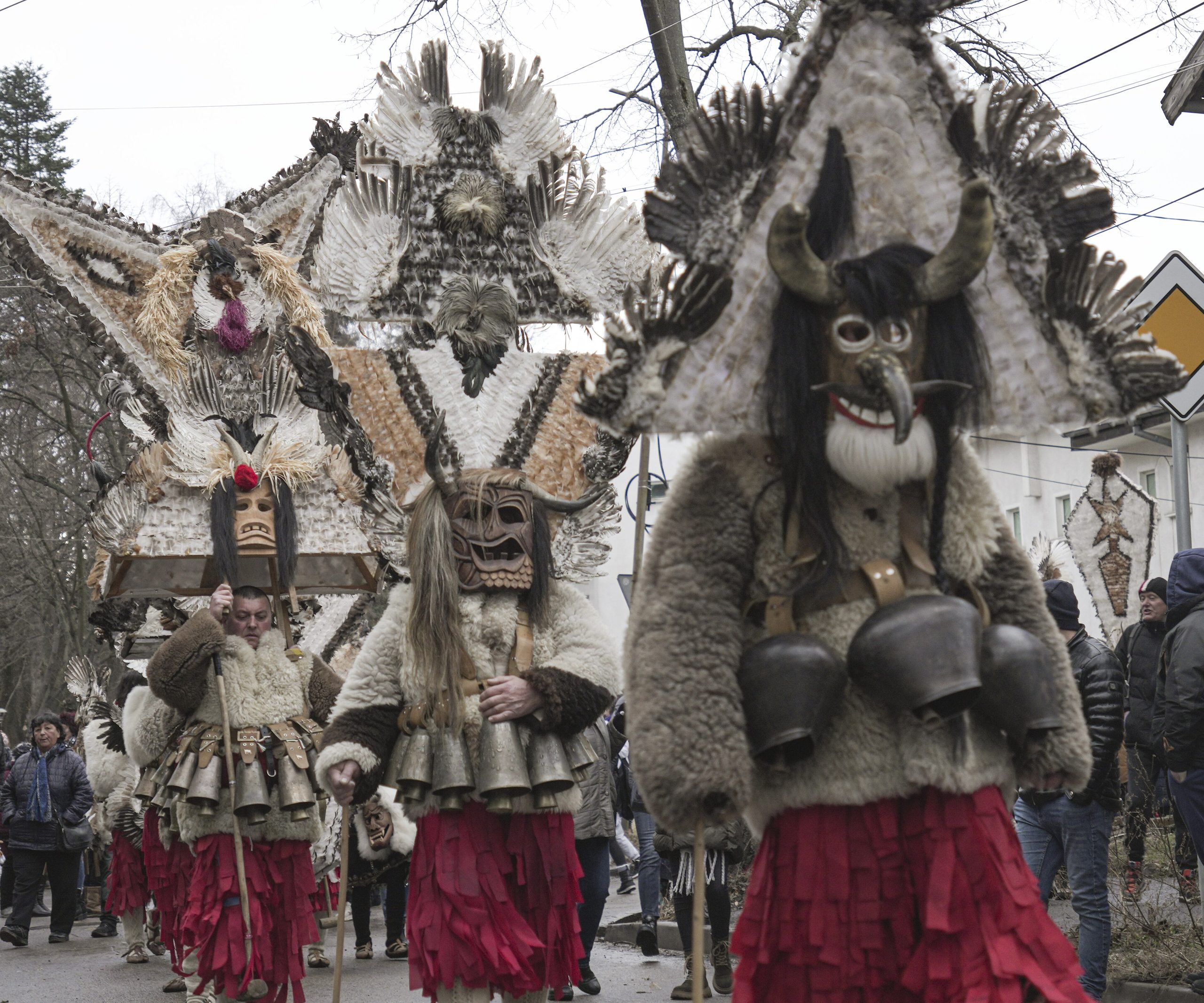
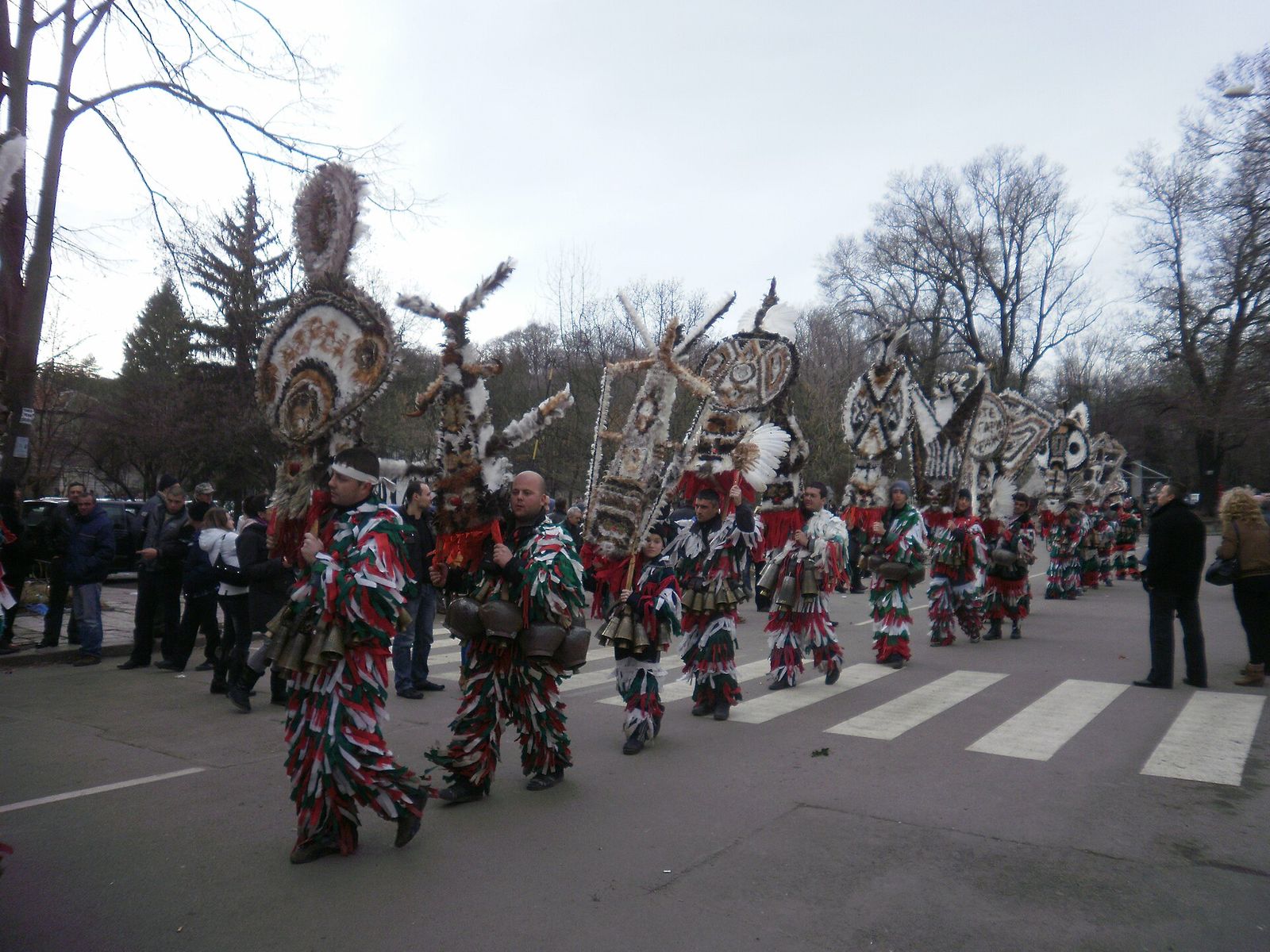
Surva is the festival I'd fly in for. Kukeri are performers in towering masks, fur costumes and belts of heavy bells who dance through the streets to scare off evil spirits and bring luck for the year, and you hear the bells long before you see the masks. Pernik sits 30 km south-west of Sofia, close enough for a train, a bus or a taxi there and dinner back in the city.
Its full name is the International Festival of the Masquerade Games. The 2026 edition was the 32nd, 60 years after the first in 1966, and for the first time it ran parades over two weekends, 17 to 18 and 24 to 25 January, with about 13,000 performers and over 30 groups from abroad. UNESCO added the Surova folk feast of the Pernik region to its intangible heritage list in 2015.
The 2027 dates aren't out yet. Recent editions have opened between mid and late January, and the Surva festival site posts the programme. Kukeri season runs from New Year to the start of Lent in villages across the country, and the masks and costumes of the kukeri change from one region to the next.
The Rose Festival in Kazanlak: early June
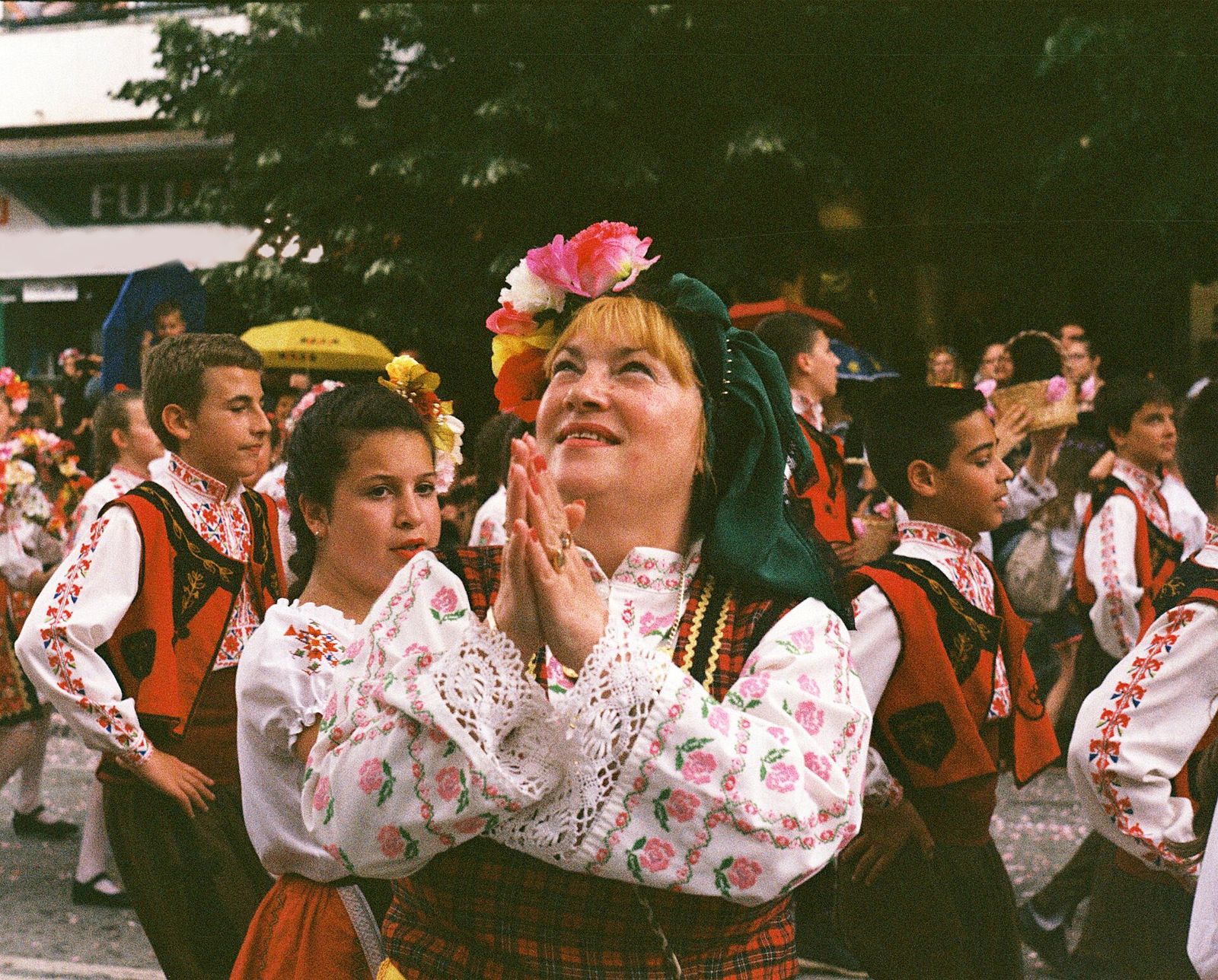
Kazanlak has held its Rose Festival since 1903, traditionally on the first weekend of June. If it keeps to tradition, that's 5 and 6 June 2027. The town fills a week with cultural events, food and wine, and on the last day it picks its Queen of Roses.
Kazanlak sits in the eastern half of the Rose Valley, which makes close to half the world's rose oil from Damask roses. The fields bloom from mid-May and the petals are picked by hand early in the morning, so I'd sleep in Kazanlak and be out in the rows soon after sunrise. A small bottle of rose oil bought a few kilometres from the fields is the Bulgarian souvenir I'd take home.
Trains from Sofia take about 3 hours. The Thracian tomb replica and the Museum of Roses fill an afternoon in town, and with a hire car I'd head north to Buzludzha and the Shipka Pass before the drive back to Sofia.
Nestinarstvo: fire-dancing in Bulgari on 3 June
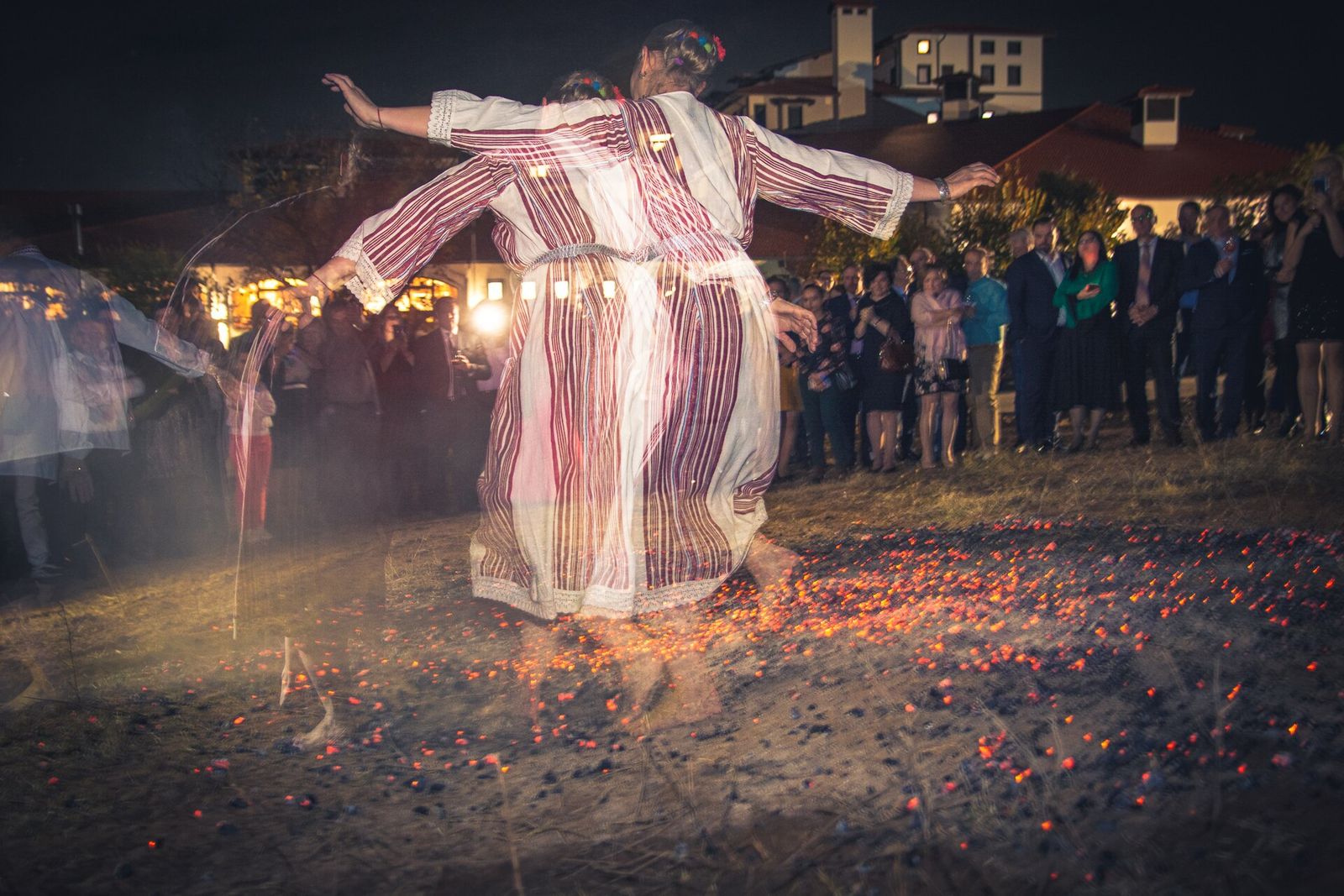
Nestinarstvo is the strangest date on Bulgaria's calendar. On the feast of Saints Constantine and Helena, dancers called nestinari cross a bed of glowing embers barefoot while a crowd watches from the edge. UNESCO listed it in 2009 as the panagyr, the village fete, of the two saints in Bulgari.
Bulgari is a small village in the Strandzha mountains, 17 km inland from the south coast. The village keeps the saints' feast on 3 and 4 June, with the fire-dance in the evening. It's a long way from Sofia, so I'd fold it into a week on the Black Sea coast and drive down from Burgas.
The Koprivshtitsa folklore festival
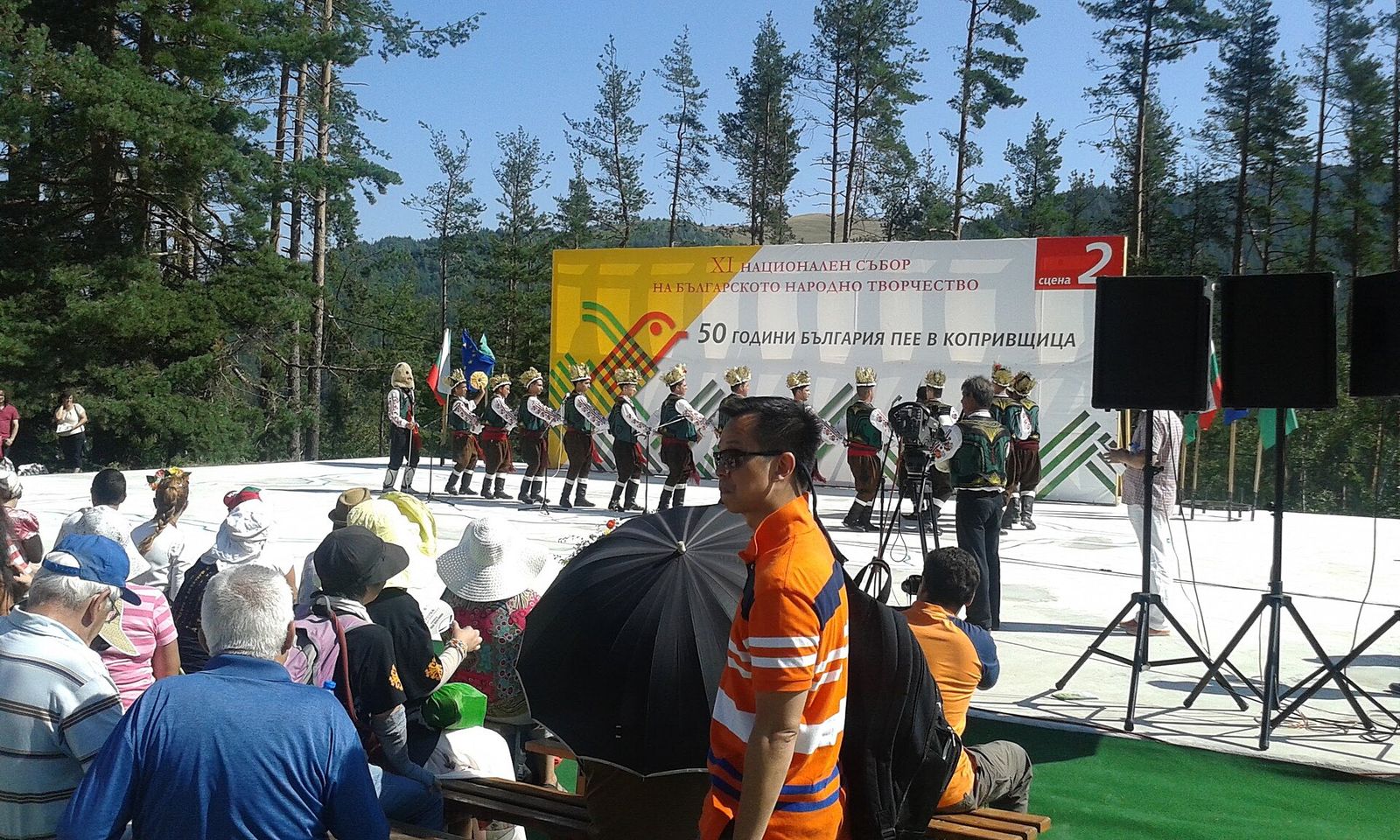
The National Folklore Festival (Национален събор на българското народно творчество) is Bulgaria's national gathering of village music, held about every five years since 1965. Groups from every region bring their own costumes, songs and Bulgarian folk dances to stages on the Voyvodenets meadow above Koprivshtitsa, a town of painted Revival houses 1,030 m up in the hills. The first festival, in August 1965, drew about 4,000 performers, and by 1986 the count had reached 18,500.
Bulgarian traditions you'll see in Sofia
Trifon Zarezan, the wine day on 14 February
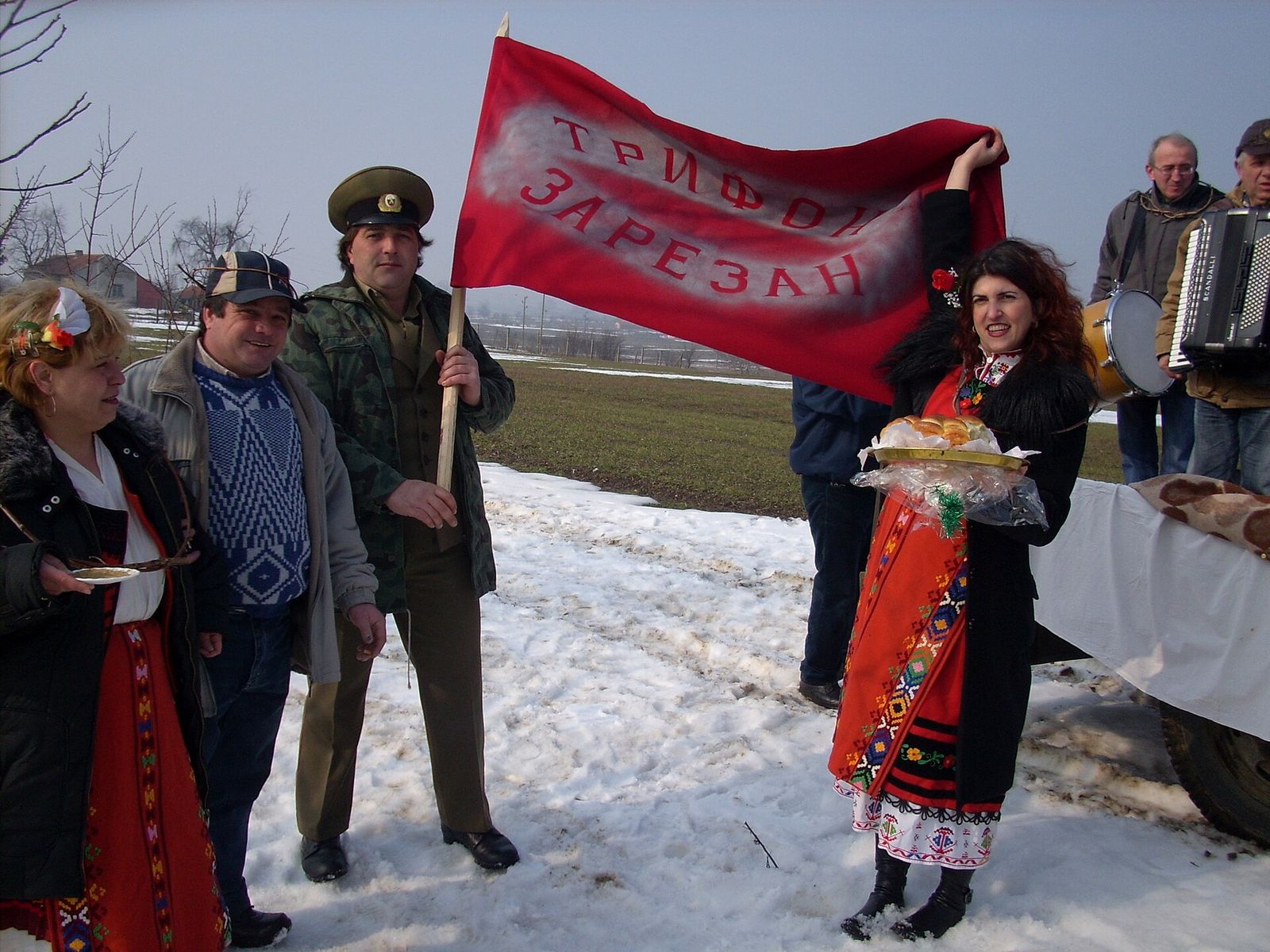
On 14 February, while the UK books tables for two, Bulgarian vine growers head out to the vineyards for the first pruning of the year. They make the first cut, then share bread and wine among the rows, and some villages keep the day on 1 February, St Trifon's day in the church calendar. In 2027, 14 February is a Sunday. In Sofia I mark it with a bottle of Mavrud and a long dinner, the easiest way into Bulgarian wine for a February visitor.
Baba Marta and martenitsi on 1 March
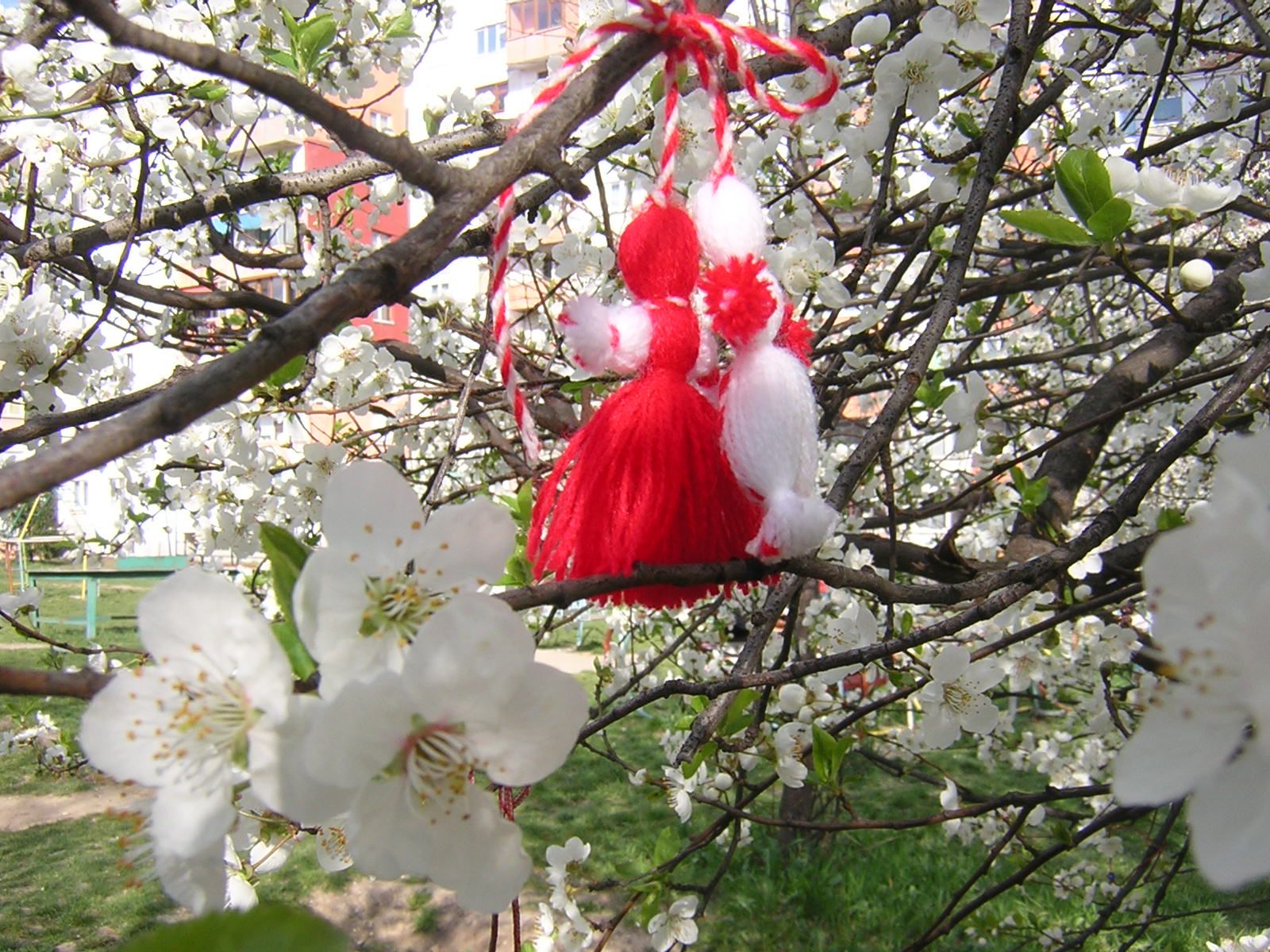
Baba Marta, Granny March, is the grumpy old woman whose moods are said to be March's weather, and Bulgarians keep her sweet with martenitsi (мартеници) on 1 March. They are twists of red and white wool, red for health and white for a long life, given to family, friends and colleagues and worn on the wrist or a coat. Stalls selling martenitsi for Baba Marta go up across central Sofia in the weeks before, and I buy a handful for my neighbours.
You wear yours until you see a stork, a swallow or a tree in blossom, then tie it to a blossoming branch. UNESCO listed the 1 March customs in 2017, shared by Bulgaria, Romania, Moldova and North Macedonia.
Two days later comes Liberation Day on 3 March, the national holiday for the treaty that ended Ottoman rule in 1878 and the start of modern Bulgarian history. In 2027 it falls on a Wednesday. Flags go up across Sofia.
Orthodox Easter on 2 May 2027
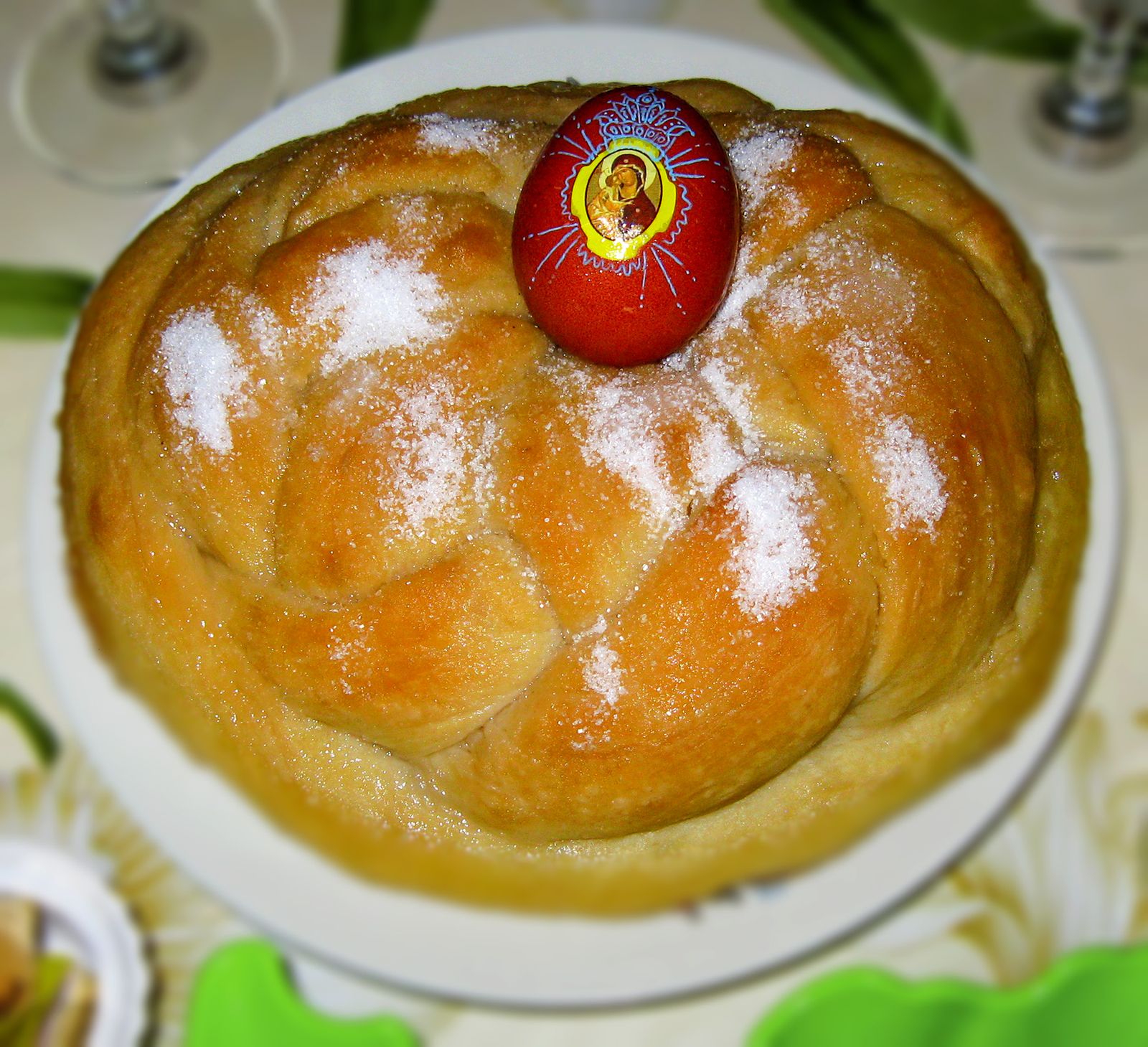
Easter in Bulgaria follows the Orthodox calendar, so in 2027 Easter Sunday is 2 May, five weeks after the UK's on 28 March. In 2028 the two fall on the same day, 16 April. Families dye eggs on Maundy Thursday, always a red one first, and bake kozunak, a sweet braided bread, for Sunday morning.
The big night is Holy Saturday. At midnight the square outside Alexander Nevsky Cathedral fills with people holding lit candles, and the greeting is "Hristos voskrese" (Christ is risen), answered with "Voistina voskrese" (truly he is risen). On Sunday everyone taps eggs together, and the strongest egg is said to bring health for the year. Lamb goes on the table for lunch.
24 May, the day of the alphabet
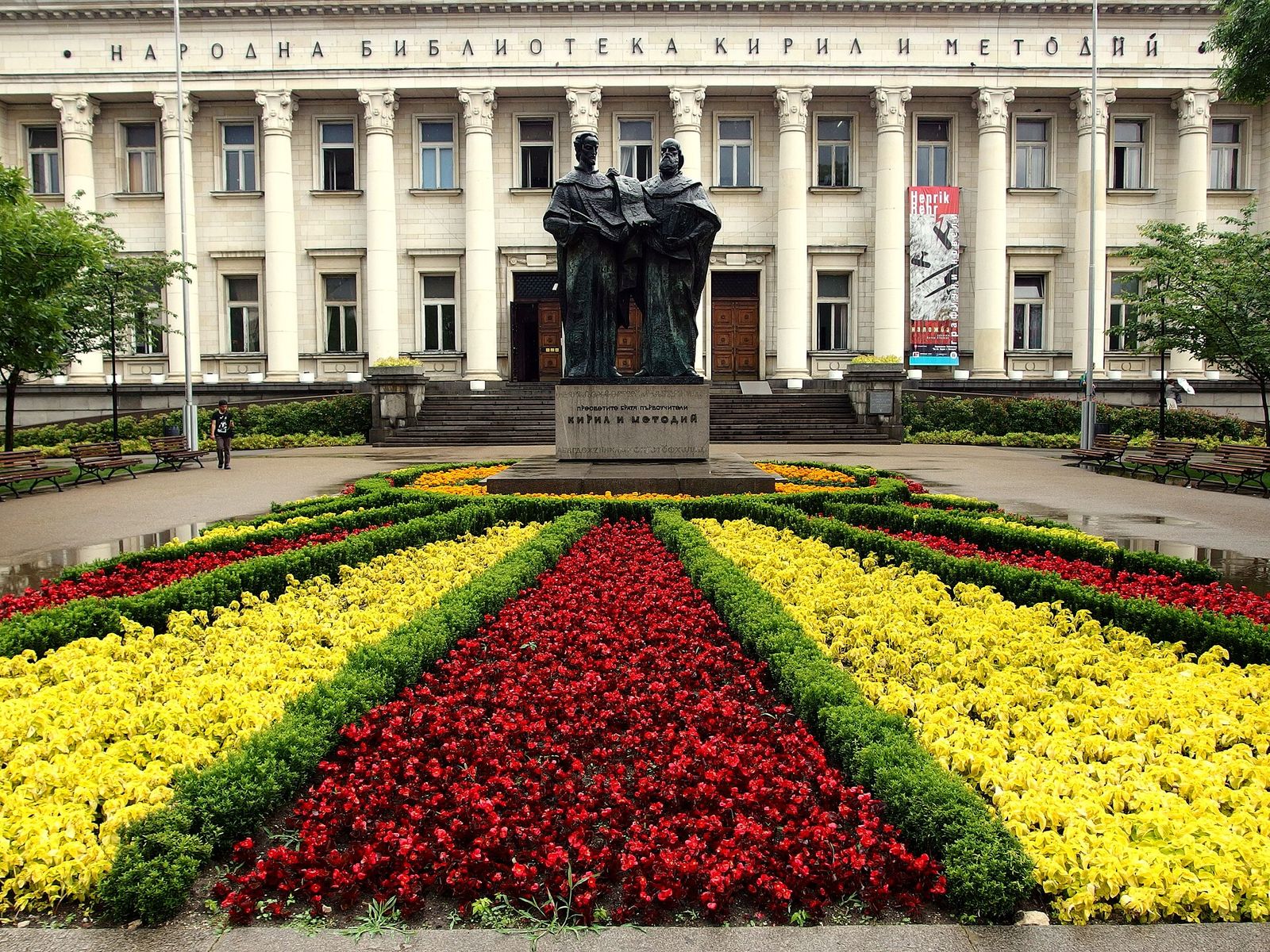
24 May is my favourite holiday in Sofia. It honours Saints Cyril and Methodius and the Cyrillic script, and its official name is the Day of the Saintly Brothers Cyril and Methodius, of the Bulgarian Alphabet, Education and Culture and of Slavic Literature. Students bring flowers to their teachers, and wreaths pile up at the brothers' statue outside the National Library on Vasil Levski Boulevard, by Sofia University metro.
In 2027 it falls on a Monday, so Sofia gets a long weekend. An evening with the Bulgarian alphabet before you come gets you reading the banners on the day.
Christmas Eve and New Year
Bulgaria celebrates Christmas on 25 December, like the UK, and 24, 25 and 26 December are all public holidays. Christmas Eve, Badni vecher (Бъдни вечер), is a meatless family supper with an odd number of dishes and a round loaf baked with a coin inside. On 1 January children tap their family's backs with a survachka, a cornel branch tied with coloured thread, for a year of good health.
For a December visitor, Christmas in Sofia means the markets, which set up in front of NDK and in the City Garden by the National Theatre from mid to late November.
Film and music festivals
Sofia Film Fest and Kinomania at NDK
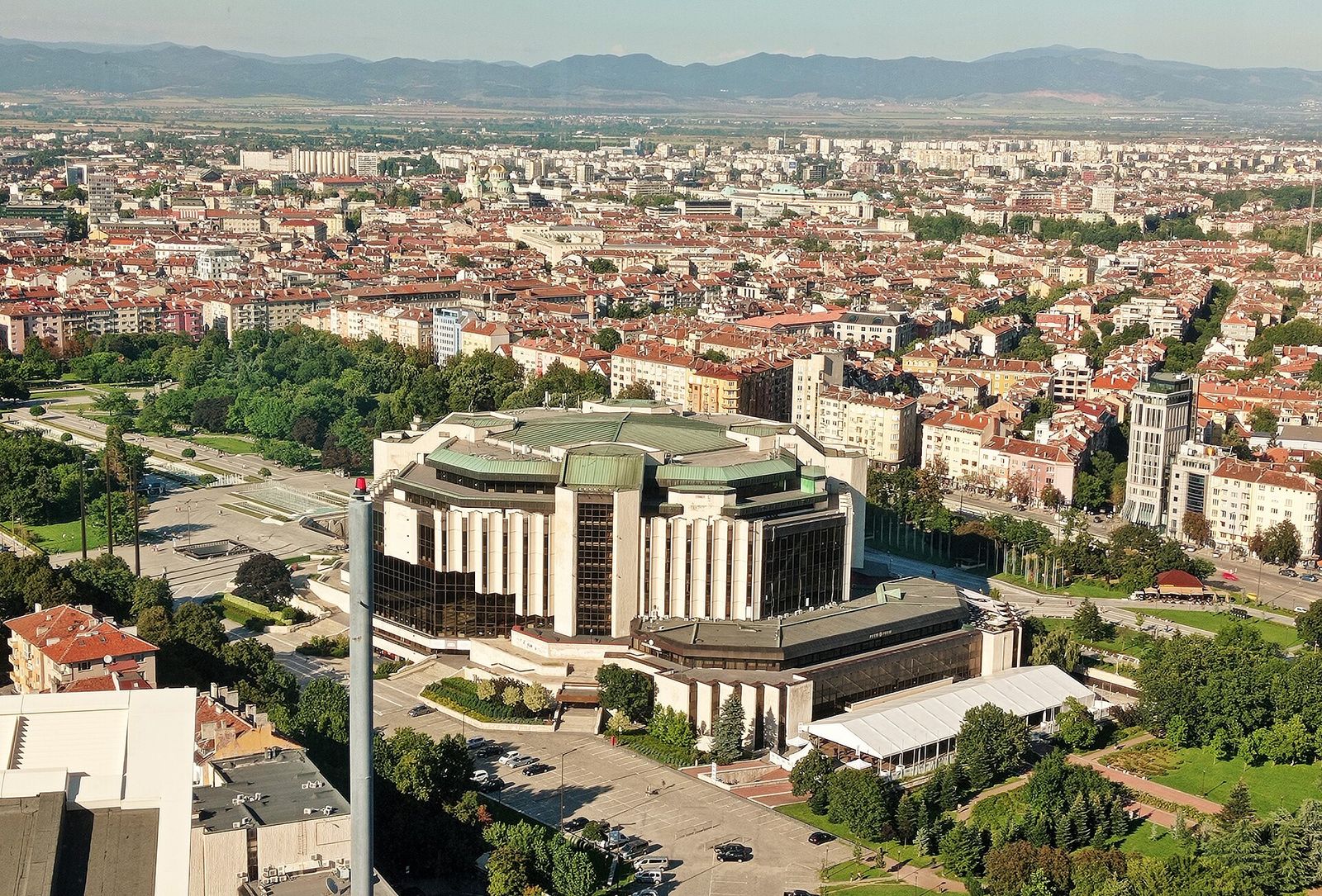
Sofia's two big film festivals both centre on the National Palace of Culture, NDK, at the southern end of Vitosha Boulevard. The Sofia International Film Festival holds its 31st edition from 11 to 21 March 2027. The 30th opened in NDK's 3,380-seat Hall 1, and the Sofia Film Fest site has the programme once it's out.
Kinomania has run every November since 1987, bringing titles from Cannes, Venice and Berlin to Sofia. Its 40th edition runs from 12 to 29 November 2026, and the Kinomania site lists the screenings. NDK sees the year out with music too: the New Year Music Festival, started in 1986 by the conductor Emil Tchakarov, runs in December and ends with a classical concert on 1 January. NDK station on metro line M2 is one stop south of Serdika.
Apollonia in Sozopol and Varna Summer on the coast
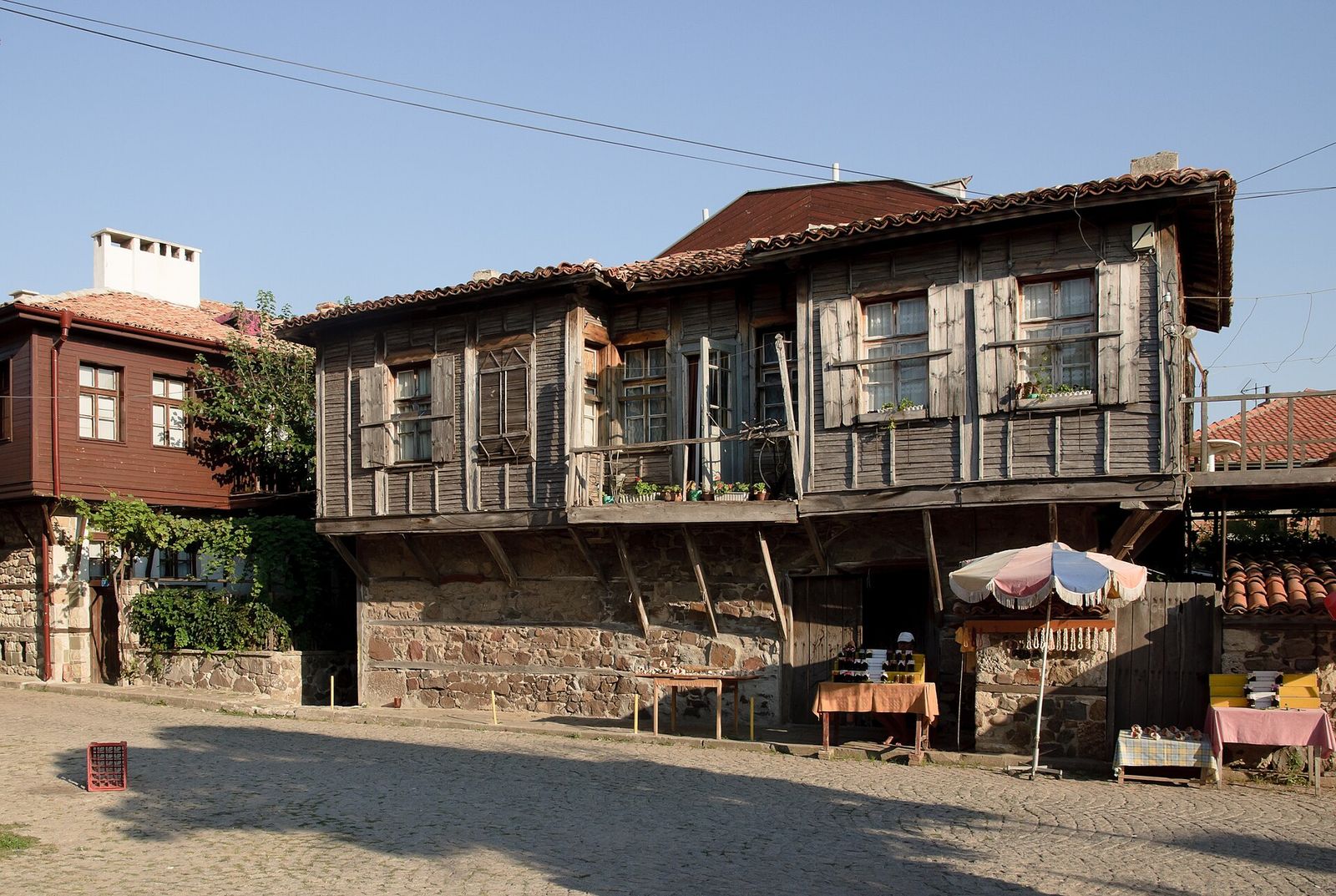
The Apollonia arts festival has filled Sozopol every September since 1984, about ten days of arts once the beach season ends. Sozopol sits 35 km south of Burgas, an old town of timber houses on a peninsula settled by Greek colonists in the 7th century BC, and September is my favourite month on the south coast. Further north, Varna Summer is one of the oldest music festivals in Europe and brings classical concerts to Varna each summer.
Bulgarian public holidays in 2027
Bulgaria has 14 public holidays, 4 of them over Easter. Banks and offices shut, and some sights close too: the icon museum in the Alexander Nevsky crypt shuts on every public holiday. Here is how they fall in 2027, from the government's holiday list.
| Date | Day in 2027 | Holiday |
|---|---|---|
| 1 January | Friday | New Year's Day |
| 3 March | Wednesday | Liberation Day |
| 30 April | Friday | Good Friday |
| 1 May | Saturday | Holy Saturday and Labour Day |
| 2 May | Sunday | Easter Sunday |
| 3 May | Monday | Easter Monday |
| 6 May | Thursday | St George's Day and Armed Forces Day |
| 24 May | Monday | Day of the alphabet, education and culture |
| 6 September | Monday | Unification Day |
| 22 September | Wednesday | Independence Day |
| 24 December | Friday | Christmas Eve |
| 25 December | Saturday | Christmas Day |
| 26 December | Sunday | Second day of Christmas |
1 November, National Awakeners Day, is a day off for schools and universities only. Sofia keeps its own city day on 17 September, when Boyana Church lets visitors in free, as it does on 18 May for International Museum Day. Boyana closes on just 4 days a year: 1 January, Easter Sunday, and 24 and 25 December.
Planning a trip around a festival from Sofia
I'd base a festival trip in Sofia and day-trip where the trains allow. Pernik and Koprivshtitsa work as days out, Kazanlak is better with a night there, and Bulgari and Sozopol belong to a week on the coast.
| Festival | When | Getting there from Sofia | Day trip? |
|---|---|---|---|
| Surva | Late January | Pernik, 30 km away by train, bus or taxi | Yes |
| Trifon Zarezan | 14 February | Sofia wine bars, or a wine village by car | Yes |
| Rose Festival | First weekend of June | About 3 hours by train to Kazanlak | Better with a night in Kazanlak |
| Nestinarstvo | 3 June | Bulgari, inland from the south coast | No, go from the coast |
| Koprivshtitsa folklore festival | August, about every 5 years | About 2 hours on the direct train, then the minibus from the station 8 km out | Yes, but book a room early in a festival year |
| Apollonia | September | Sozopol, 35 km south of Burgas | No |
| Film festivals, Easter, 24 May, Christmas | Through the year | Metro to NDK or the centre | In Sofia |
Rail days out run on Bulgaria's slow trains, so I check the BDZ timetable the night before and catch the early train.
Key takeaways
- Surva's 2027 dates aren't out yet, but recent editions opened between 16 and 26 January, so I'd keep the second half of January free.
- From 30 April to 4 May 2027, Easter and Labour Day share one long holiday, so trains and roads out of Sofia fill up.
- Kazanlak's Rose Festival should fall on 5 and 6 June 2027, and I'd stay a night in town to see the fields at dawn.
- Koprivshtitsa's folklore festival comes round about every five years, while its re-enactment of the uprising's first shot happens every 1 May.
- Staying in Sofia, I'd time a trip for 24 May, the March film festival or Kinomania in November.
Frequently asked questions
What is the biggest festival in Bulgaria?
Surva, the masquerade festival in Pernik, is the big yearly one: it calls itself the largest masquerade festival in Europe, and in 2026 about 13,000 performers and over 30 groups from abroad paraded over two weekends in late January. The national folklore festival in Koprivshtitsa drew 18,500 in 1986, but it only comes round about every five years.
What are some traditional festivals celebrated in Bulgaria?
The kukeri games in winter, Trifon Zarezan for the vines on 14 February and Baba Marta on 1 March come first in the year. Orthodox Easter, nestinarstvo fire-dancing on 3 June and the Rose Festival in Kazanlak follow, and the national folklore festival in Koprivshtitsa gathers village groups about every five years.
Is there a festival in Bulgaria in 2026?
Yes, Kinomania runs at NDK in Sofia from 12 to 29 November 2026, and Sofia's Christmas markets set up from mid to late November. The 2027 calendar opens with Surva in Pernik in late January.
What are the public holidays in Bulgaria?
Bulgaria has 14: New Year's Day, Liberation Day on 3 March, Good Friday to Easter Monday, Labour Day on 1 May, St George's Day on 6 May, 24 May, Unification Day on 6 September, Independence Day on 22 September and 24 to 26 December. A holiday on a weekend moves its day off to the next working day.
When is Easter in Bulgaria in 2027?
Orthodox Easter Sunday is 2 May 2027, with Good Friday on 30 April and Easter Monday on 3 May, all public holidays. The UK's Easter falls on 28 March that year, and in 2028 both churches celebrate on 16 April.
When is the Rose Festival in Bulgaria?
Kazanlak's Rose Festival is traditionally held on the first weekend of June, which in 2027 would be 5 and 6 June. It has run since 1903, and its week of events ends with the choice of the Queen of Roses.
What does nodding your head mean in Bulgaria?
A nod means no and a shake of the head means yes, the reverse of the UK. Some Bulgarians switch for foreigners, so I say "da" (yes) or "ne" (no) out loud, one of the habits of Bulgarian etiquette I'd learn before a festival trip.
Bulgarian Culture and Traditions: A Visitor's Guide
Nods that mean no, rakia sipped with salad and masked kukeri: the Bulgarian customs I'd want you to know before a trip.
Read the guide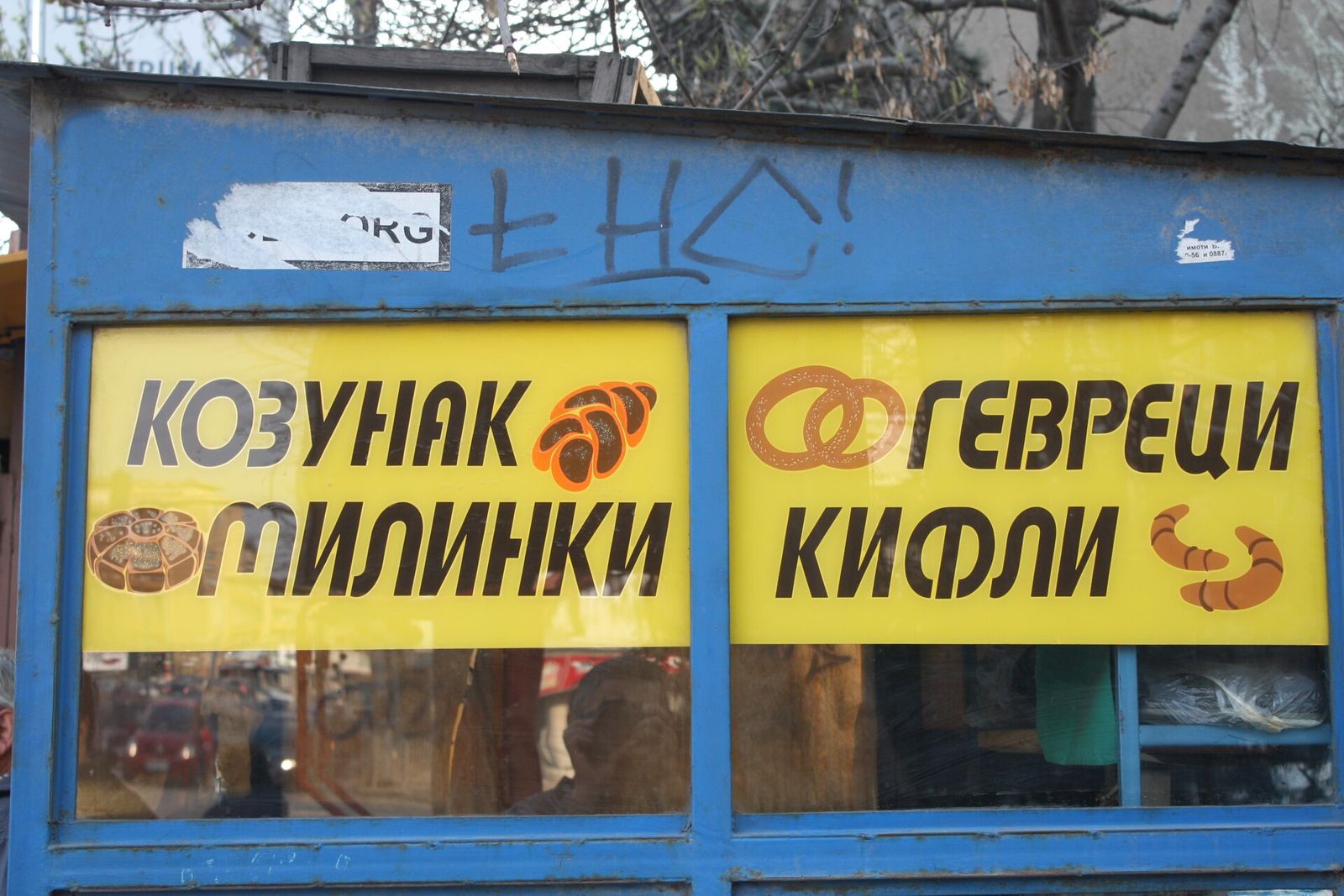
Bulgarian Phrases for Travellers: The Words I Use Every Day in Sofia
Hello, thank you, cheers and the bill: the Bulgarian words I use every day in Sofia, and how to say each one.
Read the guide
A Short History of Bulgaria (and Where to See It in Sofia)
Thracian gold to the euro: Bulgarian history era by era, and the Sofia sights where I see each chapter.
Read the guide