Vitosha Mountain: How I Get Up There and Where I Go
Vitosha is the mountain at the end of Sofia's high street, and it's the reason I'd pick this city over any other capital. Its summit, Cherni Vrah, stands at 2,290 metres, and a city bus takes you most of the way up for €0.80. Here's how I get there in 2026 now the lifts from the city are shut, the five places I pick from, the last bus down and what each season brings.
What Vitosha is: Sofia's mountain and the oldest nature park in the Balkans
Vitosha fills the southern skyline of the city. Walk down Vitosha Boulevard on a clear afternoon and the mountain closes off the view at the far end, which is where the street gets its name. The massif is 19 km long and 17 km wide, with 12 peaks over 2,000 metres and Cherni Vrah the highest of them.
Bulgaria made Vitosha a nature park in 1934, the first in the Balkans, and today it covers 266 square kilometres. Two reserves inside it date from 1935: Bistrishko Branishte, 10.61 km² holding the mountain's last natural conifer forest, and Torfeno Branishte, 7.84 km² of peat bog on the high plateau. Beech, birch, aspen and alder cover the lower slopes. Norway spruce and Bulgarian fir take over higher up, with mountain pine at the tree line, and above that it's open grass and boulders to the top.
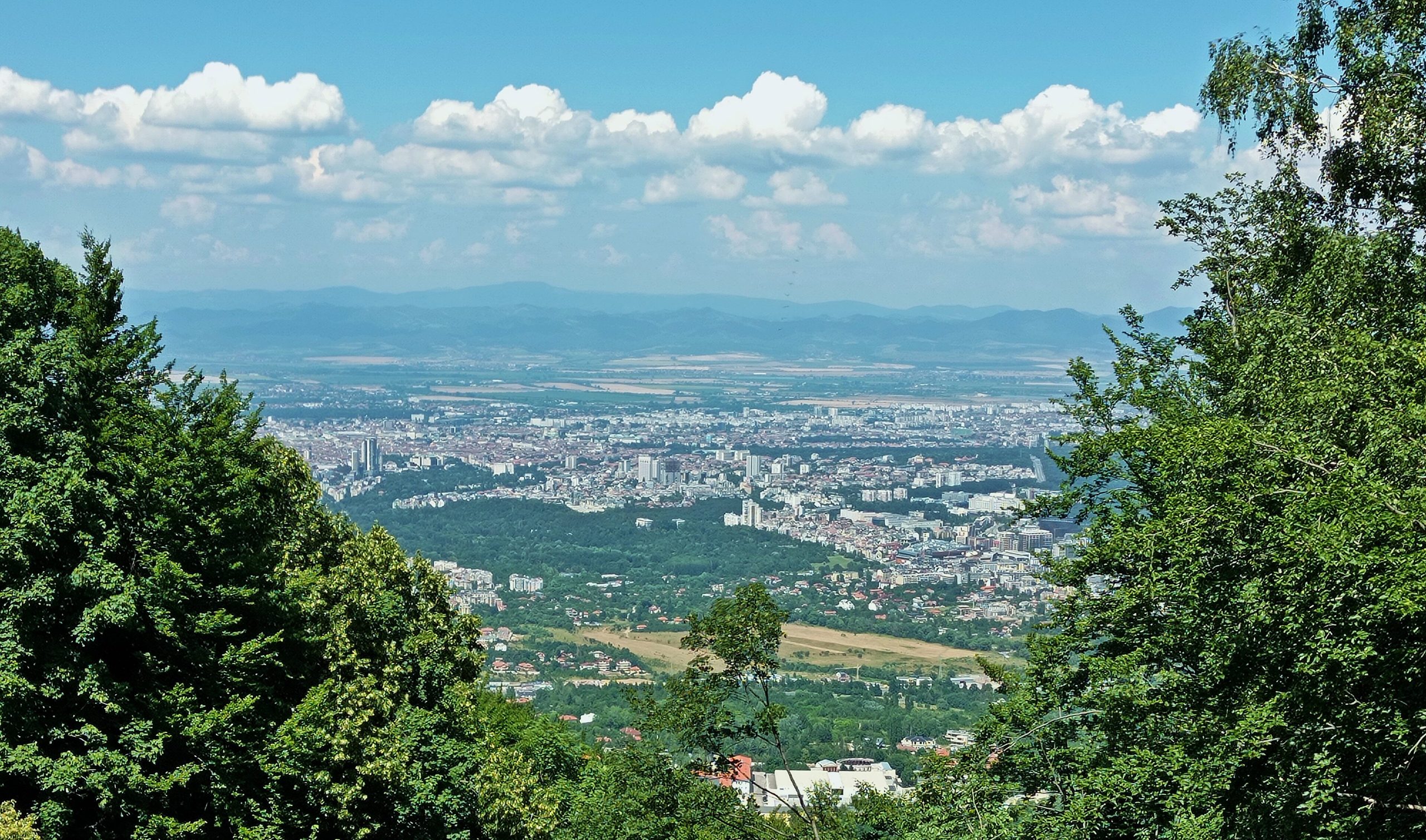
I go up when the city gets too hot or too loud. Aleko, where the bus stops, sits about 1,200 metres higher than the centre. On a clear day you look straight down on the city and out across the plain, one of my favourite views of Sofia. Hiking Vitosha is number 10 on my list of favourite things to do in Sofia, and it's the one I do most often.
How to get to Vitosha from Sofia in 2026
Vitosha's lifts from the city in 2026: both out of action
Vitosha used to have two lifts up from the edge of the city. Neither runs in 2026. The Simeonovo gondola, which carried people from the south-east of Sofia up to Aleko, stopped in 2023 and won't reopen: its owner says there are no parts to fix it. Sofia's mayor has put the cost of modernising the mountain's lifts at €100 million to €150 million, so I wouldn't plan a trip around a replacement.
The chairlift from Dragalevtsi up to Goli Vrah is marked "not working" by the nature park itself, so the bus is the way up. In summer, the Vitoshko Lale 1 and 2 chairlifts in the Aleko ski area open for hikers and cyclists on Saturdays, Sundays and public holidays (the 2026 season opened on 6 June), and bus 66 is how you reach them.
Bus 66 from Vitosha metro to Aleko
Bus 66 is the mountain bus. It starts at Sofia Zoo in the south of the city, calls at Vitosha metro station by Paradise Center, and climbs the mountain road to Aleko. Since 15 February 2025 it has run all the way to the Aleko hut, with a request stop at Hotel Moreni on the way. It runs every day.
Vitosha station is the southern end of metro line M2, so from Serdika in the centre it's a straight run south with no change. Tap a contactless bank card at the metro barrier and again when you board the bus. A single fare is €0.80.
For departure times I use the timetables on Sofia's public transport site, the night before I go.
Which bus for which part of the mountain
Aleko and Golden Bridges are the two stops high on the mountain. Boyana and Dragalevtsi are old villages at its foot, where the trails start.
| Where you're going | What's there | Bus | Where it starts |
|---|---|---|---|
| Aleko, 1,810 m | The hut, the ski slopes, the path to Cherni Vrah | 66 | Sofia Zoo, calling at Vitosha metro |
| Golden Bridges, 1,410 m | The stone river | 63 | Tsar Boris III Blvd, stop 2543, at Akad. Ivan Geshov Blvd |
| Boyana | Boyana Church, the waterfall trail | 65 | Krasno Selo metro (M3) |
| Dragalevtsi | Dragalevtsi Monastery | 64, 93 or 98 | Sofia Zoo |
Bus 63 calls at Boyana on its way up to Golden Bridges, so one bus links the waterfall trail and the stone river.
The last bus down from Vitosha
This is the one number I'd write on the back of your hand. The last bus leaves the mountain at 8pm from April to October and at 5.45pm from November to March.
Getting to Vitosha by taxi or car
A taxi skips the timetable. Licensed cabs in Sofia charge between €0.73 and €1.24 a kilometre by day, so read the rate on the window sticker before you get in. For the way back I book a car through a taxi app before I leave the hut.
With a hire car, the same mountain roads take you up to Aleko and Golden Bridges. I still prefer the bus on a weekend, because the road up is slow and twisty and someone else does the driving.
Where to go on Vitosha: the five places I pick from
Vitosha is far too big for one day, so I pick one area per trip. These are the five I go back to, from Aleko and the summit down to the foothills.
Aleko, the bus stop at 1,810 metres
Aleko is where bus 66 drops you: a cluster of mountain huts and ski lifts in the spruce forest. I start most mountain days at the Aleko hut with a coffee and finish them with a beer while I wait for the bus.
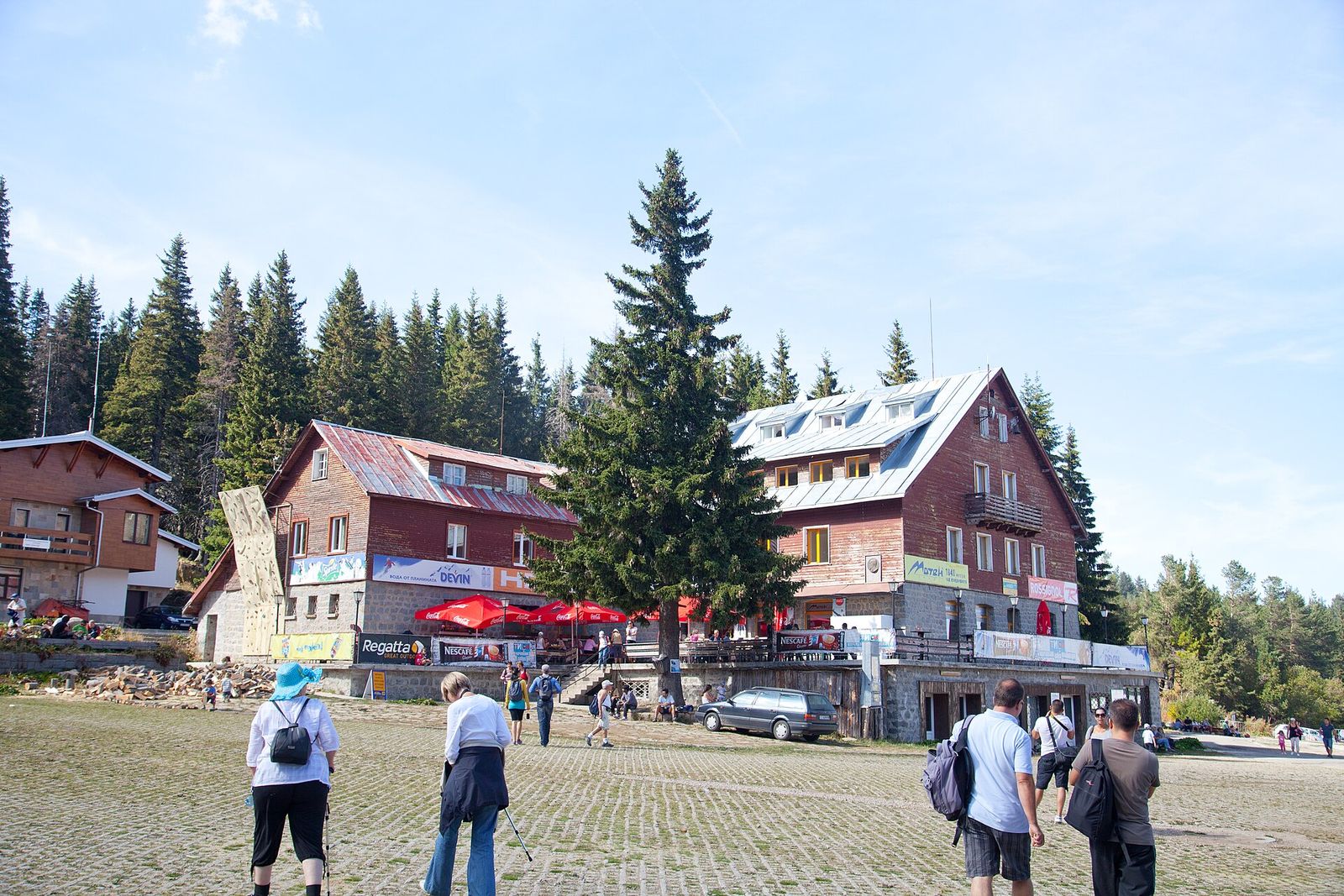
Marked paths lead from here up to Cherni Vrah and across the high plateau, and in winter the slopes around the hut are Sofia's ski area. If all you want is mountain air, get off the bus, walk an hour on the open slopes above the hut and catch a later bus down. It's the cheapest €1.60 day out I know.
Cherni Vrah, the summit at 2,290 metres
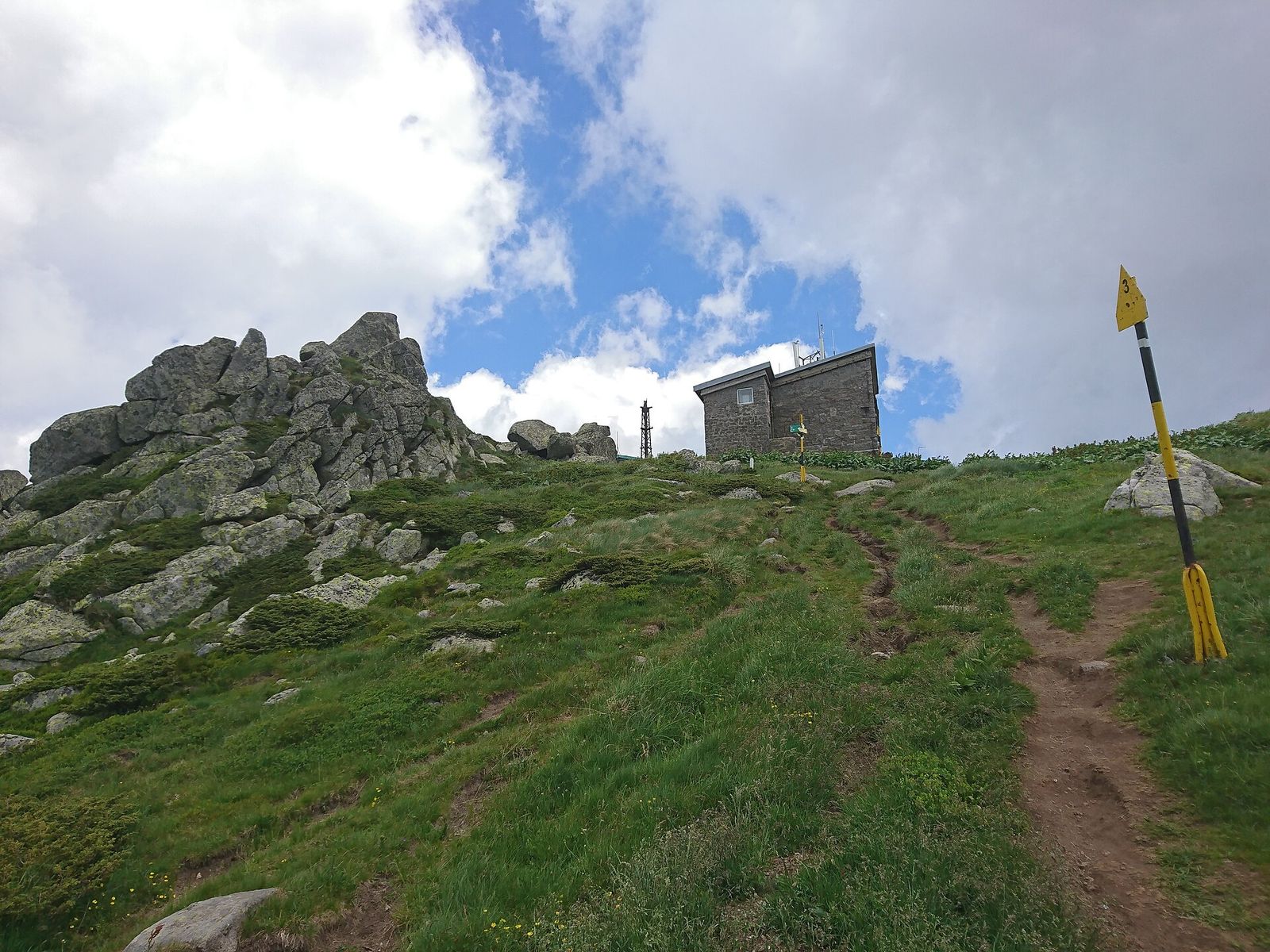
Cherni Vrah means Black Peak. It's the top of Vitosha. From Aleko it's 3 km on a marked path with about 480 metres of climbing, which takes me about 1.5 to 2 hours up. The path is a steady climb over grass and rock, with marker poles to follow when the cloud comes in.
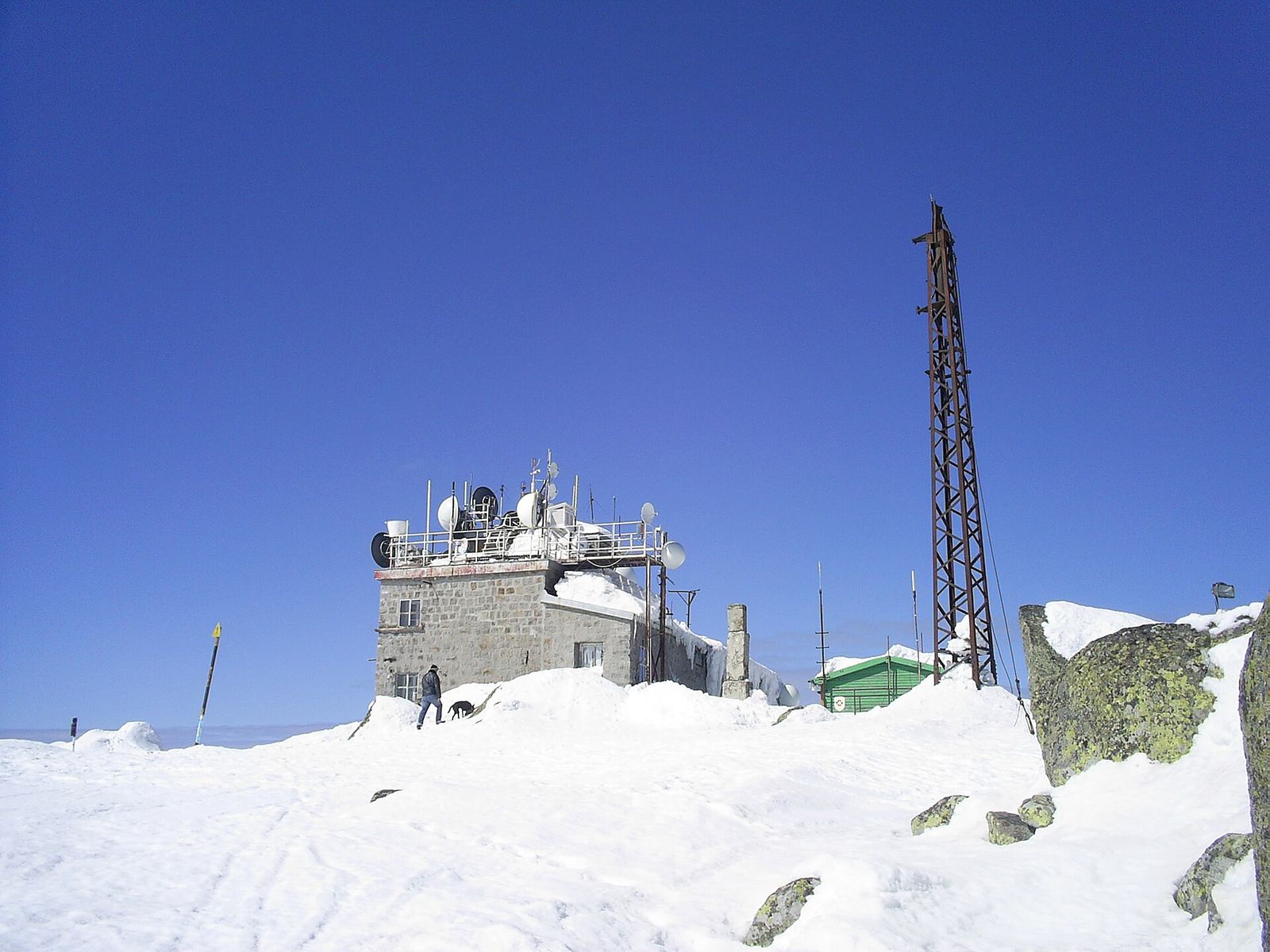
A stone weather station from 1935 stands on the top. It doubles as a shelter for hikers and a base for mountain rescue, and its cafe serves hot food all year: bean soup is my order. East of the station a bell hangs in a metal frame, and hikers ring it when they arrive.
There are longer ways up Cherni Vrah, from Golden Bridges and from the village of Zheleznitsa. From Aleko is the one I'd pick for a first time, because the bus has already done most of the climbing for you.
Golden Bridges (Zlatnite Mostove), the stone river
Golden Bridges is where I take friends who don't hike. It's a stone river. A ribbon of huge boulders, 2.2 km long and up to 150 metres wide, runs down the valley of the Vladayska River from about 1,800 metres to 1,410 metres, where the bus stops. The name comes from the golden lichen on the rocks, and you'll see it written Златните мостове on signs.
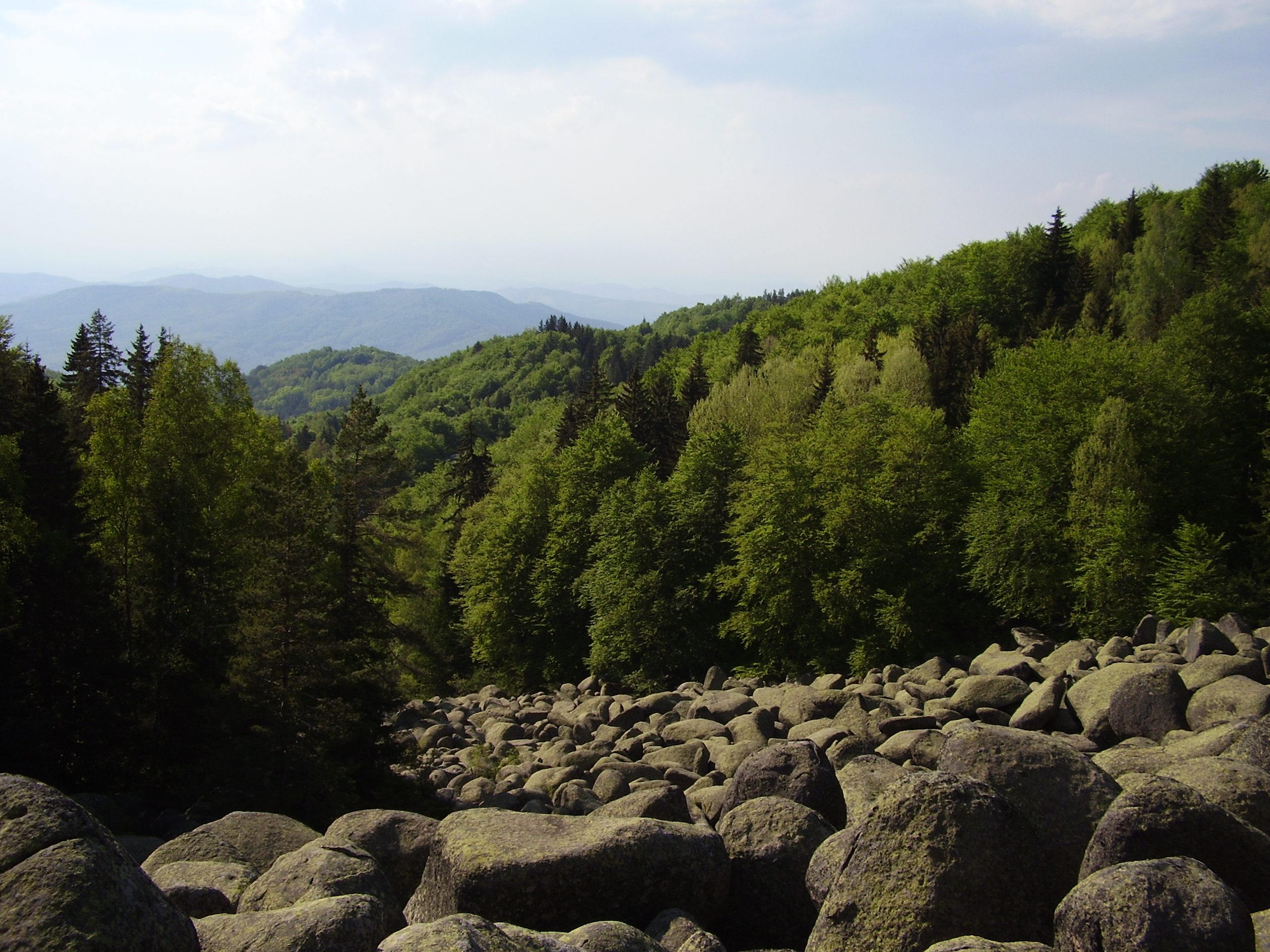
You hop from boulder to boulder for as long as you like, then follow the paths into the forest along the river. It's 400 metres lower than Aleko and sheltered by the trees, so it's my pick on a windy day or with children, who treat the boulders as a giant climbing frame.
Boyana Waterfall, above Boyana Church
At 25 metres, Boyana Waterfall is the highest on Vitosha, dropping down the Boyana River to a base at 1,260 metres. The trail climbs through the forest from the Boyana neighbourhood and takes about 3 hours up. If that's more than you want, get a taxi to Kopitoto, the TV mast above Boyana, and it's about an hour's walk from there.
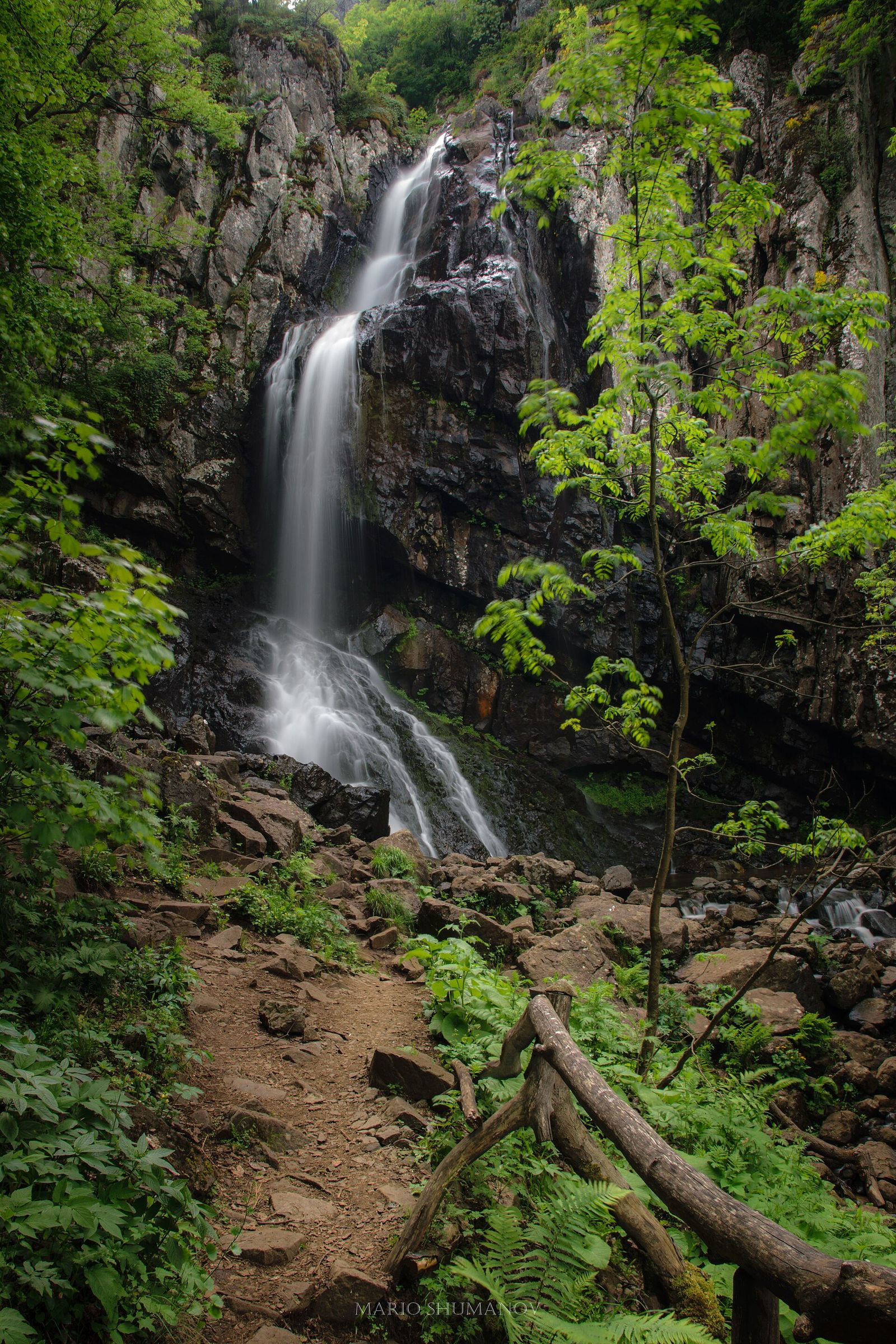
In a cold winter the fall freezes in its shady valley and ice climbers rope up on it. The trail starts in the same neighbourhood as Boyana Church's 1259 frescoes, my favourite €10 in Sofia. The National History Museum at Boyana is about 10 minutes' drive from the church.
Dragalevtsi Monastery in the foothills
Tsar Ivan Alexander founded Dragalevtsi Monastery in 1345, in the forest on the lower slopes about 3 km south of the old village of Dragalevtsi. Its small church, 12 metres by 5, still has frescoes from 1475 and 1476 on its west front: the warrior saints Demetrius, George and Mercurius.
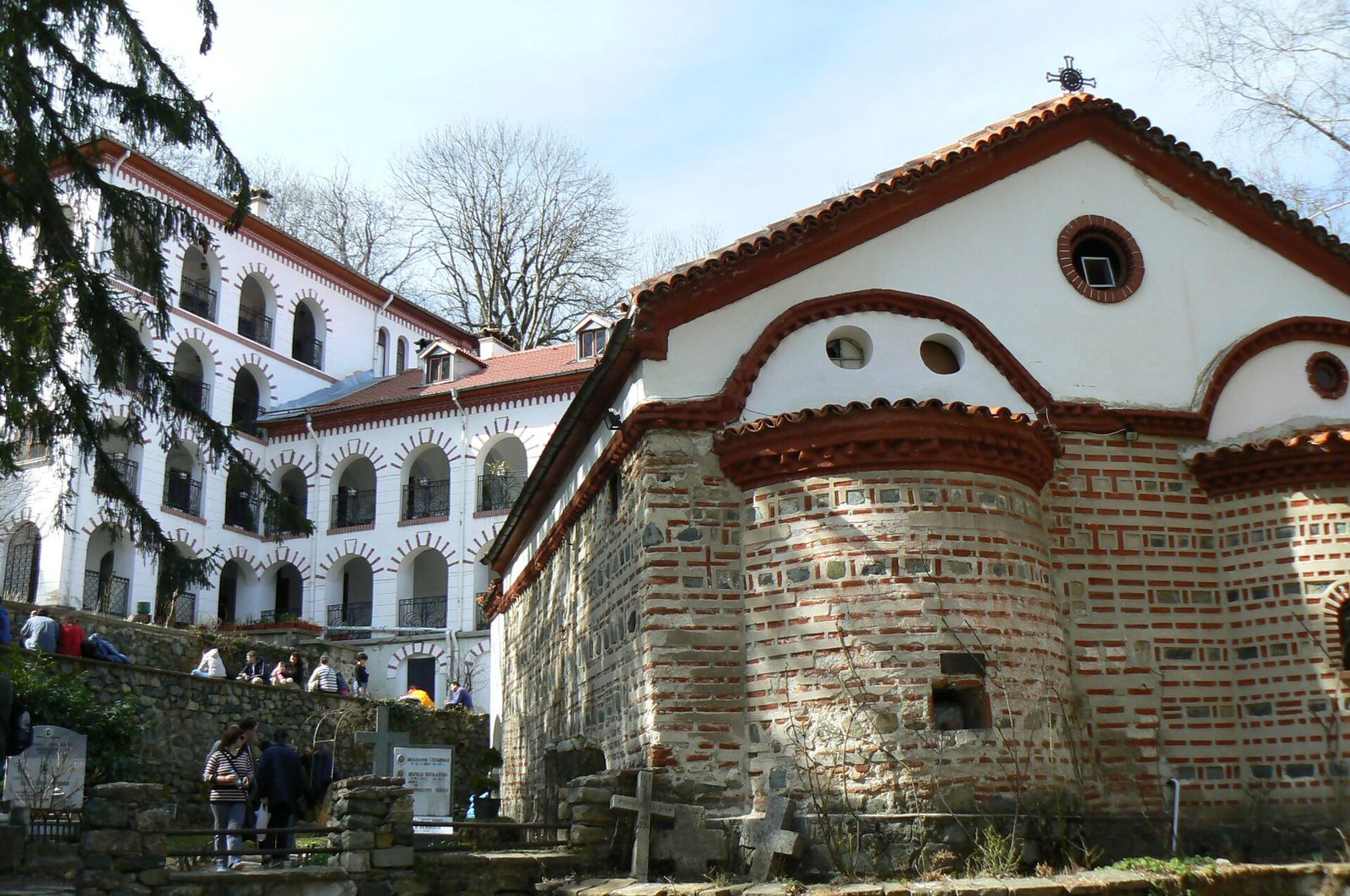
In the 19th century Vasil Levski, Bulgaria's national hero, used the monastery as a base while he built his secret network against Ottoman rule. Nuns live here today, so I keep my voice down and my shoulders covered.
Buses 64, 93 and 98 run from Sofia Zoo to Dragalevtsi, and from the village it's an uphill walk or a short taxi to the gate. Bus 93 also runs to the bottom station of the Dragalevtsi chairlift, but the lift is out of action, so don't count on riding it any higher.
My Vitosha day plans
These are the three days I plan for friends, depending on how much walking they want. None of them costs more than €2 in fares if you tap the same card all day.
| Plan | How I get there | The walking | Best for |
|---|---|---|---|
| Golden Bridges half day | Bus 63 from Tsar Boris III Blvd, or a taxi | Boulder-hopping and forest paths, as long as you like | Non-hikers, children, windy days |
| Summit day | M2 to Vitosha station, then bus 66 to Aleko | 3 km and about 1.5 to 2 hours up to Cherni Vrah, the same path down | Anyone with decent shoes and a clear day |
| Boyana day | Bus 65 or a taxi | Boyana Church, then about 3 hours up to the waterfall, or 1 hour from Kopitoto | Art and history plus a forest walk |
For a weekend, I put the mountain on Sunday after a Saturday in the old centre, which is how my perfect weekend in Sofia runs. Longer routes across the mountain, and the day hikes from Sofia in the Iskar Gorge and Rila, need an early start and a full day.
Vitosha in each season
I go up in every month of the year, though not always to the same place.
Spring and summer on Vitosha
Summer is the easiest season for the Cherni Vrah path, with dry ground and light until the 8pm bus. In July and August I go up to get away from the city heat, and I still pack a fleece for the summit.
Autumn on Vitosha
October is my favourite month on the mountain. The beech, birch and aspen on the lower slopes turn yellow and copper, and the forest roads around Golden Bridges and Dragalevtsi are at their best.
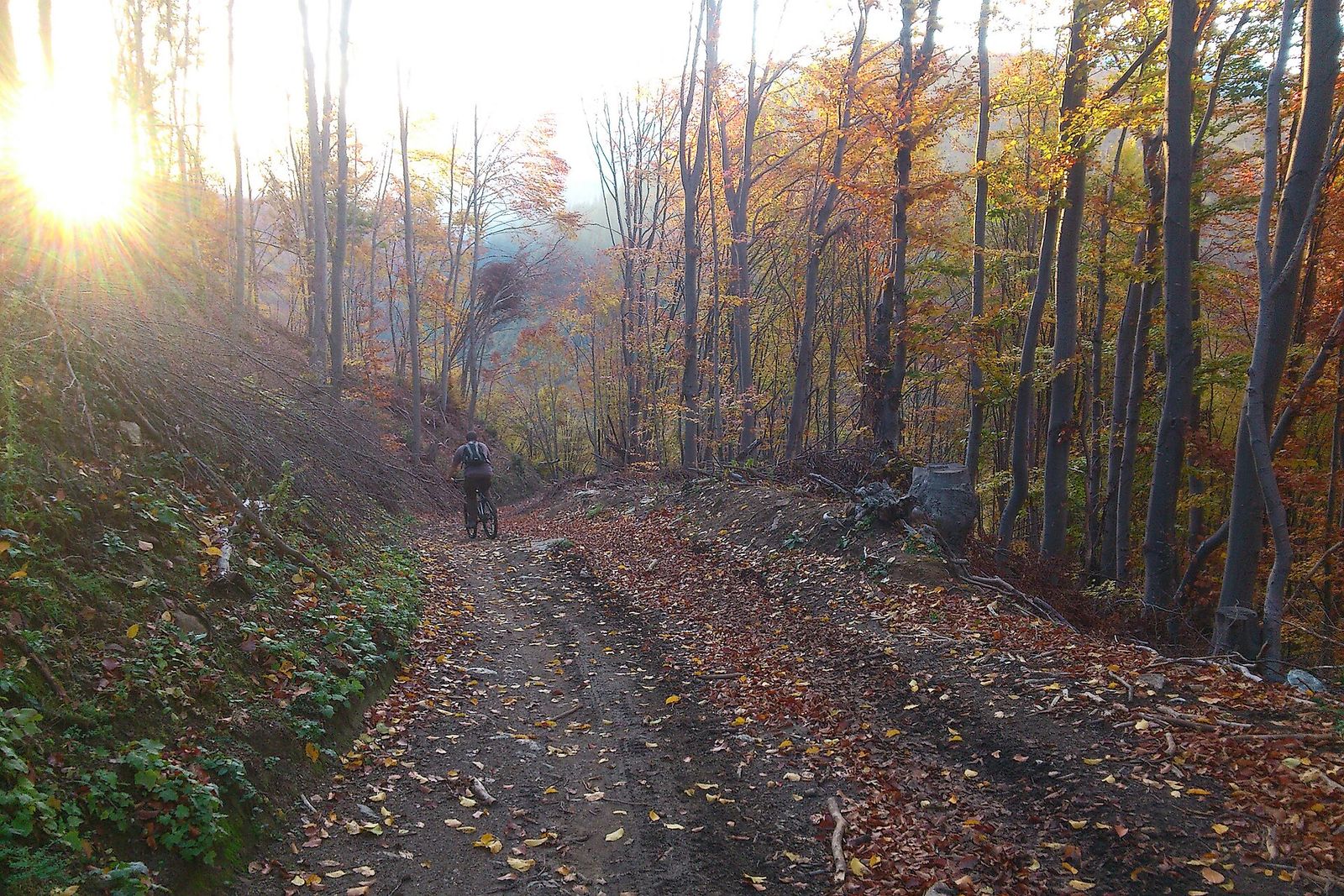
If you're choosing when to visit Sofia with the mountain in mind, I'd pick late September or October. Remember the timetable flips on 1 November, when the last bus moves to 5.45pm.
Winter on Vitosha
From November to March the snow arrives and the days get short. The runs around Aleko have several chairlifts and drag lifts, and in the 2025 to 2026 season the first of them were open by mid-January. Vitoshko Lale 1 also had floodlit skiing from 6.30pm to 10pm, Tuesday to Friday, long after the last bus, so evening skiing means a taxi or a car home. The summit path turns into a snow walk that needs proper boots.
I'd ski Vitosha for an afternoon, but for a full ski weekend I'd head to Borovets in the Rila mountains. On a snowy day without skis, Golden Bridges and the forest around it are the prettiest part of the mountain.
What to bring up Vitosha
I get there on a city bus, but I pack for a mountain. This is what goes in my bag.
- A warm layer and a waterproof. The summit is open ground above the tree line, with nothing to stop the wind.
- Proper shoes. The summit path and Golden Bridges are rock and boulders, so trainers with real grip are the minimum and boots are a must in snow.
- Water and snacks. The huts at Aleko and the cafe on the summit sell food and drink, and I carry my own for the walk between them.
- Some cash in euros. I wouldn't count on a card machine in a mountain hut.
- The bus times. I screenshot the last 66 or 63 down before I leave the city.
- A head torch in winter. In December and January the light goes before the last bus does.
Key takeaways
- Bus 66 from Vitosha metro or Sofia Zoo to Aleko is the way up in 2026, for €0.80 a ride, because neither lift from the city runs.
- The last bus down leaves at 8pm from April to October and at 5.45pm from November to March.
- Cherni Vrah, at 2,290 metres, is 3 km and about 1.5 to 2 hours on foot from Aleko.
- Golden Bridges, on bus 63, and Boyana Waterfall make gentler days, and Dragalevtsi Monastery dates from 1345.
- October is my favourite month on Vitosha, and in winter the runs around Aleko become Sofia's ski area.
Frequently asked questions
Is Vitosha mountain worth visiting?
Yes, if you have a spare half day. For €0.80 on bus 66 you go from the city to 1,810 metres, and the summit is about 2 hours' walk from there. I'd only change plans when the top is in cloud, and then I'd go to Golden Bridges instead.
How long does it take to climb Vitosha mountain?
From Aleko, the bus stop at 1,810 metres, Cherni Vrah takes about 1.5 to 2 hours up on a 3 km marked path. Allow a full day from the city with the bus rides and the walk back down. The trail from Boyana up to Boyana Waterfall takes about 3 hours on its own.
How do I get from Sofia to Vitosha mountain?
Take metro line M2 to Vitosha station, then bus 66 to Aleko, at €0.80 a fare and never more than €2 a day on one contactless card. Bus 63 goes to Golden Bridges, and bus 65 goes from Krasno Selo metro to Boyana at the foot of the mountain. A taxi works too, at €0.73 to €1.24 a kilometre by day.
Is there a cable car up Vitosha?
Not from the city. The Simeonovo gondola to Aleko stopped in 2023 and won't reopen, and the Dragalevtsi chairlift is out of action, so bus 66 does the job for €0.80. Higher up, the Vitoshko Lale chairlifts at Aleko carry hikers and cyclists at weekends and on public holidays in summer.
Can you ski on Vitosha?
Yes, around Aleko, where the first runs of the 2025 to 2026 season were open by mid-January. Chairlifts and drag lifts work the slopes by the hut, Vitoshko Lale 1 had floodlit evening skiing from Tuesday to Friday, and it suits an afternoon on skis. For a week of skiing I'd go to Borovets or Bansko instead.
Do you have to pay to enter Vitosha Nature Park?
No, there's no ticket or gate for Vitosha Nature Park. Your only costs are the bus fare, €0.80 a ride, and whatever you eat at the huts.
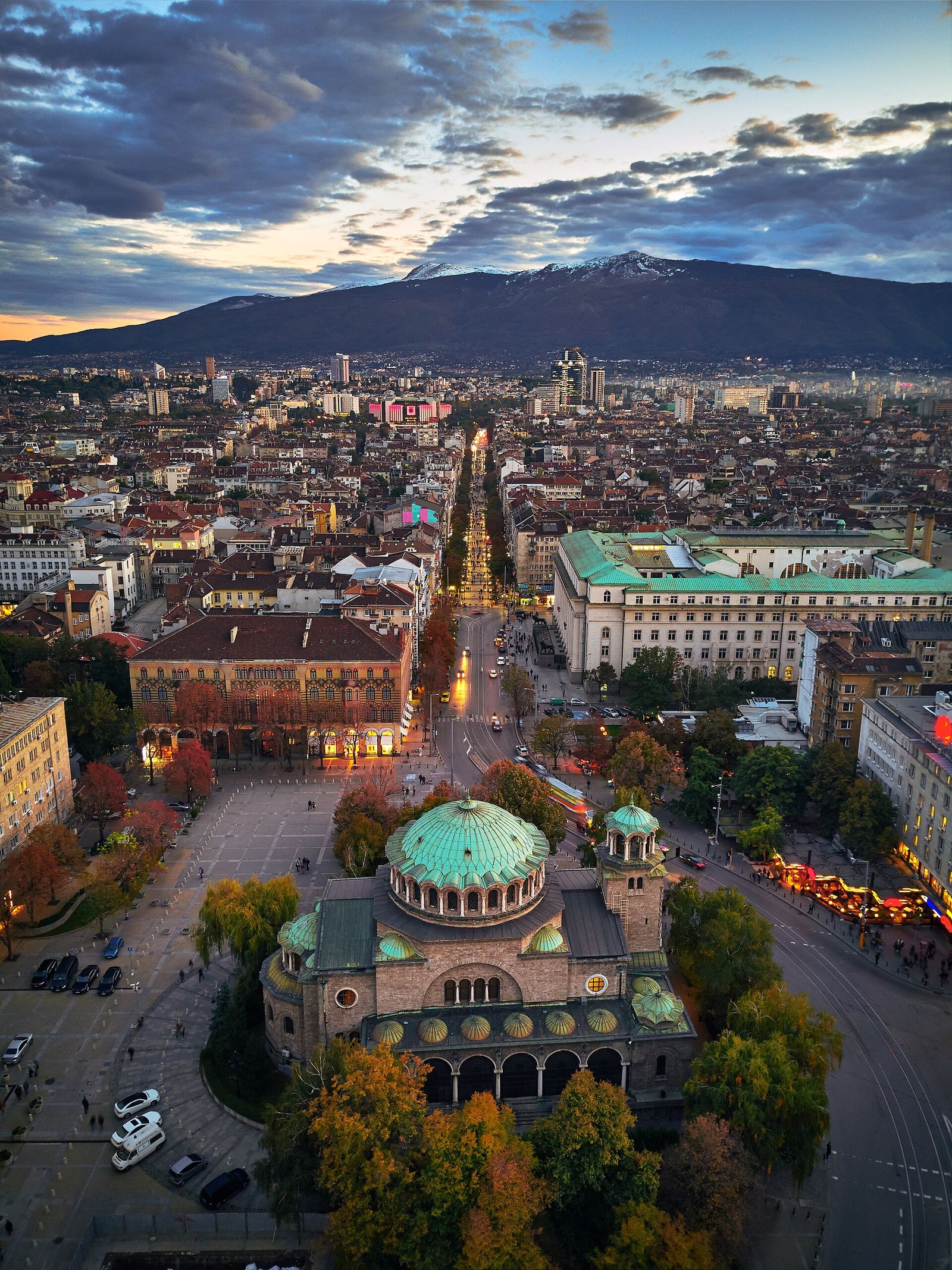
11 Best Things to Do in Sofia: My Personal Favourites
The best sights in Sofia sit close together and most are free. My 11 favourites, with prices, hours and a weekend plan.
Read the guide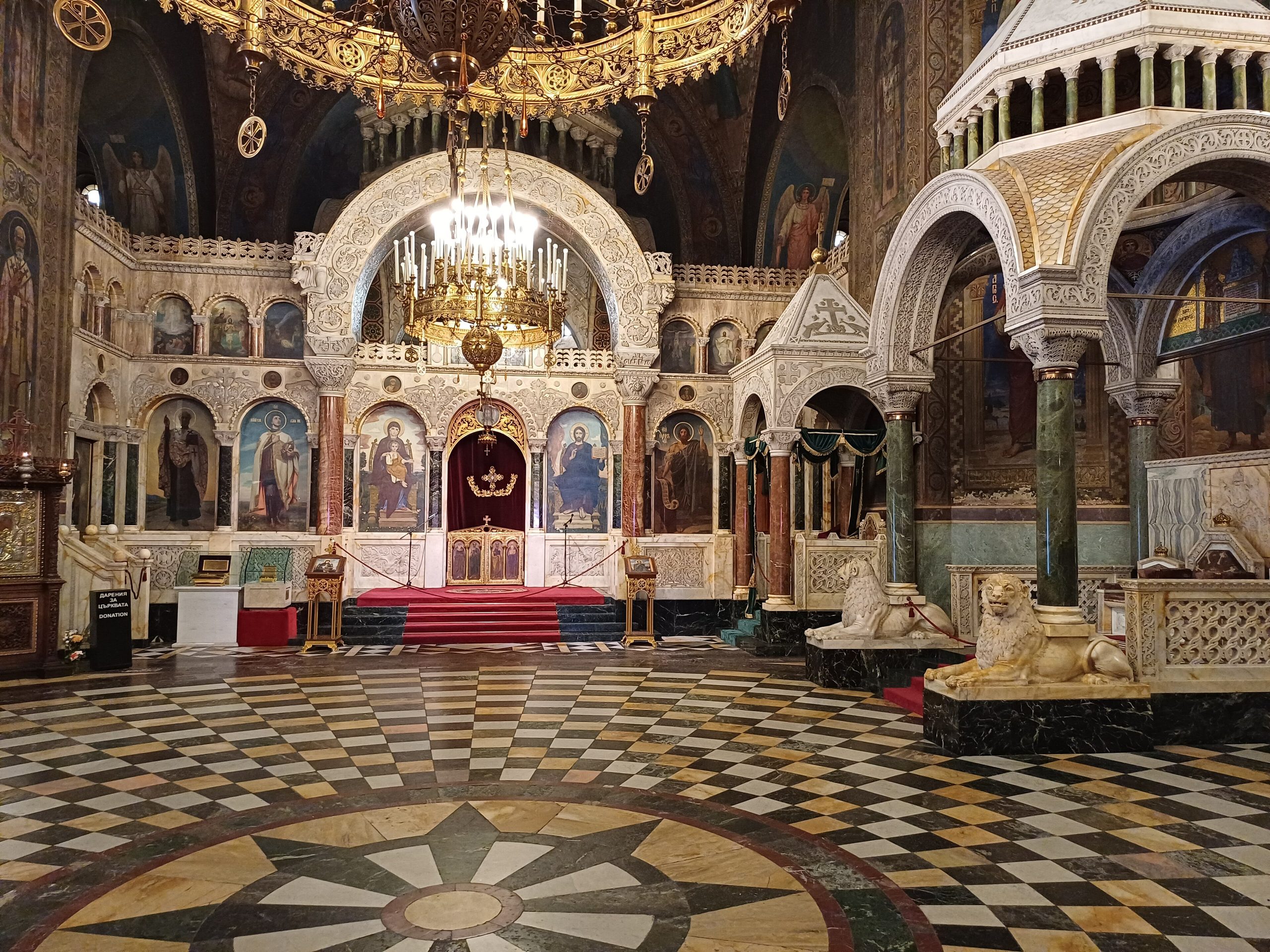
Alexander Nevsky Cathedral in Sofia: My Guide to Visiting
Sofia's gold-domed cathedral is free and open every day. How I visit it, from the crypt icons to the market outside.
Read the guide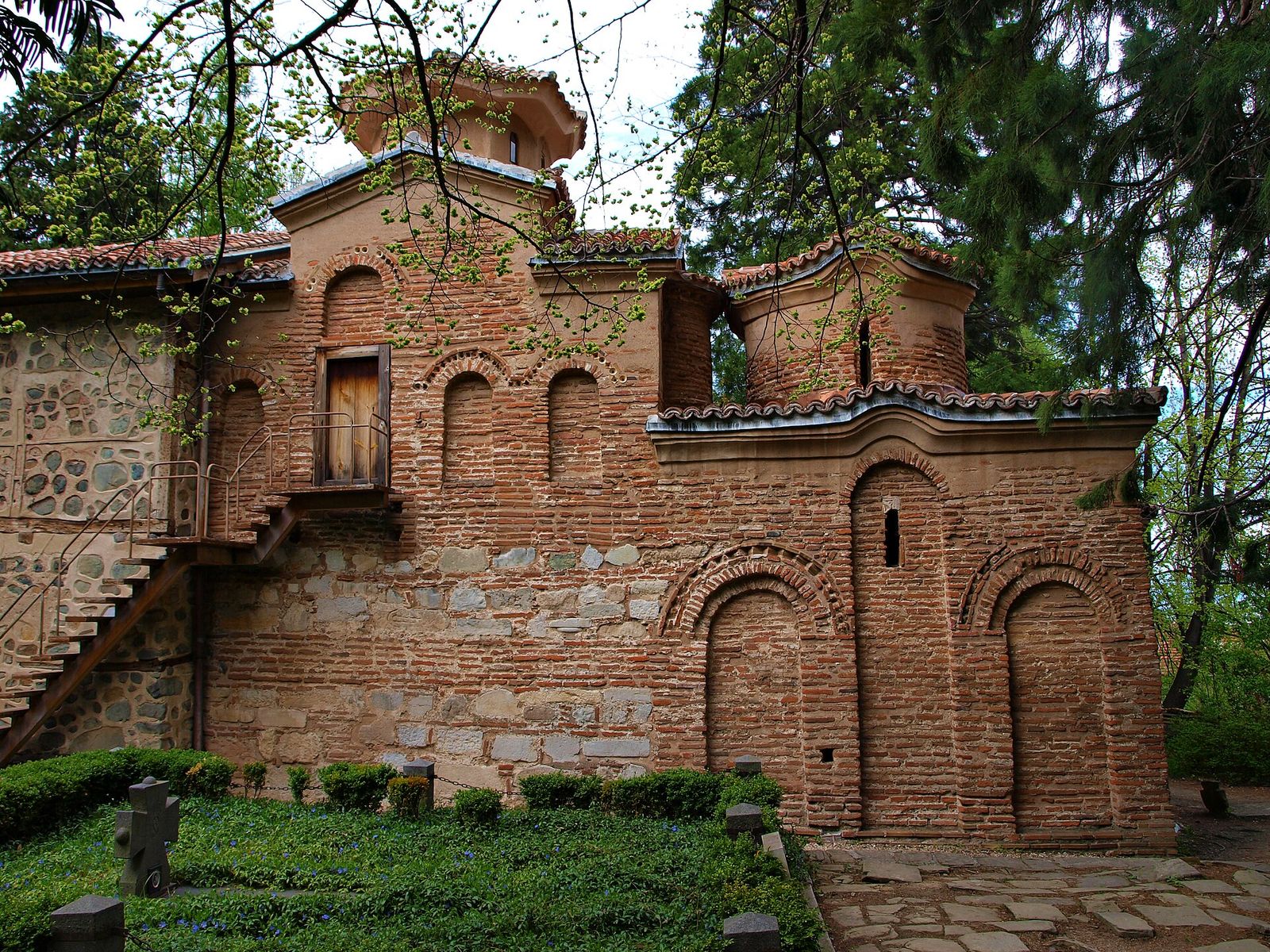
Boyana Church in Sofia: The Frescoes and How I'd Visit
A tiny UNESCO church at the foot of Vitosha, painted in 1259. What it costs, the rules and how I fit it in.
Read the guide