My Bulgaria Itinerary: 7 Days by Bus and Train, or 10 by Car
Bulgaria's two best old towns, Plovdiv and Veliko Tarnovo, sit about 2 and 3 hours from Sofia by bus, and Rila Monastery is about 2 hours south by car. This is the route I give friends with a week or more: Sofia, Plovdiv and Veliko Tarnovo by bus and train in 7 days, or 10 days with a hire car that adds the Seven Rila Lakes, Buzludzha and Koprivshtitsa. Every leg is timed, with costs in euros.
My Bulgaria itinerary at a glance: 7 days or 10 days
Both versions start and finish at Sofia Airport, so one return flight from the UK covers either. The 7-day route runs east through Plovdiv to Veliko Tarnovo and comes home on one coach. The 10-day route adds the Rila Mountains south of Sofia, Kazanlak and Buzludzha between Plovdiv and Veliko Tarnovo, and Koprivshtitsa on the way back.
| Day | 7 days by bus and train | 10 days with a hire car |
|---|---|---|
| 1 | Sofia: the centre on foot (sleep in Sofia) | Sofia: the centre on foot (Sofia) |
| 2 | Rila Monastery by bus and taxi (Sofia) | Boyana Church and Vitosha (Sofia) |
| 3 | Bus or train to Plovdiv, the Old Town (Plovdiv) | Collect the car, Seven Rila Lakes, Rila Monastery (Rila Monastery) |
| 4 | Bachkovo Monastery, then Kapana (Plovdiv) | Drive to Plovdiv, the Old Town (Plovdiv) |
| 5 | Bus to Veliko Tarnovo, Tsarevets (Veliko Tarnovo) | Bachkovo and Asen's Fortress, then Kapana (Plovdiv) |
| 6 | Varosha, Samovodska Charshiya, Trapezitsa (Veliko Tarnovo) | Kazanlak, Shipka and Buzludzha (Veliko Tarnovo) |
| 7 | Coach back to Sofia, fly home | Tsarevets and the old town (Veliko Tarnovo) |
| 8 | Drive to Koprivshtitsa (Koprivshtitsa) | |
| 9 | Koprivshtitsa, then back to Sofia (Sofia) | |
| 10 | A last morning in Sofia, fly home |
If anyone in your group drives, I'd pick the 10 days. A car turns Rila, Bachkovo and Buzludzha from awkward days into easy ones. Without one, the 7 days still gets you Plovdiv's Roman theatre and Tsarevets, and every long leg is a bus or a train you can buy at the window.
Buses, trains and drive times between the stops
Buses are quicker than trains on most of these routes. Sofia's Central Bus Station and Central Railway Station stand side by side on Maria Luiza Boulevard, and almost every leg out of the capital starts there.
| Leg | How | Time | Cost each way |
|---|---|---|---|
| Sofia to Blagoevgrad, for Rila | Bus, about hourly | About 2 hours | Under €10 |
| Blagoevgrad to Rila Monastery | Taxi, 41 km | Under an hour | Agreed with the driver |
| Sofia to Plovdiv | Bus | About 2 hours | €8.50 to €11 |
| Sofia to Plovdiv | Train, usually with a change | About 3 hours | About €5.60 |
| Plovdiv to Asenovgrad, for Bachkovo | Train, about hourly, then a 10 km taxi | Under 30 minutes on the train | Buy at the station |
| Plovdiv to Veliko Tarnovo | Direct bus | About 3 hours | Buy at the bus station |
| Veliko Tarnovo to Sofia | Coach to Central Bus Station | About 3 hours | Buy at the bus station |
BDZ train fares change with the day and the time, so I check the BDZ timetable before any rail leg. Trains in Bulgaria are slow but roomy, and on the Plovdiv line the train costs €3 to €5 less than the bus for up to an extra hour.
On the main car route, the longest leg is Rila Monastery to Plovdiv at about 3.5 hours.
| Leg | Distance | Driving time |
|---|---|---|
| Sofia to the Seven Rila Lakes chairlift | About 95 km | 1.5 to 1.75 hours |
| Chairlift to Rila Monastery | About 90 km | About 2.5 hours |
| Rila Monastery to Plovdiv | About 280 km | About 3.5 hours |
| Plovdiv to Kazanlak | About 100 km | About 1.75 hours |
| Kazanlak to Buzludzha | About 25 km | About 40 minutes |
| Buzludzha to Veliko Tarnovo | About 75 km | About 1.75 hours |
| Veliko Tarnovo to Koprivshtitsa | About 185 km | About 3 hours |
| Koprivshtitsa to Sofia | About 110 km | 1.5 to 2 hours |
Bulgaria drives on the right, with dipped headlights on day and night, and the traffic police fine on the spot. Lock the car while you pay at a petrol station. I'd collect the car on the morning of Day 3, because Sofia's first two days need nothing more than the metro and a taxi to Boyana, and getting around Bulgaria by car only pays off once you leave the capital.
Days 1 and 2: Sofia
The M4 metro runs from beside Terminal 2 into the centre in about 20 minutes for €0.80, and tapping a contactless card on the city's metro, trams and buses caps your spend at €2 a day.
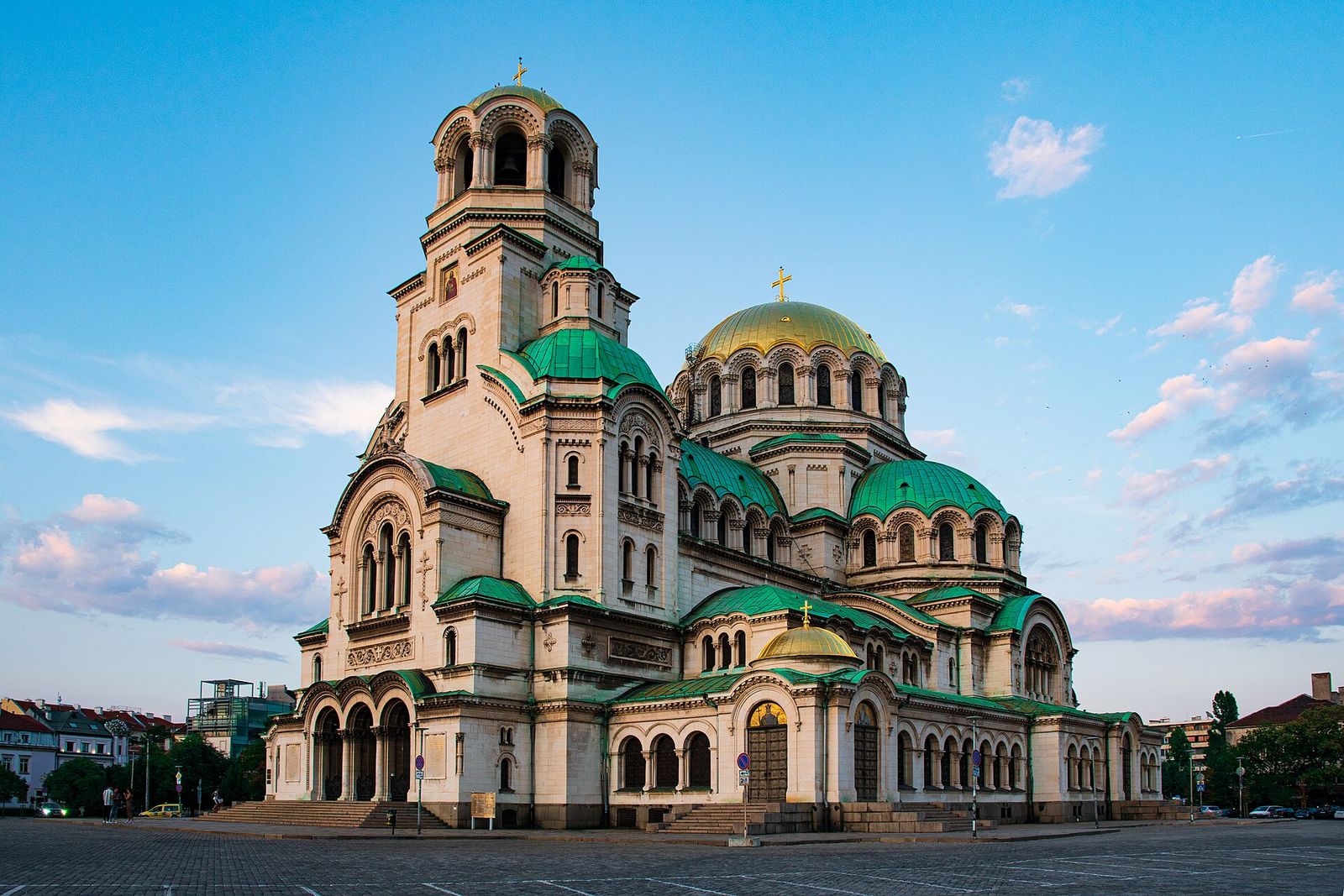
Day 1 is the centre on foot, and nothing on it needs a ticket: Alexander Nevsky Cathedral, the Roman streets of Serdica in the metro concourse, the hot mineral springs where locals fill their bottles, then a sunset walk down Vitosha Boulevard. It's the same first day as my weekend in Sofia, and it fits between a midday landing and dinner.
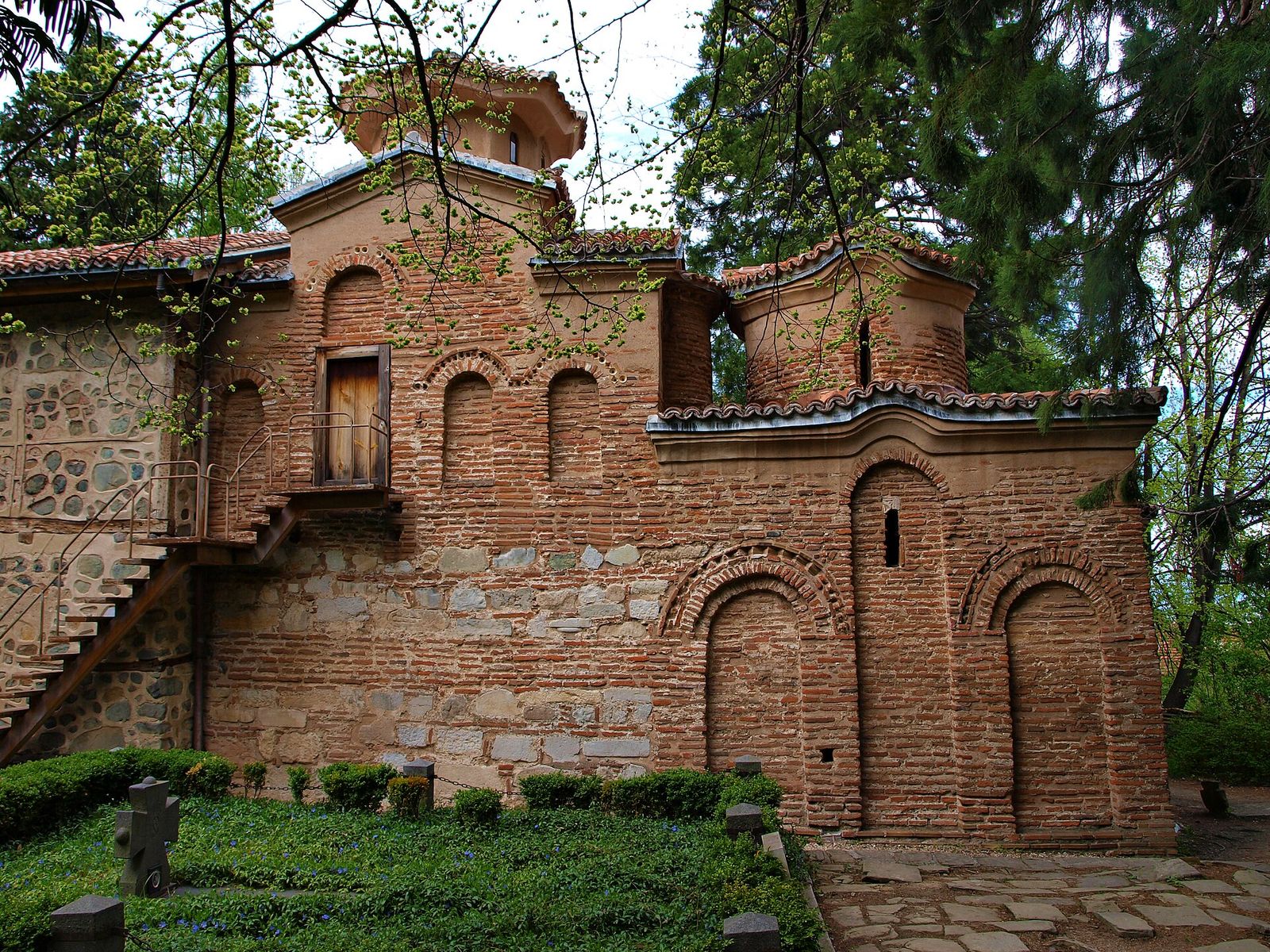
On the 7-day route, Day 2 goes to Rila Monastery. On the car route, it goes to Boyana Church, a tiny UNESCO-listed church at the foot of Vitosha whose main frescoes date from 1259. Tickets are €10, and only 9 people go in at once. A taxi from the centre costs about €8 to €10, and in summer I carry on up the forest trail to Boyana Waterfall, about a 3-hour climb.
If Sofia itself is the point of the trip, I'd stay put for 3 to 5 days in Sofia and see Rila and Plovdiv as day trips from one bed.
Rila Monastery and the Seven Rila Lakes
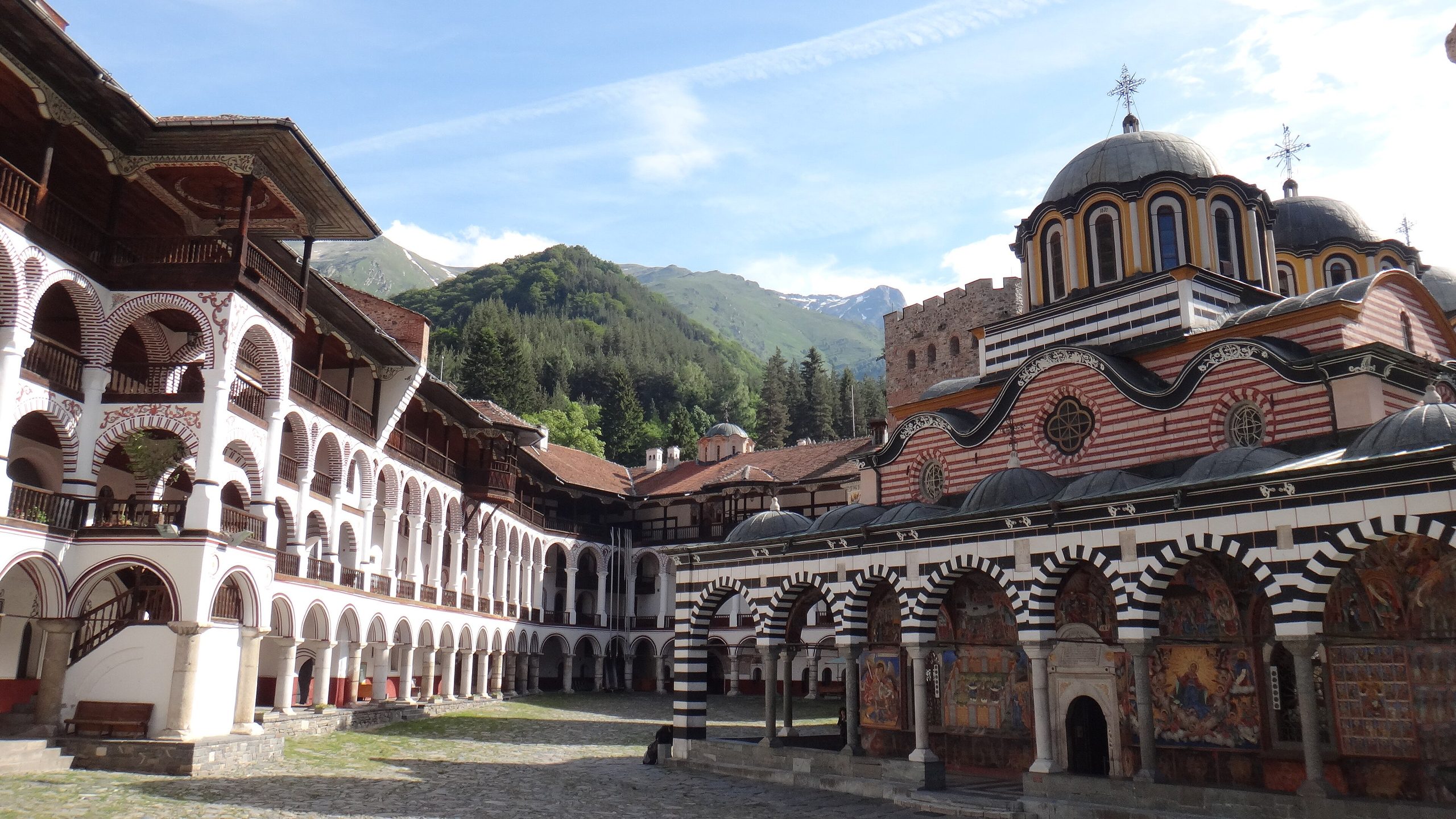
Rila Monastery is the one stop I'd never cut. St Ivan of Rila founded it in the 10th century in a forested valley 1,147 metres up, and its striped arcades and painted church are UNESCO-listed. The courtyard and church are free from 7am to 7.30pm, a €12 ticket covers the museums, and you cover your shoulders and knees for the church.
Without a car: a bus to Blagoevgrad and a taxi
Count on about 10 hours door to door by bus and taxi, with 2 or 3 of them at the monastery, so I catch one of the first buses out of Sofia Central Bus Station.
With a car: the Seven Rila Lakes, then a night at the monastery
Rila becomes a day and a night in the car version, and it's the longest day of the trip. I leave Sofia by 7.30am for the chairlift above Panichishte. The lift costs €16 return or €11 one way and takes about 20 minutes, and from the top a loop of about 8.5 km climbs past all seven lakes in 4.5 to 5 hours. Going up, they run Lower Lake, Fish, Trefoil, Twin, Kidney, Eye and Tear, and the Seven Rila Lakes are my favourite hike in Bulgaria.
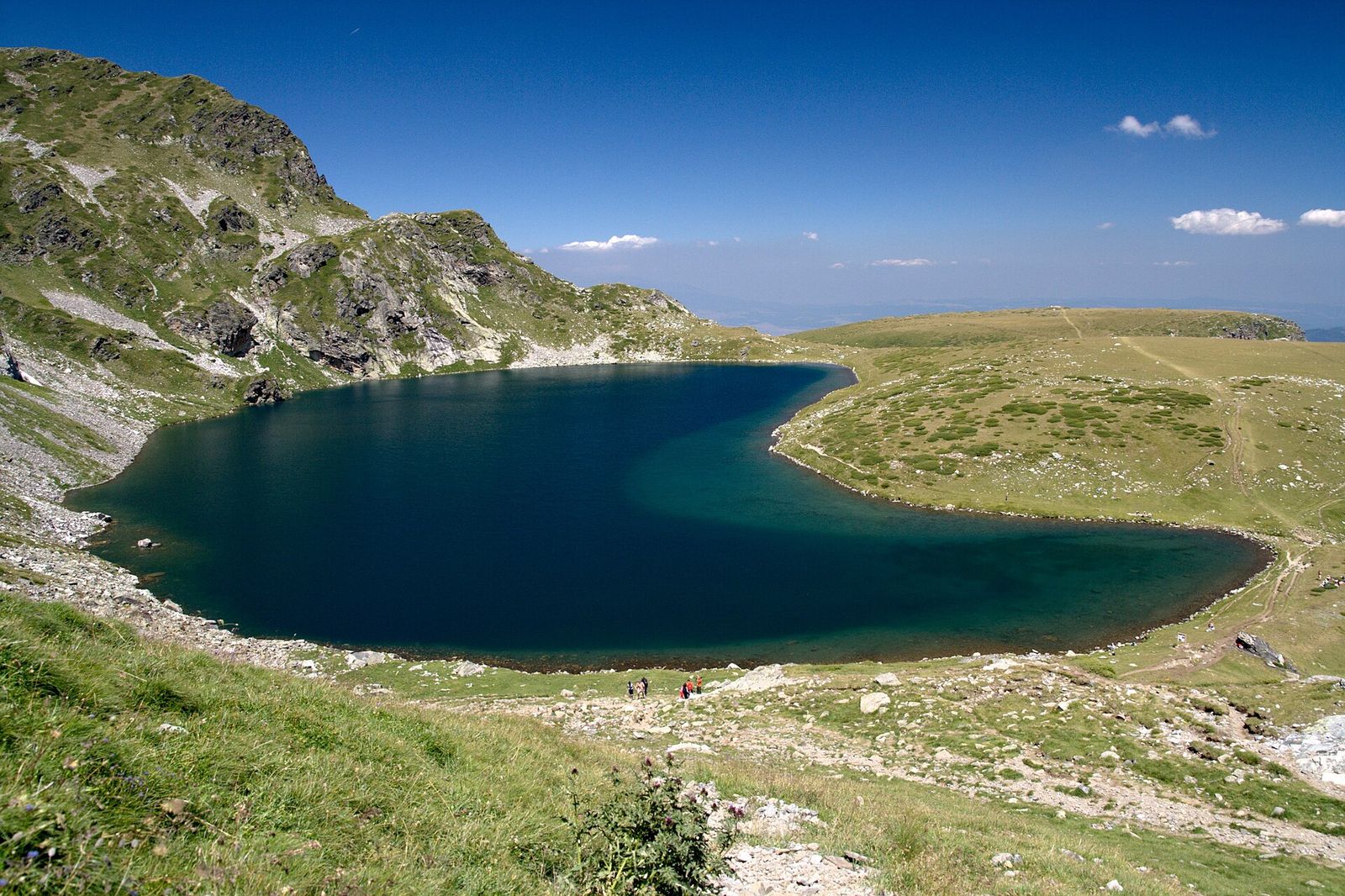
From the lift it's about 2.5 hours on mountain roads round to the monastery. I sleep in the monastery's guest rooms, which gets you the courtyard in the evening and early next morning, before the day visitors drive in.
Plovdiv: two nights for the Roman theatre, the Old Town and Kapana
Plovdiv is my favourite Bulgarian city after Sofia, and two nights gives you the Old Town, Kapana and a morning at Bachkovo. On the 7-day route I take the bus from Sofia with Karat-S or Union Ivkoni, or the train if I'm in no hurry. In the car I leave the monastery after breakfast, so I'm walking into the Old Town by mid-afternoon.
Afternoon: the Ancient Theatre and the Old Town houses
The Roman theatre is almost 2,000 years old and held about 6,000 people, and its marble seats still look out over the city. It opens every day with a lunch break from 12.30pm to 1pm, and a ticket is €3.58.
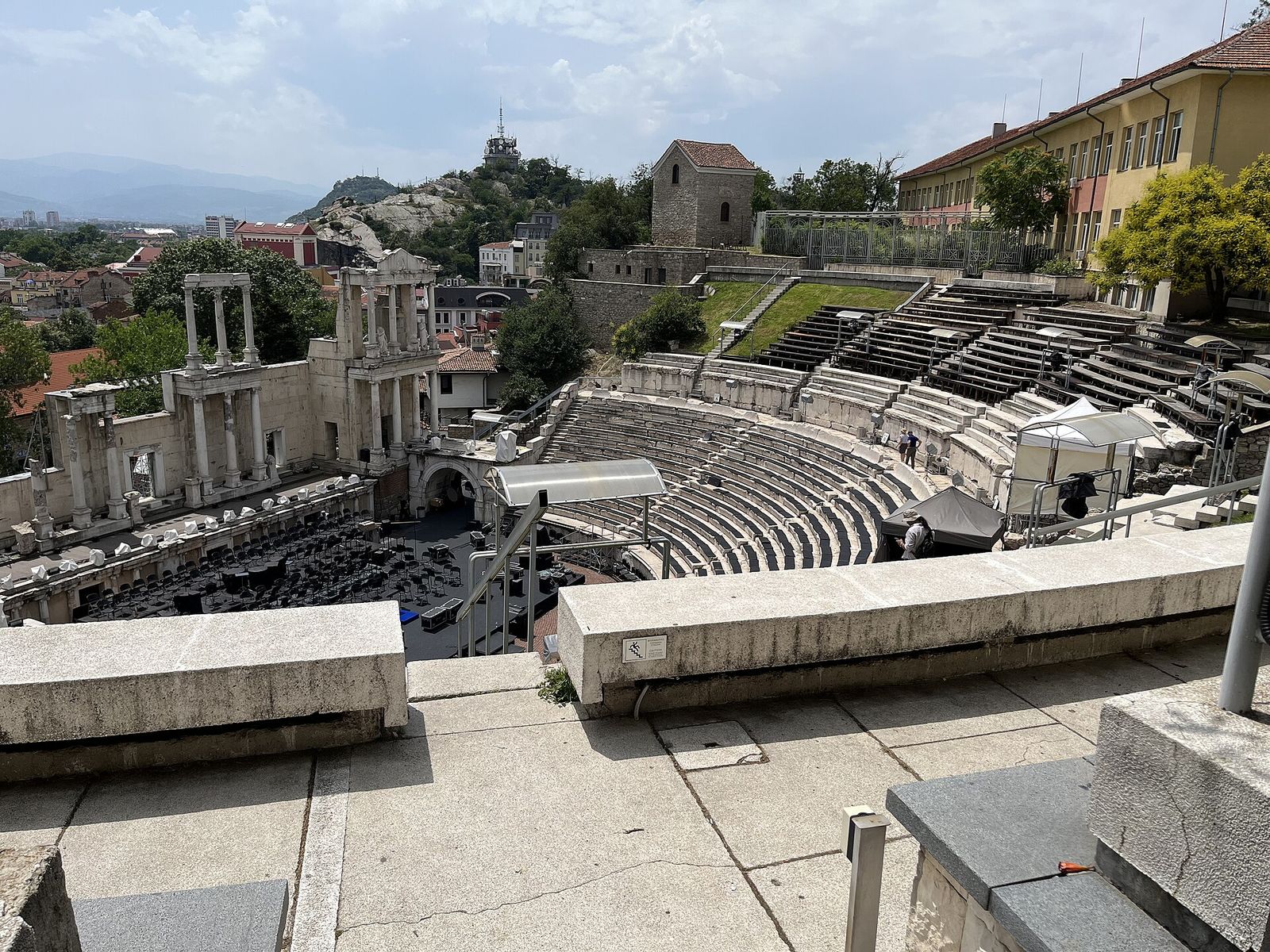
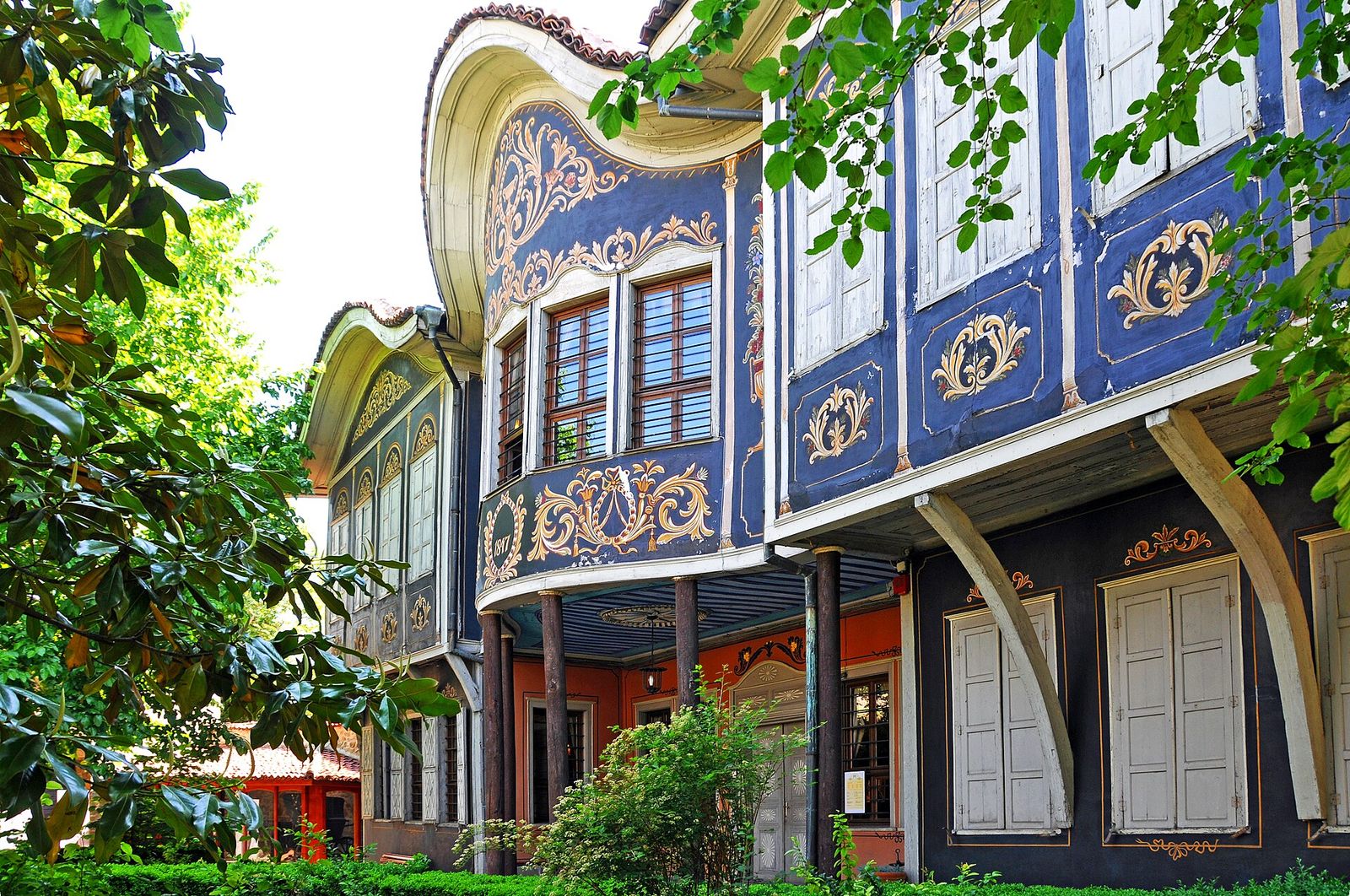
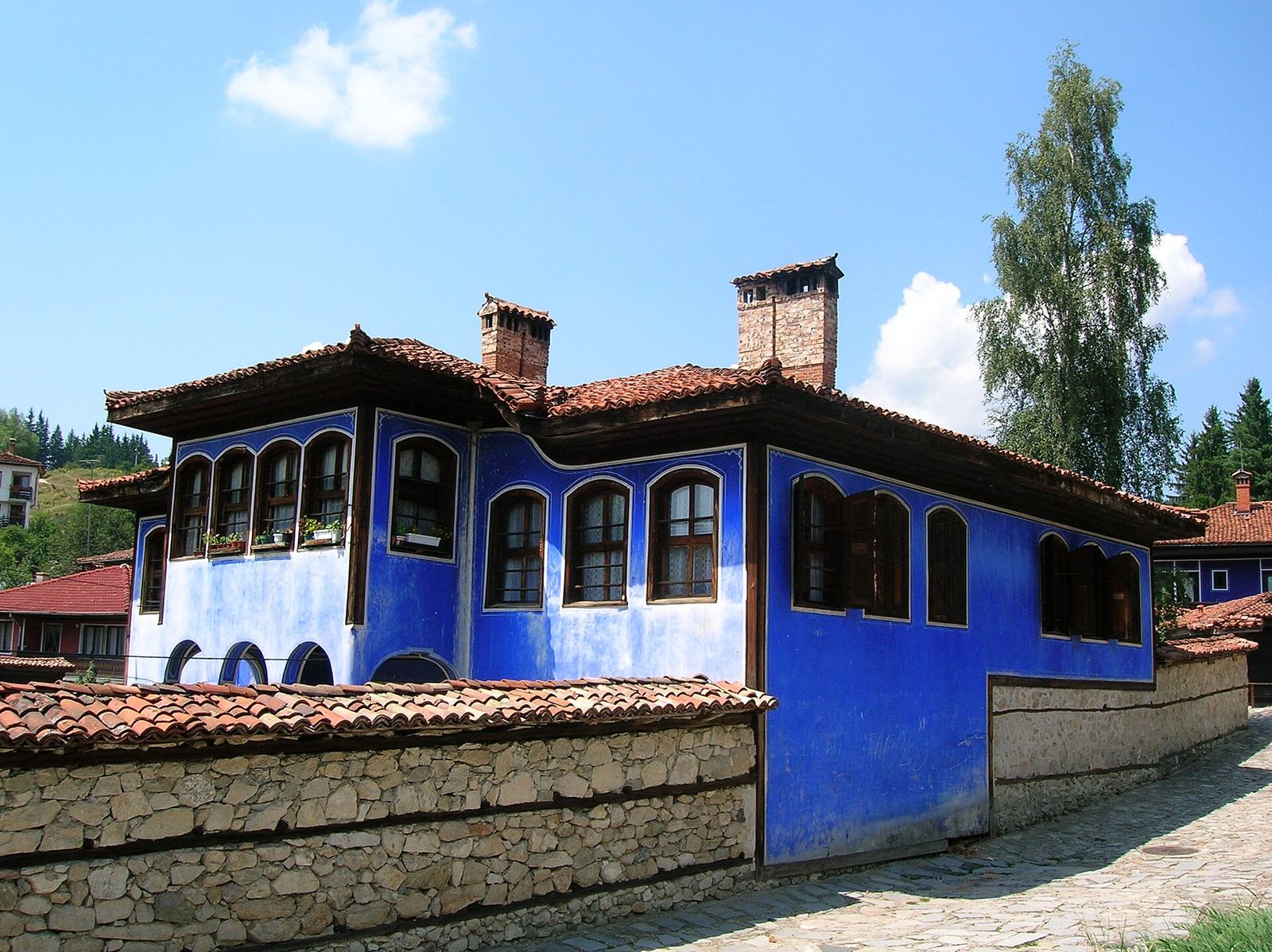
Above it, the painted merchants' houses climb the hill. Balabanov House and Hindliyan House are house museums at €3.58 each, and the Old Plovdiv combined ticket at €10.74 covers up to 5 sites, so it saves money from your 4th. The facade I always stop for is the blue Kuyumdzhioglu House of 1847, now the Ethnographic Museum.
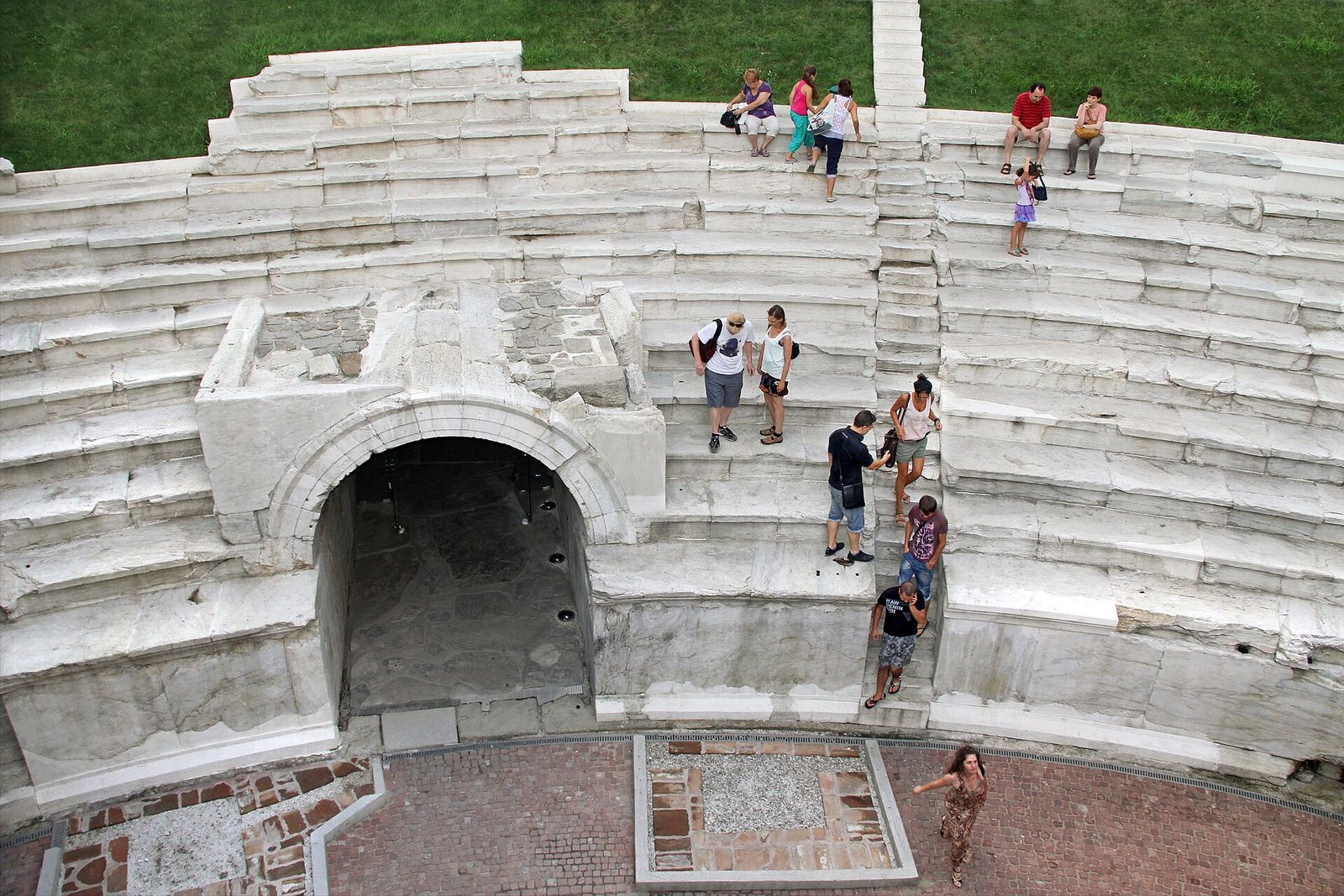
Down in the modern centre, the curved end of the Roman Stadium sits below Dzhumaya Square, free to look at from the pavement, and the rest of it runs under the main pedestrian street.
Evening: Nebet Tepe and Kapana
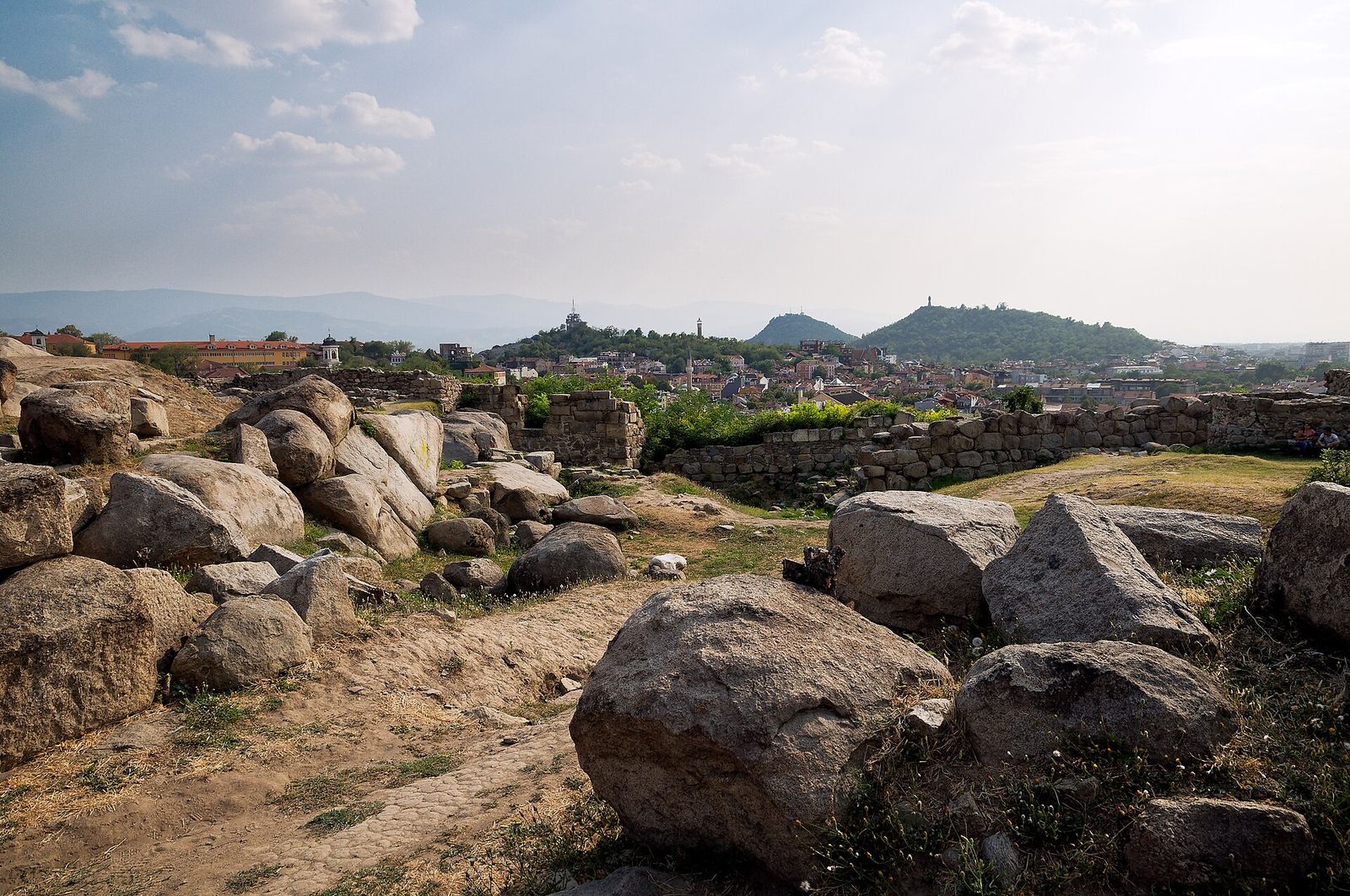
I watch the sun go down from Nebet Tepe, the Old Town hill where Plovdiv began, among boulders and old fortress walls. It's free, and the view runs over the rooftops to the city's other hills.
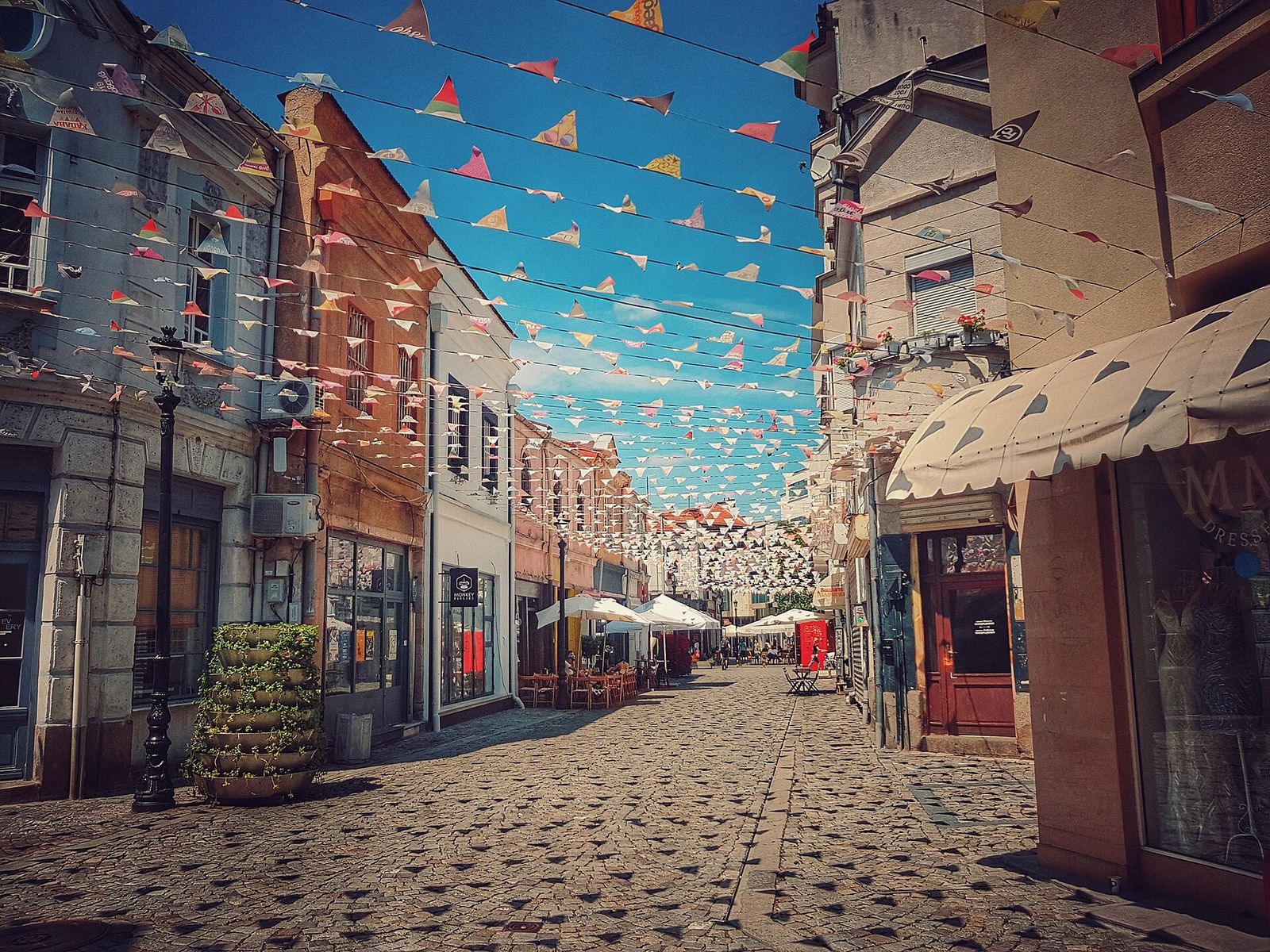
Dinner is downhill in Kapana, "the Trap": a few blocks of narrow pedestrian streets of bars and cafes under strings of bunting. On a Friday or Saturday, book a table. A third night would buy you more of Plovdiv and its six hills, starting with the Bishop's Basilica at €7.57.
Next morning: Bachkovo Monastery and Asen's Fortress
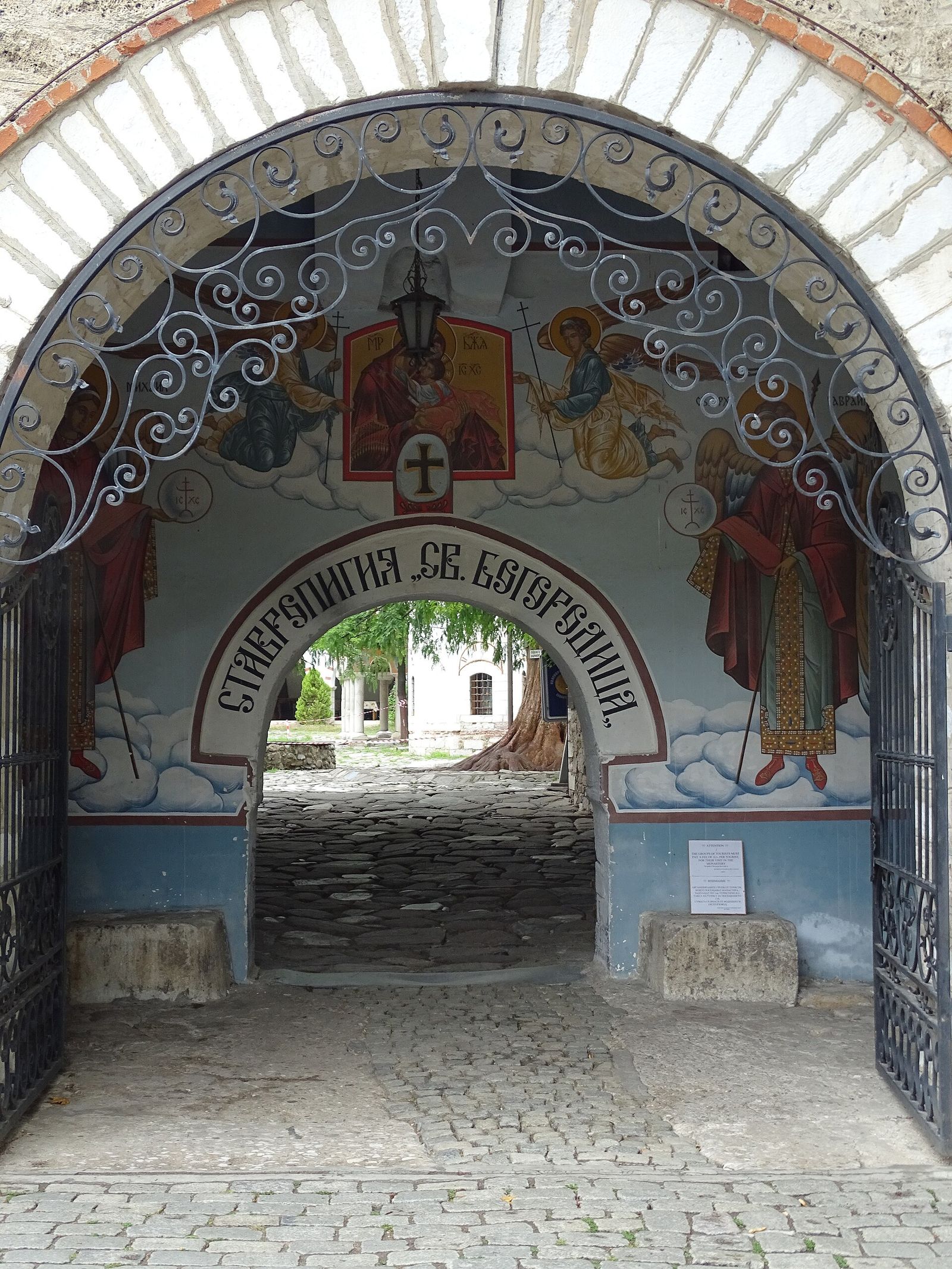
Bachkovo is the monastery I pair with Plovdiv. It sits on the Chepelare River 10 km south of Asenovgrad, and Gregory Pakourianos, a Georgian commander in Byzantine service, founded it in 1083. The ossuary is the only part of the first monastery still standing. Without a car, a train from Plovdiv reaches Asenovgrad in under half an hour, then a taxi covers the last 10 km.
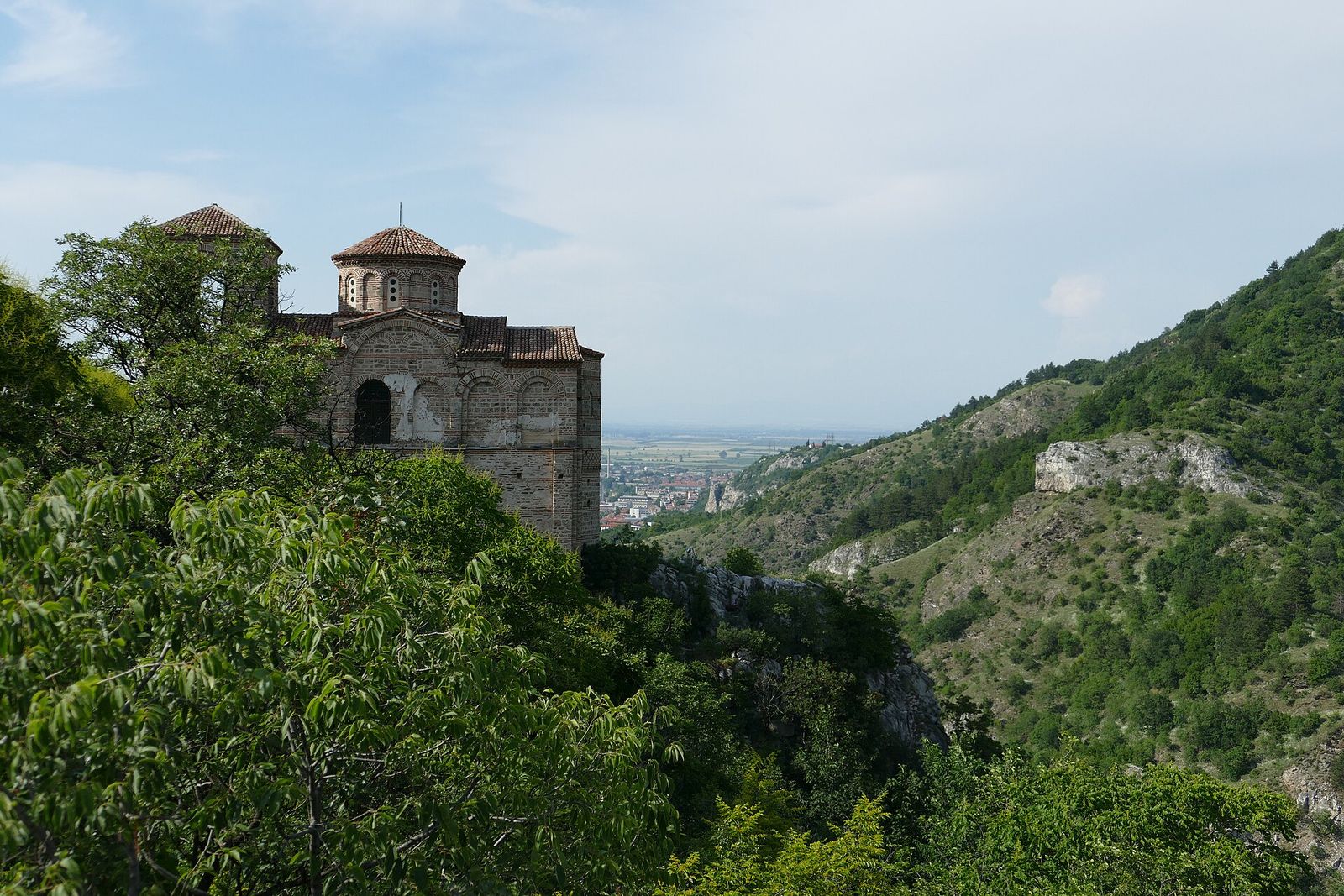
On the road from Asenovgrad, Asen's Fortress keeps its stone church on a rocky ridge above the town, and I stop there for the view over the plain on the way back.
Kazanlak, Shipka and Buzludzha on the drive to Veliko Tarnovo
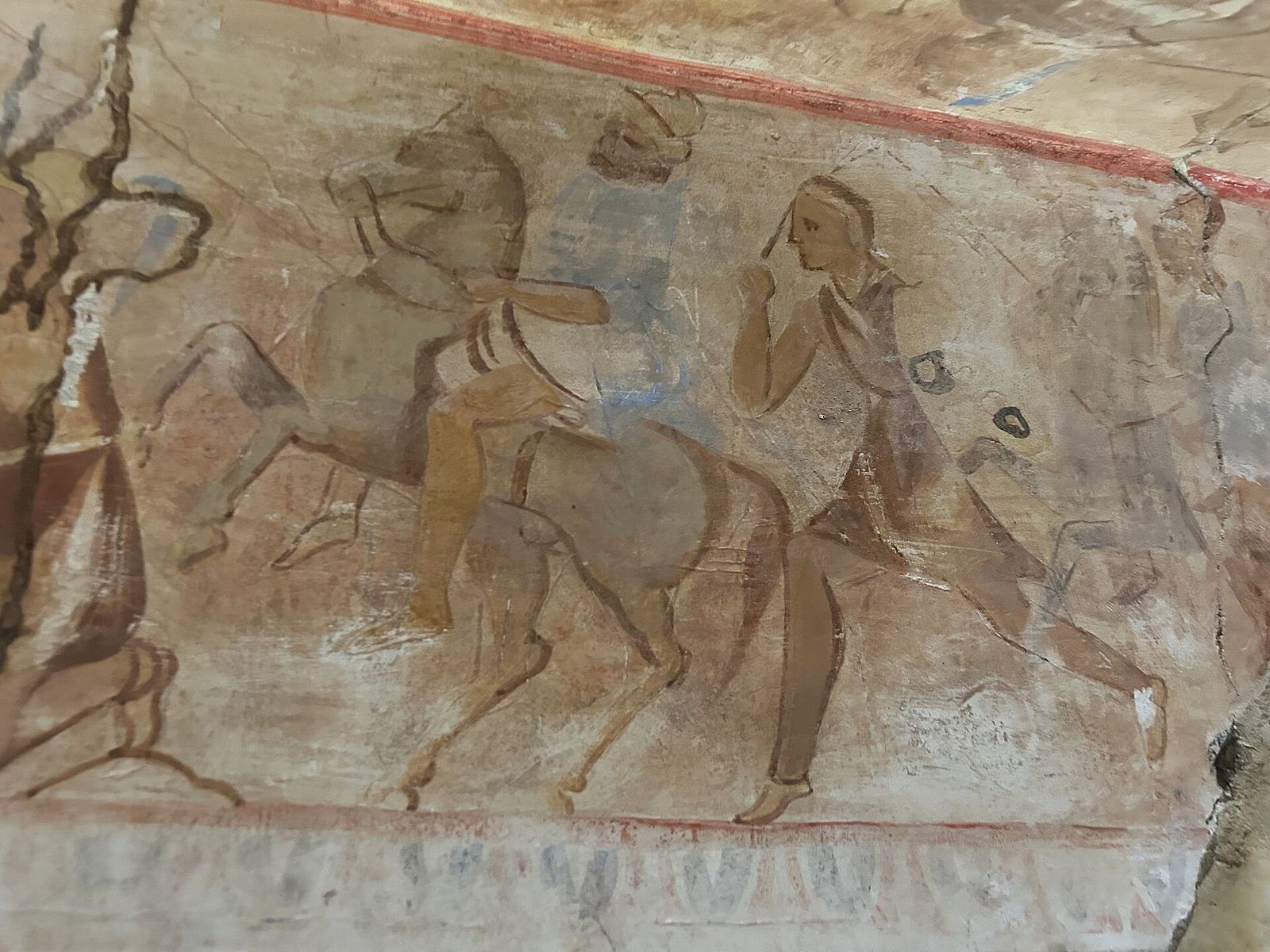
This is the day the car earns its keep. Kazanlak sits in the Rose Valley, where the Thracians buried their kings and nobles. The 4th-century BC Thracian Tomb of Kazanlak is UNESCO-listed and kept shut to protect its paintings, so you walk into a full-size replica, open daily from 9am to 5pm.
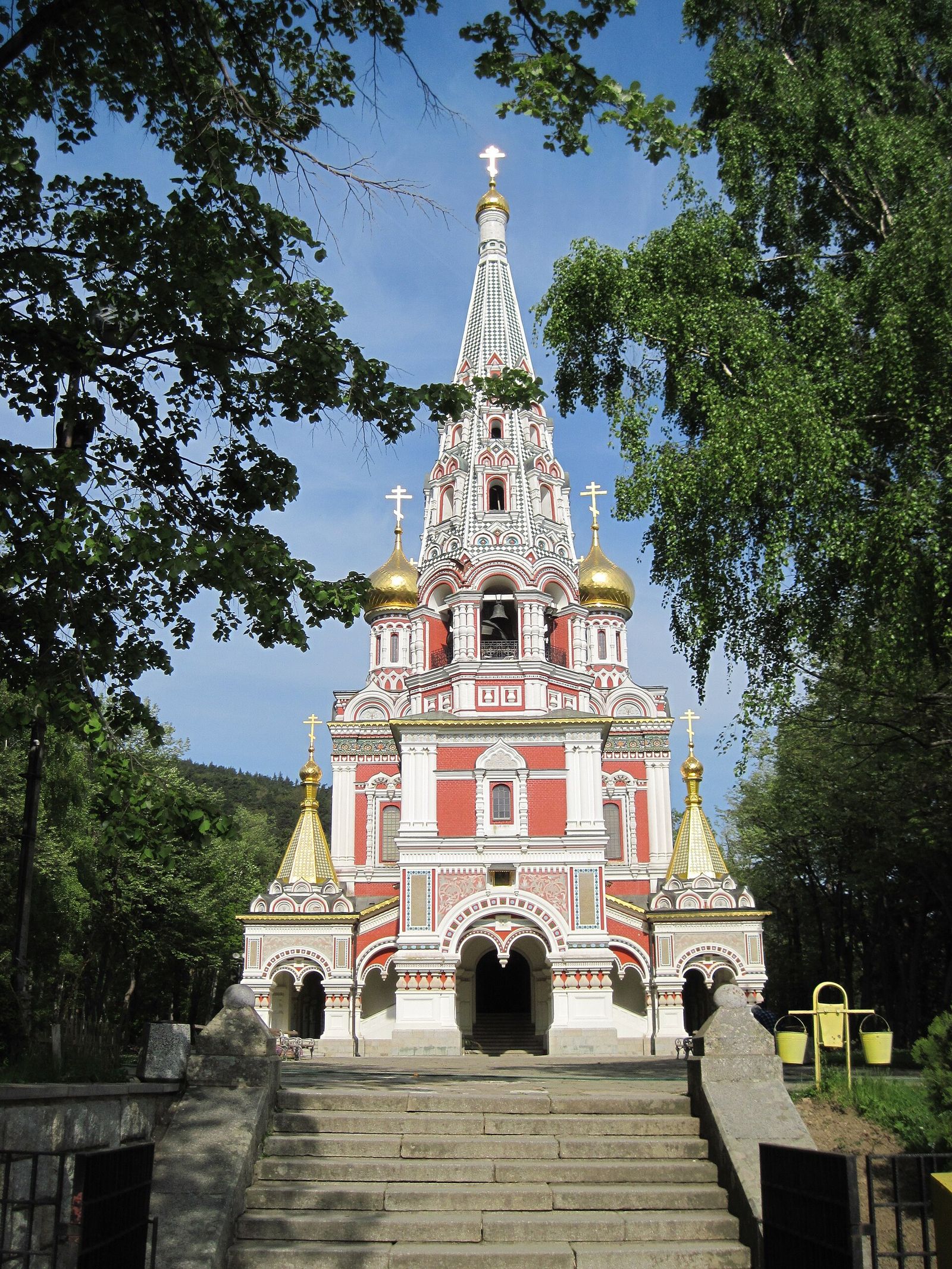
North of town, the Shipka Pass road climbs past Shipka Memorial Church, with its gold onion domes, built for the Russian and Bulgarian soldiers who died in the Russo-Turkish War of 1877 to 1878. It's free to visit and free to park at.
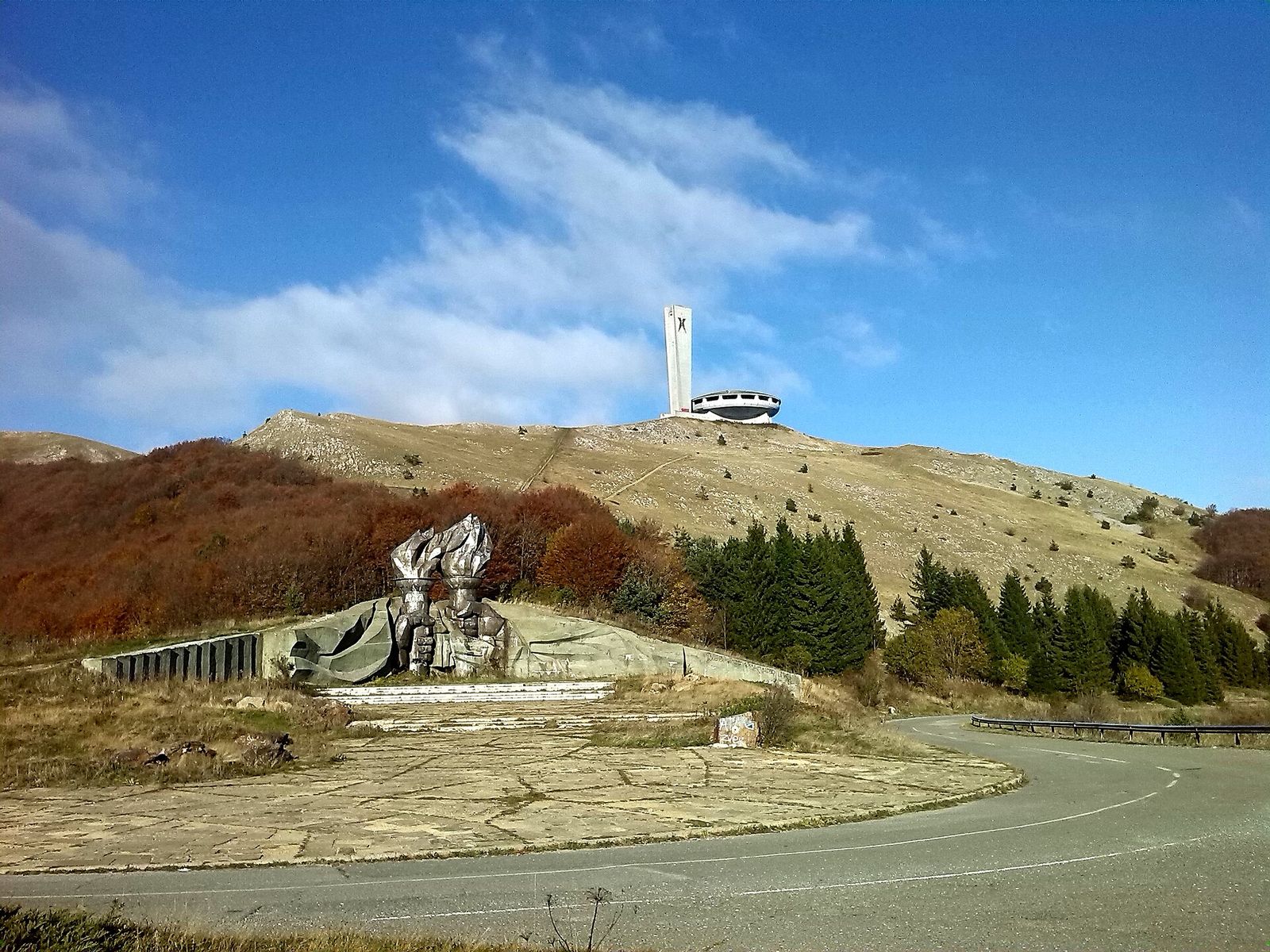
Higher up, a side road of 16 km climbs to the Buzludzha Monument, the concrete saucer Bulgaria's communist party opened on 23 August 1981 on a 1,432-metre peak. It's sealed and nobody goes in, but a walk round the outside takes about an hour, with the Balkan range falling away on both sides. I leave by the 12 km road down the Gabrovo side and carry on to Veliko Tarnovo.
The direct bus from Plovdiv skips all three, and without a car Buzludzha means a taxi up the pass from Kazanlak.
Veliko Tarnovo: two nights in the old capital
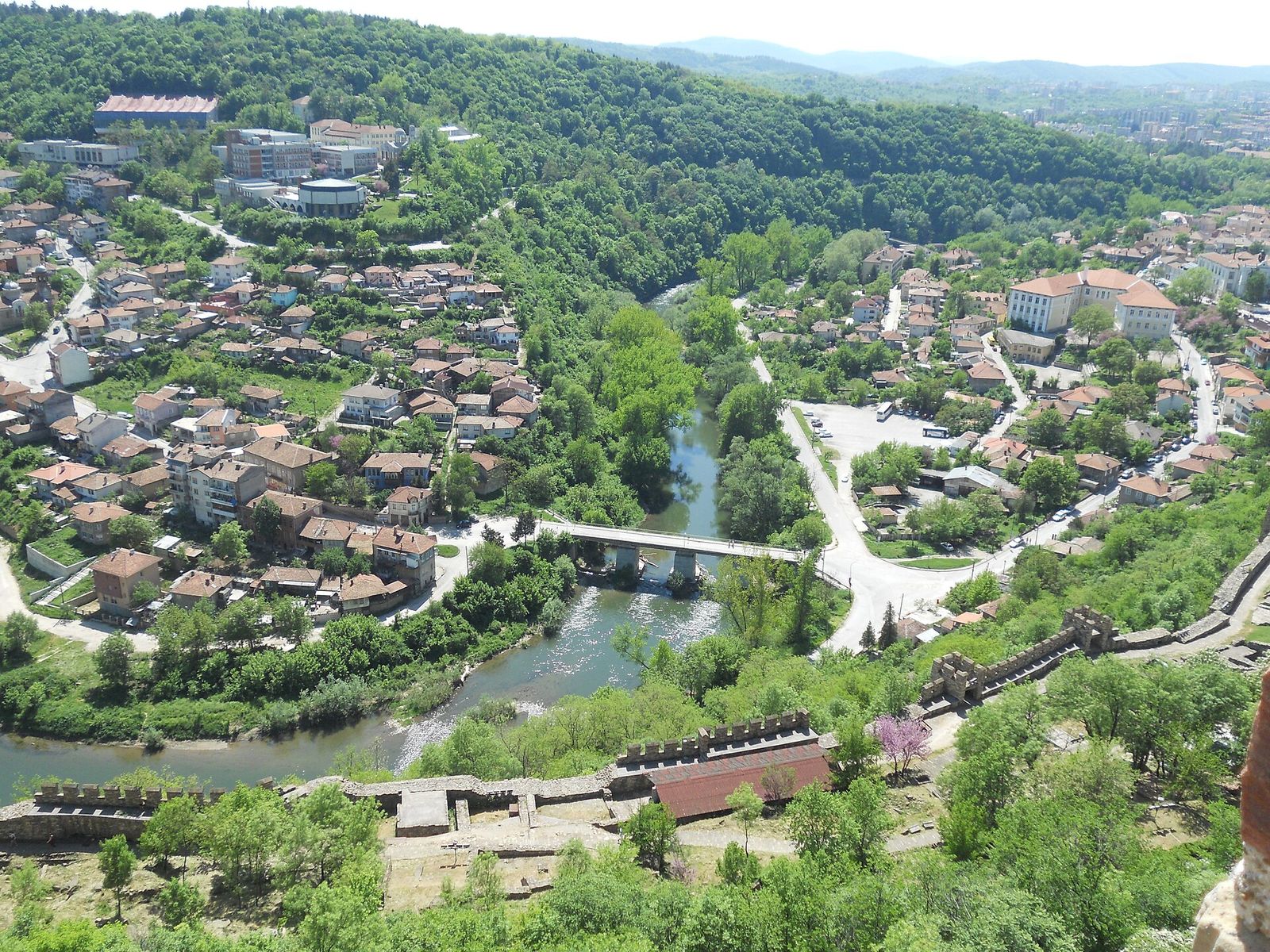
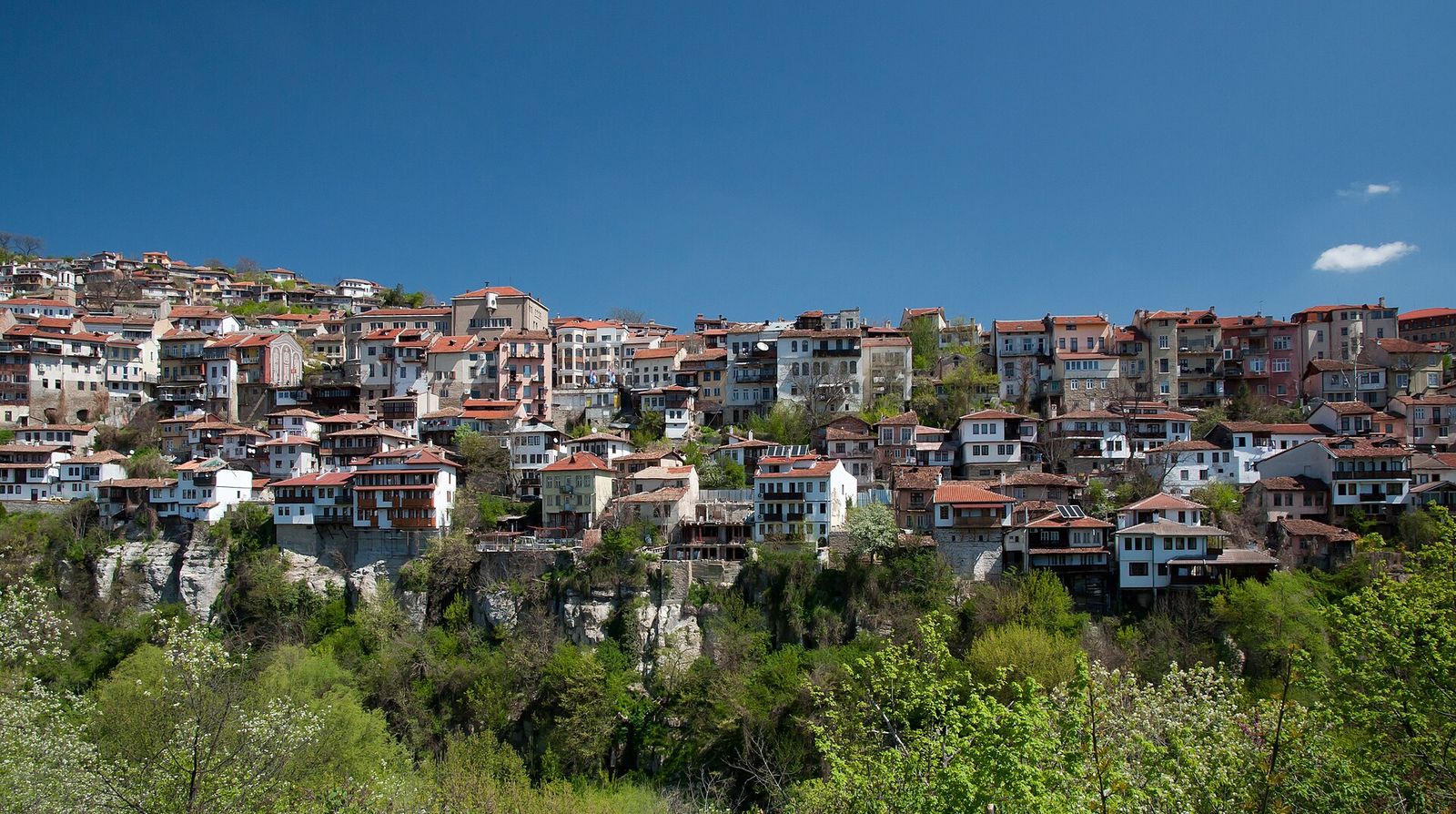
Veliko Tarnovo was the capital of the Second Bulgarian Empire from 1185 to 1393, and its old town is stacked up the cliffs above a loop of the Yantra river. On the 7-day route I leave Plovdiv in the morning and reach Tsarevets in the afternoon. The coach between Sofia and Veliko Tarnovo is my ride home on Day 7. The railway station sits at the foot of the hills, so if you come by train, I'd take a taxi up to the old town.
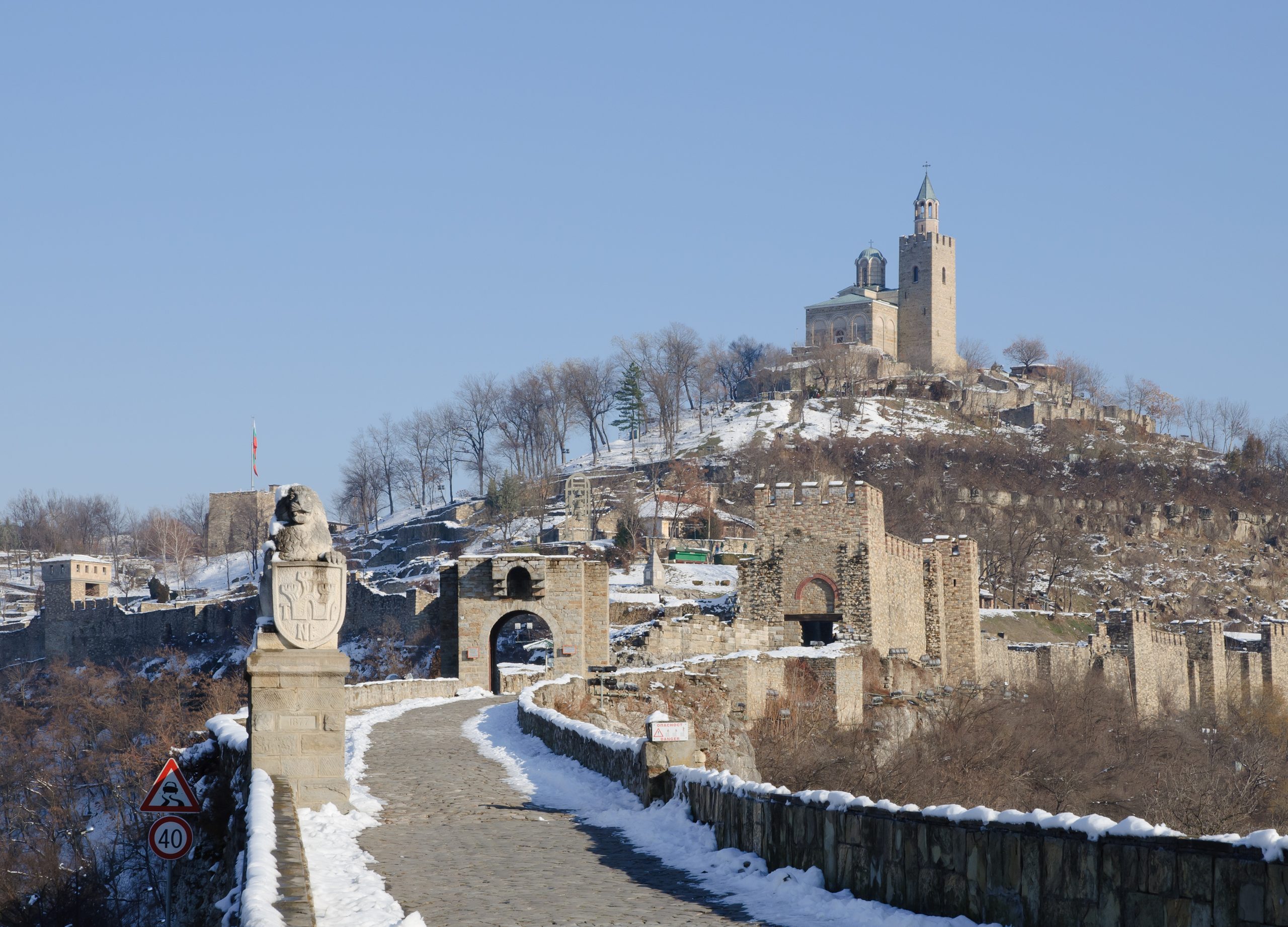
Tsarevets, the walled hill of the medieval tsars, is the reason to come. The path runs through the gates and along the walls up to the Patriarchal Cathedral on the summit, painted inside with modernist murals, finished in 1985, that kept it from ever being reconsecrated. I go up in the late afternoon and stay for the Sound and Light show over the fortress on the nights it runs. You can buy Tsarevets tickets online.
The second day is for Veliko Tarnovo's old town on foot. I walk the Varosha quarter, where the houses hang over the cliffs, and Samovodska Charshiya, the old craft street. Then I cross to Trapezitsa hill, about 30 minutes on foot from the centre or up by funicular, see the Church of the Forty Martyrs, built in 1230, and finish at the panorama over the Yantra bend.
Koprivshtitsa or Belogradchik on the way back to Sofia
The car version heads west on Day 8. My choice is Koprivshtitsa, a painted town of cobbled lanes and 19th-century merchants' houses 1,030 metres up in the Sredna Gora, where the first shot of the April Uprising was fired at a bridge on 20 April 1876. A €10 ticket covers 6 museums, open 9.30am to 5.30pm from April to October and 9am to 5pm from November to March. Three close on Mondays and three on Tuesdays, so this end of the route suits a Wednesday to Sunday. Day 9 is a last morning in the lanes and the drive back to Sofia.
Without a car, Koprivshtitsa works as a day out from Sofia. The direct train takes about 2 hours for about €4, and a minibus covers the 8 km from the station for about €2. I'd swap it in for Rila on Day 2 if a 10-hour bus and taxi day sounds like too much.
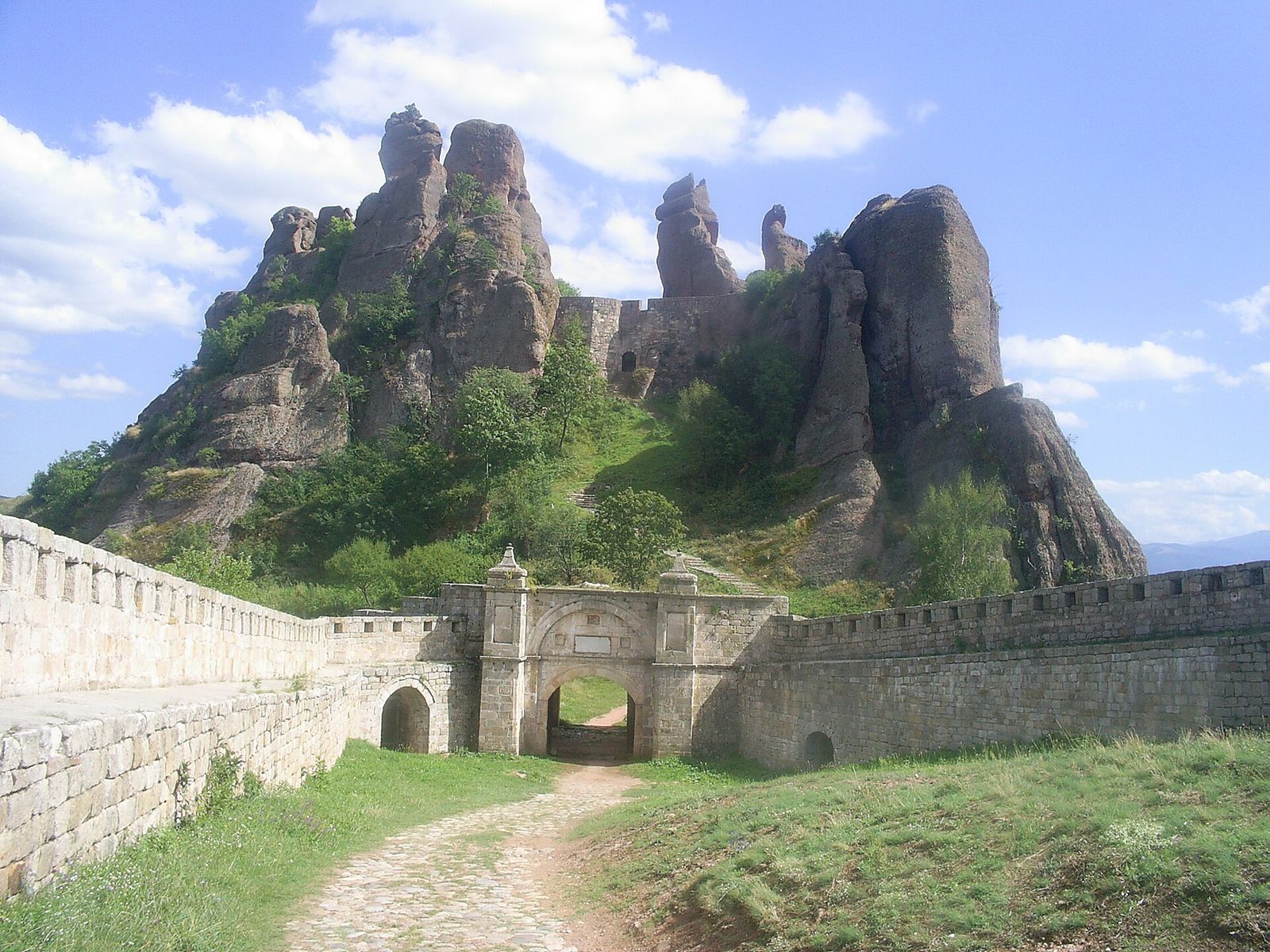
If you'd rather see rocks than houses, swap Koprivshtitsa for the Belogradchik Rocks, red sandstone towers in the far north-west with a fortress built in among them. It's the long option: about 5 hours from Veliko Tarnovo, then about 3 hours back to Sofia. The fortress costs about €4 and stays open until 5pm from November to March and 8pm from June to August, so in summer I see it in the evening light.
What this Bulgaria itinerary costs per person
Before beds and flights, I count each long coach leg at €9 to €18, the usual price of a 2 to 3 hour ride, and food at €25 to €33 a day: a coffee at €2 to €3, a casual lunch at €8 to €10 and a simple dinner at €15 to €20 before drinks.
| Per person | 7 days by bus and train | 10 days with a car |
|---|---|---|
| Fares | About €50 to €73, plus the Asenovgrad train and the Rila and Bachkovo taxis | Car hire, fuel and the e-vignette, plus Sofia's metro |
| Tickets | About €18: Old Plovdiv's combined ticket and Tsarevets | About €55: the chairlift, Boyana, Old Plovdiv, Tsarevets and Koprivshtitsa |
| Food | About €175 to €230 | About €250 to €330 |
The best time of year for this route
I'd drive the 10-day route in late June or September, because of the lakes. The chairlift shuts for 2 to 3 weeks of maintenance in October and again in April or May, ice can still sit on the lakes in early June, and July and August bring the crowds. The 7-day route works all year, but from November I'd see Tsarevets in the morning, before its early winter closing. Sofia gets about 30 snowy days a year, almost all between December and March, and May, June and September are the best time to visit Sofia and the towns beyond it.
Adding a second week: the coast or Istanbul
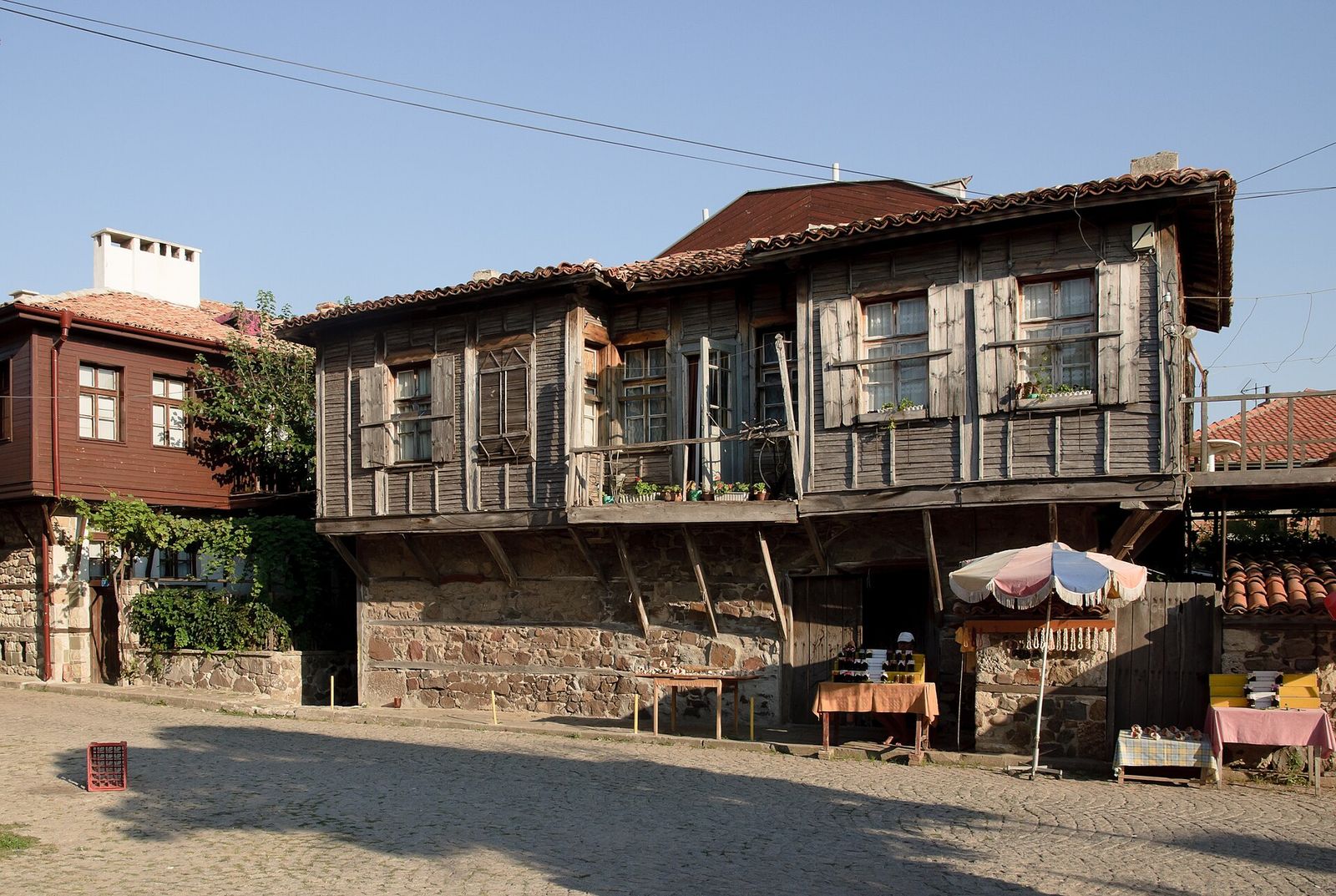
With 14 days, I'd add 3 nights on the Bulgarian Black Sea coast between June and August, based in Sozopol. Burgas, the hub for that stretch, is about 7 hours from Sofia by coach, a full travel day each way.
To finish in Istanbul instead, a daily train runs from Sofia to Halkali, at €26.40 in second class plus a compulsory couchette reservation from €10, and Sofia to Istanbul by sleeper is how I'd leave Bulgaria. With longer still, I'd loop from Sofia through Skopje, Ohrid and Thessaloniki on a Balkans itinerary.
Key takeaways
- With 7 days and no car, I'd spend 2 nights each in Sofia, Plovdiv and Veliko Tarnovo, with Rila Monastery as a bus and taxi day.
- With a car, 10 days adds the Seven Rila Lakes, a night at Rila Monastery, Boyana, Kazanlak, Buzludzha and Koprivshtitsa.
- Take the bus for speed and the train for price on the Plovdiv line.
- Buy an e-vignette online before you drive, and keep dipped headlights on all day.
- Drive the car version in late June or September, when the lakes are clear and the chairlift runs.
Frequently asked questions
How many days do you need in Bulgaria?
A week covers Sofia, Plovdiv and Veliko Tarnovo at a comfortable pace, with Rila Monastery as a day out. Ten days with a car adds the mountains and the smaller places in between, and two weeks leaves time for the Black Sea.
Can you travel around Bulgaria without a car?
Yes, between the big towns. Buses and trains link Sofia, Plovdiv, Veliko Tarnovo and Koprivshtitsa, but Rila Monastery needs a bus to Blagoevgrad and a taxi, and Buzludzha and the Seven Rila Lakes are car trips in practice.
How long is the train from Sofia to Plovdiv?
About 3 hours on BDZ's timetable, usually with a change, for about €5.60. The bus takes about 2 hours and costs €8.50 to €11, and both leave from neighbouring stations on Maria Luiza Boulevard.
Does Bulgaria have Uber?
No, Uber doesn't run in Bulgaria. In Sofia I use the TaxiMe or Yellow Taxi apps, while Bolt there only rents e-scooters and e-bikes.
Is driving on the left or right in Bulgaria?
On the right, as in the rest of mainland Europe. Dipped headlights stay on all day, and you need an e-vignette, bought online from BGTOLL, for motorways and main roads outside towns.
Can you get to Rila Monastery by public transport?
Not directly any more. Take a bus from Sofia Central Bus Station to Blagoevgrad, about 2 hours for under €10, then a taxi for the last 41 km, with the fare agreed before you set off.
Sofia Travel Tips: What I'd Tell You Before a First Trip to Bulgaria
What I tell friends before their first Sofia trip: visas, the euro, the airport metro, taxis and the head nod.
Read the guideMy Perfect Weekend in Sofia: A 2-Day Plan with Costs
How I would spend 48 hours in Sofia: what to see, where to eat, the Saturday night out and what it all costs.
Read the guide
Flights from the UK to Sofia: Airlines, Airports and Fares
Which airline flies to Sofia from which UK airport, how long it takes, the fares I saw and getting into town.
Read the guide