The Russian Church in Sofia: My Guide to St Nicholas
The Russian Church is the little white church with gold onion domes on Tsar Osvoboditel Boulevard, and it's the one my friends always ask about after Alexander Nevsky. It's free, it's open every day, and downstairs people post handwritten wishes at a saint's tomb. This is how I visit it: the hours and the photo rule, what to look for, how the wish note works and the sights a few minutes' walk away.
What the Russian Church is
Its full name is the Church of St Nicholas the Miracle-Maker, and everyone in Sofia calls it the Russian Church (Руската църква). It was built between 1907 and 1914 as the church of the Russian embassy and the Russian community in Sofia, and since 1952 it has been a podvorie of the Moscow Patriarchate, a church run directly from Moscow. It's a working parish, with services every week.
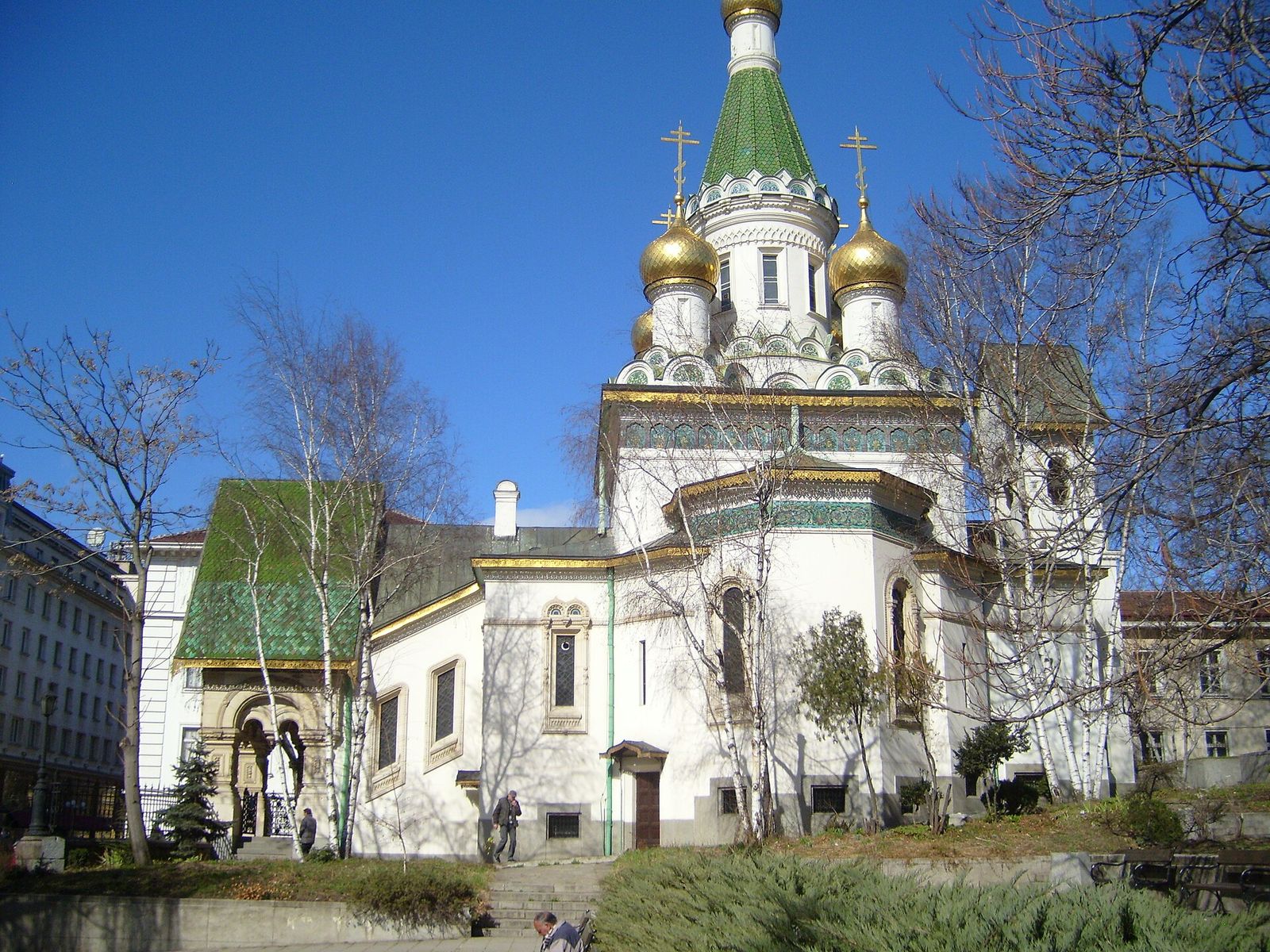
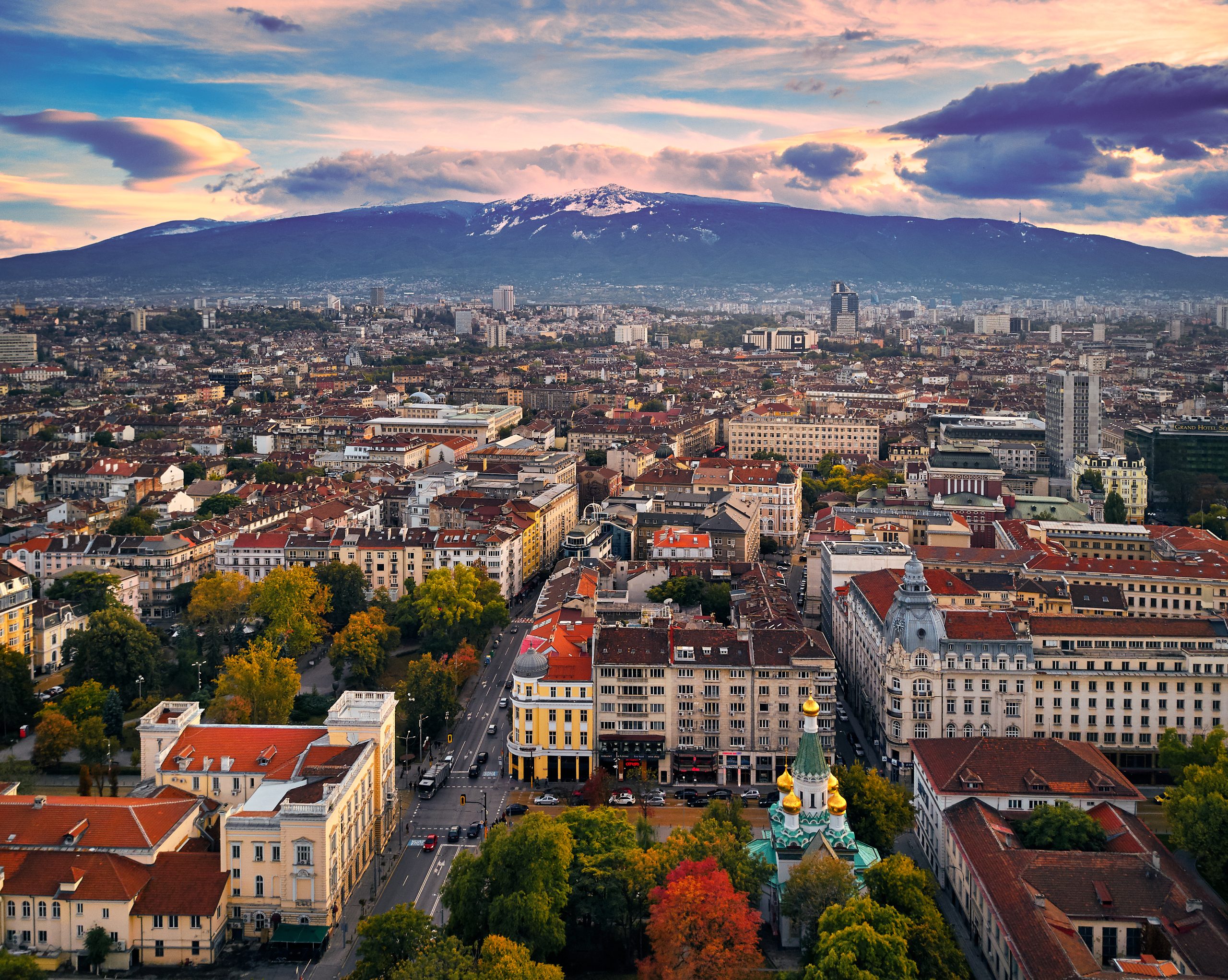
It stands in a small garden at Tsar Osvoboditel Boulevard 3, on the yellow-paved stretch between the old royal palace and Alexander Nevsky Cathedral. Next to Nevsky it's tiny: gold onion domes, a green-tiled spire and white walls trimmed with coloured tiles, set back from the traffic behind birch trees. Of all the churches in Sofia I take friends to, it's the one that looks most like it was flown in from Moscow.
Opening hours, entry and services
The church opens from 8am to 6.30pm every day, and entry is free. Nevsky, the Rotunda and the Roman streets of Serdica are free too, which makes a cheap weekend in Sofia easy to fill with sights.
Services follow the Russian Orthodox rite and are sung in Church Slavonic, the old liturgical language of the Russian Church. The main one is the Divine Liturgy on Sunday morning, when the small nave fills with Sofia's Russian community. Times change from month to month, and the parish posts each month's timetable as a PDF on its service schedule page, which is in Russian.
Dress as you would for any Orthodox church: shoulders and knees covered, and hats off for men. Many of the women praying here cover their hair, Russian style, so I keep a light scarf in my bag. Keep your voice low and your phone on silent, and follow the usual church etiquette in Bulgaria: never stand between someone and the icon they're praying at.
What to look for outside the Russian Church
The Russian architect Mikhail Preobrazhensky designed it in the Russian Revival style, with decoration modelled on 17th-century Moscow churches, and A. Smirnov, the architect then building Alexander Nevsky, supervised the work.
Count the domes: there are five. The tallest sits on a spire of green glazed tiles, and four gold onion domes cluster round it, each with a gilded cross. Under the roofline runs a wide frieze of multicoloured majolica tiles by G. Kislichev, and the window frames are carved white stone.
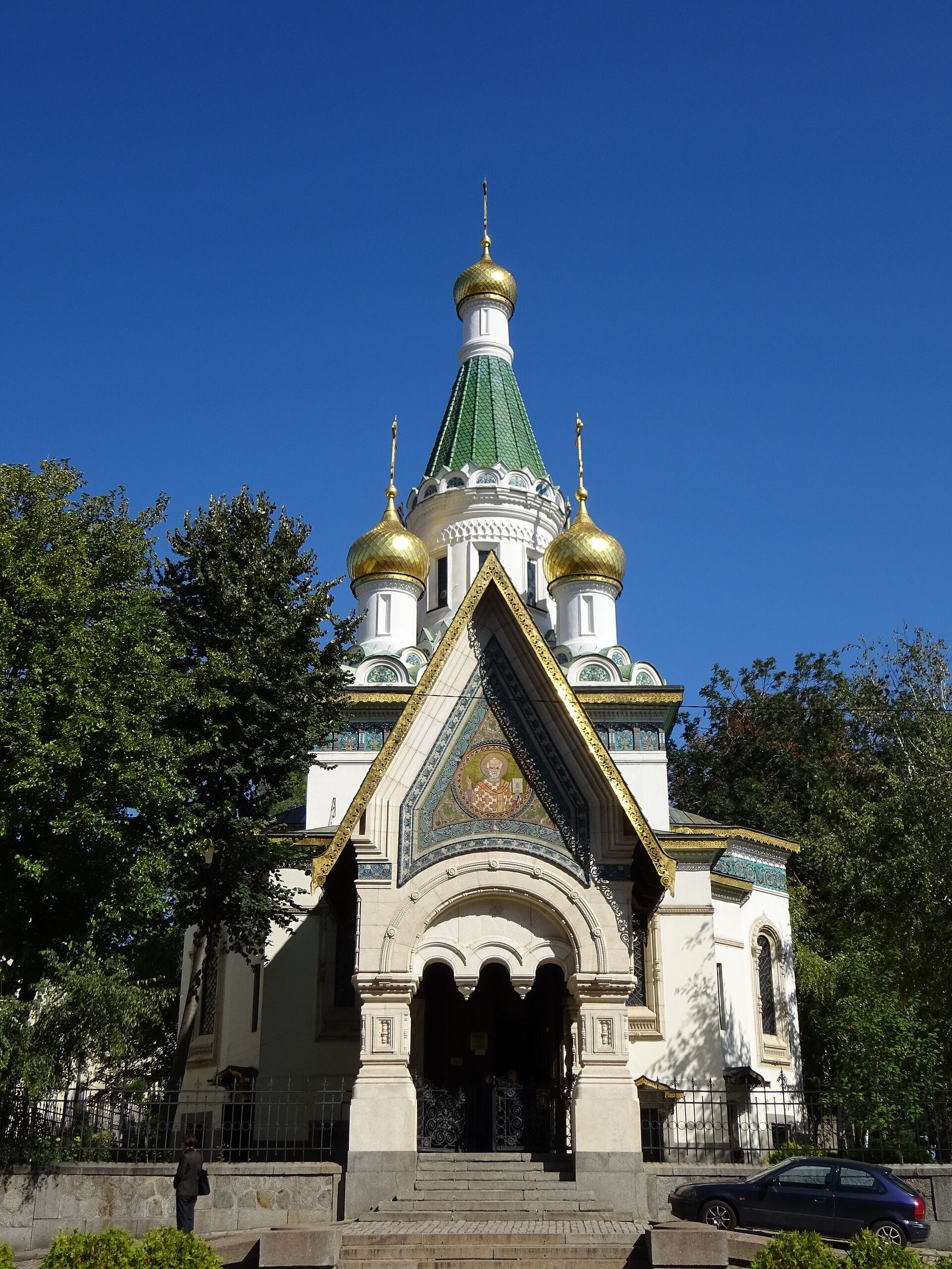
Over the main door, a tiled icon of St Nicholas looks down from the gable of the porch. It's the detail I point out to friends first, because it tells you whose church this is before you've read a single sign.
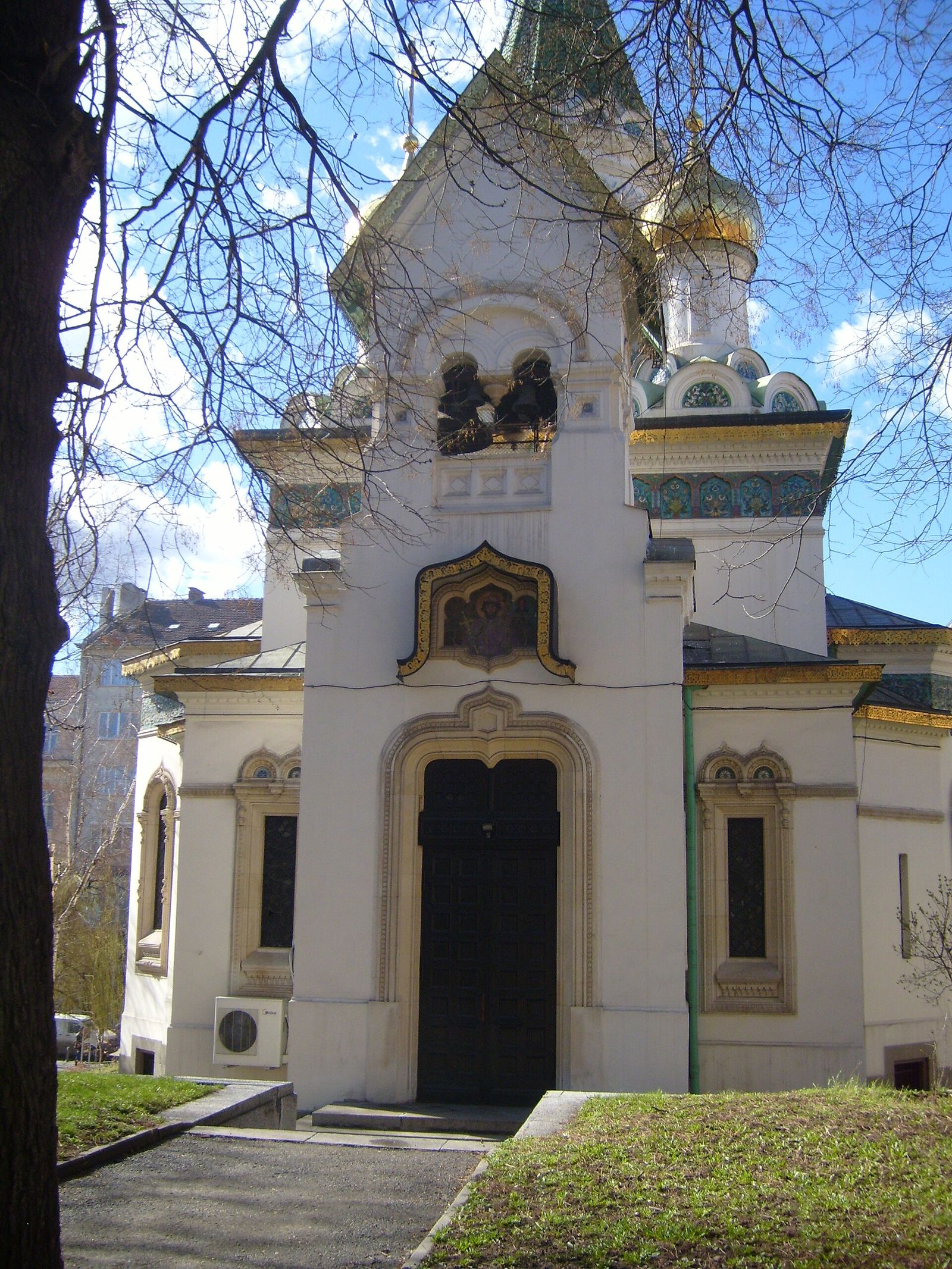
The bells came as a gift from Tsar Nicholas II, and they hang in the open arches of the small bell tower, where you can see them from the garden path. Walk the full loop of the garden before you go in. The church looks different from every side, and the birches frame it best from the back.
Inside the church: murals and the iconostasis
Inside, it's one small room, so you take most of it in from the door. The walls and vaults are covered in murals in the traditional Russian style, painted in matte tempera by a team led by Vasily Perminov, who also worked on the murals in Alexander Nevsky Cathedral. A century of candle smoke has darkened them, even after a restoration from 1975 to 1977, so the room glows brown and gold in the candlelight.
The iconostasis, the screen of icons in front of the altar, is majolica, glazed ceramic made in St Petersburg, and it was regilded in 1982. Thin candles are sold by the door, and I light one for someone at home every time I come. The nave takes about 5 minutes, and then most people head down to the crypt.
The crypt of St Seraphim and the wish notes
The crypt under the church is the part I'd never skip. Archbishop Seraphim (Sobolev) led Sofia's Russian congregation from 1921 until he died in 1950, and he's buried down here in a tomb faced with marble in 1987. He was known for his kindness, and his parishioners believed he could heal the sick and see the future. The Russian Orthodox Church has since made him a saint.
Near the end of his life, the story goes, Seraphim told a parishioner to keep writing to him with their hopes after he died, and said that if he could, he would take the requests straight to God. That's where the custom comes from, and Sofians and visitors have been leaving notes at his tomb ever since.
How the wish note works
The crypt has its own entrance at the side of the church, down a flight of steps. Seraphim's marble tomb sits in a small, candlelit room, with slips of paper left out and a box for the notes by the tomb. Write your wish in any language, fold the paper, and post it in the box.
Keep it to a line or two. Others come down to pray at the tomb, so this is the one spot in Sofia where I stay silent from the top step to the bottom.
A short history of the Russian Church
The church exists because of the Russo-Turkish War of 1877 to 1878, which ended almost five centuries of Ottoman rule in Bulgaria and left a community of Russian specialists living in the new capital. In 1882 the city gave them a plot on the boulevard where a mosque had just been pulled down. Russian diplomatic churches took the name of the reigning tsar's patron saint, so this one became St Nicholas, after Nicholas II.
| Year | What happened |
|---|---|
| 1882 | Sofia gives the Russian community a 1,400 square metre plot on the site of a demolished mosque |
| 1907 | The foundation stone goes down in September, with Grand Duke Vladimir Alexandrovich and Prince Ferdinand of Bulgaria there |
| 1914 | Consecrated on 24 November as the Russian embassy's church |
| 1915 | Bulgaria enters the First World War on the opposite side to Russia, diplomatic ties are cut and services stop |
| 1934 | The church passes to the Bulgarian state, then to the Bulgarian Orthodox Church |
| 1944 | Damaged in the bombing of Sofia on 10 January |
| 1946 | Repaired and handed to Archbishop Seraphim on 28 December |
| 1950 | Seraphim dies and is buried in the crypt |
| 1952 | Becomes a podvorie of the Moscow Patriarchate, run directly from Moscow, as it still is |
| 1994 to 1996 | Major repairs to the building |
The shell was up by 1911, 4 years after the foundation stone, and the painting and decoration took more than 2 years after that. Through the communist years, from 1944 to 1989, the church stayed open, with State Security keeping a close watch on its priests and congregation.
When to visit the Russian Church
For a quiet look, I go on a weekday morning, soon after it opens at 8am, when the crypt is often empty. Sunday morning is the time to hear it, when the liturgy is sung and the room fills, so stand at the back and leave the floor to the people praying.
Outside, it's at its prettiest from April to June, when tulips fill the garden and the gold domes rise over fresh birch leaves. In winter, the bare branches leave the domes in full view from the boulevard.
How to get to the Russian Church
Sofia University is the nearest metro station, on lines M1 and M4, and it's a 5 to 10 minute walk west along Tsar Osvoboditel Boulevard. The M4 starts at the airport's Terminal 2, so if you land there you can ride straight here with no change. A single ticket costs €0.80, and tapping a contactless bank card at the barrier works on the Sofia metro, with daytime travel on one card capped at €2 a day.
From Serdika, where the M1, M2 and M4 meet, it's about 10 minutes east on foot along the same boulevard, past the Presidency and the old royal palace. Tsar Osvoboditel is paved with the yellow bricks Sofia is known for, and they're slippery after rain, so wear shoes with some grip.
What's near the Russian Church
The Russian Church sits in the middle of Sofia's densest block of sights, and I never visit it on its own. These are the ones within about 10 minutes' walk, from nearest to furthest.
| Sight | Walk from the Russian Church | Entry | What it is |
|---|---|---|---|
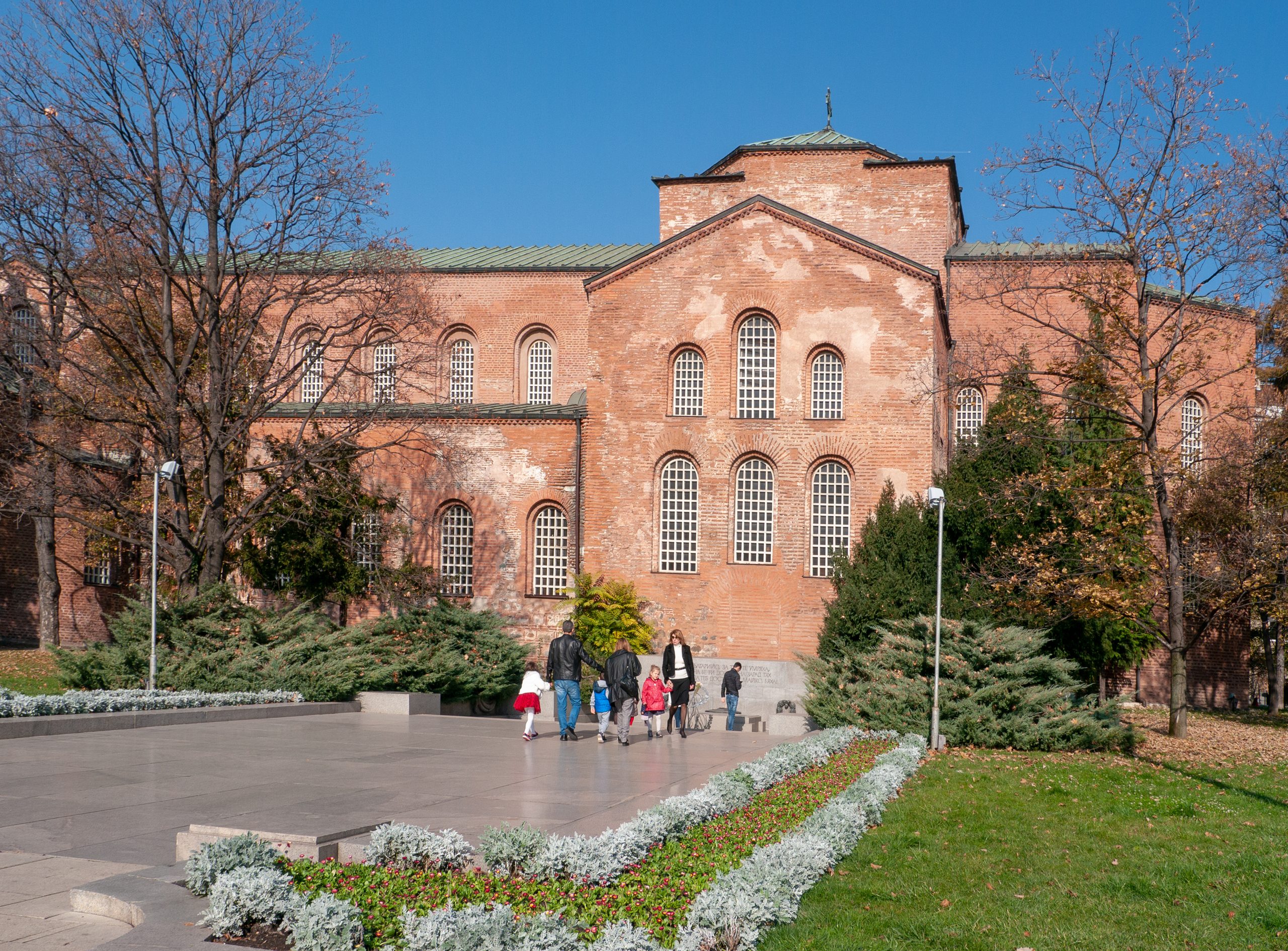
| St Sofia Basilica | 3 minutes | Free; underground level €4 | 6th-century red-brick church over a Roman cemetery |
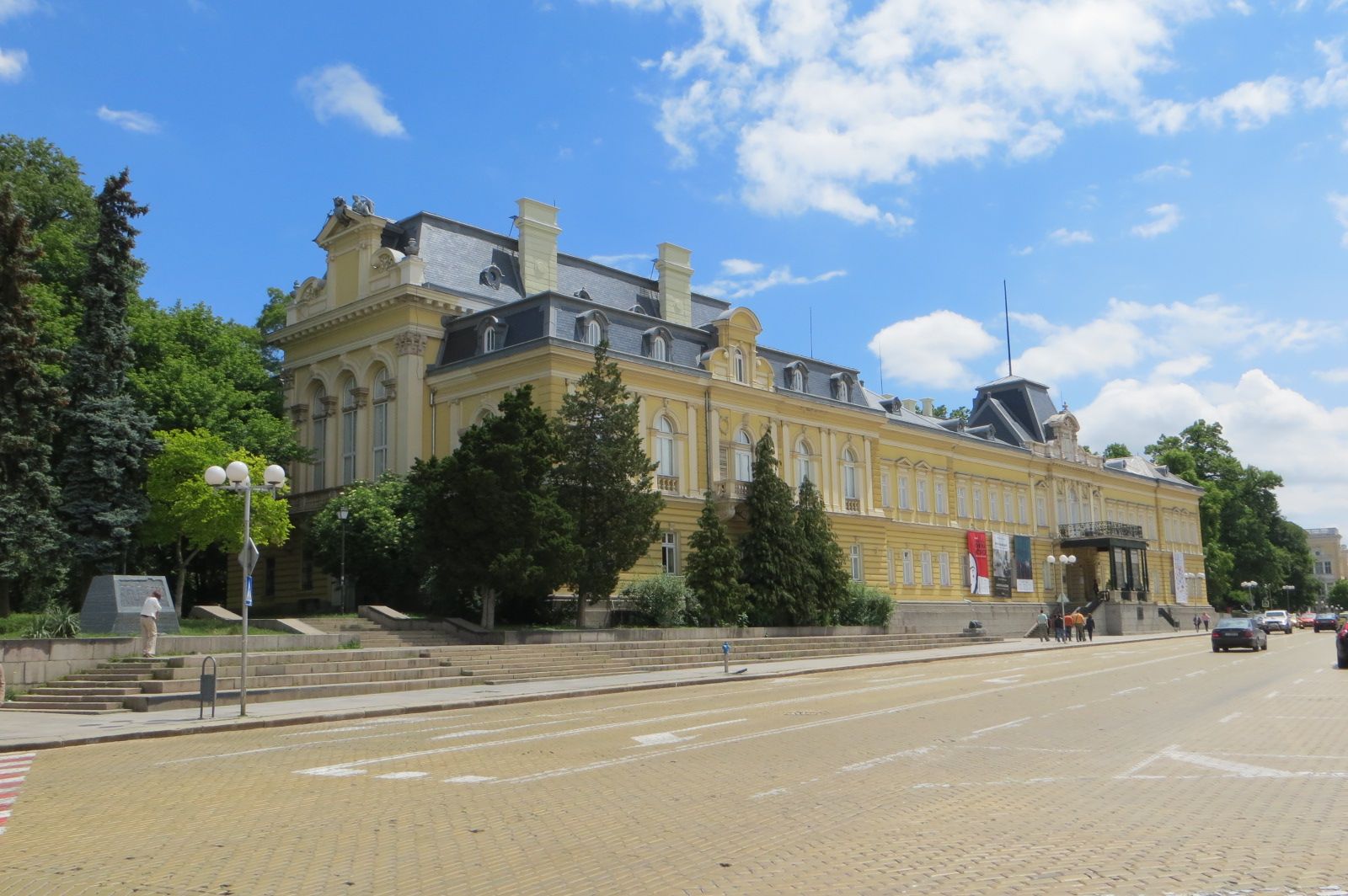
| The former royal palace | 4 minutes | National Gallery rooms €8, €2 on Thursdays | Bulgarian art and the National Ethnographic Museum |
| City Garden and the National Theatre | 4 minutes | Free | Park with a fountain in front of the Ivan Vazov National Theatre |
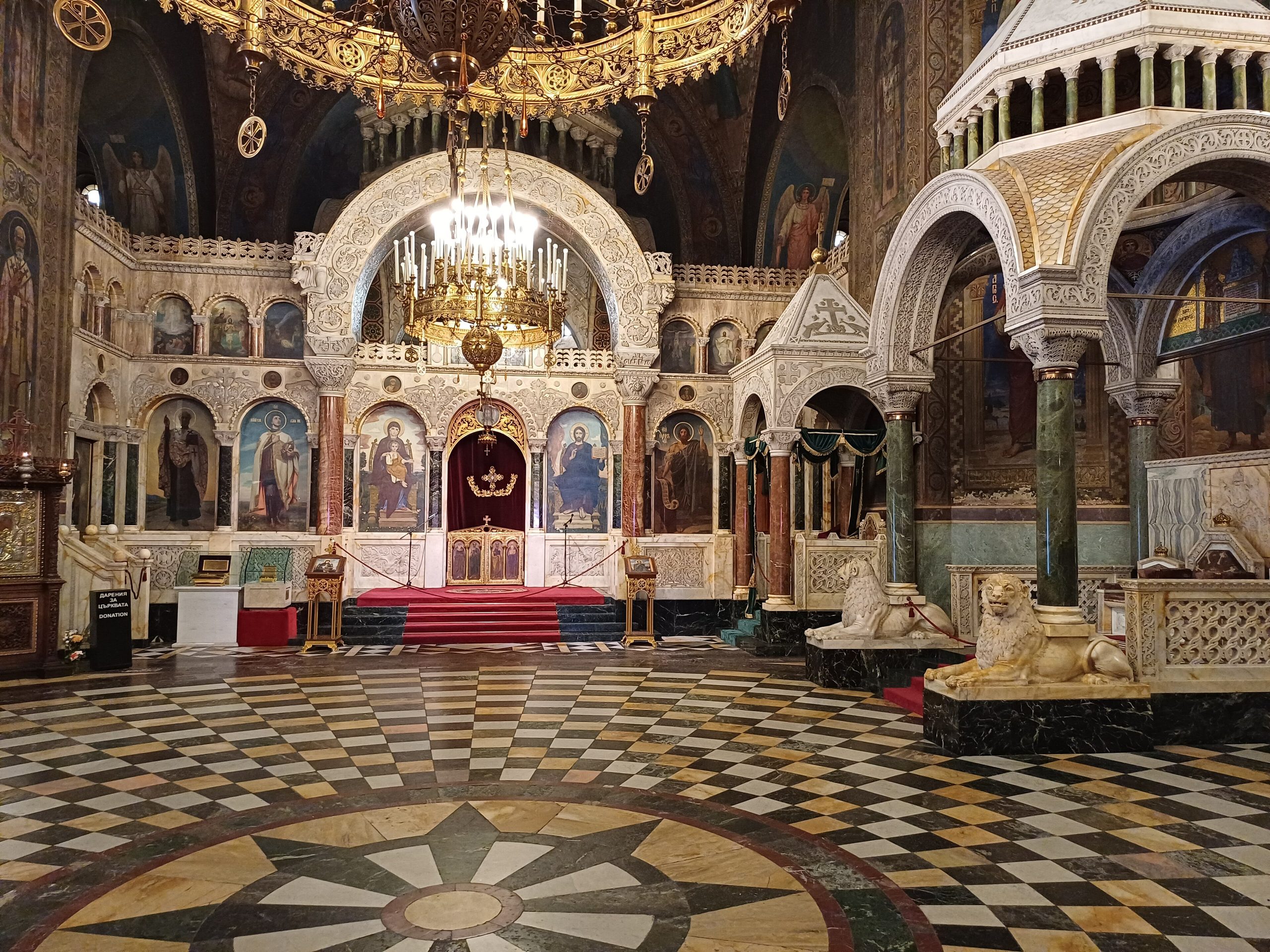
| Alexander Nevsky Cathedral | 5 minutes | Free | Sofia's gold-domed Patriarchal cathedral |
| National Assembly and the Tsar Liberator | 5 minutes | Free to look | Parliament and the equestrian statue of Tsar Alexander II |
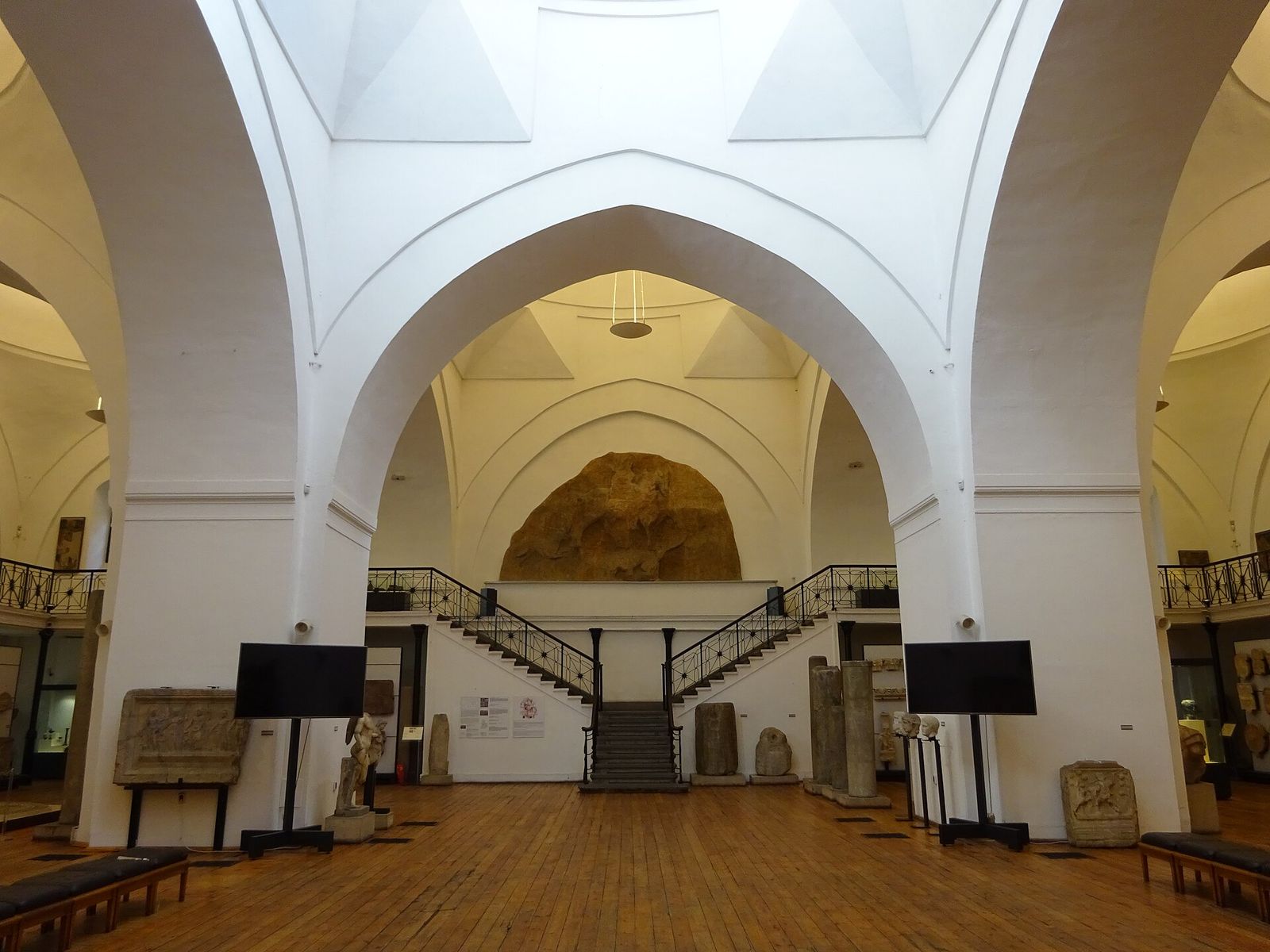
| National Archaeological Museum | 6 minutes | €6 | Ancient finds in a former Ottoman mosque |
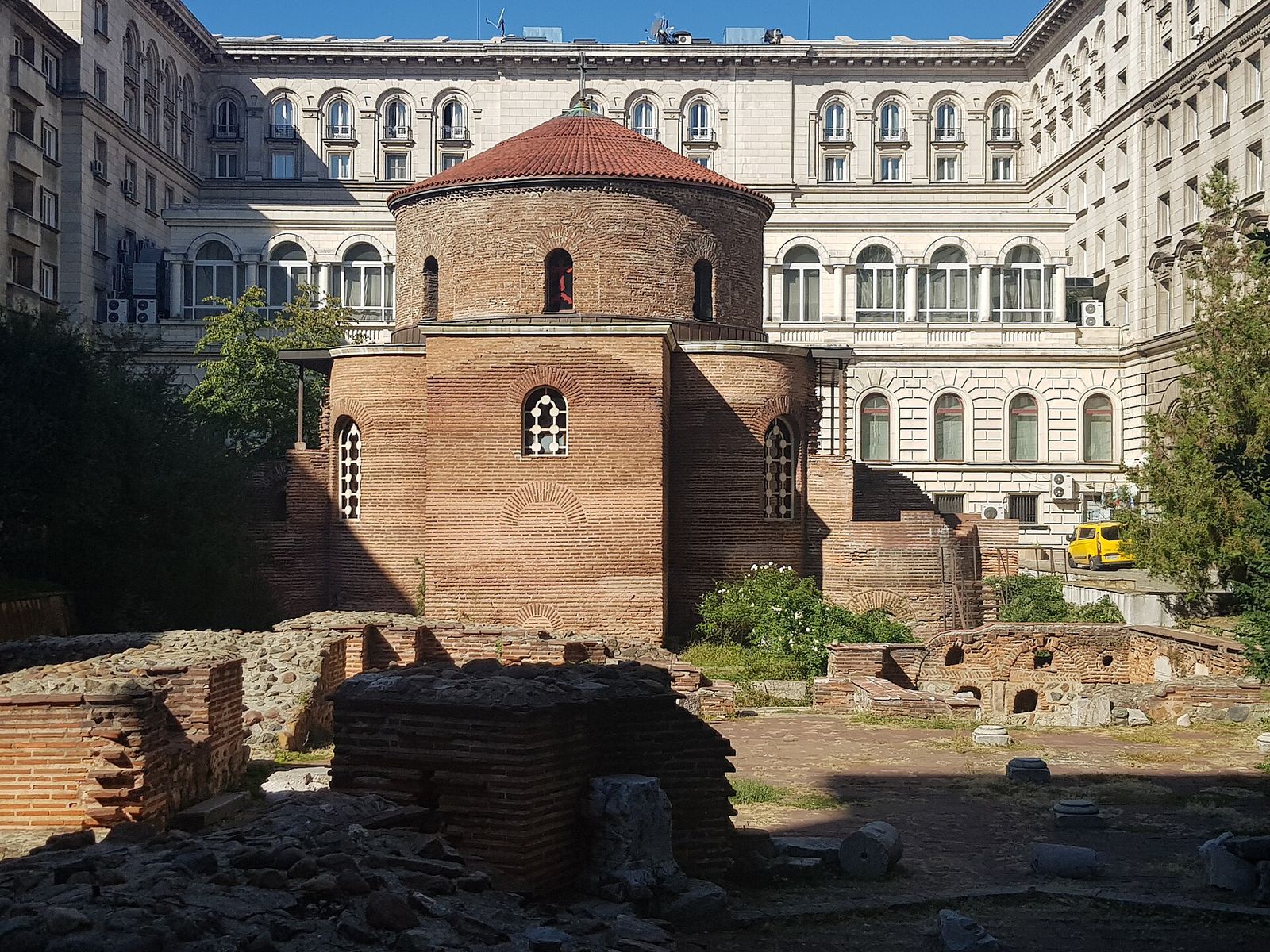
| Rotunda of St George | 10 minutes | Free | 4th-century brick rotunda, the oldest building in Sofia |
For a sit-down between churches, the City Garden has benches round a fountain in front of the National Theatre, and it's the most central of the parks in Sofia.
St Sofia Basilica
St Sofia Basilica, 3 minutes away, is the red-brick church the city is named after. It went up in the 6th century on top of older churches and a Roman necropolis, and the archaeological level underneath costs €4 for adults (€1.50 reduced), with free entry on the second Thursday of each month. The eternal flame of the Unknown Soldier burns against its wall.
Alexander Nevsky Cathedral
A 5-minute walk east, Alexander Nevsky Cathedral is the big gold-domed cathedral, free and open from 7am to 7pm, with a crypt icon museum at €10 (€2 on Thursdays, closed on Mondays). Nevsky is number 1 on my list of things to do in Sofia, and from about 10am the antiques market by the cathedral sets out its icons, Soviet badges and lace in the park beside it.
The former royal palace
The yellow former royal palace on Knyaz Alexander I Square, 4 minutes west, holds two museums. The National Gallery's rooms of Bulgarian art, which it calls The Palace, cost €8, or €2 on Thursdays, and the National Ethnographic Museum fills the other wing with regional folk costume and embroidery, on a separate ticket.
National Archaeological Museum
Beside the Presidency, a couple of minutes past the palace, the National Archaeological Museum fills a former Ottoman mosque with ancient stone carvings, and at €6 it's my first pick of the museums in Sofia for a single hour.
My morning route from Serdika to Alexander Nevsky
This is the morning I plan for friends on a weekend in Sofia. It starts among the Roman streets of ancient Serdica in the Serdika metro concourse and finishes at Nevsky, about 1.5 km on foot, and it costs €10 with the Archaeological Museum and St Sofia's underground level.
| Time | Where | What to do |
|---|---|---|
| 9.15am | Serdika metro concourse | The Roman streets, free and open to walk through |
| 9.35am | Rotunda of St George | The 4th-century church in the courtyard behind the Presidency |
| 10am | National Archaeological Museum | An hour with the ancient carvings, from opening time |
| 11.05am | Russian Church | The domes, the murals, then a wish note in the crypt |
| 11.35am | St Sofia Basilica | The church and the Roman tombs underneath |
| 12.20pm | Alexander Nevsky Cathedral | The nave, then the market stalls outside |
The Rotunda of St George is the stop people miss on this route, because it hides in a courtyard enclosed by the Presidency and the Sheraton, with Roman street paving and brick foundations around it.
Key takeaways
- Entry costs nothing, the doors open 8am to 6.30pm daily, and cameras and phones stay away inside the church.
- The wish notes go in a box by Archbishop Seraphim's tomb in the crypt, written in any language.
- Allow 20 to 30 minutes for the church, the crypt and a lap of the garden.
- St Sofia, Nevsky, the former royal palace and the Archaeological Museum are all within a 6-minute walk.
Frequently asked questions
What religion is the Russian Church in Sofia?
It's Russian Orthodox. The church belongs to the Moscow Patriarchate, which has run it directly as a podvorie since 1952, and its services are sung in Church Slavonic. Nevsky and most of Sofia's other churches belong to the Bulgarian Orthodox Church.
Is the Russian Church in Sofia free to visit?
Yes, entry is free from 8am to 6.30pm every day. There's no charge for the crypt or the wish notes either, and the only thing to buy is a candle by the door.
Can you take photos inside the Russian Church?
No. Photography is banned inside the church, phones included, and I keep my camera away in the crypt too, where people come to pray. The domes and the tiled icon over the door are free to photograph from the garden.
How do you make a wish at the Russian Church?
Go down to the crypt, write your wish on one of the slips of paper left out there, fold it and post it in the box by Archbishop Seraphim's tomb. You can write in any language. The custom goes back to a story that Seraphim told a parishioner to keep writing to him after his death, so he could take the requests to God.
Why is it called the Russian Church?
It went up between 1907 and 1914 for the Russian embassy next door and the Russians living in Sofia, and the Russian Orthodox Church still runs it. Its official name is the Church of St Nicholas the Miracle-Maker, after the patron saint of Tsar Nicholas II.
What is the main church in Sofia?
Alexander Nevsky Cathedral is the main one, the Patriarchal cathedral of the Bulgarian Orthodox Church, and it's a 5-minute walk east of the Russian Church. St Sofia Basilica, which gave the city its name, is even closer, 3 minutes away.
How long do you need at the Russian Church?
Allow 20 to 30 minutes for the nave, the crypt and a walk round the domes outside. Add St Sofia and Nevsky and you have an easy 2-hour morning.
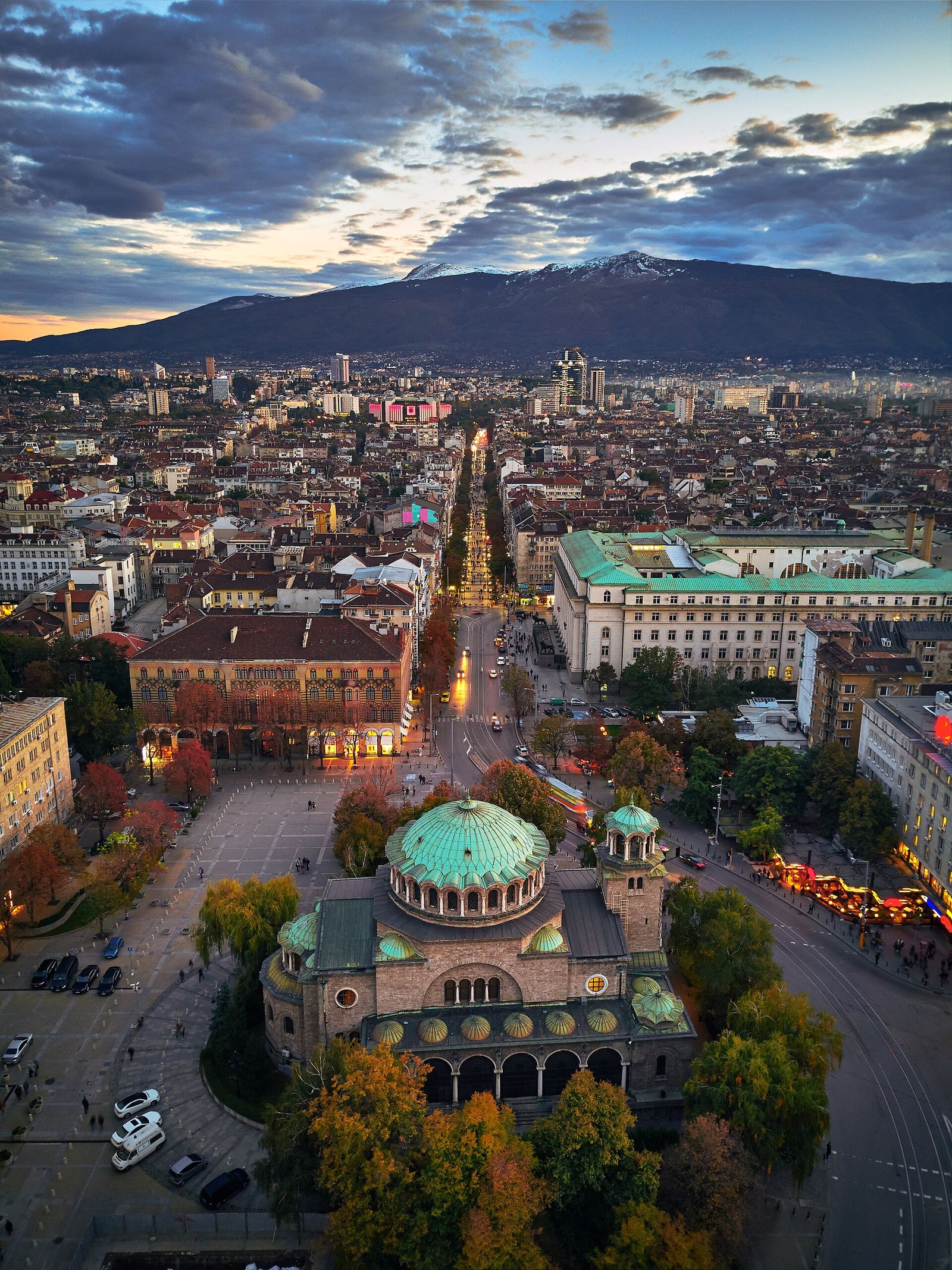
11 Best Things to Do in Sofia: My Personal Favourites
The best sights in Sofia sit close together and most are free. My 11 favourites, with prices, hours and a weekend plan.
Read the guideAlexander Nevsky Cathedral in Sofia: My Guide to Visiting
Sofia's gold-domed cathedral is free and open every day. How I visit it, from the crypt icons to the market outside.
Read the guide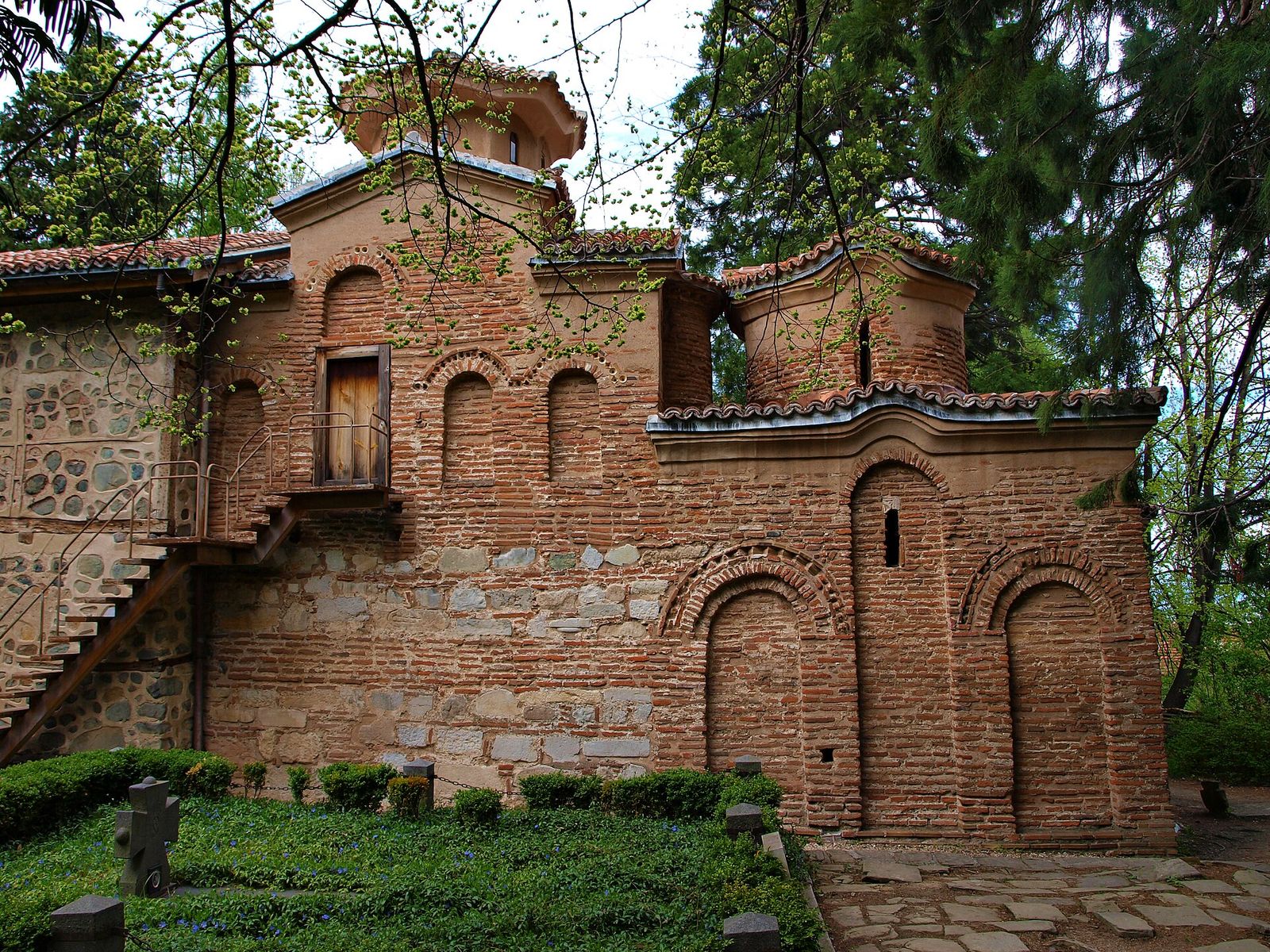
Boyana Church in Sofia: The Frescoes and How I'd Visit
A tiny UNESCO church at the foot of Vitosha, painted in 1259. What it costs, the rules and how I fit it in.
Read the guide