Bulgarian Crafts: Pottery, Embroidery and Where I See Them
Bulgaria's crafts grew up in small mountain towns: painted pottery in Troyan, carpets in Chiprovtsi, carved wood in Tryavna and red cross-stitch in every village. Plenty of those workshops are still going, and Sofia's museum and market stalls give you a good first look. Here are the 6 crafts I love, where I see each one in the city and on a trip out, and how I tell handmade from factory-made.
Bulgarian crafts at a glance
Four of these crafts have a home town, and each of those towns makes a day out or an overnight from Sofia.
| Craft | Where it comes from | Where I see it | From Sofia |
|---|---|---|---|
| Troyan pottery | Troyan, in the Balkan Mountains | The Troyan crafts museum, Oreshak, Etar | About 160 km north-east |
| Busintsi pottery | Busintsi, near Trun | Busintsi Museum of Ceramics | West, towards the Serbian border |
| Embroidery and lace | Every region, each with its own patterns | National Ethnographic Museum, the antiques market | In the centre |
| Martenitsa | All over Bulgaria, for 1 March | Street stalls in the weeks before 1 March | In the centre |
| Chiprovtsi carpets | Chiprovtsi, in the north-west | The town's history museum | North-west, near the Serbian border |
| Tryavna woodcarving | Tryavna, near Gabrovo | Daskalov House and its woodcarving museum | An overnight with Etar |
Troyan pottery
Troyan pottery is the glazed earthenware on souvenir tables all over Bulgaria, and it comes from Troyan, a crafts town in the Balkan Mountains about 160 km north-east of Sofia. Potters there use the red local clay and glaze it in yellow, brown and green. The style took shape in the 19th century, and village women painted the pots, each with a signature design of her own.
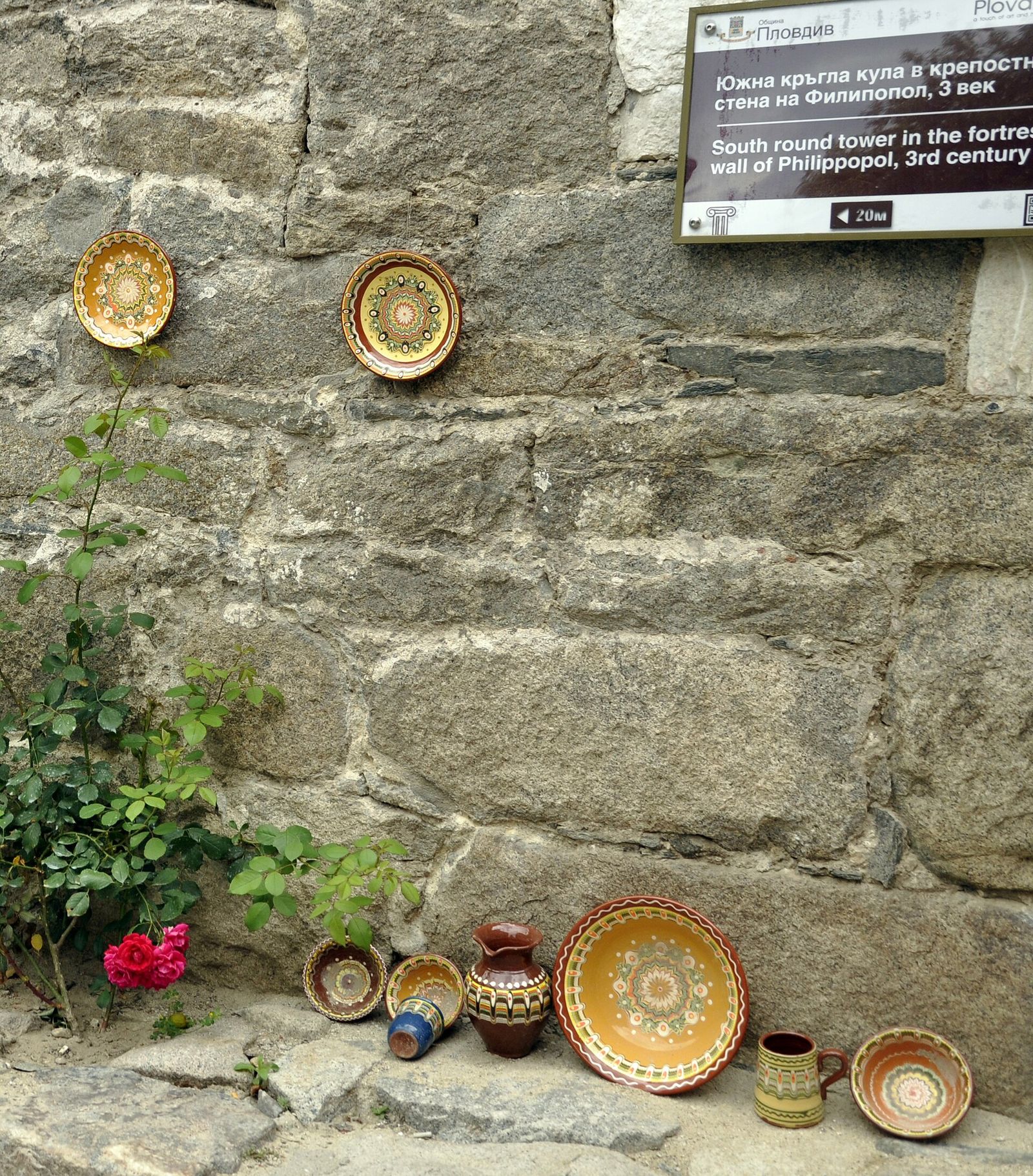
Look for the Troyan drop, glaze smeared with a fingertip so it runs down like raindrops, and for peacock eyes and butterflies drawn with a bull's horn and a feather. The piece I'd buy is a gyuvech, the lidded clay pot Bulgarians bake stews in, and I serve yoghurt in the little bowls.
Troyan has taught the craft for over a century: its National School of Applied Arts opened as a pottery school in 1911. In Sofia, Troyan-style pieces fill the souvenir shops around Vitosha Boulevard, and a few stalls at Zhenski Pazar, the Women's Market, sell plates and bowls beside the honey and spices.
Busintsi, the other pottery village
Busintsi is a village near Trun, west of Sofia towards the Serbian border, and it has its own clay and its own style. By the late 17th century about 300 potters worked here. Busintsi pots carry yellow, green and red glazes in lines and leaf patterns. I find them calmer than Troyan's peacocks.
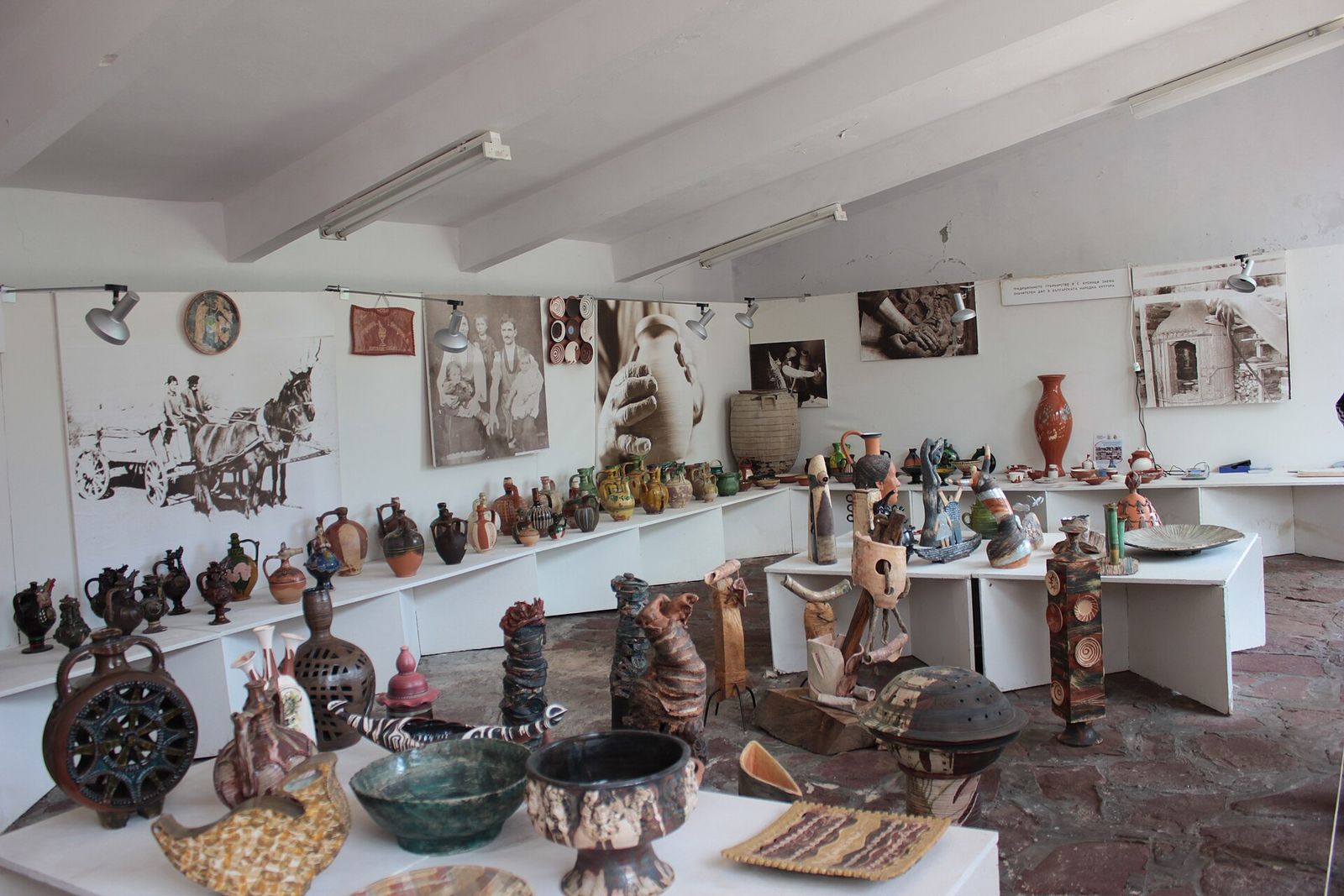
The village's Museum of Ceramics follows the local craft from the 17th century to modern ceramic art, and its tables hold everything from glazed jugs and bowls to sculpted figures.
Bulgarian embroidery (shevitsa)
Bulgarian embroidery is called шевица (shevitsa), and its best-known form is red cross-stitch on linen or cotton. It ran down the sleeves, round the collars and along the hems of women's shirts, over aprons and across the tablecloth at home. The patterns are geometric: stylised flowers, zigzags and the eight-pointed star, осморка (osmorka), worked inside a border.
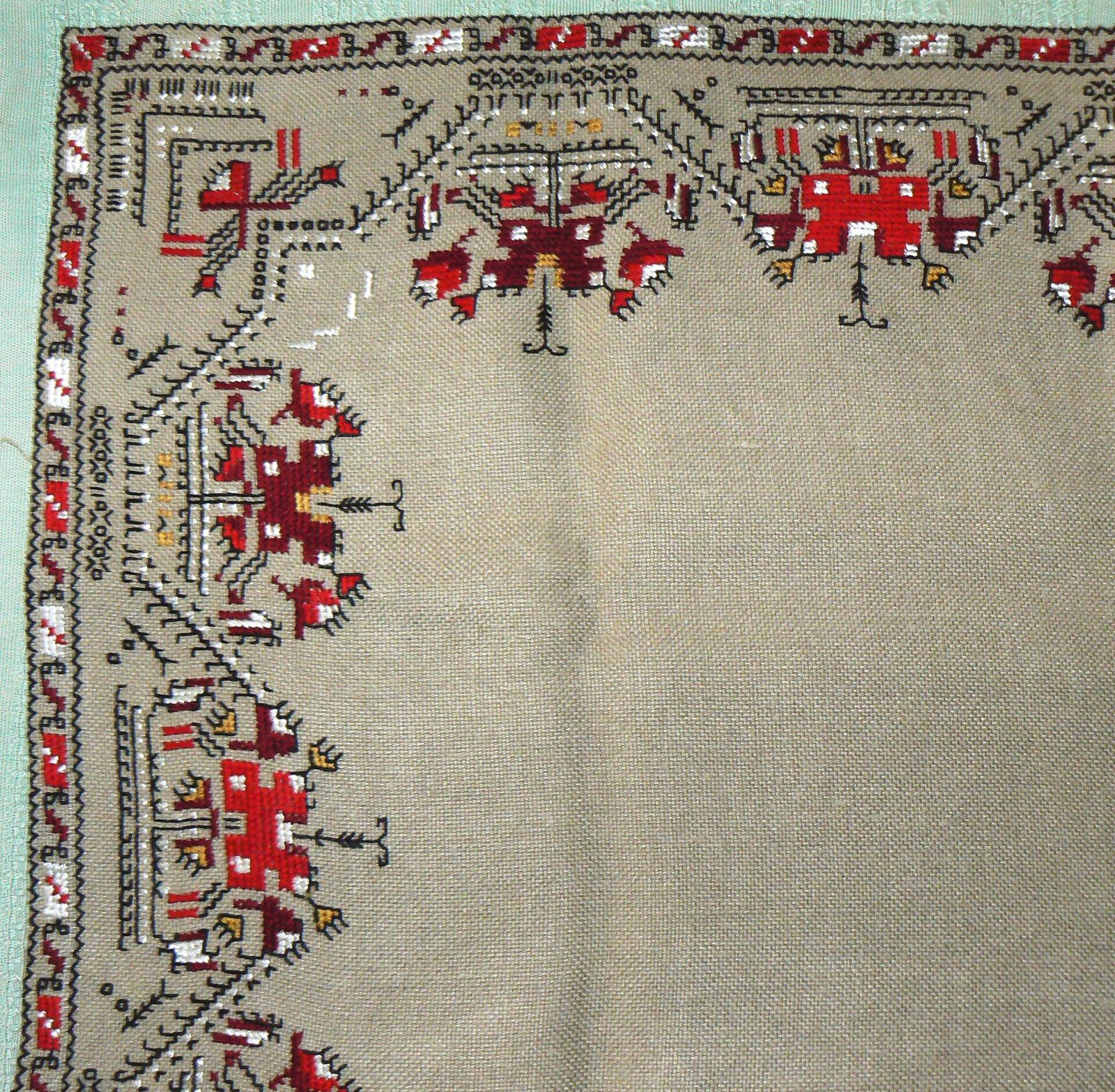
Every region had its own colours and motifs, so a costume told people where its owner came from. The tablecloth above was stitched in the village of Divotino in the 1930s, and it's the kind of piece I'd frame and hang on a wall.
The martenitsa
A martenitsa is twisted red and white wool, made into a bracelet, a tassel or a pair of little figures, and Bulgarians give them to each other on 1 March to welcome spring. The customs around the martenitsa went on UNESCO's intangible heritage list in 2017, and older women still teach girls to make them.
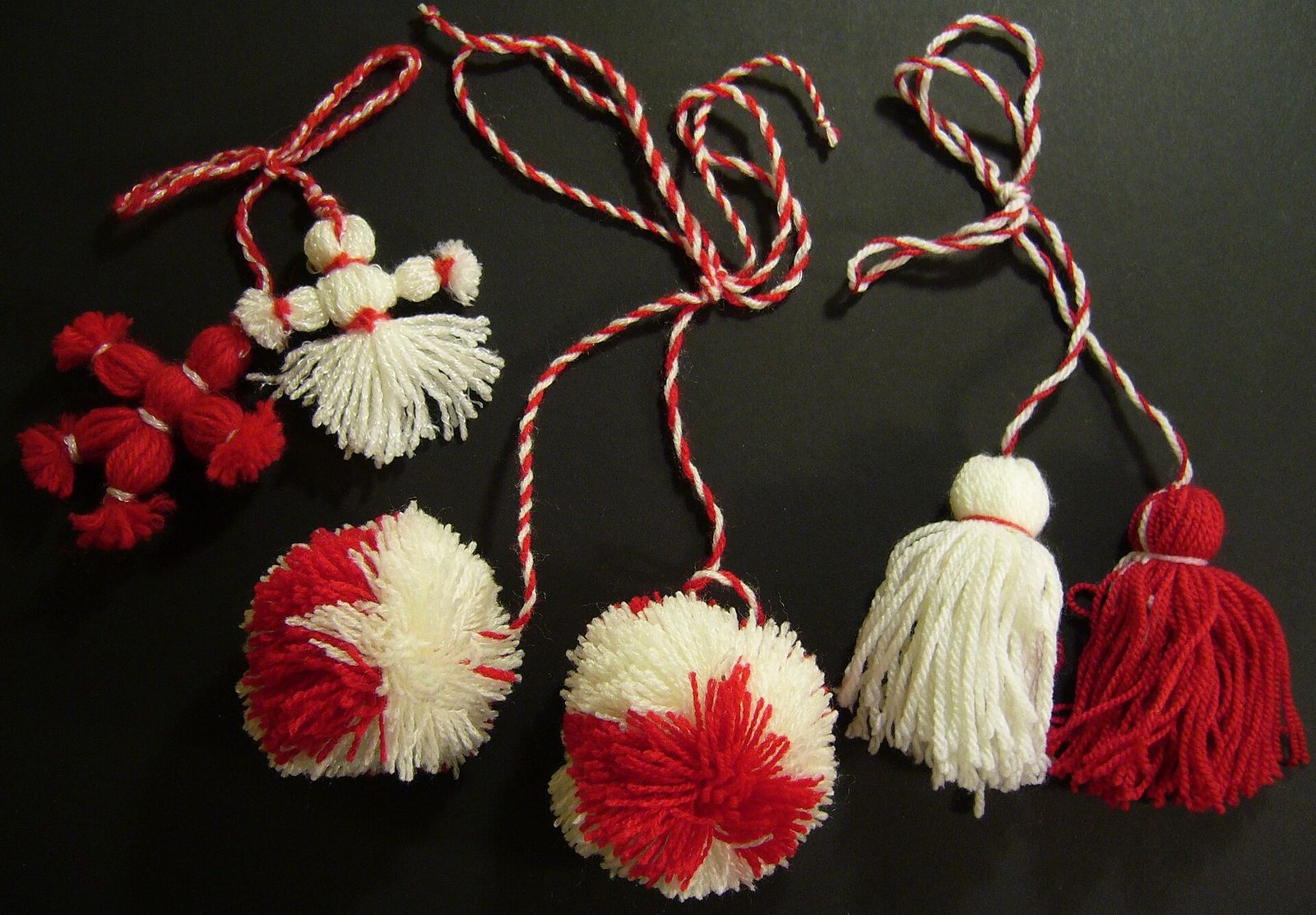
Ethnographic museums run martenitsa workshops in the run-up to 1 March, and street stalls all over Sofia sell them in the same weeks. I look for soft wool ones, knotted by hand.
Chiprovtsi carpets
Chiprovtsi is a small town in the north-west, near the Serbian border. UNESCO put its carpet-making on the intangible heritage list in 2014. The women weave on vertical handlooms, found in almost every house in town, while the men see to the wool and the dyeing.
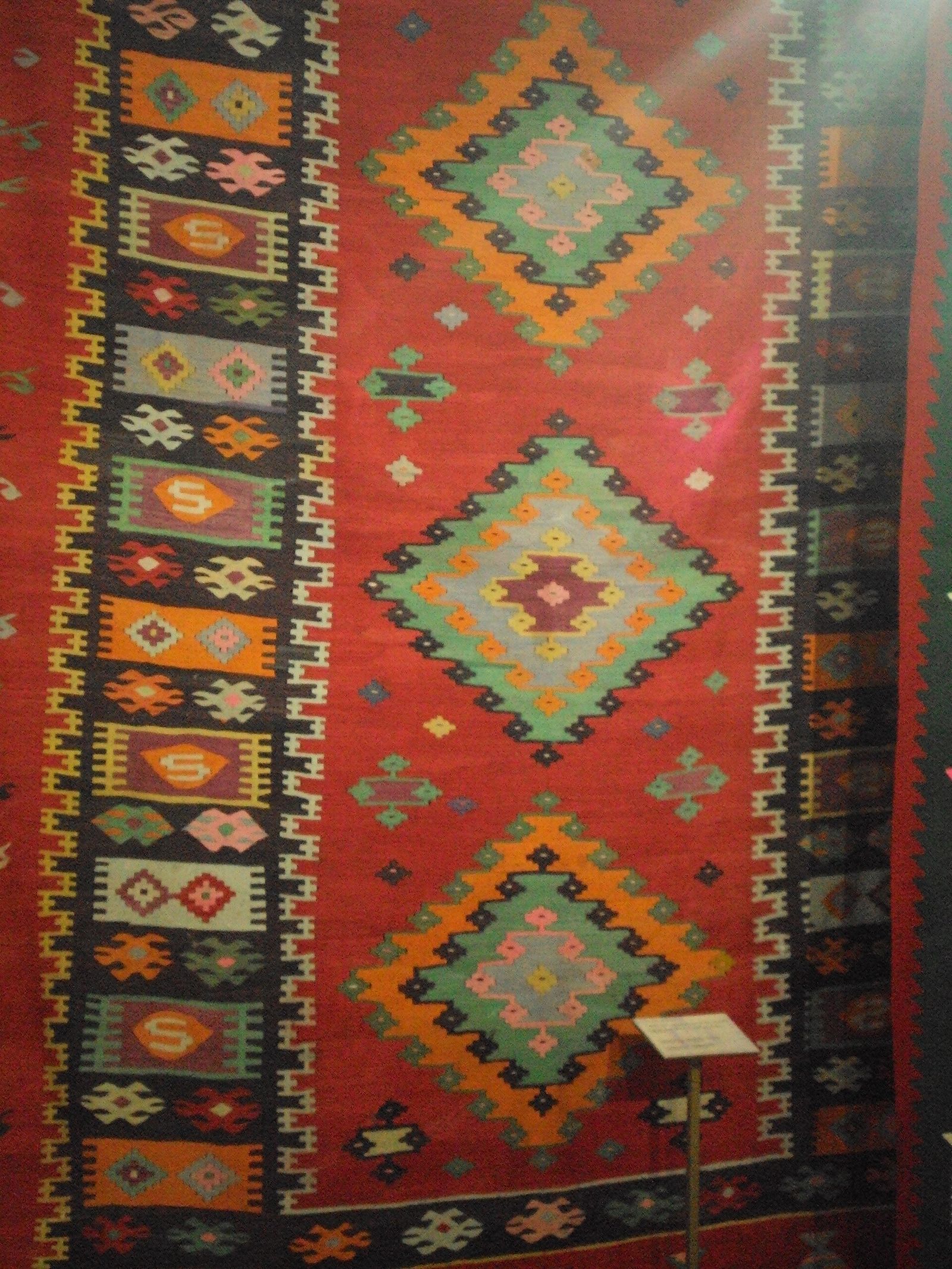
A Chiprovtsi carpet is two-sided, so it looks right from either face. The designs are geometric, with vines and stylised figures framed by borders, and since the early 20th century they have been woven with a cotton warp and a wool weft. Natural dyes give the soft pastel shades and chemical dyes the brighter ones, and the best-known motifs even make up the town's coat of arms.
The weavers say a prayer and make a wish before they start a carpet, then sing and tell stories at the loom. Girls learn the craft from their mothers and grandmothers, often while working together on large carpets. For the old pieces, I'd go to the town's history museum.
Woodcarving from Tryavna
Tryavna is a small town in the Balkan Mountains near Gabrovo, and it made its name on woodcarving, icon painting and woollen cloth. My favourite piece of Bulgarian carving is in its Daskalov House: wooden suns spread across the ceilings, carved in 1808, in the house that now holds the town's woodcarving museum.
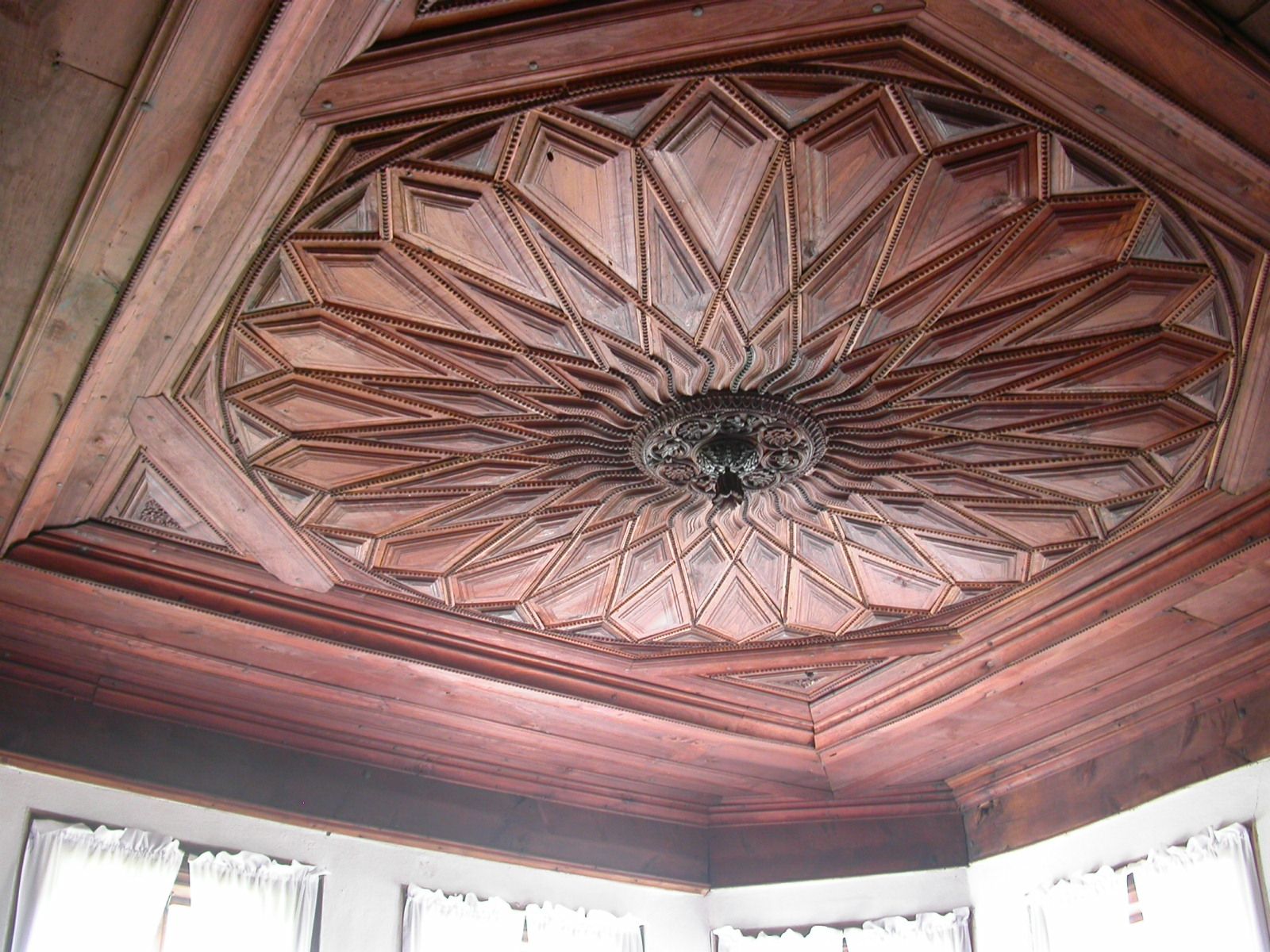
The town painted as well as carved, and its Museum of Icons shows 160 original icons. In Sofia, the carving comes small: boxes, spoons, wall plaques and the wooden muskal that holds a phial of rose oil. I buy carved spoons. They weigh nothing and get used.
Where to see Bulgarian crafts in Sofia
Two places in the centre show crafts properly, and they're a short walk apart, so I do them in one morning.
National Ethnographic Museum
The National Ethnographic Museum shares the former royal palace on Knyaz Alexander I Square with the National Gallery. Its rooms are full of regional costume and embroidery, and it's the quickest crash course in Bulgarian culture and traditions I know.
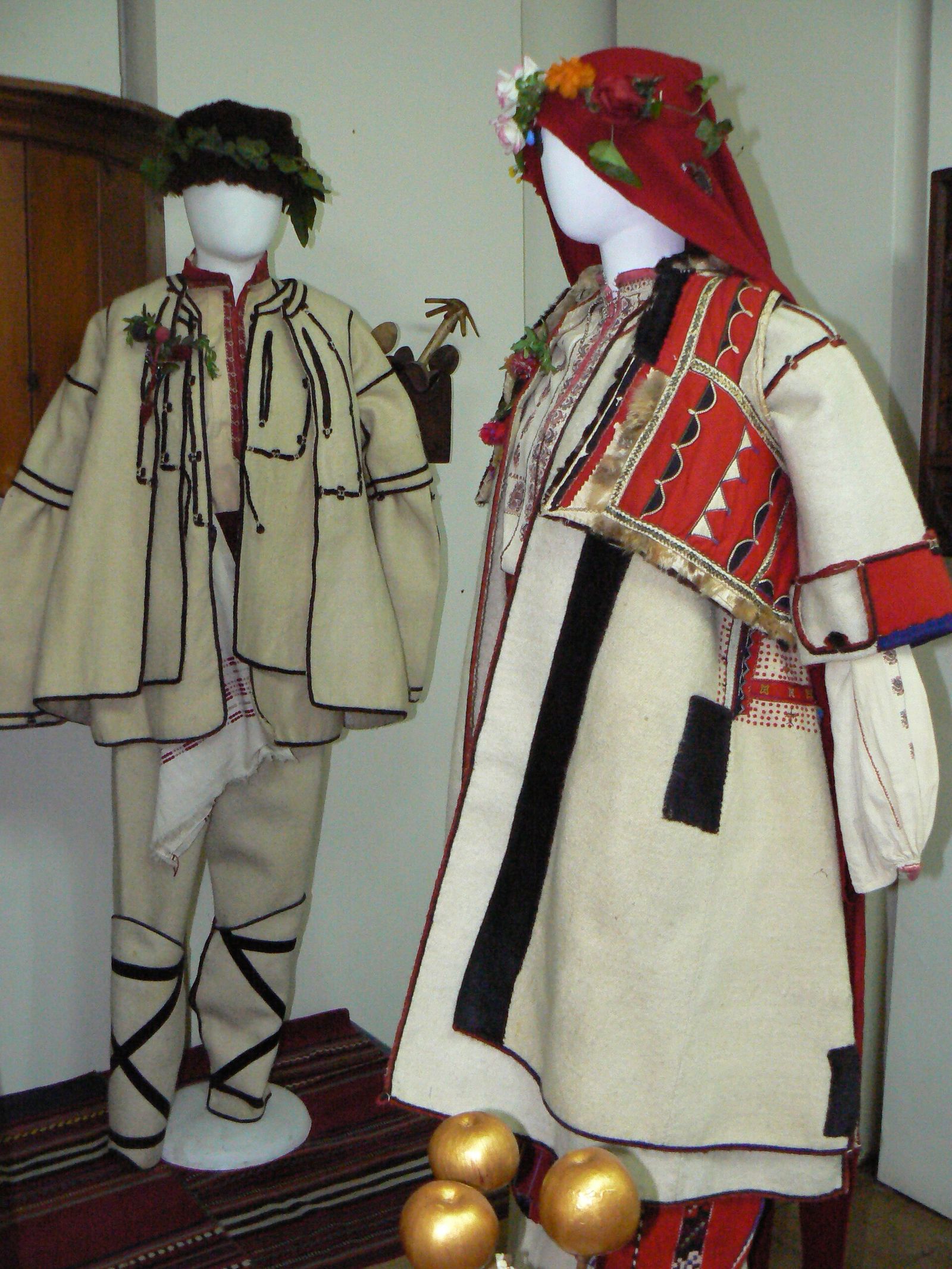
The museum shop sells embroidered shirts and other folk-costume pieces by craftspeople, and it's where I'd buy embroidery with a maker behind it. It shuts on Mondays. On a Saturday-to-Monday trip, I put it on the Saturday.
The lace row at the Alexander Nevsky antiques market
The antiques market beside Alexander Nevsky Cathedral sells Soviet badges, army helmets and dial telephones along most of its tables. One path belongs to older women with handmade lace, crocheted cloths, embroidered tablecloths and thick knitted wool socks, and I head straight for it.
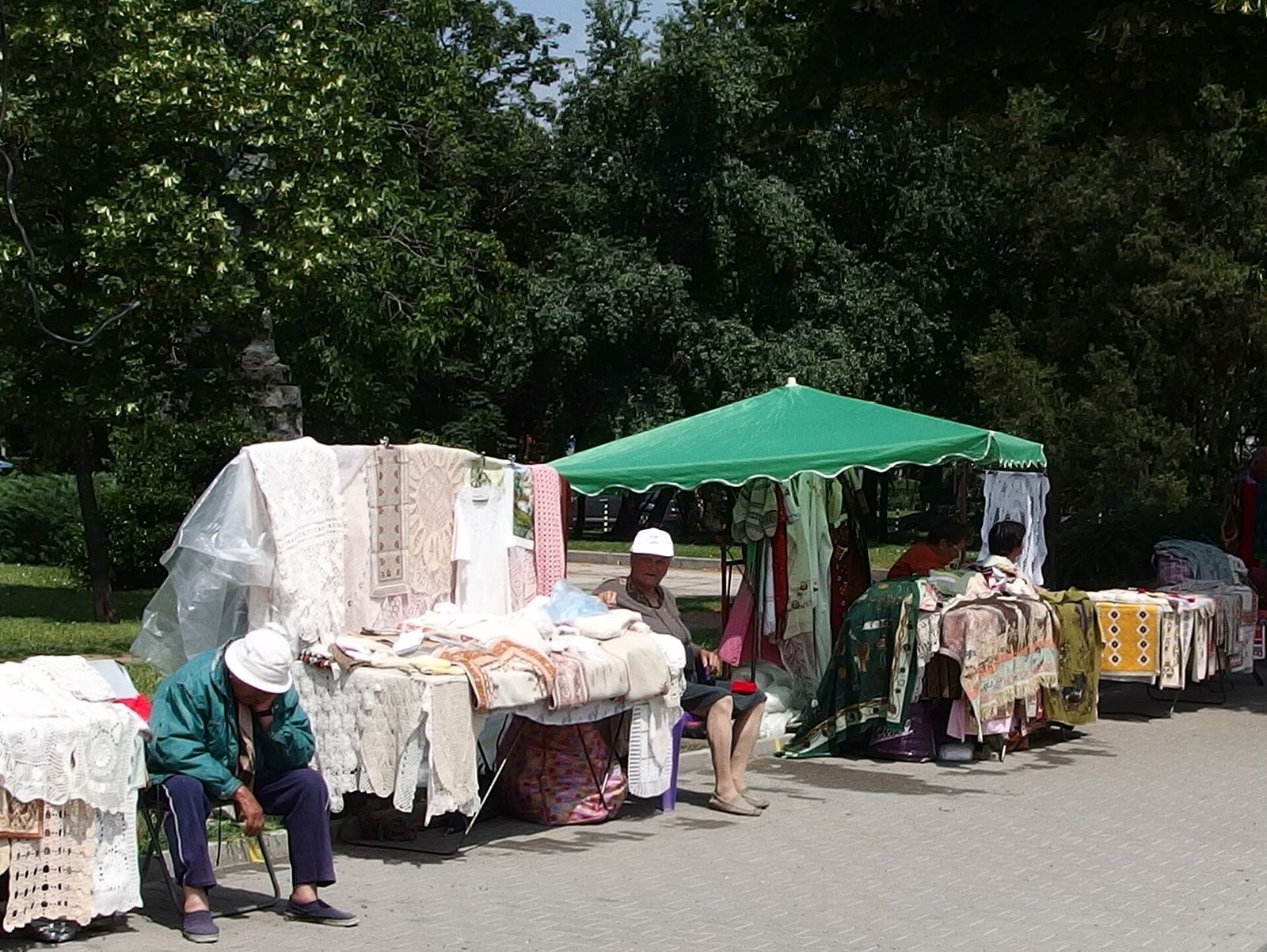
The stalls set up from about 10am every day, weather permitting. Prices are open to haggling, nobody writes receipts, and I carry small euro notes. For presents beyond crafts, the Bulgarian souvenirs I buy most are rose oil, rakia and a jar of lyutenitsa from the supermarket.
Where to see Bulgarian crafts outside Sofia
Plovdiv and Koprivshtitsa make easy craft and costume days from Sofia. The Ethnographic Museum on a Plovdiv day trip has rooms on crafts and costume, and Lyutov House in Koprivshtitsa is known for its plasti, the wool covers made at the tepavitsa workshop by the town's bridge. To see the workshops themselves, I go to these four places.
Troyan and its Museum of Folk Crafts
Troyan's Museum of Folk Crafts and Applied Arts is the place to see the pottery at home. It has a reconstructed potter's workshop, costumes with embroidery and woollen lacing, a wooden loom, copper and silver work, and kukeri costumes with their masks and bells.
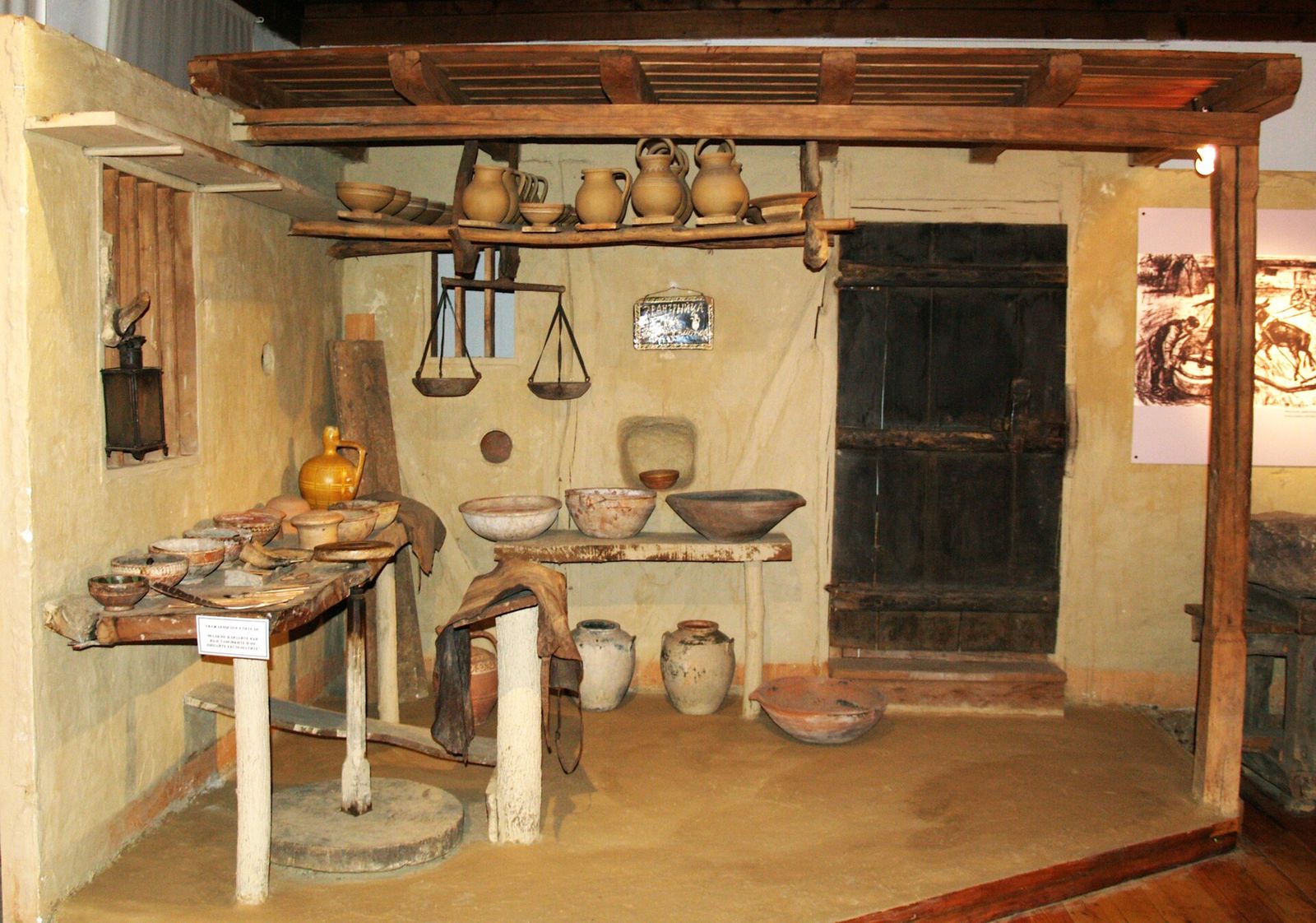
You can paint your own ceramics at the museum and dress up in folk costume for photos, and workshops in town let you sit at a potter's wheel. I make Troyan a long day by car and add Oreshak.
Oreshak and the national crafts exhibition
Oreshak is a village in Troyan municipality, home to Troyan Monastery, and it hosts the National Exhibition of Art Crafts and Arts (Национално изложение на художествените занаяти и изкуствата). Its collections cover ceramics, textiles and clothing, woodwork and metalwork, and it puts on craft demonstrations and plum rakia tastings.
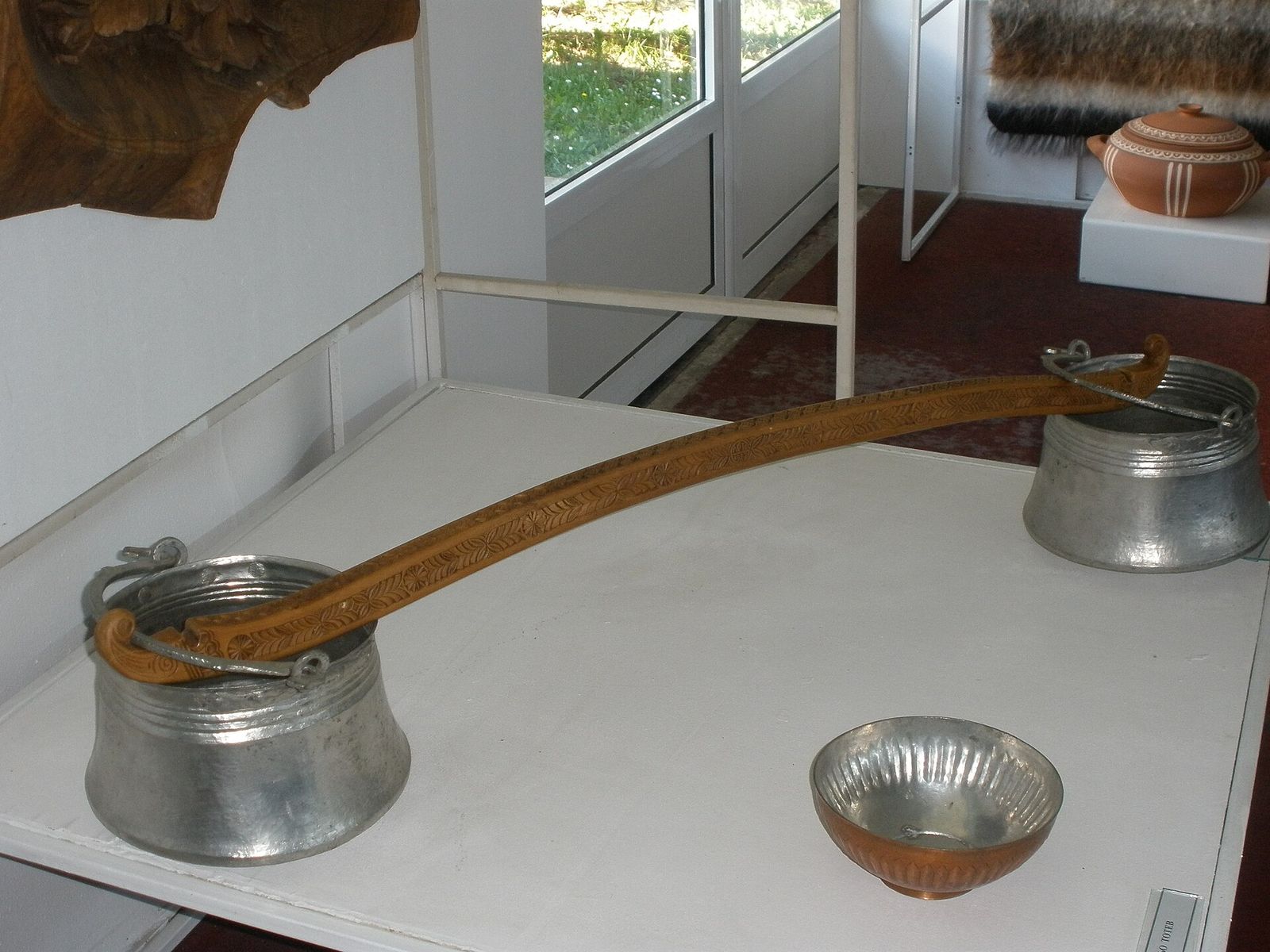
The two big dates are a traditional crafts fair in mid-August and the Bulgarian Plum Festival in September, which ran from 18 to 21 September in 2026 with a competition for plum rakia. The exhibition's own site lists the events, in Bulgarian.
Etar open-air museum near Gabrovo
Etar is the one I'd pick to watch crafts being made. It's an open-air museum on the edge of Gabrovo, with a cobbled Craftsman Street of old timber houses and small workshops where potters and other craftsmen work in front of you. The oldest building is a mill from 1780, and it still works.
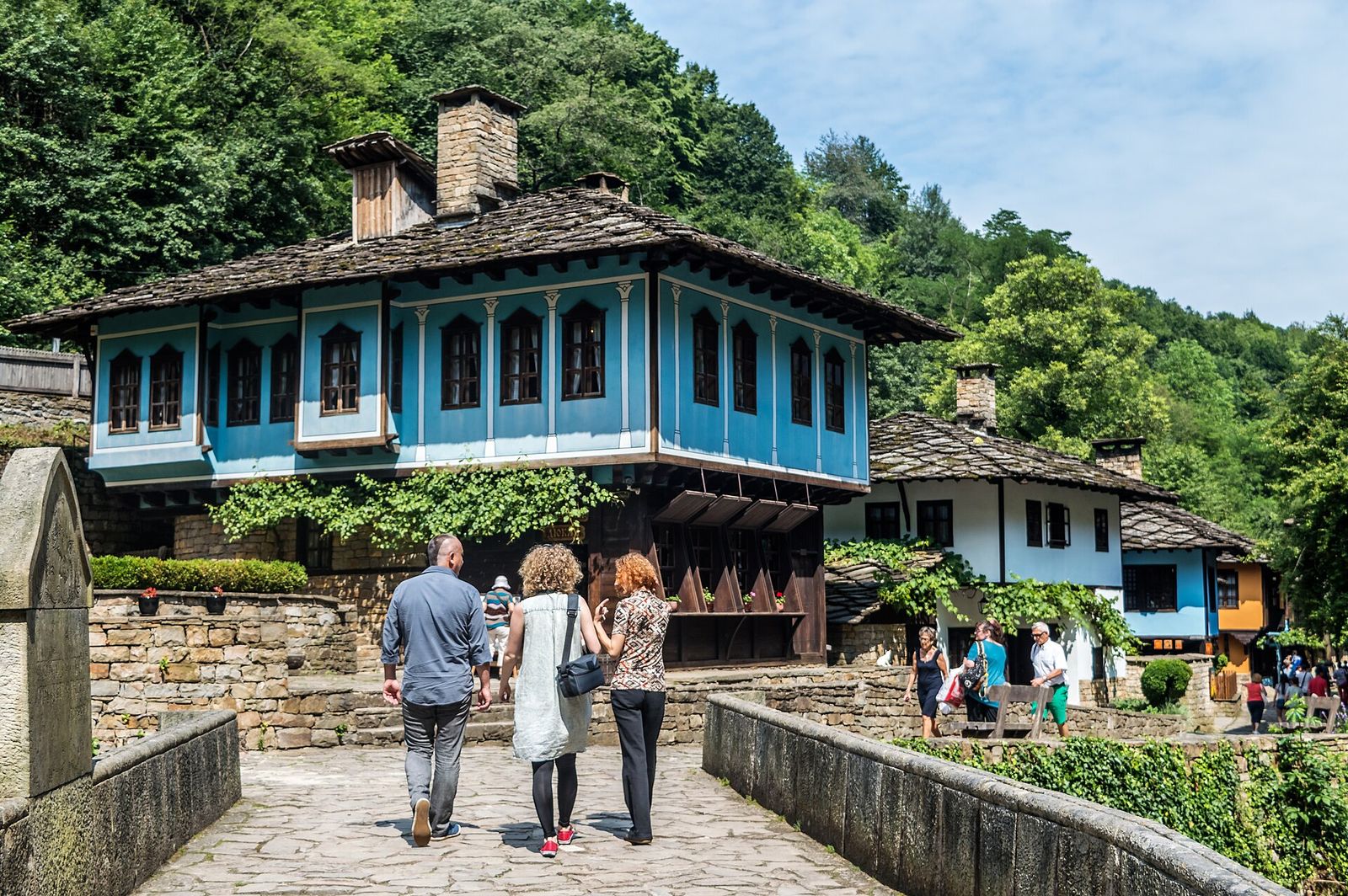
Etar also runs an International Fair of Traditional Crafts, and its website sells tickets online. I pair it with Tryavna's carved ceilings and a night in Veliko Tarnovo, because all three sit on the north side of the Balkan Mountains.
Samovodska Charshiya in Veliko Tarnovo
Samovodska Charshiya (Самоводска чаршия) is the old craftsmen's street in Veliko Tarnovo's old town: cobbles, white Revival-era houses and small craft shops. They sell pottery, woven scarves and embroidered bags, laid out on tables by the doors.
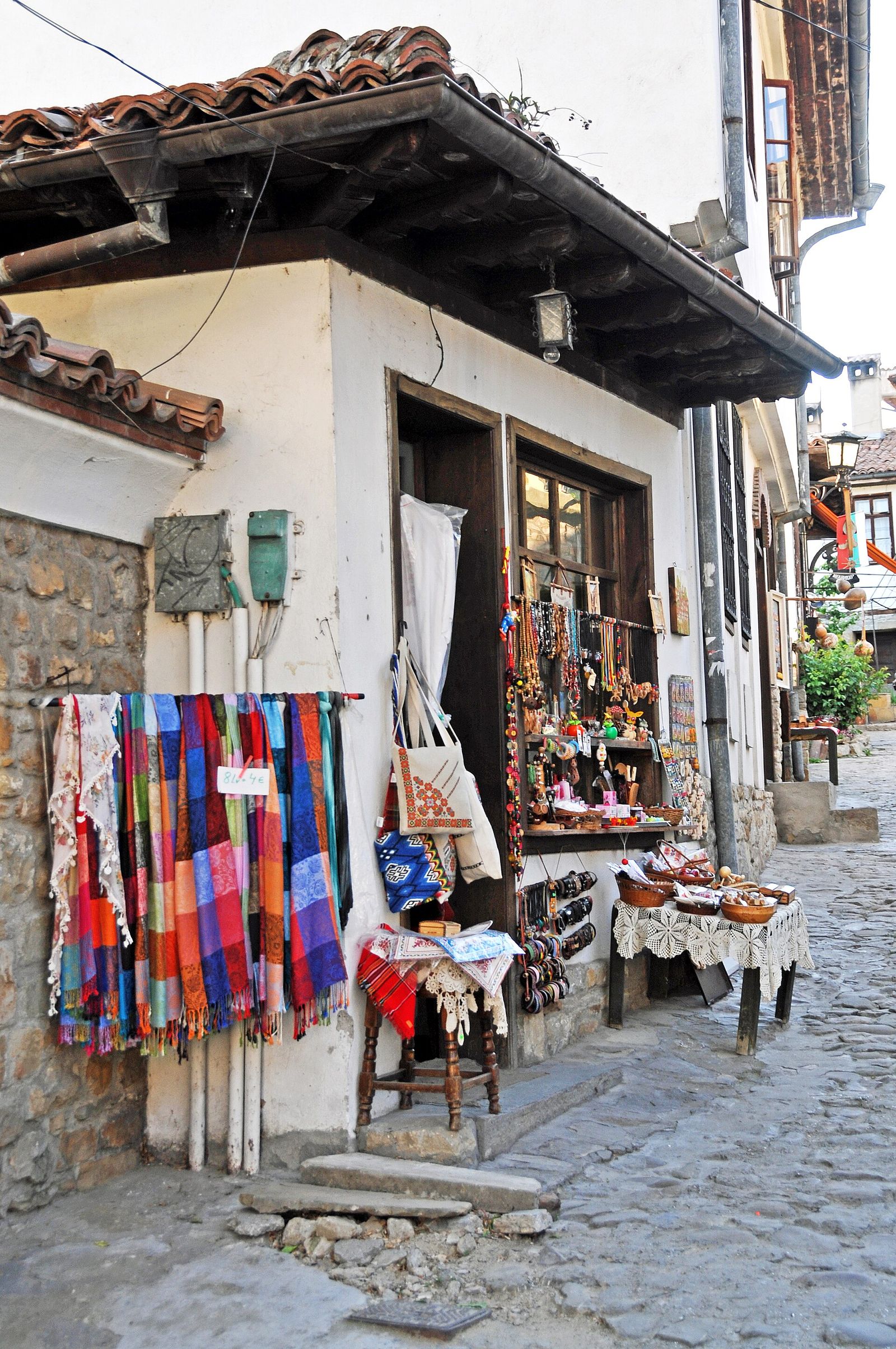
Veliko Tarnovo is about 220 km from Sofia, 3 to 3.5 hours by coach for €14.50 to €15.50. I always stay a night and walk the craft street first thing the next morning.
Handmade or factory-made: how I check
Stalls in Sofia put handmade pieces and factory copies on the same table, so I run these checks before I pay.
| Craft | Signs it's handmade | Signs it's factory-made |
|---|---|---|
| Troyan pottery | Drips run to different lengths, peacock eyes sit slightly off round | A pattern that repeats perfectly round a plate, a printed transfer |
| Embroidery | Knots, thread ends and slightly uneven stitches on the back | A back almost as tidy as the front, a stiff paper backing |
| Carpets | Woven through, so the pattern shows on both sides | A rubbery backing and a pattern on one side only |
| Woodcarving | Tool marks and uneven depths | Crisp identical lines with scorched edges from a laser |
| Martenitsa | Soft wool, knotted by hand | Shiny acrylic thread and identical figures by the dozen |
Key takeaways
- Troyan pottery is red clay with yellow, brown and green glaze, and the Troyan crafts museum lets you paint your own.
- See embroidery at the National Ethnographic Museum (€5, closed Mondays), then buy it from the lace row at the Alexander Nevsky antiques market.
- Chiprovtsi carpets are two-sided, woven by women on vertical looms, and UNESCO-listed since 2014.
- Etar near Gabrovo has working craft workshops every day of the year, and it pairs well with Tryavna and Veliko Tarnovo.
Frequently asked questions
What are traditional Bulgarian crafts?
Pottery, embroidery, carpet weaving, woodcarving, icon painting and copper and silver work are the main ones. Most have a home town: pottery in Troyan and Busintsi, carpets in Chiprovtsi and Kotel, and carving and icons in Tryavna.
What is Troyan pottery?
Troyan pottery is glazed earthenware made from red local clay in Troyan, in the Balkan Mountains. It's painted in yellow, brown and green, with the glaze smeared by fingertip into the Troyan drop or drawn into peacock eyes with a bull's horn and a feather.
Where can I buy Bulgarian pottery in Sofia?
The souvenir shops around Vitosha Boulevard carry Troyan-style pottery, and a few stalls at Zhenski Pazar sell plates and bowls. For pottery made in front of you, go to Troyan itself or Etar near Gabrovo.
What is Bulgarian embroidery called?
Bulgarian embroidery is called шевица (shevitsa). Red cross-stitch in geometric flowers and stars is the kind most people know, and each region had its own colours and motifs.
What are Chiprovtsi carpets?
Chiprovtsi carpets are two-sided woollen carpets woven by women on vertical handlooms in Chiprovtsi, in north-west Bulgaria. Carpet-making there has been on UNESCO's intangible heritage list since 2014.
Can you try making pottery in Bulgaria?
Yes. In Troyan, local workshops let you sit at a potter's wheel, and the Museum of Folk Crafts and Applied Arts lets you paint your own ceramics.
When are the big crafts fairs in Bulgaria?
Oreshak, near Troyan, holds a traditional crafts fair in mid-August and the Bulgarian Plum Festival in September. Etar near Gabrovo runs its own International Fair of Traditional Crafts.
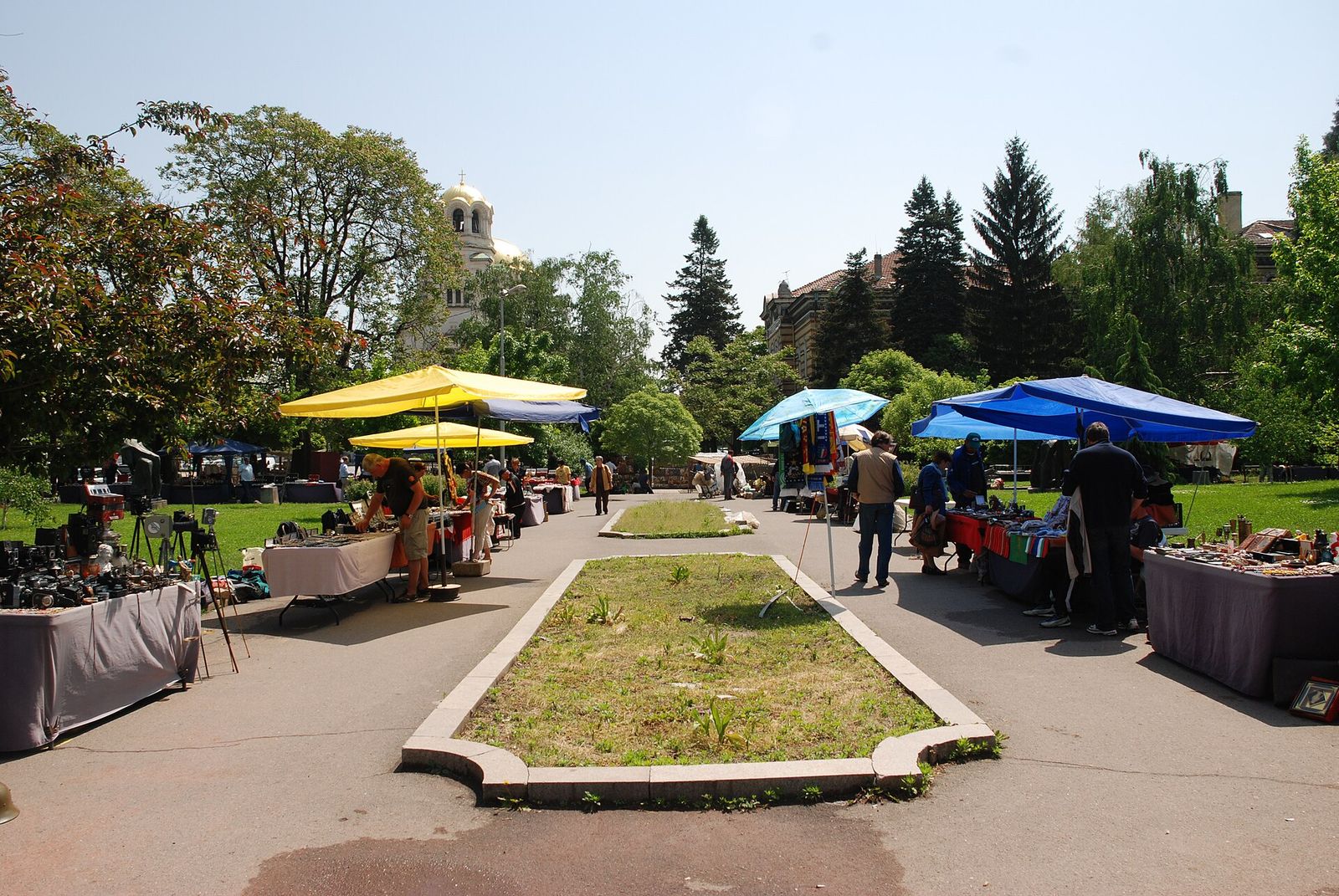
Shopping in Sofia: Where I Shop and What I Buy
Where I shop in Sofia, from the big brands on Vitoshka to icons, embroidery, market honey and rose oil.
Read the guide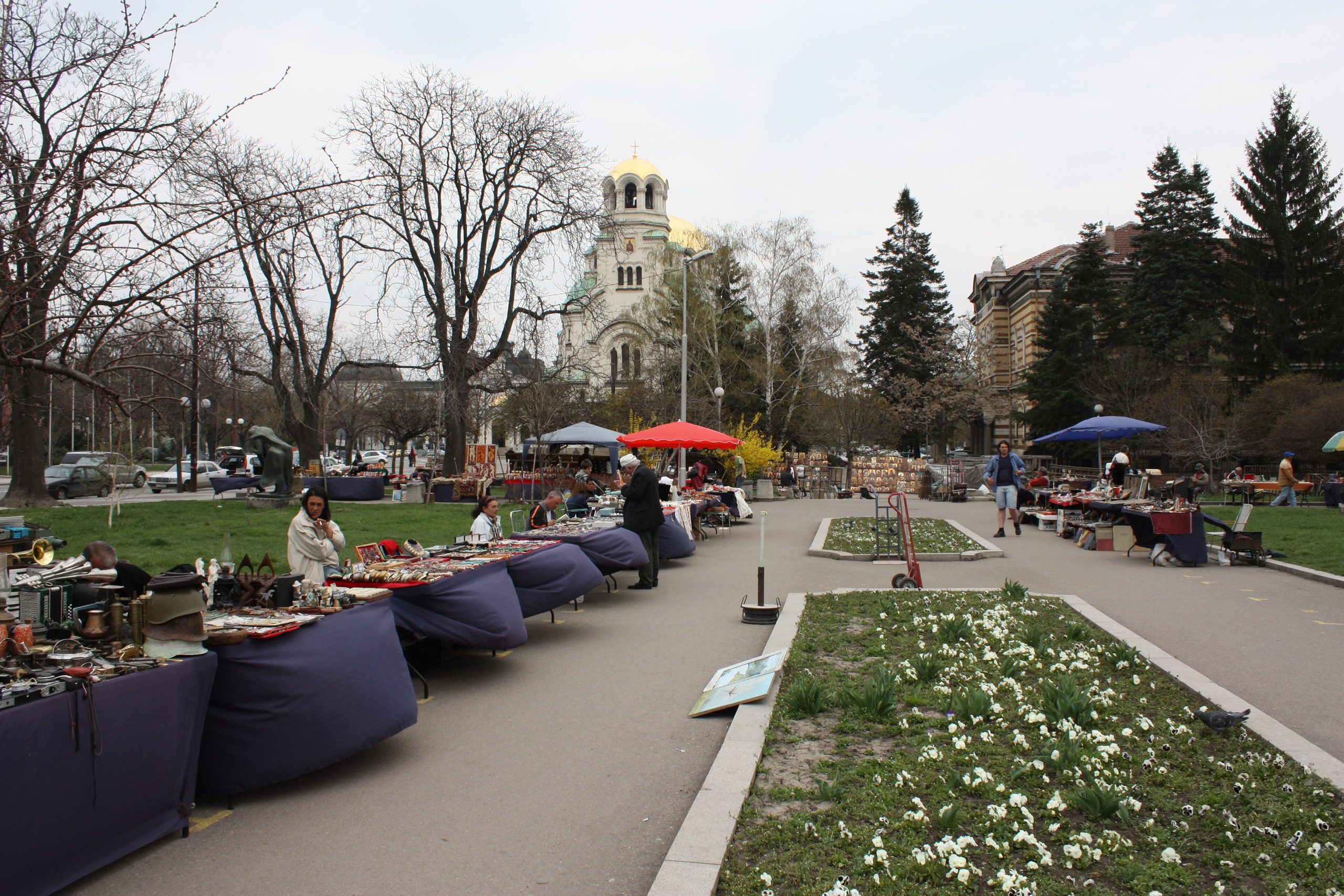
The Antiques Market at Alexander Nevsky: Sofia's Flea Market
Icons, Soviet badges, lace and old cameras outside the cathedral. What I buy, what's fake and how I haggle.
Read the guide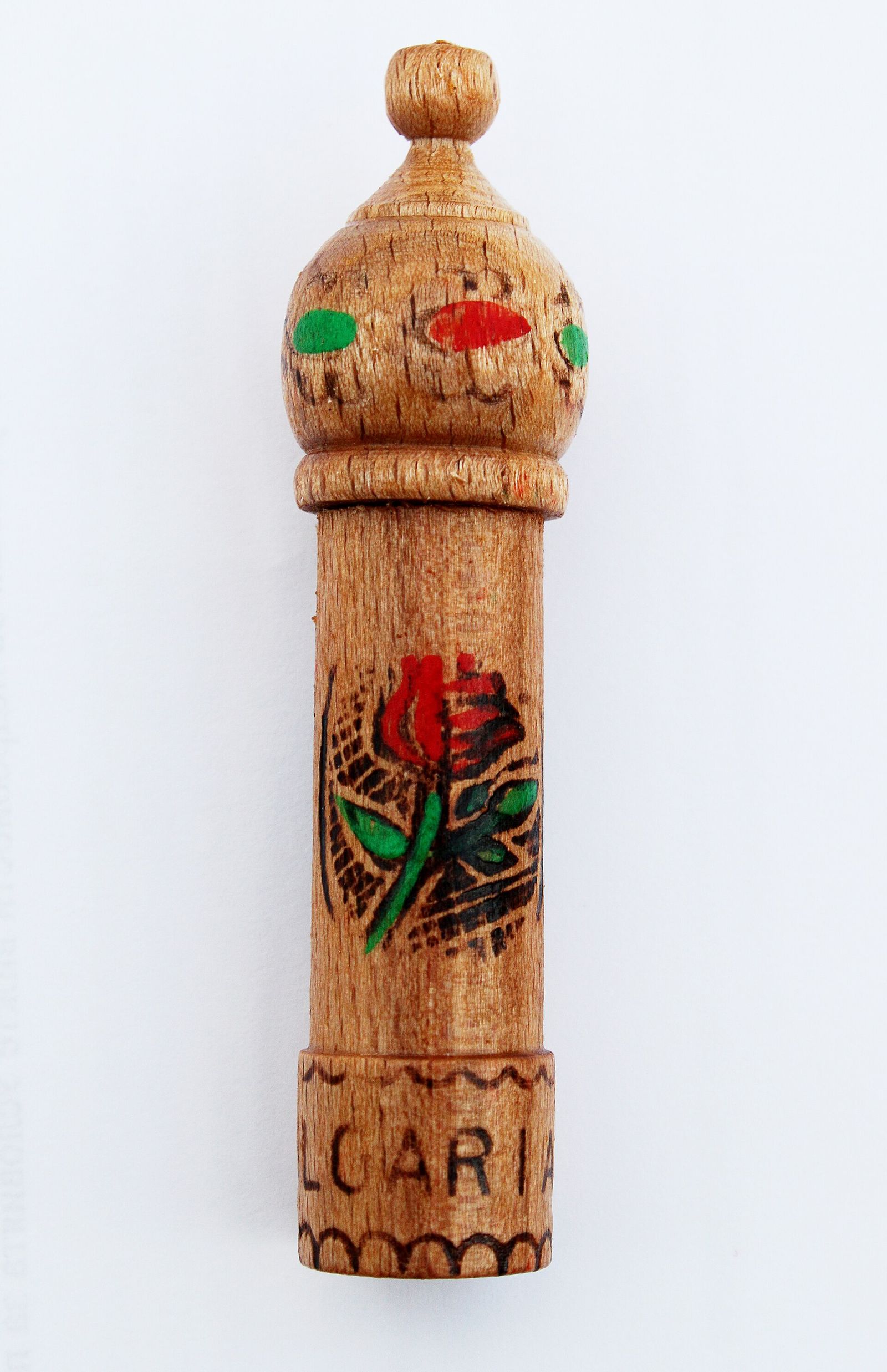
Bulgarian Souvenirs Worth Buying, and Where I Find Them in Sofia
Rose oil, Troyan pottery, rakia and lyutenitsa: the Bulgarian souvenirs I buy in Sofia and how I get them home.
Read the guide