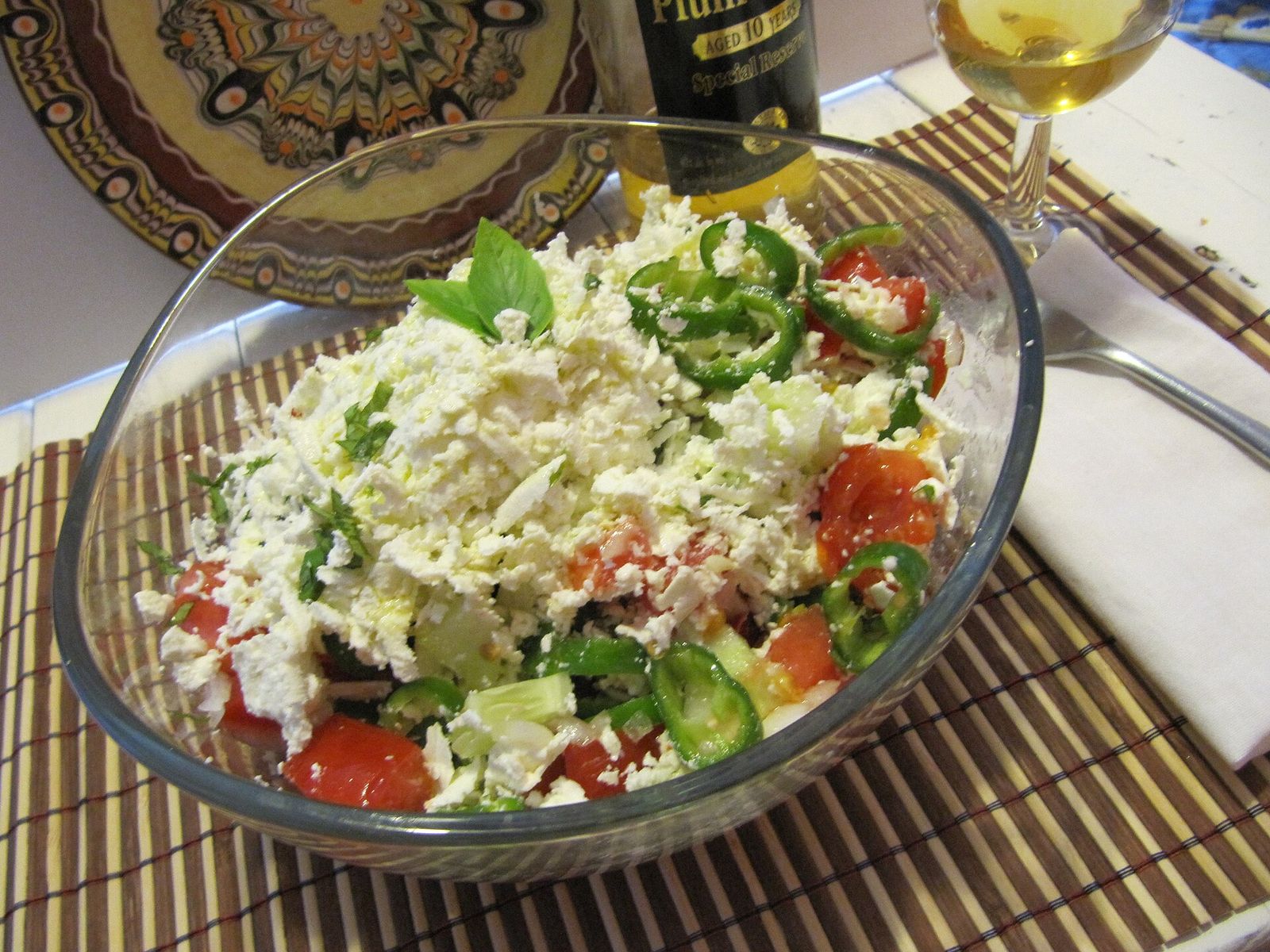
Bulgarian Drinks: What to Drink in Bulgaria and Where to Try It in Sofia
Bulgaria drinks rakia before dinner, wine with it and beer whenever the sun is out, and breakfast comes with a bottle of boza or ayran. I've lived in Sofia long enough to know which glass goes with which meal, so these are the 10 Bulgarian drinks I'd try first: what each one is, how Bulgarians drink it, what it costs in euros and where I order it in the city.
Bulgarian drinks at a glance
These are the 10 drinks I'd put in front of a first-time visitor, with the word to look for on a menu. Six of them come with alcohol and four without.
| Drink | On the menu | What it is | Alcohol | When Bulgarians drink it | Goes with |
|---|---|---|---|---|---|
| Rakia | ракия | Fruit brandy, usually grape or plum | About 40%, homemade stronger | Before dinner, and when guests arrive | Shopska salad, pickles, cured meat |
| Wine | вино | Local reds and whites: Mavrud, Melnik, Gamza, Dimyat, Misket | Yes | With dinner | Grills, clay-pot stews, cheese |
| Beer | бира | Pale lager on draught or in half-litre bottles | Yes | Afternoons on a terrace, with grills | Kebapche, chips with sirene |
| Mastika | мастика | Aniseed spirit, served over ice | Yes, a strong spirit | Summer evenings | Cold starters |
| Menta | мента | Bright green mint liqueur | Yes | Mixed with mastika as a "Cloud" | Ice |
| Ayran | айрян | Yoghurt whisked with water and salt | No | Breakfast and lunch | Kebapche, banitsa |
| Boza | боза | Thick fermented wheat drink | About 1% | Breakfast | Banitsa |
| Mountain tea | мурсалски чай | Dried Sideritis flowers brewed as tea | No | Winter, and when someone has a cold | Honey |
| Mineral water | минерална вода | Spring water, bottled or from public taps | No | All day | Everything |
| Coffee | кафе | Espresso is the default order | No | Mornings and cafe breaks | Banitsa or mekitsa |
The Bulgarian alcoholic drinks to try
Rakia, wine and beer cover most of what Bulgarians drink with friends. Two more bottles sit on almost every bar menu: mastika (мастика), an aniseed spirit that turns milky white over ice, and menta (мента), a mint liqueur the colour of mouthwash. Pour the two together and you have a Cloud (облак, oblak), the drink I order when someone at the table wants to be silly.
Rakia (ракия)
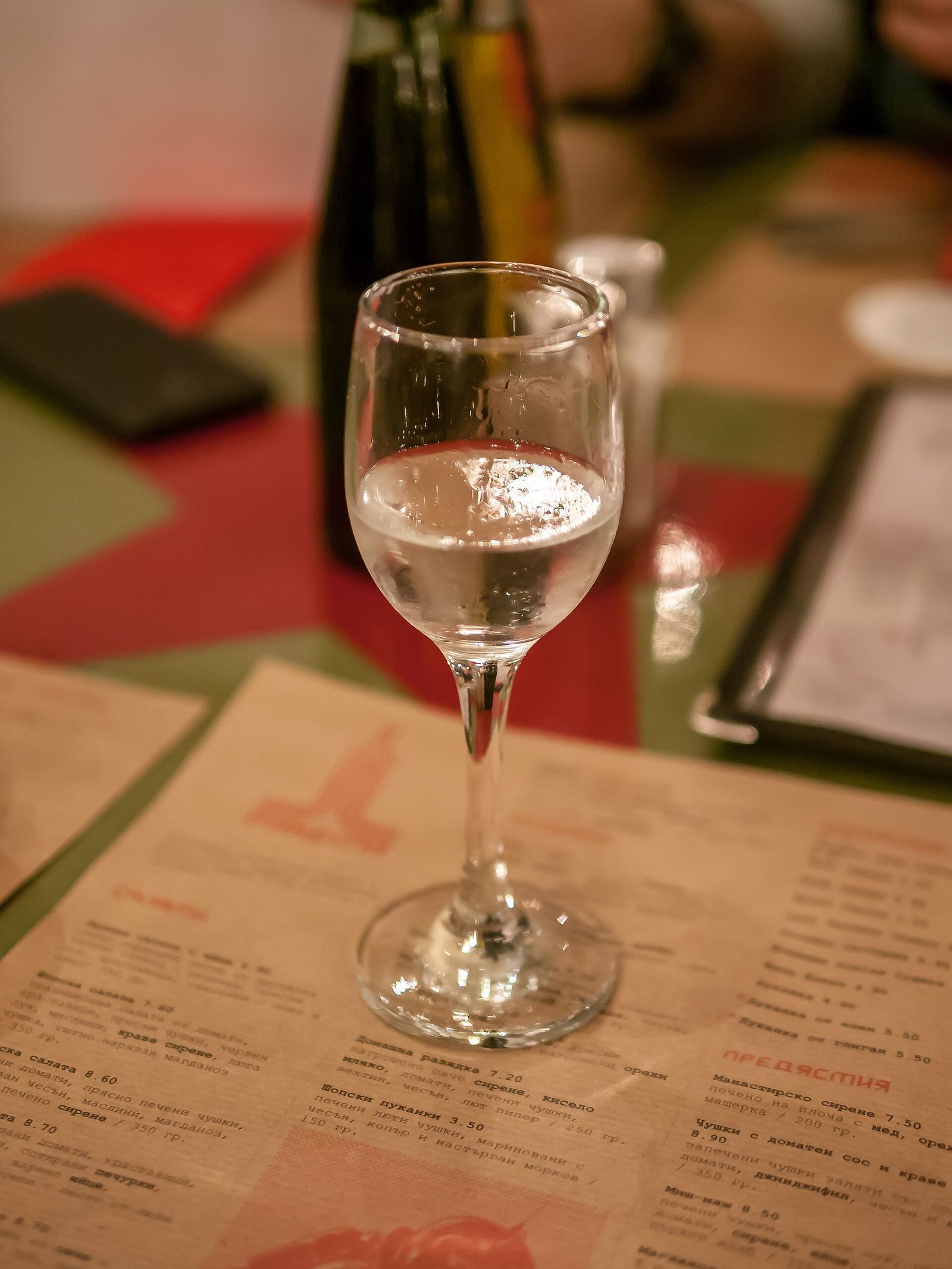
Rakia is fruit brandy and Bulgaria's national drink. Grape rakia (гроздова, grozdova) and plum rakia (сливова, slivova) are the two on every list, and better menus add apricot (кайсиева), quince (дюлева) and pear. Shop bottles run at about 40%. Each autumn, towns and villages fire up small distilleries with copper stills where families book a slot and bring their own fruit and firewood, so a lot of the rakia drunk in Bulgaria never sees a label.
It arrives in a small glass that holds up to 50 ml, and Bulgarians sip it with a shopska salad or pickles before the main course. In winter some mehanas serve greyana rakia (греяна ракия), warmed with honey and black pepper. Plum tastes deeper and rounder than grape, and once you've tried both, move on to the golden, barrel-aged kind of Bulgarian rakia, which I sip slowly at room temperature.
Bulgarian wine (вино)
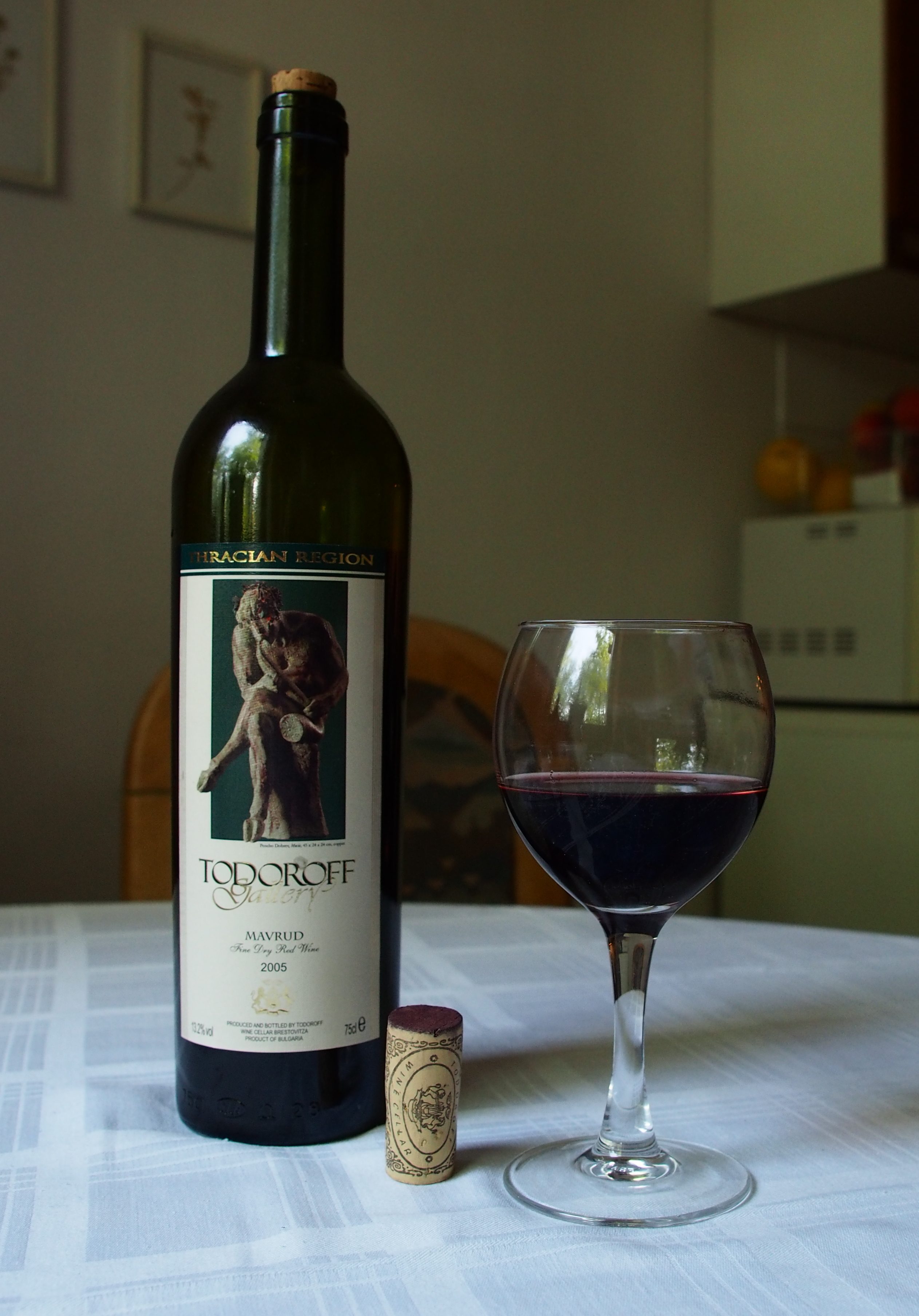
Around 1980 Bulgaria was the biggest wine producer in the Eastern Bloc, and much of the cheap Cabernet Sauvignon and Merlot on British supermarket shelves in the early 1980s came from here. The country now has more than 260 registered winemakers. International grapes such as Merlot and Cabernet Sauvignon still fill most Bulgarian vineyards, so look for a local grape name on the label of any Bulgarian wine you order.
Mavrud is the dark, plummy red of the Thracian plain around Plovdiv, and it has its own International Mavrud Day on 26 October. Melnik comes from the warm south-west, around the little town of Melnik near the Greek border. Rubin is a Bulgarian crossing of Syrah and Nebbiolo, Gamza is a red from the Danube Plain, and Dimyat and Misket are the whites. My first bottle for any visitor is a Mavrud. Two of the best Bulgarian wines I keep buying are Logodaj's Melnik 55 from the Struma Valley and Santimenti, a Mavrud from Zagreus in the Thracian Valley, which has been organic since 2010.
Bulgarian beer (бира)
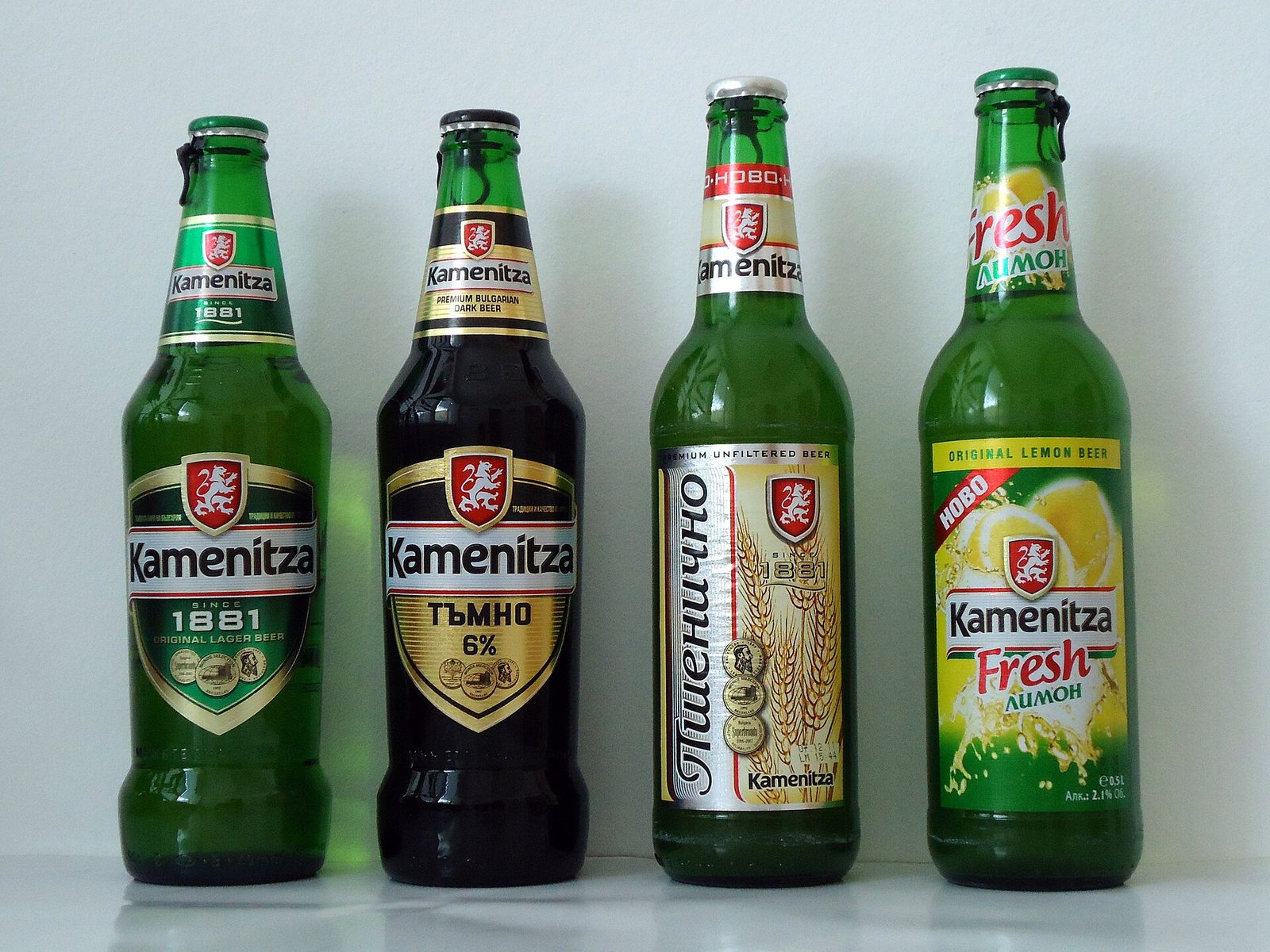
Beer (бира, bira) is what Bulgarians drink on a terrace on a hot afternoon, and the default order is a half-litre of pale lager. Each big brand has a home town: Zagorka comes from Stara Zagora, Kamenitza from Plovdiv, Shumensko from Shumen and Bolyarka from Veliko Tarnovo, where it has been brewed since 1891. Pirinsko, Ariana and Astika fill the rest of the fridge. Kamenitza prints "since 1881" on its labels, and its dark beer (тъмно, tamno) at 6% is the one I order when lager gets boring.
The big lagers are light and easy, and a cold half-litre is what I drink with grilled meat. The main brands of Bulgarian beer taste much alike, so for more flavour I head to Sofia's small craft beer scene of taprooms and bottle shops.
Bulgarian soft drinks to try
The soft drinks are the ones visitors skip and Bulgarians drink every day. Two of them come from the fridge of a banitsa shop at 8am.
Ayran (айрян)
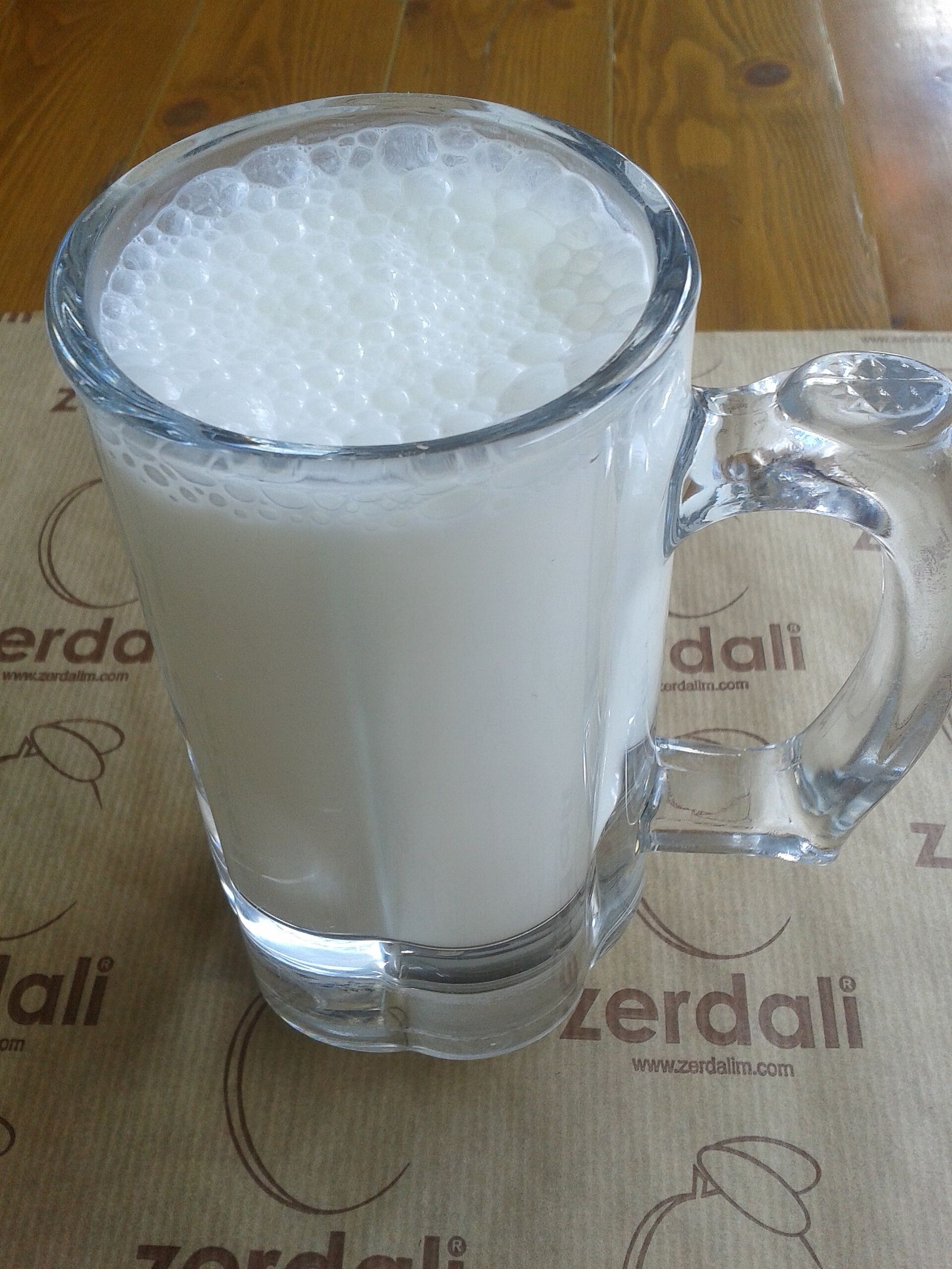
Ayran is yoghurt whisked with cold water and a pinch of salt. It tastes sharp, salty and cooling, like a thin salted lassi, and Bulgarians pour it with grilled meat and with banitsa. It's made from the same sour Bulgarian yoghurt that goes into tarator, and corner shops sell it in plastic bottles next to the yoghurt tubs. On a hot day I drink a bottle with a kebapche at lunch instead of a beer.
Boza (боза)
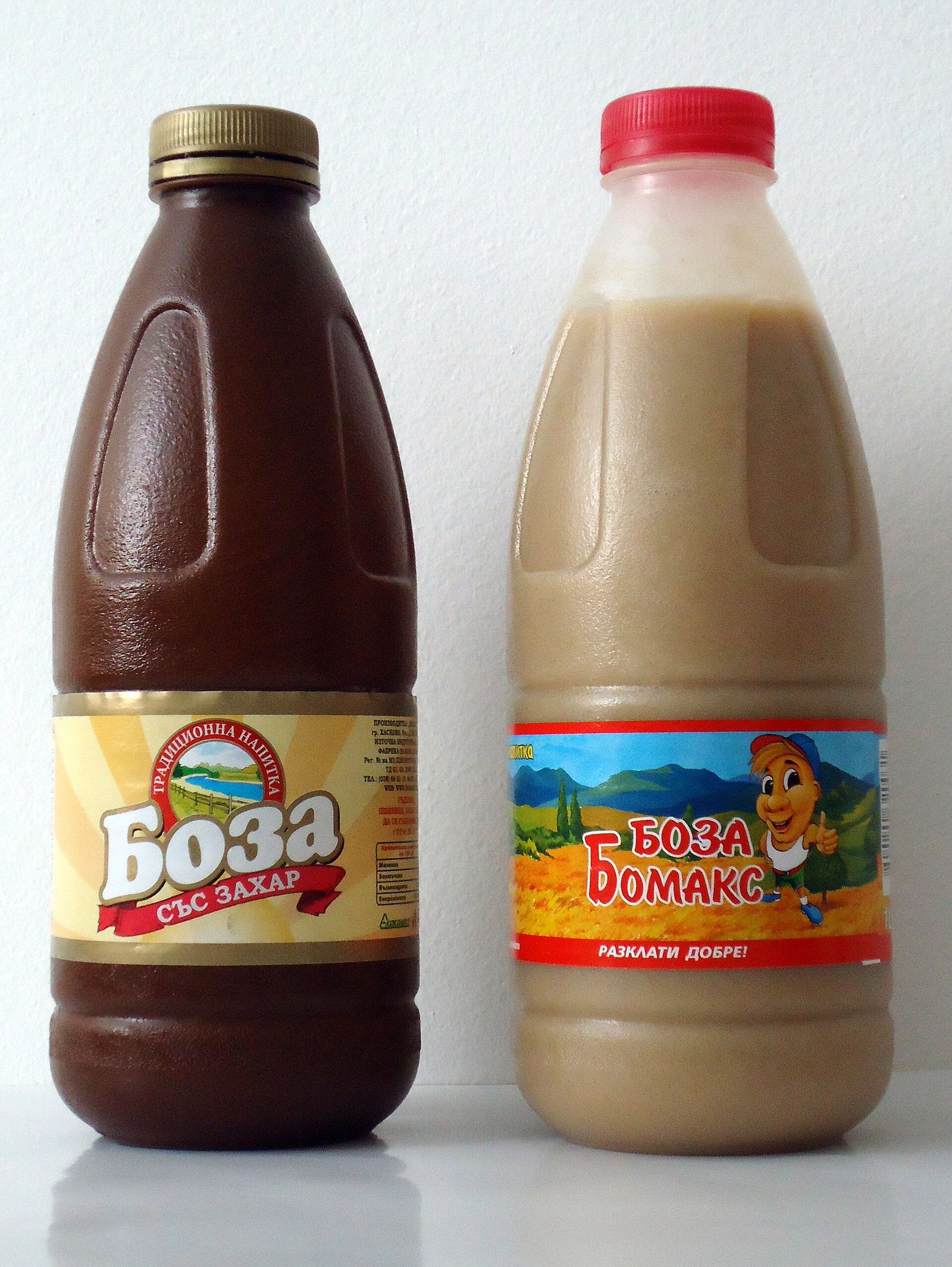
Bulgarian boza is a thick, sweet and slightly sour drink made from fermented wheat, with about 1% alcohol. It ranges from beige to brown and pours more like thin porridge than juice. Bulgarians drink it at breakfast with a slice of warm banitsa, and the bakeries that sell the best banitsa in Sofia keep boza and ayran in the fridge by the till. It's the most divisive drink on this list. I like it cold on a summer morning, and plenty of the friends I've handed a bottle give it back after one sip.
Mountain tea (мурсалски чай)
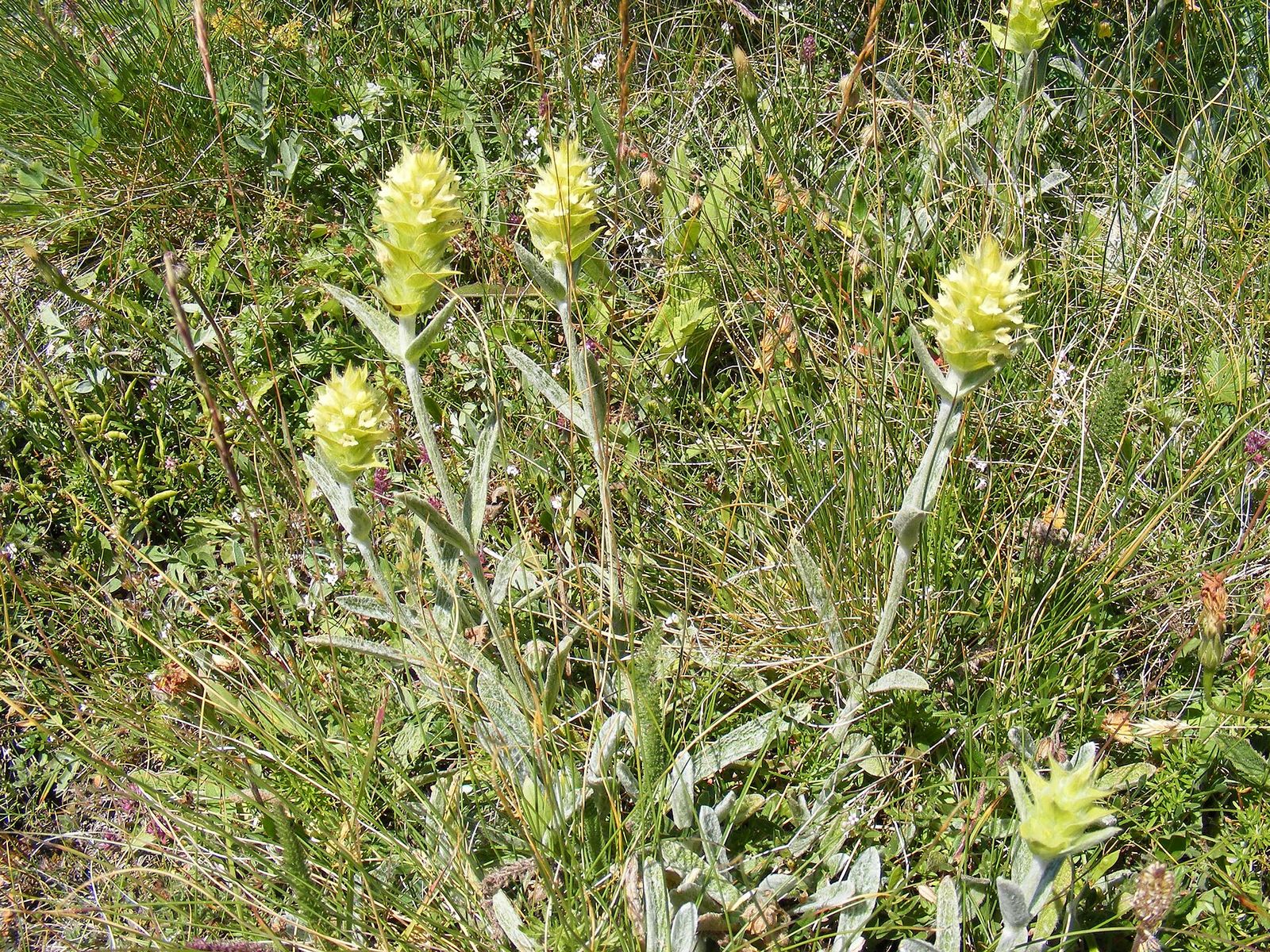
Mountain tea is made from the dried flowers and leaves of Sideritis scardica, a woolly, yellow-flowered plant that grows wild in the mountains of Bulgaria, Greece, Albania, North Macedonia and Kosovo. Bulgarians call it пирински чай (pirinski chai) or мурсалски чай (mursalski chai), and here it grows at 1,400 to 2,200 metres in the Pirin mountains and on the Mursalitsa ridge of the Rhodopes. It brews pale gold and tastes gently herbal, and it goes with a spoon of honey. It's the tea Bulgarian friends make me when I have a cold, and a box of it weighs almost nothing in a suitcase.
Mineral water and the hot springs (минерална вода)
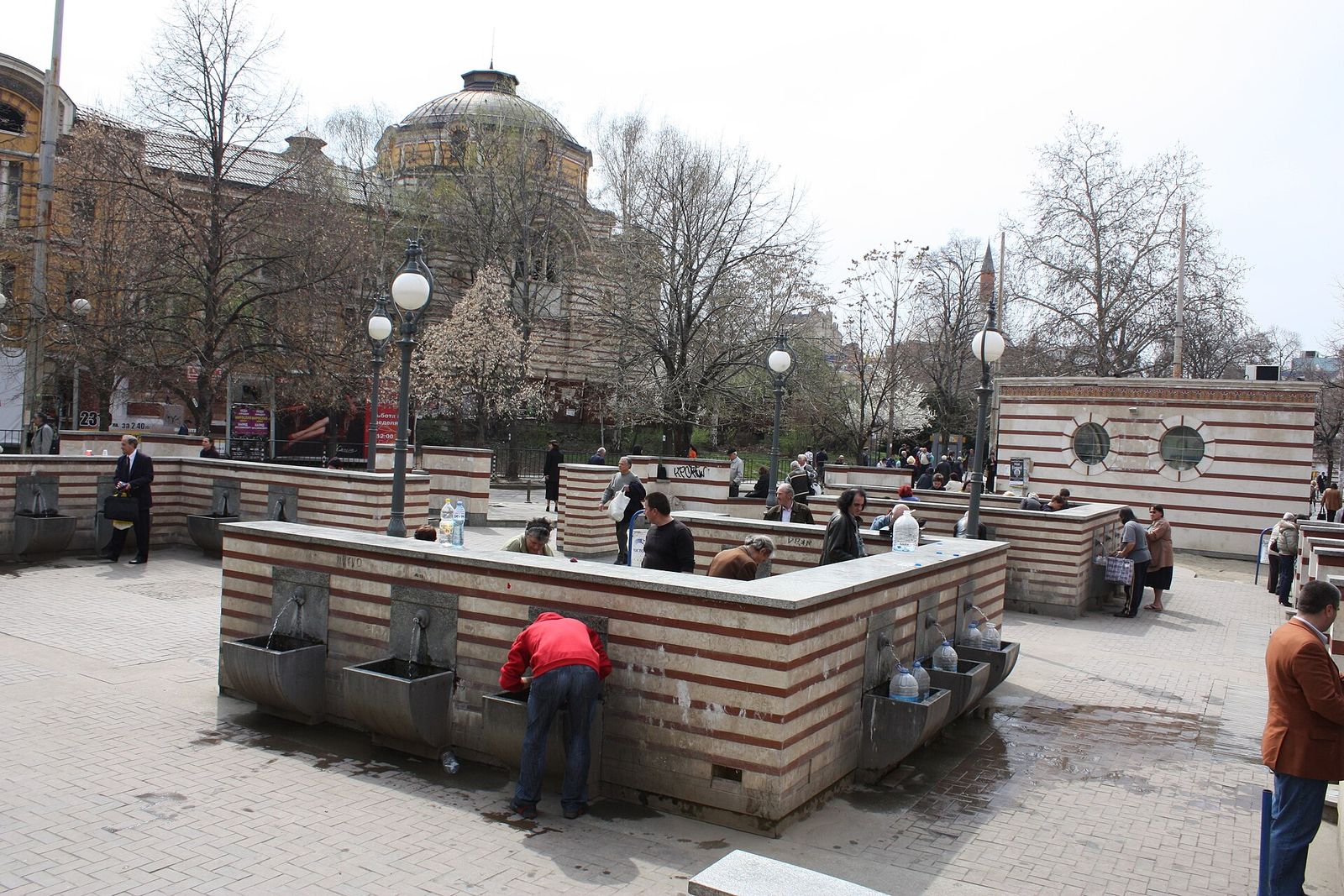
Sofia sits on hot springs that people have used since the 6th century BC. In the square beside the Central Mineral Baths, free public taps pour hot mineral water, and locals queue with big plastic bottles to take it home. The bath building now holds the Museum of the History of Sofia, so the taps outside are the part of the Sofia mineral baths you can still drink. I fill a small bottle every time I pass: the water comes out hot and tastes soft and faintly mineral.
Sofia's tap water is safe to drink too, so I carry one refillable bottle and top it up wherever I am.
How Bulgarians drink: toasts, rakia hour and the head nod
Bulgarians drink at the table, with food. Rakia comes out between about 5pm and 7pm, or whenever guests arrive, alongside salads, cheese and cured meats, and the main course waits until the first glass is finished. A glass of rakia is meant to last the length of a salad, and nobody hurries it.
The toast is наздраве (nazdrave), and you look each person in the eye as your glasses touch. Offering rakia is the standard welcome in a Bulgarian home, and in some families a few drops go on the ground for the dead. Three Bulgarian phrases cover most of a night out: наздраве for cheers, още едно (oshte edno) for one more, and сметката, моля (smetkata, molya) for the bill.
The head nod is the one piece of Bulgarian etiquette that trips up almost every visitor at the bar. A nod means no and a shake of the head means yes, so when a waiter asks if you want another rakia, answer in words.
What Bulgarian drinks cost in Sofia
Drinks are where Sofia feels cheapest to a British visitor: a half-litre of draught beer costs less than a London coffee. These are 2026 prices in euros.
| Drink | Typical price in Sofia |
|---|---|
| Half-litre of draught Bulgarian beer in a bar | €2 to €3.50 |
| Half-litre bottle of beer from a shop | About €1 |
| Mid-range bottle of wine from a shop | About €6.60 |
| Coffee or cappuccino in a cafe | €2 to €3 |
| Small bottle of water in a restaurant | About €1.50 |
| Hot mineral water from the public taps | Free |
Bulgaria switched to the euro on 1 January 2026, so any list of Sofia prices written before then quotes leva. Divide a leva price by 1.95583 to get euros, which turns a 5-leva beer into about €2.56.
At a sit-down meal, tipping in Bulgaria runs at about 10% for good service, and rounding up is fine for a beer at the bar.
Where to try Bulgarian drinks in Sofia
| Drink | Where I order it | What to ask for |
|---|---|---|
| Rakia | A mehana (механа), a traditional tavern | Гроздова (grape) or сливова (plum), with a shopska salad |
| Wine | A wine bar, or a restaurant with a Bulgarian list | A glass of Mavrud or Melnik |
| Beer | A terrace bar or a brewery taproom | Наливна бира (draught beer), a half-litre |
| Ayran and boza | A banitsa shop (баничарница) before 10am | A slice of banitsa and a bottle of boza |
| Mountain tea | A cafe in winter, or a box from a supermarket | Планински чай (mountain tea) with honey |
| Mineral water | A restaurant, or the free taps by the Central Mineral Baths | Минерална вода, still or sparkling (газирана) |
The side streets off Vitosha Boulevard hold most of the best bars in Sofia, and any of them will pour you a rakia and a cold Bulgarian lager. These four places are where I take friends for a particular drink.
Rakia and folk music: Hadjidraganovite Izbi
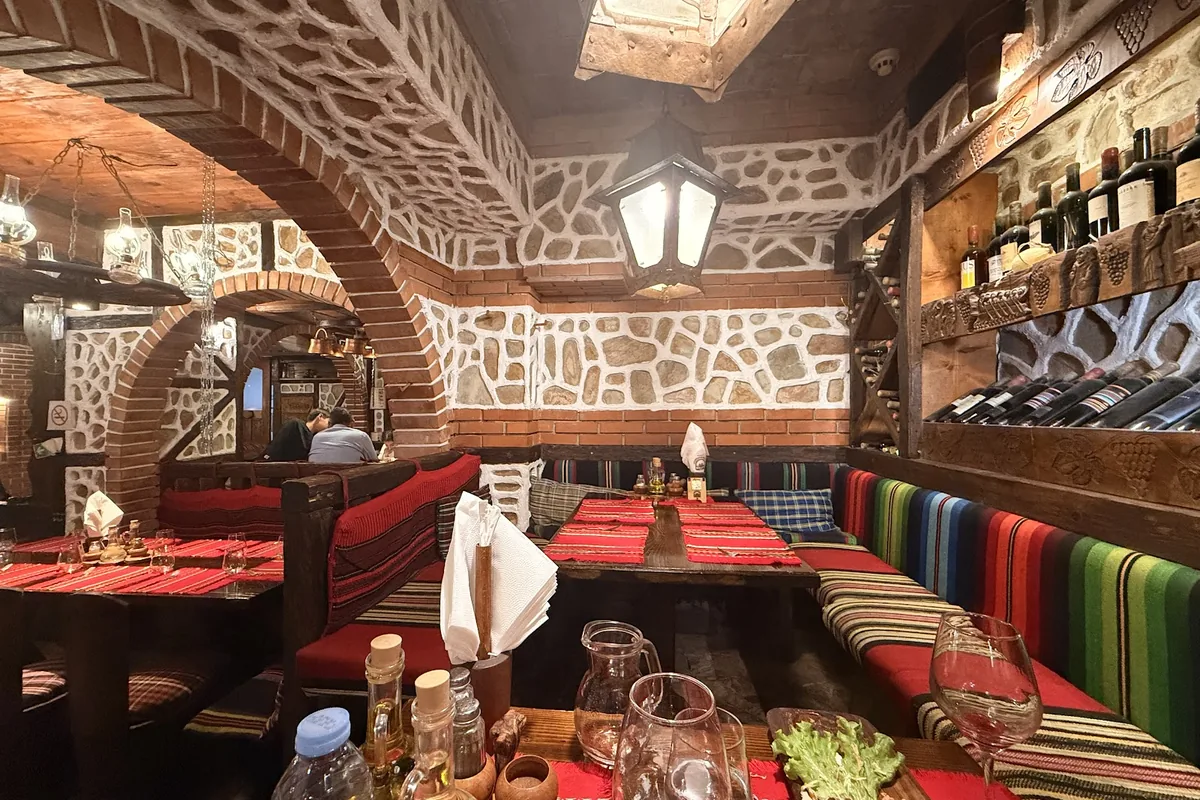
Hadjidraganovite Izbi (Хаджидрагановите изби, Hadjidraganov's Cellars) is a cellar mehana at Hristo Belchev 18, on the corner with Solunska, a few minutes' walk from Vitosha Boulevard. It opens every day from 11.30am to 11.30pm, and a folk band plays from 8pm to 11pm every night except Monday. It's touristy. I still book it for a friend's first night: a quince rakia, a shopska salad and a clay-pot dish while the band plays is how I'd introduce anyone to Bulgarian drinking. Book a weekend table on the Hadjidraganovite Izbi website or on +359 898 775 936.
Natural wine: Nectar
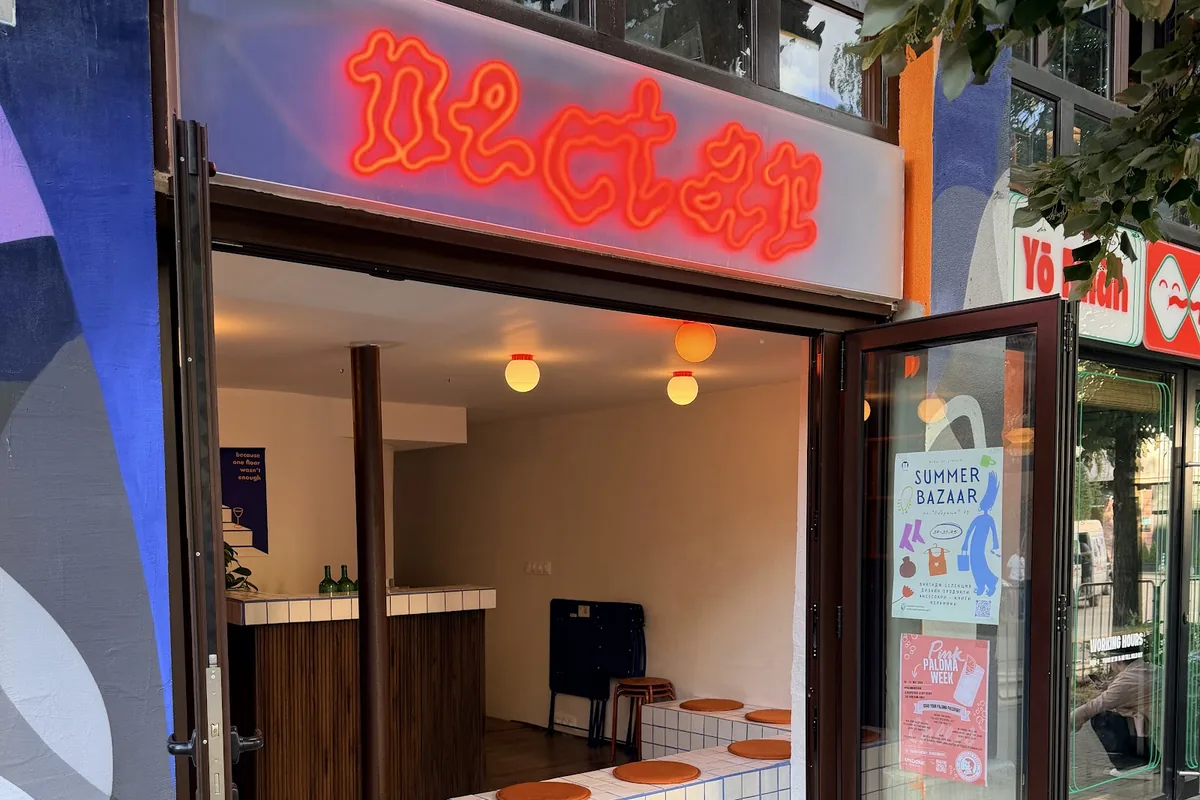
Nectar is a small bar at Iskar 11 that pours natural wines and cocktails. It opens Wednesday to Saturday from 5pm to midnight and on Sunday from 5pm to 10pm. Of all the wine bars in Sofia, it's the one I pick for a quiet glass before dinner, and I ask for whatever Bulgarian bottle is open that night.
Local beer: Sofia Electric Brewing
Sofia Electric Brewing brews its own beer out in Hadzhi Dimitar and pours it at a taproom on ul. Vrabcha 24, in the centre, from 5pm to 1am every day. The Sofia Electric Brewing website lists the beers on tap. It's where I go when a Kamenitza from the fridge feels too familiar.
Raspberry wine: Manastirska Magernitsa
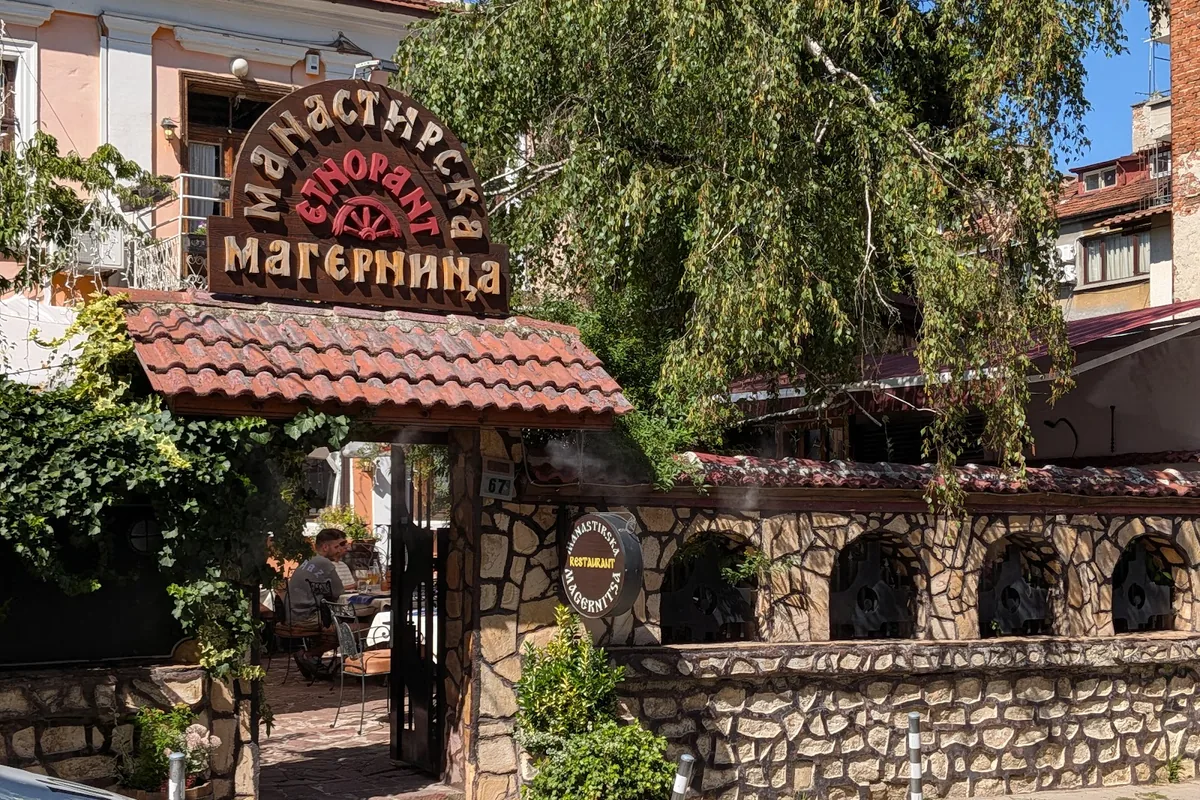
Manastirska Magernitsa (Манастирска магерница, the Monastery Kitchen) at Han Asparuh 67 cooks from recipes collected from monasteries across Bulgaria, and it opens every day from noon to 11pm. The drink I order there is the raspberry wine, which I have with dessert. It's one of the cheaper sit-down dinners in the centre, and the portions are big.
Taking Bulgarian drinks home to the UK
A bottle of rakia or Mavrud is the easiest Bulgarian souvenir to carry home, and supermarkets such as Fantastico and Billa stock both at local prices.
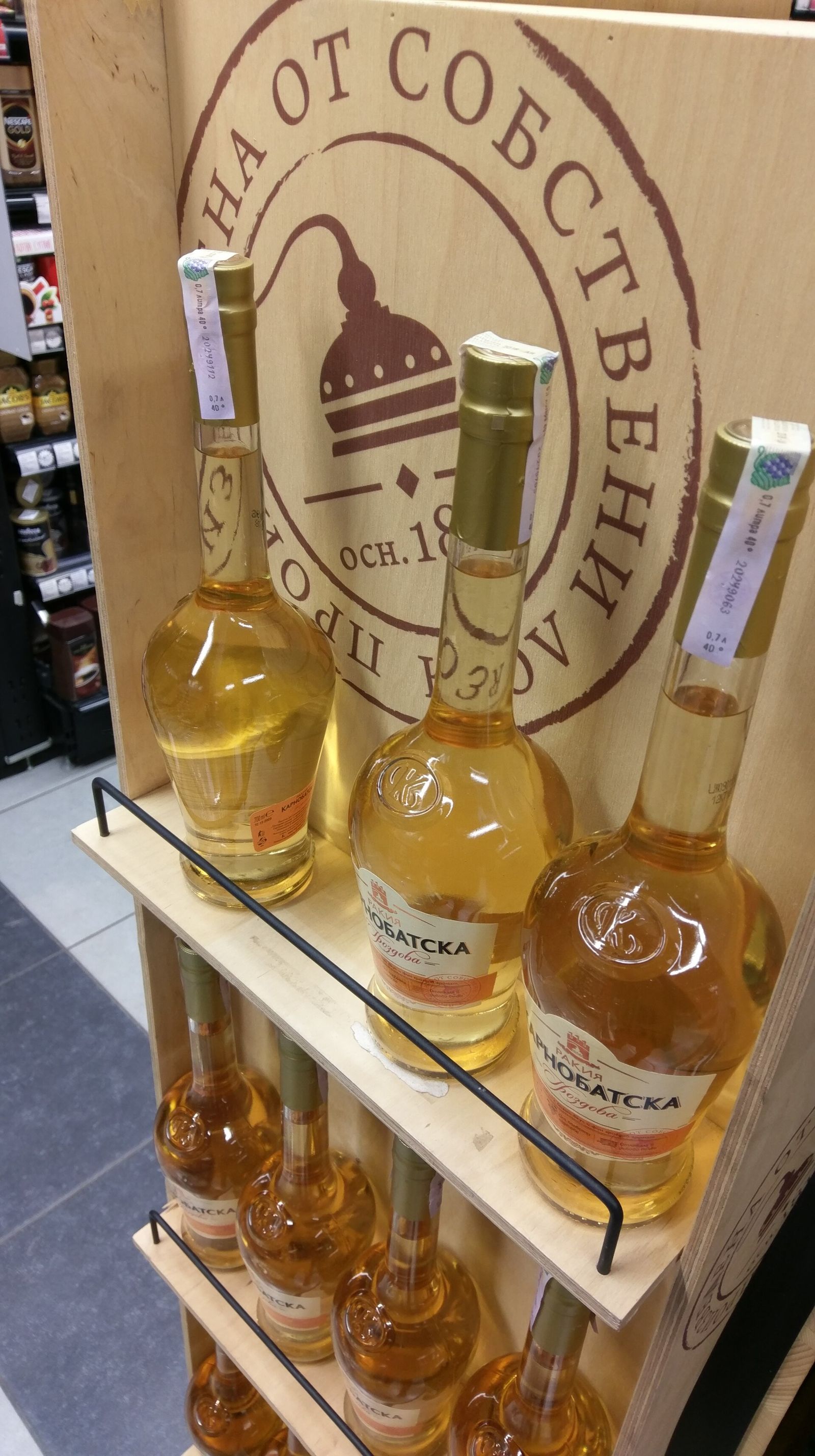
Arriving in Great Britain, each traveller aged 17 or over can bring 4 litres of spirits over 22%, which covers rakia and mastika, plus 18 litres of wine and 42 litres of beer without paying duty.
Key takeaways
- Order rakia first, grape or plum, and sip it from its 50 ml glass alongside the salad.
- For wine, ask for a local grape: Mavrud or Melnik in red, Dimyat or Misket in white.
- Bulgarian beer is mostly pale lager at €2 to €3.50 a half-litre, and Kamenitza's 6% dark beer is the one to try for a change.
- Boza and ayran are breakfast drinks from the banitsa shop, and mountain tea with honey is the winter cure.
Frequently asked questions
What is Bulgaria's national drink?
Rakia is Bulgaria's national drink. It's a fruit brandy, most often made from grapes or plums, at about 40% in a shop bottle and up to 80% when homemade. Bulgarians sip it from a small glass with a salad before dinner.
What is a popular Bulgarian drink?
Rakia, lager and wine are the drinks you'll see on every table in Bulgaria. The popular soft drinks are ayran, made from yoghurt, water and salt, and boza, a thick fermented grain drink, both drunk with banitsa at breakfast.
What is a famous Bulgarian wine?
Mavrud is Bulgaria's best-known wine, a deep red grape grown mainly in the Thracian Lowlands of southern Bulgaria. Melnik, from the south-west near the Greek border, is the other famous local red, and Dimyat and Misket are the whites to look for.
What are some classic Bulgarian dishes and drinks?
The classic pairings are shopska salad with rakia, kebapche with beer or ayran, banitsa with boza for breakfast and a clay-pot kavarma with Mavrud. Bulgarians match the drink to the course, so the Bulgarian food on the table decides what goes in the glass.
How do you drink rakia?
Sip it slowly from a small glass of up to 50 ml, with a salad or pickles, before the main course. Say "nazdrave" and look each person in the eye as you clink. Grape rakia comes chilled, ice cold in summer, and barrel-aged rakia at room temperature.
Is boza alcoholic?
Boza contains about 1% alcohol, from the fermentation of the wheat it's made from. That's low enough for Bulgarians to drink it at breakfast, with a slice of banitsa.
Can you drink the tap water in Sofia?
Yes, Sofia's tap water is safe to drink. Locals also fill bottles with hot mineral water from the free public taps beside the Central Mineral Baths, and a small bottle of mineral water in a restaurant costs about €1.50.
Bulgarian Wine: A Visitor's Guide to What to Order and Buy
Mavrud, Melnik and Misket: the Bulgarian wines I order in Sofia, what a bottle costs and how many to carry home.
Read the guideRakia: Bulgaria's Fruit Brandy, and How I Drink It in Sofia
Bulgaria's fruit brandy, from grape to quince: the types, how to sip it, and where I drink and buy it in Sofia.
Read the guide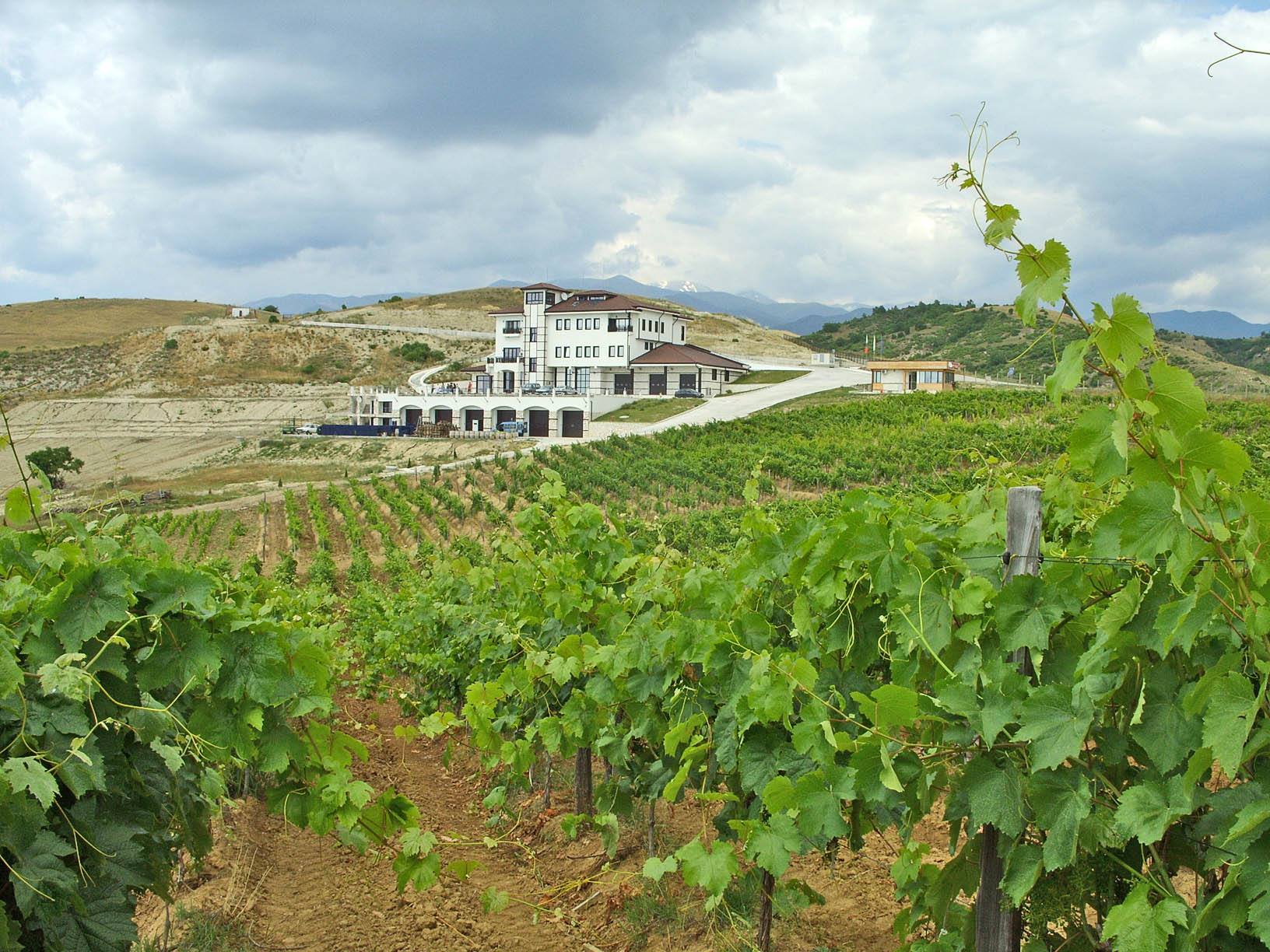
The Best Bulgarian Wines to Try: 12 Bottles I Buy in Sofia
Mavrud, Melnik, Rubin and Red Misket: the 12 Bulgarian bottles I buy in Sofia, and where I buy them.
Read the guide