Sofia Travel Tips: What I'd Tell You Before a First Trip to Bulgaria
Sofia is an easy first taste of Bulgaria: a 3-hour flight from the UK, then a 25-minute metro ride from the airport to the centre. A few things still catch British visitors out, though: the passport rules since Bulgaria joined Schengen, the switch to the euro, and a head nod that means no. These are the tips I give friends before they fly.
Do you need a visa for Bulgaria from the UK?
No. A British passport gets you into Bulgaria visa-free for up to 90 days in any 180-day period, for a holiday, visiting friends, a business meeting or a short course. Working is different and needs a permit.
Bulgaria is in the Schengen area, so those 90 days are shared with every other Schengen country. Spend three weeks in Spain in the summer and a fortnight in Greece in September, and those 35 days come off your allowance before you land in Sofia. Overstaying can bring a ban of up to 3 years from Schengen countries.
For a UK passport, the Foreign Office's entry rules for Bulgaria come down to seven points:
| Rule | What it means for a UK passport |
|---|---|
| Visa | None for stays of up to 90 days in any 180 |
| Passport age | Issued less than 10 years before the day you arrive |
| Passport expiry | At least 3 months after the day you plan to leave the Schengen area |
| At the border | You may be asked for a hotel booking, a return ticket, travel insurance and proof of funds |
| Cash | Declare €10,000 or more in cash |
| Food in your bag | No meat, milk or anything made with them |
| Entry/Exit System | Fingerprints and a photo on your first entry, free, and the record lasts 3 years |
The food rule covers the ham and cheese sandwich from the airport too, so finish it before you land.
Is Bulgaria in Schengen?
Yes. Bulgaria has been a full member of the Schengen area since 1 January 2025, land borders included. Flights between Schengen countries have no routine passport checks, so Sofia to Athens works like a domestic hop, but airlines still want photo ID.
Border guards can still check passports at the land crossings into Greece and Romania, so if you carry on from Sofia to Thessaloniki by bus or car, keep your passport in your day bag.
The Entry/Exit System at Sofia Airport
The EU's Entry/Exit System (EES) replaces passport stamps. On your first entry you may be sent to a booth before the immigration desk to register your fingerprints and a photo. It's free, there's nothing to fill in beforehand, and children aged 11 or under give a photo only. You may be asked again on the way out, so allow extra time at the airport on the day you fly home.
ETIAS, the EU's online travel authorisation for visa-free visitors, isn't running yet. The EU has said it will announce the start date several months ahead, and until then there's no form to fill in and no fee to pay before a trip to Sofia.
Money in Sofia: the euro, cards and cash
Bulgaria swapped the lev for the euro on 1 January 2026, at a fixed 1.95583 leva to the euro. Shops took both currencies through January, and it has been euros only since 1 February 2026. If you've got old leva in a drawer, the Bulgarian National Bank still swaps them free with no deadline.
Anything printed before 2026 quotes leva, and 10 leva looks like a lot until you divide it by 1.95583: it's about €5.11. My shortcut is to halve the leva price and add a little, so a 5-leva beer on an old menu is about €2.56 today.
Cards, contactless included, work in almost every cafe, restaurant and shop in central Sofia. Plenty of bakeries, banitsa kiosks and market stalls, and some old-school mehanas (traditional taverns), still take cash only, so I keep about €20 in notes on me. When a card machine or cash machine offers to charge you in pounds, choose euros. Be wary if anyone asks you to enter your PIN twice, and keep your card in sight while you pay.
These are the Sofia prices I'd plan around for a first trip:
| What you're buying | Typical price |
|---|---|
| Coffee in a cafe | €2 to €3 |
| Half a litre of draught beer | About €2 in a local bar, €3.50 as the city average |
| Casual lunch | €8 to €10 |
| Dinner in a simple restaurant, per person, before drinks | €15 to €20 |
| Metro, tram or bus ticket | €0.80 |
| Taxi from the airport to the centre | €13 to €14 on the meter |
| Most museums | €4 to €10 |
| Boyana Church | €10 |
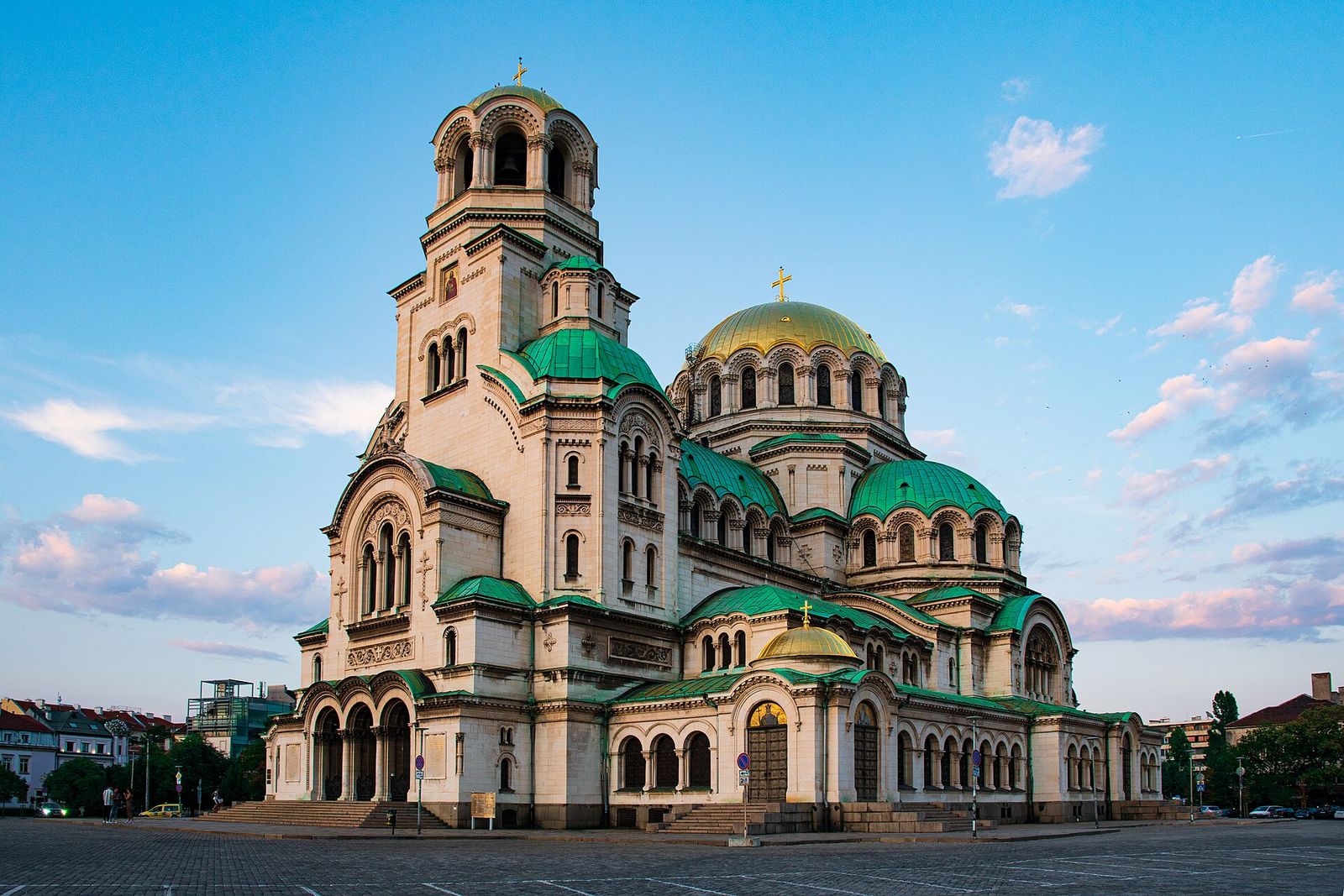
| Alexander Nevsky Cathedral | Free |
I leave about 10% for table service in restaurants, round up in cafes and leave nothing at kiosks or bakeries, which is what tipping in Bulgaria usually looks like.
Getting from Sofia Airport into the centre
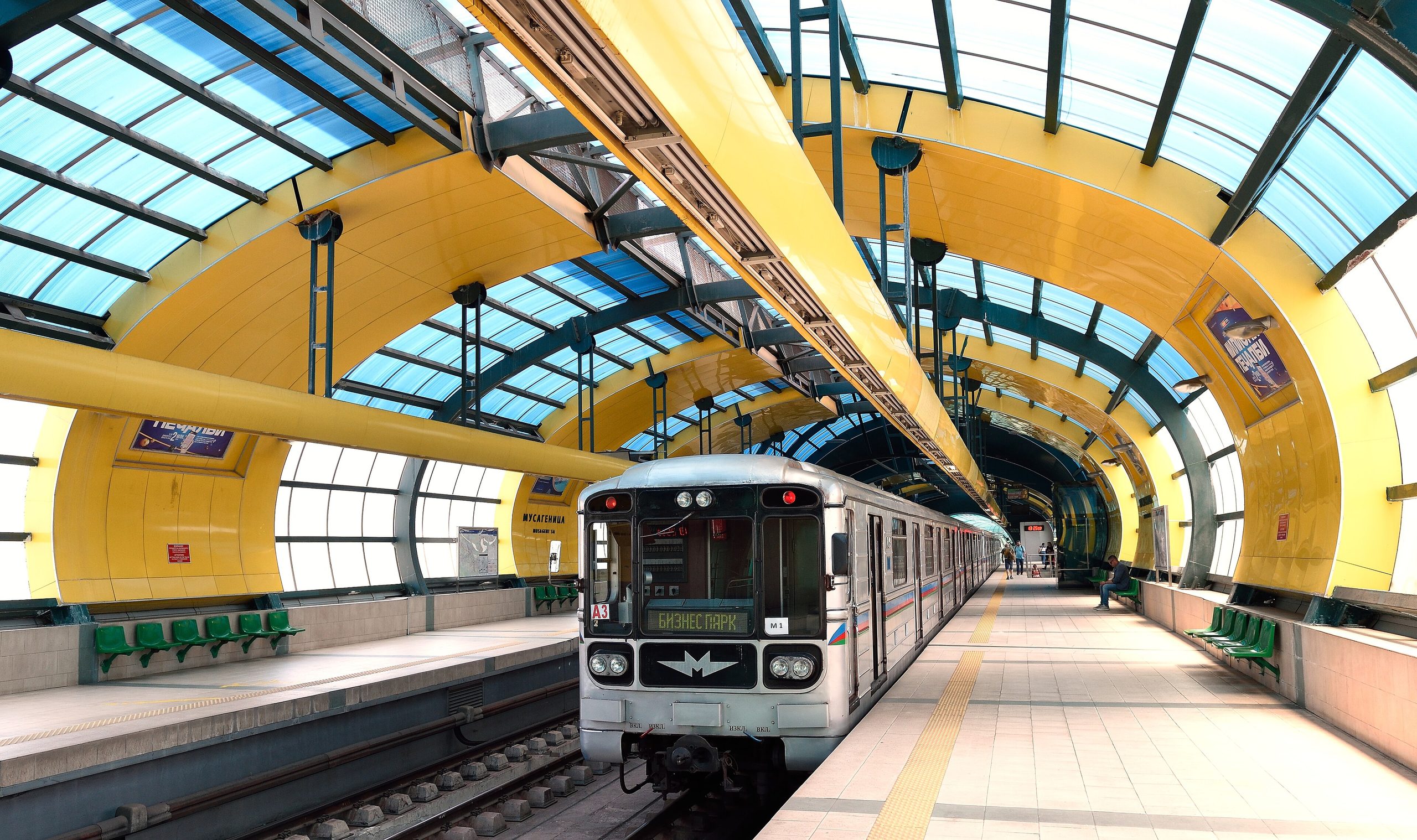
Sofia Airport sits about 10 km east of the centre, and the M4 metro line starts right outside Terminal 2. Trains run to Serdika, the central interchange, in about 25 minutes, and a ticket costs €0.80. Tap a contactless Visa or Mastercard on the barrier and you've paid. If you're staying near Serdika or the top of Vitosha Boulevard, the airport to the city centre run is one train with no change.
If your flight lands at Terminal 1, take the free shuttle bus to Terminal 2 for the metro, or hop on bus 84, which runs from both terminals into town in about 45 minutes on weekdays. The last train leaves the airport at 11.38pm on weekdays. After that, the N4 night bus serves both terminals, or there's a taxi from the official desk in the arrivals hall.
Getting around Sofia: walking, metro and taxis
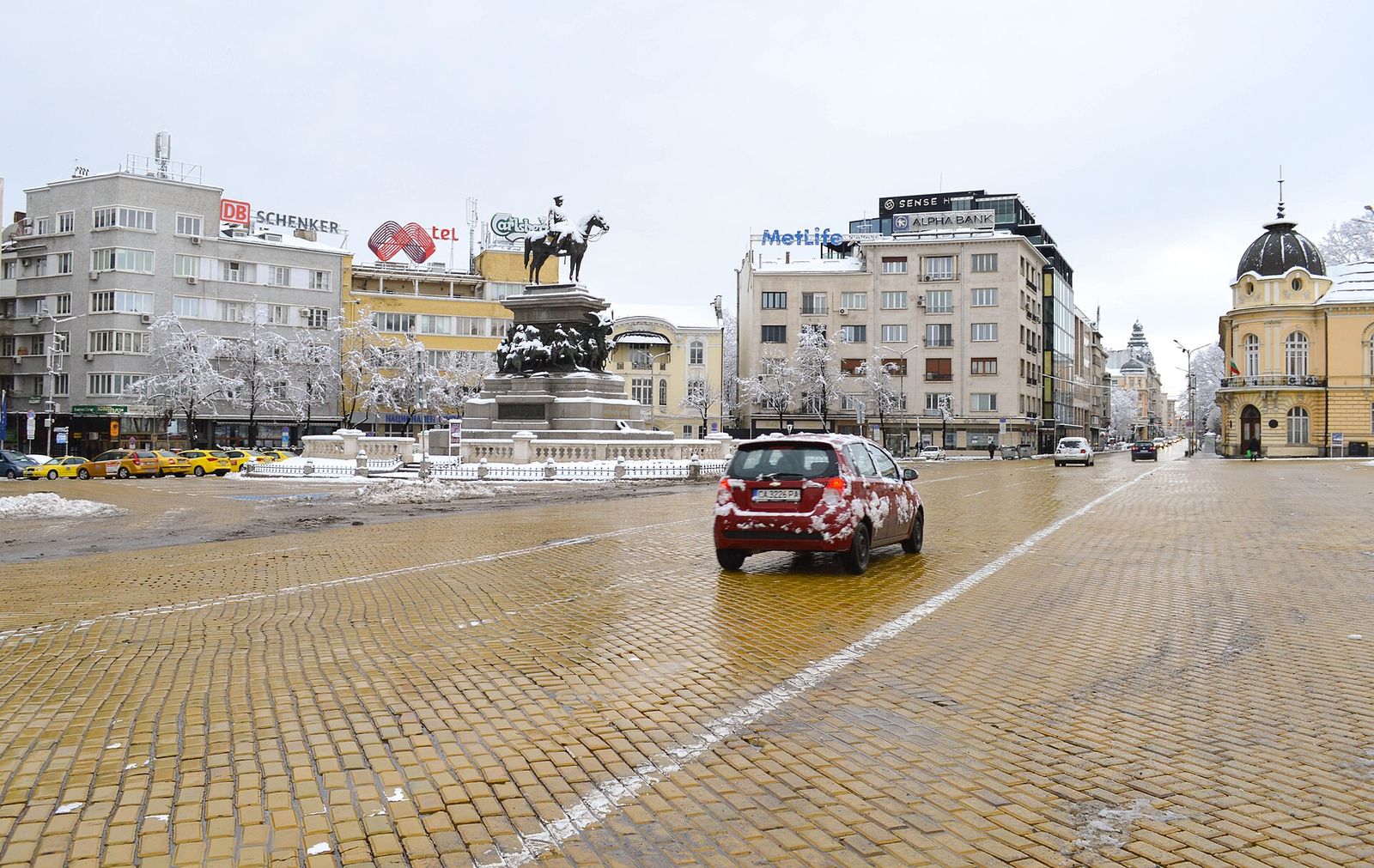
I walk almost everywhere in the centre. Alexander Nevsky Cathedral, the Roman streets of Serdica, the mineral springs and the top of Vitosha Boulevard all sit in one compact loop, and the walking is flat. The famous yellow paving around Tsar Osvoboditel Boulevard is lovely in the sun and slippery in rain or snow, so pack shoes with some grip.
For anything further out I use the metro, which has four lines. M2 runs south from Serdika to NDK, the big Palace of Culture at the bottom of Vitosha Boulevard, and buses and trams cover the rest. One tap of a contactless card pays for getting around Sofia on all of them, capped at €2 a day for daytime travel, which beats a 72-hour card at €7.60 for most weekend visitors. The 72-hour card only makes sense if you'll ride the night buses.
Uber doesn't operate in Sofia. Licensed taxis in Sofia are yellow, with the company name and the price per kilometre on a sticker in the side window. OK Supertrans, one of the big firms, charges €1.50 to start and €0.75 per km from 6am to 10pm (€0.85 at night), so a 3 km daytime hop across the centre comes to about €3.75. I book through an app (TaxiMe or OK Taxi) or ask my hotel to call one.
Bulgarian language, Cyrillic and the head nod
Bulgarian is written in Cyrillic, and metro signs repeat the station names in Latin letters. Learning the Cyrillic alphabet takes an evening, and it pays off every time you read a menu or a bus stop. Younger people in central cafes, hotels and bars usually speak good English; bakery counters and taxi drivers often don't.
I'd learn four Bulgarian phrases on the plane: здравейте (zdraveyte), hello; моля (molya), please; благодаря (blagodarya), thank you; наздраве (nazdrave), cheers.
Etiquette in churches, restaurants and bars
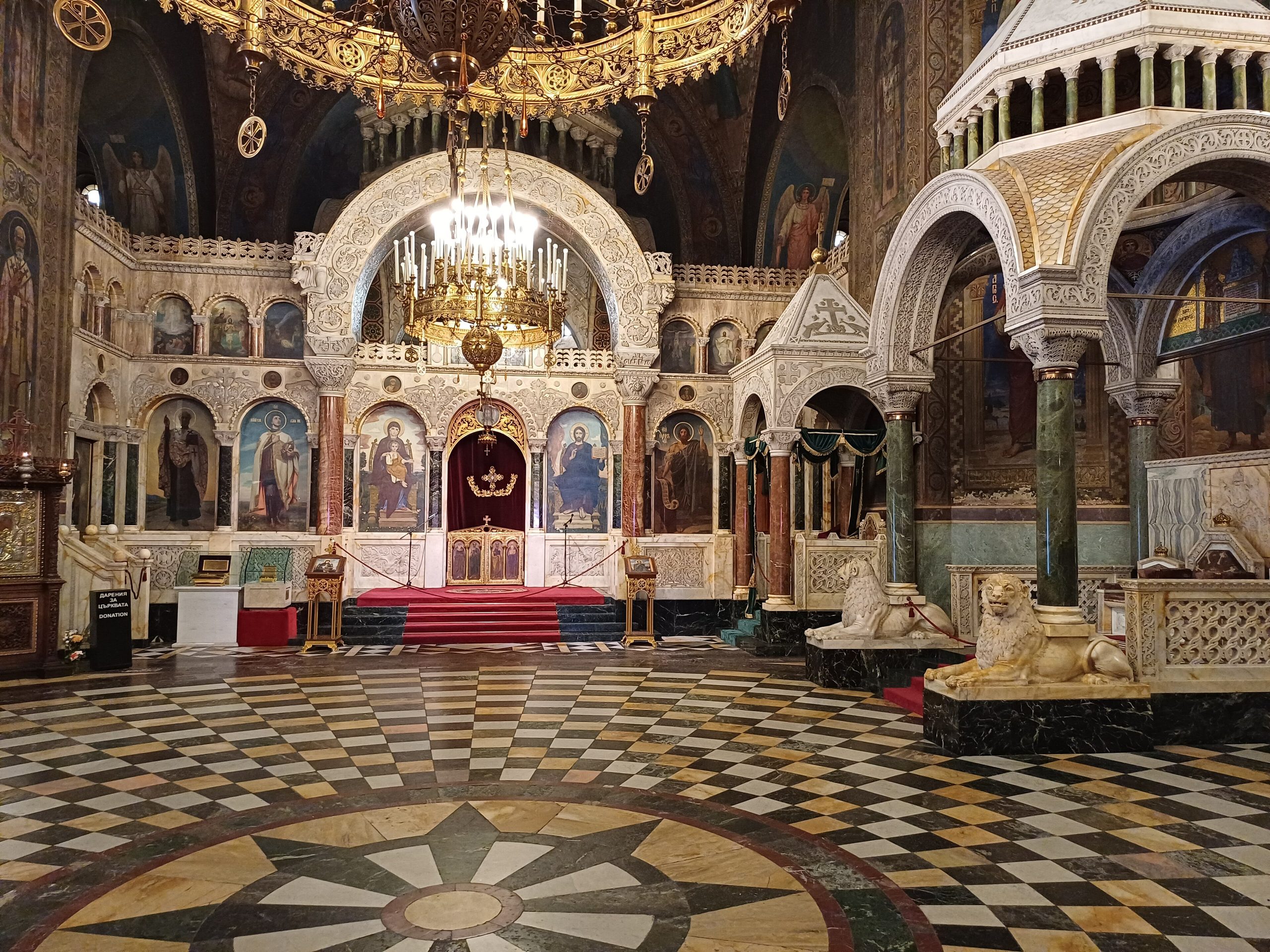
Orthodox churches here are working churches, so cover your shoulders and knees and keep your voice down. You'll see candles in two places: the higher stand is for the living and the low tray of sand is for the dead.
Alexander Nevsky Cathedral is free to enter and open from 7am to 7pm every day. You need a photo permit, about €5 from the candle stand by the entrance, to use a camera inside.
Boyana Church is stricter: no photos or video of any kind, at most 9 people inside at once, and 10 minutes in the medieval part. If you're invited to someone's home, Bulgarian etiquette says flowers come in odd numbers, because even bunches are for funerals.
In restaurants, salads come first and rakia comes with them, sipped slowly through the meal. Look people in the eye when you clink glasses. Waiters won't bring the bill until you ask for it: say "сметката, моля" (smetkata, molya). Smoking is banned indoors, which is why the terraces fill with smokers, so pick a table inside if smoke bothers you.
Food and water in Sofia
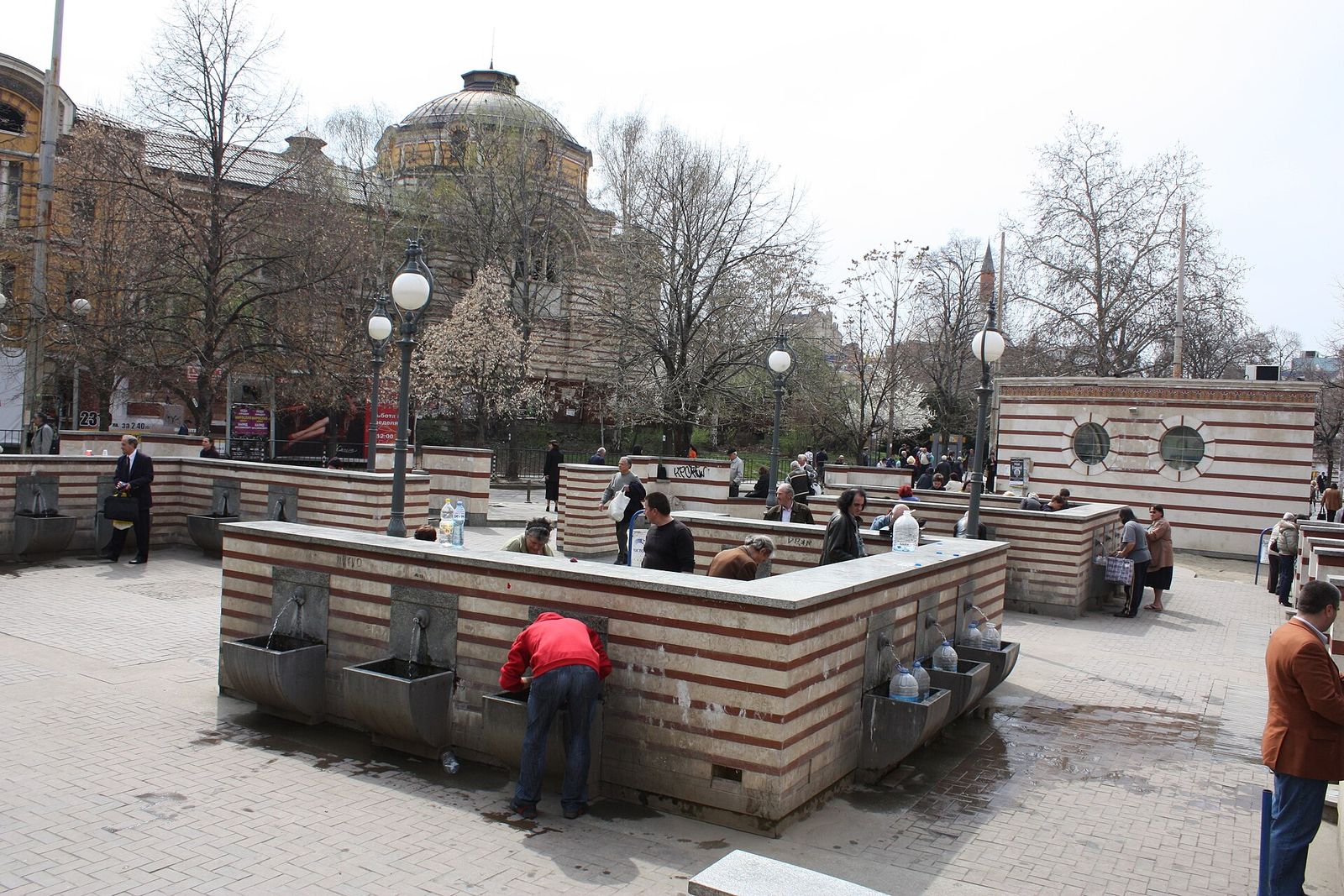
Sofia's tap water is safe to drink, and I refill a bottle every morning. The free hot taps beside the old Central Mineral Baths run mineral water straight from the springs the Romans built the city around, and locals queue with big plastic bottles to fill. It comes out warm and tastes faintly of minerals.
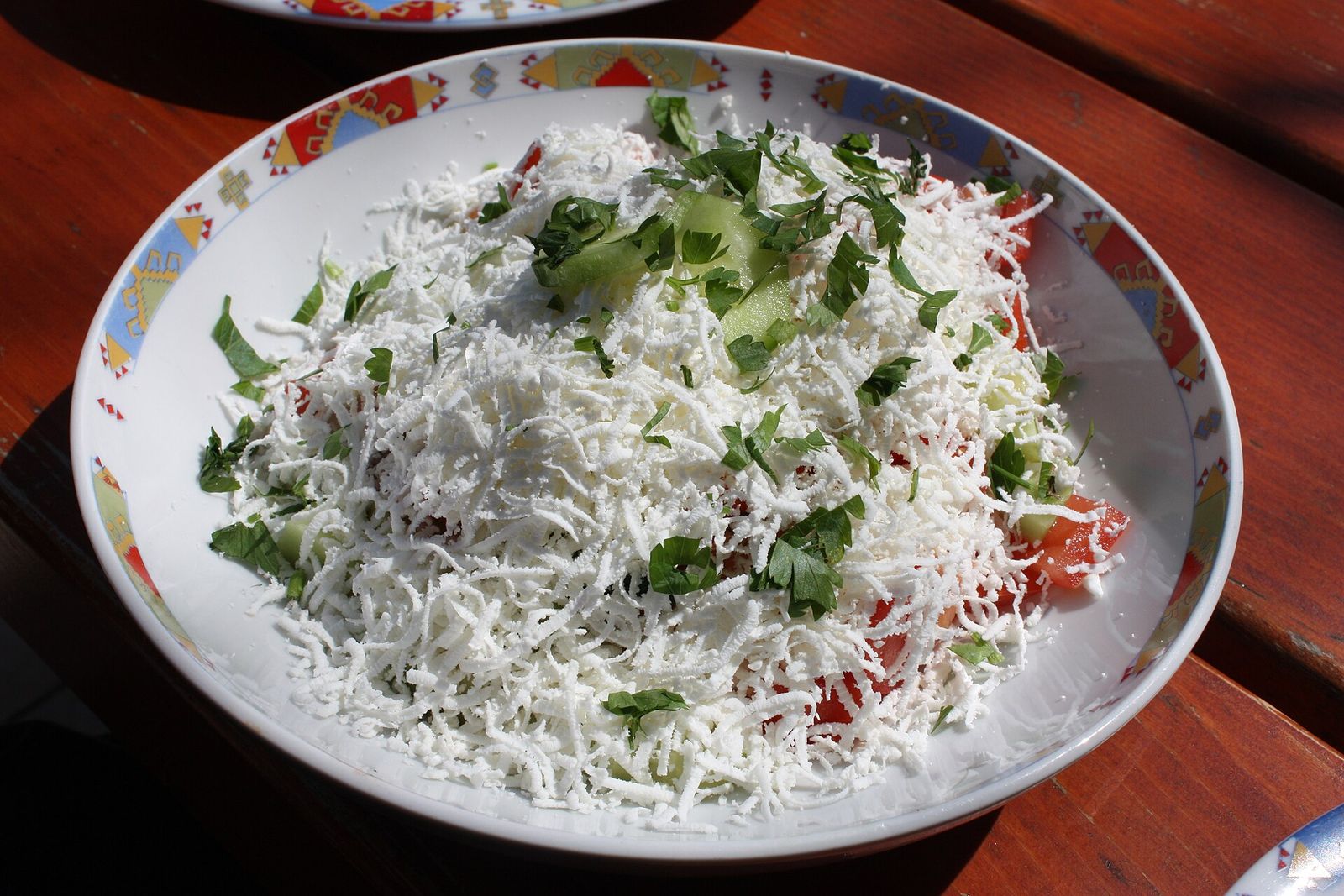
A shopska salad (tomato, cucumber, peppers and a snowdrift of grated white cheese) starts most meals, and banitsa, a flaky filo pie with white cheese, is breakfast from a kiosk with a glass of ayran, the salty yoghurt drink. Weekday lunch menus (обедно меню) at about €6 to €7 are the cheapest good meal in town, and Bulgarian food in general runs heavy on cheese, yoghurt, grilled meat and peppers.
Is Sofia safe? Pickpockets, ID and 112
Sofia feels safe to me, and I walk home through the centre at night without thinking about it. The crime a visitor is likely to meet is pickpocketing, on buses, trams and the metro, at the airport and around the big sights. Watch for anyone trying to distract you, and keep your phone out of your back pocket on a crowded tram.
Always carry ID. A printed copy of your passport photo page is accepted, so I keep one in my wallet and leave the passport in the hotel safe unless I'm crossing a border.
Skip the "gentlemen's clubs": tourists have been charged hundreds of pounds and threatened when they refused to pay. Drugs, cannabis included, carry long prison sentences. Drunken, loud behaviour or urinating in the street can get you fined or arrested.
Health insurance, phones and plugs
Bring your GHIC or EHIC for medically necessary state healthcare in Bulgaria. The GHIC is free from the NHS, so never pay a website for one. You still need travel insurance for a flight home or private treatment, and if you're hiking on Vitosha or in the Rila mountains, check it covers mountain rescue.
UK networks set their own roaming charges in the EU, so check yours before you go. If the daily fee is steep, a local eSIM is cheap: Yettel's tourist eSIM gives 25 GB for €10.23 over 30 days, with unlimited data for the first 5. Among the Bulgaria SIM card deals, Vivacom's prepaid 25 GB for 30 days costs about the same.
Plugs are the European two-round-pin kind on 230 volts, so pack a UK to EU adaptor.
Best time to visit Sofia and how long to stay
Sofia sits at about 550 metres in a bowl of mountains, so summers are warm and winters properly cold (1991 to 2020 averages):
| Season | Average daytime high | What it's like |
|---|---|---|
| Spring (April to May) | 16.7°C to 21.4°C | Parks green, my favourite time to visit |
| Summer (June to August) | 25.2°C to 28.3°C | Hot afternoons; June is the wettest month |
| Autumn (September to October) | 23.3°C to 17.6°C | Settled, sunny walking weather |
| Winter (December to February) | 3.5°C to 6.5°C | Nights below freezing, snow on about 7 days a month, smog in the heating season |
May, June and September are when I'd send a friend for a first trip, and the best time to visit Sofia shifts to winter if you want cheap flights or skiing on Vitosha. Flights take about 3 hours: Ryanair flies from London Stansted in 3h 5m all year and from Bristol, Birmingham, Liverpool and Edinburgh in winter, and Wizz Air from Luton in about 3h 10m. Ryanair's cheapest flights from the UK to Sofia fall in November and early December, while Wizz Air's low season is February and its high season August.
Two nights covers the centre, and that's my perfect weekend in Sofia. Three or four nights gives you a day out to Rila Monastery, by car or by bus and taxi, or a Plovdiv day trip, which I'd add if you can.
Who Sofia suits, and who it doesn't
Sofia suits you if you want:
- Culture on a small budget, with a free cathedral and Roman streets laid out in the metro concourse.
- Good food and wine for little money: shopska, banitsa and Bulgarian wine from about €7 a bottle in a shop.
- Mountain walks without a car, because Vitosha starts at the edge of the city and city buses run to the trailheads.
- A short break with little travel, about 3 hours in the air and a centre you can cross on foot.
It's the wrong pick if you want:
- A postcard-pretty old town. Sofia mixes grand boulevards with communist-era blocks, and Plovdiv's old town is prettier.
- One huge landmark, since the best things here are small, like Boyana's 13th-century frescoes.
- Clean winter air, because the heating season brings smog to the valley.
Key takeaways
- A British passport needs no visa for Bulgaria: 90 days in any 180, shared with Schengen, on a passport under 10 years old.
- Prices are in euros since 1 January 2026; divide any leva price you read by 1.95583.
- Take the M4 metro from Terminal 2 for €0.80, and book taxis by app or at the official desk.
- Nod for no, shake for yes, and carry a copy of your passport photo page.
Frequently asked questions
Do I need a visa for Bulgaria from the UK?
No. British citizens can visit Bulgaria visa-free for up to 90 days in any 180-day period, for tourism, family visits or business meetings. Days spent in other Schengen countries in the previous 180 days count towards the 90.
Is Bulgaria in the Schengen area?
Yes, since 1 January 2025, land borders included. Your 90 visa-free days are shared with the rest of Schengen, and you register fingerprints and a photo with the Entry/Exit System on your first arrival.
Can I still use leva in Bulgaria?
No. Shops have taken euros only since 1 February 2026, after a month when both currencies worked. The Bulgarian National Bank swaps old leva for euros free with no deadline, at 1.95583 leva to the euro.
Is Sofia, Bulgaria worth visiting?
Yes, for 2 to 4 nights. It's cheap, walkable and full of history, from Roman Serdica to Alexander Nevsky Cathedral, and it's a good base for Rila Monastery and Plovdiv. Skip it if you want postcard-pretty streets or sights on the scale of Prague or Budapest.
Is Sofia safe for tourists?
Sofia is safe for visitors, and the main risk is pickpocketing on public transport and around the big sights. Use licensed yellow taxis, stay out of "gentlemen's clubs", and dial 112 in an emergency.
Do people speak English in Sofia?
Mostly, in the centre's hotels, cafes and bars, and especially among younger people. Older Bulgarians and many taxi drivers speak little, so a few Bulgarian words and a translation app help.
Can you drink the tap water in Sofia?
Yes, it's safe to drink straight from the tap. Locals also fill bottles at the free hot mineral taps beside the Central Mineral Baths to drink at home.
How many days do you need in Sofia?
Two full days covers the centre: Alexander Nevsky, Serdica, the mineral springs, Vitosha Boulevard and a museum or two. A third or fourth day buys you Boyana Church and a Vitosha hike, or a day trip to Rila Monastery or Plovdiv.
My Perfect Weekend in Sofia: A 2-Day Plan with Costs
How I would spend 48 hours in Sofia: what to see, where to eat, the Saturday night out and what it all costs.
Read the guide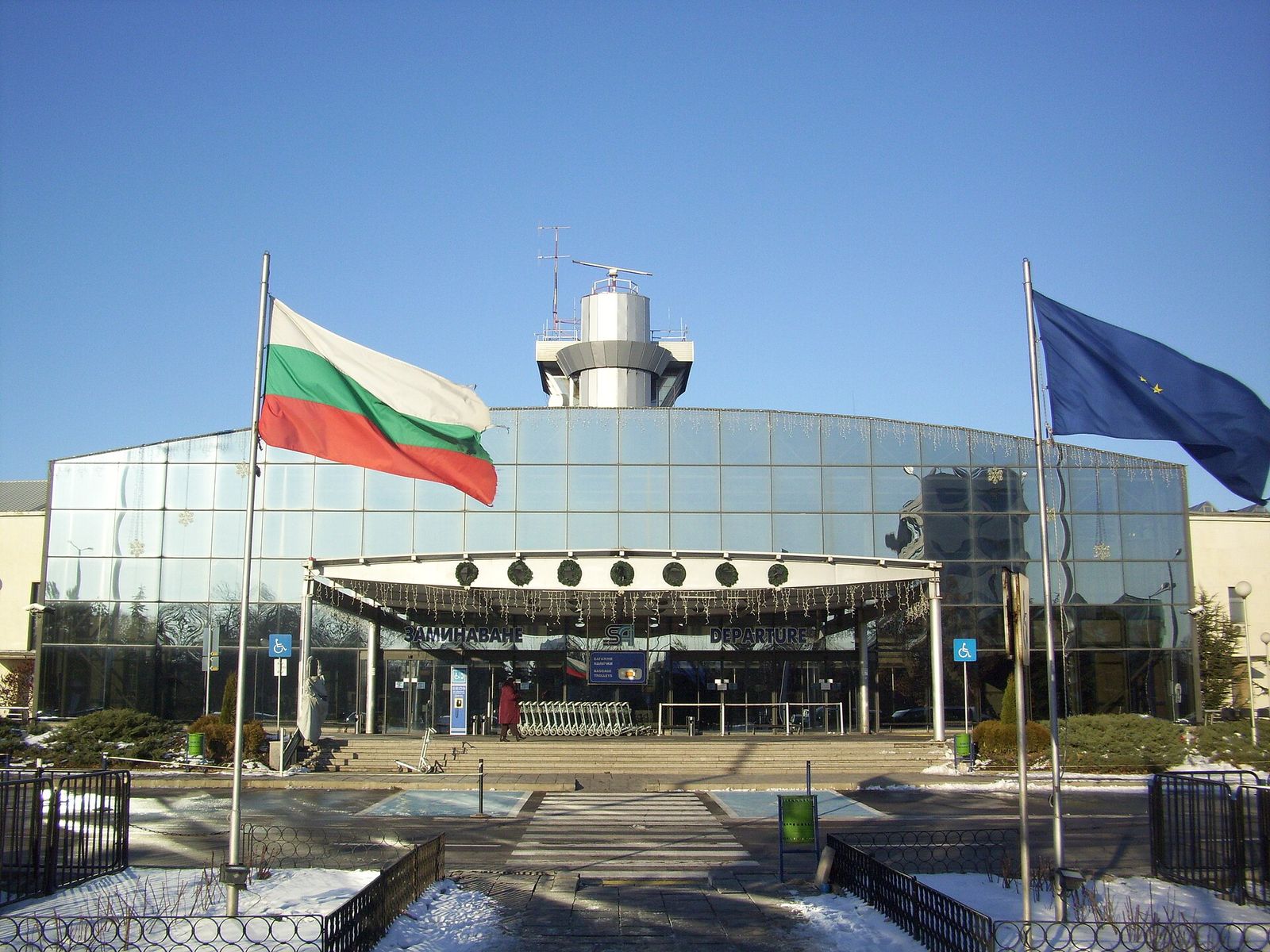
Flights from the UK to Sofia: Airlines, Airports and Fares
Which airline flies to Sofia from which UK airport, how long it takes, the fares I saw and getting into town.
Read the guide
Sofia Prices in 2026: What Things Cost
Sofia is cheap by UK standards, though hotel rooms close the gap. Pints, meals, metro rides and a weekend, in euros.
Read the guide