Money in Bulgaria: The Euro and Cards
Bulgaria's currency is the euro now, after 146 years of the lev, so any guidebook price in leva is out of date. I live in Sofia and tap a card for almost everything, from the weekly shop to the tram home. This is how money works for a UK visitor in 2026: cards, cash, ATMs, the screen that costs you extra, and what to do with old leva.
What is the currency of Bulgaria?
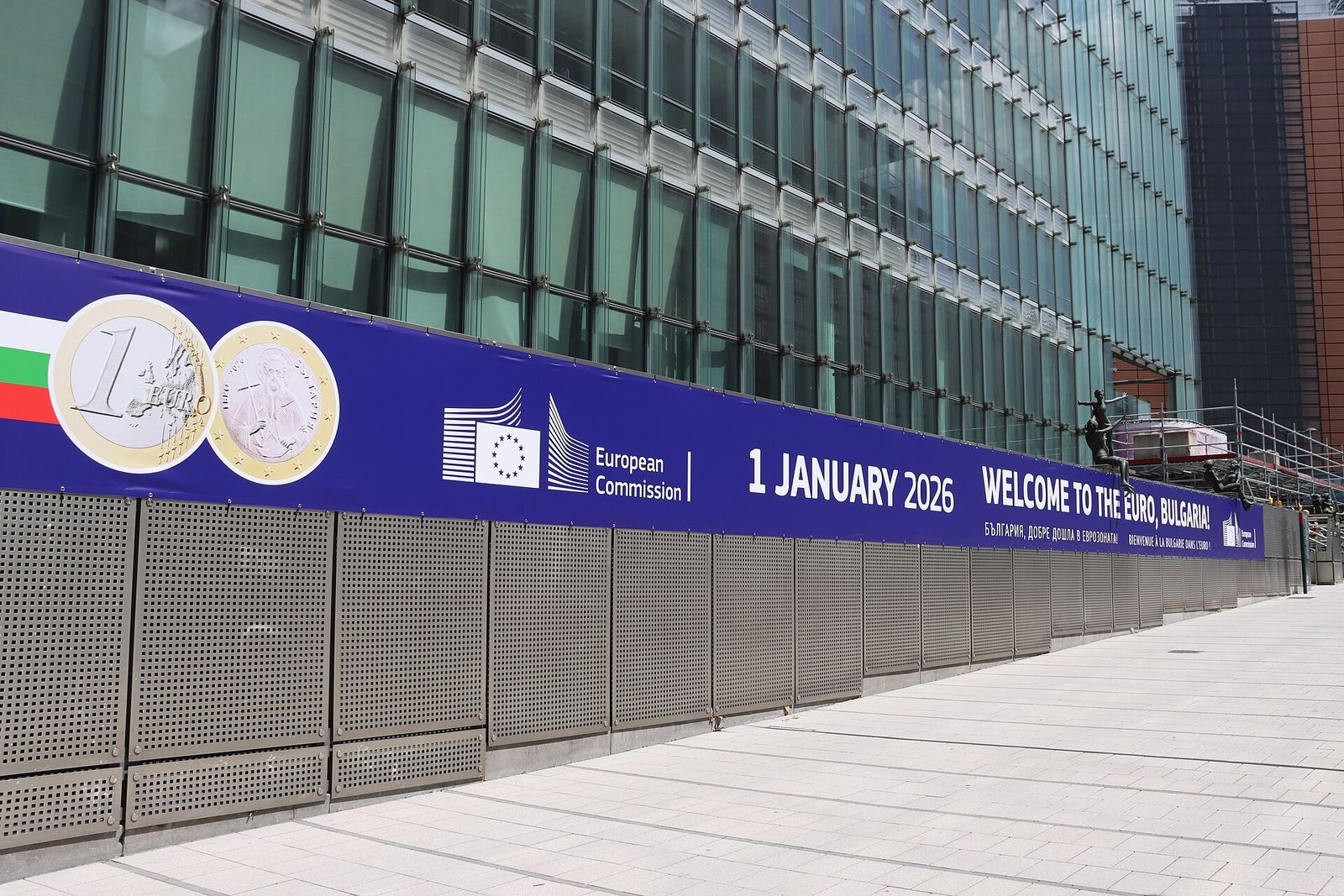
Since 1 January 2026, Bulgaria has paid in euros (€), the same notes and coins you'd spend in France, Spain or Greece. That day the euro replaced the Bulgarian lev (BGN, plural leva), and Bulgaria became the 21st country in the eurozone. Both currencies worked in shops for January, with change given in euros, and since 1 February 2026 the euro has been the only legal tender.
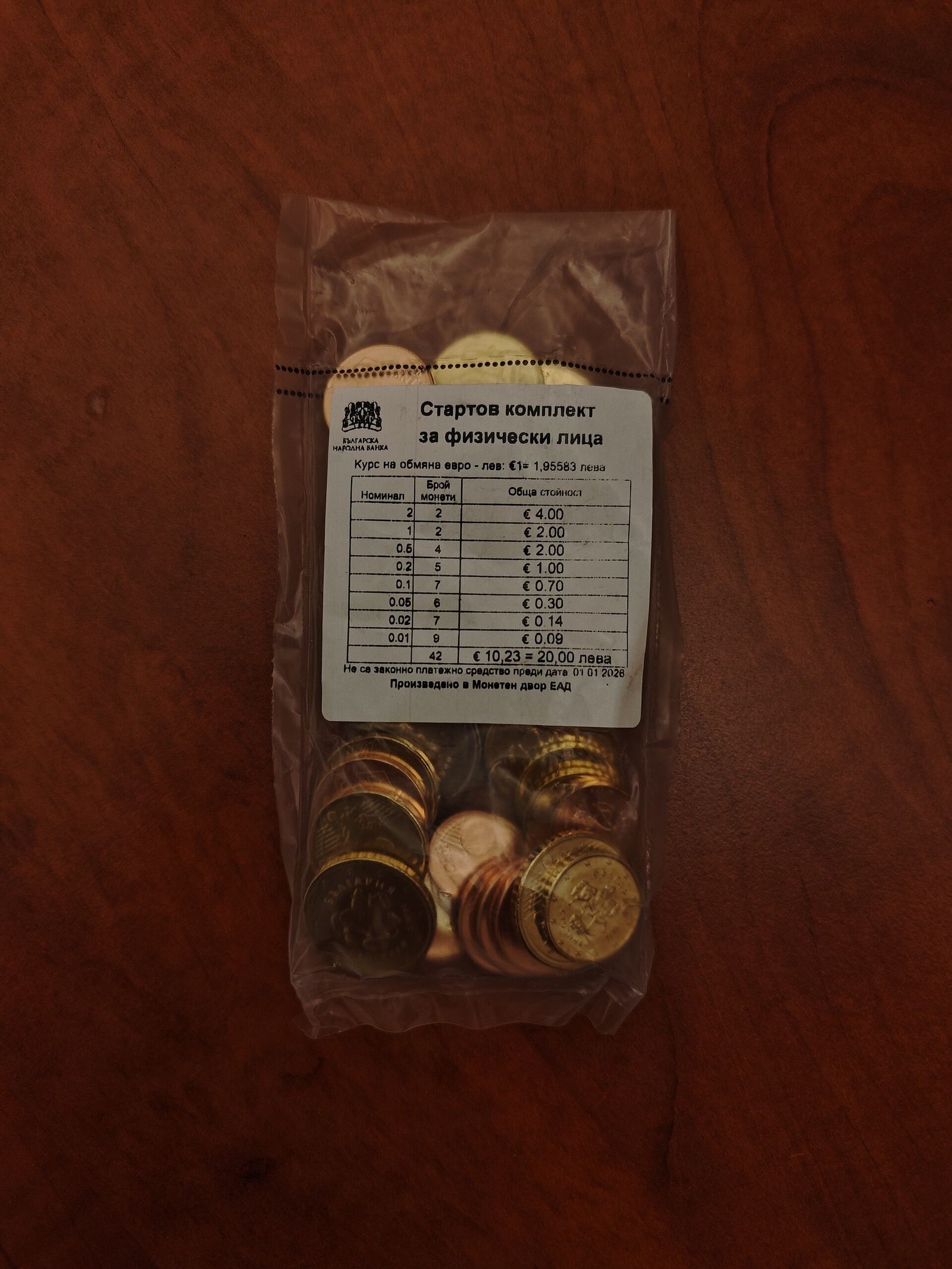
The switch rate, 1.95583 leva to €1, comes from the Deutsche Mark. After the hyperinflation of the mid-1990s, Bulgaria tied the lev to the mark in 1997 at 1,000 old leva to one mark. In 1999 it knocked three zeros off, so one lev equalled one mark, and the mark was fixed at 1.95583 to the new euro. The lev kept that rate for 27 years, right up to the switch.
Bank accounts and card terminals moved to euros overnight on 1 January 2026, and Bulgarian cash machines have paid out only euros since then. For visitors, that ended the old habit of dividing every menu price by 1.96.
Should you bring euros or pounds to Bulgaria?
Bring a bank card and a few euros, and leave the pounds at home. Euros from any eurozone country spend here, so a €20 note left from a Spanish holiday works in Sofia exactly as it did in Malaga.
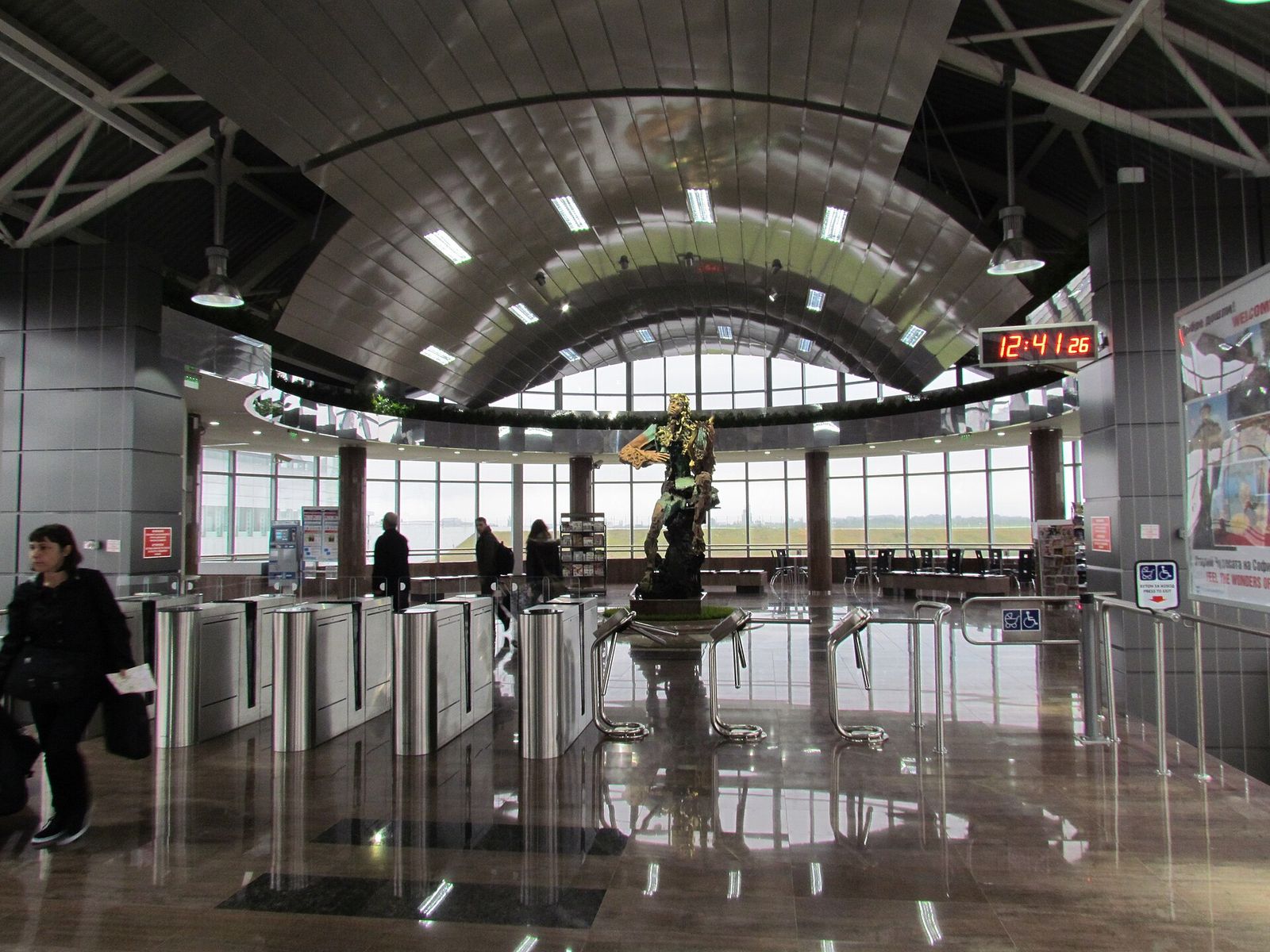
You don't need cash to get into town. The metro from Sofia Airport to the city centre takes a tapped bank card at the barrier, costs €0.80 and gets you to Serdika in about 20 minutes. I'd still fly in with €20 or so in notes, for a bakery counter or a market stall before you find a cash machine.
No shop, cafe or taxi in Bulgaria takes sterling. Banks and exchange bureaux (обмяна на валута) in Sofia will change it, but bureau rates vary from one window to the next, so ask how many euros you'll get back in total before you hand over a single note. If the answer looks thin, walk on.
Carrying €10,000 or more in cash into or out of Bulgaria means declaring it to customs, the same rule as at any EU border.
Can you pay by card in Bulgaria?
Yes, almost everywhere in Sofia. I tap a card or my phone in supermarkets, cafes, restaurants, bars, pharmacies and the shops on Vitosha Boulevard, and Apple Pay and Google Pay work wherever contactless does. Every terminal I've used takes Visa and Mastercard. If you're unsure at a small place, ask "Може ли с карта?" (mozhe li s karta, can I pay by card?), one of the handful of Bulgarian phrases I'd learn before a first visit.
Getting around Sofia by metro, bus and tram works on a contactless bank card too. Tap it on the validator inside a bus or tram, or on the reader at the metro barrier, and each tap buys a Ticket 30 plus for €0.80, which covers changes within 30 minutes. Taps stop charging at €2 a day for daytime travel, so a busy sightseeing day of six or seven rides costs €2.
Most taxis in Sofia are yellow and metered, starting at €1.50 by day plus €0.75 a kilometre, so a short hop across the centre costs a few euros. Plenty of cars have a card machine, but not all of them, and I keep a €10 note for the ride home rather than find out at 1am. Uber doesn't run in Sofia.
When you still need cash in Bulgaria
Cash still matters at market stalls, in villages, at mountain huts and for tips. I carry €20 to €50 in small notes and top up at a bank's cash machine when it runs low.
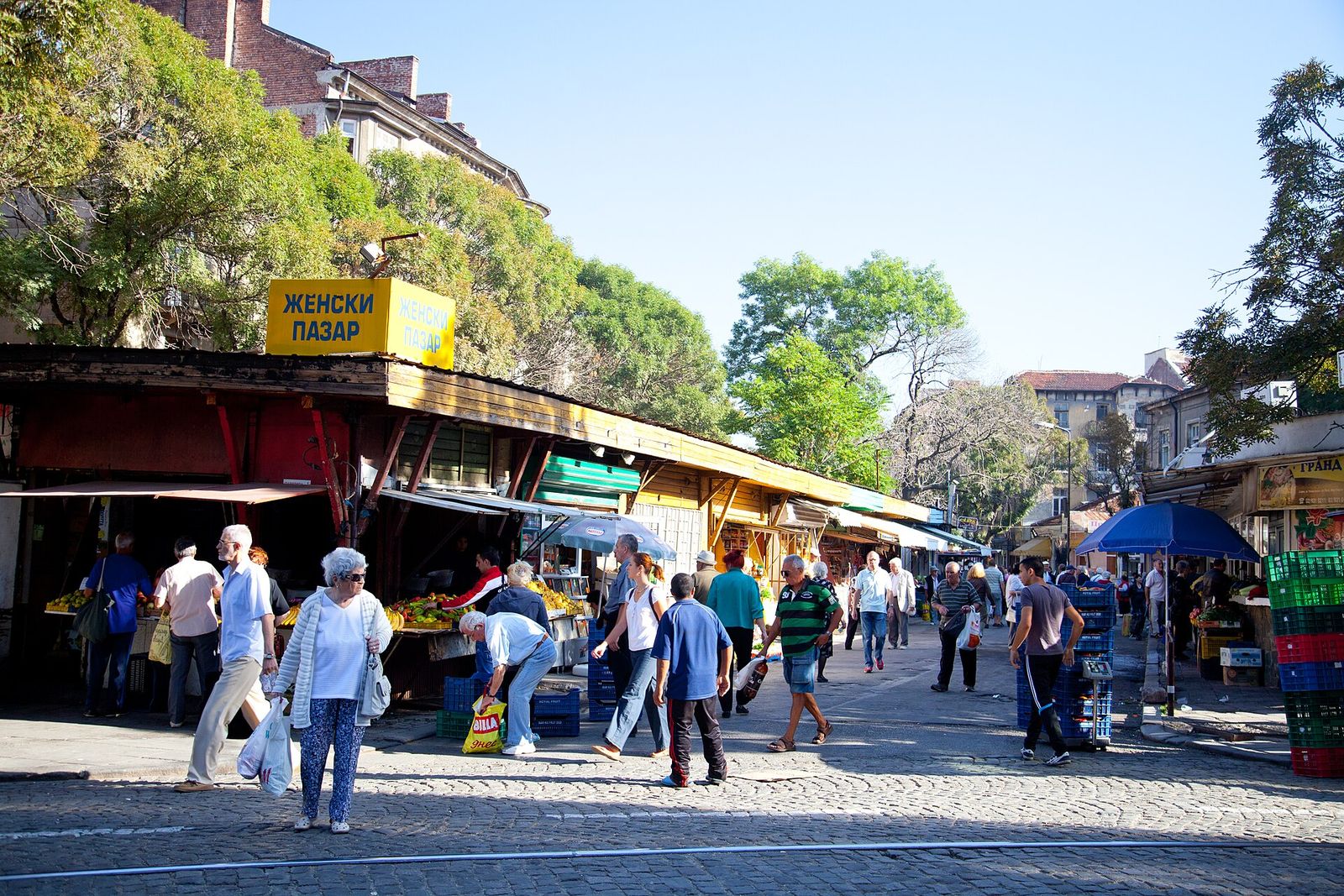
At Zhenski Pazar, the Women's Market (Женски пазар), the fruit, honey and cheese sellers want coins and small notes. So do the antiques sellers at the flea market outside Alexander Nevsky, where haggling over an old icon goes faster with the right notes in your hand. A €50 note for a jar of honey won't win you friends, so I break big notes in a supermarket first.
Outside Sofia, you'll need cash more often. In small towns and villages such as Koprivshtitsa, the family-run cafes, guesthouses and corner shops are the places most likely to ask for notes, and a village may have one cash machine or none.
I always pay cash at the mountain huts (хижа, hizha) where hikers stop for bean soup and mountain tea on Vitosha and in Rila. Fill your wallet in Sofia before you set off, because you won't find a cash machine on a hiking trail.
ATMs in Bulgaria and how to avoid extra fees
The cash machines I use are on the wall of a bank branch: DSK, UniCredit Bulbank, UBB, Postbank and Fibank all have them across central Sofia. Standalone machines in shopping centres and on tourist streets work too, but read every screen before you press anything.
One withdrawal can carry two fees: the machine's own charge, shown on the screen before you confirm, and whatever your UK bank adds for cash abroad. Check your bank's charge before you fly, because some UK debit cards charge nothing for cash in euros and others charge on every withdrawal.
The costly trap is dynamic currency conversion. The machine, or a card terminal in a restaurant, offers to charge your card in pounds at its own exchange rate, which is reliably worse than the one your bank uses, and it hides behind several wordings.
| What the screen shows | What it means | What I press |
|---|---|---|
| "Charge me in GBP" or "With conversion" | The machine converts at its own rate | Decline |
| "Charge me in EUR" or "Without conversion" | Your bank converts at its rate | Accept |
| "Guaranteed rate" or "We'll convert for you" | Dynamic currency conversion under another name | Decline |
| "Pay in your home currency?" on a shop terminal | The same offer at the till | No, pay in euros |
| A fee before you confirm | The machine's own charge | Cancel if it's high and find a bank's machine |
Sofia feels safe to me at any hour, and I still cover the keypad at a cash machine and keep my card in sight when a waiter takes it. If a card machine asks for my PIN a second time, I cancel the payment and pay another way.
What Bulgarian euro coins look like
Bulgarian euro coins share their common side with every other euro coin and carry a Bulgarian design on the back, lettered in Cyrillic: ЕВРО (euro) and БЪЛГАРИЯ (Bulgaria). The 1 to 50 cent coins show the Madara Rider, the horseman carved into a cliff in north-east Bulgaria, which was also on the old lev coins. The 1 cent coin says стотинка and the others стотинки, the name of the lev's old small change.
The €1 coin shows St Ivan of Rila, the hermit who founded Rila Monastery in the mountains south of Sofia. The €2 coin shows Paisius of Hilendar, the monk whose 1762 history of the Bulgarians helped spark the national revival.
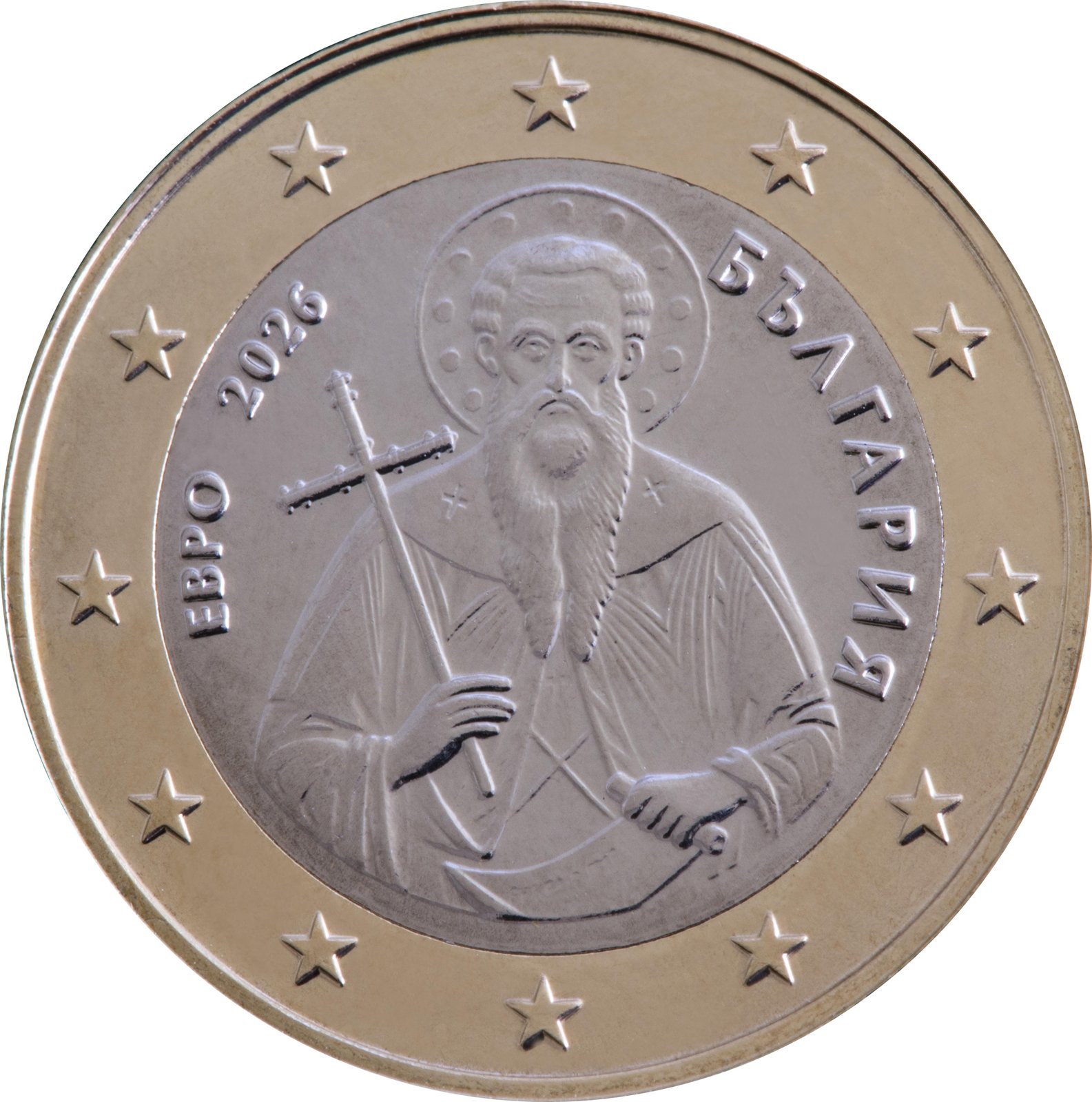
Your change in Sofia mixes Bulgarian coins with French, German, Greek and Italian ones, and every one of them spends the same.
How to convert old leva prices into euros
Shops had to show every price in both leva and euros from 8 August 2025 to 8 August 2026, so you'll still spot old two-currency price tags and faded menus. Guidebooks, photos and blog posts from before 2026 quote leva too. Divide any lev price by 1.95583 to get euros.
| Old price in leva | Exact price in euros | Halve it |
|---|---|---|
| 1 lev | €0.51 | €0.50 |
| 2 leva | €1.02 | €1 |
| 5 leva | €2.56 | €2.50 |
| 10 leva | €5.11 | €5 |
| 20 leva | €10.23 | €10 |
| 50 leva | €25.56 | €25 |
| 100 leva | €51.13 | €50 |
The old 1.60-lev metro ticket works out at €0.82, almost exactly today's €0.80 fare. A guidebook that quotes a 10-leva museum ticket means about €5.
What to do with leftover Bulgarian leva
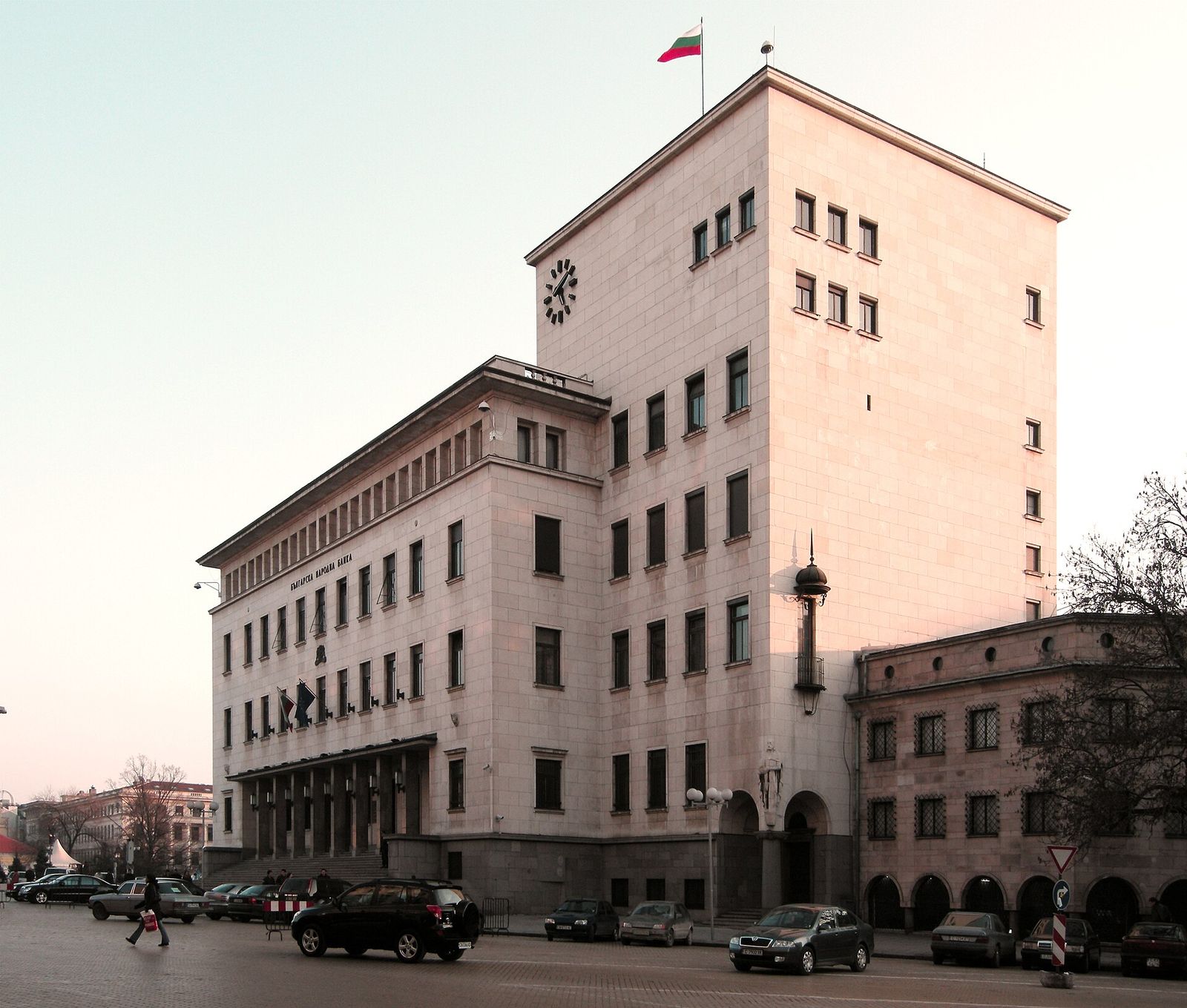
The Bulgarian National Bank (BNB) swaps old lev notes and coins into euros free of charge, with no limit on the amount and no deadline. In Sofia it does this at its headquarters at 1 Knyaz Alexander I Square, a few minutes' walk from Serdika metro, at its cash centre at 10 Mihail Tenev Street, and at its office at 16 Ivan Hadzhiyski Street in Ovcha Kupel.
High street banks swapped leva free until 30 June 2026. Since 1 July 2026 they can charge a fee, and they only have to keep swapping until 31 December 2026. In villages with no bank branch, selected post offices work to the same dates. For a drawer of old notes from past trips, I'd go straight to the BNB rather than pay a high street bank's fee.
What things cost in euros, and how to tip
These are the prices I budget with in Sofia, and transport and beer are where a UK visitor notices the difference most.
| What | Price in Sofia |
|---|---|
| Half-litre of draught beer | About €2 in a local bar, €3.50 on average |
| Cappuccino | About €3.10 |
| Dinner in a simple restaurant, no drinks | About €15 |
| Metro, bus or tram ride | €0.80 |
| Taxi from the airport to the centre | About €13 to €14 on the meter |
The Sofia prices that catch visitors out are on the Vitosha Boulevard terraces, where a beer costs more than the same one two streets back. At the other end, Sofia on a budget runs to about €30 a day per person, with banitsa from a bakery counter, the free churches and contactless travel doing most of the work.
Most Bulgarian restaurants add no service charge, so a tip goes on top. I leave about 10% in a sit-down restaurant when the service is good and round up in cafes and taxis, the usual habits for tipping in Bulgaria. When I pay by card, I either leave the tip in coins on the table or tell the waiter the total I want charged before they key it in.
Key takeaways
- The euro has been Bulgaria's currency since 1 January 2026, and euros from any other eurozone trip spend here as normal.
- A contactless card or phone handles almost everything in Sofia, transport included, so €20 to €50 in cash is plenty.
- Every time a screen offers to charge you in pounds, choose euros instead.
- Divide old lev prices by 1.95583, or halve them, and take leftover leva to the Bulgarian National Bank for a free swap.
Frequently asked questions
What was Bulgaria's currency before the euro?
The Bulgarian lev (BGN), plural leva, was Bulgaria's currency from 1880 until the switch to the euro in January 2026. It was split into 100 stotinki. Since 1999 it had been fixed at 1.95583 leva to €1, the rate used for the changeover.
Are euros accepted in Bulgaria?
Yes, the euro is Bulgaria's only currency. Euro notes and coins from any eurozone country work in Bulgarian shops, restaurants and taxis, and Bulgarian cash machines pay out in euros.
Can I still use leva in Bulgaria in 2026?
No. Leva stopped being legal tender on 1 February 2026, so shops can turn them down. The Bulgarian National Bank still swaps old lev notes and coins into euros for free, with no deadline.
What currency is best to take to Bulgaria?
Take euros, mostly on a card. A contactless card covers almost everything in Sofia, and a few small notes cover markets, villages and tips. Pounds aren't accepted anywhere, and changing them in Bulgaria means hunting for a fair bureau rate.
How much is €100 in Bulgaria?
€100 buys about six simple dinners at €15 each in Sofia, or a mid-range day for one person, which runs to about €72. In old money, €100 is 195.58 leva.
Can I pay with pounds in Bulgaria?
No, Bulgarian shops, restaurants and taxis take euros only. Banks and exchange bureaux in Sofia will change sterling, though a card with no foreign transaction fee is usually the cheaper way to pay. If a card terminal offers to charge you in pounds, decline it and pay in euros.
Is it better to pay by card or cash in Bulgaria?
Card, for most things. Contactless works in supermarkets, restaurants, bars and on Sofia's metro and buses, while cash suits market stalls, village cafes, mountain huts and tips. I keep a little cash for those and pay for everything else by card.
Sofia Travel Tips: What I'd Tell You Before a First Trip to Bulgaria
What I tell friends before their first Sofia trip: visas, the euro, the airport metro, taxis and the head nod.
Read the guide
My Perfect Weekend in Sofia: A 2-Day Plan with Costs
How I would spend 48 hours in Sofia: what to see, where to eat, the Saturday night out and what it all costs.
Read the guide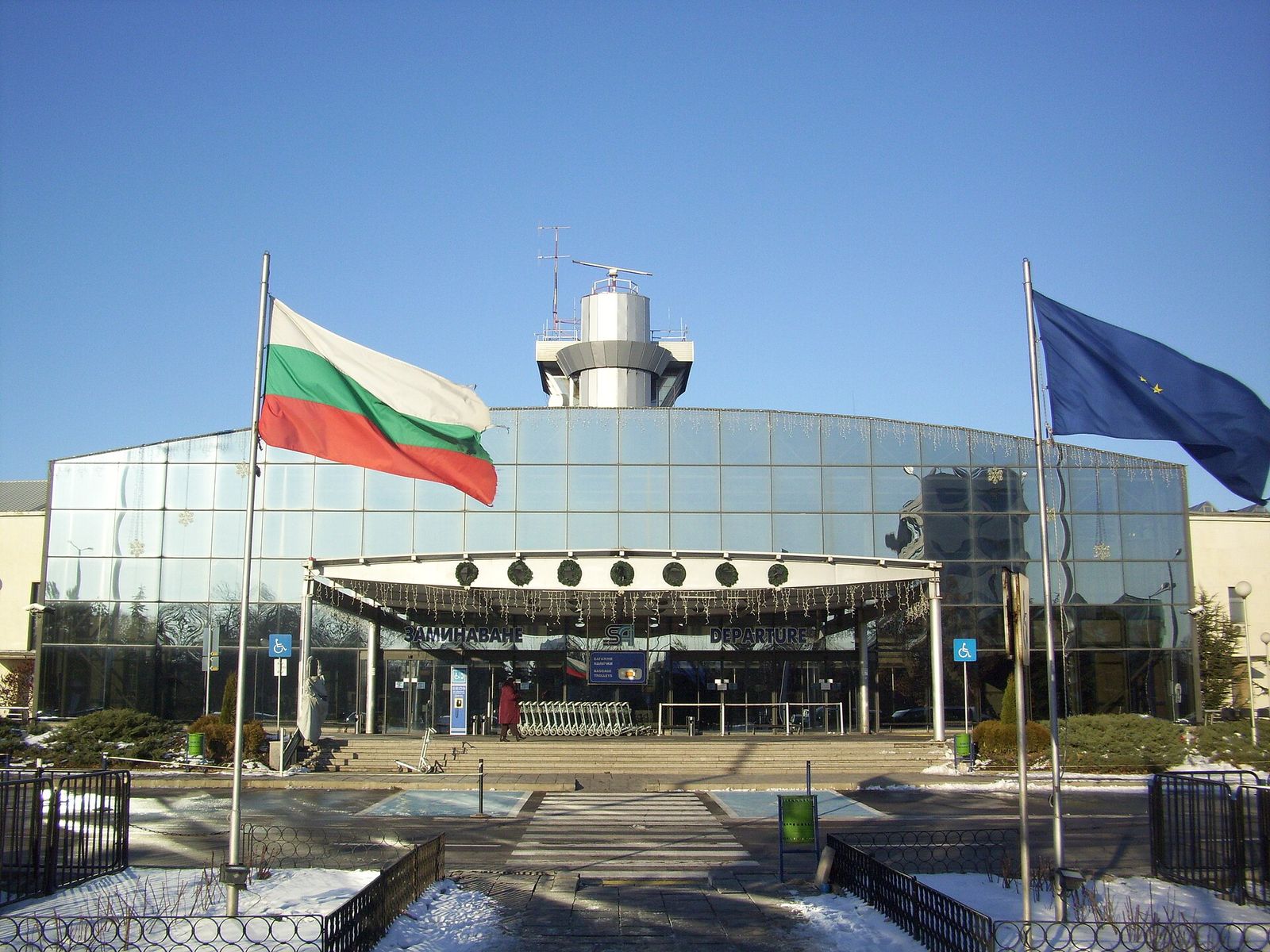
Flights from the UK to Sofia: Airlines, Airports and Fares
Which airline flies to Sofia from which UK airport, how long it takes, the fares I saw and getting into town.
Read the guide