Unique Things to Do in Sofia: 12 Off-the-Beaten-Path Picks
Sofia's big sights fit into a long weekend, and the odd ones are what I end up showing friends on their second visit. These are my 12 unusual things to do in Sofia, from a saint who takes written wishes to a ring of bells sent by countries around the world. For each one I say what makes it strange, what it costs and how to get there, and then I string them into one long day out.
My unusual Sofia list at a glance
Everything here sits outside my 11 favourite things to do in Sofia, the cathedral-to-Rila list I give first-timers. This is the second layer: communist leftovers, things under churches, odd monuments and two very Sofia nights out.
| # | Place | What makes it odd | Cost | Where |
|---|---|---|---|---|
| 1 | The Red Flat | A 1980s family flat you can walk round | €9.20 | 24 Ivan Denkoglu Street |
| 2 | Monument to the Soviet Army | A column with its soldiers lifted off in 2023 | Free | Park by Sofia University metro |
| 3 | Russian Church crypt | Wishes posted to a saint who died in 1950 | Free | Tsar Osvoboditel Boulevard |
| 4 | Tombs under St Sofia | About 50 Roman graves, some still painted | €4 | 2 Parizh Street |
| 5 | Seven Saints Church | A mosque from about 1547, a church since 1903 | Free | 25 Graf Ignatiev Street |
| 6 | Lions' Bridge | Four bronze lions on an 1891 bridge | Free | Lavov Most metro (M2) |
| 7 | Guard change | Scarlet uniforms from 1883, every hour | Free | The Presidency, on the Largo |
| 8 | Earth and Man | A hall of giant crystals | Paid | 4 Cherni Vrah Boulevard |
| 9 | Hambara | A candlelit bar behind an unmarked door | €3 to €5 a drink, cash | 6-ti Septemvri 22 |
| 10 | Sofia Opera | Verdi, Handel and ballet in November 2026 | From €20 | 30 Knyaz Aleksandar Dondukov Boulevard |
| 11 | Kambanite | A ring of bells sent by countries for peace | Free | Southern ring road, by taxi |
| 12 | Bankya mineral bath | A 1911 bath house still in use | €7.67 for 90 minutes | Bankya, 30 minutes by train |
Communist-era Sofia off the usual route
The statue garden at the Museum of Socialist Art is the famous communist sight, and it made my main list. These two show the same 45 years from other angles: the family kitchen and the empty column.
1. The Red Flat, a 1980s family flat
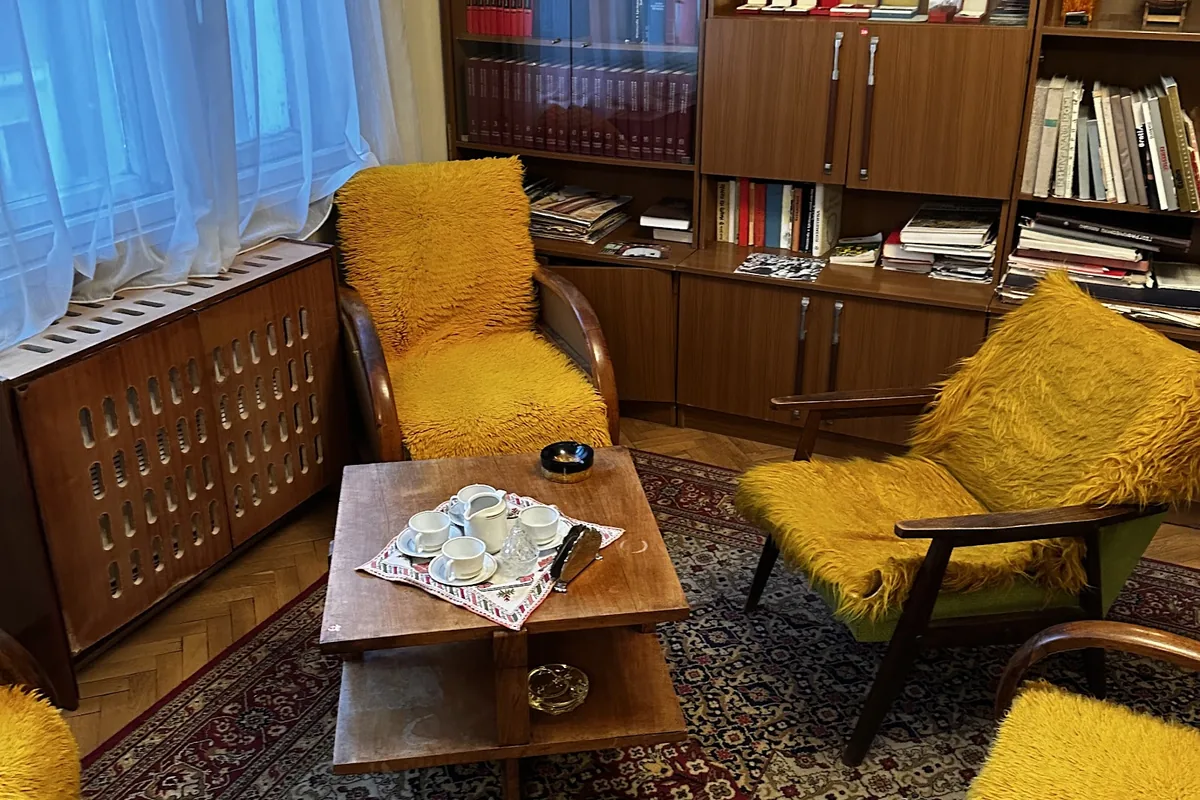
The Red Flat at 24 Ivan Denkoglu Street is an ordinary flat furnished the way a Bulgarian family lived in the 1980s, and you walk round it room by room with an audio guide, in English or one of four other languages. The visit runs to about 90 minutes.
It's my favourite rainy-day plan in the centre, and it opens every day, Mondays included. Tickets cost €9.20 at the Gifted shop at the same address. For a Saturday or Sunday I book on the Red Flat's website a day or two ahead.
2. The empty Monument to the Soviet Army
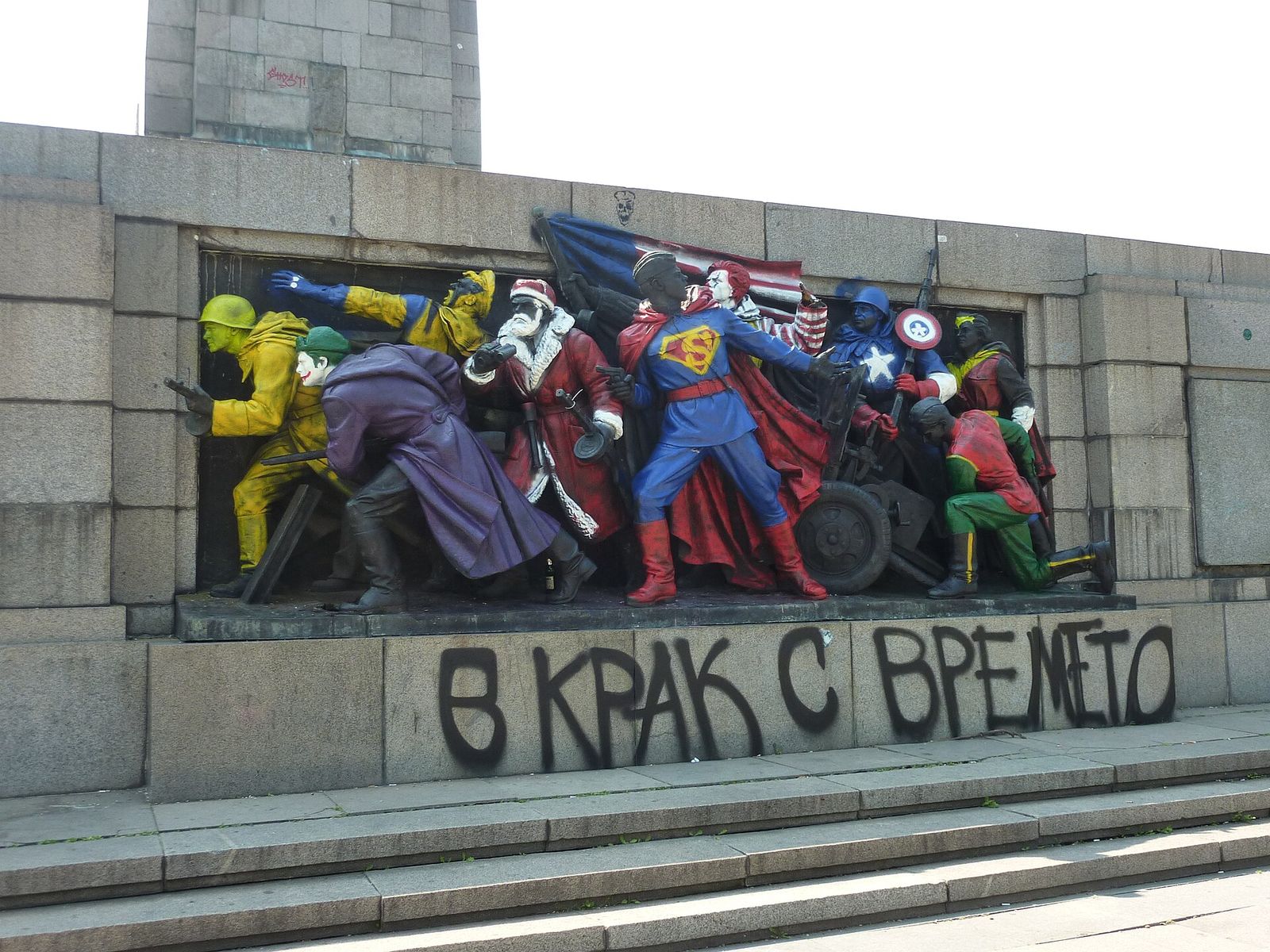
For 69 years a Soviet soldier held his gun in the air over the park by Sofia University. The Monument to the Soviet Army went up in 1954, and Sofia used it as a protest canvas. On 17 June 2011 someone painted the bronze soldiers on its base overnight as Superman, the Joker, Santa Claus and a crowd of other pop-culture figures, under the words "In pace with the times", and the paint was scrubbed off three days later.
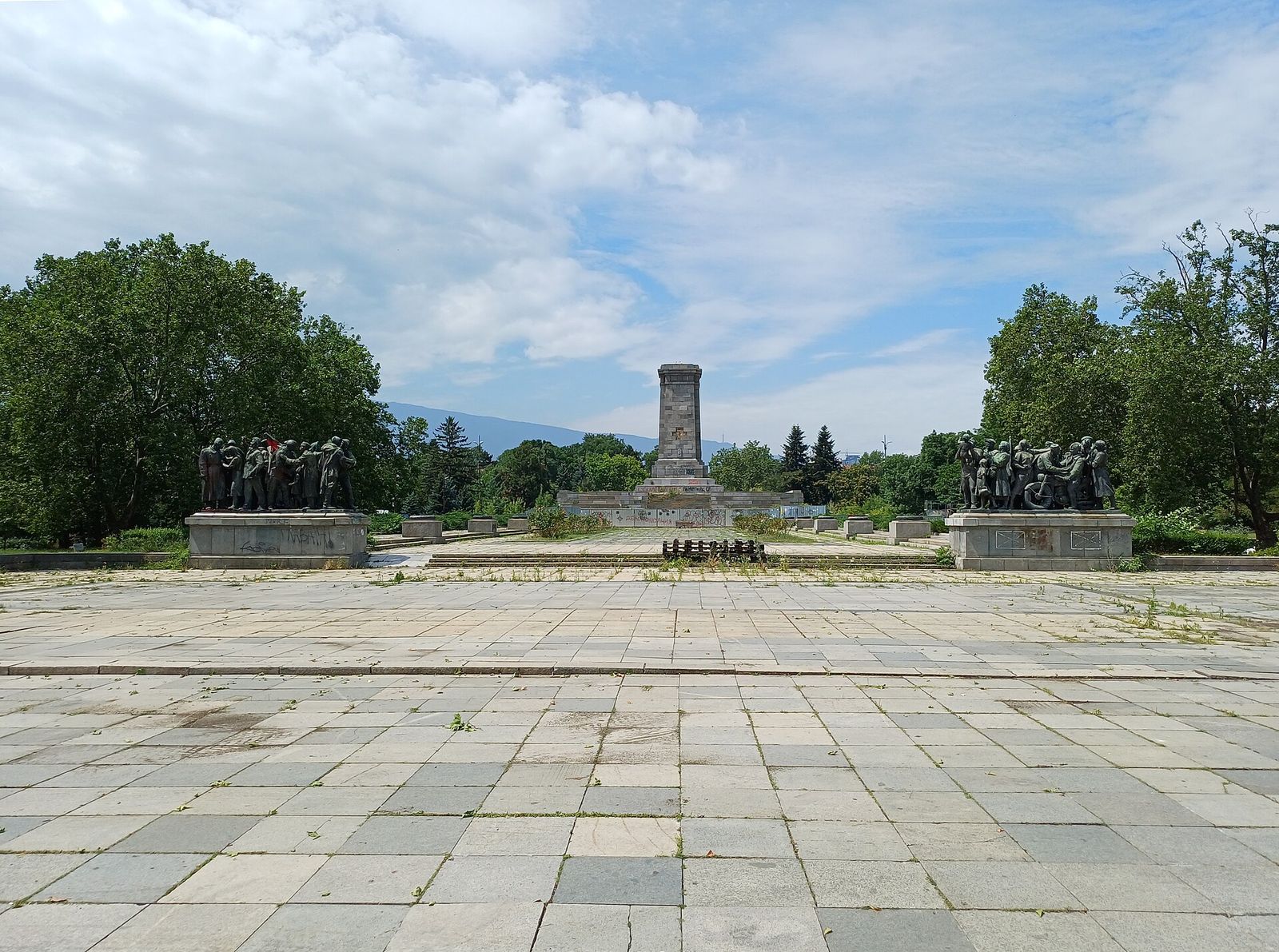
The figures on top were lifted off in December 2023. Today the column stands bare and fenced at its base, the soldier groups still stand either side of the square, and you can walk up to it for nothing from Sofia University metro. I stop here on the way to Borisova Gradina, which starts at the same metro station.
Underground Sofia and its odd churches
Three churches near Alexander Nevsky Square hide something stranger than their icons: a box of handwritten wishes, a Roman cemetery and a past as a mosque. They're 10 minutes' walk apart at most, so I do all three in one morning.
3. A wish note in the Russian Church crypt
The Russian Church is the white church with gold onion domes on Tsar Osvoboditel Boulevard, free and open every day from 8am to 6.30pm. The odd part is downstairs. Archbishop Seraphim led Sofia's Russian congregation from 1921 until he died in 1950, and his parishioners believed he could heal the sick. He's buried in the crypt, and people have been posting him their wishes ever since.
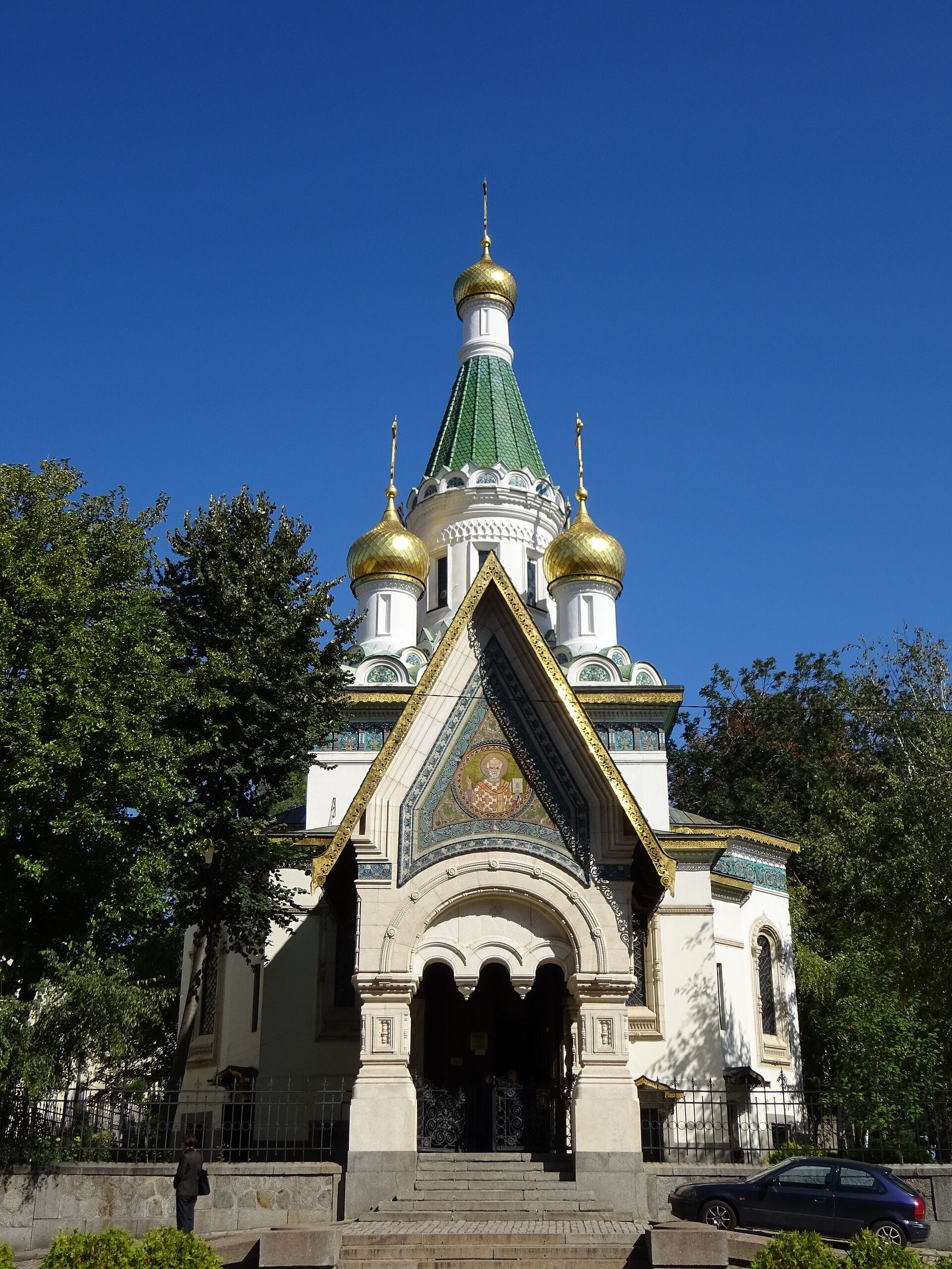
The crypt has its own entrance, down a flight of steps at the side of the church. Slips of paper sit by the marble tomb: write your wish in any language, fold it and post it in the box. Photos aren't allowed inside the church, so I take mine in the garden first and keep my phone in my bag down in the crypt too. The Russian Church in Sofia is small, and the church, the crypt and a lap of the garden take me 20 to 30 minutes.
4. The Roman tombs under St Sofia
St Sofia, the red-brick basilica that gave the city its name, is free to walk into. For €4 you go underneath, into part of the cemetery of Roman Serdica: about 50 graves and tombs from the 3rd to the 5th centuries. A few of the vaulted brick tombs still have painted walls, with red borders and garlands of leaves, and they're the reason I go down.
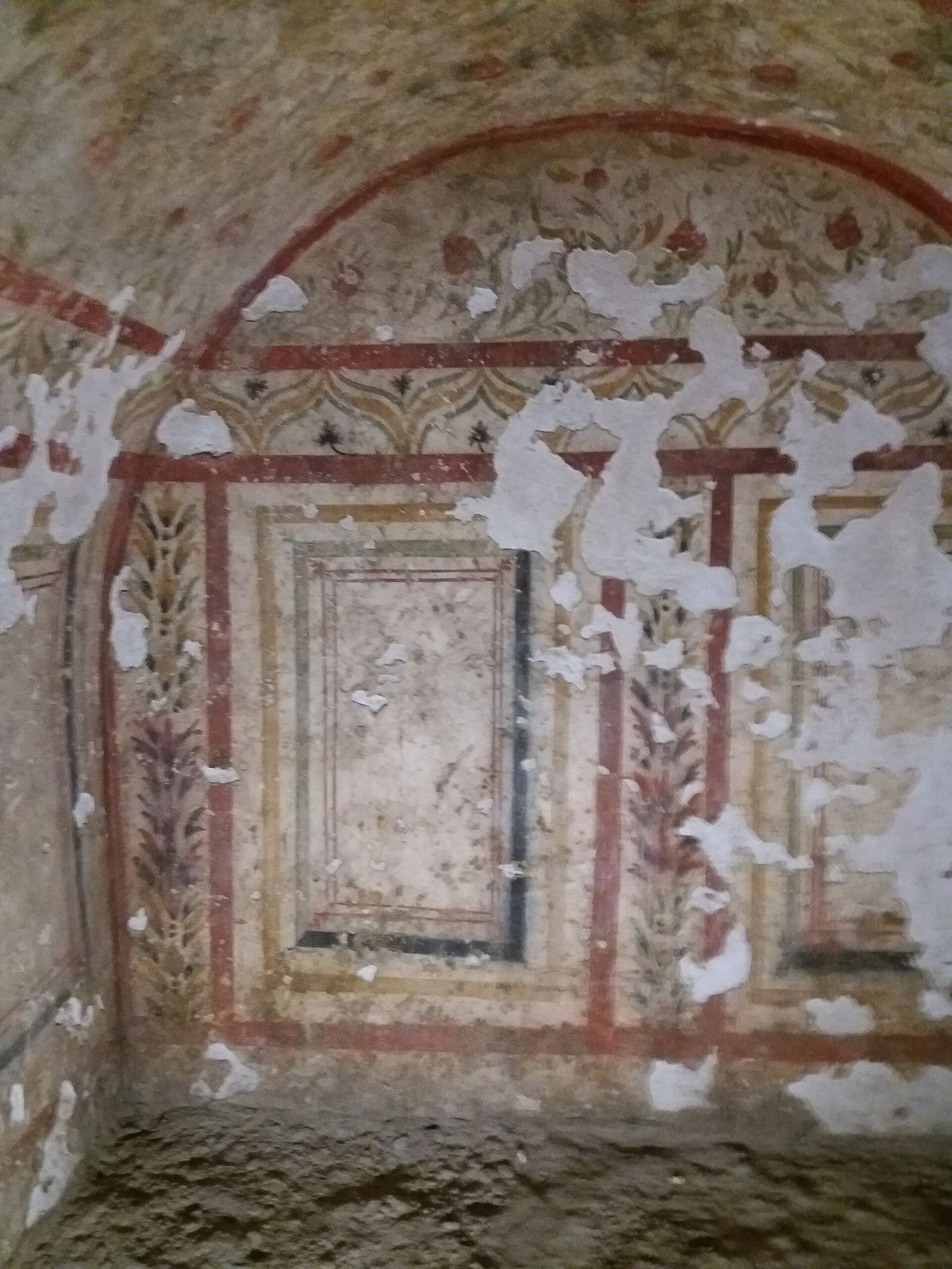
The underground level is at 2 Parizh Street and opens from 10am to 5.30pm, every day from May to October and Tuesday to Sunday from November to April. Children, students and seniors pay €1.50, and 45 minutes is enough. Just outside, a glass pavilion covers the 5th-century Tomb of Honorius, with "Honorius, servant of God" painted inside in red, and it's the part of St Sofia church I always point out to friends.
5. Seven Saints Church, the old Black Mosque
Seven Saints Church started out as a mosque. It was finished around 1547 for Sofu Mehmed Pasha, an Ottoman governor, to a design by Mimar Sinan, the sultan's court architect, and it was called the Black Mosque after the dark granite of its minaret. After the end of Ottoman rule in 1878 it served as an army warehouse and then a prison.
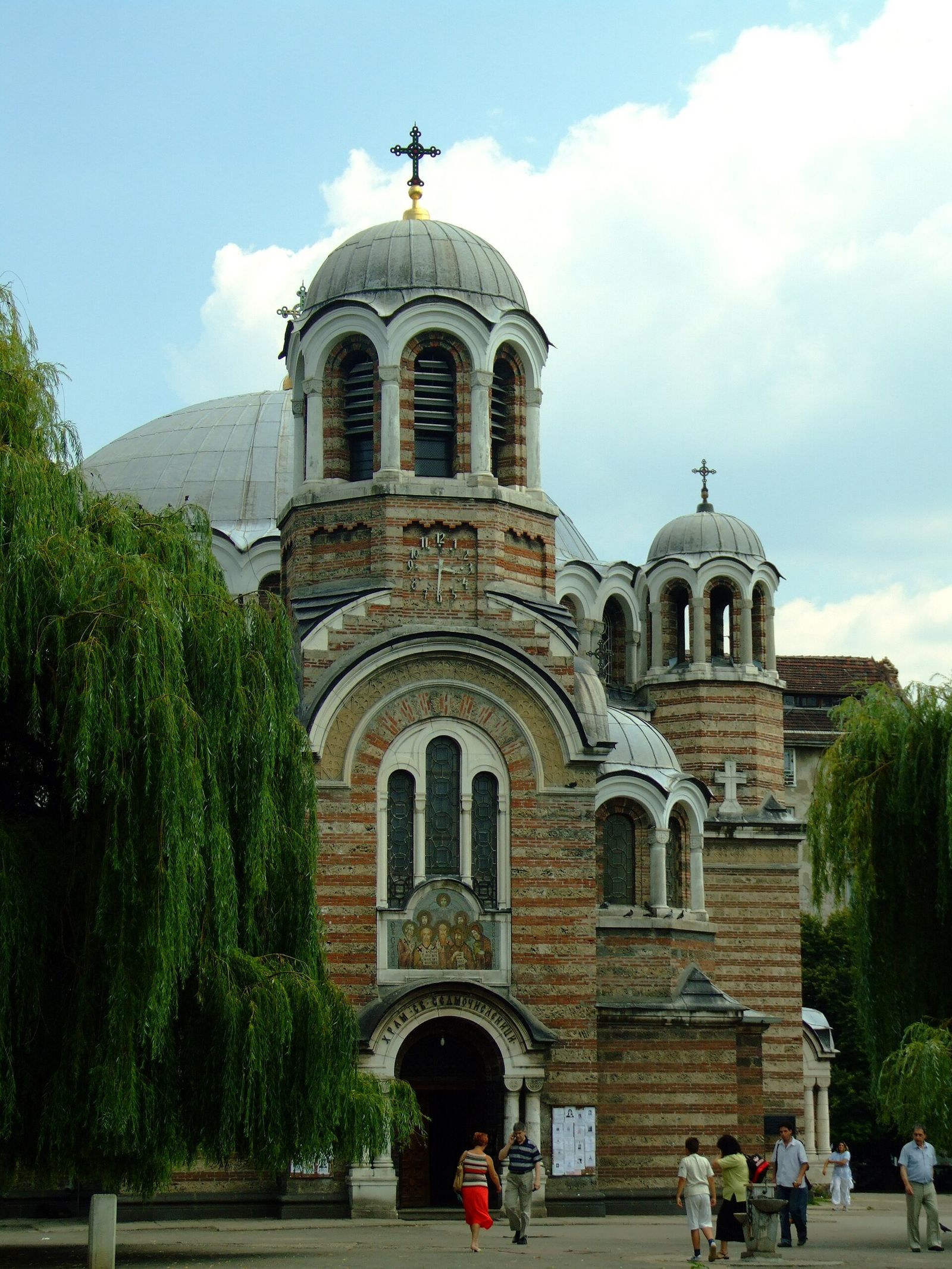
Between 1901 and 1902 it gained a dome, a porch and a bell tower, and it opened as a church on 27 July 1903. Inside, look at the tall candlesticks in front of the altar, cast in 1903 from old police badges. It's free, in a garden of willows at 25 Graf Ignatiev Street, and its backstory beats any of my other favourite churches in Sofia.
Odd sights in central Sofia
6. Lions' Bridge and its four bronze lions
Lions' Bridge (Лъвов мост) carries trams over the Vladaya river on the northern edge of the centre, with a bronze lion at each of its four corners. The lion is on Bulgaria's coat of arms, and lev, the name of the currency the euro replaced in January 2026, means lion. One of these four appeared on the back of the old 20-leva note.
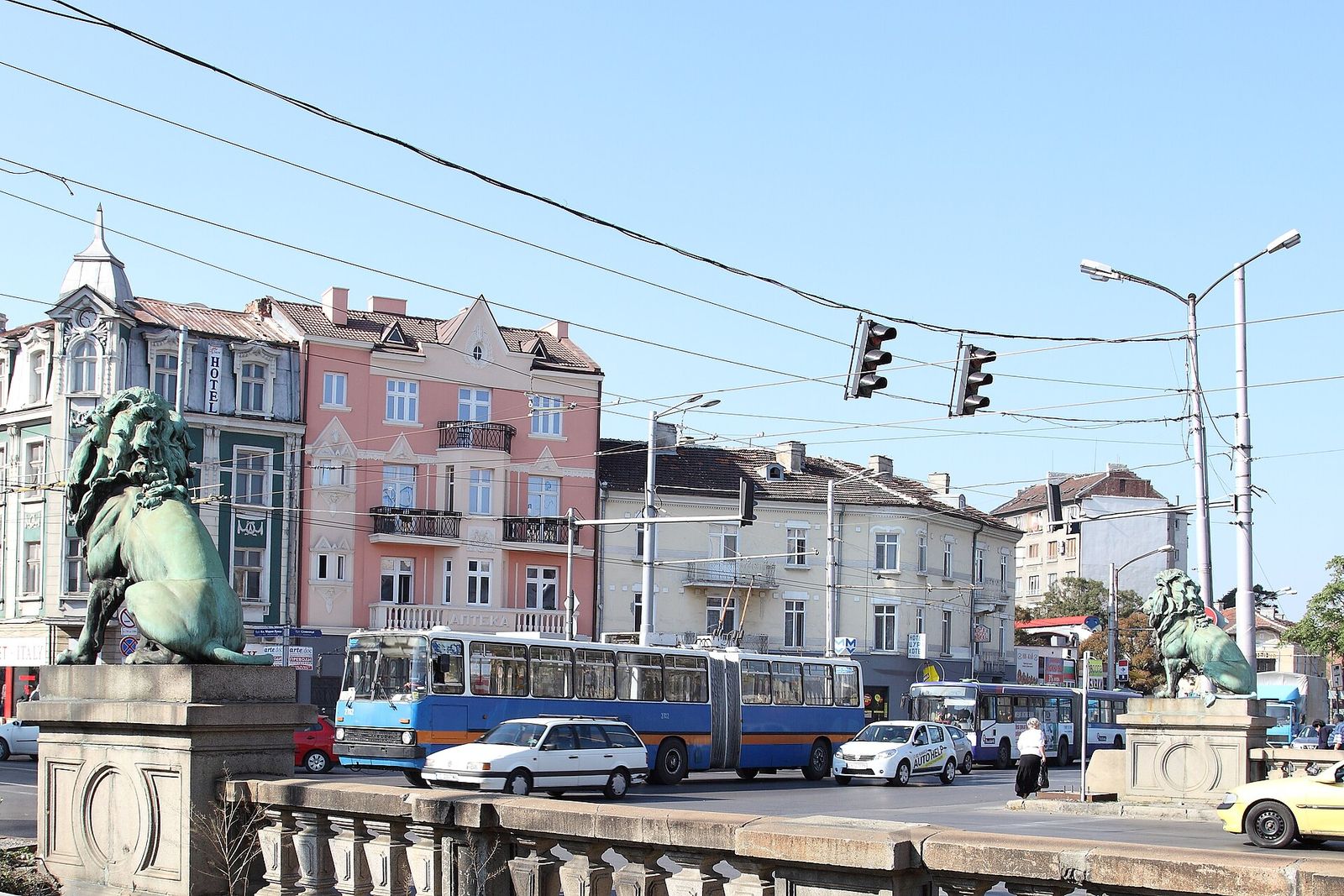
The Czech architect Václav Prošek, his brother and his cousins built it between 1889 and 1891, 32 metres long and 18 metres wide, in place of an older crossing painted in red and yellow stripes, the Motley Bridge. Car traffic was moved off it in 2014, so it now belongs to trams and people on foot. Lavov Most metro, one stop north of Serdika on line M2, comes up beside it, and the Women's Market is a short walk away.
7. The changing of the guard at the Presidency
Every hour on the hour, the guards of honour at the Presidency door on the Largo swap over in full dress: scarlet hussar-style tunics with white braid, black boots and grey fur caps with an eagle feather. The uniform dates from 1883, when Bulgaria was still ruled by a prince.
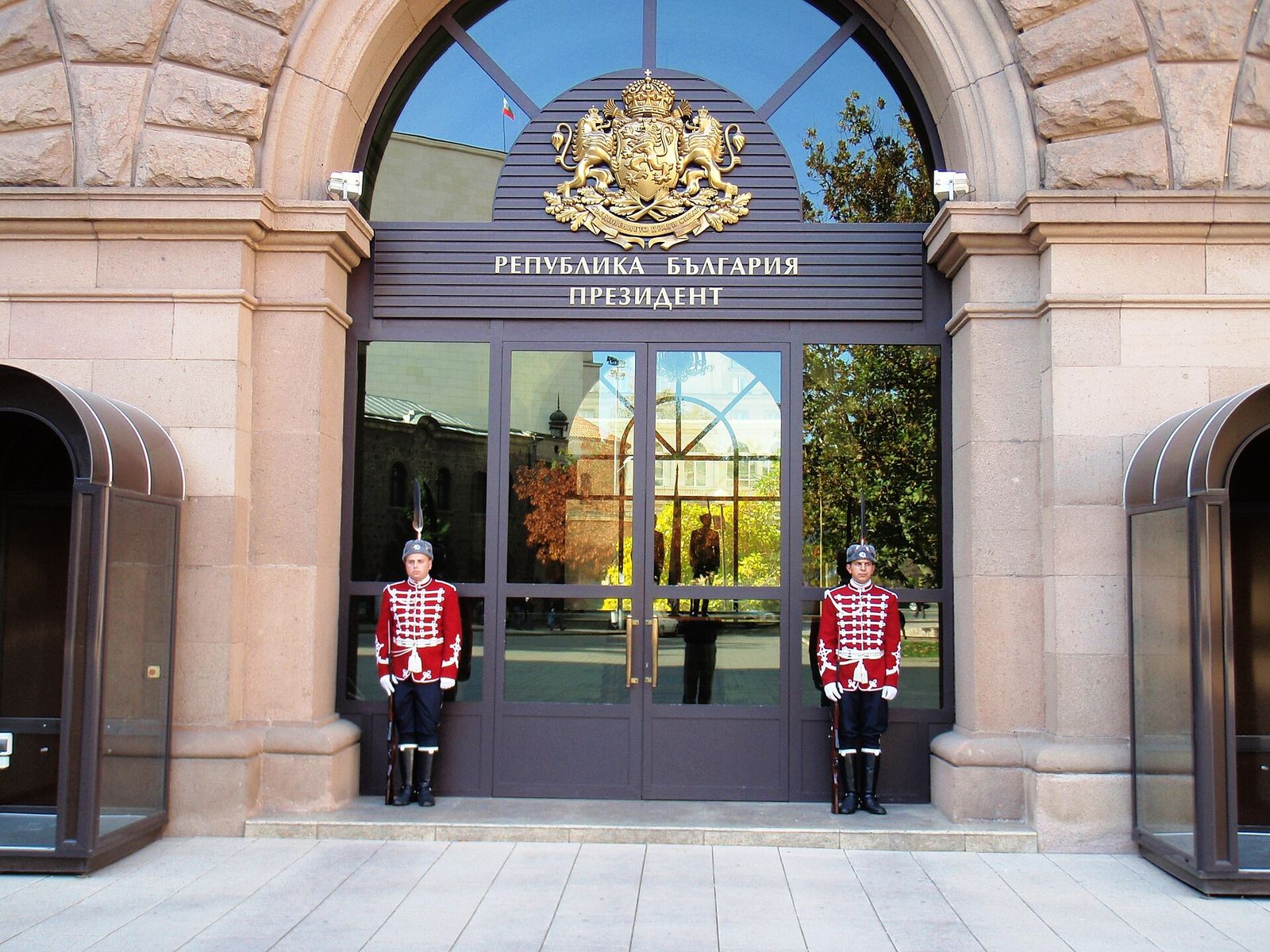
The change is over in a few minutes and costs nothing, and you can photograph it from the pavement as long as you keep out of the guards' path. I arrive at five to the hour, then walk through the arch behind the building to the 4th-century Rotunda of St George, the oldest standing building in Sofia.
8. Earth and Man, the museum of giant crystals
Earth and Man (Земята и хората) is a mineral museum at 4 Cherni Vrah Boulevard, and its central room is the Giant Crystals hall, lit with spotlights since 2021. The other halls cover the minerals of the Earth, the minerals of Bulgaria, and precious and decorative stones. It opened on 19 June 1987, and it's where I send anyone who has seen enough icons for one trip.
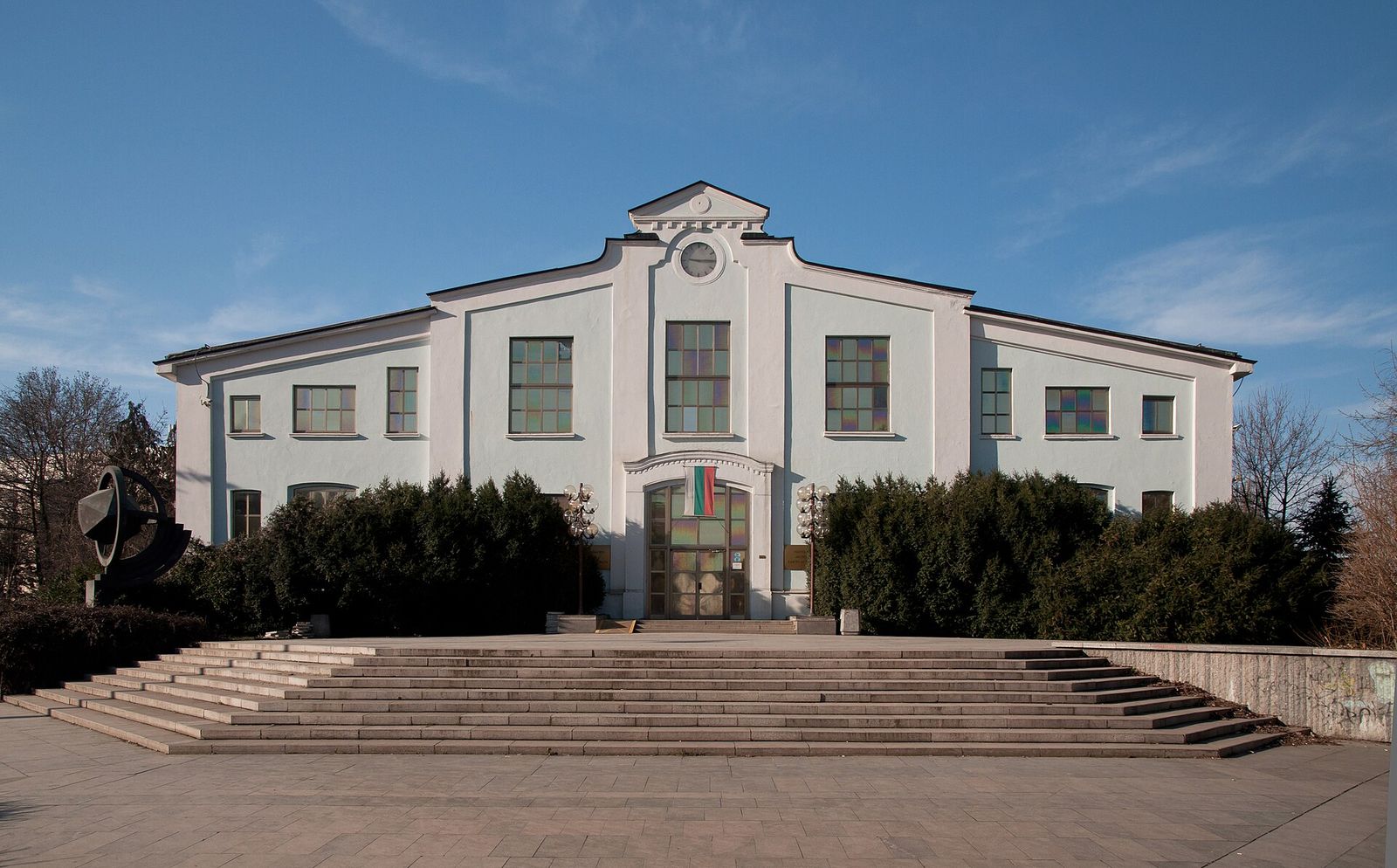
It opens every day from 10am to 6pm, so it's my Monday pick among the museums in Sofia, when the National Gallery branches are shut. New prices came in on 1 January 2026, and the museum's hours and prices page has the current list.
Unusual nights out in Sofia
9. Hambara, the candlelit bar with no sign
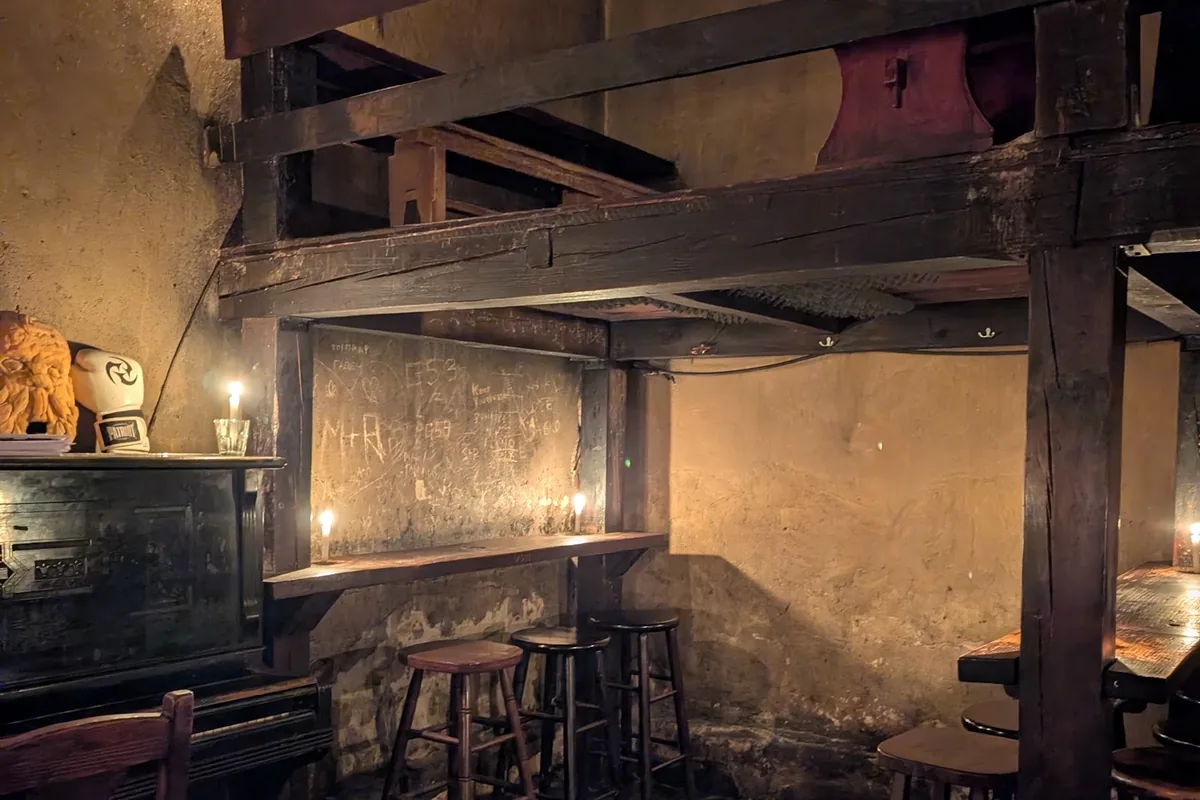
Hambara (Хамбара, the barn) is my favourite of the bars in Sofia and the hardest to find. It's at 6-ti Septemvri 22, down a dark alley behind a graffiti-covered residential building, through an unmarked wooden door: knock, and wait to be let in. Inside, two floors of an old house are lit only by candles, with wax on every surface.
A drink costs €3 to €5, and it opens Monday to Saturday from about 9pm until 3am, so I save it for the last stop of the night. For a cocktail with the same hide-and-seek feel, 5L Speakeasy at Tsar Shishman 15 hides its bar behind a door covered in numbered keys, only one of which opens it, and it's my pick of the cocktail bars in Sofia for a Friday.
10. A night at the Sofia Opera from €20
The Sofia Opera and Ballet, at 30 Knyaz Aleksandar Dondukov Boulevard, puts on opera, ballet and musicals. Tickets for La Traviata on 6 November 2026 run from €20 to €60, depending on where you sit. November also brings a new production of Handel's Agrippina on 27 and 29 November and Giselle on 28 November.
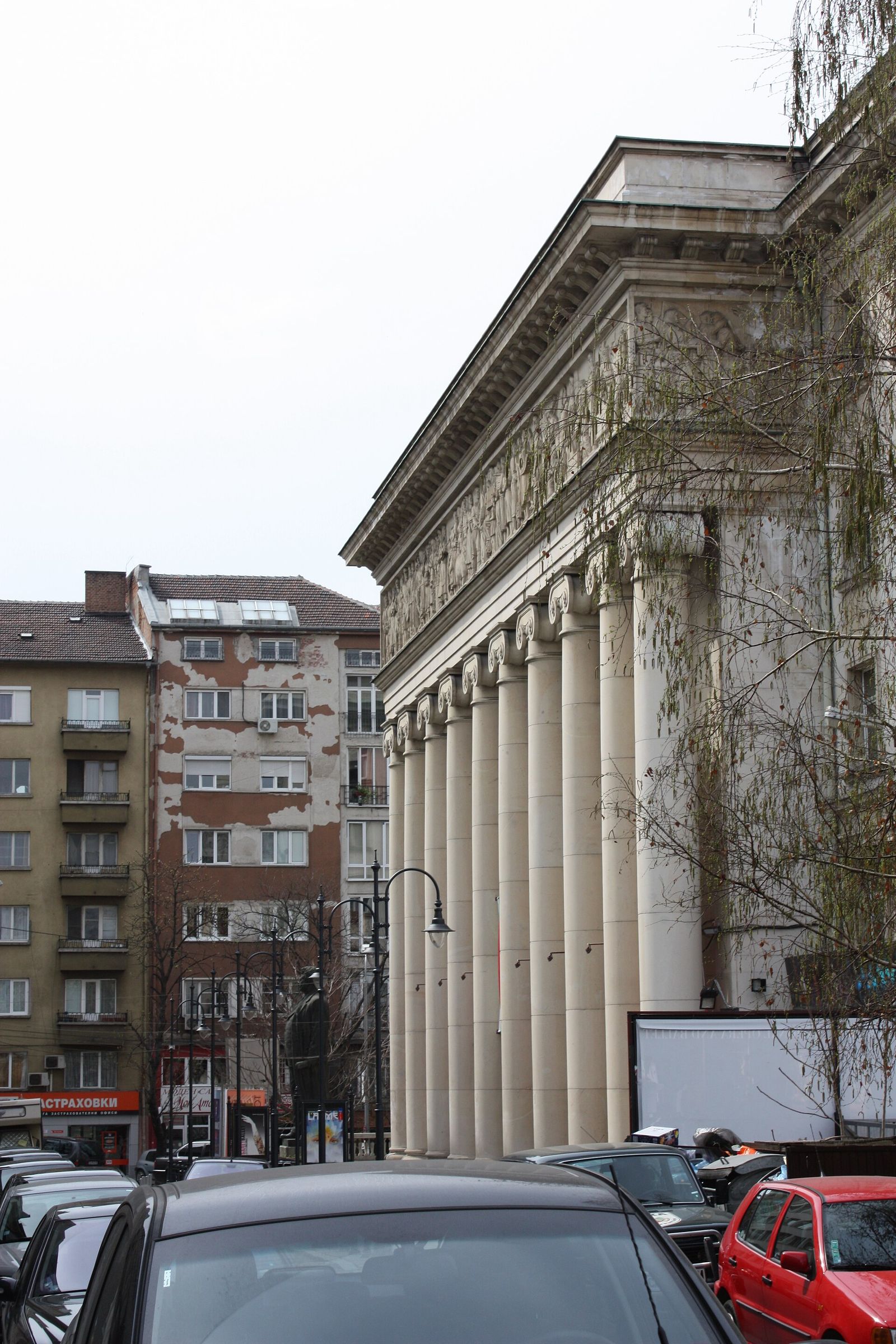
Evening shows start at 7pm, and the 4pm Sunday matinee suits a late flight home. I book on the Sofia Opera calendar. Children under 6 aren't admitted to adult performances. For a play, the Ivan Vazov National Theatre runs a programme with English surtitles, so Sofia's theatre works without a word of Bulgarian too.
Sofia off the beaten path, beyond the centre
11. Kambanite, the Bells Monument
Just south of the ring road, at the foot of Vitosha, a concrete tower stands inside a ring of bells. Kambanite (Камбаните, the Bells) was unveiled on 16 August 1979 for the first Banner of Peace, an international children's assembly dreamt up by Lyudmila Zhivkova, the communist leader's daughter, whose idea also gave Sofia NDK.
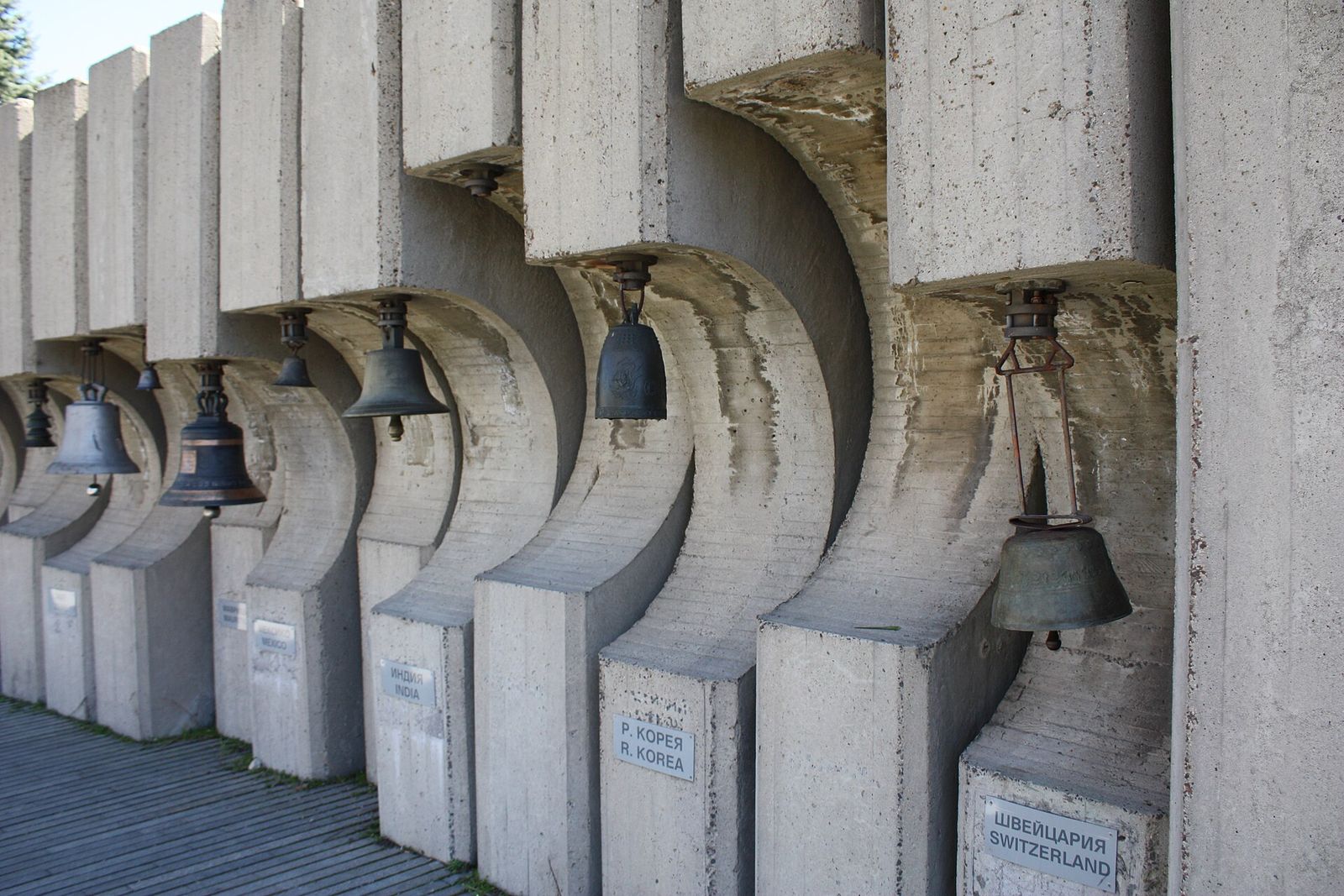
Countries sent the bells: 68 of them hung here for that first assembly, which drew children from 79 countries, and each one sits over a plaque naming the country that gave it. The assembly came back every three years until 1989, when 135 countries took part. I go by taxi in Sofia, on the meter from the centre, and walk the circle reading the country plates.
12. A soak in Bankya's 1911 mineral bath
The free hot taps by the Central Mineral Baths are for filling bottles. For a proper soak I go to Bankya, a spa town on Sofia's western edge about 30 minutes by train from Sofia Central Station. Its Public Mineral Bath, also called the Royal Bath, was built between 1907 and 1911 and still runs as a bath.
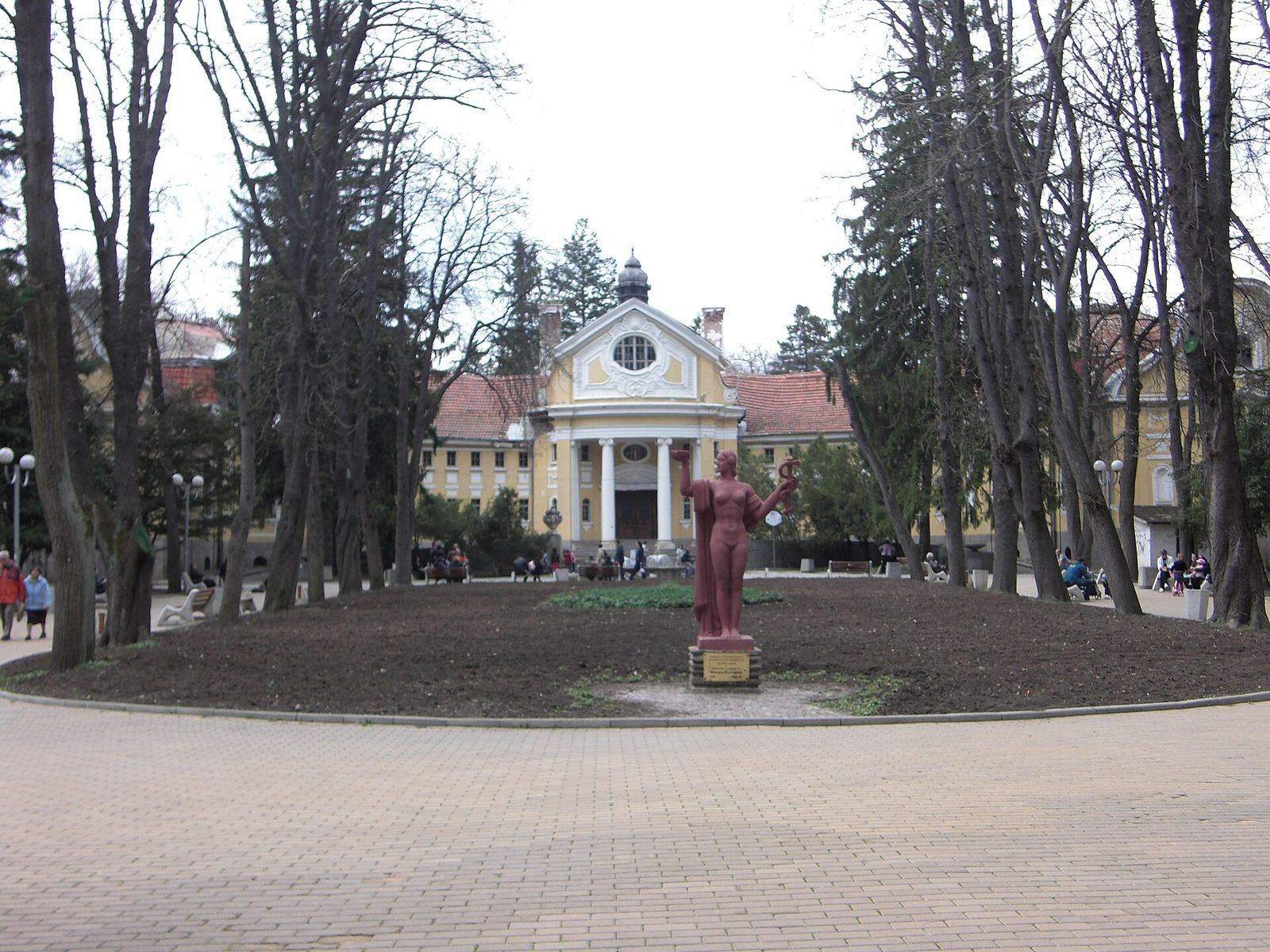
The round pool is 6.30 metres across and kept at 36.5 to 37°C, and 90 minutes in the thermal zone costs €7.67. It opens every day from 9am to 8pm. Bring a swimsuit and flip-flops. It's the shortest of my day trips from Sofia: train out after lunch, back in town for dinner.
My off-beat day in Sofia
This is the day I give friends who've already done the big sights. Every stop is on the list above, and they're all on foot or one metro stop apart.
| Time | Stop | Cost |
|---|---|---|
| 10.55am | The Presidency door for the 11am guard change | Free |
| 11.15am | The Russian Church and a wish note in the crypt | Free |
| 11.50am | The Roman tombs under St Sofia | €4 |
| 1pm | Lunch in the centre | Your choice |
| 2.30pm | The Red Flat | €9.20 |
| 4.15pm | Metro from Serdika to Lavov Most for Lions' Bridge, then back | €1.60 |
| 7pm | The Sofia Opera, if there's a show that night | From €20 |
| 10.30pm | Hambara for a candlelit last drink | €3 to €5 |
Before food and drink, the day costs €34.80 with the cheapest opera seat: €4 for the tombs, €9.20 for the Red Flat, €20 at the opera and €1.60 for two €0.80 rides on the Sofia metro.
Key takeaways
- Six of my 12 unusual things to do in Sofia are free, from the wish notes in the Russian Church crypt to the bells at Kambanite.
- The Red Flat (€9.20, open daily) and the Roman tombs under St Sofia (€4, free on the second Thursday) are my rainy-day pair.
- Hambara and the Sofia Opera make the two most unusual nights out: candlelit drinks for €3 to €5, or opera from €20.
- Off the beaten path, take a taxi to the bells at Kambanite or a 30-minute train to Bankya's 1911 mineral bath.
Frequently asked questions
What is unusual about Sofia?
Sofia has Roman tombs under its churches, a saint who takes written wishes in the Russian Church crypt and a Soviet monument column that has stood empty since December 2023. All three are free and in the centre.
What is Sofia famous for?
Sofia is famous for Alexander Nevsky Cathedral, the Roman ruins of Serdica under its streets and its free hot mineral springs, with Vitosha mountain at the end of the main boulevard. Those fill a first day, and the unusual places above fill a second.
Is Sofia worth visiting for a weekend?
Yes. The centre is compact, a metro ride costs €0.80, and two days cover the main sights with an evening spare for the opera or Hambara. On a second weekend in Sofia, my off-beat day fills the Saturday.
Where can you see street art in Sofia?
My favourite piece is one you can't see any more: the overnight superhero makeover of the Monument to the Soviet Army in June 2011, scrubbed off three days later. Today the murals are spread around the centre and the outer districts, with work by artists such as Nasimo, MAD, and Arsek and Erase, and you can see Sofia's street art on foot for nothing.
What can you do in Sofia in winter?
Head indoors: the Red Flat, the Roman tombs under St Sofia, Earth and Man and a night at the opera all work in the cold, and they top my list for Sofia in winter. Bankya's mineral pool stays at 36.5 to 37°C, and the Kinomania film festival runs from 12 to 29 November 2026, with its big screenings in NDK's Hall 1.
How much do the unusual things in Sofia cost?
Six of my 12 cost nothing. The paid ones run from €4 for the tombs under St Sofia and €7.67 for 90 minutes at Bankya to €9.20 for the Red Flat and €20 for the cheapest La Traviata seat at the opera, and a drink at Hambara costs €3 to €5.
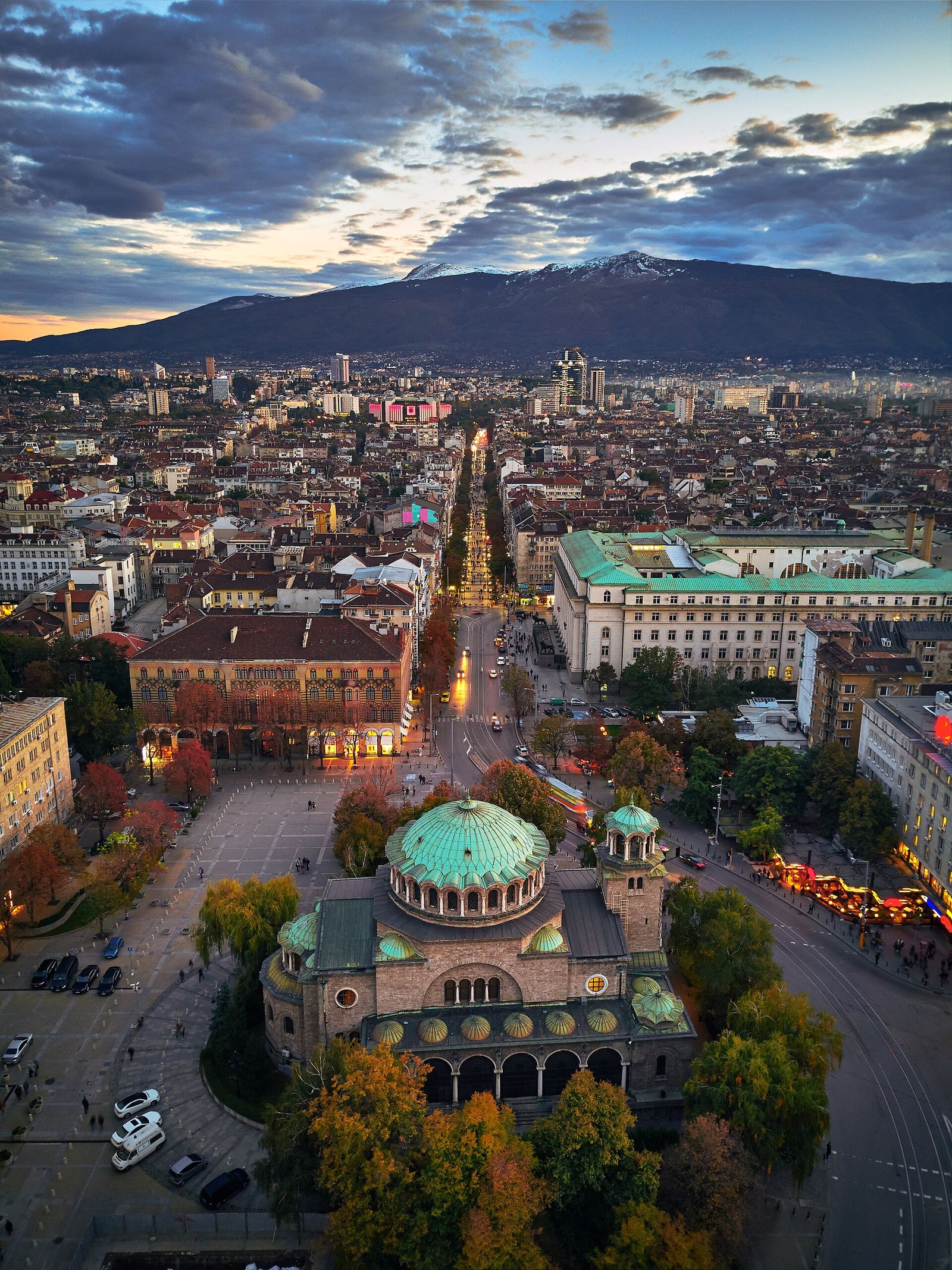
11 Best Things to Do in Sofia: My Personal Favourites
The best sights in Sofia sit close together and most are free. My 11 favourites, with prices, hours and a weekend plan.
Read the guide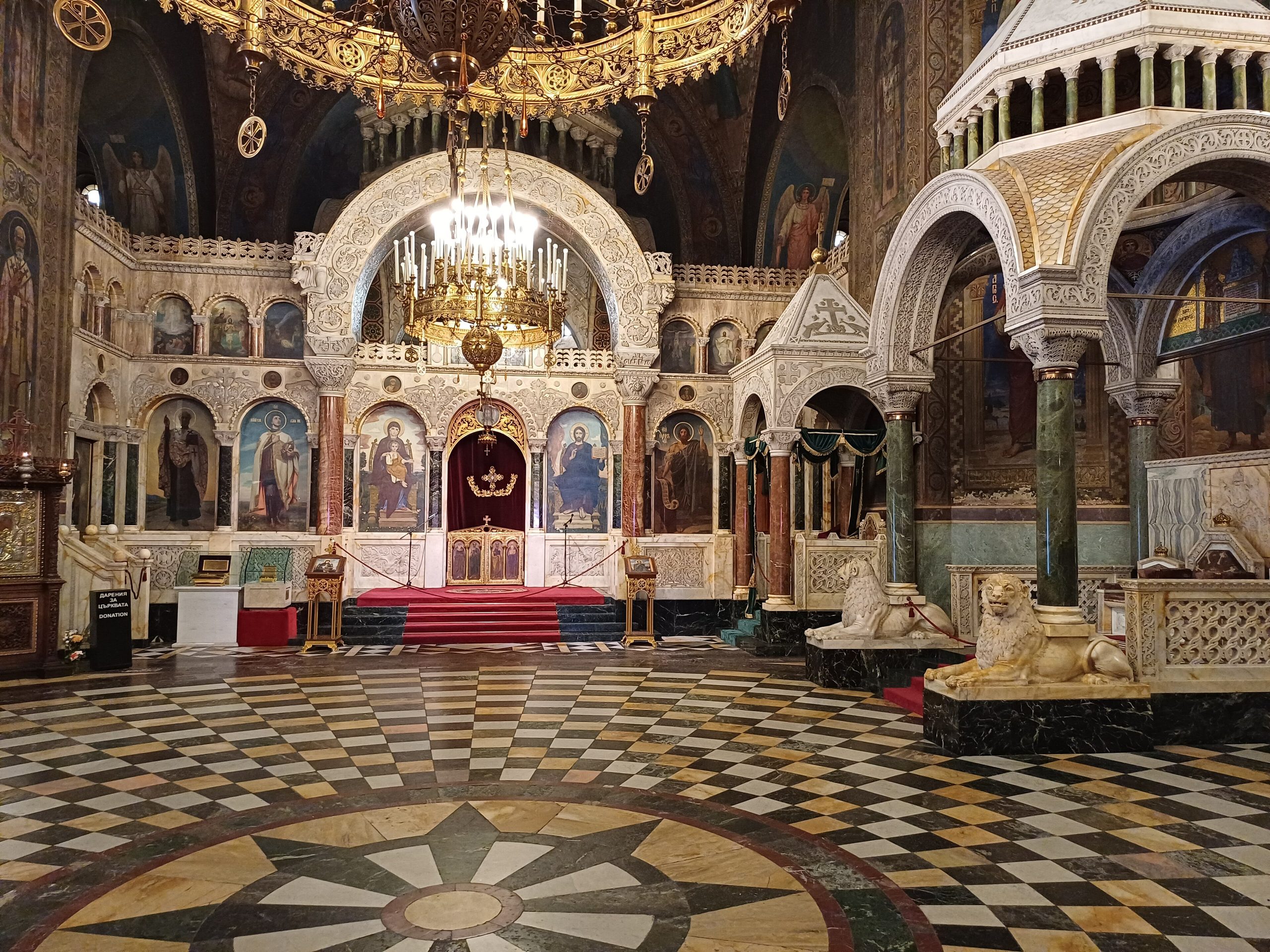
Alexander Nevsky Cathedral in Sofia: My Guide to Visiting
Sofia's gold-domed cathedral is free and open every day. How I visit it, from the crypt icons to the market outside.
Read the guide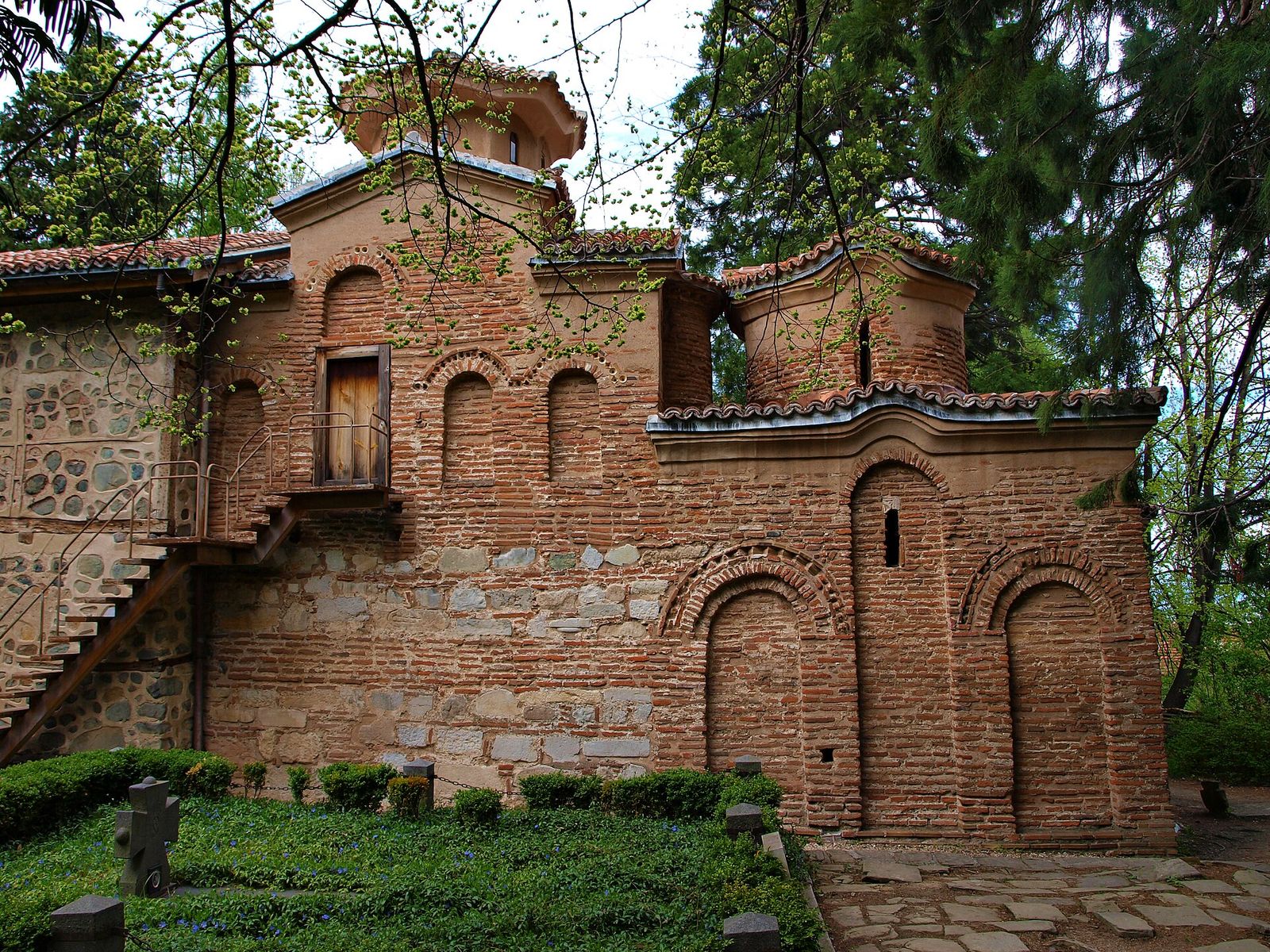
Boyana Church in Sofia: The Frescoes and How I'd Visit
A tiny UNESCO church at the foot of Vitosha, painted in 1259. What it costs, the rules and how I fit it in.
Read the guide