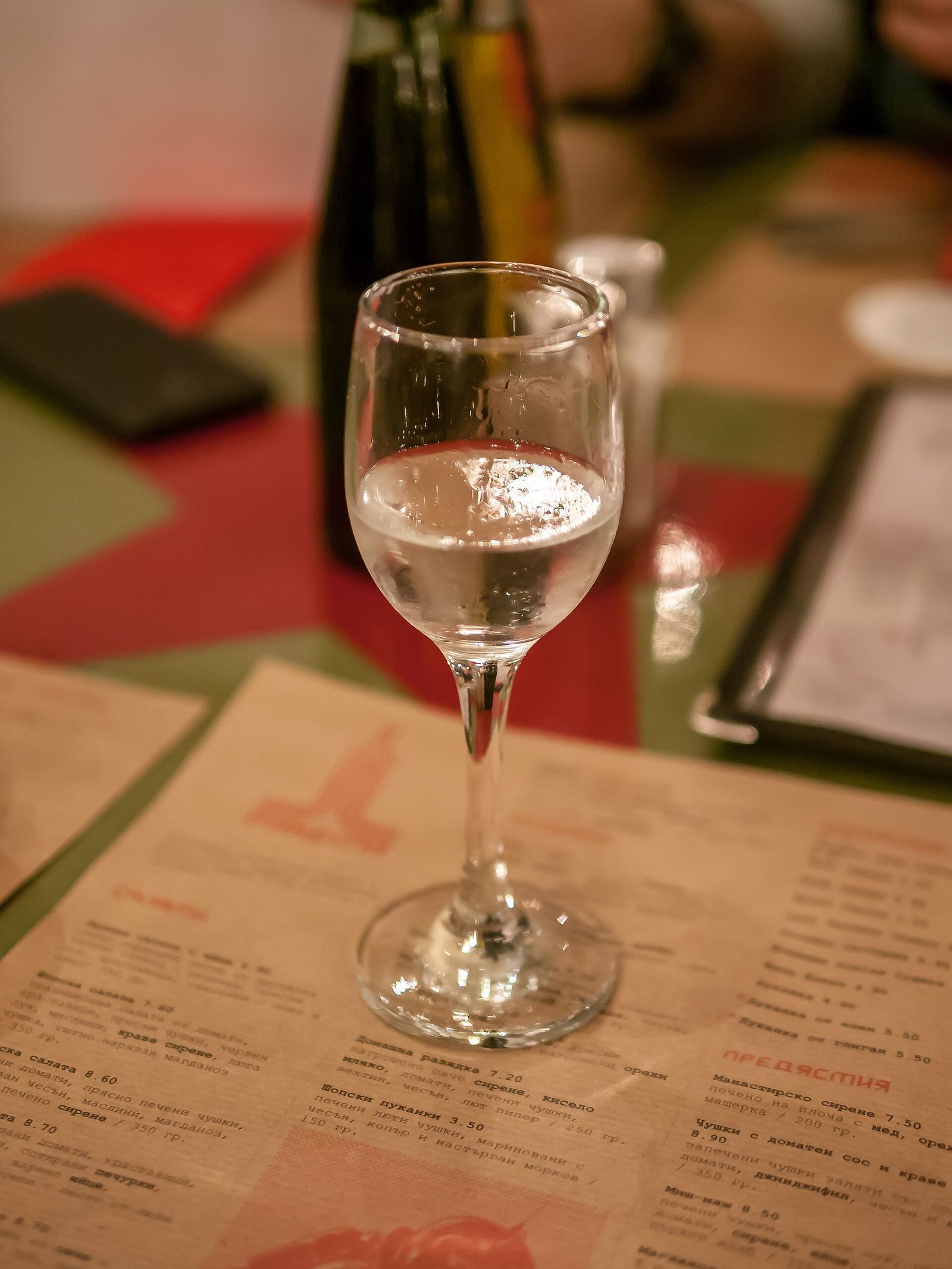
Rakia: Bulgaria's Fruit Brandy, and How I Drink It in Sofia
Rakia is Bulgaria's fruit brandy, distilled mostly from grapes or plums, and it's the glass a Bulgarian dinner starts with. It's about 40% from a shop and a lot stronger from someone's uncle. This is how I introduce friends to it: the types and what they taste like, how to drink it the Bulgarian way, the homemade stuff, my two favourite rakia spots in Sofia and what to pack for home.
What is rakia?
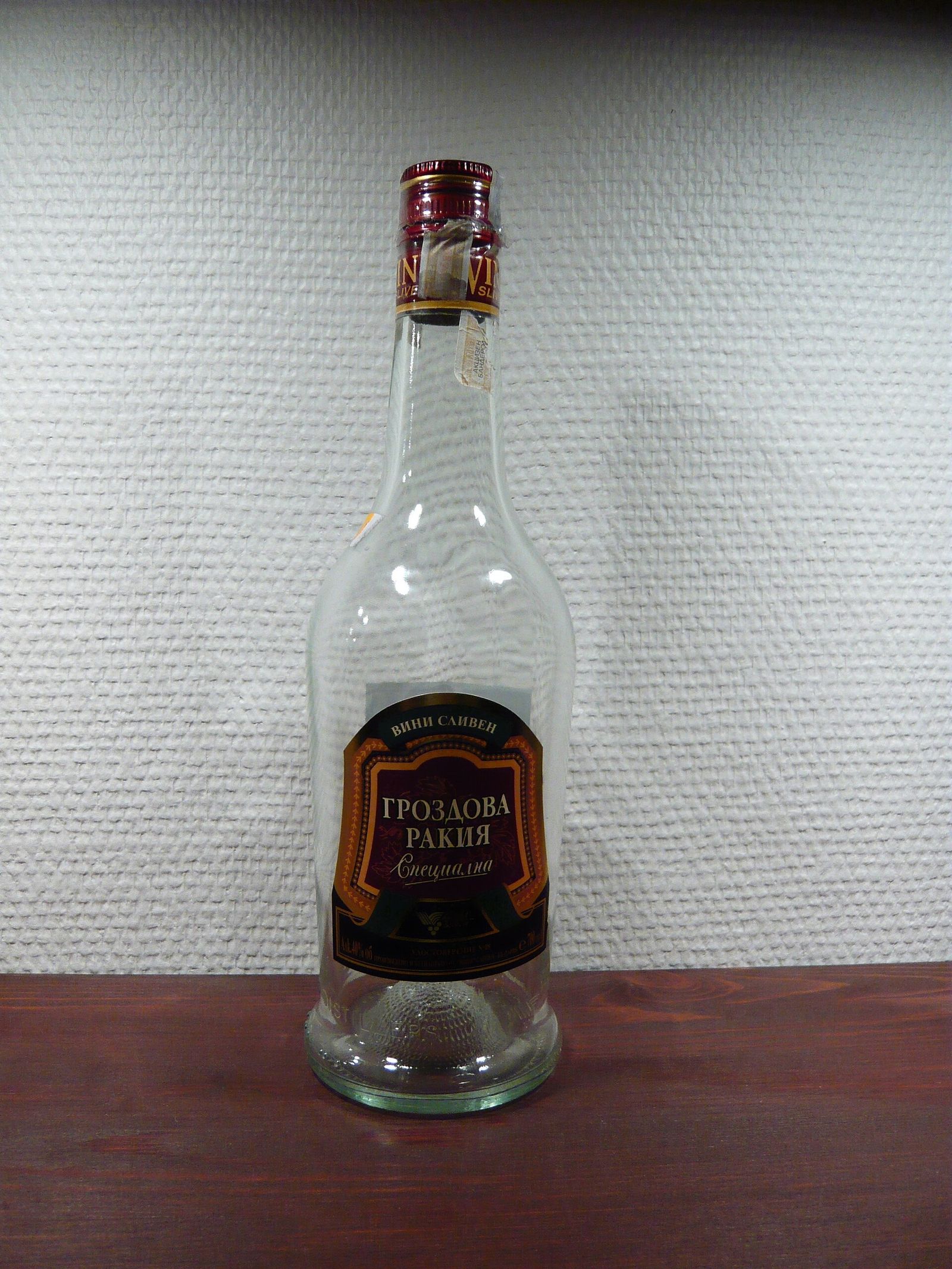
Rakia is a brandy distilled from fermented fruit. Young rakia is clear as water; rakia that has spent time in oak turns gold. Bulgarian labels spell it ракия, which you'll also see written as rakiya, and Serbs and Croats call the same drink rakija.
Every Balkan country makes it and most of them claim it. Serbia calls rakija its national drink. Bulgaria has tried to get rakia recognised as its national drink at EU level, so far without result, and Bulgarian archaeologists point to an 11th-century fragment of a still dug up here and a 14th-century pot inscribed "I have celebrated with rakia".
Whoever invented it, rakia heads the list of Bulgarian drinks you'll be offered, and it's the welcome drink in a Bulgarian home. A guest gets a small glass and something salty to eat with it.
Types of Bulgarian rakia
Bulgarian rakia is named after its fruit, so the label tells you what's in the glass. Grape and plum are on every menu in Sofia; the others turn up on longer lists, in mehanas and in village kitchens every autumn.
| Rakia | On the label | Made from | What it tastes like | How I drink it |
|---|---|---|---|---|
| Grozdova | гроздова | Grapes | Clean and dry, a little floral | Lightly chilled, with shopska |
| Slivova | сливова | Plums | Rounder, with a stone-fruit finish | With pickles or cured meat |
| Kaysieva | кайсиева | Apricots | Smells of ripe apricot | On its own, slowly |
| Dyuleva | дюлева | Quince | Perfumed and floral | My usual order, with the salad |
| Krushova | крушова | Pears | Light and sweet-smelling | Chilled, in summer |
| Yabalkova | ябълкова | Apples | Crisp, with a cider nose | With white cheese |
| Smokinova | смокинова | Figs | Rich and slightly sweet | A small one after dinner |
| Chereshova | черешова | Cherries | Bright, with an almond note | Whenever I spot it |
| Praskovena | прасковена | Peaches | Soft and fragrant | Chilled, in summer |
Grape rakia is the everyday one. In autumn, after the wine pressing, the leftover skins and pips get distilled too, into джиброва (dzhibrova), a rougher pomace rakia that tastes closer to Italian grappa. If you like Bulgarian wine, muscat rakia (мускатова) is the grape rakia to try, because it smells of the muscat grapes it's made from.
Aged rakia is the gold one. It has rested in oak barrels, the label says отлежала (otlezhala, aged), and I drink it at room temperature, more like a brandy after dinner. Plum takes to the barrel best, in my opinion, and an aged plum rakia is what I'd pick for someone who thinks they don't like spirits.
I judge a mehana by its quince rakia. If I can smell the quince from across the table, the kitchen usually takes the same care with the food.
What does rakia taste like?
Rakia tastes of its fruit first and of alcohol a second later. A good grape rakia is dry and clean on the tongue, a good plum rakia has a deep, almost jammy finish, and apricot and quince smell so strongly of fruit that the 40% comes as a surprise. Cheap rakia burns on the way down and tastes of very little else.
Temperature changes it. Clear rakia served ice cold, the way Bulgarians drink it in summer, tastes smoother and hides its strength. Aged rakia at room temperature tastes of oak, dried fruit and a little vanilla.
How to drink rakia like a Bulgarian
Rakia is an aperitif here. It arrives in a small glass of up to 50 ml at the start of the meal, next to a shopska salad or a plate of туршия (turshiya, pickled vegetables), and you sip it over the first half hour while the salad goes down. I order the main course once the salad bowl is half empty, and by then I've usually moved on to wine.
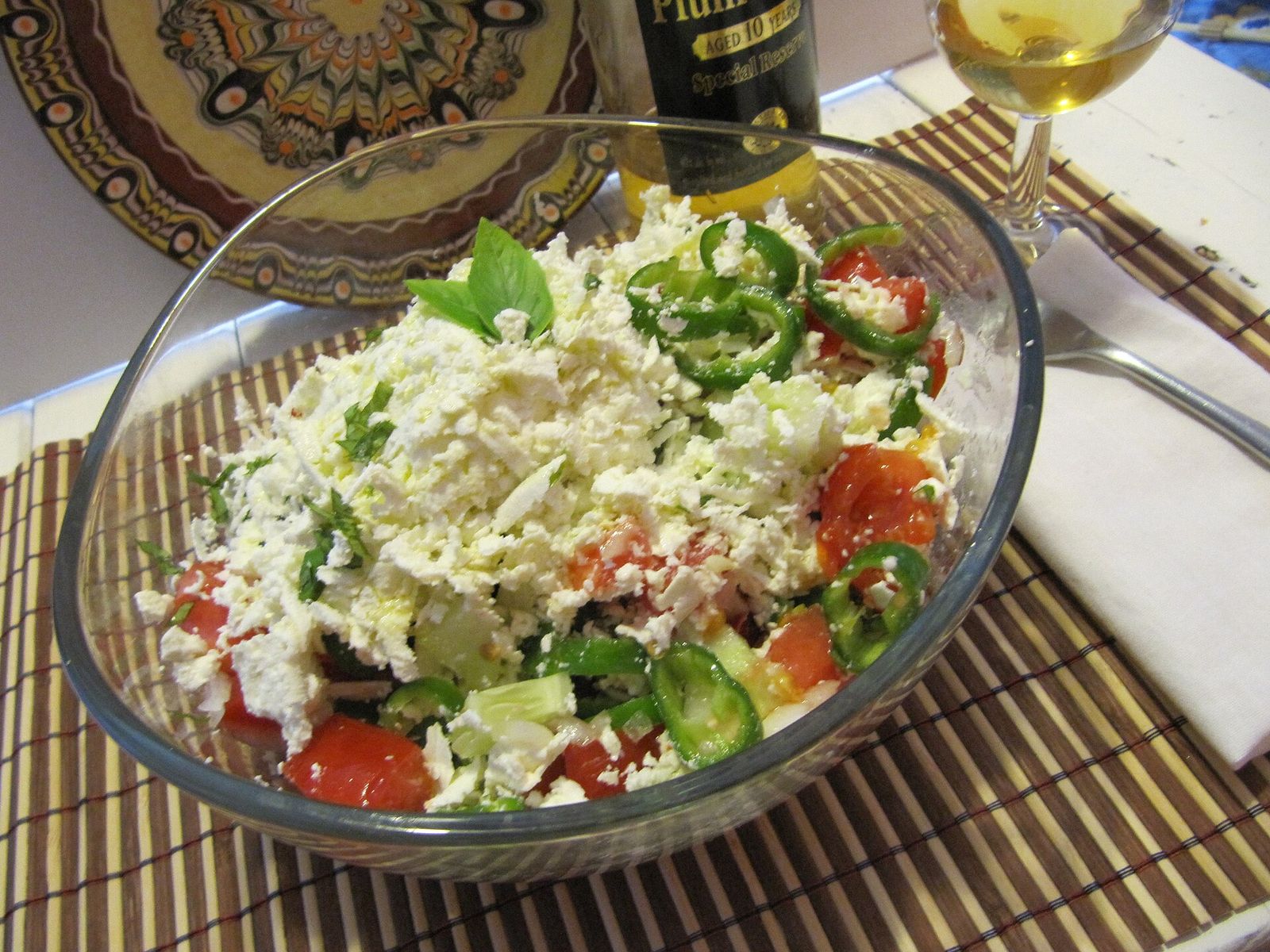
Between about 5pm and 7pm, rakia comes out with cured meat, white cheese and salad, and that's how a lot of evenings in Sofia start.
Every round opens with a toast. Look each person in the eye as you clink and say "nazdrave" (наздраве, to your health). That word sits next to blagodarya (благодаря, thank you) as one of the two Bulgarian phrases I'd learn before landing.
In winter, look for греяна ракия (greyana rakia) on mehana menus: rakia warmed with honey or sugar and a pinch of black pepper, which tastes like a Balkan hot toddy. It's what I order on the first properly cold evening of November.
At Bulgarian weddings the groom's father goes from table to table toasting the guests with rakia, and some people still spill a few drops for the dead.
Homemade rakia and the village still
Homemade rakia is a Bulgarian autumn job. Families crush grapes or plums into big plastic drums as the fruit ripens and leave the mash to ferment for 20 to 40 days.
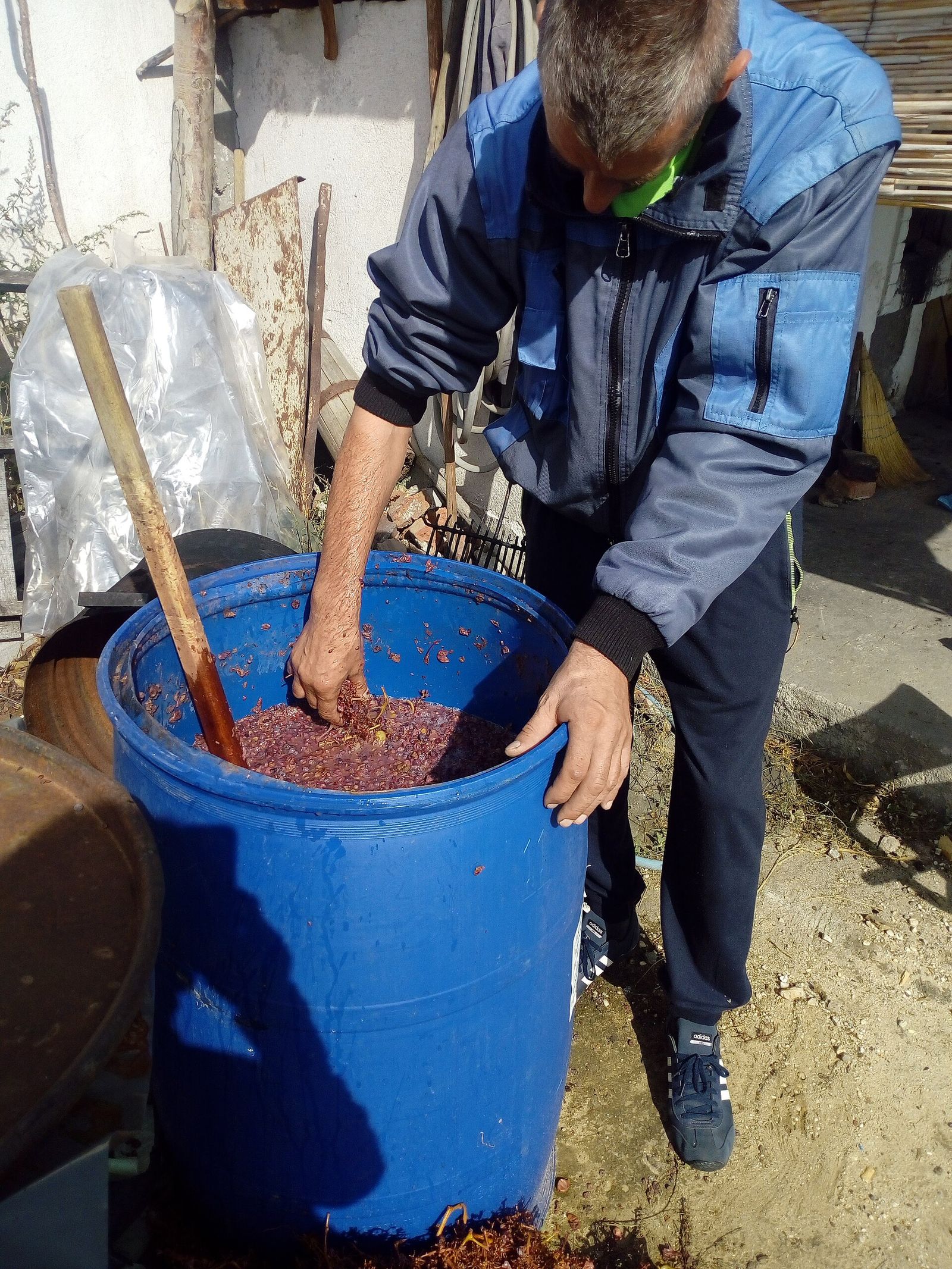
Then the mash goes to the казан (kazan), the copper still. Most towns and villages have a small distillery where families book a slot, bring their own fruit and their own firewood, and run off the year's supply.
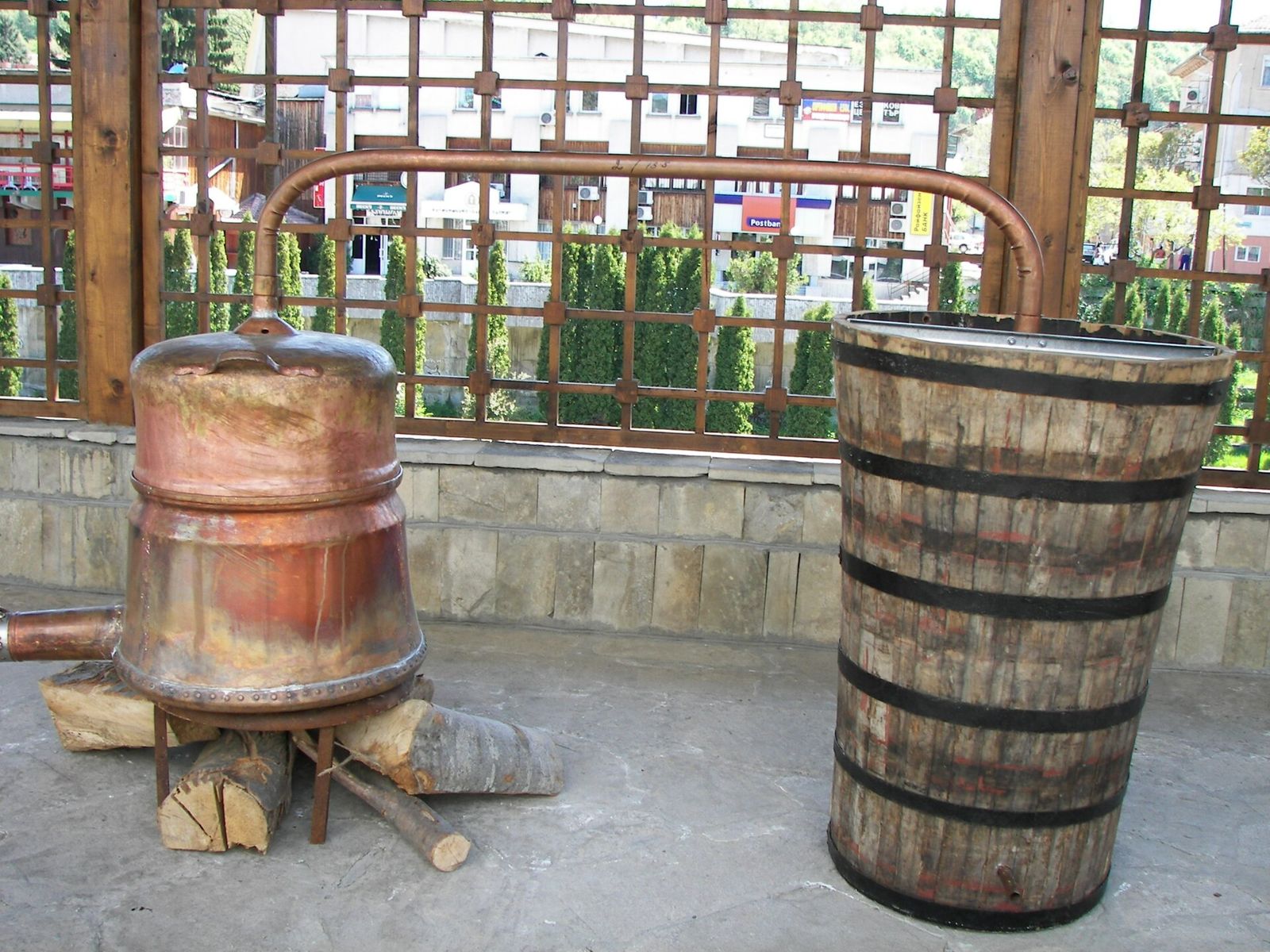
Homemade rakia comes out anywhere between 50% and 80%. It ends up in plastic water bottles and old wine bottles with no label, and if you stay with a Bulgarian family, expect to be offered a glass of it. Rakia is medicine too, in the old-fashioned sense: a compress of rakia and vinegar is an old village cure for a fever.
Rakia across the Balkans
Every country from Hungary down to Turkey has its own name for fruit brandy and its own favourite fruit. This is what to order if you carry on travelling.
| Country | What it's called | Usual fruit | Good to know |
|---|---|---|---|
| Bulgaria | ракия (rakia) | Grapes and plums | About 40% in shops, sipped with salad |
| Serbia | rakija, šljivovica for plum | Plums above all | Serbia's national drink |
| Croatia | rakija | Grapes and plums | Herbal travarica comes with dried figs |
| Romania | țuică | Plums | The Romanian cousin of slivova |
| Hungary | pálinka | Many fruits | Hungary's own name for fruit brandy |
| Greece | tsipouro, tsikoudia on Crete | Grape pomace | Tsikoudia is distilled once and has no aniseed |
| Albania | raki | Grapes, plums, apricots | Raki rrushi is the grape one |
| Turkey | rakı | Grapes, with aniseed | An aniseed drink, closer to Greek ouzo |
Croatian rakija belongs to the same family as Bulgarian rakia, distilled from grapes or plums, and Croatians also flavour it: travarica has herbs steeped in it, biska from Istria uses mistletoe and medica is sweetened with honey.
Where I drink rakia in Sofia
Every restaurant in Sofia that serves Bulgarian food has rakia, and in a mehana (механа, a Bulgarian tavern) the list runs to several fruits. A 50 ml glass costs less than a pint in a London pub, one of the prices in Sofia that make a long dinner cheap.
These are the two places I take friends when rakia is the point of the evening.
Raketa Rakia Bar
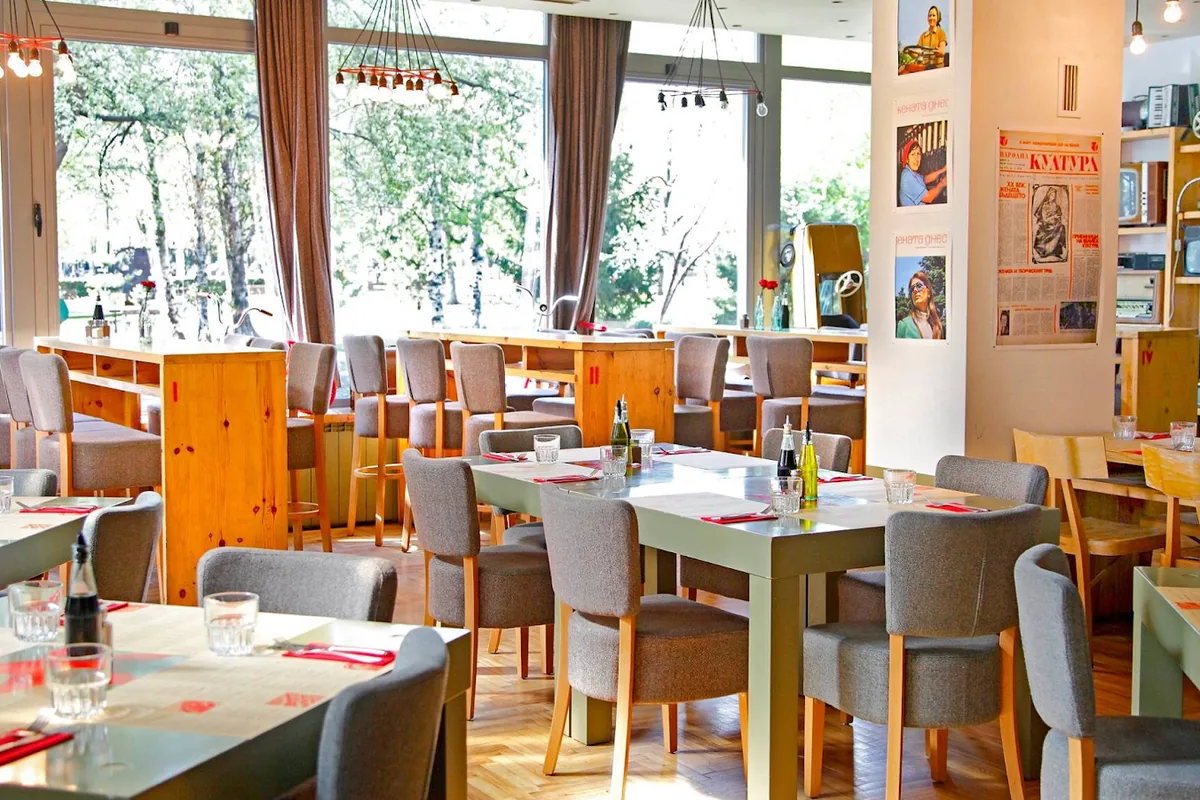
Raketa (Ракета, the rocket) is a rakia bar with a Bulgarian kitchen at Yanko Sakazov Boulevard 15-17, by Zaimov Park, and the rooms are decorated with socialist-era memorabilia. It's on my list of the best restaurants in Sofia as well, because the Bulgarian food stands up to the rakia list.
The rakia list is long, so this is the place to work through the table above: a grape, a plum, then fig or cherry if they have it. Order a shopska with the first round. It makes a good evening after an afternoon at the Museum of Socialist Art, because the decor picks up the same era. In summer you can sit out on the terrace it shares with Sputnik, the cocktail bar next door.
Hadjidraganovite Izbi
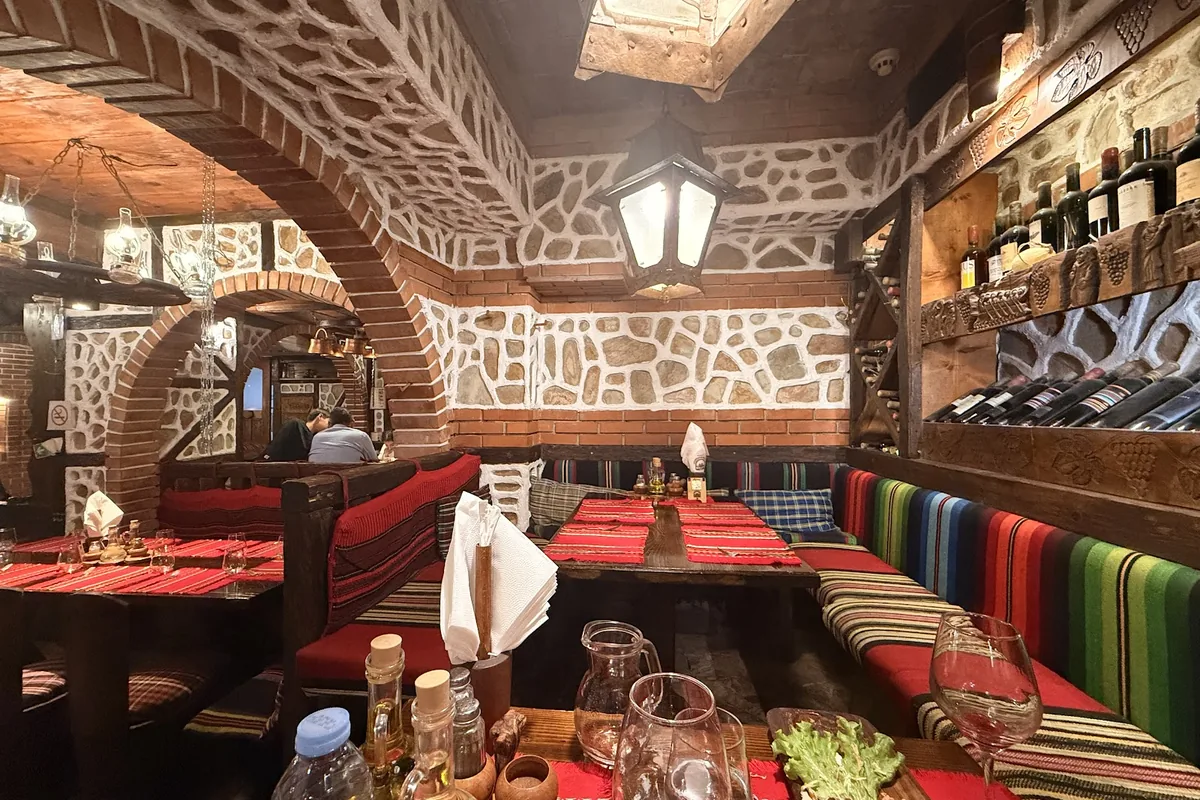
Hadjidraganovite Izbi (Хаджидрагановите изби, Hadjidraganov's Cellars) is a cellar mehana at Hristo Belchev 18, on the corner of Solunska Street, close to Vitosha Boulevard. It's touristy and I still book it, because a quince rakia followed by the pork knuckle is a proper Bulgarian dinner, and a band plays Bulgarian folk music every evening except Monday from 8pm to 11pm.
It's open every day from 11.30am to 11.30pm. For a Friday or Saturday night I book ahead on +359 898 775 936 or through the Izbi's website, and I ask for a table near the band.
Buying rakia in Sofia and bringing it home
Sofia's supermarkets have a long rakia shelf, mostly 70cl bottles at 40%. Names you'll see include Burgas 63, Karnobatska, Sungurlarska, Slivenska Perla and Kehlibar.
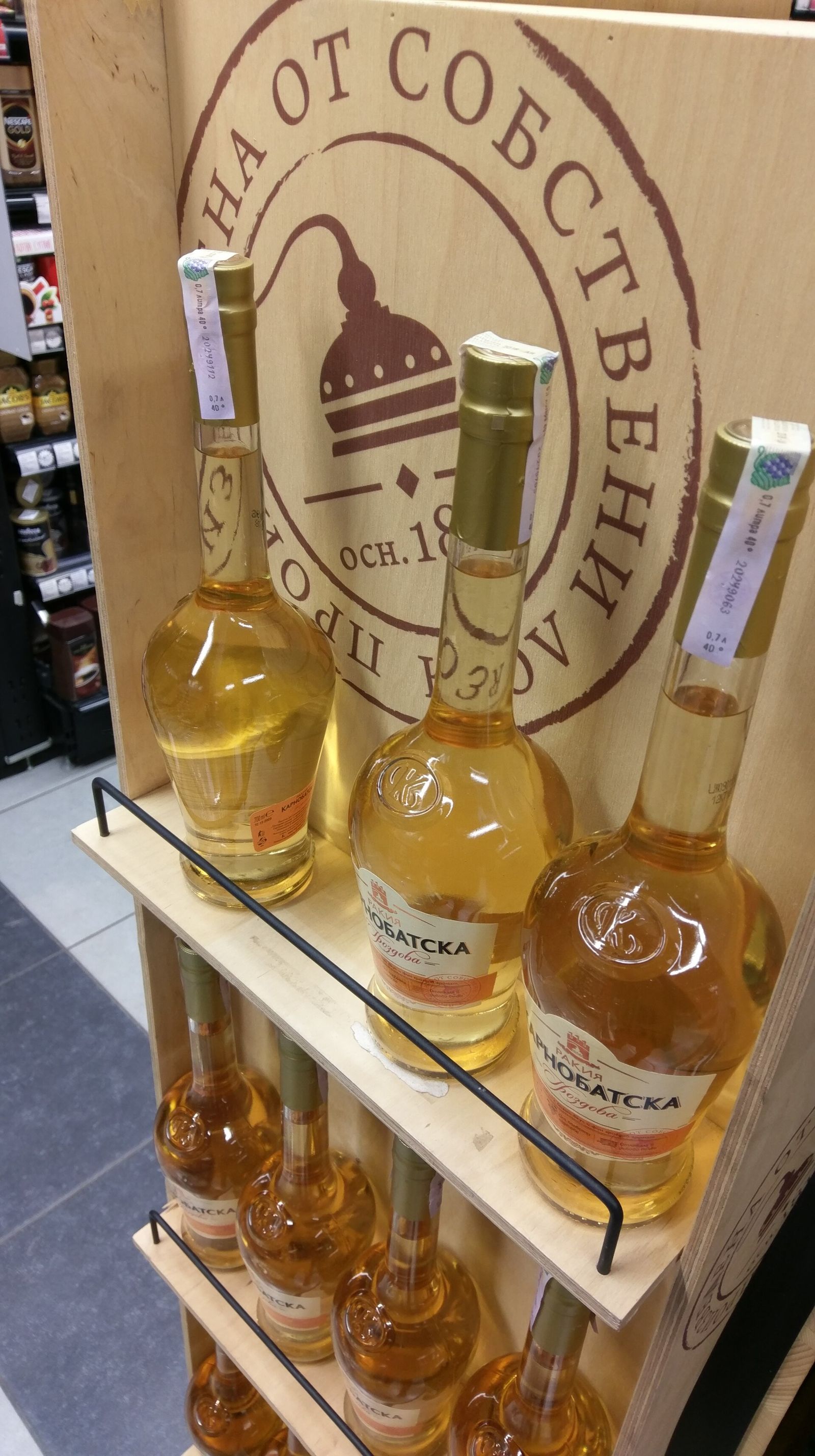
For a gift I buy an aged rakia or a fruit one, apricot or quince, because those are the bottles friends at home won't have tried. A bottle of rakia is the souvenir I bring back most often, ahead of rose oil on my list of Bulgarian souvenirs.
Great Britain's personal allowance is 4 litres of spirits over 22% per adult, so five 70cl bottles fit inside it. The 4 litres share an allowance with 9 litres of drinks up to 22%, such as port or sherry, so you can bring half of each. Go over, and you pay duty and tax on everything in that category.
Key takeaways
- Start with grape or plum rakia, then try apricot, quince or fig: the fruit is on the label (гроздова, сливова, кайсиева, дюлева, смокинова).
- Sip it from the 50 ml glass with a shopska salad before the main course, and say "nazdrave" with eye contact every round.
- Treat any unlabelled bottle as homemade and strong, anywhere from 50% to 80%.
- Raketa by Zaimov Park and Hadjidraganovite Izbi near Vitosha Boulevard are where I take friends for rakia, and supermarket bottles fit the 4-litre UK allowance five at a time.
Frequently asked questions
What exactly is rakia?
Rakia is a fruit brandy, made by fermenting fruit and distilling it, and it's drunk all over the Balkans. In Bulgaria it's usually made from grapes or plums, and also from apricots, quinces, pears and figs. Shop bottles are about 40%.
What does rakia taste like?
Rakia tastes of the fruit it's made from, with a strong alcohol warmth behind it. Grape rakia is dry and clean, plum rakia is rounder, and apricot and quince rakias smell strongly of their fruit. Aged rakia is golden and softer, with a hint of oak.
How do you drink rakia?
Sip it slowly from a small glass of up to 50 ml, with a salad or pickles at the start of a meal. Bulgarians drink clear rakia ice cold in summer and warm it with honey in winter. Clink with eye contact and say "nazdrave".
What is Croatian rakija?
Croatian rakija is a fruit brandy from the same family as Bulgarian rakia, made mostly from grapes and plums. Croatia also makes flavoured versions: travarica with herbs, biska with mistletoe in Istria and medica with honey.
Is rakia Bulgaria's national drink?
Bulgarians treat rakia as their national drink, and it's the drink a guest gets offered at home. Bulgaria has tried to have it recognised as its national drink in the EU, without success so far, and Serbia calls rakija its national drink too.
How strong is rakia?
Shop rakia in Bulgaria is about 40% alcohol. Homemade rakia usually runs from 50% to 80%, and nobody prints the strength on a plastic bottle.
Is rakia the same as Turkish raki?
No. Bulgarian rakia is a fruit brandy that tastes of its fruit, and Turkish rakı is a grape spirit flavoured with aniseed that turns cloudy when you add water. They share a name from Ottoman times, when raki meant any distilled spirit.
Bulgarian Drinks: What to Drink in Bulgaria and Where to Try It in Sofia
Rakia, wine, beer, boza and ayran: what Bulgaria drinks, how locals drink it and where I order each one in Sofia.
Read the guide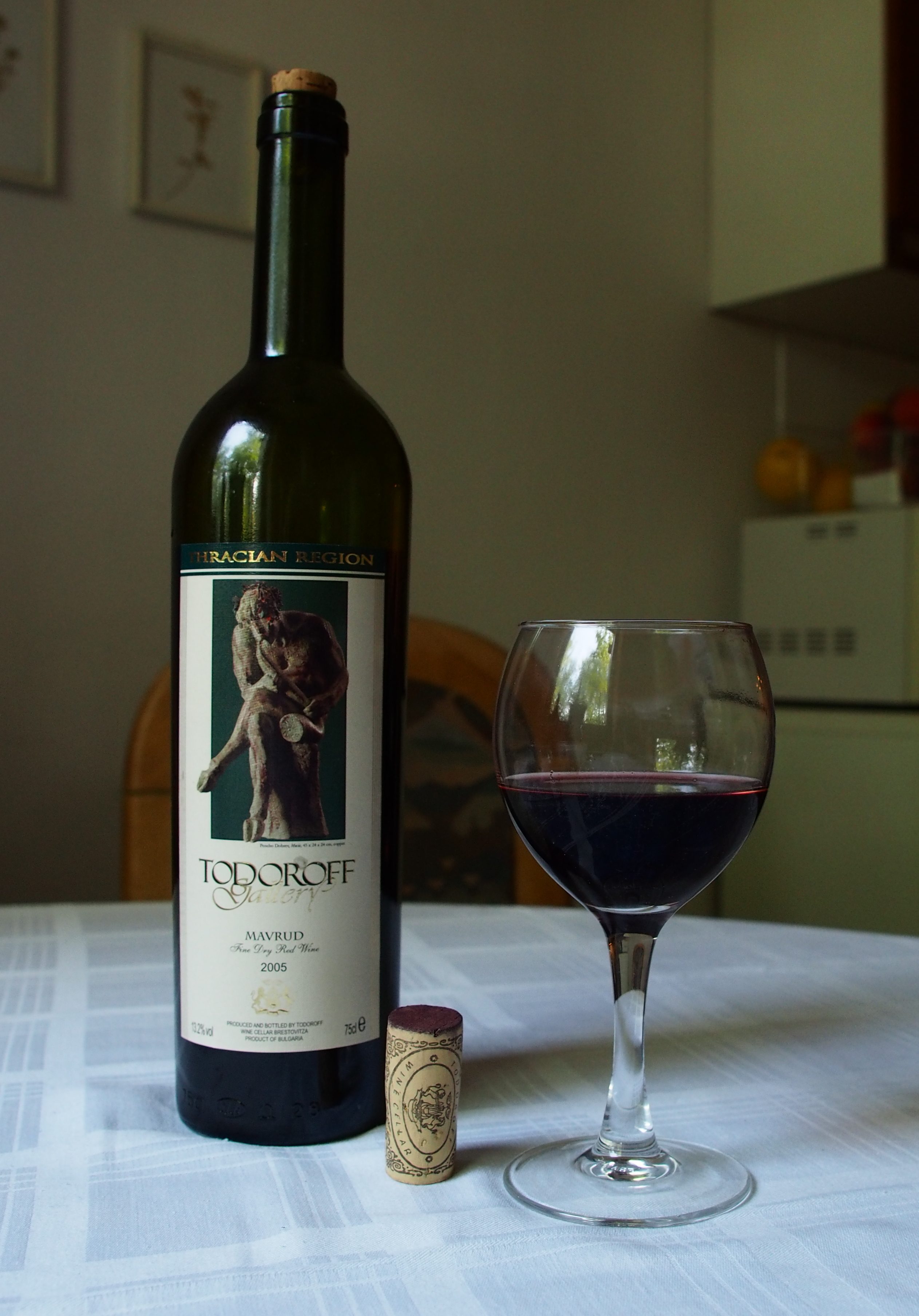
Bulgarian Wine: A Visitor's Guide to What to Order and Buy
Mavrud, Melnik and Misket: the Bulgarian wines I order in Sofia, what a bottle costs and how many to carry home.
Read the guide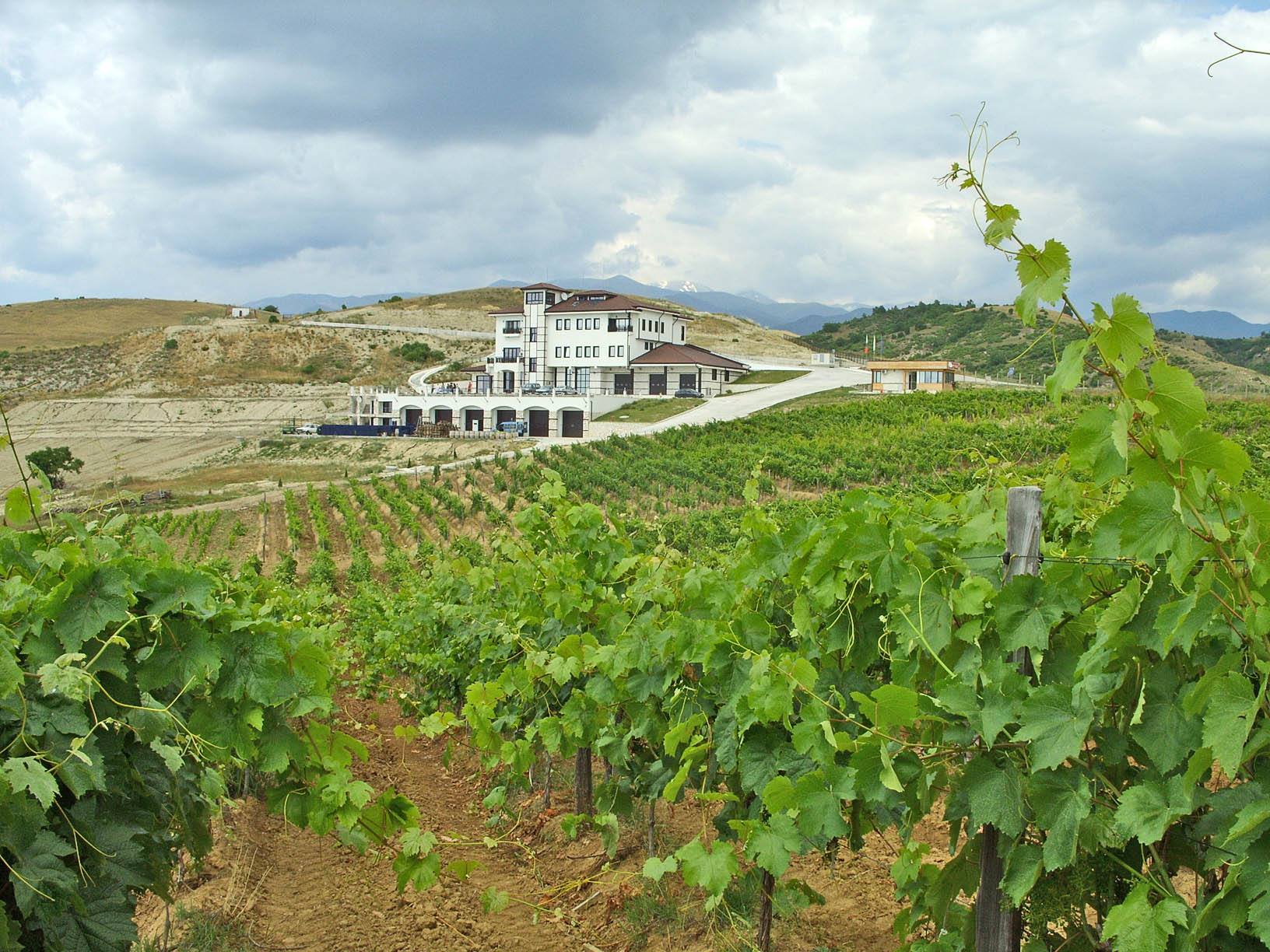
The Best Bulgarian Wines to Try: 12 Bottles I Buy in Sofia
Mavrud, Melnik, Rubin and Red Misket: the 12 Bulgarian bottles I buy in Sofia, and where I buy them.
Read the guide